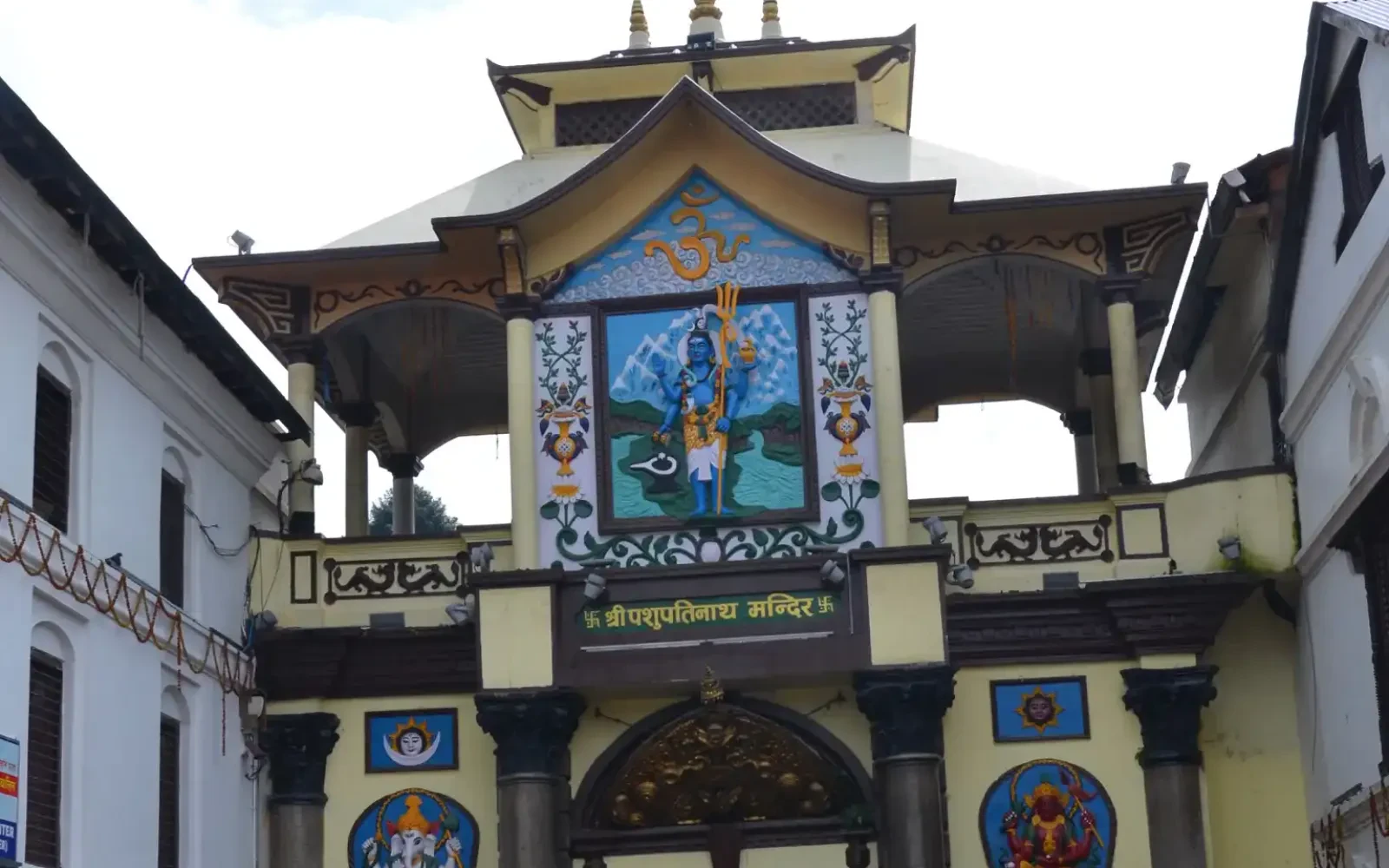
Here, the story of Pashupatinath Temple goes way back—so far that it slips into myth. People say Lord Shiva and Parvati once turned themselves into antelopes and wandered through the forests by the Bagmati River. The other gods, not wanting to lose track of Shiva, tracked him down and caught him by the horn. That horn snapped off, hit the ground, and became a sacred linga. Later, local herdsmen noticed one of their cows kept pouring her milk on a certain spot. Curious, they dug there and found the linga. Word spread quickly. People started worshipping right away, and suddenly, the spot became holy ground.
Likewise, the legends don’t stop there. The Mahabharata ties in too. After the great battles, the Pandavas searched for Shiva, and according to the stories, he appeared in pieces at different places—his head came to rest right here at Pashupatinath. That connection only deepens the temple’s spiritual pull. So, when you try to separate myth from history, it’s almost impossible. Both are woven into the temple’s identity. And there it stands, 1,317 meters above sea level in Kathmandu Valley, drawing crowds from all over the world. Now, Pashupatinath is one of the 10 best places to visit in Kathmandu.
Now, if you’re looking for dates and names, historians say the temple has been around since at least 400 CE. Prachanda Deva, a Licchavi king, put up the first structure, but before him, Supuspa Deva built a five-story version. In the 11th century, Shivadeva took on a major rebuild, and later, Ananta Malla added a roof. Time wasn’t always kind. Termites ate away at the wood, and earthquakes took their toll. Still, kings kept fixing it up, making sure the temple survived. The design you see today mostly dates back to 1692 CE.
Adi Shankaracharya, the philosopher and saint, set up the priestly traditions here. He lived around 507 BCE, which tells you people have been worshipping on this spot for ages. Old texts like the Nepal Mahatmaya and Skanda Purana both talk about Pashupatinath, giving it even more weight. Through countless renovations and centuries of devotion, the temple’s sacredness hasn’t faded. It’s right by the Bagmati River, holding its ground and its legacy, just as it has for generations.

Key Legends Surrounding Origin:
| Period | Key Events |
|---|---|
| Pre-400 CE | Pre-Vedic origins; legends establish sacred site. |
| 5th Century CE | Prachanda Deva builds initial temple; Supuspa Deva adds five-storey structure. |
| 1099–1126 CE | Shivadeva reconstructs the temple. |
| Medieval Period | Ananta Malla renovates and adds roof. |
| 1692 CE | Current pagoda form rebuilt after termite and earthquake damage. |
| 2015 | Earthquake damages outer areas; main sanctum survives. |
Historical Events and Expansions:
Here, Pashupatinath Temple stands as Nepal's holiest Hindu site. It is dedicated to Pashupati while Lord Shiva is the true god here. This temple attracts many devotees in a year. The temple is spread over an area of 246 hectares. There are 518 pagoda temples as well as shrines. The pagoda buildings make the best architecture while the silver carved doors are also attractive. The one meter high lingas is four faced, each face standing for Shiva. There are also daily offerings made by devotees while the priests offer Abhisheka with milk. The evening aarti cast a magical spell on the crowd inside the temple premises. During the cremations over the Bagmati ghats, people take the divine experience. Their blends a devotion and tradition. It added the elevation of 1,317 m (4,321 ft) in Kathmandu, highlighting the spiritual importance of Shiva among the Hindus from around the world.

Now, the temple complex has been a UNESCO World Heritage Site since 1979. It is one among many sites as focused by UNESCO on Kathmandu Valley Tour. The temple becomes busy during a festival like Shivaratri when devotees come to be a part of night meditation. Devotees also visit the temple on Teej festival while the caves behind the temple are filled with Sadhus for meditation. The Bhogamati River also flows along holding sacredness before meeting with the flow of Ganges. The temple building has two garbhagrihas including inner sanctum where the lingas are kept while the outer room allows people to see through the windows. Only Hindus are allowed inside the courtyard, while others stare from outside viewing the shrine. The leading priests are from Karnataka while daily the Rajbhandaris are hired to help the pilgrims. The above highlights add to the cultural and religious depth of this shrine and the temple makes a spiritual answer to the humans from here. At 1,317 m (4,321 ft), the temple illustrates its elegant presence. Tour to Pashupatinath Temple is one of Seven World Heritage Sites Tour in Nepal.
Architectural Features:
| Ritual | Description |
|---|---|
| Abhisheka | Priests bathe linga with milk and Ganga water daily. |
| Aarti | Evening lamp ceremony performed at ghats. |
| Cremations | Open-air rites along Bagmati River for rebirth beliefs. |
| Festivals | Maha Shivaratri: Vigils and offerings; Teej: Fasting and dances. |
| Spiritual Links | Connected to Kedarnath (3,583 m) and other Panch Kedar sites. |
Other Notable Facts:
Here, historically Pashupatinath Temple is the oldest among the Hindu Shrines of Nepal. Its origin is from in pre Vedic period. The myth has still clear explanation about its origin. Many references of this temple have been found in Skanda Purana. Before years, it was reconstructed by King. It is reconstructed by series of kings. Licchavii kings were the first who supported construction of the temples. There after Malla kings constructed it in present form. Renovation was also carried out after several natural calamities like earthquake, fire, etc. In UNESCO it was listed as the world heritage site in 1979. It has great significance all around the world including myth views. Its history is explained through the myth and the facts. It is situated at the elevation of 1,317 m (4,321 ft) in Kathmandu Valley. It symbolizes faiths of the people.

Definitely it has religious significance to all the Hindu beings across the globe. Shiva as the deity of the Pashupati has gained religious importance. The people worship Shiva in the Pashupati to get free from the soul life. Daily rituals are performed there by the worshippers. Evenb00 festivals are organized after the Maha Shivaratri. Great pilgrims gather there. Sadhus are also seen in great crowds for the meditation. Even the cremations are carried in the ghats of Bagmati to facilitate the souls of the dead persons to get rid from the worldly life. Even for the Buddhist followers, the Pashupati is of great religious significance. Many Vajrayana followers also follow the same tradition along with Hindu faiths. Despite the ancient rituals, it has mystical impact on the minds of the visitors. It is placed at the elevation of 1,317 m which build up feeling of positivity. It strengthens the religious values of the pilgrims. Thus, it spreads peace amongst people.
Key Historical Milestones:
| Religious Aspects | Description |
|---|---|
| Dedication | To Shiva as Pashupati, protector of beings. |
| Pilgrimage | One of holiest sites, akin to Jyotirlingas. |
| Festivals | Maha Shivaratri attracts devotees; Teej for women. |
| Rituals | Daily abhisheka, aarti, and cremations. |
| Interfaith | Influences Vajrayana Buddhism; shared sanctity. |
Cultural Significance Facts:
| Cultural Impacts | Examples |
|---|---|
| Heritage | Part of Kathmandu Valley sites at 1,317 m. |
| Economy | Boosts tourism and local crafts. |
| Society | Unites communities in rituals. |
| Global | Recognized for Shaivism evolution. |
Actually, the best time of day to visit Pashupatinath Temple is in the early morning as the gates open from 4 am everyday and worshippers proceed with their rituals from then. There are lesser number of crowd in the initially time of dawn as the sun tends to shed gentle light all around. The priests conduct the abhisheka ceremonies all around while the first set of visitors witness serene prayers at the temple as the Bagmati River flows peacefully nearby and the monkey dwellings continue in their vast perches surrounding the temple. The ambiance is always fresh and dew brushed while the cool and soothing winds instantly contact the senses. Thus the early morning seems to be an ideal time to visit as well as we feel the serenity in ourselves. The temple rises at a height of 1,317 mt in the city of Kathmandu inducing a pleasant and quiescent feel.

Likewise, the evening time also holds the premier position while visiting the temple as the door opens again at 5 pm and the aarti steps in at about 6 pm. The priests lets out their intense vocals while the lamps aid the ghats with their divine glow. The huge number of devotees assemble in huge numbers with the temple happening to resound with great music while the cremation of bodies infuses a wonderful aura of the stuff in the temple surroundings. The bright rays of the sun puts a golden hue onto the temple making the viewers feel awestruck which always draws immense crowds with the elevation level at 1,317 mt engulfed with the cool breezes and the pilgrims' rush anxiously waiting to have a great time.
Advantages of Morning Visits:
| Time Slots | Benefits |
|---|---|
| 4-7 AM | Peaceful, rituals start. |
| 6-7 PM | Aarti ceremony, lively. |
Tips for Evening Visits:
| Considerations | Details |
|---|---|
| Weather | Mornings cool; evenings mild. |
| Crowds | Mornings quiet; evenings busier. |
| Duration | Reserve 90-120 minutes. |
When you visit Pashupatinath Temple, you dive right into the heart of spiritual life. People line up for a glimpse of the Shiva lingam, hoping for a moment of blessing. Every day, you’ll see devotees offering prayers, lighting lamps, and joining in the morning abhisheka rituals. If you wander over to the Bagmati ghats, you might witness cremation ceremonies—quiet, powerful moments that never really leave you. Pilgrims roam the grounds, stopping at the smaller shrines scattered throughout the complex. Sadhus—those wandering holy men—often strike up conversations or just sit nearby, lost in meditation or deep in thought.
Come evening, the aarti by the river pulls everyone in. The music, the fire, the chanting—there’s really nothing else like it. All these activities—praying, watching, wandering—blend together, making the visit truly meaningful. The temple sits high up at 1,317 meters in the Kathmandu Valley, and you feel that calm in the air.
Walk the grounds and you’ll notice most people move clockwise around the shrines, a tradition here. Some sit quietly by the river, meditating. Others request special pujas, or just watch the sadhus and ascetics deep in their own worlds. Shops nearby sell flowers, incense, and offerings—people pick up what they need for prayers or for the next festival. During big celebrations, families toss seeds or chant mantras together, their voices carrying across the water. The evening aarti on the Bagmati draws a big crowd, everyone caught up in the energy.
In the end, the visit isn’t just about rituals or checking off sights.

It’s about finding a quiet connection, maybe even a bit of peace. You leave the temple changed, and the memory sticks with you—the devotion, the atmosphere, the sense that something much bigger is always at work here.
Common Daily Activities:
| Key Rituals and Experiences | Description |
|---|---|
| Morning Abhisheka | Bathing of Shiva lingam with sacred items; starts early. |
| Evening Aarti | Performed around 6 PM; includes music, bells, and lights on riverbanks. |
| Circumambulation | Walk clockwise around temples and shrines for blessings. |
| Meditation/Sadhu Interaction | Sit near ascetics or meditate in quiet spots. |
| Explore Complex | Visit 518 mini-temples, Nandi statue, and Guhyeshwari nearby. |
Festival-Specific Activities:
If you’re visiting Pashupatinath Temple, you’ll notice the rules aren’t just there for show—they really matter. People dress modestly out of respect for the temple and its traditions. If you’re not Hindu, you’ll have to stop at the main sanctum; only Hindus can enter that area. Shoes come off before you step into certain parts, and you’ll see signs about no photography—inside, it’s a big no. Silence during rituals isn’t just polite, it’s expected, and you won’t find any leather items allowed inside either.
Here, these rules aren’t random. They keep the place sacred and peaceful for everyone. Pashupatinath sits at 1,317 meters above sea level, right in Kathmandu, and you really feel that cool mountain air. It’s a spot that asks for some cultural sensitivity, no matter where you’re from.

Actually, walk around the temple, and you’ll see pilgrims moving clockwise around the shrines. People don’t just touch sacred objects without thinking—they know better. If you want to take someone’s photo, do the right thing and ask first. Forget about alcohol or smoking; that’s completely off-limits inside. Cremations happen here too, and visitors keep their distance out of respect. Guides are around to help if you’re not sure what to do.
All these customs create this sense of harmony and respect. When you follow them, you feel like you’re really part of something meaningful. The ancient protocols aren’t going anywhere—they keep the spirit of Pashupatinath alive.
Essential Entry and Access Rules:
| Dress Code and Conduct Guidelines | Details |
|---|---|
| Modest Attire | Cover shoulders and knees; avoid shorts, sleeveless tops. |
| Footwear | Remove shoes before entering sacred areas. |
| Behavior | Maintain silence, no loud talking or laughter during prayers. |
| Photography | Prohibited inside main temple; restricted at cremations. |
| Direction | Circumambulate clockwise around shrines and temples. |
Additional Etiquette Tips:
For Pashupatinath Temple entrance fees are paid variably. Foreign people pay NPR 1,000 per day as a entrance fee. The payment is of one day and it is applied for the outer circuit of the temple. Nepali citizens have no entrance fee. Indians also have no entrance fee. Visitors from SAARC can have entrance fee of NPR 1,000 as per rule applies. Entrance ticket is obtained from the clerks near gates. The authorities check passport of foreigners before entering. Hence, entrance fee contributes to the maintenance cost of the temple. Therefore, interpretation of planning involves duplication of international entrance fees. The height of Pashupatinath Temple 1,317 m or 4,321 feet is the least elevation of Kathmandu Valley. Pashupatinath temple state is very fair for the pilgrimages and also for the tourists.
Here, the authorities change entrance fees for the sustainability in temple. Entrance charges are paid for outside circuit ghats and a few shrines for non Hindu devotees. Puneites also has no charge for their next shrines. Audio and video files of children below 10 years are free of use. Extra donations are supplied along with special ritual pujas carried out during the temple entry. Therefore, temple entrance fee balances at promotion and conservation. Hence, guide visitors properly. The elevation of the temple in Pashupati adds more divine charm. Pashupatinath temple maintains open admission for all the visitors.
Entry Fees Breakdown (Current as of 2026)
| Category | Fee (NPR) | Access Details |
|---|---|---|
| Nepali & Indian | Free | Full complex; Hindus enter inner sanctum. |
| Foreign (Non-SAARC) | 1,000 per day | Outer complex, ghats, shrines; no inner sanctum. |
| SAARC (non-Indian) | 1,000 (common rate) | Similar to foreigners; verify on-site. |
| Special Notes | Passport required for foreigners; one-day validity. | Extra for guided pujas or special rituals. |
Additional Payment Facts:
Actually, there are monkeys at Pashupatinath Temple. They scamper around the temple premises. The species of the animals are rhesus macaque. The animals stay at the complex year-round. Monks members often find some of them near shrines as well as trees. They are frequently seen having their meal with pilgrims. They mostly climb the structures rapidly so that they can enjoy their movements. Therefore, their presence, makes the ambiance highly energetic. Hence, with knowledge possible problems can be avoided. It is 1317 meter high located at Kathmandu Valley while possessing sacred yet playful animals.
Here, precaution is essential for the pilgrims for their satisfaction. Monkeys generally grab the pack or snacks moment they approach towards the Worshippers. They infinitely know the directions to the offerings. Visitors do not directly see it to avoid eye contact. They also keep the foods in sound stances. As a result, all the potential threats can be avoided. Therefore, respects helps to achieve peaceful coexistence. It is also 1317 meter high situated at Kathmandu Valley and put forth space for monkeys and visitors respectively.
Common Monkey Behaviors at Pashupatinath:
| Precautions and Safety Tips | Details |
|---|---|
| Do not feed monkeys | Feeding encourages aggression and dependency. |
| Secure belongings | Keep bags zipped; avoid dangling items like glasses or jewelry. |
| Avoid direct eye contact | Monkeys see staring as a threat; look away calmly. |
| Show empty hands | If approached, open palms to show no food. |
| Walk away slowly | Do not run; back off calmly if they come close. |
| No teasing or touching | Monkeys can bite or scratch; rabies risk exists. |
Additional Visitor Advice:
Here, the Pashupatinath Temple is accessible from Central Thamel is easily accessible. Tourists always come from Central Thamel to reach to the temple every day. The distance is only around 4-5 km. The route is still easily accessible to the tourist. The different options available are; Taxi will reach to the temple in short 15-20 minutes by spending little fare or a cheap fare if it is bus. Alsoa bike can be preferred to go. If any individual wants to experience the natural closeness then can walk by spending 45 minutes to 1 hour on roads. Passing through the crowded roads the whole journey is one of the great experience. The variation in time is based on time of the day. The elevation of the temple rises up to 1,317 meter (4,321 feet) from the sea-level throughout the agricultural basin of Kathmandu and the route is accessed to the tourist.
In fact, there are various transportation options for this route. Ride-hailing services such as Pathao makes booking very comfortable; while local taxis allow for cheaper fares in planning mode; public buses exist from the princely Ratnapark; Rickshaws are good for covering some expense; it is an hour of walking along roads. Hence the choices were suitable to each budget; then the visitors chose as per liking. Being located at 1,317 m elevation provided for gentle ascents, prepping excitement for visit of Pashupatinath complex.
Distance and Travel Time Overview:
| Transportation Options | Details | Approximate Cost (NPR) | Time |
|---|---|---|
| Taxi / Private Car | Fastest and most comfortable; negotiate or use meter/apps like Pathao. | 300-600 | 15-20 min |
| Ride-Hailing (Pathao/InDrive) | Convenient booking via app; often cheaper than traditional taxis. | 200-500 | 15-25 min |
| Local Bus / Microbus | From Ratnapark or nearby stops; get off near Gaushala or temple gate. | 20-50 | 30-45 min |
| Rickshaw / Tuk-Tuk | Fun for short segments; available in Thamel or midway. | 200-400 | 20-30 min |
| Walking | Scenic but tiring; follow Ring Road or main paths. | Free | 45-60 min |
Tips for Smooth Accessibility:
1. What is Pashupatinath Temple. Why is it Famous?
The Pashupatinath Temple is a special place. It is a UNESCO World Heritage Site in Kathmandu, Nepal. People come here to worship Lord Shiva as Pashupati. He is the Lord of all living things. The temple is built in a Nepali style. It stands on the banks of the Bagmati River. Many pilgrims and tourists visit every year. The temple has a history and a lot of rituals. It makes people feel spiritual. Our team helps visitors have an experience here.
2. What is the History and Origin of Pashupatinath Temple?
The Pashupatinath Temple has a history. It started in the century. The Lichchhavi kings built some of the structures. The temple looked like it does today after it was rebuilt in the century. It has been through earthquakes and renovations. In 1979 it became a UNESCO site. The temple is important in Hindu texts like the Skanda Purana. We help travelers understand its history.
3. When is the Best Time to Visit Pashupatinath Temple?
The best time to visit the Pashupatinath Temple is early in the morning. It is peaceful and not too crowded. You can also visit in the evening for a ceremony around 6 PM. The weather is nice from September to November. The Maha Shivaratri festival is a time to visit. Our local experts know the times to visit.
4. What are the Entry Fees and Ticket Details for Pashupatinath Temple?
Foreign visitors pay NPR 1,000 to visit the complex. Nepali and Indian citizens can enter for free. You buy tickets at the entrance. They are good for one day. The money helps take care of the temple. We suggest checking the prices when you get there.
5. What Rules and Dress Code Should Visitors Follow at Pashupatinath?
You should dress modestly. Cover your shoulders and knees. Take off your shoes in areas. Do not wear leather items. Non-Hindus cannot enter the temple.. You can take pictures from outside. Be quiet during rituals. Walk around the shrines in a clockwise direction. These rules help keep the temple special. Our guides will help you follow them.
6. Can Non-Hindus Enter the Main Temple?
Non-Hindus cannot enter the temple.. They can explore the outer complex and smaller shrines. Many people enjoy the views of the Bagmati River. This tradition respects the temples holiness. It also welcomes visitors from, around the world. We help you make the most of your visit.
7. What Activities and Rituals Can You Experience at Pashupatinath?
When you go to Pashupatinath you can see the morning rituals the evening prayers with lamps and chanting and the open-air cremations on the Bagmati ghats. You can walk around the shrines watch the sadhus say your prayers. Look at the many small temples. These things can help you understand the side of Pashupatinath. Our team can tell you about it because we have been guiding visitors for a long time.
8. How to Reach Pashupatinath Temple from Thamel?
Pashupatinath Temple is not far from Thamel it is only 4-5 kilometers away. You can take a taxi or use a ride-hailing app it will take 15-20 minutes. You can also take a bus it will take about 30-45 minutes. If you like walking you can do that too it will take 45-60 minutes. We think using apps like Pathao is an idea. Pashupatinath Temple is at an elevation of 1,317 meters so the journey is short and nice. Our team knows the area well so we can help you get there easily.
9. Are There Monkeys at Pashupatinath Temple and How to Stay Safe?
Yes there are monkeys at Pashupatinath Temple they are rhesus macaques. They live freely around the temple. They are part of the environment. They can take your food or things. So you should keep your things safe do not feed the monkeys do not look at them and stay calm. We have been taking visitors to Pashupatinath Temple for a time so we can give you good tips on how to be safe and have a nice time.
10. What is the Cultural and Religious Significance of Pashupatinath?
Pashupatinath is an important temple for Hindus and Buddhists it is one of the holiest Shiva temples in Asia. Many people go there for festivals, daily rituals and cremations which show the cycle of life. Pashupatinath Temple is a UNESCO site, which means it is very important for Nepals culture. It gives visitors a sense of peace. Our team knows a lot, about Pashupatinath Temple so we can help you understand its significance and connect with it in a meaningful way.
Our travel experts are ready to assist you with any questions.
Send us a message.Have a question before you book? Send your enquiry below and our travel experts will get back with the required information.