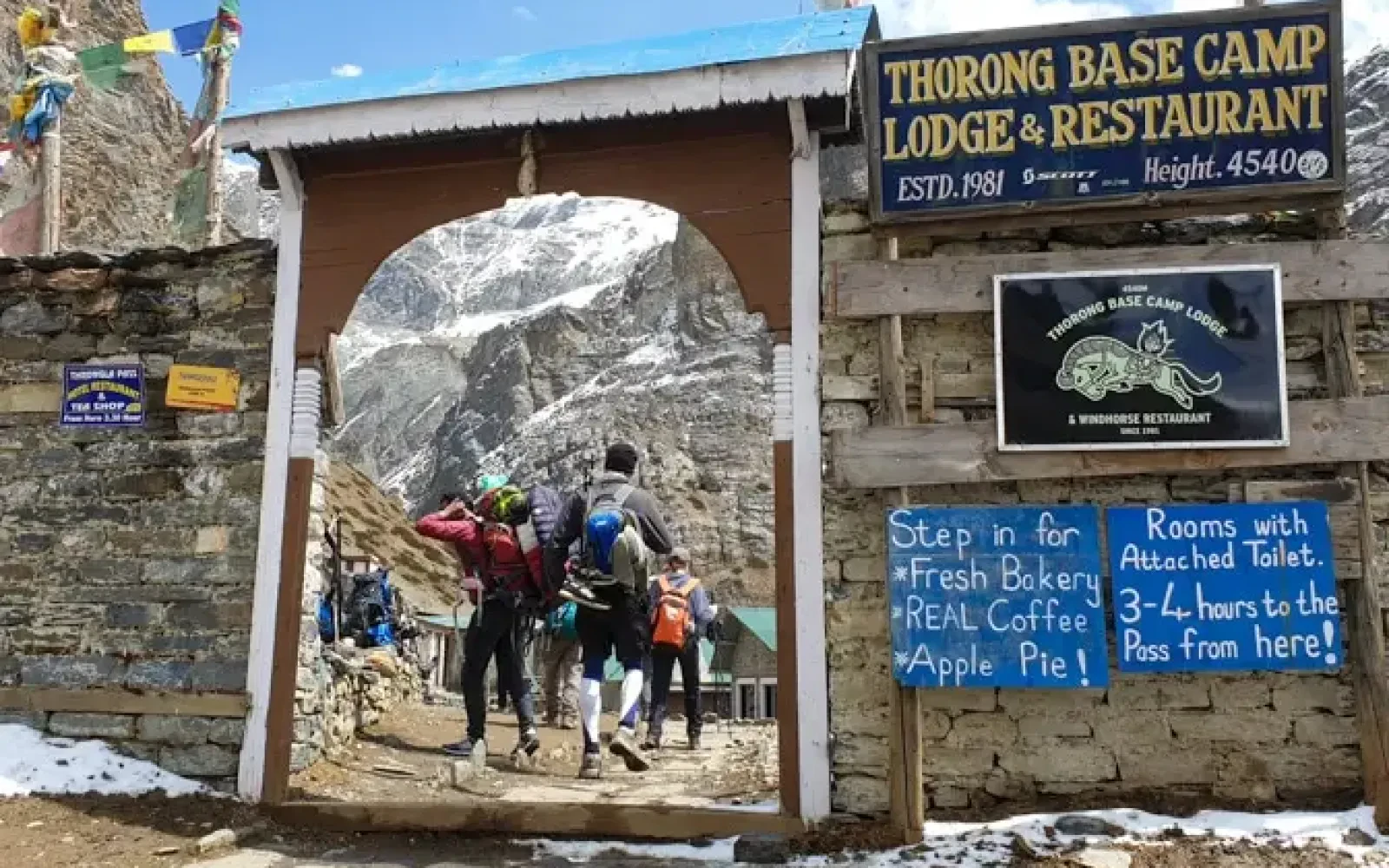
To begin with, Thorang Phedi is a significantly crucial resting point in the Annapurna Circuit Trek. It stands at an altitude of 4,540 meters in Manang District. Furthermore, it is the last stoppage to reach Thorong La Pass at 5,416 meters. Because of its strategic location, it provides trekkers with the requisite facilities. Hence, the majority of trekkers choose to acclimatize here before ascending further.
Additionally, Thorang Phedi also provides breathtaking views of mountains and dry valleys. Furthermore, its remote and rocky surroundings give trekkers an experience of alpine wilderness. Located in a high-altitude region, it has less oxygen than other places. Therefore, resting here is obligatory for a successful climb.
Overall, Thorang Phedi is an important section of the Annapurna Circuit trek. It prepares you mentally and physically for Thorong La Pass.
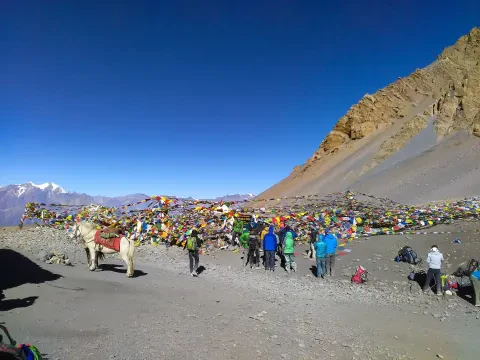
Thorang Phedi is located in the eastern part of the Annapurna Conservation Area. It is below a cliff, between Ledar and Thorong High Camp. Additionally, the region comes under the trans-Himalayan landscape.
Apart from this, the section comprises steep slopes, loose rocks, and scree fields. Owing to these features, the trail often becomes hard and slippery. Moreover, the landscape lacks vegetation owing to its high altitude and freezing winds.
Thus, trekkers are always required to walk slowly and carefully in this section. Besides, adjoining peaks like Chulu West (6,419 m) and Khatung Kang (6,484 m) loom steeply above.
In short, Thorang Phedi is situated in a rugged, cold, and rocky Himalayan landscape. It offers breathtaking scenery and a true high-altitude experience.
First of all, Thorang Phedi is only accessible on foot via the Annapurna Circuit trekking trail. There are no roads or nearby airstrips that can be driven on. Therefore, trekkers must walk through a few villages to get here.
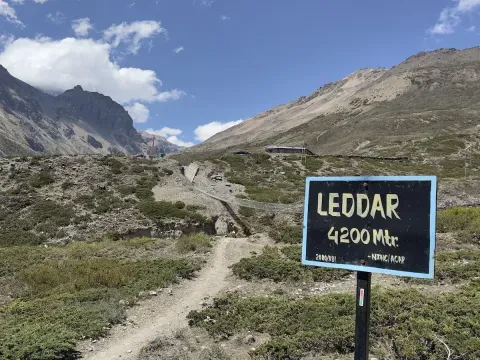
Trekking to Thorang Phedi usually comes from Ledar (4,200 m) or Yak Kharka (4,050 m). Both routes take 2 to 4 hours. Furthermore, the trail passes through landslide regions and ridge paths. Proper precautions and care are therefore required.
In addition, mules and porters transport rations to the village. Consequently, the trail is congested at times. Despite the obstacle, the route to Thorang Phedi remains a trekker's paradise.
In short, Thorang Phedi is distant but within reach by well-established trekking trails.
Secondly, Thorang Phedi has very little but proper infrastructure for trekking enthusiasts. There are a few tea houses and lodges here. These provide meals, shelter, and hot drinks.
However, because of the high altitude and remoteness, sources for food are limited. However, you can enjoy dal bhat, noodles, soups, and hot tea. Apart from this, solar-heated showers are available at some of the lodges. But water freezes during cold nights.
Although there is power, power can go out during a snow or storm. Internet is available but slow and costly. Overall, Thorang Phedi provides adequate services to recover and prepare before the high pass.
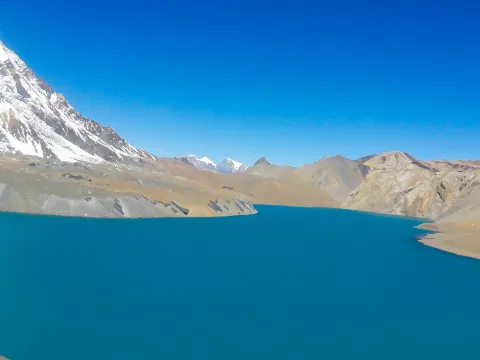
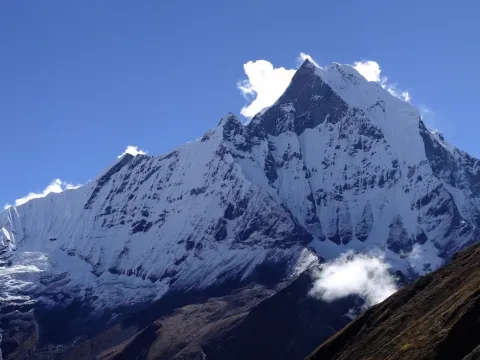
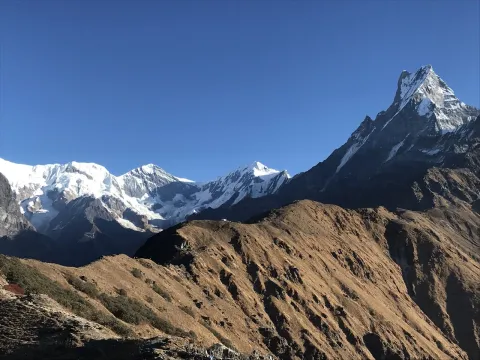
Apparently, Thorang Phedi is famous for its spectacular landscape and mountain view. It is located beneath cliffs and glacier-fed ridges. Consequently, trekkers are exposed to unspoiled Himalayan landscape.
Meanwhile, Chulu East (6,584 m) and Syagang Peak (6,026 m) scenery is beautiful. In addition, scenery of snow-covered cliffs and barren valleys is an added attraction. The early morning sun colors the cliffs golden yellow.
Moreover, sporadic blue sheep sightings over the rocks also attract wildlife lovers. Snowfall during late autumn and winter months turns the landscape into a white wonderland.
In general, the raw and untamed beauty of Thorang Phedi is its greatest plus point.
Meanwhile, the principal activity at Thorang Phedi is high-altitude trekking. Trekkers acclimatize here prior to ascending Thorong La Pass. Other trekkers also go to High Camp (4,880 m) for additional acclimatization.
Likewise, others use this time to discover the neighborhood progressively. Because of the altitude, overexertion is discouraged. Thus, light walking, stretching, and staying warm become routine necessities.
Besides, trekkers chat, keep diaries, or simply enjoy the quietude of the mountains. Also, early morning departures to Thorong La are not uncommon. Lastly, Thorang Phedi provides a much-needed respite for acclimatization and preparation exercises.
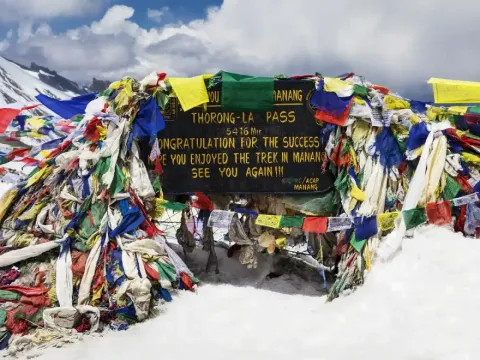
Actually, Thorang Phedi is well-known because of the role it plays in the Annapurna Circuit trekking. It is the gateway to Thorong La Pass. Because of that, all trekkers must rest here before the final ascent.
Aside from that, its location is aided by a protection against strong winds and avalanches. Additionally, it is a safe place where one can acclimatize to thin air.
Also, most trekkers recall this place as psychologically and physically significant. The sense of achievement upon reaching Thorang Phedi is immense. Hence, its strategic and emotional significance makes it a memorable place on the trek.
There are few but decent lodges in Thorang Phedi. They are constructed from stone and wood. They are decent enough to withstand wind and snow.
They have small but tidy rooms inside. Blankets, beds, and hot food are provided. The toilets are basic and typically shared.
Apart from that, dining rooms have heaters or fires. It makes the trekkers warm on chilly nights. Further, early breakfast is provided in most tea houses for trekkers ascending towards Thorong La.
Therefore, despite the fact that the accommodations are simple, they suit the purpose of the trekker at this altitude.
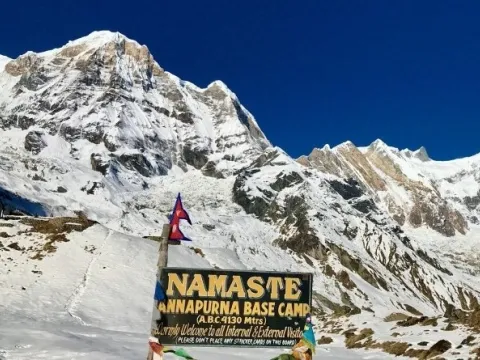
Actually, Autumn (September-November) and spring (March-May) are the best times to visit Thorang Phedi. It is clear and stable weather in these times. Also, the visibility is excellent with beautiful mountain vistas. Trails are also dry and safe from landslides and snow. Rhododendrons also flower lower on the trail during spring. Autumn has skies that are crisp and blue.
But winter is accompanied by snow, which makes the trails slippery and dangerous. Likewise, monsoon causes landslides in low-lying regions.
Thus, traveling during stable seasons provides safety, comfort, and optimal visual observations.
Meanwhile, weather at Thorang Phedi is cold year round due to its higher elevation. The temperature drops below freezing point at night. In spring and autumn, daytime temperatures range from 0°C to 10°C. Nights can drop down to -10°C. There are strong afternoon winds, especially from the west.
Moreover, it snows at a moment's notice even in the ideal months for trekking. In winter, temperatures go down to -20°C or lower. Monsoon clouds seldom reach this part, but rains fall on lower altitudes.
In general, the weather here requires warm gear and living with a watchful eye on fluctuating weather.
1. What is Thorong Phedi on the Annapurna Circuit Trek?
Thorong Phedi is the stop before you get to Thorong Pass. It is at 4,525 meters above sea level. Most people who trek stay here to rest and get ready for the day of trekking ahead. Thorong Phedi has places to stay, food and shelter. So it is a place to stop before you go up to the high altitude.
2. How far is Thorong Phedi from Thorong Pass?
Thorong Pass is 5 kilometers from Thorong Phedi.. It feels like a lot longer because the climb is steep and the air is thin. Most people start walking before it gets light and get to the pass in four to seven hours. So you need to walk at a pace and get used to the high altitude to cross safely.
3. What is the altitude difference between Thorong Phedi and Thorong Pass?
Thorong Phedi is at 4,525 meters and Thorong Pass is at 5,416 meters. So you go up about 900 meters when you walk to the pass. Because of this change in altitude many people walk slowly and take breaks often. Drinking water and getting used to the high altitude helps reduce the risks.
4. Should I stay at Thorong Phedi or High Camp?
Both places are popular with people who trek. Thorong Phedi is better for getting used to the altitude because it is lower.. High Camp is closer to the pass so your walk is shorter the next day. Many guides think Thorong Phedi is better because you sleep better and get used to the altitude. So the best choice depends on how fit you're how well you can handle the high altitude.
5. What time should I leave Thorong Phedi for Thorong Pass?
Most people leave Thorong Phedi between 3:00 and 5:00 a.m. Leaving early is safer. The views are better. The wind can be strong near the pass in the afternoon. So getting to the top before midday is better for your safety and comfort.
6. What facilities are available at Thorong Phedi?
Thorong Phedi has teahouses where you can stay, eat and get hot drinks.. The facilities are not as good at this high altitude. You may have to pay extra to charge your devices or take a shower. With limited services the teahouses provide enough comfort and support, for people who are getting ready to cross Thorong Pass.
7. Is altitude sickness common at Thorong Phedi?
Yes some trekkers get altitude sickness at Thorong Phedi. They might feel headache, tiredness and no desire to eat. So it is crucial to drink plenty of water and not rush. If the symptoms get worse going down away is the best choice. Guides keep an eye on trekkers at this height.
8. What should I eat before crossing Thorong Pass?
Eating light and energy-rich food is best before climbing. Many trekkers choose porridge, soup, rice, potatoes or pasta. Drinking plenty of water helps to stay hydrated. Avoid meals and alcohol. Proper food helps to keep energy levels up during the climb up Thorong Pass.
9. How cold does Thorong Phedi get at night?
At night Thorong Phedi gets very cold below freezing in spring and autumn. In winter it gets much colder. So warm clothes and a good sleeping bag are a must. Wearing layers helps to keep warm and sleep better before crossing Thorong Pass.
10. How can I prepare for the climb from Thorong Phedi, to Thorong Pass?
Preparing for the climb starts with getting used to the altitude throughout the trek. Staying hydrated, eating well and resting properly are also important. Trekkers should start early. Walk at a steady pace. Careful planning and responsible trekking habits help a lot to cross Thorong Pass successfully.
Our travel experts are ready to assist you with any questions.
Send us a message.Have a question before you book? Send your enquiry below and our travel experts will get back with the required information.