Spring and Autumn are the most popular times of year to trek in Nepal. However, there are some key differences between these 2 seasons when it comes to the weather and scenery.
In general, Spring trekking in Nepal will take place between March-May with warm days and lots of blooming Rhododendrons. Autumn trekking in Nepal takes place between September-November with clearer skies and pleasant temperatures.
Actually, Autumn is often favored for mountain photography with clearer conditions in October and November. Whereas Spring is favored by nature lovers with lots of Rhododendrons in bloom in the Annapurna, Langtang and mid-hill areas.
Importantly, neither season will have perfect weather conditions. March can be very cold with snow at high altitudes over 4000m. May can also be quite hazy with afternoon showers. September can still be quite wet too with the monsoon season finishing at varying times each year. November can be quite cold too.
| Comparison | Spring (March-May) | Autumn (September-November) |
|---|---|---|
| Main attraction | Rhododendrons and warm days | Clear mountain views |
| Day temperatures | Getting warmer | Comfortable and getting cooler |
| Night temperatures | Cold at high altitudes | Getting colder |
| Visibility | Variable, especially in May | Generally great in October |
| Rain | Pre monsoon showers | Possible rain from monsoon in September |
| Crowds | Busier in April | Very busy in October |
| Best for | Flowering and nature photography | Mountain photography and stable conditions |
Choose Spring if you like forested areas with lots of flowers and colour and warm days. On the other hand, choose Autumn if you want clear mountain views, generally stable conditions and post monsoon scenery. Be sure to check the conditions for high passes such as Thorong La (5,416m) and Larke Pass (5,106m).
In summary, it will depend on what type of scenery you like, your trekking experience, how much time you have and what altitude you are trekking at.
There can be quite a difference in the weather when trekking in Nepal in Spring vs Autumn. As you increase in altitude the average temperature drops by around 6 degrees for every 1000m of altitude.
Here, this means that the weather at Namche Bazaar (3,440m) can feel very different compared to Everest Base Camp (5,364m). Spring will gradually get warmer and Autumn will get cooler towards November.
| Month | Weather |
|---|---|
| March | Cold mornings. Possible snow at high altitude. Improving temperatures. |
| April | Warmer days. Rhododendrons in bloom. Occasional clouds in the afternoon. |
| May | Warmer in the low valleys. Can be quite hazy. Pre monsoon thunderstorms. |
| September | End of monsoon period. Still possible to have rain. |
| October | Generally dry. Comfortable temperatures. Great visibility. |
| November | Clear skies. Colder nights. More chance of snow at high altitudes. |
| Altitude | General Weather Conditions |
|---|---|
| 1,000m-2,000m | Mild to warm days- Colder mornings and evenings. |
| 2,000m-3,000m | Cool days- Getting colder nights. |
| 3,000m-4,000m | Cold nights- Occasional frost- Possible snow. |
| 4,000m-5,000m | Alpine conditions- Freezing nights-Possible snow. |
| Above 5,000m | Very cold- Strong winds. |
March can still be quite cold. April will be warmer. May will get more unstable due to pre monsoon conditions. September can still be quite wet. October will generally be the best for visibility. November will be colder.
Meanwhile, high passes such as Thorong La (5,416m) and Larke Pass (5,106m) can have snow storms.
Likewise, be sure to check the weather and trail conditions in the area you are visiting.
Important Note from Havem Holidays Nepal Team: Temperature will vary depending on how exposed you are, wind, cloud and local terrain. Don’t take temperature variations based on altitude as a prediction of actual temperatures you would experience.
Generally speaking, Autumn will provide better mountain views. This is because between October and November the summer monsoon has finished meaning that the rain has washed away any dust and haze in the air. This provides you with great views of the Himalayas.
However, Spring does provide great mountain views. This is because between March and early April the temperature is increasing so the haze, smoke, clouds and showers can cause issues with visibility.
Likewise, the best times to take photos is early morning. The mountain peaks will often be visible as there is not much cloud yet. However, the weather can change quickly.
| Factor | Spring | Autumn |
|---|---|---|
| Sunrise photos | Often good | Clear conditions often provide great views |
| Mountain views | Generally good | Increased haze |
| Forest views | Rhododendrons and fresh plants | Green forests with seasonal color |
| Snowy Peaks | Common at higher altitudes | Common at higher altitudes |
| Afternoon views | Can be cloudy especially in May | Often better but not guaranteed |
| Best Months | March & early April |
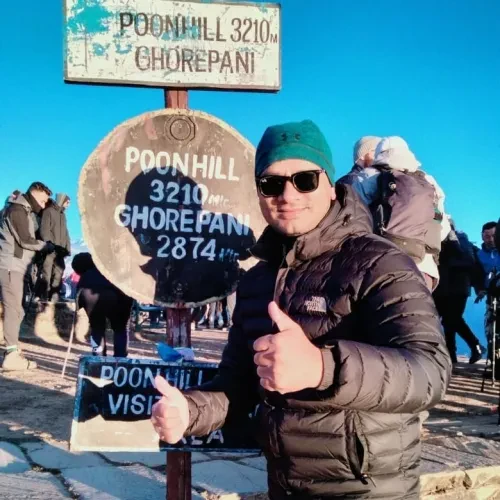
1. Poon Hill (3,210m)
Provides stunning panoramic views of the Annapurna and Dhaulagiri mountain ranges at sunrise. This viewpoint is around 1.5km up the hill from Ghorepani and takes around 45-60 minutes to reach.
2. Mardi Himal Viewpoint (Approx 4,200m - 4,250m)
Provides great mountain views of Machhapuchhre, Annapurna South and surrounding mountains. Spring provides great views of coloured forests and Autumn often provides clearer mountain views.
3. Kala Patthar (5,545m)
One of the most famous views of Everest. This includes views of Everest, Nuptse and Pumori. This is quite a cold, windy and high altitude so needs to be prepared for.
4. Gokyo Ri (5,357m)
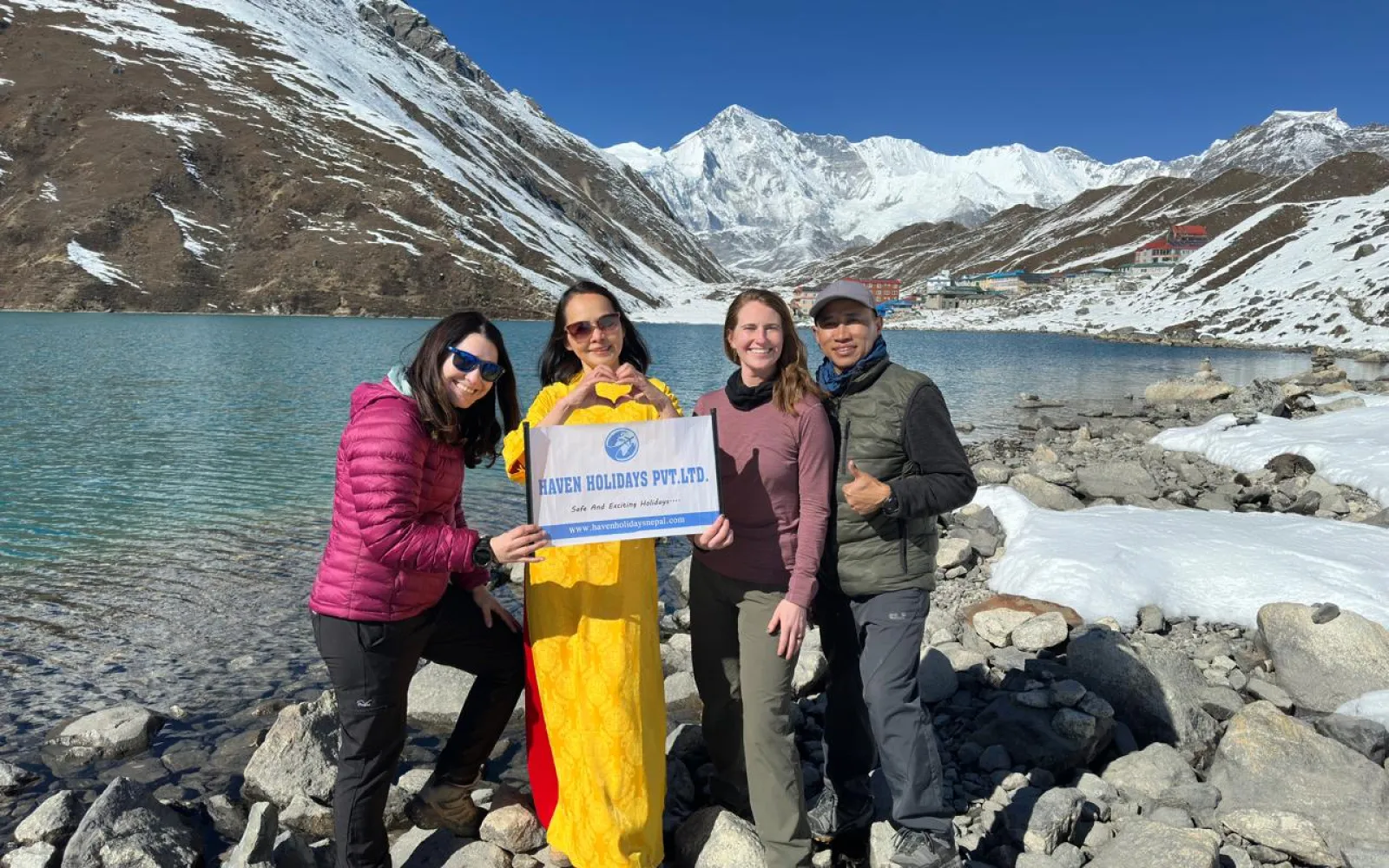
Provides great views over the turquoise glacial lakes and surrounding mountains. Autumn provides great views with clear mornings.
5. Annapurna Sanctuary (Approx 4,130m)
Provides great views of Annapurna I, Machhapuchhre and surrounding mountains. Spring and Autumn provide great views depending on the weather.
Wear warm gloves, thermal clothing and extra batteries for your camera as it will be quite cold at high altitudes.
Be flexible with your time in both seasons as there can be issues with cloud and snow.
Overall, Autumn will provide clearer mountain views but Spring provides great colourful views of the Himalayan mountains and flowers.
Spring provides the best views of Rhododendrons in Nepal. This is because the middle hills of the Annapurna and Langtang regions will be covered in Rhododendrons. Rhododendrons are the national flower of Nepal and locally known as Lali Gurans. They grow naturally in many parts of the Himalayas at various altitudes.
Generally, they will start blooming at lower altitudes in March and then will start to bloom in the higher forests as the temperature increases. April is often a great time to see them but will depend on the altitude, weather and local conditions.
Actually, Autumn provides great landscape views. This is because after the monsoon the landscape will be very green. There will also be lots of harvested fields and traditional mountain villages. The clearer skies often provide great contrast between the green hills and snowy mountains.
Spring or Autumn for Nature?
Factor | Spring (March-May) | Autumn (September-November)
Rhododendrons| Main blooming time | Generally no widespread blooming
Forests | Ccolorful flowers and fresh growth | Green after monsoon
Hillsides | Blooming trees and changing landscape| Terraced fields and harvested crops
Mountain Landscape| Snowy peaks and spring growth| Crisp mountain views
Photography Flowers, forests and mountains Mountains, villages and landscape
Nature | Colourful and getting warmer | Fresh, clear and generally dry
Best Places to See Rhododendrons in Spring
1. Ghorepani (Approx 2,860m)
This is surrounded by Rhododendron forests and provides access to Poon Hill. This means the surrounding forests can provide great colourful views in March and April.
2. Ghandruk (Approx 1,940m)
This provides great traditional Gurung villages, forest paths and mountain views. The lower altitude vegetation can provide early blooming.
3. Langtang Valley (Approx 1,470m - 3,870m)
Provides changing forest landscapes especially in Langtang National Park. Lower forests can provide spring flowers and higher areas provide alpine views.
4. Tadapani (Approx 2,630m)
Located in some beautiful forest areas of the Annapurna trekking region. The surrounding Rhododendrons make this a great spot for nature photography in Spring.
Why Autumn Provides Different Nature Views
Post monsoon - The forests, hills and fields will be very green due to the summer rainfall.
Harvest time - Many of the lower villages will have harvested rice and other seasonal crops. This will depend on the location.
Clear mountain views - October and November often provide great views with the green landscapes and snowy peaks.
Village photography - The Autumn light and generally drier paths provide great conditions for exploring villages.
Things to Consider
Rhododendrons will not all be in bloom at the same time in Nepal. This is because different species grow at different altitudes. March and April are great months to plan but will depend on the local temperature and rainfall.
Overall if you want to see Rhododendron forests and colourful nature then go in Spring. If you want to see post monsoon greenery, fields and clearer Himalayan views then go in Autumn. However, there is no guarantee you will see certain flowers, colours or mountain views on certain trekking dates.
The most popular treks in Nepal can be done in both Spring and Autumn. The difference between the seasons is the scenery, and weather. Spring is great for rhododendron forests and warmer days. Autumn is great for clear mountain views.
However, you need to consider the height, difficulty, number of days and high pass conditions. Shorter treks like Poon Hill are great for beginners. Whereas Everest Base Camp, Manaslu Circuit and Annapurna Circuit require more preparation.
Quick Comparison of Best Treks in Spring and Autumn
Trek Name | Maximum Height | Duration | Spring Benefits | Autumn Benefits
Ghorepani Poon Hill Trek | 3,210m | 4-5 days | Rhododendron Forests | Clear sunrise views
Mardi Himal Trek | 4,500m | 4-5 days | Blooming flowers and warmer days | Clear mountain views
Annapurna Base Camp Trek | 4,130m | 7-12 days | Blooming forests | Clear mountain views
Everest Base Camp Trek | 5,545m (Kala Patthar) | 12-16 days| Long days and lots of climbing | Clear mountain views
Langtang Valley Trek | 3,870m | 7-10 days | Rhododendron Forests | Clear mountain views
Manaslu Circuit Trek | 5,106m (Larkya La) | 12-16 days | Spring Scenery | Popular high pass trekking
Annapurna Circuit Trek | 5,416m (Thorong La) | 12-18 days| Changing scenery | Generally good pass conditions
Gokyo Lakes Trek | 5,357m (Gokyo Ri)| 12-14 days| Long days |Clear lake and mountain views
Important: Length of treks will depend on start point, days of acclimatization, transport and route.
1. Best Short and Moderate Treks in Annapurna Region for Spring and Autumn
Ghorepani Poon Hill Trek
Maximum height: 3,210m | Duration: 4-5 days
Great choice for the rhododendron forests surrounding Ghorepani (2,860m) and Tadapani (2,630m). Autumn is great for clear sunrise views. Overlooking Annapurna and Dhaulagiri ranges.
Mardi Himal Trek
Maximum height: 4,500m | Duration: 4-5 days
Spring is great for the blooming forests in the lower areas. Autumn is popular for views of Machhapuchhre (6,993m) and Annapurna South (7,219m). Snow can be a factor on the higher areas.
Annapurna Base Camp Trek
Maximum height: 4,130m | Duration: 7-12 days
Spring offers rhododendron forests and warmer days. Autumn offers generally clearer mountain views. Snow can be a factor on Deurali and higher areas.
Everest Base Camp Trek
Maximum height: 5,545m (Kala Patthar) | Duration: 12-16 days
Popular for trekkers and climbers. Autumn offers great potential for clear views of Everest. Both seasons offer gradual acclimatisation in Namche Bazaar (3,440m) and Dingboche (4,410m).
Gokyo Lakes Trek
Maximum height: 5,357m (Gokyo Ri) | Duration: 12-14 days
Spring offers longer days and gradually improving conditions. Snow can be a factor on the high passes. Autumn is particularly popular for turquoise glacial lakes and panoramic views from Gokyo Ri.
3. Best Treks in Langtang and Manaslu Regions
Langtang Valley Trek
Maximum height: Approx 3,870m (Kyanjin Gompa) | Duration: 7-10 days
Spring offers blooming forests in the lower areas. Autumn offers generally clearer views. Check road and trail conditions.
Manaslu Circuit Trek
Maximum height: 5,106m (Larkya La) | Duration: 12-16 days
Spring offers changing scenery and warmer conditions in the lower valleys. Winter snow can be a factor on Larkya La. Autumn is popular for this trek. Snow can be a factor on the high passes.
Annapurna Circuit Trek
Maximum height: 5,416m (Thorong La) | Duration: 12-18 days
Spring becomes increasingly popular as snow clears. Pass conditions need to be checked in early season. Autumn is popular for crossing Thorong La. Particularly if the monsoon has cleared.
Important Factors to Consider
Poon Hill and some Annapurna treks are great for beginners as they are shorter and have lower maximum heights.
Mardi Himal, Annapurna Base Camp and Langtang offer a variety of Himalayan treks for moderate trekkers.
Everest Base Camp, Gokyo, Manaslu and Annapurna Circuit require careful acclimatisation for experienced trekkers.
High passes should be checked for current snowfall, trail conditions and local advice. Thorong La and Larkya La can be tricky.
Manaslu requires the relevant restricted area permit, conservation permits and authorised guides.
Overall, Spring is great for blooming forests. Autumn offers generally clearer mountain views. However, the conditions of the trek and safe acclimatization should be considered.
Autumn and Spring are the busiest times of year for trekking in Nepal. International visitors flock to the Annapurna, Everest, Langtang and Manaslu regions. October generally sees the most demand. April is particularly busy due to warmer weather and rhododendron blooms.
Similarly, popular teahouses can get busy in peak Autumn. Namche Bazaar (3,440m), Dingboche (4,410m) and Annapurna Base Camp route can be extremely busy. April can be busy with accommodation, guides, porters and transport.
Crowded Trekking in Spring and Autumn- compared
Factor | Spring | Autumn
Busiest month| April| October
Trail Conditions | Popular routes busy | Often extremely busy
Accommodation | Plan in advance | Plan well in advance
Lukla Flights | More demand in peak weeks | High demand in October
Less busy | Early March and select May dates Late November and select September dates
Overall Experience | Blooming flowers and warmer days | Post monsoon views and clear mornings.
How Crowding Will Impact Your Trek during Spring and Autumn
Accommodation – Popular teahouses can have limited availability.
Domestic flights – Lukla will be in high demand. Try to plan in advance and be flexible with dates.
Guides and Porters – Ensure you have experienced guides that speak English and reliable porters. Plan in advance of busy departure dates.
Food – Popular mountain lodges can be busy with long wait times for food.
Group treks – Set date group treks can fill up quickly. Particularly in October and April.
Best Months for Less Crowded Trekking
March and November can be less busy than April and October. However, early March can be quite cold and November can get increasingly cold at higher altitudes.
Actually, fewer people doesn’t always mean better trekking conditions. Always consider the weather, trail conditions, accommodation availability and proper acclimatization.
While prices vary depending on the trek, length, group size and what is included, prices tend to be busier and more competitive in the months of April and October.
Usually in Autumn (October), there will be a large volume of international trekkers. In Spring (April) prices may be higher due to favorable weather conditions and blooming Rhododendrons. It is advised to book in advance in April and October, especially for treks to Everest and Annapurna.
Cost Comparisons
| Cost | Spring | Autumn |
| Trek package | Varies depending on route and inclusions | Similar prices. Prices are high in October |
| Accommodation | Busy, especially in April | Very busy, especially in October |
| Licensed guides | Recommended to book in advance | Recommended to book in advance |
| Porters | Varies depending on route and group size | Varies depending on route and group size |
| Flights (Domestic) | Recommended to book in advance during peak dates | High demand in October |
| Permits | Varies depending on destination | Varies depending on destination |
| Food | More expensive in high altitude remote areas | More expensive in high altitude remote areas |
Key Costs
Trek package
A trek package may include accommodation, food, transport, a licensed guide and required permits. What is included in the package can vary between agencies and destinations.
Porters
Porters assist with carrying equipment. It is common to have 1 porter per 2 trekkers. Depending on the agency, a maximum combined weight of around 20kg may be allowed.
Accommodation and Food
Accommodation at teahouses will be cheaper at lower altitudes. However, accommodation in remote mountain communities will be more expensive. Food prices also increase as they must be transported by foot, vehicle or helicopter.
Transport
Prices vary depending on whether you choose to travel by tourist bus, private/ shared jeeps or domestic flights. If trekking to Everest, flights in and out of Lukla or transport by road through Salleri/Ramech hap can greatly affect your overall budget.
Trek Prices – Haven Holidays Pvt. Ltd.
Below are estimated price ranges for trek packages. Please confirm the price of the specific departure, group size and inclusions before booking.
| Trek | Price Per Person (USD) |
| Everest Base Camp | $595-$2,150 |
| Annapurna Base Camp | $375-$625 |
| Langtang Valley | $195-$315 |
| Mardi Himal | $165-$320 |
| Mardi Himal (5 days) | $195-$360 |
Note: These are price ranges for trek packages in Haven Holidays Pvt. Ltd website. Please confirm with Haven Holidays Nepal to ensure accurate pricing for your specific departure.
Permits and Guides
Permits required will vary depending on which conservation area, national park and restricted area you are trekking in. Below are examples of permits required for popular treks:
| Trek | Required Permits |
| Everest Base Camp | Sagarmatha National Park permit and Khumbu Pasang Lhamu local permit |
| Annapurna Base Camp | Annapurna Conservation Area Permit (ACAP) |
| Mardi Himal | ACAP |
| Poon Hill | ACAP |
| Langtang Valley | Entry Permit to Langtang National Park |
| Manaslu Circuit | Manaslu Restricted Area Permit (RAP), MCAP and ACAP |
| Annapurna Circuit | ACAP |
If trekking in restricted areas, specific permits for restricted are required. In order to trek Manaslu, foreign trekkers should go with an authorized trekking agency, and with the correct licensed guides.
Comparing Trek Packages
Check what is included: Meals, accommodation, transport, permits and guides.
Check porter details: Weight limit, number of porters per person, insurance and fair conditions.
Safety: First aid items, emergency procedures and experience of guides.
Check what is not included: International flights, travel insurance, personal costs, gratuities and unexpected accommodation costs.
Ultimately, trek prices in spring and autumn may vary depending on the agency. Choose a registered agency within Nepal, compare full inclusions and confirm the final price before paying a deposit.
Packing for treks in Nepal during spring and autumn should account for varying temperatures, rainfall and altitude. While general conditions for treks in spring and autumn are good, temperatures can become very cold in the morning, evening and at high altitudes.
Meanwhile, it is advisable to wear right layers to keep warm. Waterproof clothing and suitable shoes are also essential as mountain weather conditions can change quickly.
Comparison of Items to Pack as per season
| Item | Spring (March-May) | Autumn (September-November) |
| Base Layers | Light and warm | Light and warm |
| Warm Jacket | Essential above 3000m | Essential above 3000m
| Waterproof Jacket | Useful (afternoon rain) | Important (especially September) |
| Trek Trousers | Lightweight and quick drying | Lightweight and quick drying |
| Warm hat and gloves | Essential in higher altitudes | Essential (especially November) |
| Trekking Boots | Waterproof with good grip | Waterproof with good grip |
| Sleeping Bag | Freezing temperatures | Warmer (November) |
| Sunglasses | Required for UV protection | Required for UV protection |
| Sun Cream | SPF 30-50 recommended | SPF 30-50 recommended |
| Micro spikes | If snow/ice expected | If snow/ice expected |
Essential Equipment
Thermal layers, fleece, warm insulated jacket, waterproof trousers and wind proof jacket. This will help to keep you warm in cold temperatures and changeable weather.
In addition to, trekking boots (broken in), comfortable socks, trekking poles, light gaiters. Micro spikes may also be required if snow/ice is expected at high altitude.
Similarly, headtorch, personal medication, first aid kit, reusable water bottles, water purification, sun cream, sunglasses, power bank and travel insurance documents.
Recommendations Gear by Season
Spring: Pack breathable clothing, sun protection and rain protection. In May, afternoon rain may occur and temperatures in the lower valleys may be warmer.
Autumn: Pack extra warm clothing for November. As September treks may get wet, pack rain protection.
High altitude: Ensure that you have a sleeping bag suitable for the expected temperatures. If trekking above 4000 metres, choose a sleeping bag accordingly.
High Passes: Pack snow protection if current conditions suggest snow/ice.
Most importantly, ensure that you pack according to your itinerary, maximum altitude of overnight accommodation and actual weather forecast. Do not over pack, however, do not compromise on warm clothing, waterproofs and suitable footwear.
Trekking in Nepal during spring or autumn can be pleasant; however, trekking in these seasons does carry some risks. Weather can be unpredictable in higher altitude areas and altitude sickness can be experienced in both seasons.
Safety in Spring
In general, trekking in spring is pleasant. However, snow may be encountered on high passes, open tracks and shaded areas in early spring (March).
By May, afternoon clouds and pre-monsoon thunderstorms are common. In lower altitude areas, temperatures can get very high. Hazy or smoky conditions in mountainous areas can reduce visibility in some years.
Before attempting to cross high passes, it is best to check the weather, snowfall and trail conditions in the area. If snow and ice in the area means that the trail is unsafe to cross, it may be best to delay the crossing or choose a lower route.
Safety in Autumn
Trekking in autumn is generally pleasant in the months of October and November, as the monsoon has finished. However, heavy rainfall may cause treacherous muddy trails, landslides and disruption to roads in early September.
Meanwhile, snowfall can occur on high passes throughout the main trekking season and in November, night temperatures drop. Good thermal clothing and sleeping equipment is very important above 3000m.
Despite autumn being a popular season to go trekking, not all trails will be safe. It is important to know the conditions in the region before starting. It is best to check the conditions in remote areas and high passes.
Altitude Sickness
Altitude sickness (Acute Mountain Sickness) may occur if your body is struggling to adapt to the reduced oxygen levels at high altitudes. It can occur in both spring and autumn, regardless of fitness or experience.
Here, symptoms may include headaches, nausea, dizziness, tiredness, lack of appetite and problems sleeping. If severe symptoms are experienced (confusion, inability to walk in straight lines and shortness of breath), medical attention should be sought immediately.
To reduce the risk of altitude sickness:
Rise gradually- Avoid increasing altitude too fast, especially above 3000m.
Allow acclimatization- Allow rest or acclimatization days on high altitude routes, such as Everest Base Camp and Annapurna Circuit.
Be aware of symptoms- Be aware of altitude sickness in yourself and in others within your group.
Avoid Alcohol at higher elevations: Try avoiding alcohol above 4000 m that helps your body balance hydration
Do not ascend if suffering from altitude sickness- If you are experiencing worrying symptoms of altitude sickness, do not ascend further.
Descend if symptoms get worse-If symptoms get worse, descend to a lower altitude and seek medical advice. If symptoms are severe, seek urgent medical assistance.
Drink plenty of water and eat enough to have enough energy.
Importantly, a licensed trekking guide can help you to be aware of conditions on the trail, and any issues with altitude sickness. This is very important in remote areas and high passes.
Delaying/Changing Routes
As safety should always be the first concern, you may wish to delay, change or cancel parts of your route.
Consider changing or delaying your route in the following situations:
Heavy snowfall in high passes.
Continuous rainfall increasing risk of landslides, flooding and unstable trails.
Strong winds, thunderstorms and poor visibility making exposed areas unsafe.
Snow/ice on steep or narrow trails meaning it is unsafe to move along the route.
Worsening symptoms of altitude sickness.
Local authorities, guides or experienced local staff have advised against continuing.
More importantly, ensure that your travel insurance covers the altitude you will be trekking to, and emergency helicopter rescue.
As domestic flights, particularly to mountain airstrips (Lukla) can be delayed or cancelled due to bad weather in the mountains (rain, wind, clouds etc.) in both seasons, allow additional days in your itinerary.
Comparison of Safety in Spring and Autumn
Consideration | Spring | Autumn
Snow on high passes | Possible (early season) | Possible (unexpected)
Rain | Occasional (pre-monsoon) | Likely (early September)
Trail conditions | Generally improved, however snow may be present at height | Generally improved (after monsoon)
Temperature risks | Cold nights at high altitude and warm temperatures at low altitude | Cold nights (particularly in November)
Visibility | Possibly reduced by haze/clouds | Generally improved (after monsoon)
Flight disruption | Possible (due to mountain weather) | Possible (due to rain, wind, mountain weather)
With careful planning and flexibility, trekking in both seasons can be safe. Be aware of snow and afternoon weather in spring and early monsoon conditions and cold nights in autumn.
Trekking in Nepal during spring and autumn allows you to experience local culture. There are many special festivals in Nepal in both seasons.
However, the type of culture you experience in spring and autumn can vary. In spring there are vibrant festivals and religious events. In autumn there are many family events, harvest traditions and national festivals.
Cultural Experiences in Spring
During spring, many important festivals occur in hill, valley and lowland areas of Nepal. While on your trek, you may be able to witness vibrant street festivities, religious events and local Jatra.
Important festivals in Nepal in spring include:
Holi – Usually in March. In hill regions and the Terai, celebrations generally occur on different dates.
Nepali New Year – Usually in April. It marks the start of the new year in Nepal. Cultural events, gatherings and local celebrations occur in various locations throughout the country.
Buddha Jayanti – Usually in April or May (depending on lunar calendar). This festival celebrates the birth, enlightenment and death of Gautama Buddha. Important events occur in Buddhist locations.
Local Jatra – Many local communities run traditional parades, religious events and local festivals in spring. The dates vary in different locations.
In spring, visiting temples, monasteries and traditional villages around trekking areas can be a great way to experience local culture.
Depending on where and when you are travelling, you may be able to experience local culture without specifically timing your trip around a festival.
Cultural Experiences in Autumn
Autumn is an important time for festivals in Nepal. In September, October and November, Dashain and Tihar create a festive atmosphere in towns and villages.
Important festivals in Nepal in Autumn include:
Dashain – A major Hindu festival in Nepal. Usually in September or October. Families come together and receive tika and jamara from elders.
Tihar – Known as the festival of lights, Tihar generally follows Dashain. Homes are decorated with lights. Different days of the festival celebrate crows, dogs, cows and the goddess Laxmi.
Chhath – Particularly important in the Terai region. Usually occurs around October/November. People gather around rivers, ponds and other bodies of water to worship the sun.
Harvest Traditions – As autumn follows the main growing season (monsoon), some communities have local traditions to celebrate harvests.
Depending on where you are trekking in Autumn, you may experience decorated villages, family get-togethers and traditional events. However, this will depend on where you are, and the dates of the festivals.
Impact of Festivals on Trekking
While experiencing festivals within your trek can be a very special experience, they can also impact the logistics of your trip. During major festivals, some services may be reduced or closed.
Meanwhile, Dashain and Tihar can be very impactful on transport, shops, restaurants and availability of staff. On Vijaya Dashami (main day of receiving tika in Dashain), many services may not operate as normal. Availability of guides, porters and accommodation may be limited.
Check the dates of festivals before finalizing your itinerary. Ask your trekking company whether any major festivals overlap with your travel dates, and book guides, porters, transport and accommodation in advance.
Respecting Local Culture
To get the most out of cultural experiences in Nepal, it is very important to respect local traditions. To make the most out of festivals and visiting villages without causing disturbance to communities:
Dress modestly in temples, monasteries and religious places.
Ask for permission to take photos of local people, religious events or private celebrations.
Respect local religious traditions. Follow local guidelines on wearing footwear, taking photos and restricted areas.
Only attend public events if it is appropriate for visitors to be present. Avoid disrupting religious events.
Support local communities. Buy local products, eat in local places and follow local guidelines.
Comparison of Cultural Experiences in Spring and Autumn
Cultural Experience| Spring| Autumn
Major Festivals| Holi, Nepali New Year, Buddha Jayanti| Dashain, Tihar, Chhath
Village Atmosphere| Local festivals and celebrations| Family get-togethers and harvest traditions
Cultural Places to Visit| Temples, Monasteries and local festivals |Temples, Monasteries and festival events
Planning Considerations| Dates vary every year| Some services can be limited on major festival days
In fact, both seasons allow you to experience meaningful cultural experiences. However, Autumn has many more festivals. If you are looking to attend Dashain or Tihar, check the dates for each year in advance and plan your trekking arrangements.
As the dates of festivals change every year, check the official calendar in Nepal. Also, check with your trekking company to ensure that any transport/ service limitations due to festivals will not cause any unexpected changes to your itinerary.
Decide whether to visit Nepal in spring or autumn based on the scenery, location, amount of time available and weather conditions.
Autumn (October and November)
Choose autumn to get great visibility. The air is often very clear after rainfall. In addition, many popular trekking routes are in good condition and many beautiful green landscapes.
Spring (March and April)
Choose spring to get better temperatures and beautiful scenery. Many routes go through rhododendron forests in full bloom. Longer daylight hours mean more flexibility.
However, there are some considerations to consider when deciding when to visit during these seasons:
March: Snow, ice and cold temperatures at higher altitudes can still occur in early spring.
April: Generally, very pleasant with good spring scenery and daytime temperatures. However, cloud can develop in the afternoons.
May: Warmer temperatures in lower altitudes. Haze, afternoon rain and pre monsoon storms may reduce visibility.
September: Monsoon rains can still occur in early autumn. Muddy paths and occasional landslides may occur.
October: Typically, one of the best times to go trekking and taking photographs of the mountains.
November: Often clear conditions, but temperatures get significantly colder at higher altitudes.
Importantly, please be aware that even during these seasons, conditions may not be ideal on all routes. Conditions on high altitude treks depend on recent snowfall, weather forecasts, accessibility of the route, acclimatization and level of trekking experience.
Overall, decide whether to visit in spring or autumn based on your priorities, fitness, budget and time. If you are going on a short trek, consider a low altitude trek such as Poon Hill or Ghandruk. To trek to Everest Base Camp, Annapurna Circuit or Manaslu, you will need to allocate more time and preparation.
Here, Haven Holidays Pvt. Ltd. can help you find the right trek for you, and the right time to go on it. Talk to our local team to find out what trekking options we have available in Spring and Autumn, what prices are, and how we can provide you with licensed guides and all the required arrangements for your trek.
With good planning, you can get the most out of your trek in Nepal! Whether you are going in Spring to see flowers in bloom or Autumn to get great views across the Himalayas.
1. Which is a better season to trek in Nepal Spring or Autumn?
Both spring and autumn are great times to go trekking in Nepal. Autumn is often chosen due to clearer views of the mountains, while spring offers warmer temperatures and beautiful pink rhododendrons and vibrant green landscapes. Depending on what views, temperatures and trekking experience you want, either season could be perfect for you.
2. Which season in Nepal has clearer views of the mountains?
Autumn often offers clearer views of the mountains after the monsoon has washed the dust and haze from the air. In spring, great views can also be found, particularly in the mornings. However, towards the end of May, views may get more hazy. In both seasons, we cannot guarantee clear views as the weather can change quickly including cloud cover, winds and local conditions.
3. Is trekking in Nepal more expensive in Spring or Autumn?
Prices in general will be similar in both seasons as they are peak times. However, prices may be higher in both seasons depending on how high demand is, such as in October and popular festival times. The overall price of your trip will depend on the route, group size, transport, accommodation and inclusions.
4. Will it snow in Nepal in Spring and Autumn?
Snow can occur in both Spring and Autumn in Nepal. In Spring, there can occasionally be snow storms, particularly in March and early April. In Autumn, conditions are typically more stable, however snow can fall towards the end of November. Check the local weather forecast for high passes.
5. What is the best month to go trekking in Nepal in Spring?
The best time to trek in Nepal in Spring is April. Temperatures are pleasant, Rhododendron trees are in full bloom in many locations and the long daylight hours support trekking. March is much colder, particularly at higher altitudes. In May, temperatures can become hotter and hazier.
6. What is the best month to go trekking in Nepal in Autumn?
October is typically the best and most popular month to go trekking in Nepal in Autumn. Post monsoon conditions often mean clear views and pleasant daytime temperatures. In September, rain can still fall, particularly in the first few weeks. In November, temperatures are cooler and less people may be on the trails.
7. Can beginners trek in Nepal in Spring/Autumn?
Yes, both Spring and Autumn are great times to go trekking as a beginner. Popular routes include Ghorepani Poon Hill, Ghandruk and shorter parts of Annapurna. As a beginner, it is important to take your time walking, and allow time to get used to high altitude treks. Weather conditions can change quickly, so allow plenty of time to adjust.
8. What is the best time of year to see Rhododendrons in Nepal?
The best time to see Rhododendrons in Nepal is during Spring. Generally, between March and April. Depending on altitude and local weather, the timing may vary. Rhododendrons in lower altitude areas may bloom earlier, and at higher altitudes later in the season. Rhododendrons do not bloom in Autumn, however you can still enjoy different seasonal views and mountain landscapes.
9. Can I go to Everest Base Camp and Annapurna Base Camp in Spring/Autumn?
Both Everest and Annapurna base camps are popular in Spring and Autumn. October and April are particularly popular months. However, depending on the weather, conditions may vary. Snow, rain, cold temperatures and trail conditions may impact your trek. Be prepared for the altitude and check local conditions before you travel.
10. Do I need to book a guide, porter and teahouse in advance in Spring or in Autumn?
If you are going on a trek in Nepal, it may be helpful to book a certified guide and Porter through a registered trekking company in order to get permits and organization sorted. If you are a foreign trekker please be aware of current guide regulations in Nepal. It can be helpful to book Teahouses in popular areas during October and April. However, this varies depending on where you are going.
Our travel experts are ready to assist you with any questions.
Send us a message.Have a question before you book? Send your enquiry below and our travel experts will get back with the required information.