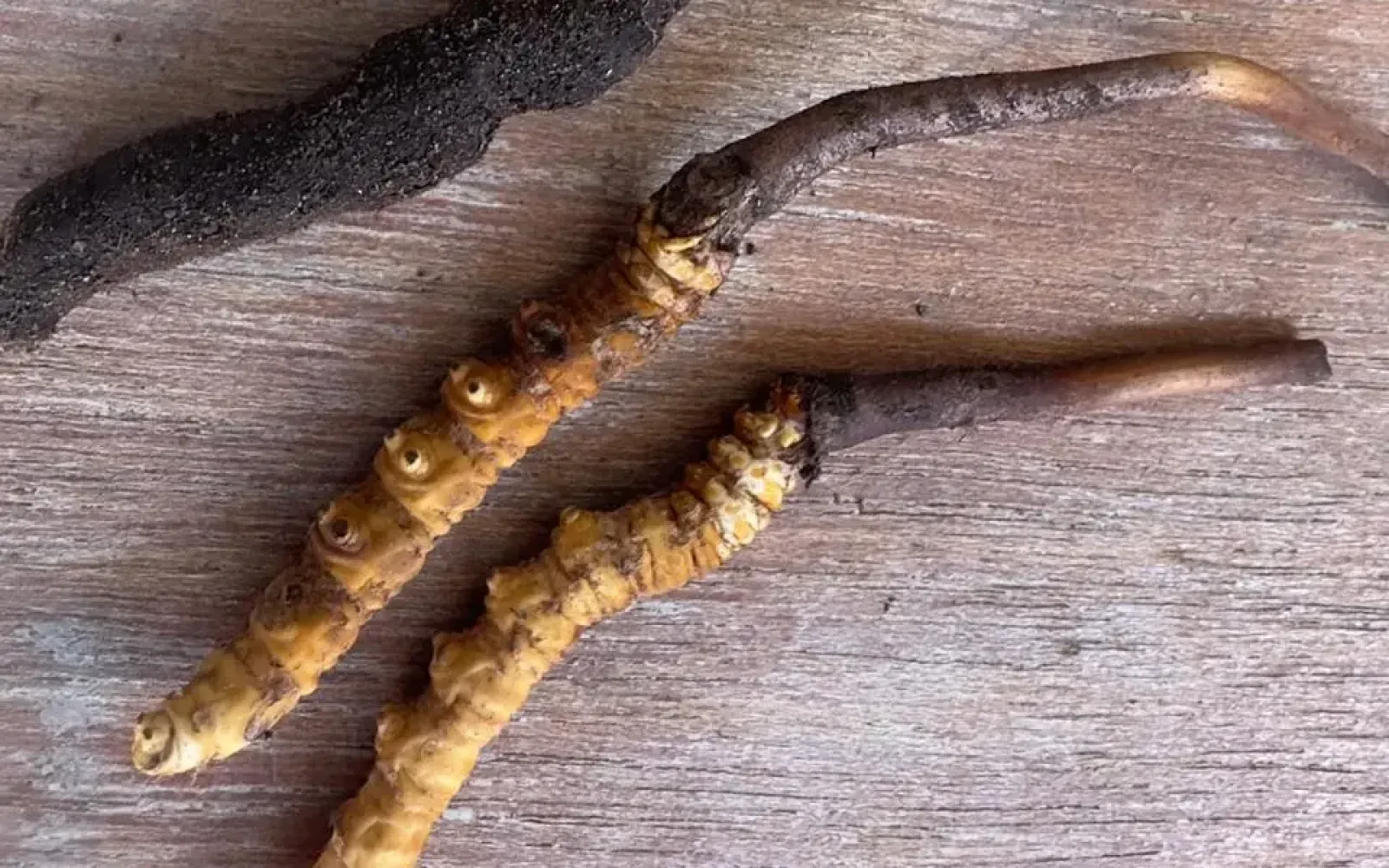
Actually, Yarshagumba, scientifically known as Ophiocordyceps sinensis, is one of the most bizarre and valuable natural medicines in the Himalayas. The organism, often called "Himalayan Gold", is quite literally a hybrid-half caterpillar and half mushroom. It develops when a parasitic fungus infects the larvae of ghost moths dwelling high in alpine meadows and grows through the insect's head.
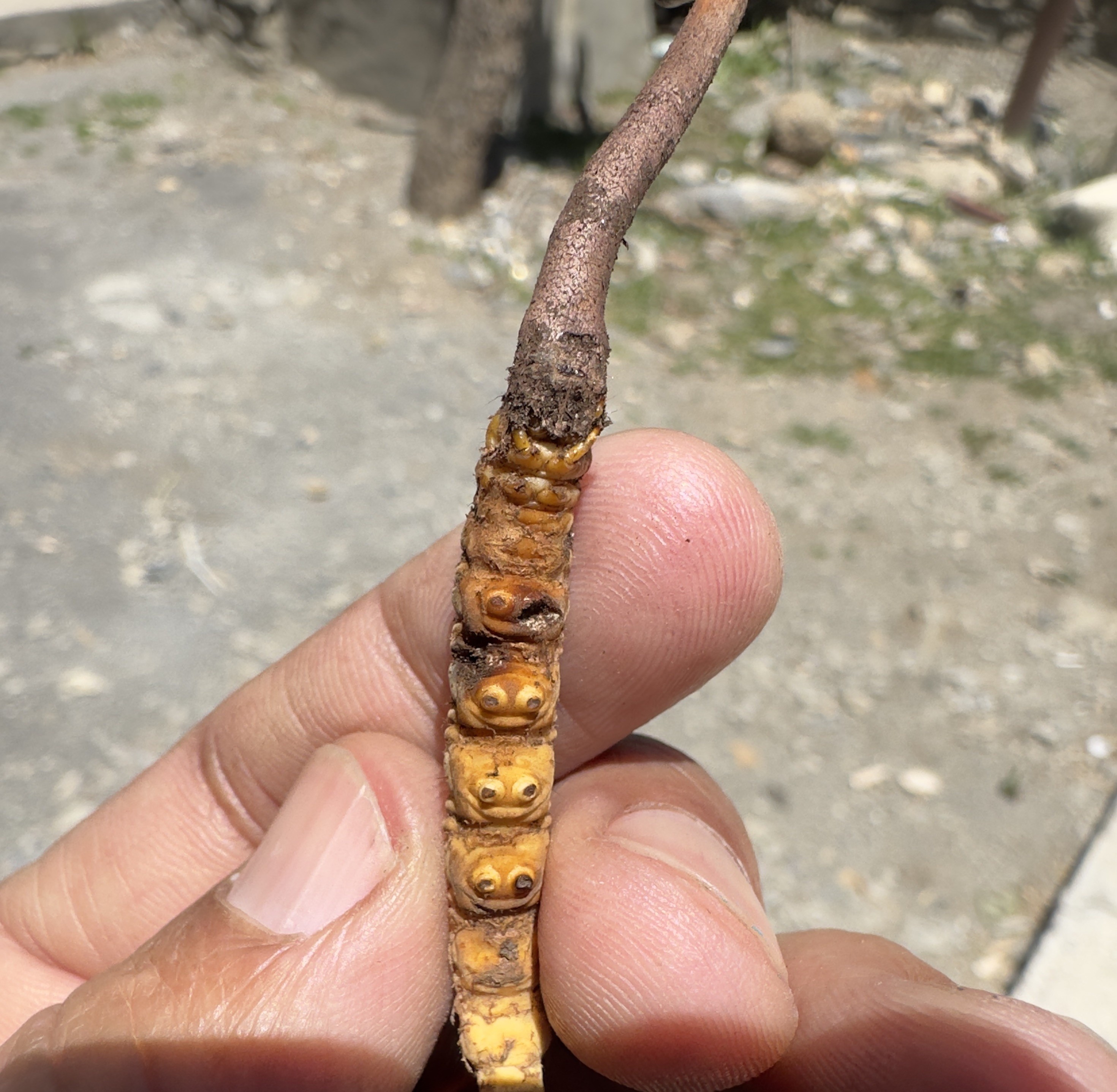
In fact, the reason for its astronomical price-thousands of dollars per kilogram-is its long history and popularity within traditional Tibetan and Chinese medicine. It is highly sought after for boosting energy and immunity and is widely believed to enhance physical stamina and support kidney and respiratory health. Since Yarshagumba only grows in specific alpine ecosystems-at altitudes between 3,500m and 5,000m-and gathering it is an extremely labor-intensive process, it is among the most expensive natural medicines in the world.
What Gives It the Title "Himalayan Gold"?
| Trekking Region | Location | Approx altitude | Main harvest period |
|---|---|---|
| Upper Dolpo trek | Dolpa | 4000m-5000m | Mid-May to Early June. |
| Manaslu and Tsum valley trekking | Gorkha | 3800m-4800m | Late May to Mid-June. |
| Api Nampa Wilderness trekking | Darchula | 3600m-4500m | Early May to Early June. |
In summary, Yarshagumba is more than a fungus-it is a lifesaver for high-altitude communities, both culturally and financially. Its reputation as the Himalayan Gold is well-earned due to its rarity and valuable properties.
Actually, Yarshagumba's development is quite unusual. It happens when the spores of the fungus Ophiocordyceps sinensis come into contact with underground ghost moth larvae during the monsoon season. The fungus gradually invades and consumes the caterpillar from the inside, filling its body with mycelium while keeping the host alive for just long enough for the fungus to grow to maturity.
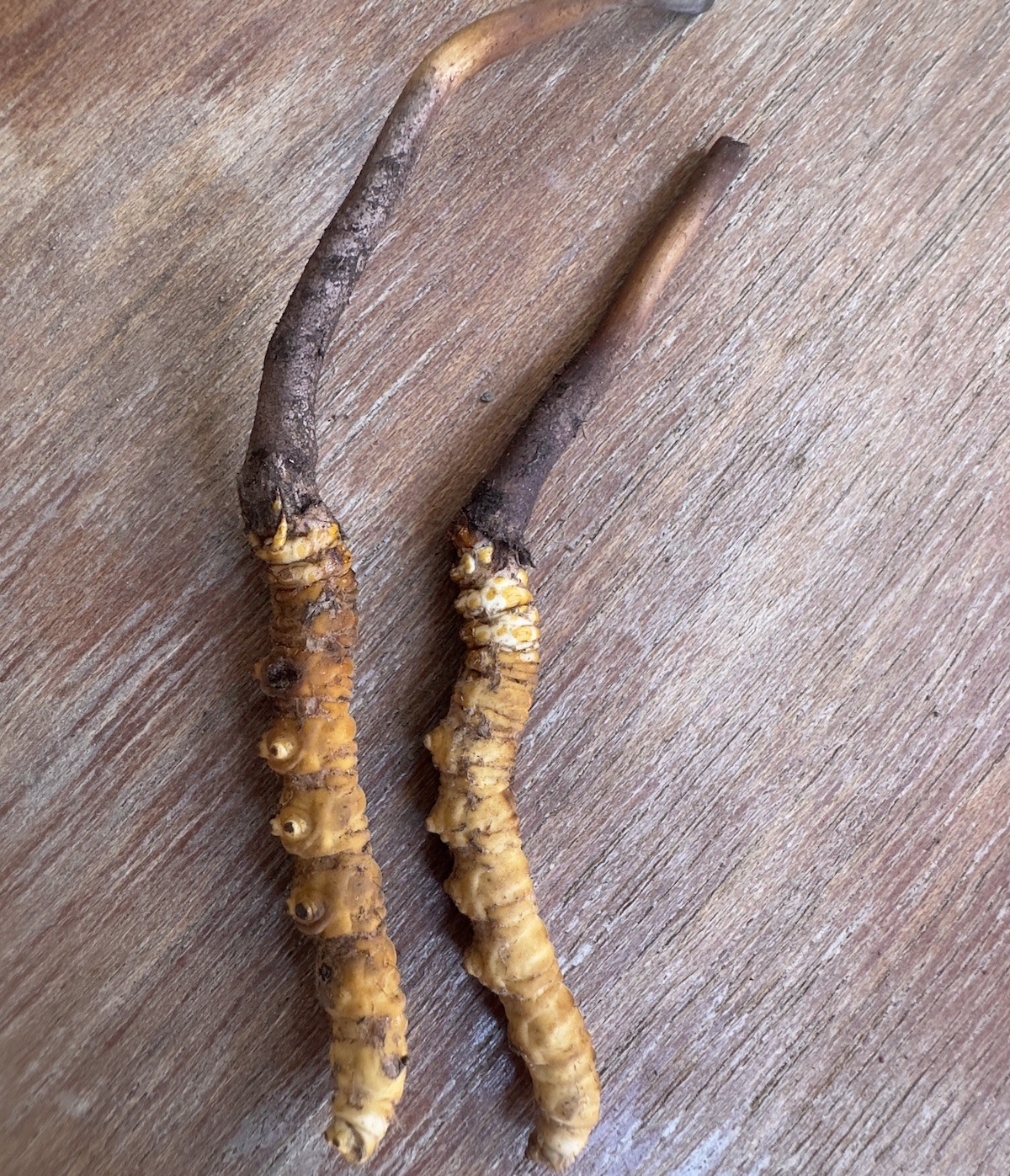
During late spring, a blackish-brown stroma (a fruiting body that looks like a mushroom stem) grows out of the caterpillar's head and pierces the soil. This part is harvested by collectors. Since the whole process is underground and the fungus only grows at high altitudes, artificial cultivation is not yet feasible, which explains its extreme price.
Lifecycle of Yarshagumba (Ophiocordyceps sinensis) :
Here, this amazing symbiotic relationship is what gives Yarshagumba its unique medicinal powers. Its growth depends on the unpolluted conditions found high in the Himalayan meadows, so collecting practices need to be environmentally conscious, and the knowledge of local collectors is key to its continued existence.
When trekking in areas where Yarshagumba is found, remember to tread lightly and show respect to local traditions. Always adhere to Leave No Trace principles, and it is important to trek with an experienced local guide who understands the sensitivities of the collection season.
For centuries, Yarshagumba has held a place of honor in both Himalayan and traditional Chinese medicine as the ultimate restorative tonic, promoting stamina, vitality and longevity.
Health Benefits :
In traditional Chinese medicine, it is known as “Dong Chong Xia Cao” and considered one of the most prized adaptogenic natural substances. In Himalayan medicine, it is used by local healers as a cure for weakness and to help with recovery after illness.
Likewise, its great value stems from the scarcity, but also the fact that it is considered a whole-body tonic. Modern science is now investigating its anti-fatigue and its immune stimulating potential as well as its strong antioxidant effect.
So that's why Yarshagumba is one of the most sought-after and prized natural products in Asia as a powerful natural energy booster and full body tonic.
Meanwhile, Yarshagumba is only found in the specific conditions that high alpine pastures between 3,500 and 5,000 meters (11,480 ft to 16,400 ft) provide. In Nepal, it is most commonly found in high-altitude, remote districts where the right balance of host, soil, and moisture is found.
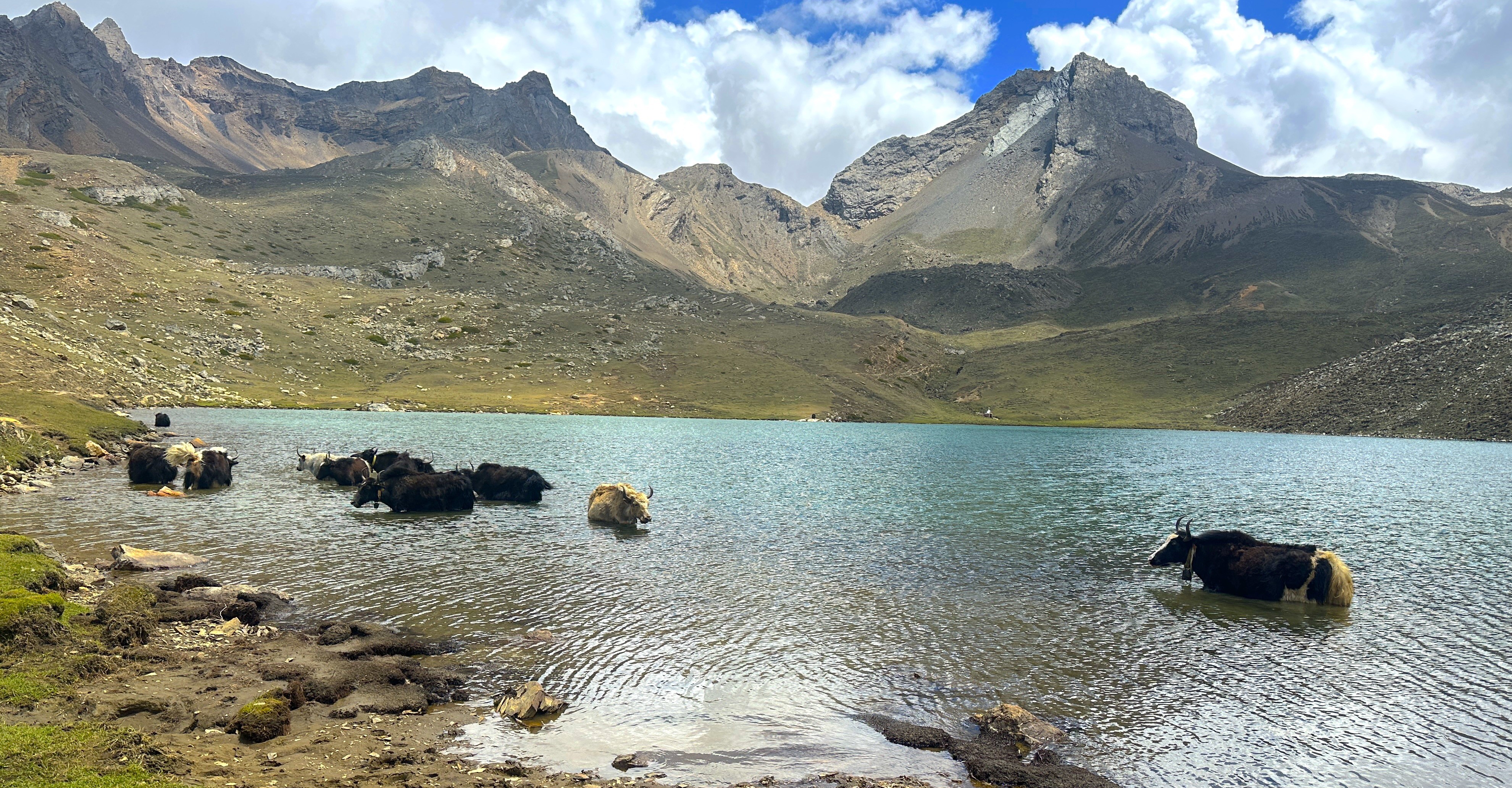
Major harvesting regions within Nepal:
| Region | District | Altitude (meters) | Accessibility | Notable Features |
|---|---|---|
| Upper Dolpo | Dolpa | 4,000 - 5,000 | Very remote | Best quality and highest meadows. |
| Manaslu/Tsum Valley | Gorkha | 3,800 - 4,800 | Moderate | Good trekking access along main paths. |
| Mugu | Mugu | 3,900 - 4,900 | Remote | Unexplored areas, high yield. |
| Darchula (Api Nampa) | Darchula | 3,600 - 4,500 | Very Remote | Remote, tough terrain, eastern border regions. |
In fact, the harvest season is quite short, normally from mid-May to mid-June, after which time the fruiting bodies appear above ground. This means that it is not available all year round.
In conclusion, Yarshagumba is a true jewel that can be found in some of Nepal’s most remote and pristine alpine pastures. Its habitat restricted and rare range highlights the need for careful management of harvesting and responsible trekking tourism.
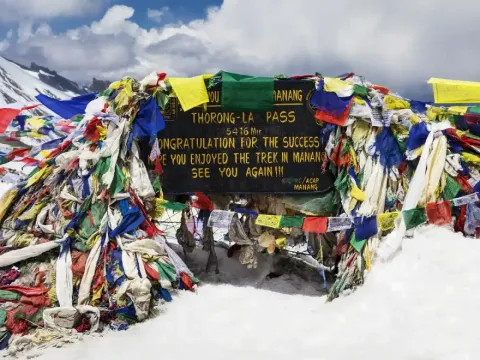
Actually, Yarshagumba harvesting has a very narrow window and is incredibly time sensitive. The season usually kicks off in the late spring (mid-May to mid-June) when the snows of winter start melting away from the high alpine pastures. This small window of 3-6 weeks is due to the time the fungus needs to grow and poke out of the ground as the ground temperatures rise.
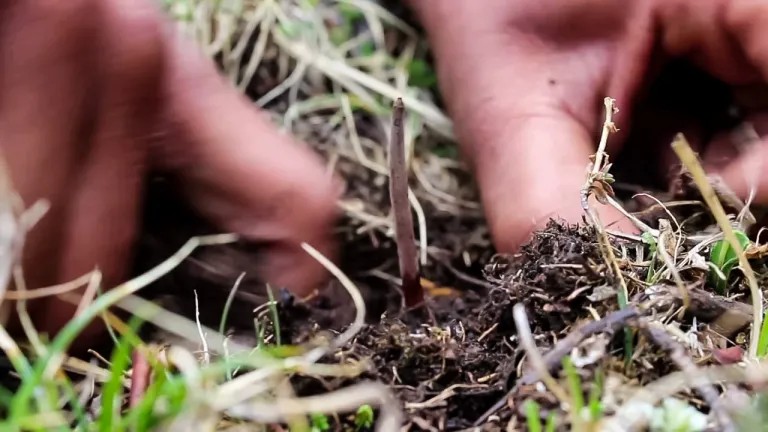
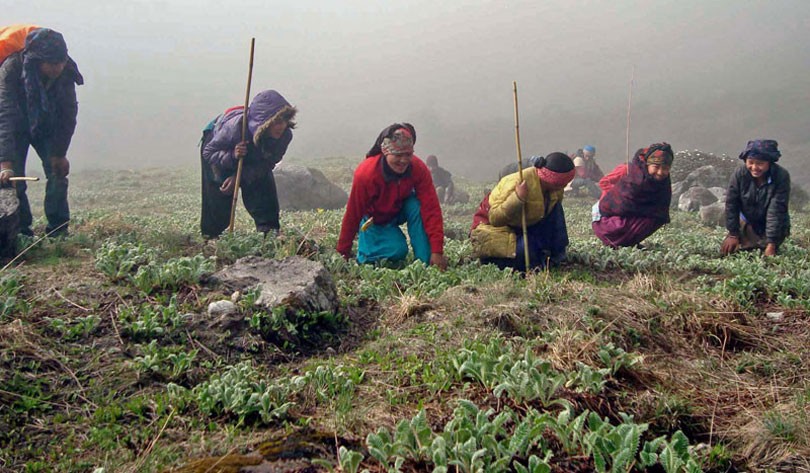
In fact, during the collection season the whole village in Nepal’s mountain regions like Upper Manaslu, Annapurna Circuit, Tsum Valley, Dolpo and Darchula is emptied of its residents. Schools are shut and homes are left unlocked. The entire community- men, women, children and even the elderly- migrate up to the high alpine meadows (between 3,500 m and 5,000 m) where the precious fungus can be found.
Collection season quick facts:
| Region | Collection starts | Peak collection period | End of season | Estimated duration |
|---|---|---|
| Upper Dolpo | early May | mid-May to early June | mid-June | 4-6 weeks. |
| Manaslu / Tsum Valley | mid-May | late-May to mid-June | late June | 3-5 weeks. |
| Darchula / Mugu | early May | mid-May to June | early July | 4-6 weeks. |
Therefore, it is only a very short but highly concentrated 'golden window' when it comes to collecting Yarshagumba. Whether it is for collection or trekking in the fragile alpine environment at such high altitudes, timing is everything.
Actually, the life of a Yarshagumba picker involves prolonged hardship and extreme exertion, both physical and psychological. Each spring thousands of people from mountain villages, are forced to temporary encampments above 4000m where they will search for the fungus. The work is relentless and highly dangerous.
Life of a Yarshagumba picker:
| Hazard | Description | Level of danger |
|---|---|---|
| Altitude sickness | symptoms occur over 4000m and include headache, vomiting, fatigue etc. | High |
| Extreme weather | snow storms and high winds are common at these altitudes | Very High |
| Terrain hazards | loose scree and rock fall are common features | High |
| Physical exhaustion | prolonged crawling in low oxygen environments at altitude | Very High |
| Lack of medical support | remoteness of locations makes medical help a very lengthy procedure | High |
Despite the risks involved and the sheer hardship, the revenue generated through collection provides a vital source of cash for the many remote Himalayan communities where people are dependent on the fungus to survive throughout the rest of the year. Increasing focus is now put upon practices which help conserve the precious natural resources of the Himalayas.
In short, the human footprint is a powerful one that exists as much as any other footprint you would be able to see, and tells of not only incredible perseverance but also of considerable risk
Actually, the Upper Dolpo Trek is renowned as one of the world's most secluded and breathtaking trekking experiences, and it's in the very heart of its wealthiest Yarshagumba harvesting valleys. This legendary high-altitude expedition provides an unparalleled opportunity to witness the yearly "Yarsha gold rush" at its most genuine.
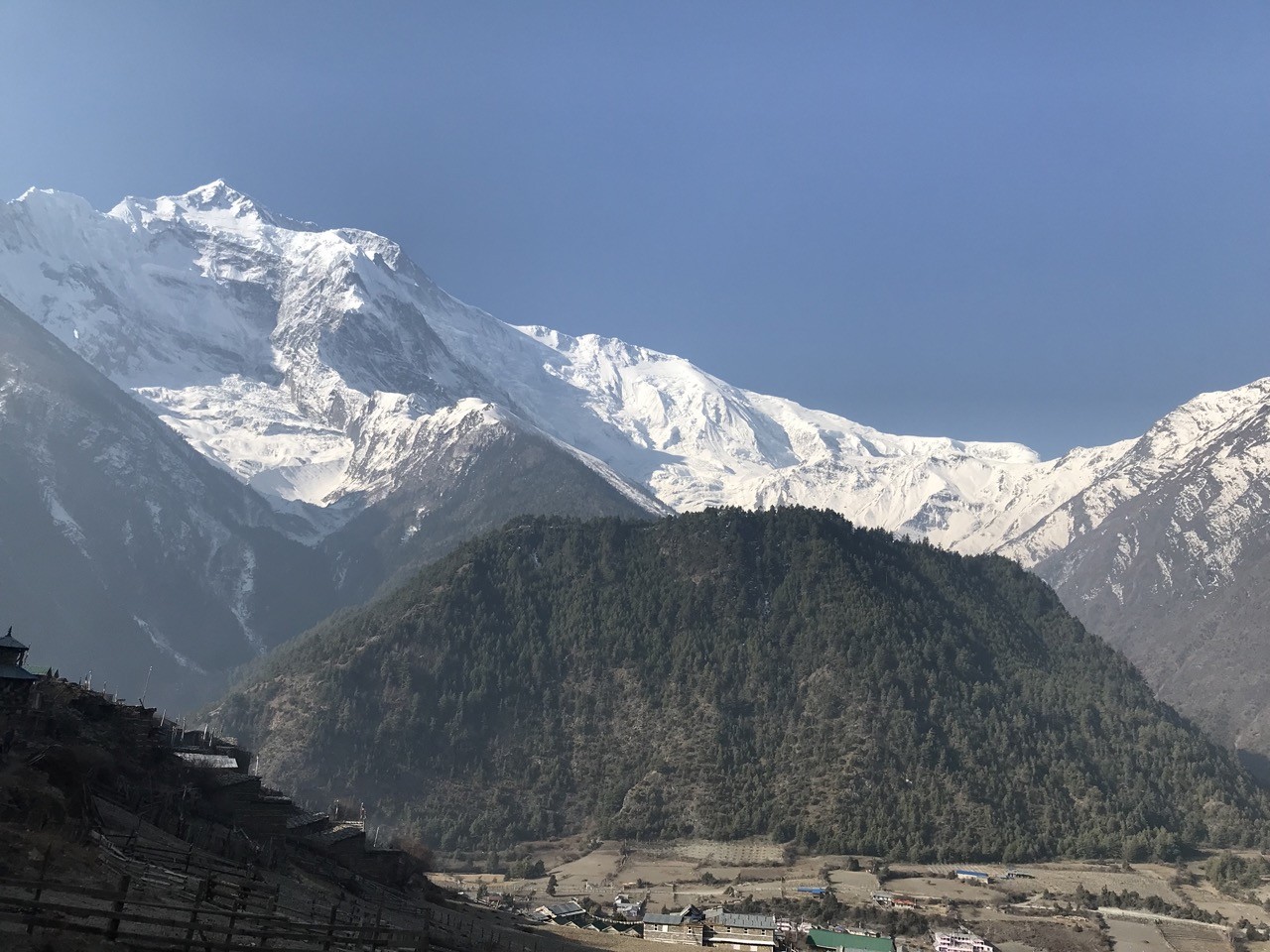
Between May and early June, the highest alpine meadows surrounding Phoksundo Lake teem with transient camps, as the entire villages trek upward in pursuit of this magical fungus. The blend of the untamed wilderness, the ancient culture of Bon Buddhism, and the frantic seasonal enterprise of Yarshagumba harvesting make Upper Dolpo a truly unforgettable destination.
The Appeal of Upper Dolpo for Yarshagumba :
| Trek Segment | Altitude Range | Relation to Harvesting | Experience |
|---|---|---|
| Phoksundo Lake Area | 3,600 - 4,800m | Key Harvesting Area | Beautiful lake with active collecting camps |
| High Pastures beyond Lake | 4,200 - 5,000m | Prime Fungus Grounds | Remote wilderness with cultural richness |
In essence, by walking the fungus trails of Upper Dolpo, you can gain insight into a living Himalayan tradition that is seldom witnessed by outsiders, blending the rugged beauty of the mountains with a profound cultural experience shaped by the seasonal hunt for "Himalayan Gold".
Meanwhile, the high alpine meadows around the Manaslu Circuit, Annapurna Circuit and within the secluded Tsum Valley transform into buzzing harvesting grounds in late May and throughout June. These remote, western-central regions offer trekkers a direct view into the seasonal "gold rush" while immersing them in a rich, Tibetan-influenced mountain culture.
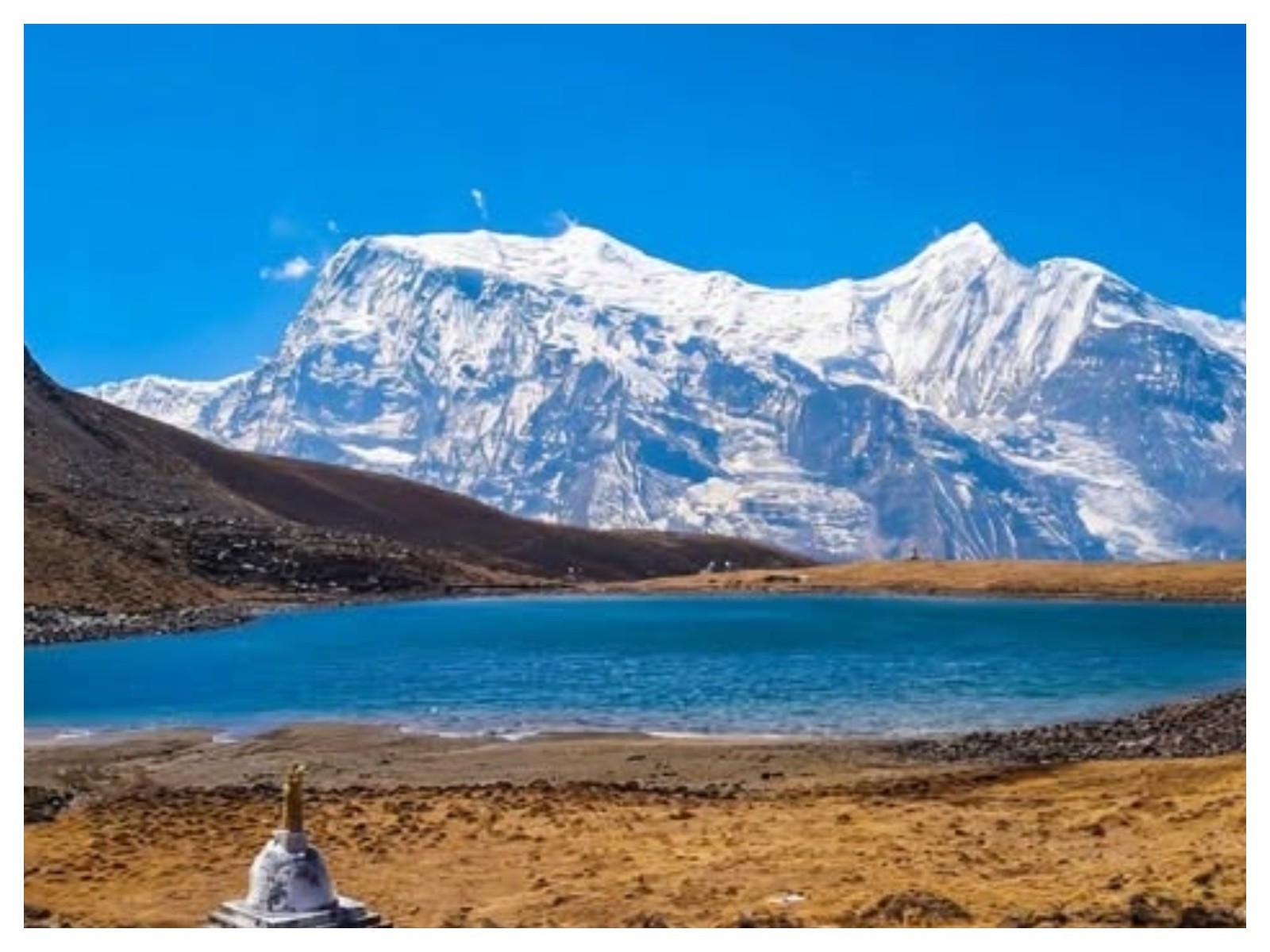
In fact, the villagers gather in temporary encampments above Samdo (3,860m) on the Manaslu Circuit, Manang on Annapurna Circuit and in the hidden side valleys of Tsum Valley, to search for the precious Yarshagumba. The combination of awe-inspiring mountain vistas and this vibrant, seasonal pursuit imbues these trekking routes with a powerful sense of place and cultural depth.
| Trek Route | Key Harvesting Zone | Altitude Range | Cultural Highlights |
|---|---|---|
| Manaslu Circuit | Samdo and Larkya Pass | 3,800 - 4,800m | Tibetan border villages, traditional life. |
| Tsum Valley Extension | Hidden side valleys | 3,500 - 4,700m | Ancient monasteries, pristine culture. |
What Trekkers Can Expect :
Ultimately, the Manaslu Circuit, Annapurna Circuit and Tsum Valley trekking routes provide an ideal balance of trekking adventure and cultural immersion during the Yarshagumba harvesting season, allowing you to experience this unique Himalayan tradition while enjoying some of the most untouched landscapes in Nepal.
If you are looking for an uncrowded Himalayan experience, consider Darchula, the furthest western district in Nepal. The Api Nampa Conservation Area in Darchula is an incredible destination for witnessing Yarshagumba harvesting with very few other travelers around. Unlike other destinations in Nepal, this area is well off the normal tourist routes and offers the wildest hiking you can imagine with access to untouched alpine meadows. Local communities in this area practice traditional seasonal migration for the fungus harvest, but because of the remote location and the nature of the trekking, only very few international trekkers ever reach this beautiful corner of Nepal.
The reason for its popularity among trekkers :
| Information | Details | The experience for a traveler |
|---|---|---|
| Location | Far-western Nepal (Darchula) | Truly remote border region. |
| Altitude | 3,600 m – 4,800 m | True high-alpine country. |
| How many other travelers? | Very few | Total wilderness and solitude |
| Any culture to see? | Traditional, yet sustainable culture | Interaction with remote mountain communities |
In conclusion, the wild harvesting meadows of the Api Nampa Conservation Area in far-western Nepal represent one of the least touristy but most fulfilling places to be during the fungus season. It is for the truly adventurous trekker.
For some of the high-altitude villages in Nepal, Yarshagumba is the sole economic source on which they survive and are able to feed their families throughout the year. With one harvest, these people can make enough money for an entire year if they are able to find enough fungus. Selling only a few specimens of this herb may be enough to support a family with cash, to buy food for winter, cattle and to provide the children with education and health facilities.
| Aspect | Impact on Local Economy | Importance |
|---|---|---|
| Source of Annual Income | Primary cash product for high-altitude villages | One of the most important sources for annual income. |
| Local Development | Support of schools and hospitals | Local infrastructure |
| Buying Livestock and food | Enables survival through winters | Essential for livelihood |
| School fees and support | Facilitates education | Future opportunities |
In fact,Tthe price of a kilogram can reach thousands of dollars depending on the quality of the fungus, its size and market value. Hence, it is essential for these families that the harvest is successful, as a poor harvest can bring hard times.
Therefore, the economics of the peak emphasizes that the success of this small fungus has a great deal of influence on the lives of families residing in the remote Himalayas. Responsible travel and tourism to these regions will assist these communities in maintaining this precious resource.
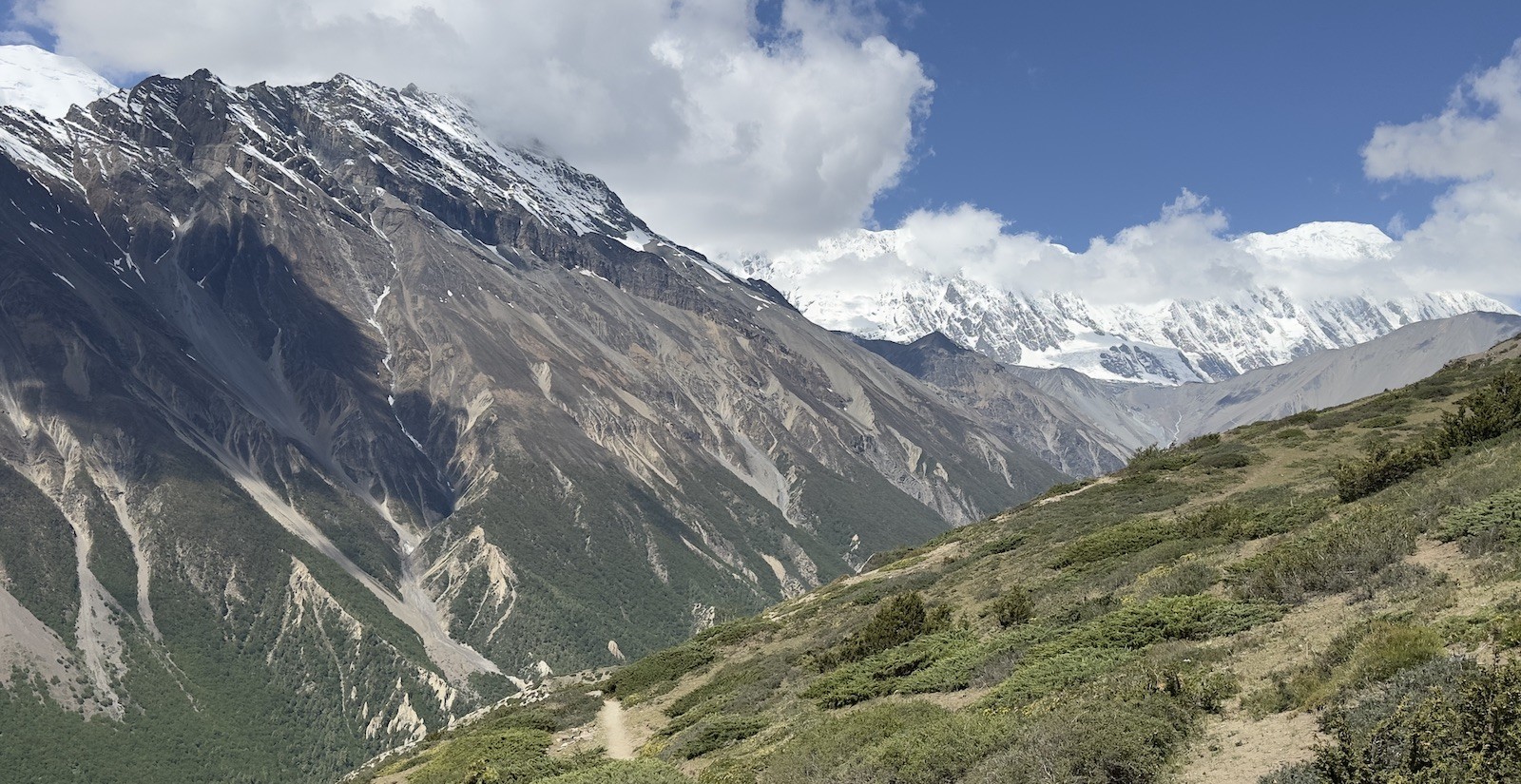
Here, Yarshagumba is facing unprecedented pressures. Global warming is pushing the snowline ever higher, and an increased demand for the fungus means locals and outsiders are searching in ever more remote and fragile areas. Climate change is disrupting the delicate balance that governs the life cycle of the fungus, whilst commercialization and tourism are pushing harvesting efforts to ever higher altitudes, and over a more extended period each spring.
Key Environmental Issues:
How we can help make a difference:
| Initiative | Aim | Environmental Impact |
|---|---|---|
| Community rotations | Rotating picking grounds annually | Reduces impact on the meadow |
| Leave no trace | Waste reduction/minimization | Prevents damage to alpine soil |
| Monitoring efforts | Scientific assessment of effects | Guides long-term management strategies |
Most importantly, sustainable tourism within the harvesting period could also have a positive impact if accompanied by ethical guidelines.
In conclusion, the continued survival of Yarshagumba depends on the sustainable use of its fragile alpine environment. We must ensure it can thrive in the years ahead by acting responsibly and supporting the conservation efforts initiated by the local communities who call this beautiful region home.
Here, Yarshagumba represents far more than just a fungus - it is the connection between nature, traditional medicine, and a people of the high Himalayas. From its unusual life cycle to its moniker 'Himalayan Gold,' this fungus represents one of nature's most incredible phenomena.
| Region | Season to visit | Altitude (m) | Experience level | Must see |
|---|---|---|
| Upper Dolpo | Mid-May-Early June | 4000–5000 | Advanced | Clear mountain lakes, harvest culture |
| Manaslu & Tsum Valley | Late May-Mid-June | 3800–4800 | Intermediate | Spiritual heartland, accessible hiking |
| Darchula/ Api Nampa | Early-Mid May | 3600–4500 | Advanced | True wilderness experience, untouched land |
Principles of responsible trekking:
In fact, Spring (late May/early June) will be the best season for you to encounter the cultural aspect of this remarkable natural wonder as life is at its peak throughout the region.
In summary, embracing the cultural significance of Yarshagumba and visiting in an ethical manner is a great way to witness one of nature's most astonishing stories and simultaneously support a people who rely on this natural resource. Responsible, conscious traveling will help the magic of this Himalayan wonder endure.
1. What is the name of the Himalayan traditional medicine known as Yarsagumba?
Yarsagumba (Ophiocordyceps\ sinensis) is an extremely rare entomopathogenic fungus that parasitizes and mummifies ghost-moth larvae beneath the soil. When spring comes, a dark, sprout-like fruiting body will then erupt from the head of the dead insect.
2. What is the meaning of the name Yarsagumba in the Himalayas?
The Tibetan name literally means "summer grass, winter worm" in relation to its life cycle: it lives deep under the earth as an infected insect during the winter and by the spring it grows up above the ground from the alpine meadows as a plant/herb.
3. Where can authentic Yarsagumba be found in the wild?
Genuine Yarsagumba is exclusively indigenous to the clean high-altitude alpine grasslands of the Himalayas across Nepal, Tibet, Bhutan, and sections of India, growing at high altitudes from 3,500 to 5,000 meters above sea level.
4. Which region of Nepal has the most famous Yarsagumba harvest?
The remote Dolpa district in western Nepal, which accounts for about half the nation’s total Yarsagumba harvest, is the most well-known region. The neighboring districts, such as Darchula, Rukum, Jumla, and Mugu, are also prime locations where local communities rely heavily on the seasonal collection.
5. Why is Yarsagumba called "Himalayan Gold"?
The herb has gained the nickname Himalayan Gold as it has reached an extremely valuable and rare market value, with highest grade wild Yarsagumba selling for as much as $20,000 to over $100,000 USD per kilogram in the international market. This exceeds the value of a similar weight of pure gold.
6. What are the primary Yarsagumba benefits for physical energy?
The most renowned of all the Yarsagumba benefits is the effect it has on revitalizing an over-exerted physical system, directly addressing fatigue. By stimulating cellular adenosine triphosphate (ATP) production, the herb greatly increases oxygen use, endurance, and athletic performance.
7. What earned this herb the popular nickname "Himalayan Viagra"?
Used extensively in traditional Chinese and Asian medical practice for weakness in libido, animal research confirms that it boosts testosterone levels and sperm count, lending it the universally recognized moniker Himalayan Viagra.
8. How do Yarsagumba and human lung health relate?
As a historical lung tonic, traditional physicians often use this herb to treat respiratory ailments such as bronchitis, persistent coughs and asthma. The complex compounds present within the fungusrelax the respiratory airways and optimize oxygen absorption under intense physical stress.
9. What key bioactive compounds contribute to the medicinal properties of Yarsagumba?
The extensive chemical profile of Yarsagumba consists of a range of compounds including cordycepin, various polysaccharides, adenosine, and amino acids. The unique bioactive compounds cordycepin exhibits potent anti-inflammatory, antiviral, and anti-cancer properties, whereas the polysaccharides are responsible for its immunomodulatory effects.
10. How is Yarsagumba traditionally consumed in the mountains?
In Himalayan communities, the herb is typically chewed raw after being cleaned and dried. However, as it has a distinctly musty and earthy flavor, it is often boiled into potent herbal teas, steeped in the local alcoholic beverages, or simmered with warm milk and ghee.
11. Can Yarsagumba be taken on a daily basis?
No, daily prolonged or excessive use is generally advised against. Because the herb is such a powerful metabolic and immune stimulant, taking too much may disrupt the body's equilibrium, and practitioners suggest micro doses of between 0.3 and 0.7 grams daily in cyclic patterns.
12. Are there any side effects associated with Yarsagumba usage?
Apart from minor digestive disturbances such as nausea and a dry throat, Yarsagumba side effects may include a mild allergic reaction. Since it can have a slight effect on blood clotting and immune stimulation, it should be used with extreme caution preceding surgery or in conjunction with certain medications.
13. Does Western medicine recognize Yarsagumba as a treatment?
No, there is no official recognition from Western health bodies of wild Yarsagumba as a treatment for any condition. While laboratory evidence supports its antioxidant and anti-inflammatory properties, insufficient human clinical studies prevent its categorization as anything other than a nutritional supplement.
14. When can the Yarsagumba be harvested?
The short harvesting season takes place from early May to July. As the winter snow melts off the higher altitude alpine meadows, thousands of locals venture out to set up temporary mountain camps for the hunt.
15. How do local collectors search for the herb on the mountain?
To find the elusive herb, local collectors often spend weeks on their hands and knees sifting through short alpine grass for the distinct, dark-colored finger-like stalk, barely a centimeter out of the damp soil.
16. Why are children said to be such effective Yarsagumba collectors?
Children's eyes are sharper and are better placed close to the ground where the herb often grows. In many parts of rural Nepal, the school year stops completely in May and June, allowing families to spend the time together collecting.
17. What makes Yarsagumba premium quality?
Premium specimens have a firm caterpillar that remains intact along with a dark golden-brown body. The flower stalk emerging from the caterpillar head also needs to be unblemished and completely attached to the insect after harvest and the whole process of drying.
18. How can tourists avoid buying counterfeit Yarsagumba in market places?
Authentic Yarsagumba has a steep price tag, and to counter this, many counterfeit specimens are sold at tourist markets. These fake herbs often consist of real herbs but have been weighed down with lead wires or joined together with glue; some are even completely replaced by fake mushrooms. If you are in the market for genuine Yarsagumba, you should visit licensed traders that operate in Kathmandu who provide certification and have official collection permits.
19. What environmental factors threaten the future of Yarsagumba?
Climate change, habitat destruction and over-collection are severely impacting the wild populations of Yarsagumba and its pristine alpine habitat. Many locals camping out on the slopes cause irreparable damage to their environment by leaving trash and chopping down forests on which the native flora and fauna depend.
20. Is it legal to collect and export Yarsagumba from Nepal?
Collecting Yarsagumba is legal within Nepal only if you have been given authorization through collecting permits and you pay your collected goods to the local authorities/government via royalty fee and the local park entry fees if any. The international border is controlled strictly regarding any type of export. You need to know the international rules on exporting Yarsagumba as per the local governing authority; and, there are laws in place regulating its purchase and shipment.
Our travel experts are ready to assist you with any questions.
Send us a message.Have a question before you book? Send your enquiry below and our travel experts will get back with the required information.