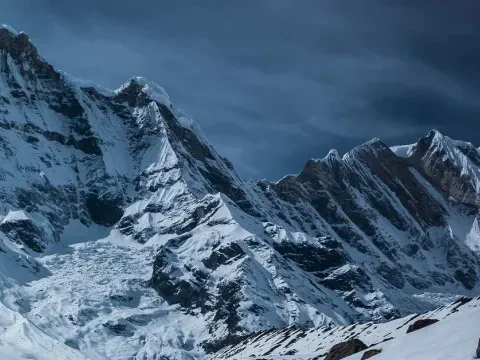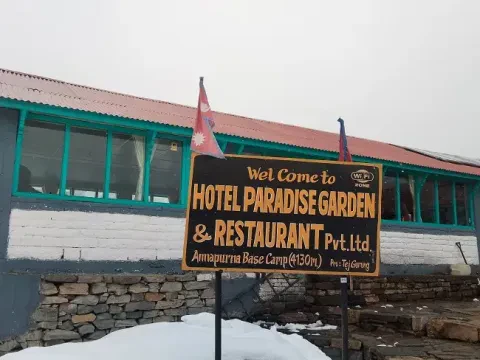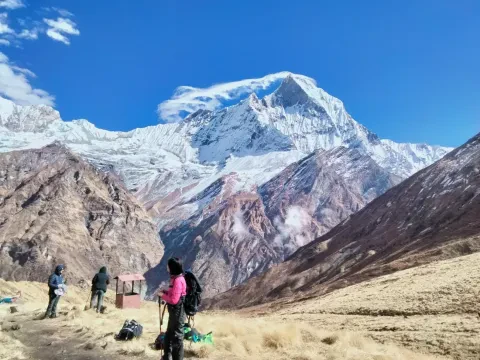
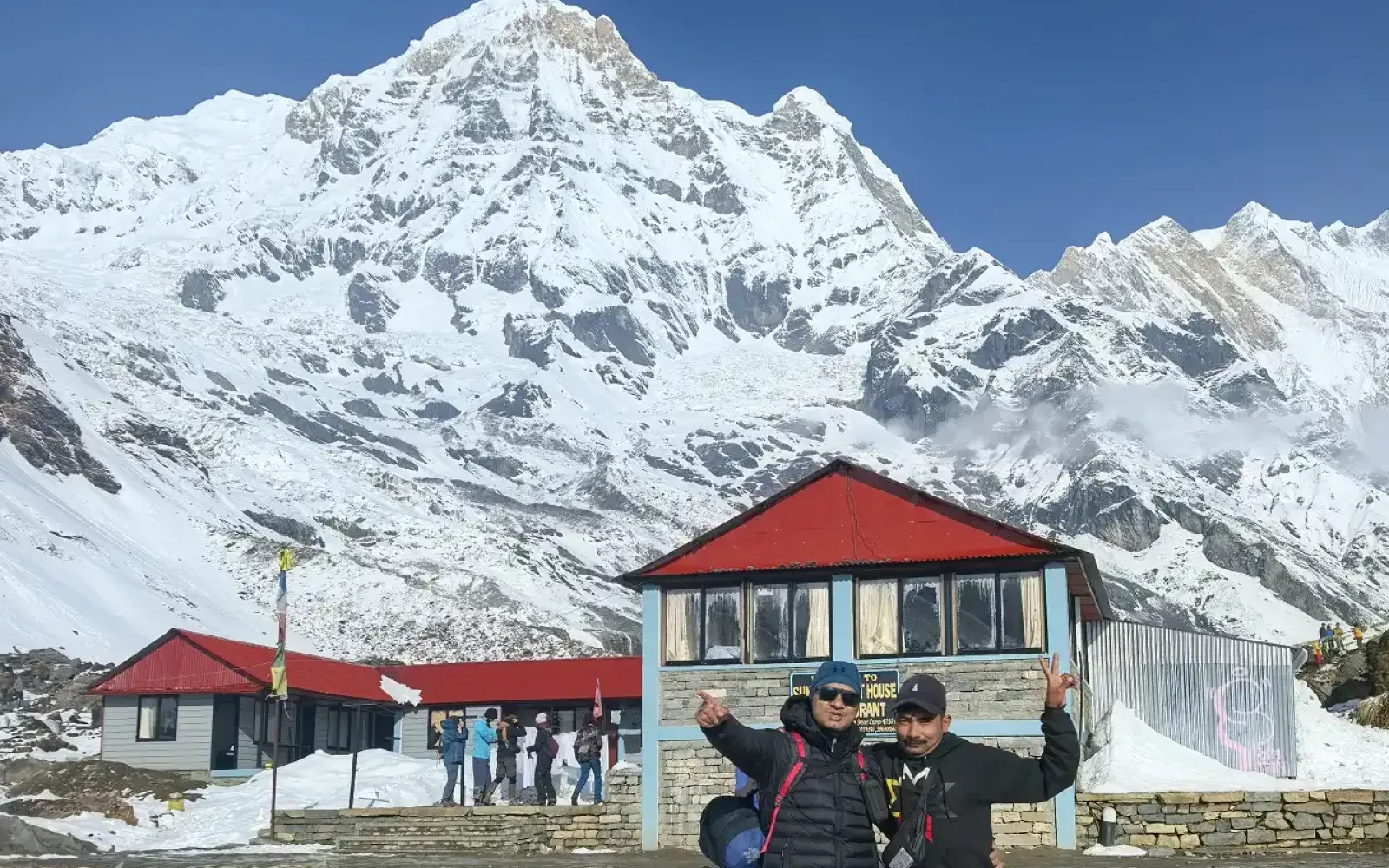
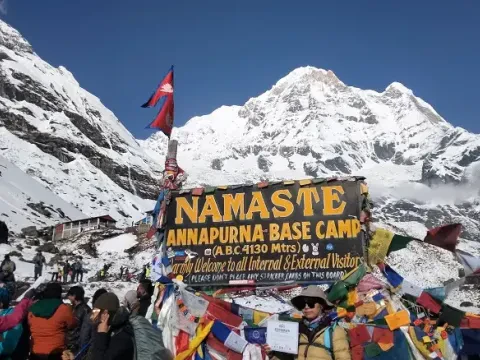
Let’s be honest, if you’re heading to Nepal, the Annapurna Base Camp trek is probably at the top of your list—and for good reason. The adventure pulls in trekkers who want the real Himalaya experience. There’s something about standing beneath Annapurna I, all 8,091 meters of it, that just sticks with you. The climb to base camp at 4,130 meters is no joke, but every step feels worth it.
What makes ABC trek more than just a physical journey? The villages. You wander through Gurung communities, where locals don’t just smile—they welcome you in, swap stories, and make you feel at home. Each day brings new terrain: forests, rivers, stone steps, and those jaw-dropping mountain views. It’s the sort of trip that gets under your skin. Most people leave with stories they’ll tell for the rest of their lives.
Likewise, plenty of adventurers pick this trek to Annapurna Base Camp as their first big Himalayan challenge. Why? It hits the sweet spot: tough enough to feel rewarding, but manageable. You get up-close views of Machapuchare, that iconic fishtail peak, and every night, you crash in a cozy teahouse with good company. There’s time to soak in hot springs, catch wild sunrises at mountain viewpoints, and just breathe it all in. The best part? You walk away feeling like you got so much more than you paid for. No wonder trekkers always tell their friends—if you’re coming to Nepal, start here.
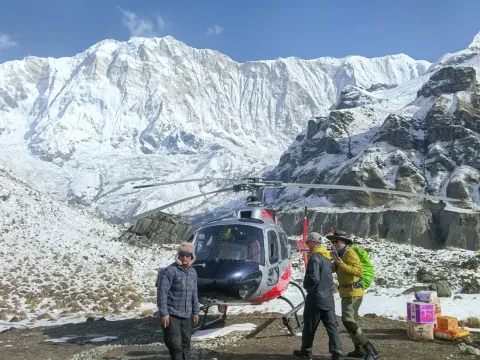
| Key Peaks in the Annapurna Region | Elevation (m) | Why It Stands Out |
|---|---|---|
| Annapurna I | 8091 | Tenth-highest mountain; towers over the sanctuary. |
| Annapurna South | 7219 | Forms dramatic amphitheater walls. |
| Machapuchare | 6993 | Iconic fishtail shape; sacred and unclimbed. |
| Hiunchuli | 6441 | Guards the entrance to the base camp. |
| Annapurna II | 7937 | Visible from multiple trail points. |
Exploring the Legendary Annapurna Sanctuary and Its Hidden Surprises
Meanwhile, people from all over the world are drawn to the Annapurna Sanctuary. There’s something magnetic about that glacial basin. Standing at 4,130 meters, surrounded by those massive peaks, you can’t help but feel small—and alive. Every ancient trail you follow adds to the experience. The air feels clean, almost electric. It’s not just about the landscape, though. The sanctuary is packed with little surprises, and the only way to find them is to keep moving, step by step.
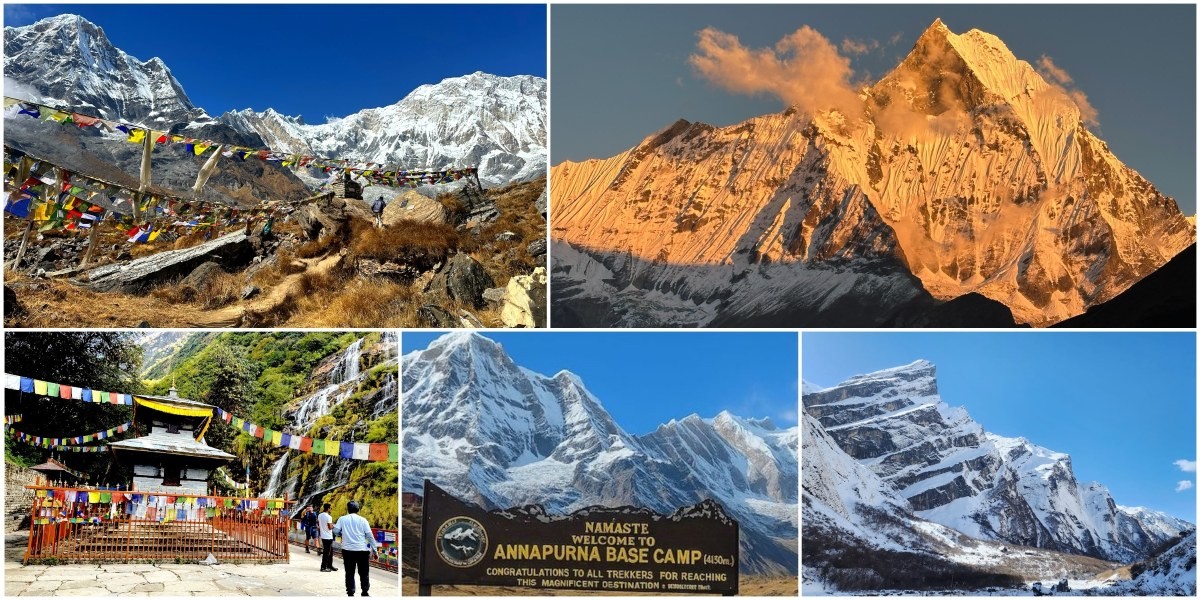
Likewise, adventurers dive in headfirst. They spot rare rhododendrons blooming in places you’d never expect. They make their way to Machapuchare Base Camp at 3,700 meters and find hidden hot springs perfect for a soak after a long trek. Along the way, locals share stories that stick with you long after you’ve left. Every breath fills your lungs with that crisp mountain air. The sanctuary doesn’t give up its secrets all at once—you discover them as you go, each day revealing something new.
| Hidden Wonders in the Annapurna Sanctuary | Location/Elevation | Unique Feature | |
|---|---|---|
| Glacial Basin | Amphitheater/4130m | Surrounded by 8000m peaks; pristine views | |
| Rhododendron Forest | Ghorepani area | World's largest; vibrant spring colors | |
| Jhinu Danda | Hot Springs/1780m | Natural geothermal pools for relaxation | |
| Machapuchare Base Camp | 3700m | Starry skies and sacred mountain views | |
| Bamboo Gorges and Waterfalls | Lower trails Lush, misty paths with cascading water |
| Biodiversity Facts in the Sanctuary | Details |
|---|---|
| Protected Area Size | Largest in Nepal; over 7600 sq km |
| Flora Highlights | Rhododendrons, orchids, pines |
| Fauna Highlights | Snow leopards, Himalayan tahr, birds |
| Conservation Status | UNESCO site; supports local communities |
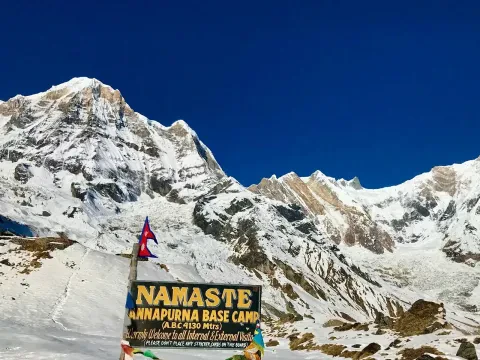
Meanwhile, nothing compares to the views on the Annapurna Base Camp trek. Trekkers don’t just walk—they chase those breathtaking horizons every single day. Annapurna I towers at 8,091 meters, impossible to ignore. Machhapuchhre, with its sharp fishtail peak, stands out at 6,993 meters. Then there’s Hiunchuli(6441m) and Gangapurna(7455m), adding their own drama to the skyline. Together, these giants create a panorama that honestly stops you in your tracks.
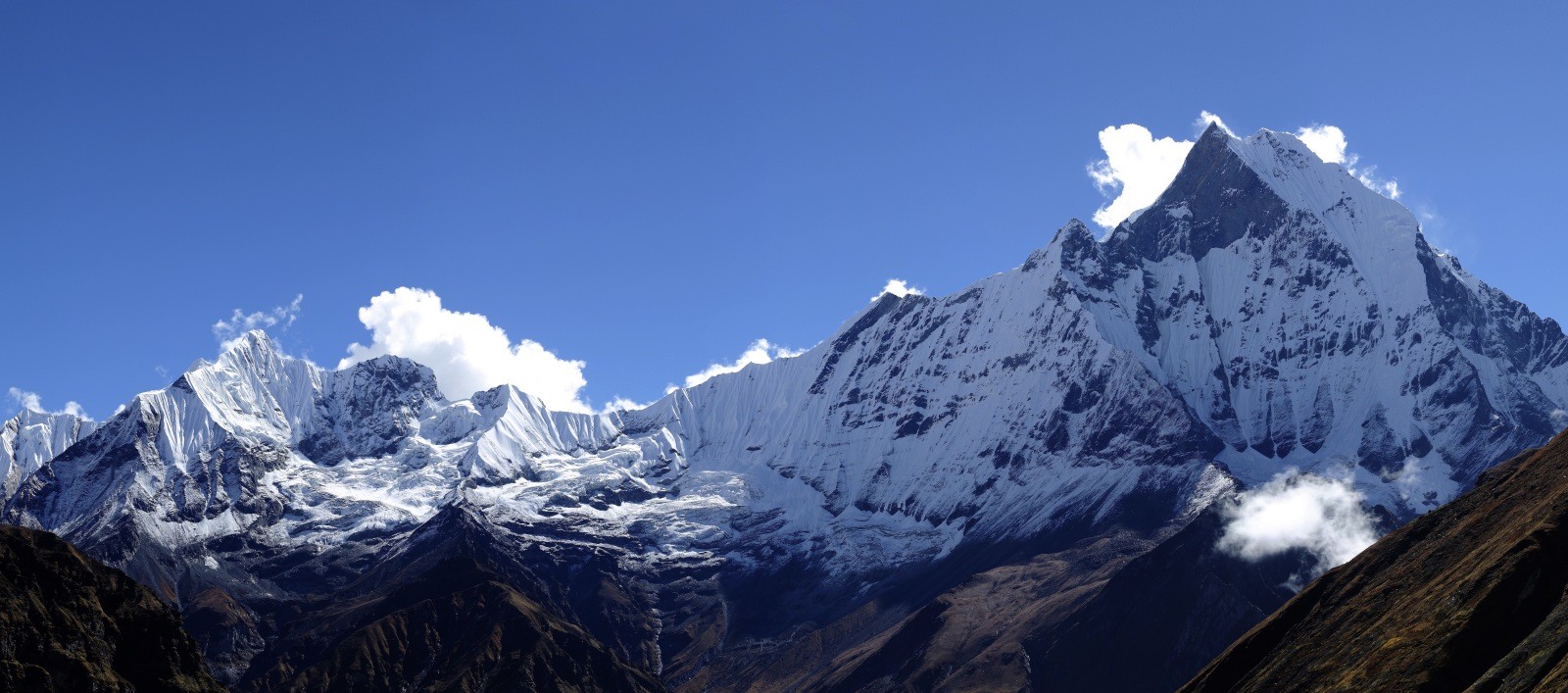
Every day, it’s something new during Annapurna Base Camp Trek. One morning, the sun lights up the peaks in gold. Another, you’re spinning around at base camp, trying to take in the full 360 degrees of snowy summits. People snap photos of Machhapuchhre just to prove it’s real. Standing so close to these mountains, you can actually feel their power. It’s hard work to get here, but these views make every step worth it. By the time you leave, those sights are burned into your memory—impossible to forget.
| Iconic Peaks Visible on ABC Trek | Elevation (m) | Best Viewpoint | Highlight |
|---|---|---|
| Annapurna I | 8091 | ABC (4130m) | 10th highest mountain; massive face |
| Machhapuchhre (Fishtail) | 6993 | MBC (3700m) | Sacred, unclimbed; iconic shape |
| Hiunchuli | 6441 | ABC entrance | Guards sanctuary; sharp ridges |
| Gangapurna | 7455 | ABC amphitheater | Form7455s dramatic glacial walls |
| Annapurna South | 7219 | Multiple points | Snow-covered pyramid; stunning |
| Annapurna III | 7555 | Deurali/ABC | Towering in the background |
| Top Viewpoints for Jaw-Dropping Scenes | Elevation (m) | Time of Day Best Key Peaks Seen |
|---|---|---|
| Poon Hill | 3210 | Sunrise - Annapurna South, Dhaulagiri, Machhapuchhre |
| Machhapuchhre Base Camp | 3700 | Anytime - Machhapuchhre close-up, Hiunchuli |
| Annapurna Base Camp | 4130 | Sunrise/Sunset - 360°: Annapurna I, South, Gangapurna |
| Deurali | 3230 | Clear days - Multiple Annapurna peaks |
Mainly, the Annapurna Base Camp trek throws you right into a world of changing scenery. You start off in warm, subtropical valleys, winding through thick rhododendron forests that almost glow with color. Pretty soon, you’re weaving through bamboo groves and then—just like that—you’re up in breezy alpine meadows. Every day, the trail surprises you. One minute you’re surrounded by wildflowers, the next you’re scrambling over rocky moraines with glaciers staring you down. It’s like hiking through a handful of different worlds all in one trip.
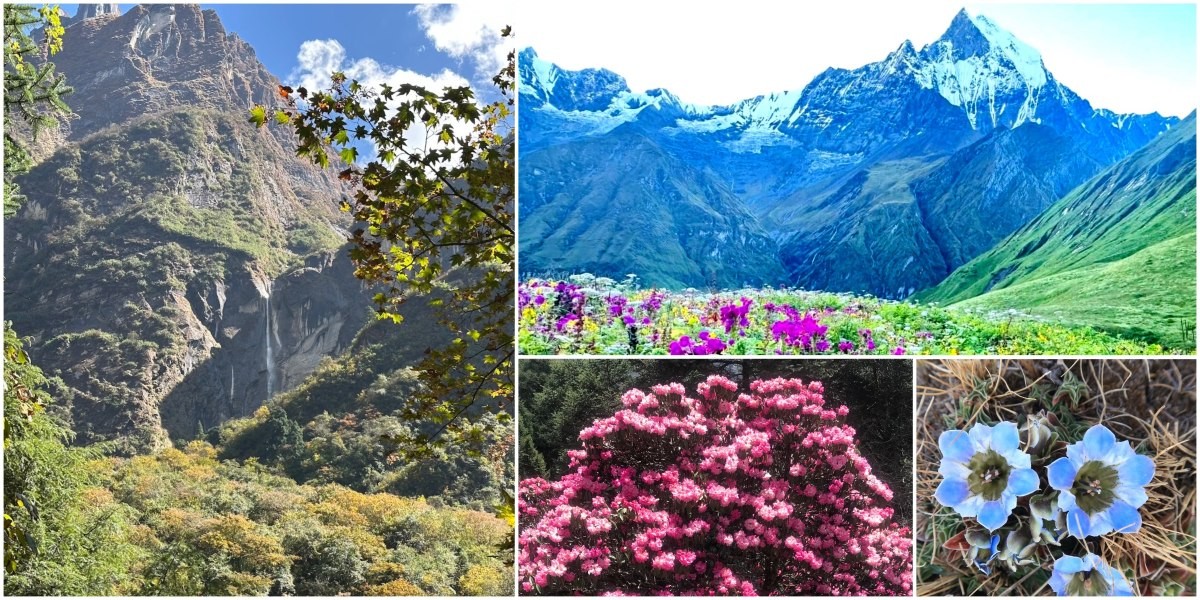
Here, this constant change keeps trekkers energized. The trail runs through terraced farms, then plunges into dense oak and rhododendron woods, then bursts out onto wide open meadows. And honestly, those sharp transitions are what make the Annapurna trek unforgettable. You really feel Nepal’s wild diversity under your boots. Every landscape leaves its own mark, and by the end, the patchwork of colors and terrains sticks with you.
| Vegetation Zones on ABC Trek | Elevation Range (m) | Dominant Features | Best Time to See |
|---|---|---|
| Subtropical/Terraced Fields | 1000–2000 | Rice paddies, villages, broadleaf trees | Year-round. |
| Rhododendron & Oak Forests | 2000–3000 | Dense woods, spring blooms (red/pink) | March–May. |
| Bamboo & Mixed Forests | 2200–2800 | Groves, misty paths, wildlife | All seasons. |
| Alpine Meadows & Shrubs | 3000–3800 | Grasses, wildflowers, open views | Spring/Summer. |
| High Alpine/Glacial | 3800–4130 | Moraines, ice, sparse plants | Clear weather. |
| Landscape Transition Highlights | Key Section Elevation Change | Unique Element |
|---|---|---|
| Lower to Mid: Forests & Villages | Nayapul to Ghorepani | +1790m gain Terraces to rhododendrons. |
| Mid to Upper: Bamboo to Alpine | Chomrong to Deurali +1060m gain | Gorges to meadows. |
| Upper: Meadows to Glacier | MBC to ABC | +430m gain Open alpine to sanctuary basin. |
On the Annapurna Base Camp trek, you don’t just pass through villages — you get pulled right into Gurung life. Places like Ghorepani and Chomrong aren’t just dots on a map; they’re lively communities where locals greet you with honest warmth. You’ll find yourself sitting around kitchen fires, swapping stories with Gurung families. Their daily routines unfold right in front of you. This isn’t just a tourist stop — it’s a real connection to Nepal’s roots.
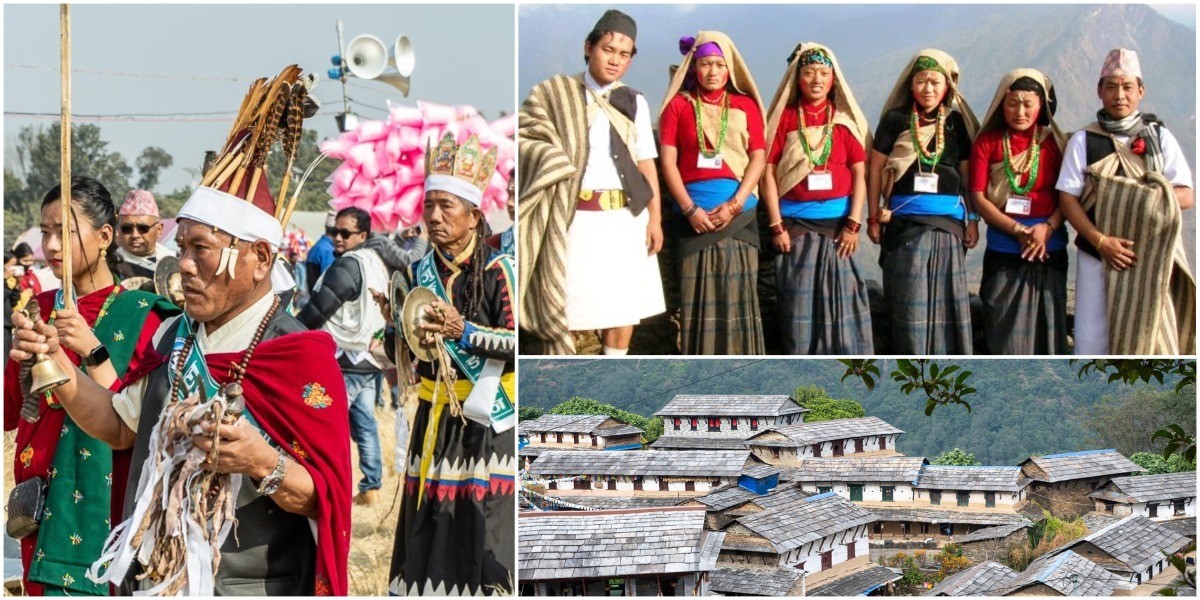
Moreover, you’ll sleep in family-run teahouses, not hotels. You’ll eat homemade Gurung bread and classic dal bhat, not some watered-down version. Sometimes, you catch traditional dances in the evening, or learn a thing or two about Buddhist and animist traditions. Along the trail, you’ll come across sacred spots that locals genuinely respect — and you start to feel that, too. These moments stick with you. The trek becomes more than just a hike; it turns into a true cultural adventure.
| Key Gurung Villages on ABC Trek | Elevation (m) | Cultural Highlights |
|---|---|---|
| Chomrong | 2170 | Largest Gurung settlement; stone houses, viewpoints |
| Ghorepani | 2860 | Traditional weaving, Poon Hill access, homestays |
| Ghandruk | 1940 | Museum of Gurung culture, Annapurna views |
| Sinuwa | 2360 | Mixed Gurung-Magar community, teahouse culture |
| Tikhedhunga | 1540 | Entry village; local farming life visible |
| Elements of Authentic | Gurung Life Description | Where Experienced Best |
|---|---|---|
| Hospitality & Teahouse Stays | Family-run, warm welcome, shared meals | All major stops |
| Traditional Food | Dal bhat, gundruk, buffalo curd | Chomrong, Ghorepani |
| Clothing & Crafts | Woolen shawls, woven bags | Ghorepani, Ghandruk |
| Spiritual Practices | Prayer flags, gompas, shamanism | Villages and trails |
| Daily Activities | Farming, animal herding, weaving | Terraced fields |
Meanwhile, the Annapurna Base Camp trek hits that sweet spot—not too easy, not too tough. If you’re new to trekking, this is one you can actually enjoy without feeling out of your depth. Most beginners start out a little nervous, but the gradual climbs help you ease into the challenge. You’ll spend about a week or so on the trail, maybe a bit longer, covering 5 to 10 kilometers a day. It’s steady, not rushed.
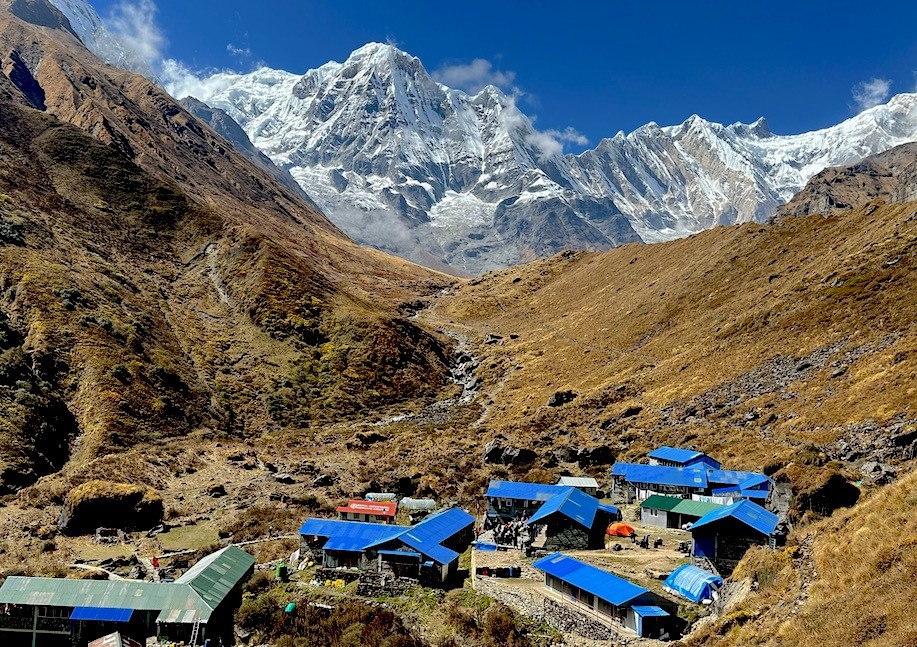
Actually, you don’t need to be a mountaineer, either. No crazy technical sections, just a good hike with beautiful views and friendly faces along the way. The teahouses are perfect for a break, and guides and porters are always around if you need a hand. Bring some basic fitness and a sense of adventure—the altitude’s manageable if you pace yourself.
By the end, most beginners feel stronger, more confident, and honestly, pretty inspired. It’s the kind of trek you finish and immediately want to recommend to everyone you know.
| ABC vs Other Treks | ABC Trek | Everest Base Camp | Langtang Valley |
|---|---|---|
| Max Elevation | 4130m | 5364m | 4984m (Kyanjin Ri) |
| Daily Distance (avg) | 6–10 km | 8–15 km | 5–12 km |
| Steepest Sections | Moderate stone steps | Long ascents | Steeper in parts |
| Technical Difficulty | None | None | None |
| Beginner Suitability | High | Medium High |
| Total Days (typical) | 7–12 | 12–16 | 7–10 |
| Elevation Profile & Key Challenges | Elevation (m) | Gain/Loss (m) | Difficulty Notes |
|---|---|---|
| Nayapul → Tikhedhunga | 1070 → 1540 | +470 | Gentle, riverside. |
| Ghorepani → Poon Hill → Tadapani | 2860 → 3210 → 2630 | +350 / -580 | Short steep climb, then descent. |
| Chomrong → Dovan | 2170 → 2600 | +430 | Many stairs, forested. |
| MBC → ABC | 3700 → 4130 | +430 | Steady, thin air |
| ABC → Jhinu (descent) | 4130 → 1780 | -2350 | Long but rewarding |
The Thrill of Reaching 4,130m at Annapurna Base Camp
Reaching 4,130 meters at Annapurna Base Camp is a rush like no other. You finally make it—standing in the heart of a giant glacial bowl, mountains looming everywhere you look. Breathing in that sharp, cold air, you feel every bit of the climb in your bones. People start high-fiving, shouting, hugging. After all the sweat and hard days, this is what it’s about. The moment hits you—it’s the highlight, the memory everyone keeps.
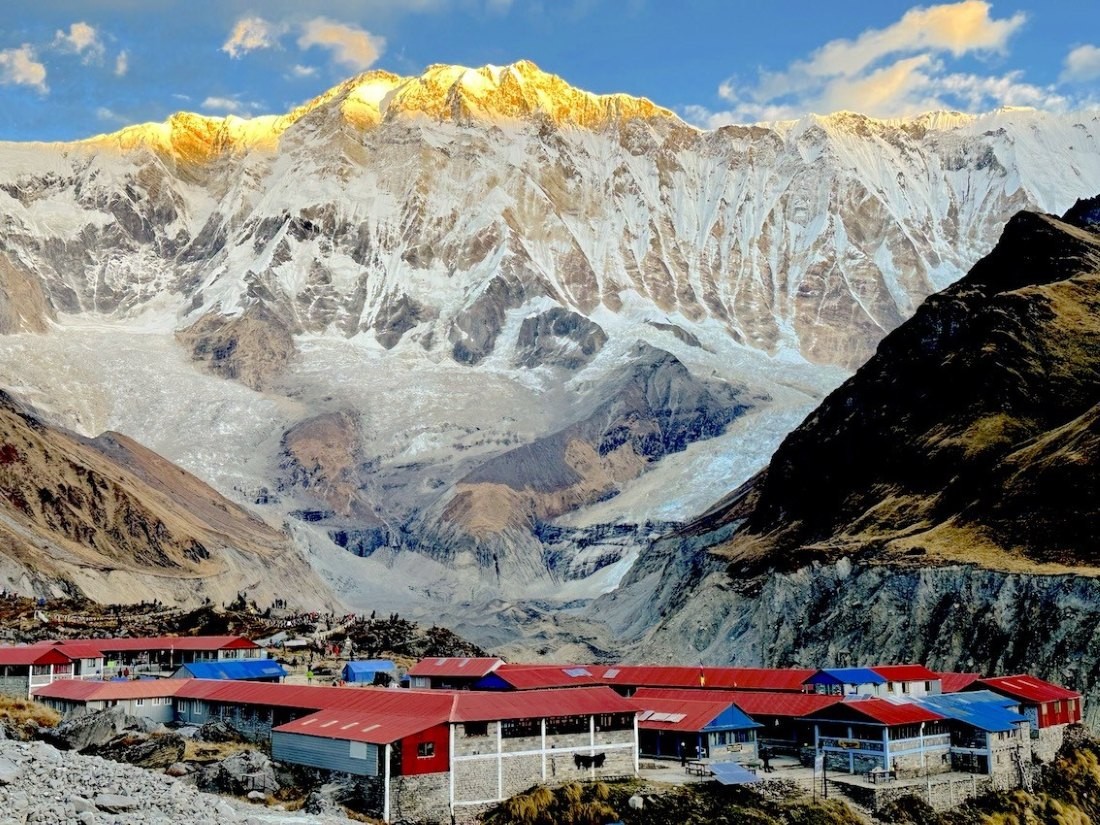
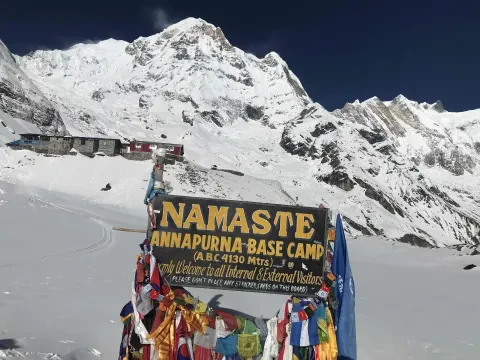
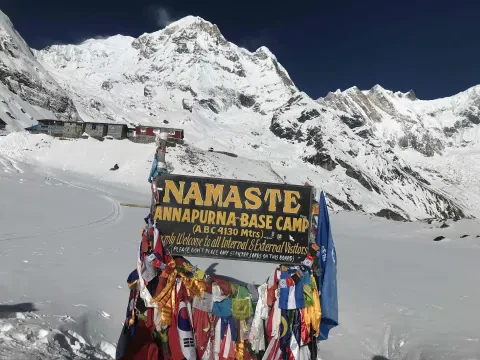
Actually, getting there at Annapurna Base Camp isn’t easy. Every trekker pushes through those last, stubborn steps, picking their way over boulders and ice. The first glimpse of prayer flags flapping in the wind lets you know you’ve made it. You walk into the amphitheater of peaks and suddenly feel tiny and huge at the same time. The mountains wrap around you, and the view just knocks the wind out of you. Reaching ABC at 4,130 meters changes something inside. You realize you’re capable of more than you ever thought possible.
| Peaks Surrounding Annapurna Base Camp (4,130m) | Elevation (m) | Visual Impact |
|---|---|---|
| Annapurna I | 8,091 | Towering central face; 10th highest globally |
| Annapurna South | 7,219 | Sharp pyramid; frames left side |
| Gangapurna | 7,455 | Broad massif; northern wall |
| Annapurna III | 7,555 | Elegant ridges in background |
| Machhapuchhre (Fishtail) | 6,993 | Iconic unclimbed summit; sacred |
| Hiunchuli | 6,441 | Entrance guardian peak |
| Journey to ABC: Final Stages | From → To | Elevation Gain (m) | Key Thrill Moment |
|---|---|---|
| Deurali → Machhapuchhre BC | 3,230m → 3,700m | +470 - First sanctuary glimpse |
| MBC → ABC | 3,700m → 4,130m | +430 - Entering amphitheater |
| ABC viewpoint walk | Around 4,130m | Minimal 360° peak panorama |
After a long day on the ABC trail, nothing beats sinking into a natural hot spring. By the time trekkers reach Jhinu Danda, at 1,780 meters, their legs are tired and muscles sore, but the sight of those steaming geothermal pools is a real relief. You step into that warm, mineral-rich water, and suddenly, the cold mountain air doesn’t matter so much. It’s honestly one of the best parts of the trek.
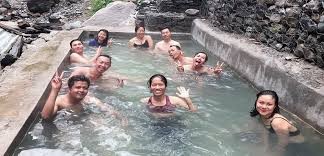
Here, people end the day looking forward to these springs. They settle into the stone pools slowly, swapping stories with other trekkers, watching as stars begin to pop out overhead. The warmth seeps in, working its magic on blisters and tired limbs. More than just a place to rest, these hot springs feel like a reward for all the effort—leaving everyone refreshed and ready for another day in the mountains.
| Hot Springs on/near ABC Trek | Elevation (m) | Temperature Range | Accessibility & Notes |
|---|---|---|
| Jhinu Danda (Chhomrong Danda) | 1,780 | 38–42°C | Most popular; 30–45 min walk from Chomrong (2,170m); multiple pools |
| Tatopani (alternative route) | 1,190 | 40–50°C | On longer Annapurna Circuit variant; larger setup |
| Ghandruk area small springs | 1,940 | 35–40°C | Less developed; occasional local use |
| Benefits of Hot Springs Soak After Trekking | Physical Benefit | Mental Benefit | When Best |
|---|---|---|
| Muscle recovery | Reduces soreness | Relaxes mind | Post-descent from ABC |
| Improved circulation | Eases fatigue | Reduces stress | Evening hours |
| Mineral absorption | Heals minor cuts | Promotes calm | 1–2 hours soak |
| Joint relief | Loosens stiffness | Boosts mood | After 4,130m achievement |
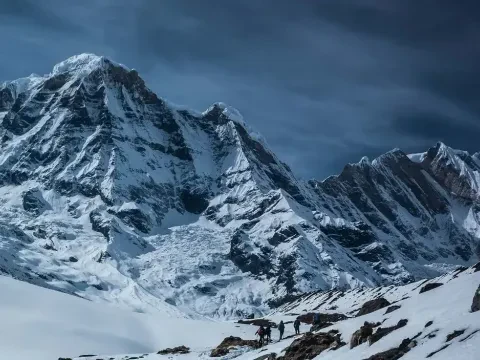
Meanwhile, you get real comfortable lodges on the Annapurna Base Camp trek. Every night, you stop at these family-run tea houses—warm beds, thick blankets, and steaming homemade meals are just part of the routine. In the lower villages, you can even check your email or call home, thanks to reliable Wi-Fi. Charging your phone or grabbing a hot shower? Not a problem at most stops. From the first day to the last, you feel welcome and pretty well taken care of.
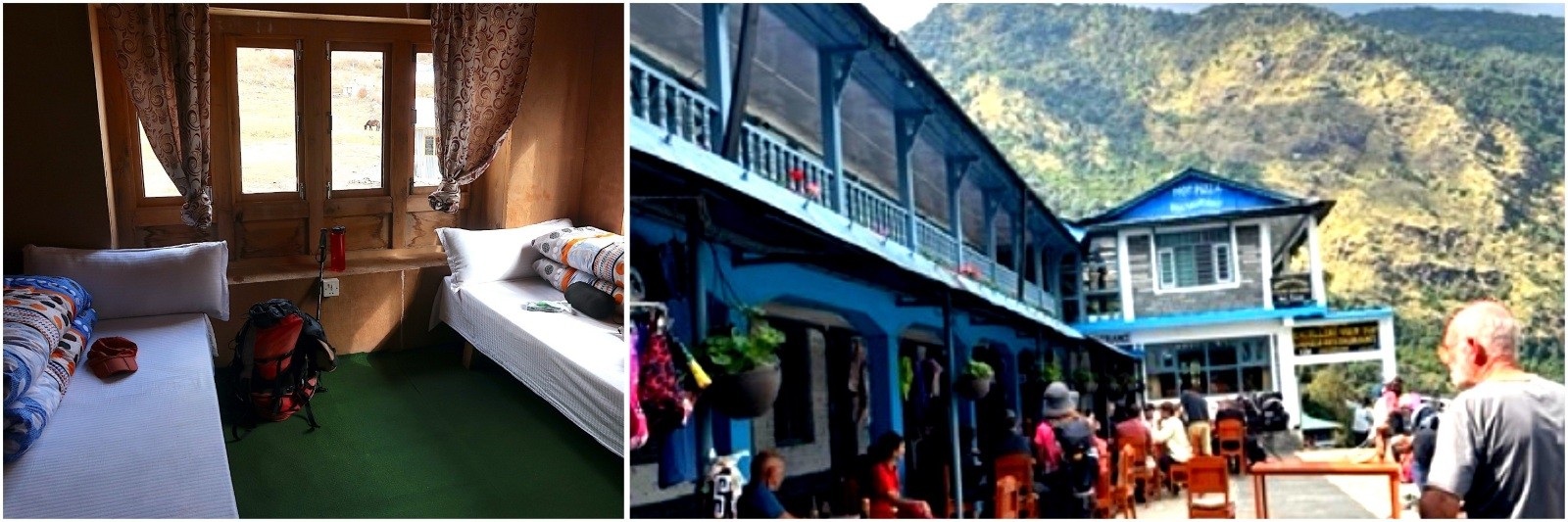
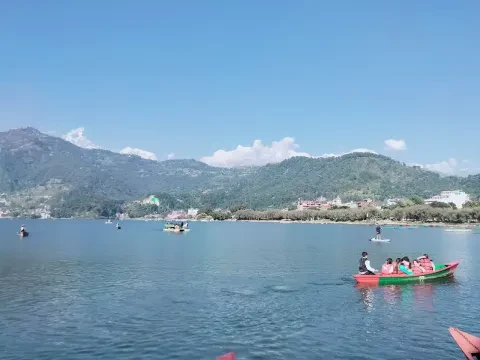
Getting to the trail? It’s a breeze. From Pokhara, it’s just a quick 1.5 to 2-hour drive to Nayapul(1,070m), where the trek begins. No long hauls or complicated transfers. Same thing coming back—after you descend, you’re back in Pokhara in no time. This easy access is perfect if you’re working with a tight schedule. Plus, Pokhara itself is great for unwinding: think lakeside hotels, good food, and shops for last-minute gear. Honestly, the simple logistics take a lot of stress out of the adventure and make the whole trek even better.
| Tea House Comfort Levels by Elevation | Elevation Range (m) | Typical Amenities | Comfort Rating |
|---|---|---|
| Lower Section (Nayapul–Chomrong) | 1,070–2,170 | Hot shower, Wi-Fi, attached bathroom options | High |
| Mid Section (Ghorepani–Sinuwa) | 2,170–3,230 | Shared hot shower, charging, good food | Medium-High |
| Upper Section (Deurali–ABC) | 3,230–4,130 | Basic rooms, blankets, simple meals | Medium |
| Descent (ABC–Jhinu–Nayapul) | 4,130 down to 1,070 | Mix of mid & lower amenities | High |
| Accessibility from Pokhara | Route | Travel Time | Transport Options |
|---|---|---|
| Pokhara → Nayapul | Road | 1.5–2 hours | Private jeep, taxi, local bus |
| Pokhara → Phedi (alternative start) | Road | 45 min–1 hour | Taxi or bus |
| Return: Jhinu/Nayapul → Pokhara | Road | 2–3 hours | Jeep or shared taxi |
Actually, the Annapurna Base Camp trek keeps things safer because you’re not going too high. The highest point sits at 4,130 meters, so you skip those dangerous extreme altitudes altogether. Along the way, you get plenty of chances to adjust to the thinner air, which means most people avoid serious symptoms. That’s a big reason so many finish the trek feeling strong and satisfied.
Honestly, compared to other famous treks, ABC is just easier on your system. The daily climbs aren’t as brutal, and because you stay overnight at different spots, your body keeps up without a problem. Emergency evacuations for altitude sickness are rare here. Beginners and folks with a bit of trekking experience usually have no trouble at all. With manageable heights and solid infrastructure, people finish the route more often—and they come back with stories they can’t wait to share.
| Altitude Comparison: ABC vs Other Treks | Max Elevation (m) | AMS Risk Level | Typical Success Rate |
|---|---|---|
| Annapurna Base Camp | 4,130 | Low–Moderate | 85–95% |
| Everest Base Camp | 5,364 | Moderate–High | 70–85% |
| Gokyo Ri (Everest region) | 5,357 | Moderate–High | 75–90% |
| Langtang Valley + Kyanjin Ri | 4,984 | Moderate | 80–90% |
| Mardi Himal Base Camp | 4,500 | Low–Moderate | 90–95% |
| Altitude Profile & Risk Management on ABC | Key Stop | Elevation (m) | Risk Management Feature |
|---|---|---|
| Starting point | Nayapul | 1,070 | No risk; easy entry. |
| Major acclimatization stop | Chomrong | 2,170 | Rest day option available. |
| High camp before summit | MBC | 3,700 | Climb high (to viewpoints), sleep low. |
| Summit day | ABC | 4,130 | Short 2–3 hr ascent; quick descent option. |
| Post-summit recovery | Jhinu | 1,780 | Hot springs aid recovery. |
Best Time to Trek Annapurna Base Camp: Spring Blooms and Autumn Clarity
If you’re heading to Annapurna Base Camp, spring and autumn are hands down the best times to go. In spring, the whole region bursts into color with those wild rhododendrons showing off everywhere you look. Then autumn rolls in, and suddenly the air goes crisp and the mountains stand out with those ridiculously clear views you see in postcards. Both seasons mean steady weather, mild days, and you don’t have to worry about the monsoon turning the trails into a mud bath. The paths stay dry, safe, and honestly, you get Nepal at its absolute best—no joke.
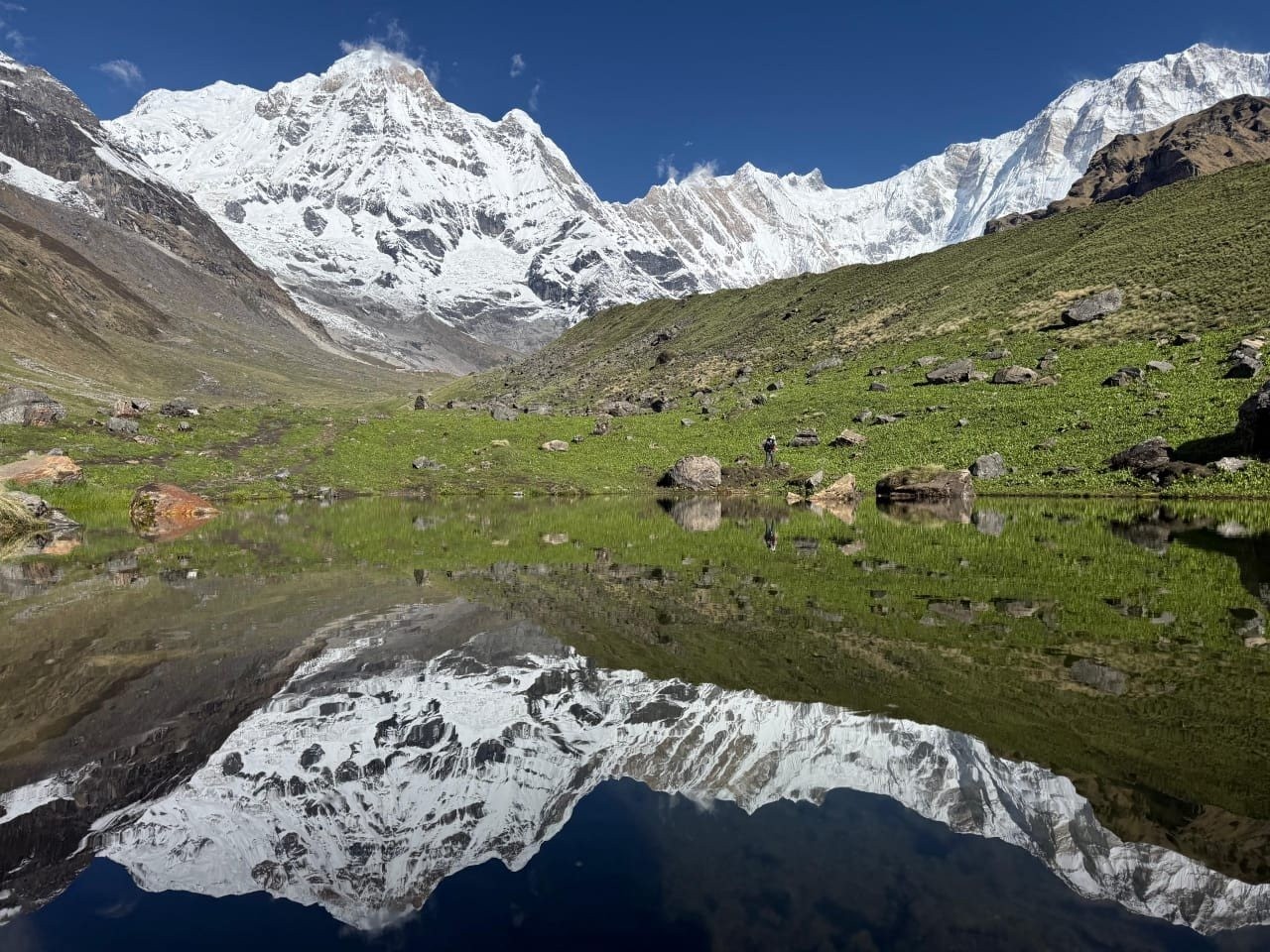
Actually, people start planning for March through May or September through November, counting down the days. In spring, you walk through forests lit up with pink and red. By autumn, the mountains feel sharper than ever against the sky. The clouds? Barely there. Rain? Hardly an issue. Sure, you’ll see other trekkers, but it’s never overwhelming. Everything just clicks—weather, scenery, and experience. Trekking Annapurna in these windows isn’t just good timing. It’s what makes the whole journey unforgettable.
| Best Seasons for ABC Trek | Months | Weather Highlights | Vegetation & Views | Crowd Level |
|---|---|---|
| Spring | March–May | Mild days, occasional short showers | Rhododendron blooms peak, lush green | Moderate–High |
| Autumn | September–November | Clear skies, dry, stable | Crisp visibility, golden fields | High |
| Winter | December–February | Cold, snow above 3,500m | Snow-covered peaks, fewer blooms | Low |
| Monsoon | June–August | Heavy rain, landslides, leeches | Very green but obscured views | Very Low |
| Temperature & Conditions by Month (approx. at 2,000–4,000m) | Day (°C) / Night (°C) | Precipitation Risk | Visibility |
|---|---|---|
| March–April (Spring) | 12–22 | 0–10 | Low–Medium | Good–Very Good |
| May (Late Spring) | 15–25 | 5–12 | Medium Good |
| September–October (Autumn) | 10–20 | 0–8 | Very Low | Excellent |
| November (Late Autumn) | 8–18 | -5–5 | Very Low | Excellent |
Personal Growth and the Life-Changing Power of Himalayan Trekking
Actually, trekking to Annapurna Base Camp isn’t just about reaching the top—it’s a real test of who you are. Out there, you push your body past limits you didn’t know you had. Doubt creeps in, but you find ways to keep going. Day after day, the trail toughens you up. It’s not loud or dramatic, but there’s this quiet strength that sneaks in. The mountains have a way of humbling you, teaching patience when you’re tired and frustrated. Every setback shapes you. The whole thing changes you, deep down.
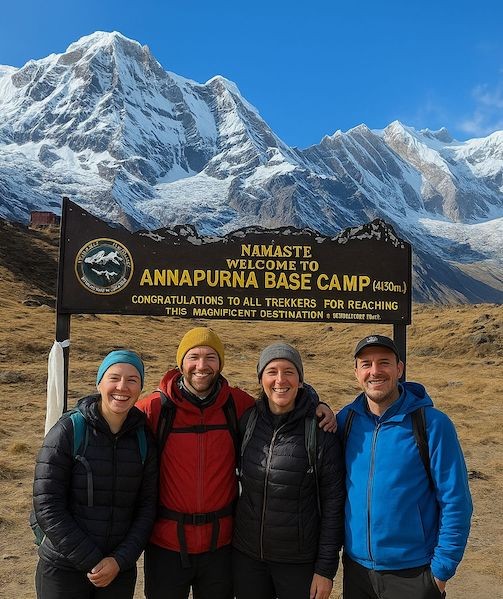
Here, when people finally make it to 4,130 meters, they come back different. They’ve stared down the altitude and won. Discomfort? They learn to deal with it—and even welcome it. Suddenly, something as simple as a cup of hot tea feels like pure happiness. There’s this connection with nature, and with yourself, that just sticks. Those lessons about grit and perseverance? They don’t fade when you leave the mountains. The trek isn’t just a trip; it’s a turning point that can shift the course of your life.
| Areas of Personal Growth on ABC Trek | Challenge Faced | Lesson Learned | Lasting Impact |
|---|---|---|
| Physical Endurance | Daily ascents up to 4,130m | Body adapts with consistent effort | Improved fitness & discipline |
| Mental Resilience | Altitude effects & long days | Mind overcomes perceived limits | Greater self-confidence |
| Patience & Adaptability | Unpredictable weather & basic facilities | Acceptance brings peace | Better stress management |
| Gratitude & Simplicity | Living with minimal possessions | Joy lies in essentials | Shift in life priorities. |
| Self-Reflection | Solitude & epic scenery | Inner clarity emerges | Enhanced self-awareness |
| Life-Changing Moments Reported by Trekkers | Typical Elevation | Emotional/Spiritual Outcome | Common Quote Example |
| Reaching Annapurna Base Camp (4,130m) | 4,130m | Sense of accomplishment & humility | “I realized I’m stronger than I thought” |
|---|---|---|
| Sunrise at Poon Hill (3,210m) | 3,210m | Awe, perspective shift, gratitude | “Everything felt possible after that view” |
| Hot springs soak at Jhinu (1,780m) | 1,780m | Physical & mental release, renewal | “I felt reborn after the descent” |
| Cultural exchanges in villages | 1,500–2,800m | Empathy, connection, broadened worldview | “People’s warmth changed how I see life” |
Getting ready for the Annapurna Base Camp trek isn’t just about dreaming big—it’s about smart planning. People who do this right grab their permits for ABC Trek early, pack only what they really need, and push themselves to train ahead of time. When you cover these basics, the whole trek gets a lot smoother. Honestly, it’s the difference between stumbling over problems and actually enjoying the adventure.Everyone who’s been there will tell you—don’t skip the Annapurna Conservation Area Permit (ACAP). It’s required, no shortcuts. Next, don’t just throw gear in your bag; think about the wild weather swings up there and pack for that. Fitness isn’t optional either. Put in the work before you go, and your legs will thank you later. And don’t forget, planning your route from Pokhara (830m) up is key. These simple moves cut down on risks, so you can actually focus on what you came for—the jaw-dropping views of Annapurna I (8091m) and Machhapuchhre (6993m). That’s what makes all the prep worth it.
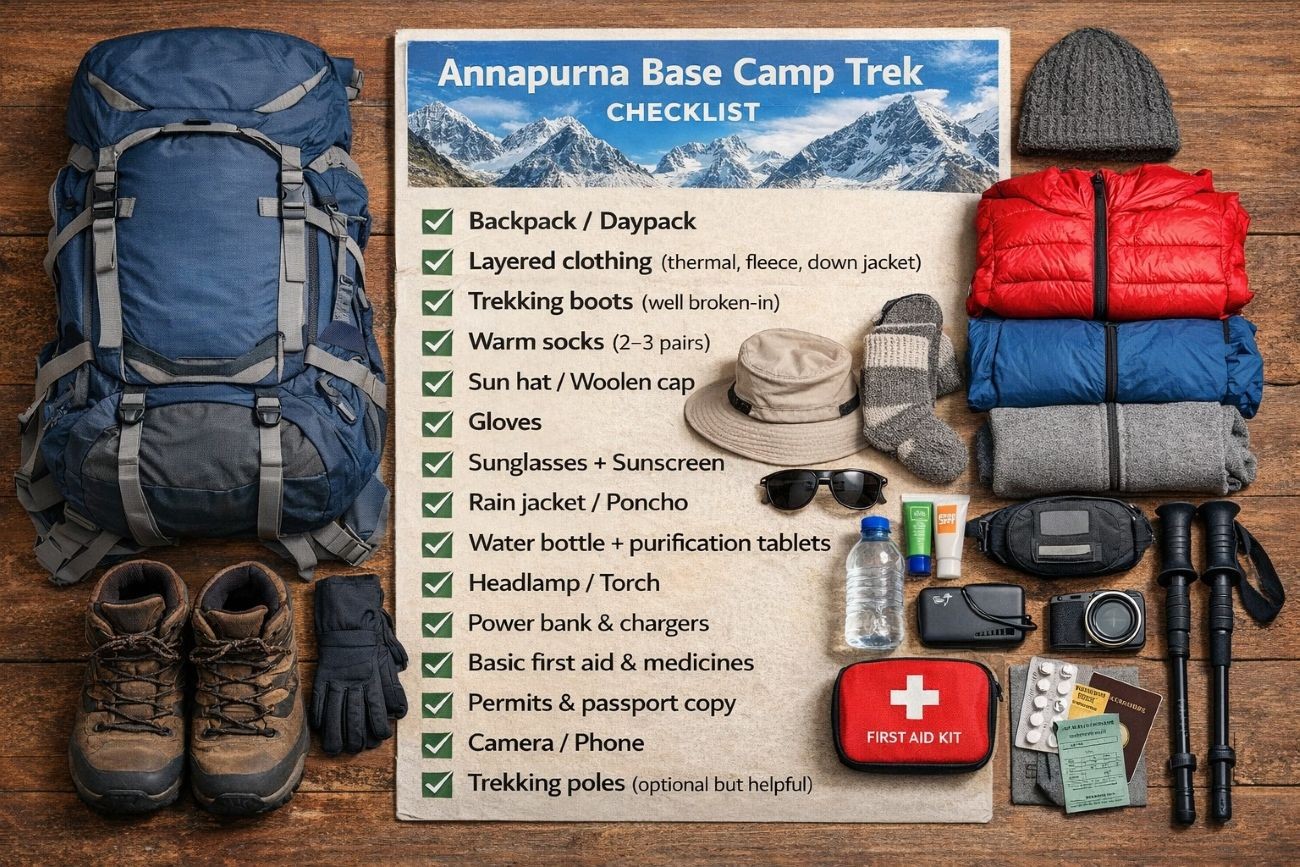
| Essential Permits for ABC Trek (2026 Updates) | Type | Cost (approx.) | Where to Obtain Notes |
|---|---|---|
| Annapurna Conservation Area Permit (ACAP) | Mandatory | NPR 3000 (foreigners) | Kathmandu, Pokhara, or entry points | Covers entire Annapurna region; carry photocopies |
| TIMS Card | Varies/possibly | NPR 2000 | TAAN office if required | Check current rules; some 2026 updates remove it |
| Key Packing Categories & Essentials | Items | Why Important | Tips |
| Clothing & Layers | Base layers, fleece, down jacket, rain gear, trekking pants, warm hat, gloves | Handles temperature swings from subtropical to alpine | Pack light; quick-dry materials best |
| Footwear & Accessories | Trekking boots, camp shoes/sandal, trekking poles, backpack, sunglasses, headlamp | Prevents injury; aids stability | Break in boots; poles reduce knee strain |
| Health & Toiletries | First aid kit, sunscreen, lip balm, toilet paper, hand sanitizer, water bottle/purifier | Maintains hygiene & health at altitude | Include altitude sickness meds; biodegradable soap |
| Other Essentials | Sleeping bag (rated to -10°C), power bank, snacks, passport photos | Comfort & emergencies | Teahouses provide blankets; charge devices lower down |
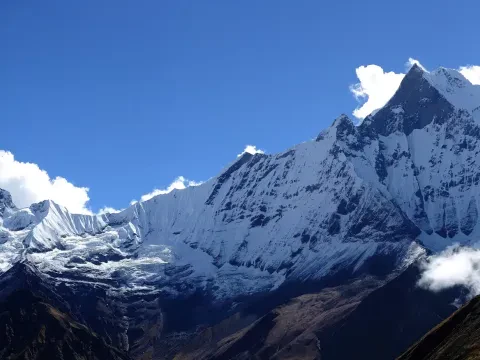
Actually, real trekkers can’t stop talking about Annapurna Base Camp. Once you’ve been, you get it. The views up there—360 degrees at 4,130 meters—just hit different. It’s not just the scenery, though. The Gurung people welcome you like an old friend, and those moments stick with you. People talk about pushing through tough stretches, and you can hear the pride in their voices. These are the stories that bind trekkers together for life. Honestly, the place changes you. Nobody comes back the same.
Ask any adventurer and they’ll light up, telling you about seeing Annapurna I up close—8,091 meters of pure awe. The friendships you build on the trail? They’re real. The villages, like Chomrong(2170m), pull you right into the heart of the culture. Everywhere you look, nature reminds you just how lucky you are to be there. That’s why people keep coming back. Annapurna Base Camp gets under your skin. It’s not just a trek—it’s something you carry with you long after you leave.
| Real Trekker Quotes & Reasons They Love ABC | Quote/Experience | Why It Resonates | Source Theme |
|---|---|---|
| "Unforgettable mountain views and warmth of people" | Stunning panoramas + local kindness | Combines nature & human connection | Multiple reviews |
| "Feeling of accomplishment at ABC" | Reaching 4130m sanctuary | Personal triumph amid epic scenery | Journals & diaries |
| "Gratitude, grit, and glory" | Gratitude for landscape & support | Elevates everyday appreciation | Trekker testimonials |
| "Surreal experience; life-changing" | Solo or guided journeys | Builds inner strength & clarity | Personal stories |
| "Best decision; balance of challenge & enjoyment" | With porter/guide help | Makes it accessible & joyful | Recent experiences |
Common Reasons Trekkers Fall in Love Reason Typical Highlight Lasting Effect.
Breathtaking Scenery Close views of Annapurna I (8091m), Machhapuchhre (6993m) 360° amphitheater at ABC Awe & inspiration.
Cultural & Human Connections Gurung hospitality, teahouse stays Warm smiles & stories Empathy & openness.
Personal Achievement Conquering altitude & distance Summit joy at 4130m Boosted confidence.
Nature Immersion & Peace Rhododendrons, forests, silence Mindful moments Renewed perspective
Community & Camaraderie Fellow trekkers & guides Shared laughs & support Lifelong memories
Make Annapurna Base Camp your next big adventure. Picture this: you’re standing at 4,130 meters, right in the heart of the Himalayas, with Annapurna I(8091m) towering above you and the sharp peak of Machhapuchhre(6993m) cutting the sky. The views? Unreal. The Gurung hospitality? Warm and genuine. And honestly, nothing beats the feeling of soaking your tired legs in the hot springs at Jhinu Danda(1780m) after days on the trail. You come back changed—stronger, more grateful, and ready for anything. This is one of those rare journeys that strikes the perfect balance between challenge and sheer reward. No better moment to claim it for yourself than now.
Here, people pick the Annapurna Base Camp trek for good reason. The trail starts easily from Pokhara(830m), so you jump right in without hassle. The Annapurna Base Camp Trek route isn’t just manageable—it’s packed with variety. One day you’re weaving through thick rhododendron forests, the next you’re out in wide alpine meadows, and every day brings some new view you’ll never forget. The altitude’s high enough to feel epic, but not so much that it’s overwhelming. Along the way, you find grit you didn’t know you had. Before you know it, an ordinary week turns into a story you’ll tell for years. So, grab your pack. The Himalayas are waiting.
| Why ABC Should Be Your Next Trek – Quick Decision Guide | Reason to Choose ABC | What You Gain | Compared to Alternatives |
| Moderate Difficulty & High Success Rate | Max 4130m altitude | 85–95% completion | Safer than EBC (5364m) |
| Stunning & Varied Scenery | 8000m+ peaks close-up | Lifelong memories | More diverse than Mardi |
| Cultural Immersion | Authentic Gurung life | Deep connections | Richer than many short treks |
| Comfort & Accessibility | Teahouses & Pokhara access | Easy logistics | More comfortable than remote routes |
| Personal Transformation | Physical & mental push | Confidence boost | Life-changing impact |
Your ABC Adventure Checklist – Ready to Book? Task Status Tip | When to Complete
Secure ACAP permit Required for entry NPR 3000; get in Pokhara | 1–2 weeks before
Book flights/hotels in Pokhara Gateway city (830m) Lakeside area best 2–3 months ahead (peak)
Choose season: Spring (Mar–May) or Autumn (Sep–Nov) Best views & weather Avoid monsoon Now – decide dates
Train & pack essentials Build endurance 8–12 weeks prep Start today
Hire guide/porter (optional but recommended) Safety & stories Local support In Pokhara
Book return ticket home with buffer days Post-trek rest 2–3 extra days After trek dates locked
1. What Makes Annapurna Base Camp Trek So Special?
The Annapurna Base Camp trek is really special. We have guided trekkers through this region. The trek offers Himalayan views, different landscapes and a warm Gurung culture. You walk from forests to glacial areas at 4,130m. You see big peaks like Annapurna I and Machhapuchhre. This trek is not too hard. It has teahouses and makes you feel connected to nature. Many people go back. Want to tell others about it.
2. How Difficult Is the Annapurna Base Camp Trek for Beginners?
The Annapurna Base Camp trek is moderately hard. It is good for beginners who're fit. You walk 5-10km a day. The trails have stone steps. You go up to 4,130m.. You can go slowly and rest. There are trails and teahouses. You can also hire a porter. Thousands of people do this trek every year. They get strong. Make great memories.
3. What Is the Best Time to Trek to Annapurna Base Camp?
The best time to trek to Annapurna Base Camp is in spring (March-May). Autumn (September-November). In spring you see rhododendron flowers. In autumn you see mountain views. Both seasons have weather and dry trails. We help you avoid weather. This makes your trek safer and more fun.
4. Do I Need a Guide or Porter for Annapurna Base Camp Trek?
A guide is an idea. They know the area. They can help in an emergency. A porter can carry your things. You can trek alone. A guide and porter make it safer. They help you understand the culture. This makes your trek more fun and worry-free.
5. What Permits Are Required for Annapurna Base Camp Trek?
You need two permits. One is the Annapurna Conservation Area Permit (ACAP). The other is the Trekker’s Information Management System (TIMS) card. These are easy to get. Our team helps you with the paperwork. This way you can focus on your trek.
6. How Long Does the Annapurna Base Camp Trek Take?
The trek takes 7-10 days. This includes rest days to get used to the height. You can do it in 6 days or 12 days. It depends on your plan. Our team helps you plan. We make sure you reach 4,130m safely.
7. What Are the Highlights of Views at Annapurna Base Camp?
At Annapurna Base Camp you see views. You stand at 4,130m. You see peaks, like Annapurna I and Machhapuchhre. The sunrise and sunset are beautiful. You see 360° views. These views make memories.
8. Is Altitude Sickness a Big Risk on Annapurna Base Camp Trek?
The Annapurna Base Camp Trek has an elevation of 4,130 meters. We have found that the risk of altitude sickness is low because of this. Most people only get symptoms. We make sure to drink a lot of water walk slowly and sleep at elevations. The Annapurna Base Camp Trek has a success rate of over 90 percent.
9. What Accommodation and Food to Expect on ABC Trek?
The Annapurna Base Camp Trek has family-run teahouses that provide rooms and warm blankets. They also serve meals like dal bhat. The lower elevations have amenities like hot showers and Wi-Fi. The food is simple and nutritious. The Annapurna Base Camp Trek teahouses are comfortable. The local people are very hospitable.
10. Can I Relax at Hot Springs During the Trek?
Yes you can relax at springs during the Annapurna Base Camp Trek. The hot springs are located at Jhinu Danda, which's at an elevation of 1,780 meters. The Annapurna Base Camp Trek hot springs are a way to relax after a long day of walking. The hot springs are surrounded by scenery and are a great way to ease muscle fatigue.
11. How Much Does the Annapurna Base Camp Trek Cost?
The cost of the Annapurna Base Camp Trek varies depending on the group size and the type of trek. The Annapurna Base Camp Trek can cost from $350 to $800 or more for a 7-10 day trek. The cost includes permits, teahouses, meals and guides. We offer packages that're good value for the price.
12. What Should I Pack for Annapurna Base Camp Trek?
You should pack clothing, sturdy trekking boots, a down jacket and a reusable water bottle for the Annapurna Base Camp Trek. It is also an idea to bring trekking poles, sunscreen and rain gear. You should pack light. Bring only what you need. We can provide you with a list of what to pack for the Annapurna Base Camp Trek.
13. How Does ABC Trek Compare to Everest Base Camp?
The Annapurna Base Camp Trek is more accessible than the Everest Base Camp Trek. The Annapurna Base Camp Trek has an elevation of 4,130 meters compared to the Everest Base Camp Trek, which is at an elevation of 5,364 meters. The Annapurna Base Camp Trek is also shorter. Has easier logistics. The Annapurna Base Camp Trek is an option for first-time trekkers.
14. Is Annapurna Base Camp Trek Suitable for Solo Travelers?
Yes the Annapurna Base Camp Trek is suitable for travelers. The trails are well-marked. There are many teahouses along the way. You can also join a group or hire a guide for added safety and companionship. Many solo travelers have done the Annapurna Base Camp Trek. Had a great experience.
15. How Does the Trek Promote Personal. Well-Being?
The Annapurna Base Camp Trek can help you grow as a person. You will face challenges and learn to adapt to new situations. You will also learn about the culture and meet new people. The Annapurna Base Camp Trek can help you build confidence and feel more grateful, for what you have. Many people have done the Annapurna Base Camp Trek. Said it was a life-changing experience.
Our travel experts are ready to assist you with any questions.
Send us a message.Have a question before you book? Send your enquiry below and our travel experts will get back with the required information.