[{"name":"Everest Base Camp Helicopter Tour","duration":"1","image_url":"https:\/\/www.havenholidaysnepal.com\/storage\/trip-galleries\/1\/thumb_6cd53005d75a86e373d31419d1b14d78.webp","offer_price":1195,"url":"https:\/\/www.havenholidaysnepal.com\/trips\/everest-base-camp-helicopter-tour"},{"name":"Everest Mountain Flight","duration":"1","image_url":"https:\/\/www.havenholidaysnepal.com\/storage\/trip-galleries\/4\/thumb_3b0b4f1d6f72b0ad224daf4752f2c6e0.jpg","offer_price":285,"url":"https:\/\/www.havenholidaysnepal.com\/trips\/everest-mountain-flight"},{"name":"Everest Short Trek","duration":"9","image_url":"https:\/\/www.havenholidaysnepal.com\/storage\/trip-galleries\/5\/thumb_BXPP3621.JPEG0.02033800 1727957098.webp","offer_price":995,"url":"https:\/\/www.havenholidaysnepal.com\/trips\/everest-short-trek"},{"name":"Gokyo Valley Trek","duration":"12","image_url":"https:\/\/www.havenholidaysnepal.com\/storage\/trip-galleries\/6\/thumb_10bc469b14731f23d3ce84a7092ad53f.jpg","offer_price":1195,"url":"https:\/\/www.havenholidaysnepal.com\/trips\/gokyo-valley-trek"},{"name":"15 days Annapurna Base Camp Trek","duration":"15","image_url":"https:\/\/www.havenholidaysnepal.com\/storage\/trip-galleries\/7\/thumb_87d1533bc45faf070990aef0579e4be4.jpg0.81855100 1728285496.webp","offer_price":785,"url":"https:\/\/www.havenholidaysnepal.com\/trips\/15-days-annapurna-base-camp-trek"},{"name":"Nepal Pilgrimage Tour","duration":"14","image_url":"https:\/\/www.havenholidaysnepal.com\/storage\/trip-galleries\/8\/thumb_02c3bcf2ad2e8a4c1703e90ae747b5f1.jpg","offer_price":1475,"url":"https:\/\/www.havenholidaysnepal.com\/trips\/nepal-pilgrimage-tour"},{"name":"UNESCO World Heritage Site Tour","duration":"10","image_url":"https:\/\/www.havenholidaysnepal.com\/storage\/trip-galleries\/9\/thumb_unesco-world-heritage-site-Lumbani-temple-buddhists-hindus-kathmandu-nepal0.36988600 17347617740.93089500 1737469667.webp","offer_price":715,"url":"https:\/\/www.havenholidaysnepal.com\/trips\/unesco-world-heritage-site-tour"},{"name":"Island Peak Climbing","duration":"16","image_url":"https:\/\/www.havenholidaysnepal.com\/storage\/trip-galleries\/11\/thumb_Island peak0.53947000 1734692503.webp","offer_price":2495,"url":"https:\/\/www.havenholidaysnepal.com\/trips\/island-peak-climbing"},{"name":"Upper Mustang Trek","duration":"18","image_url":"https:\/\/www.havenholidaysnepal.com\/storage\/trip-galleries\/12\/thumb_upper mustang 7 Oct-2024.jpg0.95398900 1728286166.webp","offer_price":2995,"url":"https:\/\/www.havenholidaysnepal.com\/trips\/upper-mustang-trek"},{"name":"Annapurna Circuit Trek","duration":"16","image_url":"https:\/\/www.havenholidaysnepal.com\/storage\/trip-galleries\/15\/thumb_tibetan-flags.jpg0.04843900 1728289138.webp","offer_price":985,"url":"https:\/\/www.havenholidaysnepal.com\/trips\/annapurna-circuit-trek"},{"name":"Gosainkunda Lake Trek","duration":"10","image_url":"https:\/\/www.havenholidaysnepal.com\/storage\/trip-galleries\/16\/thumb_5A8083B3-C007-41A8-853F-D0C37C97D235_1_105_c.jpeg0.52581200 1731845258.webp","offer_price":595,"url":"https:\/\/www.havenholidaysnepal.com\/trips\/gosainkunda-lake-trek"},{"name":"Zip-lining in Pokhara and Dhulikhel","duration":"1","image_url":"https:\/\/www.havenholidaysnepal.com\/storage\/trip-galleries\/18\/thumb_215f765e2ebc995dd5c800b4bfdbacc3.jpg","offer_price":82,"url":"https:\/\/www.havenholidaysnepal.com\/trips\/zip-lining-in-pokhara-and-dhulikhel"},{"name":"Annapurna Heli Tour","duration":"1","image_url":"https:\/\/www.havenholidaysnepal.com\/storage\/trip-galleries\/19\/thumb_d71a6bbb9fd4da8d1b567a5cdbdec85d.jpg","offer_price":555,"url":"https:\/\/www.havenholidaysnepal.com\/trips\/annapurna-heli-tour"},{"name":"Paragliding in Pokhara","duration":"1","image_url":"https:\/\/www.havenholidaysnepal.com\/storage\/trip-galleries\/20\/thumb_de788d2dd9726783431f882c007efae1.jpg","offer_price":65,"url":"https:\/\/www.havenholidaysnepal.com\/trips\/paragliding-in-pokhara"},{"name":"Ultra-Flight in Pokhara","duration":"1","image_url":"https:\/\/www.havenholidaysnepal.com\/storage\/trip-galleries\/21\/thumb_e27a9fb572a5c21611bb2a3c18e4b8f0.jpeg","offer_price":175,"url":"https:\/\/www.havenholidaysnepal.com\/trips\/ultra-flight-in-pokhara"},{"name":"Sarangkot Hiking","duration":"1","image_url":"https:\/\/www.havenholidaysnepal.com\/storage\/trip-galleries\/22\/thumb_100ef822fea19987166c6c1366215f15.jpg","offer_price":55,"url":"https:\/\/www.havenholidaysnepal.com\/trips\/sarangkot-hiking"},{"name":"Mera Peak Climbing","duration":"18","image_url":"https:\/\/www.havenholidaysnepal.com\/storage\/trip-galleries\/24\/thumb_d16ae3895f678cf26ffbf2455f541fb5.jpg0.31883400 1732617790.webp","offer_price":2475,"url":"https:\/\/www.havenholidaysnepal.com\/trips\/mera-peak-climbing"},{"name":"Lower Dolpo Trek","duration":"18","image_url":"https:\/\/www.havenholidaysnepal.com\/storage\/trip-galleries\/26\/thumb_Dolpo Galary - 1.JPG0.37725200 1727939952.webp","offer_price":2995,"url":"https:\/\/www.havenholidaysnepal.com\/trips\/lower-dolpo-trek"},{"name":"Nagarkot Sunrise\/Sunset Tour","duration":"1","image_url":"https:\/\/www.havenholidaysnepal.com\/storage\/trip-galleries\/27\/thumb_5147a5532644283a380f2e86f3857c13.jpg0.17748000 1728488108.webp","offer_price":30,"url":"https:\/\/www.havenholidaysnepal.com\/trips\/nagarkot-sunrise-sunset-tour"},{"name":"16 day Everest Base Camp Trek","duration":"16","image_url":"https:\/\/www.havenholidaysnepal.com\/storage\/trip-galleries\/28\/thumb_IMG_4311.JPG0.64984800 1727942213.webp","offer_price":1695,"url":"https:\/\/www.havenholidaysnepal.com\/trips\/16-day-everest-base-camp-trek"},{"name":"Ghorepani Poon Hill trek with Jungle Safari and Trishuli River Rafting -13 days","duration":"13","image_url":"https:\/\/www.havenholidaysnepal.com\/storage\/trip-galleries\/29\/thumb_Ghorepani Poon hill.jpg0.48460800 1728281439.webp","offer_price":795,"url":"https:\/\/www.havenholidaysnepal.com\/trips\/ghorepani-poon-hill-trek-with-jungle-safari-and-trishuli-river-rafting--13-days"},{"name":"Mardi Himal Trek","duration":"12","image_url":"https:\/\/www.havenholidaysnepal.com\/storage\/trip-galleries\/30\/thumb_s1.jpg0.62112600 1728200721.webp","offer_price":795,"url":"https:\/\/www.havenholidaysnepal.com\/trips\/mardi-himal-trek"},{"name":"Langtang Valley Trekking","duration":"10","image_url":"https:\/\/www.havenholidaysnepal.com\/storage\/trip-galleries\/31\/thumb_IMG_4702.JPG0.84916500 1727958504.webp","offer_price":685,"url":"https:\/\/www.havenholidaysnepal.com\/trips\/langtang-valley-trekking"},{"name":"Real Adventure Tour in Nepal","duration":"9","image_url":"https:\/\/www.havenholidaysnepal.com\/storage\/trip-galleries\/32\/thumb_ebd1b8cc78d90abe8b9003dd9a2f25bf.jpg0.82151300 1728213516.webp","offer_price":695,"url":"https:\/\/www.havenholidaysnepal.com\/trips\/real-adventure-tour-in-nepal"},{"name":"Luxury Tour in Nepal","duration":"10","image_url":"https:\/\/www.havenholidaysnepal.com\/storage\/trip-galleries\/33\/thumb_8574e61b252b18676b042caf30d830df.jpg","offer_price":1675,"url":"https:\/\/www.havenholidaysnepal.com\/trips\/luxury-tour-in-nepal"},{"name":"Luxury Everest Panorama Trek With EBC Heli Sightseeing","duration":"8","image_url":"https:\/\/www.havenholidaysnepal.com\/storage\/trip-galleries\/34\/thumb_URZL2397.JPEG0.01209600 1728027820.webp","offer_price":2395,"url":"https:\/\/www.havenholidaysnepal.com\/trips\/luxury-everest-panorama-trek-with-ebc-heli-sightseeing"},{"name":"13 day Everest Base Camp Trek with Helicopter","duration":"13","image_url":"https:\/\/www.havenholidaysnepal.com\/storage\/trip-galleries\/35\/thumb_IMG_4292.JPG0.70131500 1728029276.webp","offer_price":2095,"url":"https:\/\/www.havenholidaysnepal.com\/trips\/13-day-everest-base-camp-trek-with-helicopter"},{"name":"Manaslu Circuit Trek","duration":"16","image_url":"https:\/\/www.havenholidaysnepal.com\/storage\/trip-galleries\/36\/thumb_Mt Manaslu 03-Oct-2024.jpg0.65804900 1727938470.webp","offer_price":1055,"url":"https:\/\/www.havenholidaysnepal.com\/trips\/manaslu-circuit-trek"},{"name":"Kanchenjunga Base Camp Trek","duration":"21","image_url":"https:\/\/www.havenholidaysnepal.com\/storage\/trip-galleries\/37\/thumb_Kanchanjunga Trek -!.jpg0.54744400 1727938497.webp","offer_price":2275,"url":"https:\/\/www.havenholidaysnepal.com\/trips\/kanchenjunga-base-camp-trek"},{"name":"Ganesh Himal and Sing-La Trek","duration":"14","image_url":"https:\/\/www.havenholidaysnepal.com\/storage\/trip-galleries\/38\/thumb_Ganesh Himal slider-1.jpg0.43764500 1727937722.webp","offer_price":1775,"url":"https:\/\/www.havenholidaysnepal.com\/trips\/ganesh-himal-and-sing-la-trek"},{"name":"Island Peak Climb with Everest Base Camp Trek","duration":"21","image_url":"https:\/\/www.havenholidaysnepal.com\/storage\/trip-galleries\/39\/thumb_2be428730fe83525bc85a010564f99de.jpg","offer_price":2750,"url":"https:\/\/www.havenholidaysnepal.com\/trips\/island-peak-climb-with-everest-base-camp-trek"},{"name":"Students' Adventure Tour in Nepal","duration":"12","image_url":"https:\/\/www.havenholidaysnepal.com\/storage\/trip-galleries\/41\/thumb_a926d22fbfe08cba271c41ac289b3fd2.jpg","offer_price":995,"url":"https:\/\/www.havenholidaysnepal.com\/trips\/students-adventure-tour-in-nepal"},{"name":"7 Day Poonhill Trek","duration":"7","image_url":"https:\/\/www.havenholidaysnepal.com\/storage\/trip-galleries\/42\/thumb_6196bd69036473293a2c24cc21ed57d7.jpg0.10880600 1728205378.webp","offer_price":555,"url":"https:\/\/www.havenholidaysnepal.com\/trips\/7-day-poonhill-trek"},{"name":"7 Days Annapurna Base Camp Trek","duration":"7","image_url":"https:\/\/www.havenholidaysnepal.com\/storage\/trip-galleries\/43\/thumb_IMG_2214.JPG0.08204900 1728202033.webp","offer_price":355,"url":"https:\/\/www.havenholidaysnepal.com\/trips\/7-days-annapurna-base-camp-trek"},{"name":"3 days Poonhill Trek","duration":"3","image_url":"https:\/\/www.havenholidaysnepal.com\/storage\/trip-galleries\/44\/thumb_Poon hill.jpg0.60816600 1731412954.webp","offer_price":165,"url":"https:\/\/www.havenholidaysnepal.com\/trips\/3-days-poonhill-trek"},{"name":"Poon Hill Luxury Trek with Chitwan-12 days","duration":"12","image_url":"https:\/\/www.havenholidaysnepal.com\/storage\/trip-galleries\/45\/thumb_Poom hill.jpg0.52074500 1730180532.webp","offer_price":1175,"url":"https:\/\/www.havenholidaysnepal.com\/trips\/poon-hill-luxury-trek-with-chitwan-12-days"},{"name":"Everest Luxury Trek-7 days","duration":"7","image_url":"https:\/\/www.havenholidaysnepal.com\/storage\/trip-galleries\/46\/thumb_ACRX9330.JPEG0.93236200 1728031275.webp","offer_price":2195,"url":"https:\/\/www.havenholidaysnepal.com\/trips\/everest-luxury-trek-7-days"},{"name":"Hindu Pilgrimage Tour in Nepal-10 days","duration":"10","image_url":"https:\/\/www.havenholidaysnepal.com\/storage\/trip-galleries\/47\/thumb_a94bf96a4d31decb419f6f828a3280d2.jpg","offer_price":995,"url":"https:\/\/www.havenholidaysnepal.com\/trips\/hindu-pilgrimage-tour-in-nepal-10-days"},{"name":"Everest Base Camp Short Trek-12 days","duration":"12","image_url":"https:\/\/www.havenholidaysnepal.com\/storage\/trip-galleries\/48\/thumb_IMG_4311.JPG0.52680100 1727945154.webp","offer_price":995,"url":"https:\/\/www.havenholidaysnepal.com\/trips\/everest-base-camp-short-trek-12-days"},{"name":"Everest Base Camp Hike 12 Days","duration":"12","image_url":"https:\/\/www.havenholidaysnepal.com\/storage\/trip-galleries\/49\/thumb_IMG_4260.JPG0.51729100 1728061234.webp","offer_price":1295,"url":"https:\/\/www.havenholidaysnepal.com\/trips\/everest-base-camp-hike-12-days"},{"name":"11 Days Everest Base Camp Trek","duration":"11","image_url":"https:\/\/www.havenholidaysnepal.com\/storage\/trip-galleries\/50\/thumb_IMG_4249.JPG0.21392500 1727946959.webp","offer_price":1055,"url":"https:\/\/www.havenholidaysnepal.com\/trips\/11-days-everest-base-camp-trek"},{"name":"6 Days Annapurna Base Camp Trek","duration":"6","image_url":"https:\/\/www.havenholidaysnepal.com\/storage\/trip-galleries\/51\/thumb_6 days Abc.jpg0.58185400 1728200798.webp","offer_price":285,"url":"https:\/\/www.havenholidaysnepal.com\/trips\/6-days-annapurna-base-camp-trek"},{"name":"Annapurna Base Camp Trek","duration":"8","image_url":"https:\/\/www.havenholidaysnepal.com\/storage\/trip-galleries\/52\/thumb_IMG_2214.JPG0.29415700 1729487656.webp","offer_price":585,"url":"https:\/\/www.havenholidaysnepal.com\/trips\/annapurna-base-camp-trek"},{"name":"Everest Base Camp Trek with Helicopter Fly Out 10 Days","duration":"10","image_url":"https:\/\/www.havenholidaysnepal.com\/storage\/trip-galleries\/53\/thumb_IMG_4328.JPG0.52056600 1728058444.webp","offer_price":1875,"url":"https:\/\/www.havenholidaysnepal.com\/trips\/everest-base-camp-trek-with-helicopter-fly-out-10-days"},{"name":"Everest Base Camp Trek 14 Days","duration":"14","image_url":"https:\/\/www.havenholidaysnepal.com\/storage\/trip-galleries\/54\/thumb_Everest Base Camp Trek 14 days Oct 3 2024.JPG0.43202700 1727939745.webp","offer_price":1335,"url":"https:\/\/www.havenholidaysnepal.com\/trips\/everest-base-camp-trek-14-days"},{"name":"ABC Trek with Poonhill 11 Days","duration":"11","image_url":"https:\/\/www.havenholidaysnepal.com\/storage\/trip-galleries\/55\/thumb_ABC with fishtail.JPG0.21441100 1728277965.webp","offer_price":555,"url":"https:\/\/www.havenholidaysnepal.com\/trips\/abc-trek-with-poonhill-11-days"},{"name":"Muldai Hill Trek 9 Days","duration":"9","image_url":"https:\/\/www.havenholidaysnepal.com\/storage\/trip-galleries\/56\/thumb_7efee59f0a8c6817c8255bd2b9f3539d.jpeg0.19479300 1728213091.webp","offer_price":675,"url":"https:\/\/www.havenholidaysnepal.com\/trips\/muldai-hill-trek-9-days"},{"name":"Mardi Himal Trek 6 days","duration":"6","image_url":"https:\/\/www.havenholidaysnepal.com\/storage\/trip-galleries\/57\/thumb_slider 1.jpeg0.36909700 1728184981.webp","offer_price":590,"url":"https:\/\/www.havenholidaysnepal.com\/trips\/mardi-himal-trek-6-days"},{"name":"Mardi Himal Trek 7 days","duration":"7","image_url":"https:\/\/www.havenholidaysnepal.com\/storage\/trip-galleries\/58\/thumb_slider1.jpg0.61666600 1728206414.webp","offer_price":620,"url":"https:\/\/www.havenholidaysnepal.com\/trips\/mardi-himal-trek-7-days"},{"name":"Mardi Himal Trek 8 Days","duration":"8","image_url":"https:\/\/www.havenholidaysnepal.com\/storage\/trip-galleries\/59\/thumb_sli1.jpg0.38569100 1728206631.webp","offer_price":695,"url":"https:\/\/www.havenholidaysnepal.com\/trips\/mardi-himal-trek-8-days"},{"name":"14 Days Manaslu Trek","duration":"14","image_url":"https:\/\/www.havenholidaysnepal.com\/storage\/trip-galleries\/60\/thumb_sunrise-mt-manaslu-during-manaslu-circuit-larke-pass-trekking-himalaya-nepal (1)0.81855800 1738673284.webp","offer_price":885,"url":"https:\/\/www.havenholidaysnepal.com\/trips\/14-days-manaslu-trek"},{"name":"Dhampus-Sarangkot Trek with Chitwan 8 days","duration":"8","image_url":"https:\/\/www.havenholidaysnepal.com\/storage\/trip-galleries\/61\/thumb_Sarangkot Bhangyang.jpg0.75461400 1728210333.webp","offer_price":790,"url":"https:\/\/www.havenholidaysnepal.com\/trips\/dhampus-sarangkot-trek-with-chitwan-8-days"},{"name":"7 Days Golden Triangle Tour","duration":"7","image_url":"https:\/\/www.havenholidaysnepal.com\/storage\/trip-galleries\/62\/thumb_311ce1d117ee0ba75402a7c301bcdf830.73532400 1739179809.webp","offer_price":845,"url":"https:\/\/www.havenholidaysnepal.com\/trips\/7-days-golden-triangle-tour"},{"name":"Annapurna Circuit Trek 12 days","duration":"12","image_url":"https:\/\/www.havenholidaysnepal.com\/storage\/trip-galleries\/63\/thumb_IMG_20161024_092237.jpg0.57796600 1728289938.webp","offer_price":695,"url":"https:\/\/www.havenholidaysnepal.com\/trips\/annapurna-circuit-trek-12-days"},{"name":"Everest Base Camp Budget Trek 16 Days","duration":"16","image_url":"https:\/\/www.havenholidaysnepal.com\/storage\/trip-galleries\/64\/thumb_IMG_4423.JPG0.92579200 1728144669.webp","offer_price":958,"url":"https:\/\/www.havenholidaysnepal.com\/trips\/everest-base-camp-budget-trek-16-days"},{"name":"Poonhill Budget Trek 7 Days","duration":"7","image_url":"https:\/\/www.havenholidaysnepal.com\/storage\/trip-galleries\/65\/thumb_5be067852d0c5228d6f3155bc425c6b5.jpg","offer_price":395,"url":"https:\/\/www.havenholidaysnepal.com\/trips\/poonhill-budget-trek-7-days"},{"name":"Annapurna Base Camp Budget Trek 8 Days","duration":"8","image_url":"https:\/\/www.havenholidaysnepal.com\/storage\/trip-galleries\/66\/thumb_Pokhara.jpg0.16188000 1728212001.webp","offer_price":375,"url":"https:\/\/www.havenholidaysnepal.com\/trips\/annapurna-base-camp-budget-trek-8-days"},{"name":"The Real UNESCO Seven World Heritage Tour in Kathmandu 4 days","duration":"4","image_url":"https:\/\/www.havenholidaysnepal.com\/storage\/trip-galleries\/67\/thumb_Baudha Stupa.JPG0.63906900 1728201021.webp","offer_price":380,"url":"https:\/\/www.havenholidaysnepal.com\/trips\/the-real-unesco-seven-world-heritage-tour-in-kathmandu-4-days"},{"name":"Everest Base Camp Jeep Ride with Helicopter Return","duration":"14","image_url":"https:\/\/www.havenholidaysnepal.com\/storage\/trip-galleries\/68\/thumb_788ee5b63a6efb6f3c3d048b4270daca.JPG","offer_price":1995,"url":"https:\/\/www.havenholidaysnepal.com\/trips\/everest-base-camp-jeep-ride-with-helicopter-return"},{"name":"Annapurna Base Camp Jeep Ride with Helicopter Return 7 days","duration":"7","image_url":"https:\/\/www.havenholidaysnepal.com\/storage\/trip-galleries\/69\/thumb_abc jeep.jpg0.10280600 1728204064.webp","offer_price":1455,"url":"https:\/\/www.havenholidaysnepal.com\/trips\/annapurna-base-camp-jeep-ride-with-helicopter-return-7-days"},{"name":"Everest Base Camp Trek","duration":"15","image_url":"https:\/\/www.havenholidaysnepal.com\/storage\/trip-galleries\/70\/thumb_Everest Base Camp Trek 3 oct- 2024.JPG0.58445300 1727941472.webp","offer_price":1375,"url":"https:\/\/www.havenholidaysnepal.com\/trips\/everest-base-camp-trek"},{"name":"7 UNESCO World Heritage Tour Kathmandu 2 days","duration":"2","image_url":"https:\/\/www.havenholidaysnepal.com\/storage\/trip-galleries\/72\/thumb_Bhaktipur 3.jpg0.05559600 1728201496.webp","offer_price":150,"url":"https:\/\/www.havenholidaysnepal.com\/trips\/7-unesco-world-heritage-tour-kathmandu-2-days"},{"name":"Day Tour to UNESCO Heritage Sites","duration":"1","image_url":"https:\/\/www.havenholidaysnepal.com\/storage\/trip-galleries\/73\/thumb_228A1018.jpg0.79892500 1728199793.webp","offer_price":55,"url":"https:\/\/www.havenholidaysnepal.com\/trips\/day-tour-to-unesco-heritage-sites"},{"name":"Golden Triangle Tour in Nepal","duration":"8","image_url":"https:\/\/www.havenholidaysnepal.com\/storage\/trip-galleries\/74\/thumb_f54139cf9100f00015ffe0400687e946.webp","offer_price":588,"url":"https:\/\/www.havenholidaysnepal.com\/trips\/golden-triangle-tour-in-nepal"},{"name":"Everest Base Camp Honeymoon Tour by Helicopter with Pokhara","duration":"7 days","image_url":"https:\/\/www.havenholidaysnepal.com\/storage\/trip-galleries\/76\/thumb_RJTL7517.JPEG0.40261600 1731499989.webp","offer_price":9999,"url":"https:\/\/www.havenholidaysnepal.com\/trips\/everest-base-camp-honeymoon-tour-by-helicopter-with-pokhara"},{"name":"Yoga and Meditation Retreat Tour in Nepal","duration":"10 days","image_url":"https:\/\/www.havenholidaysnepal.com\/storage\/trip-galleries\/77\/thumb_decf8e33-6617-4400-9df0-63bf75509adf.JPG0.51948300 1731574810.webp","offer_price":2575,"url":"https:\/\/www.havenholidaysnepal.com\/trips\/yoga-and-meditation-retreat-tour-in-nepal"},{"name":"Chisapani-Nagarkot Trek","duration":"3","image_url":"https:\/\/www.havenholidaysnepal.com\/storage\/trip-galleries\/78\/thumb_0b64dfceaeab48ac36d685476bdebafb.webp","offer_price":165,"url":"https:\/\/www.havenholidaysnepal.com\/trips\/chisapani-nagarkot-trek"},{"name":"Chitwan Jungle Safari Tour","duration":"2","image_url":"https:\/\/www.havenholidaysnepal.com\/storage\/trip-galleries\/79\/thumb_IMG_1696.JPG0.28467800 1733054554.webp","offer_price":175,"url":"https:\/\/www.havenholidaysnepal.com\/trips\/chitwan-jungle-safari-tour"},{"name":"Kailash Overland Tour","duration":"16","image_url":"https:\/\/www.havenholidaysnepal.com\/storage\/trip-galleries\/80\/thumb_PA2605230.68496700 1735818657.webp","offer_price":2495,"url":"https:\/\/www.havenholidaysnepal.com\/trips\/kailash-overland-tour"},{"name":"4 nights 5 days Bhutan Tour","duration":"5","image_url":"https:\/\/www.havenholidaysnepal.com\/storage\/trip-galleries\/81\/thumb_PB0508470.23069500 1735828937.webp","offer_price":1265,"url":"https:\/\/www.havenholidaysnepal.com\/trips\/4-nights-5-days-bhutan-tour"},{"name":"Everest Base Camp Trek Without Flying","duration":"16","image_url":"https:\/\/www.havenholidaysnepal.com\/storage\/trip-galleries\/82\/thumb_308b054484eddc042e092e1ae2ae5586.webp","offer_price":685,"url":"https:\/\/www.havenholidaysnepal.com\/trips\/everest-base-camp-trek-without-flying"},{"name":"Everest Base Camp Trek by Land","duration":"16","image_url":"https:\/\/www.havenholidaysnepal.com\/storage\/trip-galleries\/83\/thumb_8f0f2784a3ae7343d193b64fe8d47c96.webp","offer_price":675,"url":"https:\/\/www.havenholidaysnepal.com\/trips\/everest-base-camp-trek-by-land"},{"name":"Everest Base Camp Trek by Jeep","duration":"16","image_url":"https:\/\/www.havenholidaysnepal.com\/storage\/trip-galleries\/84\/thumb_f82b3acdfc933bc3e0197624c001b0a6.webp","offer_price":675,"url":"https:\/\/www.havenholidaysnepal.com\/trips\/everest-base-camp-trek-by-jeep"},{"name":"Everest Base Camp Trek without Lukla Flight","duration":"16","image_url":"https:\/\/www.havenholidaysnepal.com\/storage\/trip-galleries\/85\/thumb_2d0acc76dc958e3122a3745074989914.webp","offer_price":675,"url":"https:\/\/www.havenholidaysnepal.com\/trips\/everest-base-camp-trek-without-lukla-flight"},{"name":"Langtang Valley Trek","duration":"7","image_url":"https:\/\/www.havenholidaysnepal.com\/storage\/trip-galleries\/86\/thumb_a845db06c5feada1478e8aed659fce97.webp","offer_price":195,"url":"https:\/\/www.havenholidaysnepal.com\/trips\/langtang-valley-trek"},{"name":"Everest Base Camp Trek with Gokyo Lake","duration":"17","image_url":"https:\/\/www.havenholidaysnepal.com\/storage\/trip-galleries\/87\/thumb_c6aa32f7654f2eda78134bc84ac70b79.webp","offer_price":1885,"url":"https:\/\/www.havenholidaysnepal.com\/trips\/everest-base-camp-trek-with-gokyo-lake"},{"name":"Everest Three Passes Trek","duration":"19","image_url":"https:\/\/www.havenholidaysnepal.com\/storage\/trip-galleries\/88\/thumb_db5364eaab56f5755da55868f8ca4258.webp","offer_price":1735,"url":"https:\/\/www.havenholidaysnepal.com\/trips\/everest-three-passes-trek"},{"name":"Annapurna Base Camp Trek From Pokhara","duration":"5","image_url":"https:\/\/www.havenholidaysnepal.com\/storage\/trip-galleries\/89\/thumb_49c813cf1054ff06108963924a78ee88.webp","offer_price":255,"url":"https:\/\/www.havenholidaysnepal.com\/trips\/annapurna-base-camp-trek-from-pokhara"},{"name":"Sarangkot Sunrise Tour from Pokhara","duration":"1","image_url":"https:\/\/www.havenholidaysnepal.com\/storage\/trip-galleries\/90\/thumb_932d995b8fb702634a23e8f9a0432c6e.webp","offer_price":35,"url":"https:\/\/www.havenholidaysnepal.com\/trips\/sarangkot-sunrise-tour-from-pokhara"},{"name":"Langtang Valley Trek-8 days","duration":"8","image_url":"https:\/\/www.havenholidaysnepal.com\/storage\/trip-galleries\/91\/thumb_81d3d0a6979c9ed01f65d5ade53820b2.webp","offer_price":250,"url":"https:\/\/www.havenholidaysnepal.com\/trips\/langtang-valley-trek-8-days"},{"name":"Manaslu Circuit Trek 12 days","duration":"12","image_url":"https:\/\/www.havenholidaysnepal.com\/storage\/trip-galleries\/92\/thumb_d8251bbef0c8a246a02bda5c150a27c2.webp","offer_price":675,"url":"https:\/\/www.havenholidaysnepal.com\/trips\/manaslu-circuit-trek-12-days"},{"name":"2 Days Poon Hill Trek","duration":"2","image_url":"https:\/\/www.havenholidaysnepal.com\/storage\/trip-galleries\/93\/thumb_9d8fa8f60767538857d6c7cb3a7fee8b.webp","offer_price":135,"url":"https:\/\/www.havenholidaysnepal.com\/trips\/2-days-poon-hill-trek"},{"name":"Upper Mustang Jeep Tour","duration":"6","image_url":"https:\/\/www.havenholidaysnepal.com\/storage\/trip-galleries\/94\/thumb_9a3098a6c860b87ad3339773ef5435b9.webp","offer_price":1095,"url":"https:\/\/www.havenholidaysnepal.com\/trips\/upper-mustang-jeep-tour"},{"name":"Tsum Valley Trek","duration":"11","image_url":"https:\/\/www.havenholidaysnepal.com\/storage\/trip-galleries\/95\/thumb_704a6a1eb293553827633dbd8ad7d22c.webp","offer_price":775,"url":"https:\/\/www.havenholidaysnepal.com\/trips\/tsum-valley-trek"},{"name":"Mardi Himal Trek from Pokhara","duration":"4","image_url":"https:\/\/www.havenholidaysnepal.com\/storage\/trip-galleries\/96\/thumb_c92e9ee49c2564a11c7a9ba593439efc.webp","offer_price":295,"url":"https:\/\/www.havenholidaysnepal.com\/trips\/mardi-himal-trek-from-pokhara"},{"name":"4 Days Poon Hill Trek","duration":"4","image_url":"https:\/\/www.havenholidaysnepal.com\/storage\/trip-galleries\/97\/thumb_c349e182edd0858f3e3409d945f0d2ec.webp","offer_price":215,"url":"https:\/\/www.havenholidaysnepal.com\/trips\/4-days-poon-hill-trek"},{"name":"Poon Hill Sunrise Jeep Tour from Pokhara","duration":"2","image_url":"https:\/\/www.havenholidaysnepal.com\/storage\/trip-galleries\/98\/thumb_509875052b16f6f9156db386e3592eb8.webp","offer_price":260,"url":"https:\/\/www.havenholidaysnepal.com\/trips\/poon-hill-sunrise-jeep-tour-from-pokhara"},{"name":"Muktinath Jeep Tour from Pokhara","duration":"3","image_url":"https:\/\/www.havenholidaysnepal.com\/storage\/trip-galleries\/99\/thumb_1651790cb7422703fe86d472a35d4f90.webp","offer_price":255,"url":"https:\/\/www.havenholidaysnepal.com\/trips\/muktinath-jeep-tour-from-pokhara"},{"name":"Ghorepani Poon Hill Trek from Pokhara","duration":"5","image_url":"https:\/\/www.havenholidaysnepal.com\/storage\/trip-galleries\/100\/thumb_27fa62452af4ea8e08544aaa035cc446.webp","offer_price":295,"url":"https:\/\/www.havenholidaysnepal.com\/trips\/ghorepani-poon-hill-trek-from-pokhara"},{"name":"Ghandruk, Poon Hill, Muktinath and Upper Mustang Tour","duration":"7 days","image_url":"https:\/\/www.havenholidaysnepal.com\/storage\/trip-galleries\/101\/thumb_a7dd15032cd9693005233b1df7dc63d3.webp","offer_price":685,"url":"https:\/\/www.havenholidaysnepal.com\/trips\/ghandruk-poon-hill-muktinath-and-upper-mustang-tour"},{"name":"Nar Phu Valley Trek with Annapurna Circuit","duration":"16 days","image_url":"https:\/\/www.havenholidaysnepal.com\/storage\/trip-galleries\/102\/thumb_21f5af1d6f698a6898b64413bcc19c69.webp","offer_price":1395,"url":"https:\/\/www.havenholidaysnepal.com\/trips\/nar-phu-valley-trek-with-annapurna-circuit"},{"name":"Poon Hill-Jhino Danda Hot Spring Trek","duration":"4","image_url":"https:\/\/www.havenholidaysnepal.com\/storage\/trip-galleries\/103\/thumb_b1a8563edaf102468aab613332282c6c.webp","offer_price":215,"url":"https:\/\/www.havenholidaysnepal.com\/trips\/poon-hill-jhino-danda-hot-spring-trek"},{"name":"Annapurna Base Camp Trek with Helicopter Return","duration":"4","image_url":"https:\/\/www.havenholidaysnepal.com\/storage\/trip-galleries\/104\/thumb_928d650987e2db5f449127b41966da53.webp","offer_price":895,"url":"https:\/\/www.havenholidaysnepal.com\/trips\/annapurna-base-camp-trek-with-helicopter-return"},{"name":"Annapurna Circuit with Tilicho Lake Trek","duration":"10","image_url":"https:\/\/www.havenholidaysnepal.com\/storage\/trip-galleries\/105\/thumb_a8c9d8bf4041c0fa676d6c239abfd24c.webp","offer_price":615,"url":"https:\/\/www.havenholidaysnepal.com\/trips\/annapurna-circuit-with-tilicho-lake-trek"}]
Annapurna Base Camp Trek 8 Day Package: Cost Breakdown
Annapurna Base Camp Trek 8 Day Package: Cost Breakdown
Introduction to the 8-Day Annapurna Base Camp Trek
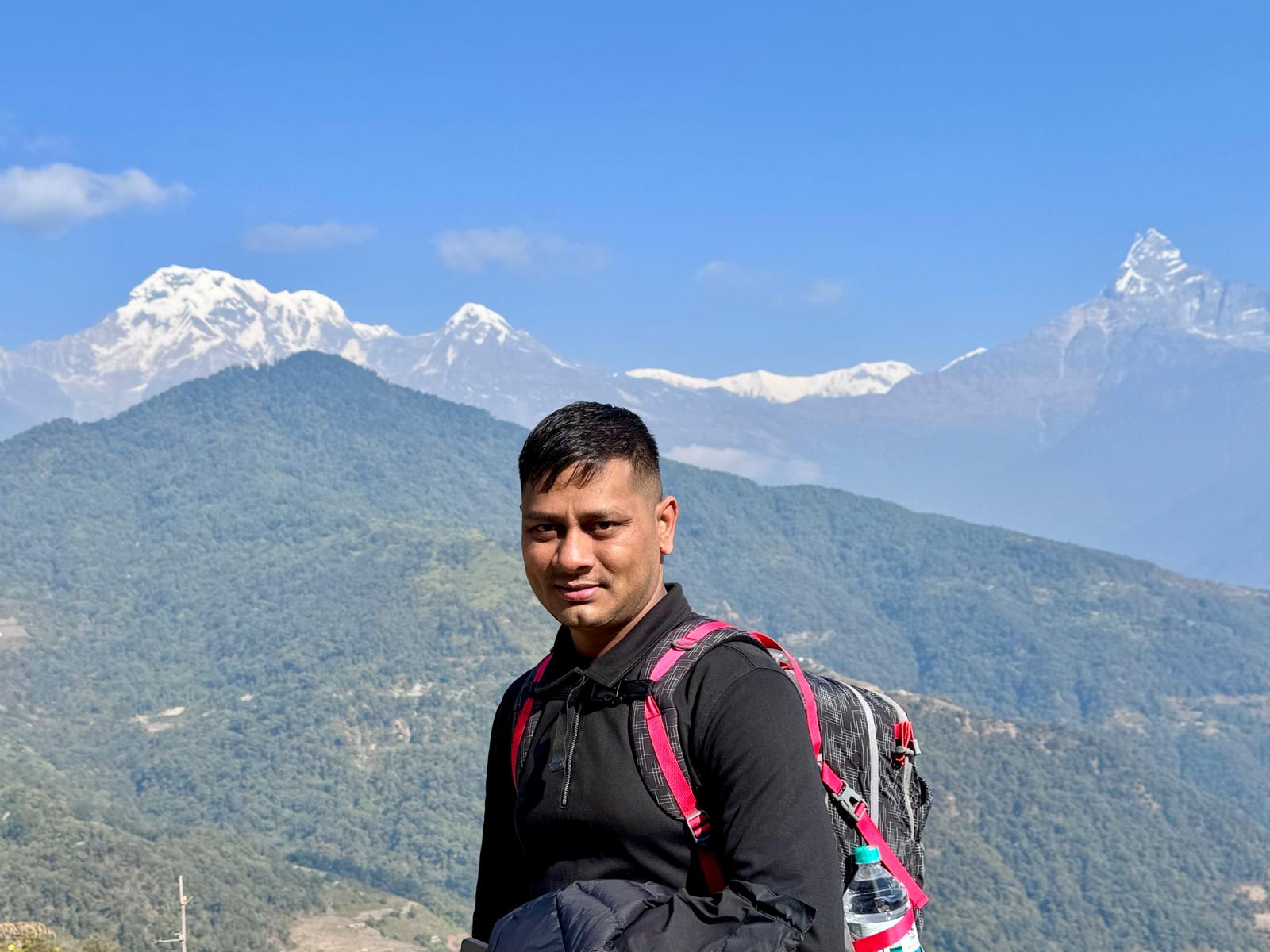
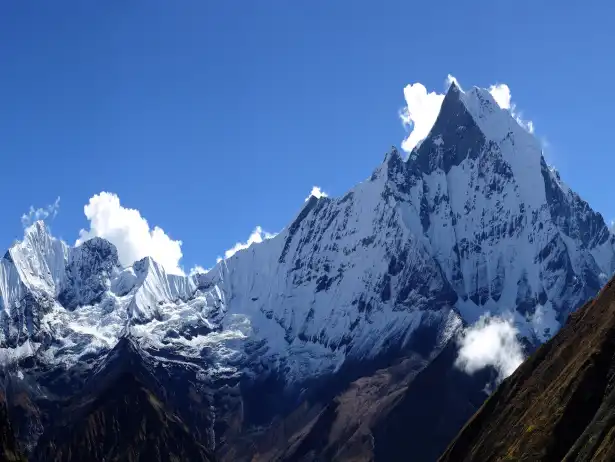
First, the 8-Day Annapurna Base Camp Trek is a classic trek in Nepal. The trek covers approximately 70–80 km through stunning scenery. The trek starts from Nayapul (1,070m) and ends at Annapurna Base Camp (ABC) (4,130m). Throughout the journey, trekkers traverse through dense rhododendron forests, terrace villages, and suspension bridges. The trek also offers panoramic views of Annapurna South (7,219m), Machapuchare (6,993m), and Hiunchuli (6,441m).
Similarly, trekkers also experience local culture in Ghorepani (2,874m) if you trek to ABC through Poon Hill and Chhomrong (2,170m). The villages retain traditional Gurung and Magar customs. Furthermore, teahouses provide hot meals and basic accommodation. Therefore, the trek has adventure, culture, and scenery all bunched into one package.
Also, the difficulty level of the trek is appropriate for moderate fitness trekkers. The trail has gradual up and down climbs. Daily walks vary from 4–7 hours. Some of these routes feature steep ascents to Deurali (3,230m) and Bamboo (2,310m). However, the path is well marked and has teahouse support. In the same way, the elevation gain is tolerable for average hikers when acclimatized properly.
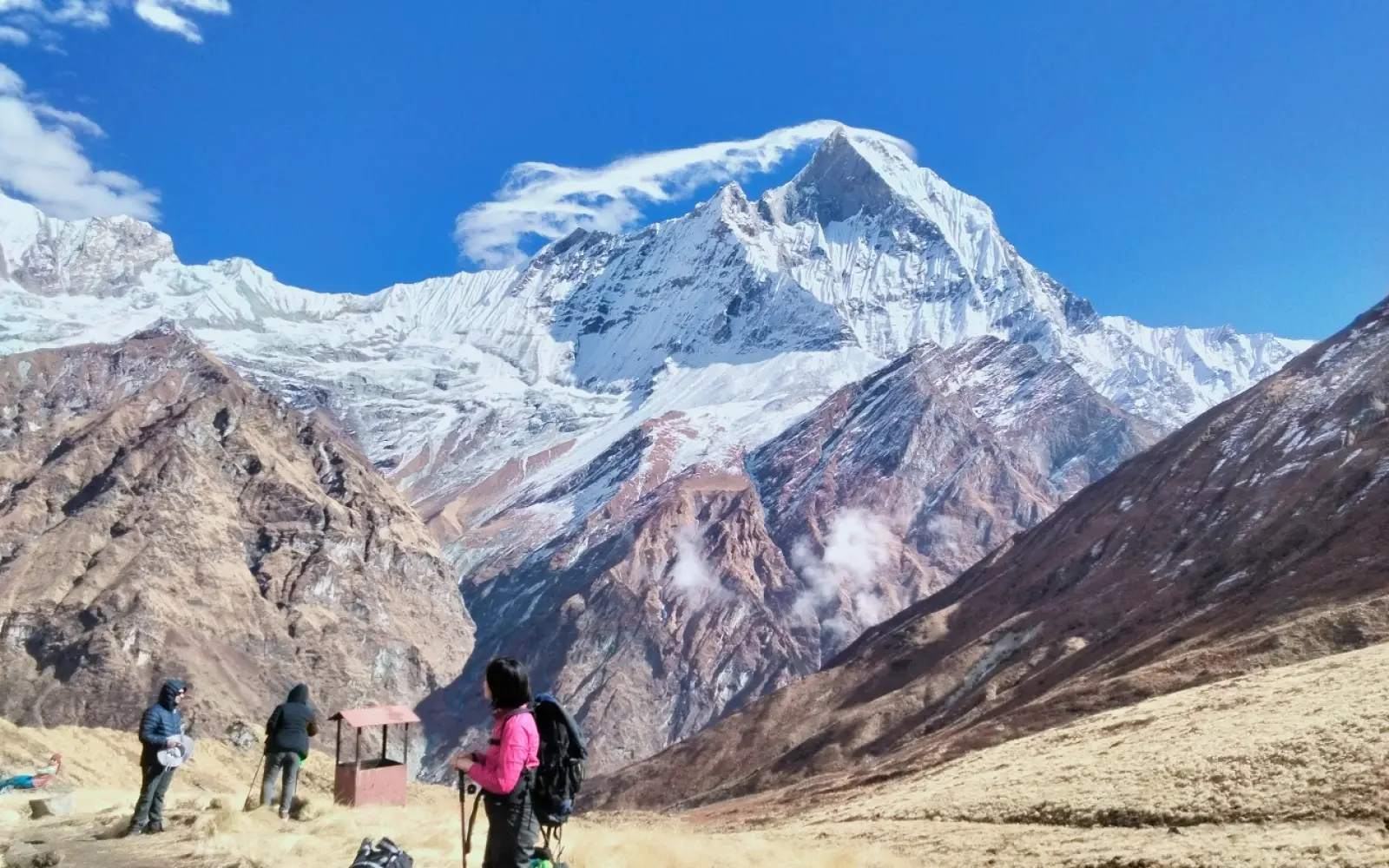
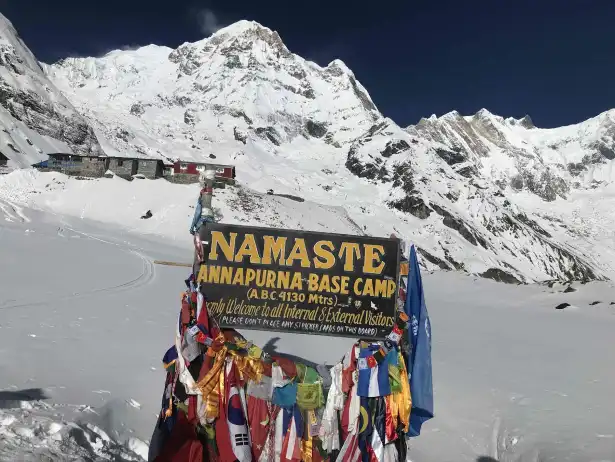
Likewise,, the ABC trek offers trekkers with magnificent Himalayan views. Sunrise at Annapurna Base Camp (4,130m) frames Annapurna I (8,091m) and Gangapurna (7,455m). Likewise, Machapuchare (6,993m) looks glorious all along the trek. Trekkers tend to indulge in photography and tranquil nature walks. Hence, the trek accommodates those who desire challenge with comfort.
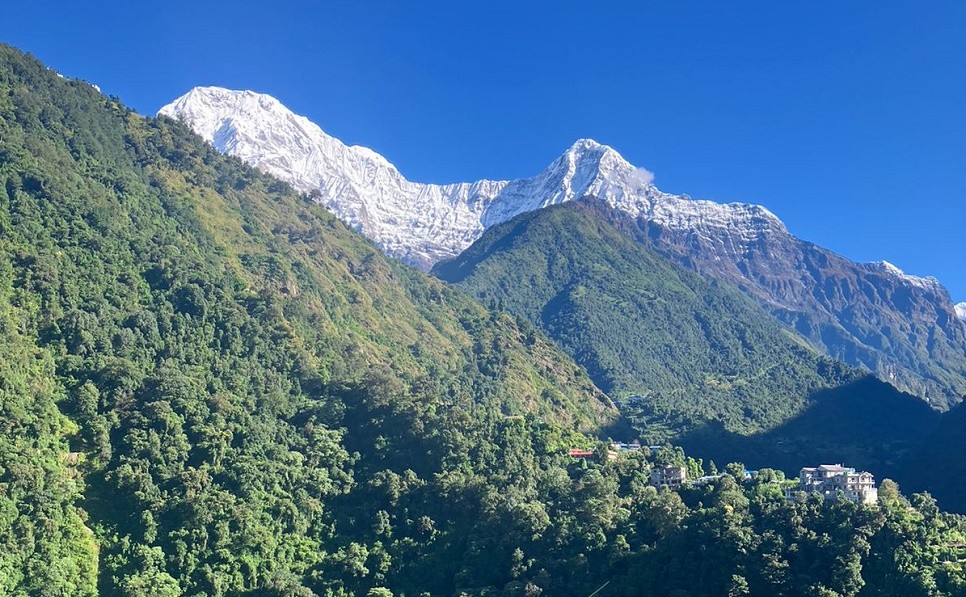
Annapurna Base Camp Trek 8-Day Package: Cost Breakdown – Enjoy stunning views of Annapurna South and Hiunchuli from Jhinu Danda while planning your 8-day Annapurna Base Camp Trek package and budget.
Aside from that, the trek is suitable for independent and organized travelers. Organized tours by Haven Holidays Pvt. Ltd include professional guides, permits, and accommodation. Similarly, independent trekkers may rent local teahouses and porters. Furthermore, the trail can be accessed during spring and autumn seasons, ensuring clear skies and moderate weather. Consequently, trekking organization with required guidance improves safety and enjoyment.
Finally, the 8-Day Annapurna Base Camp Trek is one of those that strike adventure and relaxation in balance. Trekkers view waterfalls, rivers, and alpine scenery. Poon Hill (3,210m) in Ghorepani could be a side treks to experience the sunrise view of Dhaulagiri (8,167m). The trek also features Nepal's diverse flora, fauna, and traditional practices. Finally, the trek provides an unforgettable Himalayan experience. Clients who book through Haven Holidays Pvt. Ltd experience trusted assistance, acceptable accommodation, and hassle-free logistics. This makes it a popular choice for first-timers and repeat trekkers.
First, the total cost of the 8-Day Annapurna Base Camp Trek depends on travel type you prefer the services. Budget travelers spend approximately USD 500–700 per person. Mid-range travelers spend USD 800–1,100 with guide packages. Similarly, luxury packages cost up to USD 1,500–2,000 with private guides and porter services.
Furthermore, the significant cost inclusions are accommodation, food, permits, and transportation. Accommodation at teahouses is around USD 5–15 per day. Food ranges from USD 3–8 per meal. Above all, TIMS charges USD 20. Annapurna Conservation Area Permit (ACAP) costs USD 30 for foreign trekkers. Hence, entrance fees and permits are essential cost points.
Furthermore, packages make guided impact significantly expensive. Transport, porters, and professional guides accompany guided treks offered by Haven Holidays Pvt. Ltd. The price can increase by USD 25–40 per day per person. Private trekking groups, also, may enjoy personalized meals, accommodation, and transportation. Package choice, then, hinges on comfort and budget.
Besides that, transport costs determine the total cost. Private vehicles from Pokhara (822m) to Nayapul (1,070m) are USD 50–60. Local transport may be cheaper but less convenient. Beyond that, some users take flights from Kathmandu (1,400m) to Pokhara to save time. Similarly, flights are USD 100–150 one way. Therefore, arranging transport in a cost-effective manner saves unnecessary costs.
And then there are tips and additional costs included in the budget. Tipping the guides and the porters is a norm, approximately USD 5–10 per person per day. Snacks, beverages, and personal expenses could cost an additional USD 50–100. And, besides, travel insurance for trekking up to 4,130m is advisable, which costs around USD 50–100 for the period. Thus, incorporating these charges guarantees no shocks on the trek.
Finally, planning the trek with a specific budget contributes to the journey. Budget travelers can realize costs under USD 700. Mid-budget trekkers have more luxury for about USD 1,000. Similarly, luxury travelers receive all the help from Haven Holidays Pvt. Ltd, up to USD 2,000. Overall, realizing costs helps plan the 8-Day Annapurna Base Camp Trek properly. Adequate budgeting allows safe and enjoyable trekking across Annapurna's stunning scenery, including Annapurna South (7,219m) and Machapuchare (6,993m).
Transportation Costs to and from Trek Starting Point
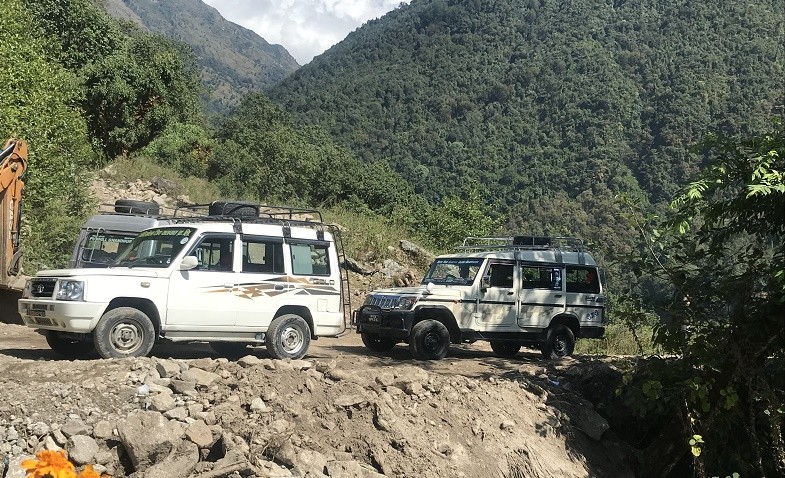
To begin with, transportation plays a vital role in planning the 8-Day Annapurna Base Camp Trek. Most trekkers start from Pokhara (822m) and go to Jhinu Danda (1,760m) by jeep. Private jeep transfers cost around USD 65–75 per person. Similarly, local buses and sharing Jeep are cheaper, at around USD 5–10, but less comfortable. Therefore, private transfers are the preference for the majority of trekkers for safety and comfort.
Also, the jeep ride from Pokhara to Jhinu Danda is scenic. The path passes through rivers, terraced fields, and villages. Likewise, the ride takes 3–4 hours depending on the state of roads. Trekkers catch glimpses of local scenery and Annapurna South (7,219m) views along the way. Similarly, the route avoids the crowded Poon Hill trail and is thus tranquil.
Besides, trekkers start the trekking section upon reaching Jhinu Danda. The trail passes through Sinuwa (2,340m) and Chhomrong (2,170m). Sinuwa is famous for waterfalls and bamboo forests. Chhomrong offers panoramic views of Annapurna South (7,219m) and Hiunchuli (6,441m). Trekkers walk 4–6 hours a day on moderate trails. Therefore, knowledge of transport and trekking connections ensures problem-free planning.
Additionally, the return from ABC (4,130m) is by descending towards Jhinu Danda and then taking a jeep ride back to Pokhara. Private jeeps provide good seating and door-to-door service. Similarly, taxis from Pokhara city to the airport or hotels cost between USD 5–15 depending on distance. Guests also have the choice of local buses for a cheap option, which is slower though. Therefore, a compromise between comfort and cost has to be made.
Jeep Ride to the ABC Trail – Enjoy a scenic 4WD jeep journey through mountain roads, traditional villages, and stunning Himalayan landscapes on the way to the Annapurna Base Camp Trek.
In addition, some trekkers combine Pokhara flights with jeep transfers to save time. Domestic flights from Kathmandu (1,400m) to Pokhara cost between USD 100–150 one way. Moreover, connecting jeeps take the trekkers to Jhinu Danda efficiently. Local tour companies, like Haven Holidays Pvt. Ltd, offer full package transport services. Consequently, booking flights and jeep transfers simplify logistics.
Finally, including all transport expenses helps in budgeting. Private Jeeps cost USD 55–65 per for 7 persons one way. Buses and sharing jeep cost around USD 5–10, while flights from Kathmandu to Pokhara cost USD 100–150. Taxis and local transfers cost USD 5–15. In short, proper planning of transport ensures hassle-free arrival and departure for the 8-Day Annapurna Base Camp Trek. Taking organized services of Haven Holidays Pvt. Ltd enhances safety, reliability, and overall trekking experience.
Accommodation Costs on the ABC Trek
Majorly, accommodations on the Annapurna Base Camp Trek are in lodges and teahouses. Twin bedrooms with shared bathrooms are the most prevalent in teahouses. They range from USD 5–15 a night, subject to place and time. Similarly, luxury lodges at Chhomrong (2,170m) and Sinuwa (2,340m) may charge as much as USD 20–30. Therefore, trekkers can choose according to comfort and affordability.
Also, teahouses provide food along with rooms. Breakfast costs USD 3–5, while lunch and dinner cost USD 5–8. Likewise, some lodges have hot showers for USD 2–5. Guests enjoy warm food, tea, and hospitality from the Nepali people. Therefore, teahouse accommodation ensures accommodation and food convenience.
Moreover, accommodation near Chhomrong (2,170m) offers stunning views of Annapurna South (7,219m) and Machapuchare (6,993m). Similarly, tea houses at Sinuwa (2,340m) give peaceful atmospheres amidst bamboo woods. Jhinu Danda (1,760m) also has tea houses with natural hot springs for relaxation. Trekkers can take a bath after a day's hike. Thus, accommodation adds comfort and scenic beauty to the trek.
In addition, reservation under planned packages from Haven Holidays Pvt. Ltd ensures accommodation. Individual trekkers face the risk of fully occupied lodges during high seasons like spring and autumn. In the same way, teahouses provide basic facilities, whereas planned packages take care of well-grade lodges with meals. So, guided packages reduce stress and increase trekking experience.
Additionally, trekkers have to spend more money on high-demand regions. Sinuwa (2,340m) and Chhomrong (2,170m) lodges may be crowded, which makes it a little more expensive. Similarly, additional facilities like hot showers, charging, and Wi-Fi are an additional USD 2–5 per day. Therefore, budgeting for accommodation costs ensures problem-free budgeting.
Finally, accommodation on the Annapurna Base Camp Trek is affordable and comfortable. Teahouses cost between USD 5–15 a night, while luxury lodges cost a maximum of USD 30. Meals, hot showers, and facilities are included in the price. Similarly, package tours operated by Haven Holidays Pvt. Ltd provide convenience, safety, and assured bookings. In short, proper planning of accommodation ensures comfortable nights, cultural experience, and a hassle-free trekking experience on the trail to Annapurna Base Camp (4,130m).
First, there are foods and drinks involved in the 8-Day Annapurna Base Camp Trek. Most trekkers dine at teahouses on the route. A breakfast is USD 3–5. Lunch and dinner would cost USD 5–8 per meal. Lastly, hot drinks like tea, coffee, or hot chocolate would be around USD 1–3 per cup. Planning for food is therefore a requirement for an unbroken trek.
Similarly, on long trekking days, snacks are useful. Energy bars, chocolates, and biscuits cost approximately USD 1–3 per piece. Additionally, boiled eggs, instant noodles, and fruits are easily available at most lodges. Trekkers usually bring small snacks to avoid hunger between meals. Snack planning, therefore, offers ongoing energy on trails.
Moreover, lunch in Chhomrong (2,170m) and Sinuwa (2,340m) serve Himalayan cuisine specialties. Local Nepali cuisine such as dal bhat (rice and lentils) is served at USD 5–6 per meal. In the same way, momo dumplings cost around USD 4–5. Trekkers relish genuine Nepali food while giving the body energy to ascend. Thus, food adds culture as well as energy.
Besides that, hot drinks are soothing and are also needed in cold weather. Soups and tea, as well as coffee, make trekkers warm at higher elevations like Bamboo (2,310m) and Deurali (3,230m). Similarly, bottled water costs between USD 1–2, whereas refill stations can save money. Therefore, staying hydrated is essential for health and efficiency in trekking.
Furthermore, some trekkers also set aside money for meals or snacks as special allowances. Desserts, pancakes, and shakes might take USD 3–5. Similarly, tips to porter or guide concerning meals might add USD 1–2 a day. Trekkers hiring through Haven Holidays Pvt. Ltd sometimes package meals, so one can conveniently budget. Thus, planning in advance of food costs avoids sudden expenditure.
Finally, allocating USD 15–20 for ABC Trek Foods per person per day is sufficient to cover meals, snacks, and drinks with comfort. Budget travelers can afford to spend USD 10–15 a day by planning. Similarly, trekkers on organized trekking packages have most meals included, hence ensuring food bills are certain. In conclusion, awareness of food and drink costs enables trekkers to have the energy, enjoy local cuisine, and remain within their budget. Effective planning raises the overall experience of the Annapurna Base Camp Trek to ABC (4,130m) from Sinuwa (2,340m) and Chhomrong (2,170m).
Entrance and Permits for ABC Trek
Firstly, the Annapurna Base Camp Trek requires permits. The Annapurna Conservation Area Permit (ACAP) is required for foreign trekkers. ACAP is USD 30 per head. Additionally, the Trekkers' Information Management System (TIMS) card is required at a cost of USD 20 for individuals. Hence, including these charges in planning prior to embarking on the trek is significant.
Similarly, both ACAP and TIMS allows for guarantee protection of security and the environment. ACAP provides access to the protected areas of Annapurna region. Similarly, Actually, TIMS tracks trekkers for emergency response and registration. Therefore, permits provide legal entry and protection while trekking.
Moreover, permits are available at Pokhara (822m) or Nayapul (1,070m) before the trek. Trekkers need a valid passport and passport photographs. Similarly, arranged packages by Haven Holidays Pvt. Ltd handle permits optimally. Self-arranged trekkers need to visit the authorized ACAP or TIMS offices to obtain permits. Therefore, advance planning saves time and avoids inconvenience.
Further, some trekking agencies have costs of permits incorporated in the entire package. This helps cover all official fees. In the same way, individual trekkers carry additional USD 50 for TIMS and ACAP together. Further, permits are verified at checkpoints along the route, such as Chhomrong (2,170m) and Sinuwa (2,340m). Thus, it is necessary to keep permits handy during the trek.Besides, permits help preserve Nepal's culture and scenery. Annapurna South (7,219m), Machapuchare (6,993m), and Hiunchuli (6,441m) are all within the Annapurna Conservation Area. In the same manner, trail maintenance and local communities receive aid through fees. Therefore, payment of permits helps in sustainable trekking.
Finally, preparation for about USD 50 per head to spend on ACAP and TIMS is necessary. Packages all but include these costs, removing the distress from trekkers. Similarly, keeping permits with oneself spares any inconvenience of trail access or dealing with authorities. Proper preparation for permits and entry charges overall is essential for a safe, responsible, and enjoyable Annapurna Base Camp Trek. Trekkers at ABC (4,130m) via Sinuwa (2,340m) and Chhomrong (2,170m) can focus on trekking without regard to official protocols.
Guide and Porter Fees
To begin with, the employment of guides and porters increases safety and convenience during the Annapurna Base Camp Trek. A guide with a license normally charges between USD 25–35 per day. Porters, carrying 20–25 kg, charge USD 20–25 per day. The above charges commonly cover food, accommodation, and insurance for trekking staff. Thus, employing them guarantees local assistance and hassle-free trekking.
Besides, guides also share valuable information about trails, culture, and mountain safety. Guides assist in guiding through places like Chhomrong (2,170m), Sinuwa (2,340m), and Deurali (3,230m). Similarly, porters also assist in reducing the load of bulky bags. This allows trekkers to focus on scenic beauty, such as Annapurna South (7,219m) and Machapuchare (6,993m). Thus, expert support increases enjoyment and reduces physical exhaustion.
Besides, secure employment is also essential for a trouble-free trek. Trekkers can employ qualified porters and guides from Haven Holidays Pvt. Ltd, which guarantees reliability. Self-employment from trekking centers at Pokhara (822m) or Kathmandu (1,400m) is possible but should be undertaken with care. Cross-checking of ID cards, insurance, and testimonials should be ensured. Thus, secure hiring provides a secure trekking trip.
Additionally, hiring guide and porter costs moderately vary during peak seasons like spring and autumn. Guides may reach a maximum of USD 40 a day during busy months. Porters may range from USD 25–30 since they are in demand. Thus, advance booking through a reputable agency ensures affordable costs and availability.
Finally, guides and porters are employed to offer safety, as well as cultural value. They give information about Gurung and Magar culture along the trail in villages. Additionally, they monitor weather, altitude risk, and safety along the trail. Lastly, budgeting USD 25–35 for guides and USD 20–25 for porters gives a highly-supported Annapurna Base Camp Trek to 4,130m.
Meanwhile, tipping on the Annapurna Base Camp Trek is normal. It rewards guides, porters, and service staff for their work. Common tips for guides are USD 5–10 per person per day. Porters receive around USD 4–8 per person per day. Therefore, it's advisable to save tipping money in advance.
Apart from that, tipping illustrates service quality and trekking time. For an 8-day trek, every trekker tips guides normally USD 40–80. Porters receive normally USD 32–64. Similarly, the service staff at teahouses receive small tips of USD 1–2. Therefore, tipping creates appreciation and goodwill on the trail.
Besides, tips are generally delivered at the end of the trek. Trekkers give envelopes or donate money personally to the personnel. In group treks, tips are collected and shared equally. Haven Holidays Pvt. Ltd normally assists with proper tipping arrangements for equal sharing. Therefore, guided treks ease the process and clarify.
Moreover, tipping is cultural appreciation and financial reward. It is an acknowledgment of the toil of porters carrying heavy loads to high-altitude areas like Deurali (3,230m) and Annapurna Base Camp (4,130m). Similarly, guides labor for long days in offering protection, route advice, and cultural insight. Thus, fair tipping is a gesture of their appreciation.
Finally, trekkers need to budget USD 80–100 total for tipping employees. This is varied based on group size and service. In conclusion, tipping fosters good relationships and inspires trekking crews. Considerate appreciation ensures a good experience for trekkers and employees alike on the Annapurna Base Camp Trek through Chhomrong (2,170m) and Sinuwa (2,340m).
Equipment and Gear Costs
Firstly, the appropriate gear is necessary for the 8-Day Annapurna Base Camp Trek. A few of the essentials include trekking boots, down jackets, sleeping bags, and trekking poles. Buying gear provides long-term use but requires a larger budget. Renting is cheaper for occasional trekkers. Therefore, cost differences help in keeping a budget effectively.
Moreover, it is common to hire gear in Pokhara (822m). Down jackets can be hired at USD 1–2 per day. Sleeping bags can be rented at around USD 1–2 per day as well. Trekking poles can be hired at USD 1 per day. Similarly, trekking boots can be hired at USD 2–3 per day. Eight-day hiring makes it economical for short-duration trekkers.
Besides, buying ensures better fit and comfort. A decent down jacket will cost between USD 80–200. Sleeping bags will be USD 50–150 depending on temperature rating. Decent trekking boots will be USD 100–200, and poles will be USD 20–40. Buying therefore suits frequent trekkers who like personal gear.
Similarly, layering clothes, gloves, hats, and rain jackets are necessities. Budget USD 50–100 when shopping locally in Nepal. Similarly, headlamps, water bottles, and thermal wear add up to USD 50–70. Rentals of these small items are feasible but less so due to hygiene concerns. Thus, a mix of rentals and purchases can keep costs low.
Finally, spending USD 50–80 on rentals or USD 300–500 on purchases is ideal. Rentals suit first-time trekkers, while purchases suit regular hikers. In conclusion, investing in gear ensures comfort, safety, and readiness for the trek to Annapurna Base Camp (4,130m) via Chhomrong (2,170m) and Sinuwa (2,340m).
Optional Expenses: Hot Springs, Side Trips, and Extras
Actually, optional activities enhance the Annapurna Base Camp Trek 8 days experience. Jhinu Danda (1,760m) has natural hot springs, perfect for unwinding after trekking. The entrance fee is approximately USD 5 per person. Likewise, any extra snacks or beverages at the springs are USD 2–5. Budgeting for this recreational experience is thus a good idea.
Besides, side trips offer cultural and scenic significance. Trekkers can explore nearby Gurung villages in Chhomrong (2,170m). Half-day tours with local guides could cost USD 10–15. Similarly, photography spots along the trail might involve small entrance fees for community viewpoints. These trips offer village cultures, monasteries, and mountain lifestyles.
Also, other costs are charging electronic devices, Wi-Fi, and hot showers. Charging costs range from USD 2–5 per hour at upper lodges like Deurali (3,230m). Wi-Fi ranges from USD 2–4 per session. Hot showers range from USD 2–5 depending on altitude. Thus, trekkers must budget for small yet frequent costs.
Additionally, souvenirs and local handicrafts may appeal to trekkers. Handmade items cost between USD 5–20 and benefit the local communities. Snack foods like chocolates and drinks are another USD 20–40 for the trek. Porter and guide tips are also added expenses already covered under budgets. Small allowances are therefore for these optional luxuries.
Finally, it is best to spend USD 50–100 for optional activities during your Annapurna Base Camp 8 days Trek. This covers hot springs, cultural tours, snacks, and amenities. In short, optional costs bring comfort, relaxation, and culture to the Annapurna Base Camp Trek experience. Trekkers not only get to appreciate the mountains but also the unique charm of Jhinu Danda, Sinuwa, and Chhomrong along the way.
Seasonal Cost Differences
Meanwhile, the season also contributes greatly to the total cost of the 8-Day Annapurna Base Camp Trek. The peak trekking seasons are spring (March–May) and autumn (September–November). The transport services, guides, and lodges have a little higher tariff as demand is high. The accommodation rate is USD 10–20 per night compared to USD 5–15 in off-seasons. Therefore, planning an extra amount for peak months is essential.
In addition, food prices go up during the peak trekking months. Dinner and lunch can cost an extra USD 1–2 per meal for spring and autumn seasons. Guides also can be USD 30–40 a day instead of USD 25–35 a day. Porters can cost USD 25–30 a day. Overall costs during peak months therefore can be 10–20% higher than winter or monsoon.
In addition, winter trekking (Dec–Feb) is cheaper but more challenging. Below-freezing conditions require additional gear like thick jackets and sleeping bags. The cost of renting winter gear can add USD 20–30 to the total costs. Likewise, monsoon (June–Aug) is cheaper but has slippery trails and low visibility. Hence, choosing the proper season balances cost against trekking conditions.
Besides, flights from Pokhara (822m) to Kathmandu (1,400m) are more expensive in peak trekking season. Prices could increase from USD 100 to USD 150 round trip. Jeeps from Pokhara to Jhinu Danda (1,760m) could cost USD 30–40 as opposed to USD 25–30. Hence, early booking minimizes price variation.
Finally, trekkers have to pay USD 800–1,100 during peak seasons and USD 700–900 in winter or monsoon. In total, the seasonal differences in expenses affect accommodation, food, transportation, and gear prices. Budgeting according to trekking preference is an astute budget for Annapurna Base Camp (4,130m).
Secondly, smart planning economizes without compromising safety on the Annapurna Base Camp Trek 8 days Itinerary. Booking accommodations and guides in advance with reputable agents like Haven Holidays Pvt. Ltd economizes. Pre-booking also receives cheaper transportation and accommodation costs. Planning in advance thus economizes time and money.
Also, renting equipment in Pokhara (822m) instead of buying reduces upfront costs. Sleeping bags and down jackets are rented for USD 1–2 per day. Trekking poles rent for USD 1 per day. Similarly, the use of refillable water bottles and purification tablets reduces the expense of bottled water. Thus, small adjustments save precious money during the trek.
Moreover, sharing accommodation costs and hiring a guide as a group also cuts down expenses. Treks in a group share the USD 25–35 per day guide charge and the USD 20–25 porter charge. Further, splitting breakfasts like dal bhat (USD 5–6) among other trekkers reduces wastage and expense. Hence, booking in groups maximizes economy while ensuring comfort.
In addition, failure to choose luxury amenities like private rooms, heavy food, or extra snacks keeps the costs low. Limiting battery charging and Wi-Fi conserves USD 2–5 per session. Furthermore, a smart meal plan avoids costs of mid-day snacks. Therefore, trekkers save energy and costs.
Finally, it is possible to spend USD 700–900 on budget trekking by making proper arrangements. In total, rentals, splitting among groups, and locally eating keep costs minimal. Trekkers continue to enjoy breathtaking views of Annapurna South (7,219m) and Machapuchare (6,993m) within budget. Proper tips ensure a safe, reasonable, and enjoyable trek to Annapurna Base Camp (4,130m).
Sample Cost Breakdown Table
Here, a clear cost breakdown helps trekkers organize their budget for the 8-Day Annapurna Base Camp Trek. The cost varies based on accommodation, food, permits, guides, and transport. Below is an elaborate table with estimates of the cost of a typical trek via Jhinu Danda (1,760m), Chhomrong (2,170m), and Sinuwa (2,340m).
Sample Cost Breakdown (Per Person, 8 Days) :
Expense Category
Cost Range (USD)
Accommodation (USD 5–15/night)
40–120
Meals & Drinks (USD 15–20/day)
120–160
Transport (Jeep & Local Transfers)
50–80
Permits (ACAP + TIMS)
50
Guide (USD 25–35/day)
200–280
Porter (Optional, USD 20–25/day)
160–200
Gear Rental (Optional)
40–80
Extras (Wi-Fi, Hot Showers, Snacks)
50–70
Tips for Staff
80–100
Estimated Total Cost :
Budget Trekkers: USD 700–900
Mid-Range Trekkers: USD 900–1,200
Luxury Trekkers: USD 1,500–2,000
Also, cost rises during peak season (spring and autumn) as high demand translates into high charges for guides and accommodations. Similarly, additional expenses like hot springs at Jhinu Danda (USD 5) and shopping for souvenirs (USD 5–20) must be added. Therefore, a small buffer fund is advisable.
Finally, the table facilitates cost budgeting for Annapurna Base Camp (4,130m). In short, trekkers can plan well by categorizing expenses and budgeting for essentials and comforts.
First and foremost, effective trekking requires economic and organizational planning. The Annapurna Base Camp Trek has wonderful vistas of Annapurna South (7,219m), Machapuchare (6,993m), and Hiunchuli (6,441m). However, proper budgeting ensures comfort and security without paying more than one needs. Therefore, it is important to know main expenditures before starting the adventure.
Besides, planning a trip through Haven Holidays Pvt. Ltd is open price and in good support. Company packages include permit, guides, and accommodation. Planning is hassle-free, and no extra charge. Similarly, advance booking provides acceptable prices for transport from Pokhara (822m) to Jhinu Danda (1,760m). Plastered planning, in turn, is cost-saving and stress-free.
Moreover, trekkers would do well to allocate necessary expenses—lodging, food, permits, guides—and discretionary add-ons. The Annapurna Base Camp Trek 8 days cost range from USD 700–900 for budget trekkers and USD 1,000–1,200 for mid-range deals. Discretionary items like hot springs, internet, and snacks cost an additional USD 50–100. Budgeting prudently therefore strikes the perfect balance between cost and convenience.
Furthermore, packing efficiently and hiring equipment lowers costs. Sharing porters or guides in a group reduces the daily rate. Likewise, carrying refillable bottles and filtering water rather than purchasing bottled water saves USD 20–30. Therefore, making tiny changes produces huge savings.
Finally, beginners or fresher must have a clear budget, join a reputable firm, and carry a small contingency allowance. In short, with thorough planning, the Annapurna Base Camp Trek (4,130m) is both affordable and rewarding. Trekkers enjoy stunning views, cultural hospitality, and a safe journey without worrying about money.
FAQs for "Annapurna Base Camp Trek 8-Day Package Cost Breakdown"
1. How does the Annapurna Base Camp Trek 8-day package cost? The Annapurna Base Camp Trek 8-day package costs between USD 450 and USD 900 per person. This cost is for the Annapurna Base Camp Trek 8-day package. The final price for the Annapurna Base Camp Trek 8-day package depends on a things. These are the group size, the transportation choice, the accommodation standard and the services that are included in the Annapurna Base Camp Trek 8-day package. Most packages for the Annapurna Base Camp Trek 8-day package cover the permits the guide fees, the lodging and the meals. So it is an idea to review the package inclusions carefully for the Annapurna Base Camp Trek 8-day package. This helps you understand the value and avoid unexpected expenses during the Annapurna Base Camp Trek 8-day package.
2. What permits are required for the Annapurna Base Camp Trek. How much do they cost? The Annapurna Base Camp Trek requires two permits. These are the Annapurna Conservation Area Permit and the TIMS card for the Annapurna Base Camp Trek. Together they usually cost around NPR 5,000 for trekkers on the Annapurna Base Camp Trek. Since permit regulations can change for the Annapurna Base Camp Trek it is always wise to verify fees before traveling for the Annapurna Base Camp Trek. Most trekking agencies include permit costs within their package prices for the Annapurna Base Camp Trek.
3. Are meals included in the Annapurna Base Camp Trek 8-day package? Most packages for the Annapurna Base Camp Trek 8-day package include three meals during the Annapurna Base Camp Trek 8-day package. These are breakfast, lunch and dinner at teahouses along the route of the Annapurna Base Camp Trek 8-day package. However drinks, snacks, desserts and personal purchases are often excluded from the Annapurna Base Camp Trek 8-day package. So it is an idea to check the meal policy before booking the Annapurna Base Camp Trek 8-day package. This helps you plan your budget accurately and avoid surprises on the trail of the Annapurna Base Camp Trek 8-day package.
4. How much should I budget for expenses during the Annapurna Base Camp Trek 8-day package? Besides the package cost for the Annapurna Base Camp Trek 8-day package you should budget around USD 10 to USD 20 for personal expenses during the Annapurna Base Camp Trek 8-day package. These may include showers, charging devices, Wi-Fi, bottled water, snacks and tips for the Annapurna Base Camp Trek 8-day package. Since prices increase with altitude during the Annapurna Base Camp Trek 8-day package carrying cash is recommended for the Annapurna Base Camp Trek 8-day package. Having a budget allows you to enjoy the Annapurna Base Camp Trek 8-day package comfortably without worrying about small additional costs.
5. Does the package include transportation to and from the trailhead for the Annapurna Base Camp Trek 8-day package? Most packages for the Annapurna Base Camp Trek 8-day package include transportation between Kathmandu or Pokhara and the trek starting point for the Annapurna Base Camp Trek 8-day package. This usually involves vehicles or tourist buses for the Annapurna Base Camp Trek 8-day package. Some premium packages offer comfortable transport options for the Annapurna Base Camp Trek 8-day package. So it is an idea to confirm transportation details before booking the Annapurna Base Camp Trek 8-day package. This helps you understand the package value and travel arrangements for the Annapurna Base Camp Trek 8-day package.
6. Is hiring a guide included in the Annapurna Base Camp Trek package? Yes most packages for the Annapurna Base Camp Trek include a trekking guide for the Annapurna Base Camp Trek. The guide improves safety manages logistics and provides local knowledge for the Annapurna Base Camp Trek. Additionally current trekking regulations often require trekkers to use registered guides in many regions for the Annapurna Base Camp Trek. So a guide not enhances your trekking experience for the Annapurna Base Camp Trek but also helps ensure a smoother and safer journey, for the Annapurna Base Camp Trek.
7. Are porter services included in the Annapurna Base Camp Trek cost? Some Annapurna Base Camp Trek packages have porter services. Some do not. If you get a porter they will carry your luggage. This means you will have a backpack and it will be easier for you to walk. The porter will carry bags for two people. If you want to make your trek easier you should think about getting a porter.
8. What type of accommodation is included in the Annapurna Base Camp Trek package? Most of the time you will stay in teahouses when you are on the Annapurna Base Camp Trek. The rooms are simple and clean. You will have a bed. As you go higher up the mountain the rooms will not be as nice.. The people who run the teahouses are very friendly and they will take care of you. You should not expect to stay in a hotel.
9. When is the best season to get the value for an Annapurna Base Camp Trek package? The best time to go on the Annapurna Base Camp Trek is in the spring or the autumn. This is from March to May or from September to November. The weather is nice. You can see the mountains clearly. The trails are also easy to walk on. It might cost a little more to go during these times. It is worth it.
10. Can I reduce the cost of the Annapurna Base Camp Trek 8-day package? Yes you can reduce the cost of the Annapurna Base Camp Trek. You can do this by going with a group or by going during a time when it's not as busy. You can also choose a package. If you book your trip with a company that is based in the area you might get a deal.. Do not just choose the cheapest option. You should think about what's important to you like safety and having a good time, on your Annapurna Base Camp Trek.