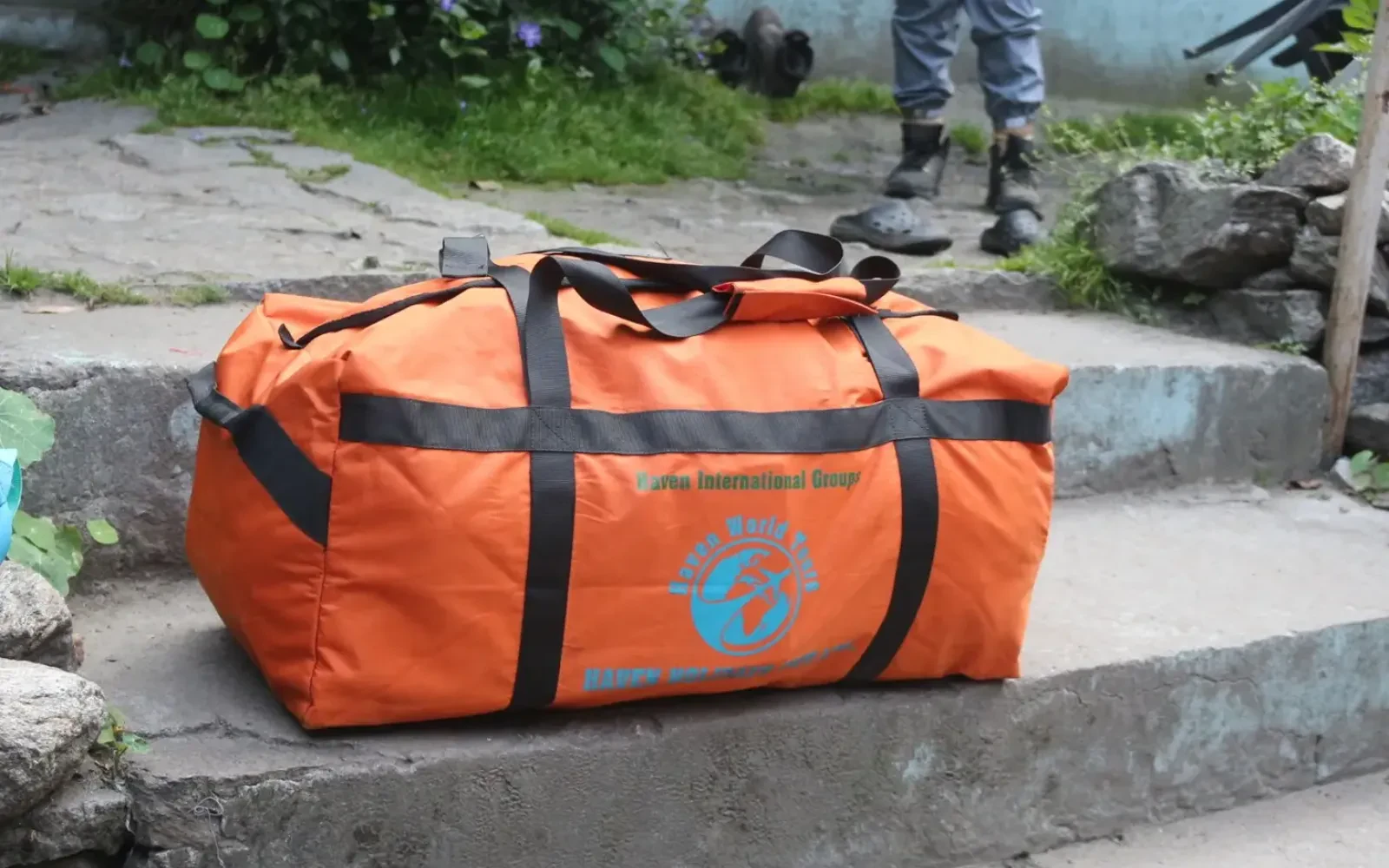
If you are looking for a place to rent trekking gear in Nepal, you will find thousands of options. It is always easy and affordable to rent almost any trekking equipment needed for the Everest Base Camp Trek, Annapurna Base Camp Trek, Langtang Valley Trek, Manaslu Circuit Trek, and other Himalayan adventures. The best place to rent trekking gears in Nepal is Kathmandu Valley and Pokhara. Most shops offering rental services are found in Thamel, Kathmandu and Lakeside, Pokhara. Sleeping bags, down jackets, trekking poles, crampons, and other essential gear are available for rent in Kathmandu and Pokhara.
Here, this article covers everything you need to know about trekking gear rental in Nepal, including the best places, equipment you can hire, costs, how to choose the best gear, and more.
Are you searching for the best place to rent trekking gear in Kathmandu and Pokhara? You have hundreds of mountain gear shops in Nepal’s capital and Pokhara. These shops offer competitively priced gear rentals for local and foreign trekkers. Mostly, they are found in Thamel and Lakeside, near hotels, and trekking companies offering guided tours. The following section covers the best places to rent trekking gears in Kathmandu and Pokhara, Nepal.
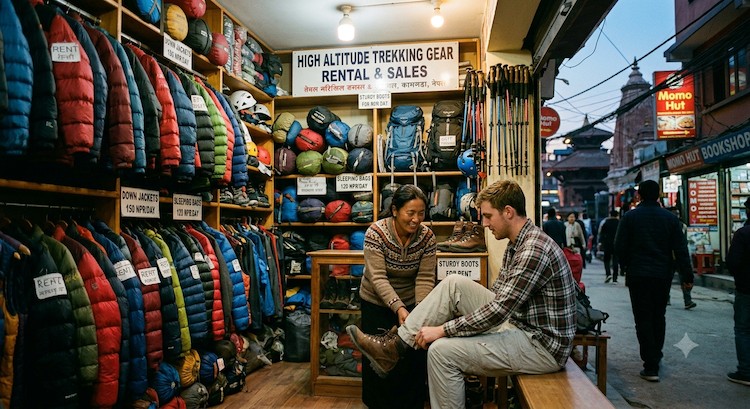
Places to rent Trekking Gears in Kathmandu (Thamel)
Thamel is the biggest trekking and tourism destination in Nepal. Most shops are found along Thamel’s main street, with others in Jyatha Road, Chaksibari Marg, Amrit Marg, Tridevi Marg, Narsingh Chowk, and Saat Ghumti (7 streets).
Places to rent Trekking Gears in Pokhara (Lakeside)
Most trekkers and climbers heading to the Annapurna region start their journey in Pokhara. In Lakeside, rental shops are found mostly along the Lake Road, Hallan chowk, Barahi chowk, Khahare, Dihikopatan Road, and Gaurighat.
In Pokhara and Kathmandu, most shops have gear suitable for Annapurna Base Camp Trek, Poon Hill Trek, Mardi Himal Trek, Annapurna Circuit Trek, Upper Mustang Trek, Muldae Hill Trek and other popular hiking trails in Nepal. The next section covers the type of equipment found in most gear shops in Nepal.
Equipment available for rent,
The following items are mostly available for rent in most gear shops in Pokhara and Kathmandu, Nepal:
Besides the items listed above, some shops also offer ice axes, climbing helmets, harnesses, camping gear, and high-altitude mountaineering equipment. The following section covers essential tips to help you rent trekking gear in Nepal.
Tips on Trekking Gear Rental in Nepal :
Overall, Kathmandu and Pokhara have the best places to rent trekking gears in Nepal. In Kathmandu, there are more shops offering hiking gear for locals and foreign trekkers. However, if you are in Pokhara and intend to go to the Annapurna region, most shops will provide you with the best gear for your hiking adventure. Furthermore, by renting trekking gear, you will save money and space in your backpack while having a fantastic hiking trip in Nepal.
If you are planning to do any kind of Himalayan trekking in Nepal, you will be glad to know that almost all kinds of rentable trekking gears are available in Kathmandu and Pokhara. Whether you are planning to do Everest or Annapurna Base Camp, Langtang Valley, Manaslu Circuit, Mardi Himal or Upper Mustang trekking, you can easily hire the necessary trekking gear in Kathmandu and Pokhara without having to carry heavy bags from your home country. Almost all trekking gear rental shops in Kathmandu and Pokhara have a wide range of equipment suitable for hiking in all seasons. The services of gear rental are especially recommended for those who only visit Nepal once or twice and for people who wish to reduce the weight of their luggage at the airport.
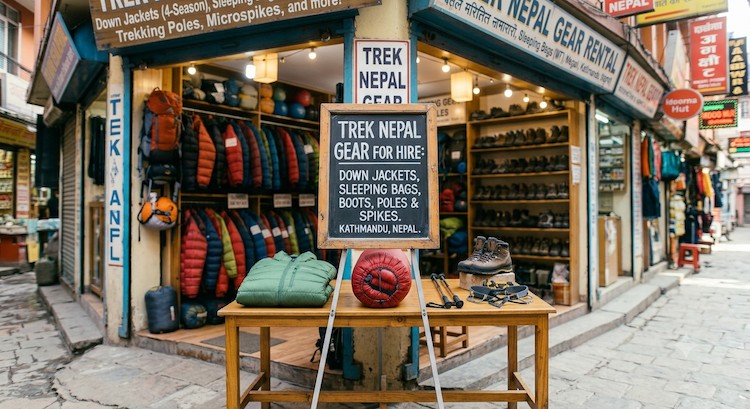
Clothing is the most popular item that can be rented in Nepal.
Available clothing :
In fact, these clothes can be used for trekking in Nepal above 3,000 meter, including Annapurna, Mardi Himal, Everest, and Thorong La Pass.
Most hikers choose to rent a sleeping bag instead of a tent.
Available sleeping bags :
The temperature resistant range for most sleeping bags is between -10 degrees Celsius and -20 degrees Celsius.
Hiking equipment such as trekking sticks or day pack can also be rented.
Trekking equipment:
Here, it is highly recommended to use trekking poles for going down steep trails, for example, Chhomrong, Ulleri, and Namche Bazaar.
Some trekking gear shops offer to rent mountain climbing boots and camp sandals.
Available hiking footwear:
Many trekkers prefer to bring their own boots for hygiene reasons.
In addition to the aforementioned types of trekking gears, some shops also provide an opportunity to rent electronic equipment.
Available electronic devices:
The availability of electronic devices depends on the time of the year.
Various kinds of climbing equipment can be rented from specialized mountain climbing companies.
Climbing equipment:
Meanwhile, this equipment is required for climbing high-altitude trekking peaks and is not necessary for teahouse guesthouse trekking.
Camping equipment can also be rented by those who wish to spend the night outside guesthouses and tea houses.
Camping equipment :
In addition to the above-mentioned, almost all trekking gear shops offer to rent various types of hiking accessories.
Some of the most popular hiking accessories are :
| Clothing | Sleeping gear | Hiking gears | Footwear | Electronic devices | Climbing equipment | Camping equipment | Accessories |
|---|---|---|
| Down jacket | Sleeping bag | Trekking poles | Trekking boots | Headlamp | Ice axe | Tent | Water bottle holders |
| Fleece | Rain jacket | Daypack (25-40L) | Camp sandals | Power bank | Climbing helmet | Sleeping mats | Rain poncho |
| Insulated gloves | Trekking backpack (45-70L) | Duffel bag | Gaiters | GPS Sat. phone | Tents | Compression sacks |
| Waterproof glove | Backpack rain cover | Microspikes (Winter) | Solar charger | Duffel bag | Sleeping bags | Waterproof stuff sacks |
| Warm woolen hat | Dry bags | Crampons (for high altitude) | Cooking utensils | Sleeping mats | Trekking umbrella |
| Sun hat | Portable charger | Cooking stove |Tables and chairs | Binoculars (limited) |
Before leaving the shop, double-check all zippers, trekking pole locks, sleeping bag for cleanliness, test jackets on your hiking clothes, backpack straps, and ask about the return policy, refund policy, and return dates.
Good equipment makes a big difference at high altitudes.
Expert Advice
Thanks to the large variety of trekking gears available for rent, most hikers can prepare for almost any Himalayan adventure without having to buy expensive equipment. Thamel in Kathmandu and Lakeside in Pokhara remain the best places to rent hiking equipment at relatively good prices. Renting good quality trekking gears is usually the preferred option for most occasional trekkers because it helps reduce the weight of the personal belongings at the airport, lowers travel costs, and prevents unnecessary spending on equipment that is only needed for a short period of time.
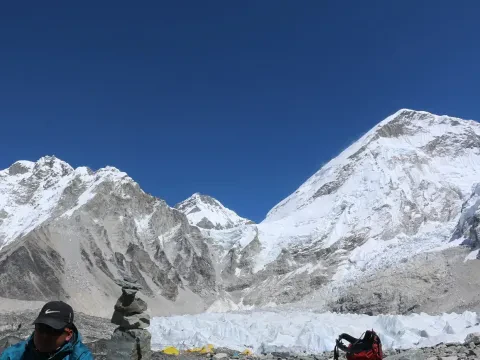
The prices for renting trekking gears in Nepal are among the lowest in the world. Compared to buying new equipment, most kinds of trekking gears are considerably cheaper to rent, and for those who only plan to go trekking once, gear rental is usually the most cost-effective option. Most shops charge extra for daily or weekly hires, and it is always a good idea to arrive early as the demand for gear rental tends to be at its highest during the peak trekking season, which is during March – May and September – November.
| Equipment | Price (NPR) | Daily rate (USD) |
|---|---|---|
| Down Jacket | NPR 200 – 400 | Daily: USD 2 – 4 |
| Sleeping Bag (-10 C to -20 C) | NPR 200 – 400 | Daily: USD 2 – 4 |
| Trekking Poles (pair) | NPR 100 – 250 | USD 1 – 2 |
| Backpack (45-70L) | NPR 200 – 400 | USD 2 – 4 |
| Duffell bag | NPR 150 – 300 | USD 1.5 – 3 |
| Waterproof Jacket | NPR 150 – 300 | USD 1.5 – 3 |
| Waterproof Pants | NPR 100 – 250 | USD 1 – 2 |
| Head Lamp | NPR 100 – 200 | USD 1 – 2 |
| Gaiters NPR | 100 – 200 | USD 1 – 2 |
| Microspikes | NPR 200 – 400 | USD 2 – 4 |
| Crampons | 300 – 600 | USD 3 – 6 |
| Ice Axe | NPR 300 – 600 | USD 3 – 6 |
USD prices are approximate and vary according to the exchange rate.
Many trekking gear shops also offer weekly rental plans.
| Equipment | Weekly rate (NPR) | Weekly rate (USD) |
|---|---|---|
| Down Jacket | NPR 1000 – 2000 | USD 10 – 20 |
| Sleeping Bag | NPR 1000 – 2000 | USD 10 – 20 |
| Backpack NPR | NPR 1000 – 2000 | USD 10 – 20 |
| Trekking Poles | NPR 600 – 1200 | USD 6 – 12 |
| Duffell bag | NPR 700 – 1500 | USD 7 – 15 |
Hiring most common types of trekking gears for a week can be considered good value for money.
Most shops ask for a copy of your passport and hotel information. Some shops may charge you an additional sum in cash that has to be returned upon return of the rented gear. It is highly advisable to clarify all of the additional conditions before signing the rental contract.
Factors that affect gear hire rates:
The price of gear rental largely depends on the time of year, the quality of the equipment, the brand, the duration of the hire, and the demand for the particular type of gear. Rented equipment of international brands may cost slightly more than similar local equipment.
| Feature | Kathmandu | Pokhara |
|---|---|---|
| Variety of equipment | Excellent | Very Good |
| Average rental prices | Slightly lower | Slightly higher |
| International brands | More available | Moderate availability |
| Demand during peak season | Very high | High |
Most trekking gear shops in Pokhara are good value for money, but in Kathmandu, you can find a wider variety of hiking equipment.
How to save money on gear rental?
An aspiring hiker can minimize expenses on gear rental in several ways:
Is it worth it to rent trekking gears in Nepal?
For most of the world’s tourists, the answer to this question is definitely yes. Gear rental has several major advantages over buying. First of all, rented equipment is significantly cheaper than bought equipment. Secondly, by renting, you avoid the need to carry additional bags on the plane. Thirdly, gear rental helps minimize the amount of unnecessary equipment that would have to be stored at home after the trip. And finally, by renting, you contribute to the preservation of the environment since equipment is reused rather than discarded after a single use.
For those who go trekking more than once a year, it may make sense to buy cheaper equipment rather than rent it every year. However, compared to buying premium equipment, rental fees for a single trek are significantly lower.
Expert Advice
The cost of hiring a sleeping bag, down jacket, and other trekking equipment is relatively low in Nepal. Most of the necessary gears can be hired for a moderate price, and a one or two-week trip can be fully equipped for a fraction of the cost of buying similar equipment. Always carefully check the rented gear and pay attention to additional charges such as deposits, damages, and special conditions.
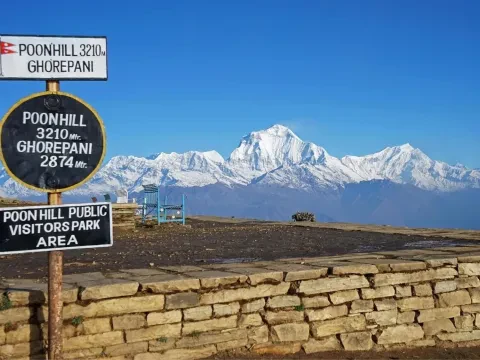
The quality of rental hiking gear in Nepal is generally good. It is usually possible to rent reliable and high-quality equipment in the Thamel area of Kathmandu and Lake Side of Pokhara. However, the quality largely depends on the shop, as some places specialize in premium hiking gear while others offer more used items. Overall, inspecting the gear before buying allows a trekker to confidently rent safe and comfortable clothes and equipment for their Himalayan adventures.
Whether someone wants to do the Everest Base Camp trail to 5,364 meters, Annapurna’s 4,510-meter base camp, Langtang valley, Mardi Himal, or Manaslu circuit trek, double-checking their gear will be vital for their journey.
General Quality of Rental Gear :
Most outdoor rental shops take pride in maintaining their equipment.
It is common to see :
Some of the most reliable hiking gear available for rent in Nepal is branded.
Differences Between Shops,
| Shop type | Quality |
|---|---|
| Established outdoor stores | Excellent to very good |
| Mid-range rental shops | Good |
| Small-scale shops | Fair to good |
It is always a good idea to check at least two or three stores.
What to Look for When Renting ?
Always look for:
Sleeping Bag Inspection
Check:
Backpack Inspection,
Check:
Trekking Pole Inspection,
Before buying poles, make sure to :
Trekking poles with malfunctioning locking mechanisms can be dangerous on steep descents.
Waterproof Clothing Inspection
Make sure to check:
Clothes with small tears will not protect hikers from rainy weather.
What to Ask the Shop Owner ?
Before paying, it is vital to ask:
Characteristics of High-Quality Rental Gear,
When renting gear, hikers should look for the following characteristics:
Characteristics of Poor-Quality Rental Gear,
Poor-quality rental gear usually has the following characteristics:
It is advisable to avoid gear with the mentioned features.
Why Most Trekkers Choose Rental Options ?
Most trekkers choose to rent gear for their expeditions because:
Expert Insights on Gear Preparation,
To get the best gear for a trip, it is advisable to:
Following the mentioned guidelines ensures a better experience in Nepal.
Expert Insights on Renting vs. Buying,
The overall quality of gear for rent in Nepal is reliable, although it varies from shop to shop. With a little effort, an average trekker will easily be able to inspect zippers, loft, straps, buckles, and weather resistance. Both Kathmandu and Pokhara have an excellent reputation among hikers for offering reasonably priced gear for every Himalayan adventure.
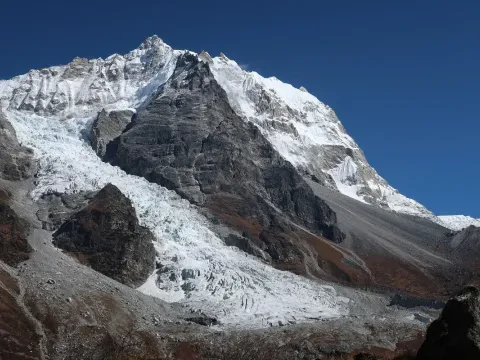
One of the most frequent questions asked by first-time trekkers is whether to rent or buy trekking gear for Nepal. The answer mainly depends on how often the hiker will be visiting the country, their budgets, priorities, and the type of trip they are going to take. For most international visitors, it makes perfect sense to rent gear in Nepal. However, it might be more convenient and cost-efficient for some to buy personal equipment.
Understanding the strengths and weaknesses of both options will allow the trekker to make the optimal decision before visiting Nepal.
Reasons to Choose Rental Options,
Most first-time hikers will find it more cost-efficient to rent gear if:
The most popular items to rent include:
Reasons to Buy Personal Gear,
Some trekkers will find it more convenient and beneficial to buy personal equipment if:
Personal footwear is always worth buying if the hiker has a chance.
| Particulars | Choose Rental Options | Decide to Buy Personal Gear |
|---|---|---|
| Starting Budget | Lower | Higher |
| Airline Baggage | Lighter | Heavier |
| Long-Term Value | Lower | Higher |
| Ownership | Not Applicable | Higher |
| Storing Gear at Home | Not Required | Necessary |
| Suitable for | First-Time Visitors | Regular Hikers |
Benefits of Choosing Rental Options,
Pros :
Many people only spend a small percentage of the buying price when renting.
Benefits of Choosing Buying Options,
Pros :
More experienced hikers appreciate the comfort of their personal gear, particularly boots and backpacks.
Weaknesses of Choosing Rental Options,
Cons :
In most cases, these weaknesses are easy to avoid.
Weaknesses of Choosing Buying Options,
Cons :
| Type of Trek | Most Suitable Option |
|---|---|
| Poon Hill | Should be rented |
| Mardi Himal | Should be rented |
| Annapurna Base Camp | Should be rented |
| Langtang Valley | Should be rented |
| Everest Base Camp | Can be rented or bought |
| Manaslu Circuit | Can be rented or bought |
| Upper Dolpo | Should be purchased or rented in high-end shops |
| Climbing Mountains | Buy personal gear; rent technical equipment |
What to Wear and Carry Personally,
Even though many clothes and accessories can be rented, it is advisable to bring the following items:
These items provide greater comfort and hygiene.
The Most Popular Items to Rent,
The most popular items to rent in Nepal usually include:
These items are heavy, expensive, and easy to rent.
| Personal Situation | Most Suitable Option |
|---|---|
| First Himalayan Trek | Choose to rent gear |
| First-Time Visitor | Choose to rent gear |
| Backpacking Across Asia | Choose to rent gear |
| Frequent Mountain Hiker | Choose to buy personal gear |
| Annual Trekking Holidays | Choose to buy personal gear |
| Technical Climbing | Buy personal gear; rent technical equipment |
Expert Insights on Renting and Buying Gear,
Most frequent trekkers choose a combination of both options, as it offers the best balance between cost and comfort. In most cases, hikers are advised to bring their own clothing and boots while renting a sleeping bag, down jacket, trekking poles, and a backpack. Such a combination allows them to reduce the overall expenses while keeping the comfort level high and the luggage weight minimal.
For a short adventure like Poon Hill, Mardi Himal, or Langtang valley, it is always wiser to rent gear, while for Annapurna or Everest base camps, a personal sleeping bag and down jacket might be considered. If someone has the intention to visit the Himalayas several times in the future, it makes more sense to invest in personal equipment.
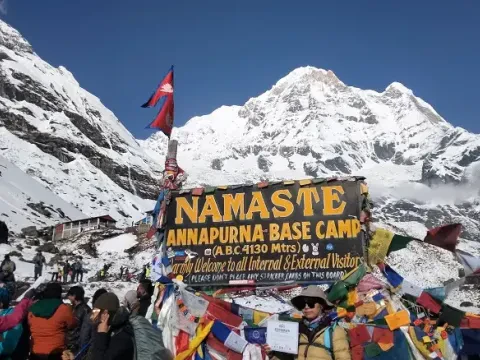
Yes, I can definitely help you with the gear for the Annapurna and Everest base camp trek in Nepal. There are many outdoor gear and equipment shops in Kathmandu valley, the Thamel area, and Pokhara’s lakeside that provide Annapurna Everest gear rental in Kathmandu for the challenging high-altitude trekking to Annapurna or Everest base camps. Most Trekking agencies and shops have hiking and climbing gears suitable for Annapurna Base Camp Trek 4130m and Everest Base Camp Trek 5364m.
Both Annapurna and Everest are popular trekking destinations in Nepal, attracting thousands of local and international tourists yearly. Almost all trekking agencies in Thamel and Pokhara have Annapurna and Everest trekking equipment for hire.
I have also included the gear required for the Annapurna base camp and Everest base camp trek in different seasons below:
Most trekkers tend to rent the following items:
Since the Annapurna Trek is a teahouse trek, hikers do not need to carry technical gear and mountaineering equipment.
Trekking Equipment for Everest Base Camp Trek,
Everest base camp rental gear is comparatively extensive due to the cold temperature and high altitude. Here is a list of most trekkers’ rental equipment for reference:
Recommendation on gear for various routes,
The gear and equipment required differ slightly depending on the route. Below is a table showing the gear recommended on different hiking routes.
| Trek | Recommended rental gear |
|---|---|
| Annapurna Base Camp (4130m) | Down Jacket, sleeping bag, trekking poles, rain gear |
| Everest Base Camp (5364m) | Heavy down jacket, sleeping bag, trekking poles, waterproof layer |
| Annapurna Circuit (5416m) | Jacket, sleeping bag, microspikes (seasonal), trekking poles |
| Manaslu Circuit (5106m) | Warm sleeping bag, trekking poles, waterproof clothing |
| Langtang Valley (3870m at Kyanjin Gompa) | Jacket, sleeping bag, trekking poles |
| Mardi Himal (4500m viewpoint) | Jacket, trekking poles, sleeping bag |
Gear for Summer and Winter :
Additional gear for a winter trek :
Where to rent gear for different treks ?
For treks in the Everest region
For treks in the Annapurna region
Why consider renting for the ABC and EBC treks?
Renting has several advantages over buying, for instance:
Some final advice on renting trekking gears,
Before starting the ABC or EBC trek, ensure that every zipper is functional, the trekking poles are working, and the sleeping bag is warm enough. It is advisable to try on the jacket before renting to ensure perfect fit.
If possible, it is always best to reserve trekking gears ahead of time, as well as compare prices among different shops.
Final thoughts
Whether you are considering the Annapurna or Everest base camp trek, renting gear in Nepal is an excellent choice. Both Thamel in Kathmandu and Lakeside in Pokhara have shops with equipment to suit all seasons and altitudes. Choose wisely and have a fantastic Himalayan trek!
Renting trekking gears is a straightforward process in Nepal. Most shops require only a couple of documents before handing over the equipment for the challenging trek. However, the requirements differ from one shop to another.
When making the rental deposit for trekking equipment in Nepal, here are the key things to consider:
Necessary documents before renting,
Most shops ask for the following:
Cash refundable deposit for gear in Nepal ?
Some shops charge a refundable deposit in Kathmandu and Pokhara for high-end equipment.
Refundable Deposits for Various Equipment,
| Equipment | Refundable deposit |
|---|---|
| Down jacket | Small cash refundable deposit or passport copy |
| Sleeping bag | Small cash refundable deposit |
| Trekking poles | Usually no deposit or a small cash deposit |
| Backpack | Cash refundable deposit |
| Technical climbing gear | Higher cash refundable deposit |
The refundable deposits are refunded upon returning the gear in good condition:
Most shops only require a copy of the passport or photo of the official passport book or a brief verification of the original passport.
Hotel contact address proof
Most shops ask for:
Payment options,
Most shops accept the following payment options:
Here, it is advisable to carry cash, and it is also the preferred mode of payment. With cash, you can also negotiate better rates.
Final thoughts before departing the shop,
Always remember the following pointers before leaving the shop:
Final advice on documents and deposits for trekking gear in Nepal
Here, the required documents to rent trekking gear in Nepal are relatively minimal. A copy of your passport, contact information, and, in some cases, a cash refundable deposit are typical requirements. Keeping copies of your passport and the rental receipt while adhering to the return policy will ensure a fantastic Himalayan trek before and after gear rental.
Choosing the right size is no less important than selecting the right brand. Even the best equipment will be uncomfortable and underperforming if the size is incorrect. When renting trekking gear in Nepal, it is crucial to try all clothing and equipment before paying for the rental. A well-fitting down jacket will keep you warm, the sleeping bag of the right size will insulate you better, and trekking poles of the correct height will reduce knee strain.
Whatever trek you are preparing for, be it the Annapurna Base Camp, Everest Base Camp, Manaslu Circuit, or Langtang Valley trek, follow these simple guidelines and try this equipment fitting checklist below.
1. Always Try on the Down Jacket,
Never rent a down jacket without trying it on.
While trying on, follow these simple steps:
A good down jacket made of high-quality material should not feel too tight or too long.
2. Check the Sleeping Bag Size
Make sure the sleeping bag is not too long or too short.
If possible, lie inside the sleeping bag; ensure that your feet are not touching the bottom of the bag. Check if the bag is warm enough for your needs: most bags have a temperature rating. Moreover, the bag’s hood should be large enough to comfortably hold your head, and its zipper should be fully zipped.
Most rental shops have a wide range of sizes, so it is easy to choose the right one.
3. Adjust the Height of Trekking Poles
Trekking poles of an improper height can cause serious knee damage. This is especially important when hiking on rough trails; the right height of trekking poles allows you to reduce the knee load. One simple way to estimate the correct height is as follows:
Stand and, holding trekking poles in your hands, bend your arms until they form a right angle. The locking mechanism on the poles should be set so that the poles do not break when force is applied. Always remember that the poles should be slightly shortened on ascents and lengthened on descents.
4. Try On the Backpack with Weight
Never try on a backpack without weight; ask the shop assistant to add several kilograms to the bag. Then, adjust the hip belt and shoulder straps, and walk around the store to ensure that the bag fits comfortably.
The bag should not press hard against your shoulders, with most of the weight resting on your hips.
5. Try On the Trekking Boots (If Renting)
Wearing the wrong size boots can cause discomfort and damage to the feet. Although most hikers prefer to rent clothing, some like to rent trekking boots.
When trying on the boots, follow these steps:
It is of utmost importance to choose the right size: comfort is better than style.
6. Check the Fit of Waterproof Clothing
When renting a rain jacket, ensure that you can move comfortably in it. Put the rain jacket on over your trekking clothes and try to squat down and raise your arms. Make sure that all zippers are easy to open and that the jacket’s hood is not too tight.
7. Try On the Gloves and the Hat
When selecting gloves and a warm winter hat, ensure that your fingers and ears are adequately protected. Check that the gloves allow you free movement and that the wristband does not cut off circulation. Make sure the winter hat you have chosen fits comfortably and that the hood of the sleeping bag, if any, will be compatible with your winter hat.
Even a few extra centimeters at the top of the sleeping bag will allow you to wear a wide-brimmed hat without getting it caught in the zipper.
8. Ask for Another Size
Do not be afraid to ask for another size if the equipment does not fit properly; ask the shop assistant to show you at least one other size. Reputable shops usually have a wide range of equipment sizes, including small, medium, large, and extra-large sizes.
| Equipment | What to Check |
|---|---|
| Down Jacket | Layers, arm movement, sleeves, and hood. |
| Sleeping Bag | Body length, hood, insulation, and zipper. |
| Backpack | Hip belt, shoulder straps, and weight distribution. |
| Trekking Poles | Elbows at 90 degrees and locking mechanisms. |
| Boots | Toe space, heel slip, comfort, and laces. |
| Rain Jacket | Full range of motion and hood adjustment. |
| Gloves | Finger movement, warmth. |
| Hat | Ear coverage, comfortable fit. |
Expert Tips,
Before paying for any rental, do the following:
Spending a few extra minutes trying on and testing the gear will dramatically increase your comfort during hikes.
Expert Advice
When choosing the right size for rented trekking gear in Nepal, it is essential to take a closer look at the size you have selected. Different manufacturers have varying sizing charts, so it is essential to try every piece of clothing no matter the brand. This is especially important in the case of down jackets, backpacks, trekking poles, and sleeping bags: properly fitting equipment will significantly increase your level of comfort while hiking.
While most shops have the same rules about gear rental in Nepal, which implies that you will have to bring the gear back in the same city where you rented it, some trekking companies offer one-way gear rental or transfer.
However, a handful of trekking companies offer a one-way gear rental and transfer service for an additional fee.
The standard rental policy
| Rental City | Return Location |
|---|---|
| Kathmandu | Kathmandu |
| Pokhara | Pokhara |
This way, they keep the costs as low as possible and make sure they have enough stock in each city.
Are there any one-way gear rentals?
Most large trekking companies or outdoor shops offer either:
However, this is not common and additional fees will usually apply.
Are there any additional fees for one-way gear returns?
Even if such one-way gear returns are available, additional fees apply for:
Therefore, it is important to clarify these details in advance.
Are there some practical tips for treks starting in different regions?
Annapurna region treks:
If you plan on trekking in the Annapurna region and start and finish your trek in Pokhara, consider renting your gear in Pokhara.
Everest region treks:
If you are going to the Everest region, it makes most sense to rent gear in Kathmandu, as most flights to Lukla start there.
Treks finishing in a different city than you started:
| Route | Suggested Rental City |
|---|---|
| Kathmandu | EBC -> Kathmandu | Kathmandu |
| Pokhara | ABC -> Pokhara | Pokhara |
| Kathmandu - Pokhara | ABC -> Pokhara | Pokhara |
| Kathmandu | Annapurna circuit -> Pokhara | Pokhara |
What about in case of delays?
What are some expert recommendations on gear return?
Make sure to:
Whenever possible, rent gear in the city where you are going to return from at the end of your trek.
Expert Advice,
The standard gear return policy in most trekking shops in Nepal is rather simple: return the gear to the same shop where you rented it. Although it is sometimes possible to organize a one-way gear transfer between Kathmandu and Pokhara, it is rather uncommon. The most practical solution for most trekkers is to rent gear in the city where they are going to return from at the end of their trek.
While most gear can be rented in Nepal, there are a few items that you should consider bringing on your trek instead of renting. These items will make your trek more comfortable, hygienic, and safe.
A few essentials can enhance almost any trip to Annapurna Base Camp (4,130 m), Everest Base Camp (5,364 m), Langtang Valley, or the Manaslu circuit.
In fact, it is a good idea to complement your rented gear with some personal essentials.
What items should I bring on my trek instead of renting?
Hiking boots,
The reasons why you should bring your own hiking boots include:
Hiking boots are one of the most personal items when it comes to trekking gear.
Base layers :
It is advisable to bring your own base layers, as they come directly into contact with your skin and, therefore, hygiene and comfort are of paramount importance.
Socks
Underwear
Underwear, sports bras, and personal clothing are also items that you will want to bring with you on any trek.
Headlamp,
Water bottles or hydration systems,
Sunglasses :
Personal first aid kit,
A personal first aid kit should include:
Personal medications, painkillers, blister plasters, bandages, and altitude drugs, if any. It is normal practice to bring your own medical supplies with you on a trek.
Toiletries,
Toiletries such as a toothbrush, toothpaste, sunscreen, lip balm, wet wipes, and hand sanitizer are all essential. You probably have most of these items with you anyway, so it will not cost you anything extra to bring them with you on your trek.
Electronics
Items such as a mobile phone charger, camera, extra batteries, powerbank, and a travel adapter are all things you might want to bring with you.
What are some items that are usually better to rent?
The following items can and should be rented:
| Bring yourself | Rent |
|---|---|
| Trekking boots | Down jacket |
| Base layers | Sleeping bag |
| Socks | Trekking poles |
| Underwear | Backpack |
| Headlamp | Duffel bag |
| Water bottle | Rain cover |
| Sunglasses | Gaiters |
| Personal medicine | Microspikes |
What are some hybrid packing recommendations?
Most seasoned trekkers employ a hybrid approach and bring some personal gear while renting other things.
Some things to consider bringing on your trek include,
Personal clothing :
Some gear to consider renting includes:
What are some expert recommendations on bringing personal gear?
Make sure to:
These expert recommendations will ensure that your trek is much more comfortable than you ever imagined it to be.
Expert Advice
When considering what not to rent in Nepal, make sure to bring what items are likely to affect your hygiene, comfort, or safety. Make sure to bring your own boots, base layers, socks, and personal medication. On the other hand, it is better to rent large and expensive items such as a sleeping bag and a down jacket. Most experienced trekkers know that a hybrid approach, which combines rented and personal gear, is often the most comfortable, cost-effective, and safe option to choose in the Himalayas.
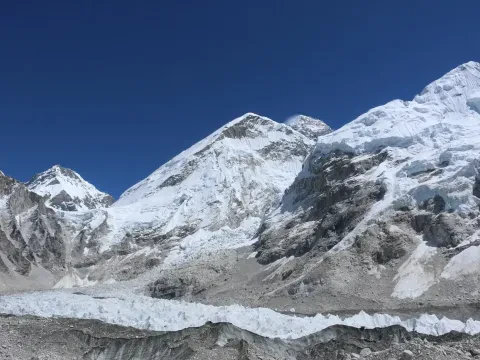
The best time to rent trekking gear depends on when you plan to go trekking. While it is available throughout the year, the demand during the peak season can be extremely high. It is best to reserve the gear ahead of time and to reach Kathmandu or Pokhara at least 1 or 2 days in advance. This would give you enough time to shop around and to check the gear before purchasing
Planning Ahead and Comparison Shopping Allows You to Buy the Correct Equipment.
| Season | Months | Gear Availability | Recommendation |
|---|---|---|
| Spring | March–May | High demand | Reserve or rent 1–2 days early |
| Summer / Monsoon | June–August | Good availability | Plenty of choices |
| Autumn | September–November | Very high demand | Book early and arrive ahead of time |
| Winter | December–February | Moderate demand | Winter gear available, but inspect carefully |
Why Spring and Autumn Are the Busiest
The reason why spring and autumn are considered the best time to go trekking in Nepal is that the weather is relatively mild, the mountain peaks are clear for views, and the trails are free of snow and easy to navigate.
As a result, these months see an influx of trekkers who wish to complete popular routes, including:
Arrive 1–2 Days Before Your Trek
Arriving a day or two early in Kathmandu or Pokhara will allow you to visit multiple rental shops to compare equipment and prices
You can also test the size of jackets and backpacks, as well as the comfort of sleeping bags. It will also give you enough time to return or exchange any item that does not fit you properly
Reserve Equipment for Peak Season
If you are planning to go trekking in Nepal during the months of March, April, October, or early November, you should consider reaching out to a rental shop or your trekking agency ahead of time to reserve the gear of your choice, especially if you have requested a personal guide
| Trekking Region | Best Time to Rent |
|---|---|
| Everest Region | 1–2 days before departure from Kathmandu |
| Annapurna Region | 1–2 days before departure from Pokhara |
| Langtang Region | Before leaving Kathmandu |
| Manaslu Region | Before departing Kathmandu |
| Upper Mustang | Before traveling to Pokhara |
Avoid Last-Minute Rentals
Renting gear on the evening before your trek is never a good idea because it will not give you much time to choose from the available sizes.
On the contrary, you might be left with old gear and fewer options.
Expert Tips,
To rent the best gear at an affordable cost, you should :
Also, remember to leave an extra day in your travel itinerary in case you need to cancel one of your trekking days to inspect the gear.
Expert Advice,
The best time to rent trekking gear in Nepal is one or two days before your departure, and especially during the busy season. You should arrive early in Kathmandu or Pokhara to be able to choose from the most options and to inspect the gear before buying. This gives you the best chance to prepare for your Himalayan trek with the necessary equipment to keep you safe and comfortable.
[trip:sland-peak-climbing]
Although renting hiking equipment is a relatively cheap affair in Nepal, there are a few things you can do to reduce the amount you spend on gear rental. You can save money on trekking gear in Nepal by comparing prices, taking advantage of special offers, and planning ahead. The main idea is to make the most of your money while still having access to the best possible hiking equipment.
Whether you’re going to Everest Base Camp, Annapurna Base Camp, Langtang Valley, Mardi Himal, or anywhere else in Nepal for that matter, here are some helpful pointers that will help you get the best deal on your hiking gear.
1. Compare Two or Three Rental Shops
The prices could be different at different shops.
Before renting gear :
2. Ask About Weekly Rates
Additional Discount,
So, if your hiking trip is a week or more, enquire about the weekly rate.
3. Ask About Package Deals
Most shops have special offers for hiring certain equipment in combination with others. For instance, a lot of shops offer a discount when you hire a down jacket, sleeping bag, backpack, trekking poles, and a duffel bag together. So, if you want to hire multiple items, ask if there are any package deals.
4. Haggle
Haggling is a prevalent practice in Nepal, so don’t be hesitant to do so. However, always keep in mind that politeness is essential. You can haggle if you’re hiring multiple items, for a more extended period, and if you’re paying in cash. In some shops, you can get a pretty decent discount by haggling.
5. Inspect the Gear
So that you don’t get charged for damage that isn’t your fault, double-check that everything is in good condition before you leave the shop. Make sure to examine the gear’s zippers, buckles, straps, sleeping bag’s insulation, and other components. It’s a good idea to take photographs of the gear you’re hiring so that you have evidence of its condition.
6. Don’t Rent What You Already Have
To cut costs, avoid renting private hiking equipment. Most people already have a pair of trekking shoes, a set of base layers, and some warm socks. Rather than renting these, bring your own. However, you might want to consider renting more voluminous items like a down jacket, sleeping bag, trekking poles, and a backpack.
7. Rent Gear in the Right City
| Trek | Recommended Rental City |
|---|---|
| Everest Region Trek | Kathmandu |
| Langtang Trek | Kathmandu |
| Annapurna Trek | Pokhara or Kathmandu |
| Mardi Himal Trek | Pokhara |
| Poon Hill Trek | Pokhara |
This is because it would be a hassle to get the gear from one city to another. This way, you’ll also save on transportation costs.
8. Return the Gear on Time,
If you return the gear late, you may be charged an additional fee. So, before leaving the shop, ask them about the consequences of returning the gear late. Make sure to inquire about the policies in case of bad weather or transportation delays. It’s always a good idea to keep the receipt.
9. Trek During the Shoulder Seasons,
If your schedule allows, try to plan your trip for the shoulder seasons in Nepal, which are late February, early March, and late November. During these times, you’ll have more selection when it comes to gear, and there may be discounts as well.
10. Choose a Reputable Shop.
Although it might be tempting to go for the cheapest option, it’s a good idea to spend a little more and get gear from a reputable shop. Not only will the gear be of better quality, but you’ll also get better customer service. For instance, some shops offer free replacements if the gear doesn’t suit you. Although it might cost you a little more, it’s worth it in the long run.
| Money-Saving Tip | Benefit |
|---|---|
| Compare 2–3 shops | Wise buying |
| Ask about weekly rates | Lower daily rate |
| Rent equipment in combo | Get a discount on multiple items |
| Haggle politely | Possibility of a small discount |
| Bring personal gear | Save on what you already have |
| Inspect gear | Avoid damage claims |
| Return gear on time | Avoid extra charges |
| Avoid | Reason |
|---|---|
| Renting gear from the first shop you visit | There’s a good chance that other shops have cheaper rates. |
| Making a choice based on the cheapest price | The cheapest option is not always the best in terms of quality. |
| Leaving the gear rental to the last minute | You may not have much of a selection. |
| Renting gear you already have with you | This is a waste of money. |
| Not inquiring about combo deals | You could end up spending more money. |
Expert Advice,
It’s not hard to find cheap trekking gear for rent in Nepal, as long as you know what you’re doing. Compare prices at different shops, ask about weekly rates and combo deals, and haggle if possible. However, it’s essential that you don’t sacrifice gear quality for the sake of a cheaper price. In the long run, a slightly pricier but higher quality gear will be worth it.
1. Can I rent trekking gear in Nepal?
Yes. You can easily rent various trekking gears in Nepal, including sleeping bags, down jackets, backpacks, trekking poles, crampons, and much more. Both Pokhara and Kathmandu have dozens of outdoor equipment rental stores offering gear for Annapurna Base Camp Trek, Everest Base Camp Trek, Langtang Valley Trek, Mardi Himal Trek, Manaslu Circuit Trek, and many other popular hikes. Besides, gear in Nepal is cheaper than in many European countries, and renting is significantly easier than buying.
2. Where can I rent trekking gear in Kathmandu and Pokhara?
The best place to rent trekking apparel and equipment is Thamel in Kathmandu and Lakeside in Pokhara, Nepal’s most popular tourist areas. Both districts have dozens of shops specializing in hiking and mountain climbing gear, most of which are within walking distance of your accommodation. Most stores offer a wide range of equipment suitable for day hikes and high-altitude trekking. Try several stores before renting gear in Nepal, as you may find better deals and equipment quality. In addition, make sure to examine the gear before buying or renting.
3. What gear can I rent in Nepal?
Most hiking and trekking gear is available for rent in Kathmandu and Pokhara. You can find down jackets, sleeping bags, trekking poles, backpacks, duffel bags, gaiters, crampons, and much more. Some stores rent specialized hiking clothing, including raincoats, waterproof pants, microspikes, and insulated gloves. However, it is advisable to bring your hiking clothes, socks, and underwear from home, as it will be more comfortable for trekking in Nepal.
4. How much does it cost to rent trekking gear in Nepal?
Most gear in Nepal is reasonably priced, and your spending on rental equipment will depend largely on the duration and difficulty of your hike. For instance, a four-season sleeping bag or a down jacket will cost about 150 – 300 NPR per day. At the same time, trekking poles, backpacks, and duffel bags will be cheaper per day. The price also varies depending on the store, so it is advisable to compare the rates of several shops before renting a particular item.
5. Is the quality of rented gear in Nepal good enough?
The quality of gear varies from store to store, so it is important to examine the equipment before renting. Reputable shops have higher quality goods, while cheaper ones may have second-hand items. Check the comfort and size of jackets, sleeping bags, backpacks, and trekking poles before renting.
6. Should I rent or buy trekking gear in Nepal?
You will benefit from renting rather than buying trekking gear if you are on a long-term holiday and have no plans on returning to Nepal anytime soon. On the contrary, if you regularly go hiking and have the required equipment, it may be more cost-effective to buy gear in Nepal. In general, it is best to rent most equipment, such as sleeping bags, down jackets, and trekking poles, and bring personal items from home.
7. Can I rent equipment for Annapurna or Everest Base Camp Trek?
Yes. You can rent most gear in Nepal, including sleeping bags, down jackets, trekking poles, backpacks, and other items required for the Annapurna Base Camp Trek and Everest Base Camp Trek. Most shops have a wide range of equipment for high-altitude hiking and mountain climbing.
8. Is any particular documentation required to rent hiking gear?
Most hiking gear rental shops ask you to fill out an application form and provide a copy of your passport and hotel details. At the same time, some places only require your identification, and some ask for the cash deposit rather than a passport. In any case, make sure to save the paper confirmation when renting gear in Nepal, as you will need it to return the equipment.
9. How do I pick the right size when renting gear?
It is important to try on clothes and feel the equipment to select the right size when renting in Nepal. Make sure the shoulder straps on your backpack are tight enough, the sleeping bag you have chosen will be comfortable for you, your down jacket will keep you warm, and your trekking poles will be of a comfortable height. The right size and fit of your trekking gear will help you reduce fatigue and discomfort and avoid potential injuries.
10. Are there any risks or issues associated with gear rental in Nepal?
Some of the most common issues that may arise when renting equipment in Nepal are broken zippers and uncomfortable or improperly fitting bags and clothing. Luckily, these problems are easily avoided if you choose the right size and examine the gear for defects before paying for the rental. Besides, a reputable store will gladly replace damaged items with new ones if you point them out when returning the gear.
11. Can I return rented gear in a different city or only in the same place where I rented it?
Most shops and agencies only allow you to return the gear in the same place where you rented it. However, some companies offer this service for an additional fee. As a rule, this option is only available between Kathmandu and Pokhara.
12. What other items should I bring from home in addition to sleeping bags, jackets, and backpacks?
It is advisable to bring your hiking boots, long johns, clean socks, and underwear on your hiking trip to Nepal. Moreover, make sure to bring sunglasses, a water bottle, a headlamp, medication, and first-aid supplies from home. Finally, you should also bring a towel and a personal hygiene pack. Although you may rent most gear in Nepal, using your hiking boots and personal hygiene products will be more comfortable than using rented ones.
13. When is the best time to rent gear in Nepal?
The best time to rent gear in Nepal is one or two days before your trek. First, several shops only rent equipment for a limited period during the peak season, so it is critical to book in advance if you are hiking during March-May or September-November. Second, in any case, you will have a couple of days to choose the most comfortable and well-fitting gear before your trek. This way, you will avoid disappointment due to poor quality or uncomfortable equipment.
14. How can I save money on gear rental?
To save money on equipment rental in Nepal, compare prices and selection of different shops. Moreover, if you plan on going on extended hikes, it is cost-effective to rent the gear for a week. In addition, do not hesitate to bargain when paying for the rental; it is a popular tradition in Nepal. However, always remember that cheap gear may have a poor fit and be uncomfortable.
15. Is it worth renting trekking gear in Nepal?
Overall, it is worth renting in Nepal for most trekkers. Firstly, it is much easier to carry a sleeping bag or a tent than to have to pack them in your suitcase when returning from your trip. Secondly, you save money as gear in Nepal is much cheaper than in most European countries. Finally, a reputable shop will provide you with high-quality products for a relatively low price. Simply rent the gear you will need for your trek in Nepal, double-check the items for comfort and quality, and ensure nothing is missing before leaving the store.
16. Can I rent trekking boots in Nepal?
You can rent trekking boots in Nepal. However, it is not recommended to do so, and it is much safer to use your own pair of hiking boots. This way, you will avoid blistering and discomfort due to improper fit or poorly maintained rental boots. If you still want to rent, try them on before exploring the mountains and make sure the boots are not too tight or too loose.
17. Are sleeping bags in Nepal warm enough for Everest Base Camp or Annapurna Base Camp Trek?
Reputable shops offer a wide range of sleeping bags for hikers and trekkers. Most of them are suitable for use in Nepal, including on the Everest Base Camp Trek or Annapurna Base Camp Trek. However, it is important to choose the right size and temperature rating. In addition, during cold seasons, it may be a good idea to rent a sleeping bag with a higher temperature rating than stated or use a sleeping bag liner.
18. Can I reserve gear in advance?
Yes, most trekking agencies and some shops allow you to reserve gear in advance. It can be helpful if you are traveling during peak season, as there may not be any equipment available when you arrive in Kathmandu or Pokhara.
19. Do trekking agencies offer gear rental services?
Yes, most trekking agencies offer gear rental services. They ensure that all the equipment you need for your trek is available and ready to go when you arrive. In addition, agencies usually partner with local shops and may offer you discounts if you rent the gear through them.
20. Should I rent independently or through a trekking agency?
Both options have their advantages and disadvantages. If you are unsure which option to choose, opt for a trekking agency as they will help you find the best deals and make sure that the size and quality of the rented gear are up to standard. Independent renters may save money, while those who rent through agencies get more convenience. Ultimately, the decision depends on which option is more cost-effective for you.
Renting trekking gear in Nepal is an affordable and convenient way to enjoy hiking and mountain climbing in Nepal without spending a fortune. You can find a wide variety of sleeping bags, down jackets, trekking boots, and other essential equipment in Thamel, Kathmandu, and Lakeside, Pokhara. Always try on clothes, test the comfort and quality of the gear, and make sure you have the right size before renting. Most shops offer equipment for the Annapurna Base Camp Trek, Everest Base Camp Trek, Langtang Valley Trek, Mardi Himal Trek, Manaslu Circuit Trek, and similar adventures. Make sure to book in advance during the peak season and only rent what you need for your trek. By following the tips mentioned above, you will be able to have a safe and enjoyable hiking experience in Nepal within a short period of time.
Our travel experts are ready to assist you with any questions.
Send us a message.Have a question before you book? Send your enquiry below and our travel experts will get back with the required information.