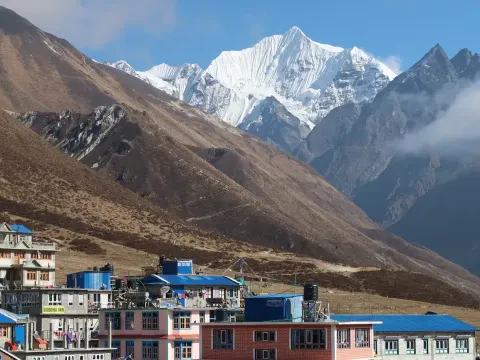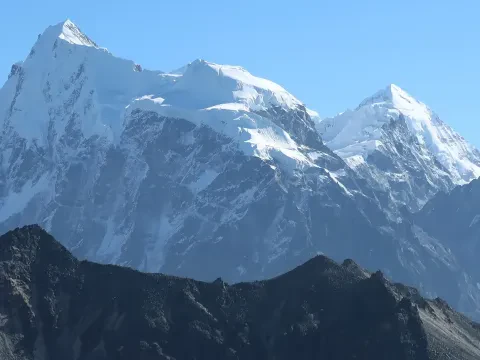
Dream of seeing the magnificent Himalayas without the immense crowd at Everest or Annapurna? The Langtang Valley, which lies closest to the mountain oasis of Kathmandu, is the place where dramatic glacial landscapes merge beautifully with vibrant, living Tamang and Tibetan cultures. In fact, the Langtang Valley is less-spoiled and less-crowded trekking destination in Nepal like Manaslu Circuit, Nar Phy Valley and Tsum Valley.
Often referred to as the "Valley of Glaciers", it is characterized by its spectacular ice formations and soaring peaks; the valley is also famed for its rich cultural heritage. Therefore, walking through this region is like traversing two worlds – that of raw nature and authentic culture, existing side-by-side. Here, Langtang Valley Trek takes you there to enjoy the most authentic nature and culture near Kathmandu.
Whether you are a novice trekker or a seasoned adventurer, Langtang provides an intimate Himalayan experience that will forever be etched in your memory. Consequently, it has quietly earned a place among Nepal's favorite short to medium treks for nature lovers and culture enthusiasts alike.
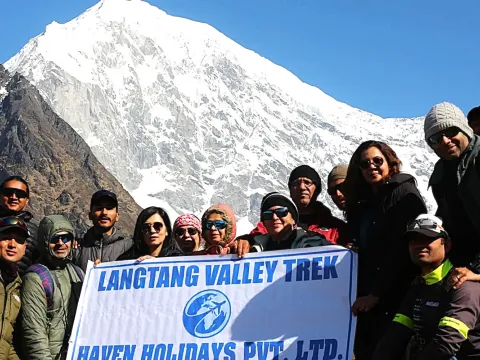
Imagine stepping into a protected Himalayan sanctuary where nature still thrives unhindered in its purest form? Langtang National Park, established in 1976 as Nepal's first Himalayan national park, stands as a crucial sanctuary for its delicate mountain ecosystems.
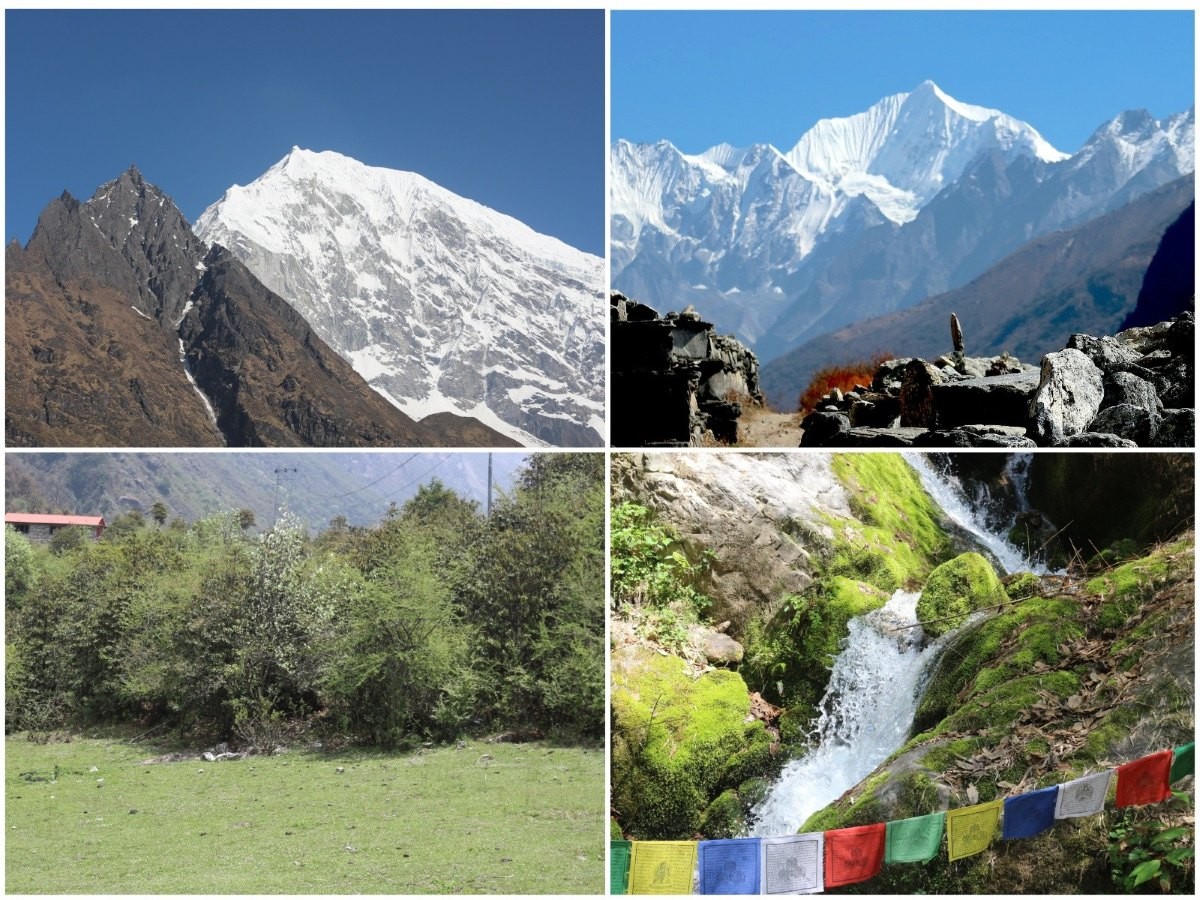
As you venture further into the valley, you'll witness an astounding progression of ecological zones-from the dense, subtropical forests teeming with oak and rhododendron at lower elevations to the barren alpine meadows and glacial landscapes at higher altitudes. This varied topography supports an impressive array of wildlife, including the elusive red panda, the sure-footed Himalayan tahr, the elusive musk deer, and even the elusive snow leopard that roams the highest peaks.
Highlights of Langtang National Park :
| Altitude Range (m) | Ecosystem Type | Dominant Flora and Fauna |
|---|---|---|
| 1,000 – 2,500 | Subtropical Forest | Oak, rhododendron, varied bird species |
| 2,500 – 3,500 | Temperate Forest | Pine, fir, flowering shrubs |
| 3,500 – 4,500 | Sub-alpine & Alpine | Meadow, juniper, alpine wildflowers |
| 4,500 | Glacial & Rocky Terrain | Glaciers, moraines, resilient wildlife |
Actually, the park also plays a pivotal role in conservation efforts while ensuring the continued well-being of the local Tamang and Tibetan populations. Trekking through Langtang National Park thus offers an experience that goes beyond just breathtaking scenery, fostering a deep connection with Nepal's dedication to preserving its invaluable mountain heritage.
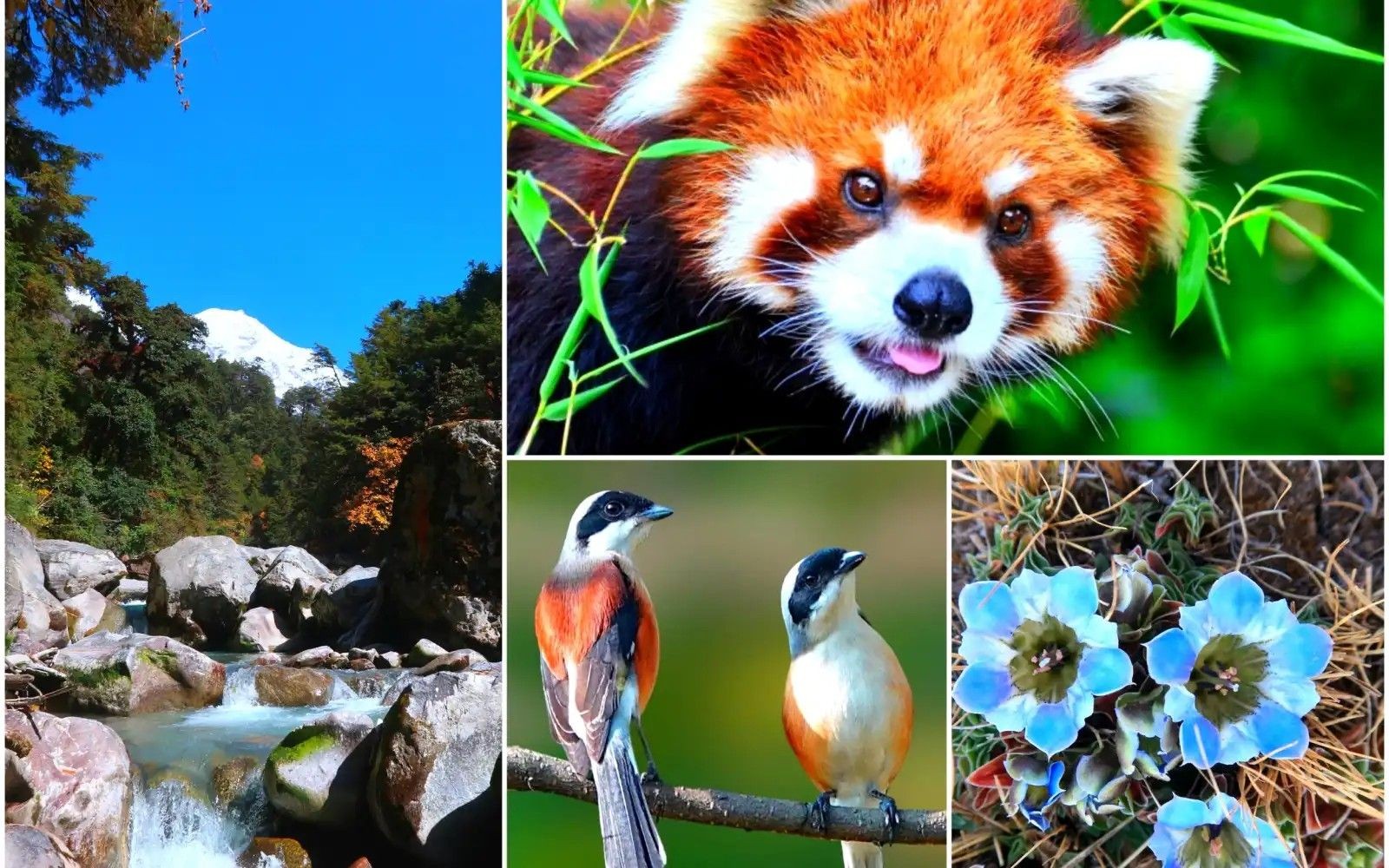
Have you ever wondered how it feels to trek in ancient forests, a place where every step feels like an entry into a fairy tale. The early days of the langtang valley trek take you to one of the most magical forests in the Himalayas.
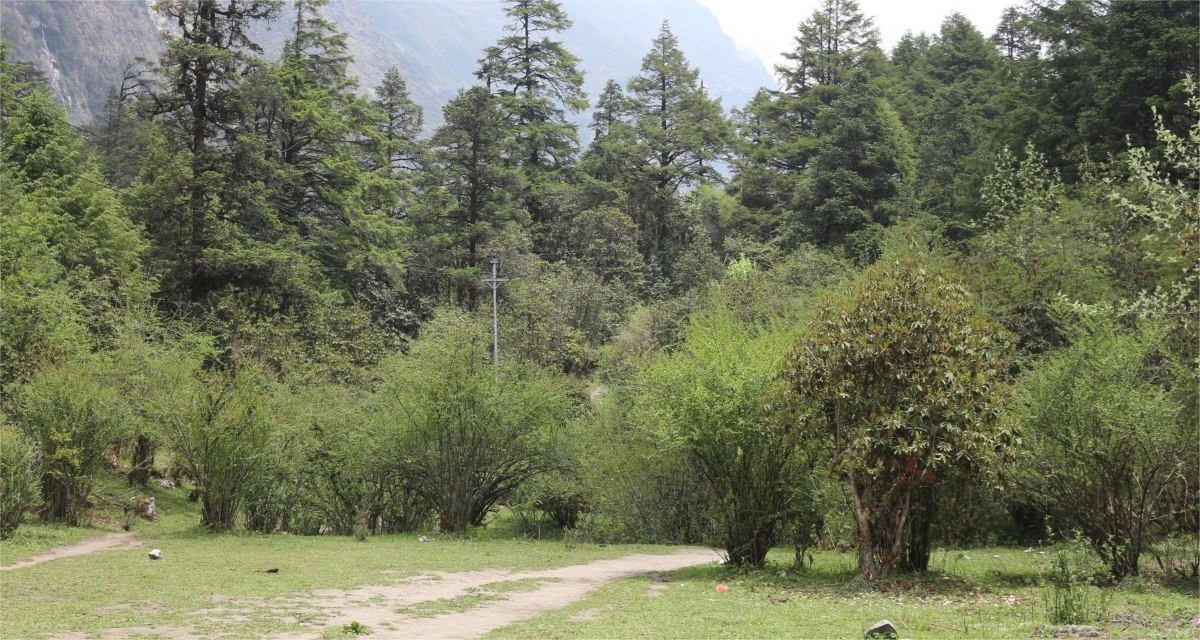
From syabrubesi the trail takes you through dense bamboo forests, tall oak trees and vividly colorful rhododendron forests during spring. The trail bursts with sounds and colors and to many, feels magical.
Magical flora and fauna of the lower trail :
| Flora and Fauna | Description | Best Time to See |
|---|---|---|
| Rhododendron forests | bright red and pink flowers blooming | March-April |
| bamboo forests | green tunnel like trail through the forest | Throughout the year. |
| langur monkeys | they often come down in the early mornings and evenings to eat from the bamboo | early mornings and late afternoons. |
| various birdlife | himalayan species of monals, pheasants and other birds | Spring and Autumn. |
In conclusion, the soft rays of light in the morning filters through the trees creating a peaceful and refreshing ambiance to the start of each day of trekking. This section is a gentle and beautiful walk in the forests.
Have you always dreamed of spotting the worlds cutest and also one of the worlds rarest animals. Langtang national park is a crucial habitat for the extremely shy red panda, hence this trek is the ideal way of hopefully spot them from close proximity, however at a safe distance.

Actually, these small animals survive primarily on bamboo and it is found predominantly in the mid and lower valleys. It is possible to spot the red pandas during early mornings and late afternoons when they are generally very active.
Conservation efforts for the red panda :
| Tracking factor | Details | Tip for trekkers |
|---|---|---|
| altitude | 2500- 3800 meters | search for areas where there is a lot of bamboo. |
| best time of day | early mornings and late afternoons | trek slowly and quietly. |
| best season | Spring and Autumn | they are most active during these seasons. |
| observing the red panda | Do not use a flash, maintain a distance of at least 5 meters | admire and appreciate the rare and beautiful animal. |
Most importantly, spotting a wild red panda on your trek through the park can be an unforgettable experience and a truly magical addition to the already amazing experience of trekking through the Langtang valley.
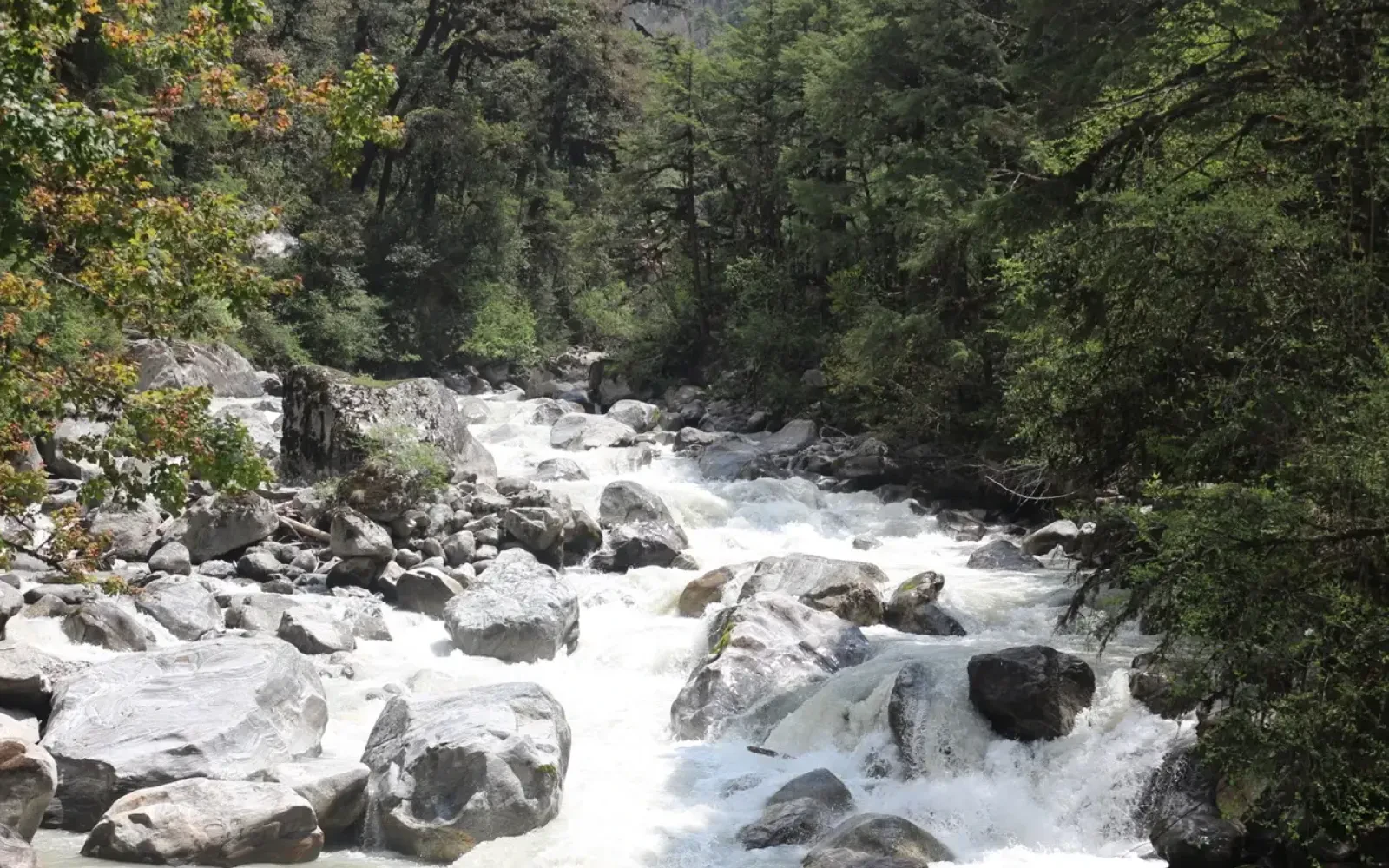
Have you ever experienced the power of a river becoming the heartbeat of a valley? This is exactly what the Langtang Khola (river) does for Langtang Valley, a constant companion on almost every stretch of your trek.
Actually, carving deep gorges through the mountains, this powerful, glacier-fed river presents a dramatic landscape that transforms with every turn in the trail. Its perpetual roar transforms into a soothing yet invigorating soundtrack to your ascent.
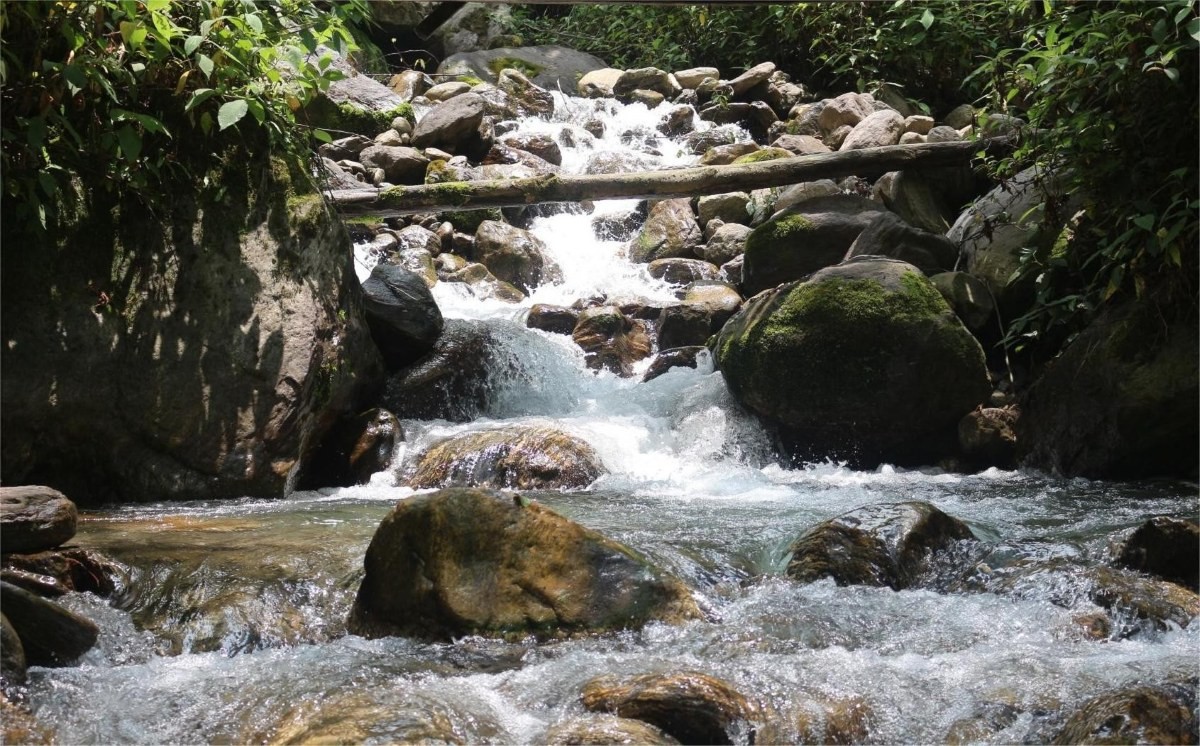
Likewise, you'll traverse numerous suspension bridges spanning its turquoise waters, hear its thundering voice in narrow canyons, and witness its life-giving presence sustaining the terraced fields of local villages. The river even powers the traditional prayer wheels in the monasteries, beautifully blending the natural and spiritual worlds.
The Langtang River Experience :
| Trek Section | River Character | Trekkers' Experience |
|---|---|---|
| Lower Valley | Fast-flowing & powerful | Dramatic gorges & suspension bridges |
| Middle Valley | Clear turquoise waters | Scenic views & peaceful sound |
| Upper Valley | Glacier-fed & colder | Majestic flow against mountain backdrop |
In essence, following the roar of the Langtang River imbues the trek with a profound sense of aliveness and connection to the land.
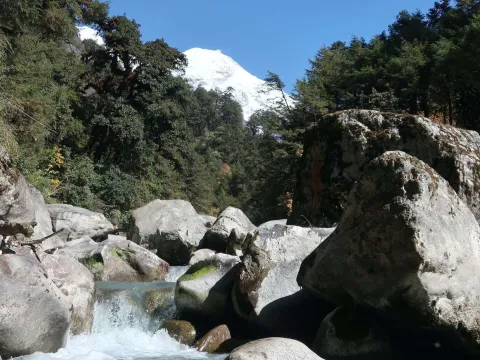
Have you ever envisioned the moment when dense forests melt away to reveal vast, sweeping alpine meadows? As you ascend into the upper reaches of the Langtang Valley, this is precisely the transformative spectacle that unfolds. You've arrived at the breathtaking alpine highlands of the north.
Actually, the trees gradually recede, replaced by expansive, open pastures where sturdy mountain horses and placid yaks graze. The high-altitude scenery here is at once immense, untamed, and exhilarating after the enclosed, forested valleys.
Likewise, you'll encounter semi-nomadic herders tending their livestock against a backdrop of towering rock formations and snow-capped peaks. The sight of pack horses diligently carrying provisions along the trail adds an element of timeless charm to the journey.
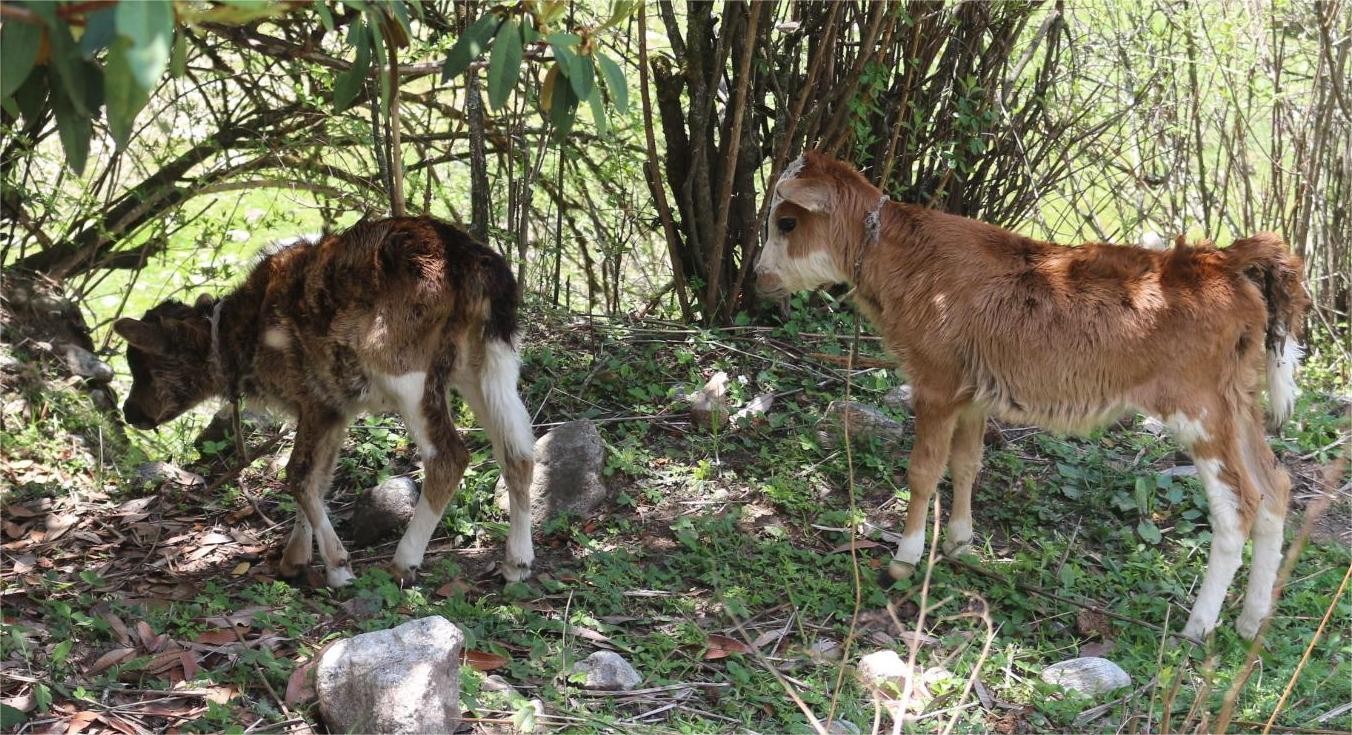
Alpine Highlands Highlights :
| Feature | Description | Best Time to See |
|---|---|---|
| High Pastures | Open meadows with mountain views | Spring & Autumn |
| Pack Horses & Yaks | Traditional transport animals | Throughout the upper valley |
| Semi-Nomadic Herders | Local people following seasonal patterns | Summer grazing season |
| Wildflowers | Colorful blooms in alpine meadows | May - July |
Indeed, the transition into the alpine highlands represents one of the most visually stunning stages of the Langtang Valley Trek, beautifully blending natural grandeur with the vibrant, living culture of the mountains.
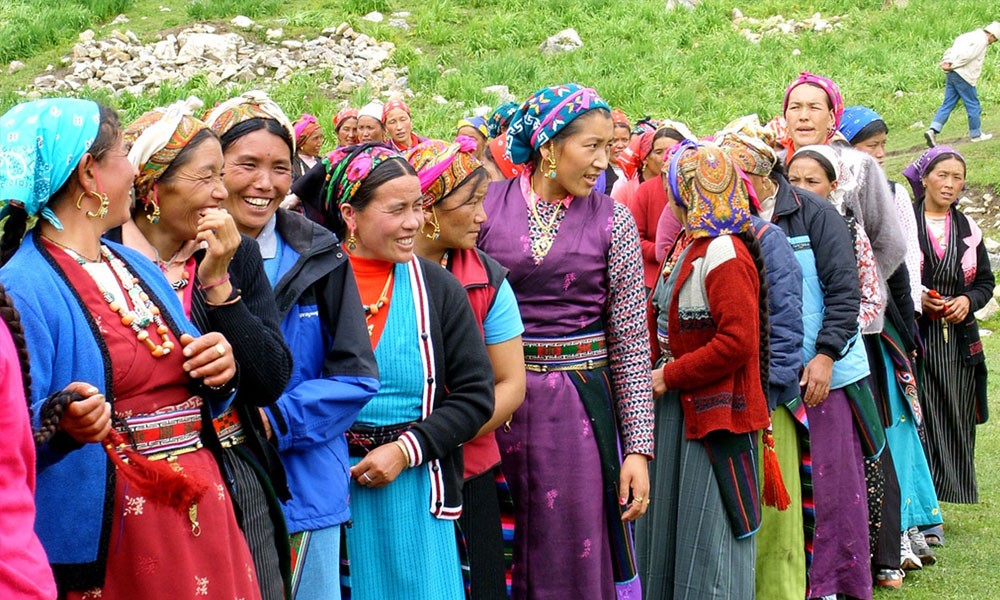
Have you ever wondered about the daily life of people living in the Langtang Valley? The living culture of the Tamang people is one of the most endearing part of this trek.
Here, with deep historical connections to Tibet, the Tamang people have strong cultural and linguistic bonds to their Tibetan heritage. They have sustained a culture unique to the high mountain environment. Trekking through their villages feels like experiencing living culture rather than the usual tourist spectacle.
Tamang Daily Life and Traditions :
| Aspect | Description | Cultural Significance |
|---|---|---|
| Housing | Stone and wooden homes with slate roofs | Adaptable to the mountain climate and terrain. |
| Agriculture | Farming of barley, potatoes, and maize on terraces | The main source of food and a subsistence lifestyle. |
| Festivals | Losar, Yartung and other local festivals | Reinforce the social and communal identity of the Tamang. |
| Hospitality | Warm and genuinely friendly welcome | A fundamental tenet of Tamang culture. |
In conclusion, the Tamang people are known for their hardiness, gentleness and reverence for nature. Meeting them can be one of the most rewarding experiences in Langtang Valley.
Have you ever felt an overwhelming sense of peace walking past fluttering prayer flags in the high mountains? The sacred spaces of Langtang Valley are the spiritual heart of the area and they greatly enrich your journey.
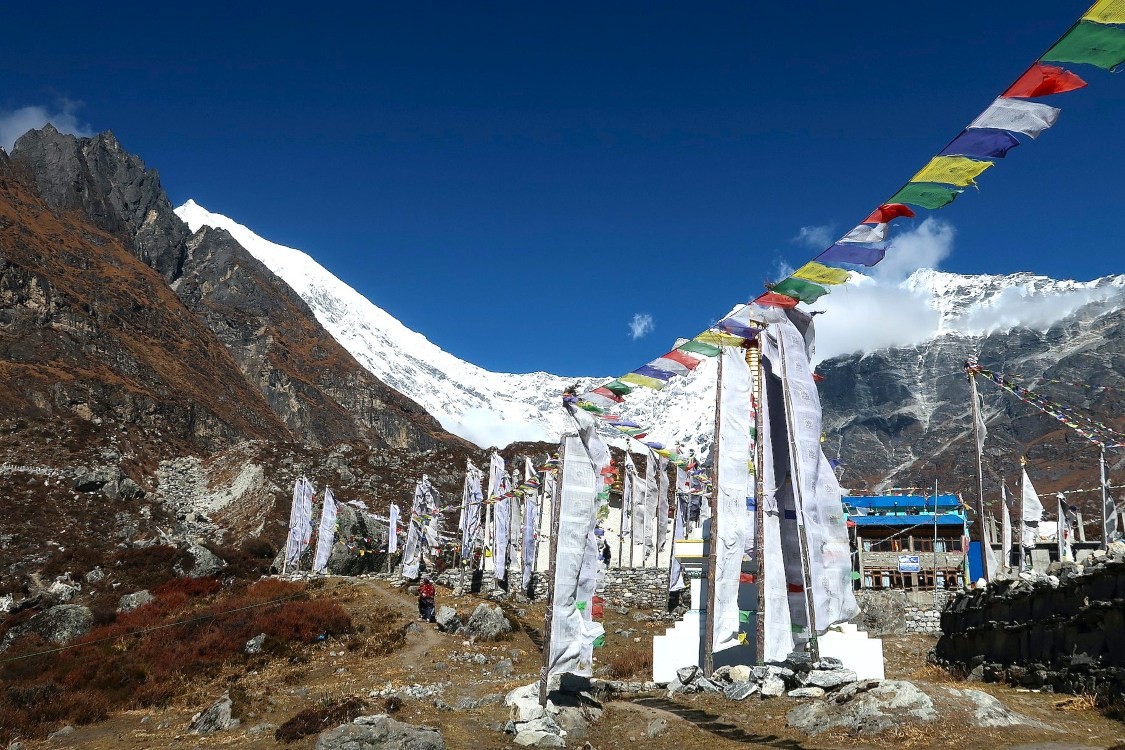
Actually, Buddhist monasteries, chortens and long mani walls inscribed with sacred mantras dot the valley. Spirituality here is part of the everyday life rather than a separate concept.
Religious Highlights :
| Sacred Site | Location | Significance |
|---|---|---|
| Kyanjin Gompa | Kyanjin Gompa | A stunning monastery with beautiful old murals. |
| Langtang Gompa | Langtang Village | The main spiritual center in Langtang Village. |
| Mani Walls | Along the trail | Stone walls carved with sacred Buddhist mantras. |
| Prayer Flags | High passes & ridges | Transmitting prayers and blessings with the wind. |
In conclusion, prayer flags against the backdrop of snow-capped mountains are some of the most iconic and spiritual images from the trek. Sacred sites offer moments of peace and contemplation and allow a glimpse into the spiritual heritage of the region.
Have you ever found yourself in a place where a deep sense of loss is interwoven with an equally powerful feeling of hope? Well, one of the most touching parts of trekking through the Langtang Valley is the presence of chortens and memorials that pay homage to the area's history and the incredible resilience of its people.
Here, the devastating earthquake of 2015 took a heavy toll on Langtang Village. However, the community has shown remarkable strength and determination in rebuilding. You'll see beautifully constructed stone chortens and poignant memorials throughout the trail, honoring those who were lost while celebrating the survivors who returned and stayed to rebuild.
Significance of Chortens and Memorials:
| Site | Location | Purpose |
|---|---|---|
| Langtang Village Memorial | Langtang Village | Honors lives lost in the 2015 earthquake |
| Traditional Chortens | Valley-wide | Buddhist symbols of peace and protection |
| Prayer Walls & Mani Stones | Main trail | Sacred mantras for blessings |
In conclusion, these sacred structures invite trekkers to pause, reflect, and show respect, adding a profound emotional and spiritual dimension to the Langtang Valley experience. They are a moving reminder of both the power of nature and the indomitable strength of the human spirit.
Have you ever felt dwarfed by a landscape of colossal, snow-capped peaks, feeling truly in the heart of the Himalayas? The mountain views in Langtang Valley are nothing short of spectacular, especially once you ascend to higher viewpoints like Kyanjin Ri or Tserko Ri.
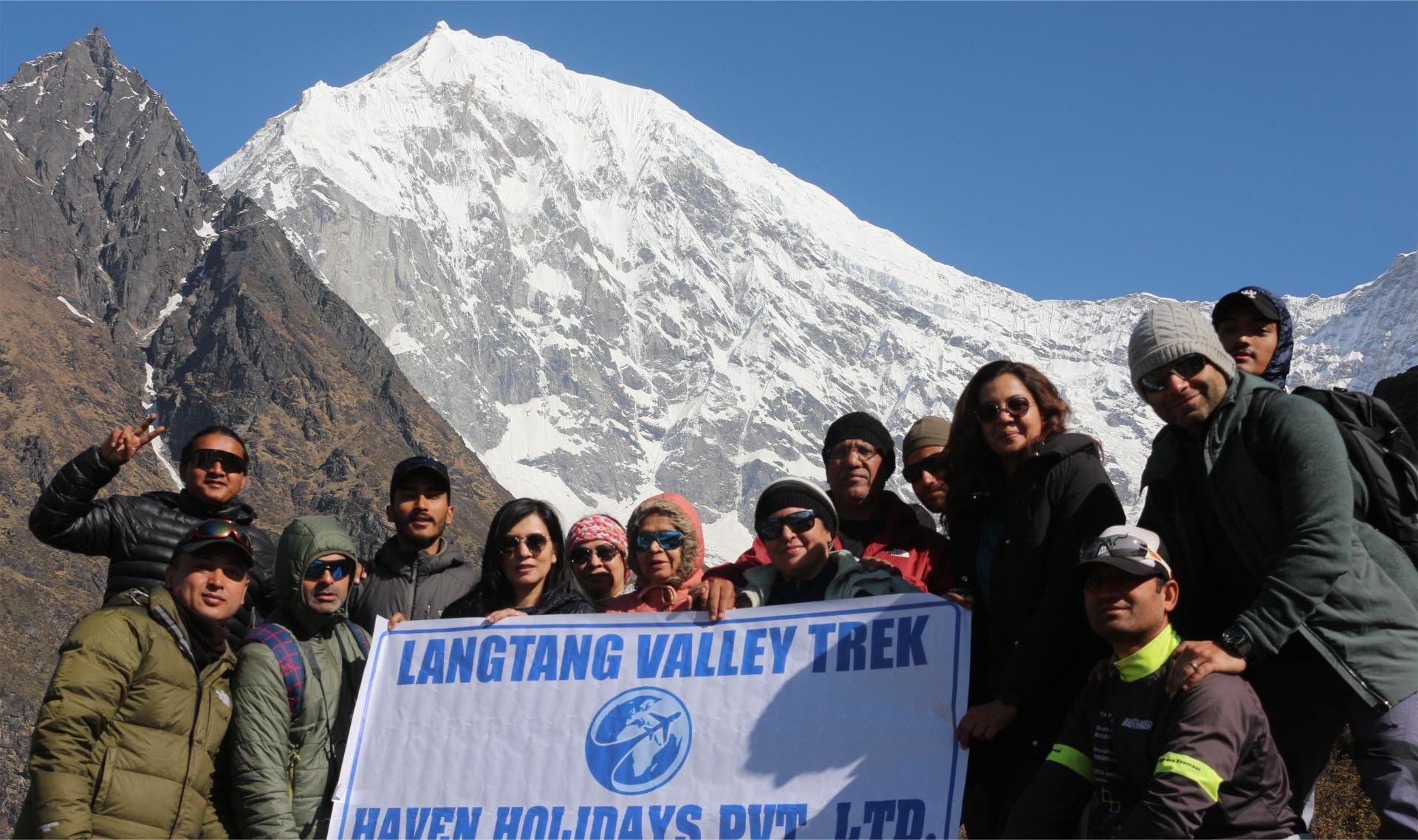
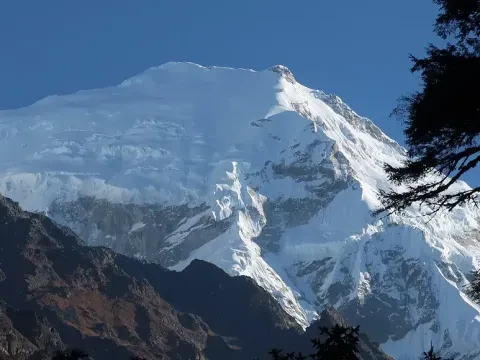
In fact, the valley itself acts as a natural amphitheater, dominated by the majestic Langtang Lirung (7,227m / 23,711ft) and flanked by other impressive peaks like Dorje Lakpa and Yala Peak. The panoramic, 360-degree views from these ridges are simply breathtaking, offering some of the most intimate and dramatic mountain scenery you can find in Nepal.
Unrivaled Mountain Views:
| Viewpoint | Altitude | Key Peaks Visible | Best Time to Visit |
|---|---|---|
| Kyanjin Ri | 4,773m | Langtang Lirung, Dorje Lakpa | Sunrise |
| Tserko Ri | 4,980m | Full Langtang range & glaciers | Clear mornings |
| Langtang Village | 3,430m | Langtang Lirung & valley panorama | Late afternoon |
In conclusion, the narrowness of the Langtang Valley compared to other trekking regions makes the peaks feel much closer and more imposing. As a result, the mountain views on the Langtang Valley Trek create a truly immersive and awe-inspiring experience that many trekkers describe as unforgettable.
Have you ever enjoyed being in a humble teahouse where it felt more like home than anywhere else in the world? On top of this, the real spirit of Tamang local hospitality, that will touch your soul during the Langtang Valley Trek, could be one of the many highlights of this trek. Local families will welcome you with open hearts and accept you as one of their own.
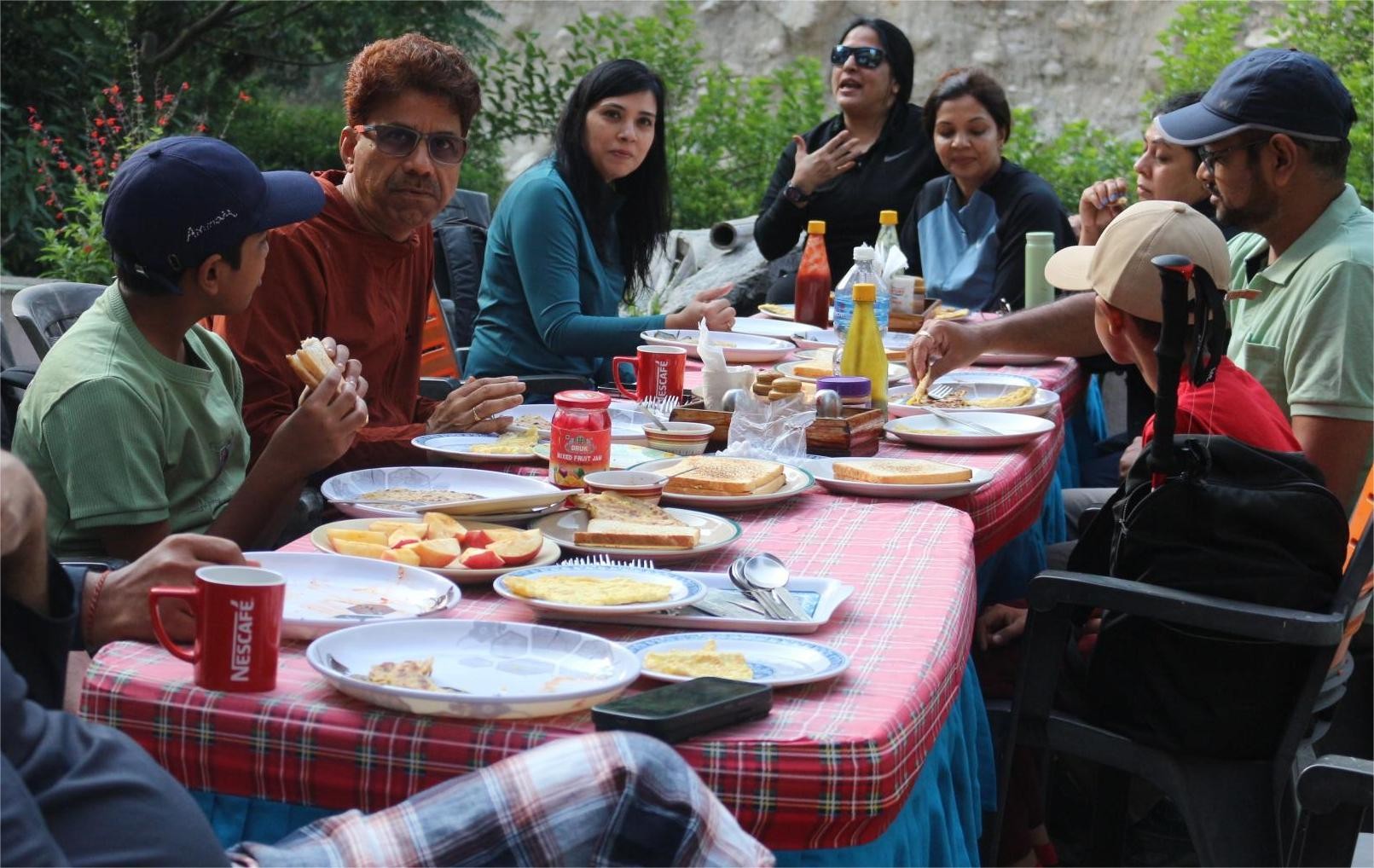
Therefore, a warm meal after a hard day on the trail and relaxing in a cozy dining room is considered one of the greatest comforts in a trek.
What typical Himalayan dishes to eat on the trek:
| Dish | Main Ingredients | Best Enjoyed at | Why Trekkers love it |
|---|---|---|
| Dal Bhat | Rice, lentil, veg curry | Any teahouse along the trail | Unlimited refill, delicious and filling |
| Syakpa | Meat, vegetable, herbs | The higher villages (e.g. Ghopche) | It is warming, rich, and good with local herbs. |
| Tibetan bread | flour & yak butter | Kyanjin Gompa area | freshly made with good taste, and filling to eat. |
| Butter tea | Yak butter, tea, salt | Evenings after a long day | Warming, unique taste, energizing. |
In conclusion, the hospitality also consists of sharing stories, laughter, cultural insights, thus, the simple, heartfelt meal combined with the hospitality could be one of your sweetest memories of your trip to Nepal.
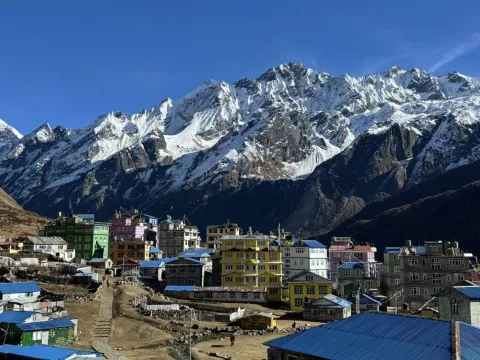
Have you ever tasted cheese from the Himalayas? It can be one of the many surprising and enjoyable features on the Langtang Valley Trek: The most popular and famous artisanal yak cheese made in Kyanjin Gompa is something that you just can't miss.
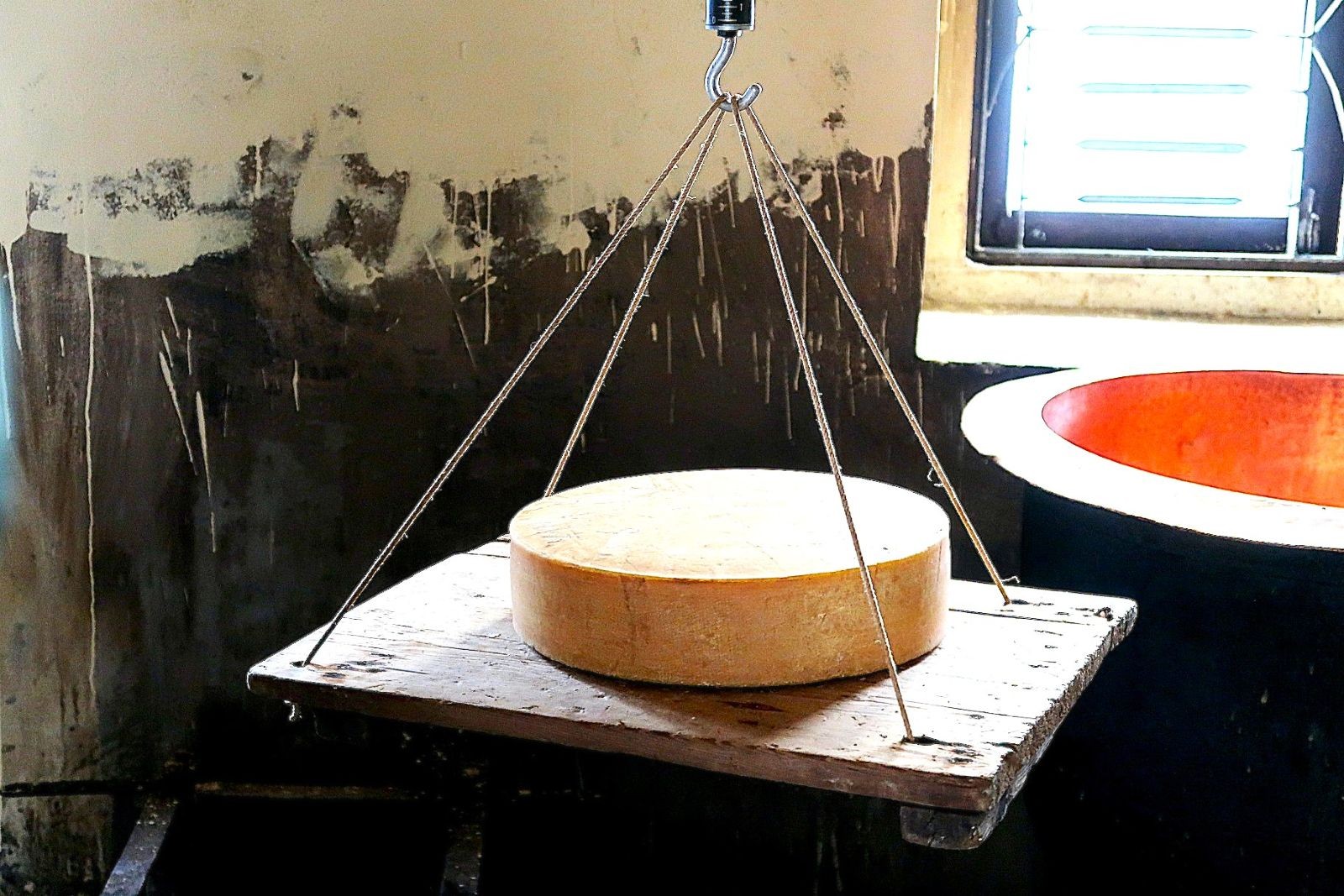
This unique cheese, which is produced at the cheese factory supported by the local government for the last several decades, is considered a treasure for trekkers, which makes you understand the popularity among trekkers and local people due to its distinct smokey flavor and nutritional value.
Key features on the experience of eating Kyanjin cheese:
| Cheese Type | Flavor Profile | Best Enjoyed With | Why Special |
|---|---|---|
| Fresh Nak Cheese | Smooth and creamy | Tibetan bread and soup | Soft texture and rich nutrients. |
| Aged Nak Cheese | Smoky and sharp | Snack or added to soup | Deep, intense flavor, and long storage capacity. |
Buying the cheese directly from the cheese factory means you are supporting the local community and preserving an age-old, high-altitude craft. The Kyanjin cheese factory is surely one of the places that will bring a sweet flavor to your trek, giving a memorable touch to your trekking experience in Langtang.
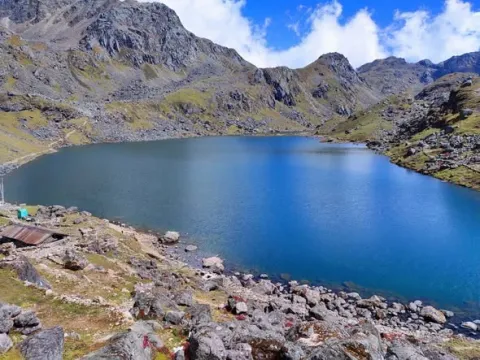
Have you ever felt the real spirit of Langtang Valley? And, this incredible trek is far more than just a trek of mountains - it is an emotional combination of untouched Himalayan beauty and real Tamang culture which lingers with you for long after your come back to your country.
In addition, from the roaring Langtang River and old monasteries to the smiling local people and wonderful vista from Kyanjin Ri, more to Yala Peak and Langshisha Kharka, every moment is significant in Langtang trek. Thus, Langtang is a beautiful destination which will always provide you the true essence of the Himalayas, tranquility, strength, humanity and, more.
Special Aspects of the trek:
Hence, if you are planning for your first trek in Nepal or you're a lover of the Himalayas then Langtang Valley is definitely a choice that you won't regret.
So, get ready to wear your trekking boots, put your curious heart to the fullest and explore the marvel of the valley. Langtang is here to make your memories!
1. Why is Langtang Valley called a perfect blend of nature and culture?
Langtang Valley harmoniously combines breathtaking Himalayan landscapes with the vibrant culture of the Tamang and Tibetan people. Trekking here offers an immersive experience of dramatic mountains, glaciers, and rhododendron forests alongside ancient monasteries, traditional villages, and genuine local hospitality, making it an ideal natural and cultural destination in Nepal.
2. What natural highlights can I see in Langtang Valley?
Prepare for stunning natural beauty in Langtang Valley, featuring towering snow-capped peaks like Langtang Lirung (7,227m), massive glaciers, crystal-clear turquoise rivers, and lush, diverse forests. The landscape dramatically transforms from verdant valleys to rugged, high-altitude terrain, presenting one of Nepal's most picturesque Himalayan valleys.
3. How rich is the culture in Langtang Valley?
The culture in Langtang Valley is deeply rooted in the rich traditions of the Tamang and Tibetan people, who practice Mahayana Buddhism. You'll have the opportunity to visit centuries-old monasteries, spin prayer wheels, savor authentic local cuisine, and connect with warm-hearted villagers who meticulously preserve their unique customs, adding profound cultural depth to your trek.
4. Is Langtang Valley good for first-time trekkers?
Yes, Langtang Valley is an excellent choice for first-time trekkers seeking a perfect balance of moderate difficulty, spectacular nature, and authentic culture. With proper preparation and acclimatization, this valley offers a rewarding introduction to Himalayan trekking without the extreme challenges of more strenuous routes, ensuring a memorable experience.
5. What is the best time to visit Langtang Valley?
The ideal seasons to visit Langtang Valley are spring (March to May) and autumn (September to November). These periods are characterized by clear skies, pleasant temperatures, and blooming rhododendrons in spring, offering ideal conditions to fully appreciate the valley's stunning natural beauty and immerse yourself in its cultural richness.
6. How long does the Langtang Valley Trek take?
The classic Langtang Valley Trek typically takes between 7 and 10 days. This duration allows sufficient time to thoroughly explore the valley, experience its perfect blend of nature and culture, and incorporate necessary acclimatization days as well as side trips to captivating spots like Tserko Ri and Kyanjin Gompa.
7. What is special about Kyanjin Gompa in Langtang Valley?
Kyanjin Gompa stands as a sacred Buddhist monastery, beautifully encapsulating the rich cultural essence of Langtang Valley. Nestled amidst towering glaciers and majestic peaks, it provides a serene spiritual sanctuary that complements the awe-inspiring natural panorama surrounding it, making it a must-visit cultural highlight.
8. Can I see wildlife in Langtang Valley?
Absolutely, Langtang Valley is a haven for wildlife enthusiasts. Keep an eye out for fascinating creatures like Himalayan monkeys, elusive blue sheep, majestic musk deer, and a diverse array of bird species. This vibrant biodiversity adds another enchanting layer to the valley's already captivating natural charm.
9. What type of accommodation is available in Langtang Valley?
Accommodation in Langtang Valley primarily consists of cozy teahouses run by local Tamang families. These lodges offer a charming blend of basic comforts and authentic cultural experiences, providing delicious home-cooked meals and warm, genuine hospitality amidst the stunning natural backdrop of the Himalayas, making for a truly immersive stay.
10. Is Langtang Valley less crowded than other treks?
Indeed, Langtang Valley is significantly less crowded compared to the popular Annapurna and Everest regions. This tranquility allows for a more peaceful and intimate experience, making it easier to soak in the breathtaking natural beauty of the valley and engage in genuine cultural interactions with the welcoming local communities.
11. What food can I enjoy in Langtang Valley?
While trekking in Langtang Valley, you'll have the delightful opportunity to savor traditional Tamang and Tibetan dishes. Indulge in hearty staples like dal bhat, savory momos, fluffy Tibetan bread, comforting butter tea, and the uniquely flavorful fresh yak cheese. This authentic local cuisine perfectly complements the overall cultural journey.
12. Why should I choose Langtang Valley for my next trek?
Langtang Valley is the ideal choice for your next trek due to its perfect synthesis of nature and culture. You'll be mesmerized by majestic Himalayan peaks, stunning glaciers, and lush forests, all while immersing yourself in the rich heritage of the Tamang people and enjoying peaceful, well-maintained trails, making it an incredibly rewarding and accessible adventure.
13. How difficult is the Langtang Valley Trek?
The Langtang Valley Trek is considered moderately challenging. While the route includes some steep ascents and high-altitude sections, it is perfectly manageable for reasonably fit trekkers. This moderate difficulty allows you to fully appreciate the stunning nature and captivating culture without being overwhelmed by extreme physical demands.
14. What is Tserko Ri and why visit it?
Tserko Ri, standing at 4,984m, is a highly recommended acclimatization peak within Langtang Valley. Ascending to its summit rewards you with unparalleled 360-degree panoramic views of the entire Langtang range, offering a breathtaking visual testament to the valley's extraordinary natural beauty.
15. Is Langtang Valley safe for solo trekkers?
Yes, Langtang Valley is generally very safe for solo trekkers. The trails are well-marked, the local communities are known for their friendly and helpful nature, and the pervasive sense of peace and the beautiful blend of nature and culture create a welcoming and comfortable environment for individuals.
16. What makes the sunrise in Langtang Valley special?
Sunrise in Langtang Valley is a truly magical spectacle. As the first rays of light gently kiss the snow-capped peaks of Langtang Lirung and the surrounding mountains, the landscape is bathed in a warm, golden glow, creating a perfect, breathtaking harmony between the valley's sublime nature and its serene cultural ambiance.
17. Do I need a guide for Langtang Valley Trek?
While it's not strictly mandatory to have a guide for the Langtang Valley Trek, it is highly recommended. A local guide not only ensures your safety and navigates the trails efficiently but also offers invaluable insights into the region's rich culture, enhancing your overall experience of the valley's nature and heritage.
18. How has Langtang Valley recovered after the 2015 earthquake?
Langtang Valley has shown incredible resilience and remarkable recovery following the devastating 2015 earthquake. Many villages have been beautifully rebuilt with sustainable designs, and tourism has made a strong comeback. The indomitable spirit of the local people, coupled with the valley's unparalleled natural beauty, continues to captivate visitors.
19. Is Langtang Valley good for photography?
Langtang Valley is an absolute dream for photographers, offering a diverse range of captivating subjects. You'll have the opportunity to capture dramatic mountain vistas, expansive glaciers, charming traditional villages, colorful prayer flags, and the authentic culture of its people, creating a perfect portfolio that beautifully showcases both nature and culture.
20. Why is Langtang Valley a perfect blend of nature and culture?
Langtang Valley's unique charm lies in its seamless fusion of nature and culture. It offers towering Himalayan peaks, pristine glaciers, and verdant forests, juxtaposed with ancient monasteries, distinct Tamang traditions, and warm local hospitality. This remarkable balance creates an enriching and deeply satisfying trekking experience unlike any other in Nepal.
Langtang Valley is not just about trekking; it's an adventure you'll carry always.
Happy trek and journey safely!
Our travel experts are ready to assist you with any questions.
Send us a message.Have a question before you book? Send your enquiry below and our travel experts will get back with the required information.