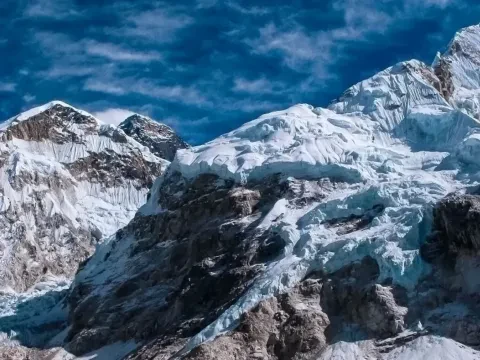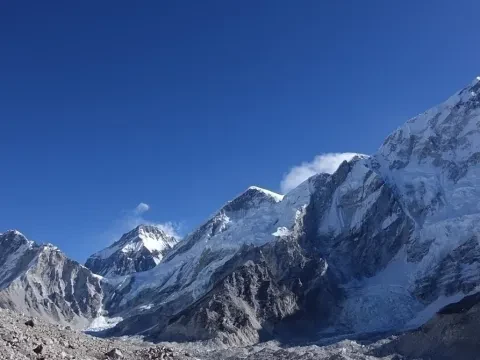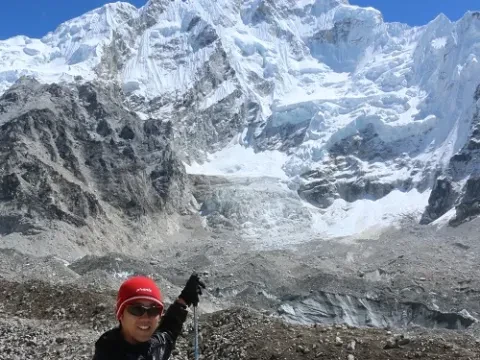
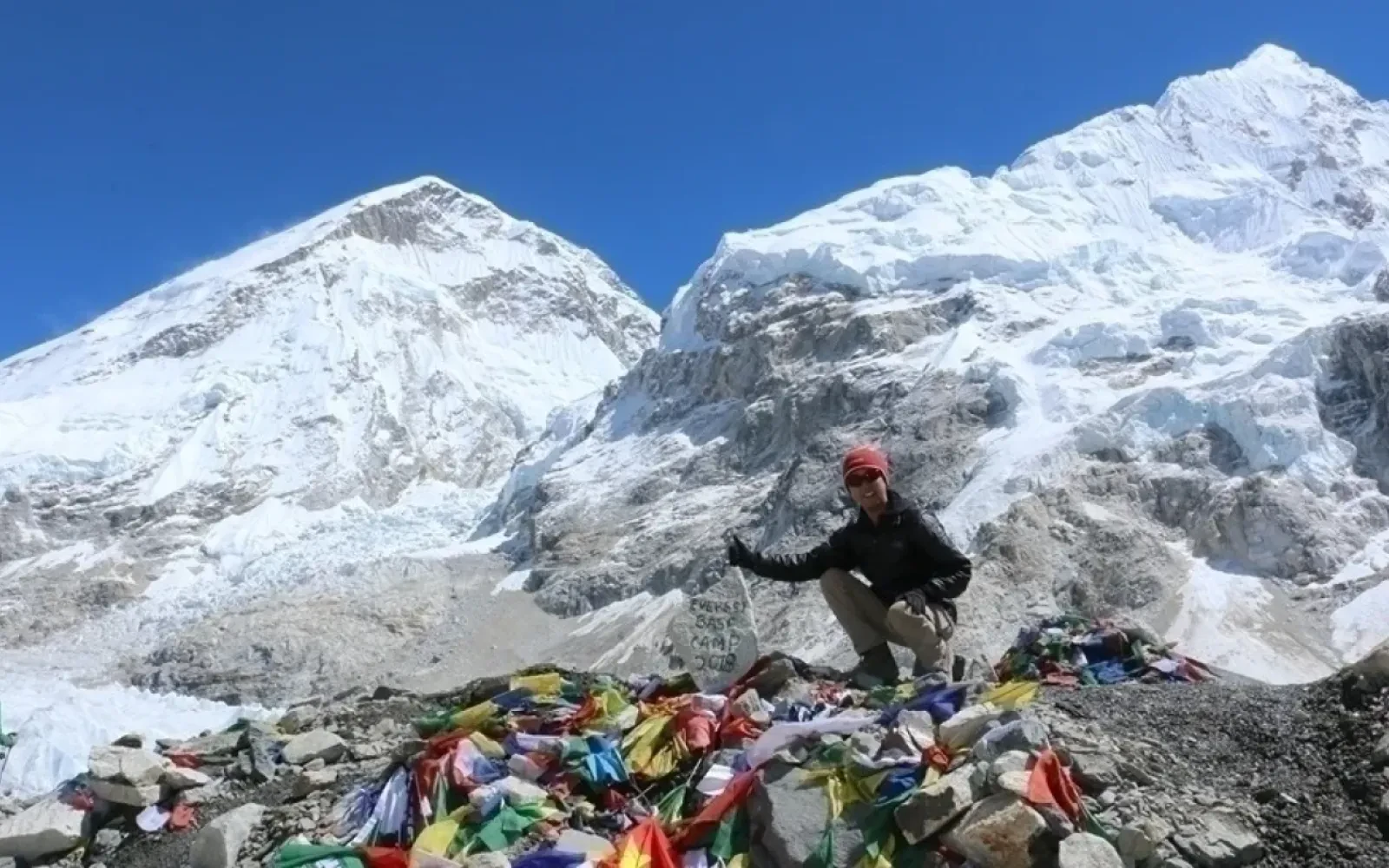
'If you are really looking forward to a successful accomplishment of Everest Base Camp Trek, then, you must read an authentic and comprehensive information about Challenges on Everest Base Camp Trek'
Do you know the difficulty level of Everest Base Camp Trek? It’s actually categorized as moderate adventure for the people who have already experienced the trekking trip above 4000m while it is considered as a challenging for those who haven’t done such kind of trekking in their life. However, Everest Base Camp Trek, sometimes, turns to be very challenging through people have already done the trekking trip like Annapurna Base Camp Trek and Langtang Valley Trek since the. trek takes you above 5000m to Kalapatthar and Everest Base Camp.

Now, what are the challenges on Everest Base Camp Trek? May be the question. The Everest Base Camp Trek Challenges can be best described as: Weather Condition Challenges in Nepal, Acute Mountain Sickness Challenges and Food and Accommodation Challenges. If you want to know about the challenges on Everest Base Camp Trek in detail, please go through this article. Trip to Everest Base Camp- All You Need to Know.
1. Everest Base Camp Trek 14 Days Itinerary
2. Laundry and Hot Shower in Everest Base Camp Trek
3. Toilet Facilities in Everest Base Camp Trek
4. 10 Best Tips for Everest Base Camp Trek
5. Everest Base Camp Helicopter Tour with Landing Cost
6. Everest Base Camp Short Trek Cost
7. Everest Base Camp Trek Itinerary
8. 30 Everest Base Camp Trek FAQs Replied
9. Trip to Everest Base Camp: All You Required to Know
10. How Hard is the trek to Everest Base Camp?
11. Commercial Helicopter Flight is banned in Everest Region
One of the main challenges on Everest Base Camp Trek is Weather condition; it means bad/unfavorable weather condition. Weather forecast experts say, “ The weather in Everest region is always unpredictable since the weather condition keeps changing every 15 minutes”.
The weather in Lukla airport and Lukla town plays determinant role to shape one’s Everest Base Camp Trek and any other trekking trips in Everest region. The Lukla Airport/Tenjing-Hillary Airport is normally covered with massive fog so that the flights from Kathmandu and from Lukla are disturbed/postponed or cancelled.

The weather condition of Lukla is normally cold all round the year. The temperature ranges from negative (-) to 18 Degree Celsius. It heavily snows during the winter. People’s lives are really hard during the climax of winter ( Dec). No trek in Everest region is possible during the peak of winter. The flights to and from Lukla frequently disturbed and postponed and even sometimes, cancelled due to this bad weather condition. And, eventually, people have to divert their trekking trip from Everest region to other popular trekking regions like Annapurna region, Langtang region or other off the beaten trekking trips.This is not only the case while flying from Kathmandu, but, the flights from Lukla to Kathmandu also gets the same disturbances and interruptions. This is the bitter reality that some trekkers who have to wait for the fair weather condition even for a week at Lukla town. People will waste their time and budget just waiting for the fair weather for the flight to Kathmandu from Lukla. This is just 35-40 minutes flight if the weather is fair but sometimes, it really troubles the trekkers and irritates them. This bad weather condition and the Lukla flights are really a challenge for the trekkers who are undertaking their Everest Base Camp Trek or any other trekking trips in Everest region of Nepal. Therefore, the direct flights from Kathmandu to Lukla are, mostly, operated from Manthali Airport, Ramechhap. It is because due to the bad weather condition and the Tribhuvan International Airport is very busy during peak trekking/travel season in Nepal.
If you want to avoid this weather condition challenge, you can escape Lukla flight by Everest Base Camp Jeep Ride with Helicopter Return. This will be the finest way to kill out all toxicity you gonna have due to the disturbances in Lukla flights and the bad weather condition.
The drive to Manthali Airport, Ramechhap, it’s a drive for more than 5 hours. It follows the roadways from Kathmandu to Manthali Airport located at the bank of Tamakoshi river.
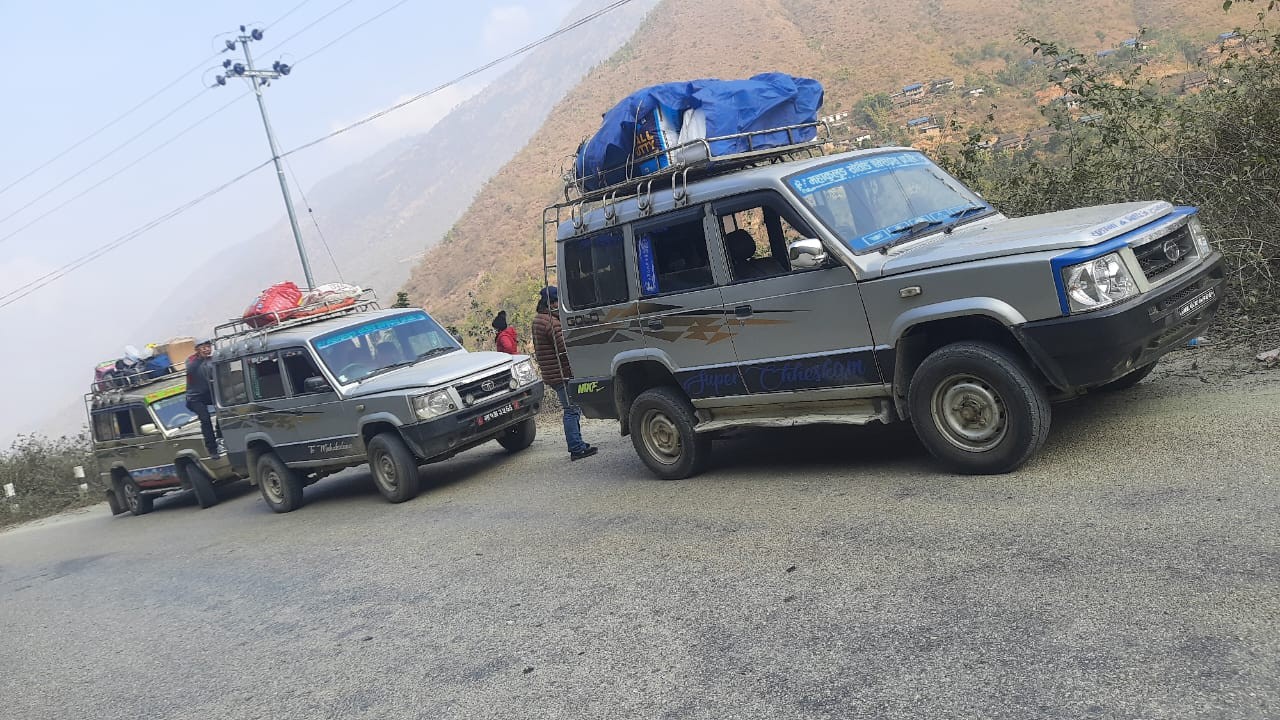
The road past through Kathmandu and reach Bhaktapur, the most ancient city in the Kathmandu Valley. The road then takes you to Dhulikhel, you will leave the road to hill station of Dhuleikhel and board on Araniko Highway and continue to drive. After few hours of drive, you will switch this drive to B.P Koirala Highway and, ultimately, arrive Manthali Airport located in Ramechhap district. The final section of this drive is very adventurous and bumpy because the condition of rural road is not actually good. Just be ready to experience this adventure drive along the village road through picturesque country lanes, farmlands, green valleys and woods and with mountain panoramas.
Only the peak trekking seasons like Spring ( Mar-April) and Autumn ( Sep-Nov), the Kathmandu airport is very busy and the Lukla weather is unpredictable, the trekkers have to go with 5-6 hours drive to Ramechhap, Manthali Airport and then take another short flight to Lukla ( 15 mins). Otherwise, the flights to Lukla will be directly operated from Kathmandu airport. Though the Lukla flights in other off/low trekking seasons are operated from Kathmandu airport, trekkers still have a choice to drive to Manthali Airport and then fly to Lukla to begin their Everest Base Camp Trek.
Yes, you can escape Lukla flight from and to Kathmandu while doing a trip in Everest region. But how?
Simply, we have got an option of drive to Surke or Bupsa and then one can begin their Everest Base Camp Trek formally. Surke or Bupsa drive from Kathmandu is a jeep drive all the way via country road for around 10 hours which starts early in the morning from Kathmandu. You can ask your travel partner in Kathmandu to arrange this driving trip to Surke or Bupsa. Surke or Bupsa are the local towns located just below Lukla airport/ town. People use this trail while making classical Everest Base Camp Trek from Jiri to Everest Base Camp.
One can have two options of Surkhe jeep drive: the one is Private jeep and the other one is sharing jeep. If you have your private group and want a private trip to Bupsa/ Surke, you can do it or you can join with other people in sharing jeep.
But, you can use these jeep drive to Bupsa/Surke only during Spring/ Autumn/ Winter; not possible in Summer/rainy. The rain destroys the country roads that link Bupsa/Surke. So, you have to make an authentic inquiry whether it is possible to take a jeep drive to Surke/Bupsa.
The best way to escape Lukla flight is going with Everest Base Camp Jeep Ride with Helicopter Return. This will be the finest and most rewarding choice for you to go and come back from EBC.
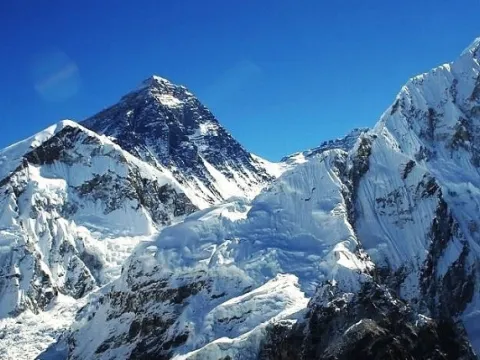
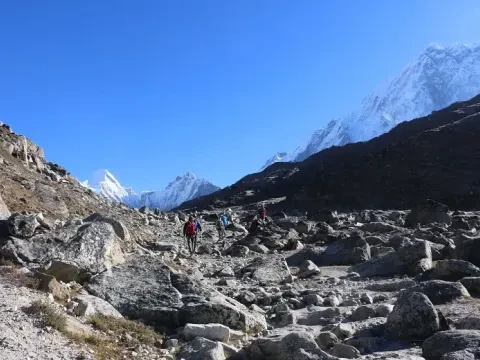
Acute Mountain Sickness will be another challenge on Everest Base Camp Trek. The trekkers are ascending above 5000m which are Everest Base Camp (5364m) and Kalapatthar ( 5545m). So, the trekkers those who are doing their Everest Base Camp Trek have to prepare very well beforehand.
Not all the trekkers who are doing their Everest Base Camp Trek get his acute altitude sickness, but some trekkers will get it. The record says ‘total of 5% trekkers who are doing their Everest Base Camp Trek get acute mountain sickness during Everest Base Camp Trek’. After they get this acute mountain sickness, they are either taken back to the lowlands or if the problem gets worsened, then, they are rescued and admitted in the hospitals located in Kathmandu.
One may get acute mountain sickness in the beginning of the while ascending to Namche Bazaar. Yes, some people do get this even at Namche Bazaar (3400m) and they have to abandon their Everest Base Camp Trek. They either will fly back to Kathmandu or walk down to Lukla. Actually, some people give up their Everest Base Camp Trek after they reach Namche Bazaar due to acute mountain sickness and charter helicopter or walk down to Lukla and fly back to Kathmandu. So, while ascending up to Namche Bazaar from Phakding, the trekkers need to be very cautious. Therefore, the trekkers who are doing Everest Base Camp Trek acclimatize taking one day rest at Namche Bazaar so that they feel more comfortable to climb higher to EBC(5364m) and Kalapatthar(5545m)3.2.2. Lobuche
While waking from Dingboche to Lobuche, the elevation surpasses more than 8 hundreds. There is high chance of getting acute mountain sickness/altitude sickness on this section of trip. Most importantly, while spending the night at Lobuche, you may feel difficulties in breathing and you may not have sound sleep because of high altitude and the oxygen is thinner. Be very careful about it during the nighttime as the level of oxygen is thinner at night time in the mountain region.
In the premises of Gorekhshep and Everest Base Camp, people are very likely to get altitude sickness. This is because of the very thin layer of oxygen in the atmosphere. The trekkers have to be very cautious about how they are going to spend the nights since the nights are more troublesome than the walking days in the mountain. You have got enough oxygen, companies and the various necessary aids during the days but you don’t get these all during the nights. So, we suggest you to be more cautious during the nights while trekking in mountains. Fundamentally, the problems of altitude sickness occur in nights than in days.

Normally, as a matter fact, people don’t want to spend their nights at Gorekhshep after they step to Everest Base Camp since spending the nights are risky at higher elevation above 5000m. So, the trekkers plan to descend down to Lobuche after they accomplish their Everest Base Camp Trek. This way will be more convenient for the people to avoid altitude sickness.
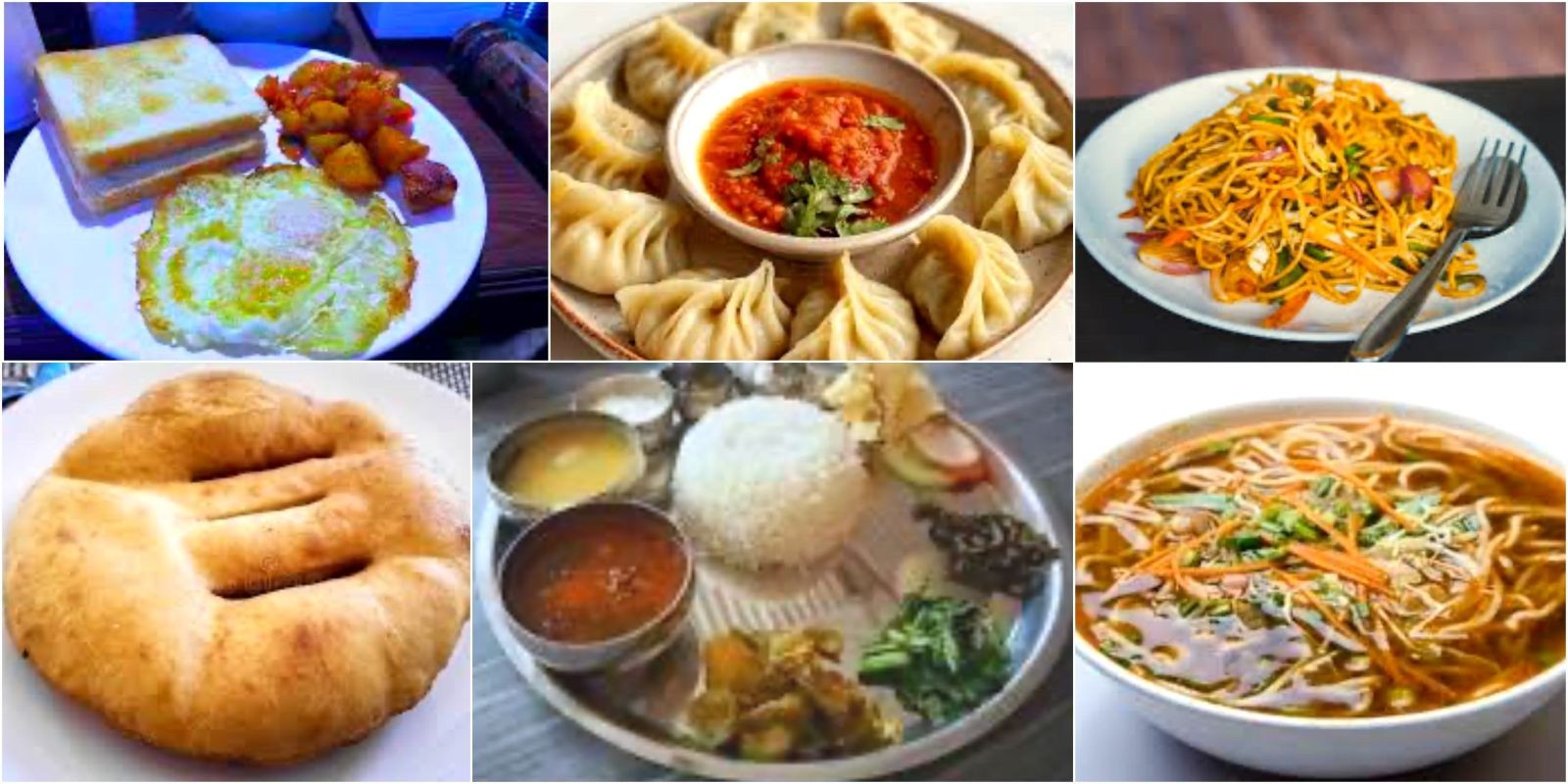
Food and Accommodation is not a big challenge all round the year, but it will really put a big deal to the trekkers during the peak trekking season in Nepal that is Autumn (Sep-Nov) Autumn is the finest time of the year to trek or to make any kind of adventure activities including city tours in Nepal.
Actually, in case of mountain accommodation and food, there are only limited number of local lodges/guesthouses/hotels on which trekkers have to completely rely on for and accommodation and thousands of trekkers flock to the mountain region of Nepal, especially, Everest region of Nepal as it is the most popular trekking region of Nepal leading the trekkers to the highest mountain base camp of the world, Everest Base Camp. So, this craze and the trend consequently lead us to Food and Accommodation Challenges during Everest Base Camp Trek.

So, if you are preparing your Everest Base Camp Trek in Autumn(Sep-Nov), then be ready to face these challenges regarding foods and accommodations during your trek.
- Hard to find accommodation for overnight stay
- Hard to find the right accommodation you really want
- Hard to find the accommodation where you want/ the location you want
- Hard to get enough pieces of blanket to cover your body during the chilling winter nights
- Possibility of spending the nights in the dining or dormitory
- Likely to pay little more for accommodation since the local tea houses/lodges are terribly crowded
- Crowded and noisy nights
- Little dirty accommodation in Autumn ( Sept-Nov) comparing to other trekking seasons
- Sleep deprived
- Possibility of some transferable diseases
- Less qualitative and less fresh food items
- No skilled chefs to cook your foods
- No real taste in your foods
- Need to wait for hours for one item of food
- Possibility of not getting the item of food you really want
- Foods not rightly cooked
- Crowded dining
- Delayed services
- Lack/shortage of right ingredients in your food
- irritating eating
- If you are solitary lover, then, you will totally go crazy to seeing the crowd of people flocking to Everest Base Camp

4.1.3 Food and Accommodation Challenges Minimizations on the trek
- Stop earlier for the food and order them before you go starved
- Carry some light snacks, dry meat, chocolates etc.
- Ask you leader to arrange the foods and accommodation properly
- Book your accommodation earlier so that you won’t have to spend the nights in dorms or in dining
- Try to stay overnight at less crowded hotels/lodges/teahouses
- You’d better escape travelling in Everest region in two peak travelers’ seasons ( Autumn ( Sep-Nov) Spring ( Mar-May)
- Converse extensively with your travel partner for the right food and accommodation prior to the trekking
- Check the availability of foods and accommodation for the time you are trekking to Everest Base Camp on your own
- Have authentic information on food and accommodation on the trail beforehand the trek begins formally
1. Can I Carry my own foods during Everest Base Camp Trek?
You can carry your own foods but carrying them at higher altitude will be very difficult for you. If you think that your porter will carry it for you, the porter will carry only 18-20 kgs of luggage and the stuffs. So, the best idea of solution of the food crisis it carrying some light snacks like bar chocolates, dry meat and other lights snacks like candy so that you won’t realize that you are starved on the trail.
Yes, some trekkers are found carrying their own foods and cooking on their own but it is not a good idea because it is your vacation and your will not enjoy it if carry all the stuffs you require for the trek. Therefore, you are suggested to carry some lights snacks to prevent yourself from starving; not all necessary foods for you.
2. How will be the flights from Kathmandu to Lukla?
The flight from Kathmandu to Lukla or from Lukla to Kathmandu will be a scenic flight which will last for maximum 40 minutes. You, initially, head towards north from Kathmandu and then take turn towards east and keep flying. Passing through various country settings and landscapes along with panoramic mountain views and you will finally land at Lukla airport. Lukla airport is also known as Tenjing Hillary airport. The airport has a beautiful town called Lukla from where you begin your trek to Everest Base Camp formally.
3. How will be the flight from Ramechhap/Manthali Airport?
After a drive of 7 hours, you will get to Manthali airport and then take another short flight for maximum 20 minutes to Lukla airport. This flight is less risky than the flight from Kathmandu to Lukla. You will fly through the country landscapes and local towns of Lower Khumbu region through the hills and ultimately land at Lukla airport with beautiful Lukla town. The flight is very comfortable, short and sweet to begin a formal walking towards Everest Base Camp.
4. What other challenges that I have to face on the Everest Base Camp Trekking trail?
Other challenges except altitude sickness, food and accommodation and weather challenges will be like: the trekkers sometimes are made compelled to purchase the stuffs on the trail by the local tradesmen. This will be a king a hassle for you. So, if you realize that it is a hassle for you, then, simply try to escape it. Otherwise, you will be in trouble and waste your money to get the things you really don’t want.
The other challenge will be the female trekkers. The local guides, the male trekkers and even the trekking leaders try to approach the female travelers especially single ladies. So, the ladies/lassies have to be very careful about it. Try to avoid this kind of approaches from the boys if you don’t entertain it on the trail.
5. Is the Everest Base Camp Trekking trail technical?
No, Everest Base Camp Trekking is not a technical trekking trail. Except the steep uphill while getting to Namche Bazaar, the entire trail is flat and comfortable. There are no technical climbs with snow on the trail except in the peak of the winter season.
If you are planning your Everest Base Camp Trek, we have some very fruitful and beneficial articles on Ebc trek like 30 Everest Base Camp Trek FAQs Replied and Top 20 Things to do in Everest Base Camp Trek. You can read these authentic articles and plan, prepare your trek to ebc. We also want you to read several articles on the related trip you want to trek and then only book it.
While ascending up to Namche Bazaar, the trekkers, in the beginning of the trek, may realize that the trek is really tough but actually it is not. After the ascent of Namche Bazaar, the ascent of Tengboche also may be another tough steep climb for the trekkers. Then, rest of the trail till Everest Base Camp will be flat with slight ups and downs. However, after you make as ascent to Dingboche, the layer of oxygen will be thinner and the trekkers will feel a bit difficult in breathing while walking and while sleeping at lodges at nights. Walk slowly and be careful at night while sleeping , otherwise, there is not such kind of technical climbs on the trail to Everest Base Camp and back to Lukla.
6. What is the most important part of Everest Base Camp Trek?
Of course, Everest Base Camp or Stepping at Everest Base Camp, the base camp of the world highest mountain ( 5364m) is the most significant part of Everest Base Camp Trek. Besides, capturing Mt. Everest, the top of the world with stunning sunrise from Kalapatthar and also witnessing Khumbu Glacier are the most beautiful moments in Everest Base Camp Trek. Putting one’s footsteps at the Everest Base Camp and witnessing Mt. Everest are the biggest achievement in people’s lives and they really matter.
7. Who are the people residing on the Everest Base Camp Trekking Trail?
Sherpa, one of the ethnic people of Nepal, the climbers, are the people who are residing on the Everest Base Camp Trekking trail. These people are known as climbers across the world and the trekkers’ first preference will be Sherpa for climbing, trekking and expeditions.
Also, these people are rich in culture and civilization. Their age-old culture and civilization lure the trekkers and several trekkers do research on their culture, religion and civilization.
If you have some queries on Everest Base Camp Trek Itinerary and Everest Base Camp Trekking Cost, you visit us on: EBC Trek Itinerary and Ebc trek cost.
Their food items, life style, traditions, festivals, trade, hospitality and their respect to the nature will mesmerize you during the trek to Everest Base Camp.
8.What are the biggest challenges on Everest Base Camp Trek?
The main challenges are high altitude, cold temperatures, long walking days, and unpredictable weather. However, with proper preparation, good acclimatization, and experienced guidance, these challenges become manageable. Most trekkers successfully complete the trek every season.
9. Is altitude sickness the biggest challenge on EBC Trek?
Yes, altitude sickness is the most common and serious challenge. Above 4,000 meters, many trekkers face headaches, nausea, and fatigue. Proper acclimatization at Namche and Dingboche is the best way to reduce this risk.
10. How difficult is the physical demand of Everest Base Camp Trek?
The trek is moderately challenging. You walk 5–7 hours daily with significant altitude gain. The trail has many stone steps, especially to Namche Bazaar. Good physical fitness and mental strength are important for comfort.
11.How cold does it get during the Everest Base Camp Trek?
Nights above 4,000 meters can drop to -10°C to -20°C. Even in spring and autumn, the cold is a real challenge. Proper warm layering and a good sleeping bag are essential to stay comfortable.
12. Is the Lukla flight a major challenge?
Yes, weather-related delays and cancellations at Lukla Airport are very common. Many trekkers now prefer the road option to Surke or Thamdanda to avoid this uncertainty and stress.
6. How crowded is the trail and does it make the trek harder?
During peak seasons (March–May and Sept–Nov), the trail between Namche and Dingboche can be crowded. This can cause dust and slower movement, making the trek feel more tiring.
7. Are basic facilities a big challenge at high altitude?
Yes. Above Dingboche, teahouses become very basic with shared cold toilets, limited hot showers, and slow Wi-Fi. Comfort levels drop significantly as you go higher.
8. Is mental toughness important on Everest Base Camp Trek?
Very important. Long days, cold weather, and altitude can be mentally exhausting. Staying positive, patient, and trusting your guide helps overcome these mental challenges.
9. How challenging is the hike to Kala Patthar?
The early morning hike to Kala Patthar (5,545m) is one of the hardest days due to steep climb and very high altitude. However, the sunrise view of Everest makes it completely worth the effort.
10. Can beginners face more challenges on EBC Trek?
Beginners may find altitude and long walking days more challenging. However, with good fitness training, proper pacing, and our experienced guides, most beginners complete the trek successfully.
11. Is finding good food a challenge on the trek?
At higher altitudes (above Lobuche), food options become limited and less tasty due to low oxygen. Appetite also decreases. Eating regularly and choosing carbohydrate-rich food is important.
12. How does weather affect the Everest Base Camp Trek?
Weather can change suddenly, especially above 4,000 meters. Strong winds, afternoon clouds, and occasional light snow can make the trek more difficult and cold.
13. Is descending from Base Camp challenging?
The descent is easier on the lungs but harder on the knees. Long downhill sections can cause knee pain. Using trekking poles and walking slowly helps reduce this challenge.
14. What is the hardest day on the Everest Base Camp Trek?
Most trekkers find the day from Phakding to Namche Bazaar and the ascent to Kala Patthar the most difficult due to steep climbs and altitude.
15. How can I reduce the challenges on EBC Trek?
Choose a 14+ day itinerary, do proper physical training, follow acclimatization rules, stay hydrated, and travel with an experienced company. These steps significantly reduce difficulties.
16. Is carrying a heavy backpack a big challenge?
Yes. Carrying a heavy bag makes the trek much harder. We strongly recommend using a porter so you can walk comfortably with only a light daypack.
17. Can lack of oxygen make the trek very difficult?
Yes. Above 5,000 meters, low oxygen makes breathing harder and walking slower. This is completely normal and why slow pacing is so important.
18. Is it challenging to sleep at high altitude?
Many trekkers find it difficult to sleep well above 4,000 meters due to cold, altitude, and strange dreams. A good sleeping bag and earplugs help improve sleep.
19. What is the biggest challenge for solo trekkers?
Solo trekkers may feel lonely during tough days. Joining a small group or hiring a private guide can reduce this emotional challenge significantly.
20. Why choose Haven Holidays Nepal despite the challenges?
We understand all the challenges of the Everest Base Camp Trek and know how to minimize them. With expert guides, safe pacing, and proper support, we make your trek safer, easier, and truly memorable.
Our travel experts are ready to assist you with any questions.
Send us a message.Have a question before you book? Send your enquiry below and our travel experts will get back with the required information.