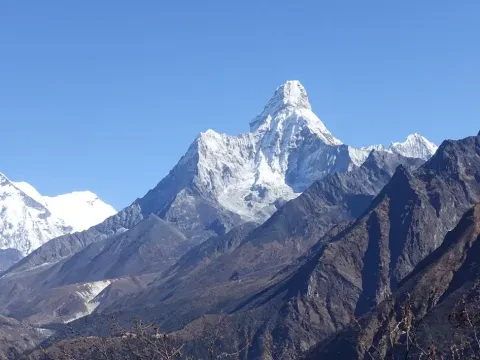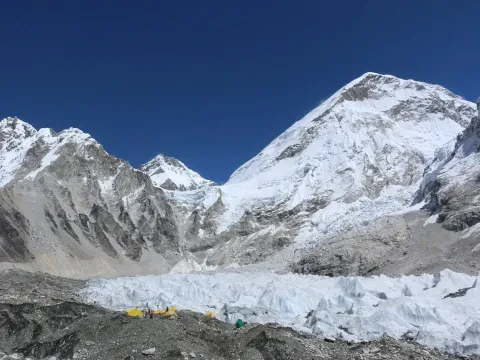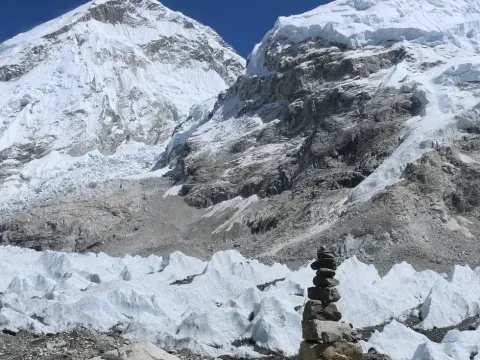
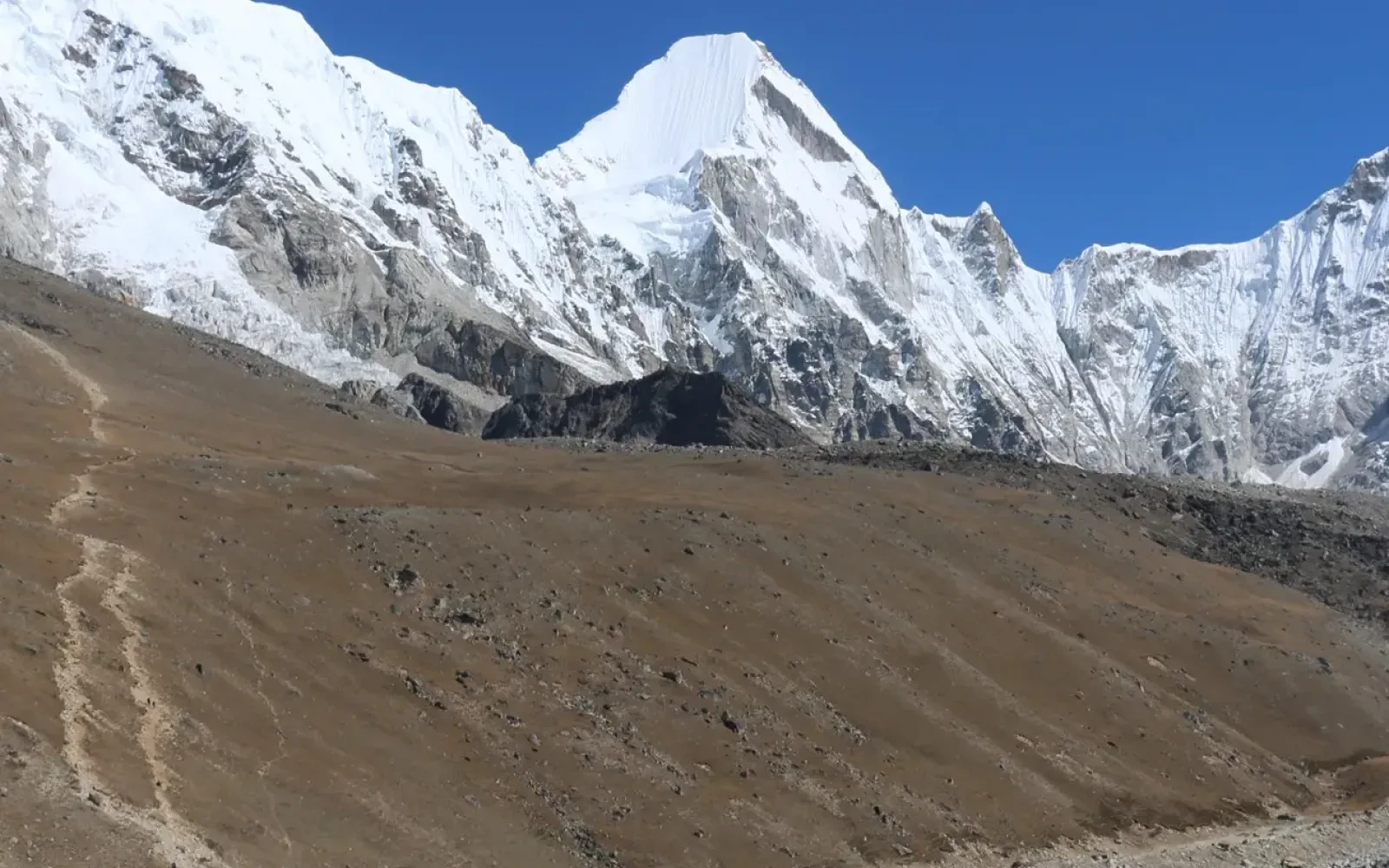
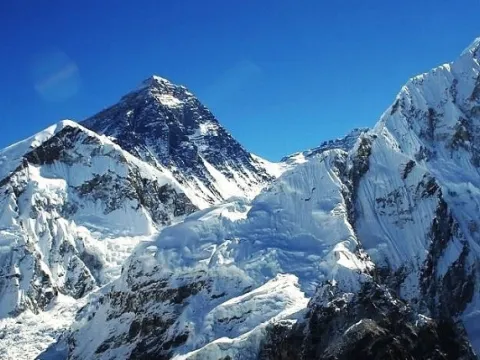
Actually, there’s a reason everyone talks about Kala Patthar. If you’re heading to Everest Base Camp, this rocky outcrop near Gorak Shep—about 5,545 meters up—almost steals the show. The views? Unreal. You get a sweeping, head-on look at Mount Everest itself, standing at a mind-blowing 8,848 meters, plus a whole ring of giants like Nuptse, Lhotse, and Pumori. You’re right there, front row, with nothing blocking your view.
Here, most trekkers work Kala Patthar into their Everest Base Camp plans without a second thought. It’s not just another stop; it’s the side trek that everyone looks forward to. The sunrise here is something else. Watching the first light set the peaks on fire—golden, dramatic, unforgettable—feels almost surreal.
What really makes Kala Patthar special is the way it gives you the Everest experience without the need for ropes or summit gear. You get all the thrill of high-altitude trekking, but you don’t need to climb Everest to feel like you’ve achieved something big. In fact, the view from here is even better than what you get at Base Camp because you’re higher up, with nothing in the way. For a lot of people, this is the emotional high point of the whole trek.
Moreover, Kala Patthar sits just above Gorak Shep, so it’s tough but accessible. Most folks spend the night in Gorak Shep, then start hiking before dawn, headlamps cutting through the dark, adrenaline pumping. It’s not a huge detour, but the payoff is massive. Seriously, skipping Kala Patthar means missing out on the heart of the Himalayan adventure.
In fact, tour operators know this, which is why every decent Everest itinerary includes the Kala Patthar sunrise hike. Nature lovers and photographers lose their minds over the way the light hits those jagged, snow-covered peaks. Standing up there, camera in hand, it’s not just a photo op—it’s a memory that sticks.
And let’s be honest, the altitude definitely tests you. By the time you get here, you’re acclimatized, but you still feel the thin air, the burn in your legs, the rush of standing so high above the world. There’s a real camaraderie among trekkers—everyone’s tired, excited, a little nervous, but all in it together. That feeling? It’s the spirit of adventure that defines trekking in Nepal’s Khumbu region. Kala Patthar isn’t just a viewpoint; it’s the moment the whole Everest dream comes together
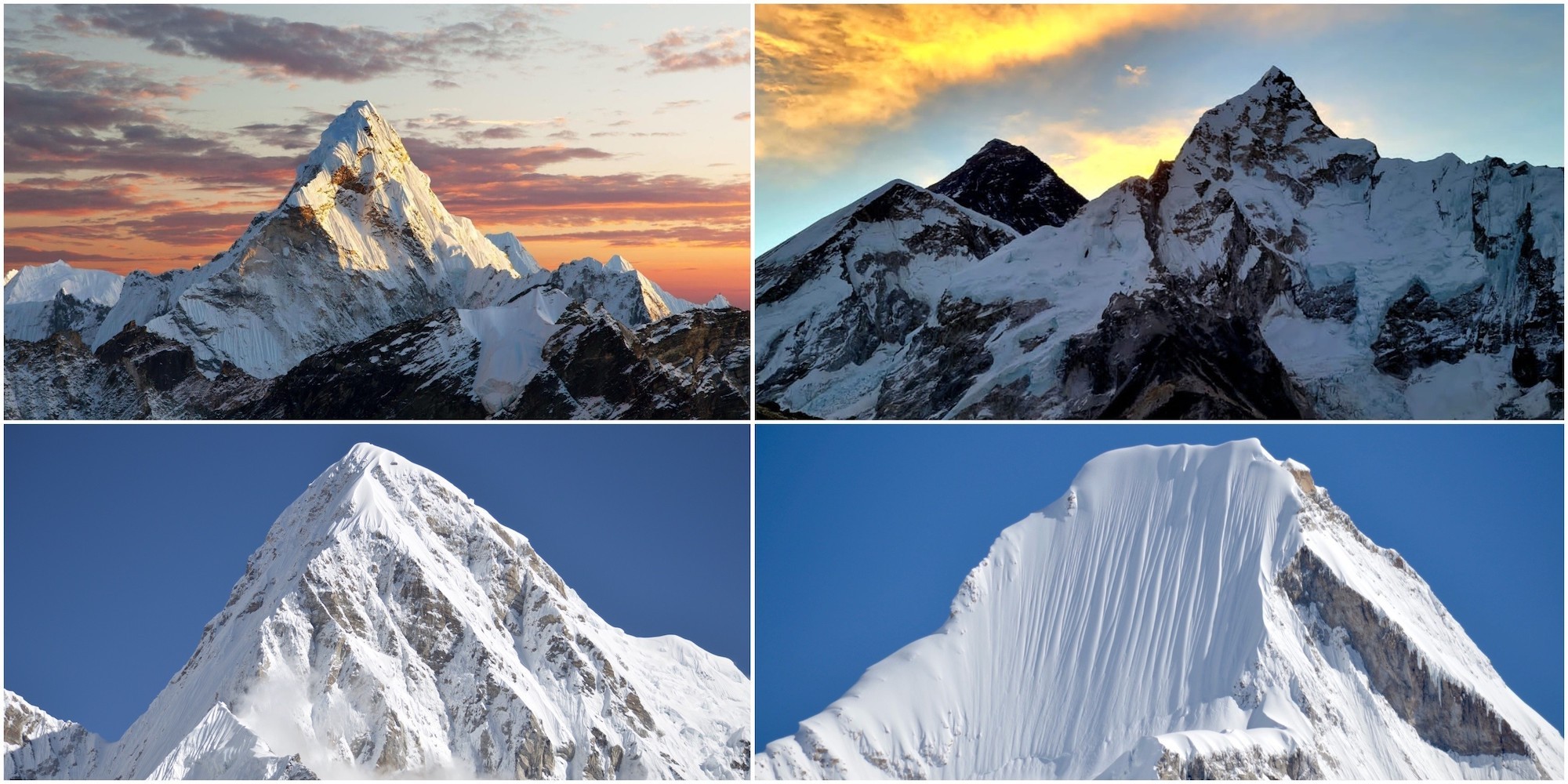
Here is a key reasons why Kala Patthar elevates your Everest adventure:
Here, Kala Patthar turns an ordinary Everest Base Camp trek into something unforgettable. The sweeping views of Everest grab everyone’s attention. And that sunrise hike from Gorak Shep? You’ll remember it for the rest of your life—it’s the kind of moment that sticks with you. Honestly, this spot easily steals the show.
When it comes to money, most Everest Base Camp packages already include the Kala Patthar side trip, so you don’t have to worry about extra fees. Guided tours usually handle all the permits and logistics for you. If you’re trekking on your own, it’s not too tough either—teahouses in Gorak Shep usually run about $20 to $30 a night. That kind of accessibility just makes Kala Patthar even more appealing.
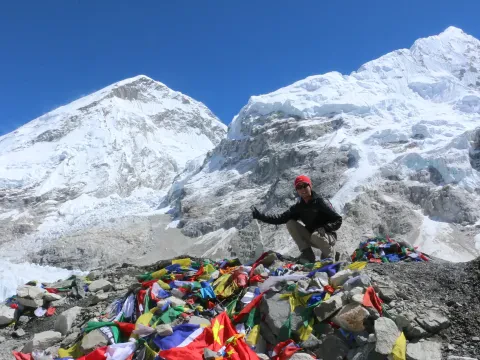
Here, let’s break down what you’re actually up against with the Kala Patthar hike. You set out from Gorak Shep, which already sits at a lung-busting 5,164 meters. The trail itself? Only about 1.5 to 2 kilometers one way. Sounds easy, right? Don’t be fooled. You’re gaining 381 meters of elevation in that short stretch, and at this altitude, every step feels like a challenge.
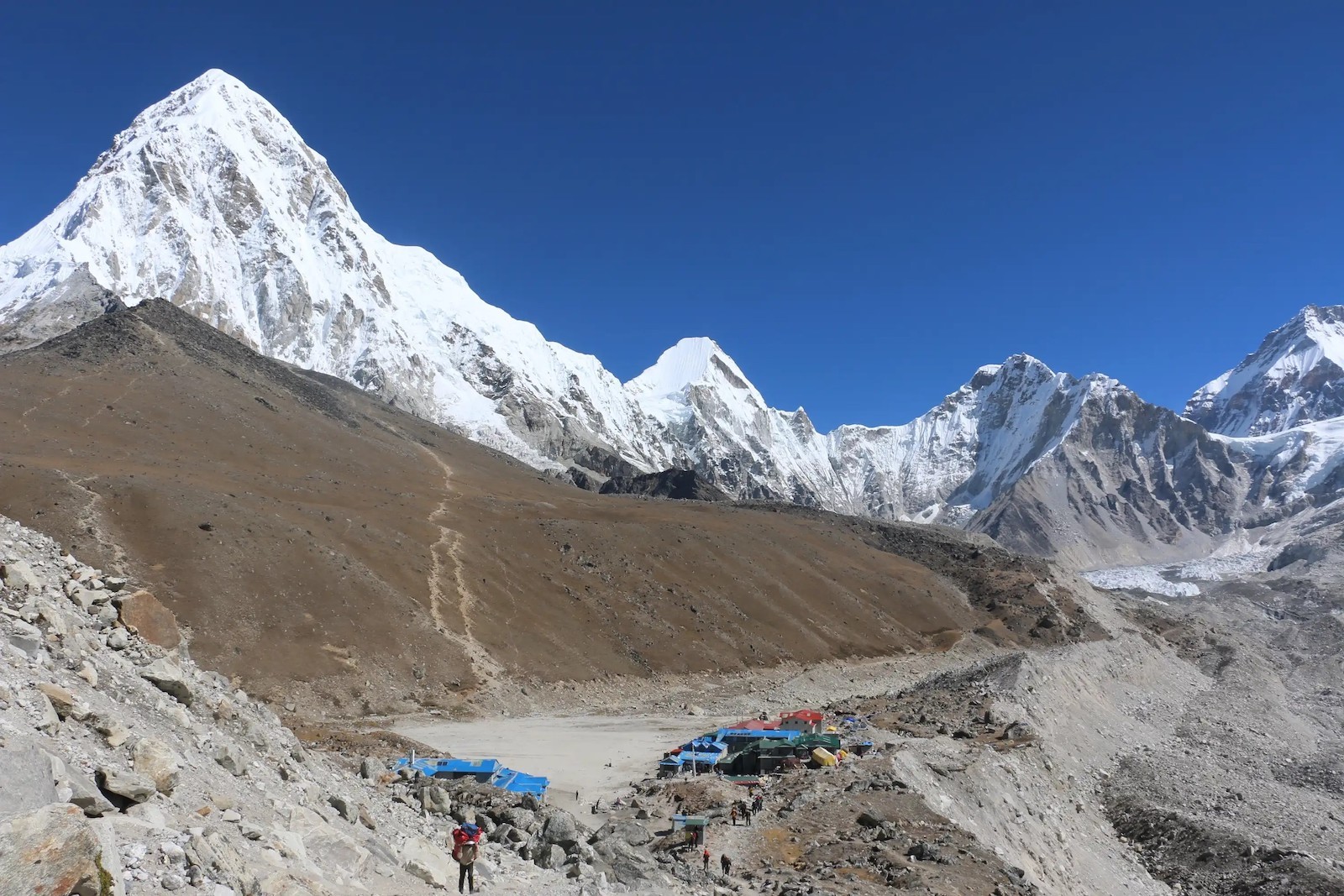
In fact, most people take between one and two hours to reach the summit. It’s a steady climb—nothing too technical, but the zigzagging rocky path keeps your legs and lungs working hard. If you push too fast, altitude sickness can catch up with you, so slow and steady wins here.
Think of it this way: you’re basically climbing a skyscraper, only with way less oxygen. That 381-meter climb from Gorak Shep (5,164m) up to the Kala Patthar summit (5,545m) feels a lot tougher than it looks on paper. All those acclimatization days you put in at Everest Base Camp? You’ll be glad you did.
Likewise, even super fit trekkers find themselves stopping often to catch their breath. The less you carry, the better, so just bring the essentials. Once you reach the top and soak in those epic views, the descent feels blissfully quick—usually just 30 to 60 minutes.
Moreover, plan this hike into your Everest Base Camp trek with some thought. Most people go pre-dawn to catch the sunrise (and it’s worth it), but weather can flip fast up here, so check the forecast before you head out. Get these basics down, and you’ll give yourself the best shot at making it to the top and back, grinning the whole way.
Summarizing the key distance and elevation details:
| Aspect | Details | Notes |
| Starting Point | Gorak Shep (5,164m) | Last village before Everest Base Camp (5,364m); basic lodges available. |
| Summit Point | Kala Patthar (5,545m) | Offers panoramic views of Mount Everest (8,848m) and neighbors. |
| One-Way Distance | 1.5-2 km | Short but steep; round trip 3-4 km total. |
| Elevation Gain | 381 meters | From 5,164m to 5,545m; significant at high altitude. |
| Ascent Time | 1-2 hours | Slow pace recommended for high-altitude trekking safety. |
| Descent Time | 30-60 minutes | Easier downhill with rewarding views. |
| Difficulty Level | Moderate to Challenging | Due to altitude; part of Everest Base Camp packages. |
In fact, Kala Patthar isn’t impossible to reach, but it’s no walk in the park either. The climb pushes you, and you earn every step. Trekkers get there with patience and grit, and honestly, a few smart high-altitude tips make the whole thing a lot more enjoyable. That feeling when you finally stand at the top? Nothing matches it.
The best part: it doesn’t cost much. Since Kala Patthar’s just a side trip on most Everest Base Camp itineraries, you don’t pay extra. Your Sagarmatha National Park permit (about $30) covers it, and if you’re already with a group or on a package, you don’t need another guide. So, instead of worrying about money or paperwork, you can just focus on getting yourself ready for the trek.
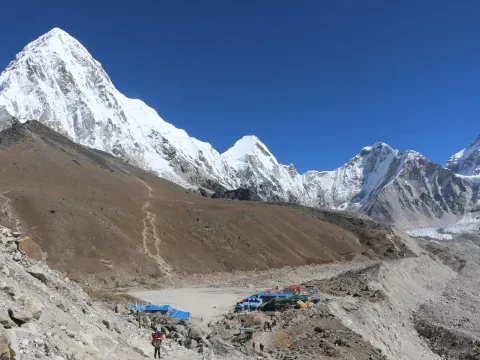
If you want the best sunrise view from Kala Patthar, you’ll need an early start—most people hit the trail around 4 AM. It’s tough to roll out of your sleeping bag that early, but trust me, watching the first light hit Everest is worth it. The round-trip usually takes about 3–4 hours, so you’re back in Gorak Shep in time for breakfast.
Similarly, getting up to Kala Patthar (5,545m) from Gorak Shep (5,164m) isn’t a walk in the park. The uphill stretch is steep, only about 1.5 to 2 km, but with a 381-meter climb. Plan for 1–2 hours to reach the top, depending on your pace and how your lungs handle the thin air. Take it slow, stop when you need to—this isn’t the time to rush. The reward? A jaw-dropping, up-close view of Everest glowing in the morning light.
Here, coming down is a whole lot easier. Most trekkers get back to Gorak Shep in 30 minutes to an hour, moving faster on the familiar path. You’ll be glad for the easier descent, since you’ll want to save energy for the rest of your Everest Base Camp trek.
A few quick tips: Bring a headlamp for the early start, and make sure you’re dressed in layers—it gets cold before dawn. Keep sipping water; staying hydrated really makes a difference at this altitude. Good planning—like starting early and watching the weather—turns a tough climb into an unforgettable highlight.
If you’re booking through a tour or with a guide, slot the Kala Patthar hike into your schedule for the right morning. Guides usually suggest beating the afternoon winds, and keeping an eye on the forecast means you stay safe. In the end, timing your trek well is what makes this sunrise adventure truly special.
Outlining key ascent and descent aspects for your Kala Patthar sunrise hike:
| Phase | Duration | Distance | Elevation Change | Tips for Success |
| Ascent from Gorak Shep (5,164m) | 1-2 hours | 1.5-2 km | +381 meters | Start at 4 AM, pace slowly, use headlamp for dawn trek. |
| Summit Time | 30-60 minutes | N/A | At 5,545m | Enjoy panoramic Everest views, take photos during sunrise. |
| Descent to Gorak Shep (5,164m) | 30-60 minutes | 1.5-2 km | -381 meters | Walk steadily, hydrate, rest if needed post-sunrise. |
| Round-Trip Total | 3-4 hours | 3-4 km | Net zero | Fit into Everest Base Camp itinerary, check weather. |
| Best Start Time | 4 AM | N/A | N/A | Aligns with sunrise for ultimate high-altitude experience. |
In fact, climbing up and down Kala Patthar isn’t just another part of the trek—it’s the moment everyone looks forward to, and honestly, it sticks with you long after you head home. Watching the sunrise from up there? People talk about it for years. Plus, doing this hike at the right time really helps you save your energy for the rest of the Everest Base Camp journey. It’s not just a side trip; it’s one of those experiences you can’t skip.
When it comes to money, you don’t need to worry about extra charges for Kala Patthar. The whole Everest Base Camp package usually runs between $1,200 and $2,000, and this climb is included. Staying at a teahouse in Gorak Shep—right at 5,164 meters—costs about $20 to $30 a night. So, if you plan things right, you really get the most out of your trip.
If you want the best shot at trekking Kala Patthar, aim for the pre-monsoon months (March to May) or post-monsoon (September to November). These seasons offer the kind of weather you dream about—clear skies, great views, and, honestly, fewer headaches from unpredictable conditions. That’s why most trekkers pick these windows for their Everest adventure.

Here, let’s talk Everest Base Camp Trek in spring first. From March to May, the weather’s pretty mild up high—daytime temperatures hover between 5 and 15°C. You’ll see hillsides lit up with blooming rhododendrons on your way to Gorak Shep. The air feels fresh, and visibility is usually fantastic, so if you’re into photography, this is your moment. Everest itself looks stunning from Kala Patthar, and you won’t struggle to snap those postcard shots.
Then there’s EBC Trek in autumn, from September to November. The monsoon’s washed the dust away, so the air’s crisp, the skies are clear, and trails stay dry. Humidity drops, making the climbs a lot more comfortable. Plus, the Dashain festival often falls during this time, adding a shot of local culture to the whole experience. Sure, you’ll see more people on the trail, but the rewards are worth it.
Now, don’t mess with the monsoon (June to August). Heavy rain, leeches, landslides, and lousy visibility turn the trek into a slog. Trails get slippery, and the risks go up fast. Winter’s tough too. December through February, temperatures dive below -20°C, and fierce winds make every step a struggle. Unless you’re chasing an extreme adventure, it’s just not worth the extra danger.
One more thing—keep an eye on the weather forecast, especially wind speeds. Under 20 km/h is ideal. Pack for sudden temperature drops, especially up at Kala Patthar’s 5,545 meters. And don’t skip acclimatization days—those really cut down your risk of altitude sickness. In the end, timing your trek right means you’ll walk away with better memories and way fewer problems.
Here is a key weather considerations for your Kala Patthar trek:
Honestly, the best time to visit Kala Patthar lines up with nature’s own schedule. Trekkers do best when the Everest trekking season is in full swing and the weather plays along. Good weather makes everything safer and opens up the real beauty of the Himalayas.
Now, about the cost—Everest Base Camp packages usually run between $1,200 and $2,500, depending on the season. If you go during peak times, prices can jump by about $200 because more people want in. Permits stay steady at $30 every year. So, if you pick your timing well, you really get the most out of your trip.
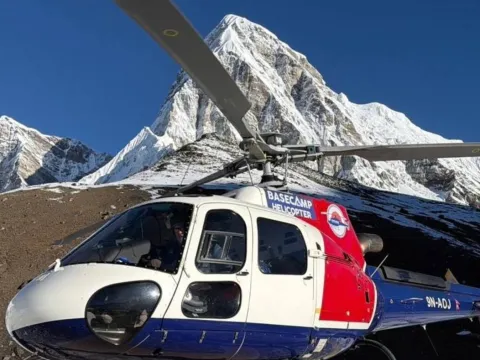
If you want to make it up to Kala Patthar, you need to get your gear right and be physically ready. Warm layers are a must—the wind up there cuts right through you, especially before sunrise. Don’t forget a headlamp; those early-morning starts mean you’ll be hiking in the dark for a while. Trekking poles help a ton on the rocky sections, and you’ll want sturdy, insulated boots for the icy paths near the summit. The right gear keeps you comfortable and lets you focus on the climb, not the cold.
Similarly, physical preparation starts before you even hit the trail. Spend a couple of nights in places like Dingboche (4,410m) and Lobuche (4,940m) to acclimatize. Your body needs time to get used to the thin air—rushing it just isn’t worth the risk. That extra time helps you build up the stamina you’ll need for the steep push from Gorak Shep (5,164m).
Snacks and water? Always pack them. You burn through energy fast up there, and dehydration sneaks up on you. Guides always stress drinking enough and keeping your pack light. It really does make a difference.
More importantly, layering is key: think thermal base layers and a solid down jacket. If you don’t own top-quality cold-weather gear, rent it in Kathmandu—it’s affordable and saves you from overspending on your trek package.
Likewise, a bit of fitness training at home pays off, especially for your legs. Simple routines—long walks, stair climbs, squats—help a lot. In the end, all these preparations turn a tough trek into a real achievement. Get ready the right way, and you’ll handle whatever the mountain throws at you.
Here is a summary of the essential gear for Kala Patthar hike and Everest Base Camp preparations:
| Gear Item | Purpose | Why Essential for Kala Patthar (5,545m) |
| Warm Layers (Thermal, Fleece, Down Jacket) | Insulation against -15°C winds | Protects during pre-dawn ascent from Gorak Shep (5,164m). |
| Headlamp with Spare Batteries | Illumination for 4 AM start | Critical for dark rocky trail to sunrise views. |
| Trekking Poles | Balance and knee support | Helps on steep 381m gain to Kala Patthar summit. |
| Snacks & Water (3L) | Energy and hydration | Combats altitude fatigue in thin air. |
| Insulated Boots & Gloves | Grip and warmth | Prevents slips and frostbite near Everest (8,848m) views. |
Actually, getting ready for the Kala Patthar hike makes the whole experience smoother. Trekkers handle the high altitude with a lot more confidence when they prepare well. All that training in places like Dingboche and Lobuche really pays off once you’re out there. Good gear and solid fitness turn a tough trek into something you’ll never forget.
In fact, most Everest Base Camp packages let you rent gear for another $50 to $100. If you’re going solo, expect to spend around $200 on the basics. It’s worth every penny—good equipment keeps you safe the whole way. Go for quality, and you’ll get the most out of your adventure.
If you want to avoid altitude sickness on the Kala Patthar trek, you need to acclimatize the right way. Most trekkers spend a night in Gorak Shep (5,164m) before heading up Kala Patthar. That extra night really helps your body get used to the thin air, and it makes a big difference for the rest of the Everest Base Camp trek.
The best approach? Take it slow. Keep your pace steady, don’t rush, and remember to breathe deeply—especially as you get higher. Drink plenty of water—aim for 3 to 4 liters a day—to stay hydrated and help your body flush out toxins. These habits go a long way toward keeping headaches and nausea at bay.
Likewise, pay attention to how you feel. If you start to get a stubborn headache or sudden nausea, don’t ignore it. The smartest move is to descend a bit until you feel better. Some people take Diamox (with a doctor’s go-ahead) to help with acclimatization, but nothing beats listening to your body and being careful.
Moreover, there’s also the classic “climb high, sleep low” strategy. Sleeping in places like Dingboche (4,410m) and Lobuche (4,940m) on the way up helps your body adjust gradually. Rest days are just as important—they give your body time to adapt to less oxygen.
Lastly, don’t forget to eat plenty of carbs. You’ll need the energy. Good guides keep a close eye on everyone for any signs of trouble as you climb. With these strategies, you’re much less likely to run into emergencies, and you’ll actually be able to enjoy the trek instead of just surviving it.
For the prevention, here is a key acclimatization strategies for avoiding altitude sickness on Kala Patthar:
In fact, proper and prior acclimatization changes the game for trekkers facing altitude sickness. What could be risky turns into something you can handle, even enjoy. These tips don’t just keep you safe—they make that Kala Patthar sunrise way more memorable. Safety comes first, always.
Here, Every Everest Base Camp package I’ve seen throws in acclimatization advice for free. If you want a medical kit, it’s about $20-30. With pros guiding you, there’s a lot less to stress about. That way, you can actually pay attention to the views instead of worrying the whole time.
Actually, the Kala Patthar trail doesn’t waste any time—it throws you right into the adventure as soon as you leave Gorak Shep (5,164m). The ground is rocky and uneven, so every step matters. There are boulders everywhere, and you need to pay attention or you’ll stumble. The climb itself isn’t super long—just 1.5 to 2 kilometers—but the altitude makes every meter count.
In fact, you start in the dark, early in the morning. It’s cold and quiet, and your headlamp barely cuts through the night. That first hour feels surreal. Breathing gets harder with every step, so people stop every 10 or 15 minutes, just catching their breath. It’s tough, but pacing yourself keeps you moving.
Honestly speaking, the trail twists and turns, with loose rocks underfoot and steep slopes that burn your legs. The air is thin, and you feel it. But every now and then, you catch a glimpse of Pumori (7,161m) looming nearby, and it gives you a boost to keep going.
Here, halfway up, the sky starts to lighten. For a moment, you stop, shrug off a layer as the cold eases, and watch the mountains wake up. Then it’s back to climbing, scrambling over the last big boulders with all your focus.
More importantly, this isn’t just a hike—it’s a memory in the making. For anyone weaving Kala Patthar into their Everest Base Camp trek, the guides often point out landmarks like the Khumbu Glacier along the way. Those little moments—the sunrise, the landmarks, the challenge—stick with you long after you’ve left the trail. This is where preparation meets the real thing. And honestly, it’s unforgettable.
Detailing the step-by-step expectations on the Kala Patthar trail:
| Stage | Description | Challenges | Tips for Success |
| Start from Gorak Shep (5,164m) | Begin in darkness at 4 AM on rocky path | Uneven terrain, low visibility | Use headlamp, start slow for oxygen scarcity. |
| Initial Ascent | Zigzag up steep inclines with loose stones | Leg fatigue, high-altitude breathlessness | Take frequent breaks, hydrate regularly |
| Midway Boulder Fields | Navigate large rocks and uneven sections | Balance issues, slips risk | Employ trekking poles, watch footing carefully |
| Final Push to Summit (5,545m) | Scramble over boulders toward peak | Intense effort in thin air | Pace steadily, enjoy emerging Everest views |
| Overall Adventure | 1-2 hour climb with dawn transformation | Oxygen scarcity throughout | Integrate into Everest Base Camp trek for rewards. |
Meanwhile, the Kala Patthar trail lays the Himalayas bare, one step at a time. Trekkers push through rocky paths and scramble over boulders—it’s tough, but that’s part of the draw. Walking in the dark before sunrise makes everything feel a little more intense, a little more real. For a lot of people, this is the moment they remember most about Everest.
When you book an Everest Base Camp trek, guides come included, so you don’t have to worry about extra fees. Teahouse stays in Gorak Shep, up at 5,164 meters, usually run about $20 to $30 a night. That price makes the whole experience a lot more accessible. In the end, focusing on the trek itself is what turns the journey into something legendary.
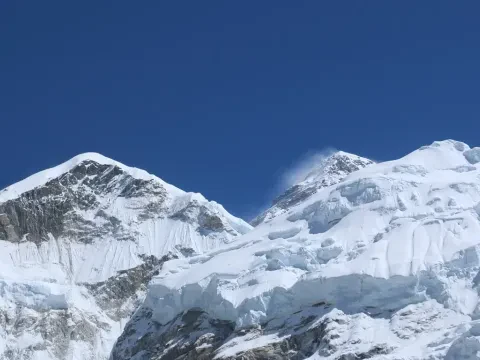
In fact, trekking up Kala Patthar (5,545m) from Gorak Shep (5,164m) isn’t just about the views—it’s about staying safe in some pretty harsh conditions. You’re up before dawn, shivering in temperatures that drop below -10°C. That cold bites, and hypothermia is a real risk. The trail itself? Steep, rocky, and easy to slip on if you’re not paying attention.
Similarly, acute mountain sickness (AMS) sneaks up fast at this altitude. Headaches, nausea—they hit suddenly, especially after you leave Lobuche (4,940m), so you have to stay alert. If you start feeling those symptoms, don’t wait around. Descend right away. Taking action early really does save lives on the Everest Base Camp trek.
Likewise, diamox helps with acclimatization if you use it as your doctor prescribes. Dress in layers that block the wind and keep you warm. Trekking poles? They’re not just a nice-to-have—they help you keep your balance on those slippery sections. These simple steps go a long way toward keeping you out of trouble.
Moreover, drink plenty of water and don’t overeat. It sounds basic, but it helps prevent AMS from getting worse. Sticking with a group gives you backup if something goes wrong, and checking the weather before you head out keeps you from getting caught in dangerous winds. Staying aware turns those big risks into manageable problems.
Further, plan for safety from the start. If things go sideways, emergency oxygen is available, though it’ll cost you $50 to $100 per package. Taking these precautions means you actually get to enjoy those epic views at the top. In the end, it’s all about being prepared—so you can focus on the adventure, not the dangers.
Here is a list of key risks and corresponding tips for navigating high-altitude challenges on Kala Patthar:
Kala Patthar comes with some real risks, like altitude sickness, so it’s smart to take safety seriously. Trekkers deal with cold, slippery paths, and sometimes things go wrong. Having a plan for emergencies isn’t just a suggestion—it’s what lets you actually enjoy the Himalayas without worry.
When it comes to the Everest Base Camp trek, insurance usually costs around $100 to $200. Diamox, which helps with altitude, is about $10 to $20 if you get it before the trip. These aren’t just extra expenses—they’re what keep you safe when things get unpredictable. Take care of yourself first, and you’ll actually get to celebrate the adventure.
Actually, reaching the top of Kala Patthar (5,545m) feels like hitting the jackpot after days of trekking. Right away, you get this wild, sweeping view of the Himalayas—Everest up close, almost within reach. Nuptse and Lhotse stand right there too, making the whole scene look unreal, like something out of a dream. Honestly, after the long push from Gorak Shep (5,164m), it’s the reward everyone’s been waiting for.
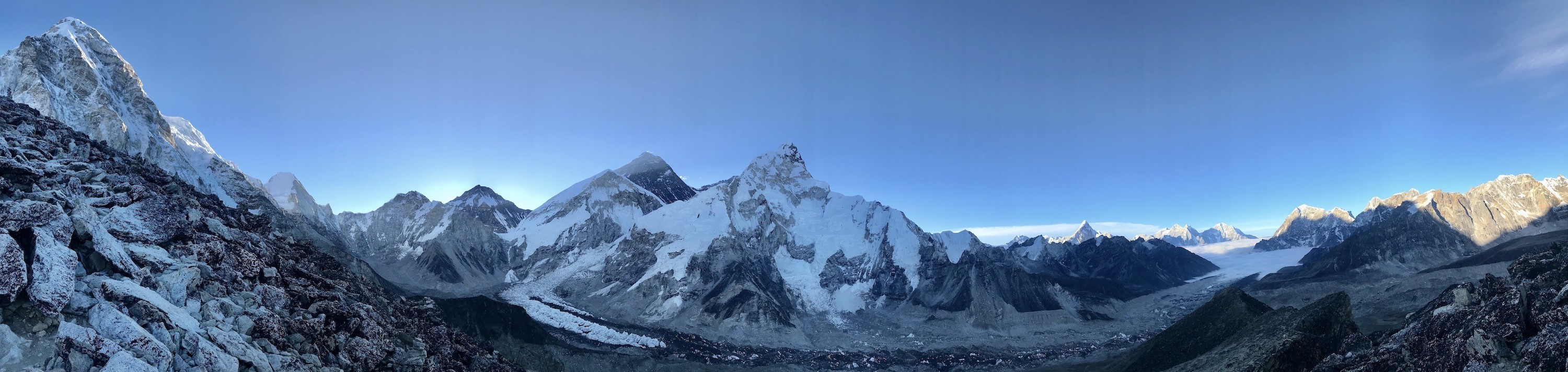
If you time it right and catch sunrise, the whole landscape glows with this golden light. Everest’s summit catches the first rays and stands out against the pale morning sky, while the Khumbu Icefall tumbles below, adding a bit of drama to the view. It’s not just a view—it hits you, deep down, and the sense of accomplishment sinks in.
Mainly, photographers love this spot. Wide-angle lenses work best up here, and you’ll want to tweak your camera for the low light at dawn. A tripod helps too, since the wind can get pretty wild at that altitude. Snap enough photos and you’ll have memories that last forever, not just another shot for social media.
But it’s not all about the scenery. Standing up there, most people end up reflecting on the journey—what it took to get here, the tough moments, the little wins. Some jot their thoughts down, others just take it all in quietly. Sharing the experience with fellow trekkers turns strangers into friends, at least for a while. It’s a chance to let it all sink in.
If you’re planning an Everest Base Camp trek, don’t skip Kala Patthar. Most guides even throw in photography tips for free, and the whole experience pushes the trip way over the top. It’s the moment that makes every step worth it.
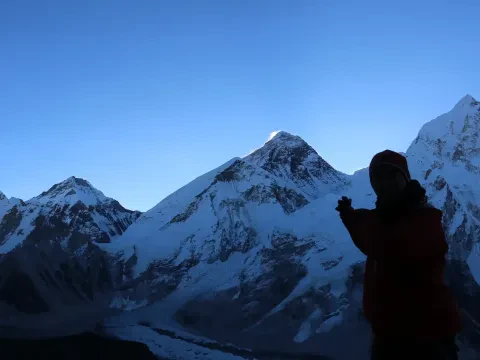
Summarizing key summit experiences on Kala Patthar:
| Reward Aspect | Description | Why It Matters for Everest Trek |
| 360-Degree Himalayan Vistas | Panoramic views of Everest (8,848m), Nuptse (7,861m), Pumori (7,161m) | Provides unmatched perspective beyond Base Camp (5,364m). |
| Close-Up Everest Sights | Detailed look at world's highest peak and icefall | Emotional climax of high-altitude adventure. |
| Golden-Hour Sunrise Photography | Capture dawn light on snow-capped giants | Creates lasting memories without rushing descent. |
| Reflective Moments | Time for personal insights and journaling | Builds perseverance and appreciation for nature. |
| Photo Tips | Use wide lenses, stabilize shots, focus on composition | Ensures professional-quality images from summit. |
Actually, reaching the summit of Kala Patthar just feels incredible. The views? Unbeatable. And those sunrise photos—people hang onto them forever. It’s these moments that make the Everest Base Camp trek stand out. Honestly, once you experience it, you’ll want to come back.
Here, Everest trek packages already include time at the summit, so you don’t pay extra for that. You can grab a digital camera for less than $200, and it’s totally worth it—those photos are priceless. So, focus on soaking up every second while you’re there.
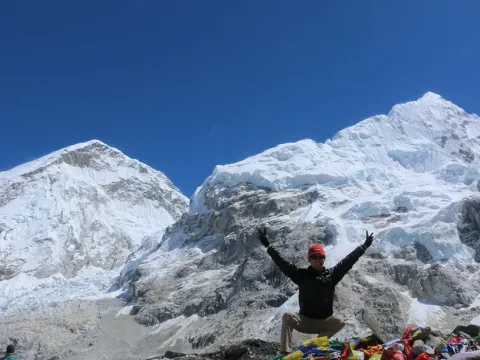
So, you’ve made it to Kala Patthar—5,545 meters up—and wrapped up a trek that probably pushed you harder than you expected. There’s a real sense of accomplishment that comes from just putting one foot in front of the other, especially when there’s less air to breathe and the trail’s as steep as anything. That grit you’ve built? It sticks with you, not just on this mountain, but any time life throws you a challenge.
But there’s more to this place than just testing your limits. You learn pretty quickly how important it is to respect the land. The “leave no trace” rule isn’t just some slogan; it’s the only way these wild places stay wild. When you pack out your trash, stick to the paths, and respect the Sherpa communities who call this region home, you’re doing your part to keep the Khumbu valley as stunning for future trekkers as it was for you.
If you’re already up here, it only makes sense to join this trek with Everest Base Camp for the full Himalayan experience. Most people tack them together, then rest up in Namche Bazaar before heading home. In the end, stringing these hikes together makes the whole adventure that much richer.
So when you’re planning your Everest Base Camp trip, keep all this in mind. The guides will remind you to look after the environment, but honestly, it’s on all of us. And that perseverance you’ve found? Don’t leave it on the mountain—take it with you. It’ll serve you well, wherever you go next.
Here is a key lessons learned and next steps for your Everest adventure:
Actually, climbing Kala Patthar really teaches you about perseverance and respect—qualities every ethical trekker needs. These lessons stick with you and make the next steps, like heading to Everest Base Camp, feel more natural. They’re not just words, either. When you actually put these principles into practice, you help build a more sustainable way to travel. It keeps you curious, too, always looking for the next adventure.
If you’re curious about Everest Base Camp Trek with Kalapattahr costs, a full package runs between $1,500 and $2,500, and that covers Base Camp extensions. You’ll need a permit, which costs $30 and helps fund conservation every year. For that price, you’re not just ticking a box—you’re getting a trip that can change you. Go for it, and bring a sense of purpose with you.
1. What is the distance and elevation gain for the Kala Patthar sunrise hike from Gorak Shep?
The Kala Patthar hike is about 1.5 to 2 kilometers from Gorak Shep to the top of Kala Patthar. You will go up about 380 to 400 meters. The trail is short. It is very steep. You will see Mount Everest clearly during sunrise. You have to walk at a pace because the air is very thin.
2. How long does the sunrise hike to Kala Patthar take including descent?
It takes about 1.5 to 3 hours to go up Kala Patthar from Gorak Shep. Then it takes about 1 to 1.5 hours to come down. So, the whole trip takes about 3 to 5 hours. Most people start hiking at 4 AM so they can see the sunrise. You should also take some time to take pictures and rest at the top.
3. What is the best season for the Conquering Kala Patthar sunrise hike?
The best time to hike Kala Patthar is in the spring or autumn. The weather is stable. The sky is clear. You can see Mount Everest and the other mountains clearly. You should not hike during the monsoon or winter because it is not safe and the views are not good.
4. What gear is essential for the Kala Patthar sunrise hike from Gorak Shep?
You need to wear clothes, including a down jacket and warm hat. You should also bring trekking poles, a sturdy boots. Do not forget to bring water, snacks and sunscreen. A windproof jacket is also an idea. If you get sick from the altitude you can take some medicine called Diamox.
5. How can I avoid altitude sickness on the Kala Patthar hike?
You should spend some nights in the villages before you hike Kala Patthar. This will help your body get used to the altitude. You should also drink a lot of water. Eat food that gives you energy. If you start to feel sick you should go down to a lower altitude.
6. What should I expect step by step during the Kala Patthar sunrise trek?
You will start hiking in the dark from Gorak Shep. The trail is steep and rocky. You will use your headlamp to see. As you go up you will get tired because the air is thin. When you get to the top you will see a beautiful sunrise over Mount Everest. Then you will hike down to Gorak Shep in the daylight.
7. Is the Kala Patthar hike difficult for beginners?
The hike is short but it is challenging. The trail is steep. The air is thin. If you are in good shape and you get used to the high altitude you can do it. It is an idea to hire a guide to help you.
8. What time should I start the sunrise hike from Gorak Shep?
Most people start hiking between 3:30 AM and 4:30 AM. This way you can get to the top of Kala Patthar before sunrise. The exact time depends on the season and the weather.
9. Are there risks involved in the Kala Patthar sunrise hike?
Yes, there are risks. You can get sick from the altitude or you can get too cold. The trail can be slippery. The wind can be strong. You have to be careful and listen to your body. If you are not feeling well, you should go down.
10. What views can I expect from the summit of Kala Patthar?
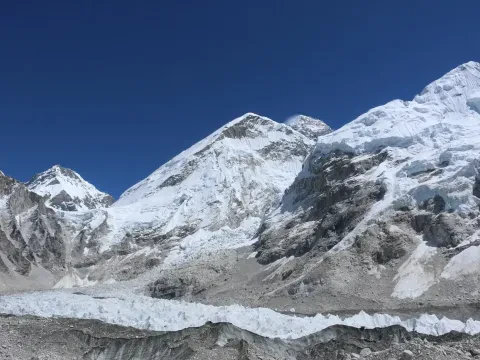
From the top of Kala Patthar, you can see Mount Everest and the other mountains clearly. You can see the sunrise over the mountains. It is very beautiful. This is one of the views of Mount Everest in the whole world.
11. Do I need a guide for the Conquering Kala Patthar hike?
It is an idea to hire a guide for the Kala Patthar hike. The guide can help you navigate the trail in the dark and make sure you are safe. The guide can also tell you about the mountains and the culture of the people who live there.
12. What is the temperature like during the Kala Patthar sunrise hike?
It can be very cold at the top of Kala Patthar before sunrise. The temperature can be below -15°C or even -25°C. You should wear clothes and bring a windproof jacket. During the day it can get a little warmer. It is still cold because of the wind.
13. How does acclimatization work for the Gorak Shep to Kala Patthar trek?
You should spend some nights in the villages before you hike Kala Patthar. This will help your body get used to the altitude. You should also hike to Everest Base Camp before you go to Kala Patthar. This will help you get used to the altitude and make the hike easier.
14. Can children or elderly people do the Kala Patthar sunrise hike?
It is not an idea for young children or elderly people to hike Kala Patthar unless they are in very good shape and have experience hiking at high altitudes. The trail is steep. The air is thin and it can be very challenging.
15. What should I carry in my daypack for the Kala Patthar hike?
You should bring water, snacks and extra layers of clothes. You should also bring a headlamp, a camera and sunscreen. Do not forget to bring a first-aid kit and some medicine in case you get sick. Try to keep your backpack light so it's easier to hike.
16. Is oxygen needed for the Kala Patthar sunrise hike?
Most people do not need oxygen to hike Kala Patthar. If you have health problems or you are not used to high altitudes you might need some extra oxygen. You should talk to a doctor before you hike Kala Patthar.
17. How crowded is the trail to Kala Patthar during peak season?
The trail can be busy during the peak season. There is usually enough space at the top for everyone to enjoy the view. You should try to be patient and respectful of the hikers.
18. What photography tips are best for Kala Patthar summit at sunrise?
You should get to the top of Kala Patthar early so you can take pictures of the sunrise. Use a wide-angle lens to capture the view. Take pictures at different exposures to get the best shot. Bring batteries for your camera because the cold weather can drain them quickly.
19. What happens if weather turns bad during the Kala Patthar hike?
If the weather gets bad you should turn back immediately. It is not safe to hike in weather especially at high altitudes. You should always prioritize your safety. Try to hike another day when the weather is better.
20. Why is Kala Patthar the highlight of Everest Base Camp treks?
Kala Patthar is the highlight of the Everest Base Camp trek because it offers the view of Mount Everest. You can see the sunrise, over the mountain. It is very beautiful. The sense of achievement you get from hiking to the top of Kala Patthar is also very rewarding.
Our travel experts are ready to assist you with any questions.
Send us a message.Have a question before you book? Send your enquiry below and our travel experts will get back with the required information.