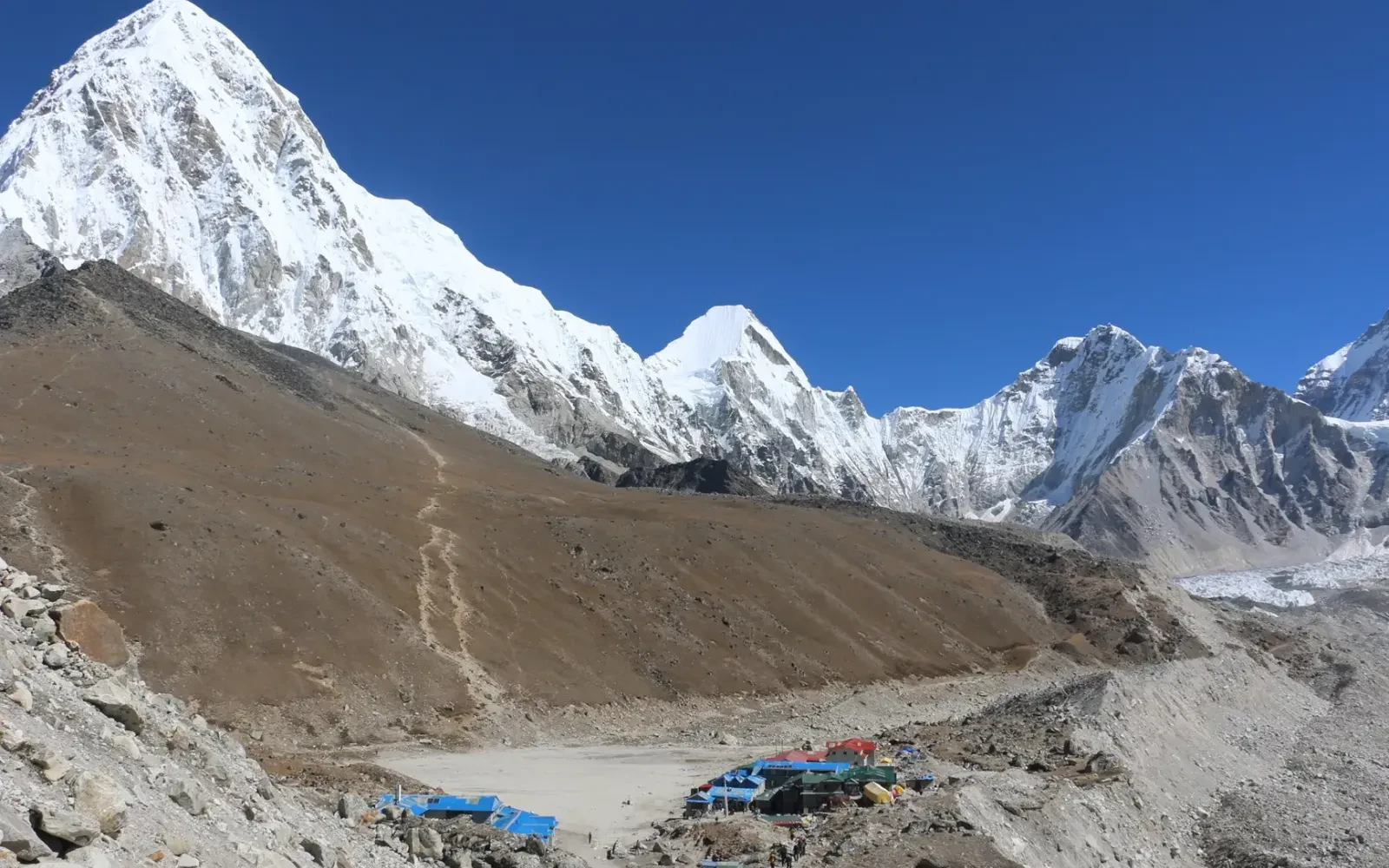
Actually, there’s something most exciting moment about that last stretch from Gorak Shep up to Everest Base Camp. It’s the moment every trekker pictures from the very beginning—a mix of wild Himalayan views, tough high-altitude climbs, and that surge of adventure you only get in the Everest region of Nepal.
Here, you start at Gorak Shep, already high at 5,164 meters, and push up to Everest Base Camp at 5,364 meters. This is the part everyone talks about, where you finally close in on the foot of Everest itself. The mountains crowd around you—Pumori, Nuptse, all those famous names—and the Khumbu Glacier sprawls out below. It’s jaw-dropping, honestly. Hitting this point feels huge, like you’ve truly earned it, and a lot of people say it changes them. It’s not just about the physical side either; there’s something deeper that settles in as you make your final approach.

Still, none of this happens by accident. You have to acclimatize or altitude sickness will ruin the whole thing, and having a good local guide makes all the difference for safety and peace of mind. But the payoff is worth every ounce of effort—pushing through and reaching Base Camp sticks with you for life.
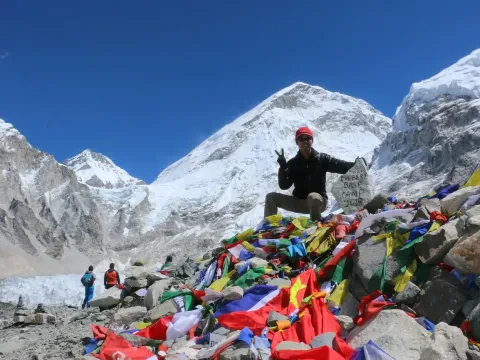
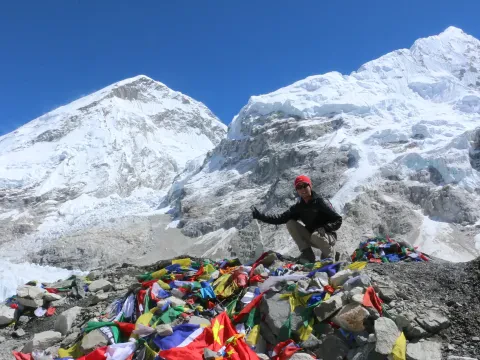
And it’s not just the scenery or the challenge that makes it so special. The friendships you build along the way, swapping stories with other trekkers, are a huge part of the experience. Everyone’s in it together, and you end up with memories (and friends) you’ll keep forever. The prayer flags snapping in the wind, the backdrop of those snowy peaks—it’s all so vivid and so different from anywhere else. No wonder people keep coming back year after year.
Of course, right timing and pacing matter a lot. Most people aim for spring or autumn to catch the best weather and clearest views of Everest. The right gear helps too—good boots, solid layers—because comfort matters when you’re tackling those last, rocky kilometers.
Likewise, there’s something about walking in the footsteps of climbing legends, too. Base Camp isn’t just a finish line; it’s where history starts for summit teams. You feel that energy, that sense of possibility, and you can’t help but snap a thousand photos. In the end, this final push is everything—adventure, grit, and pure Himalayan magic rolled into one unforgettable trek.
Here are key reasons why this final push captivates trekkers:
Here, let’s get right into it—the trekking from Gorak Shep to Everest Base Camp isn’t long, but it packs a punch. You’re looking at a one-way hike of about 3 kilometers. Sounds doable, right? But don’t let the numbers fool you. The trail climbs from 5,164 meters up to 5,364 meters, so you’re gaining around 200 meters in elevation. That’s nothing to sneeze at, especially at this altitude. Most trekkers tackle the round trip—about 6 kilometers—in a day, usually taking 4 to 6 hours. That includes time for catching your breath, snapping photos, and just soaking it all in.
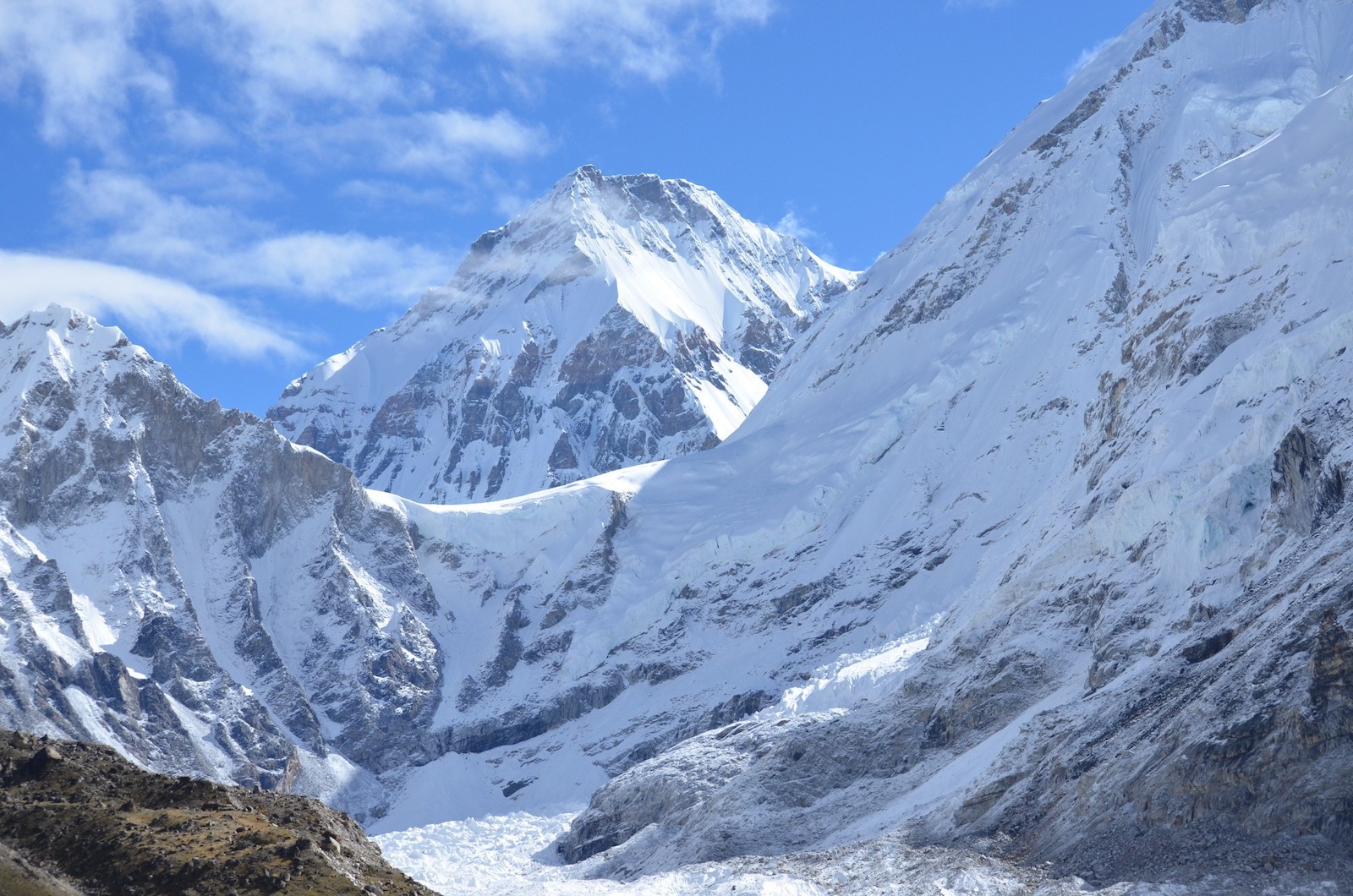
Actually, the terrain keeps you on your toes. Starting out, you’ll cross the edge of the Khumbu Glacier, which means rocky moraines and ground that never really feels flat. Good boots matter here—no one wants to slip or twist an ankle this high up. The route shifts from sandy stretches by old lakebeds to fields of boulders as you get closer to Everest itself. It’s a weird mix, and it tests your stamina in ways you might not expect. The thin air doesn’t help, either. With less oxygen, every step feels heavier, and acclimatization isn’t just a suggestion—it’s a must if you want to avoid hitting a wall.
More importantly, weather can flip the script, too. On a clear day, the path is pretty solid, but throw in some snow and suddenly you’re picking your way along, watching every step. Getting an early start from Gorak Shep isn’t just about beating the crowds—it gives you more daylight to work with, which matters when the weather shifts fast up here.
Along the way, you might spot Kala Patthar off to the side. If you’ve got the energy, that side trip rewards you with some of the best views around. And don’t forget the porters. They’re a huge help, carrying loads and taking some of the strain off your legs, especially over rough patches.
In the end, knowing the distance, the climb, and what kind of ground you’ll cover makes all the difference. Show up prepared, and you’ll give yourself the best shot at making the journey to Everest Base Camp a real win.
To illustrate the basics clearly, refer to this overview:
| Aspect | Details | Key Notes |
| Distance One-Way | 3 km (1.8 miles) | Manageable for fit trekkers; focus on pacing in high-altitude conditions. |
| Round Trip Distance | 6 km (3.7 miles) | Typically done in one day from Gorak Shep (5,164m) base. |
| Elevation Gain | 200 meters | From Gorak Shep (5,164m) to Everest Base Camp (5,364m); monitor for altitude sickness. |
| Time Required | 2-3 hours one way | Varies by fitness; includes breaks on rocky terrain overview. |
| Terrain Type | Rocky moraine, sandy paths, glacial edges | Uneven ground near Khumbu Glacier; requires trekking poles for stability. |
Let’s talk about what it’s actually like to hike the 3.5 to 4.3 kilometer stretch from Gorak Shep (5,164m) up to Everest Base Camp (5,364m). Most trekkers need about 2 to 3 hours to make it one way, but that really depends on your fitness and the weather that day. The trail’s pretty rocky and uneven, so if you’re new to high-altitude hiking, you’ll probably move a bit slower. Experienced hikers often walk faster, but honestly, everyone ends up stopping to soak in the views.
In fact, coming back to Gorakshep from Everest Base Camp usually takes another 2 to 3 hours, so you’re looking at 4 to 6 hours for the round trip. People take plenty of breaks for photos, especially near the Khumbu Glacier — you’ll want those memories. It’s smart to start early in the morning because the wind picks up later, and nobody wants to battle that if they don’t have to.
Here, altitude is a big deal up here. Even though the elevation gain is only about 200 meters, the thin air slows everyone down. If you’re here during peak trekking seasons like spring, expect some crowding, which can stretch out your hiking time a little more. Knowing what to expect helps you plan and enjoy the experience instead of stressing about the clock.
Likewise, fitness makes a huge difference. If you’ve trained and built up your stamina, you’ll handle the altitude better and probably finish faster. Carrying less weight helps too — every kilo counts at this height. Pay attention to how you feel and don’t push through exhaustion; that just leads to delays.
Moreover, weather’s a wild card. On clear days, you can keep a steady pace, but if there’s snow or bad weather, everything takes longer. Local guides are great for keeping you on track time-wise and offering tips when things get tricky. At the end of the day, being flexible is key. That’s how you really get the most out of the trek to Everest Base Camp.
Th outline trekking timeline:
| Segment | Distance | Average Time | Key Factors |
| Gorak Shep to Everest Base Camp (One Way) | 3.5-4.3 km | 2-3 hours | Rocky paths, 200m elevation gain, fitness level in high-altitude trekking. |
| Return to Gorak Shep | 3.5-4.3 km | 2-3 hours | Downhill ease, but fatigue from earlier hike duration affects speed. |
| Total Round Trip | 7-8.6 km | 4-6 hours | Includes breaks; weather and crowds influence Everest Base Camp trail time. |
| Optional Side Trip to Kala Patthar (5,545m) | 1.5 km one way | 1-2 hours | Steep climb for views, often added to trekking timeline post-EBC. |
Before you even think about trekking to Everest Base Camp, you’ve got to get the basics right. The gear you bring, your fitness level, and how you handle the altitude make all the difference between an epic adventure and a miserable slog.
First up, let’s talk about required gear to trek to Everest Base Camp. The weather in the Himalayas changes fast, so you need the right clothes. Layered clothing is key—expect to spend anywhere from $200 to $500, depending on what you buy. Good boots aren’t optional; you’ll want something sturdy, and don’t forget trekking poles. They help a ton on those rocky trails. Smart packing isn’t just about comfort—it really sets you up for success.
Then there’s fitness. This isn’t a stroll in the park. You’ll need to get used to long days on your feet. Cardio matters—running, hiking, anything that gets your lungs working. Don’t skip the strength training either, especially for your legs and core. Give yourself about 8 to 12 weeks to train. The fitter you are, the more you’ll enjoy the trek, and you’ll dodge a lot of the typical aches and pains.
Likewise, altitude is no joke, so acclimatization needs your attention. Go slow. Most people spend extra nights at places like Namche Bazaar (3,440m) to let their bodies catch up. Drink plenty of water—aim for 3-4 liters a day. Stick to the “climb high, sleep low” rule. These habits really keep you safe.
Similarly, some gear is non-negotiable. You’ll need a sleeping bag rated to at least -10°C and a waterproof jacket for those cold, wet nights. If you don’t want to buy, you can rent these in Kathmandu for about $50-100 each. Sunglasses and sunscreen are must-haves—the sun is brutal up there.
Finally, don’t overlook mental prep. Imagine the tough spots ahead of time and get your head in the game. If you’re new to high-altitude trekking, guided tours help a lot with acclimatization and logistics. They usually run between $1,000 and $2,000. When you cover all these bases—gear, fitness, altitude, and mindset—you’re way more likely to have an incredible, safe experience on the trail.
Outline essential preparations:
| Category | Key Items/Tips | Estimated Cost/Notes |
| Gear Essentials | Trekking boots, layered clothing, poles | $300-600; Rent in Kathmandu for savings on Everest Base Camp trek. |
| Fitness Training | Cardio hikes, strength exercises | 8-12 weeks; Focus on endurance for high-altitude fitness. |
| Acclimatization Strategies | Gradual ascent, hydration, Diamox if needed | Free; Spend 2-3 nights at intermediate elevations like Namche Bazaar (3,440m). |
| Additional Must-Haves | Sleeping bag, headlamp, first-aid kit | $100-200; Essential for safety during acclimatization tips implementation. |
| Budget Considerations | Permits, guides, insurance | $500-1,000; Covers Sagarmatha National Park entry and support. |
Here, let’s break down what it’s actually like to walk from Gorak Shep to Everest Base Camp. This section runs about 3.5 to 4.3 kilometers, but don’t let the distance fool you—the thin air and rugged terrain make every step count.

Now, you start out at Gorak Shep (5,164m), crossing a dry, sandy lakebed. Honestly, it feels a bit like trudging across a beach, only you’re high up in the Himalayas and breathing gets tough fast. The trail climbs gently, and then you hit a ridge. That’s where you catch your first real look at the peaks all around you—Pumori (7,161m) stands out on your left, and it’s hard not to stop and stare.
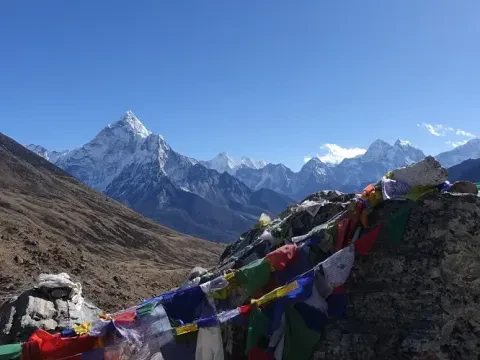
After that, the trail sticks close to the edge of the Khumbu Glacier. The ground turns rocky, with loose moraine and some pretty big boulders scattered around. You really have to watch your step here—one wrong move and you’ll be slipping on the uneven ground. Bright prayer flags pop up along the way, giving little bursts of color and reminding you you’re somewhere special.
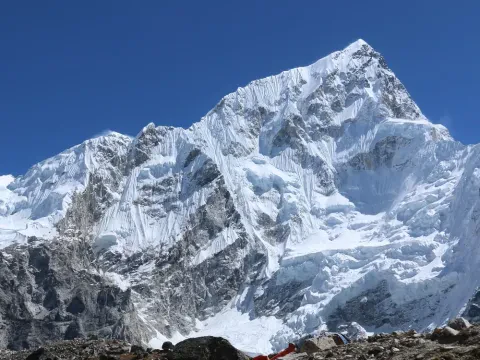
Likewise, the path winds up and down over glacial debris. Sometimes you’re climbing, sometimes dropping a little—never anything too steep, but you’ll feel the altitude with every incline. As you get closer, the views get wilder. Nuptse (7,861m) and Lhotse (8,516m) tower ahead, and the Khumbu Icefall appears off in the distance, all jagged and dramatic.
Toward the end, you cross more moraine—rocks everywhere—before a final short climb. Suddenly, you’re at Everest Base Camp (5,364m). In peak season, you’ll spot clusters of colorful tents and memorials. The trail isn’t technical, but the thin air makes even simple walking feel tough. Still, standing there at Base Camp, there’s this rush of satisfaction. You made it.
Along the way, the trail hugs the glacier’s lateral moraine, and if the weather’s clear, you get those postcard-worthy views of Everest (8,848m) itself. Knowing what to expect on each stretch really helps—this isn’t just a walk, it’s a journey you’ll remember.
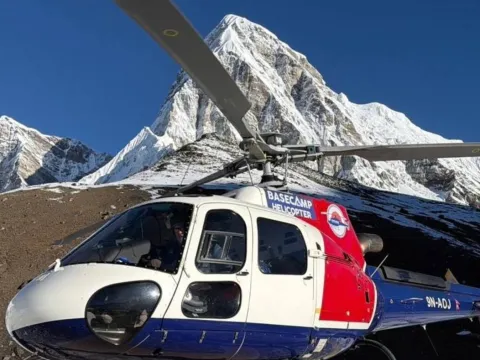
The route step-by-step breakdown:
| Step | Section Description | Distance/Time Estimate | Key Landmarks & Terrain |
| 1 | Gorak Shep departure to ridge climb | 1 km / 30-45 min | Dry lakebed sand, loose gravel; views of Pumori (7,161m). |
| 2 | Along Khumbu Glacier edge | 1.5-2 km / 45-60 min | Rocky moraine, boulders; prayer flags, glacier views. |
| 3 | Meandering moraine path | 1 km / 30-45 min | Gradual inclines, uneven rocks; Nuptse (7,861m), Lhotse (8,516m) sightings. |
| 4 | Final moraine crossing to EBC | 0.5-1 km / 20-40 min | Short descent then climb; Khumbu Icefall visible, arrival at Everest Base Camp (5,364m). |
Actually, heading from Gorak Shep up to Everest Base Camp is no joke. The biggest hurdle? Altitude sickness. At these heights—Gorak Shep sits at 5,164 meters and Base Camp’s even higher at 5,364—you start to feel it. Headaches, nausea, that weird lightheaded feeling, all thanks to the thin air. The trick is to take it slow. Acclimatize before you push higher, watch how you’re feeling, and don’t try to be a hero. If you keep an eye on your health, you’ll catch any trouble before it gets serious.
Then there’s the weather challenge. Up here, it’s all over the place. One minute it’s clear and calm, the next you’re hit with strong winds or a cold snap out of nowhere. Mornings might look promising, but afternoons can drop snow on you out of the blue. The best move? Dress in layers, start your day early, and always be ready for the weather to turn.
Physically, this trek from Gorakshep to Everest Base Camp is tough. The ground’s rocky and uneven, and that 200-meter climb feels a lot steeper when you’re already tired and there’s not much oxygen. Carry as little as you can and use trekking poles—your knees will thank you. If you train and build up your fitness before you go, you’ll handle these high-altitude days much better.
But if you start showing real symptoms of altitude sickness, don’t mess around. The fastest way to get better is to head down, fast. Some trekkers use meds like Diamox, but only if a doctor says it’s right for you. The main thing is to listen to your body and take any warning signs seriously.
In fact, staying hydrated—think at least four liters a day—helps with both the dry air and the altitude. Take lots of breaks and rest when you need to. With the right prep and a bit of respect for the mountain, those challenges turn into just another part of the journey to Everest Base Camp.
The challenges and key tips list:
When you’re trekking from Gorak Shep (5,164m) up to Everest Base Camp (5,364m), altitude sickness is the big one to watch out for. The air gets thinner fast, and your body really feels it. You might get dizzy or start vomiting—those are signals you need to pay attention to, not push through. Giving yourself a few days to acclimatize makes a huge difference and keeps things from turning serious.
But it’s not just the thin air. The weather in the Himalayas is unpredictable. One minute it’s calm, and the next, you’re in the middle of a whiteout or fighting crazy winds. Hikers can lose their way on those wide-open stretches, and if you’re not dressed for the cold, hypothermia becomes a real threat. Always check the weather before you set out—it’s a simple step that pays off.
Likewise, the trail itself isn’t easy, either. It’s rocky, uneven, and sometimes slippery, especially on the moraine. Twisted ankles, slips, and falls happen all the time. Good boots and trekking poles go a long way here—don’t underestimate them.
Moreover, you might not run into wildlife often, but it happens. Yaks can be unpredictable, especially on those narrow trails. Give them space so you don’t get knocked off your feet. And don’t forget about water—always treat or boil it, since stomach bugs from bad water can ruin your trek fast.
If things do go wrong, emergency evacuations are possible, but they’re expensive. Insurance that covers helicopter rescues is essential—it’ll cost you around $500 to $1,000 a year. Trekking guides who know first aid are another layer of safety you’ll be glad to have.
At the end of the day, being aware, prepared, and well-equipped turns the challenges of this trek into something you can handle. It’s about smart choices, not just toughness.
To detail key hazards and mitigations, consult this comprehensive table:
| Hazard Type | Description | Mitigation Strategies | Potential Impact |
| Altitude Sickness | Headaches, nausea from thin air at 5,364m | Acclimatize slowly, use Diamox, descend if severe | Can lead to life-threatening HAPE/HACE. |
| Weather Hazards | Winds, snow reducing visibility | Layer clothing, start early, carry rain gear | Hypothermia or getting lost on trails. |
| Physical Injuries | Sprains on rocky moraine near Khumbu Glacier | Wear boots, use poles, build fitness pre-trek | Delays or trek abandonment. |
| Other Risks | Yak encounters, waterborne illnesses | Give way to animals, purify water, vaccinate | Minor injuries or digestive problems. |
If you’re planning to trek from Gorak Shep to Everest Base Camp, timing matters. Most trekkers pick spring (March to May) or autumn (September to November). The weather stays pretty stable, and you’ll get those perfect, clear views of Everest. It’s chilly up there—temperatures swing from -5°C to 10°C—but it’s a good kind of cold for hiking. You also dodge the monsoon rains, and that means safer, less slippery trails.
Here, permits are a must before you set foot on the trail. The Sagarmatha National Park entry permit runs about $30 per person, and the TIMS card for trekkers is $20. Both are easy enough to grab in Kathmandu or Lukla, and having them sorted keeps things simple later on.
Likewise, logistics can get a little tricky. You’ll need to book a flight to Lukla—expect to pay around $150 to $200 for a round trip from Kathmandu. Then there’s the question of guides or porters. Some people hire them for peace of mind, while others go solo. Along the way, teahouse accommodation is a steal at $5 to $10 a night.
If you’re new to trekking, joining a group tour takes a lot off your plate. Packages usually start at $1,000 and cover permits, food, and everything else for 12 to 14 days. Solo trekkers, though, should come prepared—bring a water purifier and all the essentials. Whatever you do, book early to avoid missing out during peak season.
Moreover, travel in the Everest region comes with its own set of challenges, mostly thanks to unpredictable weather. Flights to and from Lukla get delayed or canceled all the time, so it’s smart to build in some buffer days. Carry enough cash in Nepali rupees, too, since ATMs are rare up there.
In the end, a bit of careful planning means less stress and more time to enjoy one of the world’s most famous adventures.
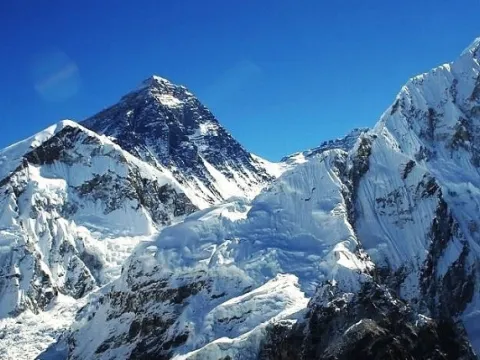
For essential practical tips, review this list:
Actually, here’s where you get the real stuff—stories straight from trekkers who’ve actually gone from Gorak Shep to Everest Base Camp. They talk about what worked, what didn’t, and what it really feels like to push through those last, exhausting kilometers in the Himalayas.
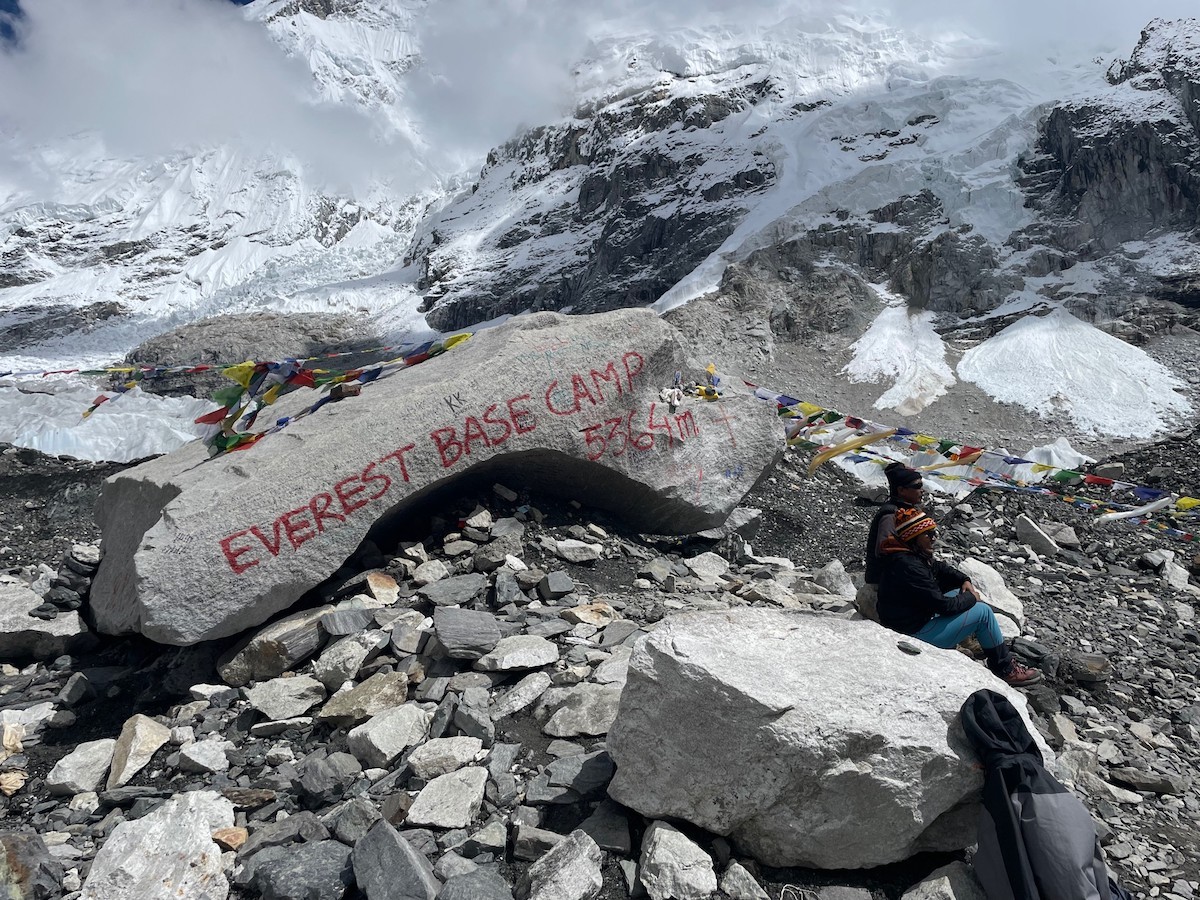
Here, one person remembered setting off before sunrise, shivering in the wind but determined to reach Base Camp. Even with tired legs, they made it in about two hours. The trail itself is tough—rocky, uneven, and relentless—but seeing the Khumbu Icefall up close? That kind of joy just sweeps away the fatigue. A lot of trekkers mention that surge of emotion when you finally stand at the base of Mount Everest, staring up at its sheer size.
But it’s not all about the destination. Experienced hikers keep coming back to the same advice: slow down and pace yourself. One trekker said they struggled to keep up but found comfort holding hands with family, turning a hard moment into something they’d never forget. Packing light and drinking plenty of water helps too—nobody wants to be the person wiped out halfway up the trail. These stories drive home how much good preparation actually matters.
In fact, the trek from GorakShep to Everest Base Camp changes people. Some call it a turning point—suddenly, you’re seeing what you can actually handle, and it’s more than you thought. And let’s be honest: dodging yaks or scrambling over boulders makes for some pretty wild memories.
When it comes to advice, mental grit tops the list. Celebrate the little stuff—spotting peaks like Nuptse, sharing a joke with someone you just met, or just catching your breath in the thin air. Small wins keep you going. The friendships you form on the trail stick with you, maybe even more than the photos.
A lot of trekkers also say: don’t rush. Savor it. One hiker joked that walking across the frozen lakebed was like trudging on a beach, only every step felt twice as hard because of the altitude. Coming back down to Gorak Shep, they felt this deep sense of satisfaction—like they’d done something big.
All in all, these personal stories don’t just tell you how to trek—they show you why it’s worth it. They capture the heart of the journey.
To capture key takeaways from real trekkers, here is a curated list of tips and stories:
Meanwhile, standing at Everest Base Camp after days of trekking from Gorak Shep is something you just don’t forget. You’ve pushed yourself—step after step, breath after breath—until you’re finally there, surrounded by prayer flags and giants like Lhotse and Pumori. There’s this deep pride, sure, but it’s mixed with something quieter, too. Gratitude, maybe. Humility. You look around and realize you’re not just looking at the world’s highest mountain—you’re proof you can push through, even when it’s tough.
Likewise, the memories from this trek stick with you. You remember the cold mornings, the laughter over tea, the way your group became a team. You swap stories with people who started out as strangers, and somewhere along the way, you realize you’ve shared something big. Even after you head home, the experience has a way of lingering. It changes you.
Once you’ve reached Base Camp, it’s hard not to wonder what’s next. Some people head up to Kala Patthar to catch the sunrise, chasing one more breathtaking view before heading down. Others start thinking about bigger challenges—maybe climbing Island Peak, or wandering over to the Gokyo Lakes. This trek opens doors you might not have seen before.
Looking back, the real reward isn’t just the view or the altitude. It’s knowing you made it, despite the thin air and tired legs. And there’s the connection with the Sherpa communities, the unexpected conversations and kindness that add another layer to the whole adventure. You walk away with new confidence—maybe even a new sense of who you are.
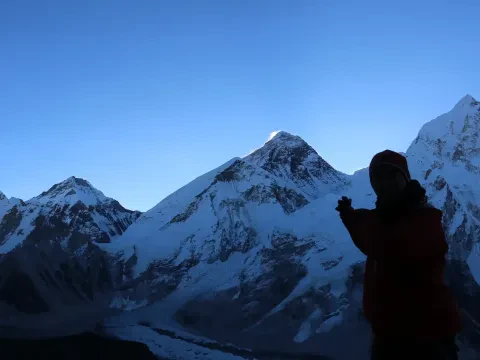
Of course, after all that, a bit of rest in Lukla or Kathmandu feels pretty good. You get some time to let everything sink in, flip through your photos, maybe scribble a few notes in your journal. The Everest Base Camp trek wraps up, but it leaves you hungry for more, ready for whatever adventure comes next.
To summarize reflections and next steps, refer to this overview:
| Aspect | Reflection | What Comes Next |
| Personal Achievement | Sense of triumph at Everest Base Camp (5,364m); emotional high amid Khumbu Glacier views. | Build on confidence for tougher treks like Annapurna Circuit. |
| Memories & Growth | Transformed perspective on resilience; bonds with fellow trekkers | Share stories, pursue photography of Himalayas |
| Future Adventures | Gateway to Nepal's mountains | Explore Gokyo Lakes, Island Peak (6,189m), or Three Passes Trek |
| Recovery & Planning | Rest, reflect on high-altitude trekking success | Return for sunrise at Kala Patthar (5,545m) or plan multi-peak journey. |
1. How far is Everest Base Camp from Gorakshep?
The distance from Gorakshep to Everest Base Camp is 3.5 to 4.3 kilometers one way. You will have to walk up a little, 200 meters on rocky ground. Most people take 2 to 3 hours to get there depending on how fit they're the weather.
2. How long does it take to hike from Gorakshep to Everest Base Camp?
It usually takes 2 to 3 hours to get from Gorakshep to Everest Base Camp if you're in good shape. If you want to go and come back it will take around 5 to 6 hours, including breaks and time at Everest Base Camp. You have to be careful because of the altitude
3. What is the elevation of Everest Base Camp?
Everest Base Camp is at 5,364 meters. If you start from Gorakshep, which's at 5,164 meters you will go up about 200 meters. This is a deal because the air is thin and there is not much oxygen making the short walk harder.
4. Is the trek from Gorakshep to EBC difficult?
Yes, the trek from Gorakshep to Everest Base Camp is hard even though it is not far. The ground is rocky. The high altitude makes it tough. If you take your time and get used to the height in Gorakshep it will help. If you are tired from walking before it will be even harder.
5. What should I wear for the Gorakshep to EBC trek?
You should wear clothes that can keep you warm and dry. This means a shirt that keeps moisture away a warm middle layer and a jacket that can keep the wind and water out. Wear walking pants, warm gloves, a hat, sunglasses and strong boots. It can get very cold especially when it is windy.
6. How to prevent altitude sickness on the way to Everest Base Camp?
You should get used to the altitude in Gorakshep walk slowly drink a lot of water and not drink alcohol. You can also take some medicine. You should talk to a doctor first. If you do not feel well, you should go down.
7. Can beginners trek from Gorakshep to Everest Base Camp?
If you are new to trekking but are in shape and have gotten used to the high altitude you can try it. It is better if you have some experience with trekking. The walk is short. The high altitude makes it hard. Going with a guide can help you stay safe.
8. What time should I start the trek to Everest Base Camp?
You should start early in the morning, 7 or 8 AM from Gorakshep. This way you can have weather and see things clearly. You will have time to get to Everest Base Camp enjoy the view and get back before the wind gets strong in the afternoon.
9. Are there any facilities on the Gorakshep to EBC trail?
There are no places to eat or rest on the way from Gorakshep to Everest Base Camp. You should bring water, snacks, sunscreen and a first aid kit. Gorakshep is the place where you can get basic things and food before you go to Everest Base Camp.
10. What permits do I need for Everest Base Camp trek?
You need a permit to enter Sagarmatha National Park and another permit from Khumbu Pasang Lhamu Rural Municipality. Usually, your trekking company will take care of these permits for you.
11. Is it possible to see Everest from Base Camp
You cannot see all of Everest from Everest Base Camp because there are mountains in the way. If you want to see Everest from all sides you should go to Kala Patthar in the morning. Everest Base Camp is more about seeing the glacier and the atmosphere of the people who climb Everest.
12. What is the best season for Gorakshep to EBC trek
The best times to go are in the spring from March to May and in the autumn from September to November. The weather is stable. The sky is clear. You should not go during the monsoon or in the winter because it can be very slippery, snowy and extremely cold.
13. How rocky is the trail from Gorakshep to Everest Base Camp?
The trail from Gorakshep to Everest Base Camp is very rocky with stones and uneven ground. You have to be careful where you step. It is an idea to use walking sticks to help you balance and not hurt your knees.
14. Can I stay overnight at Everest Base Camp?
You cannot stay overnight at Everest Base Camp because it is for people who are climbing Everest. You have to go to Gorakshep the same day. You should plan your day so that you can get to Everest Base Camp and back to Gorakshep.
15. What should I carry in my daypack for EBC day hike?
You should carry water snacks that give you energy, sunscreen, lip balm, a hat, gloves, a rain jacket, extra clothes, a first aid kit, a camera and toilet paper. Try to keep your bag light, around 5 to 7 kilograms so it is comfortable to carry.
16. How cold does it get on the way to Everest Base Camp?
It can get very cold even as low as -10°C in the morning or afternoon when it is windy. The wind can make it feel even colder. You should wear layers. Have a jacket that can keep the wind out to stay safe.
17. Is there mobile network or WiFi at Everest Base Camp?
Sometimes you can get a phone signal near Gorakshep or at Everest Base Camp. It depends on your phone company. WiFi is not very good. Can be expensive. You should tell your family and friends that you are going before you leave Gorakshep.
18. What happens if I get sick during the trek to EBC?
If you get sick you should stop away rest and go back down if you feel worse. You should have insurance that covers being taken to a hospital by helicopter. Guides are trained to help in emergencies and keep an eye on how everyone in the group's doing.
19. Do I need a guide for Gorakshep to Everest Base Camp?
It is a good idea to have a guide for safety to show you the way and to tell you about the local area especially if you have never done this before. If you have a lot of experience and are well-prepared you can go alone. It is still better to have a guide.
20. What comes after reaching Everest Base Camp?
After you get to Everest Base Camp and celebrate you will go back to Gorakshep. Many people then go to Kala Patthar to watch the sunrise or start going down. You can think about what you have achieved and enjoy the fact that you made it to this place, in the Himalayas.
Our travel experts are ready to assist you with any questions.
Send us a message.Have a question before you book? Send your enquiry below and our travel experts will get back with the required information.