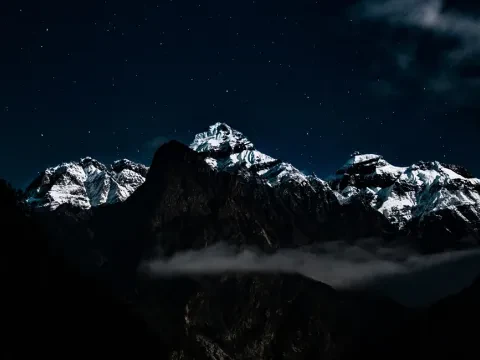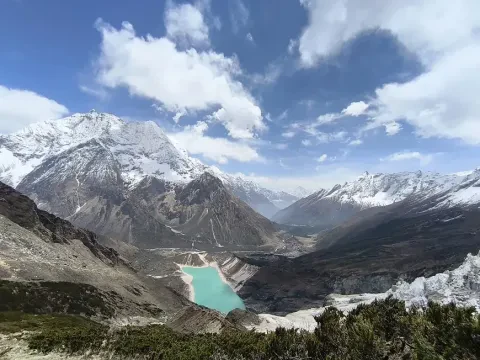
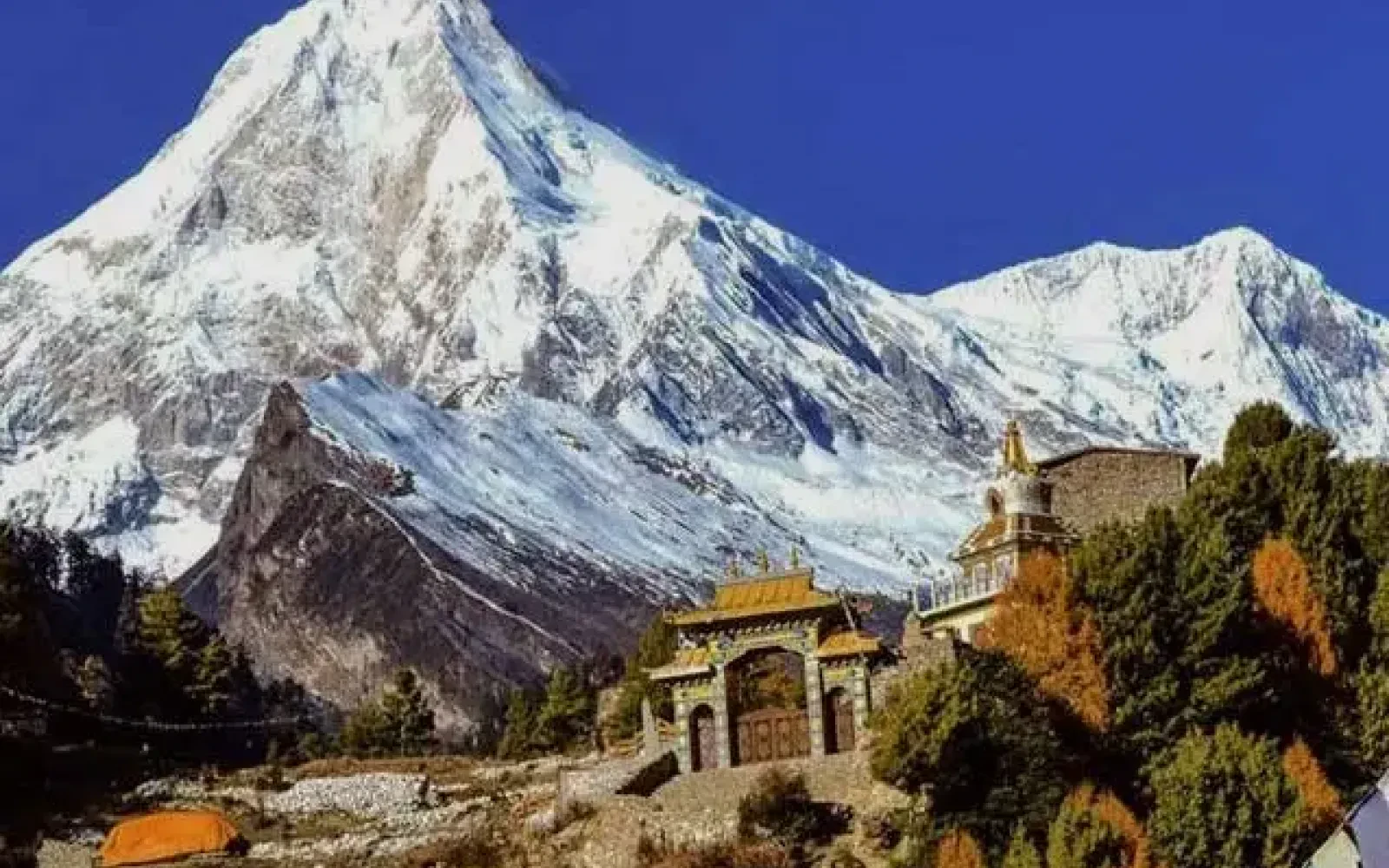
Discover the Manaslu Circuit Trek's diverse range of plants and animals living in the Himalayas of Nepal from snow leopards, rhododendrons to alpine meadows.
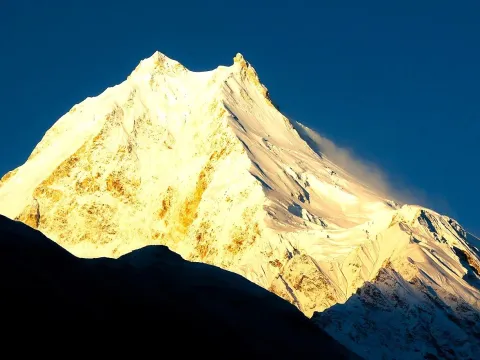
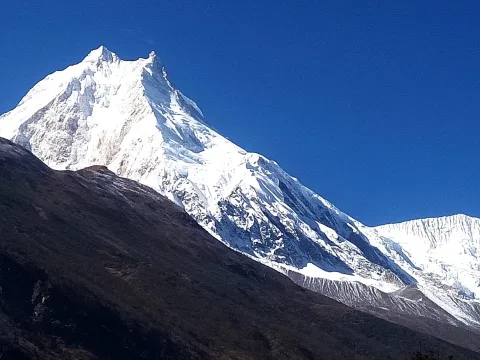
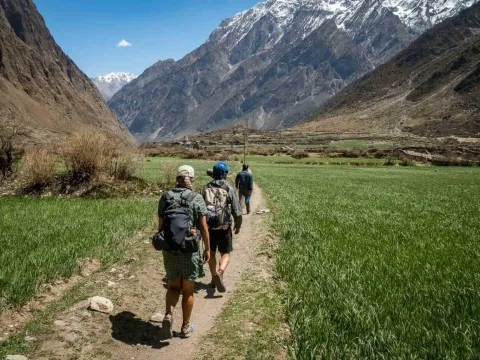
Here, trekkers joining the Manaslu Circuit Trek to explore Nepal's remote natural environment. This all-around route circumnavigates Mount Manaslu (8,163m) and integrates various altitude zones. It ensures travelers encounter an array of flora and fauna throughout the expedition. Subsequently, the trek provides both wilderness and cultural experiences.
Actually, the trek begins at Machha Khola (900m), where tropical rainforests are abundant. Elevated regions support lush greenery of sal trees and ferns. Through humid seasons, orchids develop impeccable persistence on branches. As a result, the lower trail emphasizes colorful vegetation. Elevation progresses up to Jagat (1,340m), where floriferous rhododendrons paint the backdrop with vivid scarlet tones. These flowers of honor for Nepal stimulate various bird communities including the bright Himalayan monal. Transitionally, bamboo groves serve as cover for diminutive mammals like the adorable red panda. Thus, visitors encounter exotic creatures amid vibrant blooms.
Likewise, ascension to Philim (1,570m) ushers in oak and pine forests. Medicinal transplants such as yarsagumba thrive in temperate settings. In addition, flysats scatter across colorful meadows. In this way, the middle earth concentrates on healing vegetation and mini beasts. Moreover, reaching Lho (3,180m), birch and juniper forests emerge in subalpine areas. Conversely, edgy mountain primulas contribute surreptitious coloring. In addition, alpine edelweiss flourish on some slopes. For this reason, alpine flora settle in a tophagous habitats.
Cross over at Samagaun (3,530m), towards Manaslu Base Camp (4,800m) within the snowy realm, where thriving plants are scarce. Snow leopards prowl on the snowy mountaintops at irregular moments. Furthermore, speckled blue sheep are often liberated for grazing atop precipitous cliffs. Hence, travelers encounter reclusive Himalayan wildlife.
Face Larkya La Pass (5,106m) owing to the challenge of glacial surroundings. What Himalayan tahrs ascend treacherous terrain? Soaring above the crusted landscape are eagles. As a result, common encounters with giant Bergshrikes occur.
Descend to Bimthang (3,720m), where coniferous forests flourish once more. Intermediary residents including the woolly snow hares scurry swiftly across paths while numerous species of bird thrive within the undergrowth such as musk deer and langour monkeys. Therefore, the descent specializes in forest communities.
In fact, the journey concludes at Dharapani (1,860m), which indicates the connection to the Annapurna Circuit. Here, the mixture of different types of woods represents specious coverings of pheasants and langouts. Additionally, the rhythmic calls of birds capes are highly audible from the branches. Subsequently, the final phase of the mountain adventure completes the flora and fauna encounter.
Furthermore, the entire Manaslu trek encompasses approximately 177 kilometers of stark and diverse terrain. It preserves more than 1500 cosmetic flora species and 33 animal communities. Equally, survival programing preserves such environments. Consequently, sensitive tourism promotes and allows visitor installments of such expansive natural sights.
Prolific Flora and Fauna on Manaslu Circuit Trek:
In conclusion, by immersing oneself around the flora and fauna of the Manaslu circuit trek, one develops profound affiliations with nature. This approach encourages using environmentally friendly travel in order to instill enduring conventions during the Himalayan exploration.
An introduction to Manaslu Conservation Area, one of the best Himalayan biodiversity hotspots in Nepal. It hosts more than 2000 different plants, snow leopards and red pandas for eco-trekking and wildlife conservation.
Meanwhile, Manaslu Conservation Area was created by authorities in 1998 to conserve the biodiversity in Himalayan hot spots. The 1663 sq.km. Zone encompasses Mount Manaslu (8,163 meters). Not only that, the zone hosts various flora and fauna. Consequently, it is declared as global biodiversity hotspot.
Here, the zone span from 600 meters elevation to more than 8000 meters, providing varying habitats. The subtropical forests at the lower levels harbor sal and castanopsis trees. Moreover, the humid soils are flooded with ferns and orchids. Thus, it fosters rich biodiversity.
Further, at the moderate belts nearing 2000 meters, the oak and pine forests are prevalent. The flaming rhododendron bloom in spring season. Besides that, the herbs like kutki are abundantly found. As a result, locals harvest them traditional medicine usages without overexploitation.
Likewise, the birch and juniper trees are found in subalpine zones near 3500 meters. The colorful wildflowers including drumstick primulas are seen in the alpine meadows. Besides the hard-in shrubs, these regions harbor hilly mountain species.
Moreover, The sparse alpine species are found in high altitudes more than 4500 meters. Edelweiss and blue poppies are popped up in hard rocky terrains. With the glaciers surrounding Larkya La Pass (5106 meters), plant growth is sparse. Hence, the hardy species have adapted to extreme conditions.
Similarly, the conservation zone caters 33 different types of mammals, including threatened species. The snow leopards preyed on in high altitude valleys. Besides that, the red pandas forage in bamboo forest. As a result, the predators kept the ecological balance.
People seldom see Himalayan tahrs and blue sheep are available on steep mountain slopes. The musk deer cautiously forage in woody undergrowth. Moreover, the seasonal search of Asian black bears in the zone are few. So, the habitat sustains diverse species of mammals.
More than 110 bird species are available in the zone. The dazzling Himalayan monals flaunt their beautiful and iridescent feathers in the thick forests. Besides that, the blood pheasants search for food in dry branches. Consequently, the trail side attract real bird-lovers.
Additionally, the reptiles and amphibians are present in the eco-zones. Three reptile species include in the zone are pits vipers of Himalayas. Moreover, 11 different types of butterflies flapped through meadows. So, tiny species also prevail here.
More importantly, the authorities are also involving the local communities in preservation plans. The eco-tourism promotion through guided treks has led to bird-lovers applaud. Besides that, the harsh anti-poaching laws halt poaching activities.
The Main Flora and Fauna Manaslu Conservation Area:
Elevation Zone Key Flora Examples Key Fauna Examples Notable Features
Subtropical (600-1,500m): Sal trees, orchids, bamboo, ferns Langur monkeys, red pandas, musk deer Lush valleys support dense forests and humid-loving plants
Temperate (1,500-3,000m): Oak, pine, rhododendrons, medicinal herbs Himalayan monal, blood pheasants, Himalayan tahrs Vibrant blooms attract birds and provide traditional remedies
Subalpine (3,000-4,000m): Birch, juniper, primulas, wild flowers Snow leopards, blue sheep, woolly hares Hardy shrubs offer cover for elusive predators
Alpine (Above 4,000m): Edelweiss, blue poppies, sparse shrubs Eagles, pheasants, Asian black bears Extreme conditions foster resilient species near glaciers
Basically, the Manaslu conservation area protects the treasures of the Himalaya in Nepal. It calls on the right visitors to appreciate its splendor. What is more, it urges mankind to sense the importance of saving the environment. As a result, this hot spot survives for long.
Subtropical Lowlands: Rich Forests and Tropical Plants Through the Early Trek
Trek through subtropical lowlands of the Manaslu Circuit Trek with leafy forests, exotic flora like sal trees and orchids and animal habitants like red pandas for really close Himalayan biodiversity encounters.
Trekkers set out on the Manaslu Circuit Trek in subtropical lowlands of Soti Khola (700m). Such zones are humid and warm that support luxuriant plant growth. In addition, tropical flora prevails. Hence, early trailhead passages introduce colorful vegetation:
Here, Sal trees(Shorea robusta) dominate the landscape. The dense network of Schima and castanopsis combines to generate profuse canopies. Moreover, river-adjacent areas grow thick bamboo groves. So, subtropical lowlands exhibit tropical flora diversity:
Likewise, ferns prosper on moist floors of subtropical forests. Orchids display bright-colored displays on branches. In addition, wild banana plants thrive in lush environs. So, tropical flora comprises delicate species:
Medicinal plants such as swertiachirayita comprise of the early trail routes to Machha Khola (870 m). Banana and guava plantations underline human activity in lush forests. In addition, butterflies dance over foliage. Therefore, tropical flora is intermeshed with people and fauna:
Monkeys leap among lush forest canopies. Tropical avifauna serenades from treetops. In addition, langur monkeys search for food in packs. So, fauna makes the lush forests attractions:
Bamboo bushes harbor wild animals including red pandas in lush lowlands. Musk deer conceal in thick undergrowth. In addition, creeping lairs of Himalayan pit vipers populate leafy fields. Hence, fauna thrives in places rich in tropical flora:
The trail starting from Arughat (600m) leading up to Jagat (1,340m) covers altitudes ranging between 700 and 2,000 meters. Moist conditions promote fast-growing flora. Besides, tributaries such as the Budhi Gandaki sustain the lush lowlands ecology. As a result, subtropical lowlands underpin Himalayan biodiversity:
Forests are safeguarded against depletion from deforestation. Local populations follow sustainable harvesting of flora and fauna. Besides, ecotourism reinforces the significance of tropical flora conservation. Thus, ranging visitors help sustain the subtropical lowlands:
Springtime adds piquant colors to the early routes. Orchids and ferns display their green and white colors. Moreover, the early ripening of produce adds another attraction to subtropical lowlands. So, you enjoy a varied spectacle:
Uniquely cost-effective guides highlight exotic plants. They educate on medicinal qualities of subtropical flora. Furthermore, special binoculars reveal misty habiting fauna. Thus, savvy trekking alters how you experience subtropical lowlands:
The essentials of subtropical lowlands along the Manaslu Circuit Trek
- Rich Plant Growth: Ferns and orchids adorn moist environments forming integral tropical flora showcase along Manaslu Circuit Trek route.
- Exotic Birds: Birds sing melodious tunes from high perches supporting biodiversity richness of subtropical lowlands.
- Community Interaction: Guava and banana plantations occur among lush forests to underline the joining of humans with tropical flora.
- Amazing Views: Springtime makes flowering trees even more beautiful on early routes thus enhancing tropical flora encounters.
In brief, the subtropical lowlands provide a natural and lush origin to Himalayan trekking encounters. Abundant tropical flora enriches all aspects of the journey. Furthermore, the forests provide an ecological platform for all travel experiences.
Visit the temperate zones of Manaslu Conservation Area where blooming rhododendrons, orchids and medicinal plants such as jatamansi add to Himalayan trekking and biodiversity experience.
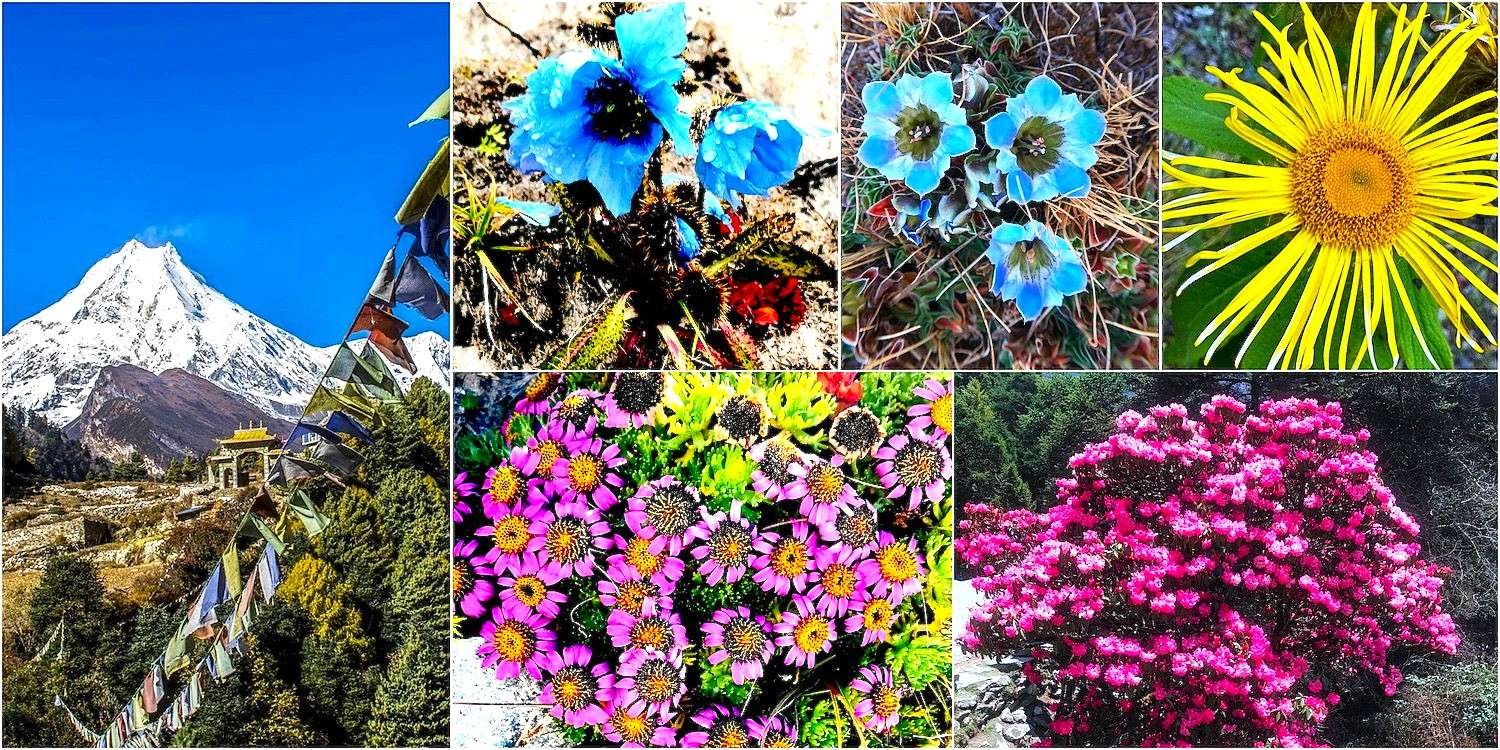
Meanwhile, climbing into temperate zones on the trek from Philim (1,570m) in the Manaslu Circuit Trek results in cooler temperatures and spectacular blooming of rhododendrons. So, the transition from the subtropical lower forest to the temperate zones occurs naturally. The temperate zones from 2,000-3,000 meters elevation occur is covered with a mixture of deciduous oak (Quercus lamellosa) and maple forest with coniferous pine forest intermingled. So, temperate zones support rhododendrons in bloom.
Here, Manaslu Circuit Trek in spring presents the best display of northeastern Nepal's national flower, the rhododendrons in bloom in beautiful hues of red, white and pink. There are over 30 species of rhododendrons in the temperate zones of the region, and orchids are also in many blooming displays. Further, the rare orchids bloom on the trees, bushes and rocky surface of the forest floor. Indeed, the flowering displays are myriad in the temperate zones.
In fact, Himalayan Aphids and Blood Pheasants dart and scurry around, and Himalayan Monal calls the neighbors as they display their iridescent hues. Moreover, Himalayan tares grazing in the upper pastures and the yak herds forage for medicinal herbs such as jatamansi and different thurs, kutki, and Baku, are flourishing among the blooming orchids and rhododendrons in the temperate regions. Further, the medicinal herbs flourish in shade from the blooming orchids and rhododendrons on the forest floor.
Further, ferns and orchids on the forest floor and on the branches of the trees and the blushing orchids on the bark and on the rocks support the medicinal herbs such as the jatamansi and barkon among the blooming orchids and rhododendrons in the temperate areas. Arun glaciers and Blood Pheasants scurry through the undergrowth, and the Himalayan Monal displays its brightest feathers.
As the Manaslu trek edges past the small hamlet of Deng (1,860m), the dense forests in the valley and along the numerous streams become more lush in the moist climate as the temperature drops. Further, the springtime blooms are mulled over by the native dwellers as they harvest medicinal herbs properly. So, orchards, rhododendrons and some common medicinal herbs like jatamansi flourish in the temperate zones in and around Deng.
Likewise, the conservation of the national parks and conservation areas of and in Nepal constitutes the preserving and protecting of the natural forests in the temperate zones where the rhododendrons and the medicinal herbs flourish. Further, anti-poaching operations and educating guides about the medicinal and aromatic herbs are a rescue to orchids and rhododendrons and sensitive to the health of the nature and environment. Hence, the blooming orchids and medicinal plants are a spectacle to the travelers year-round, and the visibility of the blossoms is the bright furtherance of the flowering spectacle the next year.
As it comes the autumn, clear views of the remaining blooming orchids and the changing foliages are an attraction among the mountains and the lush forests. Moreover, the infrequent will reveal the goodness of the blooming orchids and the blooming rhododendrons, and the unhurried ways of experiencing the blossoming display are parsimony. Hence, the blooming orchids and rhododendrons in the green confines of the Buddhist temples in the mountain regions captivate the explorers.

Species representing the biodiversity of the temperate zone on Manaslu Trail:
Plant Type Examples Habitat Features Associated Fauna
Trees :Oak, maple, pine Dense woodlands at 2,000-3,000mHimalayan monal birds perch on branches
Flowers: Rhododendrons, orchids Blooming hillsides in spring Butterflies pollinate vibrant blooms
Herbs: Jatamansi, kutki, timur Shaded undergrowth Musk deer forage nearby
Shrubs: Alder, ferns Moist riverbanks Blood pheasants hide in foliage
Basically, the temperate zones of the Manaslu Circuit Trek promote an immense diversity of flowers. Rhododendrons and orchids exist in magnificent abundance. Besides, numerous sips of medication plants can be found. So, many tourists admire these colorful Himalayan layers.
Discover Subalpine and Alpine Meadows of Manaslu Conservation Area, where high-altitude wildflowers such as primulas and blue poppies grow alongside tough vegetation like junipers, offering beautiful views of the Himalayas.

As trekkers cross into subalpine meadows by Lho (3,180m), ranging from 3,000-4,000m elevation, the coldness of the climate is revealed. Moreover, hardy vegetation is prominent in the thinning forests. Therefore, subalpine meadows exhibit resilient plant life.
Here, juniper shrubs (Juniperus indica) blanket rocky hillsides. Small rhododendrons burst with life during the spring. On top, birch trees exist in concentrated clumps. Accordingly, hardy vegetation maintains high-altitude wildflowers in these meadows.
Happy primulas make a show of color in moist alpine meadows. Gentianas bring blue hue onto open spaces. Furthermore, saxifrages cling onto rocky terrain. As such, subalpine meadows display broad spectrum of high-altitude wildflowers.
At Samagaun (3,530m) the high-altitude wildflowers, along with the hardy vegetation, are adapting to the harshness of the environment. Kutki herbs grow in shadowy corners. Besides, any plants with medicinal value are utilised through local initiatives. Consequently, hardy vegetation sustains high-altitude wildflowers for usage.
Higher, above 3,500m, blue poppies take their place in the rich panorama of high-altitude wildflowers near Samdo (3,860m). The spectacular, iridescent petals, are drawing card for the blue poppy. Moreover, hardy edelweiss pocks the terrain. Therefore, high-altitude wildflowers add camera-friendly appeal to the subalpine zone.
Moreover, traversing into the alpine meadows above 4000m allows sparse plants to flourish. Mosses and lichens inhabit rocky terrain. In addition hardy grasses withstand the powerful wind. Therefore, every plant is tested near the limits of their endurance in alpine meadows.
Near the Larkya La Pass (5,106m), ephemeral flowers bloom under the summer. Scatter cushion plants meet them to bolster them against the cold. Further still, glaciers place masses of terrain out of reach. So, hardy vegetation persists amid the severe alpine environment.
In fact, Manaslu Conservation Area protects the expansive, high-altitude wildflowers of the subalpine meadows. Grazing pressures are successfully countered. Moreover, eco-treks promote the awareness of high-altitude wildflowers in the Himalayan environment. Therefore, sustainable tourism often affords preservation of hardy vegetation.
The high-altitude wildflowers in the subalpine and alpine meadows, go through these attractive features. They are complemented by attractive high-altitude wildflowers and hardy vegetation.
- Juniper Shrubs: blanched and resilient, Juniperus indica provide a tough canopy for other high-altitude wildflowers such as saxifrages and gentians.
- Spring-s time: so vibrant and rainbow-hued, the high-altitude wildflowers such as primulas and blue poppies are guaranteed photo material.
- Blue Poppy: blue poppy exists between 3500and 3900m, representing the unique high-altitude wildflowers of the subalpine meadows.
- Medicinal Plants: with Kutki and atis, hardy vegetation provide traditional uses as medicine in the alpine meadows.
In conclusion, subalpine and alpine meadows provide a wonderful display of nature-s richness. The high-altitude wildflowers bloom nomatter what their milieu. Of course, hardy vegetation showcases the resilience of plant life in these high valleys.
See mammalian marvels like red pandas, elusive snow leopards, Himalayan tahr on wild slopes of Manaslu Region while trekking Nepal.
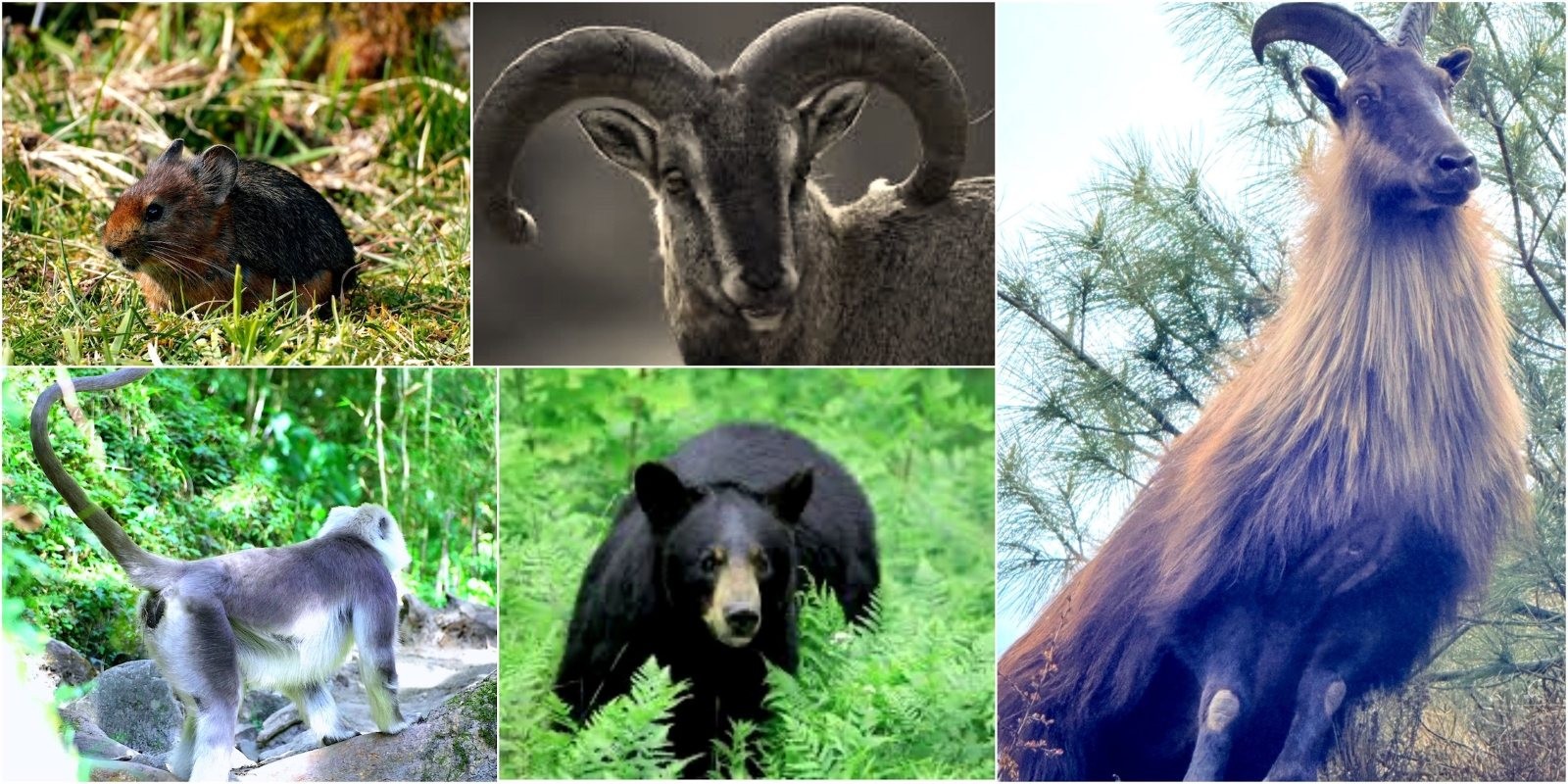
Actually, mammalian marvels for wildlife connoisseurs include the Manaslu Circuit Trek. The high and low altitudes of the region are home to such fauna. Also, red pandas seek shelter in lush forests. So, mammalian marvels are usually seen in low to middle altitudes at the first instance.
Here, red pandas (Ailurus fulgens) find forage in lush bamboo forests near Philim (1,570m). They adapt their reddish-brown dense fur to blend with foliage intelligently. What’s more, they climb trees dexterously. So, a red panda trekker might encounter the mammalian marvels early in his/her expedition.
Now, snow leopards (Panthera uncia) trek snowy mountain ridges over 3,000m. Only about 15 of these wild cats traverse Manaslu Conservation Area. They run silently at dawn to dusk. So, spotting of snow leopards can happen with some luck and vigilance.
Further, Himalayan tahr (Hemitragusjemlahicus) forage on steep rocky slopes near the Larkya La Pass (5,106m). Large males have predatory shaped horns. And they scramble on steep cliffs adroitly. So, the Himalayan Tahr ranks among members of the mammalian marvels.
Likewise, the subalpine zones like Lho (3,180m) have blue sheep that fall prey to the snow leopards. They gather in herds for safety. Meanwhile, the musk deer range alone nervously. So, the red pandas are sighted in addition to the other mammalian marvels.
Moreover, the forests around Samagaun (3,530m) have red pandas in the trees sporadically. The snow leopards follow the tahr on mountain ridges around this area. Besides, the mountain lions may roar warning calls for these predators. Thus, spiderout behaviors lead to the spotting of mammalian marvels.
The conservation schemes are responsible for the mammalian marvels around the Region. The anti-poaching protocols guard the snow leopards efficiently. Also, the community efforts help in protecting red pandas. Therefore, sustainable tourism measures increase the chances of observing Himalayan tahr on treks.
Cameras fitted with telephoto lenses give a good view of mammalian marvels from a distance. Guides and porters can decipher the paw marks and fur pattern of the snow leopards well. And early morning spotting enhances the chance to see the red pandas here. So, expert assistance proves helpful.
In fact, the best season for Manaslu Circuit Trek and for spotting mammalian marvels in Manaslu region involve the autumn months. The skies are clear for better viewing. And the snow cats and exotic rams are in their prime during the migratory season. So, the seasons also help on the treks.
Some of the Manaslu Region’s extraordinary mammalian inhabitants. It takes you through how to recognize and where to find them.
Mammal Species Habitat Elevation Spotting Locations Key Behaviors
Red Pandas: 1,500-3,500mPhilim, Namlung, Lho forests Forage in bamboo, climb trees, active at dawn
Snow Leopards: 3,000-5,500mHigh valleys near Samagaun, ridges Hunt stealthily, follow prey calls, elusive tracks
Himalayan Tahr: 3,000-5,000mRocky slopes at Larkya La, Samdo Graze in herds, agile on cliffs, curved horns
Blue Sheep: 3,000-4,500mAlpine meadows, high pastures Cluster for safety, alert to predators, graze openly
In conclusion, the amazing wildlife is what makes the Mammalian marvels so special. Abundant species including red pandas can be observed by wildlife enthusiasts, while snow leopards and Himalayan tahr excite thrill seekers. Therefore, the area provides exceptional encounters with wildlife.
Journey through Manaslu Conservation Area to find avian treasures like Himalayan monals, golden eagles, blood pheasants, and other over 110 bird species for Himalayan birdwatching.
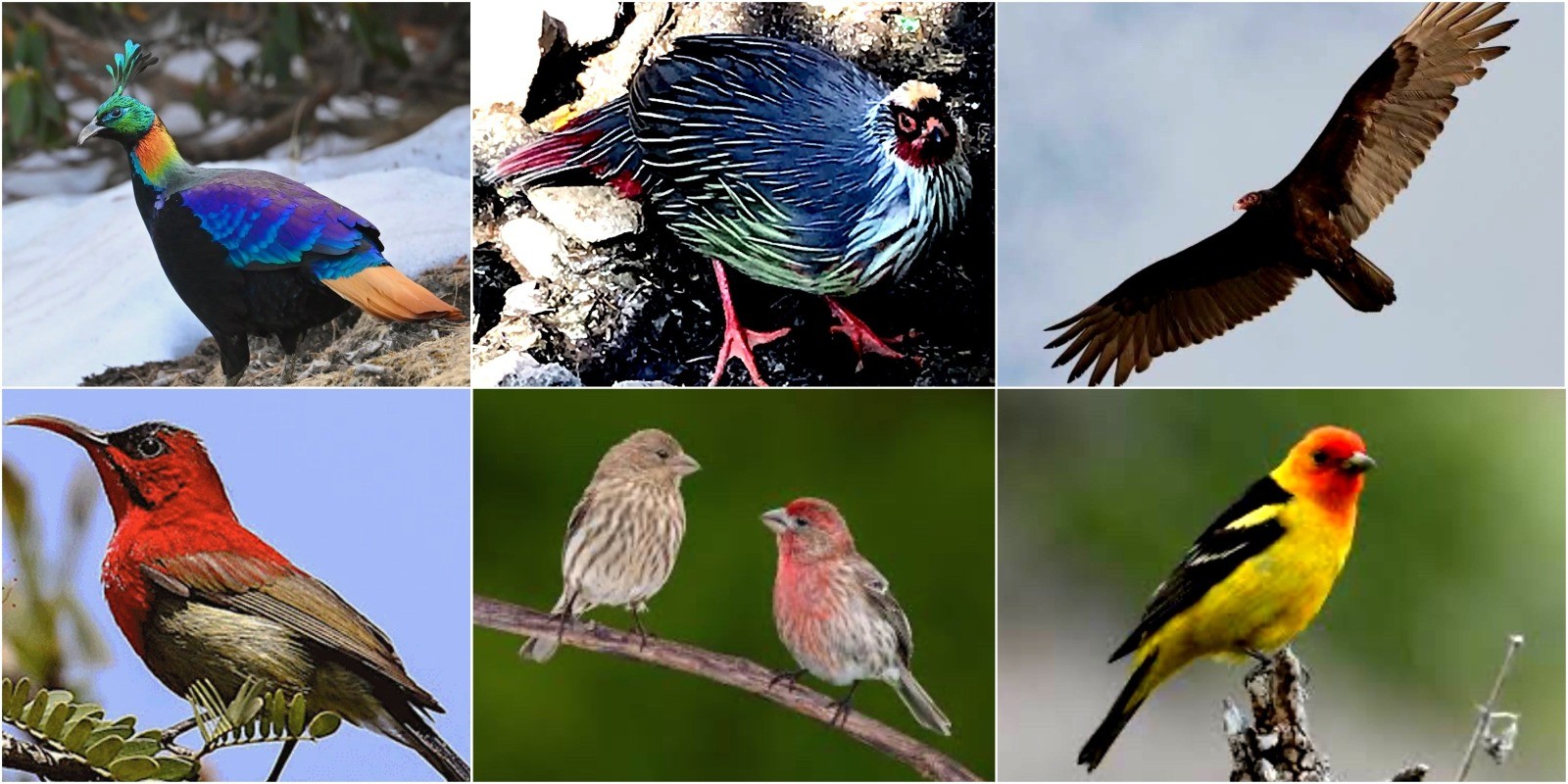
Here, trekking guides and birdwatchers unearth avian treasures on the Manaslu Circuit Trek in Nepal. These airspaces are home to over 110 bird species in several habitats. Moreover, Himalayan monals glisten with lustrous feathers. Thus, golden eagles race in and above valleys.
At lower altitudes near Philim (1,570m), passionate bird lovers meet various colorful species in moderate forests. Cragged kingfishers sit serenely near rivers. Furthermore, songbirds communicate warbler tunes from branches. Therefore, avian treasures begin with these lively airspaces.
As routes climb to Lho (3,180m), Himalayan monals appear in dens of rhododendron. Not only is Nepal's national bird displayed eagerly. Besides, blood pheasants scramble through the forest floor timidly. Therefore, subalpine zones enhance avian treasures with pheasant species.
Arriving Samagaun (3,530m), golden eagles dominate the high vantage points. These bird of prey torment from rocky perches expertly. Moreover, Himalayan griffons journey around thermals elegantly. Therefore, alpine avian treasures include mighty bird of prey species.
Near Larkya La Pass (5,106m), snow partridges blend with snowy frames. Yellow-billed choughs proclaim calls from cliffs sounds. Besides, bearded vultures observe for carcasses perceptibly. Therefore, high-altitude avian treasures survive with extreme adaptation.
Descending to Bimthang (3,720m), finches group together in coniferous forests. Rushing red-billed choughs graze on ground extensively. Further, Tibetan snowcocks cry in plains loudly. Therefore, post-pass avian treasures glow with singing bird species.
Despite hardships faced by birds of the skies, conservation programs in Manaslu keep the region's avian treasures stable. Anti-measures protect Himalayan monals successfully. Besides, community institutions supervise golden eagles. Therefore, eco tourism ensures birds of the skies for birdwatching visitors.
Actually, guides maximize the viewing of avian treasures on the trek route. They use bird calls to arouse Himalayan monals. Additionally, binoculars exhibit distant golden eagles. Consequently, professional assistants optimize birds of the skies observation.
Here, migration in April/May increases avian treasures sightings. Himalayan monals perform glittering courtship displays later. Moreover, golden eagles protect nest places in high cliffs. Hence, seasonal time ensures the observation of birds of the skies.
More importantly, photographers follow avian treasures for capturing in the wild. They focus on Himalayan monals wings and tail details. Moreover, action photography features golden eagles gliding later. Therefore, photography records birds of the skies for studying.
The following highlights for avian treasures in Manaslu Region are useful:. The main species with emphasis on Himalayan monals and golden eagles.
Special elements for avian treasures in Manaslu Region.
- Himalayan Monals habitat: Technicolor pheasants (Himalayan monals) thrive in subalpine Woodlands near Lho, revealing avian treasures such as national bird.
- Golden Eagles Territory: Sky-ranging raptors fly above Samagaun valleys, depicting birds of the skies with strength.
- Blood Pheasants Existing: Crimson-plumed birds flourish in moderate lands nearby Philim, identifying avian treasures efficiently.
- Himalayan Griffons Movements: Grid-sized vultures tour high passes like Larkya La, marking flight paths of soaring birds of the skies.
In conclusion, bird-based sights define the aerial splendor of Manaslu. Himalayan monals add glorious colors. Moreover, golden eagles carry power. Therefore, birds of the skies motivated every trekker successfully.
Explore hidden inhabitants on Manaslu Region lower trek paths like great Himalayan pit vipers, toads, butterflies, and insects for Himalayan biodiversity.
Here, trekkers may discover number of hidden inhabitants while taking lower trek routes like on entire Manaslu Circuit Trek. These inhabitants are inclusive of number of reptiles and amphibians during rainfall affected zones. Besides that, butterflies are visible for their invention of glorious colours on highland of meadows. Likewise, insects are accessory of ecosystem for pretty well.

In transmittal subtropical zones near Soti Khola (700m). Great Himalayan pit vipers are residing within project of rocky ridge. On rocks, basking lizard or skinks are in motion in coming sun. Similarly, searching lizards are equally on coming hurdles. Hence, following inhabitants are appealing in hot lowlands.
At high plateau base elevation of Jagat (1,340m). If you are around streams, many amphibians are exposed to open air. This comprises of laureled Himalayan toads that crook loudly within decayed woodland affected by seasonal change and humidity. Pairs or couple of countries are coming near each other's proximity and most active. Therefore, they are surviving to midland effectively.
From Philim (1,570m). In spring season, butterflies are flittering on base of mountain paths. Therefore, Bhutan course or Glory showing flowing wing in perfect flight in warm air. For instance, Apollo butterfly pollinate flowers in lofty mounds effectively. Hence insects are demandingly attaching with flowers.
At Deng (1,860m). In various ways, insects are exchanging inside contrasting subalpine, subarctic and subalpine ecological niches. These niches keep on water resources encouraging high altitude aquatic life accordingly. For example, Dragonflies much like hover within venues of lakes or pools, bee line and wind along damp outskirt of forest or slopes efficiently. Likewise, enormous altitude beetles are crusted to seek cover in soil in close vicinity.
Around Lho (3,180m). During assessment of summit, reptiles are coming up. Himalayan frogs are dwelling in deep cool conduits naturally. Meanwhile, couple of amphibians are looking movements under stones nests effectively. Therefore, to maximum height, inhabitants are busy in detritus decomposition with diversity properties regarding life cycle.
Actually, Conservation zones of Manaslu Conservation Area, Nepal provide dependency to hide inhabitants. Therefore, several numbers of researcher includes of number of guiding personnel are servicing to secure the inhabitant's population. Forthcoming elaboration shall include on inhabitants recommendation.
On occasion of summer time, full of warmth, inhabitants come out lively. Butterflies are flocking as colorful grouping suddenly. Besides that, insects are flourishing altogether in humid atmosphere. As a consequence, the visit in season maximizes sighting of inhabitants.
For getting better understanding of life span and range of inhabitants, research is with respect to identify number of butterflies specifically. Besides that, research is addressing to follow the mapping on distribution of reptiles altogether.
Use this as an example of manaslu region to reveal unseen resident. This describes species important to discover animals worldwide as reptiles and amphibians habitats.
Creature Type Examples Habitat Locations Key Behaviors:
Reptiles: Himalayan pit vipers, skinks, lizards Rocky outcrops near Soti Khola, Jagat slopes Bask in sun, hide in crevices, dart quickly
Amphibians: Himalayan toads, frogs, newts Moist streams around Philim, Deng forests Croak loudly, leap nimbly, seek damp shelter
Butterflies: Bhutan Glory, Apollo, swallow tails Meadows in spring near Lho, lower trails Flutter colorfully, pollinate flowers, emerge seasonally
Insects: Dragonflies, beetles, grasshoppers Water sources and soils up to subalpine zones Hover gracefully, burrow diligently, buzz actively
Hence, the concealed residents (invisible in plain sight) enhances the delicate contribution in the Manaslu wildlife. The reptiles camouflages cleverly in crevices. Interestingly, amphibians (class Amphibia) and insects (elusive butterflies) adds they liveliness. Therefore the insects along the path universe enthralls sincere eyes profoundly.
Read trail tales from Manaslu Circuit Trek reflected through unique perspectives of real trekkers. They recount wildlife encounters like snow leopards and red pandas. Plus, they share their perspectives on Himalayan exploration. Thus, trail tales motivate future travelers.
Real trekkers share trail tales from the Manaslu Circuit Trek through event descriptions. They recall encounters with fauna in various terrains and routes. Furthermore, perspectives include the trekkers' own growth while exploring nature's bounty. As a result, trail tales enhance readiness for Himalayan journeys.
In the lower reaches near Soti Khola (700 meters), viewers of trail tales observe vast jungles with melodic honking of langurs. In addition, clear photographs of playful monkeys and real experiences of red pandas in bamboo forests reveal verdant wildlife encounters. Consequently, unique perspectives emphasize vivid wildlife trail tales.
As hikers ascend to higher altitudes near Philim (1,570 meters), perspectives shift to colorful bird colors presenting as Himalayan monals. Besides, documentation of tolling pheasants at daybreak improves real experiences of intriguing fauna. Therefore, trail tales deepen the immigrant's understanding of nature.
Within subalpine covers like Lho (3180 meters), hikers record glimpses of native Tibetan hares now encountered from boulders. Moreover, information about silent musk deer grazing in meadows refines real experiences of subalpine animal visits. Thus, trail tales explore unobstructed fauna perspectives.
In the high reaches of Samagaun (3,530 meters), shots of snowy tracks enhance real experiences of snow leopards. They will heighten trail tales of variety in high-altitude Himalayan terrains. Consequently, documenting blue sheep herds boosts happy fauna encounters.
On crossing Larkya La Pass (5106 meters), viewers note a golden eagle flying victoriously as trail tales. Then, documentation of the lightening woolly hare despite a snow background strengthens the stories of bora fauna. Accordingly, readers will indulge in wildlife encounters of extreme Himalayan environments.
Then, rainforest encounters with cocooning Asian black bears and butterflies at Bimthang (3720 meters) intensify the trail tales. Readers take advocates away to wonder about wildlife reports. As a result, trail tales provide holistic perspectives of nature.
Here, guides stand out in trail tales by introducing new fauna. They add information via the flora and fauna stories. Moreover, trackers improve real encounters with guide support. Hence, these trails encourage guided treks to maximize winter wildlife encounters.
In fact, Spring migration intensifies video trail tales with wildlife picture documentation. Similar perspectives may justify the use of binoculars for detailed fauna viewing. Therefore, travelers should prepare properly for overwhelming wildlife encounters.
Photograph collection enhances these wildlife tales. They encourage the posting of red panda clicks online. Alternatively, they motivate the writing of blog experiences. Hence, trail tales establish Himalayan trekking stories worldwide.
Check these trekker highlights of wildlife encounters on Manaslu Circuit Trek:
- Red pandas observed in bamboo thickets near Philim add unique trail tales.
- Thrilling signs of snow leopards lead to special high altitude fauna reports.
- Colorful Himalayan monals add vivid trail tales of fauna of Himalayan rhododendrons.
- Herds of blue sheep become idyllic through records at the snowy Larkya La Pass.
In summary, unique perspectives make trail tales come alive. Trekker photos underscore amazing encounters. Plus, perspectives promote responsible travel stories. Certainly, they guide future tourists.
Find out how specific conservation programs that ensure long term sustainability will help future of flora and fauna growing in Manaslu Conservation Area through eco-tourism, communities natural habitat conservation programs of Nepal's Himalayas.
Since 1998, authorities are directing conservation programs of Manaslu Conservation Area for thriving conservation of flora and fauna. But, its future is unified by sustainable programs development. Thus, species will thrive in spite of Himalaya's adversities.
Here, Manaslu Conservation Area Project has been operated under National Trust for Nature Conservation's command. It implements both habitat restoration program and anti-poaching drives. Furthermore, conservation program involves local communities. As a result, implementation of effective conservation projects ensures protection of snow leopard, higher altitudinal and other species.
Actually, sustainable flora and fauna tourism is being managed by local committees of Manaslu Conservation Area project. It tries to promote responsible tourism among visitors. Similarly, system of information dissemination about flora and fauna conservation enhances beneficial programs. Therefore, future of flora and fauna depends on conservation strategies.
Medicinal plants such as yarsagumba is highlighted for future. It regulates harvesting by authorities. In addition, it restores rhododendron forest through reforestation program. As such, flora and fauna are safeguarded by a globally accepted program.
Further, monitoring of fauna populations such as red panda and Himalayan taco helps overcome negative impacts. It helps minimize threats from this systematic monitoring. Furthermore, teamwork with other NGOs would support in research. Hence, flora and fauna will benefit long term.
Environment is badly affected by climate change that worsens Flora and fauna species in the snow-capped areas like near Larkya La (5,106m). Planting palm trees prevents erosion and carbon offset projects are being implemented. Hence, conservation program would reverse negative impacts.
Carrying vehicles decreases negative impacts of fauna habitats. It regulates visitors while growing community projects. Besides, eco-systems management in the future is needed through restrictions. Therefore, sustainable visitation program promotes future of flora.
Financial support in enhancing biodiversity areas is because of international collaborations. They sponsor training that boosts conservation efforts by native near ecology. In addition, global campaigns create awareness about Manaslu action of species. As a result, long term conservation program manages future of fauna and flora.
Together, innovative conservation programs including camera traps monitor must-threatening fauna more easily. It promotes interactive programs to inform environmentally aware people. Hence, future of flora and fauna will be secured with such programs.
For key conservation activities, refer to this table regarding Manaslu Conservation Area programs. Presents ongoing projects for plants and animals.
Initiative Type Key Projects Targeted Species Future Outcomes
Habitat Restoration: Reforestation, anti-poaching patrols Rhododendrons, medicinal plants Sustained flora diversity in lower valleys
Community Involvement: Education programs, sustainable harvesting Red pandas, musk deer Empowered locals for long-term fauna protection
Wildlife: Monitoring Camera traps, population tracking Snow leopards, Himalayan tahrs Adaptive strategies against climate threats
Tourism Management: Permit systems, eco-guidelines Birds, butterflies Balanced visitor impact for ecosystem future
Basically, conservation will create the record of Manaslu. It will preserve the precious biological resource. Also it will generate the snow ball of future visions where global peoples have to involve to preserve it. Finally, the region will continuously exist as a Himalayan center.
1. Can solo trekkers join the Circuit Trek?
Yes, solo trekkers can join the Circuit Trek. The rule that used to be in place is no longer there. Now solo trekkers can get the Manaslu Restricted Area Permit. They must book it through a registered trekking agency and go with a licensed guide. Solo trekkers cannot go on their own.
2. What makes the Manaslu Circuit Trek a Himalayan biodiversity hotspot?
The Manaslu Circuit Trek is special because it has many kinds of plants and animals. The Manaslu Conservation Area is big. It goes from 600 meters to over 8,000 meters. It has over 1,500 kinds of plants and 33 kinds of animals. You can see animals like pandas, snow leopards and Himalayan monals. The Manaslu Circuit Trek is good for people who love nature.
3. Which flowers bloom during the Manaslu Circuit Trek in spring?
In the spring the Manaslu Circuit Trek has a lot of flowers. There are over 30 kinds of rhododendron flowers. You can also see orchids, primulas, blue poppies, gentians and edelweiss. These flowers are over the place, and they make the Manaslu Circuit Trek look beautiful. People who like taking pictures will love the Manaslu Circuit Trek.
4. Are there opportunities to see red pandas on the Manaslu Circuit Trek?
Yes, you can see pandas on the Manaslu Circuit Trek. They live in the bamboo forests around Philim, Namlung and Lho. If you go early in the morning or late in the afternoon you might be able to see them. Red pandas are good at climbing trees, so you have to look to see them.
5. What is the highest point on the Manaslu Circuit Trek and its altitude?
The highest point on the Manaslu Circuit Trek is Larke Pass. It is 5,106 meters high. When you cross Larke Pass you can see beautiful views of the mountains. You can also see birds, like snow partridges and Himalayan griffons. The Manaslu Circuit Trek is beautiful. Larke Pass is one of the best parts.
6. Can I see snow leopards on the Flora and Fauna Manaslu Circuit Trek?
You can find snow leopards in the parts of the Manaslu Circuit Trek especially above 3,000m around Samagaun and the ridges near Larke Pass 5,106 m. They are very hard to spot. If you get up early and are patient, you might see their tracks or even catch a rare glimpse of them in this remote part of the Himalayas.
7. Which birds can be spotted on the Manaslu Circuit Trek?
The Manaslu Circuit Trek is home to than 110 kinds of birds. Some of the interesting ones to see are the Himalayan monal, which is the national bird of Nepal blood pheasants in the temperate zones, golden eagles, Himalayan griffons near Larke Pass 5,106 m and Tibetan snowcocks in the high alpine areas.
8. Is Manaslu Circuit Trek good for observing medicinal plants?
Yes, it is. The temperate and subalpine zones of the Manaslu Circuit Trek have a lot of herbs like jatamansi, kutki, atis and timur. The local people have been using these plants for a time and if you have a licensed guide with you, they can help you identify them while you are on the trek.
9. What reptiles and insects live along the Manaslu Circuit Trail?
In the parts of the Manaslu Circuit Trail, you can find Himalayan pit vipers and skinks. The streams have frogs and toads. In the spring the meadows are full of butterflies like the Bhutan Glory and Apollo. All these creatures make the Manaslu Circuit Trek more interesting and fuller of life.
10. How difficult is the Flora and Fauna focused Manaslu Circuit Trek?
The Manaslu Circuit Trek is moderately difficult because of the days of walking, steep paths and high altitude. The hardest part is crossing Larke Pass 5106 m. To really enjoy the Manaslu Circuit Trek and see all the flora and fauna you need to be, in shape and take the time to get used to the high altitude.
11. What is the best season to see maximum flora and fauna on Manaslu Circuit?
The Manaslu Circuit is beautiful in the spring from March to May because that is when you can see rhododendrons and orchids and other wildflowers in bloom. The autumn season, from September to November is also great because the skies are clear and you can easily spot animals and birds, and the temperature is just right for watching them.
12. Do I need a special permit for the Manaslu Conservation Area?
Yes, you do need a permit to visit the Manaslu Conservation Area. You will need the Manaslu Restricted Area Permit, the Manaslu Conservation Area Permit, the Annapurna Conservation Area Permit and you will also have to pay a fee to the municipality. Your trekking agency will take care of all these permits for you. They will also provide a licensed guide who will go with you on the trek.
13. Will I see Himalayan tahr during the trek?
Yes, you will probably see the thar on your trek. The Manaslu Circuit is home to Himalayan thar, and you can often see them on rocky slopes and cliffs especially around Samdo and near Larke Pass, which is 5106 meters high. These animals are really climbers and have beautiful, curved horns and they are one of the most famous animals in the Manaslu region.
14. Are there blue poppies on the Manaslu Circuit Trek?
Yes, there are poppies on the Manaslu Circuit Trek. You can find these rare flowers in the subalpine meadows between 3500 meters and 3900 meters, especially around Lho and Samagaun. The best time to see the blue poppies is in the spring when they are in bloom and look really stunning in their environment.
15. What kind of trekking support is provided for wildlife observation?
Our package includes a guide who knows a lot about the plants and animals. The guide will help you identify the plants and animals that you see. The guide will also make sure that you are safe. We also provide binoculars so you can see the animals clearly. The guide will tell you about the animals and plants. This will make your trek more interesting and enjoyable. The Manaslu Circuit Trek is a trek to see a lot of different plants and animals.
16. How many days does the Flora and Fauna on Manaslu Circuit Trek take?
The Manaslu Circuit Trek usually takes around 13 to 16 days. This allows time to get used to the high altitude and enjoy the different types of plants and animals.
17. Is the Manaslu Circuit Trek suitable for nature photographers?
Yes, it is. The trek offers chances to take pictures of beautiful flowers like rhododendrons and blue poppies. You can also spot animals like pandas and Himalayan monals. Waking up early and being patient can help you get some shots.
18. What conservation efforts protect Manaslu’s flora and fauna?
The Manaslu Conservation Area Project works with communities to protect the environment. They try to stop people from hunting and promote tourism. When you go on this trek you are directly supporting these efforts.
19. Can beginners join the Manaslu Flora and Fauna Trek?
Yes, beginners can join with preparation. The trek goes up to a pass, but our package includes extra days to get used to the altitude. We also provide a guide and support from porters.
20. What kind of wildlife do trekkers see on the Manaslu Circuit?
Many trekkers see red pandas in bamboo forests. They also spot monals and blue sheep in different areas. Some even find tracks of snow leopards. These experiences make the trek very special.
Our travel experts are ready to assist you with any questions.
Send us a message.Have a question before you book? Send your enquiry below and our travel experts will get back with the required information.