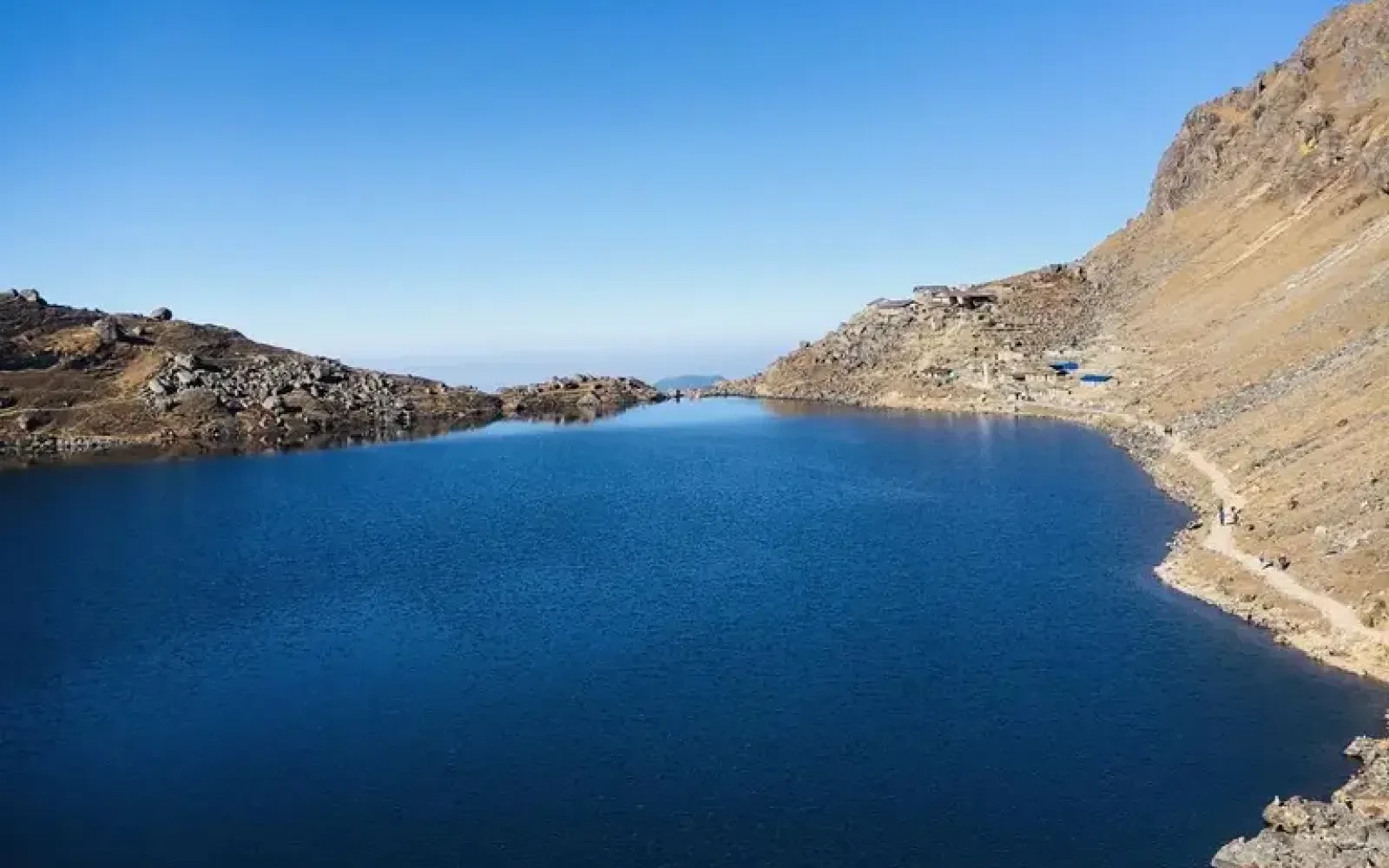
Gosainkunda is one of Nepal's Langtang region's sacred alpine lakes. It is situated at 4,380 meters above sea level. Due to its religious significance, it attracts thousands of pilgrims each year. Apart from that, it is also a trekker's paradise for nature enthusiasts and adventure enthusiasts. The lake is famous for its crystal-clear water and scenic mountain backdrop. Gosainkunda is a holy place in Buddhism and Hinduism. It is mentioned that Lord Shiva created the lake when he was meditating. The pilgrims mass here annually in Janai Purnima for rituals. The festival increases the religiosity and cultural significance of the lake. In this way, Gosainkunda offers a mix of religion and nature elsewhere. The lake is surrounded by snow-capped mountains and alpine nature grasslands. It is within Langtang National Park, the country's first Himalayan conservation area. The area is a peaceful paradise with fresh, clean mountain air.
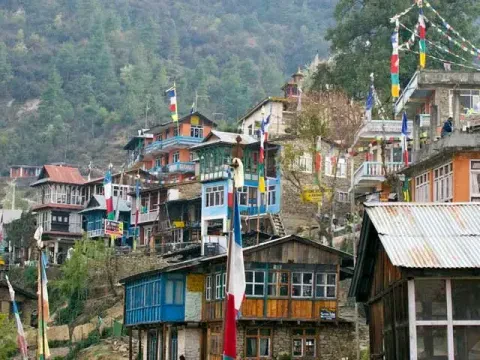
Actually, there are a few smaller lakes in the vicinity other than Gosainkunda that are the perfect finishing touch for the landscape beauty. Because of its altitude, the lake freezes in winter. Forest traverse and boulder tracks are also included in the Gosainkunda treks. The trail passes through Rhododendron forest, alpine pastures, and tiny villages throughout the trekking. This variety of landscape makes the trek lovely and exciting. Apart from this, local Sherpa and Tamang also add culture. The trek thus also possesses natural scenery enhanced by culture. Finally, Gosainkunda is a scenic and religious high-altitude lake. It amazes many tourists with its spirituality and beauty. So, it remains one of the places of interest for the trekkers who are doing Langtang Valley trek. In fact, Gosainkunda maintains harmony in spirituality, culture, and nature.
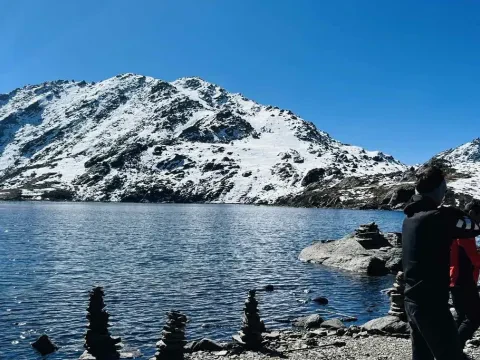
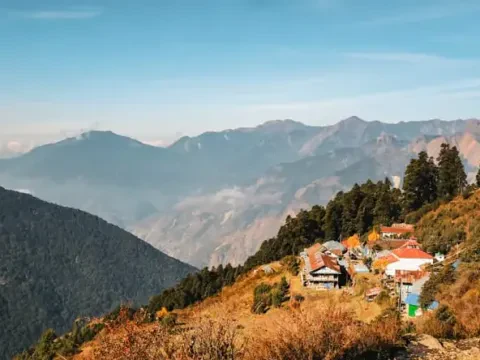
Gosainkunda is situated within Langtang National Park, Nepal. The lake lies resting at an altitude of 4,380 meters above sea level. It is found north of the Langtang Valley near the Lauribina Pass. Because of its elevation, Gosainkunda is one of the tallest alpine lakes in Nepal. Its elevation has sceneries of nearby Himalayan peaks. The lake is a volcanic origin crater lake that was formed centuries back. Gosainkunda is flanked by glacial valleys and snow-capped peaks. Langtang Lirung, the tallest peak near Gosainkunda, is 7,227 meters nearby. Lauribina Pass at 4,610 meters connects Gosainkunda to Helambu region. The pass is a popular trekking route joining two distinct valleys. Gosainkunda is one of a series of about 108 sacred lakes in the area. Small lakes ring the largest central lake, and the view looks beautiful. Alpine grasslands along the lake are covered with wildflowers during summer. The lake freezes in winter and becomes a pure ice cover. Owing to harsh winters, the location can only be approached during autumn and spring season.
Meanwhile, the lake water is glacial and cold and is formed due to melting glaciers and snow. Gosainkunda streams are drainage into the basin of Trishuli River. Hence, the lake functions as an important source of water for the inhabitants surrounding it. Diverse alpine vegetation and fauna inhabit the area despite its extremely high elevation. Hence, Gosainkunda is nature's wonder and a very crucial ecosystem. In summary, the geographical wonder of Gosainkunda is characterized by its elevation. Its peaks, passes, and lakes form a dramatic Himalayan landscape. Thus, it is a trekkers' and pilgrims' delight. Indeed, Gosainkunda is a standard for the grandeur of Nepal's higher mountains.
Gosainkunda can be accessed only on foot by means of trekking. There are no roads or cars to the high alpine lake. Trekkers start from Sundarijal near Kathmandu at 1,400 meters. Optionally, trekkers can begin Gosainkunda Lake Trek from Dhunche as well after 6-7 hours drive from Kathmandu. The trail gradually increases altitude through forest, villages, and boulder fields mountain paths. Physical condition and acclimatization are required due to the high altitude. Gosainkunda trek normally takes 7 to 9 days round trip. Trekkers overnight camp usually in lodges or tea houses along the trail. Best sights to view while stopping are Laurebina Pass, Thadepati, and Chisapani. Steep, winding down from Laurebina Pass to holy lake land. Route well marked but caution close at hand at higher altitudes. In spring and autumn seasons, the route is accessible. Winter is snowed under and thus the route is hard and unsafe. Lodges are available in both Dhunche and Syaphrubati. Monsoon rains cause landslides and can be put to use in closing trails through the low-lying ground. Prior planning of the trek accordingly is thus necessary for convenience and security. March to May and September to November are the best months.
In fact, flights like Lukla or Manathali are not available on Gosainkunda Lake trek. This makes Gosainkunda all the more reachable for road-trekking trekkers. The hike from Sundarijal to Kathmandu takes approximately 1.5 hours. The hiking route from Sundarijal to Gosainkunda is good at all times of the year and well trodden. Accessibility of the trailhead is therefore relatively easy as compared to other treks. To conclude, Gosainkunda is accessed by a tiresome but worthwhile hike. Proper physical conditioning, acclimatization, and preparation render the hike safe. Therefore, altitude as well as climate, trekkers must prepare sufficiently. In fact, a trip to Gosainkunda is a never-to-forget Himalayan experience.
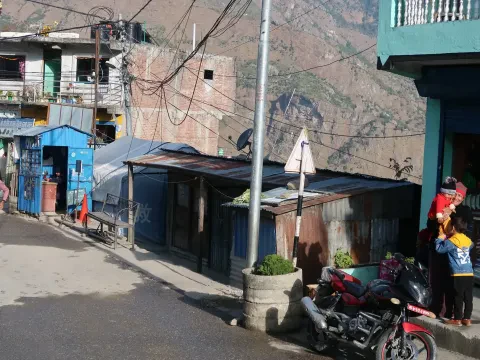
Gosainkunda offers basic but essential facilities to the trekkers. There are a couple of seasonal tea houses and lodges around the lake in the region. The major part of the available accommodations are very basic with a shared room and basic beds. Heating is poor as it is a high altitude destination, and the nights are chilly. It is thus necessary to wear warm clothing and sleeping bags to relax. Tea houses offer food like dal bhat, noodles, soups, and momos. Hot drinks like coffee and tea are available in abundance to provide warmth to the visitors. Solar energy is also available in some of the teahouses to charge minor gadgets and mobile phones. Electric power is restricted and at times non-existent during the day. Portable chargers are therefore handy during the stay duration. Drinking water will need to be sterilized either through boiling or through filtration. Filtered or bottled water is also sold by most tea houses. Toilet facilities are mostly simple pit latrines outside the rooms for visitors. Sanitation facilities are minimal but well taken care of by the lodge managers. Medical centers are scarce near the Gosainkunda lake itself.
Actually, the nearest health post is days' walk in lower villages. Altitude sickness is a risk factor, and therefore be careful about symptoms. Carrying simple first aid kits and medicines with them is strongly recommended. Emergency evacuation is difficult with remote location and weather. Generally, Gosainkunda facilities are low but sufficient for trekkers. The tea houses offer shelter, sustenance, and warmth in a remote area. Trekking devotees must prepare for basic lodgings and cold nights. Gosainkunda is hence an entertaining but rural mountain gem.
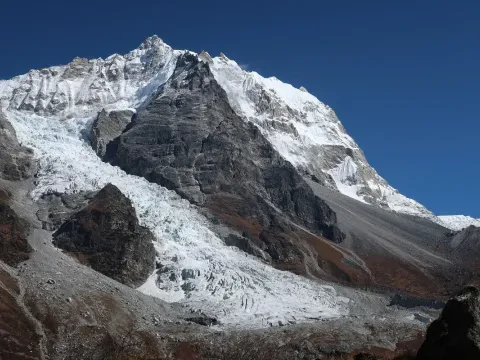
Meanwhile, Gosainkunda's biggest hit is its religious alpine lake. The 4,380-meter lake is surrounded by white Himalayan peaks. Its crystal-clear water reflects the beautiful mountains and sky blue. Because of its holy status, it hosts many pilgrims every year. They perform rituals during festivals especially on Janai Purnima. The lake belongs to some 108 group of small holy lakes. The small lakes add natural scenery and religious atmosphere to the region. Summer-blooming wildflowers adorn the terrain surrounding the lake. It's an ideal blend of white snow falling around other peaks. Trekkers walk peacefully along the lakeshore and surrounding trails. The landscape is defined by proximity to mountains such as Langtang Lirung, which is 7,227 meters above sea level. Mountains form beautiful backdrops for tourists and trekkers.
Moreover, the Lauribinayak Pass, measuring 4,610 meters in altitude, provides magnificent vistas of the landscape. This pass links Langtang Valley and Helambu, which are legendary trekking routes. Gosainkunda is thus an example of a gateway to other Himalayan adventures. Cultural interaction is also a key attraction. Native Tamang and Sherpa inhabitants live in nearby villages. Pilgrims are praying and performing ritual activities. This combination of nature and culture makes Gosainkunda unique. Tourists enjoy the serene, respectful atmosphere of the place. Gosainkunda, in short, brings nature, religion, and culture together. Its sacred lake, hill scenery, and rituals draw numerous tourists. So it remains one of the most distinctive destinations in the Langtang area. Some other tourist sites in the Langtang district are: In real life, Gosainkunda gives a memory-packed experience of the Himalayas.
Gosainkunda is highly popular for religious purposes and natural beauty. It is located at an altitude of 4,380 meters in Langtang National Park. Pilgrims from Hinduism and Buddhism come to the lake in large groups on Janai Purnima. They believe that the lake has been created as a result of Lord Shiva. Therefore, it is a very strong religious ground for the majority of people in Nepal. The site of the lake also attracts nature lovers and trekkers. Gosainkunda is an alpine beauty place surrounded by white mountains. Water of the lake blue reflects mountains, and the place becomes serene. The route to the lake passes through forests, villages, and yak pastures. Therefore, a rather sceneric route precedes the destination. It is convenient, too. Trekkers can reach it within two days from Kathmandu.
Moreover, it is connected with Langtang Valley or Helambu treks a number of times. Such flexibility makes Gosainkunda an ideal choice for short Himalayan treks. Moreover, local teahouses serve meals and shelter during the trek. The site also draws photographers and adventure lovers. The blue, clear sky, wonderful scenery, and serene atmosphere provide favorable photographing situations. The lake, in the morning or afternoon, is lovely and colorful. Wildflowers and wildlife add to the region's glory. As a result, tourists get treated to cultural and natural diversity. In short, Gosainkunda delivers for several good reasons. It has religion, nature, culture, and convenience in one. Pilgrims and trekkers find significance and beauty at the lake here. Therefore, Gosainkunda is a highly valued location in the Himalayas. Its peaceful ambiance creates a lasting impression on every tourist.
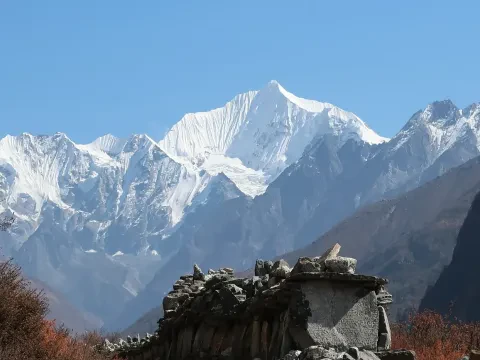
Gosainkunda has a lot of fascinating and religious activities for tourists. The most visited activity is Janai Purnima pilgrimage. There are thousands of Hindu and Buddhist pilgrims who travel round trip to the lake. They immerse themselves in its holy cold water. The people believe in the fact that the lake can wash away sin. Trekking is also a serious business in the region. The Gosainkunda trek takes one through rural countryside and forest. Trekkers are rewarded with rhododendron woods, mountain vistas, and peaceful trails. Langtang Lirung (7,227m) and Ganesh Himal ranges come into view. There are opportunities to catch a glimpse of the nearby local villages and yak herders along the way as well. Gosainkunda is a photographer's dream location, especially during sunrise and sunset. The calm waters of the lake mirror the sky and surrounding mountains. Trekkers stop usually to capture this majesty in their cameras. Tranquil is the atmosphere of most people by merely sitting on the sides of the lakes.
Meanwhile, Gosainkunda is a perfect place for meditation and serene moments. Bird watching is also possible at the lake area. There are a couple of unusual birds and animals within Langtang National Park as well. Himalayan monal or blue sheep are present somewhere about. That makes it possible for nature enthusiasts too. Other than that, night stargazing is also liked by humans. Going to nearby lakes is also possible for good entertainment as well. There are more than a dozen sacred lakes around Gosainkunda. Hike to Saraswati Kunda, Bhairav Kunda, and Surya Kunda. These are all of religious importance and natural beauty themselves. These are short hikes that offer peaceful distractions and beautiful scenery. For the most part, Gosainkunda offers a range of activities. From trekking to religious rituals, something suits everyone. Its religious beauty and natural landscape attract many different types of tourists. Thus, the Gosainkunda trip is a discovery and an experience It.
Firstly, there are basic but cozy accommodation facilities for trekkers in Gosaikunda. Most of the teahouses and lodges are located around the sacred lake, at approximately 4,380 meters above sea level. The lodges have basic rooms with shared beds and blankets. There is little heating but some lodges also provide small stoves to warm up the trekkers. The trekkers can therefore rest well after a long day on the trek.
Additionally, all lodges in Gosainkunda are open only for the peak trekking months of spring and autumn. In these periods, rooms are cleaned and well maintained. Few lodges remain open in winter because it snows heavily during that time, and the place becomes cold. In peak seasons, advance booking of rooms is recommended. This guarantees a good accommodation, particularly during the peak months.
Additionally, the hospitality of local people at Gosaikunda lodges is very hospitable and polite. They are owned by locals who offer typical Nepali food such as dal bhat, soups, and noodles. Trekkers enjoy the warm and cozy atmosphere and can often meet other trekkers in dining rooms. Such human interaction develops the sense of trekking.
Furthermore, electricity is scarce in Gosainkunda and usually solar-generated. Charging mobile phones and cameras is often possible but limited to certain hours. Internet access is generally not possible or of very poor quality. Therefore, trekkers need to prepare to turn off and enjoy nature.
Lastly, sanitary facilities are sparse in Gosainkunda but functional. Fresh drinking water is generally provided, but purification tablets are advised. Hot showers are not the norm and only available in some of the lodges, especially during the high season. Despite this, accommodations are adequate in satisfying the primary needs of most trekkers.
Last but not least, guest houses/lodges in Gosainkunda provide simple, warm, and easy stay. Proper planning makes good accommodation available. Therefore, staying here makes the spiritual and nature hiking experience complete.
First, the most suitable time to go to Gosaikunda is spring and autumn. These seasons range from March to May and September to November. Weather is steady and pleasant during these months. Day temperatures are normally between 10°C and 20°C, which is perfect for trekking. Nights may get cold, so warm clothing should be used. Hence, most trekkers opt for these seasons to have a comfortable and secure trip.
Moreover, spring is famous for rhododendron flowers along Gosainkunda Trekking trail. April and May are the months when the forests and meadows around Gosaikunda are painted with colors. This attracts many nature lovers and photographers. The green landscapes provide energy and beauty to the trek. Thus, spring is a favorite trekking time among many individuals.
On the other hand, autumn offers clear weather and a cool breeze during Gosainkunda Lake Trek. The mountain vista is stunning, especially of Langtang Lirung at a height of 7,227 meters. Visibility is much improved in autumn, and trekkers are able to enjoy sweeping Himalayan views. Weather stays dry and cool, which is preferred by most trekkers. Autumn is thus highly suggested for trekking.
But the monsoon months of June, July, and August usher in heavy rains. Regular rains turn trails slushy and slippery. Landslides are also prone in some areas. Therefore, the monsoon trekking is less convenient and less safe. Therefore, fewer tourists arrive in Gosaikunda during this time.
Apart from that, winter from December to February is cold and snowy. Temperatures will drop below freezing, especially at night. Snow can blanket the trails and cause some lodges to close. However, experienced trekkers enjoy the peaceful isolation and clear sky in winter.
Lastly, spring and autumn offer the best weather and scenery for going to Gosaikunda. They offer it with safer and more comfortable conditions for trekking. Hence, scheduling your trekking during these periods is highly recommended.
First, Gosaikunda boasts an alpine climate due to the fact that it is found at about 4,380 meters above sea level. Summer periods from June to August give relatively temperate temperatures but a heavy monsoon. This kind of rain has the tendency of making trails slippery and muddy. These further increase the likelihood of landslides in specific areas. Summer trekking then requires alertness and proper rain protection.
Moreover, spring (March-May) and autumn (September-November) are the most favorable weather for Gosainkunda Lake Trek. These seasons offer clear weather, uniform temperatures, and least rainfall. Day temperatures normally vary between 10°C and 20°C, which is suitable for trekking. Nights can be chilly but easily endured with warm gear. Therefore, these seasons are preferred by the majority of the trekkers.
Conversely, winters from December to February are cold and dry for Gosainkunda Trek. The temperature often goes below freezing, especially at night. Snow is common and may cover the trails. Cold and wind chill require proper preparation by the trekkers. Winter trekking thus demands good equipment and experience.
Furthermore, mornings usually provide the best view for surrounding peaks, like Langtang Lirung (7,227 meters). Afternoon rain and clouds usually come during monsoon periods. Early hike begins will therefore guarantee the best view observation.
Climate is also suitable for lush and diverse alpine vegetation and wildlife. Flowers and rhododendron bloom in summer and spring seasons. Summer months are suitable for Himalayan thar and numerous birds' species. This is another natural site of Gosaikunda.
In short, Gosaikunda has a straightforward seasonal climate. Spring and autumn are the best seasons to trek to Gosainkunda. Summer sees rain, and winter sees cold and snow. Based on this climate, trekkers can plan safe and enjoyable journeys.
1. What is Gosainkunda?
Gosainkunda is a beautiful and sacred lake in the Himalayas. It is located at an altitude of 4,380m in Nepals Langtang region. People who follow Hindu and Buddhist traditions consider Gosainkunda a special place because it is the home of Lord Shiva. Many pilgrims and trekkers visit Gosainkunda to find peace and to see the mountains.
2. Where is Gosainkunda located geographically?
Gosainkunda is situated in the Rasuwa District of Nepals Langtang National Park. It is in the Himalayas, north of Kathmandu. The lake is surrounded by mountains and glaciers. There are other sacred lakes in the area all at high elevations of around 4,300-4,500 meters.
3. How accessible is Gosainkunda from Kathmandu?
To get to Gosainkunda you can take a drive from Kathmandu to Dhunche, which takes about 7-8 hours. Then you have to trek for 4-6 days to reach the lake. The trek is not too difficult. Takes you through beautiful villages and forests. This makes it a great adventure for people who love nature and trekking.
4. What facilities are available during the Gosainkunda trek?
During the trek you can find facilities like tea houses where you can eat and stay. These tea houses also have limited internet access. However medical facilities are not readily available. It is a good idea to carry your own first-aid kit. The national park has checkpoints to ensure your safety. You can find clean drinking water and toilets at the main stops.
5. What are the main attractions of Gosainkunda?
The main attractions of Gosainkunda include the holy lake itself the views of the surrounding mountains like Langtang Lirung and the diverse plants and animals in the national park. You can also visit monasteries in the area. During festivals pilgrims bathe in the waters of Gosainkunda.
6. What is Gosainkunda popular for?
Gosainkunda is popular because of its significance as a sacred lake of Lord Shiva. It is also known for its trekking routes, stunning scenery and the opportunity to experience the culture of the Tamang community in Langtang National Park.
7. What activities can I do at Gosainkunda?
At Gosainkunda you can trek to the lake take a dip in the water capture beautiful sunrises in photos explore nearby lakes watch birds and visit temples. You can also take short day hikes around the area which're very rewarding.
8. What types of lodges and accommodation are available?
Along the trail you can find teahouses and basic lodges that offer rooms and shared bathrooms. They also serve Nepali meals. The options range from budget-friendly to more comfortable lodges at key stops like Chandanbari and Lauribina.
9. What is the best time to visit Gosainkunda?
The best times to visit Gosainkunda are in the spring (March-May) when the rhododendronsre in bloom and in the autumn (September-November) when the skies are clear. These seasons offer the conditions for trekking and give you a clear view of the snow-capped mountains.
10. How are the weather and climate at Gosainkunda?
During the day the temperature at Gosainkunda can range from 10-20°C during the trekking seasons. However, it can get very cold at night. The weather is usually clear. It can change quickly. You should be prepared for alpine conditions and possible rain or snow at higher altitudes.
11. Is Gosainkunda suitable for beginner trekkers?
Yes, Gosainkunda is suitable for beginner trekkers who're physically fit. The trek can be moderately difficult with 5-7 hours of walking each day and gradual ascents. However, you need to acclimatize to the altitude. It is an idea to go with a guided tour to ensure your safety and enjoyment.
12. What permits are needed for Gosainkunda trek?
To trek to Gosainkunda you need a Langtang National Park entry permit and a TIMS card. These permits are easy to get in Kathmandu or Dhunche and help with conservation efforts in the protected area.
13. How long does the Gosainkunda trek typically take?
The standard trek to Gosainkunda usually takes around 7-10 days from Kathmandu and back. This includes the drive to Dhunche, the trek to the lake and the return journey. You can customize the itinerary based on your fitness level and interests.
14. What should I pack for the Gosainkunda journey?
For the trek you should pack clothing, sturdy trekking boots, a sleeping bag, a rain jacket, sunscreen, a hat, trekking poles, water purification tablets, snacks and medicine for altitude sickness. A good backpack and personal medications are also essential.
15. Is altitude sickness a concern at Gosainkunda?
Yes, at an altitude of 4,380m you might experience symptoms of altitude sickness. To avoid this, you should acclimatize properly stay hydrated ascend gradually and watch out for headaches or nausea. Medicine like Diamox and rest can help manage altitude sickness.
16. Can I combine Gosainkunda with other treks?
Yes, you can combine Gosainkunda with treks like the Langtang Valley or Helambu treks for a longer and more comprehensive adventure. Many tour packages offer this combination for a cultural and scenic experience of the Himalayas.
17. What cultural significance does Gosainkunda hold?
Gosainkunda is a pilgrimage site because it is associated with Lord Shiva. Thousands of people visit the lake during the Janai Purnima festival to take baths. Both Buddhist and Hindu traditions consider the lake a source of energy.
18. Are there any wildlife or environmental highlights?
The area around Gosainkunda is home to pandas, Himalayan tahr many species of birds and beautiful rhododendron forests. The Langtang National Park protects this ecosystem and offers opportunities for eco-tourism.
19. What is the cost range for a Gosainkunda package?
The cost of a Gosainkunda package can vary. It typically includes transport, guides, permits, meals and accommodation. You can find group rates or opt for private or luxury tours. It is best to contact a tour operator for a customized quote.
20. Is Gosainkunda safe for solo female travelers?
Yes, Gosainkunda is generally safe for female travelers especially if you go with a reputable tour operator. It is an idea to join group tours follow local customs, trek with guides and stay informed. The trail has a community atmosphere making it a pleasant experience, for solo travelers.
Our travel experts are ready to assist you with any questions.
Send us a message.Have a question before you book? Send your enquiry below and our travel experts will get back with the required information.