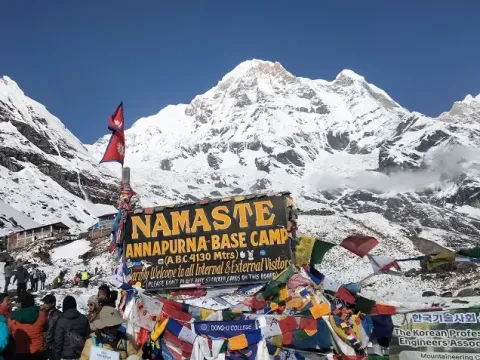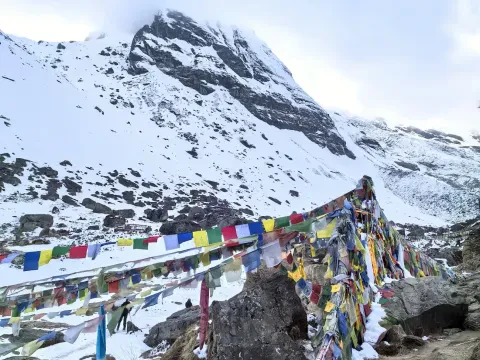
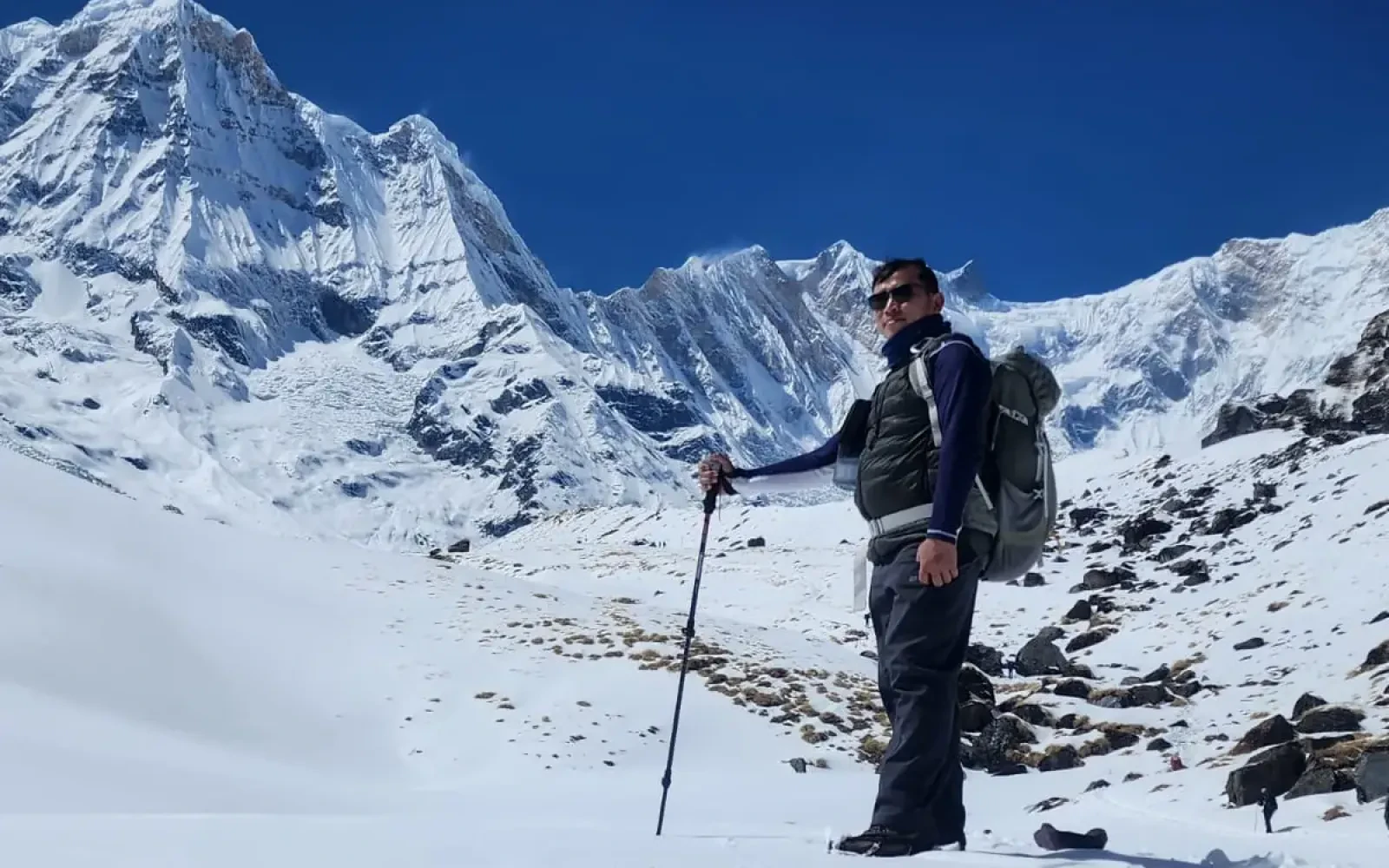
Meanwhile, people sign up for the Annapurna Base Camp Trek because the mountain views are truly breathtaking—Annapurna I rises up to 8,091 meters (26,545 feet). But here’s the thing: this trek isn’t easy. The altitude alone can knock you off your feet if you’re not ready. You need to train for it. Building up your endurance helps your body adapt to the thinner air, and honestly, without that preparation, you’ll feel the fatigue way sooner than you expect. A lot of beginners think they can just wing it, but the smart ones start working on their fitness months in advance.
Likewise, the ABC trek climbs all the way to 4,130 meters (13,550 feet) at Annapurna Base Camp, and the elevation jumps pretty fast. That’s when altitude sickness sneaks up on people who haven’t built up their stamina. Your lungs and heart have to work overtime as the oxygen drops, but regular cardio training really pays off. It boosts your circulation, helps you breathe easier, and keeps those headaches and waves of nausea away. When you’ve done your homework, starting from Pokhara at just 822 meters (2,700 feet) doesn’t feel so daunting.
And it’s not just the altitude. The trail itself can be brutal: endless stone steps, rocky climbs, and uneven ground. Your legs need to be strong, or you risk tweaking something on a long day. You’ll cross rivers, wind through forests, and balance a heavy backpack—core exercises help with that. Some days you’re hiking for five to eight hours, so stamina really matters. If you haven’t put in the work, your muscles let you know pretty quick. But with the right training, the trek feels a lot smoother.
Actually, physical preparation isn’t just about the body, either. It sharpens your mind, too. When you’ve trained, you feel more confident, ready for whatever the trail throws at you—like the climb up to Machhapuchhre Base Camp at 3,700 meters (12,140 feet). Consistency is everything. People who stick to their routines find the whole experience way more enjoyable, with energy left to really soak in those epic views.
In fact, skip the training, and you pay for it. Exhaustion sets in, and you end up missing some of the best parts—like wandering through those bright rhododendron forests. The folks who come back with great stories all say the same thing: putting in the work beforehand turns the trek into something unforgettable.
Here’s why physical training makes all the difference on the Annapurna Base Camp Trek:
| Location | Elevation (m) | Elevation (ft) | Notes |
|---|---|---|
| Pokhara (Start) | 822 | 2,700 | Lakeside city, easy start. |
| Nayapul | 1,070 | 3,510 | Trailhead, first uphill. |
| Ghorepani | 2,870 | 9,410 | Steep climb, rhododendron forests. |
| Chhomrong | 2,170 | 7,120 | Village, lots of stone steps. |
| Deurali | 3,200 | 10,500 | Forested trail, river crossings. |
| Machhapuchhre Base Camp | 3,700 | 12,140 | High meadow, snowy views. |
| Annapurna Base Camp | 4,130 | 13,550 | Glacier basin, mountain panoramas. |
| Annapurna I (Peak) | 8,091 | 26,545 | Enormous summit (not climbed on this trek). |
When you’re training for Annapurna, don’t just do one thing. Mix up your workouts—run, cycle, hike hills, add some strength training. It all helps. Think about what the trek will demand, and aim to match it. Fitness routines focused on “physical conditioning for Nepal treks” keep you safe and help you enjoy the adventure so much more.
Further, physical preparation is what turns a tough trek into an amazing experience. You get to connect with the mountains, enjoy the company of other trekkers, and feel that sense of accomplishment with every step. If you’re thinking about the Annapurna Base Camp, start training now. You’ll thank yourself on the trail.
Actually, the Annapurna Base Camp Trek isn’t just a walk in the park. You’re looking at a round-trip of about 110 to 120 kilometers (68 to 75 miles), spread over 7 to 12 days, depending on your pace and plan. On most days, you’ll cover 10 to 15 kilometers, but there are tougher stretches where you might hit 15 to 20, all while navigating terrain that never really settles into a routine. You need to pace yourself and keep your energy up—cardio fitness matters here. People often search up “Annapurna Base Camp Trek total distance” to see what they’re getting into, but honestly, the real challenge is in stringing together all those days across ever-changing paths.
Now, let’s talk about the climbs. The trek starts around 1,000-1,500 meters (3,280-4,920 feet) and tops out at Annapurna Base Camp, which sits at 4,130 meters (13,550 feet). Over the course of the trek, you gain about 3,000 to 4,000 meters in elevation, and it’s not just one big climb—there are constant ups and downs that really work your legs. The steepest gains come as you get higher, especially near Machhapuchhre Base Camp at 3,700 meters (12,140 feet). Acclimatization isn’t just a buzzword here. You have to take it seriously as you climb, or you’ll feel every meter. Training for this trek means getting used to these elevation changes, and honestly, doing some hill work before you arrive helps a ton.
Meanwhile, the ground you cover keeps things interesting. Early on, you’ll battle endless stone staircases—Ulleri is notorious for this, with thousands of steps. Later, you’ll hit rocky trails, forest paths, and even some smooth meadows as you get closer to Deurali (3,200 meters/10,500 feet). The terrain constantly shifts, so you need steady ankles and good balance. If you’re getting ready for one of Nepal’s high-altitude treks, don’t just walk flat city streets—train on mixed surfaces to get your body used to the variety.
Add it all up: distance, elevation, and tricky terrain mean you’re hiking 5 to 8 hours most days, carrying whatever you need for the day. It’s a solid workout, day after day. Understanding these demands isn’t just about checking off a list—it actually shapes how you should train. Search terms like “Annapurna Base Camp Trek elevation profile and terrain” help set expectations, but really, you’ll enjoy the mountain views and rhododendron forests a lot more if you’ve put in the work beforehand.
If you ignore these demands, you’ll probably end up tired or hurt. But if you face them head-on, you’ll thrive. Making it to base camp, with that amphitheater of peaks around you, feels incredible when you know you’ve earned it. Hikers often say that knowing how to handle the terrain turns big challenges into trip highlights.
Here’s what you’re really dealing with on the Annapurna Base Camp Trek:
| Location | Elevation (m) | Elevation (ft) | Terrain Notes |
|---|---|---|
| Nayapul/Tikhedhunga | 1,000-1,577 | 3,280-5,173 | Road, then steep stone stairs. |
| Ulleri | 2,020-2,050 | 6,627-6,726 | Thousands of stone steps uphill. |
| Ghorepani | 2,870-2,880 | 9,410-9,450 | Forested paths, steady climbs. |
| Chhomrong | 2,170-2,200 | 7,120-7,220 | Village steps, ups and downs. |
| Bamboo/Sinuwa | 2,300-2,340 | 7,550-7,680 | Bamboo forest, muddy trails |
| Deurali | 3,200-3,230 | 10,500-10,600 | Rocky, forested, river crossings. |
| Machhapuchhre Base Camp | 3,700 | 12,140 | Alpine meadows, gradual ascent. |
| Annapurna Base Camp | 4,130 | 13,550 | Glacial basin, rocky ground. |
The bottom line: ABC trekking is moderately tough, but you can train for it. Build up your strength and endurance with regular hikes and some gym work, and you’ll feel the payoff on the trail. If you’re hunting for tips on “ABC trek physical demands,” start building your routine now. Prepare well, and you’ll take on Annapurna Base Camp with confidence.
Before you even think about the Annapurna Base Camp Trek, take a good, honest look at your fitness. Seriously, this is the step that saves you from nasty surprises halfway up the trail. A lot of beginners think they’re fitter than they really are, but a few simple tests will show you the truth about your cardio and strength. Do these checks early, so you can build a training plan that matches where you’re actually at—not where you hope to be. Sure, people search for things like “assess fitness for Annapurna Base Camp,” but nothing beats seeing how your own body performs.
In fact, cardio is the big one. You’ll be hiking five to eight hours a day at higher and higher altitudes. So, see if you can walk briskly for 5 or 6 kilometers without needing major breaks, or climb stairs for 10–20 minutes and pay attention to your breathing. If you’re wiped out fast, you need more aerobic work. If you pass, you’ve got a decent base. This is where real high-altitude training kicks off, and checking yourself every few weeks shows how much you’re improving.
But it’s not just about your lungs. Your legs and balance matter, too. Steep hills and endless stone steps will hammer your quads, calves, and ankles. Try lunges or squats—15 to 20 reps per set—and see if your knees wobble or your muscles burn out quickly. For core strength, hold a plank for 30 to 60 seconds. These moves mimic the trek, and they’ll point out exactly what to work on.
Now, about stamina. The Annapurna trek isn’t just a one-day thing. Try a 3 to 4 hour walk or hike with a light backpack. Afterward, see how fast you recover. If you struggle to bounce back, you’re risking burnout on the trail. If you have a heart rate monitor, use it. And it’s smart to check your resting pulse or blood pressure with a doctor before you dive in. Searches like “self fitness test before ABC trek Nepal” can help, but honestly, your own results matter most.
Altitude’s a wild card, even if you’re fit. But the stronger your cardio, the better you handle the climb and the less drained you’ll feel. Don’t go all out from day one. Build up gradually and avoid injuries. People who test themselves early say it boosts their confidence—and what could’ve been a weakness turns into an advantage.
Here’s a quick list to help you check your readiness for the Annapurna Base Camp Trek :
| Test Type | Beginner (Needs Work) | Moderate (Adequate) | Good (Strong Base) | Notes |
|---|---|---|
| Continuous Walk | Less than 3 km, need breaks | 5 km, no problem | 8+ km with a pack | Build endurance for multiple days. |
| Stair Climbing | Less than 10 min, stop often | 20–30 min, steady | 45+ min uphill | Like climbing Ulleri’s steps. |
| Squats/Lunges (per set) | Less than 10, poor form | 15–20, good form | 25+ | Focus on lower body strength. |
| Plank Hold | Under 20 seconds | 45–60 seconds | 90+ seconds | Core strength for balance. |
| Sustained Cardio | Under 30 minutes | 45–60 minutes | 60–90 minutes | Aerobic stamina is key. |
In the end, being honest about your fitness lets you train smarter and keeps your expectations in check for the Himalayas. Adjust your plan as you improve—progress should feel real, not forced. Focus on your own starting point, not someone else’s. Take these tests now, and you’ll set yourself up for a confident, rewarding trek to Annapurna Base Camp at 4,130 meters (13,550 feet).
Here, let’s get real—most people need about 8 to 12 weeks to get ready for the Annapurna Base Camp Trek. That’s enough time to build up your stamina without pushing too hard or risking injury. If you’re starting from scratch or haven’t exercised in a while, you’ll want a little more time. On the flip side, if you’re already in decent shape, you might pull it off in 6 to 8 weeks. But honestly, it’s less about the exact number of weeks and more about showing up regularly and steadily ramping things up.
Likewise, people often search “how many weeks to train for ABC trek,” hoping for a magic number. But the real answer depends on where you’re starting from. For most folks who are somewhat active, 8 to 10 weeks is the sweet spot. You get plenty of time to work on your cardio and leg strength for those long daily hikes—think five to eight hours a day. In the beginning, focus on brisk walking or cycling to build an aerobic base, then start throwing in hills and a loaded backpack. If you’re a beginner, stretching your training to 10 or even 12 weeks helps you avoid overdoing it and keeps injuries at bay. Most guides and seasoned trekkers back up this timeline since it gives your body time to handle the altitude—over 4,100 meters, after all.
If you’re totally new to multi-day trekking, giving yourself 12 to 16 weeks pays off. Those extra weeks let you practice back-to-back long hikes, which builds mental grit and helps you get used to trail fatigue. Remember to mix in rest days so you don’t burn out. On the other hand, if you already hike pretty often, you could get by with 8 weeks or so, but you’ll want to focus on stair climbing and strength training. The main thing is to stay flexible and adjust your plan as you go.
Really, it’s not about sticking to some fixed timeline. The trick is to keep challenging yourself—make your hikes a little longer or steeper each week, and see how your body responds. If you’re already fit and try to cram everything into just 6 weeks, you might miss out on the conditioning you need for tough sections like the Ulleri stairs. Most guides say starting 2-3 months out gives you the best shot at hitting your peak right before you leave. That way, you’re ready to take on the full 110-120 km trek.
In fact, rushing through your training usually leads to exhaustion or altitude problems, but taking your time helps you avoid these pitfalls. Listen to your body, tweak your routine when you need to, and you’ll probably enjoy the trek a whole lot more. Planning a realistic timeline is what sets you up for success at Annapurna Base Camp—and lets you actually enjoy the journey.
Here’s a quick breakdown to help you decide how long to train, based on your current fitness:
And if you want all the details at a glance, here’s how it shakes out:
Moderately Active :
Fit/Regular Exerciser :
Very Fit/Experienced :
Bottom line—no matter which path you’re on, what really makes the difference is sticking with your plan and pushing yourself bit by bit. That’s how you turn the Annapurna Base Camp trekking into a great experience instead of a struggle. You’ll feel more confident, and every step gets a little easier. So start counting down the weeks, put in the work, and get ready to stand at Annapurna Base Camp at 4,130 meters, feeling strong and ready for anything.
Meanwhile, you can’t really skip building a solid aerobic base—especially if you’re eyeing the Annapurna Base Camp Trek. This foundation powers every single uphill climb and gets you through long, high-altitude days without burning out. Cardio training bumps up your VO2 max, which means your body learns to use oxygen more efficiently, even when you’re climbing up to 4,130 meters (13,550 feet). If you’re just starting out, go for moderate sessions. Stick with it for a few weeks and you’ll notice real stamina gains, not just average fitness. A lot of trekkers search for “cardio training for Annapurna Base Camp,” but honestly, nothing beats steady, consistent effort. Regular, steady-state cardio gets you the most reliable results.
Likewise, walking or hiking briskly is your bread and butter here. Aim for 45 to 90 minutes per session—push yourself enough that chatting feels a little tough, but not impossible. Once you’re comfortable, start adding hills. It helps to mimic the actual trek, which climbs from Nayapul at 1,070 meters (3,510 feet) up and up. If you’re in better shape, running or jogging works too. Or, protect your joints with cycling or swimming—both still ramp up your heart and lungs. When you’re putting together your plan, focus more on how long you can go, not how fast. That’s the key to lasting through those long trekking days.
Further, once you’ve got a decent base, mix things up with intervals. Alternate faster bursts with easy recovery periods. For example, walk briskly for 3–5 minutes, then jog lightly for 1–2 minutes, and repeat for 30–45 minutes. This raises your lactate threshold, which basically means you won’t get wiped out as quickly, even after 5–8 hours on the trail. Mixing up your workouts keeps things interesting, hits different muscle groups, and keeps you motivated.
Similarly, you’ll want to get in 4–5 cardio sessions each week to really build endurance. One session each week should be a longer one—2 or 3 hours—to get used to being on your feet for a whole day. Most of your workouts should still be moderate so you can recover. Pay attention to how hard you’re working—aim for about 60–75% of your max heart rate. The secret? Volume and consistency matter more than going all-out. Listen to your body to avoid burnout.
Moreover, skip this aerobic phase and you’ll feel it—early exhaustion, heavy legs, and less fun on the trail. But stick with it, and you’ll breathe easier and move with more energy. You’ll see progress in as little as 4–6 weeks. Plenty of trekkers will tell you: a strong cardio base is what lets you enjoy the scenery instead of just struggling to keep up. Be patient. That solid foundation is what opens up the whole adventure.
Here’s a quick-hit list to keep you on track—call it “Essential Cardio Workouts to Build Aerobic Base for ABC Trek”:
If you want some structure, here’s a sample weekly cardio plan for Weeks 1–8 :
In fact, aerobic training isn’t glamorous, but it’s the backbone of your trek prep. It makes steep trails and thin air feel possible, not punishing. You’ll show up at Machhapuchhre Base Camp with energy left to spare, and that’s when the real fun starts. The right cardio routine turns tough climbs into pure adventure—just stick with it.
Here, let’s be honest—if you’re planning to trek to Annapurna Base Camp, most days are just endless climbs, rocky steps, and unpredictable downhills. You really need strong legs and a solid core, not just to keep up your energy, but to keep your balance when the trail gets rough. Powerful quads help you charge up those never-ending stairs in places like Ulleri. Your calves and hamstrings save your knees on the relentless descents. And if you skip leg and core training? Well, you’ll definitely feel it in your joints, especially after a long day dropping down from Chhomrong.
Actually, most people searching for “leg strength training for ABC trek” quickly realize how much targeted workouts help—suddenly, those crazy steep sections just feel more manageable, and you’re not wobbling down every step.
Most importantly, start simple. Squats and lunges are your bread and butter. Do them with just your body weight at first, then add a backpack or some weights when you’re ready. Step-ups are gold—grab a sturdy bench or use your stairs, push through your heel, and really mimic the trail. Three sets of 10-15 reps per leg gets the job done. These moves hit your quads, glutes, and hamstrings all at once, building the kind of strength that keeps you steady on uneven paths near Deurali or up at higher altitudes. Stick with it for a few weeks, and you’ll notice your legs turning into real engines, powering you through all that elevation gain.
Likewise, don’t forget your calves. Calf raises and slow heel drops are key for controlling those long, pounding downhills. Stand on the edge of a step and lower your heel slowly—your muscles will thank you later. For your core, go for planks, bird-dogs, and Russian twists. These help you keep your balance and carry your pack without swaying or losing your footing on narrow trails. If you’re new to deadlifts or good mornings, lighter weights still build the kind of resilience you’ll need.
Furthermore, mix in some balance work too. Try standing on one leg or using a Bosu ball. Ankles take a beating on loose gravel near Machhapuchhre Base Camp, and better balance means fewer twisted ankles. Three to four strength sessions a week is plenty, as long as you leave room for rest and throw in some cardio for endurance. As you get stronger, add more reps, more sets, or a bit more weight every week or two. That’s how you build up to handling 5 to 8 hours of trekking a day without burning out.
If you skip this stuff, you’ll notice—think sore muscles, cranky knees, or just dragging yourself up the trail while everyone else soaks in the views. But if you commit to leg and core work, you’ll actually enjoy the trek, not just survive it. People who train ahead of time always say it makes the difference between suffering and savoring those epic Himalayan landscapes.
Here’s a quick list to guide your training :
Want a simple weekly plan? Here’s how to structure your strength training for ABC over 8 weeks:
In the end, strong legs and a stable core don’t just help you push through the tough parts—they let you actually enjoy the journey. You’ll reach Annapurna Base Camp feeling accomplished, not destroyed, and with enough energy left to soak in those once-in-a-lifetime views.
The Power of Stair Training and Hill Repeats :
If you’re getting ready for the Annapurna Base Camp Trek, nothing gets your legs in shape like stair training and hill repeats. These workouts come closest to the endless stone steps and steep climbs you’ll hit every day on the trail. Your quads get stronger, your calves last longer, and your lungs get used to working hard—all at the same time. Suddenly, sections like those infamous Ulleri stairs don’t feel so brutal. Even better, you train your legs not just for the climb up, but for the pounding on the way down, which a lot of trekkers forget about—until they’re limping halfway through day two. If you’ve ever typed “stair training for ABC trek” into Google, you’ve probably already figured out that nothing matches the real deal like a set of stairs or a tough local hill.
Actually, stair climbing fires up the exact muscles you’ll use on those stone steps. Your quads and glutes get powerful, while your ankles learn to handle all the uneven ground without rolling. Hill repeats push your heart rate way up, so your whole system gets used to the long, hard effort you’ll face climbing up toward Deurali at over 3,000 meters. Both these workouts raise your lactate threshold, which keeps your legs from burning out during those marathon 5-8 hour trekking days. Do this stuff consistently, and what used to feel like a weak spot turns into your advantage—especially when you’re picking your way through rocky paths near Machhapuchhre Base Camp.
Here, start simple. Tackle stairs for a moderate amount of time, and pay attention to your form. If you drive through your heels, your knees will thank you, and those slow descents build control for the way down. Hill repeats keep things interesting—you can jog or hike up, then stroll back down while you catch your breath. This up-and-down routine boosts your VO2 max but won’t leave you wrecked for days. After a few sessions, throw on a light backpack to make it real. Searching for “hill repeats and stair climbing for Annapurna Base Camp preparation” brings you right to the point: these workouts transfer directly to the Himalayas.
Likewise, you don’t need to go overboard. Two or three sessions a week is plenty, with easy cardio or rest days in between so you don’t burn out. Progress matters more than perfection. Add more repeats, pick a higher staircase, or just move a little faster every week or two. Keep an eye on your form. Lots of seasoned trekkers swear this kind of training is the reason they reach Annapurna Base Camp with energy left, not just dragging themselves to the finish. Gym machines help, but nothing beats the real movement you’ll use out there.
Moreover, skip this kind of training, and you’ll feel it—early fatigue, sore knees, maybe even missing out on some of the best views because you’re just too tired. But if you stick with it, you’ll notice the difference. When other trekkers are struggling, you’re still charging up. And it’s not just physical—you get mentally tougher too, which matters when you’re high up in Nepal, pushing through those last few switchbacks.
Here’s what works best for stair training and hill repeats if you’re prepping for ABC:
Here’s a quick guide to how you might build up your training over eight weeks:
Honestly, stair training and hill repeats give you the power and confidence to handle whatever the Himalayas throw at you. Every climb feels like it has a purpose, not just another slog. And that’s the difference between surviving your trek and actually enjoying every step.
If you’re getting ready for the Annapurna Base Camp Trek, training with a weighted backpack isn’t just a good idea—it’s essential. But don’t just throw on a heavy pack and hope for the best. You need to ease into it, giving your shoulders, back, hips, and legs a chance to get used to the real load you’ll carry on the trail. Jump in too soon or pile on too much weight and you’re just asking for an injury. Time things right, though, and you’ll build strength and stamina without sidelining yourself.
Actually, most trekkers start adding weight only after they’ve built a solid base of cardio and strength. You want your body ready for the stress, not shocked by it. People always wonder, “So when do I actually start backpack training for ABC?” The truth is, if you ramp up at the right pace, what used to feel tough just becomes part of your routine, and you’ll hit the trail feeling confident instead of cautious.
Here, don’t rush it—wait until you’ve put in 4-6 weeks of regular training before you add any weight. Early on, it’s all about good form, cardio, and strength work without a pack. When you do start, go easy: beginners usually start with 3-5 kg (about 6-11 pounds). If you’re already pretty fit, you can bump that up to 6-8 kg to match what you’ll actually carry—think water, snacks, an extra layer or two. Only wear the pack for longer hikes or when doing stairs or hills, so your posture stays solid and your core does its job. This helps your stabilizer muscles, and it keeps your lower back from wearing out when the trek gets tough around Bamboo at 2,300 meters.
In fact, technique matters from day one. Make sure your straps are snug and the weight sits high, resting mostly on your hips. On the way up, lean forward just a bit, but keep your core tight, especially on the way down. Start with short sessions—30 to 45 minutes—and focus on going a little longer before adding more weight. That slow build keeps overuse injuries at bay. Listen to your body: a little soreness is normal, but sharp pain means you need to step back.
Likewise, two sessions a week with the weighted pack is plenty at first. As you get stronger, you can add a third. Your best bet? Weekend hikes with your full kit, so you can see how your snacks, water, and gear actually feel out there. By weeks 7-10, most trekkers handle 7-10 kg for three hours or more—about what you’ll carry from Ghorepani onwards. Remember, the goal isn’t to see how much weight you can carry. You want to feel strong and steady, not wiped out before you even reach the start of the trek.
Further, don’t get impatient and jump into heavy loads. That’s a recipe for sloppy posture and aching joints. If you take your time, you’ll end up with better balance, stronger legs, and the kind of endurance that makes steep climbs and long descents feel a lot less daunting. Lots of trekkers say that training with weight made the real trek feel way more manageable. It’s not just about your muscles, either—it’s a mental boost knowing you’ve done the hard work.
Here’s a quick guide to get you started :
Step-by-Step Guide to Starting Weighted Backpack Training for ABC Trek
And for a clear look at how to progress, check out this timeline:
Weighted Backpack Training Timeline for Annapurna Base Camp Preparation (Weeks 4-12)
When you commit to weighted backpack training, you’re not just prepping your body—you’re making sure carrying your essentials feels normal, not like a burden. That way, when you finally reach Annapurna, you’re ready to enjoy the journey, not just survive it.
Here’s a quick, straightforward look at what you’ll actually do over 12 weeks to get ready for the Annapurna Base Camp Trek. The plan mixes up cardio, leg and core strength, specific stair and hill training, and, yeah, plenty of practice carrying a loaded backpack—so by the time you hit the trail, you feel ready, not wrecked.
Actually, you won’t just dive into the tough stuff from day one. The whole thing ramps up slowly, so your body gets stronger without getting hurt. The goal is to build up the stamina you need to cover 110-120 km and climb 3,000-4,000 meters in total. If you already work out a bit, you’ll find this plan doable. Beginners can stretch it to the full 12 weeks, while fitter folks might move through it faster or add intensity. Stick with it, and you’ll turn average fitness into real trekking strength—enough for those high-altitude stretches up to Annapurna Base Camp at 4,130 meters (13,550 feet).
Likewise, the first four weeks are all about laying the groundwork. You’ll focus on moderate cardio, basic strength moves, and easy-paced walks. Don’t rush to throw on a heavy pack or go crazy with hills. By week three, you’ll start adding a bit of stair or hill work, just to get used to the feeling. Rest days and lighter recovery workouts are built in, so you don’t burn out. It’s all about building good habits early—by the end of this stretch, you’ll notice you can walk farther without feeling wiped out.
Then, in weeks five through eight, things start to feel more like real trekking. You’ll hike longer, carry a lightly loaded backpack, and add more stairs or hill repeats. Strength sessions get a little tougher—think more reps or a bit of extra weight—so your legs and core can handle those monster climbs, like the Ulleri stairs or the steep drop from Chhomrong. You’ll throw in a weekly interval workout to boost your endurance even more. By week eight, you’re doing back-to-back long hikes, which gets your body ready for those multi-day pushes on the trail.
Moreover, weeks nine to eleven are the peak. Now you’re doing two or three long, weighted hikes each week, ramping up the stair and hill circuits, and keeping up with full-body strength work. This is the time to test your gear, figure out your hydration, and really dial in your pace. You’ll be working hard, but recovery days help you stay fresh. This phase gets you ready—mentally and physically—for those 5-8 hour days with a pack, especially as you climb up toward Machhapuchhre Base Camp at 3,700 meters (12,140 feet).
In fact, the final week is all about tapering. You’ll cut back on volume so your body recovers, but you’ll stay lightly active to keep everything loose. Take time to imagine the forests and those epic glacier views—get excited about what’s coming. People who stick with plans like this usually show up at the trailhead feeling stronger and more resilient than ever. The plan’s flexible, too—you can adjust based on how you’re feeling, your schedule, or your base fitness. Just stay consistent.
Here’s a simple breakdown of each phase :
For a quick at-a-glance look at what each week focuses on, here’s the core structure:
Here, this 12-week plan gives you a real, balanced way to get ready for the trek. It sets you up to handle every tough climb and every breathless stretch with real confidence. You stop letting exhaustion take over, and you start connecting with the Himalayas on your own terms. A “sample 12-week training plan for Annapurna Base Camp” isn’t just a catchy phrase—it’s your guide to staying focused and motivated. Stick with each phase, pay attention to how your body feels, and take each step toward that legendary base camp at 4,130 meters (13,550 feet) like you mean it.
Actually, weeks 1 to 4 really set the tone for your Annapurna Base Camp trek training. This first month is all about building your base — getting your body used to moving more, but not pushing so hard that you burn out or get hurt. You’re working on steady cardio and basic bodyweight strength, just enough to let your muscles and lungs adapt before things get tougher. Think of it as laying the groundwork, so when you’re climbing toward that 4,130-meter summit, your body’s ready.
For cardio, aim for four to five sessions a week. Brisk walks, easy jogs, or even bike rides — whatever feels good, so long as you can hold a conversation. Each session should last 30 to 60 minutes. Start on the shorter end, then bump it up by about five or ten minutes each week. By week three, start adding a few gentle hills to your walks. Nothing too crazy — just enough to get your legs used to the kind of climbing you’ll face on the trail, especially those first stretches from Nayapul.
Moreover, strength work comes in two or three times a week. You’re sticking to bodyweight moves for now: squats, lunges, step-ups, calf raises, and planks. Go for two or three sets of 10 to 15 reps (or 30–60 seconds for planks). Focus on your form — knees lined up, core tight, the whole bit. This builds the leg and core strength you’ll need for those endless stone steps and long days with a pack. Don’t rush into adding weights yet; nailing the basics now pays off later. Take a rest day between strength sessions and stretch or do some yoga on the off days so you stay flexible and limber for rough ground.
Once a week, set out for a longer walk. Start with 60 minutes and work up to 90 by the end of week four. This isn’t just about fitness — it also gets your mind used to being on your feet for hours, which is a huge part of trekking. While you’re at it, start paying attention to hydration and snacks. Get in the habit of drinking steadily and eating balanced foods during and after workouts. By week four, you’ll probably notice your breathing’s easier and your legs aren’t as sore. That’s real progress, and it keeps you motivated.
Here, don’t fall into the trap of skipping rest days or pushing too hard too soon. That just leads to burnout and frustration. Listen to your body. If you do, you’ll finish this phase feeling stronger, steadier, and honestly, more excited for what’s next.
Here’s a quick rundown of what your main workouts look like in weeks 1–4:
To keep things organized, here’s how your weeks might look :
By the end of these four weeks, you’ll have a real foundation. This makes everything that comes next — more difficult hikes, heavier packs, steeper climbs — so much more doable. You’ll be ready to tackle the Himalayas with a lot more confidence. Stick with it, rest when you need to, and you’ll feel the difference when you finally hit those high trails.
Actually, weeks 5 to 8 are where your training really starts to feel like you’re prepping for the Annapurna Base Camp Trek. This is when you crank up the challenge: weighted backpacks, hill repeats, longer sessions. It’s not just about moving more—it’s about moving smarter, getting your body used to the real ups and downs you’ll face on the trail.
Here, you’re building on the cardio foundation from the first month, but now you’re throwing in extra load and elevation to get ready for steep climbs like the Ulleri stairs and those long stretches up to 4,130 meters. Intensity goes up bit by bit, but you still need those rest days and light recovery moves to keep everything running smoothly. If you’ve found yourself searching for “ABC trek training weeks 5-8,” you’re not alone—this is the stage where you really start to notice stronger legs and better stamina.
Likewise, your cardio steps up to 4 or 5 sessions a week, and they get a bit more focused. You’ll do hill repeats or hit the treadmill on an incline two or three times. Keep one day for intervals to work on your speed and efficiency. Sessions stretch out—plan for 60 to 90 minutes—so your heart rate climbs, but you’re still mostly in that aerobic zone. Start hiking with a light pack (3-5 kg) once or twice a week. Carrying weight helps your posture and makes your legs work the way they’ll need to out on the trail. This is the sweet spot for building endurance and getting used to trekking for hours without burning out early.
Similarly, strength sessions move up to 3 or 4 times a week. Weighted squats, lunges, step-ups, calf raises—do three sets of 10 to 15 reps with dumbbells or your pack. Core work gets tougher too; think dynamic planks and bird-dogs, so your torso can handle the wobbly downs from places like Chhomrong. Hill or stair repeats are now a staple. Shoot for 8 to 12 ascents each time, keeping your descents controlled to build strength that protects your joints. Good form still matters—don’t rush it, or your knees and ankles will let you know.
On weekends, your long hikes should hit 2 to 3 hours, pack on your back, hunting for routes with some real elevation. By week 8, try doing two long days in a row—get used to what tired really feels like so it doesn’t catch you off guard on the trek. Use these hikes to dial in hydration, snacks, and blister prevention. This is where you figure out what works for you, not just what looks good on paper. Most trekkers notice their legs getting stronger and their breathing easing up by the end of this block, and workouts start to feel a lot more like the trail itself.
But, don’t try to tough out sharp pain or skip recovery days. That’s how you get sidelined. Smart tweaks keep you moving forward. By the end of week 8, you’re set up for the biggest training weeks ahead.
Here’s your core workouts checklist for weeks 5–8 :
And here’s a rough week-by-week schedule :
Bottom line—these four weeks build the strength and endurance you need to make those Himalayan climbs not just possible, but actually enjoyable. Stick with it, recover well, and notice how much stronger you’re getting. This is the “ABC trek weeks 5-8 endurance phase” that sets you up for the summit. Keep moving forward—you’ve got this.
Meanwhile, weeks 9 through 12 are the real make-or-break stretch for your Annapurna Base Camp Trek prep. This is where you hit your highest training load and then pull back just in time to show up strong, rested, and ready for those big mountains. For weeks 9 to 11, you’re basically simulating those long, tough trekking days—back-to-back hikes with a loaded pack, pushing your endurance to the edge. Think long days, 5 to 8 hours on your feet, covering a ton of ground, and feeling that cumulative fatigue.
Then, week 12 is all about the taper: you ease off, let your body recover, and bank all that hard-earned fitness. By the end, you’re not just prepared—you’re confident you’ll handle the altitude and distance all the way up to Annapurna Base Camp at 4,130 meters.
Here, during weeks 9 to 11, your cardio and simulation workouts hit their peak. You’re training 4 or 5 times a week, focusing on hills, stairs, and long hikes with a heavy pack. There’s still one interval session to keep things sharp, but most workouts are steady, moderate-to-hard efforts. Your backpack gets heavier—7 to 10 kg—so your body learns exactly what it’ll need to do out there. These are the weeks to wear every bit of your gear: boots, poles, water system, all of it. No surprises.
Likewise, strength training sticks around too, three times a week. But now it’s more about maintaining power, not building more bulk. You’re doing circuits—lots of reps with squats, lunges, step-ups, calf drops, and plenty of core. Hill and stair repeats are still in play, 12 to 18 ascents each session, focusing on good form both up and down. This matters, especially for your knees, which will take a beating on the steep descents near Deurali and other high points. And somewhere in week 10 or 11, try for one or two back-to-back long days, if your recovery’s been solid. You want to know you can string together big efforts, not just survive once.
Further, come week 12, you shift gears. The hard work’s done. You’re down to three or four light sessions—short walks, easy yoga, maybe a few flights of stairs without your pack. Cut your volume almost in half, keep things gentle, and focus on letting your muscles recharge. This is where your legs start to feel light again. Spend some time picturing yourself on the trail—rhododendrons, glaciers, Machhapuchhre rising ahead. Most people notice they’re sleeping better and feeling less sore right as they’re packing for the trip. That’s the magic of a good taper.
Similarly, don’t get greedy now. If you overtrain during the peak or skip your taper, you’ll just show up tired and flat. Better to stick to the plan—hit your peak, then back off. You’ll finish up tougher, fresher, and mentally dialed-in.
Here’s your quick hit-list for weeks 9–12—the core workouts that count :
For a clearer view, here’s how each week stacks up:
In fact, these last four weeks are the payoff for all your training. Go hard when it’s time, then pull back and trust the process. When you finally step out toward Annapurna Base Camp, you’ll be ready—body and mind. Rest, picture your success, and get excited. You’re almost there.
Actually, a lot of trekkers mess up their prep for the Annapurna Base Camp Trek by skipping the basics or jumping into heavy workouts way too soon. That just leads to injuries or burning out before you even hit your peak training weeks.
Honestly, you need those first 4-6 weeks to build up your aerobic base and basic strength. If you jump straight into hard, high-intensity stuff, your muscles and joints just aren’t ready, and you wind up sidelined. People always want quick results, but going slow at first means you’re way less likely to get things like shin splints, knee pain, or those annoying IT band problems, especially with all the steep stone steps on the trail. If you’re searching for “common mistakes in ABC trek training,” this is a big one people miss—rushing now only sets you up for trouble later, especially at those high altitudes up to 4,130 meters (13,550 feet).
Likewise, another thing that trips folks up: ignoring recovery. Too many trekkers push through fatigue, skipping rest days or active recovery sessions. That small muscle ache you ignore? It turns into a real injury if you don’t let your body catch up. You’ve got to schedule at least 1-2 full rest days every week, plus some lighter active days. Sleep, good food, and a little mobility work do wonders. Watch out for signs like constant soreness, bad sleep, or suddenly getting worse instead of better. A lot of people ignore these red flags until they have no choice but to stop. Taking recovery seriously makes a huge difference and keeps your motivation up through all 12 weeks.
Here, let’s talk form. Bad technique during strength work or stair sessions leads to all sorts of problems—knees, ankles, lower back, you name it. Focus on doing each move right: knees over toes, drive through your heels, keep your core tight—especially when you start adding backpack weight. Don’t rush or try to show off with heavier loads before you’re ready. Moving slow and with control keeps you safe, especially on the long descents from places like Chhomrong (2,170 meters, 7,120 feet) or those rocky patches near Deurali (3,200 meters, 10,500 feet). Fixing your form now means way fewer regrets on the trail.
Likewise, there’s also the mistake of thinking any old gym workout will do. If you aren’t training with stairs, hills, or a weighted pack, you’re not really getting ready for what’s coming. Those flat treadmill miles just don’t cut it when you’re facing endless stone steps or steep downhills. Get used to the real thing early—do long hikes with your pack and poles, not just at the last minute. Otherwise, you’ll discover blisters or an uncomfortable pack when you’re out there with no easy way back.
Further, even the most dedicated trekkers can fall into these traps, but knowing what to watch for—and making changes—keeps your training on track. The key? Stay humble, listen to your body, and focus on steady progress.
Here’s a quick list to keep you out of trouble :
| Mistake | Why It Hurts | How to Avoid It | What You Get If You Fix It. |
|---|---|---|
| Too much too soon | Strains, shin splints, burnout | Go gradual over 12 weeks, start light | Stronger, injury-free finish. |
| No rest days | Chronic fatigue, slow progress | Take 1-2 full rest days plus easy active days | Faster gains, better mood. |
| Bad form | Knee, back, ankle pain | Watch your technique, film yourself if needed | Safer treks, less pain afterward. |
| No trek-specific training | Flat workouts don’t prepare you for hills or stairs | Do regular stairs, hills, and weighted hikes | Confidence on tough terrain. |
| Untested gear | Blisters, poor fit, gear malfunctions | Use your full kit on long hikes before the trek | Comfortable, hassle-free days on the trail. |
In fact, avoiding these mistakes transforms training from a grind into something you actually look forward to. You get to enjoy every rhododendron forest and mountain view without worrying about injuries or setbacks. Stay sharp, keep adjusting, and you’ll be more than ready when it’s time to hit the trail.
Here, let’s get real—nutrition is your fuel, both when you’re training for the Annapurna Base Camp Trek and on the trail itself. If you want to last through those long sessions and recover faster, you need balanced meals. Load up on complex carbs like oats, rice, or sweet potatoes for steady energy. Don’t skip the protein—chicken, eggs, lentils, or paneer help your muscles bounce back after tough stair climbs or hill repeats. Actually, healthy fats from nuts, avocados, and seeds keep your joints happy. And every day, get a rainbow of fruits and veggies for vitamins and antioxidants—these fight off inflammation and keep you in the game. People are always hunting for “nutrition tips for ABC trek preparation,” but honestly, it’s the small, consistent habits that stop you from hitting a wall on those steep stretches toward Machhapuchhre Base Camp at 3,700 meters.
Now, hydration isn’t optional—it’s essential. Aim for at least 3-4 liters of water a day, and drink more if you’re sweating buckets or trekking in the heat. On longer hikes, toss an electrolyte packet or a pinch of salt into your water; you lose a ton of sodium through sweat, and that’s what leads to cramps and fatigue, especially at altitude. Sip often instead of chugging so your stomach doesn’t rebel during those 5-8 hour pushes. On the trek, stick to boiled or treated water to dodge stomach bugs, and always carry a reusable bottle with purification tablets. This way, you don’t get caught off guard as you climb to Annapurna Base Camp at 4,130 meters.
Moreover, rest and recovery are just as important as any workout. Honestly, a couple of full rest days each week—and some lighter active recovery like gentle walks or yoga—do more for your progress than just piling on extra miles. Shoot for 7-9 hours of sleep every night; that’s when your body gets busy repairing muscles and boosting your immunity. After those heavy backpack days, break out the foam roller, stretch, or treat yourself to a light massage. And if you’re feeling sore all the time, pay attention—your body’s telling you to slow down. Good rest stops burnout and keeps you fired up for those last, tough training weeks.
Likewise, altitude isn’t something you can just power through. Once you’re above 3,000 meters, the risk of acute mountain sickness gets real, no matter how fit you are. So, know the symptoms: headache, nausea, dizziness. Stick to the “climb high, sleep low” rule when you can. If you can squeeze in some training hikes at higher elevations before your trek, that’s even better—it’ll show you how your body reacts. For some people, talking to a doctor about Diamox makes sense as a backup. And yeah, if you’re searching “altitude preparation tips for Annapurna Base Camp,” you’ll see it’s all about slowing down and staying hydrated. With the right approach, those challenges turn into manageable steps.
Therefore, skip these basics, and even the best training plan falls short. But if you weave them into your routine, you set yourself up for a safer, more enjoyable trek.
Here’s how you can put it all into practice—check this list, “Practical Tips for Nutrition, Hydration, Rest, and Altitude in ABC Trek Training”:
| Category | Daily/Weekly Target | Why It Matters | Practical Action on Trek/Training |
|---|---|---|
| Nutrition | Balanced meals + snacks every 2–3 hours | Keeps energy up, repairs muscles | Carry nuts, energy bars, dried fruit. |
| Hydration | 3–4 L water + electrolytes | Cuts down cramps, helps with altitude | Sip often, use purification tablets. |
| Rest | 7–9 hrs sleep + 1–2 rest days | Recovery, fewer injuries | Foam roll, stretch after training. |
| Altitude Awareness | Know symptoms, slow your pace | Lowers AMS risk above 3,000 m | Climb high/sleep low, watch your breathing. |
In summary, these extra steps round out your prep and help you reach Annapurna Base Camp at 4,130 meters feeling strong, hydrated, rested, and sharp. Work them into your routine, pay attention to your body, and go enjoy the adventure.
Here, you’ve made it. All those months of smart, steady work paid off, and now you’re stepping off the plane in Nepal, actually ready for the Annapurna Base Camp Trek. You’re not just hoping you have what it takes—you know you do. Your legs and lungs are used to the grind, your core is solid, and hiking with weight is just another day for you now. That 110-120 km journey, all those thousands of meters up and down, feels possible. Even the idea of thin air at 4,130 meters doesn’t rattle you. Instead of nerves, there’s this quiet excitement as you roll into Kathmandu or Pokhara, looking forward to what’s coming.
But it’s more than physical preparation. You’ve already practiced habits that keep you safe and make the trek way more enjoyable. Hydration, eating well, sleeping right, paying attention to altitude—these aren’t just things you read about. You’ve lived them during your training hikes. Your gear feels like it was made for you. You know how to pace yourself so you don’t burn out early. Even when you’re tired, you can keep your head in a good place. Other trekkers talk about the moment they reach Machhapuchhre Base Camp and realize they’re actually enjoying it, not just surviving. That’s what you’ve set yourself up for: panoramic views, not endless struggle. You’ve earned every single one.
And this confidence? People notice it. You move steadily while others pause to catch their breath. You’re the one offering a smile or encouragement to someone who’s struggling. The trek turns into a celebration of what you’ve built, not just a test of how much you can take. You stay humble, though. You listen to your body, stick to acclimatization days, and follow the “climb high, sleep low” rule so you stay safe. That’s how you actually enjoy the sanctuary of the high mountains. When people talk about “arriving ready and confident for Annapurna Base Camp trek,” this is exactly what they mean. All those disciplined weeks brought you here.
Of course, reaching Annapurna base camp isn’t the end. The stories and strength you gain come home with you. You’ve proved to yourself that consistent effort beats doubt every time, and that lesson stays with you, wherever you go next.
Keep these mindset reminders close as you arrive in Nepal for your ABC Trek :
| Preparation Element | What It Gives You on the Trail | Resulting Experience |
|---|---|---|
| Aerobic base & cardio | Efficient breathing, steady energy | Hours of progress without getting wiped out. |
| Leg/core strength | Power on climbs, control on descents | Confidence on stairs and rocky paths. |
| Stair/hill & weighted work | Comfort with loads and rough terrain | Moving naturally, less soreness. |
| Nutrition, hydration, rest | Fast recovery, fewer cramps or headaches | Consistent energy, day after day. |
| Altitude & mental readiness | Calm focus, positive mindset | Real joy in the Himalayan sanctuary. |
In fact, you’re not arriving in Nepal as a beginner anymore. You’re ready to meet those mountains head-on. The forests, rivers, villages, and peaks are waiting. Take it all in. “Confident arrival Annapurna Base Camp trek Nepal”—that’s the story you’re living now. Safe travels, breathe deep, and let the adventure unfold. You’ve earned every bit of it.
1. How Fit Do You Need to Be for Annapurna Base Camp Trek?
The Annapurna Base Camp Trek is not about climbing skills.. Being in good shape really helps. You will be walking for hours every day on trails that are really steep. So exercising regularly before the trek is an idea. It helps you build endurance and feel more confident. Most people who are healthy can complete the Annapurna Base Camp Trek if they prepare properly. If you train for least eight weeks you will get the best results.
2. How Months Should I Train Before Annapurna Base Camp Trek?
You should train for two to three months before the Annapurna Base Camp Trek. This gives your body time to get stronger and build stamina. It also reduces the chance of getting hurt during the trek. If you are new to trekking you may need time to train. Walking, hiking and doing strength exercises are ways to get ready for the challenging mountain trails of the Annapurna Base Camp Trek.
3. What Cardio Exercises Are Best for Annapurna Base Camp Trek?
You need to do cardio exercises to get ready for the Annapurna Base Camp Trek. Walking, jogging, cycling, swimming and climbing stairs are all choices. These exercises make your heart and lungs stronger. This means you can handle the uphill parts of the trek more easily. Try to do cardio exercises for least 30 to 60 minutes several times a week to prepare for the Annapurna Base Camp Trek.
4. Is Hiking the Best Training for Annapurna Base Camp Trek?
Yes hiking is one of the ways to prepare for the Annapurna Base Camp Trek. It is similar to what you will experience on the trek. Hiking also helps you build endurance, balance and strong legs. Try to hike on hills much as you can. Carrying a backpack while you train also helps your body get used to the conditions of the Annapurna Base Camp Trek.
5. How Important Is Leg Strength for Annapurna Base Camp Trek?
Having legs makes the Annapurna Base Camp Trek a lot easier. The trail has stone steps and steep parts. So exercises like squats, lunges and step-ups are really helpful. These exercises make the muscles in your legs stronger, which is important for the Annapurna Base Camp Trek. Stronger legs also help you feel less tired on days of trekking.
6. Should I Practice Stair Climbing Before Annapurna Base Camp Trek?
Stair climbing is preparation for the Annapurna Base Camp Trek. Many parts of the trail involve walking and downhill for a long time. So exercising on stairs helps you build endurance and strong legs. Start with sessions and gradually make them harder. This exercise is similar to what you will experience on the Annapurna Base Camp Trek.
7. How Can I Improve My Endurance for Annapurna Base Camp Trek?
You build endurance by exercising. Long walks, hikes, cycling and jogging are all ways to do this. Increasing the time you exercise gradually also helps your body get used to it. It is better to exercise than to try to do too much, at once. If you train your endurance properly you will enjoy the Annapurna Base Camp Trek more. Feel less tired.
8. Do I Need Strength Training for Annapurna Base Camp Trek?
You should definitely do strength training before the Annapurna Base Camp Trek. Annapurna Base Camp Trek requires muscles to support your joints and help you stay stable. Exercises like squats and lunges are really good for this. They work great for the Annapurna Base Camp Trek. You will also be able to carry your backpack comfortably. A good strength training program will reduce the strain on your body during the days of trekking on the Annapurna Base Camp Trek.
9. How Walking Should I Practice Before Annapurna Base Camp Trek?
Walking is the important thing to do to get ready for the Annapurna Base Camp Trek. You should try to walk times a week. Try to walk a bit farther each time. Going for hikes on the weekends is an idea. Walking on terrain will help you get better balance and feel more confident on the Annapurna Base Camp Trek. If you walk regularly your body and mind will be ready for the Annapurna Base Camp Trek.
10. Should I Train with a Backpack Before Annapurna Base Camp Trek?
Yes you should train with a backpack before the Annapurna Base Camp Trek. On the Annapurna Base Camp Trek you will have to carry a backpack every day. So it is an idea to practice walking with a backpack. Start with a backpack and gradually add more weight. This will help your body get used to it. You will have posture and balance on the Annapurna Base Camp Trek.
11. Can Beginners Successfully Train for Annapurna Base Camp Trek?
Yes beginners can definitely get ready for the Annapurna Base Camp Trek. Many people have done the Annapurna Base Camp Trek for the time and had a great experience. The key is to start and gradually increase your training. Start with walks and basic exercises. Then keep increasing your training. If you keep at it you will be able to do the Annapurna Base Camp Trek comfortably.
12. What Role Does Flexibility Play in Annapurna Base Camp Trek Training?
Flexibility is important for the Annapurna Base Camp Trek because it helps you move efficiently. Stretching exercises will help your muscles recover. Feel less stiff. If you are flexible you will be less likely to get hurt on the Annapurna Base Camp Trek. You should stretch after you work out and hike. This will help you move comfortably on the trails of the Annapurna Base Camp Trek.
13. How Can I Prevent Injuries While Training for Annapurna Base Camp Trek?
To avoid getting hurt while training for the Annapurna Base Camp Trek you should not try to do much too quickly. You should always warm up. Stretch before you work out. It is also important to take rest days so your muscles can recover. Wearing the shoes while you train will also help. If you are careful and balanced in your training you will be able to get ready for the Annapurna Base Camp Trek without getting hurt.
14. Does Physical Training Help with Altitude on Annapurna Base Camp Trek?
Physical training will not completely prevent you from getting sickness on the Annapurna Base Camp Trek. However it will help you be more fit and able to handle the trekking. This means your body will be able to handle the altitude of the Annapurna Base Camp Trek more comfortably.. It is still very important to acclimatize to the high altitude. If you combine training with a sensible trekking pace you will be well prepared for the high altitude of the Annapurna Base Camp Trek.
15. What Is the Best Weekly Training Plan for Annapurna Base Camp Trek?
A good weekly training plan for the Annapurna Base Camp Trek should include cardio, strength training and hiking. For example you could do cardio three times a week strength training twice a week and one long hike. You should also make time for stretching and recovery. This will help you build endurance, strength and flexibility for the Annapurna Base Camp Trek. If you follow this plan you will be well prepared, for the Annapurna Base Camp Trek.
Our travel experts are ready to assist you with any questions.
Send us a message.Have a question before you book? Send your enquiry below and our travel experts will get back with the required information.