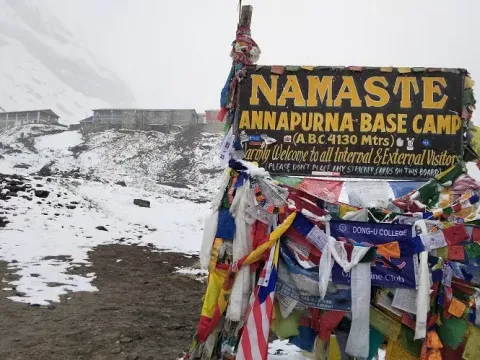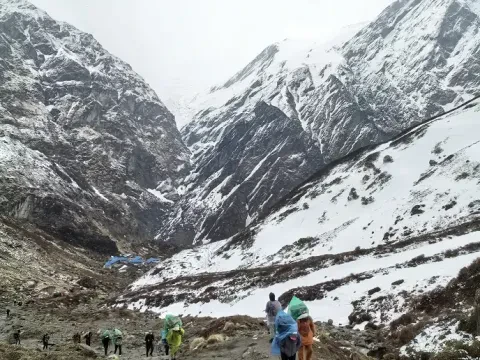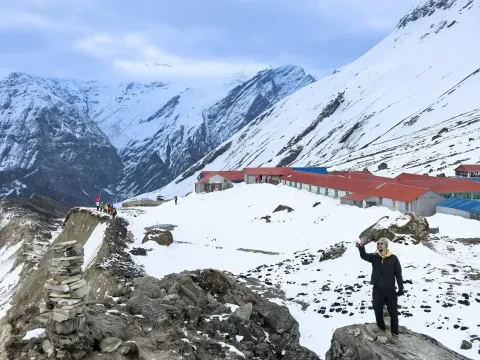
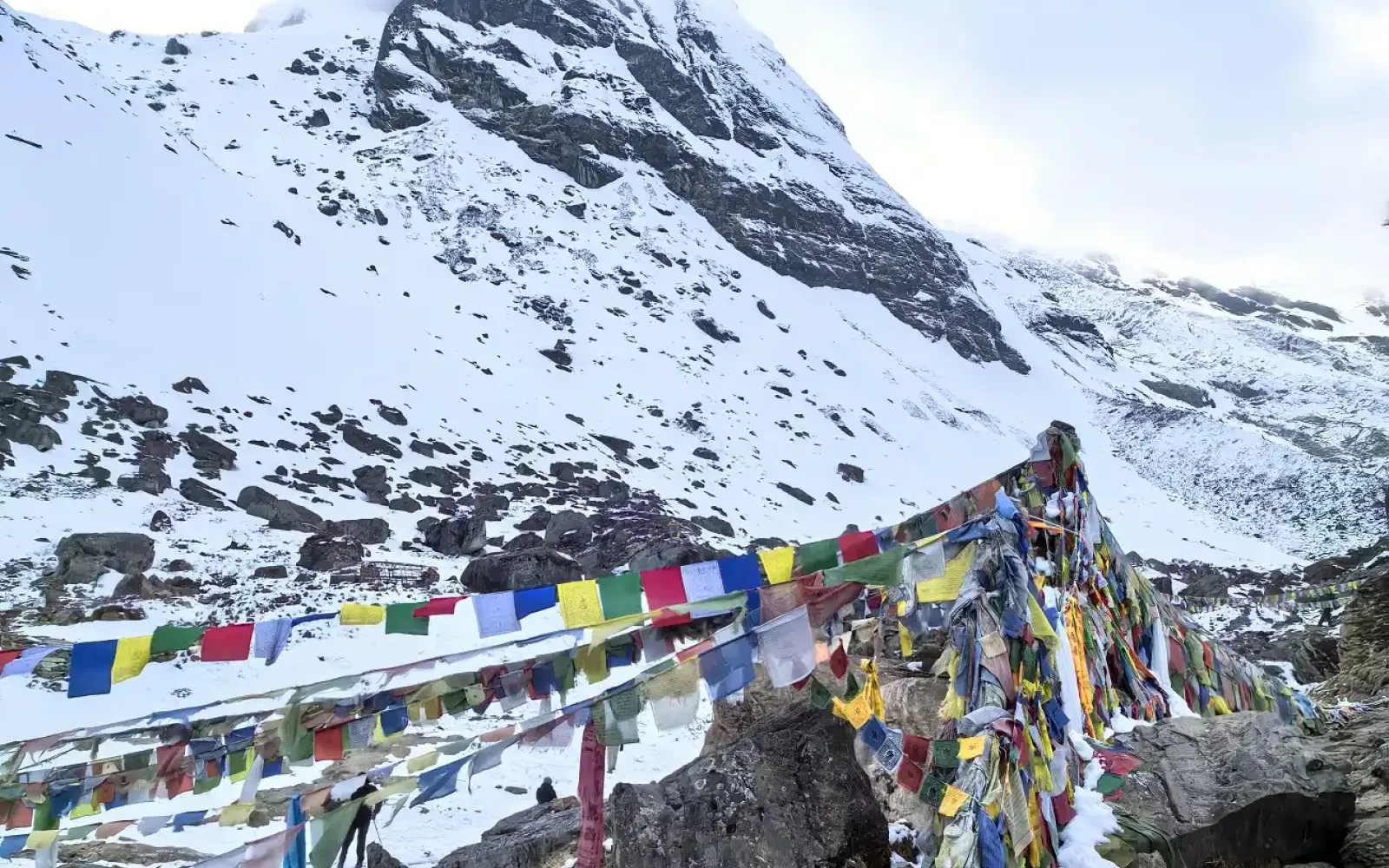
Find out what are the differences between Annapurna Base Camp Trek in Autumn and in Spring. Plan your ABC trek accordingly.
Actually, trekking to the Annapurna Base Camp or ABC is a lifetime aspiration for many trekkers. Selecting the proper season for the journey is a very important consideration. Secondly, the trekking conditions in the Autumn season (Sept-Nov) are also different in the Spring season (Mar-May).
Therefore, knowing the differences in the two seasons can prepare trekkers for their journey and also help them take amazing photographs of the Himalayan ranges. Packages for a trek to the Annapurna Base Camp include understandings regarding the differences in the two seasons.
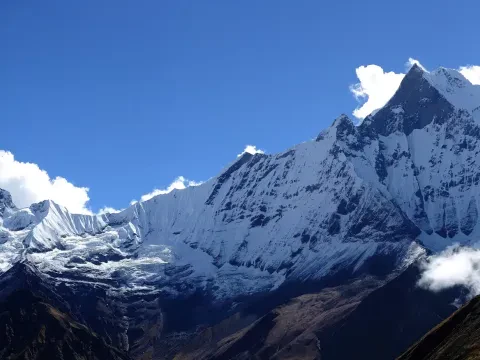
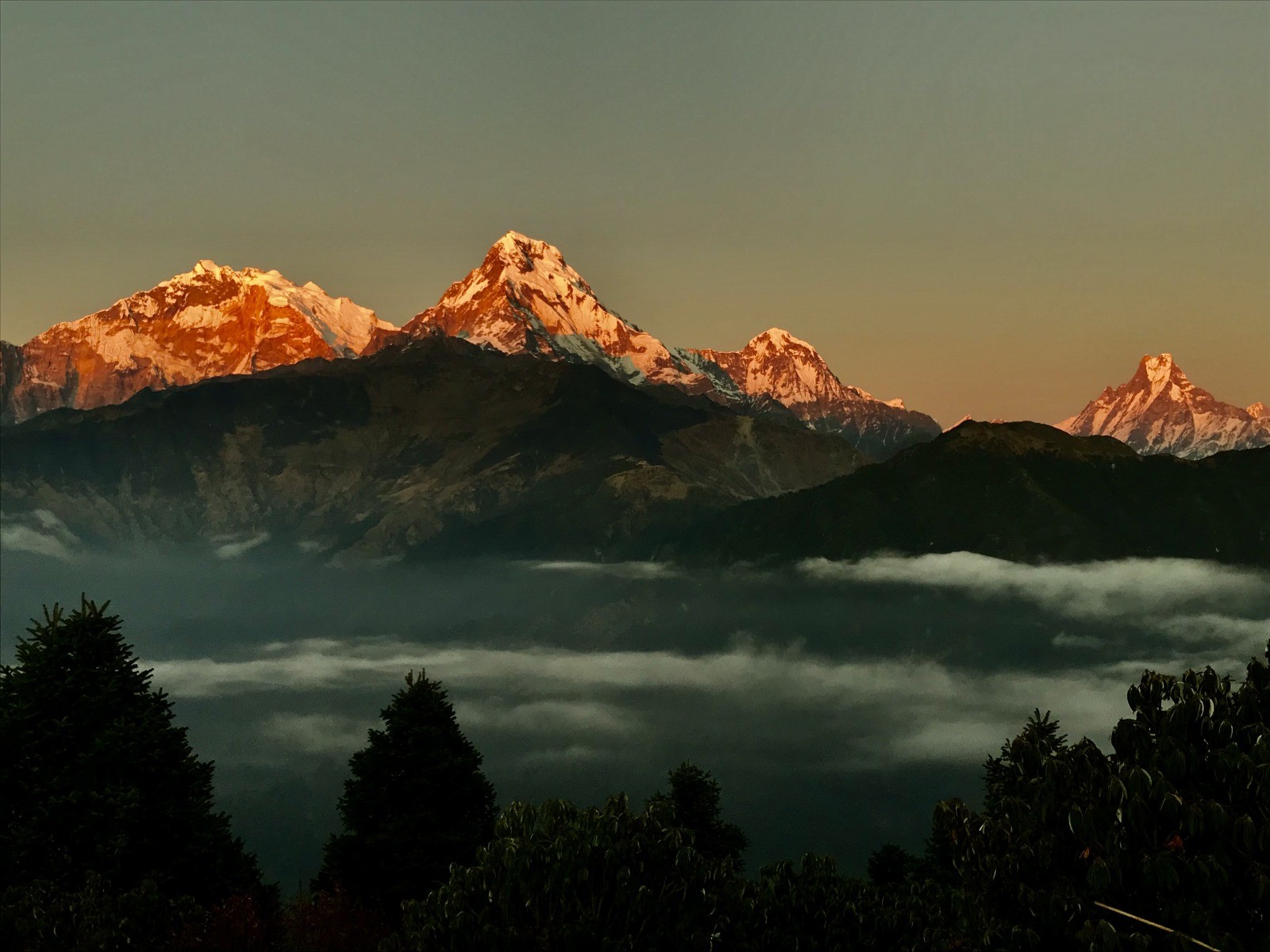
Additionally, Autumn offers trekkers clear skies, favorable climate conditions, and favorable trekking conditions. Autumn remains one of the peak seasons to ABC trekkers and adventure seekers who want to have a wider view of peaks such as Annapurna South (7219m), Machapuchare (6993m), and Hiunchuli (6441m).
On the other hand, Spring favors trekkers with its flowering rhododendron forests, green environments, and favorable trekking conditions. As such, trekkers who target natural scenery and nature photographs can elect Spring over Autumn with increased rainfall.
Furthermore, another factor for consideration, when a person has to make a decision between Autumn or Spring, lies in trekking. For example, the plane fares for a trip to Pokhara, as well as the rates for staying in tea houses and hiring a guide for the trek, tend to differ. Furthermore, Autumn is the peak time for trekking, and as a result, the rates for trekking packages for ABC, hiring a guide, as well as staying in hotels, become high, whereas Spring season offers fewer people for a serene experience.
Moreover, trekkers must factor in acclimatization to high elevations, given that the ABC Trek goes to the Annapurna Base Camp (4130m) from Pokhara (827m) through major milestones of this journey, including Chhomrong (2170m), Bamboo (2310m), and then to Deurali (3230m).
Thus, seasons will have an effect on climate conditions, low temperatures, and route steepness, making it challenging for trekkers or altering their physical tempo. The Autumn season enables trekkers to have a beautiful morning with sufficient sunlight ideal for observing sunrises from the Machapuchare Base Camp. Additionally, the Spring season offers an assortment of plants and relatively high temperatures.
In conclusion, it is imperative to compare and contrast Autumn and Spring for ABC trekkers to consider balancing scenery, weather conditions, costs, and trek comfort. In addition to that, proper planning is vital to ensure that trekkers get to enjoy the Himalayan scenery and culture. The professionals for trekking highly recommend assessment of all aspects of trekking opportunities to determine whether to book Autumn or Spring Annapurna Base Camp trekking
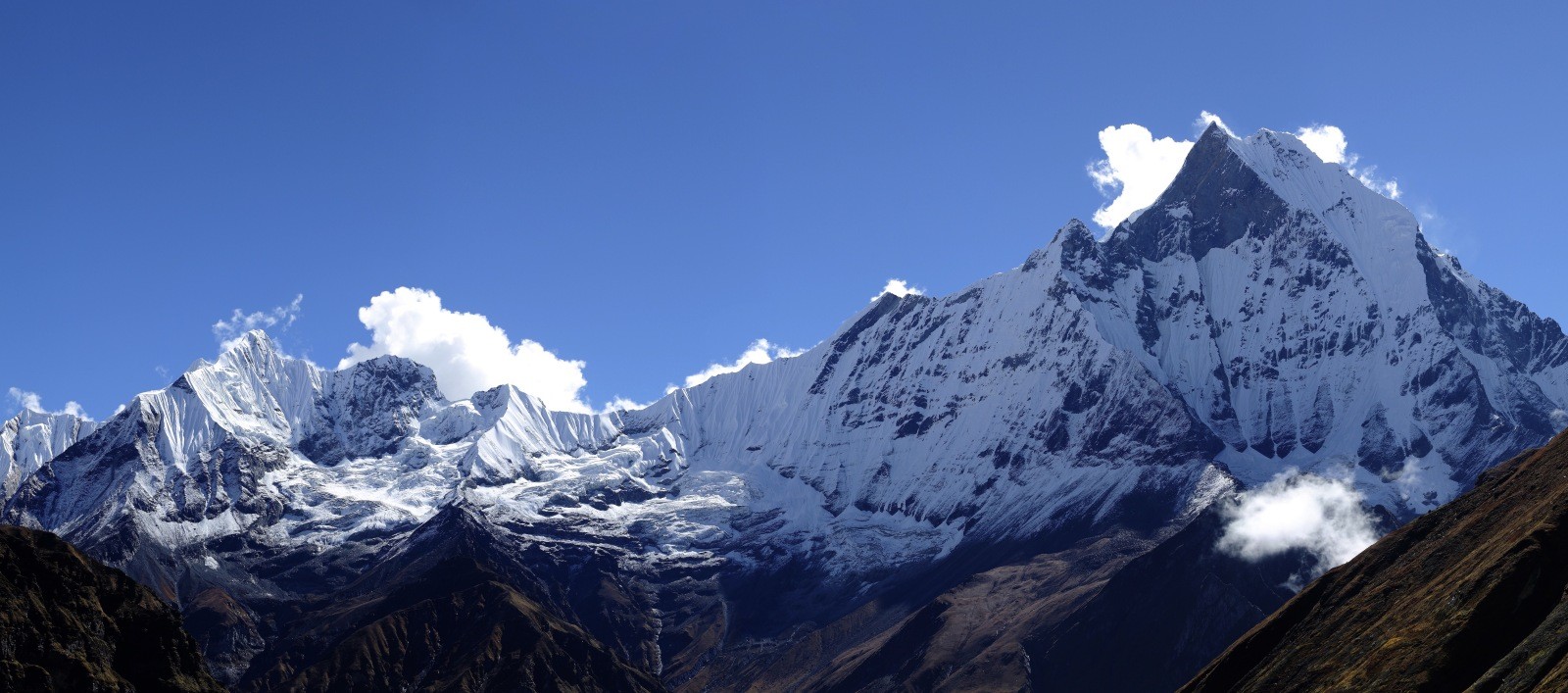
Annapurna Base Camp Trekking Route and Altitude Profile Overview
Information on Annapurna Base Camp Trek route details, including altitude, Annapurna Base Camp Trek stops, and highlights while trekking. Plan your ABC Trek on an efficient route.
Meanwhile, the Annapurna Base Camp Trek is a 128 km journey, which takes trekkers from Syauli Bazar at 1070m to the end point at the Annapurna Base Camp at 4130m. In addition, the route traverses a wide range of environments, from subtropical forests, villages, and meadowlands. Significant points along the route include Ghandruk at 1940m, Chhomrong at 2170m, Bamboo at 2310m, Deurali at 3230m, and the Machapuchare Base Camp at 3700m. These can be termed as acclimatization points, allowing trekkers to explore and enjoy the sights.
Moreover, the ABC trail provides constant views of mountain peaks such as Annapurna I (8091m), Hiunchuli (6441m), and Machapuchare (6993m). Hence, trekkers are able to take wide-angle photographs, witness breathtaking views of the sun rising and setting, and benefit from the environmental diversity along the trail.
Furthermore, the gain in height is gradual, ensuring acclimatization, thereby lowering chances of acclimatization problems such as high-altitude sickness. Trekking trails are accompanied by accommodations in tea houses along the route, along with food and guide services.
Moreover, this trekking trail offers a cultural experience as the trail passes through Gurung and Magar settlements. The hikers get the opportunity to experience the local architecture and celebrations.
Additionally, the ABC trekking trails have lush rhododendron forests and bamboo forests and the river crossing at Modi Khola. This enhances the experience for the hikers. Haven Holidays Nepal trek guides educate the hikers on the management of their pace, water resources, and the trail conditions that exist during the Autumn and Spring seasons. In addition, elevation maps are an important factor in preparation for each season.
For example, for Bamboo (2310m), warmth during Spring exists, but during Autumn, it gets chilly during the night and reaches below freezing levels. Therefore, it becomes necessary for trekkers to bring relevant clothes and trekking gear. Chhomrong (2170m) and Deurali (3230m) trek routes and stops have tea houses that offer warm meals and snacks; therefore, trekking becomes an enjoyable experience with proper planning and knowledge of elevation maps and the seasons.
In conclusion, the Annapurna Base Camp trek is a journey that involves adventure, culture, and beauty of the Himalayas through its planned route and altitude. Furthermore, understanding important points related to trekking routes and mountain altitude and seasonality assists trekkers in better planning for trekking safety, comfort, and interesting experiences.
By reviewing the ABC trail route, major villages, and mountain elevations, hikers can choose the ideal season, manage their trekking schedule efficiently, and maximize the Nepal trekking.
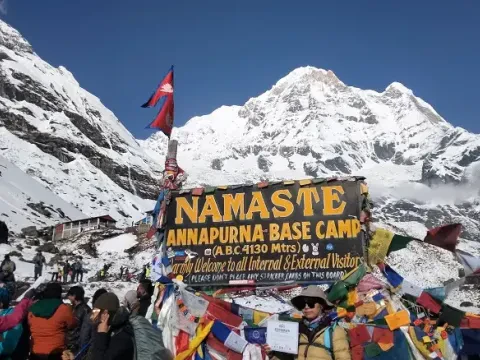
Compare the weather in Annapurna Base Camp trek between two seasons, namely Autumn and Spring. Plan for ABC trekking during clear skies, rhododendron flowering, and scenic mountain views.
The weather factor is crucial in the Annapurna Base Camp (4130m) trekking, whereby clear skies, rainfall, and wind conditions affect the level of comfort, safety, and visibility. The Autumn Season, generally in September, November, offers stable weather and minimal rain with crisp mornings, ideal for photography and mountain vistas and safety.
In contrast, Spring, usually between March and May, presents a moderate climate with occasional showers and vibrant rhododendron blooms, hence popular with hikers for flora observation, cultural interaction, and fresh landscapes. Trekking packages often include seasonal advice, guiding trekkers in choosing either Autumn clarity or Spring’s natural beauty.
Also, Autumn guarantees clear skies and panoramic views of major peaks such as Annapurna I-8091m, Machapuchare-6993m, Hiunchuli-6441m, and Gangapurna-7455m. ABC trekking tour, guided adventure, and photography-focused packages are great in this season, which offers consistent daylight, less humidity, and stable trails.
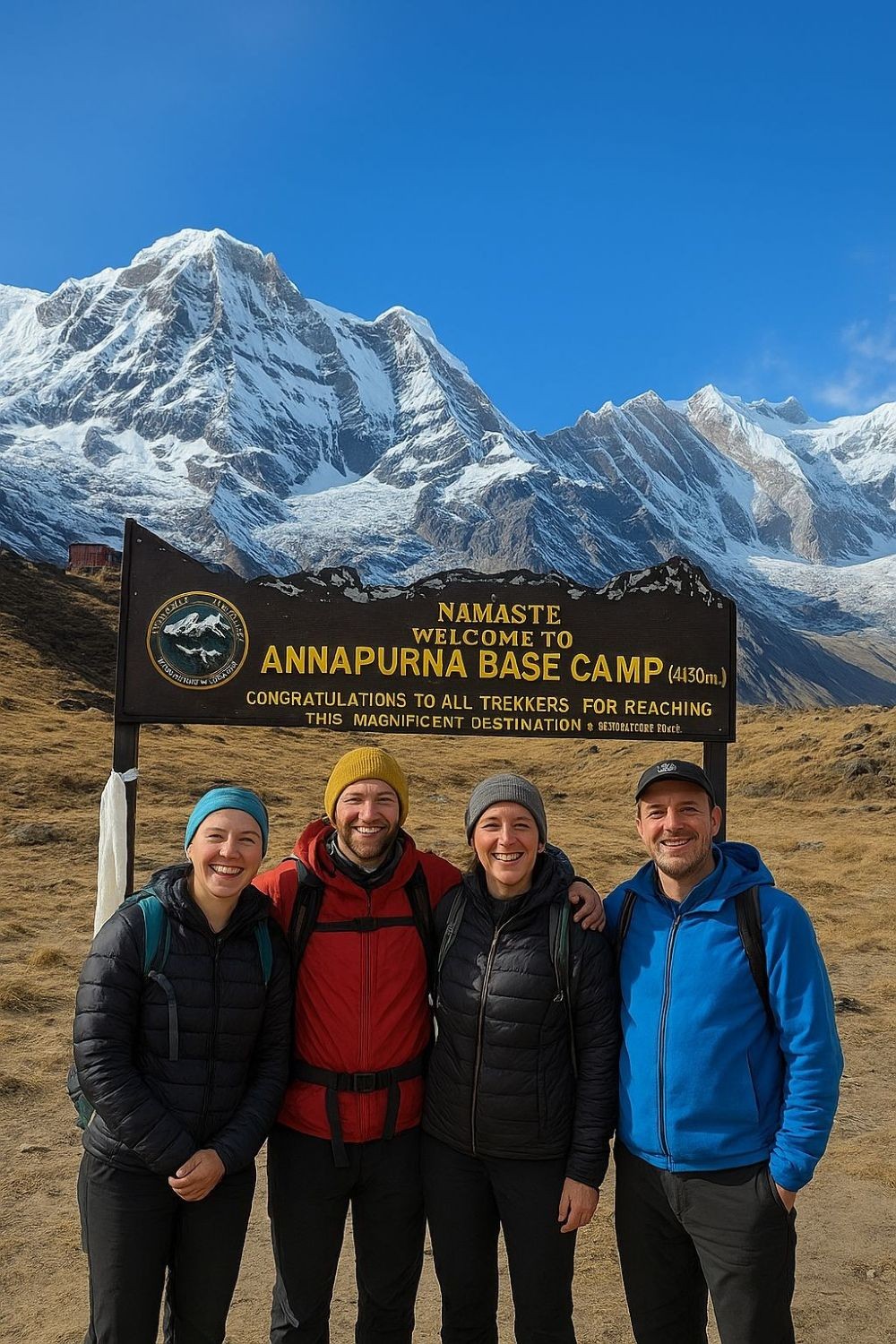
On the other hand, Spring possesses moderate weather, softer sunlight, and bloomed forests along the trail. Due to this, the green landscape of flowering rhododendrons is noticed by trekkers along the trail from Naayapul at 1070m to Annapurna Base Camp at 4130m.
Besides, the precipitation patterns are very different: autumn has dry trails and few signs of mud, with safer river crossings, while the spring can have rain from time to time, making trails slippery and especially hazardous near Bamboo (2310m) and Chhomrong (2170m).
Additionally, trekking companies such as Haven Holidays Nepal recommend light waterproof gear in the spring, while autumn often calls for warmer trekking gear during chilly nights at Deurali (3230m) or Machapuchare Base Camp (3700m). These seasonal differences also affect trekking costs, their range within tea house bookings, and group availability.
Further, the wind and fluctuation in temperature are also considerable. During autumn, mornings are cool while afternoons are warm; it is perfect for long treks and panoramic photography. Spring temperatures rise during the day to go on more comfortable trekking even in mid-altitude parts like Ghandruk and Sinuwa.
Due to this reason, the trekkers can make appropriate plans regarding daily distances, maintain their energy level accordingly, and avoid fatigue caused by altitude gain. Seasonal weather conditions affect the Himalayan visibility. During Autumn, the perfect view of sunrise and sunset is seen of Annapurna South (7219m) and Machapuchare (6993m).
Understanding Autumn versus Spring weather helps trekkers of ABC make a choice between clear, stable skies or the scenic landscapes of blooming. Furthermore, season-specific knowledge about weather conditions helps with proper clothing, trekking gear, and safety planning.
Considering trail conditions, precipitation, and peak views that one wants to take in allows hikers to get full enjoyment from the activity, capture an unforgettable photo in the Himalayas, and experience the best things from Annapurna Base Camp trekking.
Know the temperature difference from Nayapul to Annapurna Base Camp (4130m). Get ready for ABC trekking with seasonal clothes and equipment guidance.
| Location | Elevation (m) | Autumn Temp (°C) | Spring Temp (°C) | Notes |
| Nayapul | 1070m | 20–25 | 18–24 | Warm start, lush forests |
| Tikhedhunga | 1570m | 17–22 | 16–22 | Moderate hiking weather |
| Chhomrong | 2170m | 15–20 | 14–21 | Cooler nights, tea houses available |
| Bamboo | 2310m | 13–18 | 12–19 | Windy afternoons, forest trails |
| Deurali | 3230m | 5–10 | 6–11 | Cold nights, acclimatization required |
| Machapuchare Base Camp | 3700m | 0–5 | 1–7 | Snow possible in early Spring |
| Annapurna Base Camp | 4130m | 2–3 | 1–4 | Cold, layered clothing essential |
Meanwhile, being able to perceive temperature differences is crucial in trekking Annapurna Base Camp at 4130m because it also determines the amount of clothes one would have to carry, energy level, and trekking safety. Nayapul, which is at 1070 meters, starts with warm subtropical conditions, often reaching 20–25°C during Spring and Autumn.
As the trekkers gradually go up through Tikhedhunga at 1570 meters, Ghorepani at 2860 meters, and Chhomrong at 2170 meters, the temperature gradually decreases where there is a requirement for layered clothing, proper trekking shoes, and sleeping gear.
Thus, a trekker should be prepared to face chilly nights and cool mornings at Deurali, which is 3230 meters, and Machapuchare Base Camp at 3700 meters.
In addition, temperature falls is sharper at higher altitudes, especially from Deurali (3230m) to ABC (4130m). It is below freezing during Autumn nights, and insulated jackets and sleeping bags are necessary.
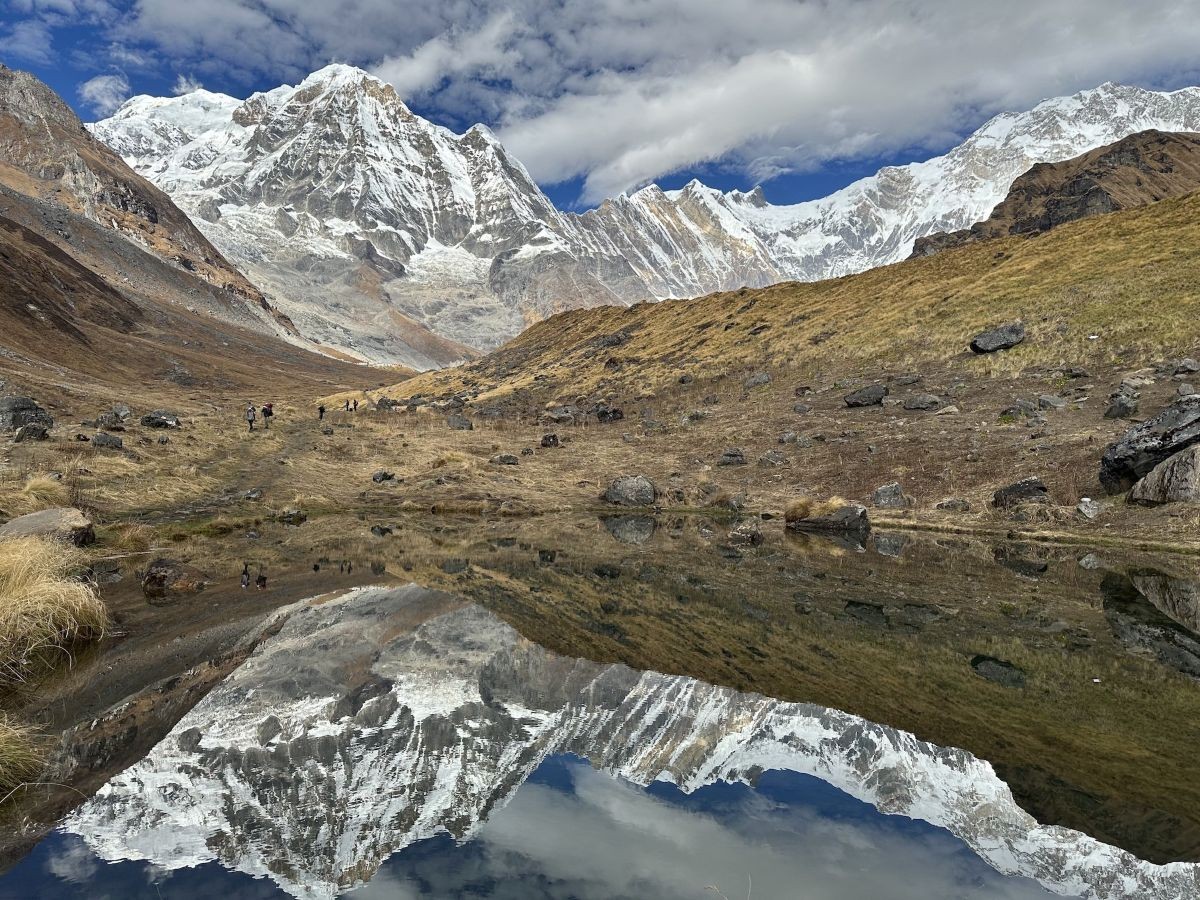
Here, spring is slightly more benign, yet wind chill remains a concern. Trekking packages with Haven Holidays Nepal hence provide expert guidance on clothing, hydration, and acclimatization methods to deal with the variation in temperature. Thus, precise understanding of temperatures at different times of the year ensures both safety and trekking comfort.
Furthermore, temperature fluctuations affect trekking pace and day-to-day itinerary: the warm lower-altitude stretches can afford longer hours of hiking, while cold upper stretches entail more frequent breaks to conserve energy. Besides, these fluctuations will mark the photography options, given that visibility at sunrise and sunset depends on clarity in the atmosphere and fog created by temperature. Spring offers lively flowers along the route, while Autumn is normally a good time for clear skies to photo the Himalayan peaks.
Further, it limits health risks such as hypothermia, fatigue, or dehydration due to proper preparation for temperature differences. Trekking in Autumn or Spring efficiently is possible in ABC, with layered clothes, thermal gear, and seasonal boots.
As a result, the trekker can spend energy at a proper level, enjoy cultural interactions in villages like Ghandruk (1940m), and safely reach Annapurna Base Camp (4130m). Knowledge of temperature fluctuations from Nayapul to ABC will help trekkers not only get appropriate clothes but also manage gear and develop suitable daily schedules accordingly.
Moreover, it helps seasonally adjust and builds up safe and enjoyable trekking trips accordingly. Taking into consideration the variation in temperature, altitude challenges, and seasonal conditions, hikers can optimize their adventure of trekking around Annapurna Base Camp with a minimum level of risks and discomfort.
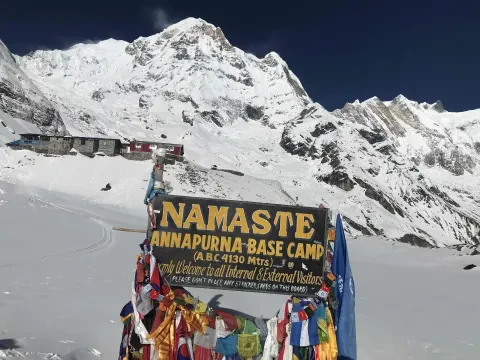
Experience the trail conditions of the Annapurna Base Camp during Autumn. Have a pleasant walk, clear sky, and safe journey from Nayapul to ABC.
Trail Highlights in Autumn:
| Location | Elevation (m) | Trail Condition | Highlights |
| Nayapul | 1070m - Dry, easy - Subtropical forest, village scenery |
| Tikhedhunga | 1570m - Firm, moderate incline - Suspension bridge, waterfall |
| Chhomrong | 2170m - Dry, well-maintained - Mountain views, tea houses |
| Bamboo | 2310m - Stable, scenic - Dense bamboo forest, resting points |
| Deurali | 3230m - Rocky, firm - Panoramic, Annapurna view |
| Machapuchare Base Camp | 3700m - Clear, moderate snow patches - Sunrise and sunset photography |
| Annapurna Base Camp | 4130m - Dry, stable - Panoramic Himalayan peaks, base camp experience |
Additionally, the best time regarding trekking trails is in the Autumn season, which runs from September to November. The trails in Annapurna Base Camp at 4130m are fully unsoiled and less sloppy so that the trekkers can take advantage of the fully ideal trekking trails. Actually, trekking destinations in various spots such as Chhomrong at 2170m, Bamboo at 2310m, Deurali at a height of 3230m, and Machapuchare Base Camp at a spot of 3700 m experience low rain rates such that the trekkers can take advantage of the best time. This makes the Autumn season the best time to trek.
Moreover, trail conditions in Autumn will directly influence trekking ease. Trails on Ghandruk (1940m) and Sinuwa (2340m) will be relatively dry, meaning less mud along trails.
In addition, being dry will also open these routes to Deurali (3230m) and Machapuchare Base Camp (3700m) trekking, meaning that it will be possible to walk every day.
As a result, ABC trekking packages will highlight Autumn to avoid weather hazards, enjoy clear vistas, and reduce tiredness that could come along due to trail wetness.
Secondly, the trails are well-suited for photography and sight-seeing during Autumn. The trekkers can take photographs of Annapurna I (8091m), Hiunchuli (6441m), and Machapuchare (6993m) without any cloud or fog.
In addition to that, trekkers can schedule their photography sessions at Annapurna Base Camp (4130m) and Machapuchare Base Camp (3700m) without any weather restrictions. Additionally, trekking guides from organizations such as Haven Holidays Nepal enable trekkers to trek appropriately while staying hydrated. This is vital for trekking and adventure travel. Additionally, such characteristics aid Himalayan photography.
Further, trail conditions affect the availability of tea houses, trekking packages, and costs of trekking. In addition, the villages along the way operate fully, with meals, accommodations, and trekking services available in places such as Bamboo (2310 meters), Deurali (3230 meters), and Chhomrong (2170 meters).
Essentially, trekkers get services in terms of accommodations, guiding, and trail conditions. Trekking packages during Autumn are a bit higher, reflecting the season’s popular appeal, while prioritizing safety and ease.
In light of the above discussion, it is concluded that Autumn trail conditions are quite good for trekking at the Annapurna Base Camp.
Moreover, it can be concluded that trekkers get to enjoy safe trekking trails, good views of the Himalayas, and comfortable stays at tea houses during the peak season of Autumn, when they undertake the trek to Annapurna Base Camp.
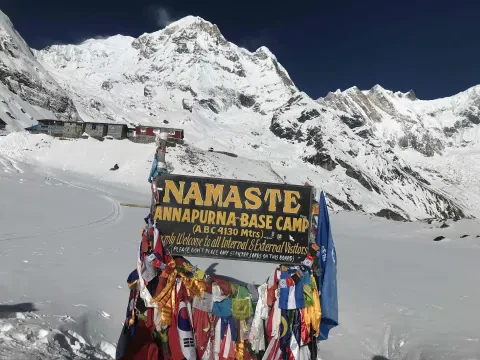
Get information on Annapurna Base Camp trail conditions in Spring. Experience rhododendron blooms, snowfall, and pleasant treks from Nayapul to ABC.
Spring Trail Highlights:
| Location | Elevation (m) | Trail Condition | Highlights |
| Nayapul | 1070m - Dry, mild - Subtropical forest start, village scenery. |
| Tikhedhunga | 1570m - Slightly wet after rain - Waterfalls, suspension bridge. |
| Chhomrong | 2170m - Firm, scenic - Village life, mountain views. |
| Bamboo | 2310m - Occasional muddy patches - Dense bamboo forest. |
| Deurali | 3230m - Snow patches possible - Panoramic Annapurna view. |
| Machapuchare Base Camp | 3700m - Mixed snow and dry areas - Sunrise/sunset photography. |
| Annapurna Base Camp | 4130m - Light snow possible - Panoramic Himalayan peaks, base camp experience. |
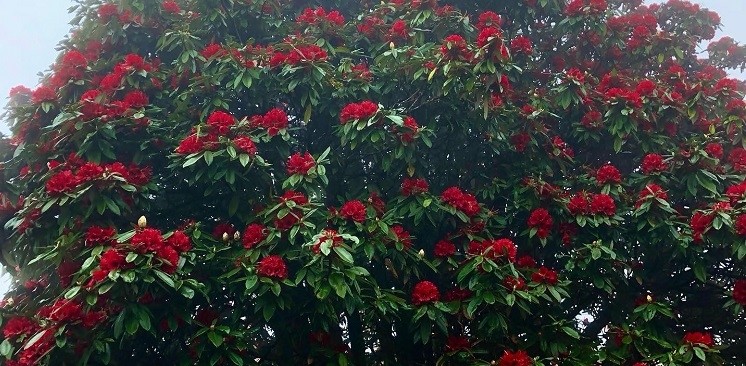
Moreover, Spring (March to May) has treks for Annapurna Base Camp (4130m) that are characterized by distinct landscapes, rhododendron in bloom, and sometimes snow. The treks from Nayapul (1070m) to Machapuchare Base Camp (3700m) go through rhododendron forests, verdant valleys, and settlements, including Chhomrong (2170m) and Bamboo (2310m) treks.
For this reason, Spring treks to Poon hill are preferred by trekkers, nature photographers, and adventure travelers seeking vibrant scenery, moderate weather, and Himalayan panorama.
In addition, Poon Hill Trek in Spring also faces trails that are partly hard and partly soggy due to rainfall and melted snow in the upper regions. Trekkers also encounter icy regions around Deurali (3230m) and Machapuchare Base Camp (3700m).
Thus, under such trekking conditions, one also has to be careful and prepared with appropriate trekking gear like spring trekking boots and trekking poles. Further, due to moderate climate conditions in mid-altitude regions such as Ghandruk (1940m) and Sinuwa (2340m), trekking is convenient, though one still has to be well-dressed in multiple layers in upper regions.
In addition, flowering rhododendron trees also make Poon Hill Trek in Spring a great season for trekking due to the outstanding experience gained while walking through these flowering trails, which is not achievable in other seasons.
Further, treks between Ghorepani, which is 2860m above sea level, and Chhomrong, which is 2170m above sea level, have flower trails along the way. In addition, treks are accompanied by flowing rivers or streams, which make Spring a great season for treks.
In conclusion, Spring trail conditions provide opportunities of rhodendron blooms, Snow fall, and treking opportunities through Nayapul (1070m) to Annapurna Base Camp (4130m).
Furthermore, this season ensures a combination of adventure trekking, Natural Sightseeing, Normal temperatures, and a Medium level of difficult. By taking into consideration trail conditions, floral scenery, and times of Snow fall, it will be possible to avail the best opportunities of Annapurna Base Camp trek.

Sharp, clear mountain views are what you can expect during Autumn on the Annapurna Base Camp trek. Some of the mountains that you will be able to see include Annapurna I 8091m, Machapuchare 6993m, and Hiunchuli 6441m.
Mountain Visibility Highlights during Autumn:
| Location | Elevation | Key Peaks |
| Nayapul | 1,070m - Subtle, distant peaks |
| Ghandruk | 1940m - Clear, panoramic - Annapurna South (7219m) |
| Chhomrong | 2170m - Esharpe, clear - Hiunchuli (6441m) |
| Bamboo | 2310m - Crisp - Gangapurna 7455m |
| Deurali | 3230m - Excellent Annapurna I (8091m) |
| Machapuchare Base Camp | 3700m - Perfect Machapuchare (6993m) |
| Annapurna Base Camp | 4130m - Outstanding Entire Annapurna Massif |
Additionally, Autumn is considered the best season to view the Himalayas clearly along the Annapurna Base Camp (4130m) trek. The sky remains crisp and cloudless during this time of the year, which gives a panoramic view of Annapurna I (8091m), Machapuchare (6993m), Hiunchuli (6441m), and Gangapurna (7455m).
Because of this particular reason, Autumn corresponds to peak trekking conditions of photography, sightseeing, and guided ABC tours with sharp and continued visibility. Autumn Season Trekking companies, such as Haven Holidays Nepal, outline this season for Himalayan photography, peak visibility, and adventure trekking.

Besides, the combination of dustless trails and clear skies enables trekkers to get sunrise and sunset perspectives from Machapuchare Base Camp (3700m) and Annapurna Base Camp (4130m). Morning rays bring out snow-capped peaks with sharp outlines against the sky, ultimately rewarding panoramic photography.
Additionally, high-altitude stops like Deurali (3230m) and Bamboo (2310m) show clear vistas of surrounding peaks, therefore making the trek visually rewarded. Thus, autumn trekking packages usually include these viewpoints in the package.
Added to that, stable atmospheric conditions reduce cloud cover and haze, affording long-distance visibility. The Peaks of Annapurna South at 7219m and Tilicho Peak at 7134m are distinctly visible; in fact, providing the hikers with continuous Himalayan panorama.
Moreover, Autumn also ensures that trekking can be done during moderate daytime temperatures, diminishing the haze due to excessive heat or rainfall. Trekkers experience visual clarity, peak photography, and immersion into the culture across villages like Ghandruk at 1940m and Chhomrong at 2170m.
Here, the constant crisp visibility also motivates trekkers to build up longer sessions of photography in the early morning and late afternoon in high-altitude locations.
Thus, popular photography spots include Machapuchare Base Camp (3700m), Deurali (3230m), and Annapurna Base Camp (4130m). The trails are less hazardous during Autumn, allowing more hours of daylight to observe mountains without compromise on the safety aspect of trekking. The trekking guides ensure proper timing for photographers, adventure travelers, and Himalayan aficionados.
In conclusion, Autumn provides the clearest mountain visibility for Annapurna Base Camp trekking. Furthermore, hikers enjoy crisp Himalayan panoramas and sharp views with perfect photography. Consideration of peak visibility, seasonal weather, and trail stability will help hikers to have an entirely excellent Annapurna Base Camp adventure during autumn.

Behold mountain views from Annapurna Base Camp in Spring. Delight yourself with soft light, morning clouds, rhododendrons, and dramatic Himalayan scenes.
Spring Mountain Highlights:
| Location | Elevation (m) | Mountain View | Seasonal Effect. |
| Nayapul | 1070m | Distant peaks | Subtropical mist. |
| Ghandruk | 1940m - Clear/soft - Rhododendron blooms. |
| Chhomrong | 2170m - Cloud-framed - Morning mist. |
| Bamboo | 2310m - Scenic ridge views - Green valleys. |
| Deurali | 3230m - Snow patches - Dramatic light. |
| Machapuchare Base Camp | 3700m - Partially clouded - Sunrise photography. |
| Annapurna Base Camp | 4130m - Panoramic - Snow and soft light. |
Furthermore, it provides softer Himalayan views and dynamic weather patterns during Spring-March to May, offering trekking at Annapurna Base Camp-4130m.
Accordingly, every morning, clouds forming around Annapurna I-8091m, Machapuchare-6993m, and Hiunchuli-6441m create a dramatization for the hiker and photographers.
Thus, Spring is the best time for trekkers in search of blooming rhododendrons, moderate temperatures, and visually captivating landscapes during Annapurna trekking. Trekking packages highlight this season for scenic photography, flowering forests, and dynamic mountain vistas.
Importantly, the interplay of sunlight and clouds maximizes dramatic photography early in the morning or late in the afternoon. Peaks such as Annapurna South (7219m) and Tilicho Peak (7134m) seem framed by soft light, accentuating snow textures and ridge lines. Mid-altitude stops, such as Ghandruk (1940m) and Chhomrong (2170m), are ideal vantage points to observe morning mists rolling across valleys.
Thus, Spring trekking represents a combination of adventure, natural beauty, and cultural exploration along the so-called teahouse trails.
Also, scattered snow patches at higher altitudes, such as in Deurali (3230m) and Machapuchare Base Camp (3700m), contrast with blooming rhododendrons and green valleys. Thus, hikers can also get varied landscapes while viewing the Himalayan peaks. Soft light conditions reduce glares in photography and emphasize details in both high- and mid-altitude parts. Trekking companies guide their hikers to optimize the photography, viewing of sceneries, and adventure safely during the Spring season.
Additionally, the visibility of Spring changes throughout the day. The early morning presents spectacular views in cloud-filled panoramas, while by late morning, clouds obscure the farther peaks to give magical views to trekkers.
In addition, the temperateness of the temperature and rivers in flow contribute to a romantic scenery that makes Spring optimum for capturing Himalayan scenery along this trek from Nayapul (1070m) to ABC (4130m). Tea house stops on the route, including Bamboo (2310m) and Chhomrong (2170m), provide appropriate viewpoints for mountain observations and photography.
In the end, Annapurna Base Camp trekking in Spring presents dramatic and soft-lighted mountain views in combination with flowering forests and occasional snowfalls. In addition, the breadth of Himalayan scenery, adventure trekking, and photo action attracts hikers. Considering the pattern of clouds, seasonal visibility, and natural beauty, trekkers can experience most pictorial trekking during Spring at Annapurna Base Camp.
Find out about the crowd levels in Annapurna Base Camp during Autumn. Enjoy peak season trekking from Ghorepani (2860m) to Deurali (3230m).
Peak Autumn Crowds Highlights:
| Location | Elevation (m) | Crowd Level | Recommended Strategy |
| Ghorepani | 2860m - Very high - Early arrival, pre-booked tea house |
| Chhomrong | 2170m - High - Guided group pacing, reservations |
| Bamboo | 2310m - Moderate-high - Secure lodging in advance |
| Deurali | 3230m - High - Early check-in, guided tour advantage |
Also, Autumn (September to November) is the busiest season for trekking to the Annapurna Base Camp trekking route, which stands at 4130m high. This is because trekkers get to enjoy favorable climatic conditions and scenes of the Himalayas. As a result, trekking routes from Ghorepani to Deurali, measuring 2860m and 3230m high respectively, get heavily populated, and arrangements are needed for trekking packages.
Additionally, Ghorepani (2860m) - leading to Poon Hill sunrise views - is also a hotspot due to photographers, trekkers, and tour group members. More people are on the trails around Chhomrong (2170m) and Bamboo (2310m) too, since they are approaching higher altitudes. In addition, Deurali (3230m) - which is one of the most popular spots - offers minimal lodging alternatives, leading to early check-ins and pre-booked accommodations. Here, planning is essential for trekkers when considering trekking packages for comfort and trail access during this time.
Moreover, the ABC treks in the Autumn season are ideal for meeting people on the trek. The trekkers can mingle with other travelers who are from various parts of the world. The villages on the trails in the Autumn season are full of people as Ghandruk at 1940m and Sinuwa at 2340m.
Therefore, apart from the picturesque features of the Autumn season, the advantages of a more developed experience are also involved. This becomes the major selling point for the trekking experience. The major keys are adventure trekking, people meeting, and a developing experience.
Additionally, the presence of many people influences trekking speed. With the trail being well-marked and safe, the impact of crowds may be realized when trekking slowly due to the congestion along the narrow trails at Modi Khola and ascents to Deurali (3230m).
Additionally, clients may have to queue for resting points or tea houses when trekking during the peak season. This issue is managed by the trek packages that include early morning trekking, personal guides for the clients, and guaranteed preference while booking accommodations.
In conclusion, Autumn leaves large numbers of people on Annapurna Base Camp trails, especially from Ghorepani (2860m) to Deurali (3230m). Additionally, prior planning through guided tour programs, booking tea house lodges in advance, and having an early start helps ensure a comfortable, secure, and ultimate Himalayan adventure. It thus becomes possible to have an ultimate Autumn trekking adventure through consideration of the above factors.
Discover crowd conditions at Annapurna Base Camp during the Spring season. Experience well-balanced trekking days, fewer people, and readily accessible tea houses from Nayapul to ABC.
Spring Trekking Highlights:
| Location | Elevation (m) - Crowd Level - Tea House Availability |
| Ghorepani | 2860m - Moderate - Easy booking |
| Chhomrong | 2170m - Low-moderate - Rooms available |
| Bamboo | 2310m - Low - Quick accommodation |
| Deurali | 3230m - Moderate - Comfortable stay |
Moreover, Spring (March to May) has Annapurna Base Camp (4130m) treks with moderate troop levels. It has congenial climate conditions with rhododendron blooms and relatively free routes from Nayapul (1070m) to Deurali (3230m) compared to autumn seasons. Therefore, Spring is considered the best time to take treks with low troop levels, easy access to tea houses, and comfortable guided treks. Trekking packages are centered around moderate troop levels, natural beauty, and versatile accommodations.
Furthermore, trail sections such as Ghorepani (2860m), Chhomrong (2170m), and Bamboo (2310m) have moderate trekking, giving a chance for a natural environment and views of the Himalayas. Furthermore, tea houses are still open, allowing people to reserve a room very short notice without compromising on comforts. Spring season hikes are also good for flexible trekking, photo shooting, and moderate trekking, considered safe for beginners.
Additionally, there are less number of crowds that make this hike enjoyable for trekkers who can walk at their own pace. Cultural experiences of trekkers can be attained by visiting villages that lie between trek routes and these villages include Ghandruk and Sinuwa villages that are at an altitude of 1940m and 2340m respectively. Therefore, during this season, all elements of trek experience meet appropriateness.
In addition to this, Spring is also characterized by trekking itineraries facilitated by Spring to trek without crowd peaks. The routes remain safe and dry with moderate crowd conditions that minimize delays when accessing tea house points. Additionally, places ideal for sunset and sunrise views such as Poon Hill (3210 meters) can be visited with minimal crowd presence. The Himalayas offer picture-perfect moments for photographers.
In conclusion, in light of the foregoing discussion, it can be concluded that spring trekking on the trails of the Annapurna Base Camp offers a good balance of crowd, better accessibility of tea houses, and less crowded days of trekking. Furthermore, manageable crowd facilitates flexibility of schedule, safe trekking, and improved experience of the Himalayas.
Teahouse Highlights:
| Location | (Elevation) × Autumn Availability × Spring Availability × Room Comfort |
| Ghorepani | 2860m | High demand.easy,Good, shared rooms |
| Chhomrong | 2170m | High demand | Moderate | Warm bedding |
| Bamboo | 2310m | Moderate | Easy, Comfortable mats |
| Deurali | 3230m | Limited | Easy Basic but warm |
| Machapuchare Base Camp | 3700m | Basic Limited | Moderate Shared, limited heating |
In addition, teahouse availability and room comfort play a very important role in Annapurna Base Camp (4130m) trekking. During Autumn, which is the peak trekking season, hundreds of hikers make it a very demanding region for accommodations in Ghorepani (2860m), Chhomrong (2170m), and Deurali (3230m). As such, room booking in advance through a package deal in trekking or guided tours will provide much comfort. The high-quality availability of teahouses with facilities like hot showers, clean bedding, and cozy rooms increases safety, warmth, and relaxations after long trekking.
Furthermore, Spring trekking for Annapurna Base Camp-Offered in March to May-is more equanimous with crowds, and thus the teahouses are more approachable on the trail to Bamboo-2310m, Ghandruk-1940m, and Sinuwa-2340m.
Usually, the rooms are available without prior reservations, making this season more feasible for spontaneous trekkers or small groups. Further, moderate temperatures and fewer crowds make sleeping arrangements comfortable, including blankets, mattresses, and insulated bedding. These advantages with room quality, teahouse services, and availability of lodges are usually stressed when trekking package benefits are outlined to the Spring trekkers.
Besides, the quality of teahouses also differs with the geographical location and elevation. The famous high camps include Machapuchare Base Camp at 3700m and Annapurna Base Camp at 4130m, which offer very basic facilities, including shared rooms with limited heating.
Thus, Autumn trekkers may have to arrive early in order to get a room that is reasonably warm, while it's mostly easy to get a room for the Spring trekkers with little or no prior planning.
Here, guided ABC trekking packages, such as those by Haven Holidays Nepal include details on room comfort, how far in advance to book rooms, and seasonal expected availability, so trekkers stay safely and restfully.
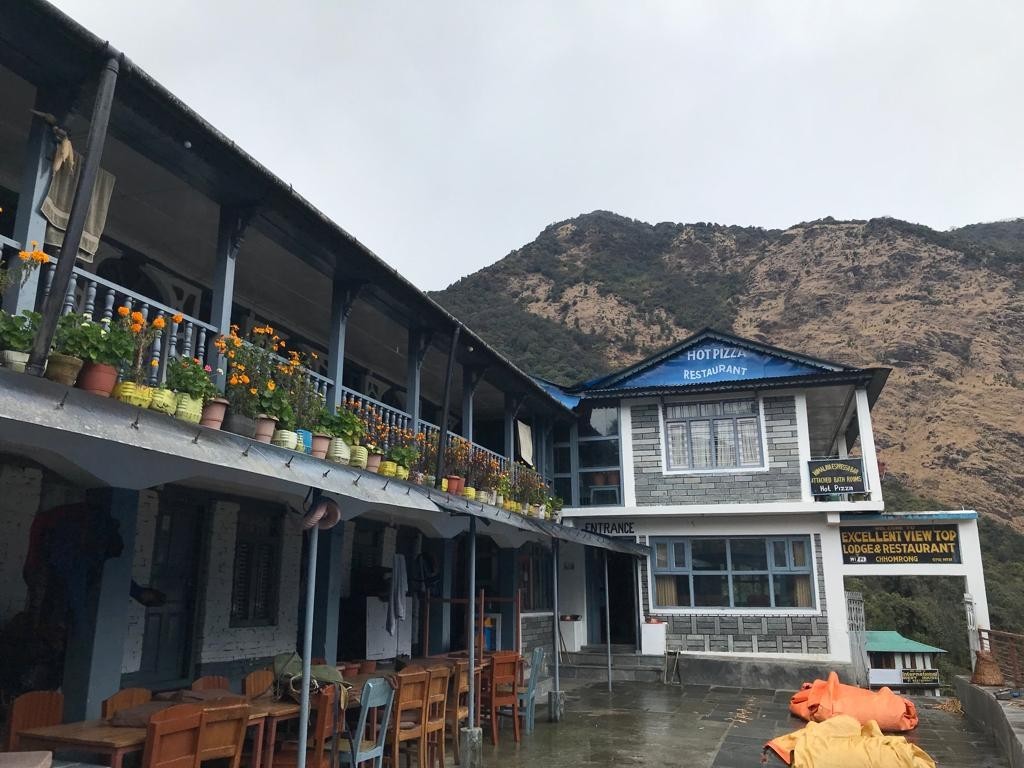
In fact, cost differences between ABC Trekking in Autumn and Spring are also significant. Teahouse room prices are a little higher during peak Autumn season, whereas Spring tries to be competitive in pricing. Additionally, if the room has hot showers, Wi-Fi, or private bedding, costs increase, though comfort may rise significantly for trekkers at high-altitude stops like Deurali (3230m) and Machapuchare Base Camp (3700m). Thus, seasonal variation helps trekkers very efficiently plan both budget and comfort.
By contrast, teahouse availability and room comfort are different between Autumn and Spring treks along the ABC trail. Furthermore, guided packages, early bookings, and seasonal awareness guarantee safe, comfortable stays that are relaxing. With crowd level, lodging quality, and seasonal demand in mind, trekkers are able to maximize both comfort and experience along the Annapurna Base Camp trek.
Explore food varieties and fresh produce on the Annapurna Base Camp trek. Compare Autumn and Spring treks based on meal nutrition and local food.
Food Highlights on the ABC Trek:
| Location | Elevation(m) | Autumn food availability | Spring food availability | Notes |
| Ghorepani | 2860m | Full menu | Full menu Dal bhat, momos, noodles |
| Chhomrong | 2170m | good excellent | fresh vegetables, soups |
| Bamboo | 2310m | GoodExcellent | local fruits, tea options |
| Deurali | 3230m | Limited | Moderate | Simple hot meals, tea |
| Machapuchare Base Camp | 3700m | Basic | High-energy, hot soups |
Meanwhile, food variety and fresh produce availability are the other main factors affecting trekking experiences at Annapurna Base Camp at 4130 meters above sea level. During Autumn, high trekking season creates a surge of demand for meals at Ghorepani (2860m), Chhomrong (2170m), and Deurali (3230m).
Because of this, teahouses along the ABC Trail make sure that the menu remains consistent, comprising dal bhat, noodles, momos, and seasonal vegetables to keep trekkers adequately nourished. Meal planning, packages of high-calorie food, and local cuisine experience are therefore emphasized in many packages as components of trekking comfort.
Additionally, Spring Annapurna Base Camp trekking has balanced masses, meaning access to variant meals is easier up to Bamboo at 2310m, Ghandruk at 1940m, and Sinuwa at 2340m. More fresh local vegetables, fruits, and dairy products are accessible, which increases taste and nutrition. In addition, the trekking package focuses on food balance, uses local ingredients, and is friendly towards vegetarian trekkers to ensure energy is maintained throughout the daily hike. There are seasonal menus that suit the hikers' preferences for high-protein or carbohydrate-rich meals.
Also, the quality of food changes depending on the place and altitude on ABC Trek. High-altitude stops, such as Machapuchare Base Camp (3700m) and Annapurna Base Camp (4130m), can only provide basic meals due to the supply challenges. Thus, Autumn trekkers may have to pay a little more for fresh produce, while Spring provides moderate prices with better availability.
In addition, hot meals, soups, and teas become necessary to stay warm and keep trekking energies high. Correspondingly, packages also often include guidance on meal budgeting, hydration, and nutritional planning for both seasons.
Here, teahouses also cater to vegan, gluten-free, and high-protein meals. Spring allows easier access to fresh eggs, milk, and vegetables from local markets, while Autumn provides more reliable menus, sufficient portions, and traditional Nepali meals during peak season. As a result of such availability, trekkers can plan meals effectively to maintain energy, enjoy cultural cuisine, and experience local flavors on the trail.

In general, during Annapurna Base Camp Trek in Autumn and Spring trekking trail, there is minor variation in food variety and fresh produce availability. With proper planning, packaged tours, and seasons in mind, trekkers can still enjoy nutritious meals with local cuisine and sufficient energy.
By considering meal quality and the availability of fresh produce and high-altitude food, trekkers can maximize both health and experience during a trek to Annapurna Base Camp.

In conclusion, ABC Trekking during Autumn in Annapurna Base Camp has much to offer in terms of cultural immersion during Dashain and Tihar. Additionally, trekkers get to learn about Nepalese culture and traditions. By taking all factors related to festivals, interactions with village people, and packages with guides, adventurers can have the best of both worlds.
Experience spring festivals of Nepal and daily local life during Annapurna Base Camp trek. Enjoy flowers of Rhododendrons and cultural experiences from Nayapul (1070m) to ABC (4130m).
Spring Cultural Highlights:
| Village | Elevation (m) | Festival | Cultural Activity |
| Ghandruk | 1940m | Holi | Color celebration, dances, local music |
| Chhomrong | 2170m | Local fair | Handicrafts, food sampling |
| Bamboo | 2310m | Holi | Village participation, traditional meals |
| Deurali | 3230m | Spring rituals | Farming observation, cultural learning |
Moreover, Spring (March to May) serves as a lively time for Annapurna Base Camp (4130m) trekkers, as they can enjoy the local lifestyle and festivals. Ghandruk (1940m), Chhomrong (2170m), Bamboo (2310m), and other villages begin celebrating festivals like Holi, along with small fairs.
Therefore, trekking adventures in Spring become more exciting when combined with the blooming colors of Rhododendron trees, during a pleasant climate, of course, along with various fun activities like cultural immersion.
In addition, the spring festivals, Holi, for example, are the events that allow trekkers to participate in color festivals, as well as get information on local dances and music. Further, the villages offer trekkers the opportunity to sample the local products, such as foods, crafts, and drinks. These allow trekkers to experience the daily life of people in the region. Thus, Spring trekking is a blend of exploration, trekking, and the natural environment.
Moreover, the local environment in Spring is marked by agricultural activities corresponding to the change in seasons. Crops in the surrounding areas of Sinuwa (2340m) and Deurali (3230m) are being cultivated enthusiastically. Terraced farm fields display rich greenery, indicating healthful conditions.
Additionally, trekkers observe activities such as herding sheep, growing vegetables, and preparing food in ways that provide a taste of Himalayan environmental encounters.
In addition, having a moderate crowd during Spring allows trekkers to enjoy interactions with villagers and festivals without having to queue or wait for long. Food outlets along Ghorepani (2860m) and Chhomrong (2170m) offer trekkers meals and accommodations where they can feel immersed in the local lifestyle.
Thus, treks usually offer navigational information about festivals, photo shooting points, and cultural interactions for trekkers to enjoy Spring to the fullest.
In conclusion, Spring treks to the Annapurna Base Camp are opportunities for trekkers to have cultural encounters through festivals, blooming scenery, and cultural village life.
Additionally, trekkers will have interaction with the locals, festivals, and photo opportunities in the Himalayas. Thus, trekkers can enhance their Spring experience in the Annapurna Base Camp by considering festivals, culture, and conditions for treks.
Explore the flora and fauna on Annapurna Base Camp in Spring and Autumn. Enjoy the biodiversity in Bamboo (2310m) and Modi Khola (700–1200m).
Flora and Fauna Highlights:
| Section | Elevation (m) | Spring Highlights | Autumn Highlights | Key Species |
| Modi Khola | 700–1200m | Flowing river, aquatic life | Dry trails, Himalayan squirrelsPheasants, langurs. |
| Bamboo | 2310m | Rhododendron blooms, wildflowers | Golden pine forests | Himalayan monal, pheasants. |
In addition, the Bamboo/2310m and Modi Khola/700–1200m stages are also offering rich biodiversity on the Annapurna Base Camp trek 4130m. Rhododendrons bloom in spring/From March to May of the year with other wildflowers, while wild animals also start being active. Due to this very reason, different guided ABC trek packages emphasize wildlife viewing, floral photography, seasonal biodiversity to make trekking more memorable.
Actually, Autumn is a time of the year when the vegetation is ripe, with golden foliage, forests of pine, and stable animal activity. The birdwatching opportunities are nice in these areas: Bamboo-2310m and Modi Khola-700–1200m. These include bulbuls, nuthatches, and Himalayan griffons.
Additionally, the cool and dry weather makes it easier for trekkers to travel around flora and fauna without obstacles like overgrown vegetation and rain-soaked trails. The packages have focussed on nature trekking, wild-life spotting, and Himalayan ecology for this season.
Besides this, Spring encourages active river ecosystems along Modi Khola 700–1200m, supporting aquatic life and lush valley vegetation. Rhododendron forests in Bamboo at 2310m bloom with such clarity that photographers and nature lovers are attracted alike.
So in one route, trekkers can experience lowland biodiversity and high-altitude flora and capture rare wild life and flowering landscapes. Adventure trekking, biodiversity, and Himalayan flora become the herald of Spring itineraries.
Besides, Autumn’s dry conditions along Modi Khola (700–1200m) and Bamboo (2310m) provide trails that are safe to use and whose paths are clear enough for fauna observation. Consistent activity means trekkers can observe Himalayan squirrels, pheasants, and occasional Himalayan tahr.
Additionally, Autumn trekking packages also include eco-tourism, flora and fauna photography, and guided nature trails to enhance the trekking experience in the Himalayas. The trails are accessible for extended nature observations with minimal interference by seasonal growth.
In short, the sections of Bamboo (2310m) to Modi Khola fall within the altitudinal range of 700–1200m, offering diverse flora and fauna in Spring and Autumn. Furthermore, trekkers can also go for the Himalayan ecosystems, seasonal blooms, and wildlife observations. By considering biodiversity, seasonal differences, and guided nature trekking, hikers maximize both adventure and natural exploration along the ABC trail.
Snowfall and weather delays around Deurali (3230m) and Machapuchare Base Camp (3700m) during Spring and Autumn on the Annapurna Base Camp trek.
Snowfall and Weather Risk Highlights:
| Location | Elevation (m) | Snowfall Risk | Weather Delay Risk Guidance |
| Deurali | 3230m | Low in Autumn, moderate in Spring | Minimal Guided trekking, contingency plans |
| Machapuchare Base Camp | 3700m | Low in Autumn, moderate in Spring | Possible trail delays | Weather updates, safety gear |
Besides, high-altitude parts like Deurali (3230m) and Machapuchare Base Camp (3700m) are vulnerable to snowfall and weather delays. During Autumn-September to November-the weather is stable with minimal snow, and the chances of delay are lesser.
In fact, guided ABC trekking packages during Autumn promise predictable trail conditions and safety for passage on time regarding any itinerary. Key considerations will be trail safety, weather forecasting, and preparation for high-altitude trekking.
Besides, Spring/ March–May has a slight possibility of freak snow above 3500m. Machapuchare Base Camp lies at an altitude of 3700m, which receives light snow during early hours of the morning, thereby affecting the trail and actions for the day.
Additionally, the trekkers must be ready for delays, slippery roads, and cold temperatures. Contingency plans in packages protect against weather threats, high-altitude trekking, and safety threats to minimize risks.
Likewise, both seasons call for attention to microclimates around Deurali at 3230m. While the valleys may remain sunny, the ridges above 3300 meters receive gusty winds and sometimes frost or patches of snow.
Therefore, trekkers should carry sufficient gear, like insulated jackets, trekking poles, and high-traction boots. Autumn gives you a predictable window for safe trekking, though Spring calls for flexibility in your plans. All guided packages emphasize preparation about trail safety, assessment, and mitigation of snow risk, and seasonal advice on trekking.
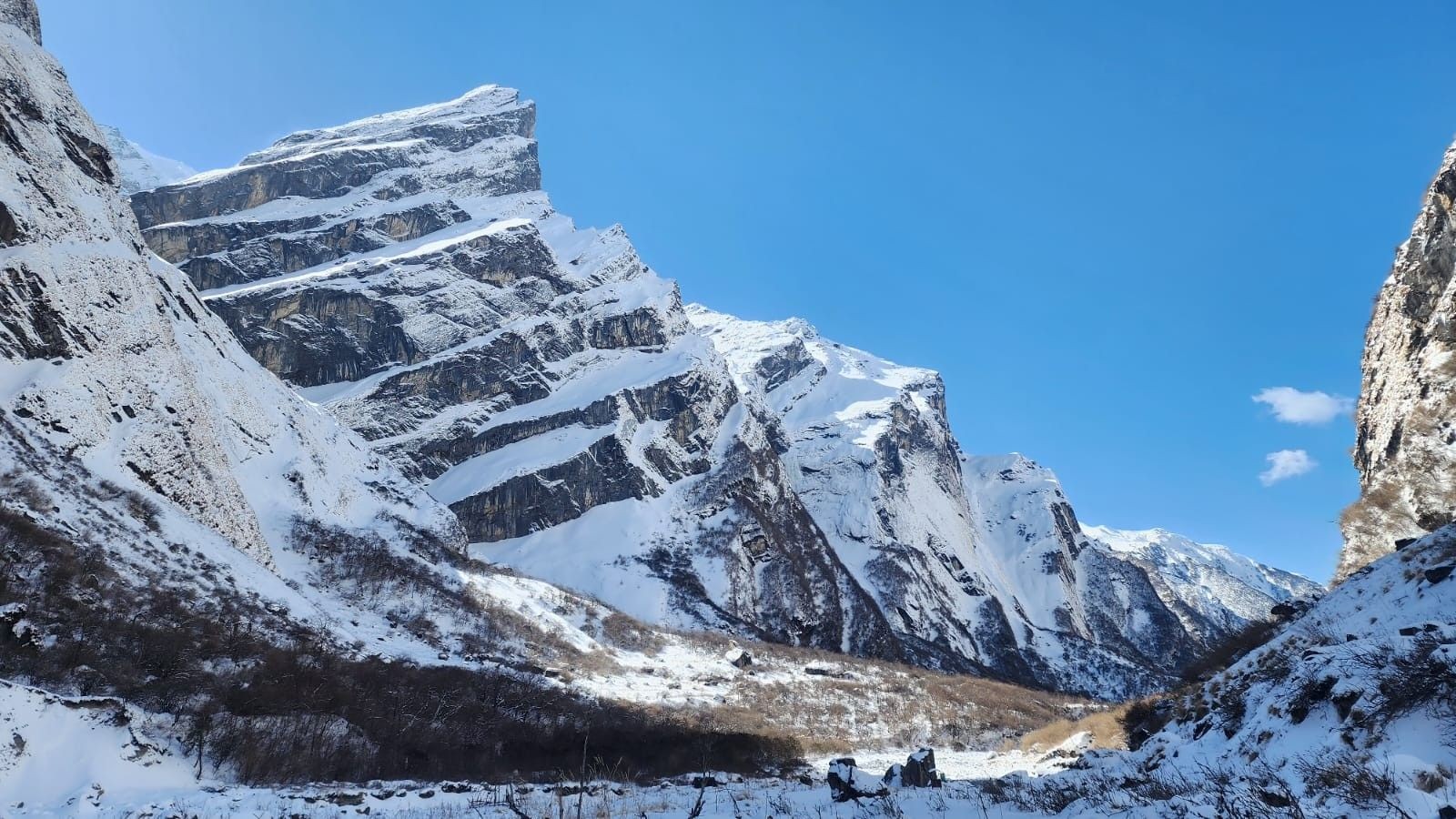
Additionally, it may affect panoramic views of photography and high-altitude acclimatization due to snowfall near Machapuchare Base Camp (3700m). In addition to that, snow accumulation is monitored by trail crews and trekking guides in order to make necessary adjustments in daily packages for safety. Real-time weather updates also may be provided in the package with trail navigation and risk mitigation strategies among the trekkers during ascent to ABC (4130m). Safety-oriented planning ensures both adventure and risk management.
Thus, Deurali at 3230m and Machapuchare Base Camp at 3700m has somewhat manageable risk due to snowfall and weather delays during the Annapurna Base Camp trekking.
In addition, guided trekking packages with proper gear and seasonal awareness also ensure safety with flexibility in the itinerary. By considering the snow risks, trail safety, and ability to prepare for the weather, trekkers can safely do high-altitude trekking confidently in Spring as well as Autumn.
Best Season for Photography on Annapurna Base Camp Trek,
Find out the best time to trek to Annapurna Base Camp. Get the best Himalayan photographs from Ghorepani (2860 meters) to ABC (4130 meters).
Photography Highlights:
| Season | Elevation (m) | Key Photography Opportunities | Lighting Conditions | Notes |
| Autumn - 2860–4130 m | Annapurna I, Machapuchare, Hiunchuli | Clear skies, bright daylight | Panoramic views |
| Spring - 2310–4130 m | Rhododendrons, wildlife, local villages | Soft, diffused light | Blooming forests |
Additionally, Autumn (September to November) is also identified as the most favored time of the year to take pictures during the Annapurna Base Camp (4130m) trek. This is mainly due to clear clearings in the sky and adequate light throughout the day.
As such, photographers have ample opportunities to take pictures of Annapurna I (8091m), Machapuchare (6997m), and Hiunchuli (6441m) from Ghorepani (2860m) and Poon Hill (3210m). Keywords such as Himalayan photo shoots, taking pictures during sun rise, and pictures of trekking routes also play significant roles.
Likewise, the Autumn season allows trekkers to see the mountains clearly at Chhomrong (2170m), Bamboo (2310m), and Deurali (3230m) passes. Colorful villages, pine forests, and water streams make the landscape photography even more interesting.
In addition, the autumn season is the perfect time for obtaining the rich experiences of the Nepalese cultures, such as the Dashain and Tihar celebrations, at Ghandruk (1940m). Photography tours are designed to make the most of the sky, people, and mountain scenery.
Moreover, Spring (Mar-May) has a distinct photography opportunity with a focus on rhododendrons in bloom, valleys, and wildlife action at Bamboo (2310m) and Modi Khola (700-1200m). The routes will be relatively clouded compared to Autumn but offer diffused lighting ideal for portraits or macros.
Therefore, photographers with a focus on Himalayan flora, cultural trekking photography, or Himalayan wildlife photography can take advantage of this season with moderate weather conditions.
Similarly, time management for photography purposes plays an important role in this experience. Also, sunrise in Poon Hill (3210m) and Machapuchare Base Camp (3700m) occurs during the best times in both Autumn and Spring seasons.
Additionally, the packages for guided treks provide morning wake-up calls for better lighting, along with advice on viewpoints to visit for an amazing collection of photos for enthusiasts and professionals alike.
In conclusion, after analyzing the benefits derived from photographing in Autumn and Spring seasons in the Himalayas, it can be concluded that Autumn is the best time for photographing in the Himalayas because of the clearance in the visibility.
Additionally, the treks mentioned in the thesis would also prove advantageous in photographing by providing ideas on viewpoints and lighting.
Compare the costs of trekking to Annapurna Base Camp and the availability of services for both Autumn (Sept-Nov) and Spring (Mar-May) seasons.
Cost and Service Highlights:
| Season | Key Sections | Cost Level | Service Availability | Notes |
| Autumn | Ghorepani (2860m), Deurali (3230m), ABC (4130m) | High Fully booked, pre-reserved | Peak-season prices |
| Spring | Bamboo (2310m), Sinuwa (2340m), Nayapul (1070m) | Moderate Ghorepani (2860m), Deurali (3230m), ABC (4130m) | High Fully booked, pre-reserved | Peak-season prices Available on short notice | Flexible, budget-friendly. |
Additionally, the cost of ABC trekking and services offered differ considerably between Autumn and Spring rounds of the Annapurna Base Camp (4130m) trek. Autumn treks are peak season, meaning more trekkers look for teahouse accommodation, guided packages, and trekking services.
As a result, trekkers end up paying more for accommodation, food, and guide service fees in Ghorepani (2860m), Chhomrong (2170m), and Deurali (3230m).
In addition, there are fewer crowds and relatively readily available services during the Spring season (March through May), though prices are slightly lower. Tea houses lining paths such as Bamboo (2310m), Ghandruk (1940m), and Modi Khola (700-1200m) provide easier room access for an impulse trek.
Further, trekking trips during Spring can extend services such as discounts for small trekking groups, guides, and transportation.
Secondly, the difference in cost affects other aspects such as trekking permits, porters, and high altitude meals. Autumn trekking could also require bookings to stay at Machapuchare Base Camp (3700m) and ABC (4130m), which is reflected in additional costs.
Thus, trekking packages include full-service treks, booked accommodations, and meal options. The keywords here are permits for trekking to ABC, meals at high altitude, and booked places to stay.
Also, the chances of accessing the services offered are high during Spring, especially on lower-lying regions like Nayapul (1070m) and Sinuwa (2340m). Accessing the porters, guides, or transport will be easy for trekkers.
Additionally, trekkers will have limited chances of meeting other people on the tea houses, allowing trekkers to trek freely without competing for eats and beds.
In summary, Autumn has high costs of trekking but guarantees availability of full services, while Spring is cost-effective and offers easy access to services. Additionally, organized trekking packages and booking of accommodations enhance safety and ease of access. By taking into consideration the above factors of cost of services during different seasons and organized trekking packages, hikers can organize their budget and comfort.
Find out who should go for Autumn and who should go for Spring while trekking to Annapurna Base Camp. Compare conditions and climate from Nayapul (1070m) to ABC (4130m).
Trekkers’ Guide to Season Choice:
| Season | Ideal For | Key Highlights | Trail & Weather | Cost & Services |
| Autumn | Photographers, festival seekers Panoramic views, | Dashain & Tihar festivals | Stable, dry, crowded | Higher, pre-booked. |
| Spring | Nature lovers, eco-tourists | Blooming rhododendrons, wildlife, moderate crowds Mild, occasional clouds Moderate, flexible. |
In addition, the best season for trekkers who want the best view of the Himalayas and are ready to brave the crowd in the Annapurna Base Camp at 4130m in the Autumn season of September to November. For trekkers who love scenic photographing of the Himalayas and experience the festivals of Ghandruk at 1940m and Chhomrong at 2170m in the Autumn season, the treks should cater to full-service stays and meal reservations.
In addition to that, Spring (March to May) is preferred by trekkers because it is less crowded with moderate weather conditions and decent trek routes on Bamboo (2310m) and Modi Khola (700-1200m). Also, Spring trekking is ideal for people looking for flexible trek routes and opportunities to connect with nature without overspends. In Spring trekking, there is wildlife watching and villages to interact with.
Moreover, Autumn is preferred by trekking enthusiasts who value peak views of Annapurna I (8091m), Machapuchare (6997m), and Hiunchuli (6441m) from vantage points such as Poon Hill (3210m) and Deurali (3230m). Cultural immersion and mountain photography also form part of the trekking experience.
As such, trekking enthusiasts who pay slightly higher prices for prior bookings and guides will greatly benefit. Key words include peak trekking season, high mountain photography, and immersion in cultural events.
In addition, Spring is suitable for trekkers who want fewer people, lower prices for accommodation, and available tea-house facilities in Nayapul (1070m) and Sinuwa (2340m). Also, moderate weather, rich potentials for observing animals, and lush vegetation make Spring a suitable season for eco-tourism enthusiasts.
Further, Spring packages usually involve flexible programs, activities centered on nature, and instructions on photography of blooming forests and interaction with people. Important terms are budget packages for trekking, Spring ABC Trek, and eco-tourism.
Thus, based on keen observation and consideration of the seasons, Autumn is ideal for trekkers who value visibility, photography, and festivals, and Spring is ideal for nature lovers and trekkers accommodating a moderate budget.
In addition, well-structured treks and understanding of season patterns enable trekkers of Annapurna Base Camp to derive maximum comfort and pleasure from their adventure.
Compare Autumn and Spring for trekking to the Annapurna Base Camp. Analyze the weather, trails, photo opportunities, and services from Ghorepani (2860m) to ABC (4130m).
Seasonal Advantage Summary:
| Factor | Autumn | Spring | Notes |
| Visibility | Clear | Moderate, occasional clouds | Photographers prefer Autumn |
| Flora & Fauna | Golden forests | Rhododendron blooms, wildlife | Nature enthusiasts prefer Spring. |
| Crowds High | Moderate | Spring more peaceful. |
| Costs | Higher | Moderate | Autumn requires pre-booking. |
| Services | Pre-booked, full-service | Flexible, budget-friendly | Tea house availability differs. |
In addition, both Autumn and Spring treks to the Annapurna Base Camp (4130m) are unique and special in their own respective ways. Autumn trekking enables trekkers to experience pleasant weather, wonderful Himalayan sights, and celebrations and festivities at Ghandruk (1940m) and Chhomrong (2170m). In fact, best time for Annapurna Base Camp Trek are both Autumn and Spring.
As a result, trekkers get to experience optimum photography conditions, clean and cool climate, and luxury facilities and accommodations in tea houses at Bamboo (2310m), Deurali (3230m), and so forth.
Additionally, Spring offers moderate levels of crowd, rhododendrons in bloom, and wildlife activity in Modi Khola (700-1200m) & Bamboo (2310m) passes. Trails will be slightly easier, with nature exposure activities.
Finally, Spring offers flexible timing, budget-friendly services, and cultural encounters in minor festivals celebrated locally.
Besides, there are also variations in trail conditions depending on the season. Autumn offers trails with dried pathways, with little wet conditions, making it very comfortable to walk from Nayapul, at 1070m, to ABC, at 4130m.
Conversely, Spring has trails with soft grounds or snow, especially in high-lying regions, thus planning for trekking in Spring. The terms relate to this context are: trail conditions, guided treks, and ABC treks.
Additionally, services and trek fees may not be available or accessible. Autumn is considered peak season with increased prices of accommodation and meals, pre-booked tea houses, and guided services.
In fact, spring has moderate prices of accommodation and meals and accessible services for trekking, particularly at Ghorepani(2860m) and Sinuwa(2340m). In addition, trek participants can take advantage of packages that offer services based on convenience and affordability.
Finally, Autumn and Spring provide wonderful experiences for hiking the Annapurna Base Camp trek with their respective advantages. Additionally, Autumn is ideal for photo-shoots, celebrations, and the trail is more feasible for trekking, while Spring provides opportunities for scenic views with blooms and moderate trekking crowds along with the chances for eco-tourism.
1.Is autumn or spring better for the Annapurna Base Camp Trek?
Both seasons are excellent. Autumn offers clearer skies and stable weather, while spring is ideal for rhododendron blooms, greener landscapes, and pleasant temperatures.
2.What are the best months for the Annapurna Base Camp Trek in autumn?
September, October, and November are the main autumn trekking months. October and November generally provide excellent conditions for mountain views and trekking.
3.What are the best months for the Annapurna Base Camp Trek in spring?
March, April, and May are the main spring months. April is particularly attractive because the rhododendron forests are often in bloom.
4.Which season has better mountain views at Annapurna Base Camp?
Autumn generally has an advantage because the post-monsoon atmosphere often provides clear skies and sharp views of Annapurna I, Machhapuchhre, Annapurna South, and Hiunchuli.
5.Is the Annapurna Base Camp Trek colder in autumn or spring?
Both seasons can be cold at higher elevations. Autumn nights become particularly chilly toward November, while spring temperatures generally become warmer as May approaches.
6.Does it snow on the Annapurna Base Camp Trek in spring?
Snow can still occur around higher elevations, particularly early in spring. Conditions vary from year to year, so trekkers should carry suitable warm and waterproof clothing.
7.Can I see rhododendron flowers during the Annapurna Base Camp Trek in autumn?
Autumn is not the main rhododendron flowering season. For colorful rhododendron forests, spring is the better choice.
8.Is spring the best season for rhododendrons on the ABC Trek?
Yes. Spring brings colorful rhododendron blooms along sections of the trail, particularly around areas such as Ghorepani, Tadapani, and Chhomrong.
9.Which season has fewer trekkers on the Annapurna Base Camp route?
Spring generally has fewer trekkers than the busiest autumn periods, although both spring and autumn are popular trekking seasons.
10.Are the ABC trails dry in autumn?
Autumn usually provides relatively dry and stable trails following the monsoon, making it a comfortable period for trekking
11.Are the trails muddy or slippery in spring?
Occasional rain can make some sections slippery or muddy in spring. Good trekking shoes and light waterproof gear are recommended.
12.Which season is better for photography on the ABC Trek?
Autumn is excellent for clear Himalayan panoramas and sunrise photography, while spring is especially good for photographing rhododendrons, greenery, clouds, and mountain scenery.
13.Is Annapurna Base Camp crowded in autumn?
Autumn is one of the peak trekking seasons in Nepal, so popular stops such as Chhomrong, Deurali, and Machhapuchare Base Camp can be busy. Advance accommodation arrangements are recommended.
14.Are teahouses open during both autumn and spring?
Yes. Accommodation and meal services are generally available along the established ABC route during both major trekking seasons.
15.Is the Annapurna Base Camp Trek cheaper in spring than in autumn?
Spring can offer more flexible accommodation and service availability, while autumn is peak season and may require earlier bookings. Actual costs depend on transportation, accommodation, guide, porter, and itinerary.
16.Which season has better weather for the Annapurna Base Camp Trek?
Autumn generally provides more stable and dry weather, while spring offers mild temperatures with occasional rain or cloud. Both seasons can provide excellent trekking conditions.
17.Which season is warmer for trekking to Annapurna Base Camp?
Spring is generally warmer, especially at lower elevations. However, temperatures at Annapurna Base Camp can remain below freezing at night in both seasons.
18.What mountains can I see during the ABC Trek in autumn and spring?
Depending on weather and visibility, trekkers can see Annapurna I, Annapurna South, Machhapuchhre (Fishtail), Hiunchuli, and other surrounding Himalayan peaks.
19.Who should choose autumn for the Annapurna Base Camp Trek?
Autumn is ideal for trekkers who prioritize clear Himalayan views, dry trails, stable weather, sunrise photography, and the lively atmosphere of Nepal's peak trekking season.
20.Who should choose spring for the Annapurna Base Camp Trek?
Spring is ideal for trekkers who love rhododendron flowers, greener landscapes, warmer conditions, moderate crowds, and colorful nature. Ultimately, autumn is best for clear mountain views, while spring is best for flowers and natural scenery.
Our travel experts are ready to assist you with any questions.
Send us a message.Have a question before you book? Send your enquiry below and our travel experts will get back with the required information.