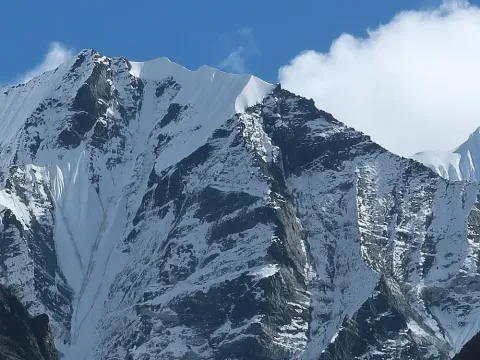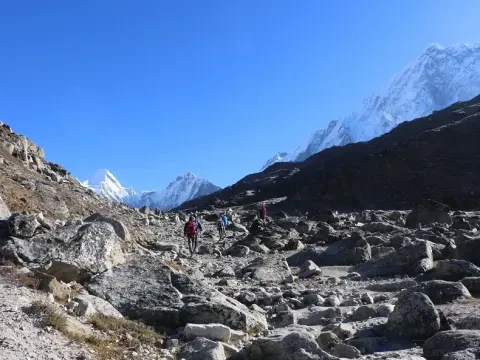
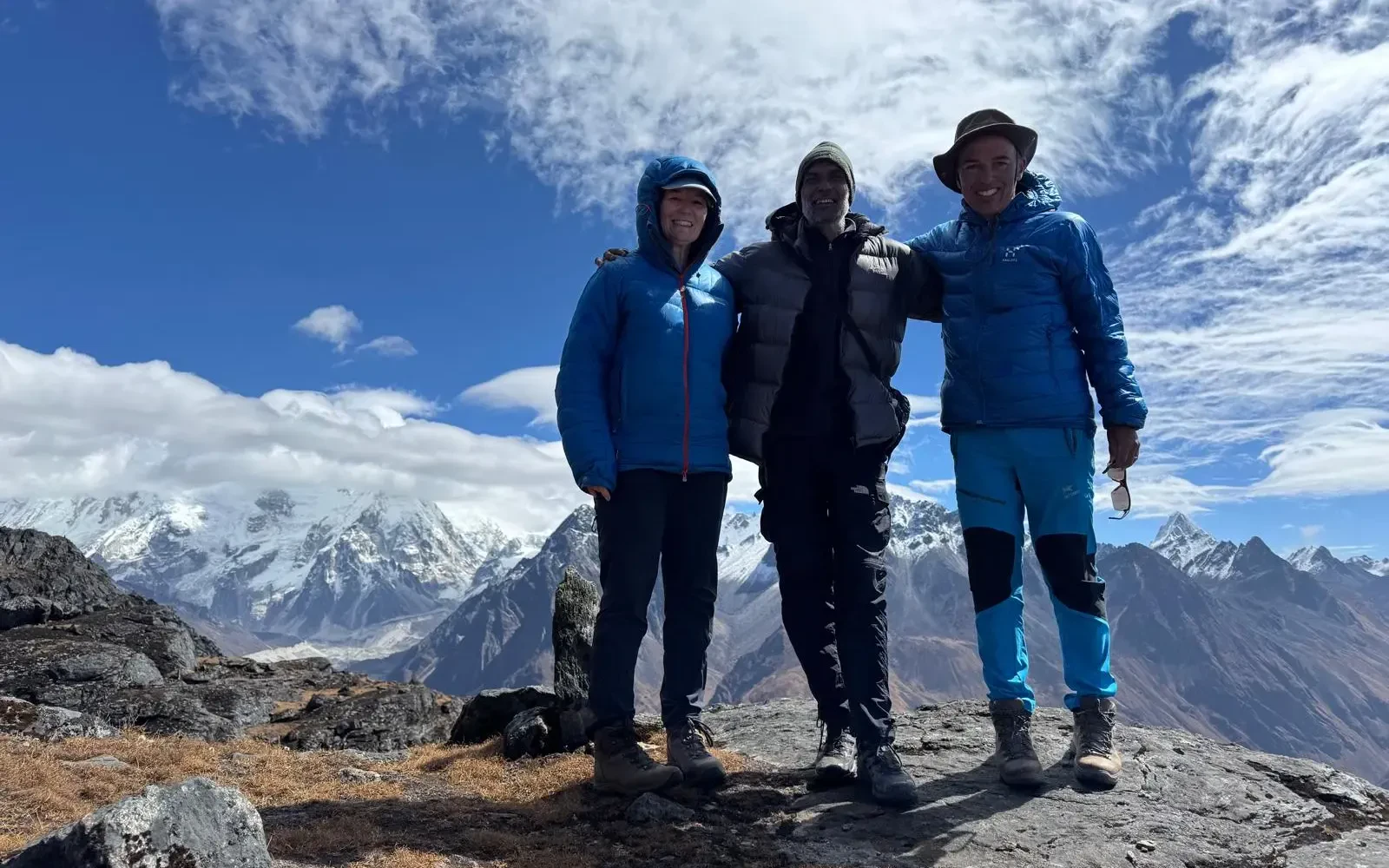
Explore the best of Nepal's hidden gem of a trekking adventure: the Kanchenjunga Base Camp Trek. This guide takes you on a journey of majestic views of the third tallest mountain, the unique flora and fauna of the Kanchenjunga Conservation Area, and the untouched culture of the Limbu people. For experienced trekkers, the Kanchenjunga Base Camp Trek is the ultimate off-the-beaten-path adventure. Plan your Kanchenjunga Base Camp Trek today to live the adventure of a lifetime.
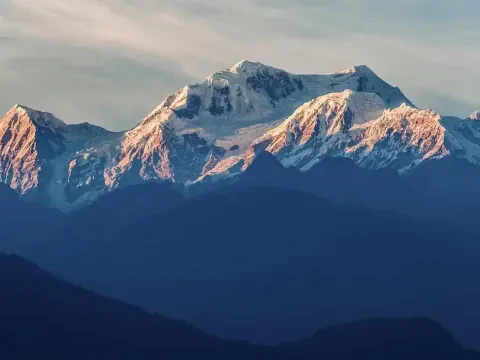
Learn about the Kanchenjunga Base Camp Trek through this dedicated guide. Serious adventures are perfect for Nepal’s ultimate remote Himalayan masterpiece trekkers. Plus, trekkers encounter unparalleled views of Kanchenjunga (8586 m) all along the trail. Locals share undisturbed Limbu culture in ancient villages. Biodiversity and native plants flourish within Kanchenjunga Conservation Area. This Nepal trekking holiday is a dream destination for solitary explorers.
Another advantage of the Kanchenjunga Base Camp Trek is that it's less traveled compared to popular trekking routes. The trail remains tranquil with minimal groups throughout the journey. Trekker interact closely with native Limbu traditions. Participants get to observe and document rare animal and plants on a daily basis. This Nepal trekking expedition fosters self-confidence and respect for nature.
Meanwhile, the changing altitude provides incredible landscape transitions. Climbers slowly ascend through lower valleys filled with vegetation, to the high alpine regions adjacent to the Kanchenjunga massif. With professional support, acclimatization and the challenging ascent become seamless. This remote Himalayan trekking holiday offers unforgettable experiences at every corner.
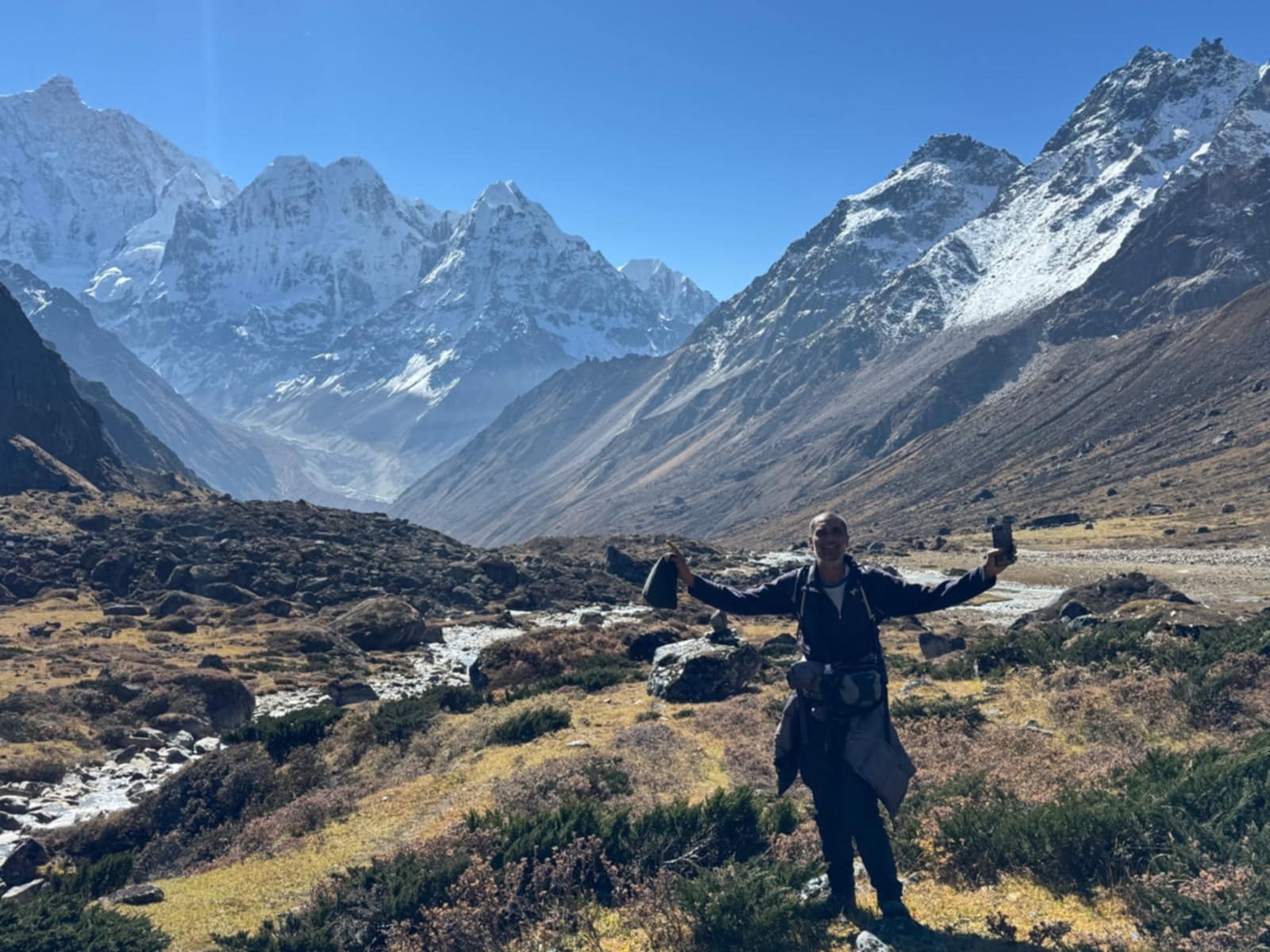
Actually, Kanchenjunga Conservation Area also safeguards unique environments for trekking. Wildlife lovers can occasionally spot Himalayan black bears and red pandas. The region boasts stunning and abundant rhododendron blossoms, particularly in the spring. Explorers learn directly about ongoing conservation efforts from local residents. This Nepal trekking excursion enhances self-development, as well as environmental preservation.
For experienced trekkers, the challenge level is of great appeal. High altitude conditions demand adequate preparation. Throughout the journey, participants build physical strength and mental stamina through strenuous daily hikes. Trekkers feel refreshed with boosted vitality and clear mind upon returning from this Himalayan masterpiece.
Key Highlights of the Kanchenjunga Base Camp Trek :
Select the Kanchenjunga Base Camp Trek for unsurpassed rewards in the Himalayas. Trekkers will experience the breathtaking panoramic views of the Kanchenjunga massif that overwhelm the senses. They will see rhododendron forests of vibrant blooms lower down. Adventurers can traverse through dramatic glacier valleys with beautiful ice structures. Walkers can meet interesting local ethnics at friendly villages. Hence this trekking route in Nepal provides pure trekking bliss of the unbeaten path.
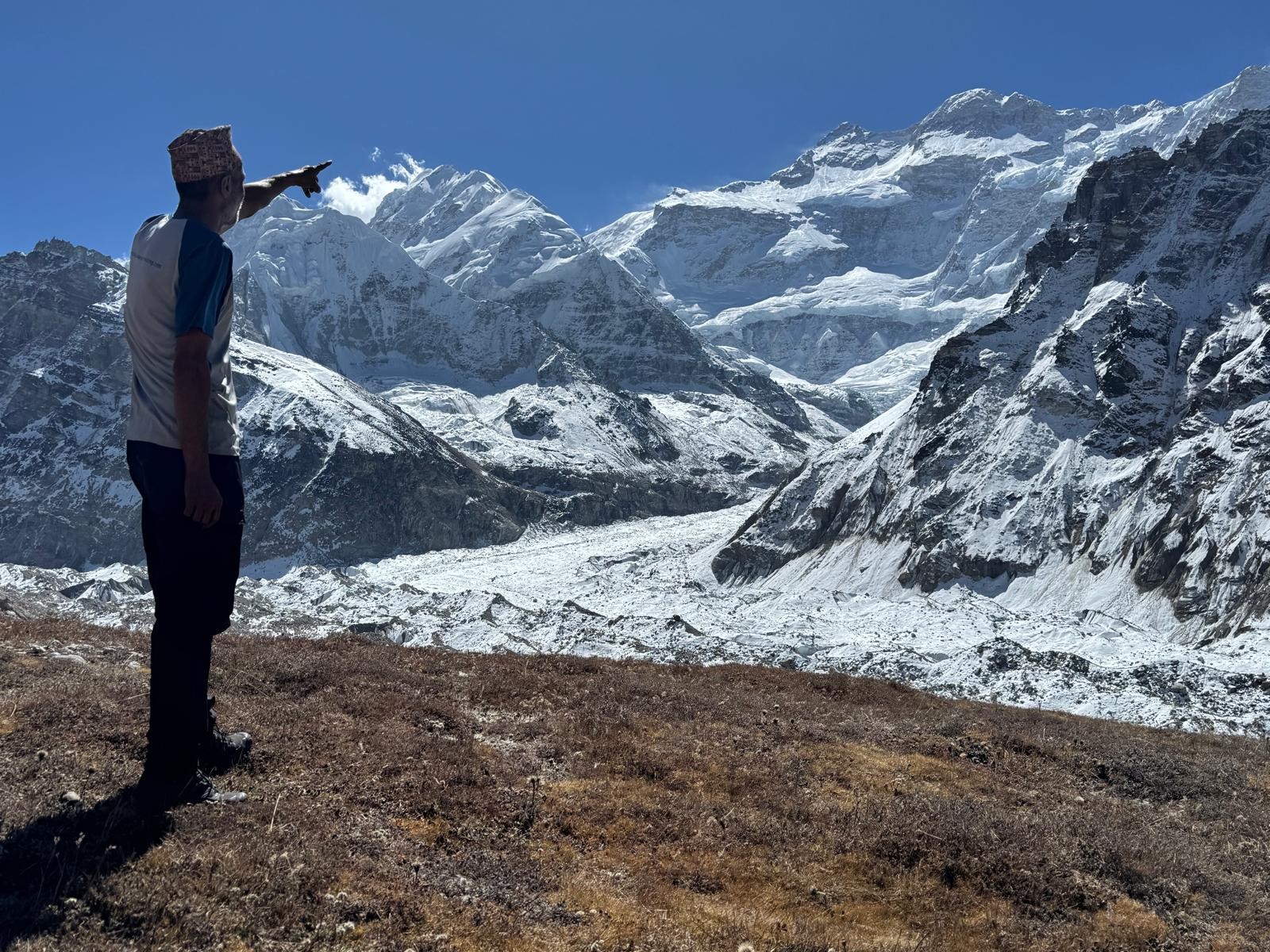
Also the Kanchenjungha trek experiences are markedly different from Annapurna or Everest trekkings. Trekkers will be able to enjoy real trekking solitude devoid of crowds. Participants will be able to stroll through beautiful rhododendron forests without restriction. Walkers can be alone at stunning glacier valleys. Ultimately the Kanchenjunga Base Camp Trekking delivers incomparable authentic and rewarding experience.
Besides that, you will be exploring cultural experiences each day with different ethnic communities. You can spend time with Limbus, Rais, and Sherpas and enjoy food in their houses. Hikers will get to see their unique traditions to make their trekking experience enriching. Thus this remotest trekking destination in Nepal will build meaningful connections.
Also the elevation gain will provide you an astonishing view as well. Trekkers will be able to be at the most opportune location, Pangpema(5143m), for striking view of Kanchenjunga (8586m). They can stay at villages like Ghunsa(3595m) and Kambachen (4050m). Adventurers will see glacier valleys at a perfect altitude. Thus the trekking route of Nepal will be amazing for viewing pleasure.
Similarly, the unbeaten path feature offers undisturbed nature. Trekkers will be away from trekking crowds which you would usually find at other famous trekking destinations. Participants can be alone focusing on themselves development and the trekking terrain. Walkers will return to tell tales of true solitude. All this makes the Kanchenjunga Base Camp Trek unique and different.
Comparison: Kanchenjunga Base Camp Trek vs Popular Alternatives :
| Feature | Kanchenjunga Base Camp Trek | Annapurna Trek | Everest Base Camp Trek |
|---|---|---|
| Peak Views | Kanchenjunga (8586m) panorama | Annapurna range | Everest (8848m). |
| Crowds | Minimal, true solitude | Moderate | High, busy trails. |
| Culture | Limbu and diverse ethnic groups | Gurung villages | Sherpa communities |
| Biodiversity | Kanchenjunga Conservation Area rich | Rhododendron forests | High alpine only |
| Difficulty for Experts | Remote Himalayan trek challenge | Moderate | Popular high-altitude route. |
Here, the duration, difficulty and altitude profile for the Kanchenjunga Base Camp trek. The trekking route can be completed in an average of 20-26 days. It is also considered to be moderate to challenging trek, in relation to the long distance and the high passes. The terrain involved is isolated and testing to the highest degree each day. The route is thus preferred by experienced trekkers looking for a genuine physical challenge on this trekking route Nepal.
Actually, an average itinerary of 20-26 days includes travel days and this treks covers the distance up to key settlements such as Ghunsa(3595m), Kambachen(4050m) after flying and driving to Taplejung(1820m). It will lead the trekkers to their ultimate peak of elevation at Pangpema(5143m). This itinerary is thus balanced between acclimatization and continuous progression.
Another element of difficulty for trekkers is the hours and the altitude exposed on them each day. Hikers will spend between 6-8 hours trekking on difficult paths and will find themselves trekking steeply up and down paths regularly. Adventurers should always be prepared for a lack of facilities in remote areas, so this Nepal trekking is suited to fittest hikers with some prior trekking experience.
[triup:kanchenjunga-base-camp-trek]
Likewise, it is also necessary that the altitude profile increases incrementally, so that trekkers can maintain a healthy and safe trek profile. Trekkers ascend the low valleys before reaching their final destination, Pangpema(5143m) to find majestic views of Kanchenjunga(8586m) before descending slowly to avoid any dangers on the trek, but pace and control at higher altitudes is paramount on a high altitude adventure of this size.
Moreover, daily ascent provides incredible gain in altitude and the morale building is strong throughout as the participants continue to gain the altitude while trekking. The profile of this Kanchenjunga Base Camp Trek is the most rewarding Himalayan experience for trekkers.
Kanchenjunga Base Camp Trek Altitude Profile :
| Key Location | Elevation | Daily Trek Notes |
|---|---|---|
| Taplejung | 1820m | Starting point after drive/flight. |
| Ghunsa | 3595m | Acclimatization rest day common. |
| Kambachen | 4050m | Scenic valley stop. |
| Lhonak | 4780m | High camp before base camp. |
| Pangpema (North BC) | 5143m | Maximum elevation, panoramic views. |
| Kanchenjunga Peak | 8586m | Third-highest mountain views. |
To experience optimum travel conditions on the Kanchenjunga Base Camp trek, timing your journey in the correct season is of high importance. The spring and autumn trekking season are generally the best months for trekking as they offer clearer views and stable weather patterns. In the spring season, the rhododendron flowers are blooming with great intensity. Trekkers get to witness breathtaking views of Kanchenjunga (8586m) in both seasons. This is why spring (March-May) and autumn (September-November) are the primary seasons of trekking in Nepal.
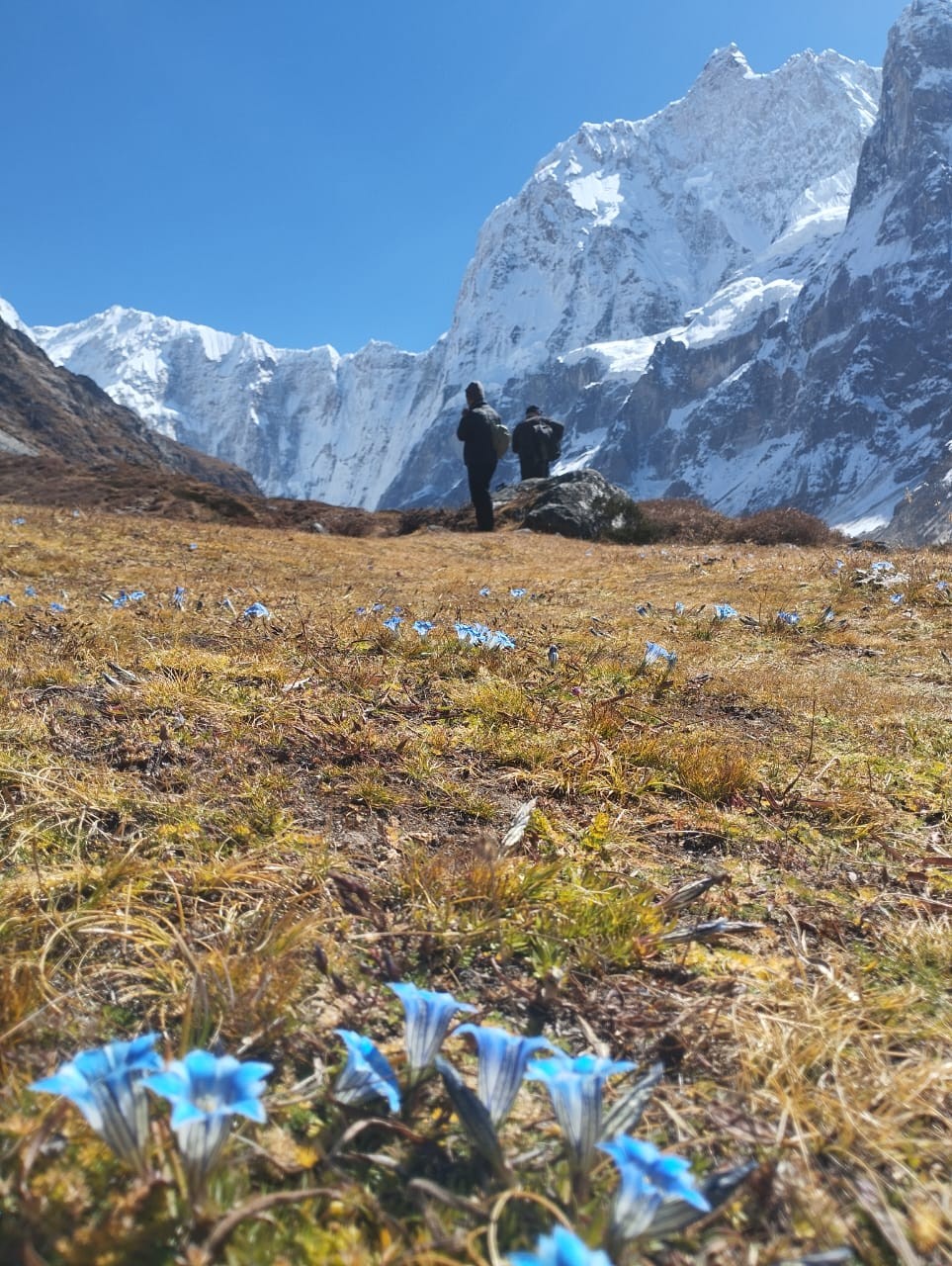
Actually, the spring season, as mentioned before, provides trekking with mild weather conditions with flowery nature and less chances of rainfall during the day. Hikers can take awesome photographs on the trail as the skies remain clear throughout the trekking journey. Trekkers can avoid the heavy snow at the higher altitudes that affect the experience on the Kanchenjunga Base Camp trek negatively.
Similarly, the autumn season also offers ideal weather conditions that is with clean air and golden forests, less rains after monsoon season, excellent visibility and clear sky to see the majestic Kanchenjunga range. Walkers can see and appreciate the stability of the weather throughout their trek.
For the most part, monsoon season (June-August) is not suitable for trekking due to extremely high rainfall, which can cause landslides and slippery trails. Trekkers will also face problems due to the leeches present. Their flights can also be disrupted many times to Suketar Airport. Winter season (December-February) may also have snow covered paths that make it closed.
Moreover, travel experts recommend planning trips during peak season to make sure flights are available. They advise to always have some buffer time for possible flight delays and always coordinate trail status with a guide beforehand. Trekking gear should be packed according to the change of weather conditions during the Kanchenjunga Base Camp Trek at high altitudes.
Best Seasons Comparison for Kanchenjunga Base Camp Trek :
Navigate efficiently from Kathmandu to the trailhead of Kanchenjunga Base Camp Trek. Trekkers commonly access the destination through a combination of domestic flights and jeep rides. Additionally, timely travel to Bhadrapur (91m) or Suketar (2420m) saves a considerable amount of travel time. The adventure continues with a drive to Taplejung (1820m) along a beautiful route. Thus, this Nepal trekking access offers seamless beginning of a remote Himalayan experience.
Moreover, flying to Bhadrapur is the most preferred way for travelers. The domestic flight from Kathmandu takes just 45 minutes while offering views of hills and plains. Then trekkers ride in a jeep for 8-10 hours towards Taplejung (1820m). Therefore, this way offers frequent flights and road service.
Furthermore, flying directly to the trailhead is also an option from Suketar (2420m). Trekkers get on a 45 minutes domestic flight to Suketar. Hikers may start their trek from there. However, weather causes a disruption for these weekly flights. Therefore, many choose the Bhadrapur option over the Suketar flight for Kanchenjunga Base Camp Trek access.
In addition, a overland drive also involves driving through the lovely tea gardens in Ilam. Trekkers encounter verdant landscapes during the journey. They break at charming little hill towns. Hikers enjoy a small glimpse of the culture before the high altitude. Hence, this scenic drive enhances their Nepal trekking experience.
Additionally, domestic flights are critical for conserving the trekkers' valuable time. Trekkers avoid long journeys via bus from Kathmandu. They reach Taplejung (1820m) or Suketar (2420m) refreshed and rested. Hikers commence the Kanchenjunga Base Camp Trek trailhead journey seamlessly. Therefore, effective planning ensures reaching this bucket list destination in comfort.
Access Options for Kanchenjunga Base Camp Trek Trailhead :
| Route Option | Flight Duration | Drive Duration | Key Highlights | Reliability |
|---|---|---|
| Kathmandu to Bhadrapur + Jeep | 45 minutes | 8-10 hours | Scenic tea gardens in Ilam, frequent flights | High. |
| Kathmandu to Suketar Direct | 45 minutes | Minimal | Direct to trailhead, start trekking same day | Weather-dependent, weekly. |
| Overland Full Drive | None | 2-3 days | Cultural stops, avoids flight risks | Low for time. |
Be aware of the permit and regulations requirements for Kanchenjunga Base Camp Trek. Given the restricted status, hikers need special documents. And for proximity to the borders, the Restricted Area Permit is still essential. Participants process all arrangements through the licensed agency only. As a result, these rules effectively conserve this remote Himalayan trek region.
Also, The Restricted Area Permit (RAP) fees start from USD 20 per person per week for the first 4 weeks. Afterward, the fee goes up to USD 25 per week. The trekker procures this at the Department of Immigration through authorized agencies. Adventurers consider minimum group number and required guides. Therefore, early preparation ensures full compliance with Kanchenjunga Base Camp Trek requirements.
Furthermore, the Kanchenjunga Conservation Area Permit (KCAP) is an integral part of preserving the region. Trekkers pay roughly NPR 2000 (about $15-$20) per individual. This entry fee supports the conservation efforts of the protected zone. It enhances the overall biodiversity of the trekking region. Both these permits are the key to legitimate Nepal trekking.
Additionally, independent trekking is not permitted in the restricted areas. Trekkers can trek with a licensed guide and in groups of at least two individuals. They must strictly follow the agency arrangements. Failure to do so may result in penalties or entry rejection. The guided treks ensure perfect safety and rule compliance.
In conclusion, the TIMS card may apply to some trekkers during Kanchenjungha Base Camp Trek. Trekkers should check for updates with their chosen agency. They should carry their documents at all times and present them upon request. Adventures on the Kanchenjunga Base Camp Trek will be worry-free. These are the fundamental regulations for the trekking.
Permits Overview for Kanchenjunga Base Camp Trek :
Plan your Kanchenjunga Base Camp Trek itinerary with this detailed day-by-day breakdown. Trekkers have been successfully following this standard path to both North and South Base Camps. Besides that, the trekking combines both flight and drive along with slow ascents in order to maintain safety. Trekkers would arrive at Pangpema (5143m) to obtain great view of the North Base Camp. Hence, the Nepal trekking itinerary provides complete views of the Himalayas.
Besides this, the journey starts from Kathmandu by travelling to the trailhead. Trekkers would fly from Kathmandu to Bhadrapur (91m) and drive to Taplejung (1820m). Early days of trek would bring you to Mitlung (921m) or Sekathum (1635m). Gradually you will be moving into lush valleys and further ahead with the trekking towards higher villages. Hence, the Kanchenjunga Base Camp Trek itinerary is a gradual one.
Furthermore, there are moderate days focused on acclimatization within villages. Trekkers will reach Ghunsa (3595m) and acclimatize well there. The trekking path will bring you to Khambachen (4050m) which has wonderful views. Adventurers would then travel to Lhonak (4780m) before reaching Pangpema (5143m). Hence, North Base Camp will offer astonishing views of Kanchenjunga (8586m).
In addition, the path to the South Base Camp diverges after Ghunsa (3595m). The route would then be heading towards Tseram (3870m) and Oktang (4730m). Participants will reach the Yalung Ri view point or Yalung Base Camp area and obtain various glacial views. Hence, combining the path to both North and South will increase the amazing views from this remote Himalayan trek.
Besides, the return trip follows the similar path with faster descent. You will trek back through the same trail to Suketar (2420m) or Taplejung (1820m) and fly back to Kathmandu feeling completely refreshed. Walkers would return with accomplishment on full Kanchenjunga Base Camp Trek itinerary.
Standard Kanchenjunga Base Camp Trek Itinerary Overview (North Focus) :
Enjoy traditional lodgings and food while on Kanchenjunga Base Camp trek. While in lower valley locations teahouses accommodate trekkers; generally double rooms with shared facilities are provided at lodges. Trekkers receive full board service including daily meals. These provisions provide adequate nourishment for prolonged walking on remote trails in Nepal.

Meanwhile, teahouses are better in locations such as Ghunsa (3,595m) and Khambachen (4,050m); they are generally cleaner and provide more facilities. Devices can be charged at teahouses using solar power where available. Participants enjoy the warm communal atmosphere of teahouse lounges while relaxing. These places are comfortable for rests while on the trek.
Higher up, especially at Lhonak (4,780m) and Pangpema (5,143m), teahouses become simpler, sometimes a more basic style camp can be set up. In such case trekkers will find more basic private rooms, squat toilets and sometimes limited hot water. Some parts of the trail are not developed and might include tent accommodations. Adjustments and flexibility on the accommodation are required at these higher elevations.
Likewise, most of the food is centered around nutritious dal bhat, power food of the trekkers which consist of rice, lentils, vegetables and pickles. For variety trekkers are allowed to have noodles, pasta or chapati among other options. Boiling water and drinking tea regularly ensures safe drinking and hydration for trekkers. Hence, the trekking package comes with a full boarding service providing all meals throughout the trek.
Furthermore, maintaining health during a trek is essential. Trekkers will benefit from carrying hand sanitizer and wet tissues at all times; there are services in some teahouses for special requests such as less oil in food and a desire for seasonal fresh vegetables. The teahouse lodges provide a great introduction to local life during a Himalayan journey.
Accommodation & Meals Highlights for Kanchenjunga Base Camp Trek :
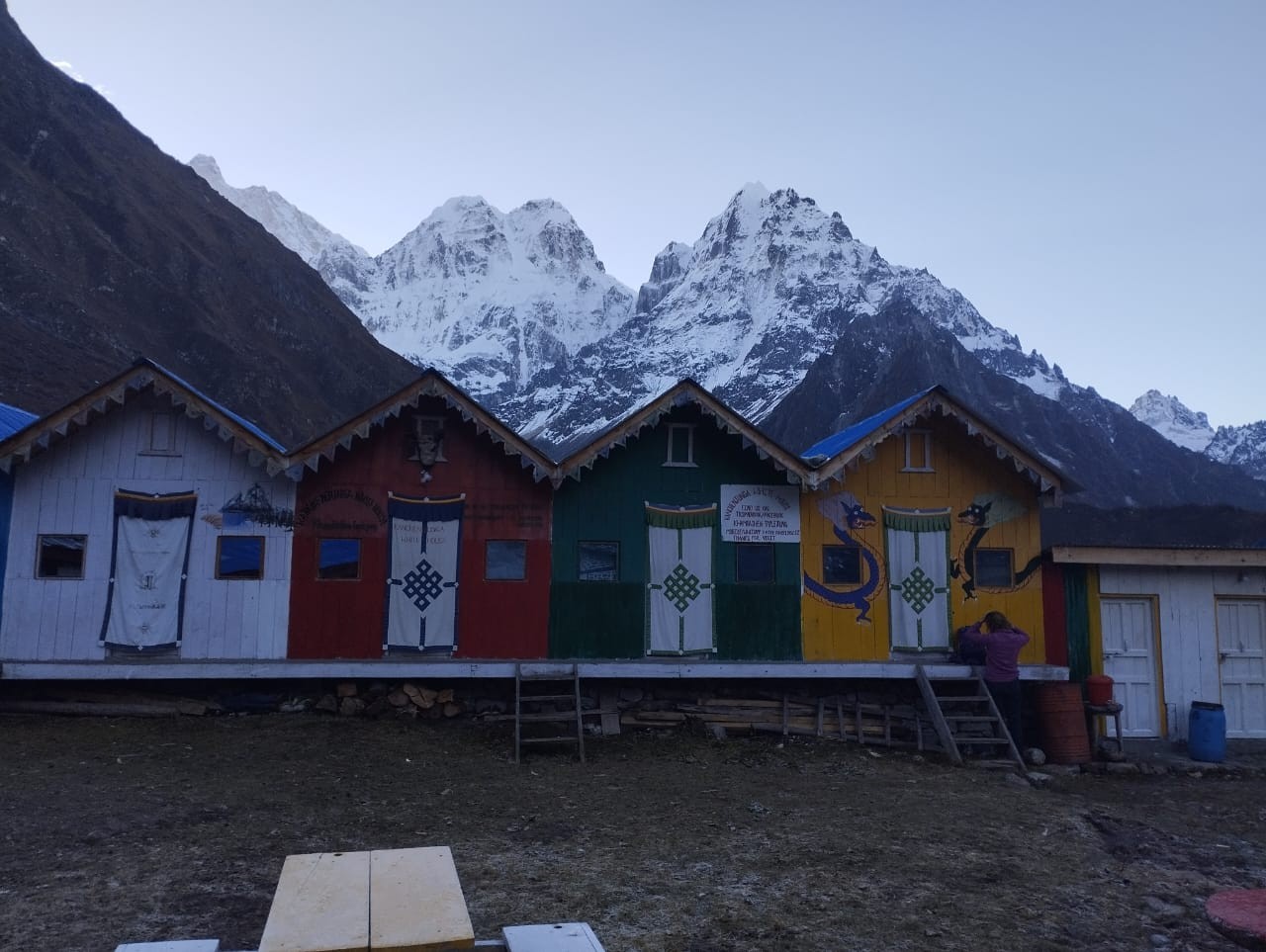
Seek services of authorized guides/porters to make your Kanchenjunga Base Camp Trek safe. As a trekker you are mandated to hire a government approved guide to hike restricted zones. Significantly, guides lead miles from civilization jaunts through high range Himalayan tracks. As such, locals accompany trekkers for weather related and cultural reasons. Therefore, guides escort trekker entirely.
Actually, porters lug heavy bags which cause extreme body stress everyday. Here, USD 20-30/day porter hire rate, porters lighten trekkers baggage on leaving for allowing longer acclimation hike. Hikers then interestingly amuse themselves engrossed in jaw dropping Kanchenjunga (8586m)climbs watching spectacle off. In above scenario, Nepal trekking comfort is technology supported thus alleviated to a great extent.
Furthermore, insurance inclusions are useful to the staffs and trekkers. Guide and porter insurance have to be paid by agencies. Trekkers have insurance peace of mind on high altitude treks. Walkers are free from the personal liability risk. Consequently, guided treks are dependable.
Moreover, local staffing provides both cultural and economic advantages. Trekkers are employing guides and porters who support Limbu and Rai inhabited lands. Guides tell real stories while walking through Ghunsa (3595m), and trekkers develop associates the whole way. For this reason, locals pay is one of the key parameters of this unforgiving Himalayan trek.
Additionally, careful selection of group/private staffing is essential. Trekkers select group for saving cost as well as for social personality and private guides/porters for faster/interaction. Trekker depends of own/adventure/fitness in selecting private guides/porters. Finally, appropriate staffing leading to success of memorable Kanchenjunga Base Camp Trek.
Guide and Porter Essentials for Kanchenjunga Base Camp Trek :
Budget smartly for your Kanchenjunga Base Camp Trek with the cost breakdown. Trekkers often look for the complete package deals, with price points ranging between $1,500 to $3,500 per person. Moreover, the group size also affects the final figure. Hikers include the permits, transport and staffing into consideration right from the start. It is worth mentioning that the Nepal trekking experience and investment of the expedition will not compromise its value, offering fantastic value for its remote Himalayan setting.
Also, the permits constitute a large share of the expenditures. The hikers have to take care of the Restricted Area Permit at about $20/week from the beginning and add the Kanchenjunga Conservation Area Permit, which costs NPR 2000 ($15/£12). Overall, the trekkers will take care of about $60-100 of permits. The reason behind the payment of the permits is that they allow the access to the restricted region.
Another is the cost incurred on the flights and jeep transfers, the essentials for the journey. Trekkers budget between $200 and $300 for flights to Bhadrapur/Suketar and drives from Kathmandu to Taplejung (1820m). All the trekkers look to make round-trip arrangements at ease. By arranging these from earlier, the trekkers will avoid any further inconveniences during the journey. Therefore, the transport will cost a fixed yet crucial sum of money.
Also, the staff including guides and porters also account for a large sum of money for the expedition. Trekkers invest $500-800 for the professional help over a span of 20-26 days. These individuals get about $30-35/day as a guide and about $20-30/day as a porter. Trekking groups share this cost among themselves efficiently. Thus, the cost is for ensuring a safe trek.
Lastly, the daily food and accommodation cost around $20-40/day. Trekkers spend their days and nights in the teahouses with all sorts of meals (Dal Bhat). They can make additional charges for services such as hot showers and charging devices. Trekkers make arrangements for everything wisely, allowing them to stick to their budget. Hence, proper planning ensures that the Kanchenjunga Base Camp Trek is attainable within a realistic budget.
Cost Breakdown for Kanchenjunga Base Camp Trek :
| Expense Category | Estimated Cost (USD) | Details |
|---|---|---|
| Full Guided Package | 1,500–3,500 pp | Varies by group size, inclusions. |
| Permits (RAP + KCAP) | 60–100 | Restricted Area + Conservation fees. |
| Flights & Jeep/Transport | 200–300 | Kathmandu to trailhead round-trip. |
| Guide & Porter Staffing | 500–800 | Licensed guide + porter for trek duration. |
| Meals & Teahouse Accommodation | 20–40 per day | Full-board dal bhat, basic lodges. |
Pick the Kanchenjunga Base Camp Trek package that fits your spending plan and desires.budget teahouse-based options are preferred at around USD 1,500-2,200 by trekkers. Such packages provide the basic guided support and accommodations needed. These package allow adventurers to enjoy the secluded Himalayas without added luxuries; thus, they appeal to bargain-hunters interested in Nepal trekking.
Similarly, standard guided package rates are in the USD 2,200-3,000 range. They represent a comfortable medium in terms of expense, featuring competent guides and porters, consistent teahouse standards, more quality food options, effective group management and the assurance of safe, high-altitude sections for hikers; standard options offer reliability for Kanchenjunga Base Camp Treks.
Additionally, premium or luxury package prices are over USD 3,500.These include options like private jeeps, top-quality equipment rentals and even better hotel facilities at arrival and departure points; private transportation, enhanced gear and higher quality stays at key destinations like Pangpema (5,143m) and Ghunsa (3,595m) are standard features in these expensive options.Such options considerably enhance trekking experiences to this remotes Himalayan setting.
Actually, the inclusion of tipping also allows trekkers to gain added value on all packages, as do carefully comparing package inclusions for permits, insurance, etc.,and forming smaller groups to minimize per-person costs; it is also a good practice for trekking in Nepal to rely on trusted agencies for safety-thus allowing for the success of the trek itself.
Moreover, group sizes affect price dramatically; trekkers who participate in larger groups can effectively reduce the cost of Kanchenjunga Base Camp Treks for budget arrangements, while also increasing personal expense when a private trip to the region is chosen; adventurers carefully balance cost against comfort and choose the trekking plan that will lead them to successful adventure in Nepal trekking endeavors.
Kanchenjunga Base Camp Trek Package Comparison :
| Package Type | Price Range (USD pp) | Key Inclusions | Best For |
|---|---|---|
| Budget Teahouse-Based | 1,500–2,200 | Basic teahouses, guide, porter, meals, permits | Cost-conscious adventurers. |
| Standard Guided | 2,200–3,000 | Comfortable lodges, experienced staff, insurance | Balanced value seekers. |
| Premium/Luxury | 3,500+ | Private jeeps, premium gear, upgraded stays | Those wanting extra comfort. |
Prepare for the Kanchenjunga Base Camp Trek using proper packing supplies and training. Trekkers must buy high altitude clothes, to wear during cold nights at Pangpema (5143m). Also a good quality sleeping bag suitable for -10°C is necessary for sleeping during night. Adventurers must pack trekking poles, to help on steep trails. Therefore, it is very important to pack right things for successful trekking in Nepal.
In addition to that, water purification tablets or filter can be important every day, because trekkers have to purify the water in stream from remote camps. Travelers must carry a full first-aid kit on the trip, and bring some sickness pills like Diamox with them. Therefore, these medicines are vital for staying healthy during the journey.
Besides that, trekking endurance must be build by prior fitness training. Fitness can include cardio exercise, weight lifting and walks on various trails prior to the Kanchenjunga Trek. Trekkers are expected to have completed some 6-8 hour long hikes with heavy backpack, before commencing this journey. Hikers should practice ascending stairs as training. Therefore, good physical condition is important to enjoy the Kanchenjunga Base Camp Trek.
Additionally, insurance is essential for covering any evacuation and health-related emergency costs. It is crucial to obtain insurance that covers for altitudes as high as 6000m. Insurance must be arranged before leaving, and copies carried along digitally and physically, thus guaranteeing an extra layer of security for the trekker.
Furthermore, pre-trek advice for acclimatization to prevent altitude sickness are needed. This involves slow ascents and overnight rests at a lower elevation like Ghunsa (3595m), sufficient hydration, and awareness of any symptoms that may arise; adhering to the "climb high, sleep low" mantra. In conclusion, solid preparation contributes to a more successful Kanchenjunga Base Camp Trek.
Essential Gear List for Kanchenjunga Base Camp Trek
Great care for health and safety is essential for successful Kanchenjunga Base Camp Trek tour. Travelers are at the immediate danger of severe mountain sickness at the higher altitudes, such as Lhonak (4780m). Not only that, the acclimatization plan involves rests in Ghunsa (3 595m) and Khambachen (4 050m). Passengers can instantly inform any indications, including headache and nausea. Therefore, this trekking in Nepal can effectively stall the altitude sickness.
On the other hand, alternative emergency evacuations still exist in isolated regions. Trekkers use helicopter rescue services from Pangpema (5143m) if requested. Hikers permanently bring satellite phones, insurance plans. Participants act according to guide advice during trips under snow or other storms. Clearly, efficient planning likely contribute to Kanchenjunga Base Camp Trek's success.
In addition, weather becomes unpredictable on this trail. Trekkers take care of fall in temperatures while climbing. They do not cross open ridges when high winds are blowing in the vicinity of Kangchenjunga (8586m). They read weather predictions for the arrival of local guides everyday. Thus awareness can minimize hazards in this isolated Himalayas trek.
Furthermore, slow pace and adequate hydration are crucial to success. Trekkers make walking in steady state so that bodies can accommodate. They drink a minimum of four liters water daily. Trekkers often consume energy snacks. As a result, these behavioral strategies result in robust altitude adaptability.
All in all, all safety measures safeguard everyone involved. All trekkers conform to guide instructions without quibble. Walkers bring preventative medication and first aid. Lastly, all sound practices promote an enjoyable Kanchenjunga Base Camp Trek expedition.
Kanchenjunga Base Camp Trek Safety Checklist :
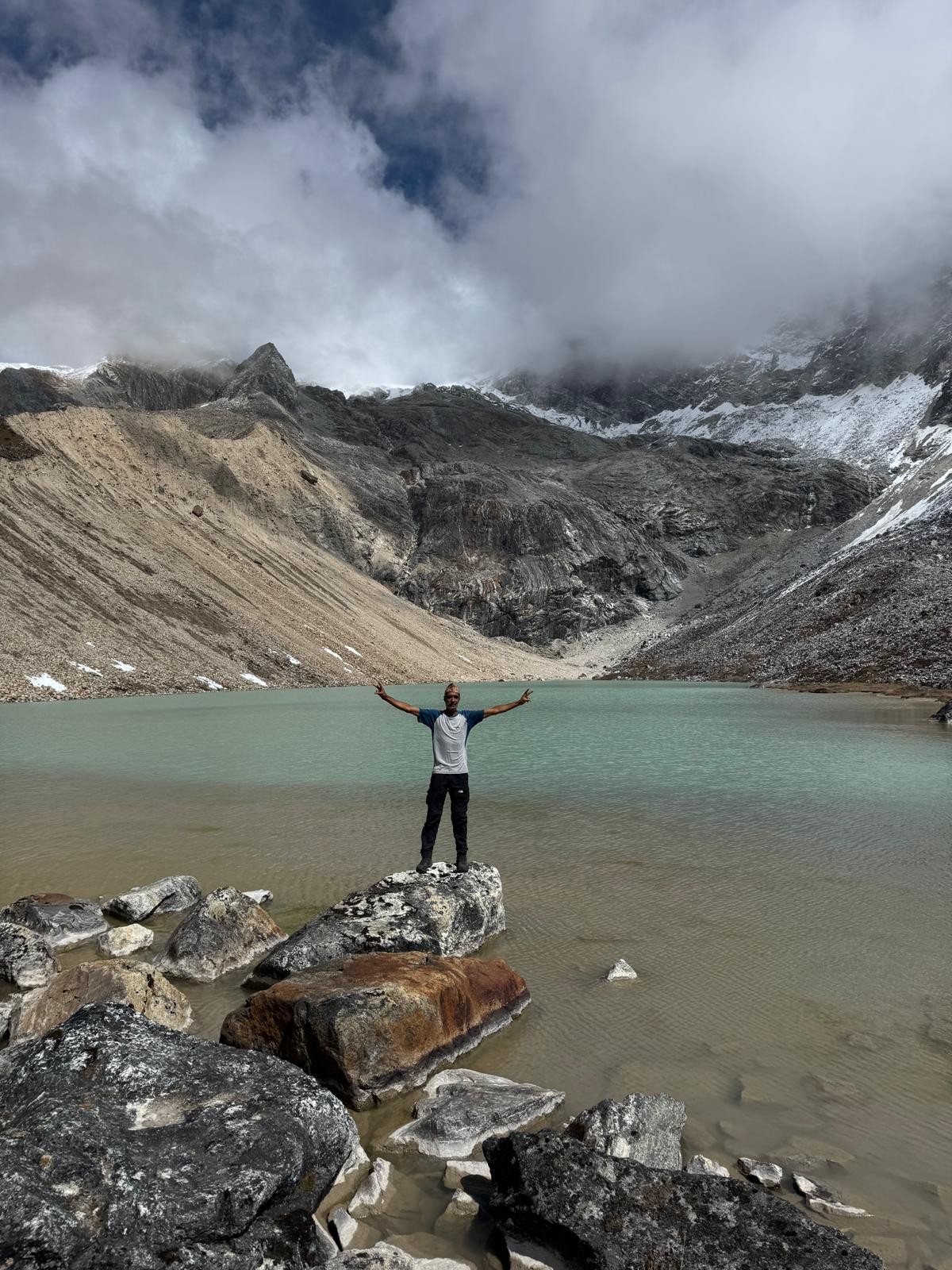
Experience cultural understanding and responsible trekking in the Kanchenjunga region. The trekkers encounter hospitable communities, such as the Limbu and Rai, in different villages. They respectfully visit sacred ancient monasteries near Ghunsa (3595m). And learn traditional practices and celebrations directly. Thus this way of Nepal trekking enhances appreciation for the local culture.
Similarly, responsible tourism principles govern the activities of trekkers on the trail. Hikers are required to carry out all the waste they produce. The toilet facilities along the trail must be used carefully. And animal harassment is prohibited within the Kanchenjunga Conservation Area. Hence, this responsible practice helps protect the undisturbed natural environment in the remote Himalaya.
Meanwhile, local livelihoods are directly strengthened on a daily basis. The trekkers purchase handcrafted items directly from the local artisans and lodge in teahouses operated by locals. Local guides and porters are hired from within the region, such as from the nearby villages. All contributing parties directly improve living standards. Thus it benefits both the travelers and the local community equally.
Additionally, the wildlife in Kanchenjunga Conservation Area is successfully preserved for its endemic nature. The trekkers strictly adhere to regulations when inside the area. Sacred sites around the mighty Kanchenjunga (8586m) are revered. Eco-conscious choices can be made throughout the expedition. Hence it helps maintain the nature of Kanchenjunga for the future generations to experience.
And finally, positive impact in the region is assured by respecting the culture. Trekkers must seek prior permission before taking a photo of any local person. Modesty should be observed while trekking through villages.
Responsible Trekking Practices in Kanchenjunga Region :
Consider the Kanchenjunga Base Camp Trek is indeed the adventure for your bucket list! Trekkers find transformative beauty in its extreme remoteness and personal satisfaction. All efforts during the journey are rewarded with unparalleled Himalayan solitude. Adventurers return home transformed by untamed natural grandeur. Thus, this Nepal trek can be said as one of the most unforgettable experiences in the world.
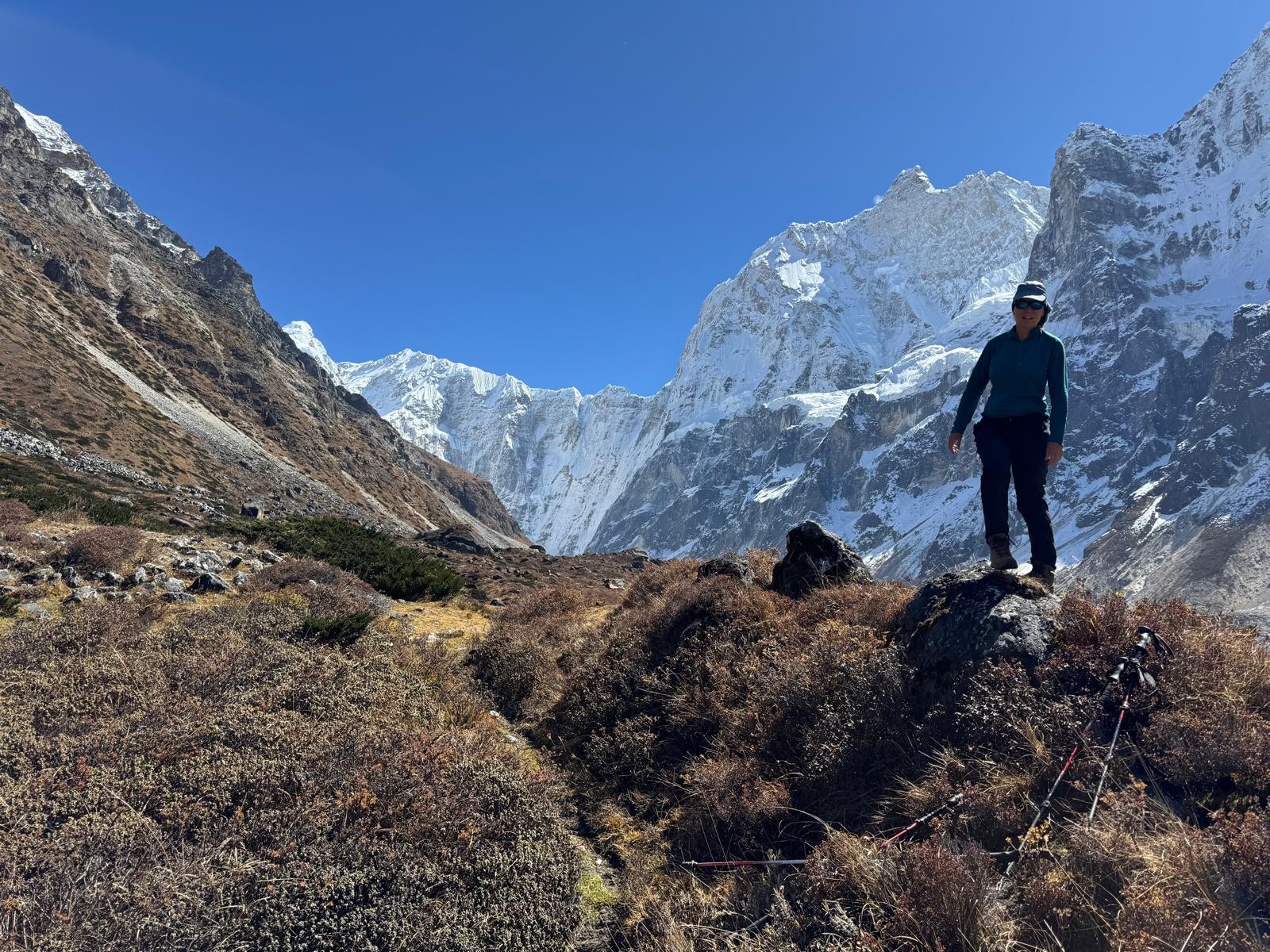
Not only this, the Kanchenjunga Base Camp Trek presents great value for money. Trekkers invest between USD 1,500-3,500 for an authentic off-the-beaten-path journey. They create lifetime memories without commercial crowds. Trekkers will witness Kanchenjunga (8586m) in its immaculate beauty. The Kanchenjunga Base Camp Trek is indeed justified in every penny spent.
Apart from this, achievement defines the entire journey immensely. Trekkers climb the high passes and reach the final destination, Pangpema (5143m) with pride. Hikers develop a sense of resilience from everyday arduous ascents. Adventurers overcome the challenges of altitude with courage. The Kanchenjunga Base Camp Trek proves to be a trip of lifetime satisfaction and learning.
In addition to this, the hike is unforgettable due to a multitude of factors. Trekkers experience the rich Limbu culture and walk through spectacular rhododendron forests. Trekkers get to walk along peaceful glacial valleys around Khambachen (4050m). Hikers marvel at the breathtaking panoramas of Kanchenjunga (8586m). These memories are something that would be forever etched in your mind.
Finally, you need to book your dream trek now by taking up these steps. Trekkers opt for reliable travel agencies and secure trekking permits, as well as guides early on. Trekkers should opt for either spring or autumn season for the perfect trek experience. Walkers must begin their training for the strenuous climb beforehand, and prepare all their required equipment. The Kanchenjunga Base Camp trek would turn out to be a lifetime changing Himalayan gem!
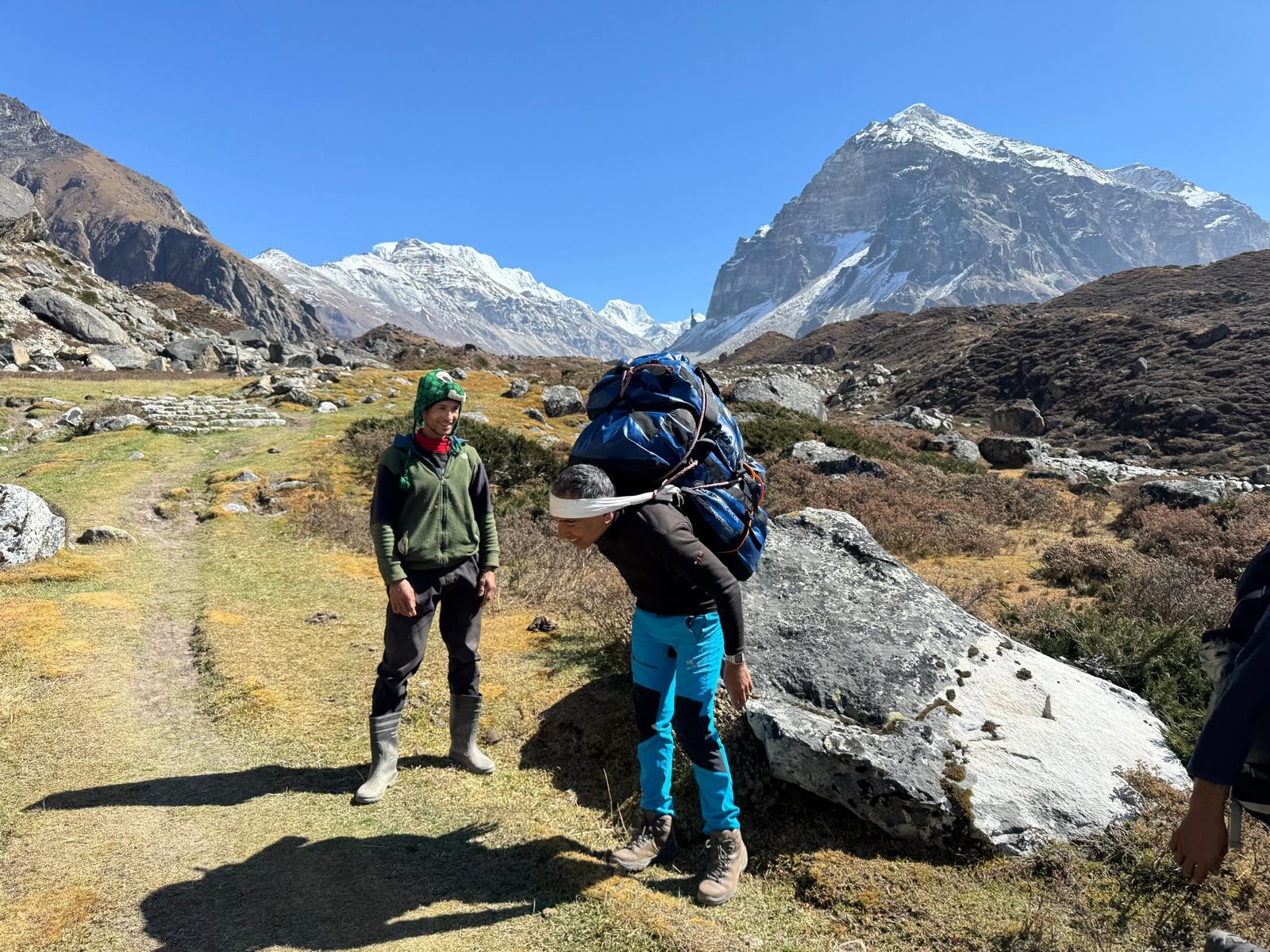
Why the Kanchenjunga Base Camp Trek Stands Out – Key Reflections :
1. What is the Kanchenjunga Base Camp Trek. Why is it special?
The Kanchenjunga Base Camp Trek is an adventure to the base of the worlds third highest mountain. It is special because it is not crowded and you get to see rhododendron forests and learn about the Limbu culture. Our team has taken people on this trek and they all say it is an amazing experience. You get to see the Himalayan mountains and it is a great way to challenge yourself.
2. What is the best time to do the Kanchenjunga Base Camp Trek?
The best time to do the Kanchenjunga Base Camp Trek is in the spring or autumn. The Kanchenjunga Base Camp Trek is best during these seasons because the weather is clear and you can see the Kanchenjunga mountain clearly. In the spring the rhododendron flowers are. In the autumn the landscape is golden and beautiful.
3. How difficult is the Kanchenjunga Base Camp Trek?
The Kanchenjunga Base Camp Trek is a trek. The Kanchenjunga Base Camp Trek is difficult because it is long and you have to walk at altitudes. You need to be in shape to do this trek. But do not worry our guides are. They will help you every step of the way. They will make sure you are safe and that you get used to the altitude.
4. What permits are required for the Kanchenjunga Base Camp Trek?
To do the Kanchenjunga Base Camp Trek you need to get a permits. The Kanchenjunga Base Camp Trek requires a Restricted Area Permit and a Kanchenjunga Conservation Area Permit. You also need to have a guide with you and be in a group. Our team will take care of all the paperwork for the Kanchenjunga Base Camp Trek so you do not have to worry about it.
5. What does a typical Kanchenjunga Base Camp Trek itinerary look like?
A typical Kanchenjunga Base Camp Trek itinerary is 20 to 26 days long. The Kanchenjunga Base Camp Trek starts with a flight and a drive you trek to the villages and to the base camp. The Kanchenjunga Base Camp Trek is customized based on how fit you're and we include rest days so you can enjoy the scenery. We make sure you are safe and have a time, on the Kanchenjunga Base Camp Trek.
6. How much does the Kanchenjunga Base Camp Trek cost?
The Kanchenjunga Base Camp Trek costs between $1,500 and $3,500 per person. This price depends on the size of your group. Whats included. For this price you get permits, transport, a guide, a porter, meals and a place to stay. We offer fair pricing for this trek. We help you choose a package that fits your budget whether you want a standard or luxury option.
7. What should I pack for the Kanchenjunga Base Camp Trek?
For the Kanchenjunga Base Camp Trek, pack layers, a down jacket, a waterproof jacket, good boots, a sleeping bag that can handle -10°C, trekking poles, a headlamp, a water purifier and a first-aid kit. We have a list that will help you prepare for the trek. Our list has been improved over years of leading expeditions.
8. How do I prepare physically for the Kanchenjunga Base Camp Trek?
To prepare for the Kanchenjunga Base Camp Trek you need to build your endurance. Do cardio exercises climb stairs and go on hikes for 6-8 hours while carrying a backpack. This should be done for 2-3 months before the trek. It's also good to focus on building your strength and getting used to altitudes. Our team can give you advice. Proper training will make the trek more enjoyable. Reduce fatigue.
9. What are the accommodation and food options on the trek?
During the trek you'll stay in teahouses. They offer basic to rooms with shared bathrooms. The rooms get better as you go to villages like Ghunsa. For food you can expect to have dal bhat, noodles and soups. We choose lodges and make sure the food is clean and gives you energy. We've worked with these lodges for years so you can expect a good stay even in remote areas.
10. Is the Kanchenjunga Base Camp Trek safe and how to handle altitude?
The Kanchenjunga Base Camp Trek is very safe if you acclimatize properly have a guide and are insured. We follow a plan to climb high during the day and sleep low at night. We also monitor your health closely. Drinking water, walking at a good pace and taking Diamox if advised can help prevent altitude sickness. Our teams have a safety record, on many successful expeditions.
Our travel experts are ready to assist you with any questions.
Send us a message.Have a question before you book? Send your enquiry below and our travel experts will get back with the required information.