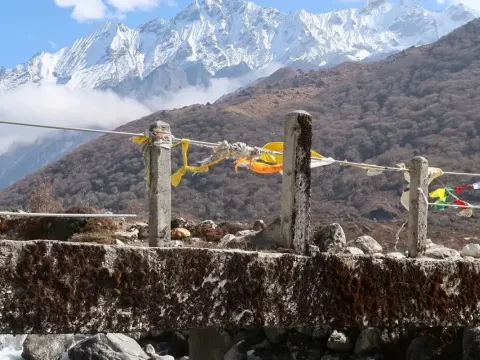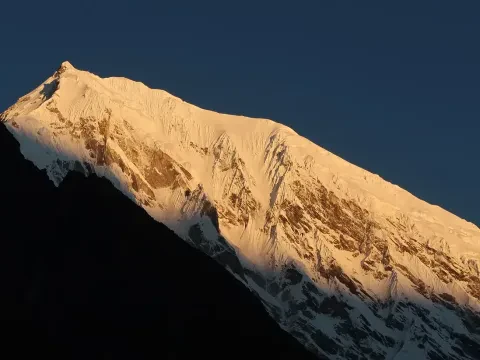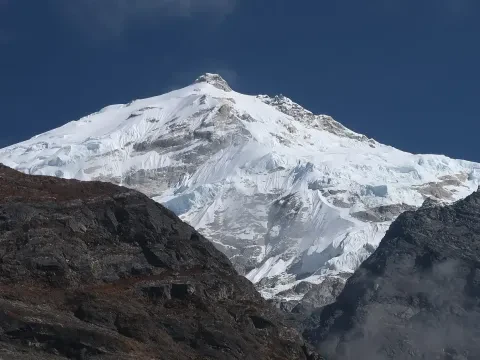
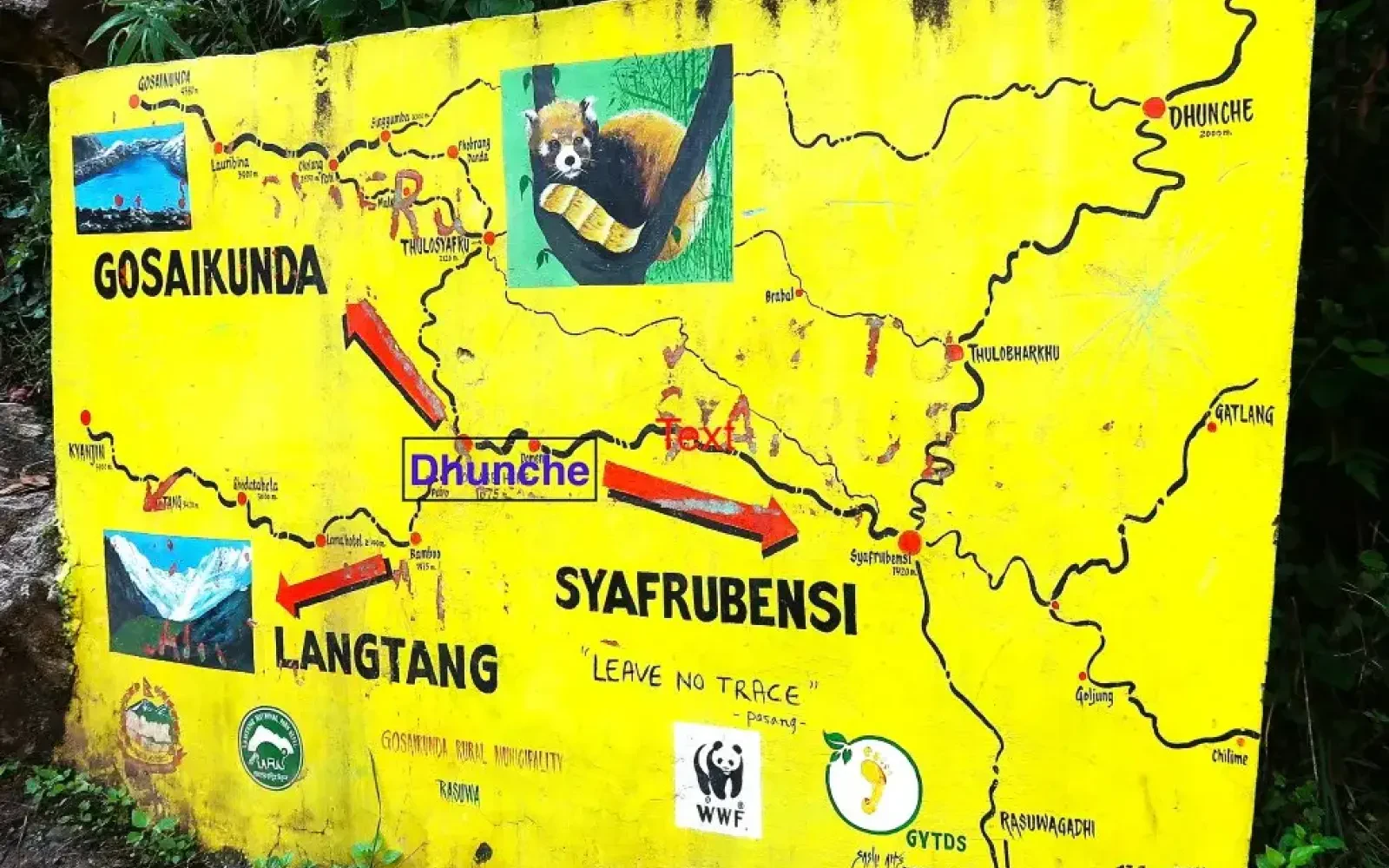
Actually, Langtang National Park really pulls you in with its dramatic Himalayan scenery. Tucked in central Nepal, the park stretches across the Nuwakot, Rasuwa, and Sindhupalchok districts and covers a massive 1,710 square kilometers. The elevation jumps from as low as 1,000 meters all the way up to Langtang Lirung at 7,245 meters, so you get everything from thick forests and wild rivers to high alpine meadows. You’ll spot wildlife roaming around and catch glimpses of Tamang communities keeping their traditions alive.
Meanwhile, trekkers come for the breathtaking trekking routes like Lagtang Valley Trek, glaciers feed sacred lakes, and the whole place has this mix of adventure and calm that’s hard to find anywhere else. It even links up with Tibet’s Qomolangma Preserve, making it a hotspot for biodiversity and conservation. Researchers flock here, and there’s a real sense that people are working hard to protect what makes Langtang special.
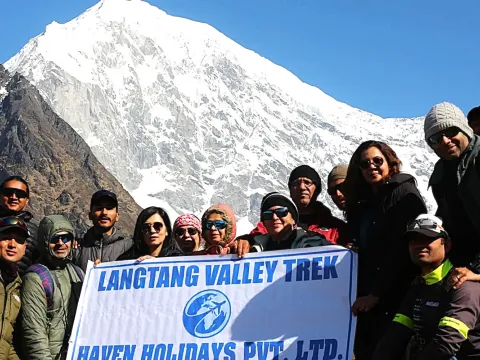
In fact, the park isn’t just about the scenery—it’s an experience. Hikers make their way up to Kyanjin Gompa at 3,870 meters for mountain views that honestly feel unreal. Gosaikunda Lake, sitting at 4,380 meters, draws pilgrims during festivals and holds deep religious meaning. With 68 named peaks—including the striking Dorje Lakpa at 6,966 meters—the landscape never gets old. You’ll find rhododendrons, oaks, red pandas, and even elusive snow leopards in these woods.
Unfortunately, the 2015 earthquake hit the area hard, but the communities rebuilt and kept things moving. Tourism now helps support the locals, and you’ll even find cheese factories in Kyanjin. Trails like the Langtang Valley keep drawing trekkers from all over the world. Weather shifts with the altitude—expect rain in summer, snow in winter—so visitors need to come prepared. In the end, Langtang National Park isn’t just a slice of Nepal’s wilderness; it’s the real thing, alive and thriving.
Key Geographical Features:
| Major Mountains in Langtang National Park | Elevation (m) |
| Langtang Lirung | 7,245 |
| Dorje Lakpa | 6,966 |
| Langshisha Ri | 6,427 |
| Yala Peak | 5,500 |
Notable Attractions and Wildlife:
Starting back when Nepal began focusing on nature protection, a push emerged during the 1970s. Officials wanted safe spaces high in the mountains. By 1970, royal backing turned that idea into something real. That year marked Langtang becoming the first area set aside in the Himalayas just for preservation. Back then, in 1976, officials announced the park through a government notice. That step turned it into Nepal’s fourth space set aside for protection. Saving rare plants and animals was one of its main goals.
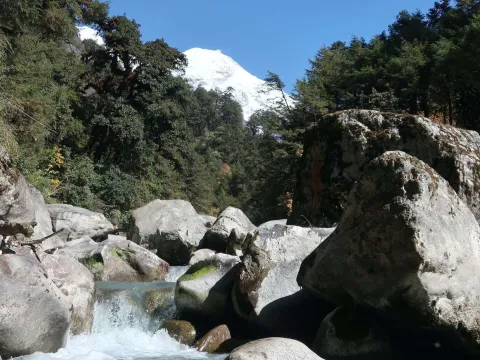
Still, another purpose mattered just as much - keeping Tamang traditions alive. Over mountain tops, old trails linked Nepal to Tibet. Through those peaks, silk journeys wound their way slowly. Shaking ground came many times after that. Still, strength grew stronger through each trial. From such beginnings, care for nature quietly began.
Here, Langtang National Park showed up on the map in 1976. That year, it claimed status as Nepal’s initial protected stretch in the high Himalayas. Its beginning size held firm at 1,710 square kilometers. By 1998, an added surrounding belt tacked on 420 more. Protecting living variety stood central from the start. Long ago, people called Tamang came to live here. Centuries passed since their arrival. Following yaks led them to rich valleys. From that tale, the word Langtang was born. Red pandas now have safeguards in place. Snow leopards too are under shelter.
In 1952, cheesemaking began through Swiss guidance. Afterward, visitors slowly increased over time. After the 2015 quake, rebuilding began piece by piece. Because of that moment, roots took hold in heritage and memory. What grew next still shapes how people move forward.
Historical Milestones:
| Key Establishment Facts | Details |
| Established Year | 1976 |
| Initial Area (km²) | 1,710 |
| Buffer Zone Added (km²) | 420 |
Governing Body Department of National Parks and Wildlife Conservation
Highest Peak at Origin Langtang Lirung (7,245 m)
Cultural and Historical Influences:
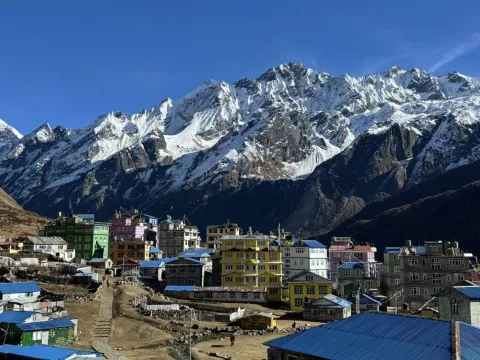
Actually, Langtang National Park is the kind of place that leaves you speechless. Massive Himalayan peaks rise all around—Langtang Lirung stands tall at 7,227 meters, and you can’t miss Dorje Lakpa dominating the horizon. Glaciers slice through the valleys, carving out gorges so deep they almost swallow sound. When spring hits, alpine meadows explode with color.
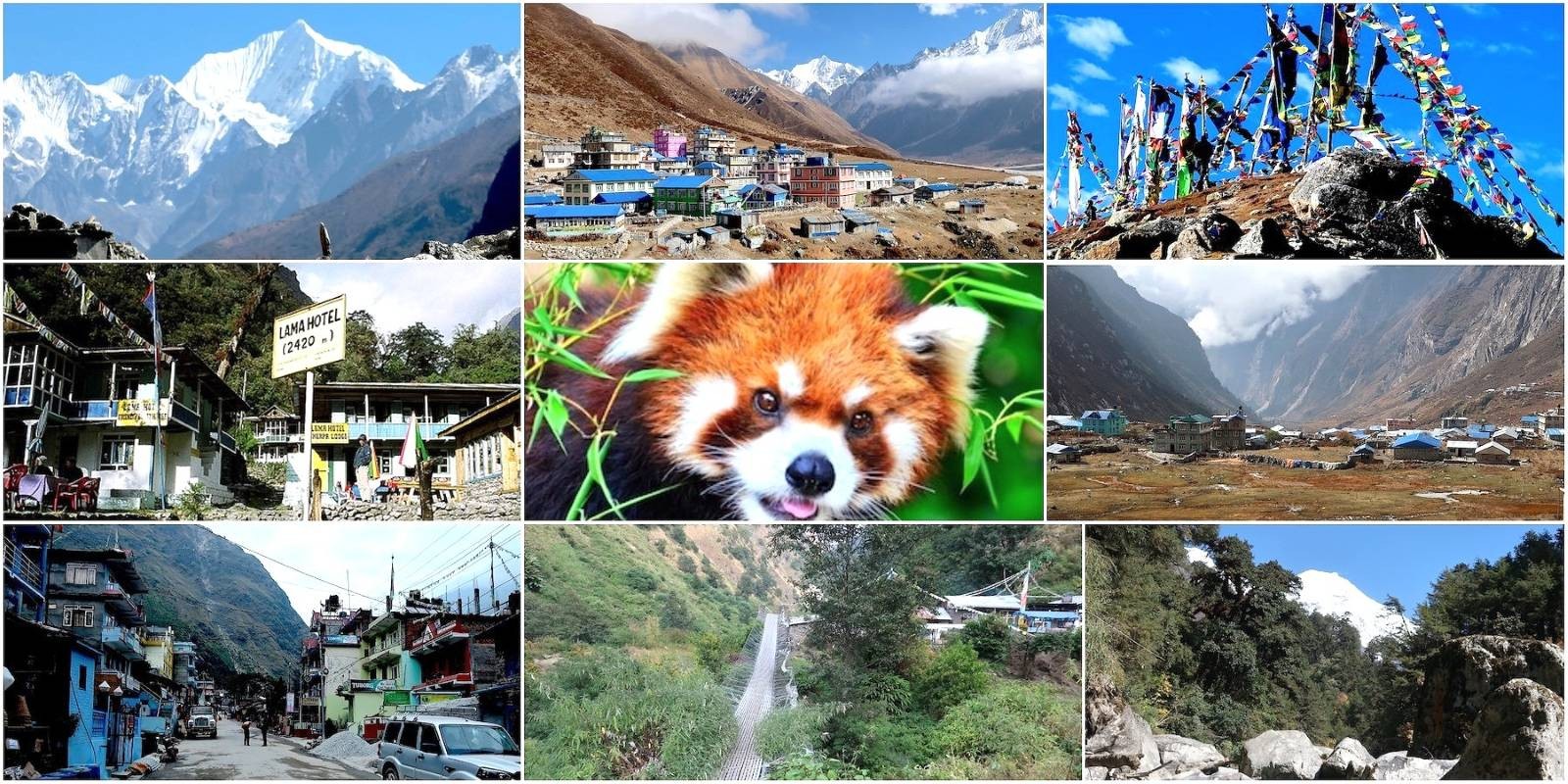
Likewise, Gosaikunda, the sacred lake at 4,380 meters, brings in pilgrims every year. Villages like Kyanjin Gompa (3,870 m) aren’t just stops on a map—they’re windows into local culture. And for anyone who loves wildlife, spotting a red panda in the bamboo groves or catching a glimpse of a snow leopard on the rocks is pure adrenaline.
Moreover, there’s a lot to do here in Langtang National Park. The Langtang Valley Trek snakes through thick forests and delivers you to sweeping viewpoints like Kyanjin Ri (4,773 m) and Tserko Ri (5,000 m). The Tamang Heritage Trail isn’t just a walk; it’s a journey into the traditions of the region’s people.
If you’re after a mix of spirituality and scenery, the Gosaikunda Lake Trek does the trick. Cheese factories in the high villages? Absolutely—they’re part of the experience. The region’s no stranger to hardship, either. Earthquakes have tested these communities, but they always rebuild, tougher than before. Langtang is a place where adventure and calm live side by side.
Every year, explorers from around the world come here, and honestly, it’s easy to see why. The park doesn’t just offer a trip. It gives you memories that stick.
Key Trekking Attractions:
| Major Mountains and Elevations | Elevation (m) | Notable Feature |
| Langtang Lirung | 7,227 | Highest peak, glacial surroundings. |
| Dorje Lakpa | 6,966 | Prominent in valley skyline. |
| Gangchenpo | 6,387 | Adds to panoramic vistas. |
| Yala Peak | 5,520 | Popular for climbing expeditions. |
Cultural and Natural Highlights
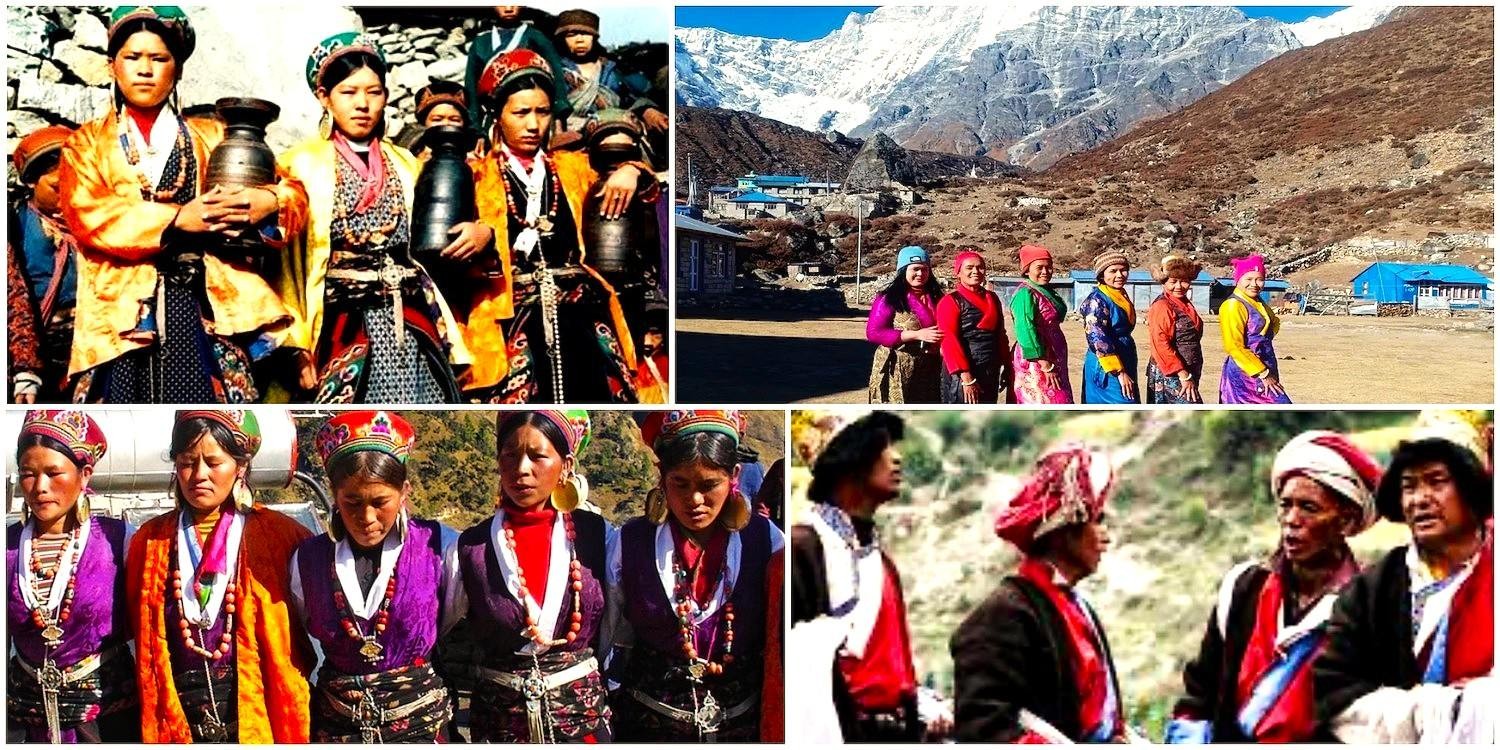
Ethnic Communities: Tamang and Sherpa groups preserve traditions in villages like Langtang (3,430 m).
Adventure Activities Description Elevation Range (m):
| Mountaineering | Climbing peaks like Yala Peak | 4,000-7,000 |
| Rock Climbing | Challenging routes in valleys | 2,000-4,000 |
| River Rafting | On Trishuli River near park | 1,000-2,000 |
| Wildlife Watching | Spotting endangered species | 1,000-5,000 |
Meanwhile, Langtang National Park bursts with life. You get everything from subtropical forests at the base to chilly alpine meadows up high. Head into the lower forests, and you’ll find oaks everywhere. Climb a bit, and rhododendrons take over, splashing the hillsides with color. Up in the meadows, tough little shrubs hang on, no matter how cold it gets.
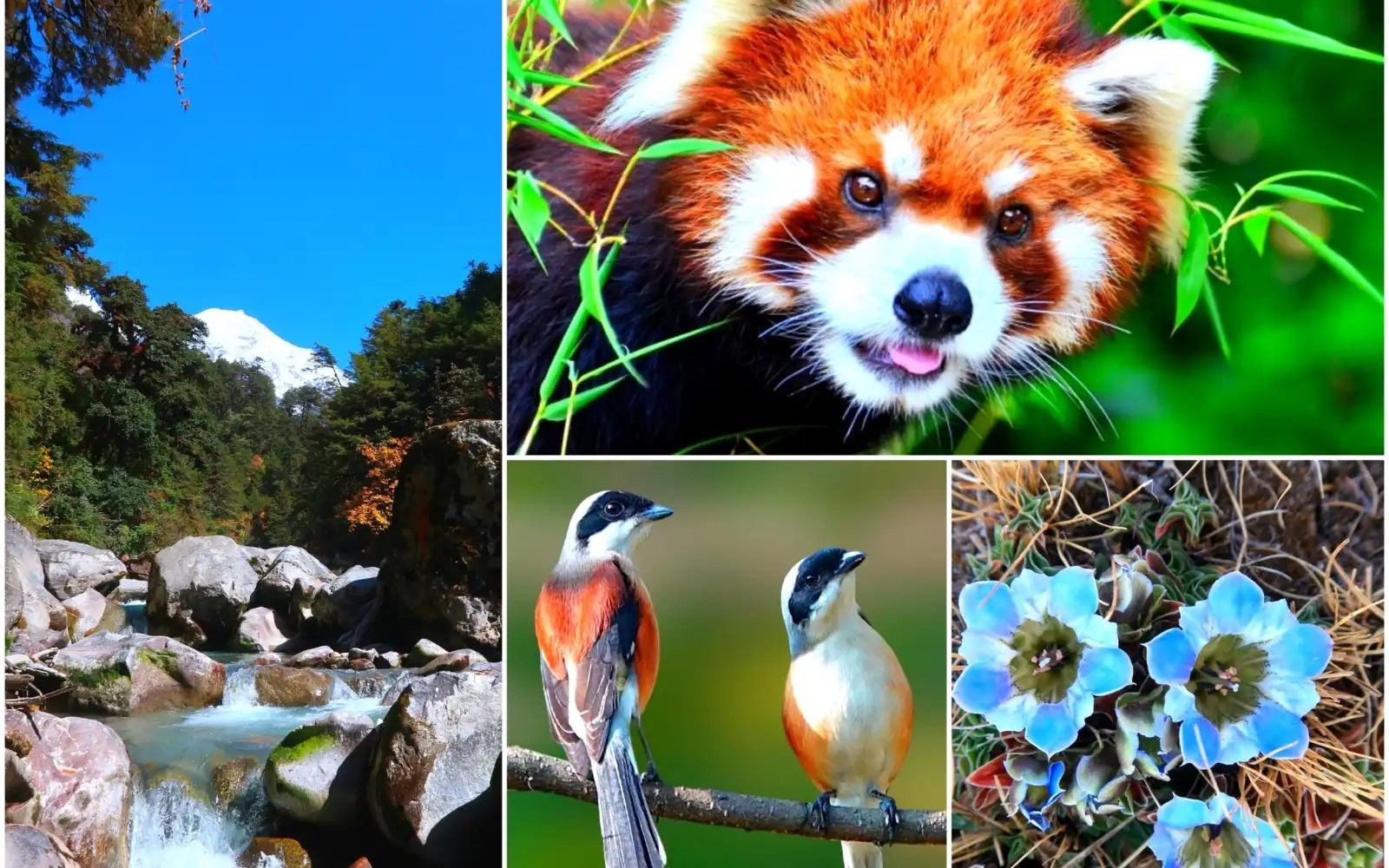
Likewise, wildlife here is just as impressive. Red pandas sneak through the bamboo. Snow leopards slip across the rocks where most people never go. The skies are alive with birds—more than 250 species, actually. If you look closer, butterflies flutter everywhere, adding their own pop of color. And it’s not just birds and butterflies—Himalayan tahrs scale cliffs like it’s nothing, and musk deer hide in the shadows.
Moreover, the Langtang National park works hard to protect all this flora and fauna. Thanks to those efforts, endangered species still have a home here, and the whole place keeps its wild, balanced feel. Scientists come to study it all, and nature lovers can’t seem to stay away. Walk the trails, and you’ll feel the energy—plants, animals, and people all mixing together. That’s Langtang: a living example of how wild places should be.
Major Flora Categories:
| Key Mammal Species | Habitat Elevation (m) | Conservation Status |
| Red Panda | 2,000-3,000 | Endangered |
| Snow Leopard | Above 4,000 | Vulnerable |
| Himalayan Black Bear | 1,000-3,000 | Vulnerable |
| Musk Deer | 2,500-3,500 | Endangered |
Bird and Other Fauna Highlights:
| Vegetation Ecosystems | Number of Types | Elevation Range (m) |
| Tropical Forests | Upper | Below 1,000 |
| Temperate Forests | Mid | 1,000-3,000 |
| Alpine Scrub | High | Above 3,500 |
| Grasslands | Varied | 3,000-5,000 |
If you want the best out of Langtang National Park, go in spring or autumn. March to May is just gorgeous—clear skies, bright rhododendrons everywhere, and daytime temperatures that sit comfortably between 10 and 20 degrees. Nights get a bit chilly, but nothing extreme. Come autumn, from September through November, the air turns crisp and the views? You can see all the way to Langtang Lirung, standing tall at 7,227 meters. Trails stay dry, footing’s good, and the scenery is at its peak. Honestly, these are the months trekkers dream about.
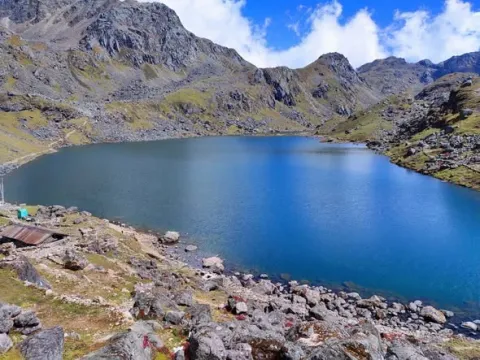
Here, that said, the park’s open all year, but not every season’s friendly. Monsoon hits from June to August, dumping heavy rain and making landslides a real headache on the trails. Winter? Think snow in the high country from December to February, and nights that bite below freezing. Still, if you’re after wildflowers, spring is where the magic happens. If you want razor-sharp mountain views—Dorje Lakpa at 6,966 meters is a showstopper—pick autumn.
If crowds aren’t your thing, aim for early March or late November. You get decent weather and a bit more breathing room. No matter when you go, show up prepared. But if you’re after that perfect mix of safety, beauty, and experience, spring and autumn are tough to beat.
Seasonal Overview for Visiting:
| Month | Average Day Temp (°C) | Average Night Temp (°C) | Key Conditions | Best For |
| March–May (Spring) | 10–20 | 0–7 | Clear skies, blooming rhododendrons | Trekking, photography. |
| September–November (Autumn) | 10–20 | 0–7 | Dry trails, sharp mountain views | Peak season visits. |
| June–August (Monsoon) | 15–25 | 10–15 | Heavy rain, muddy paths | Avoid unless prepared. |
| December–February (Winter) | 6–9 | Below 0 Snow, freezing nights | Winter adventures. |
Tips for Choosing the Best Time:
Under blue skies, Langtang National Park pulls in those who crave movement. Not just walking - trekking shapes nearly every visit. Paths wind through thick green valleys, quiet except for boots on stone. One goal stands high: Kyanjin Gompa at 3,870 meters above sea level.
From there, smaller trails peel off toward ridges with wide sightlines. Animals appear without warning, sudden flickers in the underbrush. Moments of meeting people deepen what could be only scenery. Homes of the Tamang open doors to strangers passing by. In this way, land and tradition fold together, step after step. Anyone can join, so long as they move at their own pace. Because of this, time spent here sticks with people.
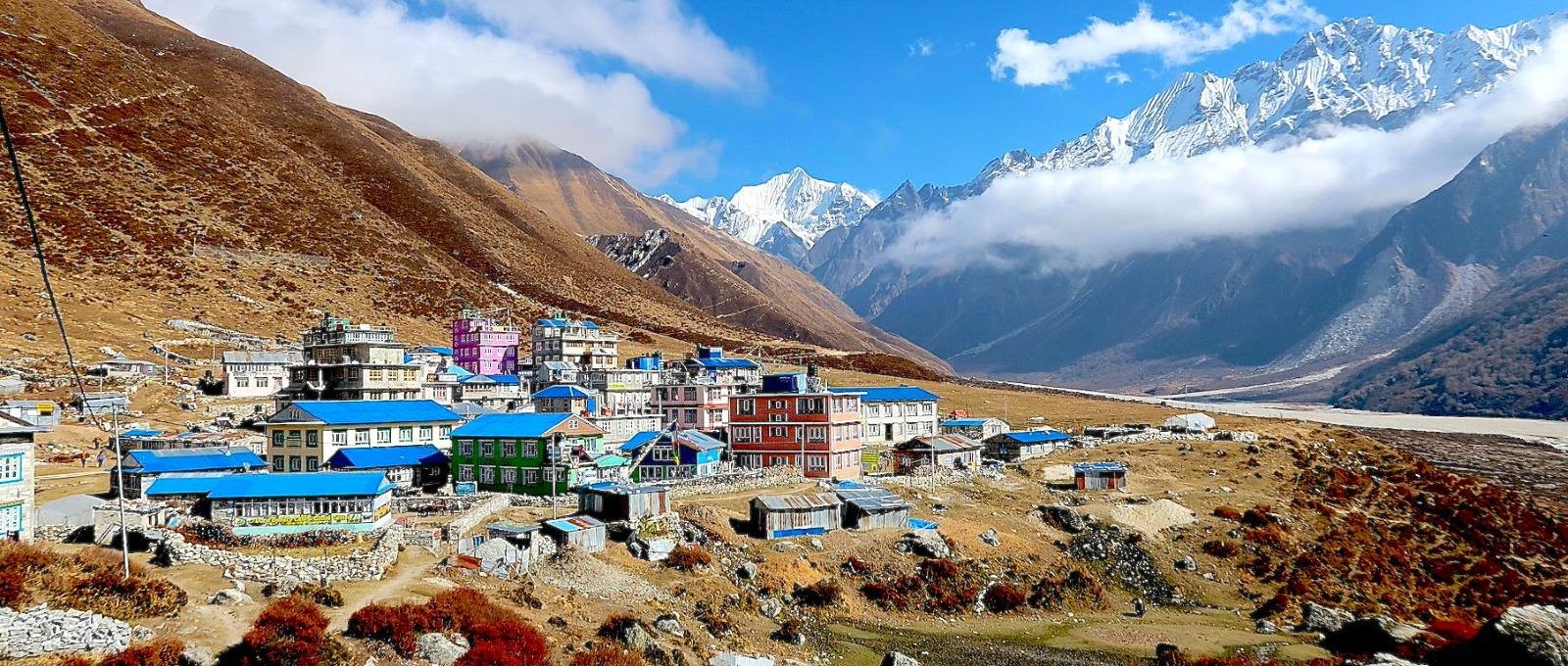
Likewise, finding trails through high valleys shapes much of what happens here. Sunrise spreads across the horizon when people reach Kyanjin Ri, standing at 4,773 meters. Gosaikunda Lake lies quiet at 4,380 meters, a place many pause to wander near. Some turn toward steeper ground, aiming for summits such as Yala Peak, which rises to 5,520 meters.
Moreover, some travelers try yak cheese while moving through village homes. Pictures taken here show mountains and skies in sharp detail. Still, many unwind inside warm teahouses with steam rising from cups. Walking paths wind through trees where birds call and plants bloom unseen elsewhere. Because of this range, every person finds something that fits their pace. Adventure hides beside quiet moments across the land. Memories form slowly, then stay for years without fading.
Primary Trekking Activities:
| Popular Viewpoints and Hikes | Elevation (m) | Highlights | Difficulty |
| Kyanjin Ri | 4,773 | Sunrise over Langtang Lirung (7,227 m) | Moderate |
| Tserko Ri | 5,000 | 360-degree views of multiple peaks | Challenging |
| Kyangen Ri | 4,600 | Scenic valley overlooks | Moderate-Challenging |
| Yala Peak Summit | 5,520 | Non-technical climbing opportunity | Advanced |
Cultural and Nature-Based Activities:
Additional Experiences:
When you visit Langtang National Park, you need to act responsibly. Local customs matter here, so trekkers make a point to show respect. Stick to the marked trails—don’t wander off. You’ll always see groups with licensed guides, not just for their knowledge, but because it’s about safety too. Carry your permit at all times and skip the single-use plastics. If you’re camping, only use the sites set aside for that. All these rules, simple as they sound, go a long way—they keep the ecosystems and wildlife safe. Every mindful step helps the park stay wild.
Actually, safety and sustainability come first in Langtang. Since 2025, hiring a licensed guide isn’t just smart, it’s the rule. Trails near Langtang Lirung (that’s 7,227 meters up) are clearly marked—stick to them. In villages like Kyanjin Gompa (3,870 meters), travelers show real respect for Tamang culture.
Everyone packs out their trash. Don’t feed the animals, and keep noise down. These habits actually make a difference. They protect the place, and honestly, they make the whole experience better for everyone. In the end, following these rules means you’re helping to keep Langtang as special as it is now—maybe even better for the next person who comes along.
Essential General Rules:
Environmental and Cultural Guidelines:
| Key Rules | Category | Specific Rule | Reason | Enforcement |
| Safety & Guidance | Licensed guide required | Enhances safety, prevents accidents | Checked at entry points. |
| Permits & Access | Carry valid entry permit | Supports conservation funding | Rangers inspect regularly. |
| Environmental Protection | No single-use plastics, pack out waste | Reduces pollution in high altitudes | Fines possible for violations. |
| Wildlife & Nature | Do not disturb flora/fauna | Preserves biodiversity | Park regulations enforced. |
Additional Tips for Visitors:
If you want to explore Langtang National Park, you’ll need an entry permit. Foreigners pay the standard rate, while SAARC nationals get a discount, and Nepali citizens pay just a small fee. Kids under 10? They get in for free. These fees aren’t just for show—they go straight into conservation, trail upkeep, and making sure the park stays beautiful and safe for everyone.
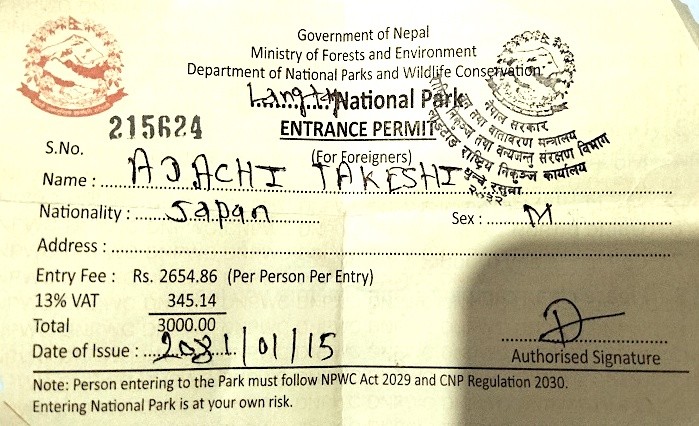
Here’s how the pricing breaks down: foreigners usually pay NPR 3,000 which includes VAT. SAARC visitors pay NPR 1,500 , and Nepali trekkers just NPR 100. You can pick up your permit in Kathmandu or right at entry points like Dhunche. Starting in 2025, trekking agencies will arrange permits for you if you’re with a guide, so it’s smart to budget for that ahead of time. The fees are the same for most treks, including popular routes to places like Gosaikunda (4,380 m). In short, your ticket helps protect the park and keeps your adventure safe.
Entry Permit Fees Breakdown (Current as of 2025-2026):
| Permit Type | Foreigners (NPR) | SAARC (NPR) | Nepali (NPR) | Where to Obtain |
| Langtang National Park Entry Permit | 3,000 | 1,500 + VAT (≈1,695) | 100 | Nepal Tourism Board (Kathmandu), Dhunche/Syabrubesi entry points. |
| Additional Notes | Mandatory for all trekkers | Discounted rate Minimal fee | Agencies for guided treks. |
Related Requirements and Costs:
Permit Process Tips:
Actually, getting to Langtang National Park is straightforward from Kathmandu. Travelers can get bus/jeep from Kathmandu to Syabrubesi directly. From there, trekkers head out along roads that lead directly to the trailhead. Driving north, buses and jeeps follow the path through Trishuli Bazaar. After that, the journey continues past Dhunche, winding upward. Eventually it reaches Syabrubesi, sitting at 1,550 meters above sea level. A stretch of roughly 122 kilometers makes up the route.
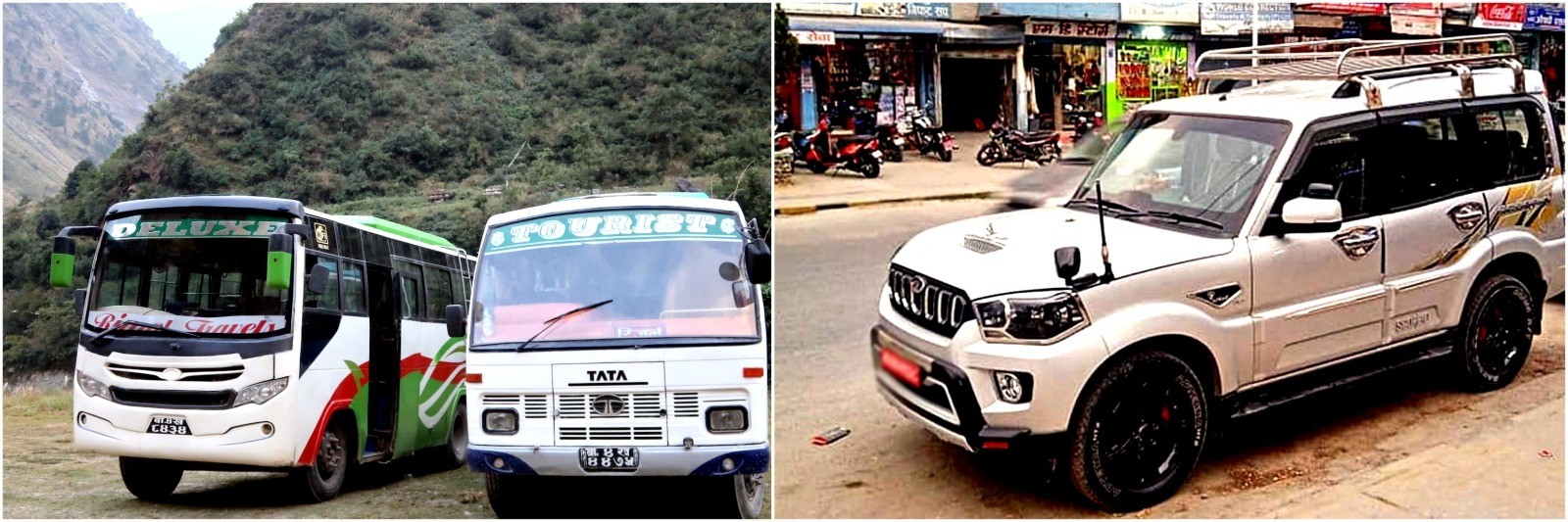
While public buses offer low-cost rides, private jeeps cut down time on the road. Because of these choices, flying isn’t part of the picture. What sets the park apart is how easy it is to reach. Convenience defines the experience from start to finish. Trekkers show up here when they want a fast route into the Himalayas. Because of that, getting here easily makes it more favored
Getting to Langtang is simple by public transit. From Kathmandu, buses leave either at Machhapokhari or Gongabu. Travel time ranges from seven to nine hours, weather permitting. A jeep gets you there faster, usually between five and eight. The route twists past rolling hills, cutting through narrow valleys along the way. Views unfold beautifully as you move forward.
When rain falls heavily, some parts get tricky. Paths stay clearer when skies are free of storms. Best to start walking before crowds gather. People of many backgrounds find their way here without trouble. The route heads close to a tall peak called Langtang Lirung. Even with challenges, few places in Nepal open up so easily.
Transport Options from Kathmandu:
| Route Details | Distance | Duration | Key Stops | Notes |
| Kathmandu to Syabrubesi (Main Starting Point) | 122 km | 6-9 hours | Trishuli Bazaar, Dhunche | Paved highways mix with rough mountain roads; scenic river valleys. |
| Kathmandu to Dhunche (Alternative Entry) | 100 km | 5-7 hours | Trishuli Bazaar | Shorter for some treks like Gosaikunda. |
| Return Journey | Same as outbound | 6-9 hours | Same route | Book in advance during peak seasons. |
Accessibility Tips:
Out here, Langtang National Park puts sustainable tourism into motion every day. Local people take charge when it comes to protecting nature. After the 2015 quake, villages rose again through steady work. Instead of outside operators, families run guesthouses now. When travelers walk these trails, their choices back low-impact habits. Because guides talk openly about trash, guests start thinking twice.
Besides boosting local incomes, tourism helps safeguard creatures such as red pandas. Balance inside the park stays intact because of this. Long-term protection grows from mindful methods. Visits happen with care since awareness spreads quietly
Likewise, homegrown efforts keep travel alive in Langtang. Teahouses open their doors, guided by people who live here. Tree planting becomes a shared mission, carried out hand in hand. Trails stay clean because guests respect the land they walk on. Staying with families reveals daily rhythms, unfiltered. Less plastic slips into view thanks to quiet campaigns behind the scenes. After tremors shook the region, rebuilding chose nature over speed. So tourism gives strength to Tamang people. Habitat safeguards around Gosaikund rise because of visitor support. In total these actions bring good results. Culture in Langtang region stays alive while landscapes remain untouched. This protected space shows how mountain travel can work fairly.
Key Sustainable Practices:
Post-2015 Earthquake Recovery Efforts:
| Sustainable Initiative | Description | Benefit | Involved Parties |
| Homestays & Local Lodges | Visitors stay with families | Economic empowerment, cultural exchange | Tamang communities. |
| Waste Reduction Programs | Carry-in/carry-out policy | Reduces pollution in fragile areas | Trekkers, guides, park authorities. |
| Reforestation & Monitoring | Tree planting, wildlife patrols | Preserves flora/fauna | Local youth, conservation groups. |
| Guide Education | Licensed guides promote eco-practices | Raises awareness | Trekking agencies, TAAN. |
Additional Eco-Tourism Highlights:
1. What is Langtang National Park?
Langtang National Park is Nepal’s first Himalayan national park. It was established in 1976. The park covers 1,710 kilometers in Rasuwa and Sindhupalchok districts. It has different landscapes, from subtropical forests to alpine meadows, snow-capped peaks, glaciers and a lot of different plants and animals. Many people like to trek.
2. When was Langtang National Park established?
Langtang National Park was established in 1976. It was Nepal’s Himalayan national park and the country’s fourth protected area. The park was created to protect the Himalayan ecosystem, rare animals and cultural heritage of the region.
3. What are the major highlights of Langtang National Park?
The park has highlights. These include Langtang Valley, Gosainkunda Lake, Kyanjin Gompa, Tamang villages, glaciers and great views of Langtang Lirung. Visitors can go trekking learn about the culture and see the beautiful Himalayan scenery near Kathmandu.
4. What flora and fauna are found in Langtang National Park?
The park has different plants, including rhododendrons, oaks, pines and alpine meadows. The park is home to pandas, snow leopards, Himalayan black bears, musk deer, Himalayan tahr and over 250 bird species. This makes it a special place for nature and wildlife.
5. What is the best time to visit Langtang National Park?
The best times to visit are in the spring from March to May, when the rhododendrons are blooming. Autumn, from September to November is also great with mountain views and stable weather. These seasons are ideal for trekking and taking pictures.
6. What activities can I do in Langtang National Park?
There are things to do in the park. These include trekking in Langtang Valley and to Gosainkunda climbing mountains watching birds spotting wildlife visiting Tamang villages and monasteries and taking pictures of the landscapes.
7. What are the general rules to follow in Langtang National Park?
When visiting the park please do not litter, stay on the marked trails respect the culture do not disturb the wildlife and get the necessary permits. Following these rules helps protect the park and ensure tourism.
8. How much are the entry fees for Langtang National Park?
Foreigners pay NPR 3,000. SAARC nationals pay NPR 1,500. Nepalis pay NPR 100. Children under 10 can enter for free.
9. How do I reach Langtang National Park from Kathmandu?
To get to the park from Kathmandu take a bus or jeep to Syabrubesi. The drive takes 7-8 hours. Covers 120-122 kilometers. Syabrubesi is the gateway to the park and the starting point for most treks.
10. Why is Langtang National Park important for biodiversity?
The park protects different ecosystems, from subtropical to alpine zones. It helps conserve endangered species like pandas and snow leopards. The park also preserves Himalayan plants across 14 different vegetation types.
11. Do I need a permit to visit Langtang National Park?
Yes, you need a permit to visit the park. You need a Langtang National Park Entry Permit and a TIMS card. These help with conservation and can be obtained in Kathmandu or at the park entrance.
12. Is Langtang National Park suitable for beginners?
Yes, many trails in the park like Langtang Valley are moderate and suitable for beginners. There are also teahouse facilities. However proper acclimatization and fitness preparation are recommended.
13. What cultural experiences does Langtang National Park offer?
Visitors can experience the rich Tamang and Tibetan-influenced culture. This includes visiting villages, monasteries like Kyanjin Gompa, hospitality, festivals and local cuisine.
14. Can I see snow leopards or red pandas in Langtang National Park?
It is possible to see snow leopards and red pandas in the park. Sightings are rare. Morning or guided treks can improve your chances of spotting them in their natural habitats.
15. How big is Langtang National Park?
The park spans 1,710 kilometers. It extends from 1,000 meters to over 7,000 meters altitude. The park encompasses different landscapes and ecosystems in central Nepal.
16. What is sustainable tourism in Langtang National Park?
Sustainable tourism in the park means minimizing impact supporting local Tamang communities respecting customs and contributing to conservation through responsible travel practices.
17. Are there glaciers in Langtang National Park?
Yes, the park features glaciers, especially around Langtang Lirung and other peaks. These offer scenic beauty for trekkers and photographers.
18. What should I pack for a visit to Langtang National Park?
When visiting the park, pack clothing, sturdy trekking boots, a rain jacket, sunglasses, sunscreen, water purification, a first-aid kit and a good sleeping bag for higher altitudes.
19. Can I do a short visit or day trip to Langtang National Park?
Short visits are possible. Most attractions require multi-day treks. Day trips are limited. Helicopter tours or short hikes, from Syabrubesi are alternatives.
20. How does visiting Langtang National Park support local communities?
Visiting the park helps support communities. Tourism revenue and trekking activities provide income to Tamang villages through teahouses, guides and porters. This aids -earthquake recovery and promotes sustainable community development.
Our travel experts are ready to assist you with any questions.
Send us a message.Have a question before you book? Send your enquiry below and our travel experts will get back with the required information.