[{"name":"Everest Base Camp Helicopter Tour","duration":"1","image_url":"https:\/\/www.havenholidaysnepal.com\/storage\/trip-galleries\/1\/thumb_6cd53005d75a86e373d31419d1b14d78.webp","offer_price":1195,"url":"https:\/\/www.havenholidaysnepal.com\/trips\/everest-base-camp-helicopter-tour"},{"name":"Everest Mountain Flight","duration":"1","image_url":"https:\/\/www.havenholidaysnepal.com\/storage\/trip-galleries\/4\/thumb_3b0b4f1d6f72b0ad224daf4752f2c6e0.jpg","offer_price":285,"url":"https:\/\/www.havenholidaysnepal.com\/trips\/everest-mountain-flight"},{"name":"Everest Short Trek","duration":"9","image_url":"https:\/\/www.havenholidaysnepal.com\/storage\/trip-galleries\/5\/thumb_BXPP3621.JPEG0.02033800 1727957098.webp","offer_price":995,"url":"https:\/\/www.havenholidaysnepal.com\/trips\/everest-short-trek"},{"name":"Gokyo Valley Trek","duration":"12","image_url":"https:\/\/www.havenholidaysnepal.com\/storage\/trip-galleries\/6\/thumb_10bc469b14731f23d3ce84a7092ad53f.jpg","offer_price":1195,"url":"https:\/\/www.havenholidaysnepal.com\/trips\/gokyo-valley-trek"},{"name":"15 days Annapurna Base Camp Trek","duration":"15","image_url":"https:\/\/www.havenholidaysnepal.com\/storage\/trip-galleries\/7\/thumb_87d1533bc45faf070990aef0579e4be4.jpg0.81855100 1728285496.webp","offer_price":785,"url":"https:\/\/www.havenholidaysnepal.com\/trips\/15-days-annapurna-base-camp-trek"},{"name":"Nepal Pilgrimage Tour","duration":"14","image_url":"https:\/\/www.havenholidaysnepal.com\/storage\/trip-galleries\/8\/thumb_02c3bcf2ad2e8a4c1703e90ae747b5f1.jpg","offer_price":1475,"url":"https:\/\/www.havenholidaysnepal.com\/trips\/nepal-pilgrimage-tour"},{"name":"UNESCO World Heritage Site Tour","duration":"10","image_url":"https:\/\/www.havenholidaysnepal.com\/storage\/trip-galleries\/9\/thumb_unesco-world-heritage-site-Lumbani-temple-buddhists-hindus-kathmandu-nepal0.36988600 17347617740.93089500 1737469667.webp","offer_price":715,"url":"https:\/\/www.havenholidaysnepal.com\/trips\/unesco-world-heritage-site-tour"},{"name":"Island Peak Climbing","duration":"16","image_url":"https:\/\/www.havenholidaysnepal.com\/storage\/trip-galleries\/11\/thumb_Island peak0.53947000 1734692503.webp","offer_price":2495,"url":"https:\/\/www.havenholidaysnepal.com\/trips\/island-peak-climbing"},{"name":"Upper Mustang Trek","duration":"18","image_url":"https:\/\/www.havenholidaysnepal.com\/storage\/trip-galleries\/12\/thumb_upper mustang 7 Oct-2024.jpg0.95398900 1728286166.webp","offer_price":2995,"url":"https:\/\/www.havenholidaysnepal.com\/trips\/upper-mustang-trek"},{"name":"Annapurna Circuit Trek","duration":"16","image_url":"https:\/\/www.havenholidaysnepal.com\/storage\/trip-galleries\/15\/thumb_tibetan-flags.jpg0.04843900 1728289138.webp","offer_price":985,"url":"https:\/\/www.havenholidaysnepal.com\/trips\/annapurna-circuit-trek"},{"name":"Gosainkunda Lake Trek","duration":"10","image_url":"https:\/\/www.havenholidaysnepal.com\/storage\/trip-galleries\/16\/thumb_5A8083B3-C007-41A8-853F-D0C37C97D235_1_105_c.jpeg0.52581200 1731845258.webp","offer_price":595,"url":"https:\/\/www.havenholidaysnepal.com\/trips\/gosainkunda-lake-trek"},{"name":"Zip-lining in Pokhara and Dhulikhel","duration":"1","image_url":"https:\/\/www.havenholidaysnepal.com\/storage\/trip-galleries\/18\/thumb_215f765e2ebc995dd5c800b4bfdbacc3.jpg","offer_price":82,"url":"https:\/\/www.havenholidaysnepal.com\/trips\/zip-lining-in-pokhara-and-dhulikhel"},{"name":"Annapurna Heli Tour","duration":"1","image_url":"https:\/\/www.havenholidaysnepal.com\/storage\/trip-galleries\/19\/thumb_d71a6bbb9fd4da8d1b567a5cdbdec85d.jpg","offer_price":555,"url":"https:\/\/www.havenholidaysnepal.com\/trips\/annapurna-heli-tour"},{"name":"Paragliding in Pokhara","duration":"1","image_url":"https:\/\/www.havenholidaysnepal.com\/storage\/trip-galleries\/20\/thumb_de788d2dd9726783431f882c007efae1.jpg","offer_price":65,"url":"https:\/\/www.havenholidaysnepal.com\/trips\/paragliding-in-pokhara"},{"name":"Ultra-Flight in Pokhara","duration":"1","image_url":"https:\/\/www.havenholidaysnepal.com\/storage\/trip-galleries\/21\/thumb_e27a9fb572a5c21611bb2a3c18e4b8f0.jpeg","offer_price":175,"url":"https:\/\/www.havenholidaysnepal.com\/trips\/ultra-flight-in-pokhara"},{"name":"Sarangkot Hiking","duration":"1","image_url":"https:\/\/www.havenholidaysnepal.com\/storage\/trip-galleries\/22\/thumb_100ef822fea19987166c6c1366215f15.jpg","offer_price":55,"url":"https:\/\/www.havenholidaysnepal.com\/trips\/sarangkot-hiking"},{"name":"Mera Peak Climbing","duration":"18","image_url":"https:\/\/www.havenholidaysnepal.com\/storage\/trip-galleries\/24\/thumb_d16ae3895f678cf26ffbf2455f541fb5.jpg0.31883400 1732617790.webp","offer_price":2475,"url":"https:\/\/www.havenholidaysnepal.com\/trips\/mera-peak-climbing"},{"name":"Lower Dolpo Trek","duration":"18","image_url":"https:\/\/www.havenholidaysnepal.com\/storage\/trip-galleries\/26\/thumb_Dolpo Galary - 1.JPG0.37725200 1727939952.webp","offer_price":2995,"url":"https:\/\/www.havenholidaysnepal.com\/trips\/lower-dolpo-trek"},{"name":"Nagarkot Sunrise\/Sunset Tour","duration":"1","image_url":"https:\/\/www.havenholidaysnepal.com\/storage\/trip-galleries\/27\/thumb_5147a5532644283a380f2e86f3857c13.jpg0.17748000 1728488108.webp","offer_price":30,"url":"https:\/\/www.havenholidaysnepal.com\/trips\/nagarkot-sunrise-sunset-tour"},{"name":"16 day Everest Base Camp Trek","duration":"16","image_url":"https:\/\/www.havenholidaysnepal.com\/storage\/trip-galleries\/28\/thumb_IMG_4311.JPG0.64984800 1727942213.webp","offer_price":1695,"url":"https:\/\/www.havenholidaysnepal.com\/trips\/16-day-everest-base-camp-trek"},{"name":"Ghorepani Poon Hill trek with Jungle Safari and Trishuli River Rafting -13 days","duration":"13","image_url":"https:\/\/www.havenholidaysnepal.com\/storage\/trip-galleries\/29\/thumb_Ghorepani Poon hill.jpg0.48460800 1728281439.webp","offer_price":795,"url":"https:\/\/www.havenholidaysnepal.com\/trips\/ghorepani-poon-hill-trek-with-jungle-safari-and-trishuli-river-rafting--13-days"},{"name":"Mardi Himal Trek","duration":"12","image_url":"https:\/\/www.havenholidaysnepal.com\/storage\/trip-galleries\/30\/thumb_s1.jpg0.62112600 1728200721.webp","offer_price":795,"url":"https:\/\/www.havenholidaysnepal.com\/trips\/mardi-himal-trek"},{"name":"Langtang Valley Trekking","duration":"10","image_url":"https:\/\/www.havenholidaysnepal.com\/storage\/trip-galleries\/31\/thumb_IMG_4702.JPG0.84916500 1727958504.webp","offer_price":685,"url":"https:\/\/www.havenholidaysnepal.com\/trips\/langtang-valley-trekking"},{"name":"Real Adventure Tour in Nepal","duration":"9","image_url":"https:\/\/www.havenholidaysnepal.com\/storage\/trip-galleries\/32\/thumb_ebd1b8cc78d90abe8b9003dd9a2f25bf.jpg0.82151300 1728213516.webp","offer_price":695,"url":"https:\/\/www.havenholidaysnepal.com\/trips\/real-adventure-tour-in-nepal"},{"name":"Luxury Tour in Nepal","duration":"10","image_url":"https:\/\/www.havenholidaysnepal.com\/storage\/trip-galleries\/33\/thumb_8574e61b252b18676b042caf30d830df.jpg","offer_price":1675,"url":"https:\/\/www.havenholidaysnepal.com\/trips\/luxury-tour-in-nepal"},{"name":"Luxury Everest Panorama Trek With EBC Heli Sightseeing","duration":"8","image_url":"https:\/\/www.havenholidaysnepal.com\/storage\/trip-galleries\/34\/thumb_URZL2397.JPEG0.01209600 1728027820.webp","offer_price":2395,"url":"https:\/\/www.havenholidaysnepal.com\/trips\/luxury-everest-panorama-trek-with-ebc-heli-sightseeing"},{"name":"13 day Everest Base Camp Trek with Helicopter","duration":"13","image_url":"https:\/\/www.havenholidaysnepal.com\/storage\/trip-galleries\/35\/thumb_IMG_4292.JPG0.70131500 1728029276.webp","offer_price":2095,"url":"https:\/\/www.havenholidaysnepal.com\/trips\/13-day-everest-base-camp-trek-with-helicopter"},{"name":"Manaslu Circuit Trek","duration":"16","image_url":"https:\/\/www.havenholidaysnepal.com\/storage\/trip-galleries\/36\/thumb_Mt Manaslu 03-Oct-2024.jpg0.65804900 1727938470.webp","offer_price":1055,"url":"https:\/\/www.havenholidaysnepal.com\/trips\/manaslu-circuit-trek"},{"name":"Kanchenjunga Base Camp Trek","duration":"21","image_url":"https:\/\/www.havenholidaysnepal.com\/storage\/trip-galleries\/37\/thumb_Kanchanjunga Trek -!.jpg0.54744400 1727938497.webp","offer_price":2275,"url":"https:\/\/www.havenholidaysnepal.com\/trips\/kanchenjunga-base-camp-trek"},{"name":"Ganesh Himal and Sing-La Trek","duration":"14","image_url":"https:\/\/www.havenholidaysnepal.com\/storage\/trip-galleries\/38\/thumb_Ganesh Himal slider-1.jpg0.43764500 1727937722.webp","offer_price":1775,"url":"https:\/\/www.havenholidaysnepal.com\/trips\/ganesh-himal-and-sing-la-trek"},{"name":"Island Peak Climb with Everest Base Camp Trek","duration":"21","image_url":"https:\/\/www.havenholidaysnepal.com\/storage\/trip-galleries\/39\/thumb_2be428730fe83525bc85a010564f99de.jpg","offer_price":2750,"url":"https:\/\/www.havenholidaysnepal.com\/trips\/island-peak-climb-with-everest-base-camp-trek"},{"name":"Students' Adventure Tour in Nepal","duration":"12","image_url":"https:\/\/www.havenholidaysnepal.com\/storage\/trip-galleries\/41\/thumb_a926d22fbfe08cba271c41ac289b3fd2.jpg","offer_price":995,"url":"https:\/\/www.havenholidaysnepal.com\/trips\/students-adventure-tour-in-nepal"},{"name":"7 Day Poonhill Trek","duration":"7","image_url":"https:\/\/www.havenholidaysnepal.com\/storage\/trip-galleries\/42\/thumb_6196bd69036473293a2c24cc21ed57d7.jpg0.10880600 1728205378.webp","offer_price":555,"url":"https:\/\/www.havenholidaysnepal.com\/trips\/7-day-poonhill-trek"},{"name":"7 Days Annapurna Base Camp Trek","duration":"7","image_url":"https:\/\/www.havenholidaysnepal.com\/storage\/trip-galleries\/43\/thumb_IMG_2214.JPG0.08204900 1728202033.webp","offer_price":355,"url":"https:\/\/www.havenholidaysnepal.com\/trips\/7-days-annapurna-base-camp-trek"},{"name":"3 days Poonhill Trek","duration":"3","image_url":"https:\/\/www.havenholidaysnepal.com\/storage\/trip-galleries\/44\/thumb_Poon hill.jpg0.60816600 1731412954.webp","offer_price":165,"url":"https:\/\/www.havenholidaysnepal.com\/trips\/3-days-poonhill-trek"},{"name":"Poon Hill Luxury Trek with Chitwan-12 days","duration":"12","image_url":"https:\/\/www.havenholidaysnepal.com\/storage\/trip-galleries\/45\/thumb_Poom hill.jpg0.52074500 1730180532.webp","offer_price":1175,"url":"https:\/\/www.havenholidaysnepal.com\/trips\/poon-hill-luxury-trek-with-chitwan-12-days"},{"name":"Everest Luxury Trek-7 days","duration":"7","image_url":"https:\/\/www.havenholidaysnepal.com\/storage\/trip-galleries\/46\/thumb_ACRX9330.JPEG0.93236200 1728031275.webp","offer_price":2195,"url":"https:\/\/www.havenholidaysnepal.com\/trips\/everest-luxury-trek-7-days"},{"name":"Hindu Pilgrimage Tour in Nepal-10 days","duration":"10","image_url":"https:\/\/www.havenholidaysnepal.com\/storage\/trip-galleries\/47\/thumb_a94bf96a4d31decb419f6f828a3280d2.jpg","offer_price":995,"url":"https:\/\/www.havenholidaysnepal.com\/trips\/hindu-pilgrimage-tour-in-nepal-10-days"},{"name":"Everest Base Camp Short Trek-12 days","duration":"12","image_url":"https:\/\/www.havenholidaysnepal.com\/storage\/trip-galleries\/48\/thumb_IMG_4311.JPG0.52680100 1727945154.webp","offer_price":995,"url":"https:\/\/www.havenholidaysnepal.com\/trips\/everest-base-camp-short-trek-12-days"},{"name":"Everest Base Camp Hike 12 Days","duration":"12","image_url":"https:\/\/www.havenholidaysnepal.com\/storage\/trip-galleries\/49\/thumb_IMG_4260.JPG0.51729100 1728061234.webp","offer_price":1295,"url":"https:\/\/www.havenholidaysnepal.com\/trips\/everest-base-camp-hike-12-days"},{"name":"11 Days Everest Base Camp Trek","duration":"11","image_url":"https:\/\/www.havenholidaysnepal.com\/storage\/trip-galleries\/50\/thumb_IMG_4249.JPG0.21392500 1727946959.webp","offer_price":1055,"url":"https:\/\/www.havenholidaysnepal.com\/trips\/11-days-everest-base-camp-trek"},{"name":"6 Days Annapurna Base Camp Trek","duration":"6","image_url":"https:\/\/www.havenholidaysnepal.com\/storage\/trip-galleries\/51\/thumb_6 days Abc.jpg0.58185400 1728200798.webp","offer_price":285,"url":"https:\/\/www.havenholidaysnepal.com\/trips\/6-days-annapurna-base-camp-trek"},{"name":"Annapurna Base Camp Trek","duration":"8","image_url":"https:\/\/www.havenholidaysnepal.com\/storage\/trip-galleries\/52\/thumb_IMG_2214.JPG0.29415700 1729487656.webp","offer_price":585,"url":"https:\/\/www.havenholidaysnepal.com\/trips\/annapurna-base-camp-trek"},{"name":"Everest Base Camp Trek with Helicopter Fly Out 10 Days","duration":"10","image_url":"https:\/\/www.havenholidaysnepal.com\/storage\/trip-galleries\/53\/thumb_IMG_4328.JPG0.52056600 1728058444.webp","offer_price":1875,"url":"https:\/\/www.havenholidaysnepal.com\/trips\/everest-base-camp-trek-with-helicopter-fly-out-10-days"},{"name":"Everest Base Camp Trek 14 Days","duration":"14","image_url":"https:\/\/www.havenholidaysnepal.com\/storage\/trip-galleries\/54\/thumb_Everest Base Camp Trek 14 days Oct 3 2024.JPG0.43202700 1727939745.webp","offer_price":1335,"url":"https:\/\/www.havenholidaysnepal.com\/trips\/everest-base-camp-trek-14-days"},{"name":"ABC Trek with Poonhill 11 Days","duration":"11","image_url":"https:\/\/www.havenholidaysnepal.com\/storage\/trip-galleries\/55\/thumb_ABC with fishtail.JPG0.21441100 1728277965.webp","offer_price":555,"url":"https:\/\/www.havenholidaysnepal.com\/trips\/abc-trek-with-poonhill-11-days"},{"name":"Muldai Hill Trek 9 Days","duration":"9","image_url":"https:\/\/www.havenholidaysnepal.com\/storage\/trip-galleries\/56\/thumb_7efee59f0a8c6817c8255bd2b9f3539d.jpeg0.19479300 1728213091.webp","offer_price":675,"url":"https:\/\/www.havenholidaysnepal.com\/trips\/muldai-hill-trek-9-days"},{"name":"Mardi Himal Trek 6 days","duration":"6","image_url":"https:\/\/www.havenholidaysnepal.com\/storage\/trip-galleries\/57\/thumb_slider 1.jpeg0.36909700 1728184981.webp","offer_price":590,"url":"https:\/\/www.havenholidaysnepal.com\/trips\/mardi-himal-trek-6-days"},{"name":"Mardi Himal Trek 7 days","duration":"7","image_url":"https:\/\/www.havenholidaysnepal.com\/storage\/trip-galleries\/58\/thumb_slider1.jpg0.61666600 1728206414.webp","offer_price":620,"url":"https:\/\/www.havenholidaysnepal.com\/trips\/mardi-himal-trek-7-days"},{"name":"Mardi Himal Trek 8 Days","duration":"8","image_url":"https:\/\/www.havenholidaysnepal.com\/storage\/trip-galleries\/59\/thumb_sli1.jpg0.38569100 1728206631.webp","offer_price":695,"url":"https:\/\/www.havenholidaysnepal.com\/trips\/mardi-himal-trek-8-days"},{"name":"14 Days Manaslu Trek","duration":"14","image_url":"https:\/\/www.havenholidaysnepal.com\/storage\/trip-galleries\/60\/thumb_sunrise-mt-manaslu-during-manaslu-circuit-larke-pass-trekking-himalaya-nepal (1)0.81855800 1738673284.webp","offer_price":885,"url":"https:\/\/www.havenholidaysnepal.com\/trips\/14-days-manaslu-trek"},{"name":"Dhampus-Sarangkot Trek with Chitwan 8 days","duration":"8","image_url":"https:\/\/www.havenholidaysnepal.com\/storage\/trip-galleries\/61\/thumb_Sarangkot Bhangyang.jpg0.75461400 1728210333.webp","offer_price":790,"url":"https:\/\/www.havenholidaysnepal.com\/trips\/dhampus-sarangkot-trek-with-chitwan-8-days"},{"name":"7 Days Golden Triangle Tour","duration":"7","image_url":"https:\/\/www.havenholidaysnepal.com\/storage\/trip-galleries\/62\/thumb_311ce1d117ee0ba75402a7c301bcdf830.73532400 1739179809.webp","offer_price":845,"url":"https:\/\/www.havenholidaysnepal.com\/trips\/7-days-golden-triangle-tour"},{"name":"Annapurna Circuit Trek 12 days","duration":"12","image_url":"https:\/\/www.havenholidaysnepal.com\/storage\/trip-galleries\/63\/thumb_IMG_20161024_092237.jpg0.57796600 1728289938.webp","offer_price":695,"url":"https:\/\/www.havenholidaysnepal.com\/trips\/annapurna-circuit-trek-12-days"},{"name":"Everest Base Camp Budget Trek 16 Days","duration":"16","image_url":"https:\/\/www.havenholidaysnepal.com\/storage\/trip-galleries\/64\/thumb_IMG_4423.JPG0.92579200 1728144669.webp","offer_price":958,"url":"https:\/\/www.havenholidaysnepal.com\/trips\/everest-base-camp-budget-trek-16-days"},{"name":"Poonhill Budget Trek 7 Days","duration":"7","image_url":"https:\/\/www.havenholidaysnepal.com\/storage\/trip-galleries\/65\/thumb_5be067852d0c5228d6f3155bc425c6b5.jpg","offer_price":395,"url":"https:\/\/www.havenholidaysnepal.com\/trips\/poonhill-budget-trek-7-days"},{"name":"Annapurna Base Camp Budget Trek 8 Days","duration":"8","image_url":"https:\/\/www.havenholidaysnepal.com\/storage\/trip-galleries\/66\/thumb_Pokhara.jpg0.16188000 1728212001.webp","offer_price":375,"url":"https:\/\/www.havenholidaysnepal.com\/trips\/annapurna-base-camp-budget-trek-8-days"},{"name":"The Real UNESCO Seven World Heritage Tour in Kathmandu 4 days","duration":"4","image_url":"https:\/\/www.havenholidaysnepal.com\/storage\/trip-galleries\/67\/thumb_Baudha Stupa.JPG0.63906900 1728201021.webp","offer_price":380,"url":"https:\/\/www.havenholidaysnepal.com\/trips\/the-real-unesco-seven-world-heritage-tour-in-kathmandu-4-days"},{"name":"Everest Base Camp Jeep Ride with Helicopter Return","duration":"14","image_url":"https:\/\/www.havenholidaysnepal.com\/storage\/trip-galleries\/68\/thumb_788ee5b63a6efb6f3c3d048b4270daca.JPG","offer_price":1995,"url":"https:\/\/www.havenholidaysnepal.com\/trips\/everest-base-camp-jeep-ride-with-helicopter-return"},{"name":"Annapurna Base Camp Jeep Ride with Helicopter Return 7 days","duration":"7","image_url":"https:\/\/www.havenholidaysnepal.com\/storage\/trip-galleries\/69\/thumb_abc jeep.jpg0.10280600 1728204064.webp","offer_price":1455,"url":"https:\/\/www.havenholidaysnepal.com\/trips\/annapurna-base-camp-jeep-ride-with-helicopter-return-7-days"},{"name":"Everest Base Camp Trek","duration":"15","image_url":"https:\/\/www.havenholidaysnepal.com\/storage\/trip-galleries\/70\/thumb_Everest Base Camp Trek 3 oct- 2024.JPG0.58445300 1727941472.webp","offer_price":1375,"url":"https:\/\/www.havenholidaysnepal.com\/trips\/everest-base-camp-trek"},{"name":"7 UNESCO World Heritage Tour Kathmandu 2 days","duration":"2","image_url":"https:\/\/www.havenholidaysnepal.com\/storage\/trip-galleries\/72\/thumb_Bhaktipur 3.jpg0.05559600 1728201496.webp","offer_price":150,"url":"https:\/\/www.havenholidaysnepal.com\/trips\/7-unesco-world-heritage-tour-kathmandu-2-days"},{"name":"Day Tour to UNESCO Heritage Sites","duration":"1","image_url":"https:\/\/www.havenholidaysnepal.com\/storage\/trip-galleries\/73\/thumb_228A1018.jpg0.79892500 1728199793.webp","offer_price":55,"url":"https:\/\/www.havenholidaysnepal.com\/trips\/day-tour-to-unesco-heritage-sites"},{"name":"Golden Triangle Tour in Nepal","duration":"8","image_url":"https:\/\/www.havenholidaysnepal.com\/storage\/trip-galleries\/74\/thumb_f54139cf9100f00015ffe0400687e946.webp","offer_price":588,"url":"https:\/\/www.havenholidaysnepal.com\/trips\/golden-triangle-tour-in-nepal"},{"name":"Everest Base Camp Honeymoon Tour by Helicopter with Pokhara","duration":"7 days","image_url":"https:\/\/www.havenholidaysnepal.com\/storage\/trip-galleries\/76\/thumb_RJTL7517.JPEG0.40261600 1731499989.webp","offer_price":9999,"url":"https:\/\/www.havenholidaysnepal.com\/trips\/everest-base-camp-honeymoon-tour-by-helicopter-with-pokhara"},{"name":"Yoga and Meditation Retreat Tour in Nepal","duration":"10 days","image_url":"https:\/\/www.havenholidaysnepal.com\/storage\/trip-galleries\/77\/thumb_decf8e33-6617-4400-9df0-63bf75509adf.JPG0.51948300 1731574810.webp","offer_price":2575,"url":"https:\/\/www.havenholidaysnepal.com\/trips\/yoga-and-meditation-retreat-tour-in-nepal"},{"name":"Chisapani-Nagarkot Trek","duration":"3","image_url":"https:\/\/www.havenholidaysnepal.com\/storage\/trip-galleries\/78\/thumb_0b64dfceaeab48ac36d685476bdebafb.webp","offer_price":165,"url":"https:\/\/www.havenholidaysnepal.com\/trips\/chisapani-nagarkot-trek"},{"name":"Chitwan Jungle Safari Tour","duration":"2","image_url":"https:\/\/www.havenholidaysnepal.com\/storage\/trip-galleries\/79\/thumb_IMG_1696.JPG0.28467800 1733054554.webp","offer_price":175,"url":"https:\/\/www.havenholidaysnepal.com\/trips\/chitwan-jungle-safari-tour"},{"name":"Kailash Overland Tour","duration":"16","image_url":"https:\/\/www.havenholidaysnepal.com\/storage\/trip-galleries\/80\/thumb_PA2605230.68496700 1735818657.webp","offer_price":2495,"url":"https:\/\/www.havenholidaysnepal.com\/trips\/kailash-overland-tour"},{"name":"4 nights 5 days Bhutan Tour","duration":"5","image_url":"https:\/\/www.havenholidaysnepal.com\/storage\/trip-galleries\/81\/thumb_PB0508470.23069500 1735828937.webp","offer_price":1265,"url":"https:\/\/www.havenholidaysnepal.com\/trips\/4-nights-5-days-bhutan-tour"},{"name":"Everest Base Camp Trek Without Flying","duration":"16","image_url":"https:\/\/www.havenholidaysnepal.com\/storage\/trip-galleries\/82\/thumb_308b054484eddc042e092e1ae2ae5586.webp","offer_price":685,"url":"https:\/\/www.havenholidaysnepal.com\/trips\/everest-base-camp-trek-without-flying"},{"name":"Everest Base Camp Trek by Land","duration":"16","image_url":"https:\/\/www.havenholidaysnepal.com\/storage\/trip-galleries\/83\/thumb_8f0f2784a3ae7343d193b64fe8d47c96.webp","offer_price":675,"url":"https:\/\/www.havenholidaysnepal.com\/trips\/everest-base-camp-trek-by-land"},{"name":"Everest Base Camp Trek by Jeep","duration":"16","image_url":"https:\/\/www.havenholidaysnepal.com\/storage\/trip-galleries\/84\/thumb_f82b3acdfc933bc3e0197624c001b0a6.webp","offer_price":675,"url":"https:\/\/www.havenholidaysnepal.com\/trips\/everest-base-camp-trek-by-jeep"},{"name":"Everest Base Camp Trek without Lukla Flight","duration":"16","image_url":"https:\/\/www.havenholidaysnepal.com\/storage\/trip-galleries\/85\/thumb_2d0acc76dc958e3122a3745074989914.webp","offer_price":675,"url":"https:\/\/www.havenholidaysnepal.com\/trips\/everest-base-camp-trek-without-lukla-flight"},{"name":"Langtang Valley Trek","duration":"7","image_url":"https:\/\/www.havenholidaysnepal.com\/storage\/trip-galleries\/86\/thumb_a845db06c5feada1478e8aed659fce97.webp","offer_price":195,"url":"https:\/\/www.havenholidaysnepal.com\/trips\/langtang-valley-trek"},{"name":"Everest Base Camp Trek with Gokyo Lake","duration":"17","image_url":"https:\/\/www.havenholidaysnepal.com\/storage\/trip-galleries\/87\/thumb_c6aa32f7654f2eda78134bc84ac70b79.webp","offer_price":1885,"url":"https:\/\/www.havenholidaysnepal.com\/trips\/everest-base-camp-trek-with-gokyo-lake"},{"name":"Everest Three Passes Trek","duration":"19","image_url":"https:\/\/www.havenholidaysnepal.com\/storage\/trip-galleries\/88\/thumb_db5364eaab56f5755da55868f8ca4258.webp","offer_price":1735,"url":"https:\/\/www.havenholidaysnepal.com\/trips\/everest-three-passes-trek"},{"name":"Annapurna Base Camp Trek From Pokhara","duration":"5","image_url":"https:\/\/www.havenholidaysnepal.com\/storage\/trip-galleries\/89\/thumb_49c813cf1054ff06108963924a78ee88.webp","offer_price":255,"url":"https:\/\/www.havenholidaysnepal.com\/trips\/annapurna-base-camp-trek-from-pokhara"},{"name":"Sarangkot Sunrise Tour from Pokhara","duration":"1","image_url":"https:\/\/www.havenholidaysnepal.com\/storage\/trip-galleries\/90\/thumb_932d995b8fb702634a23e8f9a0432c6e.webp","offer_price":35,"url":"https:\/\/www.havenholidaysnepal.com\/trips\/sarangkot-sunrise-tour-from-pokhara"},{"name":"Langtang Valley Trek-8 days","duration":"8","image_url":"https:\/\/www.havenholidaysnepal.com\/storage\/trip-galleries\/91\/thumb_81d3d0a6979c9ed01f65d5ade53820b2.webp","offer_price":250,"url":"https:\/\/www.havenholidaysnepal.com\/trips\/langtang-valley-trek-8-days"},{"name":"Manaslu Circuit Trek 12 days","duration":"12","image_url":"https:\/\/www.havenholidaysnepal.com\/storage\/trip-galleries\/92\/thumb_d8251bbef0c8a246a02bda5c150a27c2.webp","offer_price":675,"url":"https:\/\/www.havenholidaysnepal.com\/trips\/manaslu-circuit-trek-12-days"},{"name":"2 Days Poon Hill Trek","duration":"2","image_url":"https:\/\/www.havenholidaysnepal.com\/storage\/trip-galleries\/93\/thumb_9d8fa8f60767538857d6c7cb3a7fee8b.webp","offer_price":135,"url":"https:\/\/www.havenholidaysnepal.com\/trips\/2-days-poon-hill-trek"},{"name":"Upper Mustang Jeep Tour","duration":"6","image_url":"https:\/\/www.havenholidaysnepal.com\/storage\/trip-galleries\/94\/thumb_9a3098a6c860b87ad3339773ef5435b9.webp","offer_price":1095,"url":"https:\/\/www.havenholidaysnepal.com\/trips\/upper-mustang-jeep-tour"},{"name":"Tsum Valley Trek","duration":"11","image_url":"https:\/\/www.havenholidaysnepal.com\/storage\/trip-galleries\/95\/thumb_704a6a1eb293553827633dbd8ad7d22c.webp","offer_price":775,"url":"https:\/\/www.havenholidaysnepal.com\/trips\/tsum-valley-trek"},{"name":"Mardi Himal Trek from Pokhara","duration":"4","image_url":"https:\/\/www.havenholidaysnepal.com\/storage\/trip-galleries\/96\/thumb_c92e9ee49c2564a11c7a9ba593439efc.webp","offer_price":295,"url":"https:\/\/www.havenholidaysnepal.com\/trips\/mardi-himal-trek-from-pokhara"},{"name":"4 Days Poon Hill Trek","duration":"4","image_url":"https:\/\/www.havenholidaysnepal.com\/storage\/trip-galleries\/97\/thumb_c349e182edd0858f3e3409d945f0d2ec.webp","offer_price":215,"url":"https:\/\/www.havenholidaysnepal.com\/trips\/4-days-poon-hill-trek"},{"name":"Poon Hill Sunrise Jeep Tour from Pokhara","duration":"2","image_url":"https:\/\/www.havenholidaysnepal.com\/storage\/trip-galleries\/98\/thumb_509875052b16f6f9156db386e3592eb8.webp","offer_price":260,"url":"https:\/\/www.havenholidaysnepal.com\/trips\/poon-hill-sunrise-jeep-tour-from-pokhara"},{"name":"Muktinath Jeep Tour from Pokhara","duration":"3","image_url":"https:\/\/www.havenholidaysnepal.com\/storage\/trip-galleries\/99\/thumb_1651790cb7422703fe86d472a35d4f90.webp","offer_price":255,"url":"https:\/\/www.havenholidaysnepal.com\/trips\/muktinath-jeep-tour-from-pokhara"},{"name":"Ghorepani Poon Hill Trek from Pokhara","duration":"5","image_url":"https:\/\/www.havenholidaysnepal.com\/storage\/trip-galleries\/100\/thumb_27fa62452af4ea8e08544aaa035cc446.webp","offer_price":295,"url":"https:\/\/www.havenholidaysnepal.com\/trips\/ghorepani-poon-hill-trek-from-pokhara"},{"name":"Ghandruk, Poon Hill, Muktinath and Upper Mustang Tour","duration":"7 days","image_url":"https:\/\/www.havenholidaysnepal.com\/storage\/trip-galleries\/101\/thumb_a7dd15032cd9693005233b1df7dc63d3.webp","offer_price":685,"url":"https:\/\/www.havenholidaysnepal.com\/trips\/ghandruk-poon-hill-muktinath-and-upper-mustang-tour"},{"name":"Nar Phu Valley Trek with Annapurna Circuit","duration":"16 days","image_url":"https:\/\/www.havenholidaysnepal.com\/storage\/trip-galleries\/102\/thumb_21f5af1d6f698a6898b64413bcc19c69.webp","offer_price":1395,"url":"https:\/\/www.havenholidaysnepal.com\/trips\/nar-phu-valley-trek-with-annapurna-circuit"},{"name":"Poon Hill-Jhino Danda Hot Spring Trek","duration":"4","image_url":"https:\/\/www.havenholidaysnepal.com\/storage\/trip-galleries\/103\/thumb_b1a8563edaf102468aab613332282c6c.webp","offer_price":215,"url":"https:\/\/www.havenholidaysnepal.com\/trips\/poon-hill-jhino-danda-hot-spring-trek"},{"name":"Annapurna Base Camp Trek with Helicopter Return","duration":"4","image_url":"https:\/\/www.havenholidaysnepal.com\/storage\/trip-galleries\/104\/thumb_928d650987e2db5f449127b41966da53.webp","offer_price":895,"url":"https:\/\/www.havenholidaysnepal.com\/trips\/annapurna-base-camp-trek-with-helicopter-return"},{"name":"Annapurna Circuit with Tilicho Lake Trek","duration":"10","image_url":"https:\/\/www.havenholidaysnepal.com\/storage\/trip-galleries\/105\/thumb_a8c9d8bf4041c0fa676d6c239abfd24c.webp","offer_price":615,"url":"https:\/\/www.havenholidaysnepal.com\/trips\/annapurna-circuit-with-tilicho-lake-trek"}]
Langtang Valley trek 7 days: Itinerary Cost Highlights
Langtang Valley trek 7 days: Itinerary Cost Highlights
Discover the Langtang Valley Trek 7 Days, a scenic Himalayan trek near Kathmandu, also known as the "Valley of Glaciers." Discover its overview, highlights, cultural experiences, and why Langtang offers spectacular glacier and mountain landscapes.
To begin with, the Langtang Valley Trek 7 Days is a popular short trek from Kathmandu (1,400m). The trek provides Himalayan scenery, Tamang culture, and glacier landscapes. Therefore, it attracts trekkers who are interested in adventure without long itineraries.
Additionally, the trek begins from Syabrubesi (1,550m), a small settlement accessible by road from Kathmandu. The trail passes through Lama Hotel (2,470m), Langtang Village (3,430m), and Kyanjin Gompa (3,870m), providing trekkers with a gradual ascent, allowing proper acclimatization.
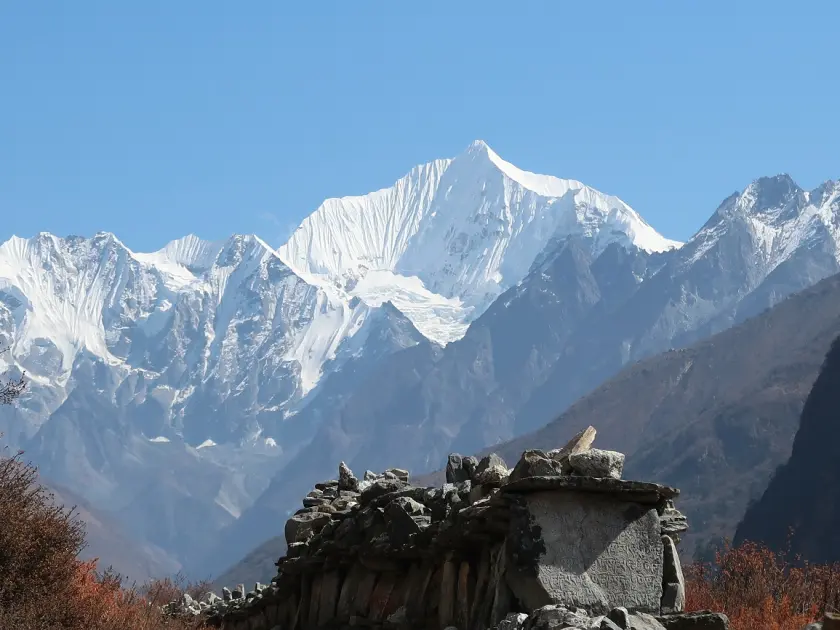
In addition, trekkers are able to view snow-capped mountains such as Langtang Lirung (7,227m), Dorje Lakpa (6,966m), and Yala Peak (5,520m). Similarly, they can ascend Kyanjin Ri (4,773m) or Tserko Ri (5,000m) for panoramic views. As such, the trek provides a combination of culture and nature.
Interestingly, Langtang is also called the "Valley of Glaciers" as glaciers descend directly from the high mountains. The glaciers feed the Langtang Khola River. Therefore, trekkers observe icefalls, moraines, and glacial streams along the route.
Moreover, the trek includes traditional Tamang villages, Buddhist monasteries, and yak pastures. Therefore, it offers authentic cultural experiences. Trekkers witness local food, hospitality, and interaction with mountain people.
A spectacular glacier stretches below the towering Langtang Lirung (7,227 m), creating one of the most breathtaking landscapes on the 7-day Langtang Valley Trek. The dramatic combination of ice, rugged peaks, and alpine scenery is a highlight of this unforgettable Himalayan adventure.
Likewise, the 7-day journey is ideal for people with shorter time. It provides travelers with a chance to enjoy mountains, glaciers, and culture without high elevation. Therefore, the Langtang Valley Trek is ideal for beginners and experienced trekkers alike.
Langtang Valley Trek 7 Days Elevations Chart:
Day / Place
Elevation (m)
1. Syabrubesi
1,550m
2. Lama Hotel
2,470m
3. Langtang Village
3,430m
4. Kyanjin Gompa
3,870m
5. Kyanjin Ri Hike
4,773m
6. Lama Hotel
2,470m
7. Syabrubesi
1,550m
Finally, the Langtang Valley Trek 7 Days cost ranges from USD 500–700, covering permits, guide, accommodation, and meals. Because of closeness to Kathmandu, transport expenses are still low. Therefore, the trek is less expensive in comparison to Everest and Annapurna.
In brief, the Langtang Valley Trek 7 Days offers mountain scenery, glaciers, and Tamang culture in a short time. So, it is still a rewarding Himalayan trip close to Kathmandu.
How to Reach Langtang Valley Trek Starting Point from Kathmandu?
Learn how to travel to Syabrubesi (1,550m), the starting point of the Langtang Valley Trek, from Kathmandu. Learn road conditions, duration, and transportation options for a trouble-free journey.
Firstly, the Langtang Valley Trek begins from Syabrubesi (1,550m), a small town located in the Rasuwa district. It is 122 kilometers north of Kathmandu (1,400m). Therefore, reaching Syabrubesi is the first task before embarking on the trek.
Moreover, visitors must drive through hilly roads via Trishuli Bazaar (540m) and Dhunche (2,030m). The trip takes around 6–8 hours depending on traffic and weather. Therefore, road conditions can influence the overall trip duration.
Additionally, the road is half black-topped but mostly rough and zigzag. Landslides may occur during the monsoon. Therefore, visitors must prepare themselves for a rough but scenic trip.
Significantly, several transportation to Syabrubesi services are available from Kathmandu. Public buses and shared jeeps operate daily from Machhapokhari Bus Park. Thus, budget travelers generally prefer these local services.
Furthermore, private jeeps can be hired for more comfort and flexibility. They cost approximately USD 150–200 one way. Private transport is therefore suitable for groups or those who want faster travel.
Likewise, the journey to Syabrubesi is also picturesque. Trekkers pass by green hills, terraced fields, and glimpses of Ganesh Himal (7,422m). Therefore, the journey itself is part of the adventure.
Highlights of Reaching Syabrubesi
Distance from Kathmandu: 122 km
Duration: 6–8 hours by road
Starting elevation: 1,550m
Transportation: Public bus, shared jeep, private jeep
Finally, traveling to Syabrubesi is convenient with multiple transportation options available. However, trekkers need to book tickets in advance for the peak trekking seasons. Therefore, advance planning ensures the Langtang Valley Trek a seamless beginning.
Bus Journey to the Langtang Valley Trek – The drive from Kathmandu to Syabrubesi is the first stage of the 7-day Langtang Valley Trek, offering beautiful views of Nepal's countryside, terraced fields, river valleys, and Himalayan foothills before the trekking adventure begins.
Lastly, the trip from Kathmandu to Syabrubesi is long but scenic. With good preparation, trekkers can start their Langtang adventure comfortably.
Begin your Langtang Valley Trek with a drive from Kathmandu to Syabrubesi (1,550m). Learn about distance, road condition, duration, and transport options.
First off, the Langtang Valley Trek starts off with a scenic drive from Kathmandu (1,400m) to Syabrubesi (1,550m). The village lies 122 kilometers to the north of the capital. So, it is the official trailhead of this Himalayan trek.
Besides, the drive usually lasts 6–8 hours depending on road conditions and traffic. The road passes over Trishuli Bazaar (540m) and Dhunche (2,030m). Thus, tourists enjoy diverse views ranging from river plains to high hills.
Moreover, the road is partly black-topped but rough and twisty after Dhunche. Landslides may be encountered during monsoon. Thus, tourists must be ready for unfavorable conditions and occasional delay.
Notably, there are different transport facilities from Kathmandu. Shared buses and public jeeps run daily from Machhapokhari Bus Park. Therefore, such facilities are suitable for low-budget trekkers.
Apart from that, private jeeps are convenient and comfortable. They will cost USD 150–200 for a single trip. Therefore, groups usually prefer private vehicles due to convenience.
Likewise, the drive is also wonderful scenery-wise. Travelers experience elevations of fields, verdant forests, and distant vistas of Ganesh Himal (7,422m). Therefore, the drive feels like an introduction to the trek.
Key Details: Kathmandu to Syabrubesi
Factor
Details
Distance
122 km
Time taken
6–8 hours
Syabrubesi Altitude
1,550m
Transport
Bus, shared jeep, private jeep
Cost
USD 10–200
Finally, Syabrubesi is a riverside village with simple teahouses and lodges. It offers basic guesthouses, standard restaurants, and impromptu shopping. It is, therefore, an excellent resting place prior to trekking.
In brief, day one is the prelude to road adventure and mountain scenery. Given due preparation, Kathmandu to Syabrubesi is an unforgettable beginning to the Langtang Valley Trek 7 days Itinerary.
Day 2: Syabrubesi to Lama Hotel (2,380m)
Trek from Syabrubesi (1,550m) to Lama Hotel (2,380m) on Day 2 of Langtang Valley Trek. Get information regarding trail details, highlights, and difficulties.
To start with, Day 2 is the commencement of real trekking. The trekking path begins at Syabrubesi (1,550m) and ascends gently towards Lama Hotel (2,380m). Hence, the trekkers enter the dense forests and follow the Langtang Khola River.
Besides, the trek is about 11 kilometers and takes 6–7 hours. The path ascends through rhododendron forest and bamboo jungle. So, the trekkers enjoy both gentle ridges and steep paths.
In addition, there are several suspension bridges over the Langtang Khola that need to be crossed by trekkers. There are villages such as Bamboo (1,970m), Pahire and Rimche (2,400m) along the way. Thus, the trek has the cultural attractions in addition to nature's beauty.
Notably, wildlife is commonly seen on this day. Red pandas, langur monkeys, and Himalayan black bears live in the forest. Hence, the trekkers have to remain vigilant and take advice from guides.
In addition, the climb is moderate, and hence the day serves as a good introduction. It allows the body to acclimatize gradually to higher altitudes. Thus, it prevents altitude sickness at a later stage during the trek.
Likewise, Lama Hotel (2,380m) offers plain teahouses with plain food and accommodation. Trekkers overnight here before reaching Langtang Village (3,430m). So, it is a must-visit destination for acclimatization.
Day 2 Highlights
Distance: 11 km
Duration: 6–7 hours
Start: Syabrubesi (1,550m)
Finish: Lama Hotel (2,380m)
Features of the trail: Forests, rivers, bridges, wildlife
Finally, the trek from Syabrubesi to Lama Hotel combines nature and adventure. The trail has a balance of scenery and gradual rises. Therefore, it sets the pace for the rest of the trekking days.
In summary, Day 2 offers the perfect blend of forest treks, river crossing, and wildlife encounters. Hence, it motivates trekkers for the upcoming trek.
Day 3: Lama Hotel to Langtang Village (3,430m)
Trek from Lama Hotel (2,380m) to Langtang Village (3,430m) on Day 3 of the Langtang Valley Trek. Discover distance, highlights, and cultural insights.
To start off with, Day 3 is where adventurers go deeper into the Langtang Valley. The trek begins at Lama Hotel (2,380m) and ends at Langtang Village (3,430m). Therefore, adventurers gain significant height while enjoying alpine views.
Moreover, the trek from Lama Hotel to Langtang village is about 14 kilometers takes 6–7 hours. The trail ascends gently over forests before opening up in large valleys. Thus, trekkers witness the landscape unfolding step by step.
Once again, the trek offers a beautiful panorama of Langtang Lirung (7,227m). Snow-covered peaks loom above the valley. Therefore, trekkers enjoy Himalayan scenery that grows more dramatic with each upward step.
Notably, the trail passes via Ghodatabela (3,030m), and trekkers tend to have lunch here. The forest subsequent to this becomes thinner and thinner, and yak pastures and grasslands are present. Thus the environment feels just alpine.
Also, Langtang Village (3,430m) is an old Tamang people village. The 2015 earthquake devastated it, but it was rebuilt subsequently. Therefore staying here supports local communities.
Trekking guides, in the same vein, encounter Buddhist chortens, prayer wheels, and mani walls. These cultural elements provide a glimpse of mountain villagers' religious life. The trek is therefore interspersed with culture as well as nature.
Finally, Langtang Village also has warm tea houses with basic facilities. Trekkers acclimatize here before moving to Kyanjin Gompa (3,870m). Therefore, it is an important cultural and acclimatization stop.
In total, Day 3 consists of beautiful mountain views and authentic village life. Therefore, it strengthens the bond between trekkers and Langtang Valley.
Trek from Langtang Village (3,430m) to Kyanjin Gompa (3,870m). Discover mountain vistas, cultural sites, and monasteries on Day 4 of the Langtang Valley Trek.
Actually, Day 4 of the Langtang Valley Trek starts at the first position by going higher into the valley. The trek starts from Langtang Village (3,430m) and ends at Kyanjin Gompa (3,870m). So, trekkers enjoy moderate altitude gain with stunning Himalayan vistas.
Moreover, the trek is about 7 kilometers and takes 3–4 hours. The trail is simple, going over yak grazings, mani walls, and Buddhist chortens. So, the trek is scenic and not as laborious as previous days.
Further, majestic peaks dominate the skyline. Climbers get clear views of Langtang Lirung (7,227m), Dorje Lakpa (6,966m), and Yala Peak (5,520m). As a result, the trek becomes more scenic.
Notably, Kyanjin Gompa (3,870m) is an old Buddhist monastery and cultural center. Further, there is a famous yak cheese factory constructed with Swiss support. Therefore, the trekkers can unravel religious history and taste local fruits.
Further, Kyanjin Gompa features teahouses with better facilities compared to earlier villages. Lodges, bakeries, and shops offer cozy resting areas. Therefore, it becomes the highlight of the trek.
Likewise, it is acclimatization day at Kyanjing Gumba. The easy elevation gain prepares the trekkers for more challenging ascents to Kyanjin Ri (4,773m) or Tserko Ri (5,000m). Consequently, it makes the trekking experience safe.
Lastly, the walk from Langtang Village to Kyanjin Gompa combines culture, history, and mountain scenery. Thus, it is one of the most enriching days.
In summary, Day 4 gives a gentle walk into alpine terrain with cultural richness. Thus, it paves the way for demanding walks to surrounding peaks.
Day 5: Walk to Kyanjin Ri (4,773m) or Tserko Ri (5,000m)
Experience a thrilling hike to Kyanjin Ri (4,773m) or Tserko Ri (5,000m). Experience panoraic scenery and high-altitude thrill on Day 5 of Langtang Valley Trek.
First, Day 5 is also the most adventurous day of Langtang Valley Trek. Trekkers hike up to Kyanjin Ri (4,773m) or Tserko Ri (5,000m). Therefore, the day offers irreplaceable panoramic scenery of the Langtang Himalayas.
Besides, Kyanjin Ri takes 4–5 hours of trek with steep ascents. Tserko Ri takes 7–8 hours and even more endurance. Hence, the trekkers choose based on physical condition and weather.
Further, both the treks provide wonderful 360-degree view. Peaks like Langtang Lirung (7,227m), Dorje Lakpa (6,966m), Shishapangma (8,027m), and Gangchempo (6,388m) appear stunningly close. Thus, it is heaven for photographers.
Worth mentioning is that the trek involves thin air and higher altitude. Trekkers must take it easy, stay hydrated, and listen to their bodies. Accordingly, acclimatization at Kyanjin Gompa (3,870m) is essential.
Moreover, Kyanjin Ri is most appropriate for trekkers seeking a moderate experience. Tserko Ri suits trekkers who wish for a steeper climb and unobstructed views. In this manner, both options spoil trekkers to unforgettable moments.
Similarly, the return to Kyanjin Gompa provides time to be spent exploring. Trekkers can visit the monastery, local shops, or sit in teahouses. In this way, Day 5 balances activity with recovery.
Comparison: Kyanjin Ri vs Tserko Ri
Peak
Height
Climbing Duration/Difficulty
Kyanjin Ri
4,773m
4–5 hours | Moderate
Tserko Ri
5,000m
7–8 hours | Challenging
Lastly, the Kyanjin Ri or Tserko Ri trek defines the Langtang Valley Trek. It provides stunning Himalayan vistas. Thus, it is yet the trek's biggest highlight.
Overall, Day 5 is a trip, test, and scenic wonder. Thus, it provides all trekkers with eternal memories of the Langtang Himalayas.
Day 6: Return to Lama Hotel (2,380m)
Follow your route back from Kyanjin Gompa (3,870m) to Lama Hotel (2,380m). Learn about the return route, time, and attractions on Day 6 of Langtang Valley Trek.
Firstly, Day 6 begins with a descent from Kyanjin Gompa (3,870m) to Lama Hotel (2,380m). The route is by the Langtang Khola River. Therefore, trekkers experience a long but gradual decline.
In addition, the walk is approximately 19 kilometers and lasts 6–7 hours. The route passes via Langtang Village (3,430m) and Ghodatabela (3,030m). Hence, it contains alpine meadows and forests.
In addition, the way down is simpler but requires careful steps. Steep sections are slippery, especially in rain. Hence, good trekking boots are required.
Importantly, trekkers notice the transition in the landscape with the loss of altitude. Alpine meadows are replaced by lush bamboo and rhododendron forests. Therefore, the trail becomes refreshing after spending days at high altitudes.
Additionally, Lama Hotel (2,380m) features standard teahouses. Trekkers overnight here with warm meals and hospitable hospitality. Therefore, it turns out to be a welcome relief after a tiring day.
Likewise, the return journey allows time to reflect upon nature and cultural experiences. Trekkers get back to Tamang villages and Buddhist monasteries. The day is hence nostalgic and satisfying.
Key Information: Day 6
Distance: 19 km
Time: 6–7 hours
Starting Point: Kyanjin Gompa (3,870m)
Ending Point: Lama Hotel (2,380m)
Trail Features: Alpine meadows, forest, river valleys
Finally, the descent from Lama Hotel also emphasizes the valley's beauty in the opposite direction. Thus, it is a peaceful journey down.
In summary, Day 6 is relaxation, comfort, and scenery variety. Thus, it prepares trekkers for the final descent down to Syabrubesi.
Day 7: Trek Down to Syabrubesi and Drive to Kathmandu
Complete your Langtang Valley Trek by trekking from Lama Hotel (2,380m) down to Syabrubesi (1,550m) and drive back to Kathmandu (1,400m).
First, Day 7 begins the final walk from Lama Hotel (2,380m) to Syabrubesi (1,550m). The trail descends through villages, forest, and riversides. So, trekkers complete their Langtang Valley trekking.
Also, it is around 11 kilometers and it takes 5–6 hours. The hike takes the same route via Bamboo (1,970m) and Sherpa Gaon. So, it is a known but rewarding walk.
In addition, Syabrubesi allows time to rest for a while. The local lunch can be taken by trekkers before embarking on the drive towards Kathmandu (1,400m). So, the day consists of trekking and road travel.
Significantly, the journey takes 6–8 hours. The roads remain rough in patches, but rolling hills and rivers line the way. So, there is a necessity for patience on travel.
Besides, reaching Kathmandu is the conclusion of the Langtang Valley Trek. Trekkers can celebrate triumph with city indulgence, cultural exposure, and relaxation. Hence, it is a successful return to urban life.
Equally, the majority of trekkers extend their stay in Kathmandu. Explorations of UNESCO heritage sites like Swayambhunath (1,350m) or Pashupatinath (1,400m) enrich the experience.
Highlights of Day 7
Trek Distance: 11 km
Trek Duration: 5–6 hours
Drive Time: 6–8 hours
Departure Point: Lama Hotel (2,380m)
Arrival Point: Kathmandu (1,400m) via Syabrubesi (1,550m)
Finally, completing the trek is deeply rewarding. The Langtang Valley trekking ends with memories of glaciers, mountains, and villages. Thus, it becomes an unforgettable Himalayan experience.
Finally, Day 7 is a closing and a fresh start. So, trekkers leave Langtang motivated by nature and heritage.
First of all, Langtang Valley Trek 7 Days is among Nepal's affordable Himalayan treks. Rates differ with services booked, season, and group size. Therefore, understanding the cost breakdown helps travelers plan well.
Further, accommodation for the trek is in teahouses with simple facilities. Rooms cost around USD 5–8 a night. Food, like dal bhat, noodles, or soups, is between USD 5–10 per day per meal. Thus, food and accommodation costs on a daily basis are USD 20–30 per person.
In addition, porters and guides are a part of the cost. Certified trekking guides pay USD 25–30 per day. Porters, carrying 20 kg, cost USD 20–25 per day. Therefore, the hiring of staff ensures security and comfort.
Notably, the Langtang Valley Trek requires permits. Trekkers need the TIMS Card (USD 20) and the Langtang National Park Entry Permit (USD 30). Therefore, permit costs equal USD 50 per individual.
Further, the transportation from Syabrubesi (1,550m) to Kathmandu (1,400m) and back costs USD 10 by bus. Shared jeep is USD 15–20, and private jeep is USD 150–200 one way. Hence, transport costs are significantly variable by option.
In fact, trekking also requires trekkers to budget additional expenditures. These are charging electronic devices, hot shower, bottled water, and porters' and guides' tips. Therefore, it is wise to budget an additional USD 5–10 per day.
Langtang Valley Trek 7 days : Cost Breakdown Chart (USD per person)
Category
Cost (USD)
Accommodation & Meals
140–210
Guide Fees (7 days)
175–210
Porter Fees (7 days)
140–175
Permits
50
Transportation
20–200
Miscellaneous
40–70
Total Estimated Budget
565–915
Finally, the Langtang Valley Trek 7 Days costs between USD 565 and USD 915. Budget trekkers spend less with public transport and simple meals. Luxury trekkers pay extra for private jeeps and luxury.
To summarize, the Langtang Valley Trek 7 Days is still affordable compared to Everest or Annapurna. With a lucid breakdown, trekkers can plan according to budget and personal preference.
Meta Description: Find out the major highlights of the Langtang Valley Trek, namely Himalayan peaks, Kyanjin Gompa, Buddhist culture, Tamang villages, yak pastures, and sunrise views from Kyanjin Ri or Tserko Ri.
To start with, the Langtang Valley Trek is renowned for breathtaking Himalayan views. Hikers have a chance to view Langtang Lirung (7,227m), Dorje Lakpa (6,966m), and Ganesh Himal (7,422m). The trek therefore shocks visitors with up-close encounters with giant mountains.
Also, Kyanjin Gompa (3,870m) is among the cultural gems of the trek. Buddhist monastery is the best of centuries of spiritual tradition. Trekkers also see yak cheese factory, an essential part of day-to-day life. Hence, the trek combines the spiritual with the unique flavors.
Moreover, the trek offers Tamang villages full of culture. Langtang (3,430m) and Syabrubesi (1,550m) villages welcome trekkers with open arms. Hence, travelers are able to taste true hospitality and rural life.
Interestingly, yaks graze at high meadows above Ghodatabela (3,030m). Trekkers can often see herders leading yaks against the backdrop of snowy peaks. Hence, landscapes are both scenic and cultural.
Further, sunrise and sunset sunrises at Kyanjin Ri (4,773m) and Tserko Ri (5,000m) are memorable. Golden light blankets peaks like Shishapangma (8,027m) and Gangchempo (6,388m). Hence, these treks provide the best panoramic moments.
In the same way, the wildlife contributes to the trekking experience. Red pandas, thar, and langur monkeys inhabit Langtang National Park. As such, nature lovers get a chance to see endangered species.
Sunrise at Kyanjin Ri (4,773m) and Tserko Ri (5,000m)
Varied biodiversity of Langtang National Park
Subsequently, the highlights of the trek blend culture, nature, and adventure. Trekkers are able to witness both the spiritual rituals and the Himalayan wilderness. So, it is for the traveler with any kind of interest.
All in all, the Langtang Valley Trek remains a complete Himalayan experience. Its major highlights set it apart as one of Nepal's most rewarding short treks.
Meanwhile, the primary reason to select the time for the Langtang Valley Trek 7 Days is the factor of comfort and safety. Spring is the most vibrant season (March–May). Forests are covered in rhododendrons, and skies remain clear. Daytime temperatures of 10°C to 20°C. Night falls make it chilly, with an average of a 0°C or so at higher altitudes. Footpaths are dry and stable, making the trek easier. Wildlife sightings happen quite frequently since forests experience peak activity during this season. Spring, therefore, is the best time for nature enthusiasts and colorfulness in landscapes.
Moreover, autumn (September–November) is more or less the perfect time to do this trek. Weather is consistent, skies are blue, and temperatures are moderate. Daytime temperatures vary between 10°C and 15°C, while nights go down to 0°C. Autumn offers wonderful views of Langtang Lirung (7,227m) and Ganesh Himal (7,422m). Langtang village (3,430m) and Kyanjin Gompa (3,870m) welcome cultural festivals, giving the trek a flavor. Trails are still full as autumn welcomes many trekkers. Generally, autumn combines the best views with cultural touch.
But, Winter (December–February), however, causes issues for trekkers. Snowfalls at high altitudes, including Kyanjin Ri (4,773m) and Tserko Ri (5,000m). Day temperatures are approximately 5°C, but nights reach as low as –10°C. Trails become icy and extra equipment is required. Villages are accessible, though tea houses operate with minimal facilities. Winter, despite difficulty, provides peaceful trails and blue skies. Monsoon (June–August) experiences heavy rain. Landslides strike roads to Syabrubesi (1,550m). Trails become slippery, and leeches emerge. Views often remain blocked by clouds. Therefore, monsoon is least recommended for the trek.
Seasonal Comparison Chart
Season | Temperature Range
Trail Condition | Visibility
Highlights | Challenges
Spring (Mar–May) 0°C to 20°C
Dry, stable | Excellent
Flowers, wildlife | Crowded
Fall (Sep–Nov) 0°C to 15°C
Stable, dry | Best
Clear peaks, festivals | Busy trails
Winter (Dec–Feb) -10°C to 5°C
Icy, snowy | Crystal clear
Quiet, peaceful | Very cold
Monsoon (Jun–Aug) 10°C to 25°C
Wet, muddy | Poor
Green landscapes | Rain, leeches
Generally, spring and fall are the best times. Winter is okay for experienced trekkers, but monsoon is best avoided.
Langtang Valley Trek Permits Required
Find permits for the Langtang Valley Trek. Learn about the TIMS Card, Langtang National Park Entrance Permit, and where to obtain them.
Permit Summary in Bullet Points:
TIMS Card: USD 20, Nepal Tourism Board or TAAN, Kathmandu.
Langtang National Park Entry Permit: USD 30, Kathmandu or Dhunche checkpoint.
Documents Required: Passport copy and passport photos.
Issuing Agencies: Nepal Tourism Board, TAAN, and Dhunche checkpoint.
First, there are the permits one needs in order to to the Langtang Valley Trek 7 Days. There are two: the TIMS Card and the Langtang National Park Entry Permit. Both are used to trek safely and contribute to trail maintenance. Unpermitted hikers can be fined or held back at checkpoints. Because of this, they have to be prepared beforehand.
Moreover, the TIMS Card (Trekkers' Information Management System) is obligatory for all foreign trekkers. It monitors trekking details for rescue and safety purposes. The cost is around USD 20 per individual. You can buy it from the Nepal Tourism Board office in Kathmandu or Trekking Agencies Association Nepal (TAAN). Our company, Haven Holidays Pvt. Ltd, facilitates visitors to get TIMS cards effortlessly. In short, this card offers official registration and a guarantee of safety for the trek.
Similarly, the Langtang National Park Entry Permit allows trekkers to access the protected region. The permit is about USD 30 per head. Langtang National Park is a region of 1,710 square kilometers. It protects wildlife such as red pandas, Himalayan thar, and diverse birds. You can purchase this permit at the entrance in Dhunche (2,030m) or through the Nepal Tourism Board in Kathmandu. Therefore, this permit plays an important role in support towards conservation.
But trekkers need to know where to obtain these permits. In Kathmandu, both the permits are handed out at the Bhrikutimandap office of the Nepal Tourism Board. Trekkers also have the liberty of buying the Langtang National Park Entry Permit in Dhunche directly. Passport photos and a photocopy of a valid passport are requirements. Many trekking agencies located in Kathmandu also obtain permits on behalf of customers. Wrapping it all up, obtaining permits before leaving from Kathmandu avoids delays.
Both permits guarantee a safe, legal, and well-organized trekking experience. They must be carried at all times since checkpoints often check documents.
Accommodation and Food on the Langtang Trek
Discover teahouses, lodges, and local cuisine on the Langtang Valley Trek. Discover meals, meal prices, and accommodation along the trail.
Accommodation and Food Highlights (Langtang Valley Trek 7 days):
Location | Altitude
Room Type | Cuisine Options
Price Range (USD)
Syabrubesi | 1,550m
Private/Shared | Dal Bhat, noodles, soup
5–10 room / 4–6 meal
Lama Hotel | 2,480m
Shared | Dal Bhat, noodles, bread
5–8 room / 5–7 meal
Langtang Village | 3,430m
Shared/Private | Dal Bhat, momos, pasta
6–10 room / 6–8 meal
Kyanjin Gompa | 3,870m
Shared/Private | Dal Bhat, yak cheese, bread
7–12 room / 6–9 meal
First, the Langtang Valley Trek (1,400m–4,984m) provides simple yet comfortable accommodation in teahouses and lodges. They are family-run and offer warm hospitality to trekkers along the way. There are simple rooms with twin beds, blankets, and shared toilets.
Besides, at Syabrubesi (1,550m), the starting point, teahouses are more luxurious with bathrooms and electricity. On the ascent to Lama Hotel (2,480m), lodges are basic, with shared facilities and the availability of hot showers is minimal. At Langtang Village (3,430m) and Kyanjin Gompa (3,870m), some lodges offer private rooms, solar showers, and charging areas for electronics.
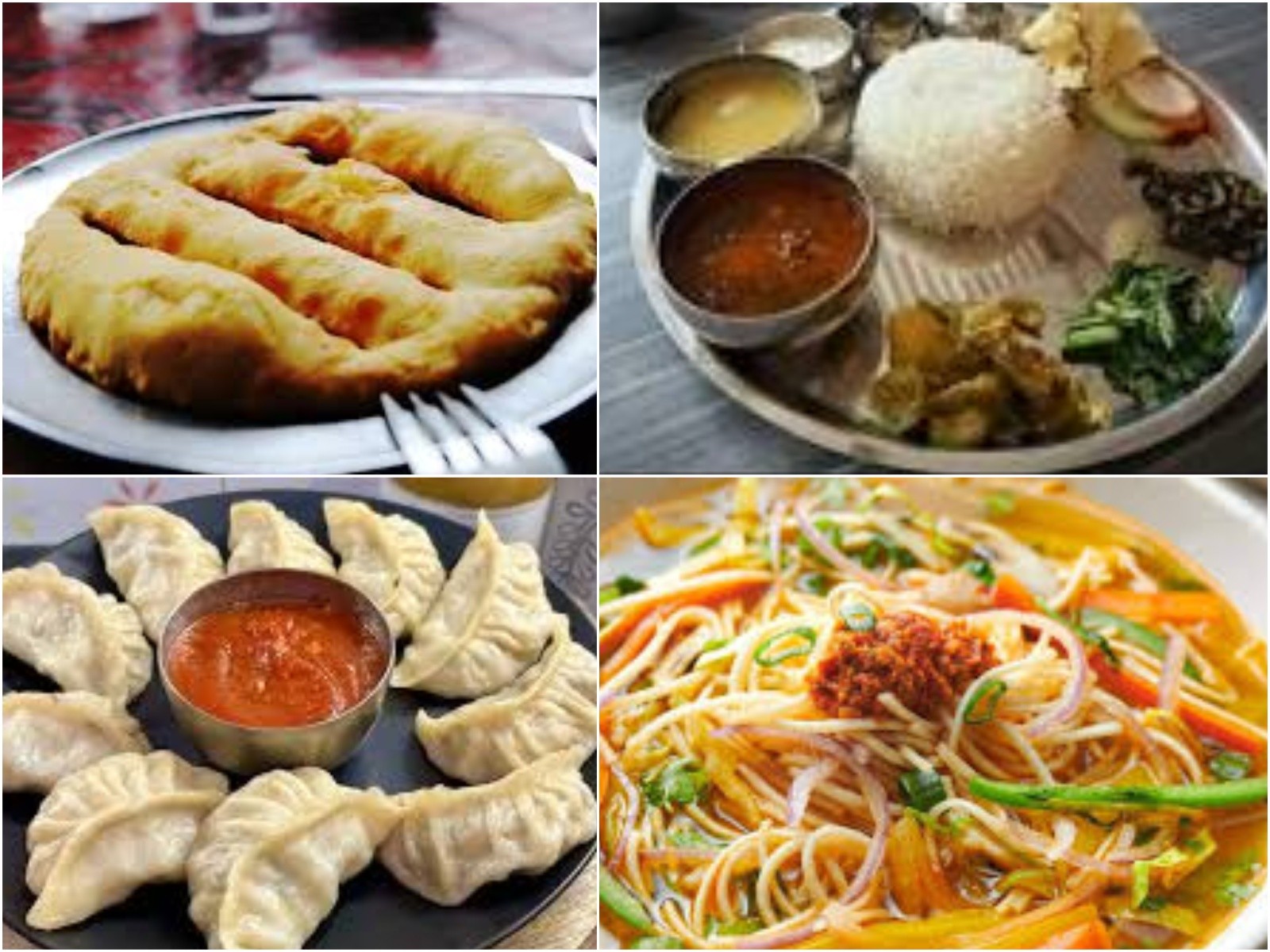
Moreover, food on the Langtang Trek is nutritious and freshly prepared from locally available produce. Dal Bhat is the favorite, a set meal of rice, lentils, vegetables, and pickles. It is served without limit and provides high trekking energy. Noodles, soups, momos, bread, and pasta are also provided. At Kyanjin Gompa (3,870m), trekkers
occasionally taste yak cheese and curd produced at the local cheese factory.
Mountain Teahouse Food on the Langtang Valley Trek – Enjoy delicious and energy-rich meals such as dal bhat, fried potatoes, noodles, soups, pasta, pancakes, and yak cheese dishes while taking in the spectacular Himalayan scenery. These hearty meals help trekkers stay fuelled for every step of the adventure.
In addition, meals cost during Langtang Valley Trek are altitude-based. For a Dal Bhat meal at Syabrubesi, it will be around USD 4. Upon arrival at Kyanjin Gompa, the same meal will be USD 7 due to transportation challenges. Tea and coffee are equally affordable at lower villages while reaching a price of up to USD 3 per cup at high altitudes.
In addition, the accommodation on Langtang Valley Trek prices are not costly. One can get a basic twin bed room for between USD 5 and USD 10 for a single night. However, most of the lodges ask trekkers to take meals at the dining hall where they stay. Electricity and hot shower charges are extra, which vary from USD 2 to USD 4.
To avoid confusion, trekkers are requested to carry some snacks such as energy bars, nuts, and chocolates. They provide immediate energy when trekking for many hours and are expensive to buy during the middle of a trek. Bottled water is also provided but expensive; therefore, using water purification tablets or portable water filters is strongly recommended.
In brief, the Langtang Valley Trek has humble accommodation and abundant food that will suffice for all the trekkers. Teahouses provide comfort, minimized amenities, and cultural immersion, and the food gives energy for high-altitude trekking. The following is a table outlining the highlights.
Difficulty Level of the Langtang Valley Trek
Discover thedifficulty level of the Langtang Valley Trek. Discover walking hours, altitude gain, acclimatization, and suitability for beginners and families.
Walking Hours per Day: 5–7 hours
Highest Altitude: Tserko Ri (4,984m)
Suitable for: Families, beginners, and fit trekkers
Hazards: Altitude sickness, climatic conditions
Fitness: Moderate fitness needed
Starting with, the Langtang Valley Trek (1,400m–4,984m) is moderate in terms of difficulty. It is not a mountaineering trek but does demand fitness and preparation. Five to seven hours of walking per day is the norm, depending on the pace and condition of the trail.
Further, trekkers experience a gradual rise in elevation. From Syabrubesi (1,550m), the trail steadily ascends through Lama Hotel (2,480m), Langtang Village (3,430m), and Kyanjin Gompa (3,870m). The summit, Kyanjin Ri (4,773m) or Tserko Ri (4,984m), is the provider of stunning views of Langtang Lirung (7,227m).
But altitude sickness can occur if acclimatization is not obeyed. It's best to stay overnight one more time at Kyanjin Gompa (3,870m) for acclimatization. Imbibing lots of water, avoiding alcohol, and walking at a consistent pace reduces risks to a significant extent.
Besides, the trail conditions are diverse. Sections of trails pass through woods, suspension bridges, and stones. Trails are easier and dry in spring and autumn, and slippery during monsoon. Snow is introduced to the trek by winter, making the trek more challenging.
Also, the Langtang Valley trek 7 day is for encoutering a huge range of people. Those who are beginner-level with very good physical fitness, families, and even elderly travelers can do it. Children over ten years old can also take on the trek if acclimatized and with the accompaniment of guides.
Actually, daily average distances to walk during 7 day Langtang Valley Trek are 10 to 12 kilometers. The steady pace and accessibility of teahouse accommodations make the trek easier than high passes like Thorong La (5,416m) on the Annapurna Circuit. Guides usually set the right rhythm, such as safety and assurance.
Yet, advance planning increases the experience of the trek. Cardiovascular conditioning, regular walking, and easy home walks enhance endurance. Psychological preparation is also important because the trek requires sustained effort over days.
In conclusion, the Langtang Valley Trek is a moderate challenge for most adventure tourists. Appropriate acclimatization, advance planning, and counseling make the trek enjoyable and safe. Below is a concise overview of highlight challenges.
To begin with, one must pack adequately for the Langtang Valley Trek (1,400m–4,984m). There are weather and altitude fluctuations that require layered clothing and good quality trekking equipment. Having the proper items prevents harm and discomfort along the way.
In addition, clothing should be light, breathable, and dry quickly. Base layers are for body temperature regulation, insulating layers for warm weather at higher altitudes. A rain and windproof jacket and trousers are for protection against rain and wind. Gloves, hats, and warm socks are essential at Kyanjin Gompa (3,870m) and above.
In addition, trekking gear must be carefully selected. Ankle-supported hiking boots are needed for forest and stone trails. Trekking poles minimize knee strain on uphill and downhill sections. A 40–50 liter backpack with rain cover is adequate to accommodate the basic items.
No less important, safety gear must not be overlooked. A headlamp with extra batteries is helpful in night travel, and a minimal first-aid kit addresses routine issues. Water purification tablets or a filter ensure safe drinking water on the trip. Sunglasses, sunblock, and lip salve protect against intense UV rays at high elevations.
Also, personal food items are convenient to maintain energy levels. Energy bars, nuts, and chocolates are light but efficient. Cameras, power banks, and power cables are essentials but need to be packed judiciously.
For clarity, overpacking is not advisable. Trekkers should ensure the weight is limited to a range of about 10–12 kilograms. There are porters available to carry additional weights, but intelligent packing helps ease the trek and makes it enjoyable.
Finally, how and what to pack for the Langtang Valley Trek is an exercise in strategy. Clothing, trekking gear, and safety equipment equip visitors for variable weather and altitude. A descriptive list of essentials follows:
Langtang Trek Packing Checklist:
Clothing Essentials:
Base layers, insulating jacket, waterproof outerwear
Warm hat, gloves, thermal socks
Quick-drying t-shirts, trekking pants
Trekking Gear:
Ankle-support hiking boots
Trekking poles
Backpack (40–50 liters) with rain cover
Safety and Miscellaneous:
Headlamp with spare batteries
First-aid kit and medications
Water purification tablets or filter
Sun glasses, sunscreen, lip balm
Energy bars and chocolates
Item Category
Key Examples
Importance
Clothing
Layers, jackets, warm hats and gloves
Thermal control and comfort
Equipment
Poles, boots, backpack
Support and stability
Safety
Water filter, first aid
Health and hydration
Safety Tips and Altitude Sickness Precautions
Learn essential safety tips for the Langtang Valley Trek. Discover AMS symptoms, prevention methods, evacuation options, and insurance requirements for a safe journey.
First, safety is of top priority while hiking the Langtang Valley (1,400m–4,984m). The fluctuating elevation in this region necessitates strict health surveillance and readiness. A person must be cautious about Acute Mountain Sickness (AMS), which might attack any person above 2,500m.
On the other hand, symptoms of AMS include headache, nausea, dizziness, loss of appetite, and shortness of breath. These could be observed from Lama Hotel (2,480m) and up, as the trail leads to Langtang Village (3,430m) and Kyanjin Gompa (3,870m). In worse conditions, it may progress to High Altitude Pulmonary Edema (HAPE) or High Altitude Cerebral Edema (HACE).
Thus, prevention is the key. Trekkers must climb slowly, and time must be given for acclimatization at Kyanjin Gompa. Hydration is important, and taking three to four liters of water per day serves the purpose. Avoiding alcohol and sleeping tablets also reduces risks. Diamox is used by some trekkers as a preventive drug.
Additionally, early identification of warning signs is equally crucial. In the event that the symptoms worsen, the only treatment is descent. Trekking guides are also trained to identify risk and suggest proper action. Descending one extra day usually cures minor AMS, but persistent signs require immediate descent.
As crucial, trekkers need to have extensive travel insurance that covers high-altitude trekking and emergency evacuation. Helicopter evacuation from Kyanjin Gompa (3,870m) to Kathmandu (1,400m) could cost USD 5,000–6,000 if one is not insured. Good companies quickly evacuate when emergencies are necessary.
Furthermore, having a first-aid kit with the basic items gives the capability to handle small aches or wounds. These should include pain killers, antiseptics, blisters plaster, and dehydration salts. Headlamps, whistles, and communication gear also improve security in remote trails.
To sum up, safety on the Langtang Valley Trek is in awareness, acclimatized climb, and quality insurance. With caution and planning, trekkers enjoy breathtaking views while being safe.
Quick AMS Safety Summary:
Mild AMS Symptoms: Headache, nausea, poor sleep
Severe AMS Risks: HAPE, HACE
Prevention: Acclimatization, hydration, slow pace
Emergency: Descent or helicopter evacuation
Insurance: Must be able to cover trekking above 4,500m
To begin with, the Langtang Valley Trek (1,400m–4,984m) is one of Nepal's most rewarding short treks. It combines Himalayan vistas, cultural contact, and accessibility in one unforgettable experience. Seven days are enough to get the best out of the highlights in comfort.
Moreover, trekkers have outstanding views during the trek. From Syabrubesi (1,550m), the trek passes through forests, rivers, and alpine meadows. Panoramic vistas of Langtang Lirung (7,227m) and Dorje Lakpa (6,966m) dominate above Kyanjin Gompa (3,870m). Treks to Kyanjin Ri (4,773m) or Tserko Ri (4,984m) offer adventure.
In addition, there is cultural diversity along the way. Tamang and Sherpa villages welcome the trekkers with open arms. Monasteries, prayer flags, and stone buildings tell of Tibetan Buddhist culture. A chance to visit the yak cheese factory at Kyanjin Gompa offers a fascinating cultural experience.
Furthermore, the ease of access to the trek is attractive. The starting point, Syabrubesi (1,550m), is only a seven-hour ride from Kathmandu (1,400m). There are no flights involved, hence the trek is affordable and less prone to delay.
Besides, the trek is adaptable for beginners and seasoned trekkers. Its moderate nature is such that it is fit for families, hiking novices, and individuals with limited holiday time. Meals and teahouse stays at modest costs result in overall cost being lower than for longer treks.
In brief, 7 days Langtang Valley Trek offers Himalayan views, cultural exposure, and proximity from Kathmandu. Short duration and enriching experience make it a suitable match.
Highlights at a Glance:
Duration: 7 days
Highest Point: Tserko Ri (4,984m)
Major Peaks: Langtang Lirung (7,227m), Dorje Lakpa (6,966m)
Culture: Tamang and Sherpa culture
Accessibility: Road journey from Kathmandu
Frequently Asked Questions (FAQs)
Have the FAQs of the Langtang Valley Trek solved. Be aware of the trekking difficulty, costs, duration, requirement of guides, and the highest altitudes reached.
How difficult is the Langtang Valley Trek?
The Langtang Valley Trek is moderately difficult, with five to seven hours' walk a day. Trails ascend slowly from Syabrubesi (1,550m) to Kyanjin Gompa (3,870m). It is accessible to anyone who has moderate fitness.
Is 7 days enough for Langtang?
Yes, seven days are enough for completing the major highlights. Trekkers reach Kyanjin Gompa, explore spots like Kyanjin Ri (4,773m), and head back comfortably within a week.
How expensive is the trek in total?
On average, the trek costs USD 400–600 per traveler. This includes permits, transport, accommodation, meals, and guides. Extra expenses include hot showers, charging, and personal snacks.
Do I need a guide for Langtang?
It is highly recommended to hire a guide. Guides help with direction, safety, cultural orientation, and altitude control. The cost is USD 25–35 per day. Porters can also be engaged at USD 20–25 per day.
What is the summit of the trek?
The highest point is Tserko Ri (4,984m), the highest vantage point. It provides stunning views of Langtang Lirung (7,227m), Dorje Lakpa (6,966m), and Shishapangma (8,027m) across the Tibetan border.
In conclusion, these FAQs address common queries regarding the Langtang Valley Trek. After clear preparations, the trek is safe, pocket-friendly, and satisfying.
Conclusion: Making the Most of the Langtang Valley Trek 7 Days
Read the finale of the 7-day Langtang Valley Trek. Discover the highlights, trekking tips, and reasons why this short trek is unforgettable.
Firstly, the Langtang Valley Trek (1,400m–4,984m) offers unparalleled Himalayan landscapes, cultural richness, and accessibility. In just seven days, trekkers walk through forests, rivers, and stunning mountain scenery. It is one of the finest short treks in the area near Kathmandu (1,400m).
Furthermore, the trek has unique cultural experience. Tamang and Sherpa hospitality, Buddhist monasteries, and prayer flags enhance the trek. Enjoying yak cheese at Kyanjin Gompa (3,870m) is a unique local experience.
Most importantly, the trek achieves balance between adventure and accessibility. After Syabrubesi (1,550m), trekkers experience moderate walking days, thus the trek is perfect for beginners and families. Side hikes to Kyanjin Ri (4,773m) or Tserko Ri (4,984m) are optional and offer challenge for experienced hikers.
In addition, preparation and safety enhance enjoyment. Awareness of AMS, packing essential gear, and obtaining insurance give confidence. Guide hiring includes an additional safety guarantee while offering information on culture.
Of similar importance, the trek is within budget compared to longer treks like Everest Base Camp (5,364m). Accommodation, meals, and permits are lower in cost without sacrifice to genuine Himalayan adventure. Road travel from Kathmandu is a flight cancellation avoidance common in Lukla.
In short, 7-day Langtang Valley Trek offers beauty, culture, and adventure. With sound preparation and guidance, trekkers create lifelong memories in Nepal's "Valley of Glaciers."
Final Trekking Tips:
Bring proper layers for fluctuating weather
Acclimatize well and drink plenty of water
Hire a guide for safety and cultural benefit
Have permits and cash ready on the trail
Have one rest day at Kyanjin Gompa for full experience
FAQS:Langtang Valley trek 7 days: Itinerary Cost Highlights
1. What is the detailed itinerary for the 7-day Langtang Valley Trek? The Langtang Valley Trek is a 7-day trip that starts with a drive to Syabrubesi. From Syabrubesi, the Langtang Valley Trek goes to Lama Hotel, to Langtang Village and finally to Kyanjin Gompa. The Langtang Valley Trek includes time to get used to the altitude exploring glaciers and going back the same way with stops to see the local culture.
2. What is the cost breakdown for Langtang Valley Trek 7 days? The cost of the Langtang Valley Trek package includes transportation, permits, a place to stay in teahouses, meals, a guide and basic first aid. You will also need to pay for your gear, tips and insurance. The exact cost of the Langtang Valley Trek depends on how many people're in the group and what is included in the package from Haven Holidays Nepal.
3. What is the best time for the Langtang Valley Trek 7 days? The best time for Langtang Valley Trek is in the spring from March to May or in the autumn from September to November. During these times the weather is stable. You can see the mountains clearly. The Langtang Valley Trek is also nice during these times because the rhododendrons are blooming, and it is not raining much.
4. What permits are required for Langtang Valley Trek 7 days? To go on the Langtang Valley Trek you need a permit to enter the Langtang National Park, which costs NPR 3,000 and a TIMS Card which costs NPR 2,000 for individuals. You need to get these permits in Kathmandu before you start the Langtang Valley Trek from Syabrubesi.
5. What is the difficulty level of the Langtang Valley Trek? The Langtang Valley Trek is a trek that is good for beginners who are in good shape. You will walk for 5-7 hours a day. The trail goes up slowly. The highest point of the Langtang Valley Trek is 3,870m at Kyanjin Gompa so you need to get used to the high altitude, but you do not need to know how to climb.
6. What accommodation and food are available on Langtang Trek? On the Langtang Valley Trek you will stay in teahouses that have rooms with two beds and shared bathrooms. The food on the Langtang Valley Trek is simple. It is clean and fresh. You can have dal bhat, noodles, eggs and vegetarian food.
7. What should I include in my Langtang Valley Trek packing list? You should pack clothes that you can wear in layers trekking boots, a sleeping bag, a rain jacket, a headlamp, water purification tablets, sunscreen, a hat, gloves and any personal medications you need for the Langtang Valley Trek. You will also need a daypack and a duffel bag.
8. How to prevent altitude sickness on Langtang Valley Trek? To prevent altitude sickness on the Langtang Valley Trek you should walk slowly, drink a lot of water and not drink alcohol. You should also follow the rest days that are planned in the itinerary. If your doctor has prescribed Diamox, you should carry it with you. If you get sick you should go down to a lower altitude right away.
9. How to reach the starting point of Langtang Valley Trek from Kathmandu? To get to the starting point of the Langtang Valley Trek you can. Take a bus from Kathmandu to Syabrubesi, which takes 7-8 hours. The road is nice. You can see a lot of scenery. It is better to take a jeep, which is comfortable and recommended.
10. What are the major highlights of Langtang Valley Trek 7 days? The highlights of the Langtang Valley Trek include seeing the Langtang Lirung mountain visiting the Kyanjin Gompa monastery, seeing moraines visiting Tamang villages walking through rhododendron forests and maybe seeing red pandas in the national park.
11. What fitness level is required for the 7-day Langtang Valley Trek? You need to be in shape to go on the Langtang Valley Trek with regular cardio and leg strength training. It is helpful if you have experience hiking. It is not necessary. The daily hikes will help you build up your stamina.
12. What is the group size for Langtang Valley Trek package? The groups for the Langtang Valley Trek are small with 2-12 people so you can get attention from the guides and porters. You can also ask for a solo or customized group.
13. What safety tips should I follow on Langtang Valley Trek? You should stay with your guide check the weather carry a first-aid kit use poles when you are going down and tell the staff if you have any health problems. It is also important to have travel insurance that includes helicopter evacuation.
14. Why choose the 7-day Langtang Valley Trek package? The 7-day Langtang Valley Trek package is a choice because it has a good balance of adventure and time. You can see all the places that get used to the high altitude and it is affordable and easy to get to from Kathmandu.
15. Can I do the Langtang Valley Trek solo in 7 days? You can do the Langtang Valley Trek by yourself. It is recommended that you have a licensed guide for safety, navigation and permits. Joining a group is a better experience and more cost-effective.
16. What is included in the Langtang Valley Trek 7-day package? The package includes transportation from Kathmandu to Syabrubesi, a place to stay all meals during the trek permits, a guide, porter support and basic insurance assistance. The things that are not included are listed clearly.
17. What weather can I expect during the 7-day Langtang Valley Trek? The days are usually nice and sunny. The nights can be cold, especially at higher elevations. It does not rain much during the peak seasons. It is possible. You should pack for temperatures from 20°C to below freezing.
18. Is the Langtang Valley Trek suitable for children or families? The Langtang Valley Trek is suitable for children who are in good shape and have experience hiking. Families should go at a pace and have extra days to get used to the high altitude. You should ask the operators about custom packages for families.
19. What is the cancellation policy for the 7-day Langtang Valley Trek? The cancellation policy is flexible. You can get a partial refund if you cancel with enough notice. The full details are in the booking terms. Travel insurance can cover trip interruptions.
20. What is the maximum altitude on the Langtang Valley Trek 7 days? The highest point on the Langtang Valley Trek is Kyanjin Gompa, which's about 3,870m. You can also go on day hikes, to higher viewpoints. If you go at a pace you can enjoy the alpine landscape safely.