Why bother comparing April and May for the Langtang Valley Trek? Simple: they each give you a totally different spring experience in Nepal. Some people chase the famous rhododendron bloom, others care about clear skies, fewer trekkers, or just want the best mountain views in Langtang National Park. Picking the right month can really shape your whole adventure.
Actually, April is the classic choice if you want those hills blazing with color. The rhododendrons are everywhere—red and pink flowers line the trail all the way from Syabrubesi up into the valley. The weather’s dry, the paths are solid, and the views of Langtang Lirung and Ganesh Himal are about as good as they get. You’ll see more trekkers, though, since April draws lots of folks hoping to catch the blooms at their peak.
Likewise, May feels different. It’s warmer, especially down by Lama Hotel, and the crowds start to thin out. The big floral show is over, so you get a quieter trail, and the forests turn lush and green. You might run into a few early pre-monsoon showers, but the air feels fresh, and the longer, milder days are perfect if you want to take your time hiking up to Kyanjin Gompa.
In the end, it comes down to what you want. Photographers love April for the color against the snow peaks. Families or anyone who prefers a gentler pace often go for May—the warmer weather and quieter trails make it easy. Both months have reliable teahouses and those knockout sunrise views everyone raves about.
So, comparing April and May isn’t just a detail—it’s how you make your Langtang trek your own. Think about what matters most to you. That’s how you turn a good trip into a great one.
| Aspect | April (Peak Spring) | May (Late Spring) |
|---|---|---|
| Rhododendron Bloom | Peak vibrant displays | Fading colors, lush green |
| Daytime Temperature | 10–20°C lower elevations | 15–25°C warmer trails |
| Crowds | Moderate to high | Fewer, calmer paths |
| Rainfall Risk | Very low | Occasional afternoon showers |
| Best For | Flower lovers, photographers | Comfort seekers, families |
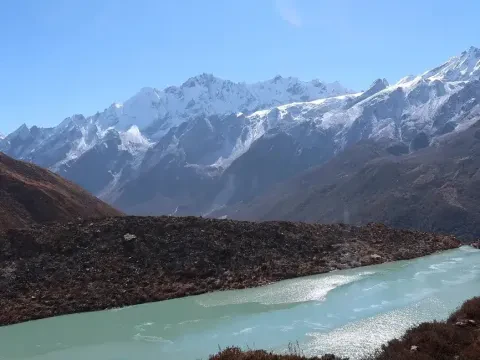
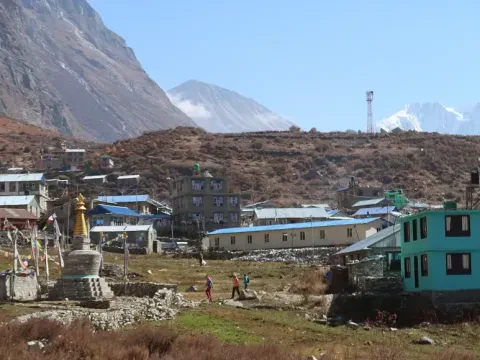
Meanwhile, Langtang Valley Trek really has it all if you want a taste of the Himalayas without straying too far from Kathmandu. It’s a moderate trek—great for beginners or anyone looking for something rewarding but not too brutal. You start out in Syabrubesi (1,460m) and make your way up to Kyanjin Gompa (3,870m) in about a week or so. Along the way, you get hit with those classic mountain views—Langtang Lirung towering above at 7,227 meters, the wild beauty of pine and rhododendron forests, and stretches of open alpine meadows as you get closer to the top.

Actually, the trail isn’t just about scenery, though. You walk straight through Tamang villages, dip into their culture, and visit old monasteries that have watched over the valley for centuries. If you’re feeling ambitious, you can climb up to Tserko Ri (4,984m) for a sweeping view of the whole region. It’s a real highlight, trust me.
Most days, you end up walking five to seven hours, but the path climbs steadily, so you adjust to the altitude as you go. No need for any technical mountaineering skills—just good boots and some determination. You’ll need a TIMS card and a Langtang National Park permit, but that’s all pretty straightforward.
In fact, one of the best things is how affordable it is. An eight-day trek usually runs between $400 and $800 per person, and that covers your guide, porter (if you want one), all your meals, teahouse stays, and transport to and from Kathmandu. The lodges along the way are simple but cozy, and nothing beats a home-cooked meal after a day on the trail.
All in all, Langtang Valley Trek is the kind of trip that sticks with you. Glaciers, sharp peaks like Ganesh Himal, peaceful valleys, and a real sense of Himalayan culture—all just a short drive from the city. It’s the perfect blend of adventure and accessibility.
Langtang Valley Trek Quick Facts :
Meanwhile, Spring in Nepal—March, April, and May—really is the sweet spot for trekking. The trails come alive, especially in April when the rhododendrons explode in color. If you’re thinking about the Langtang Valley Trek, April is the month when those forests turn into a tunnel of red and pink. You’ll set out from Syabrubesi and walk all the way to Lama Hotel under this bright, blooming canopy. It’s kind of unforgettable, honestly.
But May changes things up a bit. The big rhododendron show starts to fade, and the forests around Kyanjin Gompa get lush and green as the first hints of pre-monsoon rain show up. Mornings stay clear, so you still get those killer mountain views—Langtang Lirung, Ganesh Himal, all that. The afternoons start to feel warmer, and you might get a quick shower or two, but it’s nothing that gets in the way of hiking.
Here, both April and May keep the rain mostly at bay, and the weather’s super stable. That means safer trekking and lots of opportunities for photos, especially early in the day. Spring blows every other season out of the water for trekking in the Himalayas—none of the mud and leeches of summer, none of the bitter cold of winter.
So, if you want peak rhododendron magic, go for April. If you’re after warmer days and a bit more comfort, May’s your month. Either way, spring in Langtang Valley is the kind of experience you’ll remember long after you’re back in Kathmandu.
Spring Season Nepal Key Periods :
Here, let’s talk about the weather on the Langtang Valley Trek—because honestly, it makes a huge difference in how much you enjoy the trail. April gives you that classic spring balance: days are mild, somewhere between 10 and 20°C, and nights get cool but not freezing. It’s pretty much perfect for steady hiking. You won’t feel blasted by heat or shivering from the cold. Most trekkers looking for reliable weather love April for exactly this reason.
Actually, down in the lower stretches—places like Syabrubesi (1,460m) up to Lama Hotel (2,480m)—you’ll get those gentle daytime temps. As you climb towards Kyanjin Gompa (3,870m), nights drop to 0–8°C. It’s nothing a few layers won’t fix, and teahouses keep you cozy at night. April usually brings clear, stable skies, so you get great mountain views and that fresh, crisp air.
Likewise, May, though, turns up the warmth. Days heat up to 15–25°C, which means you can hike in lighter clothes and don’t have to worry much about chilly mornings. Nights are softer too, hanging around 5–12°C. If you’re someone who hates the cold, May’s probably your month.
Further, you’ll notice a few more afternoon showers starting in May—just hints of the pre-monsoon season. Humidity ticks up a little, but it rarely messes with your plans. Mornings stay dry and the views of Langtang Lirung (7,227m) are still stunning. Even with the odd sprinkle, the warmth keeps trekking comfortable.
In the end, April is all about that classic mild trekking weather, while May gives you easygoing warmth and a more relaxed feel. If you want crisp air and steady conditions, go for April. If you prefer a bit more heat and lighter layers, May’s your pick. Either way, both months serve up great trekking weather in Nepal’s Langtang Valley.
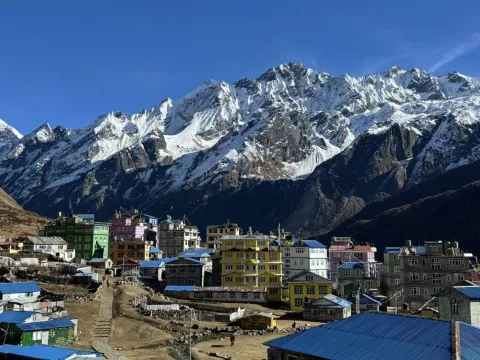
| Aspect | April (Mild Spring) | May (Warmer Late Spring) |
|---|---|---|
| Daytime Temperature | 10–20°C (lower to mid elevations) | 15–25°C (valleys and mid-sections) |
| Nighttime Temperature | 0–8°C at higher points | 5–12°C warmer nights |
| Comfort Level | Balanced mild, good layering | Warmer, lighter clothing needed |
| Rainfall Risk | Very low, mostly dry | Occasional light afternoon showers |
| Best Suited For | Those preferring crisp air | Heat-tolerant, comfort-focused hikers |
This table clarifies weather and temperature differences to guide your Langtang Valley trek choice.
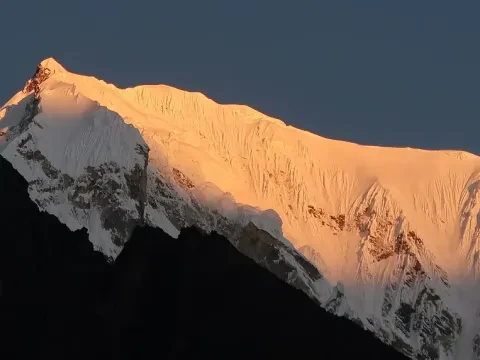
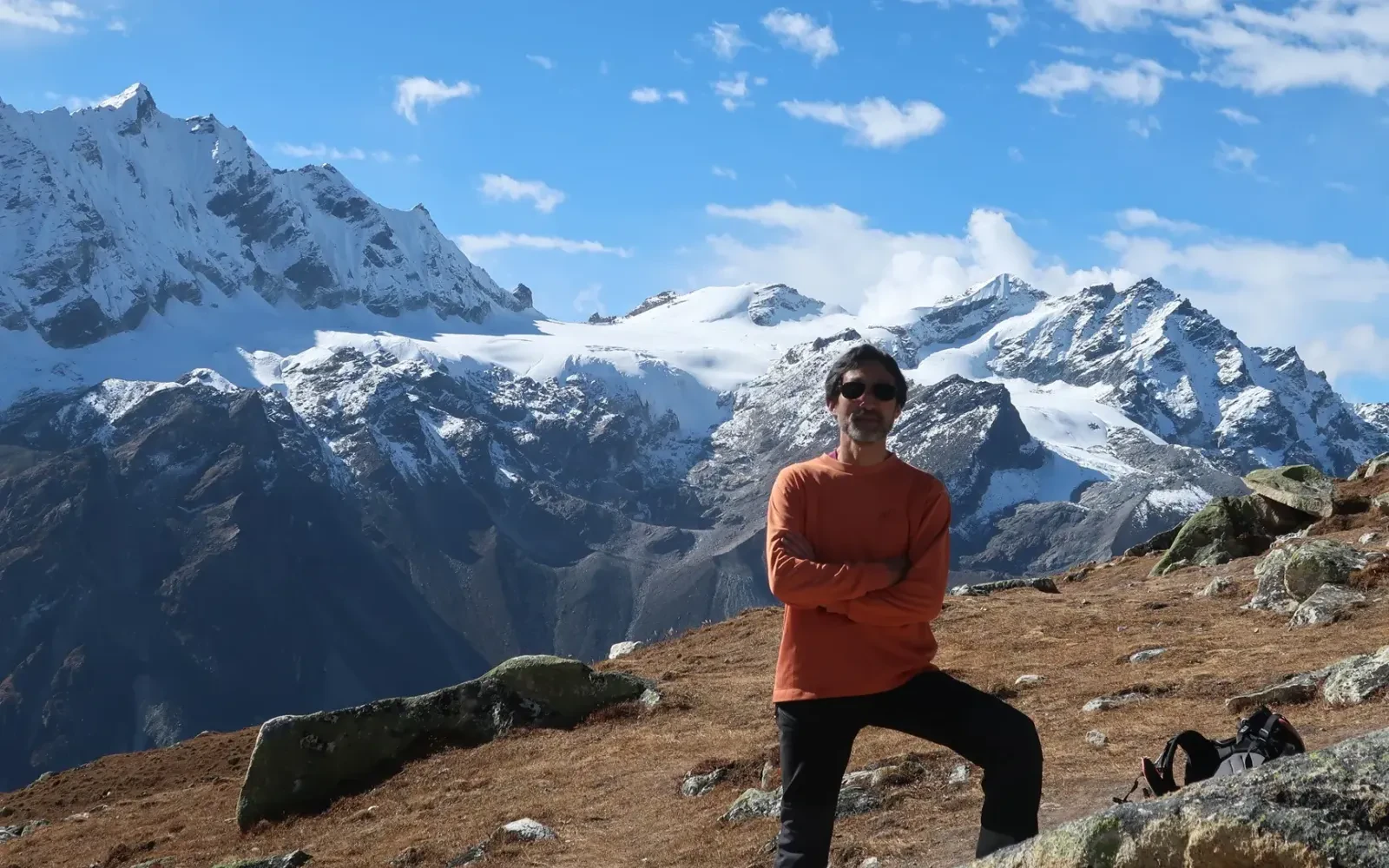
If you care about clear skies and jaw-dropping mountain views, timing your Langtang Valley Trek makes a huge difference. April is the sweet spot. You wake up to crisp, clean mornings, and the peaks—Langtang Lirung towering at 7,227 meters—stand out sharp as ever. No haze, no murky outlines, just pure Himalayan glory. Even at sunrise, the colors pop, and your photos turn out razor sharp, especially from high spots like Tserko Ri. April’s weather is steady, and the air feels fresh, free from dust and heavy humidity.

But things shift in May. As pre-monsoon season creeps in, the haze starts building up. Mornings start clear, but as the day warms, distant peaks soften behind a veil of humidity and the sky loses some of that deep blue. Still, if you hit the trail early, you can catch those same epic views before clouds and haze move in—especially if you’re hiking up higher, like Kyanjin Ri. The higher you climb, the better your chances for clear panoramas, even in May.
So, if you want guaranteed clarity and the best sunrise views, go in April. May works if you don’t mind getting up before dawn and you prefer things a bit warmer, but you’ll have to work around the haze. Pick your month based on what matters most: unbeatable clarity, or a bit more warmth and flexibility.
| Aspect | April (Crisp Spring) | May (Pre-Monsoon Influence) |
|---|---|---|
| Morning Sky Clarity | Excellent, very low haze | Good early, haze builds by midday |
| Mountain Visibility | Sharp Langtang Lirung (7,227m) views | Softer peaks late morning onward |
| Cloud Risk | Minimal | Occasional afternoon buildup |
| Best Viewpoint Time | Sunrise to mid-morning | Pre-dawn to early morning only |
| Ideal For | Photographers seeking crisp shots | Flexible hikers tolerant of haze |
Meanwhile, rhododendrons really steal the show on the Langtang Valley Trek every spring. In April, the forests light up with bold reds and pinks—whole hillsides seem to glow. Hikers come from all over just for this, hoping to catch these wild splashes of color against the snowy Himalayan peaks.

If you’re after the full bloom, April’s the time. By mid to late April, the trails from Syabrubesi up through Bamboo and all the way to Ghoda Tabela are just packed with flowers. Every turn gives you another photo-worthy view, especially with Langtang Lirung towering in the background. These scenes turn into some of Nepal’s most famous spring trekking snapshots.
Once May rolls in, though, things start to change. The rhododendron petals slowly drop, and fresh green leaves take over. The forests around Kyanjin Gompa are especially lush, with a few late blooms hanging on here and there. The bright colors fade, but the greenery is just as striking in its own way—everything feels calm and alive.
Furthermore, it’s worth paying attention to elevation, too. Lower parts of the trail bloom first, while the higher areas near Langtang village hit their peak later in April. If you want to see the most flowers, plan your trek to match the timing at different altitudes. Both April and May have their charms—April’s for those who want color, and May’s for anyone who loves peaceful, green forests.
So, if you want to catch Langtang at its most colorful, book your trek for April. If you’d rather wander through quiet, emerald woods, go in May. Either way, spring in Langtang National Park is a treat for anyone who loves mountain wildflowers.
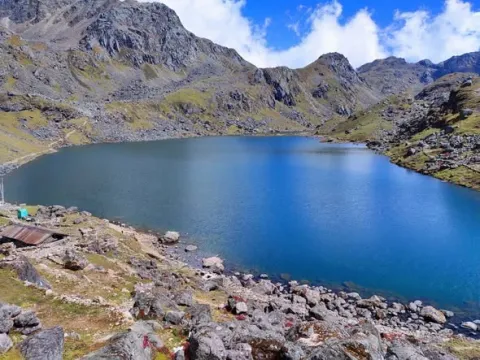
Rhododendron & Flora Timeline List :
Here, let’s talk crowds on the Langtang Valley Trek — April and May both bring a lot of trekkers, but the feel on the trails shifts as spring rolls on. In April, expect a real buzz. The trails fill up, not just with people chasing those famous rhododendron blooms, but also with families on school break. Teahouses from Syabrubesi all the way to Kyanjin Gompa stay busy. Sharing meals, swapping stories — you get a social, energetic vibe, especially at spots like Lama Hotel. The whole place feels alive.
In fact, May feels different. Crowds thin out as the spring rush fades, so you find quieter mornings and fewer hikers heading up to spots like Ghoda Tabela or Langtang village. Booking a teahouse gets easier, and there’s more room to soak in the mountains without much chatter in the background. If you like a bit of solitude, May’s your month.
Likewise, April’s busier trails make it easy to meet new people. Every viewpoint, every rest stop can spark a conversation — the community feel is real. But if you’d rather just walk in peace and take in the nature around you, May wins out. Either way, you get that classic Himalayan trekking experience.
In the end, it comes down to your style. Go in April if you want lively company; pick May for a slower, quieter journey. Matching your crowd preference with the timing of your Langtang Valley trek just makes the whole trip better.
| Aspect | April (Peak Crowds) | May (Tapering Crowds) |
|---|---|---|
| Trail Traffic | Moderate to high | Moderate to low |
| Teahouse Occupancy | Often full, advance booking needed | Easier availability |
| Social Vibe | Lively, many group interactions | Calmer, more personal pace |
| Sunrise Viewpoints | Busier at Tserko Ri (4,984m) | More space for photos |
| Best For | Outgoing hikers, social travelers | Introverts, families, solitude seeker |
If you’re trekking through Langtang Valley in May, get ready for a real show. As the days warm up, the valley wakes up too—not just the plants, but the animals. Musk deer, birds, and monkeys all get busy in the meadows, especially once the chill of April fades. Sure, April’s views are great, but May takes things to another level. Everything’s just more alive.
Here, you’ll notice the difference as soon as you hit the trail. Warmer weather stirs up animal activity, so sightings feel more frequent and exciting. May really stands out for this. The musk deer love the alpine meadows near Kyanjin Gompa early in the morning. You’ll spot Himalayan monals, blood pheasants, and langur monkeys going about their day, especially between Bamboo and Ghoda Tabela. The forest is full of bird calls, and the whole place feels louder—more active.

Moreover, it’s not just the big animals, either. Warm May days mean insects and small mammals come out, too. You might hear pika calls or stumble on red panda tracks near Langtang village. The greenery after the spring bloom draws grazing animals into open spaces. If you’re patient and stick to the quieter trails, nature rewards you with these little surprises.
Now, April’s not bad. You’ll still see monkeys and plenty of birds, but the colder air keeps most animals a bit more cautious. Sightings are less dramatic, and the energy isn’t quite the same. Once May rolls around, though, everything kicks up a notch.
So, if spotting wildlife is high on your list for the Langtang Valley trek, go in May. The animals are out, the scenery’s stunning, and every day brings something new to see.
Wildlife & Nature Highlights :
Meanwhile, you’ll find the trails in Langtang Valley dry and steady in both April and May. Spring is just good trekking weather here. You can count on solid ground the whole way—from Syabrubesi at 1,460 meters, all the way up to Kyanjin Gompa at 3,870 meters. There’s rarely any mud to slow you down, which really bumps up the comfort level in both months.
Likewise, April gives you crisp, dry paths—perfect for keeping your footing as you wind through pine and rhododendron forests near Lama Hotel (2,480m). Rain barely shows up, so the trails stay firm. The mornings are cool and you’ll want some extra layers, but honestly, the chill adds a bit of energy to the trek.
In fact, May, though, starts to warm up. Daytime temperatures climb to around 15–25°C. That means you can walk longer, cover more ground, and don’t have to bundle up as much. It’s just easier to keep going, especially on the steeper bits before you reach Langtang village (3,430m). The warmth really makes a difference.
Sure, you might get a quick shower now and then in late May, but the trails dry fast when the sun comes out. Any damp spots don’t stick around, especially as you get higher. Just bring proper shoes and you’re set.
Bottom line: both April and May deliver dry trails in Langtang Valley. If you like cooler, brisk mornings, go for April. If you want those long, warm hiking days, May’s your month. Either way, you get steady paths and solid trekking conditions for your spring adventure.
| Aspect | April (Crisp & Dry) | May (Warmer & Dry) |
|---|---|---|
| Path Surface | Firm, mostly dry | Firm, mostly dry with rare damp spots |
| Daytime Trekking Comfort | Crisp 10–20°C, good energy | Warmer 15–25°C, longer walking hours |
| Nighttime Rest | Cooler 0–8°C at higher points | Milder 5–12°C, easier recovery |
| Footwear Recommendation | Standard hiking boots | Breathable shoes with grip |
| Best For | Crisp air lovers | Extended comfort & warmth seekers |
If you’re heading to Langtang Valley in April, get ready for a busy scene. This is peak spring—rhododendrons are in full bloom, and holiday travelers flock to the trails. Teahouses in places like Lama Hotel, Langtang village, and Kyanjin Gompa fill up fast. You really need to book your trek package and reserve your spots two or three months ahead. Even guides and transport from Kathmandu get snapped up early.
Here, May tells a different story. Once that April rush fades, it’s a lot easier to walk in and find a room, especially from Syabrubesi up. You can plan your trip with less notice, which is great if you like a bit of flexibility or you’re traveling with family. It’s just a more relaxed vibe. Sometimes you’ll even catch a small discount since demand drops a little.
Likewise, transport and permits? No big deal in either month. Daily buses and jeeps run to the trailhead, and you can sort your permits in Kathmandu without much hassle. Agencies can set you up with guides and porters whenever you need.
Bottom line: If you want those famous spring flowers and don’t mind planning way ahead, April’s your month. But if you’d rather keep things simple and stress-free, go in May. Either way, a little preparation goes a long way for a smooth Langtang Valley trek.
Accommodation & Logistics Tips :

Here, taking on the Tserko Ri summit during the Langtang Valley trek feels a lot easier in May. The warmer weather means you don’t have to worry so much about freezing temperatures or harsh winds. If you’re looking to add extra adventures—like climbing Kyanjin Ri at 4,773 meters—spring in Nepal is the sweet spot. You get clear, panoramic views of Langtang Lirung (7,227 meters) and the surrounding mountains, making these side trips totally worth it.
Likewise, adding these side hikes turns your trek into something even more memorable. Most trekkers go for the Tserko Ri summit because the views are just unbeatable. May brings milder temperatures, so the climb is much more comfortable. You deal with less cold and wind, making it easier to hit those high points.
Further, Tserko Ri itself rises to 4,984 meters above Kyanjin Gompa (3,870 meters), and the steep ascent takes two to three hours. In May, you’re less likely to face frost, breathing gets a bit easier, and you can start early without layering up like an eskimo. The warmer conditions let you linger longer at the top, soaking in those big Himalayan vistas. It’s no surprise more hikers manage to reach the summit in May.
Kyanjin Ri, right next to Kyanjin Gompa, is another side trip people love. In April, the crisp air gives you sharp views but you need plenty of cold gear. May is more forgiving—you get longer daylight hours and warmer temps, making the hike smoother. The reward? Full-circle views of Langtang Lirung and Ganesh Himal.
Even smaller side trips, like Langshisa Kharka or just the Yala Peak base, benefit from May’s weather. Your gear is lighter since you’re not packing for deep cold. You recover faster after each hike, and guides say May is great if you’re trekking with family or you’re new to high-altitude adventures.
Honestly, May is the best time to go for these add-ons during the Langtang Valley trek. You get safer, more comfortable climbs—and the scenery is simply epic. So, when you’re planning your spring trek, make sure to include these side trips. They crank up the adventure and deliver some of the best views in Nepal.
Side Trips Accessibility :
Meanwhile, the Langtang Valley Trek in April packs in a lot of upsides, but it’s not all easy walking. April shows off the rhododendrons at their best—forests streaked in brilliant reds and pinks from Syabrubesi all the way up to Ghoda Tabela. If you’re a sucker for great views, you’re in luck: the skies are clear, and you get some of the sharpest mountain vistas you’ll ever see, especially from Kyanjin Gompa. Take out your camera—those flower-lined trails with Langtang Lirung in the background are tough to beat.
Actually, the weather helps, too. April stays mostly dry, so trails are solid and trekking feels comfortable. Mornings have a cool edge, perfect for climbing higher without overheating. Sunrise up on Tserko Ri? The light and visibility just nail it this month.
But April isn’t exactly quiet. It’s one of the most popular months, so you’ll bump into more trekkers—especially once you get past Lama Hotel. Make sure to book your bed and transport ahead, or you might end up scrambling for a spot at the end of a long day. Nights, especially higher up near Kyanjin Gompa, get pretty cold. Pack an extra layer so you don’t freeze when the sun goes down.
All in all, April is a favorite for a reason. If you care most about wildflowers, crystal clear mountain views, and reliable weather, the busy trails and chilly nights won’t bother you much. April gives you the best of spring, as long as you don’t mind sharing the path.
| Category | Pros | Cons |
|---|---|---|
| Scenery | Peak rhododendron bloom, crisp mountain views | None significant |
| Weather | Dry stable paths, excellent sky clarity | Cooler nights (0–8°C higher elevations) |
| Crowds & Logistics | Lively social vibe | Higher crowds, teahouse booking pressure |
| Trekking Comfort | Invigorating cool air for hiking | More layering needed, shorter comfortable hours |
| Best Suited For | Photographers, flower enthusiasts | Those sensitive to crowds or cold evenings |
This table provides a clear balanced summary of pros and cons trekking Langtang Valley Trek in April.
Meanwhile, Langtang Valley Trek in May has its own charm. The days turn warmer, with temperatures in the lower villages like Syabrubesi and Lama Hotel hovering between 15 and 25°C. You can leave the heavy jackets in your bag, hike with less weight, and relax comfortably at night—especially up near Kyanjin Gompa. Compared to the packed trails of April, May feels quieter. You’ll often have the path to yourself.
Likewise, wildlife gets more active too. The forests and meadows wake up—musk deer, Himalayan monal, and langur monkeys show themselves more often. With fewer trekkers flooding the park, you get real moments of peace, watching birds or spotting animals along the way.
Now, it’s not all perfect. May is just before the big monsoon, so you’ll get the occasional shower, usually in the afternoon. Sometimes a bit of haze sets in and steals the sharpness from those sweeping Langtang Lirung vistas, especially by midday. Still, these are mild annoyances, nowhere near the full-on wet season.
In the end, if you want warm weather, lively scenery, and a bit of solitude, May is a strong choice for the Langtang Valley trek. The slight chance of rain or haze is minor compared to the gains in comfort and quiet. If you care more about easygoing days and soaking in the calm, May simply fits.
| Category | Pros | Cons |
|---|---|---|
| Weather & Comfort | Warmer 15–25°C days, milder nights | Occasional light showers, building haze |
| Wildlife & Nature | More active musk deer, birds, monkeys | Slightly reduced visibility in afternoons |
| Crowds & Experience | Fewer trekkers, quieter peaceful trails | Less vibrant social atmosphere |
| Scenery | Lush green forests, serene meadows | Fading rhododendron blooms |
| Best Suited For | Comfort seekers, wildlife enthusiasts | Those prioritizing crystal-clear peak views |
Who comes out on top for the Langtang Valley Trek: April or May? Honestly, it depends on what kind of trekker you are. Each month feels a bit like it’s made for a different crowd.
Let’s say jaw-dropping scenery and rhododendron blooms matter most to you. Maybe it’s your first trek. In that case, April’s your month. Forests explode in red and pink, starting from Syabrubesi and all the way up. If you love taking photos, those clear April skies give you postcard views of Langtang Lirung—especially from Tserko Ri. Plus, the weather’s reliable and there’s a real buzz along the trails, especially near Kyanjin Gompa. First-timers tend to really thrive in these conditions.
Now, if warmth and quiet are what you’re after, you’ll probably enjoy May more. The days get longer and warmer, making every hike feel more relaxed, whether you’re headed toward Lama Hotel or beyond. Fewer crowds mean you can enjoy the meadows and wildlife around Langtang village in peace. Families and anyone who likes a slower pace usually love this mellow vibe.
If you’re watching your budget or your plans are flexible, May can help there, too. With fewer trekkers around, booking gets easier and sometimes a little cheaper. Sunrise views of Ganesh Himal? Still amazing, but this time with fewer photographers jostling for space.
Here’s how I see it: If you love scenery, snapping pictures, or you’re new to trekking, pick April. If you prefer warmth, calm trails, family-friendly hiking, or you just want some peace and quiet, go for May. Choosing the right month for your style makes all the difference for your Langtang adventure.
Recommendation by Trekker Type :
If you’re dreaming about trekking in the Langtang Valley, plan for spring—April or May is when the place really comes alive. During these months, the rhododendrons bloom, the air is clear, and you can count on steady views of Langtang Lirung (7,227m). The weather doesn’t get too cold or too hot, making it super comfortable for trekking through Nepal’s Langtang National Park. Spring just blows the other seasons out of the water: no monsoon rains, nothing like biting winter snow, and none of that sticky summer heat. If you want the best experience close to Kathmandu, this is your window.
Likewise, don’t wait too long to book your trek. Spring is popular, and the teahouses fill up fast. Reach out to trekking agencies in Kathmandu at least two to four months ahead—especially if you’ve set your heart on catching the rhododendron bloom in April. Booking early means you won’t have to stress about finding cozy spots along the route, from Syabrubesi (1,460m) right up to Kyanjin Gompa (3,870m). Expect an 8-day trek to run between $400 to $800, which usually covers transport, permits, a guide, optional porter, and meals.
Similarly, sort out your permits as soon as you land in Nepal. You’ll need the Langtang National Park entry permit and a TIMS card—both are easy to get in Kathmandu or Pokhara, and you can finish the paperwork in a morning. And don’t skip out on travel insurance—get one that covers high-altitude trekking (up to 5,000m), just in case something unexpected pops up.
Meanwhile, pack for changing weather because spring can have surprises. Go for layers: moisture-wicking base, warm fleece, and a waterproof jacket. Make sure your trekking boots are sturdy and comfortable. Toss in a hat, gloves, sunglasses, sunscreen, and a reusable water bottle. A light daypack, a headlamp, and a basic first aid kit keep you covered all the way from Lama Hotel (2,480m) onward.
Honestly, there’s no better time for Langtang than April or May. You’ll soak in the colors, catch awe-inspiring sunrises on Langtang Lirung, and meet the welcoming Tamang people. Stick to these last tips and you’ll set yourself up for an experience that sticks with you long after you return. Go ahead—book your Langtang Valley trek and get ready for a real Himalayan adventure.
Final Planning Tips :
1. What is the main difference between the Langtang Valley Trek in April and May?
The Langtang Valley Trek in April has lots of rhododendron flowers nice views and a moderate number of people with nice temperatures. The Langtang Valley Trek in May has days fewer people and really green plants but it might be hazy or rainy in the afternoon. You should choose based on what you like, like flowers or being less croud for the experience.
2. Which month has weather for the Langtang Valley Trek, April or May?
April has nice weather with mild temperatures and less rain and the mornings are really clear. May has days which are nice for hiking but it might rain sometimes. Both months are generally dry. April is a little better for hiking.
3. Are rhododendron blooms better in April or May on Langtang trek?
April has the rhododendron flowers they are really colorful and make the forest look beautiful great for taking pictures. By May the Rhododendron flowers are almost finished . April is the time for people who love flowers and want to see them on the Langtang trek.
4. How do the crowd levels compare in April versus May for Langtang Valley?
April has a lot of people on the Langtang Valley Trek it is like a party on the trail and the teahouses are busy. May has people so it is quieter and more peaceful. You should book your trip early if you are going in April. In May you can plan later.
5. What are the temperature differences between April and May in Langtang Valley?
In April the days are nice and cool 10-20°C and the nights are cooler. In May the days are warmer 15-25°C, which is nice for hiking. At night it is still chilly at higher places so you need warm clothes.
6. Is visibility and mountain views better in April or May?
April has clear mornings with great views of the Himalayan mountains like the Langtang Lirung. May might be a little hazy because of the air so you cannot see as far. If you start your day, you can see more clearly in both months but April is generally better.
7. Which month is better for wildlife sightings on Langtang Valley Trek?
May is warmer so you can see animals like musk deer and Himalayan tahr in the meadows. April is also good for seeing animals. They are not as active because it is cooler. If you love nature and want to see animals May might be the choice.
8. How difficult is Tserko Ri side trip in April compared to May?
April can be a little harder because it is cooler and there might be snow. It is also really rewarding. May is warmer. It is easier to climb to the top of Tserko Ri. Both months are okay for people who're fit and prepared.
9. What are the pros of trekking Langtang Valley in April?
April has the rhododendron flowers, nice weather and really nice views. There are also a lot of people, which can be fun and the trails are comfortable to walk on. It is great for people who love taking pictures and for those who are doing the Langtang trek for the time.
10. What are the cons of Langtang Valley Trek in April?
There are a lot of people so you need to book your trip and the trails can be busy. It can also be cold at night and there might be some snow left so you need to bring clothes. It can be hard to plan your trip if you wait long.
11. What are the advantages of choosing May for Langtang trek?
May has days fewer people and it is easier to plan your trip. The plants are really green. The trails are nice to walk on. It is great for families or people who want to hike at their pace. You can also do side trips like Tserko Ri.
12. Are there any disadvantages to trekking in May?
May can be rainy or hazy in the afternoon. The rhododendron flowers are gone. It can also feel humid at lower places. The weather might not be as stable as in April.
13. How are the trail conditions in April versus May?
Both months have well-maintained trails. April might have some snow at places. May has firmer ground, which is nice for hiking and there is less ice on the higher parts of the trail.
14. Is accommodation easier to book in April or May?
April is really busy so you need to book your accommodation early. May has available rooms and you can plan your trip later. You should always use a tour operator but May feels less rushed.
15. What should beginners know about April versus May for Langtang trek?
April is good for beginners because there are a lot of people and the scenery is beautiful. You need to be comfortable with crowds. May is warmer and quieter which can be nice for people who want to hike at their pace. Both months are moderately difficult so you need to be fit and have the gear.
16. How does packing differ for Langtang in April and May?
You should pack layers, a rain jacket and a warm sleeping bag for both months. April needs warm clothes for the cold nights. May needs clothes but you should still bring a rain jacket and sun protection.
17. Can I do the Langtang Valley Trek solo in April or May?
You can do the trek in both months but April has more people so it can feel safer. May is quieter, which can be nice for people who want to be alone. You should always join a group. Hire a guide for safety and to help you navigate.
18. Which month is recommended for photographers on Langtang trek?
April is the time for photographers because of the beautiful rhododendron flowers, clear skies and nice landscapes. May still has light but the plants are greener and it might be hazy. If you start your day, you can take really nice pictures of the mountains.
19. What permits and preparations are needed for April or May trek?
You need a trekking permit. You should book with a tour operator and prepare by training getting insurance and having the right gear. April needs planning because it is more popular but May is more flexible.
20. Which month should I choose for Langtang Valley Trek overall?
You should choose April if you like Rhododendron flowers, nice views and a lot of people or May if you like weather warmer and comfortable hiking. Both months are great for the Langtang Valley Trek. You should think about what you like, such as crowds, photography or relaxation when deciding which month is best, for you.
Our travel experts are ready to assist you with any questions.
Send us a message.Have a question before you book? Send your enquiry below and our travel experts will get back with the required information.