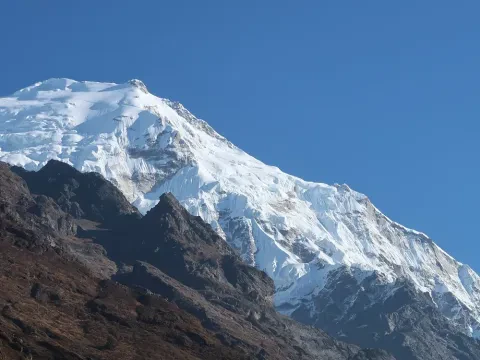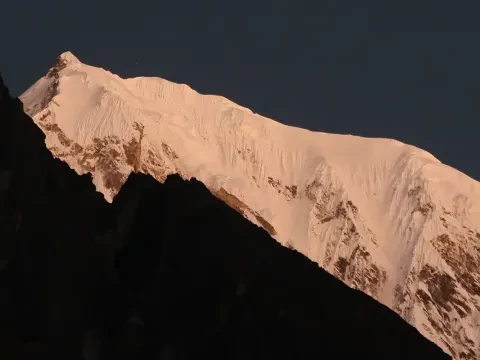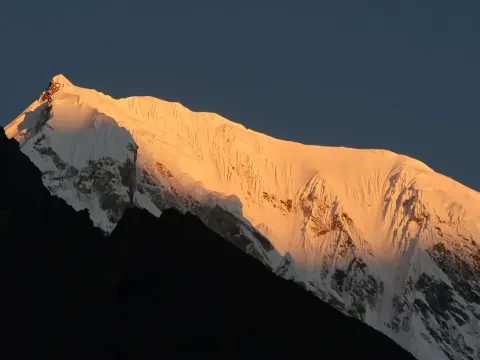
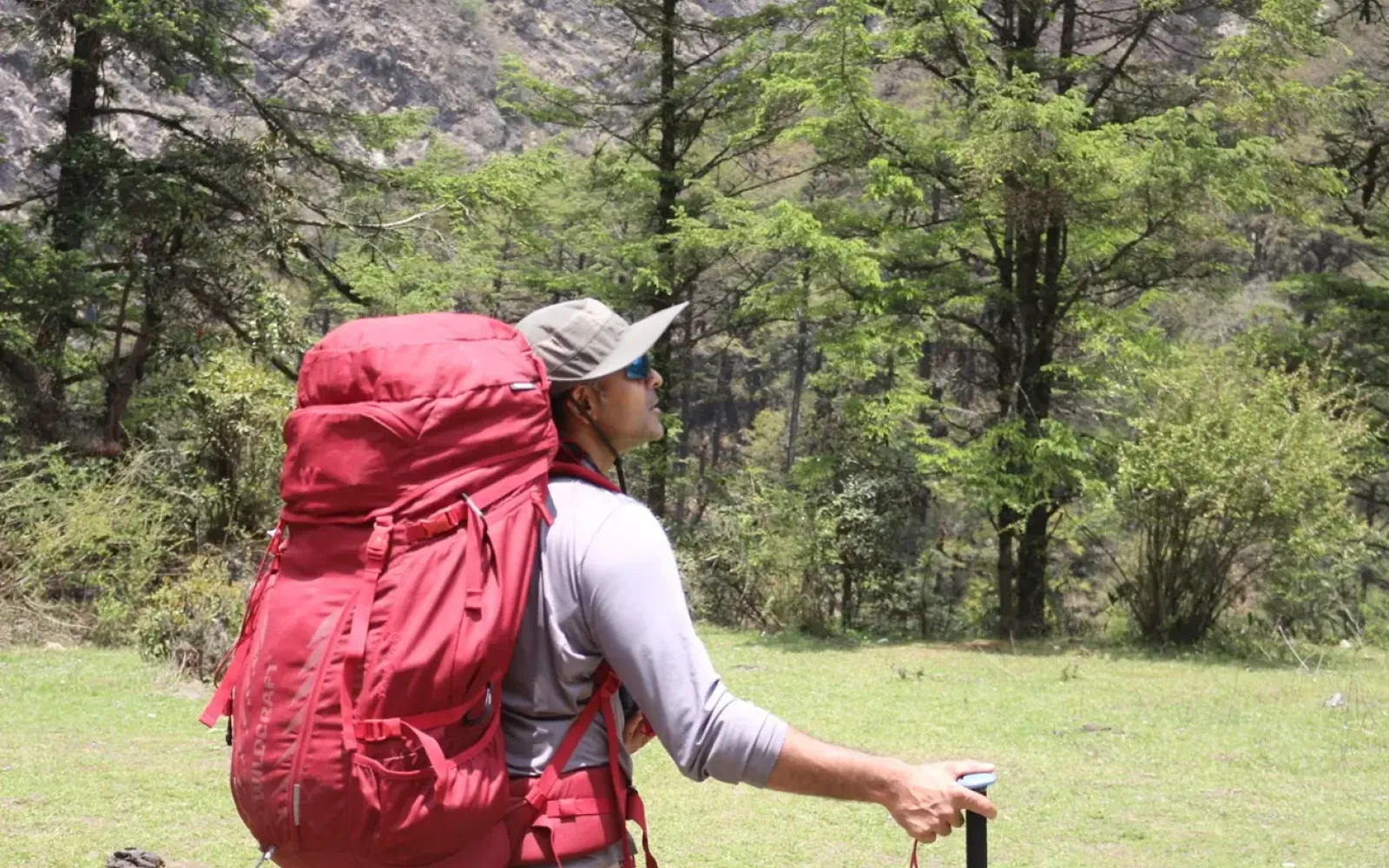
Imagine stepping outside into the crisp, pure air of the mountains as snow-dusted peaks blaze to life under an absolutely flawless sapphire sky. If this idea has captured your imagination, you will discover that the Langtang Valley Trek in November offers prime conditions, and you will understand why within moments of setting foot on the trail.
Actually, November embodies the pinnacle of autumn trekking Nepal because post-monsoon skies remain clear yet the air turns sharper and fresher. Consequently, you enjoy unobstructed views of the majestic Langtang range while trails stay mostly dry and your steps feel light and invigorated. Moreover, fewer crowds enhance the peaceful experience compared to October.
In fact, there is truly no better shoulder season to trek Langtang, as experienced trekkers return with cameras full of stunning, postcard-perfect images and memories to cherish for a lifetime. This season rewards you with dramatic light and comfortable daytime walking when you prepare properly.
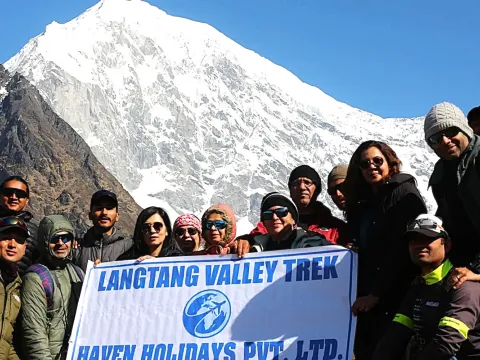
Why November Excels:
| Month | Sky | Day Temp (C, lower elevations) | Crowds |
|---|---|---|
| November | Crystal clear | 12-22 | Low |
| October | Crystal clear | 15-25 | Moderate |
| Winter | Clear, cold | Below freezing at night | Very low |
Embrace the unparalleled beauty this season offers. Secure your unforgettable Langtang Valley Trek in November and embark on this premier autumn trekking Nepal adventure.
As you commence your journey into the heart of the Langtang region, the impact of elevation on temperature becomes immediately apparent. This fundamental aspect proves crucial for packing strategically during Langtang temperature November conditions.
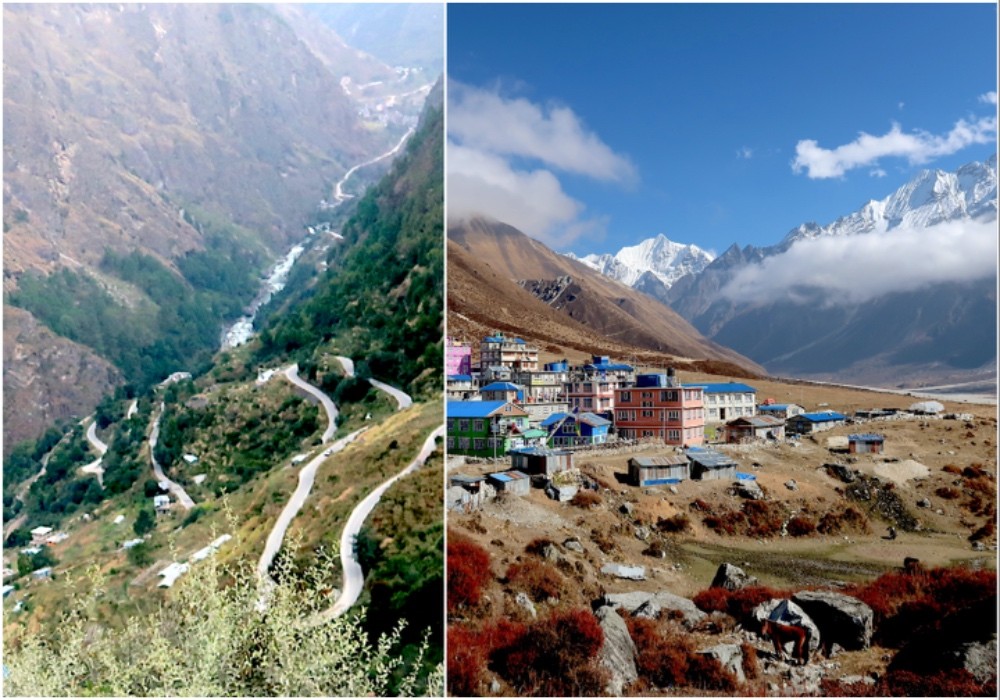
Here, you kick off in Syabrubesi (1,550 m / 5,085 ft) where November days feel delightfully warm yet cooler than October, typically ranging from 18°C to 23°C. However, by the time you reach Kyanjin Gompa (3,830 m / 12,565 ft), nights can plummet to -3°C or even -8°C. Consequently, this dramatic mountain elevation weather profile requires careful layering as the atmosphere transforms rapidly with each meter gained.
Do I need microspikes for Langtang in November? Generally no, unless an early snowfall occurs. The main trails usually remain free of significant snow and ice, so sturdy trekking boots suffice for traction.
| Trail Stop | Approximate Elevation (m / ft) | Average November Night Temp (C) | Key Layer Active |
|---|---|---|
| Syabrubesi | 1,550 m / 5,085 ft | 10°C - 13°C | Trekking shirt & shorts |
| Lama Hotel | 2,480 m / 8,136 ft | 4°C - 8°C | Fleece pullover |
| Langtang Village | 3,430 m / 11,253 ft | -1°C - 3°C | Windproof jacket, beanie |
| Kyanjin Gompa | 3,830 m / 12,565 ft | -3°C to -8°C | Down jacket, sub-zero bag |
Essential Packing Advice:
Because the Langtang Valley forms a narrow glacial canyon, cloud patterns behave predictably with crystal clear mornings and light mist rolling up around 3 PM. A licensed local guide provides critical security, understands terrain changes perfectly, and pre-books the best rooms during the November period. Understanding this temperature fluctuations trek dynamic empowers you fully.
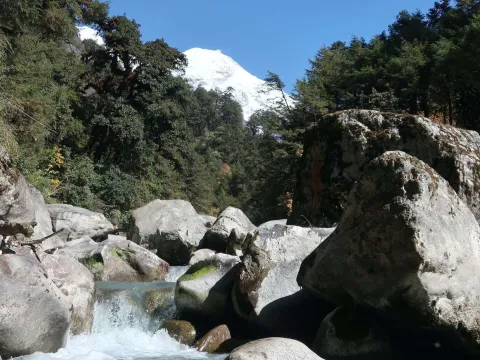
Here, you sweat hard on steep inclines yet the cold hits quickly when you stop, so a proper layering system for autumn trekking becomes essential for your Langtang Valley Trek in November. Experienced guides have tested these systems extensively on these trails.
Likewise, moisture wicking base layers draw sweat away from your body and dry quickly. Consequently, you avoid feeling clammy at viewpoints because synthetics or merino wool outperform cotton, which holds moisture and drops your temperature rapidly in the mountain climate. Moreover, you add a fleece mid-layer as days cool and top it with a waterproof breathable shell that blocks wind and mists.
Do I need a down jacket every day? You carry it in your daypack for flexibility on colder sections or evenings.
| Layer | Purpose | Recommendations | Altitude Range |
|---|---|---|
| Base Layer | Wicks sweat | Synthetic or merino T-shirts & leggings | All day, strenuous climbs. |
| Mid Layer | Insulation | Fleece pullover or jacket | 2,500 m / 8,200 ft and up. |
| Outer Layer | Weather protection | Waterproof breathable jacket | High ridges, windy areas. |
Quick Packing Checklist:
In conclusion, the Langtang Valley’s narrow gorge creates rapid weather changes, yet proper preparation keeps you comfortable. Master the layering system for autumn trekking and walk stronger on your November adventure.
Here, you start surrounded by cool green forests and the roar of the Langtang Khola, so smart Lama Hotel trek section clothes keep you comfortable on the lower trails. The paths from Syabrubesi (1,550 m / 5,085 ft) to Lama Hotel (2,480 m / 8,136 ft) and Ghodatabela wind through dense bamboo and rhododendron with steep inclines.
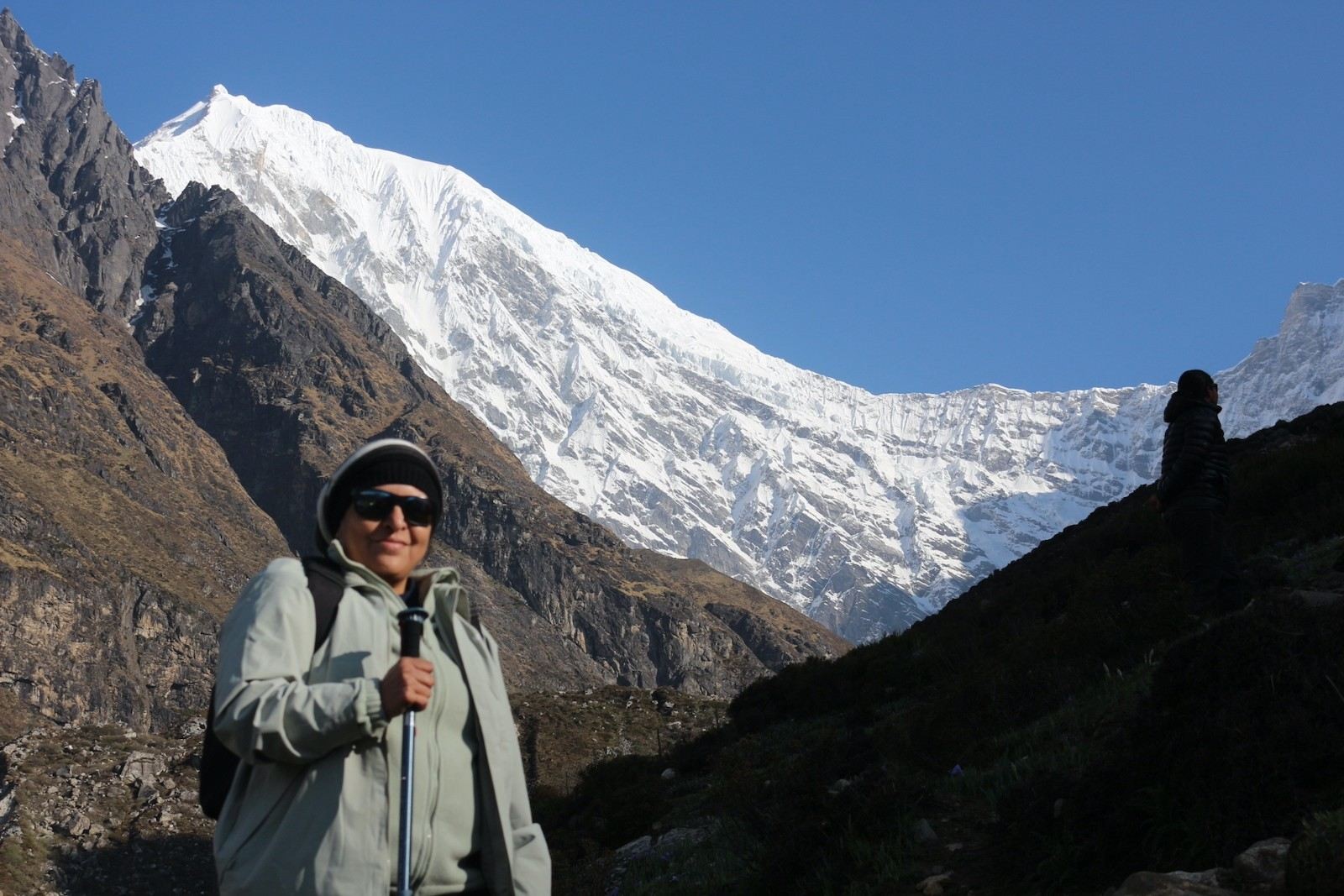
Consequently, you sweat yet benefit from shade, so hiking shirts for warm weather should be lightweight, moisture-wicking, and long-sleeved for sun and insect protection. Moreover, convertible zip-off trekking pants adapt instantly on the lower Langtang trail terrain while breathable fabrics and supportive footwear maintain your energy.
| Clothing Item | Key Attributes | Rationale for This Section |
|---|---|---|
| Moisture-wicking Shirts | Synthetic/merino, UPF protection | Manages sweat in humid forest |
| Convertible Trekking Pants | Quick-dry nylon, zip-off legs | Adapts to temperature changes |
| Trail Runners/Light Boots | Good grip, breathable | Ideal for forest trails |
| Wide-brim Hat & Sunglasses | Polarized lenses | Sun protection in clearings |
Essential Packing Tips for Lower Langtang:
In conclusion, smart choices on the Lama Hotel trek section clothes enhance every step through forests and along the vibrant river. Prepare thoroughly and enjoy the magic of the lower trails on your Langtang Valley Trek in November.
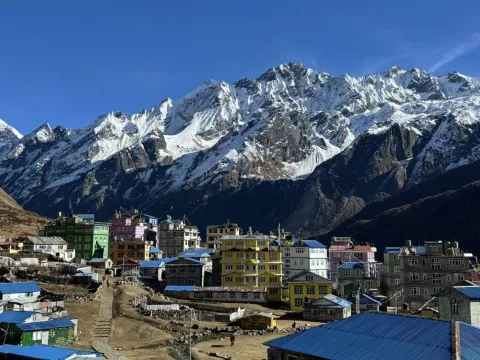
Once you crest Ghodatabela at approximately 3,000 m / 9,843 ft, the terrain shifts dramatically from dense forest to broad glacial valley. Consequently, afternoon winds from the towering peaks blow fiercely and bite hard, yet the right gear keeps you protected.
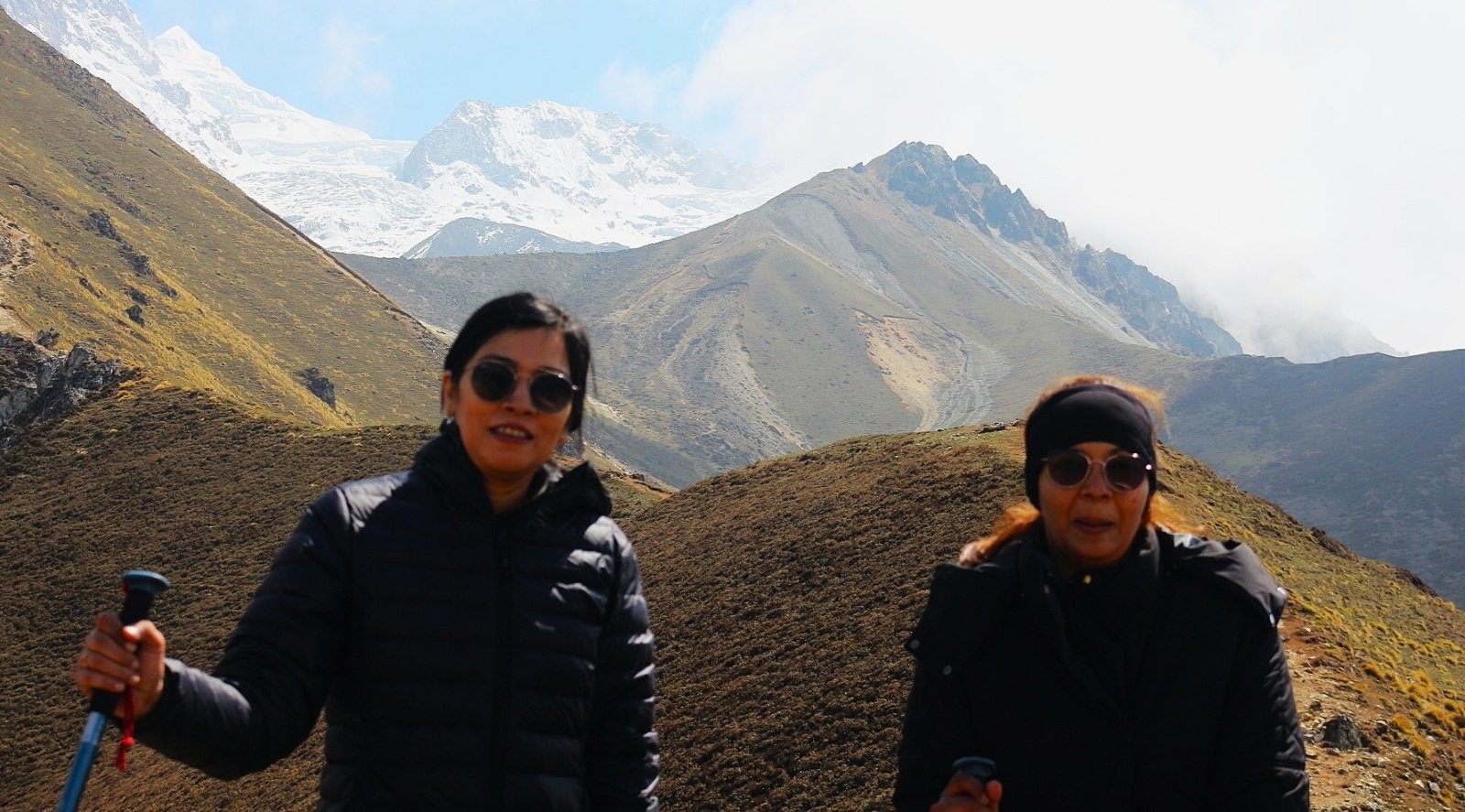
Here, your windproof technical jacket blocks powerful gusts while remaining breathable during climbs. Moreover, you keep it accessible in your daypack because Langtang village altitude clothing needs change quickly in the exposed alpine terrain. Furthermore, pair it with your mid-layer for optimum warmth without overheating.
| Item | Description | Optimal For |
|---|---|---|
| Windproof Technical Jacket | Breathable, waterproof, compressible | Above 3,000 m open valley. |
| Hood and Cuff Adjustment | Seals against wind | Afternoon gusts near Langtang Village. |
| Pit Zips | Ventilation options | During active climbing. |
Upper Valley Top Tips:
In conclusion, implement this alpine valley wind protection strategy and marvel at Langtang Lirung without discomfort. Book your Langtang Valley Trek in November fully prepared for the heights.
As the route transitions to higher altitudes, navigating rugged terrain becomes central to your experience. The path beyond Langtang Village (3,430 m / 11,253 ft) features loose scree from landslides and uneven stone steps, so sturdy boots prove essential.
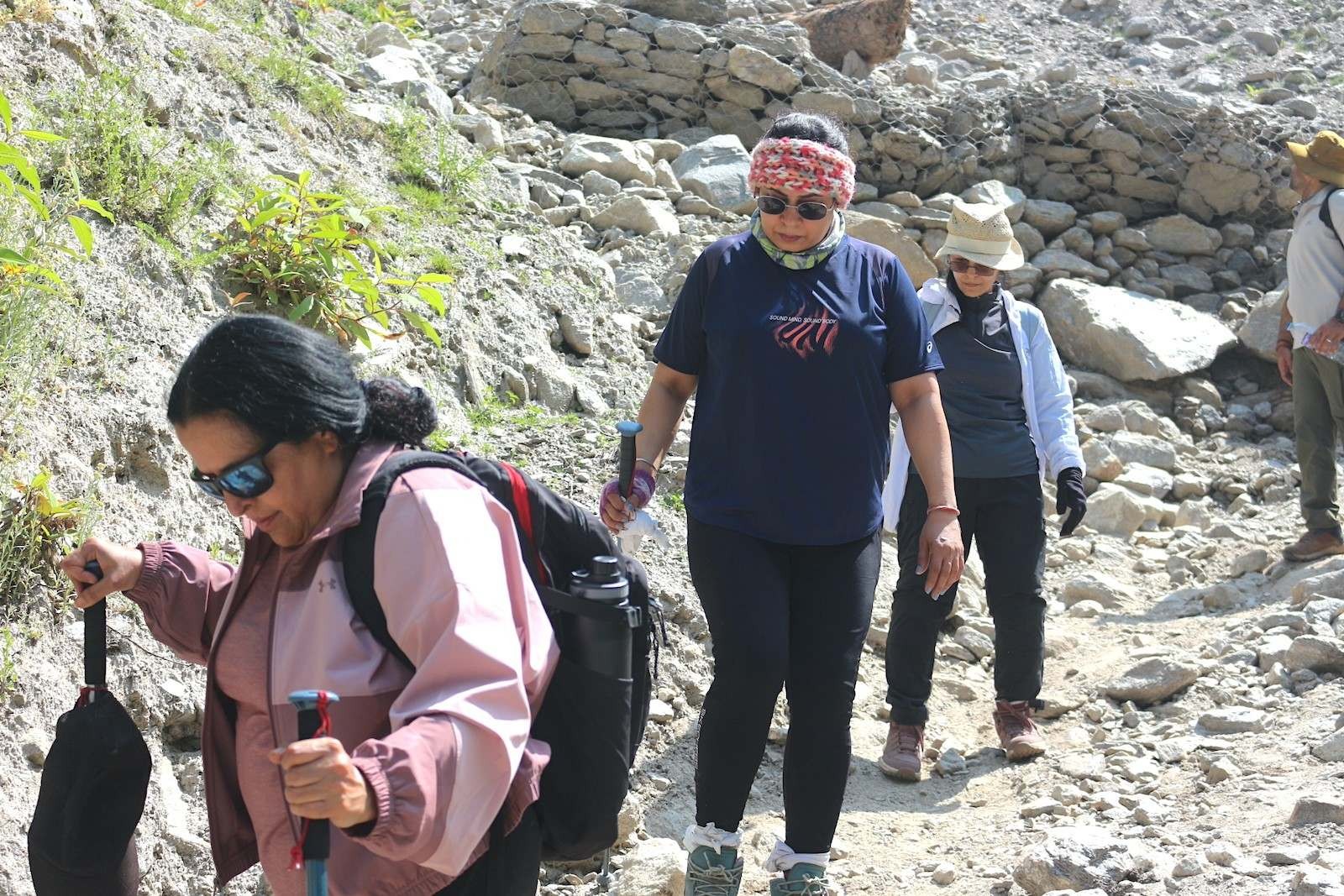
Here, best hiking boots for Langtang must provide strong ankle support, deep rubber lugs for grip, and waterproofing for stream crossings. Moreover, ankle support trekking shoes stabilize you on shifting rocks while merino wool trail socks wick moisture and reduce blisters even on long days.
| Footwear | Key Features | Best For |
|---|---|---|
| Trekking Boots | Ankle support, Vibram lugs | Scree slopes and rocky sections. |
| Merino Wool Socks | Medium cushion, moisture-wicking | All-day comfort, blister prevention. |
| Optional Gaiters | Lightweight | Keep debris out of boots. |
Vital Footwear Reminders:
In summary, with reliable best hiking boots for Langtang and quality socks you stride confidently through varied terrain. Tackle your November trek with unwavering foot confidence.
Here, you return to the teahouse after a demanding day, and as the sun dips behind Langtang Lirung the temperature plummets. Consequently, you need effective cold weather teahouse gear to stay comfortable while relaxing and recovering.
Actually, a high loft down jacket Nepal with at least 700-fill power delivers superior warmth-to-weight and packs easily. Moreover, you wear it in unheated dining rooms where evenings turn very chilly at higher elevations. Furthermore, pair it with your sleeping bag for **staying warm at night**.
| Item | Specifications | Best Use |
|---|---|---|
| High Loft Down Jacket | 700+ fill, hooded, packable | Evening lounging at 3,000 m+ |
| Heavy Sleeping Bag | Rated to -10°C / 14°F | Nights at Kyanjin Gompa. |
| Warm Hat & Gloves | Merino or fleece | Indoor comfort and quick outings. |
Essential Nighttime Warmth Tips:
In concluding lines, you feel the welcome difference immediately and avoid shivers. Master your high loft down jacket Nepal and cold weather teahouse gear for delightful evenings on the Langtang Valley Trek in November.
Here, you rise well before dawn for optional climbs, and thorough preparation turns these highlights into safe successes. Reaching Kyanjin Ri (4,773 m / 15,663 ft) or Tserko Ri (5,000 m / 16,404 ft) offers panoramic rewards when you carry the right items.
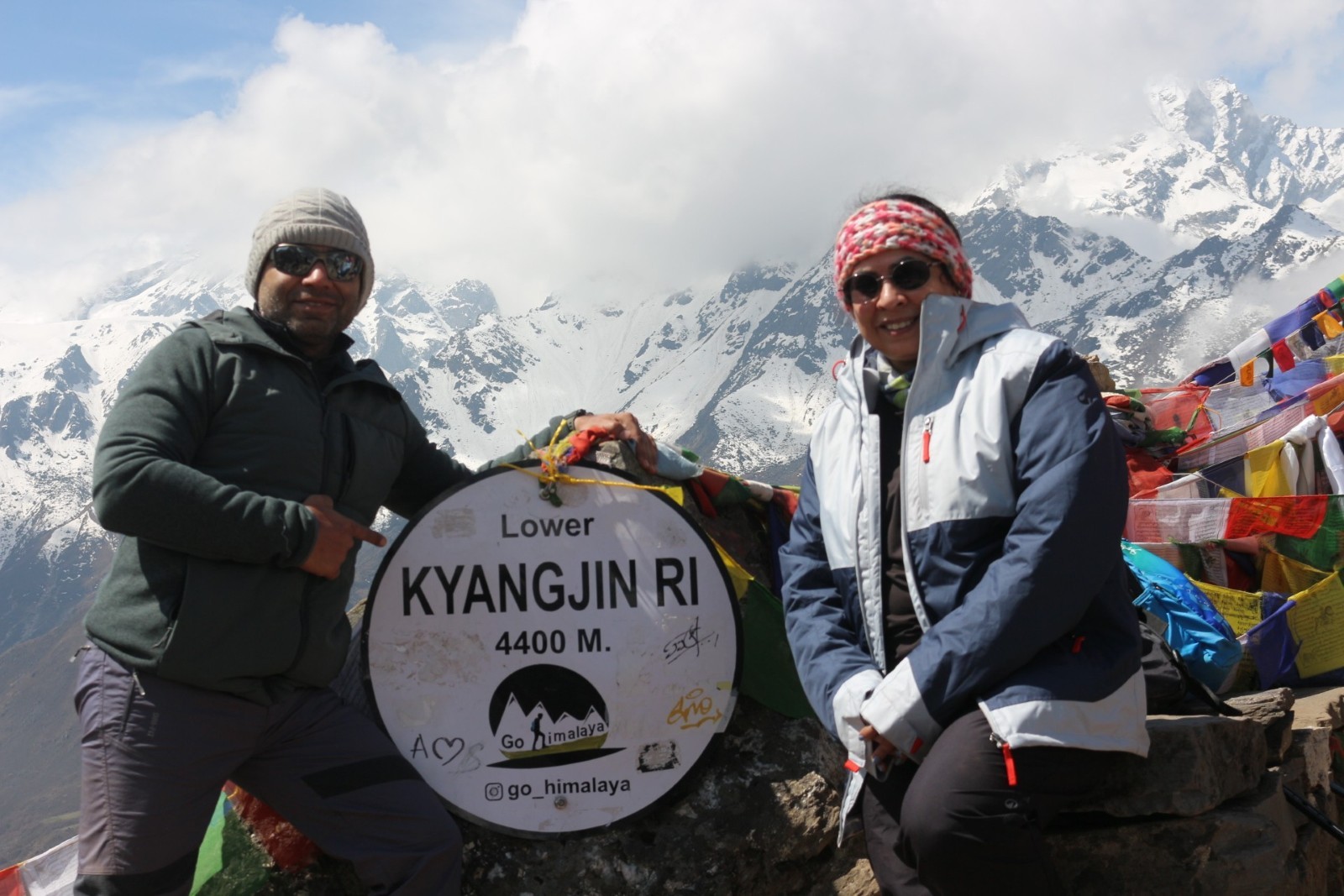
Likewise, your Tserko Ri elevation pack list must include a reliable headlamp with cold-resistant batteries for pre-dawn navigation. Additionally, pack a warm beanie, thermal gloves, and lightweight trekking poles for balance on scree. Consequently, pre-dawn summit push gear keeps you warm and stable during early cold hours.
| Item | Key Features | Purpose on Ascent |
|---|---|---|
| Headlamp | Lithium batteries, bright | Pre-dawn navigation . |
| Trekking Poles | Lightweight, adjustable | Balance on scree and steep trails. |
| Thermal Gloves & Beanie | Windproof, warm | Summit cold protection at 5,000 m. |
| Daypack Essentials | Water, snacks, extra layer | Energy for 4-6 hour round trip. |
Pre-Dawn Summit Push Preparation:
Summarily, these side trips become the jewels of your trek with proper gear. Gear up and make these ascents the pinnacle of your Langtang Valley Trek in November.
Here, you reach the teahouse weary yet satisfied, and nights challenge your preparation more than the trails. November remains busy enough that rooms fill and blankets run short in basic plywood accommodations.
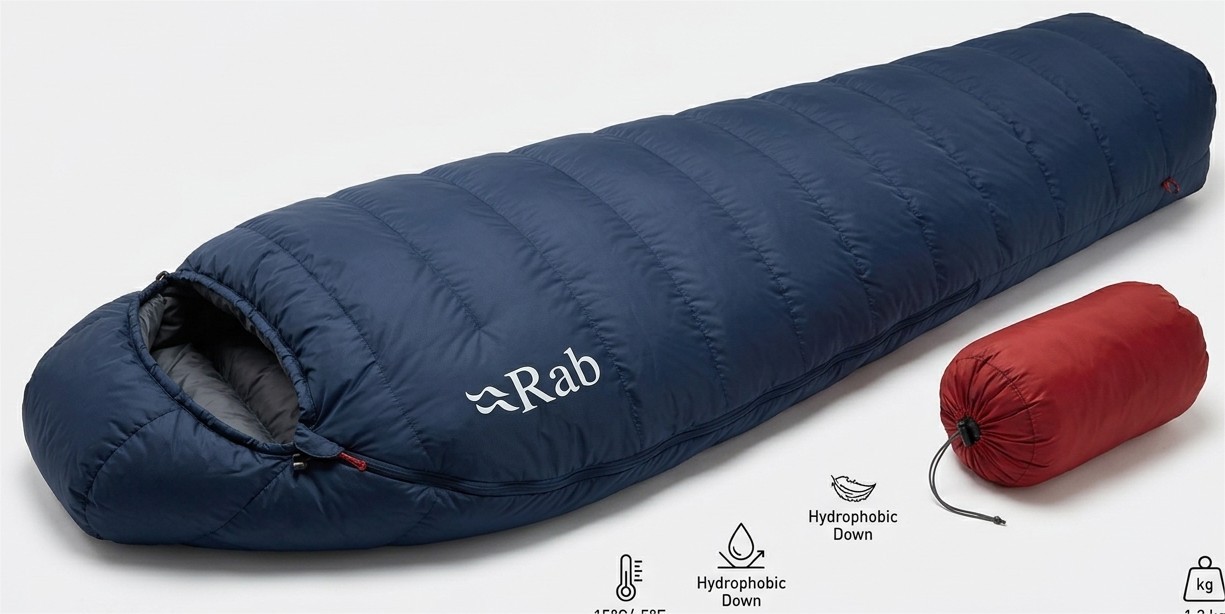
Actually, sleeping bag rating for October trek changes to a firm -10°C (14°F) minimum for November because temperatures drop lower and spare blankets prove insufficient. Consequently, your personal bag guarantees warm, hygienic sleep in unheated rooms, especially at Kyanjin Gompa (3,830 m / 12,565 ft).
Likewise, Langtang teahouse accommodation offers rustic charm, yet personal gear ensures true comfort and recovery.
| Item | Specification | Why Essential |
|---|---|---|
| Heavy-Duty Sleeping Bag | -10°C / 14°F, mummy style | Warmth when blankets unavailable. |
| Sleeping Bag Liner | Silk or cotton | Hygiene and extra insulation. |
| Inflatable Pillow | Compact | Better rest in basic lodges |
Mandatory Night Gear:
In summary, pack smart and sleep deeply so every day feels invigorating on your Langtang Valley Trek in November.
As you ascend into crystal-clear November skies, UV rays intensify because thinner air filters less. Consequently, protection becomes vital toward Kyanjin Gompa and higher elevations.
Here, UV protection sunglasses with polarized Category 3 or 4 lenses combat glare and prevent snow blindness. Moreover, apply high altitude sunscreen (SPF 50+) and lip balm with SPF regularly to stop burns and cracking in dry wind.
| Item | Key Features | Critical Use Area |
|---|---|---|
| UV Protection Sunglasses | Polarized, Cat. 3-4 | Open valley and summits above 3,500 m |
| High Altitude Sunscreen | SPF 50+, sweat-resistant | Face, neck, hands all day |
| Lip Balm with SPF | Moisturizing, 30+ SPF | Prevents chapping |
Skin and Eye Protection Bullets:
In conclusion, proper protection keeps you comfortable and focused on the scenery. Invest wisely and let the thin air enhance rather than hinder your Langtang Valley Trek in November.
As you venture higher and cold intensifies, devices become essential for navigation and memories, yet power proves challenging in November. Solar stations congest and lodges charge premium rates, so smart preparation saves money and hassle.
Here, a portable power bank 20000mAh delivers multiple charges reliably. Moreover, practice cold battery preservation by keeping devices in inner pockets or sleeping bags at night. Consequently, devices in teahouses stays stress-free.
| Item | Specifications | Best Use |
|---|---|---|
| Portable Power Bank | 20,000mAh+, fast charging | Multiple recharges on upper trails. |
| Lithium Batteries | Cold-resistant spares | Headlamp and backups. |
| Charging Cables | Extra lengths, protected | Teahouse and solar use. |
Electronics Tips Bullets:
Most importantly, master these tricks and remain connected even as mist rolls in around 3 PM. Reliable power supports safety and enjoyment on your trek.
Do I need a power bank for Langtang in November? Yes, especially with shared facilities under pressure.
With your pack ready and gear organized, the Langtang Valley Trek in November transforms into a seamless, memorable journey through crisp air and majestic peaks. Proper preparation eliminates discomfort and lets you absorb the deep glacial canyon’s beauty where mornings stay crystal clear.
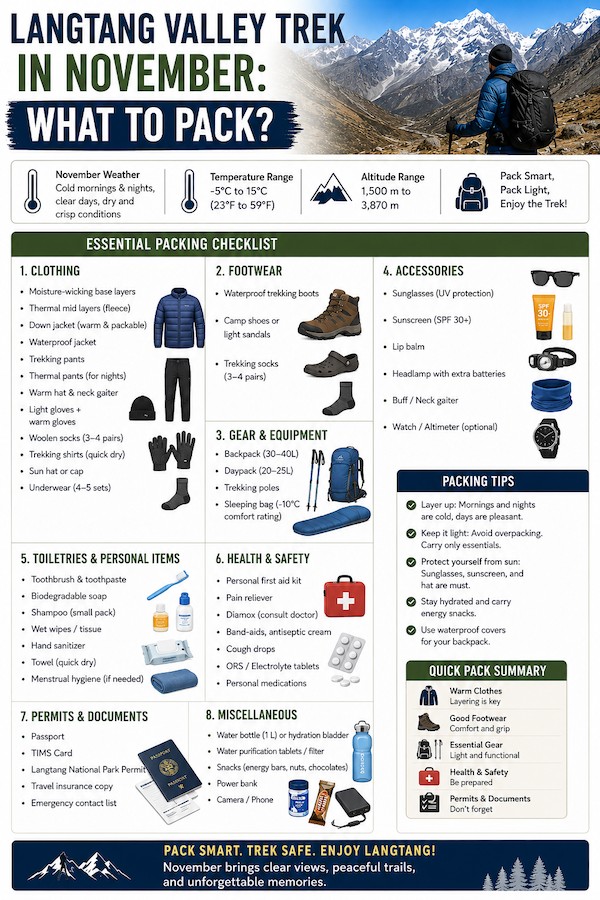
Here, your autumn trekking gear checklist accounts for every elevation shift from warm lower forests to freezing high camps. Consequently, you trek with confidence through steep climbs, biting winds, and chilly evenings.
Definitive Langtang packing list summary:
Footwear & Accessories :
Sleep & Camp Comfort :
Electronics & Protection :
| Trail Landmark | Average Elevation | Average November Night Temp | Essential Gear Layer Active |
|---|---|---|
| Syabrubesi | 1,550 m / 5,085 ft | 10°C to 13°C | Breathable Trekking T-Shirt & Shorts |
| Lama Hotel | 2,480 m / 8,136 ft | 4°C to 8°C | Mid-weight Fleece Pullover |
| Langtang Village | 3,430 m / 11,253 ft | -1°C to 3°C | Windproof Outer Shell & Beanie |
| Kyanjin Gompa | 3,830 m / 12,565 ft | -3°C to -8°C | Heavy Down Jacket & -10°C Bag |
Final Packing Tips:
In conclusion, with golden late-autumn light on Langtang Lirung as backdrop, meticulous preparation guarantees a deeply rewarding experience. Book your Langtang Valley Trek in November today and answer the mountains’ call fully equipped and excited.
1. Is a heavy down jacket required for the Langtang Valley Trek in November?
You need a down jacket to cope with the frigid night temperatures. Daytimes are surprisingly warm on the Langtang Valley Trek in November, but as soon as the sun goes down, temperatures plummet below the freezing mark, especially at kyanjin gompa (3,870m).
2. What thermal base layers should I pack for the Langtang Valley Trek in November?
Wear merino wool thermal base layers - at least two pairs. Thermals wick moisture away from your skin so you don't feel chilled, keeping you warm on even the cold alpine nights and they’ll serve as comfortable pyjamas too.
3. Which hiking boots are best suited for the Langtang Valley Trek in November?
Bring waterproof medium weight boots which provide support for the ankles – expect rocky, unpredictable terrain and stone steps along the way from starting point Syabrubesi (1,550m) up to kyanjin gompa. Make sure you’ve thoroughly broken them in before leaving kathmandu (1,400m)!
4. Do I need to bring a sleeping bag for the Langtang Valley Trek in November?
Definitely. Make sure your sleeping bag is rated down to -10 degrees C, otherwise you’ll be sleeping with chattering teeth during November. Although teahouses are equipped with blankets, they are often rather thin, so a four-season sleeping bag ensures maximum comfort especially in kyanjin gompa (3,870m) and Langtang Village (3,430m).
5. Should I pack rain gear for a Langtang Valley Trek in November?
Even though the monsoon season should be long over, you should still pack a water and windproof outer layer as sometimes autumn weather in the high Himalayas can be unpredictable, and sudden alpine showers can occur, particularly during the higher reaches like Tserko Ri (4,985m)
6. What kind of trousers are ideal for the Langtang Valley Trek in November?
Convertible trekking trousers will go a long way in the Langtang Valley Trek in November. The day and night-time temperatures can vary quite dramatically, so being able to convert to shorts on the warmer stretches in Syabrubesi (1,550m) will be very handy before extending them out for the later stage of the trekking trail.
7. How many pairs of hiking socks should I bring for the Langtang Valley Trek in November?
Pack around three to four pairs of woolen hiking socks. These keep your feet warm, dry, and comfortable to avoid any irritating rubbing or blistering on those long days hiking and also have a pair to sleep in.
8. Is a sun hat necessary for the Langtang Valley Trek in November?
Given the thinning air, UV radiation becomes incredibly intense at higher altitudes, making a wide-brimmed sun hat completely indispensable for protecting your skin from sunburn during the sunny days of the Langtang Valley Trek in November.
9. What type of gloves should be on my packing list for the Langtang Valley Trek in November?
Fingers get freezing on an alpine trek, therefore pack both thin liner gloves, along with a warmer, waterproof outer layer as it really makes a difference whether you decide on summiting viewpoint peaks like Kyanjin Ri (4,773m) orTserko Ri (4,985m), where chilly winds are particularly noticeable.
10. Do I need trekking poles for the Langtang Valley Trek in November?
Yes, as treks always bring downhill trekking,trekking poles will take some pressure off of your knees as you make your way down. This will be useful when descending from high up on Kyanjin Gompa(3,870m) to more populated villages like Lama Hotel(2,470m) on your descent back down to Syabrubesi(1,550m).
11. Should I pack a headlamp for the Langtang Valley Trek in November?
You’ll want a light headlamp in case of power outages (when the power is out at the local teahouses, and it tends to be on for most of the evening with the limited solar energy on offer). A torch is a must for those very early mornings, including for a trek up to the viewpoints for sunrise, for example kyanjin ri (4773m) for sure.
12. What size backpack should I use for the Langtang Valley Trek in November?
A 30-40-liter backpack should suffice if you intend to use the service of a porter to carry the rest of your equipment – if however, you’re going without the added help, then aim for a 45-50 litre day pack. This size pack will carry your basic amenities like water, toiletries, sunblock, a first-aid-kit, any valuables and snacks.
13. Are sunglasses required for the Langtang Valley Trek in November?
Eye protection at the high altitude is essential because when the sun comes into play there is really no relief, you have got the snow that shines up from the ground,and that plus the thin air the uv exposure can be serious in the bright sunlight for langtang lirung(7,227m)!
14. What water purification system should I pack for the Langtang Valley Trek in November?
Pack water purification tablets in order to keep you safe throughout the duration of your trek, and avoid the purchase of expensive bottled water which can also create waste. Filter or purify tap water that comes from the various sources you will find in Ghoda Tabela(3030m) along your walk.
15. Do I need to pack a quick-drying towel for the Langtang Valley Trek in November?
Quick-dry micro fibre towels are much more hygienic and can dry very fast even when the air up is a little more damp as it doesn’t get wet in the same manner that traditional towels do. These types of towels take up less space in the backpack too, which helps.
16. Should I pack personal medications for the Langtang Valley Trek in November?
Pack a personal first aid kit including any prescription medications you normally take, plus any additional essentials such as blister treatments (essential!), mild painkiller medications (such as paracetamol or ibprofen), and anti-altitude medication such as Diamox may also come in useful.
17. Is sunscreen necessary to pack for the Langtang Valley Trek in November?
Sunburn can be a real problem even if you use sun protection at sea-level so imagine what it would be like in the thinner, hotter air higher up. Sunscreen must always be applied regularly even in shady areas,especially in November due to its particularly strong sunlight.
18. What electronics and charging gear should I bring for the Langtang Valley Trek in November?
Due to the extremely cold weather on a trek at this altitude and time of year, batteries drain significantly quicker than expected!
Bring both an external battery (or power-bank) and enough fully charged camera batteries to ensure that you won't be out of power at a crucial moment, and it also works out much cheaper to be able to charge these rather than phones.
19. Do I need to pack cash for the Langtang Valley Trek in November?
ATMs don’t really operate beyond syabrubesi (1550m), so you're going to want to have all the cash that you possibly may need. This includes paying for accommodations along the route as well as meals and hot drinks, as well as potentially some extra cash for the purchase of any souvenirs.
20. Should I pack snacks like chocolates for the Langtang Valley Trek in November?
High energy bars or chocolate are an essential for keeping your energy levels up on the trail between stops and will ensure that you keep a positive frame of mind, especially when tired from a long day trek.
Our travel experts are ready to assist you with any questions.
Send us a message.Have a question before you book? Send your enquiry below and our travel experts will get back with the required information.