Which month, October or November, to choose for your Manaslu Circuit trek is arguably one of the most crucial decisions you'll make. Both falls firmly into the sweet spot of trekking, but each brings its own unique character to the mountain trails.
Why the choice is critical :
| Feature/Condition | October (Peak Balance) | November (Crisp & Quiet) |
|---|---|---|
| Average Temperature (above 3,500m) | Daytime: 8°C-14°C<br>Night: 0°C--5°C | Daytime: 3°C-8°C<br>Night: -5°C--12°C. |
| Mountain View Clarity | High (beautiful morning views) | Exceptional (crystalline all day). |
| Trail Crowd Levels | Maximum (teahouses packed) | Low to moderate (peaceful pacing) |
| Pass Crossing Difficulty | standard high altitude trek (dry scree) | Increased cold hazard (morning ice) |
Conclusion,
In fact, October is ideal if you prefer warmer weather and a lively atmosphere, while November is the choice for those who seek solitude and the sharpest mountain views.
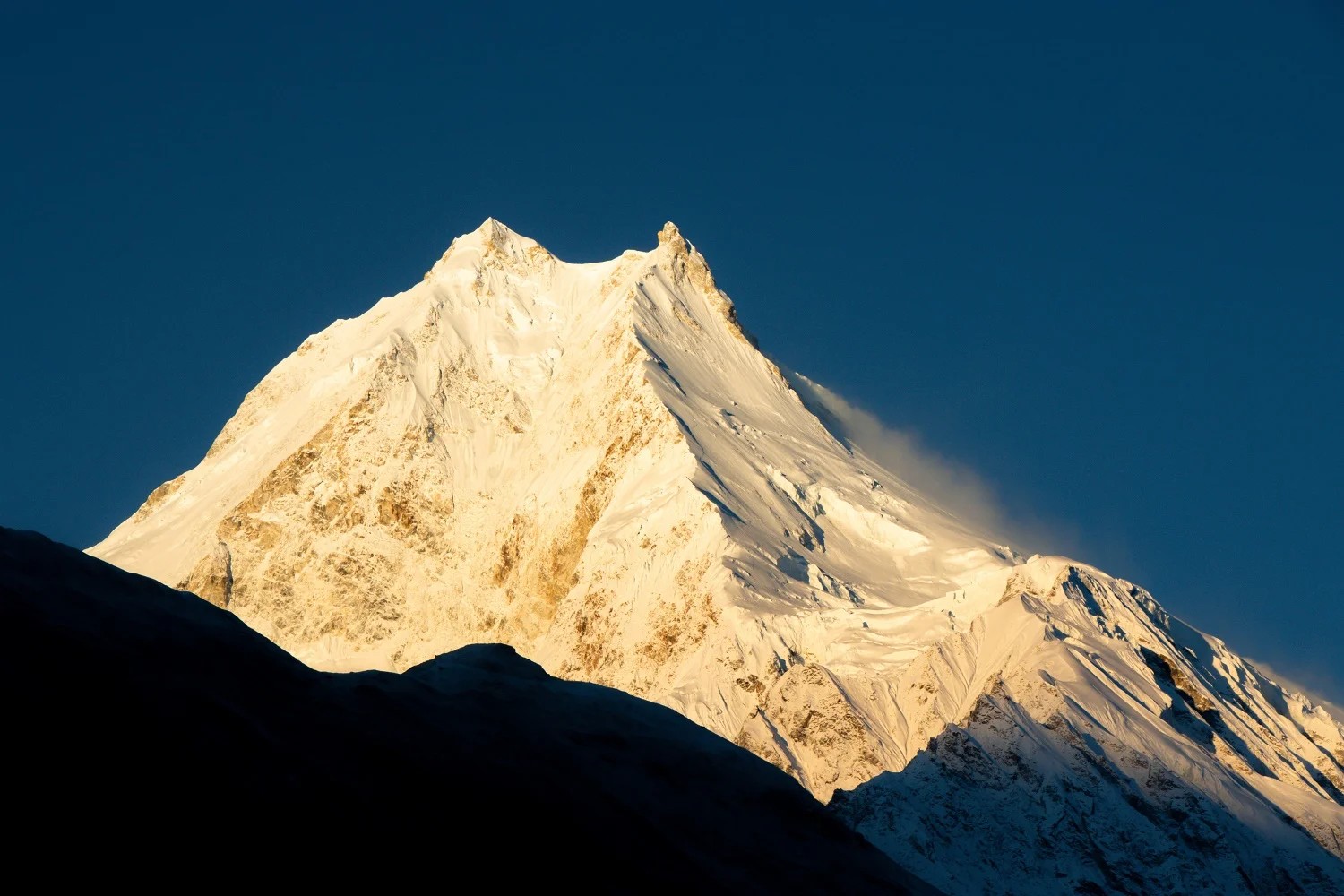
Perhaps the most significant tangible difference you'll experience when trekking the Manaslu Circuit in October versus November is the temperature. Moving from the lingering warmth of the post-monsoon season to the early winter bite significantly alters your daily comfort and packing list.
October Temperature Profile,
Expect mild days and cool nights in the lower parts of the trek, with the golden autumn sun still warming you at higher altitudes like Samdo and Dharmasala.
November Temperature Profile,
November sees a noticeable drop in the temperature. The days are cooler, and the nights at the higher camps become considerably colder. The crisp air, however, means visibility is excellent, but you'll need more insulation.
| Location / Elevation | October Day / Night Temp | November Day / Night Temp | Practical Implications |
|---|---|---|
| Jagat (1,340 m) | 18°C-22°C / 8°C-12°C | 14°C-18°C / 4°C-8°C | Mild in both, cooler in Nov. |
| Samagaon (3,530 m) | 10°C-15°C / -2°C--5°C | 6°C-10°C / -5°C--8°C | Noticeable cold at night. |
| Dharmasala (4,460 m) | 5°C-10°C / -5°C--8°C | 2°C-6°C / -8°C--12°C | Substantial temperature drop in Nov. |
| Larkya La Pass (5,160 m) | 0°C-5°C (daytime) | -5°C--10°C (daytime) | Heavy layering required. |
Key Takeaways :
Exprt Insight,
Having a local guide who is experienced with the late autumn conditions on Manaslu Circuit Trek is invaluable. They can predict unpredictable wind shifts, find you the warmest rooms in the teahouses, and adjust your itinerary as needed to keep you comfortable and safe in the colder November temperatures.
Conclusion
If you prioritize physical comfort and warmer days, October is your choice for Manaslu Circuit Trek. If you crave the sharpest mountain views and a more solitary experience, then November awaits, provided you're prepared for the biting cold.
Here, one of the biggest visual changes when comparing October and November treks on the Manaslu Circuit is the atmospheric clarity. The quality of light and the color of the sky shifts noticeably from the end of the monsoon season into the dry season.
Atmospheric Conditions in October,
October still reflects the lingering life of the monsoon, with thick green foliage and thundering waterfalls surrounding much of the route. There's still a fair amount of moisture in the air, making the landscapes saturated in vibrant greens. There may be occasional afternoon clouds building up, but the mornings tend to be clear enough to afford excellent mountain views.
Atmospheric Conditions in November,
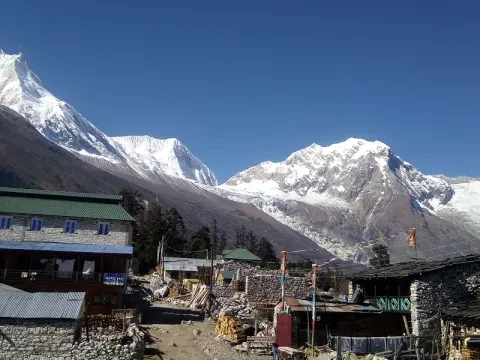
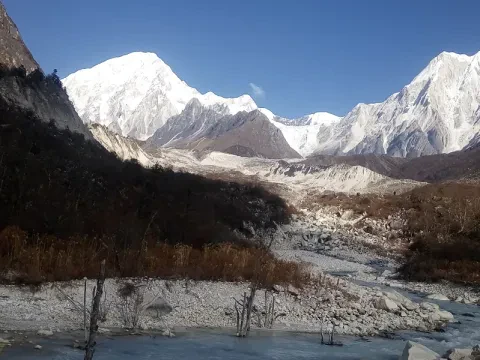
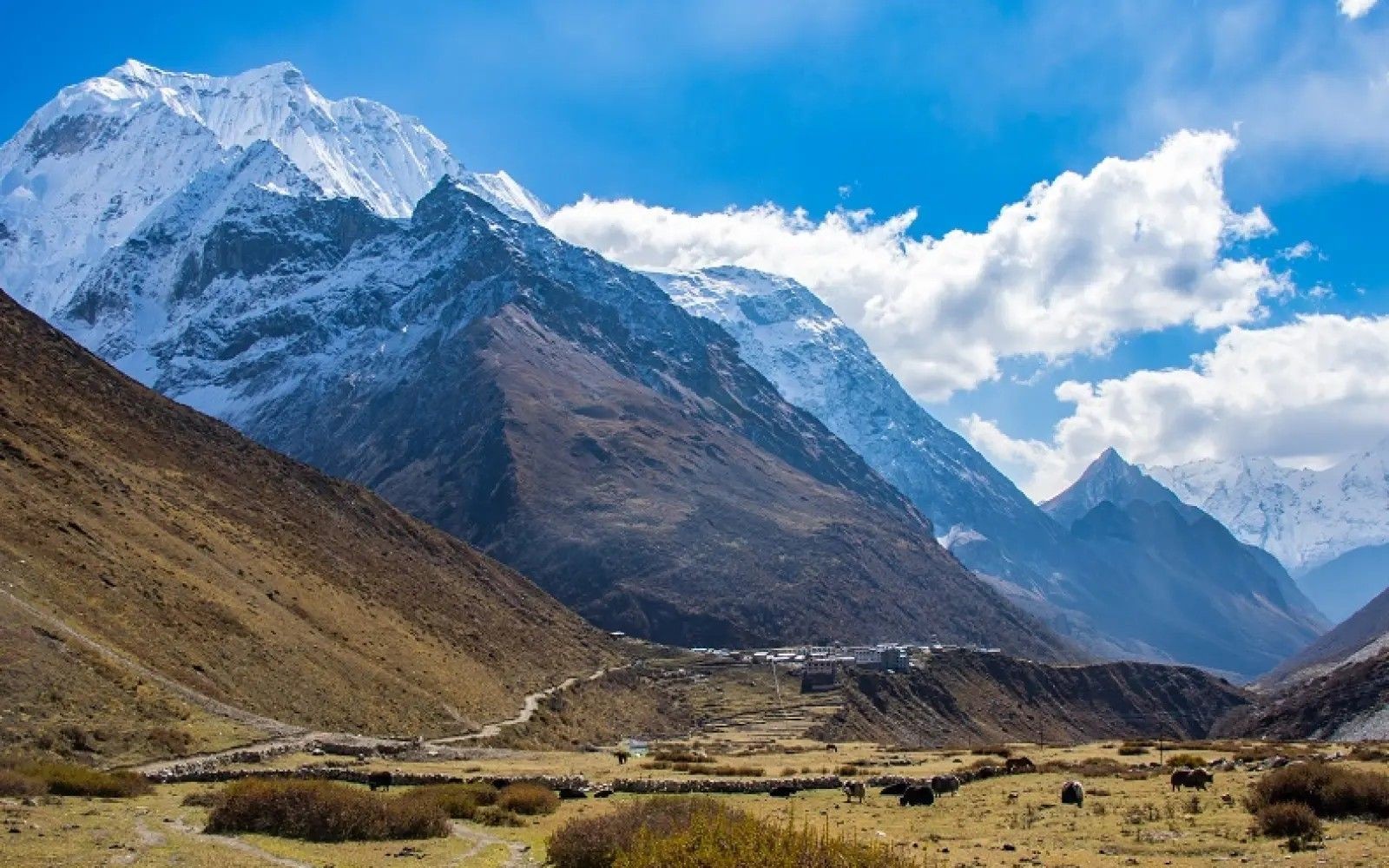
November, by contrast, offers pure, crisp, and completely dry air that allows for nearly 100% unobstructed and stark, clear views from morning to evening. This dry air means the sky turns an intense, deep blue, and contrasts are razor-sharp with peaks such as Mt. Manaslu (8,163m) and Ganesh Himal. Visibility is typically excellent from dawn to dusk.
| Metric | October | November | Winner |
|---|---|---|
| Overall Sky Clarity | Very Good (with some afternoon clouds) | Outstanding (dry, crisp air) | November |
| Mountain Sharpness | Good | Exceptional | November |
| Blue Sky Quality | Bright | Deep, saturated blue | November |
| Photography Conditions | Beautiful, soft lighting | Crisp, sharp, high contrast | November |
Photography Tips :
In summary, while October still gives you green landscapes and decent visibility, November offers unmatched clarity for crystal-clear mountain portraits and sweeping views. Pick the season based on your visual preferences!
Actually, the conditions of the trails themselves also vary significantly between October and November, impacting both safety and walking comfort.
Trail Conditions in October,
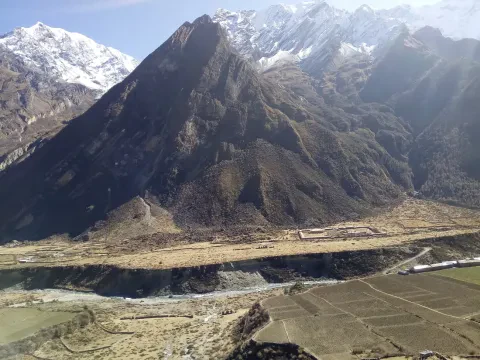
Trails in October are typically dry, well-trodden, and free of snow and ice. The ground offers firm support and excellent traction, making even steep and rocky portions of the trek easy and relatively low risk.
Trail Conditions in November,
By late November, however, the first hints of early winter can bring frost to high-altitude scree slopes. Ice patches may form in the mornings on the descent from Larkya La Pass, requiring much more careful foot placement. Trekkers venturing out later in November may need to consider microspikes to safely navigate these sections.
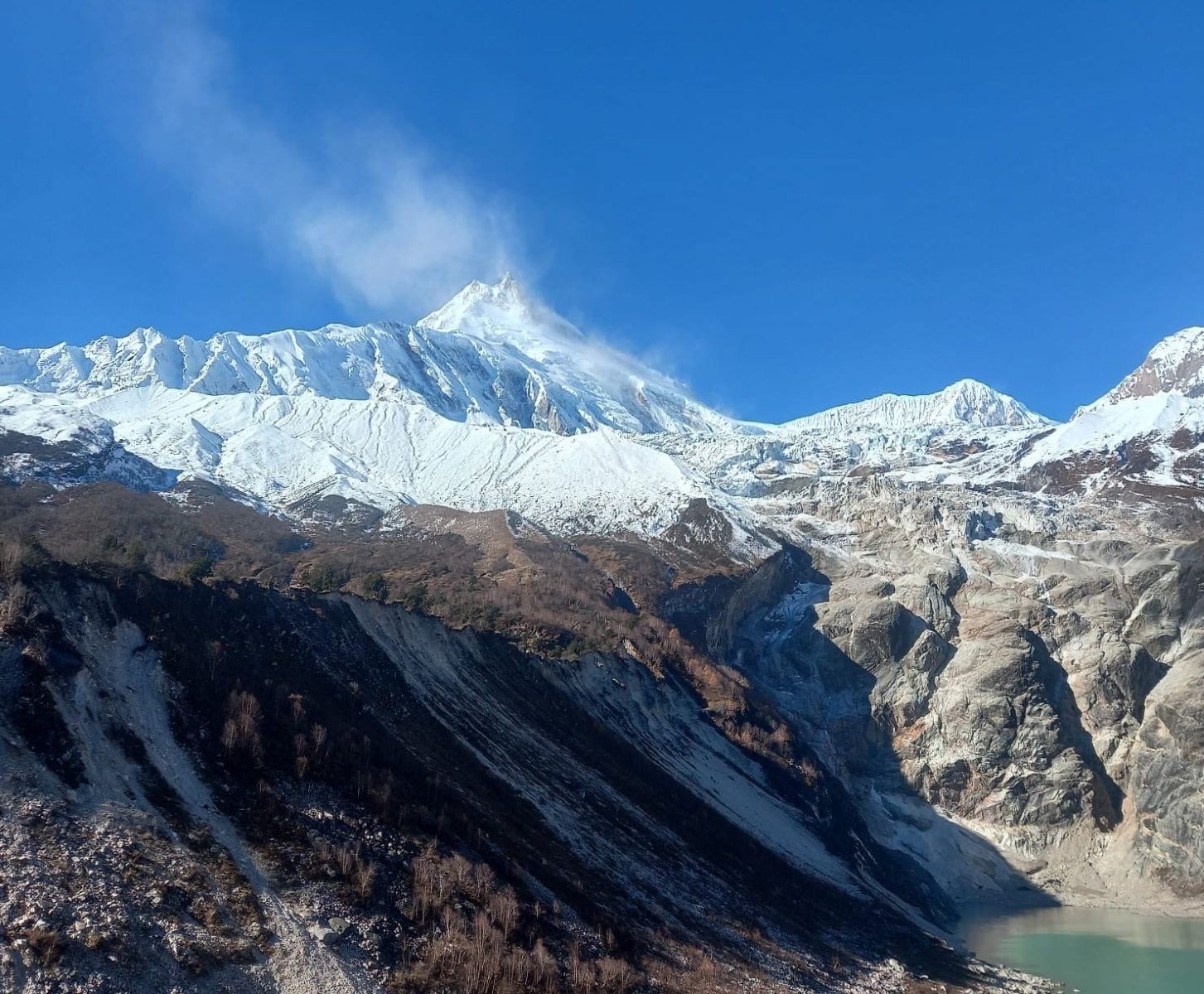
| Metric | October | November | Winner |
|---|---|---|
| Trail Surface | Dry & firm | Mostly dry, potential ice at higher elevations | October |
| Footing & Traction | Excellent | Good to Moderate (ice risk) | October |
| Safety on Steep Sections | High | Increased caution required | October |
| Larkya La Pass | Dry scree | Potential frost & ice | October |
Practical Advice :
In summary, October offers the most stable and forgiving trail conditions, while November's embrace of early winter demands greater attention and potentially extra gear for safe passage. Choose October for ease of footing or November for an early taste of winter trekking!
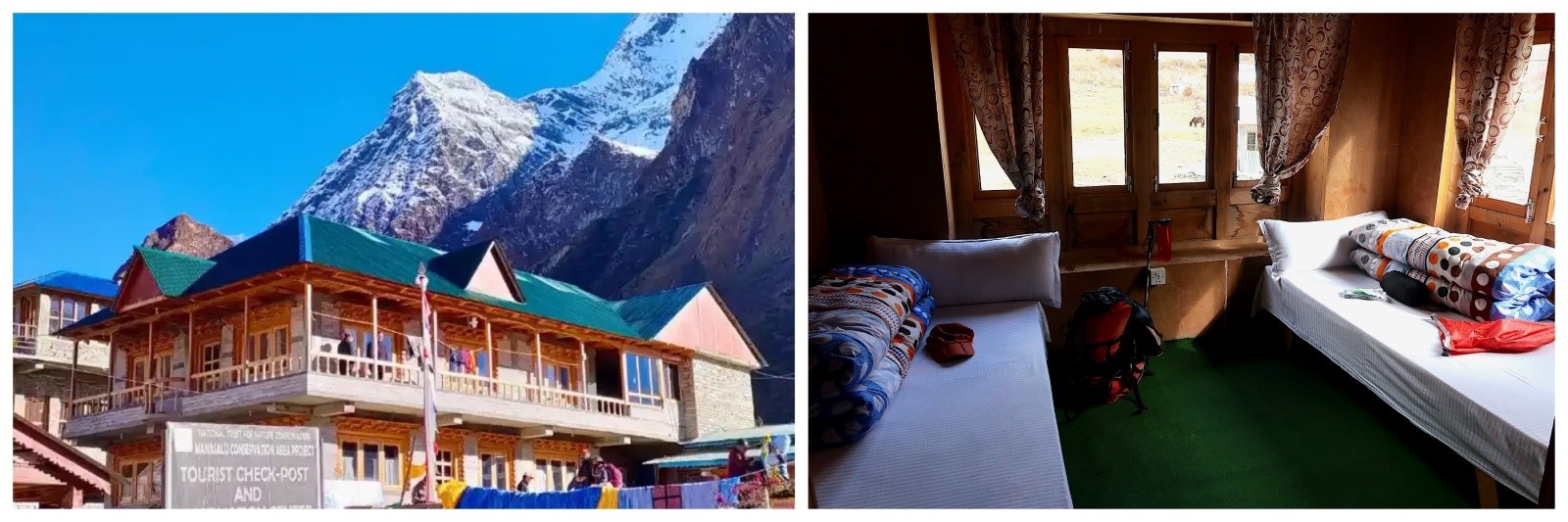
Meanwhile, teahouse availability is one of the most practical ways October trekking on Manaslu is different from trekking in November. There are limited rooms to rent at the many small villages, and the more available the rooms, the more comfortable you are at the end of each day.
Teahouses in October
In fact, October is the busiest season on the trail and teahouses at small hubs such as Lho (3,180m) and Samdo will be fully booked. If you turn up later in the day you may be forced to sleep in a dining room or be crammed into a room with other people, as groups can and do book well in advance, especially with so many independent travelers this month.
Teahouses in November
As the month is quiet you will easily be able to secure good corner rooms with fluffy blankets and lovely views. The relaxed environment is good, and teahouse owners have time for individual trekkers.
| Category | October | November |
|---|---|---|
| Room availability | Limited | Excellent |
| Booking | Mandatory beforehand | Walk-in generally okay |
| Room choice | Poor-limited choice | Good, with all rooms available |
| Overall atmosphere | Tense & uncomfortable | Relaxed & cozy |
Practical Advice :
Therefore October, when booking for accommodation, can be stressed and require detailed planning whereas trekking through November requires far less forward planning.
Actually, October is peak season on Manaslu and the restrictions mean that a premium is charged for going through it. So high demand means no bargains are to be had when booking a hot shower or a device to recharge; it all costs more with limited space to negotiate prices of food or rooms.
October Costs
October has a high price-hike as due to demand there are few bargain available for meals, transportation and accommodation. Rooms will have fixed and higher rates and for all those little extras, which are readily included in November, there will be a charge.
November Costs
As this month becomes slower you have a great chance to negotiate good rates at teahouses and at little shops. There is also more flexibility with charges and often free facilities such as showers can be provided.
| Expense | October | November | Comments |
|---|---|---|
| Permit cost | Fixed elevated rate | Fixed elevated rate | None. |
| Teahouse room charge | Highest available rate | Good to negotiate lower | Significant savings possible. |
| Meal (dinner+breakfast) | Standard peak season rate | Flexible | Possible to negotiate better rates. |
| Hot shower / device charger | Higher price | reduced price | Big savings possible. |
| Overall daily budget | High | Lower | Much more budget-friendly in November. |
Practical Advice :
Therefore, in October there are fixed rates due to a high demand, but the same price may not apply if travelling through November at Manaslu.
One of the most significant aspects of Manaslu Circuit trek, the management of daylight hours, will be significantly different between trekking in October and November, it will impact your day-to-day travel on the circuit and your enjoyment and safety:
October Daylight
Days of ample warm daylight make long stretches of this route pleasant to hike and allow for some flexibility in terms of late start and arrival.
November Daylight
In fact, November days are much shorter, requiring very early morning starts to make it to the next teahouse by the time that it gets dramatically colder at 4.30 PM (when the sun has essentially gone down in these regions, and a strong bite in the air appears). Starting at 6.00 AM for most people will be a normal start.
| Factor | October | November | Impact on your Trek |
|---|---|---|
| Number of hours of usable light | 11-12 | Approximately 10 | Lots more options and leniency in October. |
| Time of sunset typically | 5.30 PM - 6:00 PM | 4.45 PM - 5.15 PM | It gets dark quicker at the end of the day in November. |
| Recommended morning start time | comfortable, after sunrise | requires the most aggressive, pre-dawn start | the most meticulous planning is required in November. |
| Safety Margin | Higher | Lower (it gets bitterly cold very quickly after dark) | In October, you have more security regarding reaching a destination with ample daylight. |
Key tips :
In summation, October gives you more ample daylight and the ability to start the day at a more moderate pace; November gives you short daylight and the need to wake before the sun for safety and the possibility of a colder evening.
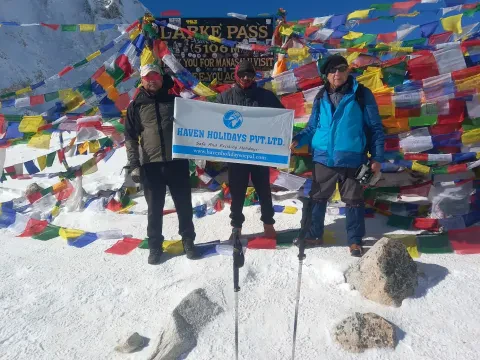
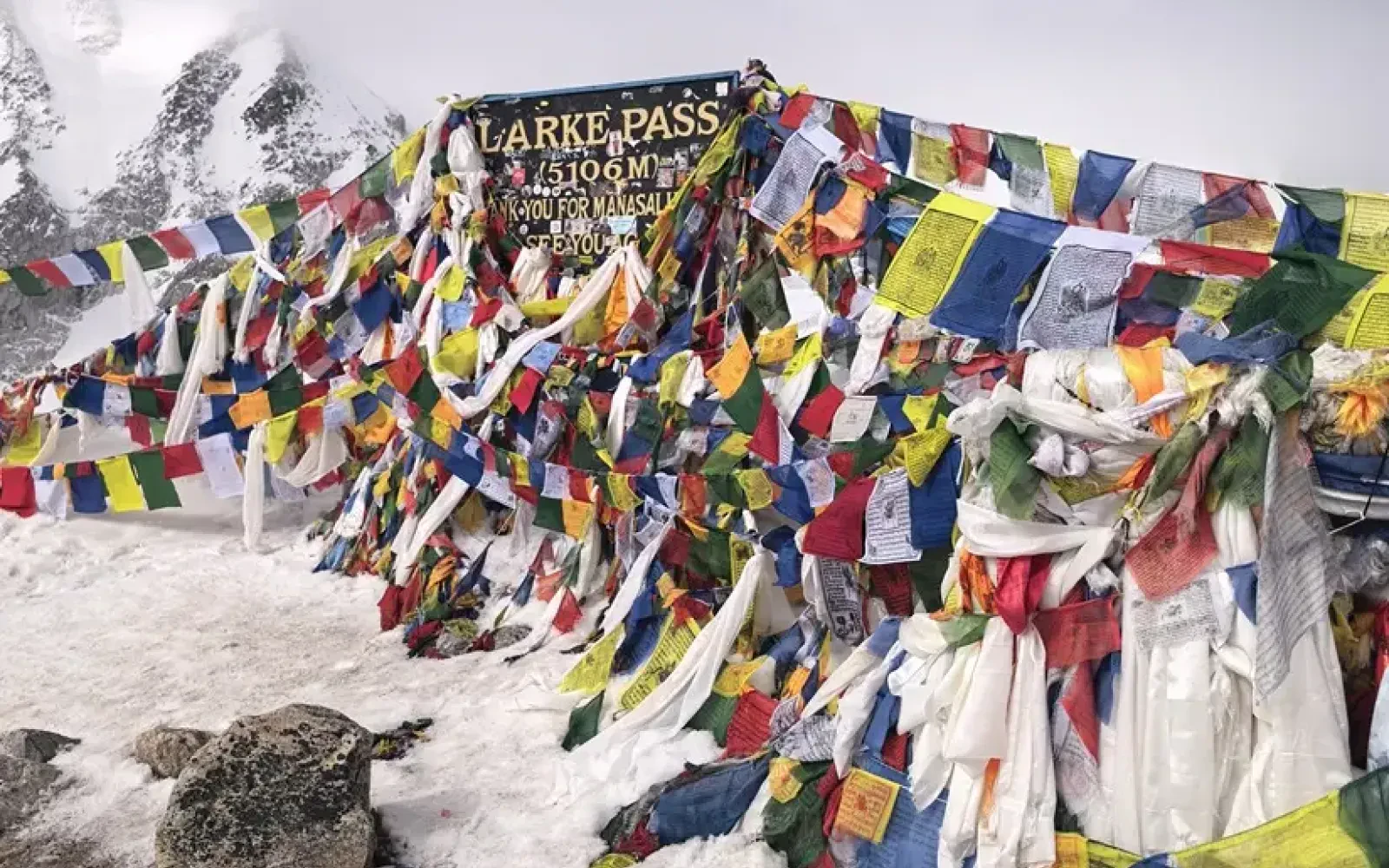
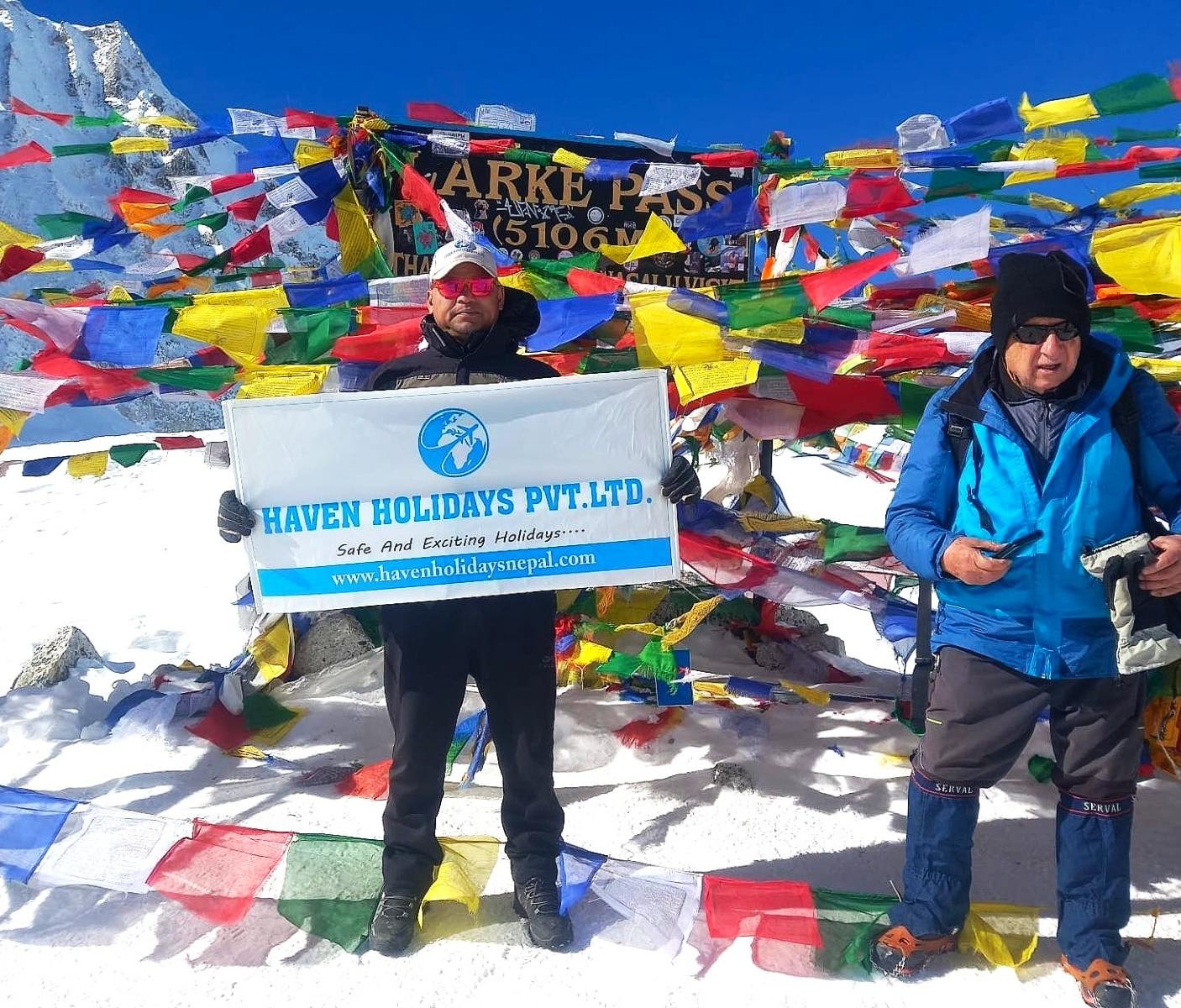
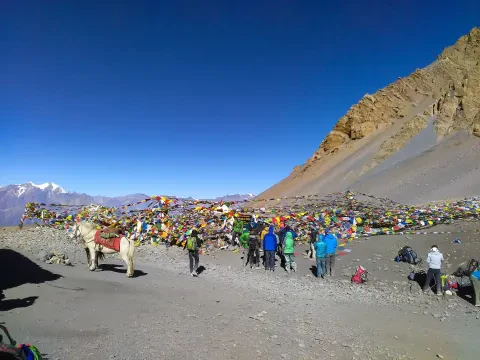
Meanwhile, crossing Larkya La pass at 5,106m (16,752ft) is a defining moment in the Manaslu Circuit trek, it will most certainly be the most difficult physical challenge on this journey and an opportunity to witness outstanding alpine terrain. Conditions are very different depending on whether you will be attempting this during the autumn season in October or early winter in November:
October crossing
If you are doing Manaslu circuit trek during October, your experience of Larkya La should be physically demanding and cold, but enjoyable with clear air at the summit and generally dry scree trail.
November crossing
If do Manaslu circuit in November, an October crossing is more comparable to a mountaineering undertaking and you should be prepared for biting morning wind chill at the summit, reaching as low as -15C, and requiring heavy-duty windproof clothing. Frost and potentially ice at the pass require increased caution and care.
| Factor | October | November | Best / Recommendation |
|---|---|---|
| Temperature at the summit | Cold but bearable | $-10C to -15C$, very cold | October. |
| Conditions on the trail | mostly dry scree and very stable | early frost possible, with likely ice patches | October. |
| Physical demand | high | very high (added cold plus wind) | October for the less cold resistant people. |
| Safety equipment requirement | standard high-altitude equipment | heavy winter layers, micro spikes mandatory | November. |
| Overall experience | very rewarding and possible | dramatic, a real challenge, maybe too challenging for some | Dependent on overall fitness level and tolerance for cold. |
Pass Day tips :
In summary, October provides a far less challenging crossing of Larkya La and an enjoyable alpine day while November provides a far more demanding mountain experience which will be suitable for those whose physical capabilities and weather tolerance will enable a pleasant journey.
In fact, the cultural flavor on the Manaslu Circuit takes a turn for the better between October and November, each month delivering a uniquely Himalayan experience.
October Cultural Vibe
Here, October often overlaps with Nepal's grandest low-country celebrations – Dashain and Tihar. The trekking entry points and lower villages overflow with activity; marigold garlands, festive music, and family gatherings abound. The lively essence of Nepali culture is palpable as you begin your trek.
November Cultural Vibe
Likewise, the major festivals have concluded by November, and the upper-mountain culture rises to the forefront. The Tibetan-Buddhist communities of the Nubri Valley embrace their quiet, authentic winter traditions. Old monasteries like those in Namrung become more contemplative, creating opportunities for profound and personal cultural encounters.
| Attribute | October | November |
|---|---|---|
| Festive Spirit | Lively (Dashain & Tihar) | Peaceful & post-festival |
| Village Life | Energetic & lively | Serene daily routines |
| Monastic Setting | Busy with trekkers | Deeply meditative & authentic |
| Overall Cultural Mood | Celebratory | Quiet & spiritual |
Cultural Immersion Ideas :
All in all, October is characterized by energetic celebrations and lively cultural encounters, while November fosters quiet contemplation and intimate connections with the mountain residents. Each month contributes significantly to the trek's richness.
Here, your packing list will change noticeably from October to November as the weather gets significantly colder.
October Packing Considerations
October's milder weather means you can get by with a standard layered clothing system. You'll be comfortably trekking with lighter insulating gear.
November Packing Considerations
November requires full-on winter equipment. You absolutely need a high-quality, down-filled parka, a -20C sleeping bag, thermals, and an insulated water flask to prevent your drink from freezing solid overnight.
| Gear item | October | November | Rationale |
|---|---|---|
| Down jacket | Medium insulation | Heavy-duty, high-loft parka | Bitter night cold |
| Sleeping bag | -10C comfort rating | -20C comfort rating | Freezing night temperatures at high passes |
| Thermal underwear | Standard quick-drying material | Dedicated thermal wear | Colder temperatures at elevation |
| Gloves & Hat | Light gloves and beanie | Warm wool or fleece set | Biting winds, especially at high elevations |
| Water bottle | Standard bottle | Insulated flask | To avoid freezing of liquids |
Key Packing Tips :
Ultimately, October calls for a more versatile, comfortable pack, while November mandates the use of serious winter layers and specialized cold-weather gear. Careful planning will ensure you stay warm and have a comfortable trek no matter which month you choose.
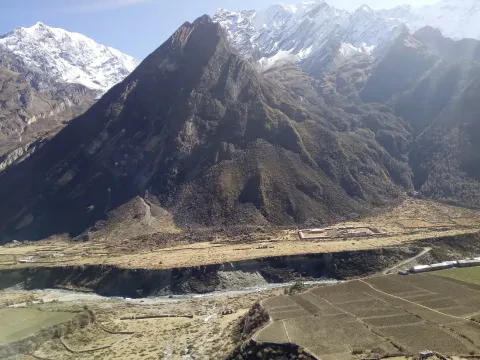
Here, logistics and transport are critical on any Manaslu Circuit trek, especially comparing October vs. November. The rough dirt roads leading from Kathmandu to the trailhead (Machha Khola) drive and from the exit point (Dharapani) out are directly affected by the monsoon.
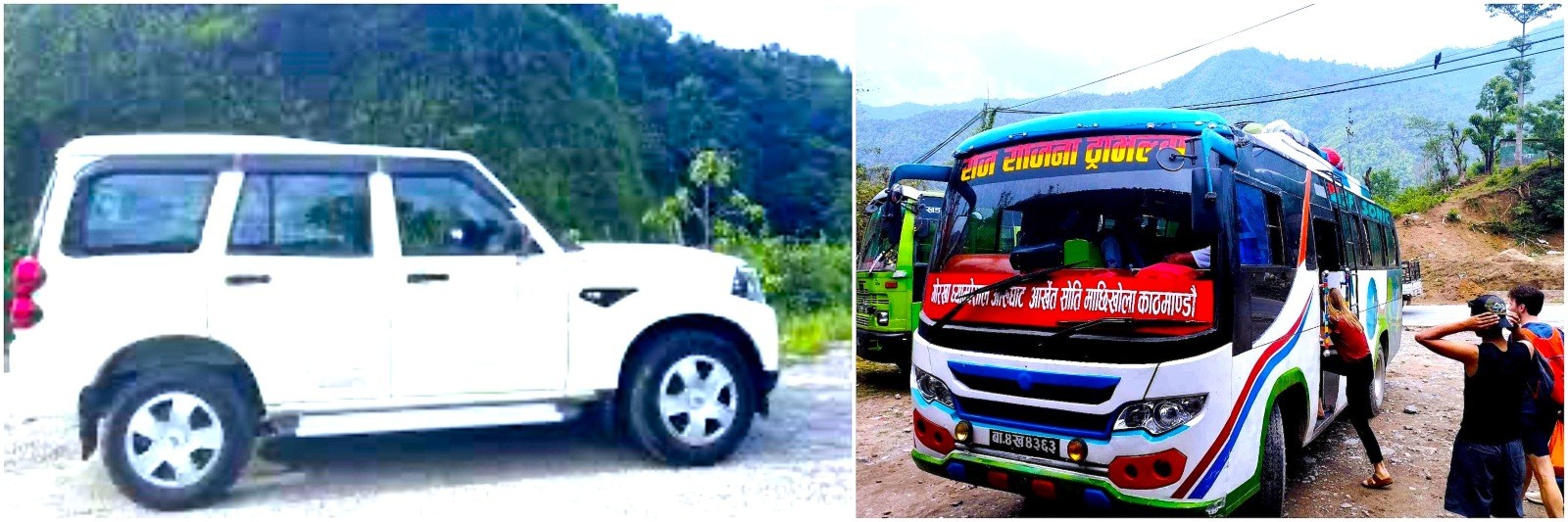
October transport reality
Since the month, October, comes just after the monsoon, residual mud, slight landslides, or soft ground can still impact the bumpy dirt roads. Jeep travel may be a bit slower and bumpier than in the following months, and final stretches to the trailhead may be delayed.
November transport reality
These roads are sun-baked and dry after weeks of continuous intense sunshine. The local jeep transport is more reliable and predictable.
| Route Segment | October Conditions | November Conditions | Practical Implication |
|---|---|---|
| Ktm to Machha Khola | Rough, potentially muddy and with possible delays | Dry, firm, and reliable | November smooth sailing. |
| Exit Dharapani to Pokhara | Slight monsoon damage possible | Much improved | November faster and more pleasant. |
| Overall Jeep Experience | Bumpy and slower | Reliable and efficient | November a definite winner for logistics. |
Key Logistics Tips :
Ultimately, November boasts clearly better road conditions and more reliable jeep transport than October; this comes down to planning.
Both October and November are outstanding months to undertake the Manaslu Circuit trek. The truth is, you cannot go wrong with either, and you'll have a truly memorable experience on the Himalayan plateau no matter what. The ultimate decision really boils down to matching your ideal trek experience and personal preferences.
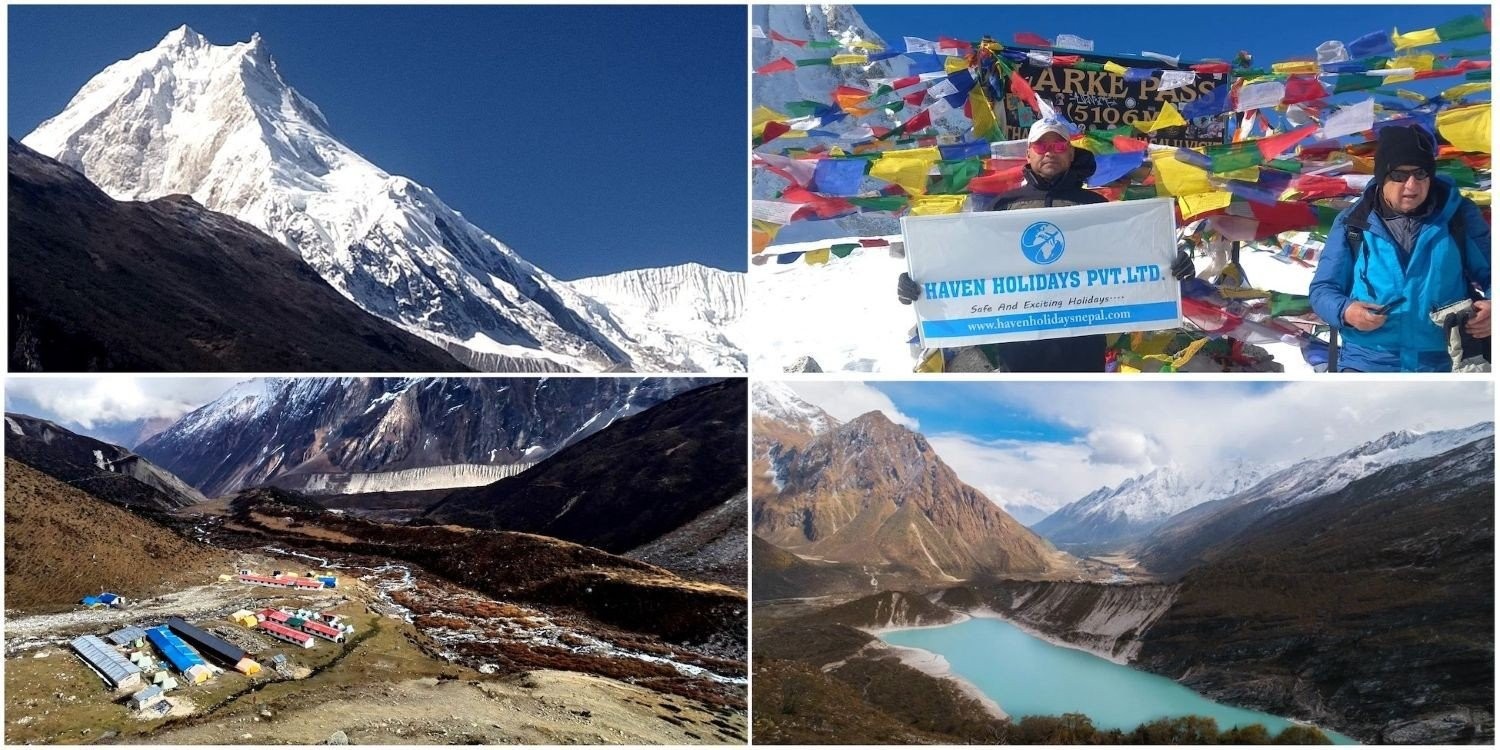
Choose October If You Want:
Choose November If You Want:
Final Recommendation :
| Factor | October | November | Winner |
|---|---|---|
| Weather Comfort | Warmer and more mild | Colder, especially at night | October |
| Mountain Visibility | Very Good | Outstanding | November |
| Trail Crowds | Moderate to High | Low to Moderate | November |
| Trail Conditions | Greener, occasionally muddy | Dry and firmer | November |
| Cultural/Festival Vibe | Festive | Calm and serene | Varies by personal preference |
| Overall Recommendation | Ideal for comfort and greenery | Ideal for clarity and solitude | - |
For an unforgettable and seamless Manaslu Circuit trek, no matter which month you choose, be sure to book with Haven Holidays. We will organize everything from dates to guides to help you have the best possible adventure.
1. Which is a better month to trek Manaslu: October or November?
It depends entirely on what you’re looking for on your Manaslu Circuit trek. October has warmer daytime temperatures, a beautiful post-monsoon green, and is considered the absolute prime season. November, while still considered autumn, has even crisper, drier air and stunning, clear blue skies, though mountain temperatures start to plummet quickly.
2. How is the weather on a Manaslu Circuit trek in October vs. November?
During an Manaslu Circuit trek in October, expect comfortable daytime temperatures at lower altitudes, cool even on the higher sections, and nights above 3,500m getting very cold. If you go on a Manaslu Circuit trek in November, expect chilly daytime temperatures, sub-zero nighttime conditions throughout the trek especially at campsites like Dharmasala and Samdo.
3. Is it safe to cross Larkya Pass in October or November?
Larkya Pass (5106m) is incredibly accessible during both October and November, with early November usually offering the most stable, clear mountain weather window. If trekking the Manaslu Circuit in October, you’re still at slight risk of early season post-monsoon snow squalls. By late November, icy, windswept conditions on the north side are much more likely.
4. How crowded is the Manaslu Circuit in October compared to November?
If you do the Manaslu Circuit in October, expect to be in the thick of peak autumn trekking season, meaning very busy trails and full teahouses. For the solitude seeker, the Manaslu Circuit in November opens up high alpine terrain without the immense throngs of other hikers.
5. How are the nighttime temperatures on the Manaslu Circuit in October vs. November?
When doing the Manaslu Circuit in October, nighttime temperatures above 3,500m usually drop to around 0C to -5C. On a Manaslu Circuit trek in November, this can plunge much lower to-10C or-15C on the higher passes, requiring you to pack a heavy duty down jacket and a 4 season sleeping bag.
6. Are teahouses open on the Manaslu Circuit during October and November?
All teahouses on the Manaslu Circuit are operating and welcoming trekkers in both October and November. A key difference for a Manaslu Circuit trek in October will be the full lodge occupancy, necessitating an early booking via a guide. In November, the trail will be much quieter, and most lodges are open until late November when some higher ones begin to shut down.
7. Do you require a different trekking permit for October compared to November?
The Manaslu Restricted Area Permit will cost $100 per week in October and November, and $75 per week from December 1st onwards. Thus, a Manaslu Circuit trek in November is more affordable for permits but October trekking does require paying the peak season price.
8. How clear are the mountain views during the Manaslu Circuit trek in October and November?
While a Manaslu Circuit trek in October guarantees spectacular panoramas of Manaslu and its surrounds due to clear skies post-monsoon, the air in November is remarkably drier, which creates an even clearer, more defined landscape image that is unparalleled for landscape photographers.
9. How much daylight do you get on the Manaslu Circuit in October vs. November?
A Manaslu Circuit trek in October offers plenty of daylight, longer hours, and warmth from the sun. As November sets in, the amount of daylight shortens significantly, and the sun begins to drop behind the mighty Himalayas much earlier in the afternoon, leading to cooler temperatures already starting around 3:00 PM.
10. Is it permissible to do the Manaslu Circuit solo in October or November?
No, trekking solo in the Manaslu region is not allowed any time of the year government-mandated regulations; however, the restrictions for a Manaslu Circuit trek in October or November include needing to be accompanied by at least one other trekker and having a licensed guide at restricted area entry points.
11. Are flights and jeeps likely to be delayed in October or November?
Given that both months are very dry seasons for the Himalayas, you should not expect significant flight or jeep delays when completing a Manaslu Circuit trek in October or November. Early in the Manaslu Circuit trek season in October, there’s always a chance of road closures due to lingering monsoon landslides on the rough drive into Machha Khola, but November is completely safe from such disruptions.
12. Do you need to pack different items for the Manaslu Circuit trek in October vs. November?
A Manaslu Circuit trek in October requires a standard packing list, though you’ll need to be prepared with warmer sleeping gear as you ascend. A Manaslu Circuit trek in November will demand more serious, thermally insulating trekking layers, particularly for the hands and feet, and will necessitate warmer, waterproof outer layers.
13. How does the autumn landscape transform between October and November?
In a Manaslu Circuit trek in October, you are still hiking through sub-tropical forests that, higher up, turn into alpine meadows glowing gold. By November, however, the green color begins to fade into more rugged, arid, and classic high-altitude landscapes.
14. Are there specific festive cultural traditions you can see on the Manaslu Circuit in October or November?
October usually aligns with Nepal’s biggest festivals, such as Dashain and Tihar, so you might be fortunate enough to experience these in the lower villages, but this will mostly occur in villages off the trekking route on the drive in and out. On a Manaslu Circuit trek in November, however, you may be fortunate enough to witness Tibetan Buddhist communities preparing their homes and yaks for the winter season in the higher reaches like Samagaon.
15. Which month is better to cross Larkya Pass without any ice on it?
If your sole aim is to avoid all possible snow and ice on Larkya Pass, an early Manaslu Circuit trek in October is usually your best bet. Late November brings significant ice to the northern slopes of Larkya La, making ice axe, trekking pole, and sturdy hiking boot absolutely mandatory for the traverse.
16. How is the availability of water on the Manaslu Circuit in October versus November?
Water flows in abundance and hot showers are easy to get on a Manaslu Circuit trek in October. In November, water pipes on higher lodges (e.g., Dharmasala 4460m) can freeze up overnight due to extreme cold, meaning you’ll have to rely solely on paid, boiled bucket water, an added cost for your trek.
17. Will you get more altitude sickness in October or November on the Manaslu Circuit?
Altitude sickness on the Manaslu Circuit trek affects individuals regardless of the time of year, so the risk will be the same in October and November. However, colder November air might add physical fatigue which could increase the chance of getting altitude sickness.
18. What is the average walking distance of the Manaslu Circuit trek in autumn?
Regardless of when you go, you will be walking 5-7 hours every day for an average Manaslu Circuit trek distance of about 177 km (110 miles). The cooler temperatures in November actually make the lower sections a much more enjoyable walk.
19. Is the Manaslu Circuit trek more expensive in October or November?
The guided trek cost for your agency will not fluctuate significantly between October and November; however, in November you may pay higher prices in teahouses, including an added heating charge or for extra water, while October treks are already booked so long in advance that agencies may pass those prices onto the trekkers.
20. Final answer: Is October or November better for a Manaslu Circuit trek?
To put it simply: choose October if you favor warmer weather, lush valleys, and a more festive and crowded trail; choose November if you are looking for a solitary trek through rugged, arid, and awe-inspiring landscapes with flawless mountain photography opportunities, at the cost of frigid nighttime temperatures and ice on the trails. Do not change the questions please
Our travel experts are ready to assist you with any questions.
Send us a message.Have a question before you book? Send your enquiry below and our travel experts will get back with the required information.