Here, September, a veritable weather chameleon on the Mardi Himal Trek, calls for a hybrid packing approach. This is that golden month that beautifully straddles the divide: warm and sticky lowland air giving way to crisp, bracing alpine breezes as you ascend. Forget static outfits; think smart layering!
The trails, lush and vibrant in the wake of the monsoon, beg for exploration from Kande through to High Camp.
But therein lies the conundrum: you’ll need to contend with muggy jungle walks and then, just a short distance away, face sub-zero dawn temperatures on the ridge. September, however, remains a highly appealing choice for trekkers, offering a less crowded, more budget-friendly experience than its October counterpart, all punctuated by spectacular green scenery, provided you're armed with the correct attire.
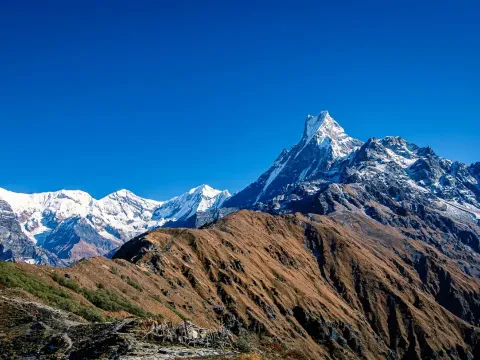
Why Mardi Trek in September Needs Special Packing :
| Packing Variable | Early September (Sept 1-15) | Late September (Sept 16-30) |
|---|---|---|
| Rain Protection | Critical – pack a robust hardshell and a poncho | Less crucial; a lightweight shell will likely suffice. |
| Leech Defense | Highly recommended in the forest sections | Minimal risk; the trails become noticeably drier. |
| High Camp Warmth | A standard mid-layer may be sufficient | Prepare for chilly nights; heavy down jacket and thermals are necessary. |
| Alpine View Clarity | Sporadic morning windows offer brief glimpses | Flawless, crisp all-day panoramas are the norm. |
Do I need a sleeping bag for Mardi Himal in September?
Absolutely, while lodges supply blankets, a reliable -10C sleeping bag ensures a hygienic and cozy night’s sleep, fending off the icy tendrils that sneak into inadequately heated rooms as mountain winds blow. For your own comfort and peace of mind, it’s strongly advised.
Likewise, the narrow, knife-edge ridge that characterizes much of the Mardi Himal route means staying attuned to weather conditions is paramount. Therefore, engaging an experienced local guide or booking through a reputable trekking agency is undeniably the wisest course of action. They possess the on-the-ground insight to navigate unexpected weather changes, keep you safe and on track even in morning mist, and ensure you snag the most coveted warm rooms at High Camp.
To sum it up, September presents an enchanting opportunity for the Mardi Himal Trek, combining verdant landscapes with clear, uncrowded mountain vistas. However, success hinges on adopting a carefully curated hybrid packing strategy to seamlessly transition between warm lowlands and frigid high altitudes. With foresight and the right equipment, your adventure will be not only unforgettable but also remarkably comfortable.
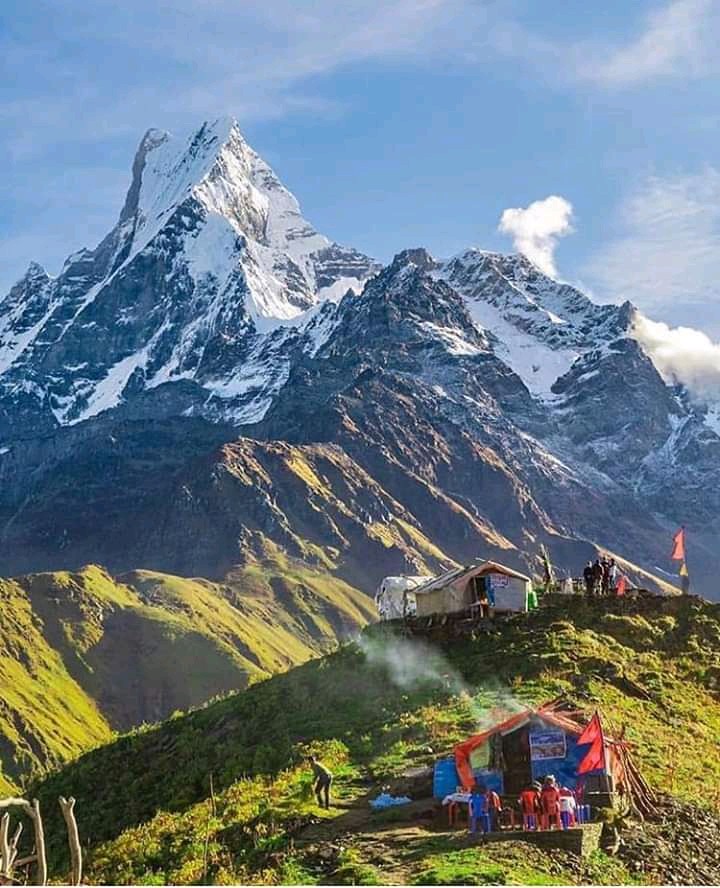
Actually, the weather on the Mardi Himal Trek undergoes a dramatic transformation with increasing altitude. Understanding this temperature gradient is fundamental to packing efficiently. Start at the Kande trailhead (elevation 1,770 meters) where September days can be gloriously balmy, approaching 22 degrees Celsius. However, as you ascend nearly 2,400 meters to the High Camp (3,550 meters) via the precipitous ridge, the atmosphere grows decidedly cooler, especially as evening descends.
Lowland Weather :
High Ridge Weather :
| Section | Day Temperature | Night Temperature | What You Need Most |
|---|---|---|
| Lower Trails (Kande area) | 18-24C | 10-15C | Light, quick-dry shirts |
| Mid Ridge (Low Camp) | 12-18C | 5-10C | Fleece jacket + shell layer |
| High Camp & Viewpoint | 5-12C | 0-5C | Heavy down jacket & warm layers |
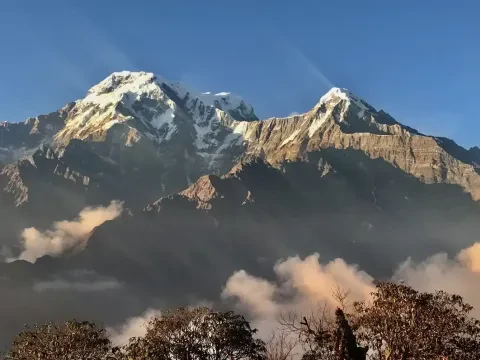
Here, the key takeaway is the necessity of layers. Begin with a few lightweight, synthetic t-shirts for the initial warm leg of the journey. As you gain elevation, introduce a mid-layer like a fleece jacket, and finally, layer with a substantial down jacket to combat the icy pre-dawn chill on the ridge. This layering system allows you to adapt to the varying temperatures throughout the day and night.
Given the exposed nature of the narrow ridge, weather can shift with astonishing speed. Trekking with a knowledgeable local guide becomes indispensable, as they possess the acute awareness to monitor cloud patterns and adjust your itinerary for optimal viewing at the viewpoint.
In summary, by comprehending the ever-changing climates encountered on the Mardi Himal Trek, you can pack appropriately for September. You’ll require versatile layers to tackle warm lowlands and snug insulated wear for the colder heights. Smart packing, coupled with sound planning, will guarantee a beautiful and comfortable ridge walk culminating in a breathtaking sunrise experience.
Because temperatures on the Mardi Himal Trek are constantly doing the cha-cha (from tropical foothills to icy ridges and back again in what feels like seconds), you're going to want a basic, three-layer system. Think of it as your body's Swiss Army knife for mountaineering weather. This system makes trekking way more pleasant by adapting quickly to the ever-changing conditions. And getting the right clothes is KEY.
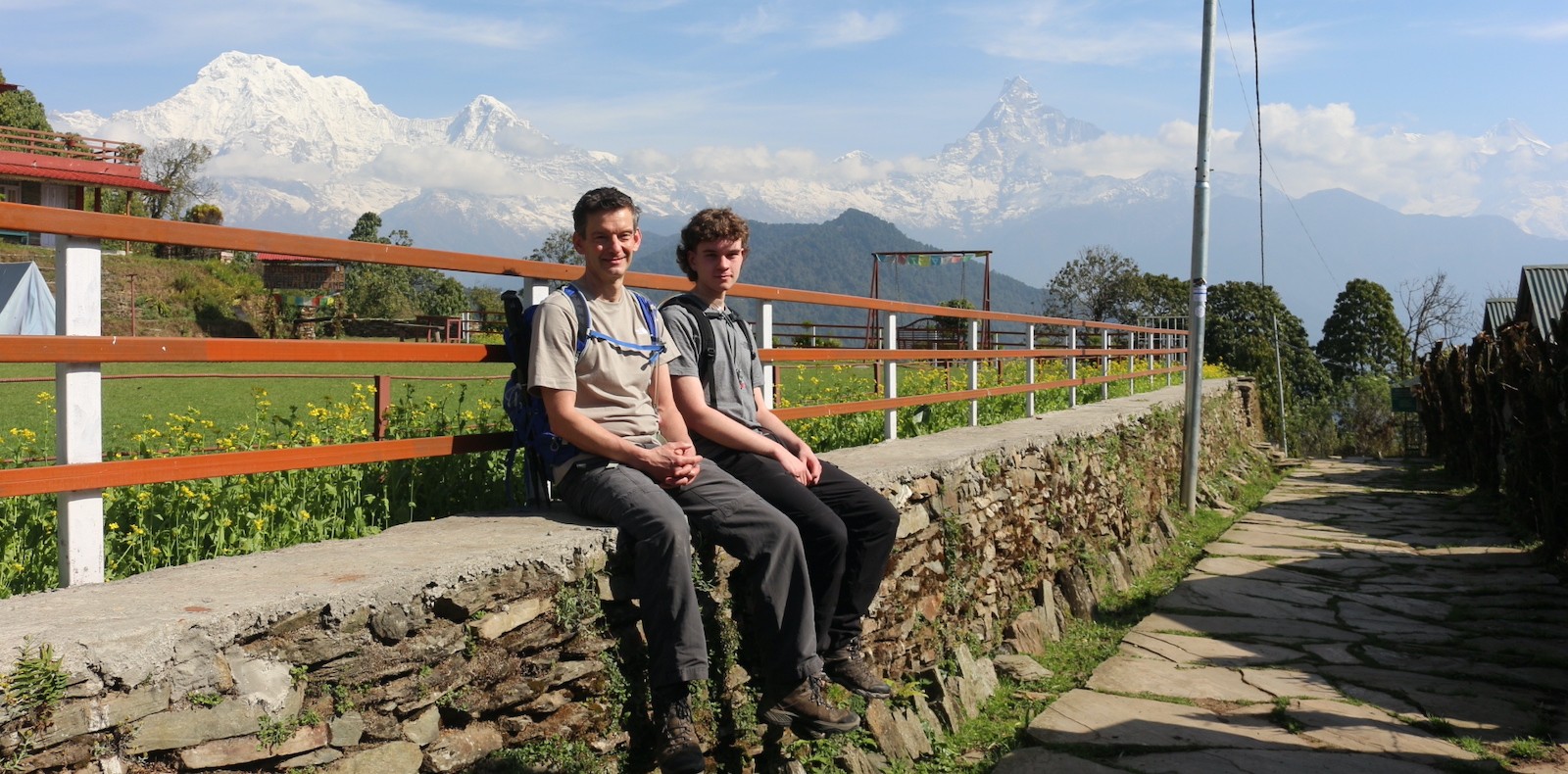
Why It Works Wonders :
Your Secret Weapon: Ditch the Cotton (seriously),
Cotton, a notorious sweat sponge, will leave you feeling like you're wearing a damp rag for hours on a humid September day, especially when a breeze hits. Instead, embrace the glory of moisture-wicking base layers made from synthetic fibers or merino wool. They pull sweat off your skin and dry at the speed of light, keeping you dry and happy even when your heart rate is sky-high on a steep climb.
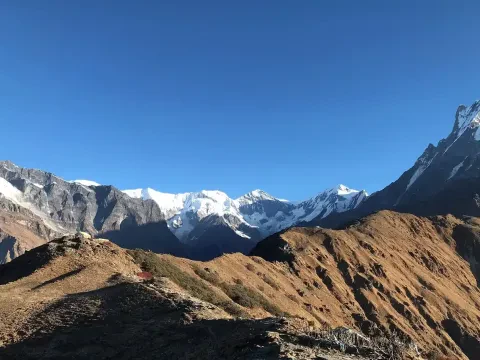
Layer Up with a Fleece Friend.
Your mid-layer should be a breathable fleece jacket. It adds just the right amount of warmth when the mercury dips but is light and compact for carrying. Throw it on when it gets breezy, for chilly rest breaks, or as a comfy alternative when things aren’t frigid but could be. Bonus: Its breathability prevents you from boiling over during ascents.
The Ultimate Outer Shell
Finally, pack a technical, windproof and somewhat water-resistant jacket. This bad boy is your shield against those notorious sudden gusts of wind and any unexpected drizzle that might roll in on a mountain afternoon. The weather here can turn on a dime, so this layer is non-negotiable.
| Layer | What to Bring | How it Rocks Your World in September |
|---|---|---|
| Base Layer | Synthetic or merino wool shirt | Wicks away sweat, dries super quickly |
| Mid Layer | Breathable fleece jacket | Provides warmth without bulk |
| Outer Shell | Windproof and water-resistant jacket | Fends off wind and light rain |
Adding or shedding layers from this simple ensemble will keep you comfortable no matter what the mountain throws at you, making your trekking experience far more enjoyable and less like a battle with your own thermostat.
In a Nutshell,
The three-layer blueprint is your indispensable guide to managing the wildly fluctuating temperatures of the Mardi Himal Trek in September. By strategically deploying moisture-wicking base layers, a cozy fleece mid-layer, and a dependable outer shell, you'll stay dry, toasty, and upbeat all the way to the top.
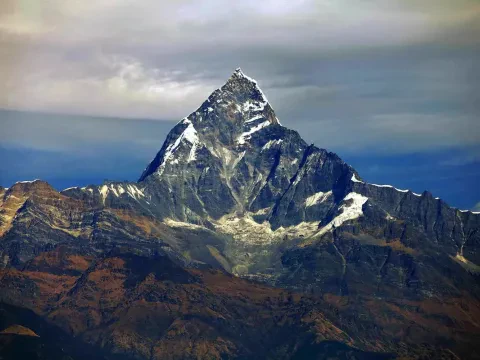
Here, the forested stretches between Kande and Forest Camp are a bit of a dark, damp wonderland in early September, so bring your rain protection! These trails are often cool and muddy thanks to the lush canopy, which also means more chances of afternoon showers. Staying dry and mud-free here makes all the difference.
Why Rain Protection Is Your New Best Friend Here
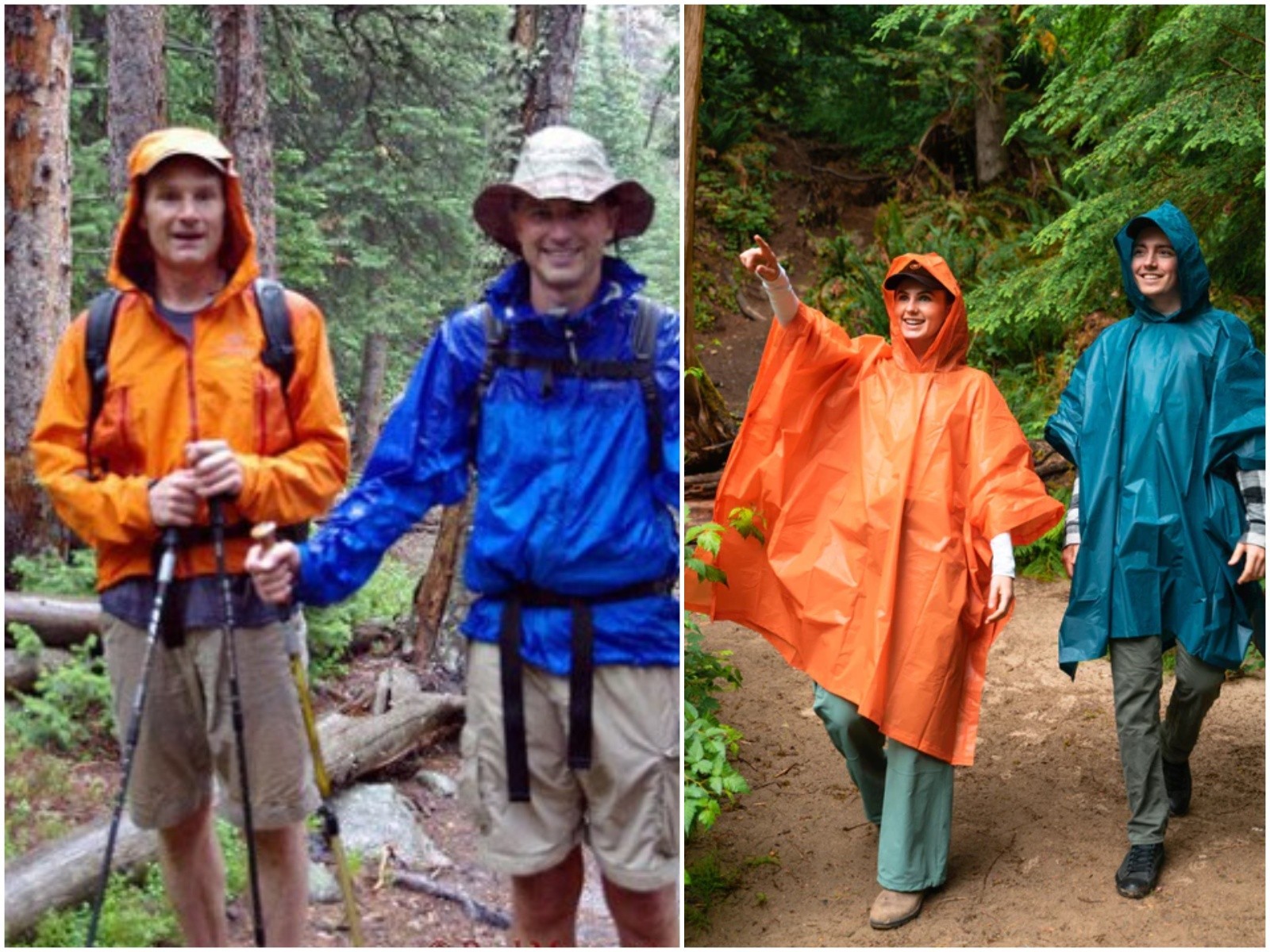
Suit Up for the Showers
Here, you’ll want a lightweight, highly breathable hardshell jacket with a serious commitment to waterproofing. It’ll shield you from those pesky afternoon showers but, more importantly, won’t make you feel like you’re hiking in a personal sauna during the climb. And, of course, it’ll fold down small enough to toss in your daypack.
Likewise, many trekkers also appreciate a simple, lightweight rain poncho. It can be deployed in a flash to cover both you and your backpack, especially useful when the heavens open up unexpectedly beneath the trees.
Protect Your Prized Possessions,
And don’t forget a quality backpack rain cover! This humble item is the ultimate line of defense for your clothing, electronics, and snacks, ensuring they stay completely dry even if it starts chucking it down.
| Gear Item | Your Go-To Why | How to Work it Like a Pro |
|---|---|---|
| Hardshell Jacket | Blocks rain and wind, stays breathable | Slap it on when the rain begins |
| Rain Poncho | Fast cover for you and pack | Quick deploy for sudden deluge |
| Backpack Rain Cover | Keeps your gear bone dry | Always tuck it into an accessible pocket |
Importantly, these items aren’t cumbersome, but they’re game-changers for navigating the shaded and sometimes soggy trails of the lower Mardi Himal. You’ll be free to enjoy the verdant beauty surrounding you without the discomfort of getting drenched.
The Takeaway,
Most importantly, robust rain gear and adequate mud protection are your allies on the lower routes of the Mardi Himal Trek in September. With a well-chosen, breathable hardshell jacket, a versatile poncho, and a reliable rain cover for your pack, you can confidently tread the damper trails, staying dry, comfortable, and focused on the magic of the trek.
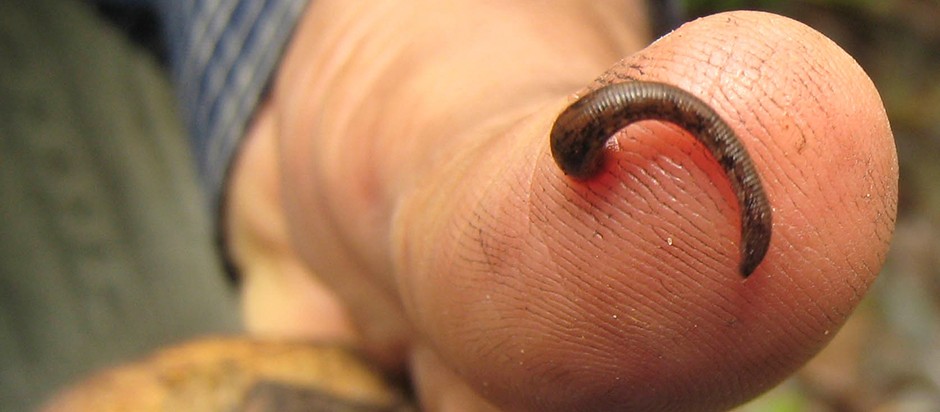
If the weather on your Mardi Himal Trek in early September is like it has been this year, then leeches can be a pest. Their home is the wet ground, and low down in the forests between Kande and Low Camp it gets quite muddy and wet underfoot, so you want to prepare so that leeches just bounce off you, and don’t dig in.
Smart Leech Busting Technique :
| Equipment | Purpose | Effective Usage |
|---|---|---|
| Leech Socks | Prevention | Trekking socks + leeches socks + tucked in pants |
| Table Salt | Remedial | Sprinkled on leech |
| Insect repellent | Prevention | sprayed on ankles and legs |
| Gaiters | prevention | Can offer added protection in combination with leeches socks |
As I have already stated, it is still fairly damp in these forested sections, in early September so these items can be extremely helpful. The benefit will be the ability to walk along without the paranoia of what leeches might be lurking under your boots. Furthermore, you can make light work of them should any attach, as the above can easily dispatch of any pesky leech! Stay focused on the green mountainsides, not on an itching ankle or knee.
Additional advice on leeches :
To sum up, leeches should not prevent you getting the best out of the Mardi Himal trekking region in the first few days of September, all you need to do is pack your leech socks and salt or bug repellent and you are sorted. All the power will be in your favor as you tackle these scenic low forest section and gaze out to spectacular ridge views.
If you were to invest, that is the best value item in the packing list for Mardi Himal. The trek has a series of sheer stone steps, as you will undoubtedly observe during your treks up toward Low Camp, and Badal Danda, and many section that resemble a steep muddy track. As such, having the right boots is crucial for comfort as much as security, which will enable you to keep your footing upon wet, muddy roots as well as slippy stone. The ideal walking boot will not make the feet of the Trekker sore, will keep your feet dry and will grip well.
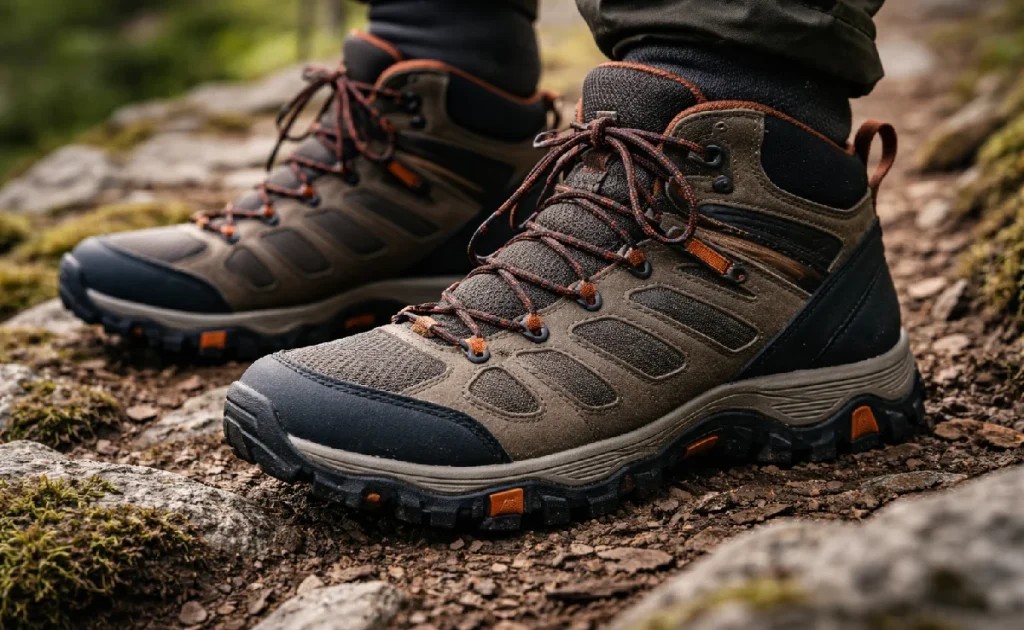
Characteristics of Good Walking Boots :
| Recommended Boot | Key Benefit | Useful On Mardi Himal Because |
|---|---|---|
| Waterproof Hiking Boot | Water resistance + Traction | You can tread along happily regardless of wet or slippery terrain. |
| Merino Wool Socks | Cushioning + Heat Regulation | reduces friction within your boots to prevent blister. |
| Walking poles | Joint Support | Reducing the stress and strain on the joints on knees when you are descending. |
Best Advice on Walking Boots :
In conclusion, the purchase of a reliable and effective pair of walking boots for the Mardi Himal Trek is perhaps the wisest investment you will make as it goes without question you will see huge advantages. They will give confidence in traversing slippery roots and steep steps so you can continue on your onward journey toward that glorious Mardi Himal ridge walk, with ease of comfort. Your feet will thank you with Merino wool socks and your knees will love trekking poles for the steeper declines!
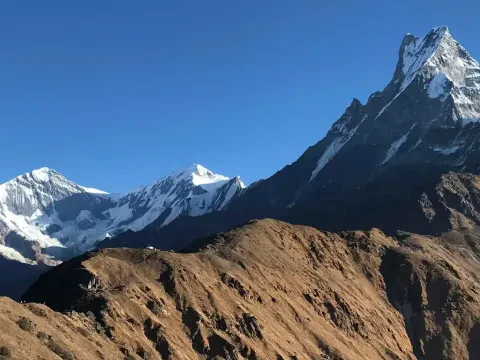
When you pop out of the tree line and set foot in High Camp, 3550m, everything just sort of ‘steps up’. Suddenly the wind on the open ridge bites deeper, and the chill feels… sharper. Hence the necessity for warm layers the second you’ve stopped moving, when the evening bite sinks in.
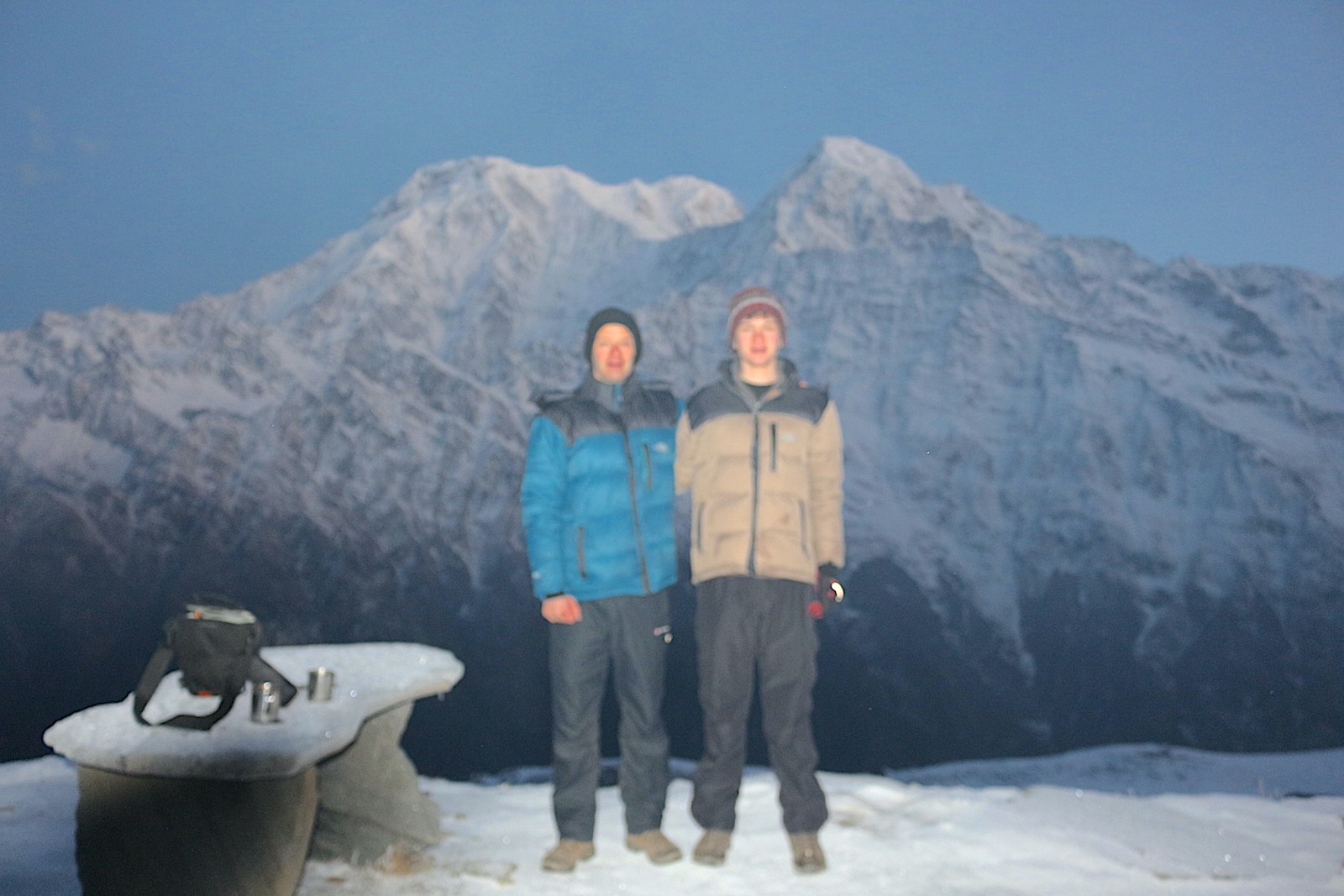
Why warm layers are non-negotiable at High Camp :
What to wear at High Camp :
| Clothing item | Essential for? | Easy tip |
|---|---|---|
| Light Down jacket | Warmth, wind protection | Wear once it gets dark and again at dawn |
| thermal Underwear | retaining heat | Pop these on before bed or for the evening |
| Beanie & gloves | Protecting your head and hands | Put on as soon as you’re back in the teahouse |
As soon as you arrive in High Camp, ditch your sweaty day clothes and throw on your thermal underwear. Top it off with your down jacket. Your legs, however, are probably fine in trekking pants, especially with a long sleeved base layer.
Staying warm and dry makes all the difference when you’re hunkered down in the dining hall to re-fuel for the early morning viewpoint climb, as nights here get frigid and windy.
Ultimately, to brave the high alpine ridge at High Camp, make sure you pack warm clothes that offer protection against the wind so you can have a well-rested evening before you go chasing the sunrise the following day.
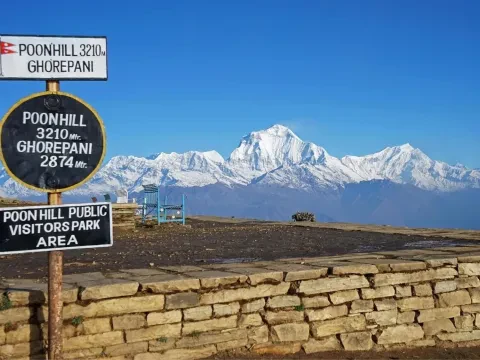
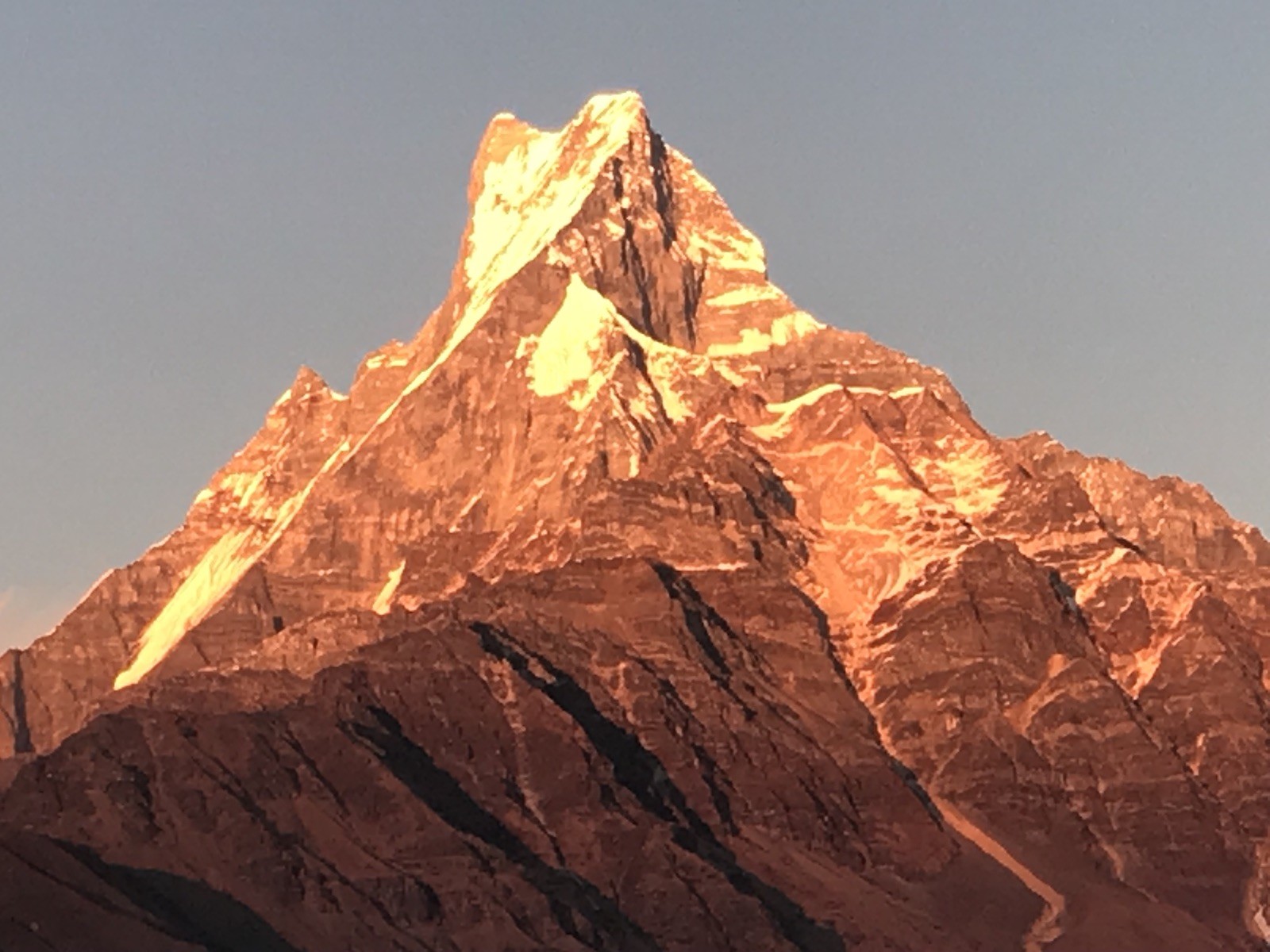
Actually, the pre-dawn hike up to the Mardi Himal Viewpoint, situated at 4,200 meters (13,779 feet), is a true highlight of this trek. This climb, starting from High Camp, is one where you will have to leave your main luggage behind, meaning you’ll be squeezing all you need into a small daypack. You absolutely need to be strategic with this!
What you need to pack in your daypack for this climb:
| Item | Essential for | Best tip |
|---|---|---|
| Headlamp + spare batteries | Illuminating the trail | Give the batteries a test in advance! |
| Trekking poles | Stability on steep slopes | Adjust them to a convenient height for climbing. |
| Sunglasses (UV protection) | Protecting your eyes | Wear them as soon as the sun breaks the horizon. |
| Hat and Gloves | keeping you snug | slip these on as you start out. |
| Water bottle + snack | Sustaining your energy levels | Drink small sips periodically. |
Since you are walking mostly in the dark – typically starting out before 4 a.m. – your headlamp will be indispensable. Trekking poles prove their worth as the terrain gets rough and steep, providing you with a crucial third point of contact. As the first rays of sunlight hit, the dramatic reveal of Machhapuchhre’s summit behind you will be spectacular, and you’ll be glad you have your sunglasses to soften the glare. Ultimately, to accomplish this unforgettable dawn ascent to the Mardi Viewpoint, be sure to fill your daypack with the essentials; a powerful headlamp, sturdy trekking poles, and warming accessories are your ticket to this incredible mountain experience.
Meanwhile, teahouses in the higher regions of the Mardi Himal Trail are designed with the primary goal of optimum airflow and not insulation, hence these rooms may experience extreme temperatures at night, particularly at High Camp which stands at 3,550 m elevation. This necessitates that you pack some additional gear and gadgets that ensure you remain warm and comfortable after a physically demanding day on the trail.
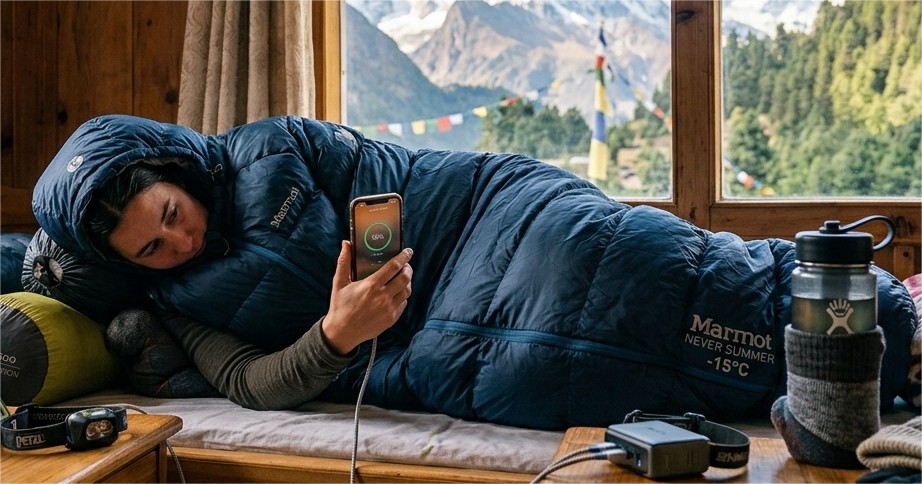
What you need to pack: Sleeping Kit :
| Gadget | Why Pack | Usefulness to you |
|---|---|---|
| Sleeping Bag | Cold weather | Helps keep you warm. |
| Microfiber Towel | Drying | Provides quick cleanups. |
| Sandals/Crocs (for camping) | CasualWear | Rest the tired feet. |
Once you get to the teahouse, ensure you change into dry clothing and then get yourself ready to relax inside your sleeping bag and in the warmly illuminated dining hall. This will greatly enhance the physical recovery of your body for the upcoming days. This simple collection of items is overlooked by many but they make a significant difference in making your journey truly rewarding.
Useful Tips :
As a general observation, sleeping well in the teahouses is integral in the success of the Mardi Himal Trail trip. Bringing along a warm sleeping bag, a microfiber towel, and camp sandals will ensure your utmost comfort. These simple changes will help you to get the best out of your stay and have a refreshed spirit on the next day.

Meanwhile, temperatures at the highest altitudes generally plummet to extremely low levels, this could drain your battery rapidly, making it crucial to keep it powered up. Also, to keep your electronic gadgets running, you should be prepared to pay extra for electric outlets at most of the teahouses in the region. It would be sensible to make prior preparations by keeping a couple of alternative sources of power.
Recommended Electronics for the Trail :
Other Useful Electronics Tips :
Actually, it’s relatively easy to bring along such gadgets as they’re hardly a burden in terms of weight, and will ultimately boost the effectiveness of your trekking endeavors. These gadgets can also enable you to capture the beauty of the sunrise, get to the viewpoint safe under darkness and of course, keep in touch with your family or friends back home.
All things considered, ensuring you don’t have to deal with depleted batteries is crucial in a successful Mardi Himal Trek. With an efficient power bank, strategically placing the electronic devices near your body, you can have peace of mind. You’ll get the chance to snap unforgettable photos of the majestic mountain vista without the dread of a battery crisis.
Given that you’ll be in remote areas with no large shops between the main lodges on Mardi Himal, ensuring you pack well for water purification, altitude, and small injuries becomes critical. With September weather that could still bring rain, water sources will likely be impure.
Why water purification on Mardi Himal is non-negotiable :
Recommended Health and First aid items :
| Item | Reason Why I’ll Need This | How To Use It |
|---|---|---|
| Water Purification Tablets | Makes water safe to drink | Follow instructions on package. |
| Blister tape/moleskin | Protection from rubbing on stone steps | Apply to any small irritation as soon as friction occurs. |
| Rehydration Salts | Refills body minerals | Mix with purified water after any long days on the trail. |
| Basic First aid kit | for any cuts, headaches and minor medical concerns | Keep easily accessible on your daysack. |
Will I Need A sleeping bag for Mardi Himal In September?
Yes while lodges supply blankets a personally rated to 10C or more can keep you clean and warm from wind blowing through the stone rooms at altitude
In as much as the trek generally consists of walking along an undulating trail from a broad and accessible path that then narrows and steepens towards the top, conditions on the upper ridge could quickly become challenging, due to the exposed and exposed environment. It is therefore highly recommended to trek with the assistance of an experienced local guides, who will not only Monitor your health and progress closely, but be available to make necessary adjustments to the pace, as you make your way up the ridge!
To recap, the Mardi Himal Trek becomes not just comfortable, but also much safer when you’re equipped with these essential first-aid, hygiene, and hydration supplies. From purifying your water to keeping your feet pain-free and your health in order, your investment in these small essentials will pay huge dividends on the trail. Lighten your load but pack your peace of mind!
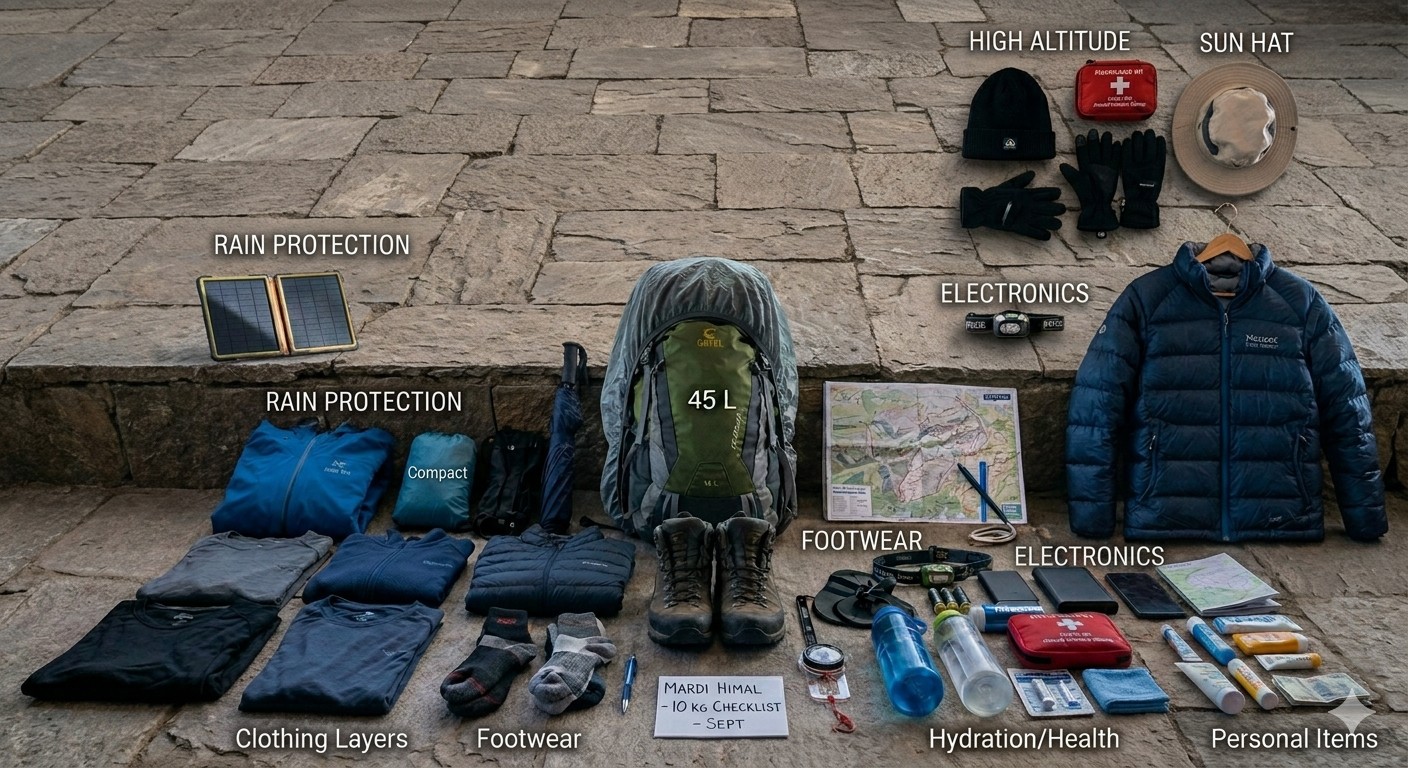
Actually, September offers a sweet spot for trekking Mardi Himal – lush green hills meet spectacular mountain panoramas with significantly fewer people. But the trick to unlocking that joy is paring down your pack weight to under 10kg. With a light pack, those steep stone steps feel less like a challenge and the narrow ridge is an absolute pleasure. Plus, your back and knees will thank you for it.
| Factor | Early September (Sept 1-15) | Late September (Sept 16-30) |
|---|---|---|
| Rain Protection | Absolutely essential | Necessary, but less severe. |
| Leeches | Very likely | Not a major concern. |
| Warmth for High Camp | Need robust mid-layers & hardshel | Down jacket and thermals are crucial. |
| View Clarity | Often intermittent, but breathtaking when clear | Almost guaranteed crisp and clear views. |
| Gear Category | Must Have Items | Target Weight |
|---|---|---|
| Base Layers | 3-4 moisture wicking shirts | 1.0kg |
| Mid/Outer Layers | Fleece, waterproof hardshell, lightweight down jacket | 2.5 kg |
| Bottoms & Footwear | Trekking pants, waterproof hiking boots, wool socks | 2.0 kg |
| Rain & trail protection | Poncho, gaiters, walking sticks | 1.0 kg |
| Sleeping Gear | -10C sleeping bag +liner, camp slippers | 1.5kg |
| Electronics & First Aid | Power bank, headlamp, water purifier, minimal kit | 1.0kg |
| Total Pack Weight | - - - | 9kg Max |
And remember: the most valuable thing to pack is a good local guide or a trekking agent you trust. They’ll not only help you stay safe but ensure you get the best sleep and a warm room even when others might be out of luck at high camp.
Most importantly, packing light for Mardi Himal in September isn’t just about efficiency – it’s about optimizing your experience. From the damp jungles at lower elevations to the airy ridge at the top, having the right gear (without overpacking) is your key to a safe, comfortable, and utterly unforgettable adventure along this spectacular ridge line!
Most important note: The Mardi Himal trek in September offers a transition from the fading monsoons to the clear skies of autumn. Early September may still witness rain, while late September promises crisp sunshine, so careful packing is your ticket to comfort.
1. What are the essential packing items for the September Mardi Himal trek?
The non-negotiables on your Mardi Himal trek in September packing list are: waterproof outerwear, sturdy boots, fast-drying apparel, a down jacket, and a 30-40L backpack. A headlamp and water purification tablets are also must-haves for safety and convenience.
2. Is a rain jacket needed for the Mardi Himal trek in September?
Absolutely. A reliable waterproof jacket or poncho is a must, as September is the latter part of the monsoon season in Nepal and sporadic afternoon rain showers on the trails are frequent. A good shell will keep you dry and ward off the cold.
3. What type of footwear is best for the Mardi Himal trek in September?
Invest in waterproof trekking boots with good ankle support and deep treads for maximum grip. The steep, muddy trails of the Mardi Himal trek route in September can be slippery. Break your boots in beforehand to prevent blisters!
4. Should I bring a warm sleeping bag for a September Mardi Himal trek?
A sleeping bag rated to at least -5°C (23°F) is a smart addition. While lower camps are warmer, places like High Camp (3,580m) can get quite chilly at night. Teahouses provide basic bedding, but your own sleeping bag offers clean, reliable warmth.
5. How should I layer my clothing for the Mardi Himal trek in September?
Adopt the three-layer system: a moisture-wicking base layer to keep sweat away, an insulating fleece or down middle layer for warmth, and a waterproof/windproof outer shell. This lets you adjust to varying conditions throughout the day easily.
6. Are trekking poles recommended for the Mardi Himal trek's September altitude?
Yes, trekking poles are extremely helpful, particularly on the challenging, steep descent from High Camp down to Sidding. They significantly reduce the impact on your knees on slick, rocky surfaces, improving stability and reducing fatigue on the Mardi Himal trek altitude profile.
7. How many pairs of clothes should I pack for this trek?
Be a minimalist to lighten your load: 2-3 quick-dry trekking shirts, 2 pairs of hiking pants, and 4 pairs of trekking socks. Prioritize synthetic, quick-dry fabrics over cotton, which holds moisture and takes ages to dry.
8. Do leeches present an issue for a September Mardi Himal trek?
Yes, expect leeches, particularly in the lush rhododendron forests during early September. Carry salt or insect repellent spray for easy removal and wear long pants and high trekking socks to avoid bites.
9. What kind of backpack is appropriate for the Mardi Himal trek?
If you're hiring a porter, a small 20-30L daypack for daily items like water, camera, and rain gear is sufficient. If you're solo trekking, opt for a well-fitted 45-50L backpack that can comfortably carry all your gear.
10. Is a down jacket necessary for a September Mardi Himal trek?
Yes, a lightweight down jacket is a crucial item for chilly evenings. Temperatures plunge after sunset at teahouses like Forest Camp and High Camp, and a down jacket will keep you snug in common dining areas.
11. How can I protect my electronic gadgets from rain during the trek?
Use waterproof dry bags or zip-lock bags inside your backpack for your phone, camera, and power banks. A backpack rain cover is also highly advisable to prevent water from seeping through seams.
12. What essential personal hygiene items should I pack for Mardi Himal?
Pack biodegradable wipes, a quick-dry towel, hand sanitizer, toilet paper, and lip balm. Teahouses at higher elevations rarely provide these basics, so carrying your own kit is important for hygiene and comfort.
13. Do I need a water filter for the Mardi Himal trek?
Definitely. Carry water purification tablets, a filter bottle, or a UV purifier. Purchasing plastic bottled water is prohibited or discouraged in much of the Annapurna region, and filtering local water is the eco-friendly and safe choice.
14. Should I pack both shorts and long pants for the Mardi Himal trek?
It's wise to pack both! Convertible pants that can be zipped off into shorts are ideal. Lower, more humid sections might call for shorts, while higher altitudes will require long pants for warmth and protection from leeches.
15. What type of hat should I wear on the trek?
Pack a wide-brimmed hat to shield your face from intense high-altitude sun during the day and a warm fleece beanie for cold nights and early morning starts.
16. Are gloves essential for a September Mardi Himal trek?
Lightweight, windproof gloves are a good idea. While freezing temperatures aren't expected, the pre-dawn hike from High Camp to the viewpoint can be quite chilly and windy enough to require hand warmth.
17. Should I bring snacks for the Mardi Himal trek?
Absolutely. Pack high-energy snacks like nuts, dried fruit, chocolate bars, and energy gels. They're perfect for quick energy boosts on long, strenuous ascents between teahouses, where shops are nonexistent.
18. What basic first-aid supplies should I include?
Your kit should contain items like blister band-aids, rehydration salts, pain relievers, anti-diarrhea medication, and something for altitude sickness (e.g., Diamond, Diamox). While the Mardi Himal trek difficulty is moderate, self-reliance is key at high altitudes.
19. Do I need sunglasses and sunscreen for the Mardi Himal trek?
Yes. UV rays are very strong at high altitudes. Bring polarized sunglasses to reduce eye strain and a high-SPF sunscreen to protect your skin, even on cloudy days, from the relentless mountain sun.
20. Can I purchase or rent trekking gear in Pokhara?
Yes, Pokhara's Lakeside area is full of trekking gear shops where you can rent or buy essentials like down jackets, sleeping bags, trekking poles, and backpacks at reasonable prices. This is a convenient way to travel light.
Our travel experts are ready to assist you with any questions.
Send us a message.Have a question before you book? Send your enquiry below and our travel experts will get back with the required information.