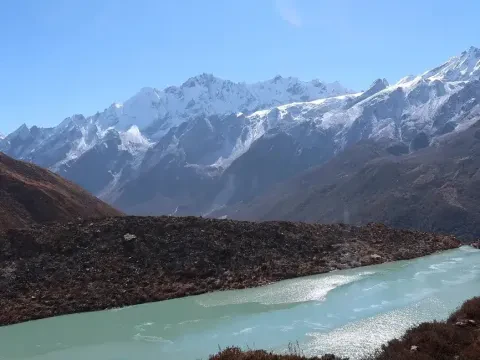
Langtang Valley gives you some of Nepal’s most personal Himalayan views, mostly because it doesn’t get the crowds you find on the Everest or Annapurna trails. Out here, you’re face-to-face with wild peaks and glaciers—no lines of trekkers, no big tourist buzz—just you, the mountains, and the authentic Tamang culture. People call this place the “Valley of Glaciers” for a reason. The landscapes feel untouched, almost raw. You don’t even need to mess with flights from Kathmandu; you just hit the trail and start climbing.
Along the way, you get front-row views of giants like Langtang Lirung (7,227m) and Ganesh Himal (7,422m). It all feels a lot more personal than the blockbuster routes. You end up really connecting with the wild out here.
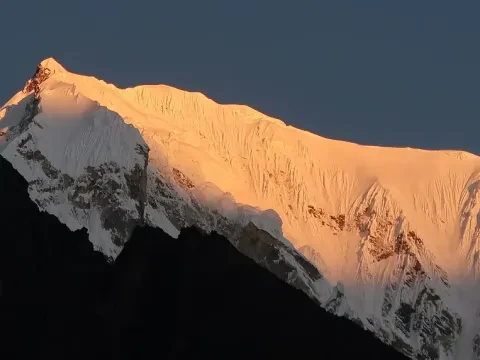
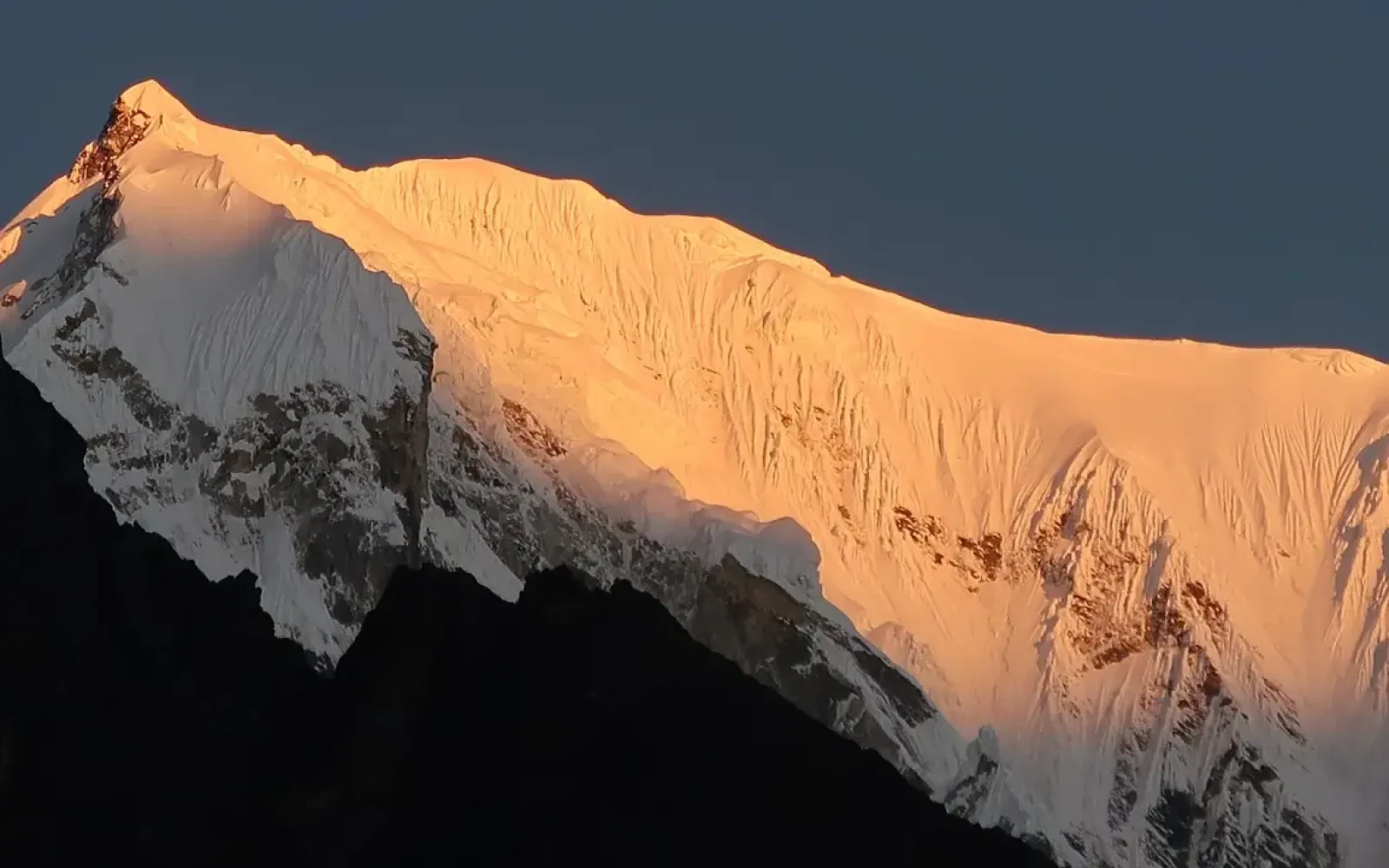
Here, the Langtang trek itself isn’t too tough, but it’s still rewarding. When you climb Kyanjin Ri (4,773m), you get those big, wide-open views—Langshisa Ri and Dorje Lakpa are right there, close enough to study every ridge. There aren’t many people around, so you can actually enjoy those quiet sunrise or sunset moments when the light turns everything gold. The trail weaves through forests, rivers, and yak pastures. It’s peaceful—no distractions, just nature and your own thoughts. That’s why Langtang feels different. The experience is real, and the mountains feel like they’re all yours.
Key Reasons for Intimate Views in Langtang Valley:
Major Mountains and Their Elevations:
Top Viewpoints in Langtang Valley:
| Viewpoint | Elevation | Key Features | Best Time for Views |
|---|---|---|
| Kyanjin Ri | 4,773m | 360-degree panoramas of Langtang Range and glaciers | Early morning for golden light. |
| Tsergo Ri | 4,984m | Highest point with Himalayan expanse | Sunrise to avoid afternoon clouds. |
| Langtang Village | 3,430m | Village vistas with cultural backdrop | Dusk for serene atmosphere. |
As you leave Kathmandu and hit the road to Syabrubesi, the mountains start playing hide and seek. The drive twists through terraced hillsides and runs alongside the Trishuli River, and every now and then, you catch those first outlines of the Langtang and Ganesh Himal ranges. It’s a long ride—about 7 to 8 hours, covering 120 to 140 kilometers—but the scenery keeps you on your toes. There’s always something to look at, whether it’s a river bend or a sudden clearing with a mountain peeking through.
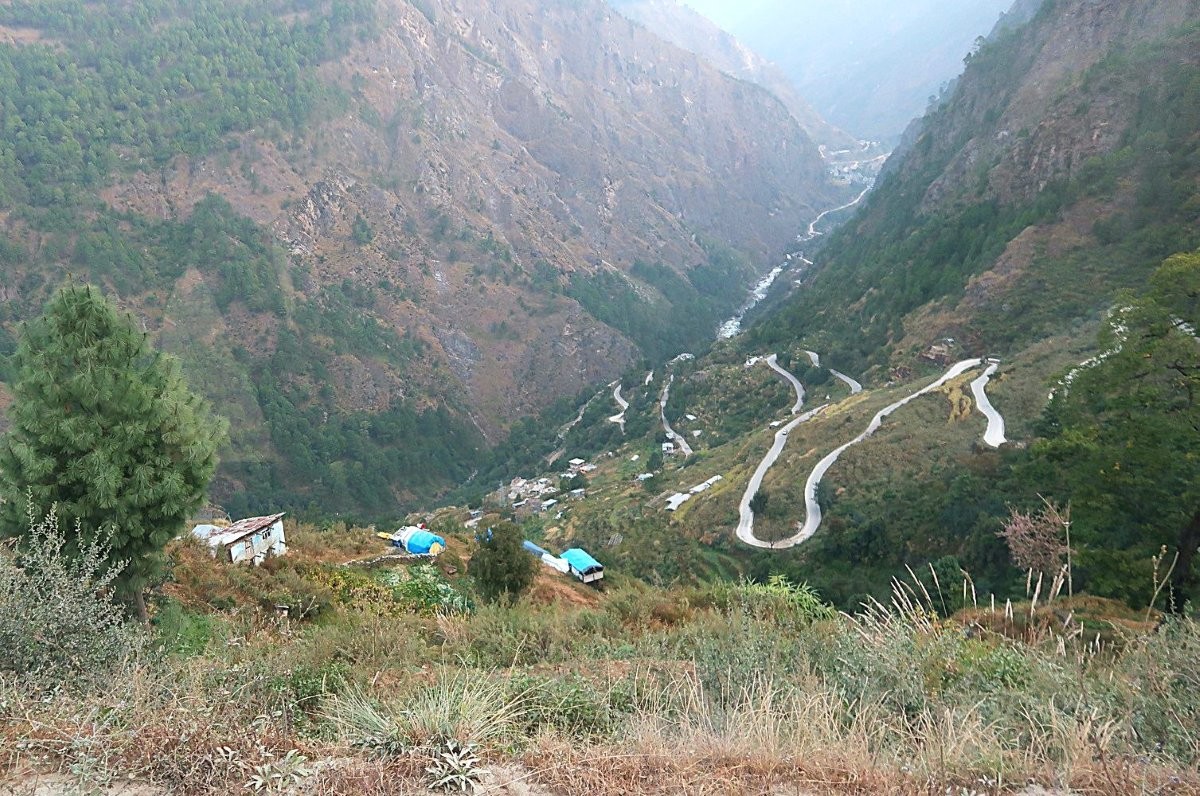
Once you start trekking from Syabrubesi, the trail climbs gently through thick forests. You cross suspension bridges, hear the river below, and then, out of nowhere, Langtang Lirung towers above the treetops at 7,227 meters. The path keeps rising, leading you to spots like Lama Hotel at 2,360 meters. In the distance, Ganesh Himal—massive at 7,422 meters—comes into view. Rhododendron forests line the way, framing those first big mountain moments. Right from the start, the landscape pulls you in and doesn’t let go.
Initial Views During Drive to Syabrubesi (1,500m):
Key Locations and Elevations on Early Trail:
| Location | Elevation | Visible Peaks | Trail Features |
|---|---|---|
| Syabrubesi | 1,500m | Initial Ganesh Himal glimpses | Trailhead with river crossings. |
| Lama Hotel | 2,360m | Langtang Lirung emerging | Forest paths and bridges. |
| Rimche | 2,500m | Better Dorje Lakpa views | Steep ascents with overlooks. |
Emerging Peaks and Their Characteristics:
Early Trail Highlights in Bullet Form:
After Lama Hotel (2,470m), the trail pulls you into thick rhododendron forests. It’s a steady climb. Every so often, Langtang Lirung (7,227m) pops into view, just a flash through the leaves. Then suddenly, Dorje Lakpa (6,966m) shows up—bold and dramatic. The greenery frames these snowy peaks, and when sunlight sneaks through the branches, it feels like you’ve stepped into a storybook. It’s a slow build, each glimpse cranking up the anticipation.
Here, the path keeps winding up toward Ghoda Tabela (3,030m). You wander past bamboo groves, then oaks, and the views just get bigger. The forest starts to thin, and the mountains don’t bother hiding anymore—they stand out sharp against the sky. Sometimes you spot a troop of langurs bouncing around, adding a bit of energy to the quiet. Honestly, this stretch is all about those sneak peeks—each turn in the trail pulling you closer to the heart of the Himalayas.
Key Trail Sections in Rhododendron Forests:
Visible Peaks from Forest Sections:
| Peak | Elevation | Description | Best Teasing Spots |
|---|---|---|
| Langtang Lirung | 7,227m | Dominant snow peak with glacier face | Near Lama Hotel clearings and Ghoda Tabela |
| Dorje Lakpa | 6,966m | Pyramid-shaped striking silhouette | Upper forest edges toward Ghoda Tabela |
| Gangchempo | 6,387m | Adds to northern range drama | Occasional glimpses through trees. |
Visible Peaks from Forest Sections:
| Peak | Elevation | Description | Best Teasing Spots |
|---|---|---|
| Langtang Lirung | 7,227m | Dominant snow peak with glacier face | Near Lama Hotel clearings and Ghoda Tabela. |
| Dorje Lakpa | 6,966m | Pyramid-shaped striking silhouette | Upper forest edges toward Ghoda Tabela. |
| Gangchempo | 6,387m | Adds to northern range drama | Occasional glimpses through trees. |
Supporting Facts on Rhododendron Forest Section:
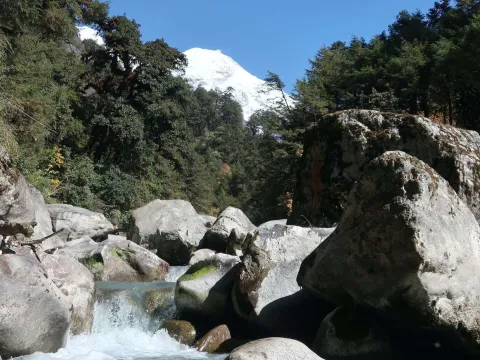
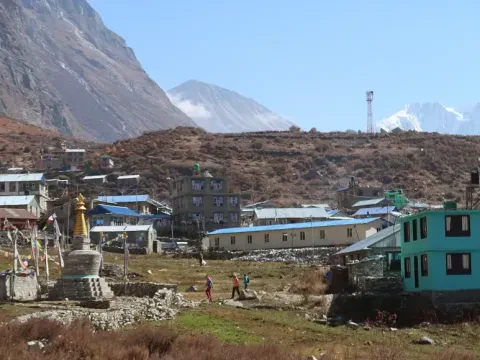
Right around Langtang Village (3,430m), the whole valley just opens up. One minute, you’re winding through a narrow canyon, and then—bam—you’re staring at these wide, breathtaking views. Snow-capped peaks steal the horizon. Rebuilt Tamang villages sit quietly among the fields, and the mountains seem to frame everything just right. It’s like the whole scene shifts, and suddenly you’re rewarded with views that feel endless.
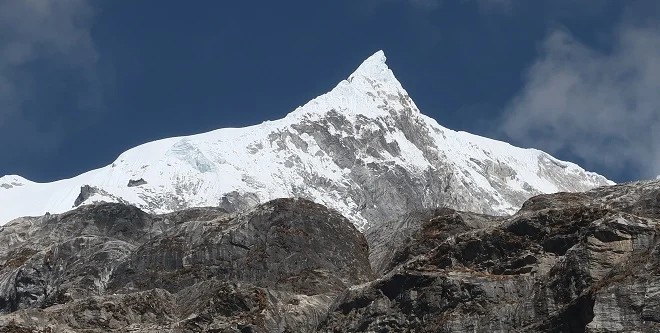
Moreover, Langtang Lirung (7,227m) rises close and massive, almost within reach. Dorje Lakpa (6,966m) and other peaks crowd in nearby, making the place feel both grand and a little wild. Stone houses and chortens give the valley a sense of history. Yak pastures roll out toward the mountains. There’s something about this spot—the landscape feels huge, but also personal. Langtang Village really is where everything changes for trekkers.
Key Features Near Langtang Village (3,430m):
Major Peaks Visible from Langtang Village Area:
| Peak | Elevation | Key View Characteristics | Viewing Notes |
|---|---|---|
| Langtang Lirung | 7,227m | Towering dominant with glacier | Direct north views from village edges. |
| Dorje Lakpa | 6,966m | Sharp pyramid form | Clear eastern silhouettes. |
| Gangchempo (Langtang Ri) | 6,387m | Adds rugged texture to range | Part of broad northern panorama. |
| Naya Kanga | 5,846m | Complements lower ridges | Visible in wider valley opens. |
Cultural and Scenic Highlights in the Opening Valley:
Additional Data Supporting the Valley Opening:
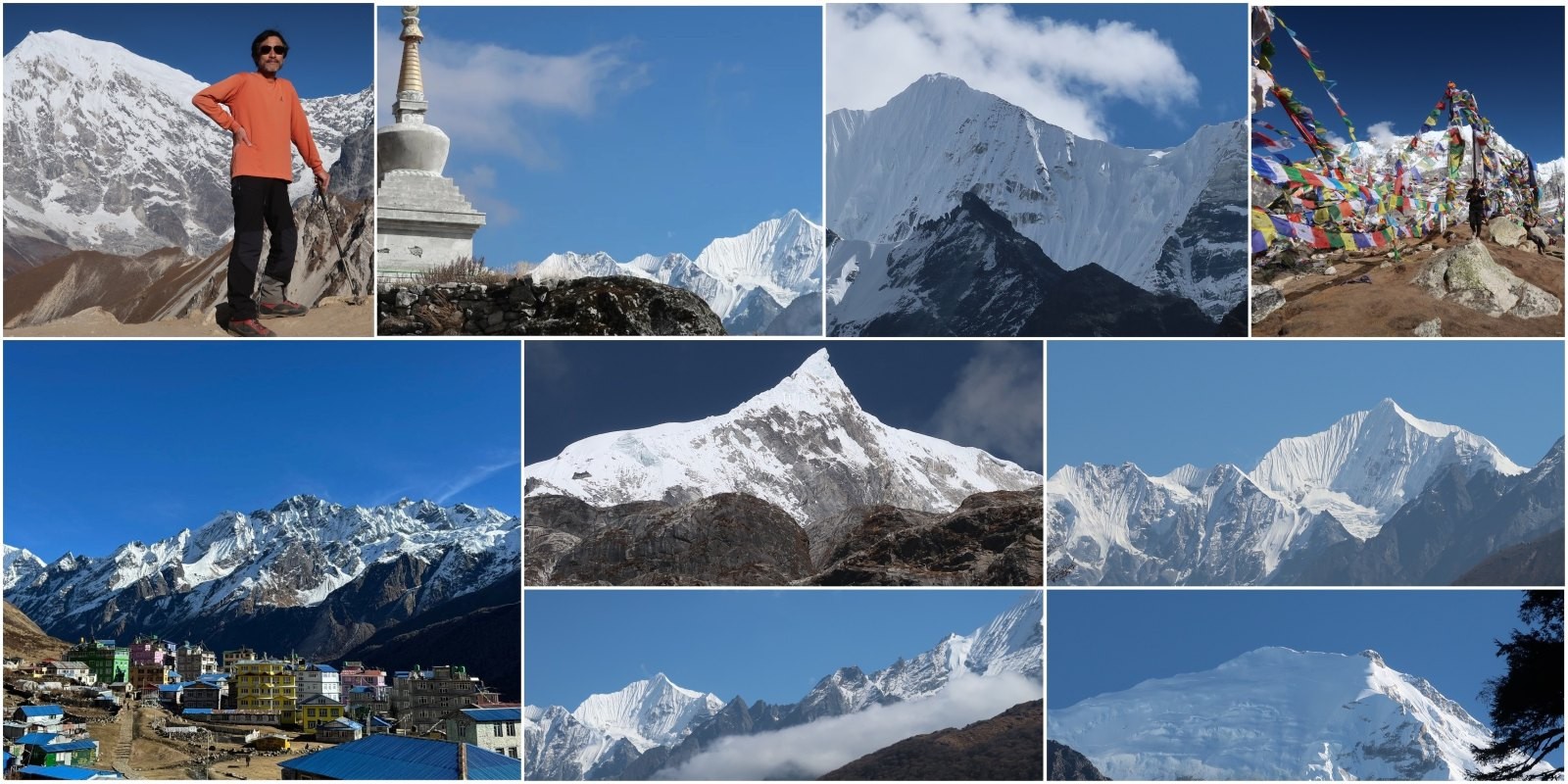
Actually, you finally reach Kyanjin Gompa, sitting at 3,870 meters—pretty much the beating heart of the Langtang Valley Trek. The walk up from Langtang Village isn’t tough, but the payoff is wild. Suddenly, you’re surrounded by these massive peaks on every side. Langtang Lirung looms in the north at 7,227 meters, so close it almost feels like you can reach out and touch it. Then there’s Yala Peak and Gangchempo, both slicing sharp lines into the sky. Glaciers glint down in the valley, catching the light and stealing your breath for a second. This place really does hit you with full-on alpine grandeur—no matter where you look.
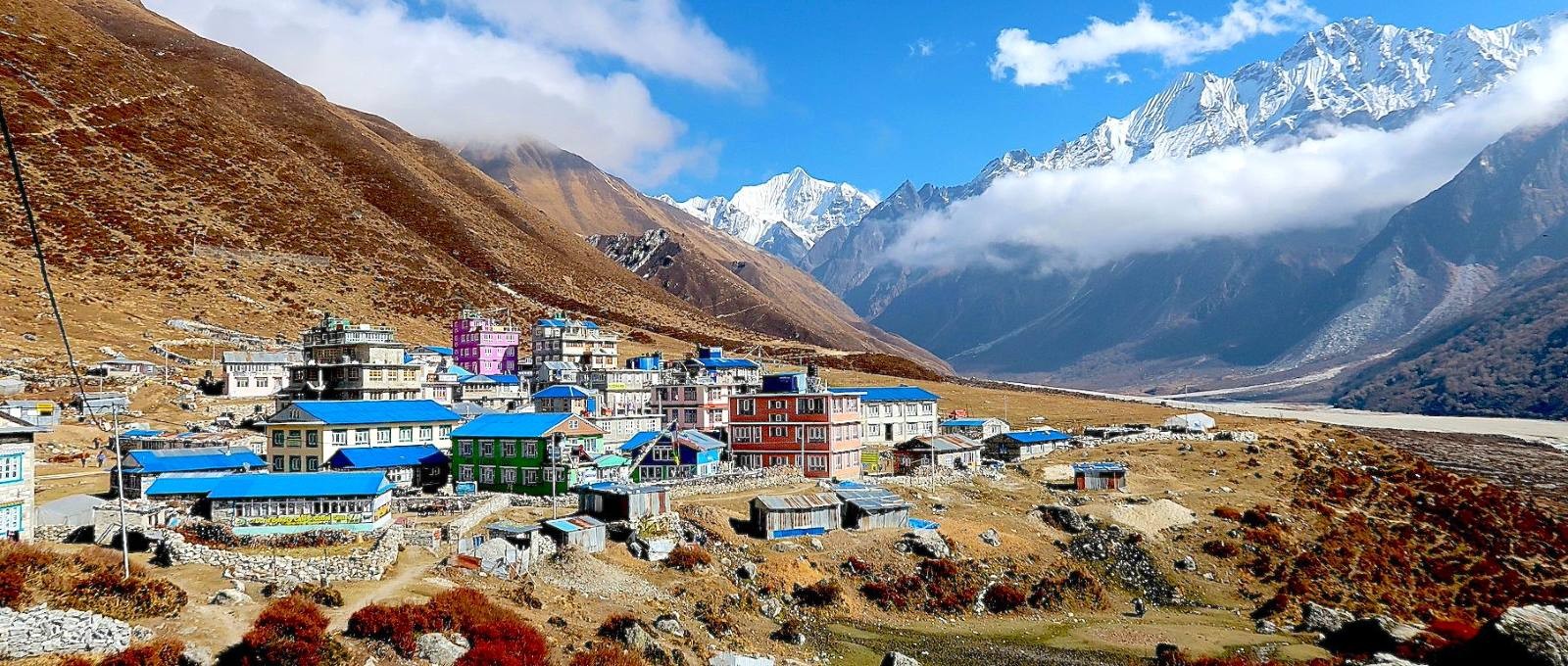
Moreover, Kyanjin Gompa itself is peaceful, almost otherworldly. The old Buddhist monasteries are quiet, and there’s this gentle hum around the yak cheese factories. The air is crisp, fresh, and just a little bit thin. Snow-covered summits wrap around you, and prayer flags snap in the wind, streaking color across the endless blue. Life slows down here, framed by giants. It’s not just a place you see—it’s a place that grabs you, all 360 degrees of it.
Key Features at Kyanjin Gompa (3,870m):
Major Peaks Dominating Views from Kyanjin Gompa:
| Peak | Elevation | Description | Viewing Aspect |
|---|---|---|
| Langtang Lirung | 7,227m | Highest and most prominent peak | Direct north dominance. |
| Yala Peak | 5,520m | Trekking peak with sharp profile | Northern valley views. |
| Gangchempo | 6,387m | Pyramidal shape adds rugged drama | Part of northern range. |
| Dorje Lakpa | 6,966m | Striking pyramid form | Eastern silhouettes. |
Additional Highlights Supporting Alpine Majesty:
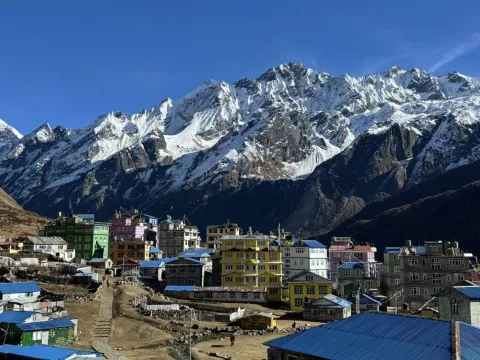
Actually, trekkers head up Kyanjin Ri (4,773m) before dawn, chasing that unforgettable sunrise. The trail starts from Kyanjin Gompa (3,870m) and climbs hard right from the start. It’s steep, no doubt, but the views are worth every step. As you climb higher, the whole Langtang Range starts to open up around you. At sunrise, Langtang Lirung (7,227m) catches the first golden light—absolutely stunning. Dorje Lakpa (6,966m) and the valley below seem to light up too, almost glowing.
The best part? Most trekkers with decent fitness can handle the climb. It usually takes around 2-3 hours to reach the top. Along the way, you watch the mountains and glaciers shift colors as the sun rises. The whole scene just keeps getting better as you go. Honestly, if you’re chasing sunrise moments, Kyanjin Ri delivers—hands down, it’s a true highlight of the trek.
Kyanjin Ri Climb Details from Kyanjin Gompa (3,870m):
Major Peaks in 360° Panorama from Kyanjin Ri (4,773m):
| Peak | Elevation | Key Sunrise Feature | Panorama Position |
|---|---|---|
| Langtang Lirung | 7,227m | Golden glow on glacier face | Central north dominant. |
| Dorje Lakpa | 6,966m | Sharp pyramid catches first light | Eastern highlight. |
| Yala Peak | 5,520m | Complements lower valley views | Northern range. |
| Gangchempo | 6,387m | Adds textured ridges | Broad northern scene. |
| Naya Kanga | 5,846m | Enhances western vistas | Valley framing. |
Sunrise Experience and Tips:
Supporting Viewpoint Facts:
Meanwhile, Tserko Ri sits at around 5,000 meters, and for most trekkers, it’s the big prize of the Langtang trek. You start out from Kyanjin Gompa at 3,870 meters, and right away, the trail gets serious—steep, relentless, and honestly, pretty tough. But when you finally hit the summit, you get the kind of views that stick with you forever. Langtang Lirung towers over everything, its glacier spilling down the valley. On a clear day, you can spot Shishapangma all the way in Tibet. The Himalayas just roll out in every direction, one ridge after another.
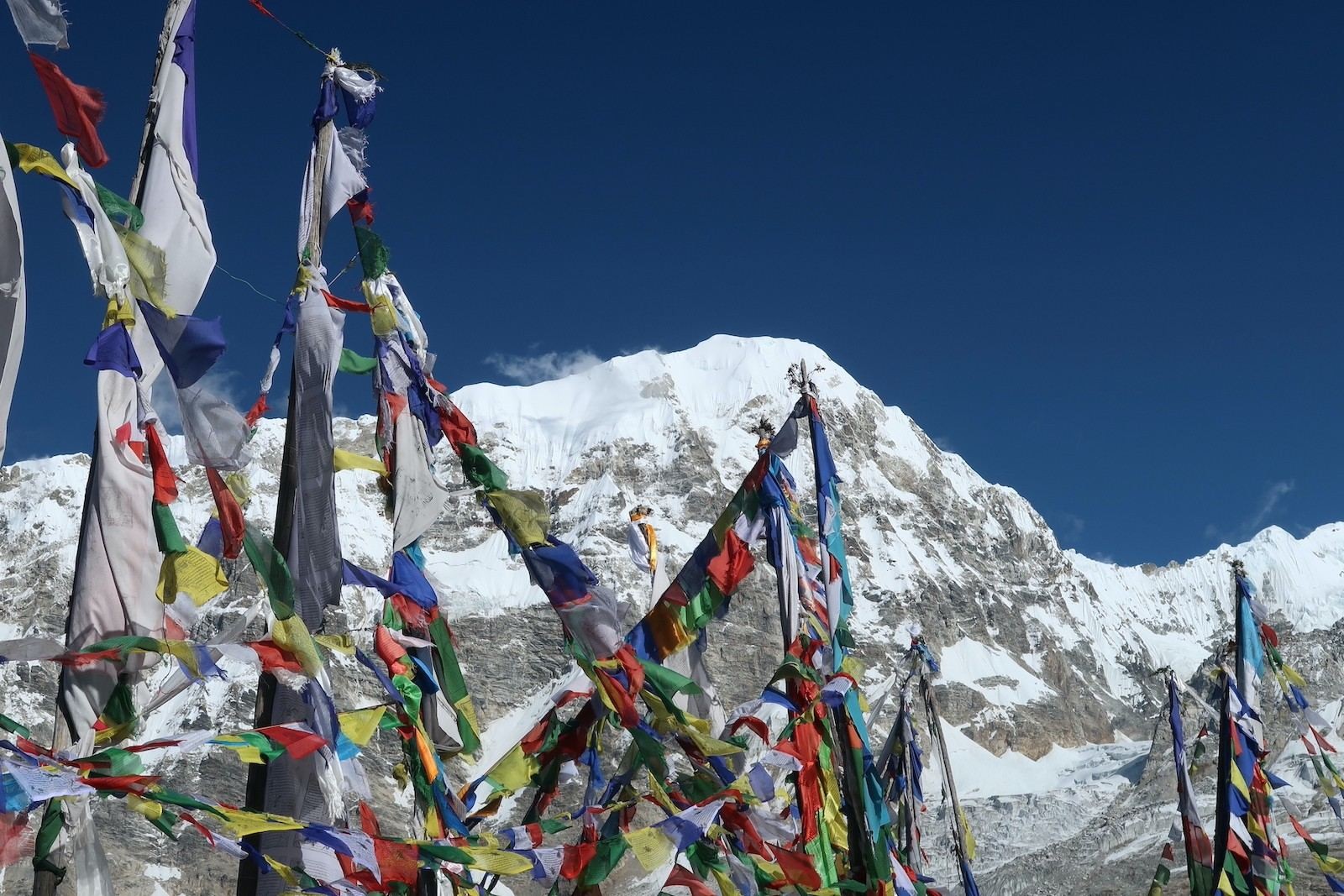
What really sets Tserko Ri apart is that full-circle, 360-degree view. If you’re there at sunrise or sunset, the light show is unreal—the snow turns gold and the sky goes deep blue. Breathing gets hard up there, but that only makes the sense of accomplishment hit harder. Not many people push this high, so if you make it, you’ve earned a rare, unforgettable slice of the Himalayas.
Tserko Ri Climb Details from Kyanjin Gompa (3,870m):
Major Peaks Visible from Tserko Ri (~5,000m):
| Peak | Elevation | Location | Viewing Notes |
|---|---|---|
| Langtang Lirung | 7,227m | North | Closest and most dramatic with glacier |
| Shishapangma | 8,027m | North (Tibet) | Prominent on clear days across border |
| Dorje Lakpa | 6,966m | East | Sharp pyramid silhouette |
| Gangchempo | 6,387m | North | Adds rugged texture to range |
| Yala Peak | 5,520m | North | Lower but striking in valley frame |
Additional Highlights at Tserko Ri:
In Langtang Valley, the real magic often hides off the main trail. Trekkers who wander down side paths stumble into spots where the mountains feel almost private. LangshisaKharka? It’s just you, the wind, and endless high pastures. Up near the Lirung Glacier, you get so close to the ice, you can feel the cold in your bones. Find a quiet ridge, and suddenly you’ve got the perfect photo, no crowds in sight.
Here, these places aren’t just beautiful—they give you space to think, to catch your breath, maybe even feel a little awestruck. Fewer people make it out here, so you get real solitude in the middle of all that wild scenery. LangshisaKharka reveals distant peaks in total silence. The glacier shows off its raw power right at your feet. Wander up a remote ridge and you’ll have sunrise all to yourself. Honestly, these lesser-known corners are what make the trek unforgettable—they're where the best mountain memories take hold and linger.
Key Hidden Gems and Side Trails:
Major Viewpoints and Their Features:
| Spot | Approx. Elevation | Key Attraction | Crowd Level |
|---|---|---|
| LangshisaKharka | 4,080–4,200m | Open pastures, distant peak reflections | Very low. |
| Lirung Glacier View | 4,000–4,200m | Direct glacier face and icefall views | Low. |
| North moraine ridges | 4,000–4,300m | Uncrowded angles of Langtang Lirung | Minimal. |
| Upper Langtang valley trails | 3,900–4,100m | Quiet river and peak framing | Low. |
Supporting Facts on Hidden Spots:
Meanwhile, mountains are never just in the background on the Langtang Valley Trek—they’re right there with you, every step. Peaks like Naya Kanga (5,846m) and Yala Peak (5,520m) seem to follow you, visible almost the entire time. They’re like silent guides, leading you from thick forests up to the wild, open alpine. As the altitude climbs, those peaks start to feel even bigger, almost close enough to touch. Weather changes roll in, and suddenly the mountains look different—sometimes moody, sometimes glowing, never the same for long. From the first day, you’re completely wrapped up in their presence.
Here, even wildlife on Langtang Valley Trail feels different under these looming giants. Red pandas hide out in the rhododendron forests below 3,000 meters, while Himalayan tahr wander the cliffs above 4,000. One minute the peaks vanish in the clouds; the next, they break through, sharp and clear. The mountains aren’t just scenery here—they get under your skin. Their constant presence shapes the whole trek, turning every moment into something unforgettable.
Ways Mountain Views Influence the Trek:
Altitude Effects and Mountain Presence:
| Elevation Zone | Approx. Range | Dominant Peaks Visible | Typical Effects on Trekker Experience |
|---|---|---|
| Lower forests | 1,500–3,000m | Naya Kanga (5,846m), Dorje Lakpa (6,966m) | Teasing glimpses build anticipation. |
| Mid-valley villages | 3,000–3,870m | Langtang Lirung (7,227m), Gangchempo (6,387m) | Close, intimate framing of daily life. |
| High alpine (Kyanjin) | 3,870–4,984m | Yala Peak (5,520m), Langtang Lirung glacier | Thin air + 360° majesty heighten awe. |
| Viewpoint summits | 4,773–5,000m | All major peaks + Shishapangma (8,027m) | Ultimate reward; sense of achievement. |
Wildlife and Weather Interactions with Peaks:
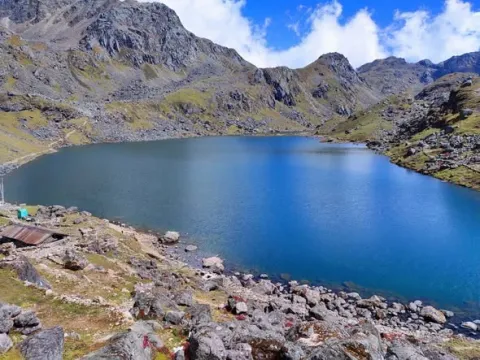
Actually, Langtang Valley sticks with you. There’s something about getting up close to those Himalayan giants—Langtang Lirung is right there, towering at 7,227 meters. You don’t get this kind of closeness on most treks. The crowds? Hardly any. You get peace, space to think, and time to soak in every moment. The Tamang culture isn’t just some backdrop either—it’s part of the landscape, woven right into the mountains and the air.
Here, you end up with memories that don’t fade. Those golden sunrises over Dorje Lakpa (6,966m) stay in your head long after you’ve left. Every climb pays off with views that really stop you in your tracks. The side trails? Pure quiet. It’s rare to find that kind of solitude anywhere else. No surprise, people finish the trek already planning when they’ll come back. If you’re after a real Himalayan experience, Langtang’s the place you’ll remember—and the one you’ll tell everyone about.
Why Langtang Views Create Lasting Memories:
Key Elements That Inspire Return Visits:
| Element | Description | Lasting Impact |
|---|---|---|
| Close-up Langtang Lirung | (7,227m) | Dominant peak visible from multiple angles | Creates sense of personal relationship. |
| Sunrise from Kyanjin Ri | (4,773m) | Golden light on entire range | Iconic moment etched in memory. |
| Serene LangshisaKharka | (4,100m) | High pastures with distant peak reflections | Peaceful solitude rarely found elsewhere. |
| Tserko Ri | (5,000m) panorama | Includes Shishapangma (8,027m) in Tibet | Ultimate high-altitude achievement feeling. |
| Authentic | Tamang interactions | Local cheese, stories, and rebuilt homes | Cultural depth beyond scenery alone. |
Reasons Trekkers Recommend Langtang Strongly:
1. Why are the mountain views in Langtang Valley so special?
The Langtang Valley offers some of the intimate and close-up Himalayan views in Nepal. You get to see towering peaks like Langtang Lirung standing close to the trail, which creates a powerful and immersive experience that you do not get with the distant views in other regions. The Langtang Valley is really something
2. What mountains can be seen on the Langtang Valley Trek?
On the Langtang Valley Trek you can see Langtang Lirung, which's 7,227 meters high Dorje Lakpa, Langshisha Ri and many other peaks near the Tibetan border. As you go higher the views become more spectacular with glaciers and icefalls adding to the beauty of the mountains.
3. When do you first see snow peaks on the way to Langtang Valley?
You get your glimpse of the snow peaks during the drive to Syabrubesi and on the early days of the trek. As you enter the Langtang Valley through the forests you start to see Langtang Lirung and Dorje Lakpa which's really exciting.
4. How good are the views from Kyanjin Gompa?
Kyanjin Gompa, which is at 3,800 meters is surrounded by a 360-degree view of the mountains. You are right in the middle of peaks and glaciers which makes it one of the most rewarding places for people who love mountains on the trek. The views from Kyanjin Gompa are just amazing.
5. Is Kyanjin Ri worth climbing for mountain views?
Yes, it is. The climb to Kyanjin Ri, which's 4,773 meters high is not too hard and the views from the top are magnificent. You get to see the sunrise and a 360-degree view of the Langtang Range, which is just incredible. Kyanjin Ri is one of the viewpoints in the region.
6. What makes Tserko Ri special for views?
Tserko Ri, which is 4,984 meters high is the place to see the mountains from. The climb is a bit challenging. The views from the top are breathtaking. You get to see Langtang Lirung, glaciers and distant Tibetan peaks which's just amazing. Many trekkers think that Tserko Ri is the highlight of the trek.
7. Are the mountain views better in Langtang than in other treks?
Yes, many trekkers think that the views in Langtang are more intimate and impressive than in treks. The peaks in Langtang rise close to the trail, which makes you feel like you are right in the middle of the mountains. You feel like you are surrounded by giants than just looking at them from far away.
8. Can beginners enjoy the mountain views on Langtang Valley Trek?
Yes, beginners can definitely enjoy the mountain views on the Langtang Valley Trek. The main trail provides views without needing to go to extreme altitudes. There are also hikes to viewpoints like Kyanjin Ri, which are achievable for fit beginners and offer rewarding views.
9. How do rhododendron forests affect mountain views?
Trekking through the rhododendron forests is really beautiful because it creates a frame for the snow peaks. The contrast of the flowers against the mountains like Langtang Lirung and Dorje Lakpa makes the views in the spring really magical and photogenic.
10. What is the best time for clear mountain views in Langtang?
The best time for mountain views in Langtang is in the autumn from September to November. The spring, from March to May is also really good because the skies are clear and the rhododendrons are blooming. Both seasons are great for seeing the mountains
11. Can solo trekkers enjoy the mountain views safely?
Yes, solo trekkers can enjoy the mountain views in Langtang safely. However, you need to book with a registered trekking agency and have a guide with you. You are not allowed to trek without a guide.
12. Are there hidden viewpoints in Langtang Valley?
Yes, there are. Apart from Kyanjin Ri and Tserko Ri there are side trails and meadows that offer serene and peaceful spots for looking at the mountains. These spots are not as crowded as the viewpoints, which makes them really special.
13. How close are the mountains on Langtang Valley Trek?
The mountains in Langtang Valley are really close. The valley is narrow which makes the peaks like Langtang Lirung feel like they are next to you. This proximity to the mountains is really rare in Himalayan valleys.
14. Do you see glaciers on the Langtang Valley Trek?
Yes, you do. The glaciers and icefalls of Langtang Lirung are clearly visible from Kyanjin Gompa and other high points which adds to the beauty of the mountain views.
15. What photography tips are best for Langtang mountain views?
To take photos of the mountains in Langtang you should wake up early to see the sunrise from Kyanjin Ri. Use a wide-angle lens to capture the panoramas and take photos of the rhododendrons in the foreground. The golden hour light makes the snow peaks and glaciers look really beautiful.
16. How does weather affect mountain views in Langtang?
The weather in Langtang can affect the mountain views. The mornings are usually clear which provides the views. It can get cloudy in the afternoons so it is best to start. The months of March and April usually have air and sharp visibility after the winter.
17. Is Langtang Valley good for mountain photography?
Yes, it is. The combination of peaks, glaciers, colorful forests and accessible high viewpoints makes Langtang Valley a paradise for landscape and mountain photographers.
18. What is the highest viewpoint on Langtang Valley Trek?
The highest viewpoint on the Langtang Valley Trek is Tserko Ri, which's 4,984 meters high. It offers the dramatic and expansive mountain panorama in the region, which makes the climb really rewarding.
19. How do mountain views change as you trek deeper into the valley?
As you trek deeper into the Langtang Valley the views gradually open up. Become more dramatic. On the days you get teasing glimpses of the mountains but as you go higher you are surrounded by towering peaks and glaciers.
20. How to book a trek focused on Langtang mountain views?
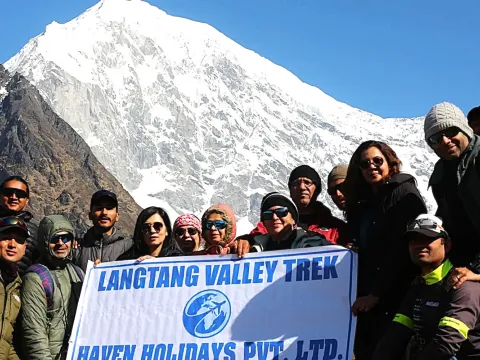
To book a trek that focuses on the Langtang mountain views you should contact an agency like Haven Holidays Nepal. They can customize your itinerary to maximize your time at the viewpoints, like Kyanjin Ri and Tserko Ri.
Our travel experts are ready to assist you with any questions.
Send us a message.Have a question before you book? Send your enquiry below and our travel experts will get back with the required information.