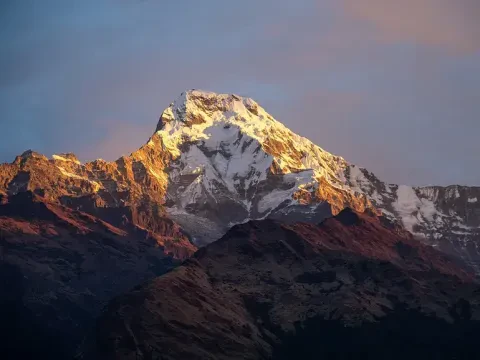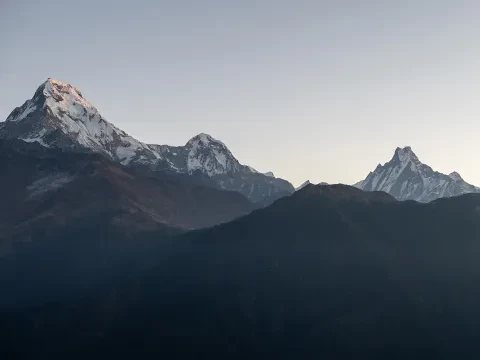
Thinking about trekking to Poon Hill in April or May? Let’s break down what really matters — flowers, weather, crowds, and those jaw-dropping mountain views.
Meanwhile, most trekkers wonder: which spring month gives you the best Poon Hill experience? April is famous for the riot of rhododendron blooms, painting the trails with red and pink. It’s a photographer’s dream, honestly. May, on the other hand, has warmer days and fewer people on the trails, so if you like a quieter vibe, it’s pretty ideal.
Here, weather’s a big factor. In April, Ghorepani sits between 10°C and 25°C, with solid sunshine and dramatic, clear sunrises over Dhaulagiri and Annapurna I. May edges up the temperature — especially lower down, where it gets warmer (14°C–22°C), but you start seeing more afternoon showers near Poon Hill.
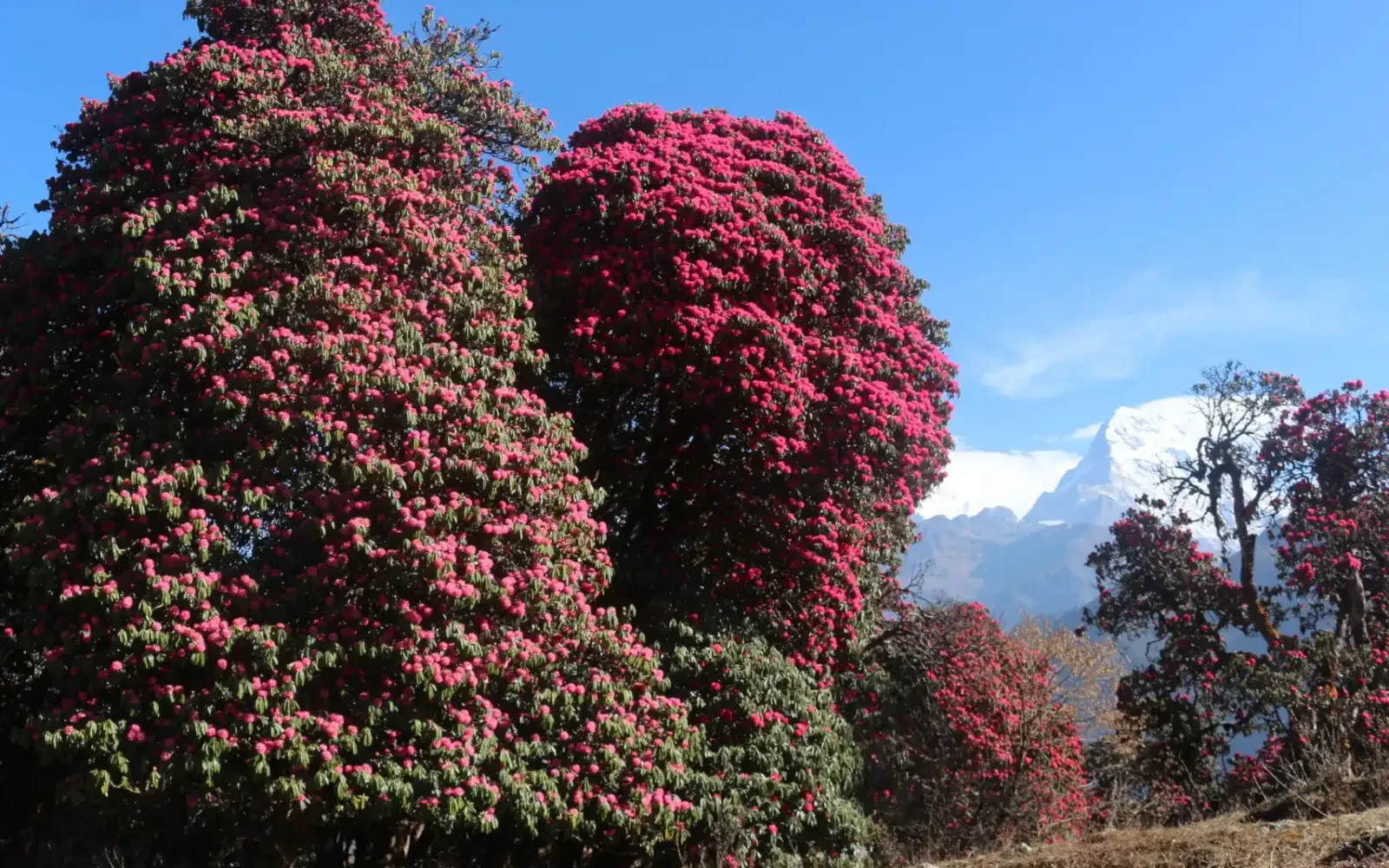
If you want those rhododendrons, late April is peak time. The flowers are everywhere, and with the snow-capped peaks behind them, your photos practically take themselves. By May, the blooms fade, but you still get lush green forests and the full-on spring feeling.

Likewise, crowds are another thing to watch. April can get busy, especially around Ghorepani during Nepali New Year — teahouses fill up fast, so booking early makes sense. May is quieter, so you can soak in the peace as you trek.
In the end, it’s about what you want from your trip. April is perfect for people craving those blossoms and epic photos. May is all about warmer hiking, fewer crowds, and comfort. Either way, you get that unforgettable sunrise over Annapurna — and honestly, you can’t go wrong.
| Aspect | April (Peak Spring) | May (Late Spring) |
|---|---|---|
| Rhododendron Bloom | Peak vibrant colors | Fading but still beautiful |
| Day Temp at 2,860m | 10–25°C | 14–22°C |
| Crowds at Ghorepani | High, book early | Moderate, easier access |
| Rainfall Risk | Very low | Light afternoon showers possible |
| Best For | Flower lovers & photographers | Comfort seekers & families. |
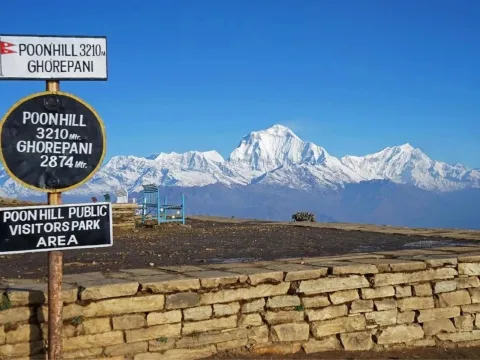
Meanwhile, Poon Hill trek in Spring is pretty magical. From March to May, Nepal hits its sweet spot—prime trekking season. The hills come alive with rhododendron flowers, and the air feels crisp and clear. You get those postcard-perfect views of Annapurna and Dhaulagiri, making every early morning hike worth it.
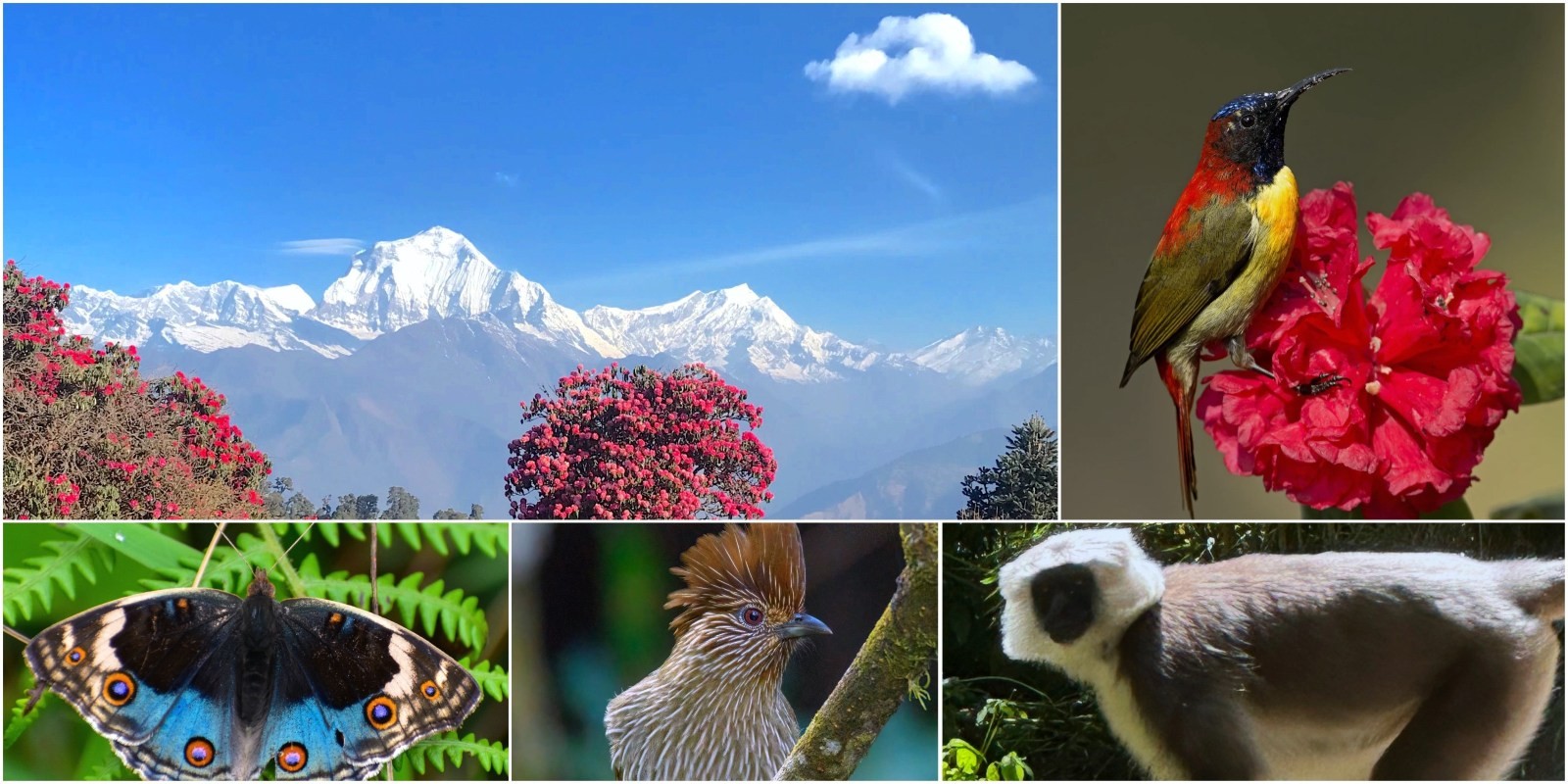
During these months, Ghorepani fills up with trekkers chasing that sunrise—from Poon Hill, you see the sun break over the mountains, and it's honestly hard to beat. Plus, the weather stays steady: warm days hover between 12°C and 25°C, and while nights can get chilly (down to zero up at Poon Hill), you’re not battling slippery monsoon trails. Everything stays dry, so you won’t worry about mud or leeches along the route.
Actually, the forests are a riot of color. Rhododendrons—red, pink, and white—paint the hills from Nayapul upward, making every step feel fresh and vibrant. Photographers love it, especially when the Annapurna peaks pop against the blooming trees.
If you're new to trekking, these trails won’t feel overwhelming. Moderate climbs mean you reach Ghorepani in four or five days, and the needed permits are pretty affordable. Teahouses along the way offer comfort and warmth, so even beginners find the adventure welcoming.
Honestly, spring gives you the best bang for your buck. Poon Hill Trek packages start around $300–$500 per person for four days, and the memories—sunrise on Dhaulagiri, chatting with fellow travelers—stick with you. So if you’ve got your eye on Poon Hill, spring is the time to go.
Poon Hill Trek in Spring Highlights:
Actually, April is when Poon Hill really puts on a show. The rhododendrons go wild—whole hillsides burst into red, pink, and white, lighting up the trails around Ghorepani. If you love nature or you’re into photography, it’s hard to beat those giant blooms with the snow-capped Annapurna and Dhaulagiri mountains in the background.
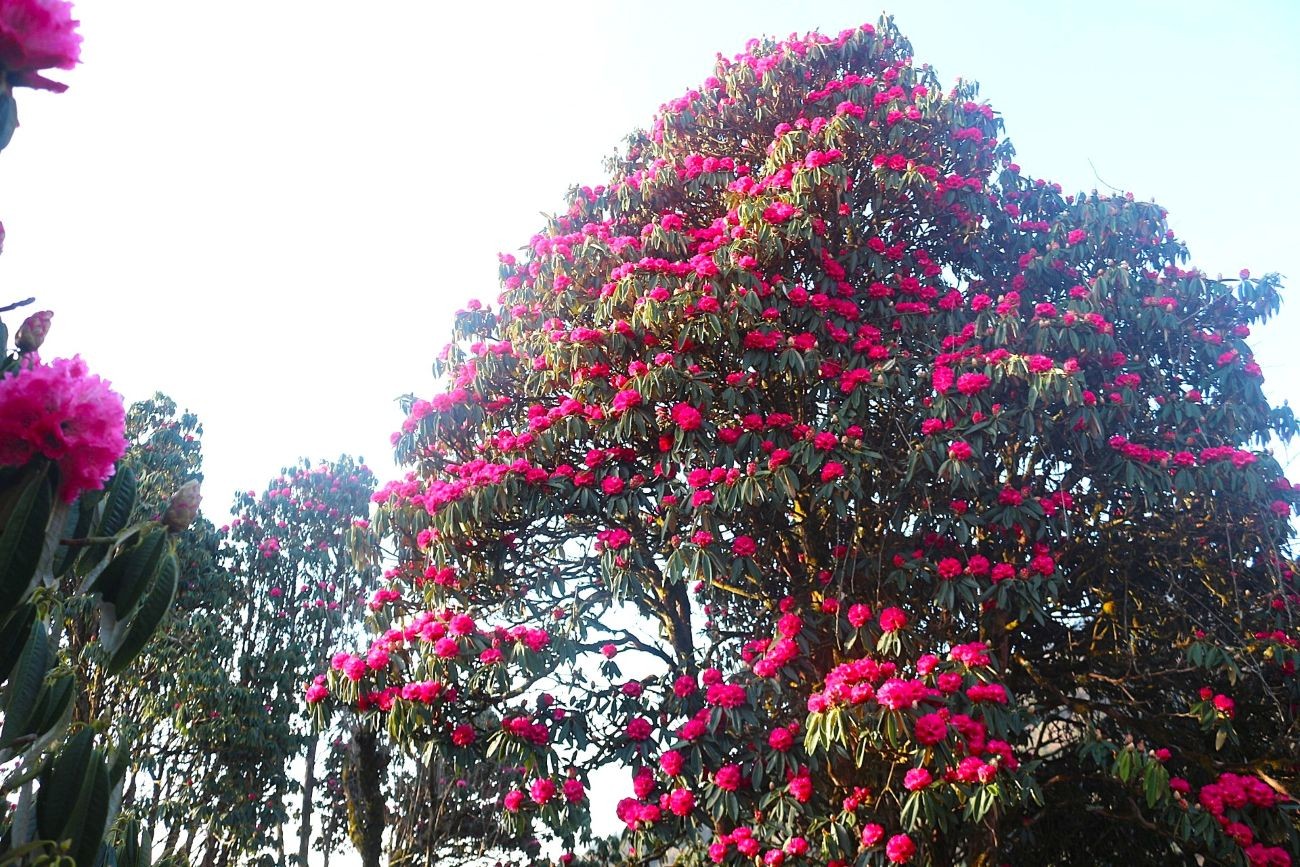
Once you get to mid-April, the flowers reach their peak. Every path from Ulleri up to Ghorepani and over to Tadapani is blanketed in color. And the forest feels alive. Bring your camera—the contrast between those bright flowers and the icy summits is unreal, especially in the mornings when the skies are clear and blue.
Here, April isn’t just about the flowers, though. The weather stays steady—days are cool but comfortable, usually between 10°C and 20°C as you climb higher. You won’t have to slog through mud or worry about rain. Early mornings on Poon Hill are something else: you get sunrise views with the entire valley glowing, and the blooming hillsides frame it all perfectly.
One thing to know: April is popular. Trekkers show up in crowds, and teahouses fill up fast, especially during Nepali New Year when the whole place feels extra festive. If you’re set on going, it’s smart to book your trek in advance.
In the end, April really is the time for flower lovers to walk these trails. You come home with memories full of color and mountain views that, honestly, stick with you. If you want that magic, plan your spring adventure for April—it’s when Poon Hill is at its best.
Key Highlights Poon Hill Trek in April :
Actually, May on the Poon Hill trek feels different—in a good way. The trails warm up and the crowds thin out, leaving you with lush, vibrant scenery and a quieter path all to yourself. Days hover between 14 and 25°C, which means you can hike in comfort without bundling up or sweating buckets. Nights around Poon Hill are still cool, but nothing that a light jacket can’t handle.
Here, you’ll notice rhododendron blooms fading, but the hills are still green, and there’s a freshness in the air as the season shifts toward the pre-monsoon phase. Sure, you might catch a light afternoon shower, but they’re usually brief—just enough to keep the forests feeling alive without ruining any plans. Sunrises stay stunning, with those famous views of Machapuchare and Annapurna I still clear most mornings.
After all the festival crowds in April, May brings a new, calmer energy. Teahouses aren’t packed, and securing a cozy spot for the night is simple. It’s great for families or anyone who just wants to walk at their own pace and actually hear the birds.
Budget-wise, things get a bit friendlier too since demand dips a little. If you want that blend of warmth, peace, and Nepal’s short spring treks at their best, May nails it.
| Aspect | May Conditions | Benefits for Trekkers |
|---|---|---|
| Temperature | 14–25°C days, 5–8°C nights | Warmer, less layering needed |
| Crowds | Moderate to low | Easier bookings, peaceful trails |
| Rainfall | Occasional light afternoon showers | Refreshing, minimal disruption |
| Landscapes | Lush green post-bloom, fading rhododendrons | Vibrant greenery, fewer flower chasers |
| Best Suited For | Families, comfort seekers | Relaxed Ghorepani Poon Hill trek pace. |
Let’s talk about what it actually feels like trekking to Poon Hill in April compared to May. During April, you get mild, comfortable days—think 10 to 22°C when you’re up at Ghorepani (2,860m). You’ll climb without overheating, and honestly, it’s hard to ask for much better when you’re active. This is a big reason why April’s such a hit for people who want pleasant weather while exploring the Annapurna region.
Lower down, like in Ulleri (2,070m), you’ll probably feel a gentle warmth as you climb. Evenings get cooler—night falls and you’re looking at 4 to 10°C up around Poon Hill (3,210m)—but the days stay clear and comfortable. You’re not out there constantly wiping sweat off your brow or layering up every time you pause.
Now, May feels a little different. The temperature rises, running between 14 and 25°C along the trails at Nayapul and Ghorepani. You can lighten up your clothing, and if you’re someone who hates the chill, this stretch feels pretty nice. Still, May’s not just about the warmth. You’ll start to pick up on the first touches of the pre-monsoon season—maybe a brief afternoon shower here and there. These quick rains usually pass fast and barely mess with plans, just refreshing the air and adding a bit of humidity.
So, here’s the real choice: April’s got that fresh, moderate feeling and cooler air at night, while May turns it up a little—warmer, lighter, and just a touch more humid. Both months make for great hiking, and it really comes down to what weather you want as you hit the trails around Poon Hill.

| Aspect | April (Mild Spring) | May (Warmer Late Spring) |
|---|---|---|
| Daytime Temp Range | 10–22°C at Ghorepani (2,860m) | 14–25°C at lower to mid elevations |
| Comfort Level | Pleasant, no overheating | Warmer, lighter clothing needed |
| Nighttime at Poon Hill | 4–10°C | 6–12°C |
| Rainfall Risk | Very low | Light afternoon showers possible |
| Best For | Balanced comfort seekers | Those preferring warmth |
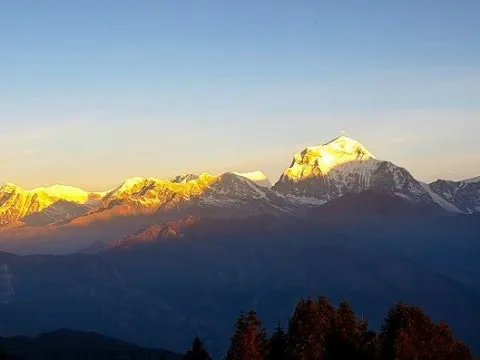
If you want those jaw-dropping sunrise views at Poon Hill, timing matters. In April, the sky is clear and you get big, sharp panoramas of Annapurna (8,091m) and Dhaulagiri (8,167m) at dawn. May is different—there’s a chance of haze from the pre-monsoon season, so you might miss out on some of that crisp mountain drama.
Actually, most trekkers climb up to Poon Hill early just for this moment—the giant peaks glowing as the sun rises. April is hands-down the best month if you want completely unobstructed views. The outlines of Annapurna I, Dhaulagiri, and Machapuchare (6,993m) are razor sharp, with golden sunlight pouring over the snow, and rhododendrons framing the whole scene. It’s a dream shot for anyone with a camera.
Likewise, May tells a different story. Some mornings, humidity from the afternoons hangs around and turns into a light haze by sunrise. Still, if you get up early, you usually beat the haze. Plenty of mornings in May offer beautiful sunrises—you just need to catch them before the clouds roll in. Guides always recommend leaving by 5 AM for the clearest views, especially if you want to see Annapurna South (7,219m) glowing in those first rays.
So, what’s the verdict? April’s perfect if you want guaranteed clear skies and sharp photos. May works too if you’re willing to start early and don’t mind a bit of haze risk. Either way, you'll get a sunrise you won’t forget on this Annapurna trek. If you're ready for it, go ahead and book that spring trip.
Sunrise Views Key Factors :
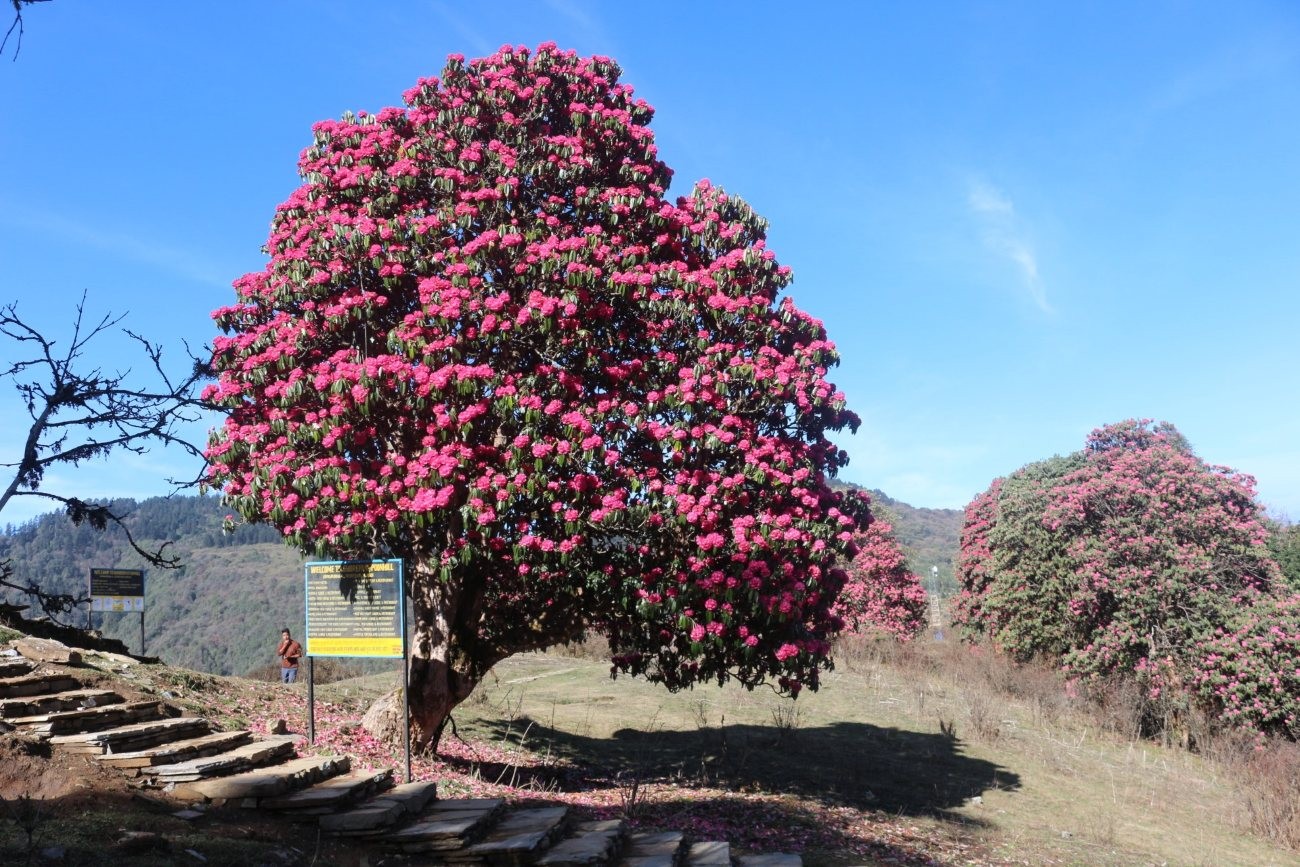
Actually, there’s something special about Poon Hill in the spring—thanks mostly to the rhododendrons. If you really want that full-on floral magic, visit in mid to late April. That’s when the red, pink, and white blooms explode across the hillsides. The forest turns into a tunnel of color, and you’ll see some of the most stunning mountain backdrops around Annapurna. No wonder so many people come just for the rhododendron bloom—photographers can’t get enough. From Ulleri up to Ghorepani and Tadapani, every turn feels like a postcard.
Likewise, May feels a little different. The flowers start to fade, petals drift down, and the fresh green leaves take over. It’s still beautiful, just softer and quieter. You get a mix of lingering blossoms and new greenery—perfect if you like things a bit less crowded or want a calmer vibe in the forest.
Moreover, the bloom’s timing changes as the trail climbs higher. The lower villages near Nayapul see flowers a bit earlier, while Ghorepani holds onto its color later. Local guides always have the scoop on what’s blooming where, so you can adjust your plans for the best show.
In short, April is your best bet for peak rhododendron season—full color, floral tunnels, and epic photos at every corner. May is gentler, quieter, and just as lush. Just decide what kind of experience you’re after, and book your trek.

Rhododendron Bloom Timeline :
Meanwhile, crowd levels on the Poon Hill trek really change between April and May. In April, you’ll find the trails packed. It’s peak season, and everyone wants to catch the rhododendron bloom. Honestly, every teahouse and viewpoint is buzzing with trekkers from all over the world. The atmosphere is lively, almost festive—especially since April lines up with the Nepali New Year. Big groups fill the paths from Nayapul up to Ghorepani. You need to book your teahouse ahead of time, or you risk missing out. And when sunrise hits at Poon Hill, you’re standing shoulder-to-shoulder with dozens of others chasing that famous Annapurna view.
Here, do Poon Hill Trek in May, things quiet down. Festival season wraps up, the rhododendrons fade, and fewer trekkers head out. The trails feel calmer, which makes the whole experience more peaceful. Families and anyone craving solitude really seem to love the lighter crowds. You get easier access to teahouses, and you can actually pause to soak in the scenery without the rush.
Another plus in May? Trek operators start offering shoulder-season discounts. So you save a bit of cash while walking the same beautiful trails, just with far less foot traffic.
If you like meeting people and thrive on that high-energy trekking vibe, April’s your month. But if you want space, quiet mornings, and maybe a better price, go with May. Either way, both months leave you with unforgettable memories of Ghorepani and Poon Hill.
| Aspect | April (Peak Season) | May (Shoulder Season) |
|---|---|---|
| Trail Crowds | Busy, many groups | Calmer, fewer trekkers |
| Teahouse Availability | High demand, book weeks ahead | Easier walk-in spots |
| Sunrise Viewpoint | Crowded at Poon Hill (3,210m) | More space for photos |
| Local Festivals | Nepali New Year boosts numbers | Post-festival quiet returns |
| Best For | Social & vibrant experience | Peaceful & relaxed pace |
If you’re heading out on the Poon Hill trek in April, you’ll run into high demand—so snag your spot early. It gets busy fast, especially during the peak season when the rhododendrons are in bloom and locals celebrate the Nepali New Year. People swarm the lodges in Ghorepani and the surrounding villages, and showing up without a reservation is just asking for a night on a cold wooden bench. Book your trek package at least two or three months ahead with someone you trust.
May, though, is a different story. The crowds fade, and teahouses in Ghorepani, Tadapani, and Ulleri open up. You don’t have to rush—there are more walk-in spots, and the atmosphere feels way more relaxed. You might even score a better rate since some teahouses lower their prices as spring winds down.
If you want your trip to go smoothly, a few smart moves make a big difference. Go for trekking packages that include both teahouse reservations and a good guide. Lock down April dates early by contacting agencies as soon as you can, and always keep a backup plan—rooms in the Poon Hill area can be tough to grab during peak times.
So April means plan ahead—don’t wing it. In May, you can keep things flexible. Either way, book early or set things up with someone experienced, and your Poon Hill trek turns out a lot more comfortable and stress-free.
Teahouse Booking Tips :
Actually, trail conditions on the Poon Hill trek really shape your whole experience, especially in spring. In April, the trails stay mostly dry, making the hike a lot more comfortable. You move along firm ground from Nayapul all the way up to Poon Hill, so there’s hardly any slipping or slowdowns—just steady, easy walking. The dust isn’t too bad and temperatures around Ghorepani are just right for trekking.
Once May hits, things change a bit. You get the first hints of monsoon season, so afternoon showers sometimes leave muddy patches, especially in the lower sections near Ulleri and Hille. Still, most of those muddy spots dry out overnight. As long as you have decent footwear, the extra mud doesn’t make things too tricky. On the upside, May is warmer—you don’t need to wear as many layers, and the heat actually feels good while you’re climbing.
If you want the easiest walking and the least hassle, pick April. The paths are dry, the weather’s pleasant, and you can keep a good pace. If you’d rather have warmer days and don’t mind a little mud, May works too. Either way, you’re in for a great trek along the Ghorepani Poon Hill trail in spring.
| Aspect | April (Dry Spring) | May (Pre-Monsoon Transition) |
|---|---|---|
| Path Surface | Mostly dry and firm | Mostly dry, occasional mud patches. |
| Rainfall Impact | Very rare | Light afternoon showers possible. |
| Trekking Comfort | High; easy footing | High; warmer but watch slippery spots. |
| Footwear Needed | Standard hiking shoes | Shoes with good grip recommended. |
| Best For | Steady pace lovers | Warmth seekers tolerant of minor mud. |
If you’re chasing those jaw-dropping pictures on the Poon Hill trek, April’s your golden ticket. The rhododendrons are in full bloom, painting the hills red and pink, and sunrise shoots are just magical — think crystal-clear views and colors that pop against Annapurna I and Dhaulagiri. Every frame looks ready for Instagram, and the light couldn’t be better. Photographers, bloggers, content creators — honestly, you won’t get brighter contrasts or sharper shots any other time.
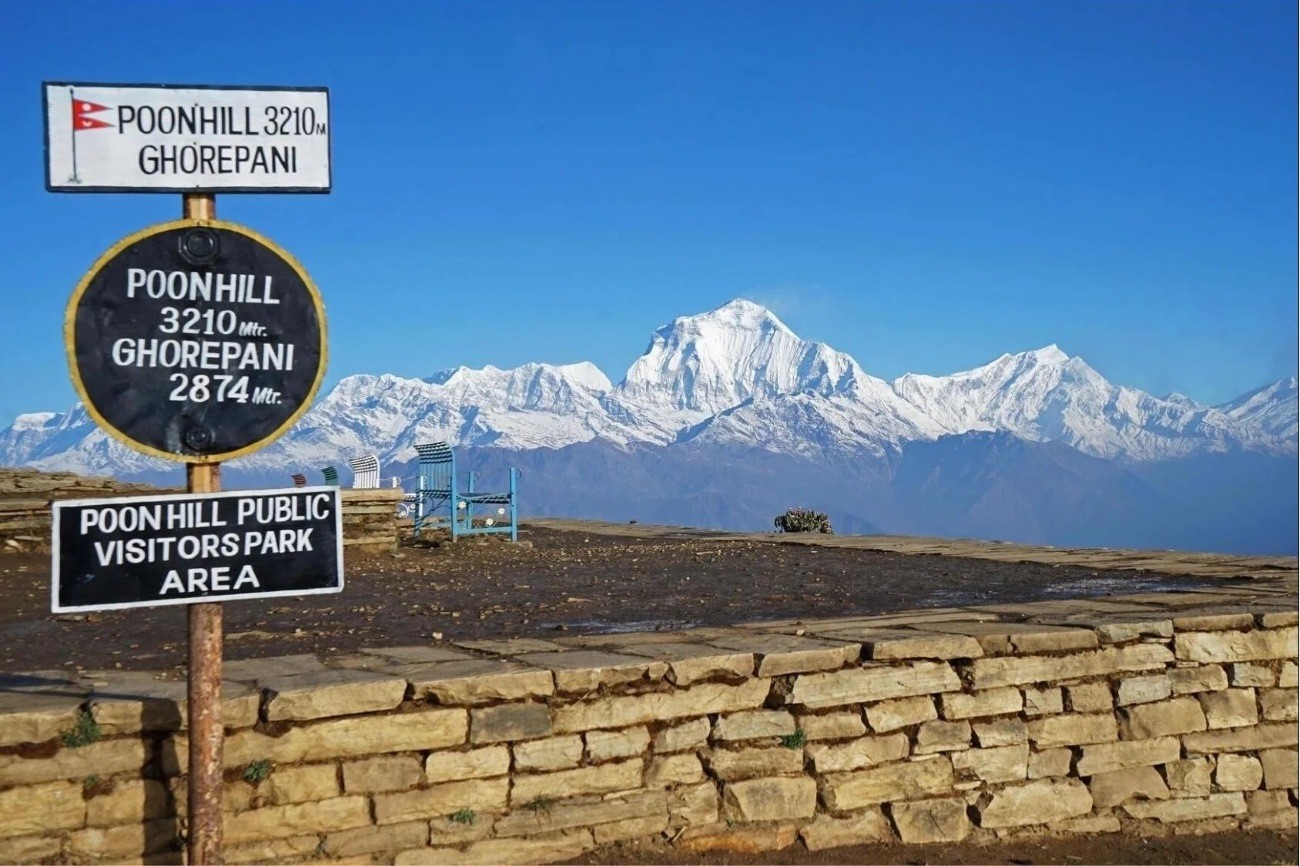
Now, May’s a different vibe. The crowds thin out, the rhododendrons fade, and the greenery comes alive. Trails feel quieter, forest shots look softer, and morning mist adds a dreamy quality. If you’re into portraits or want more natural, relaxed scenes, you’ll love May. You can snap sunrise over Machapuchare without a bunch of trekkers in your way, and those occasional showers? They bring mood and drama into your photos.
In the end, April is best for bold, stunning landscapes and iconic blooms. May is perfect for atmospheric, candid shots and a calmer trekking experience. So, what’s your style? If sharp, stand-out images are your goal, pick April. If you prefer subtle moods and less crowded frames, May’s got your back.
Photography Highlights by Month :
So, who should pick April for the Poon Hill trek? Honestly, it’s perfect for anyone who loves flowers, is into photography, or just wants to catch the famous rhododendron blooms. The trails explode with color, and the skies are clear, so every step feels like you’re walking through a painting. If you’re thinking about a short Annapurna trek in Nepal, April really stands out.
Actually, people who crave those peak sights and special seasonal moments flock to Poon Hill in April. This month is all about those unbeatable spring scenes in the Annapurna region. If your goals match up with these conditions, you walk away with the best memories. April delivers the most value if you’re hoping for that wow factor.
In fact, flower lovers are in for a treat. By mid to late April, the rhododendron blooms hit their stride, turning the trails to Ghorepani into tunnels of red, pink, and white. It’s a floral showcase that botany fans and nature seekers won't forget.
If you are photographers, April is your playground. Sunrise from Poon Hill gives you crisp, dramatic views of Annapurna I, Dhaulagiri, and Machapuchare, all framed by blooming flowers. If you’re aiming for standout shots or content for your blog or social feeds, April hands them to you.
Moreover, first-time trekkers and social adventurers get a taste of lively energy too. The trails fill up, teahouses buzz, and you’ll run into other hikers, especially during the Nepali New Year. If you’re outgoing or want a vibrant atmosphere, this is your moment.
To sum up: April is a winner for flower lovers, shutterbugs, and anyone looking to soak up the spring buzz. If this fits your style, lock in your spot early—the April Poon Hill trek really delivers.
Ideal April Audience Profile :
Actually, May is a great month for the Poon Hill trek if you're drawn to quieter trails, warmer days, and an easy-going vibe. Honestly, it’s perfect for families, anyone who loves comfort, or people who just want to take it slow and soak in the views. The hills burst with greenery, and you get all those peaceful moments in the Annapurna region.
If you like your Poon Hill trek calm, with less crowd and more sunshine, May delivers. You spend your days walking through spring landscapes, enjoying the comfort of milder weather rather than chilly mornings. Families especially appreciate May. Kids won’t freeze on the trail, and parents can set a natural, steady pace. With fewer people around, everyone moves safely, and there’s space to enjoy the journey.
Likewise, older hikers and those who crave a little luxury also find May suits them well. Nights are softer—around 6 to 12°C—so you don’t need to pile on layers at Ghorepani. You pack lighter, recover quicker, and the experience just feels easier compared to colder months.
Here, solo travelers or couples on a budget get a bonus too. With fewer trekkers, finding a comfy teahouse is a breeze, and sometimes you score a little discount. Sunrises over Annapurna I and Dhaulagiri are epic, and you don’t have to elbow your way for a spot. The tranquility of May is ideal for anyone who wants to reflect or unwind.
Really, May is a top pick for families, comfort seekers, and travelers watching their wallet. You get warmer weather, peaceful trails, and hassle-free trekking. If you want a trip that feels relaxed and rewarding, May is the way to go.
Ideal May Audience Profile :
So, is April or May the better month for your Poon Hill trek? Honestly, it all comes down to what you want most out of the experience. April is perfect if you’re chasing those famous rhododendron blooms and the sharp, clear mountain views—those sunrises over Annapurna and Dhaulagiri really pop in April. If you’re a photographer or you just love wildflowers, April pulls you in, even if it means more people on the trail and cooler nights.
Now, May has its own charm. The crowds thin out, and the weather turns gentler—warmer days and easier pacing. The landscape shifts from a burst of flowers to lush, fresh greenery, and it’s way easier to find a quiet teahouse. Families, folks who want a bit more comfort, and anyone looking to save a little money tend to lean toward May for its calm, laid-back vibe. You do give up a bit of crystal-clear sky, since May sometimes brings in haze or a light shower, but the trails are quieter and the overall feel is more relaxed.
In fact, both months beat the other seasons by a mile for trekking around Poon Hill. So, you just need to think about what matters most—whether it’s wildflowers and jaw-dropping views, or fewer people and warmer days. That’s really the bottom line for picking the best time for your spring adventure in the Annapurna region.
| Your Priority | Better Month | Why It Wins |
|---|---|---|
| Peak rhododendron bloom | April | Full vibrant colors line every trail to Ghorepani (2,860m). |
| Crystal-clear sunrise views | April | Zero haze for sharp Annapurna (8,091m) panoramas. |
| Fewer crowds & peaceful trek | May | Calmer paths and easier bookings. |
| Warmer days & trekking comfort | May | 14–25°C temperatures reduce layering needs. |
| Budget & flexible plans | May | Lower demand brings slight savings. |
| Photography for vivid shots | April | Best floral-Himalayan contrasts. |
So, are you thinking about booking your Poon Hill trek? Now’s the perfect time to lock in your Ghorepani Poon Hill trek for spring 2026. If sunrise over the Annapurna range (all 8,091 meters of it) is on your bucket list, go ahead—start planning this adventure. Get advice on the best months, what it costs, and how to get yourself set up for those famous golden views.
Honestly, there’s no better time to finally check this off your list. Trekkers from all over the world make this short Annapurna trek their top pick. It’s an easy hike to plan, delivers huge payoffs, and lets you catch that sunrise from Poon Hill (3,210m) with rhododendron forests all around. When you book early for spring, you’re pretty much guaranteed a spot during peak bloom season.
But don’t just rush it—pick your timing carefully. April is unbeatable if you want brilliant rhododendron flowers and crystal-clear mountain views. Want warmer weather and fewer people on the trail? Try May for a quieter, more laid-back experience between Ghorepani (2,860m) and Poon Hill.
Next up: paperwork and gear. You’ll need a TIMS card and an Annapurna Conservation Area Permit (ACAP), both simple to get in either Kathmandu or Pokhara. Pack smart—dress in light layers, bring solid trekking shoes, a rain poncho, and a good headlamp for those pre-dawn climbs. If you want to skip the hassle, pick a trustworthy trekking company. Most Ghorepani Poon Hill packages cover permits and all those little details.
Here, are you wondering about the cost? Standard 4–5 day Poon Hill Trek packages run somewhere between $300 and $550 per person. That usually covers your guide, porter option, teahouse stays, meals, and permits. If you want a private or a bit more luxury, expect to pay closer to $600–$900.
So, get in touch with a reliable local agency now. Booking early makes life easier, gives you better date choices, and sometimes a sweet discount. Before you know it, you’ll be on your way to sunrise views of Annapurna I (8,091m), Dhaulagiri (8,167m), and Machapuchare (6,993m). Take that first step—your Himalayan adventure is waiting.
Next Steps to Book Your Poon Hill Trek :
1. Is April or May Better for the Poon Hill Trek?
April and May are both months for the Poon Hill Trek. April usually has mountain views and cool temperatures. May brings weather and colorful rhododendron forests at higher elevations. So April is good for photographers and people who love mountains while May is ideal for trekkers who like conditions and greener landscapes. The Poon Hill Trek is great in both April and May.
2. What Is the Weather Like in April on the Poon Hill Trek?
April has spring weather on the Poon Hill Trek. Days are usually sunny and good for walking. Temperatures range from 10°C to 20°C at elevations. Mornings are great for seeing sunrise. Since it doesn't rain much April is a trekking month.
3. What Is the Weather Like in May on the Poon Hill Trek?
May is warmer than April on the Poon Hill Trek. Daytime temperatures often reach 22°C at elevations. Sometimes there are afternoon clouds and light pre-monsoon showers.. Mornings are usually clear. So trekkers can still see Himalayan views before the weather changes later in the day. The weather in May is still good for the Poon Hill Trek.
4. Are Mountain Views in April or May?
Mountain views are clearer in April. The air is dry. You can see far. In May there may be clouds and haze especially in the afternoons.. Both months offer great views of Annapurna I (8,091m) Dhaulagiri (8,167m) Machhapuchhre (6,993m) and Hiunchuli (6,441m). The mountain views from Poon Hill Trek are amazing in both April and May.
5. When Do Rhododendrons Bloom on the Poon Hill Trek?
Rhododendron forests bloom from March to May. April usually has the colorful displays along the trail.. Many flowers are still visible in early May especially at higher elevations. So both months offer forest scenery though April has the peak flowering season. The rhododendron forests on the Poon Hill Trek are beautiful.
6. Is the Poon Hill Trek More Crowded in April or May?
April is usually the spring month on the Poon Hill Trek. Many trekkers visit because of skies and blooming rhododendrons. May is still popular. Has slightly fewer visitors. So trekkers who want quieter trails may find May more comfortable while still enjoying trekking conditions. The Poon Hill Trek can be crowded in April.
7. How Cold Is Poon Hill During April?
April temperatures are pleasant during the day on the Poon Hill Trek.. Mornings at Poon Hill (3,210m) can be cold. Temperatures may drop close to freezing before sunrise. So warm layers, gloves and a jacket are recommended. Fortunately sunny afternoons make trekking comfortable and enjoyable. It can be cold on Poon Hill, in April.
8. How Warm Is Poon Hill During May?
The weather at Poon Hill in May is noticeably warmer than it is in April when you are on the trek. The temperature during the day is just right for hiking. The nights are not too cold.. It can still feel pretty chilly at Poon Hill before the sun comes up. So it is an idea for trekkers to bring some light warm clothes with them. This way they can enjoy the spring weather.
9. Is Rain Common on the Poon Hill Trek in May?
It is more likely to rain in May because the monsoon season is coming.. It does not usually rain a lot in early May. Most of the time it rains in the afternoon or evening. So it is an idea to bring a lightweight rain jacket with you. Luckily the mornings are usually clear so you can go trekking and take pictures of the mountains.
10. Which Month Is Better for Photography, April or May?
A lot of photographers like to go in April. The skies are clear. You can see the mountains really well. The rhododendrons are also in bloom. They look really beautiful. May is also a time to go because the landscapes are green and the spring scenery is vibrant. So both months are great for photography.. April is usually better if you want to take pictures of the Himalayan peaks.
11. What Should I Pack for Poon Hill in April?
If you are going to Poon Hill in April you should pack clothes that you can wear in layers. You should also bring a jacket gloves, sunglasses, sunscreen and comfortable hiking boots. It can be really cold in the morning when you are at an elevation. The weather can also change a lot during the day. So it is an idea to wear layers so you can stay comfortable.
12. What Should I Pack for Poon Hill in May?
You do not need many warm clothes in May as you do in April.. You should still bring a light fleece and a waterproof jacket. It can rain sometimes in the afternoon. The sun can also be really strong. So you should always bring sunscreen, a sun hat and a reusable water bottle with you.
13. Is Altitude Sickness a Concern in April and May?
You do not have to worry much about altitude sickness on the Poon Hill Trek. The highest point is 3,210m.. You should still try to walk at a steady pace and drink a lot of water. Both April and May are times to go because the conditions are good for your body to get used to the high elevation. So most people can complete the trek without any problems.
14. How Many Days Are Needed for the Poon Hill Trek in Spring?
Most people can complete the Poon Hill Trek in 4 to 6 days.. It really depends on the route you take and how fast you walk. The weather in April and May is usually good so you can make your itinerary flexible. So you can easily combine Poon Hill with nearby villages like Ghandruk.
15. Should Beginners Choose April or May for the Poon Hill Trek?
Both April and May are great for beginners. The trails are easy to follow. The weather is usually stable. April is a time to go if you want to see the mountains clearly and you do not mind cooler temperatures. May is a time to go if you want warmer weather. So you can choose either month. You will be fine. The Poon Hill Trek is a trek, for first-time trekkers.
Our travel experts are ready to assist you with any questions.
Send us a message.Have a question before you book? Send your enquiry below and our travel experts will get back with the required information.