Know why the trek from Ulleri to Ghorepani represents the Poon Hill trek, including views of the Himalayas, teahouse treks, and the overall typical experiences of trekking in the Annapurna region.
Highlights in Summary:
Firstly, it is pertinent to say that Ulleri to Ghorepani is the primary highlight of Poon Hill trek. Ulleri to Ghorepani trek: Introduces typical trekking experiences in Annapurna regions. In addition to this, it provides a mix of both cultural immersion and mountain views. And the distance from Ulleri to Ghorepani is about 10 kilometers and it takes around 4-5 hours. Hence, it is an integral part of any Ghorepani trek.
Secondly, the trek from the Ulleri village (2,070m) to Ghorepani village (2,860m) helps in proper acclimatization. The trek from Ulleri to Ghorepani helps in acclimatization while following the Annapurna trekking trail. Moreover, this part of the Poon Hill trekking trail is ideal for beginners. Therefore, it has been recommended for family treks and short trekking in Nepal.
Moreover, the trail from Ulleri to Ghorepani showcases dense rhododendron forests and traditional Magar settlements. This Ulleri to Ghorepani trek highlights biodiversity within the Annapurna Conservation Area. Furthermore, seasonal blooms enhance the Ghorepani trekking experience, especially during spring trekking in Nepal. As a result, photographers prefer this section for landscape and cultural shots.

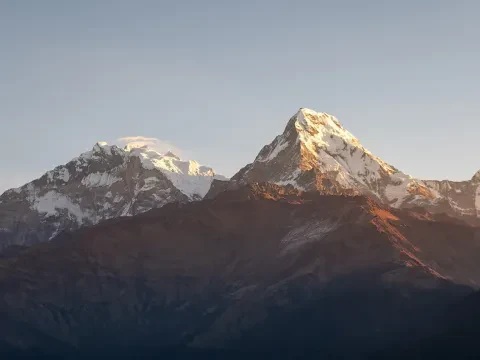
Additionally, mountain panoramas enrich every step along Ulleri to Ghorepani route. Trekkers witness Annapurna South (7,219m), Hiunchuli (6,441m), and Machhapuchhre (6,993m) clearly. This Ulleri to Ghorepani trek also hints distant Dhaulagiri (8,167m) on clear days. Hence, this Poon Hill trek segment delivers high scenic value.
Likewise, teahouse infrastructure on Ulleri to Ghorepani trail strengthens the trekking experience. This Ulleri to Ghorepani trek features reliable lodges, meals, and resting points. Furthermore, Ghorepani village (2,860m) serves as a strategic base for Poon Hill sunrise hikes. Therefore, this section remains central to Annapurna short trek planning.
Importantly, this trail from Ulleri to Ghorepani supports local livelihoods through trekking tourism. The Ulleri to Ghorepani trek sustains teahouse owners, porters, and guides. Moreover, responsible Annapurna region trekking promotes conservation and community welfare. Thus, this section balances tourism benefits and environmental care.
Consequently, cost efficiency increases the route’s popularity. The Ulleri to Ghorepani trek usually costs USD 25–40 per day, excluding permits. This Ghorepani trekking cost fits budget trekking Nepal packages. Therefore, travelers enjoy value without compromising comfort.
Furthermore, trail safety and navigation remain straightforward. This Ulleri to Ghorepani trek follows well-marked Annapurna trekking trails. Additionally, emergency support and communication exist throughout the route. Hence, trekkers feel confident even during first Himalayan treks.
As a result, cost efficiency is another factor that makes a popular route. The cost of trekking from Ulleri to Ghorepani is USD 25-40 per day, not including permits. The cost to trek to Ghorepani is within trekking budget packages in Nepal.
Moreover, trail condition, safety, and navigation are not very complicated either. In fact, this Ulleri to Ghorepani Trek route includes proper Annapurna Trekking Trails. Moreover, there is emergency help and communication available along the route as well. Therefore, the trekkers do not have any doubts even when it comes to
Finally, the Ulleri to Ghorepani section is the defining factor of a successful Poon Hill trek. The trek from Ulleri to Ghorepani allows a smooth blend of nature, culture, safety, and budget. For this reason, it is the segment of Annapurna region trekking adventures that remains a ‘must-do.’
Begin your Ulleri to Ghorepani trek starting from Ulleri Village-see morning scenarios, trail conditions, altitude details, cost, and highlights of the Annapurna Region Trek.
Morning Route Overview from Ulleri:
First of all, mornings in Ulleri village at 2,070 meters, start with calm mountain air and village sounds. Thus, this day's trek from Ulleri to Ghorepani starts amidst stone houses and terracing hillsides. Early starts also support comfortable trekking in the Annapurna region with better weather conditions. Thus, trekkers get up early to be ready for steady ascents.
Besides, breakfast at Ulleri fill the trekkers with energy for the climb ahead. This Ulleri to Ghorepani trek includes teahouse meals: porridge, eggs, and Tibetan bread. Further, hot drinks help with elevation adjustment during the Ghorepani trek. Therefore, good nutrition will take care of endurance and altitude comfort.
Moreover, the trail leaves Ulleri village at 2,070m gradually via forested paths. This Ulleri to Ghorepani trek passes Banthanti-2,210m, and Nangethanti-2,460m. In addition, shaded trails increase the comfort of Annapurna trekking during the warm seasons. Because of this trekkers can do consistent pacing.
Also, the light of the morning at Ulleri demonstrates the surrounding Himalayan ranges. Trekkers manage to sight Annapurna South (7,219m) and Hiunchuli (6,441m) as the mornings are clear. This Ulleri to Ghorepani trek promotes the approach towards Ghorepani village (2,860m).
So, experiences with locals along the trail to Ghorepani from Ulleri are added value. Moreover, Ulleri to Ghorepani trek also offers an encounter with Magar culture. Finally, Annapurna treks highlight some form of cultural experience. So, trekkers are treated to more than an adventurous experience.
Notably, the need for an understanding of the altitude cannot be overstated from Ulleri village (2,070m). The Ulleri to Ghorepani trekking trail allows the trekker to ascend gradually while resting intermittently. Moreover, trekking health through Ghorepani days monitored by trekking guides.
Due to this factor, expenses also remain in control in this phase. The average cost for the Ulleri to Ghorepani trek in the day-to-day expenditure is around US$ 25-40 dollars. This cost for Annapurna trekking covers meals and accommodation. So, budget calculation remains pretty predictable.
Besides, trail conditions stay well-maintained and safe. This Ulleri to Ghorepani trek follows stone steps and forest paths. Moreover, the signs encourage independent trekking in the Annapurna region. This way, it is not that complicated to follow.
Finally, starting the day in Ulleri village at an altitude of 2,070m sets the rhythm for success. This morning of the Ulleri to Ghorepani trek blends preparation, scenery, and culture; hence, it perfectly frames the Annapurna region trekking experience.
View the breathtaking morning scenario of Annapurna South from Ulleri village, including Himalayan sunrise, elevation, Annapurna region trekking beauties, and Poon Hill trek highlights.
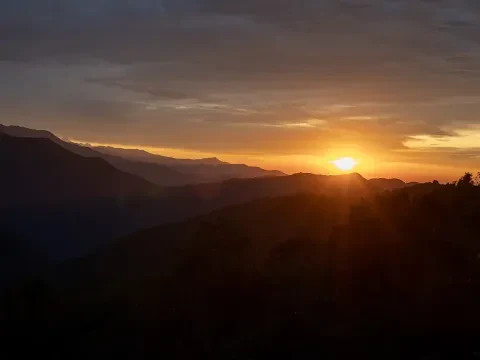
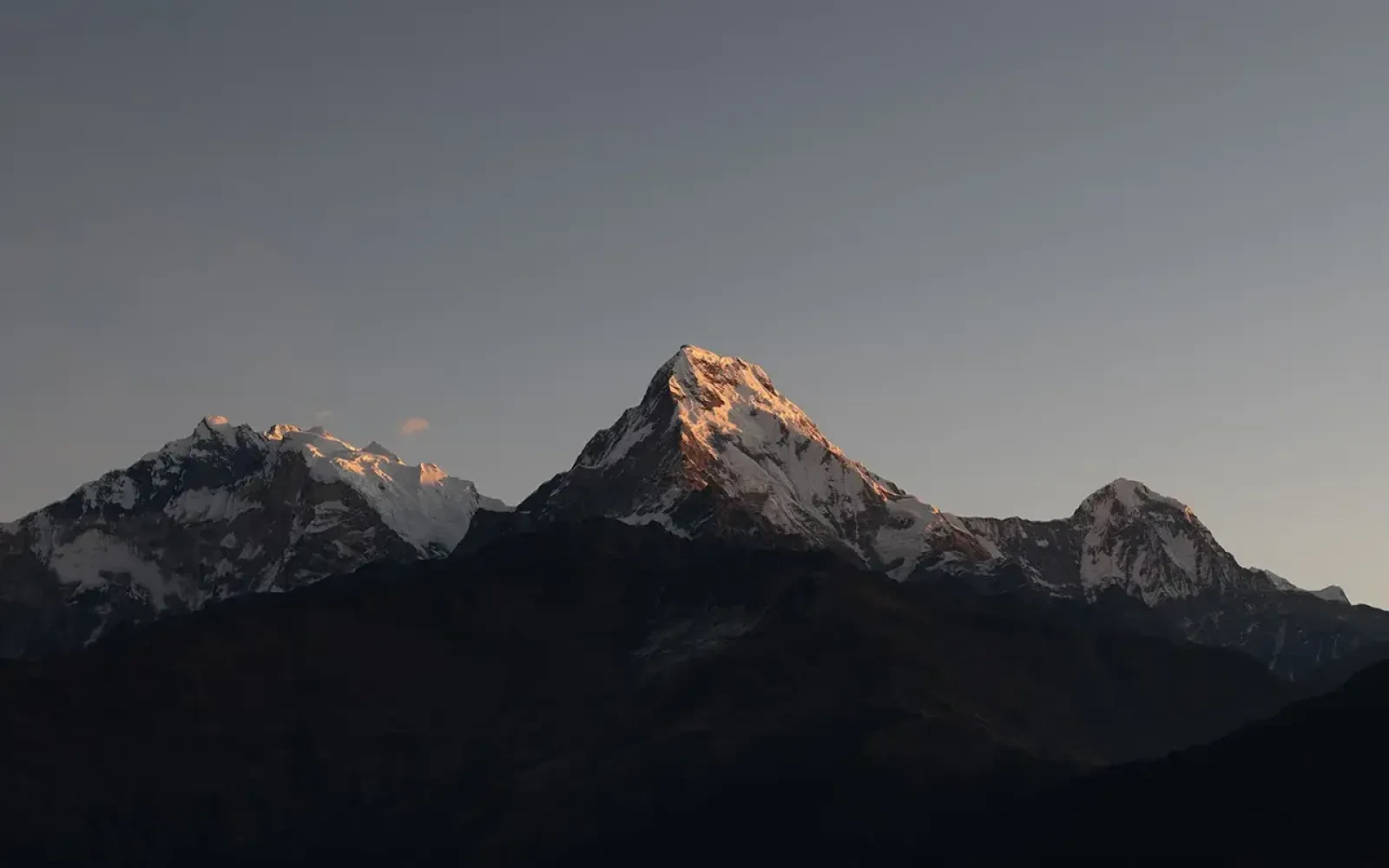
First thing in the morning, Ulleri village (2,070m) displays an awesome Himalayan vista: Annapurna South (7,219m) glowing under early sunlight in this Ulleri morning view. This view of Annapurna South remarkably improves the trekking experience from Ulleri to Ghorepani. So, during Annapurna region trekking, early wake-ups are valued much more by trekkers.
Likewise, the visibility of the mountains from Ulleri village is enhanced in clear skies at 2,070m. This Ulleri Annapurna South vista often ranges from Hiunchuli, 6,441m, to Machhapuchhre, 6,993m. In addition, these morning views enhance the attractions of the Poon Hill trek route. Therefore, photographers prefer Ulleri sunrise moments.
Besides, cool temperatures allow a feel of comfort during trekking at early hours. This trek from Ulleri to Ghorepani has cool winds and stable weather. Besides, trekking experts in the Annapurna region recommend that one should start before strong sunlight appears. Therefore, trekkers enjoy peaceful conditions of the Himalayas while trekking.
Moreover, cultural settings in Ulleri Village also make the mountain views beautiful. The houses here in Ulleri are made of stone, adding beauty to this morning scenery along with the prayer flags and terraced fields. Moreover, Magar village life is an authentic complement to the Annapurna South view. Hence, this trek from Ulleri to Ghorepani is culturally immersive.

Similarly, these views build emotive motivation for the ascent that lies ahead from Ulleri to Ghorepani. This Ulleri Annapurna South morning boosts morale prior to climbing higher elevations. In addition, Ghorepani trekking is affected by your positive pacing and mindset. Therefore, scenic inspiration supports physical endurance.
Importantly, the visually dominating southern Annapurna range has Annapurna South at 7,219 meters. This viewpoint at Ulleri underlines the mountain's massive ice faces and ridges. Furthermore, it is here that the trek guides of the Annapurna region explain the geological and cultural significances. Thus, education enriches the trekking experience.
Consequently, weather reliability makes mornings perfect for views from Ulleri village. This section of the Ulleri to Ghorepani trek is a very common morning clarity. Further, clouds in the Annapurna trekking zones generally tend to ascend after midday. Therefore, sunrise viewing maximizes visibility.
More importantly, costs are still at a minimum to enjoy these views from Ulleri village. This experience of Ulleri Annapurna South doesn't require any extra charges. Moreover, budget Annapurna trekking packages include Ulleri village stays. Thus, natural beauty comes without extra cost.
Finally, morning views of Annapurna South from Ulleri create lasting impressions. This Ulleri to Ghorepani trek moment combines scenery, culture, and inspiration. Therefore, it remains one of the most rewarding Annapurna region trekking highlights.
The details below will give you an idea of what to expect on the stone staircase trail after Ulleri and include elevation gain, trail conditions, Annapurna region trek difficulty, and preparation for Ghorepani Trek.
Overview of Stone Staircase Trail After Ulleri:
| Section | Elevation | Trail Feature |
| Ulleri | 2070m | Start of stone staircases |
| Banthanti | 2,210m | Rest for a short while |
| Nangethanti | 2,460m | Forest teahouse stop |
| Ghorepani | 2,860m | End of major ascent |
Above all, this trekking section from Ulleri to Ghorepani is defined by stone staircase trail after Ulleri village at 2,070m. This Ulleri stone steps trail marks the beginning of sustained ascent. In addition, this Ulleri to Ghorepani trek challenges legs while remaining technically safe. For that reason, trekkers prepare their minds for continuous climbing.
Then, stone steps above Ulleri climb upwards in a gentle manner through a range of forested landscapes. The Ulleri to Ghorepani trek goes upwards toward Banthanti (2,210m) and Nangethanti (2,460m). Moreover, shaded pathways control the heat factor throughout Annapurna region trekking. Thus, trekkers can breathe and set their rhythm properly.
Besides, the classical trail represents traditional Himalayan design. This stone staircase in Ulleri uses locally placed stones interlocked together for durability. In addition, erosion control and safety is paramount in Annapurna trekking routes. Therefore, the trail is in a stable condition during monsoon and winter.
Besides, pacing is of great significance on this staircase part from Ulleri to Ghorepani. This Ulleri to Ghorepani trek suggests a slow, rhythmic gait. Furthermore, Ghorepani trekking guides recommend frequent brief pauses. Thus, trekkers economize energy effectively.
Similarly, forest scenery amplifies the climb experience. This Ulleri stone steps trail takes one through oak and rhododendron forests. Moreover, biodiversity found in trekking in the Annapurna region enriches the sensory feelings of enjoyment. Hence, the climb is not monotonous but rather an engaging one.
Importantly, the altitude gain from Ulleri to Ghorepani remains gradual despite the staircases. This Ulleri to Ghorepani trek increases the elevation safely from 2,070m onward. Furthermore, acclimatization does naturally occur through your walking pace. Thus, altitude sickness risk stays low.
Consequent to this, comfort on this trail is improved by getting prepared in terms of fitness. This Ulleri stone staircase trek suits average fitness levels. Furthermore, Poon Hill trek itineraries have enough time to rest. Hence, the climb is successfully managed by beginners.
Also, the expenses are standard on this route. This Ulleri to Ghorepani trek is USD 25-40 per day, covering the accommodation as well. Moreover, the Annapurna trekking permit covers it fully. Therefore, estimation of expenses remains pretty straightforward.
Finally, the stone staircase trail after Ulleri marks the definition of physical effort on this trek. Thus, this section of the trek from Ulleri to Ghorepani balances up the challenge with safety. Hence, it prepares trekkers perfectly for the adventures in Ghorepani village at 2,860m and Poon Hill.
Describe the forest transition between the trek route at Ulleri and Ghorepani via the trekking route from Ulleri to Ghorepani, covering the altitude changes and the trekking ecology in the Annapurna region.
Forest Transition Beyond Ulleri (2,070m):
Firstly, further along from the village of Ulleri (2,070m), the trekking conditions start to change noticeably. The Ulleri to Ghorepani Trek sees the transition from the open villages to the dense forest zones starting here. Furthermore, the stages of the transition into the forest symbolize typical Annapurna terrain trekking scenarios.
Secondly, mixed forests begin soon after leaving Ulleri village (2,070m). This Ulleri forest trail consists of oak, pine, and bamboo trees. Furthermore, these forests make trekking easier by cushioning and securing the trail. Therefore, this Annapurna trek becomes cooler and more peaceful. Additionally, the forest transition is ideal for adapting to high altitudes. The Ulleri to Ghorepani trek starts gently toward Banthanti (2,210m). Also, trekking through shaded routes is energy conserving when climbing high. Consequently, the energy levels of the walkers remain well-managed.

At the same time, bird species become evident along the forest trail from Ulleri to Ghorepani. This Ulleri forest trekking region is home to birds of the Himalayan range and smaller animals. In addition, biodiversity protection in Annapurna region trekking is emphasized in this particular section.
Similarly, the trail conditions from Ulleri to Ghorepani are well maintained. The Ulleri to Ghorepani trek trail consists of stone pathways along with root and soil. In addition to that, trekking in Annapurna also provides sure footed trekking experiences in wet season. Therefore, trekking in the forest part also becomes safe.
An added advantage of this route is the warming effect of temperature regulation, which improves within the forest area. This Ulleri forest transition helps protect trekkers from the sun and wind. Moreover, trekking in Ghorepani also encourages adhering to a steady pace.
Therefore, cultural interactions decrease as the forests become denser. In the beginning, the Ulleri to Ghorepani trekking journey momentarily concentrates on nature instead of villages. In fact, the trekking experiences within the Annapurna region successfully combine nature and culture.
Moreover, the price remains constant in this section. The average price for this Ulleri to Ghorepani trek is USD 25-40 per day. In addition, the environmental protection of the forest is included in the Annapurna region trekking permits.
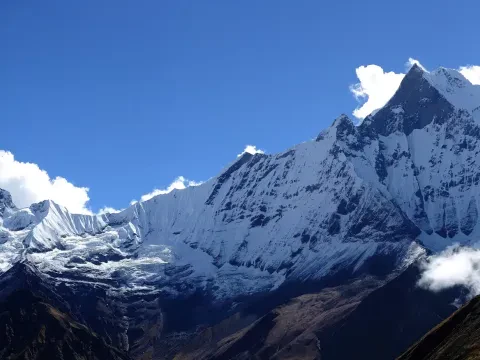
Finally, the forest transition that gradually moves above Ulleri also adds to the trekking height. This part of the trek that moves to Ghorepani has elements of comfort, ecologically sound practices, and also the control of heights.
Enter the famous rhododendron forest area on the Ulleri to Ghorepani trek, with altitude information, biodiversity of the Annapurna region, and insights on the Poon Hill trek.
Overview of Rhododendron Forest Zone:
| Location | Elevation | Key Features |
| Nangethanti | 2,460m | Entry into rhododendron forest. |
| Upper Forest | 2,600m | Dense blooms and shade. |
| Ghorepani | 2,860m | Exit from forest zone. |
To begin with, crossing into the rhododendron forest area from Ulleri to Ghorepani represents one of the visual treats of this journey. It is at Ulleri and Ghorepani that the rhododendron forest begins at Nangethanti (2,460m). Furthermore, this forest area establishes the character of trekking in the Annapurna region.
Secondly, rhododendron trees above Ulleri also cover the environment along the trekking trail. The rhododendron forest exhibited here is that of Ulleri. It shows thick tree trunks with broader leaves. Furthermore, the spring periods make the Annapurna trekking region famous with the presence of red and pink flowers.
Moreover, forest density becomes greater in this range. “The Ulleri to Ghorepani trek becomes quieter and more engaging. Moreover, trekking in the Annapurna region adheres to a code of conduct that ensures these forests are protected. Therefore, these environments are in good condition.”
Additionally, elevation gain while entering rhododendron forest above Ulleri seems to be much smoother inside the rhododendron forest. This Ulleri to Ghorepani trek gradually ascends to lift itself to Ghorepani village at an altitude of 2,860m. Furthermore, shaded conditions decrease the expenditure of energy in Ghorepani trekking. Thus, trekkers can continue breathing rhythmically.
Similarly, there is cultural importance attributed to the rhododendron forests in Nepal. This Ulleri rhododendron zone has national symbolic importance. Moreover, it is here that the local folklore is shared by the guides while on Annapurna trekking. Thus, trekking becomes a learning affair as well.
More importantly, the maintenance of trails above Ulleri improves within the protection forest zones. This Ulleri to Ghorepani trek involves stone steps and wooden bridges. Besides, the Annapurna region trekking committees make sure erosion is managed with great care. Hence, safety remains high.
Actually, it makes the weather conditions feel more stable consequently. This Ulleri rhododendron forest acts to block wind and retain moisture. In addition, trekking in Ghorepani benefits from reduced exposure. Thus, comfort increases.
Besides, expenses are the same within this area. This Ulleri to Ghorepani trek costs approximately 25-40 dollars daily. Moreover, there are conservation fees, which help in taking care of the rhododendron forest. Therefore, trekking is beneficial.
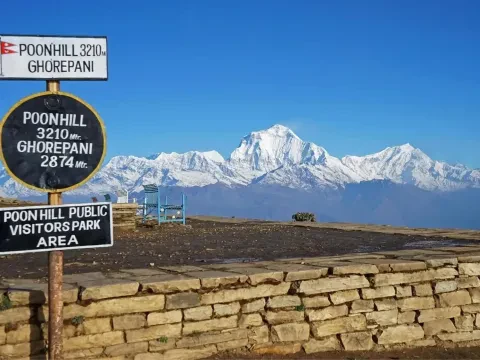
Finally, the entry to the rhododendron forest zone above Ulleri marks the emotional peak of the day. This section of trekking from Ulleri to Ghorepani combines color, calmness, and conservation. Hence, the signature of the Annapurna region trekking experience is hereby counted.
Explore the rich birdlife and wildlife sighting treks from Ulleri to Ghorepani, including biodiversity from the Annapurna region, different forest habitats, elevation, and nature-focused trekking experiences.
Common Birdlife and Wildlife Sightings:
Firstly, the Ulleri to Ghorepani trek passes through a prime wildlife habitat. This Annapurna region trek route lies inside the Annapurna Conservation Area. Moreover, changing elevations support diverse birdlife and wildlife sightings. Therefore, nature enthusiasts value this trekking section highly.
Likewise, more birdlife is seen frequently within forested stretches beyond Ulleri village (2,070m). This Ulleri trekking trail hosts Himalayan monal, laughing thrush, and sunbirds. Dense forests near Nangethanti have supported many nesting birds at 2,460 meters. As a result, birdwatching enhances the trekking experience.
Besides this, wildlife is viewed along the shaded quiet trails while ascending from Ulleri to Ghorepani. This Ulleri to Ghorepani trek area supports barking deer, langur monkeys, and Himalayan squirrels. Furthermore, these animals thrive within protected Annapurna region trekking forests. As a result, trekkers encounter wildlife respectfully and naturally.
Also, elevation matters in terms of species visibility on the trail from Ulleri to ghorepani. Thus, this Ulleri to Ghorepani trek ascends to Ghorepani village at an altitude of 2,860m. In addition to that fact, as altitude increases, there is reduced visibility for larger wildlife; however, there is more diversity of birds. Therefore, noticeable ecological variation becomes visible.
Similarly, the best time for wildlife observation on the trail from Ulleri to Ghorepani is in the early morning hours. This Ulleri trekking route stays calm before midday traffic. Moreover, Annapurna trekking guides encourage silent walking during forest sections. Therefore, sightings of wildlife become more frequent.
Importantly, the conservation policies protect these habitats strictly. This Ulleri to Ghorepani trek follows the regulations stated by the Annapurna Conservation Area. Moreover, wildlife protection supports sustainable Annapurna region trekking. Thus, biodiversity remains preserved.
Due to this, the trekkers must keep respectful behavior. This section of Ulleri wildlife trekking prohibits loud noise and feeding animals. Additionally, responsible trekking Nepal practices ensure minimum disturbance. Hence, ethical travel remains crucial.
Moreover, costs include indirect conservation support. This Ulleri to Ghorepani trek cost of USD 25–40 daily includes conservation benefits. Additionally, through permit fees, wild animal protection is financed. Thus, by trekking, support for preservation is ensured.
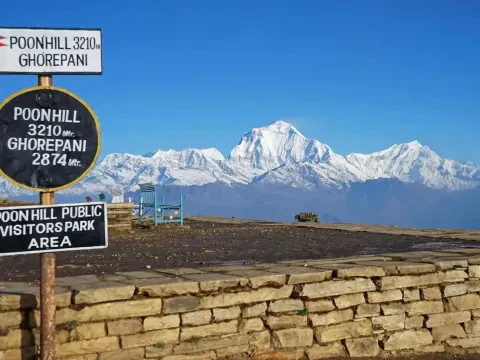
Finally, birdlife and wildlife sightings further enrich the Ulleri to Ghorepani trek. This part of the trek in the Annapurna region combines movement with observation. In this respect, nature awareness is the reward that may prove to be longer-lasting.
Read on to explore the short break stops and sources of drinking water on the trek route from Ulleri to Ghorepani, and understand the trekking details in the Annapurna region.
Key Break Stops and Water Points:
| Location | Elevation | Facilities |
| Ulleri | 2,070m | Lodges and water supply |
| Banthanti | 2,210m | Tea and rest stop |
| Nangethanti | 2,460m | Meals and water |
| Ghorepani | 2,860m | Full services |
First of all, frequent breaks facilitate comfortable trekking from Ulleri to Ghorepani. Finally, breaks help in trekking. This is true based on the trek that involves Ulleri to Ghorepani. Additionally, this enhances comfort during trekking in the Annapurna region.
Secondly, Banthanti (2,210m) is an early rest point while trekking from Ulleri to Ghorepani. An Ulleri breaking point for trekkers, it provides tea houses and sitting areas. In addition, hydrating and breathing prepare trekkers for the journey ahead. As such, energy levels equalize accordingly.
Additionally, Nangethanti (2,460m) is a prominent place to rest and have lunch while ascending from Ulleri to Ghorepani. This is because the trekking location from Ulleri to Ghorepani has amenities like food, toilets, and water. Moreover, the treks of Annapurna involve longer stays at this place. Therefore, trekkers can get strengthened.
Besides, natural water sources come across on the way of the forest while ascending from Ulleri to Ghorepani. The Ulleri to Ghorepani trek contains springs and streams as well. In addition, trekkers use purification tablets or filters for safety. Therefore, staying hydrated is doable.
Similarly, elevations have lesser natural water availability. This trek route of Ulleri above 2600m is more dependent on teahouses. Similarly, the village of Ghorepani at 2,860 meters has quite reliable drinking water. Hence, planning becomes necessary.
Importantly, the cost of drinking water differs with altitude. You can buy bottled water at Banthanti and Nangethanti if you want. This Ulleri to Ghorepani trek costs USD 1–2 per liter in villages. Moreover, prices increase slightly near Ghorepani trekking hubs. Thus, budgeting for hydration matters.
Thus, managed stops are provided by guided Ghorepani Poon Hill trekking. This trekking part of Ulleri benefits from experienced pacing. Furthermore, Annapurna region trekking guides monitor hydration levels. Consequently, the safety increases.
Moreover, environment-friendly practices are also applicable when it comes to water conservation. Water conservation is applicable in the case of this Ulleri to Ghorepani trek as plastic bottles are discouraged in this trek.
Also, short break stops and water sources determine trekking comfort. The Ulleri to Ghorepani trek allows movement and rest in the trekking route efficiently. Consequently, hydration and movement are essential for a successful Annapurna region trek.
Learn about trail conditions on the Ulleri to Ghorepani trek in spring, autumn, and winter in terms of weather patterns and suitability in the Annapurna region during this period of the year.
Seasonal Trail Condition Overview:
| Seasonal | Trail Surface | Visibility |
| Spring | Dry and stable | Excellent |
| Autumn | Firm and clear | Outstanding |
| Winter | Cold, icy sections | Moderate |
Firstly, trail conditions change distinctly according to the seasons of trekking on this route. In this case, the Ulleri to Ghorepani pass goes through Ulleri Village (2,070m) to Ghorepani Village (2,860m). In addition to this, seasons of trekking on the Annapurna region modify the walking traction, temperature, and clearness of vision.
Second, Ghorepani Poon Hill trekking in Spring presents favorable and colorful trekking conditions. The Ulleri to Ghorepani trek during spring includes the Annapurna Rhododendron Trek route. Moreover, the weather remains mild during the Banthanti (2,210m) and Nangethanti (2,460m) portions. Therefore, spring is suitable for photo and family trekking.
Additionally, the season that presents the best trekking time for Poon Hill is autumn. This is due to the clear skies that will accompany you along the trek. Additionally, the mountains, which include Annapurna South (7,219m) and Hiunchuli (6,441m), will seem clearer. Therefore, the season is most favorable for trekking in the Annapurna Region.
Also, Poon Hill Trek in winter brings colder but quieter conditions. This trek from Ulleri to Ghorepani in winter witnesses occasional snow above 2,500m. Moreover, shaded sections near Ghorepani village (2,860m) might freeze. Therefore, caution and timing become an issue of importance.
Similarly, it assists in trekking throughout the year due to trail maintenance. This trek from Ulleri to Ghorepani also receives regular upkeep with stone pathways. Besides this, some Annapurna trekking committees have managed the drainage during monsoon remnants. Thus, erosion remains under control.
In fact, the choice of footwear is very seasonal. This winter Ulleri trekking route requires strong grip shoes. Similarly, spring and autumn require breathable trekking boots. Hence, selecting gear will enhance your safety.

Consequently, the cost of Ghorepani trekking has minor variations depending on the season. For this particular Ulleri to Ghorepani trek, it costs $25-40 a day in spring and autumn. Furthermore, winter trekking may decrease the prices in accommodations. Thus, seasonal budgeting enables the trekkers.
In addition, the weather forecasts determine the daily treks. The trek from Ulleri to Ghorepani involves forecasts that are useful. Likewise, the guides adjust the speed in the Annapurna region treks. Consequently, safety increases.
Finally, trail conditions from Ulleri to Ghorepani contribute to trekking comfort. The trekking trail from Ulleri to Ghorepani is possible to undertake all year. Thus, season selection is crucial to a complete trekking experience within the Annapurna Region.
Here, learn how to tackle steep sections and breathing rhythm while taking on the Ulleri to Ghorepani trek. Focus on elevation gain, fitness strategy, and Annapurna region trekking safety.
Steep Section Management Tips:
Steep sections, first off, do call for controlled movement on the trek. The Ulleri to Ghorepani trek has continuous ascents after Ulleri village, 2,070 meters above sea level. In addition, there are stone staircases in order to increase cardiovascular demand. Hence, pacing remains an important concern.
Thirdly, the right breathing frequency helps to support regular climbing. That Ulleri trekking route is comfortable for slow nasal breathing. Further, this rhythmical step is tiring less during Annapurna region trekking. Correspondingly, trekkers save energy.
Moreover, posture dictates the efficiency of breathing on steep trails. This Ulleri to Ghorepani trek calls for straight postures and width between the shoulder muscles. Besides, Ghorepani trek guides dictate the use of small steps. Consequently, oxygen intake stabilizes.
Besides, the increase in altitude affects one's breathing gradually. This trek from Ulleri to Ghorepani ascends up to the Ghorepani village, which is 2,860m above sea level. In addition, oxygen levels decrease slowly across Banthanti, which stands at 2,210m, and Nangethanti, which stands at 2,460m. Therefore, this is natural and gradual adaptation.
Similarly, rest techniques enhance stamina on ascents. This Ulleri trekking method employs brief standing stops. Moreover, deep breathing during stops revitalizes rhythm. Thus, recovery occurs in no time.
Importantly, hydration further facilitates breathing efficiency. This treking route from Ulleri to Ghorepani will involve the frequent intake of water. Besides, dehydration enhances breathlessness. Thus, water management is important.
Consequently, comfort is improved because of the preparation of fitness. This Ulleri trekking route applies to moderate fitness levels. Besides, trekking routes in the Annapurna region allow flexible pacing. Hence, steep sections are managed successfully by beginners.
Besides, the ability to focus mentally helps in controlling your breathing. This Ulleri to Ghorepani walk compensates for rhythmic movement. Plus, scenic surroundings of forest reduce stress; hence, breathing turns out to be more natural.
Ultimately, the trekking success is defined by managing steep sections. This trek from Ulleri to Ghorepani tests stamina without technical risk. Therefore, controlled breathing and pacing ensure a rewarding Annapurna region trekking journey.
Have real-life cultural experiences with Gurung or Magar people on the Ulleri to Ghorepani trek. Cultural practices, altitude, trekking customs of Annapurna region.
Important Cultural Encounters along the Route:
To begin with, the Ulleri to Ghorepani trek presents ample opportunities for cultural interactions from the very start. The Ulleri village (2,070m) has a strong imprint of Gurung and Magar culture. Annapurna trekking routes pass through the long-settled ethnic groups. Hence, culture becomes an essential element of the trekking experience.
Secondly, cultural similarity in Gurung traditions can be identified in village architecture and routines. The Ulleri trekking trail establishes a display of houses in stones, prayer flags, and communal courts. Furthermore, cultural connection feels natural because of Gurung openness in hosting trekkers.
In fact, the Magar culture is dominant in several settlements along the route. This is because the Ulleri to Ghorepani trek is characterized by the Magar farming lifestyle. In addition, the livestock is typical of the people of the region. In turn, the cultural practices of the people of this region are still intact.
Furthermore, cultural interaction occurs through village activities. The Ulleri trekking experience involves observing cooking, agriculture, and socializing. Furthermore, Annapurna Region trekking promotes cultural preservation as a result of tourism. Therefore, cultural encounters are significant.
Similarly, food culture showcases Gurung and Magar traditions. Local cuisine on this Ulleri to Ghorepani trekking route includes food such as “dal bhat” and “vegetables.” Moreover, using indigenous ingredients adds to this experience. In this case, eating becomes an immersion experience.
However, religious practices also exist throughout the villages. Religious shrines and prayer stones are part of this Ulleri trekking trail. Furthermore, Annapurna trekking guides explain the culture. Therefore, comprehension improves.

Thus, respectful ways enhance cultural interactions. This Ulleri to Ghorepani trekking trail fosters respectful ways of greeting and taking photographs. Additionally, proper ways of Annapurna region trekking preserve traditions. Thus, balance is maintained.
In addition, cultural tourism provides income for the locals. The Ulleri to Ghorepani Trek directly contributes to supporting local economies. In addition, the cost that trekkers have to incur, amounting to USD 25-40 per day, also contributes to local income.
Finally, cultural interactions enhance each step of the process. This Ulleri to Ghorepani trek involves culture, people, and traditions. Annapurna region trekking also transforms into a memory to remember.
Find out the teashop stops along the Ulleri to Ghorepani trekking trail with regards to heights, food, pricing, and the comfort level of trekking the region of Annapurna.
Common tea house stops and services:
| Location | Elevation | Services |
| Ulleri | 2,070m | Tea, breakfast |
| Banthanti | 2,210m | Snacks, rest |
| Nangethanti | 2,460m | Lunch, water |
| Ghorepani | 2,860m | Full meals |
Firstly, there are small tea houses that are essential along the route. The Ulleri to Ghorepani trail uses many snack stops as an energy booster. In addition, there are infrastructure services for Annapurna Region treks that facilitate ascent. As such, comfort is maintained at all costs.
Secondly, the village of Ulleri (2,070m) presents the first tea houses. The trekking stop at Ulleri has food and drink services. In addition, trekkers prepare themselves emotionally for the next ascent. Therefore, the body gets a boost in energy.
Additionally, Banthanti (2,210m) is also a convenient snack point. Tea, noodles, and biscuits can be found on this route that treks from Ulleri to Ghorepani. Moreover, rest benches aid easy recovery. Therefore, the pace remains well-balanced.
Besides, refreshment options are extensively available at Nangethanti (2,460m), which serves as a major refreshment point. This stop on the Ulleri trekking course includes meals, snacks, and water. Moreover, the Annapurna trekking itinerary schedules lunch here. Thus, strength returns.
Similarly, better tea houses also come up while approaching Ghorepani village (2,860m). This Ulleri to Ghorepani trek encompasses bakeries and warm dining rooms. Moreover, cold weather raises demand for hot food. Hence, comfort remains high.
Importantly, food diversity on Ghorepani Poon Hill Trail caters to various dietary needs: vegetarian and basic vegan options are available on this Ulleri trekking route. Thirdly, trekking in the Annapurna region accommodates seasonal changes in menus. Thus, nutrition remains consistent.
Consequently, the prices of snacks go up with increasing altitude. This Ulleri to Ghorepani trek costs around $2-$5 for snacks. Moreover, tea houses reflect transportation difficulty. Hence, cost planning is something that matters.
Furthermore, tea houses foster social interaction: sharing tables and tales goes along with this Ulleri trekking experience. In addition, cultural exchange automatically takes place. Consequently, the feeling of trekking is communal.
Finally, the comfort of Poon Hill trekking is marked by tea houses and snack stops. Thus, this Ulleri to Ghorepani trek basically balances effort with rest. Consequently, the trekking in the Annapurna region remains enjoyable and accessible.
Observe changes in weather with changing altitude of the Ulleri to Ghorepani trek, covering temperature shifts, cloud movements, and elevation points.
Weather Variation with Elevation:
| Location | Elevation | Typical Weather |
| Ulleri | 2,070m | Mild mornings |
| Banthanti | 2,210m | Cooler air |
| Nangethanti | 2,460m | Cloud increase |
| Ghorepani | 2,860m | Cold and Windy |
Meanwhile, the changes in the weather start to appear quite soon after Ulleri Village at 2,070 meters. This Ulleri to Ghorepani trek experiences cooler air with every elevation gain. Furthermore, the changes in the weather conditions of the Annapurna region affect both comforts and visibility. So, trekkers must prepare for shifting conditions.
In fact, the temperatures start dropping as the trail gains height gradually. This Ulleri to Ghorepani trek passes Banthanti (2,210m) and Nangethanti (2,460m). Moreover, air at higher altitude feels dry and cooler. Hence, clothing in layers is basically necessary.
Additionally, the height gain increases cloud movement. Generally, this Ulleri trekking route stays clear during mornings. Further, afternoon cloud buildup is brought by the weather of the Annapurna region trekking. Thus, the early starts remain advantageous.
Besides, wind patterns differ within the forest zones. This Ulleri to Ghorepani trek is much cooler beneath the cover of trees. Additionally, open ridges near Ghorepani village 2,860m receive windier conditions. Thus, windproof layers become necessary.
Likewise, the seasonal weather differences are affecting altitude zones differently. During this spring season, this Ulleri to Ghorepani trek offers mild mornings with warm afternoons. Similarly, autumn is stable in terms of weather conditions, accompanied by relative dryness of weather. Therefore, these seasons can suit Annapurna trekking best.
Importantly, winters are more extreme as the altitude increases. Above 2,500m, this winter Ulleri to Ghorepani trek is prone to frost and occasional snowfall. Besides, shaded forest trails retain ice more. Hence, cautious foot placement remains paramount.
Consequently, rainfall patterns also shift with altitude. This Ulleri trekking route receives limited rain outside the monsoon. Furthermore, the Annapurna region trekking avoids heavy rain seasons for the sake of safety. Hence, the itinerary matters.
Furthermore, weather somewhat affects the daily cost of trekking. This Ulleri to Ghorepani trek costs about $25-40 per day. In addition, cold seasons increase the expenses of hot foods. Better learn about Poon Hill Trek Weather before venturing on to the Poon Hill Trek Route. Hence, budget flexibility helps.
Finally, the weather changes create and shape the Poon Hill trekking experience. This Ulleri-to-Ghorepani trek rewards those who prepare for and are aware of it. Hence, acquaintance with altitude weather provides for safe Annapurna Region Trekking.
Read about what lies in store in terms of final ascent before Ghorepani village, concentrating on altitude gains, treks, techniques of trekking in Annapurna regions, and physical conditioning.
Final Ascent Overview:
| Section | Elevation | Difficulty |
| Nangethanti | 2,460m | Moderate |
| Upper Forest | 2,600m | Steady climb |
| Ghorepani | 2,860m | Final arrival |
To start with, the final climb is endurance-based near the end of the day. This is because the Ulleri to Ghorepani trek is a steady climb to Ghorepani village (2,860m). Additionally, when it comes to trekking in the Annapurna region, endurance is what is required in this part of the journey.
Secondly, the trail becomes steeper from Nangethanti (2,460m) gradually. The Ulleri trekking trail of this part comprises stone stairs and forest trails. Moreover, oxygen levels are reduced. This causes difficulty in breathing patterns.
Moreover, the density of the forest starts decreasing during the final ascent. This trek from Ulleri to Ghorepani shows some views of surrounding ridges. Moreover, the anticipation for rest drives the trekkers ahead. Consequently, the morale is boosted.
In addition, it gives a chance for proper breathing control, which will support steady ascent. This Ulleri trekking route will get extra benefits from rhythmic inhalation and exhalation. Moreover, Annapurna region trekking guides encourage short steps. Hence, there is minimum fatigue.
Similarly, the exposure to weather increases near Ghorepani village (2,860m). This Ulleri to Ghorepani trek experiences colder winds. Moreover, afternoon clouds may reduce the visibility. Hence, warm layers remain useful.
Importantly, even though the trail is steep, the safety of it remains high. This section of the Ulleri trek is well maintained, and the steps are stable due to the Annapurna trekking committees. Technical risk therefore remains low.
As a result, the rest breaks become shorter during the final ascend. In this regard, this Ulleri to Ghorepani trek advocates for stoppages that are made while standing. Moreover, too frequent stops may cool the muscles down. So, balanced rest works effectively.
In fact, there are tow Ghorepani villages: Lower Ghorepani and Upper Ghorepani. First, after Nangethanti, you will reach Lower Ghorepani where you get your trekking permits checked at the police post and you will finally ascend to Upper Ghorepani village. The final ascend from Lower Ghorepani to Upper Ghorepani is around 20 minutes walk all the way up with staircase.
Besides, arrival at Ghorepani costs are the same. This Ulleri to Ghorepani trek retains its daily costs in the range of 25–40 USD. Moreover, Ghorepani lodges provide warm meals. In other words, comfort waits ahead.
Finally, the final ascend completes a rewarding journey with all effort and achievement combined in the Ulleri to Ghorepani trek. Therefore, it's deeply satisfying to reach Ghorepani village at 2,860 meters.
Get a glimpse of the Ghorepani village at 2,860 meters above sea level in the Ulleri to Ghorepani trek, together with great views around the Annapurna region, village setting, altitude rewards, and trekking highlights.
What You See at the First Ghorepani :
First, the first glimpse of Ghorepani village at 2,860m feels deeply rewarding after long forest ascents. The Ulleri to Ghorepani trek finally opens into a wide mountain settlement. Secondly, Annapurna region trekking emotions peak at this moment. Thus, trekkers pause to absorb the achievement and scenery.
Then, the village of Ghorepani (2,860m) unfolds through thinning forest cover. This section of Ulleri trekking shows rooftops, prayer flags, and open ridgelines. And in clear weather, there are views toward Annapurna South (7,219m) and Hiunchuli (6,441m). With every step, anticipation increases more and more.
Also, the cooler air signals arrival at higher altitude. This transition of Ulleri to Ghorepani trek feels fresh and refreshing. Additionally, Annapurna trekking environments change noticeably above 2,800m. Consequently, trekkers sense altitude achievement.
On top of that, Ghorepani village is located at 2,860 meters, situated on an important mountain pass. Being one of the main destinations of Ulleri trekking, it connects the Poon Hill trekking routes and Annapurna circuits. Its location explains the importance of historical settlement. Therefore, the geography adds meaning.
Similarly, the visual relief replaces the confinement of the forest. This Ulleri to Ghorepani trek section opens wide horizons. Furthermore, the distant ridges enhance the Himalayan trekking satisfaction. Thus, morale increases right away.
Importantly, the first sight motivates remaining steps. This Ulleri trekking experience rewards endurance and patience. Moreover, Annapurna region trekking psychology values visual milestones. Thus, energy returns naturally.
The photography opportunities, therefore, increase straight away. This Ulleri to Ghorepani trek offers village and mountain compositions. Again, Ghorepani trekking attracts many landscape photographers. Cameras, thus, come into action soon.
More recently, the arrival costs have not changed either. It is very well assumed that this Ulleri to Ghorepani trek can still average USD 25–40 per day. Moreover, Ghorepani lodges offer numerous categories of accommodation. Therefore, comfort awaits.
Finally, the first glimpse of Ghorepani village at 2,860 m above sea level marks emotional success. Relieved, pride, and beauty blend in during the Ulleri to Ghorepani trek moment, hence unforgettable.
Read about the arrival experience at Ghorepani village after a long climb in altitude, atmosphere, details of where to stay in Annapurna region trekking, rewards, and comforts.
Arrival Experience at Ghorepani (2,860m):
| Aspect | Experience |
| Atmosphere | Calm and welcoming |
| Lodging | Comfortable teahouses |
| Temperature | Cool alpine air |
| Preparation | Ready for Poon Hill |
First of all, the entrance to Ghorepani village at an elevation of 2,860m above sea level is calm and celebratory in nature. This Ulleri to Ghorepani trek ends with gentle village paths. Besides, trekking relief in the Annapurna region replaces physical strain. Thus, the emotions filled with satisfaction.
Here, the lodge owners welcome the trekkers very warmly on arrival. This is essentially a part of Ulleri trekking experience; it showcases the Himalayan hospitality. Then, hot drinks and warm rooms will make that energy restore very quickly. So, fatigue will fade out very fast.
Moreover, Ghorepani village at an altitude of 2,860 m feels lively yet peaceful. This Ulleri to Ghorepani trek destination hosts trekkers from multiple routes. Furthermore, shared stories enhance community feeling. As a result, even the evenings feel social.
Besides, the temperature at Ghorepani starts to show variation after stopping. Warm layers are thus necessary for this Ulleri trekking arrival. In addition, in Annapurna region trekking, evenings cool rapidly. Comfort planning thus matters.
Similarly, accommodation standards stay consistent: the teahouses and dining halls are clean on this Ulleri to Ghorepani trek. Moreover, most lodges offer blankets and a heating facility. Thus, rest remains pretty good.
Importantly, the quality of experiences is impacted by arrival timing. In the case of this trekking route, Ulleri favors an afternoon arrival. Moreover, the early bird gets better rooms. Thus, pacing affects comfort.
Therefore, the cost remains the same at the destination. This accommodation cost of Ulleri to Ghorepani trek has met the budget of USD 25–40 per day. The price of the food also depends on the logistics of altitude. Thus, the cost remains predictable.
Moreover, it prepares travelers for treks on Poon Hill. Also, this Ulleri to Ghorepani trek aligns Ghorepani Village (2,860m) flawlessly. In addition to that, early rest helps with the success of sunrise views.
Finally, reaching the Ghorepani village (2,860m) is a satisfying point to conclude the climb. This Ulleri to Ghorepani trek is quite rewarding in terms of both comfort and scenic beauty. Therefore, the experience of arrival is quite satisfying.
Learn about accommodation and facilities available in the village of Ghorepani (2,860 meters) for your trekking adventure in the Annapurna region.
Ghorepani Accommodation Overview - 2,860m:
| Facility | Availability |
| Teahouse rooms | Widely available |
| Hot meals | Regular |
| Hot showers | Limited |
| Charging | Paid service |
To begin with, the accommodations available in the village of Ghorepani (2,860 meters) cater to various trekking requirements. This Ulleri to Ghorepani trekking trail culminates in the vicinity of an advanced trekking center. Additionally, the infrastructure available in the Annapurna region is intact in this place.
Secondly, teahouses are dominant in accommodation options in Ghorepani Village (2,860m). Being a Ulleri trekking spot, the accommodations here are basic yet clean. Moreover, all rooms have Twin Beds with blankets. Therefore, sleep will be comfortable despite the elevation.
Moreover, the canteens run effectively in Ghorepani village (2,860m). Ulleri to Ghorepani trekking offers hot foods the whole evening. Moreover, Annapurna trekking offers foods like dal bhat, noodles, soup, as well as breakfast. Therefore, the health of the walkers improves.
In addition, heating facilities improve convenience during nights that are too cold. This Ulleri trekking point employs heaters in the dining halls. Furthermore, trekking centers within the Annapurna region regulate heating rooms. Therefore, public places appear warmer.
Similarly, the availability of water and sanitation services is also adequate. This is because the Ulleri to Ghorepani trekking route has shared toilet facilities and hot showers. Moreover, solar-heated water is also available. Consequently, personal and environmental hygiene is maintained at acceptable levels.
Notably, there are charging and communication services available in the Ghorepani village (2,860m). This trekking spot, Ulleri, offers paid charging stations. In addition, mobile communication is intermittent. Therefore, communication is possible.
As a result, accommodation charges are influenced by altitude. The cost to lodge at Ulleri to Ghorepani trek is USD 5-10 per night. Further, meal charges are USD 5-8 as per season. Hence, budget is not an issue at all.
Additionally, the facilities at Ghorepani village support logistics for trekking. Gear drying spaces are one feature of this Ulleri trekking stop. Furthermore, organized lodge systems exist that support trekking in the Annapurna region. Therefore, efficiency increases.
Finally, on the comfortable and simple balancing, accommodation and facilities are available in Ghorepani village (2,860m). This Ulleri to Ghorepani trek ends with reliable services. Thus, trekkers rest well before further Annapurna region trekking.
Enjoy the serene evening atmosphere and mountain silence in Ghorepani village at an altitude of 2,860m, highlighting calm surroundings, altitude serenity, and Annapurna region trekking ambiance.
Highlights of Evening Atmosphere in Ghorepani: (2,860m):
First of all, evenings in Ghorepani village (2,860m) feel calm and restorative. This Ulleri to Ghorepani trek transitions from movement to stillness. Moreover, Annapurna region trekking evenings promote reflection. Therefore, the silence becomes meaningful.
At night, mountain silence certainly dominates as daylight fades down. This Ulleri trekking destination quiets really fast after sunset. In addition, distant winds replace daytime trail sounds. In consequence, peace wraps the village.
In addition, cool temperatures characterize the evening. This Ulleri to Ghorepani trek arrival needs warm clothing. Further, the evening cools down rapidly at altitude during Annapurna trekking. Thus, indoor comfort becomes cherished accordingly.
Besides, lodge dining halls collect trekkers in gentle tones. In this trekking in Ulleri, the style of a low conversation and shared meals are included. Additionally, trekking communities of Annapurna region feel connected. Thus, evenings remain social yet calm.
Similarly, the visibility of stars increases under clear skies. The locus of this Ulleri to Ghorepani trek has very minimal light pollution. Further, the mountain silhouettes frame the night sky. Therefore, stargazing becomes memorable.
Importantly, mountain silence supports physical recovery. This Ulleri trekking evening allows the muscles to relax. Moreover, Annapurna region trekking emphasizes rest before sunrise hikes. Thus, recovery improves.
As a result, early bed time automatically happens in Ghorepani village, 2,860m above sea level. This Ulleri to Ghorepani trek prepares trekkers for Poon Hill starts. Additionally, silence encourages quality sleep. Thus, energy fully restores.
Moreover, emotional fulfillment settles down in quietude. In particular, the Ulleri trekking day closes with thankfulness. In addition, Annapurna region trekking evenings reinforce mental serenity. Thus, equilibrium returns.
Finally, Ghorepani village (2,860m) is defined with evening atmosphere and mountain silence. Serenity closes this Ulleri to Ghorepani trek. Therefore, trekking in the Annapurna region feels complete and peaceful.
Tips on preparation for the early morning hike from Ghorepani/Poon Hill, 2,860 meters, to witness the Annapurnas at sunrise.
Poon Hill Sunrise Trek Key Preparation Checklist:
Firstly, the preparations to go to the sunrise view at Poon Hill commence at the Ghorepani village (2,860m). Going to/from Ghorepani to and from Poon Hill requires very early movement. Further, trekking to the Annapurna region also requires the trekker to be ready for the mornings.
Secondly, waking time matters greatly. Typically, this Ghorepani Poon Hill trek begins before dawn. Moreover, Poon Hill (3,210m) involves continuous ascending. Therefore, it is advisable to wake at least an hour before. Actually, the Poon Hill Sunrise Hike from Ghorepani begins at around 4.30-5 am in the morning.
Moreover, preparing oneself by wearing appropriate clothes helps to ensure that one feels comfortable while in cold conditions. Indeed, this Ghorepani sunrise trek will incorporate freezing temperatures. Moreover, morning Annapurna trekking provides a windier atmosphere while at the high altitude.
Moreover, headlamps support safe trail navigation. This Ghorepani to Poon Hill hike follows the forested paths, and besides this, trekking trails of the Annapurna region remain dark before sunrise. Hence, reliable lighting prevents missteps.

Similarly, hydration and light snacks support energy. This sunrise hike in Ghorepani spends calories very fast. Moreover, the climbs during Annapurna trekking are always long and require long efforts. Therefore, carrying water improves stamina.
Importantly, physical pacing ensures success. The elevation of this Ghorepani to Poon Hill hike comes gradually. Besides, trekking in the Annapurna region values steady breathing. So, slow steps lessen fatigue.
Thus, it saves your time at the viewpoint for ticket preparation. This Ghorepani sunrise hike does require entry payment. Also, the Poon Hill viewpoint (3,210m) charges around USD 1–2. Hence, taking small cash helps.
In addition, it enhances safety. In fact, this Ghorepani to Poon Hill trek is only feasible when it is sunny. In addition, the mornings during Annapurna region treks always have short forecasted periods.
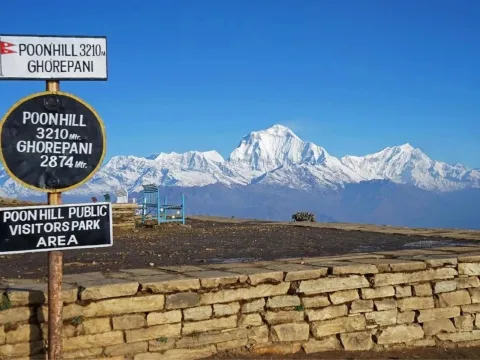
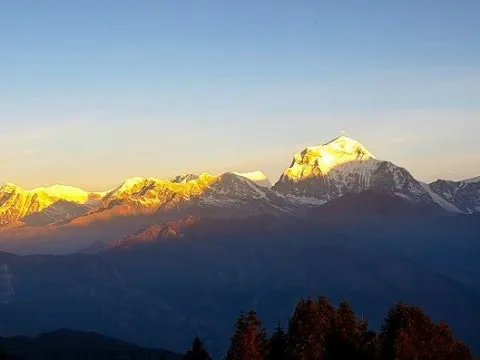
Lastly, tips for preparation before the Poon Hill sunrise trek will make the experience worthwhile. This is because the Ghorepani to Poon Hill trek offers the views of Annapurna South (7,219m), Dhaulagiri (8,167m), and Machhapuchhre (6,993m) mountains.
Learn why the trek from Ulleri to Ghorepani constitutes the heart of the Poon Hill trek in itself by packing in culture, scenery, altitude gain, and Annapurna panoramas.
Why Ulleri to Ghorepani Matters Most:
| Aspect | Value |
| Scenery | Forests and mountains |
| Culture | Local villages and rural life |
| Altitude | Safe progression |
| Access | Gateway to Poon Hill |
Actually, Poon Hill journey is marked by the trek from Ulleri to Ghorepani. In fact, this route from the Ulleri village (2,070m) builds up anticipation. Further, with trekking, the gradual change in the landscape of the Annapurna region can be seen. Thus, the experience becomes complete.
Here, the stone staircases test endurance in a meaningful manner. This is definitely a brutal climb of thousands of steps from Ulleri to Ghorepani. Besides, the village of Ghorepani at 2,860m rewards in a way that feels earned.
Besides, natural scenery continuously enriches the trail. In fact, this Ulleri to Ghorepani trek passes rhododendron forests. Furthermore, Annapurna trekking seasons color hills vibrantly. Because of that fact, visual appeal remains constant.
Besides, cultural encounters deepen the connection. This Ulleri to Ghorepani trek crosses Magar settlements. Furthermore, Annapurna region trekking underlines the countryside livelihood. Thus, authenticity strengthens the journey.
Similarly, the altitude gain seems to be balanced and safe. This Ulleri to Ghorepani trek has a gradual gain in elevation. Additionally, itineraries for Annapurna trekking are suitable even for beginners. For that reason, acclimatization takes place automatically.
Importantly, Ghorepani village (2,860m) anchors the Poon Hill experience. This Ulleri to Ghorepani trek positions trekkers perfectly. Moreover, Poon Hill viewpoint is accessible at 3,210m. Thus, sunrise hikes feel achievable.
Consequently, cost efficiency of Ulleri to Ghorepani Trek adds value. This Ulleri to Ghorepani trek remains cheap. Additionally, Annapurna trekking packages are within the price range of USD 300–500. Consequently, therefore, value attracts global trekkers.
Moreover, the feeling of emotional fulfillment is reached through this segment. Ulleri to Ghorepani is a trek that requires effort and reward. Moreover, the experience gathered from Annapurna region trekking happens through this segment.
Finally, the trek from Ulleri to Ghorepani is the essence of the Poon Hill trek. This is because the trek from the Ulleri village of 2,070m to the Ghorepani village of 2,860m is the definition of the Annapurna trek.
1.How far is Ulleri from Ghorepani?
The trekking distance from Ulleri to Ghorepani is approximately 10 km, depending on the exact trail and route taken.
2.How long does it take to trek from Ulleri to Ghorepani?
It generally takes around 4–5 hours, depending on walking pace, rest breaks, weather, and trail conditions.
3.What is the altitude of Ulleri and Ghorepani?
Ulleri is approximately 2,070 m (6,791 ft), while Ghorepani is around 2,860 m (9,383 ft) above sea level.
4.Is the Ulleri to Ghorepani trek difficult?
It is considered moderate. The main challenge is the continuous uphill climb and numerous stone steps, but the trail is manageable for trekkers with reasonable fitness.
5.Are there many stone steps from Ulleri to Ghorepani?
Yes. The route includes a long section of stone staircases, particularly after Ulleri, making leg strength and steady pacing important.
6.Is Ulleri to Ghorepani suitable for beginners?
Yes. With a comfortable pace and regular breaks, the route is suitable for many first-time trekkers and families with reasonable fitness.
7.What villages are between Ulleri and Ghorepani?
Important stops include Banthanti and Nangethanti before reaching Ghorepani.
8.Where can I stop for food and tea between Ulleri and Ghorepani?
Banthanti and Nangethanti have teahouses, restaurants, snacks, drinks, and rest areas where trekkers can take breaks.
9.What should I do after reaching Ghorepani?
After arriving and resting at your lodge, prepare for the early-morning hike to Poon Hill, one of the main highlights of the Ghorepani Poon Hill Trek.
10.Is drinking water available between Ulleri and Ghorepani?
Yes. Water is available at villages, teahouses, and some natural sources. Trekkers should use a filter or purification tablets for untreated natural water.
11.What mountains can I see from the Ulleri to Ghorepani trail?
On clear days, trekkers may see Annapurna South, Hiunchuli, Machhapuchhre (Fishtail), and distant Dhaulagiri from different sections of the route.
12.Does the Ulleri to Ghorepani trail pass through rhododendron forests?
Yes. The route enters beautiful rhododendron and mixed forest areas, particularly around Nangethanti and the upper sections toward Ghorepani.
13.When is the best time to see rhododendron flowers on this trail?
Spring, especially March and April, is the best period for colorful rhododendron blooms along the Ulleri–Ghorepani trail.
14.What is the best season to trek from Ulleri to Ghorepani?
Spring and autumn are generally the best seasons. Spring offers flowers and pleasant temperatures, while autumn usually provides clear skies and excellent mountain views.
15.Can I trek from Ulleri to Ghorepani in winter?
Yes. Winter trekking is possible, although temperatures can be very cold and snow or icy sections may occur around higher elevations. Good footwear and warm clothing are essential.
16.Is the Ulleri to Ghorepani trail safe?
The route is a well-established trekking trail. However, trekkers should take care on wet stone steps, slippery sections, and during poor weather.
17.Where can I stay after reaching Ghorepani?
Ghorepani has numerous teahouses and mountain lodges offering rooms, meals, hot drinks, and basic trekking facilities.
18.How much does it cost to trek from Ulleri to Ghorepani?
Daily expenses can vary depending on accommodation, meals, drinks, and services. A basic trekking budget is generally around US$25–40 per day, excluding permits and other major trip costs.
19.Is there mobile network and electricity in Ghorepani?
Communication can be intermittent, while charging facilities are generally available for a fee at lodges and tea houses.
20.What should I pack for the Ulleri to Ghorepani trek?
Essentials include comfortable trekking shoes, layered clothing, rain protection, a water bottle, sunscreen, sunglasses, a small daypack, trekking poles, and basic personal medication.
Our travel experts are ready to assist you with any questions.
Send us a message.Have a question before you book? Send your enquiry below and our travel experts will get back with the required information.