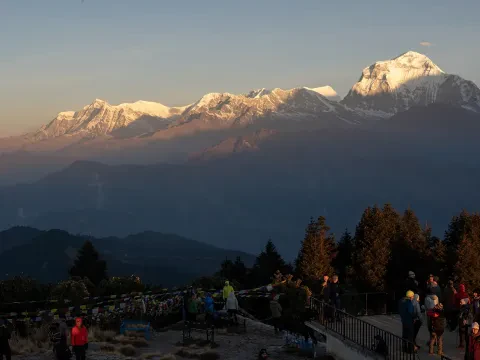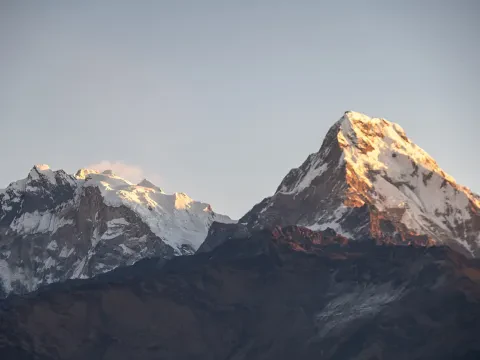
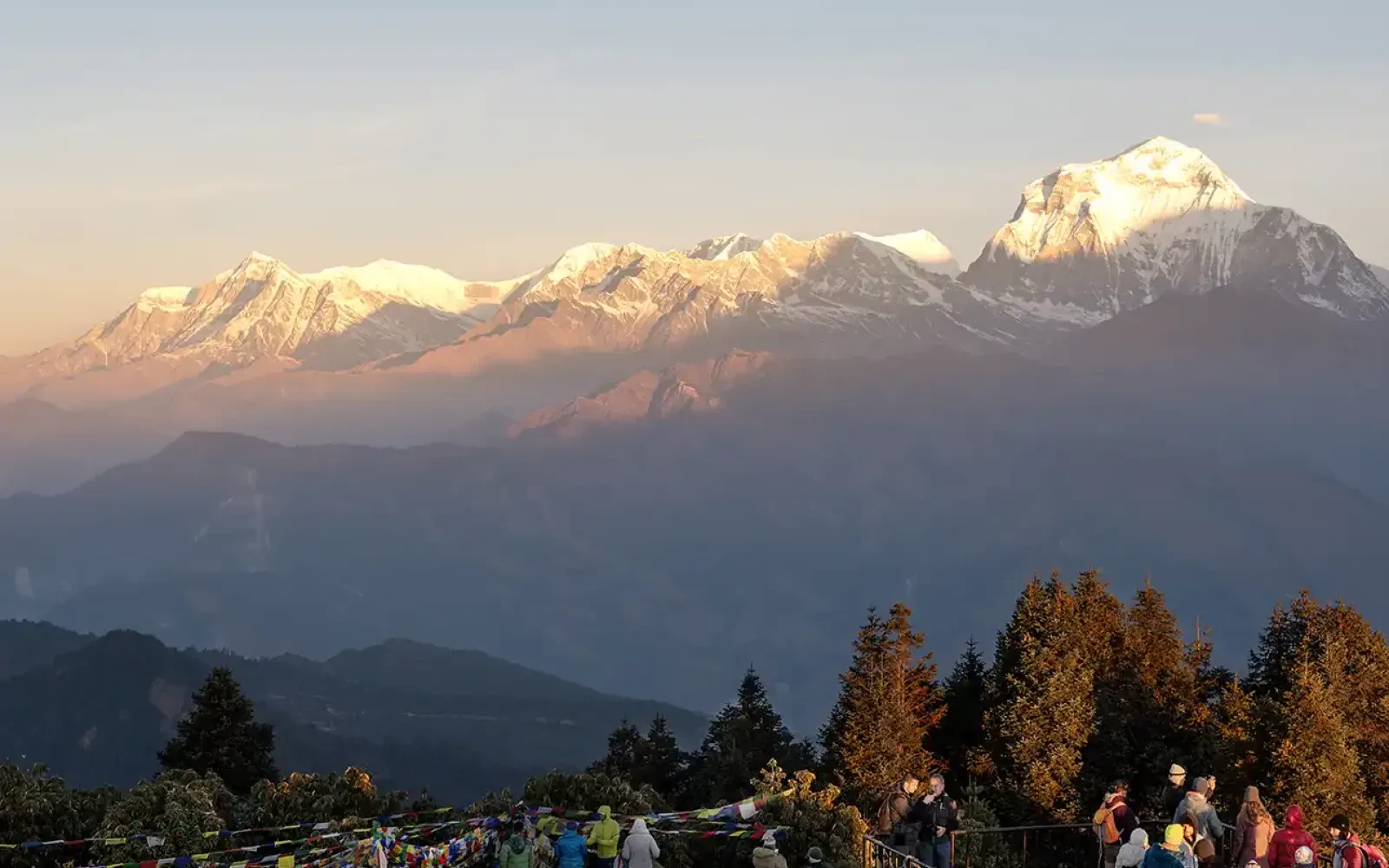
So, why do people love trekking Poon Hill in spring? Honestly, March and April just hit different. The weather’s kind, the skies stay clear, and every morning you get these unreal sunrise views over Annapurna and Dhaulagiri. There’s something about watching the sun spill gold over those peaks that just stays with you.
Actually, the real charm, though, is the rhododendron forests. In March and April, the trails explode with color—pink, red, and white blossoms everywhere. You’re walking through a living postcard. Temperatures help too. Days hang around 12 to 18°C in March, warming up to about 15 to 20°C in April. So you skip the bitter cold and pretty much forget about rain.
Likewise, another bonus: early March isn’t crowded. You can actually snag a good spot in the lodges and catch those sunrise moments in peace. By April, more trekkers show up for the full bloom, but honestly, the scenery just gets better. Photographers love it—every corner looks like it belongs on a magazine cover.
If you’re new to trekking, spring’s the sweet spot. The trails feel safe, the guides know their stuff, and you get to see Machapuchhre standing tall in the morning light. You finish the trek feeling recharged and, honestly, a bit awestruck. There’s nothing else quite like the Poon Hill Trek in March or April.

| Feature | March | April |
|---|---|---|
| Day Temperature | 12–18°C | 15–20°C |
| Night Temperature | 2–8°C | 5–10°C |
| Crowd Level | Low | Moderate |
| Rhododendron Bloom | Starting | Peak |
| View Clarity | Excellent | Excellent |
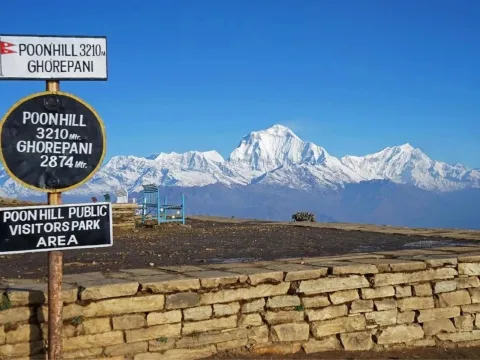
Here, before you set out, get a real sense of what the Poon Hill Trek is all about. For most people, it’s an easy to moderate hike—nothing too wild, but still enough to feel like an adventure. You’ll climb up to Poon Hill at 3,210 meters, where the sunrise over the Annapurna range honestly makes every step worth it. March and April are great months if you want clear skies and stunning views. It’s no wonder so many beginners pick this route for their first Himalayan trek.
Actually, the journey kicks off at Nayapul, sitting at 1,010 meters. Day one, you’ll hike up to Tikhedhunga (1,540m), then take on those famous stone steps to Ulleri (2,070m). It sounds tough, but the steady climb actually helps you build up your stamina as you go. By the third day, you’ll reach Ghorepani (2,860m), all set for that sunrise climb.
Or, trekkers can directly take a jeep ride to Ulleri or Ghorepani from Pokhara to escape the steep climb to Ghorepani from Ulleri and Tikhedhunga.
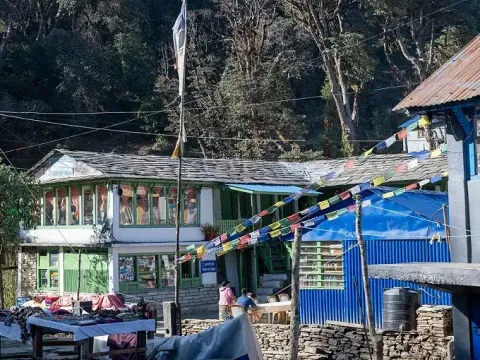
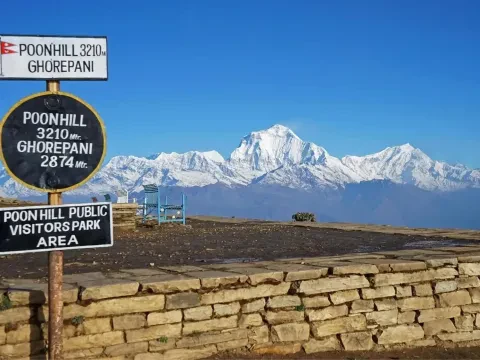
Likewise, early the next morning, you head up to Poon Hill itself. The view? Massive peaks like Dhaulagiri (8,167m) glowing in the early light. After soaking it all in, you’ll head down to Tadapani (2,610m) and then wander through forests until you reach Ghandruk (1,940m). Every day brings something different—stone steps, rhododendron forests, quiet villages.
Here, you’ll usually walk four to six hours a day—not too short, not endless. The trails are pretty straightforward, with no need for technical climbing skills. Guides keep an eye on the altitude, and since you’re not crossing any high passes or glaciers, it’s perfect for newcomers. Even if you’re not in peak shape, you can handle it.
Moreover, the trek wraps up back at Nayapul, making a neat loop. Most people take five to seven days, staying in cozy lodges and eating hearty meals along the way. You’ll get to meet local Gurung families and experience their culture first-hand. All in all, it’s a trek anyone can take on—and a great way to fall in love with the Himalayas.
Route Stages with Elevations :
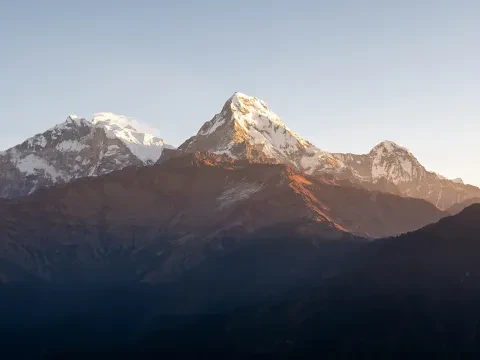
Here, let’s talk weather on the Poon Hill Trek—March or April? It comes down to what you want out of your hike. March mornings feel sharp and fresh, with daytime temps hovering between 10 and 18°C along the Ghorepani Poon Hill route. April steps things up, warming to a comfy 12 to 22°C, which makes hiking during the day a breeze. Rain barely makes an appearance in either month, so you’re pretty much guaranteed clear, dry trails and those unbeatable sunrise views of Annapurna (7,219m) and Dhaulagiri (8,167m) from Poon Hill (3,210m).

Actually, March nights dip lower, settling around 2 to 8°C up at Ghorepani (2,860m). If you’re trekking then, expect to wake up early for a brisk, maybe even chilly, climb to Poon Hill. You’ll want a couple of layers for that dawn push, but nothing too bulky—you’ll warm up fast as the sun rises over Machapuchhre (6,995m). The good news? Dry weather keeps the path firm and the dust down. March just delivers when it comes to peaceful, crowd-free sunrises.
April, on the other hand, brings out the warmth, especially in the lower stretches like Tadapani (2,610m), where days can climb to 15–22°C. You can shed the heavy jackets and just enjoy the walk. Nights are softer too, staying between 4 and 10°C, even higher up. You feel the difference—your energy holds steady, and the trek just feels a bit easier. Skies stay mostly clear, and rain is still rare.
Now, early March sometimes hangs onto a bit of winter’s chill, so pack an extra warm layer for those pre-dawn climbs. Late April might toss in a few afternoon clouds, but that’s about it. For the most part, spring gives you stable, easy-going weather in both months. The views? Always stunning.
So, if you love those crisp, energizing mornings, March is your month. If you’re after warmer, more laid-back days, go for April. Either way, visibility stays sharp, the trails are dry, and local guides always recommend smart layering to handle the temperature swings. Honestly, you can’t go wrong—both months make the Ghorepani Poon Hill Trek a reliably awesome adventure.
| Aspect | March | April |
|---|---|---|
| Daytime Temperature | 10–18°C | 12–22°C |
| Nighttime Temperature | 2–8°C | 4–10°C |
| Rainfall | Very low (minimal) | Very low (minimal). |
| Sky Clarity | Excellent clear views | Excellent clear views. |
| Trail Conditions | Firm, dry, occasional early chill | Dry, warmer, peak comfort. |
If you want to hike the Poon Hill Trek, timing really matters. March feels calm—there just aren’t that many trekkers on the trail. You walk through the Annapurna region and find quiet paths, open teahouses, and plenty of space in places like Ulleri and Ghorepani. Even the sunrise at Poon Hill is peaceful, with only a handful of people watching the mountains turn gold. You don’t have to fight for a room or rush to get a good spot—just show up and enjoy.
Here, April flips the switch. Spring is in full swing. The rhododendrons explode with color and everyone seems to show up at once. Tadapani and Ghandruk fill up fast, and you’ll want to book your room ahead—or risk missing out. Teahouses buzz with hikers swapping stories over dinner. The sunrise at Poon Hill? It’s a crowd, but there’s something electric about sharing that moment with so many others. It’s busy, it’s loud, but it’s also a lot of fun.
Likewise, March gives you quiet mornings and open trails—no need to rush or wait your turn at viewpoints. Guides can take you at your own pace, and the whole trek has a relaxed feel. April, on the other hand, means early starts if you want to avoid the crowds at sunrise. You’ve got to plan ahead, but you also get to soak up the social energy that comes with trekking at the height of spring.
So, if you crave solitude and easy logistics, go in March. If you want lively evenings and don’t mind a bit of hustle, pick April. Either way, the Ghorepani Poon Hill Trek delivers—just in its own way, depending on when you go.

Crowd & Booking Insights for Poon Hill Trek :
Actually, there’s something magical about catching rhododendrons waking up on the Poon Hill Trek. In March, you get the first signs — red, pink, and white flowers start popping up in the forests around Ulleri (2070m) and Ghorepani (2860m). It’s a gentle introduction, like spring is just stretching its legs. April, though? That’s when everything explodes. Hillsides turn into waves of color along the Ghorepani Poon Hill route. If you’re trekking then, you’re walking right into Nepal’s national flower show, surrounded by the Annapurna region’s wild energy.

Here, down at Tikhedhunga (1540m), the lower trails kick things off in early to mid-March. You’ll spot bright patches here and there — a red bloom against fresh green, a bit of pink tucked under the trees — all begging for a photo. By late March, Ghorepani’s forests catch up, and the color gets deeper, more intense. The whole place has this dreamy, otherworldly vibe.
Then April hits, and the flowers don’t hold back. Early to mid-month, the trails near Tadapani (2610m) turn into these wild tunnels of blossoms. You’ll walk through thick forests where every branch is heavy with red, pink, and white. It’s a dream for anyone with a camera — or anyone who just loves a good splash of color. The whole trek feels supercharged.
Likewise, March has its own charm, though. The flowers are quieter, and there’s this sweet sense of anticipation as you climb, watching the color build. Guides love to point out the very first blooms — it feels like you’re in on a secret. But April? April is loud, wild, and unforgettable. It’s pure flower overload.
So, what’s your style? Go in March if you love the slow build and the promise of spring. Head out in April if you want to dive headfirst into a riot of color. Either way, the rhododendron season turns the Poon Hill Trek into something special. That’s why every trekking company makes a big deal about it. And hey, now you know exactly when to go for the best Himalayan flower show.
Rhododendron Bloom Timeline on Poon Hill Trek :
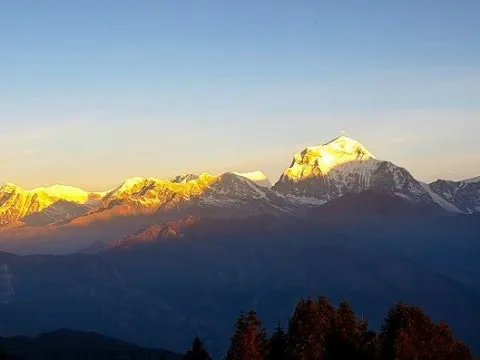
Meanwhile, there’s something special about sunrise on the Poon Hill Trek, no matter when you go—but March and April each have their own magic. In March, the air feels crisp and dry, so you get these razor-sharp views at the Poon Hill viewpoint (3210m) as the sun comes up. The peaks—Annapurna, Dhaulagiri, even Machapuchhre—stand out so clearly against the blue sky it almost feels unreal. No haze, no blurry outlines, just pure mountain brilliance. It’s cold, sure, but the reward is worth it. You’ll snap photos with incredible detail, and that golden light at dawn makes everything glow.

Likewise, April flips the script a little. The views are still epic, but now the hillsides explode with color. Rhododendrons bloom everywhere—reds and pinks that frame the mountains and turn every photo into something out of a dream. Annapurna South and the rest seem to rise above a carpet of flowers. The mornings stay clear enough for great views, even if a little haze sometimes creeps in later in the day. The colors and layers in your sunrise shots get a whole new level of depth.
If you’re chasing pure clarity and those sharply defined peaks, March is unbeatable. Post-winter, the air just doesn’t let any mist linger, and local guides always push for early starts to catch the best light. April’s strength is all about the lively foregrounds and vibrant scenes—you get that spring energy everywhere you look.
So, what’s it going to be? Go in March if you want absolute clarity. Head up in April if you love color and want those blooming backdrops. Either way, sunrise from Poon Hill is one of those moments you’ll never forget.
| Feature | March | April |
|---|---|---|
| Air Clarity | Sharper, drier, excellent detail | Very good, occasional soft haze. |
| Mountain Visibility | Crisp Annapurna (7219m), Dhaulagiri (8167m) | Clear peaks with vibrant foregrounds. |
| Backdrop Elements | Clean snow-capped focus | Blooming rhododendrons add color. |
| Sunrise Magic | Pure sharp golden light | Enhanced by floral vibrancy. |
| Best For | Photography clarity lovers | Scenic layered composition fans. |
If you’re planning the Poon Hill Trek in March or April, you’ll want to think carefully about what you pack. March can be pretty cold, especially if you’re up early for sunrise at Poon Hill (3210m). Daytime temperatures usually hang around 10–18°C, but at night in Ghorepani (2860m), it drops to about 2–8°C. So, you’ll need solid layers—thermal base layers, a warm fleece, and a down jacket. For those sunrise hikes, a windproof shell helps a lot since the wind bites before the sun comes up. Once things warm up during the day and you’re heading down to spots like Ulleri (2070m), you can peel off layers as you go.

Here, April feels a bit friendlier. Days are warmer, 12–22°C, and evenings up high stay around 4–10°C. You can swap out heavy gear for lighter, quick-dry shirts and thin fleeces, especially on the trails near Tadapani (2610m). Still, you’ll want at least one warm jacket for the evenings in Ghorepani and those early climbs. Packing gets a lot easier—your bag feels lighter, and you don’t have to lug around so much bulk.
Having said that, weather in the Himalayas loves surprises. Even in April, temperatures can drop fast once you’re higher up. Always bring gloves, a beanie, and thick socks for those sunrise moments on Poon Hill. Moisture-wicking fabrics are your best friend—they keep you dry when you’re sweating on the climb. The key is layering. If you can add or shed layers easily, you’ll stay comfortable no matter what the weather throws your way.
So, pack for March’s chill or April’s milder vibe, but don’t skimp on the basics. Most trekking companies include detailed packing lists, so check those out. With a little planning, you’ll be ready for whatever the Annapurna region brings—and you’ll enjoy every step, without freezing or overheating.
Essential Packing List for Poon Hill Trek March vs April :
Here, let’s talk about what it’s really like to walk and shoot photos on the Poon Hill Trek in March compared to April. Both months are great—dry trails, barely any rain, so you don’t have to worry about slipping or muddy boots. In March, you get these wide-open, peaceful trails with hardly anyone around. The light feels crisp, especially up at Poon Hill (3210m), and the air is cool enough to make every mountain detail pop. If you love those quiet, clean landscape shots—just you and the peaks—March is your month.

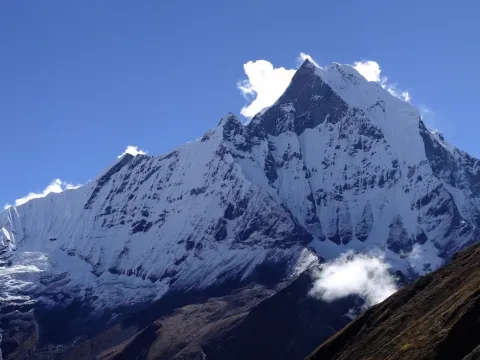
April, though, is a different story. The same steady, dry trails wind through forests exploding with rhododendron blooms, especially near Tadapani (2610m). Suddenly, you’re framing snow-capped mountains with bursts of red and pink flowers. Annapurna South (7219m) and Machapuchhre (6995m) look even more dramatic with that riot of color in the foreground. If you want your photos full of energy and life, April is unbeatable.
In fact, March really shines if you’re after solitude. You can set up your tripod at sunrise, catch Dhaulagiri (8167m) without crowds sneaking into your shot, and just take your time. April gets busier—picture-perfect spots fill up fast, so you’ll want to claim your angle early. Still, both months deliver solid trail conditions for any kind of camera work.
So, if you’re dreaming of calm, minimalist shots, March is perfect. If you want vibrant, flower-framed mountains, go for April. No matter when you go, the Poon Hill Trek serves up incredible photography. Local guides know all the best viewpoints, too. Just pick your style, pack your camera, and get ready to make some unforgettable Himalayan memories.
Photography Highlights by Month :
Thinking about trekking Poon Hill in March? Here’s what you really get. First off, it’s quiet. Not many people hit the trail this time of year, so you’ll find a kind of peace that’s hard to get during the busier months. The early rhododendron blooms start popping up on the way to Ulleri and Ghorepani, and you’ll have those bursts of color mostly to yourself.
But, yeah, mornings at the top—Poon Hill itself—can get seriously cold. The higher you go, the more you’ll feel it, especially before sunrise. Still, that calm, with the Annapurna range laid out in front of you, is something special.
Here, with fewer trekkers around, finding a lodge in places like Tadapani is a breeze. You don’t have to rush or compete for a bed. And sunrise? Sometimes you’ll have that sweeping view over Dhaulagiri and Machapuchhre with just a handful of people, or maybe nobody else at all. The forests along the way light up with red, pink, and white rhododendrons, each turn in the path giving you something new.
Likewise, the air stays fresh and crisp in March, which means you get those sharp, clear mountain views from Poon Hill. Climbing before dawn feels less like a slog and more like a wake-up call to the senses. Plus, the usual hustle and bustle in villages like Ghandruk? Pretty much gone. If you want solitude, this is your month.
But don’t underestimate the cold. You’ll need warm layers, especially for sunrise at Poon Hill and nights in Ghorepani—they can drop close to freezing. Early March sometimes hangs onto a bit of winter’s chill, so pack right and listen to your guide.
All told, March brings more good than bad. Fewer crowds, peaceful trails, and those first blooms make the Ghorepani Poon Hill Trek feel almost untouched. If you’re after real Himalayan calm, you’ll find it here.
Pros and Cons for Poon Hill Trek in March :
Meanwhile, trekking Poon Hill in April has a lot going for it, but there are a few things to keep in mind. April is when the rhododendrons really show off—bright red, pink, and white blooms light up the trails around Ghorepani and Tadapani. The forests in the Annapurna region turn lush and colorful, so every walk feels like you’re stepping through a painting. Days are warm and comfortable, which makes hiking easy and lets you take it slow, especially on the way to Ulleri. Villages come alive with trekkers from all over, swapping stories and filling the air with energy. If you love photography, you’ll find endless chances for great shots, with flower-lined paths and dramatic mountain views.
Actually, the moderate temperatures mean you don’t have to struggle with heavy gear or layers, and you’ll have plenty of energy for that early morning climb up Poon Hill to catch sunrise over Annapurna. Honestly, April is when this trek really comes to life—nature and people both seem at their best.
But it’s not all perfect. The word is out about April’s beauty, so the trails get crowded, especially at sunrise on Poon Hill. Lodges in places like Ghandruk and Ghorepani fill up fast, so you’ll want to book ahead. Sometimes the crowds break the mountain quiet, and finding a bit of solitude takes effort. Guides usually suggest starting early to avoid the busiest stretches.
So, if you’re drawn to colorful landscapes and enjoy a lively, social vibe, April is hard to beat for the Ghorepani Poon Hill Trek. The scenery and atmosphere more than make up for the crowds, especially if you don’t mind sharing the trail with a few new friends.
Pros and Cons for Poon Hill Trek in April :
So, which month really gives you the best Poon Hill Trek—March or April? I’d say April takes the crown for most trekkers. The hills explode with rhododendron blooms, and the views of Annapurna and Dhaulagiri are just ridiculous. Everywhere you look from Poon Hill, flowers frame those massive peaks. If you want the full color show and some seriously clear panoramas, April’s the time to go.
But March has its own appeal, especially if you crave quiet trails and crisp, clear air. You pretty much get the whole place to yourself. The mornings feel sharp and fresh, and you can breathe in that mountain air without a crowd in sight. Early flowers start to pop up, and you get to watch spring slowly wake up.
Let’s back to April. The weather’s warmer—think 12 to 22°C most days—so you don’t have to drag a ton of cold-weather gear. The rhododendron forests near Ghorepani and Tadapani are just wild, and sunrise from Poon Hill? The photos say it all: layers of light, bursts of color, and those jagged peaks looking their best. Plus, Gurung villages like Ghandruk are buzzing with life during the busy season. There’s a real energy on the trails that you just can’t fake.
In fact, March is all about peace and space. Fewer people, easier lodges, and those early, quiet mornings. If you’re a photographer who likes things still, or you just want to disappear into the landscape, March is hard to beat.
But let’s be honest—April edges ahead if you want a classic Poon Hill experience. The flowers, the views, the weather, the village energy—it all just comes together. Guides usually point first-timers to April for a reason.
So here’s my take: Go in April for the full floral drama and comfy trekking. If you want solitude and silence, March is your month. Either way, you’re in for an epic Annapurna adventure. For most people, though, April is the winner.
[trip: ghorepani-poon-hill-trek-with-jungle-safari-and-trishuli-river-rafting--13-days]
Poon Hill Trek Month Recommendation Quick Guide :
Let’s wrap things up with a few final pointers to make your March or April Poon Hill trek smooth and memorable. Book your lodges and guides early, especially if you’re heading out in April—things get busy fast during peak season on the Ghorepani Poon Hill Trek. No matter when you go, bring layers. Sunrise at Poon Hill (3210m) gets chilly, even if the day warms up later. Both months promise those classic Himalayan views—Annapurna (7219m) and Dhaulagiri (8167m) look stunning, and you’ll never forget those mornings.
Before you hit the trail, stop in Pokhara or Kathmandu and grab your permits and TIMS card. Always pack lightweight rain gear. Spring is usually dry, but the weather likes to surprise people sometimes. Drink plenty of water and take your time on the climbs up to Ulleri (2070m) and Ghorepani (2860m)—there’s no rush, and pacing yourself helps you enjoy the trek more. Bring enough cash, too. ATMs are rare out there, and you’ll need money for teahouses and snacks.
Go with a reputable trekking company if you want things simple—guided packages that include meals and accommodation take a lot of stress out of the trip. Operators know the region and handle all the logistics from Nayapul (1010m) to your final descent, so you can focus on the experience. Along the way, you’ll pass through Gurung villages like Ghandruk (1940m), and having a guide helps you connect with local culture and stories.
Here, check the weather forecast about a week before you go, just in case. Start your days early, especially if you want that famous sunrise view. Respect the local customs, and remember to leave the trails as you found them—Nepal’s beauty deserves care. Whether you pick March for its quiet, crisp air or April for the bustle and color of peak season, you’re in for something special. With some planning and a bit of excitement, your Poon Hill adventure becomes one for the books. Enjoy every step.
Final Planning Checklist for Poon Hill Trek :
1. Is March or April Better for the Poon Hill Trek?
The Poon Hill Trek is great in March and April. March is the time for views of the mountains and cooler temperatures. April is warmer. The rhododendron forests are really colorful. So it is up to you. If you like taking pictures March is the way to go.. If you like seeing flowers and green trees April is a better time for the Poon Hill Trek.
2. What Is the Weather Like on the Poon Hill Trek in March?
March is the start of spring in the Annapurna region. The days are nice and mild which is perfect for walking on the Poon Hill Trek. The mornings and evenings can be cool when you are high up. The sky is usually clear so you can see the mountains well. It does not rain much. The trails are nice to walk on. This is why March is a time to do the Poon Hill Trek.
3. How Warm Is the Poon Hill Trek in April?
April is warmer than March on the Poon Hill Trek. The days are comfortable for walking. The nights are cool. It is also nicer in the mornings. Since it is spring the weather is nice. The views are beautiful. This is why a lot of people like to do the Poon Hill Trek in April.
4. Are Rhododendrons in Bloom During March?
Yes the rhododendron forests start to bloom in March on the Poon Hill Trek. The lower parts bloom first. Then the higher parts. The forests around Ghorepani start to look really colorful. So if you do the Poon Hill Trek in March you can see a lot of beautiful flowers.
5. Is April the Best Month for Rhododendron Flowers?
April is the time to see the rhododendron flowers on the Poon Hill Trek. The forests around Ghorepani have red, pink and white flowers. The warm weather helps the flowers bloom. This is why a lot of people do the Poon Hill Trek in April to see the flowers.
6. Which Month Has Mountain Views, March or April?
March is a little better for seeing the mountains on the Poon Hill Trek. The air is dry. You can see really far. April is also great for seeing the mountains, like Dhaulagiri and Annapurna peaks. Sometimes it can get a little hazy in the afternoons. So it is best to take pictures in the morning on the Poon Hill Trek.
7. Is the Poon Hill Trek More Crowded in April?
Yes the Poon Hill Trek is busier, in April. A lot of people do the trek in April because the weather is nice and the flowers are blooming. The teahouses can fill up quickly around Ghorepani.. The Poon Hill Trek is still a lot of fun. It is an idea to book your accommodation early so you can get a good place to stay on the Poon Hill Trek in April.
8. How hard is the Poon Hill Trek in March?
The trek is not too hard in March. The trails are dry and stable after winter. It is also cooler which makes walking uphill feel more comfortable. Mornings can be a bit chilly. It is still a good time for most trekkers. So people who are new to trekking and are reasonably fit can do it if they prepare well and take their time.
9. Does it rain during the Poon Hill Trek in April?
April is usually dry. Sometimes it rains a little in the afternoon. These short rains do not affect trekking. They also help keep the forests green and blooming. So it is an idea to bring a lightweight rain jacket. The weather is still great for trekking in April.
10. What should I pack for Poon Hill Trek in March?
In March you need clothes for the mornings and evenings. Bring a jacket, thermal clothes, gloves and a hat. You also need trekking clothes for the daytime. Since the temperature changes throughout the day it is best to wear layers. This way you can stay comfortable in the changing mountain weather.
11. What should I pack for Poon Hill Trek in April?
In April you can wear clothes during the day because it is warmer.. You still need a warm jacket in the evenings. Also the sun is stronger so you need to protect yourself. Bring sunglasses, sunscreen and breathable trekking clothes. Wearing layers is still the way to stay comfortable.
12. Are teahouses open in March and April?
Yes all the main teahouses along the Poon Hill Trek are open in March and April. These months are very busy so everything works smoothly. However some popular lodges might be crowded in April. So it is an idea to plan ahead to have a comfortable trek.
13. Is Poon Hill suitable for beginners in spring?
Yes Poon Hill is one of the treks in Nepal for beginners. The trail is well-marked. There are many teahouses. The spring weather is also stable and comfortable. The highest point is 3,210 meters so altitude sickness is not a big concern. Many people who are trekking for the time choose this route.
14. How long is the Poon Hill Trek in March and April?
Most people finish the Poon Hill Trek in 4 to 6 days. The duration is the same in March and April. The good weather helps you keep a pace. So you can enjoy the mountain views, local villages and forests without rushing.
15. When should I book the Poon Hill Trek for spring?
It is best to book your trek a weeks in advance. March is busy. April is even busier. Booking early helps you get your accommodations and transportation. So planning ahead makes your trek, in the Annapurna region smoother.
Our travel experts are ready to assist you with any questions.
Send us a message.Have a question before you book? Send your enquiry below and our travel experts will get back with the required information.