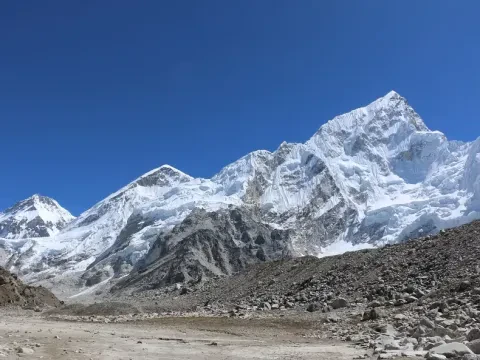
Imagine you’ve made it to Everest Base Camp, 5,364 meters above sea level. Mount Everest towers overhead, but really, your true companions stand quietly beside you—the guides and porters who helped get you there. You hand over a tip, and in that small moment, you see what it means. Their smiles say it all. A tip isn’t just money; for days of carrying loads and leading you safely through thin air, it’s recognition, gratitude, and a little boost that really matters.
On Nepal’s great mountain treks—on classic Everest routes, quieter trails like Langtang Valley, and those epic journeys such as the full Annapurna Circuit—a tip is more than a gesture. It’s support for entire communities. Guides and porters work hard in tough conditions, and let’s be honest, tips can make up 30 to 50 percent of their yearly income. When you tip, you’re making a direct difference in real families’ lives far from the cities. With Haven Holidays Pvt. Ltd., tipping doesn’t just show your appreciation; it pushes your team to go the extra mile, especially where it counts—up at altitude, where your safety and their spirits are tied together.
In fact, tipping is also, deep down, a sign of respect for Nepal’s culture. Your guides and porters share legends, handle risks, and lead you to places like Annapurna Base Camp at 4,130 meters with energy and a smile. That tip at journey’s end can mean more to them than you imagine.
Likewise, you’re also part of something bigger when you tip well. You help keep this trekking world spinning, offering new opportunities to local youth who might otherwise chase uncertain jobs in the city. Every dollar you give is like a vote for healthy, sustainable adventure tourism. It keeps trails active, teahouse doors open, and mountain dreams alive—not just for you, but for every trekker who follows. Haven Holidays Pvt. Ltd. makes sure you know exactly what’s fair so you can tip confidently and generously.
| Trek Type | Suggested Group Tip for Guide (USD) | and for Porter(s) (USD) | Why It Matters on This Trail |
|---|---|---|
| Short (3-5 days) | 50–100 | 40–60 | Builds quick trust on easier secondary trails. |
| Standard Primary (10-12 days, e.g., EBC at 5,364 m / 17,598 ft) | 150–300 | 100–200 | Rewards endurance near Everest at 8,849 m (29,029 ft). |
| Long Trail (14+ days, e.g., Annapurna Circuit) | 300–500 | 150–250 | Supports full commitment across multiple passes. |
| Group of 4+ on Any Trail | 15–20 per day | 8–12 per day per porter | Ensures team spirit for safe, memorable trips. |
When you book with Haven Holidays Pvt. Ltd., you join a crew that genuinely values these hard workers. You’re prepped, supported, and ready to give back in a way that echoes through the Himalayas. Ready for your adventure? Your tip keeps this world vibrant for tomorrow’s trekkers.
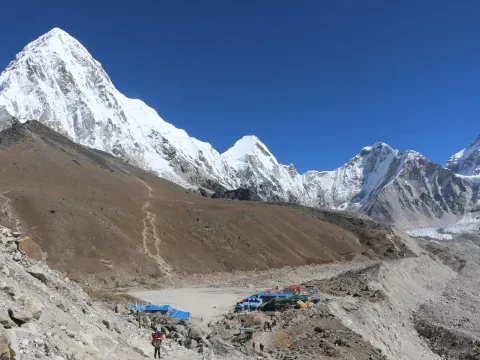
Stand at any trailhead leading to Everest Base Camp, and you’ll quickly wonder: who’s really with me every step of the way? The answer is pretty simple. Your experience rests on two distinct but totally interlocked roles—guides and porters. Haven Holidays Pvt. Ltd. knows how to match them to you just right.
Actually, a guide is both your navigator and your insider. They walk with you, share stories, teach you about mountain Buddhist monasteries, and track every twist and turn in the trail. They speak your language, know what to do if altitude kicks in at places like Kala Patthar, and generally make sure every day flows smoothly—so you’re left to enjoy those jaw-dropping views. Meanwhile, porters are the silent powerhouses. They carry up to 20 kilos of your stuff every single day, letting you hike light and actually enjoy the trek, not just survive it.
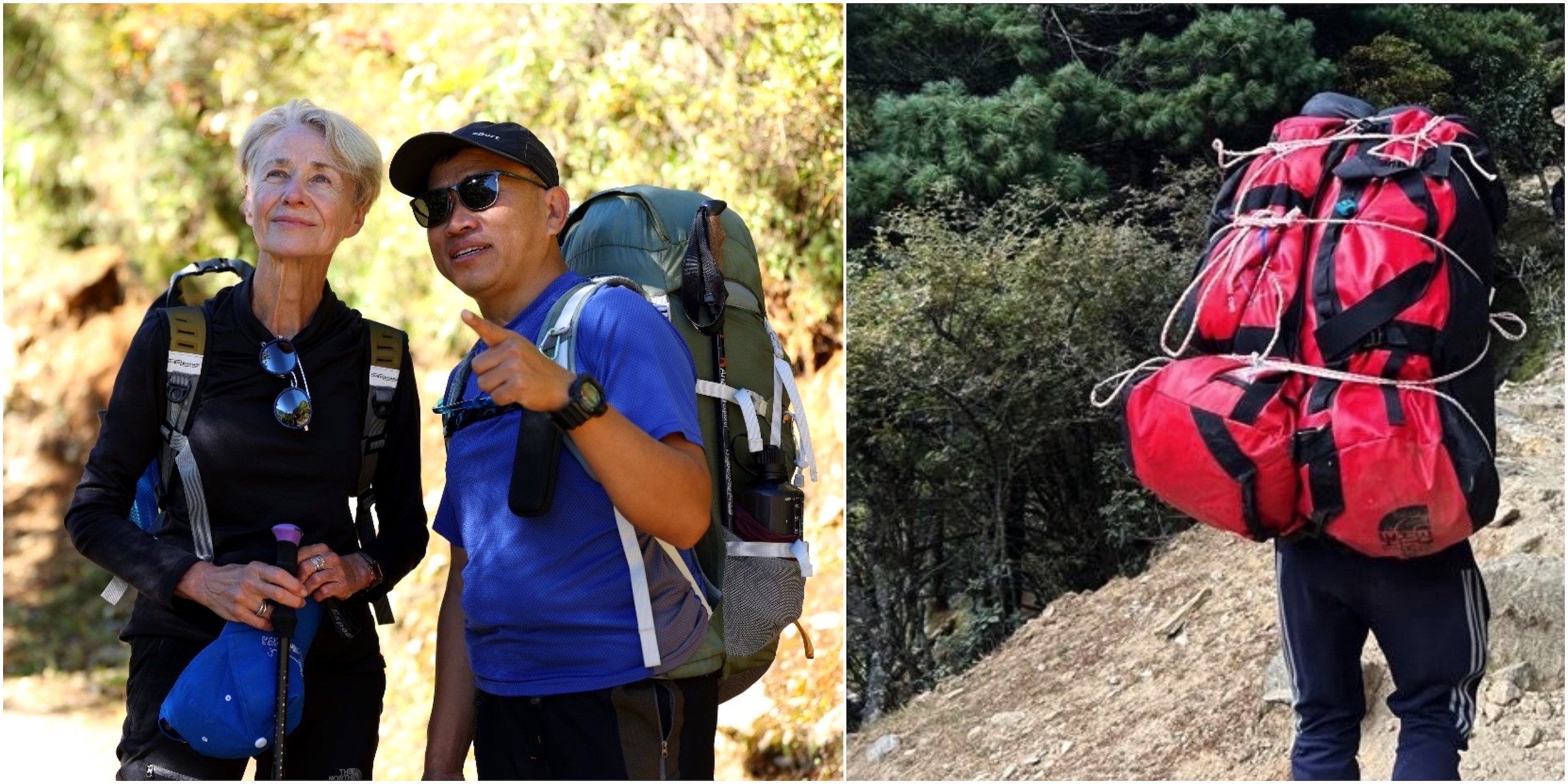
Likewise, guides bridge cultures and keep you in the loop on safety, while porters are out front, often leaving before you wake, making sure your bags reach the next stop. When you finally enter Annapurna Base Camp, you see how much you depend on both: the guide points out every peak, the porter keeps your pack off your back. The whole team with Haven Holidays Pvt. Ltd. is trained and insured; you never have to stress about their safety or your own.
In fact, sometimes on short or less challenging treks, you’ll hear about “guide-porters”—people doing a bit of both jobs. On longer, tougher routes, though, it really helps to have a full team. Understanding this lets you tip fairly and book treks knowing exactly what each member brings to your trip.
Roles of Porter Highlights:
| Aspect | Guide Role | Porter Role | Benefit to Trekker on Nepal Trails |
|---|---|---|
| Primary Duty | Leads, educates, ensures safety | Carries gear (up to 20 kg), supports logistics | You enjoy views instead of struggling with weight. |
| Skill Level | Certified, English-speaking, first-aid trained | Strong endurance, local terrain knowledge | Safe passage on primary trails to 5,364 m (17,598 ft). |
| Interaction with You | Walks with group, answers questions | Minimal direct talk but always reliable | Rich stories and cultural depth plus physical ease. |
| Daily Schedule | Starts with briefing, monitors pace | Departs early, arrives ahead to prepare | Stress-free days from Lukla to Base Camp |
| Typical Trek Example | Explains monasteries near ABC at 4,130 m (13,550 ft) | Hauls supplies across Thorong La at 5,416 m (17,769 ft). | Complete success on long trails with Haven Holidays Pvt. Ltd. |
Summing up, Haven Holidays Pvt. Ltd. is all about pairing you with the right guide and porter team. It’s not just about reaching your destination—it’s about experiencing the real Nepal, thanks to the pros who walk those paths every day. When you’re ready, your adventure (and your guides and porters) are waiting. Let them carry you to places you’ll remember for a lifetime.
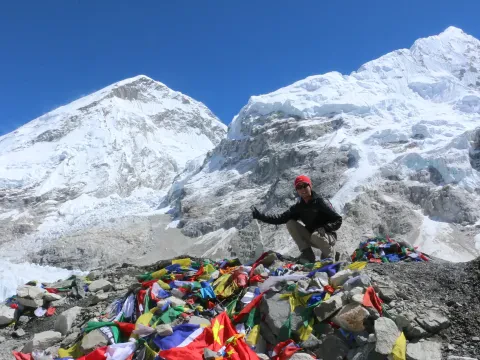
Meanwhile, picture this: you finish your trek beneath Annapurna, feeling accomplished, when you hand your guide or porter a simple envelope. In Nepal, that moment means a lot more than just giving extra cash. For locals, tipping is a personal “thank you”—proof you value all those long, hard days together on steep trails and winding valleys. It’s not just money; it’s respect, straight from one person to another, in a place where community means everything.
In fact, most guides and porters come from tiny villages where farming barely pays the bills. A tip from you isn’t just nice to have—it’s the highlight of their income, making those tough climbs to Kala Patthar or over Thorong La worthwhile. Nepalis believe in giving from the heart, and you’ll feel it when your tip brings out an even brighter smile or a story you’d never get otherwise. They won’t ask—most folks are too modest—but a thoughtful tip at the trek’s end always matters.
Here, some travelers feel a bit lost about how much to tip. The good news? Nepalese culture welcomes any honest gesture. That envelope helps families afford things like school or medicine back home, and it creates a more honest, friendly bond during your trip. There’s no strict formula—just offer what feels right, and the gesture itself will be remembered.
| Aspect of Tipping Culture | What International Trekkers Often Misunderstand | Correct Nepali Perspective | Practical Tip for Your Trek |
|---|---|---|
| Timing | Thinking tips are given daily | Given once at the very end of the trek | Prepare envelope on final day near Kathmandu at 1,400 m (4,593 ft). |
| Amount Expectation | Believing fixed percentages apply | Any sincere amount is welcome and valued | Base on trail length and group size with Haven Holidays Pvt. Ltd. |
| Cultural Meaning | Seeing tipping as obligatory transaction | Viewing it as appreciation and respect | Smile and thank them personally at ABC 4,130 m (13,550 ft). |
| Family Impact | Assuming tips only affect the individual | .Supporting entire extended families in remote areas | Know your contribution helps villages below 5,000 m passes. |
| Best Practice on Trails | Handing money casually during trek | Formal, respectful handover at conclusion | Use clean USD notes for primary, secondary & long trails. |
Actually, tipping here is your chance to take part in something bigger than just reaching the summit. With Haven Holidays Pvt. Ltd., the ritual becomes less about the amount and more about the genuine connections you build—ones that mean as much back home as they do in the heart of the Himalayas.
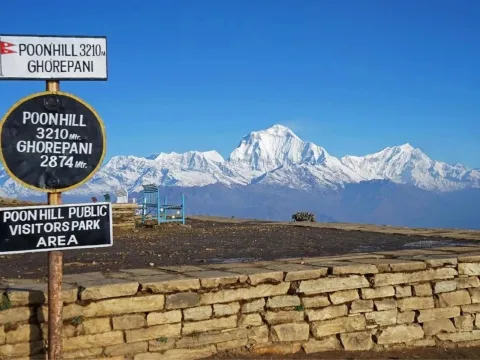
Now, after a tough trek—maybe on the last morning before heading back—many trekkers wonder, “How much is right?” The good news? A few clear guidelines make it a breeze. These basic rules spare you any awkwardness, show real appreciation, and keep the vibe positive right up to your final goodbye.
Here, start by thinking about the trek’s length and your group. A short, weeklong adventure is one thing; two or three weeks in the high passes is another. The effort your crew puts in changes, so should your tip. Use new US dollars or Nepali rupees, slide the tip into an envelope, and hand it over with eye contact and a simple, heartfelt thanks—trust me, that means more than anything.
Summing up, guides and porters do different jobs, so tip them separately. Guides usually get a bit more since they look after the route, your safety, and share the region’s culture. If you’re in a group, pool your tips for fairness. The more people you trek with, the more you scale things up so everyone feels included and appreciated.
| Trek Duration / Type | Recommended Tip per Guide (USD) | Recommended Tip per Porter (USD) | Total Group Tip Suggestion (4 trekkers) | Best Practice Note . |
|---|---|---|
| Short (3-7 days) | 60–120 | 40–80 | 200–400 | Simple thank you at trail end. |
| Primary (8-12 days, e.g. EBC 5,364 m / 17,598 ft) | 150–250 | 80–150 | 400–700 | Higher for altitude effort near Everest 8,849 m (29,029 ft). |
| Long Trail (13+ days, e.g. Annapurna Circuit) | 250–400 | 120–200 | 600–1,000 | Reflects full commitment across Thorong La 5,416 m (17,769 ft). |
| Group of 2 | Add 20% extra | Add 20% extra | Scale accordingly | Personal connection matters most. |
| Group of 6+ | Standard rate | Standard rate | Divide pool fairly | Ensures motivation for entire team with Haven Holidays Pvt. Ltd. |
Here, just follow these tips, and your trek turns into something more—something grounded in respect and kindness. You’ll not only come home buzzing from adventure, but you’ll know you made a real difference along the way. That’s a story worth telling.
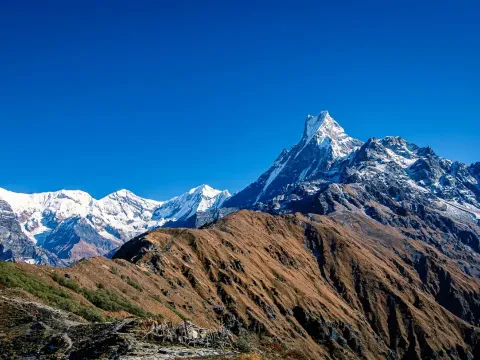
In fact, you’ve just finished an epic trek—the kind that leaves your lungs burning from thin Himalayan air and your mind full of wild mountain memories. Now it’s time for one last gesture: the tip. Maybe this part feels trickier than the steepest switchback. But the updated guidelines make it way easier, accounting for the way costs have shifted across villages and along the trails.
Actually, Haven Holidays Pvt. Ltd. keeps an eye on these changes so you’re not left guessing when you’ve finally reached places like Annapurna Base Camp or stood on Kala Patthar, staring at Everest. Right now, the recommendation sits at $15–25 per trekker each day for your guide and $8–12 per trekker each day for every porter on the major standard routes. Head out on tougher or longer trails? The numbers climb too—nothing’s set in stone except the expectation that you’ll show thanks for all that effort.
Moreover, it’s pretty common for groups to pool together their tips and hand them over in one go. There’s something about that moment—the final thank you, an envelope passed with a smile—that really sticks. Clean US dollars are your safest bet, since guides and porters can change these easily once they’re back in their villages.
If you’ve had extraordinary service, if your guide spotted altitude sickness early or your porter doubled as a comedian on rough stretches, don’t hesitate to tip more. Folks who follow these amounts usually find warm welcomes wherever they go next in the Himalayas—locals remember generosity. And Haven Holidays? They’ll brief you on tipping before you ever hit the trail, so you don’t have to stress about the details mid-journey.
Daily Guide Tip: $15–25 per person per day—not just for leading the way, but for handling safety and all those little things that keep the trek running smooth, especially on routes like Everest Base Camp.
| Trek Type & Duration | Recommended Guide Tip (Total USD, Group of 4) | Recommended Porter Tip (Per Porter, USD) | Total Suggested Tip Pool (USD) | 2026 Notes & Adjustments. |
|---|---|---|
| Short Trek (5–7 days) | 300–500 | 150–250 | 500–800 | Baseline for easier secondary trails. |
| Primary Trail (8–12 days, e.g., EBC 5,364 m / 17,598 ft) | 600–1,000 | 300–500 | 1,000–1,600 | Standard for Everest region routes. |
| Long Trail (13–21 days, e.g., Annapurna Circuit) | 900–1,500 | 450–800 | 1,500–2,500 | +20–30% for extended high-altitude effort |
| Premium / Technical (with 5,500 m+ passes) | 1,200–2,000 | 600–1,000 | 2,000–3,200 | Extra for Kala Patthar 5,545 m (18,192 ft). |
| Small Group (2 trekkers) | Add 25% | Add 25% | Scale up | More personal connection with Haven Holidays Pvt. Ltd. |
So, when you hand over the tip at the end of your trek with Haven Holidays Pvt. Ltd., you can do it with confidence. Your thank you—the dollars you leave behind—doesn’t just mark gratitude for today but supports mountain families into the future. Book a trek; pack well; tip freely. Give a little bit of yourself back to the world’s biggest mountains.
Let’s talk about what actually changes your tip. As soon as you start planning, you realize that there’s no one perfect answer—the best amount really depends on your trek. It shifts with the challenge, the group, the length, and even the weather.
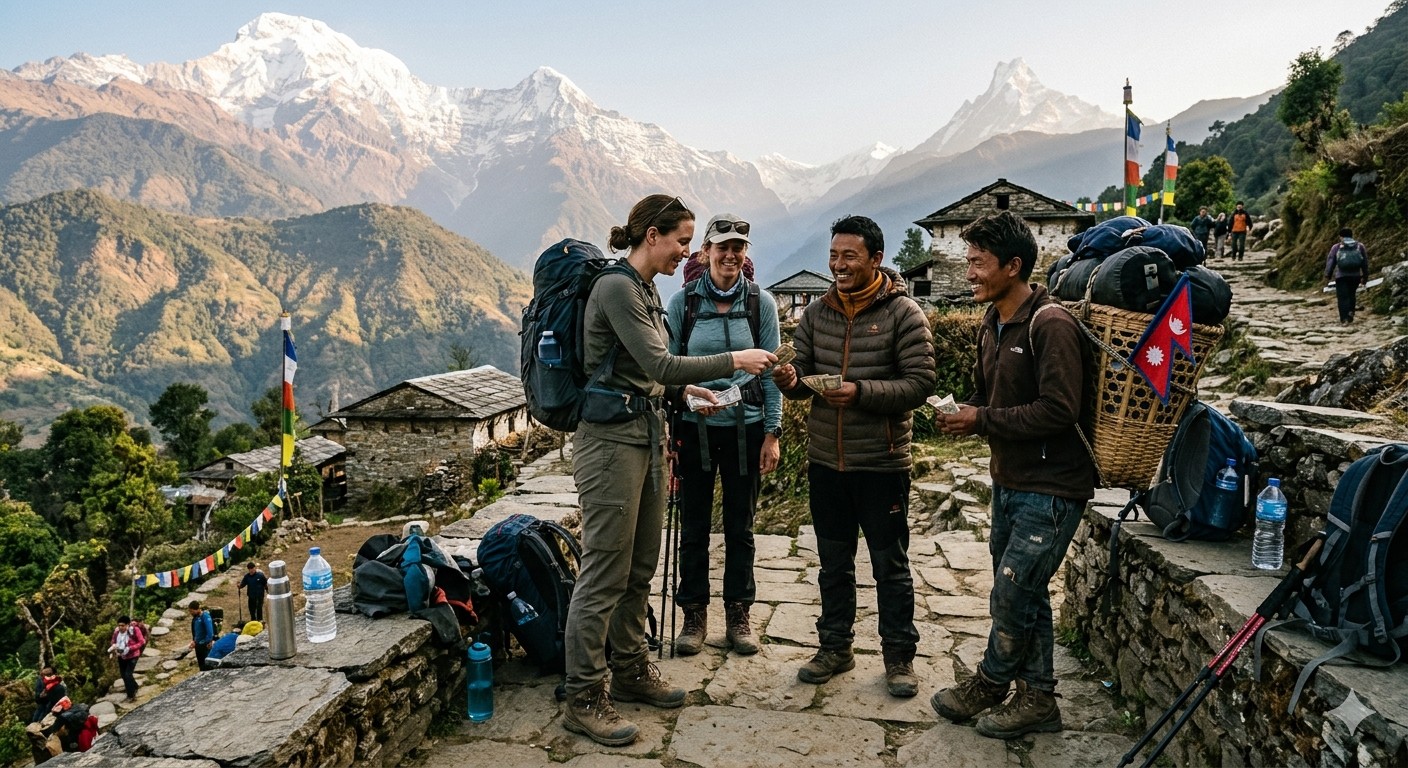
First, how tough is your route? An easy valley walk won’t demand the same effort as a multi-pass epic that pushes everyone to the limit. A hard, high trek like crossing Thorong La or going past Everest Base Camp means extra muscle, care, and energy from your team, so the tip gets bigger.
Then there’s the size of your group. Larger groups can pull together a bigger total but, per person, you’ll each give a little less. Smaller groups often tip more individually because you’re getting more personal attention along the way. Duration matters too—a five-day intro isn’t the same as two full weeks roaming above 3,000 meters. More days, more support, bigger tips.
Add extra for outstanding help—this could be emergency care, storytelling, or a guide who makes the mistakes and magic of mountain life part of your experience. And think about the season. Winter cold or monsoon mud multiplies the effort it takes just to reach camp.
The takeaway? When you size up your route, your group, your trek length, the service, and the season, you can tip in a way that feels honest and appreciated. Your guides and porters notice. Many come back year after year because of trekkers who treat them well, and that keeps Nepal’s adventure world alive.
| Influencing Factor | Low Impact Scenario | High Impact Scenario | Recommended Adjustment | Example on Nepal Trails. |
|---|---|---|
| Trek Difficulty | Easy secondary trail below 3,500 m (11,483 ft) | Technical long trail with 5,500 m (18,045 ft) passes | +30–50% | Everest Base Camp 5,364 m (17,598 ft) vs valley walk. |
| Group Size | Solo or couple | 6+ trekkers | Pool larger total, lower per person | Family group on Annapurna Circuit. |
| Trek Length | 5–7 days | 15+ days | +20–40% | Short Langtang vs full Annapurna Circuit. |
| Extra Services | Standard support | Emergency help + storytelling at high camps | +10–25% bonus | Guide managing altitude at 5,416 m Thorong La. |
| Season & Weather | Clear autumn/spring | Winter cold or monsoon risks | +15–30% | High passes in challenging conditions. |
In fact, keep these in mind as you prepare your adventure with Haven Holidays Pvt. Ltd. You’ll leave Nepal not just with amazing stories, but with lasting connections to the people who made them possible. Planning a trek? Figure the numbers out, then focus on the real reward—the journey itself.
Meanwhile, you make it to that last teahouse after a wild climb up Kala Patthar—5,545 meters high, legs burning but heart racing with that amazing “I did it” feeling. In the back of your mind, though, there’s still that little question: so, when exactly do I tip my guide and porter? It actually matters more than you’d think. The timing of your tip isn’t just practical—it’s about real respect, whether you’re on the famous Everest Base Camp trail (5,364 meters), some quieter valley path, or pushing on tough high passes like Thorong La at 5,416 meters. That’s why Haven Holidays Pvt. Ltd. helps everyone get this right so your goodbye feels natural, never awkward.
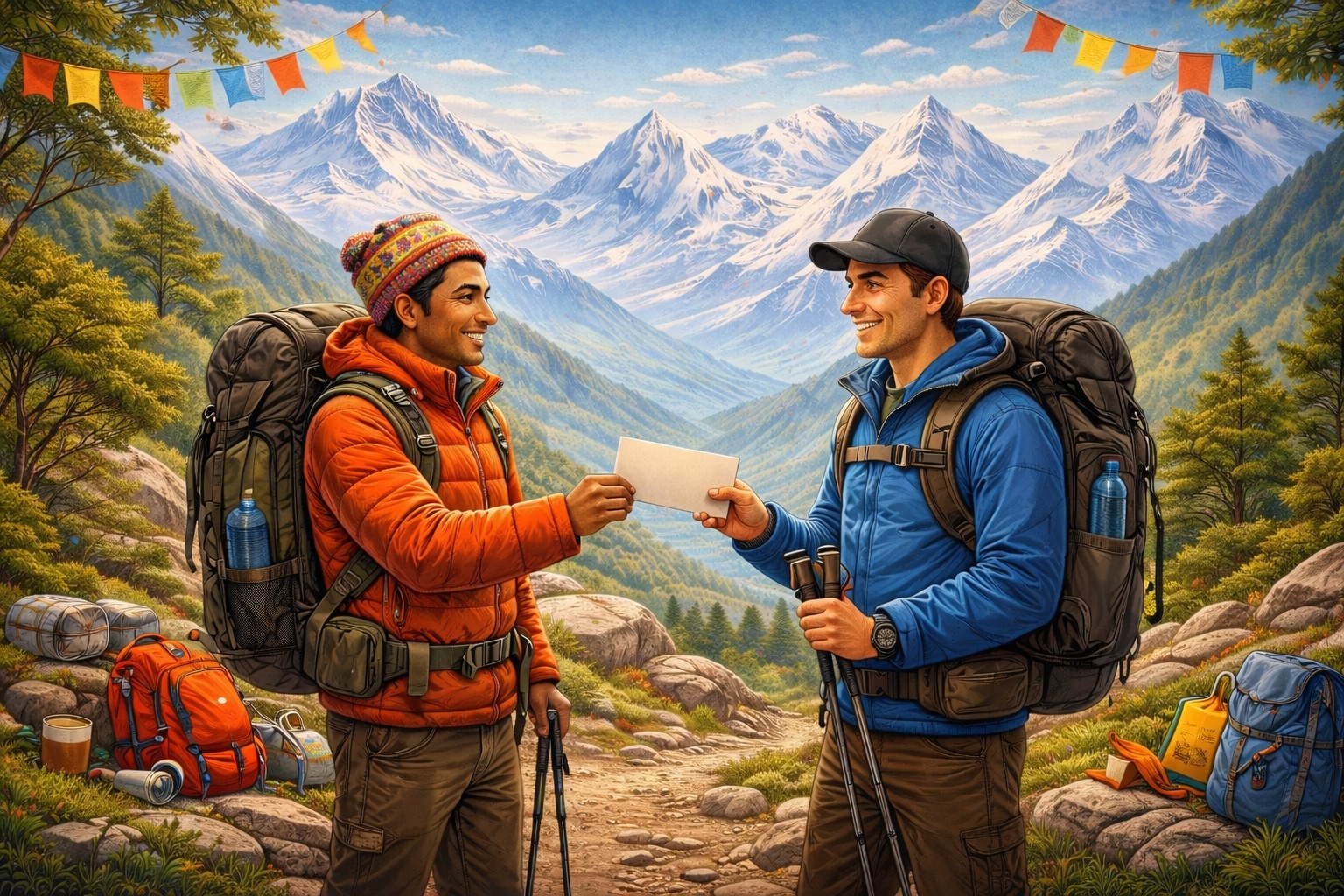
In fact, it’s honestly never a good move to tip while you’re still trekking. Handing out cash day-to-day creates weird pressure and kind of messes with the easy, supportive vibe you want on the trail. Wait till you’re down low again, or finally back in Kathmandu at 1,400 meters when the whole adventure’s behind you. Then you can really show your thanks after you’ve seen the team support you every single step. That last night, or the next morning after breakfast—those are the golden moments. Everyone’s finally relaxed, the biggest challenges are already shared memories, and that’s when your gratitude feels most real. Look, after testing yourself near those peaks—Annapurna (8,091 meters) included—you want to say thanks in a way that comes straight from the heart.
Now, once in a while your group might want to offer more than just words mid-trek—and that’s totally fine. Maybe a snack or a nice drink as a small thank you goes a long way, especially during a tough stretch. Just skip handing over cash before the end. A lot of Haven Holidays trekkers pick the final night in a cozy lodge to tip, when everyone’s already celebrating and the mood is just right. That’s what turns the usual farewell into something more—a real connection you’ll both remember long after the mountains are behind you.
| Timing Option | When It Happens | Pros | Cons | Best For Which Trek Type |
|---|---|---|
| During the Trek (Daily) | Any evening at teahouse | Quick motivation | Creates pressure, feels transactional | Not recommended for any trail |
| Final Evening at Last Tea house | Last night before descending | Relaxed atmosphere, shared memories. | Limited privacy if large group | Primary trails like EBC 5,364 m (17,598 ft). |
| Morning After Breakfast | Final morning before departure | Fresh start, clear minds | Rushed if early flight | Secondary and long trails. |
| Back in Kathmandu | Upon return to city at 1,400 m (4,593 ft | Comfortable setting, time to reflect | Less immediate connection | All treks, especially with Haven Holidays Pvt. Ltd. |
| Small Mid-Trek Gesture | After a tough pass like Thorong La 5,416 m (17,769 ft) | Boosts morale without cash | Not a full tip | Any challenging section. |
When you get the timing right, tipping becomes way more than a formality—it’s a strong, heartfelt thanks your guide and porter won’t forget. Following these tips with Haven Holidays Pvt. Ltd. means your journey closes on a high note. Book your trek, whether it’s a short, secondary, or epic-long trail, and get ready to give the send-off these amazing people truly deserve.
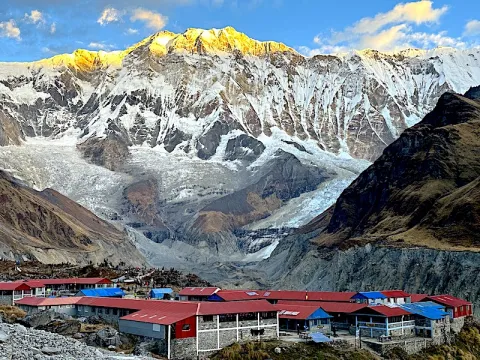
Meanwhile, you conquer your long trek and really want to say thanks to your guide and porter—in a way that feels right, not awkward or forced. The process probably feels mysterious if you haven’t trekked in Nepal before, but a few simple steps help your gratitude shine through, wherever you roam—primary, secondary, or long trails. Haven Holidays Pvt. Ltd. always breaks down these little details for you, so you feel sure of yourself and your team heads home proud after bringing you up to Annapurna Base Camp at 4,130 meters, or anywhere else your boots take you.
First thing—get ready. Have some crisp US dollars or Nepali rupees set aside before your trip. Old, crumpled notes? Just don’t. People see that as disrespectful in Nepal, and you want to keep your gesture positive. Slip your thank-you and the cash into a plain envelope. Take a moment to write a short note. Mention something real—like the time your guide got you through a tricky stretch near Everest (8,849 meters). Then, gather your group for a quick private moment. Hand the envelope to your guide first. After that, say thanks and shake hands with each porter, looking them in the eye and smiling. Toss in the Nepali “Dhanyabad” (thank you); it’s a small word but means a lot.
Likewise, a genuine smile and eye contact go further than you might guess. After all the shared work—think Kala Patthar, 5,545 meters—the human connection does most of the talking. Don’t pull out the cash for counting or discussion in front of the whole group—privacy matters in Nepali culture and keeps it all respectful. When you add in these small, sincere touches, tipping switches from awkward necessity to a real moment that connects you, heart-to-heart, with your team.
| Step | Action to Take | Why It Matters | Local Etiquette Tip | Example for Your Trek |
|---|---|---|
| 1. Preparation | Gather crisp bills + write short thank-you note | Shows care and respect | Use clean notes only | Note mentioning help at EBC 5,364 m (17,598 ft). |
| 2. Envelope | Place money and note inside a plain envelope | Makes gesture feel thoughtful | No fancy wrapping needed | Simple white envelope for long trail teams. |
| 3. Delivery | Hand to guide first, then porters personally | Honors hierarchy and teamwork | Smile + handshake + eye contact | After returning from Annapurna 8,091 m (26,545 ft). |
| 4. Words of Thanks | Say “Dhanyabad” and share one positive memory | Builds emotional connection | Speak slowly and sincerely | Thank safety support at 5,416 m Thorong La. |
| 5. Privacy & Tone | Keep moment private and positive | Preserves dignity | No bargaining or open counting | Final morning in Kathmandu at 1,400 m (4,593 ft). |
When you know how to tip in Nepal, you turn a simple handoff of cash into a memory that sticks—with you and your team. The folks at Haven Holidays Pvt. Ltd. will guide you through it all before your boots ever hit the trail, so you can trek with an easy heart and wrap things up with real meaning. If you’re set to explore Nepal soon, book that primary, secondary, or long trail with Haven Holidays Pvt. Ltd., and you’ll be ready for goodbyes that feel as right as the mountains themselves.
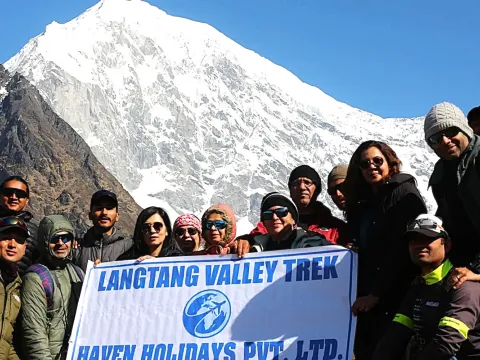
Actually, you’ll notice pretty quickly that tipping in Nepal changes depending on what kind of trek you choose—whether you’re on a group adventure, a private journey, or something a bit more luxurious. These little differences are worth knowing about, especially when you want to tip your guide and porters in a way that truly says thanks once you’ve climbed to those dizzy heights.
In fact, group treks bring a kind of shared spirit, especially on legendary trails like Everest Base Camp at 5,364 meters (17,598 feet). You move as a team, and so does your money: everyone puts in their share; the pool adds up, and nobody has to shell out too much individually. Private treks, though, feel a lot more personal. Your guide and porters focus just on you and your small crew, walking quieter, off-the-beaten-path trails. That close connection shows in the tip—since it’s just your group, you’ll want to be a little more generous. Luxury expeditions, as you’d expect, level things up even more, whether you’re approaching mighty Annapurna at 8,091 meters (26,545 feet) or staying in cushier lodges with top gear; here, the staff goes above and beyond, so tips rise, too—usually 30-50% more than standard.
In fact, group size is another thing to keep in mind. Big groups end up with a larger tip pool thanks to more people chipping in. Small private or luxury groups, on the other hand, usually tip more per person because the attention feels tailor-made. No matter the setup, though, everyone appreciates a sincere thank you after days challenging themselves together. Haven Holidays Pvt. Ltd. makes all of this clear up front, so you never have to guess or worry about missing the mark, whether you’re budgeting for a group trip or treating yourself to something special.
| Trek Format | Typical Group Size | Tipping Style | Recommended Adjustment from Standard | Best Example Trail & Elevation. |
|---|---|---|
| Group Trek | 6–12+ | Pool contributions from all members | Baseline or slightly lower per person | Shared EBC trek to 5,364 m (17,598 ft). |
| Private Trek | 2–6 | More personal, higher per-person tips | +20–40% | Custom Langtang or Annapurna Circuit. |
| Luxury Expedition | 2–8 | Premium recognition for superior service| +30–60% | Exclusive routes with top gear near | Annapurna 8,091 m (26,545 ft). |
| Small Private (Couple) | 2 | Intimate handover with extra warmth | Highest per person | Tailored secondary trails. |
| Large Group with Haven Holidays Pvt. Ltd. | 8+ | Organized pool with company guidance | Balanced total | Long trail crossing Thorong La 5,416 m (17,769 ft). |
Once you understand how tipping plays out on different trek styles, it’s a lot easier to tip in a way that fits. Haven Holidays Pvt. Ltd. builds these differences into every trip, so you can thank your guides and porters in a way that feels just right—and keeps everyone motivated. Pick your favorite trek style and enjoy rewarding your team as you take in Nepal’s incredible mountains.
Here, you finish an epic trek to Annapurna Base Camp at 4,130 meters (13,550 feet), feeling grateful. Still, just one wrong move when it comes to tipping can leave your guides or porters feeling a bit let down—even if you didn’t mean it that way. It’s surprisingly common for international trekkers to trip up here, but a little know-how goes a long way. That’s why Haven Holidays Pvt. Ltd. always covers this in their briefings, helping you wrap up your trek on a high note.
First of all, don’t tip mid-trek or hand out cash every day—the relationship gets awkward fast, and nobody wants that up at 5,545 meters (18,192 feet) on Kala Patthar. Second, bring crisp US dollar bills. In Nepal, giving wrinkled or tattered currency feels careless, so plan ahead. Don’t count money out loud, hold the envelope up for everyone to see, or start haggling over the amount—keep it quiet and kind, just like locals do. And don’t forget your porters! Sometimes people slip up and thank only the guide, but porters are the backbone of your trek—they deserve a share of your thanks, too.
Oddly enough, tipping way too much isn’t great either. It can make the receiver uncomfortable or even embarrassed. Sticking to guidelines, planning ahead, and keeping a sense of balance makes the whole process smoother and more meaningful—not just for your team, but for you, too.
| Common Mistake | Why It Goes Wrong | How to Get It Right Every Time | Impact if Avoided | Relevant Trail Example . |
| Tipping Too Early | Changes team dynamics and adds pressure | Wait for final evening or morning | Preserves natural friendship | During ascent to EBC 5,364 m (17,598 ft). |
| Using Wrinkled/Torn Notes | Appears careless and disrespectful | Prepare crisp new USD bills | Shows genuine care and respect | Handover near Annapurna 8,091 m (26,545 ft). |
| Public Counting/Negotiating | Embarrasses guide and porters | Private envelope with smile and thanks | Maintains dignity and warmth | Any long trail conclusion |
| Ignoring Porters | Undervalues essential team members | Give individual thanks to each porter | Motivates the entire support crew | Porters on secondary trails. |
| No Personal Note | Feels purely transactional | Include short handwritten thank-you | Creates lasting emotional connection | After crossing Thorong La 5,416 m (17,769 ft). |
If you steer clear of these tipping slip-ups, you finish your trek feeling good, and your team feels seen and valued. With a little help from Haven Holidays Pvt. Ltd., you get the tipping part right every time and leave a trail of goodwill for guides, porters, and the trekkers who come after you. Ready to put it all into action? Book your Nepal trek and discover how good it feels to give thanks among the world’s tallest peaks.
Actually, you stand at the end of the trail, your heart overflowing after making it to Everest Base Camp at 5,364 meters (17,598 feet). Tipping your guide and porter does matter—but it’s really just the start. There are so many other ways to show real gratitude for the people who carried your hopes and memories through thin air and rough trails. Haven Holidays Pvt. Ltd. always encourages you to look for creative ways to celebrate your team, especially after all those days of hard work passing giants like Annapurna at 8,091 meters (26,545 feet).
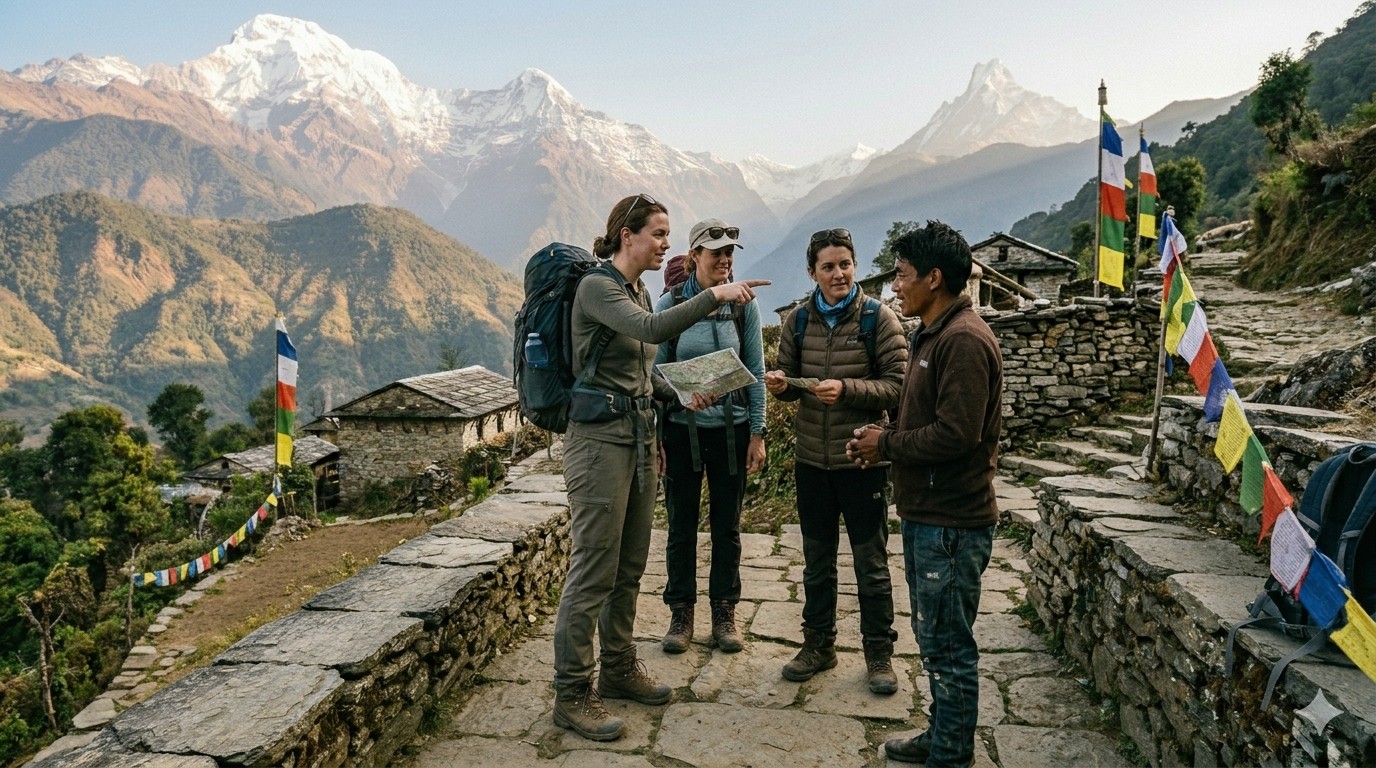
In fact, sometimes the best gesture is simple: bring a few practical gifts from home. Warm socks, reliable gloves, a spare headlamp, or just high-energy snacks—these small things can make a difference for porters on their next trek or even help their families. You could handwrite a thank you note or snap group photos along the way, then print and mail them back through Haven Holidays Pvt. Ltd. It makes your guide relive the adventure—like guiding you up Kala Patthar at 5,545 meters (18,192 feet) or over Thorong La at 5,416 meters (17,769 feet). Got some extra, gently used trekking gear? Handing over trekking poles, a rain jacket, or a sturdy backpack can be a lifeline for someone living and working in the mountains.
Likewise, a farewell meal is another great way to say thanks. Share a plate of dal bhat, pour some drinks, and let the conversation and laughter flow at the final teahouse. Creating this kind of send-off is rewarding for everyone. If you want to give back on a bigger scale, you can pitch in to help the team’s villages—maybe donate to a local school or health clinic. Sometimes, that’s the gift that keeps on giving, long after you’ve left the trail behind. These small acts strengthen your bond with the people who made your trek possible and inspire guides and porters to keep sharing Nepal’s magic with anyone who follows.
| Creative Appreciation Method | Why It Feels Special | Ease of Implementation | Best Suited For | Example Impact on Team |
|---|---|---|
| Practical Gifts from Home | Useful items they rarely access in villages | Pack in advance | All trek types, especially long trails | Porters stay warmer on future trips to 5,500 m+ |
| Personalized Cards & Photos | Emotional memory that lasts years | Easy to carry and print later | Private and group treks | Guide recalls your success at EBC 5,364 m (17,598 ft). |
| Gear Donation | Immediate practical value for their work | Bring lightly used items . | Luxury or longer expeditions | Better equipment for crossing high passes. |
| Farewell Meal/Celebration | Builds friendship and shared joy | Arrange at last teahouse | Any trek ending in a lodge | Everyone laughs and shares stories. |
| Village Community Contribution | Creates lasting benefit for families | Coordinate via Haven Holidays Pvt. Ltd. | All primary, secondary, and long trails | Supports education below the Himalayas. |
To sum up, finding ways to express gratitude beyond the cash tip turns your Nepal trek into a genuine human exchange—full of kindness and respect in both directions. Combine thoughtful extras with a fair tip through Haven Holidays Pvt. Ltd., and your team will remember you as someone who truly cared about them, not just about the trek. Ready to make it unforgettable? Book your primary, secondary, or long trail package today, and see how a little extra effort stirs up big smiles in the shadow of the world’s highest mountains.
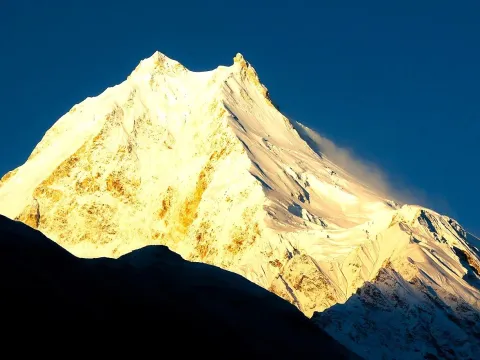
Coming down from the Himalayas, you realize something’s changed: standing among giants like Everest (8,849 meters / 29,029 feet) shifts your sense of what matters. Tipping your guide and porter isn’t about just handing over cash. It closes the loop—you show your real appreciation and help keep trekking in Nepal sustainable for years ahead. When you tip with heart, you support fair jobs for locals, keep traditional skills alive, and help future trekkers experience the same trails you just conquered. Haven Holidays Pvt. Ltd. believes in every thoughtful gesture—it’s what helps preserve old paths and improve lives across mountain communities.
Actually, a fair tip and a little extra appreciation let guides and porters provide for their families, send their kids to school, and take pride in being part of the trekking world—instead of leaving home for tougher city jobs. That kind of gratitude motivates teams to keep standards high, protect local culture, and care for the environment on trails to Annapurna Base Camp at 4,130 meters (13,550 feet) or high points like Kala Patthar at 5,545 meters (18,192 feet). When people feel appreciated, they stay with the job, and that makes the whole trekking industry stronger and safer for everyone.
Likewise, choose Haven Holidays Pvt. Ltd., and you’re supporting a crew that puts ethics and fair pay first, right across Nepal’s trekking spots. Your gratitude echoes through the villages and valleys, helping to keep Himalayan adventures genuine—and accessible—for whoever dreams of following your footsteps. When you tip with heart, you’re keeping the magic alive on trails snaking under peaks like Annapurna at 8,091 meters (26,545 feet).
| Aspect of Sustainable Trekking | How Grateful Tipping Helps | Real-World Benefit in Nepal | Your Role with Haven Holidays Pvt. Ltd. |
|---|---|---|
| Local Livelihoods | Supplements income for guides and porters | Families afford education and healthcare | Tip fairly after every trek to 5,364 m (17,598 ft). |
| Staff Retention | Encourages skilled locals to stay in the industry | Experienced teams reduce accidents | Show appreciation on long trails |
| Cultural Exchange | Builds mutual respect between visitors and locals | Richer storytelling and authentic experiences | Add personal gestures beyond cash |
| Trail Maintenance | Motivates teams to care for paths and environment | Cleaner, safer routes for everyone | Support through responsible tipping. |
| Future of Trekking | Keeps the industry strong and welcoming | Nepal remains a top sustainable destination | Book and tip with heart for generations |
Summing up, giving a tip with real gratitude—it’s one of the best ways to make a lasting impact after an epic trek in Nepal. Your appreciation lights the way for sustainable tourism, protecting both the mountains and the people who guided you up those ancient paths. Book your next trail adventure with Haven Holidays Pvt. Ltd., tip with an open heart, and take your place in building a brighter, more sustainable future in the Himalayas.
1 What Is the Proper Way to Tip Your Guide and Porter in Nepal?
Tipping your guide and porter in Nepal is a way to say thanks for their hard work on tough trails. We think it's best to use clean USD bills and put them in an envelope. Give it to them yourself on the day with a smile and a thank you. This way you can connect with them. Show respect for their work.
2 How Should You Tip a Trekking Guide in Nepal?
For a good trekking guide in Nepal you should tip $15 to $25 per person per day on normal routes like Everest Base Camp. This is what we have seen works over the years with many trekkers. For a 10 to 12 day trip that is $150 to $300 per guide. If your trek is longer or harder you can tip more. Guides work hard to learn and keep you safe fair tipping helps them and their families.
3 How Much Should You Tip Porters on Nepal Treks?
Porters carry loads every day on tough paths so we suggest tipping $8 to $12 per person per day. This is an amount that shows you appreciate their help. For a group on a 10-day trek aim to tip $80 to $150 per porter. It shows you value their strength and knowledge that makes your trip smoother.
4. When Is the Best Time to Give Tips to Guides and Porters?
The best time to tip is at the end of your trek on the last evening or morning in Kathmandu or where your trek ends. This way it feels natural and respectful. Get the envelopes ready beforehand. Don't tip every day during the trek; it's better to give a tip at the end. This makes it a special moment that honors their work.
5. What Is the Tipping Culture Like in Nepal for Trekkers?
In Nepal tipping is about showing respect and thanks not just giving money. We have seen that tips are a part of what guides and porters earn. It's not about obligation; it's a gesture that brings people together. Locals don't expect it. It means a lot.
6. How Do Guide and Porter Roles Differ on Nepal Treks?
Guides lead the way share information about culture check your health and keep you safe with their training. Porters carry your gear set up camps and help, with logistics. They work hard. Are very strong. Understanding their roles helps you tip fairly and appreciate what each person does for your trip.
7. What Things Affect How Much You Tip When You Go Trekking in Nepal?
The amount you tip when you go trekking in Nepal varies with how your trek is, how hard it is, how many people are in your group how good the service is and what the conditions are like. If you are on a long and hard trek like the Annapurna Circuit you should tip more because the guides and porters have to work a lot harder. From what we have seen it is an idea to pool your tips and add a little extra for the guides and porters who do a great job. This way of tipping is fair. It helps motivate the team when you are trekking in difficult terrain.
8. Should You Tip Your Guides and Porters in USD or Nepali Rupees When You Go Trekking?
It is better to tip your guides and porters in USD because it is easier for them to exchange in areas. We always tell people to do this because we have been doing this for a time and it works well. You can also tip in Nepali Rupees. Usd is better because it is worth more. It is easier to use. It is an idea to carry small USD bills that are in good condition so you can give them to your guides and porters at the end of the trek.
9. Do You Have to Tip Your Guides and Porters in Nepal?
You do not have to tip your guides and porters in Nepal. It is a nice thing to do to show that you appreciate their help. We have been doing this for a time and we know that tipping motivates the guides and porters to do a better job and it also helps their families. You should tip what you think is fair based on your experience. Most people who go trekking in Nepal find that tipping makes their experience more enjoyable and it helps them connect with the culture. Even small tips can make a difference in the lives of the people who live in the mountains.
10. How Can You Show That You Appreciate Your Guides and Porters Beyond Tipping Them?
There are ways you can show that you appreciate your guides and porters beyond just tipping them. You can say thank you and give them feedback. You can also take pictures with them. Give them small gifts like food or warm clothing. If you tell people about your experience and recommend the guides and porters that is also a nice thing to do. We have been doing this for a time and we know that these small gestures can make a big difference and help build strong relationships with the team. It is also important to be respectful and enthusiastic during the trek because that means as much as the tip you give, at the end.
Our travel experts are ready to assist you with any questions.
Send us a message.Have a question before you book? Send your enquiry below and our travel experts will get back with the required information.