Actually, Annapurna Base Camp Trek pulls you in with its mix of jaw-dropping Himalayan views, ever-changing landscapes, and a deep dive into local culture. If you’re after adventure in Nepal, this trek just keeps showing up at the top of the list—for good reason.
Every year, thousands of trekkers head out on this trail. They’re not just after the physical challenge, though that’s part of it. The scenery is unreal, and the chance to visit mountain villages and connect with the people who live there adds something you just can’t get from photos. Hitting base camp at the end? That’s a moment you won’t forget.
In fact, it all kicks off in Pokhara, down at 822 meters. From there, you walk through thick forests and endless fields cut into the hillsides. The higher you climb, the bigger the views get—snowy peaks, rivers, wild valleys. The trail winds through all kinds of ecosystems, so you’re never bored.
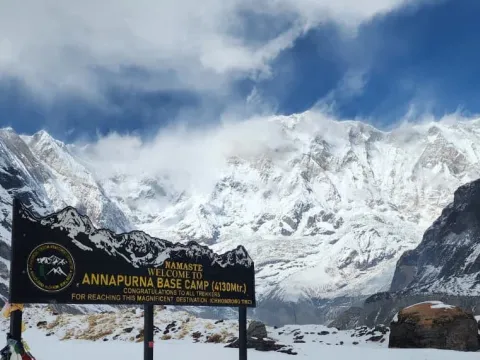
Likewise, most people spend about a week and a half on the trek, give or take. The highlight is standing at Annapurna Base Camp itself, up at 4,130 meters, with the mountains looming all around you. Along the way, you stop at cozy teahouses, meet other travelers, and soak in the atmosphere. The trek’s not too tough, either. If you’re reasonably fit, you can manage it, whether you’re a trekking newbie or a seasoned hiker.
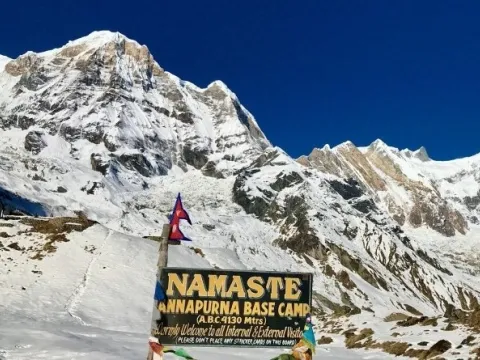
Another bonus: it’s affordable. Plan on $700 to $1,500 for the whole experience, permits and guides included. Food and a bed each night usually run $20–$30. You don’t need any fancy climbing skills—the trails are well-marked, and there’s always someone to point you in the right direction.
Of course, the big stars are the mountains themselves. Annapurna I towers at 8,091 meters, and you get a close look at the dramatic Machapuchare peak too. The area’s packed with wildlife—sometimes you’ll spot rare plants and animals you won’t see anywhere else.
All in all, Annapurna Base Camp Trek gives you everything: the wild beauty of the Himalayas, the thrill of adventure, rich culture, and a sense of accomplishment you’ll carry home. It’s no wonder people keep coming back, or that it’s one of Nepal’s most beloved treks. You walk away with stories—and memories—that stick with you for life.
Key Highlights of the Annapurna Base Camp Trek :
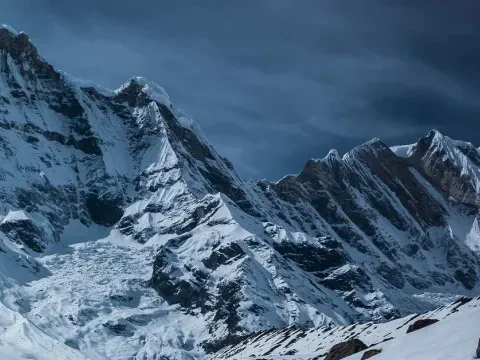
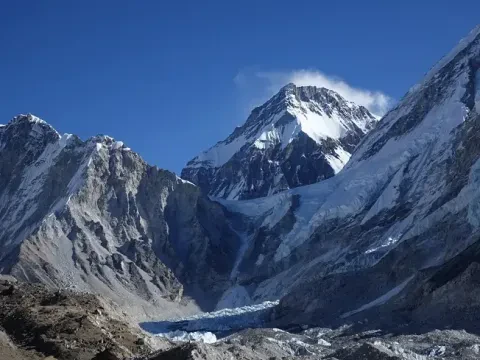
If you’re chasing jaw-dropping mountain views, the Annapurna Base Camp Trek delivers from the first step. Right out of the gate, you get those glimpses of the Himalayas—Annapurna I and Machapuchare stand out, and honestly, it’s tough to look away. Trekkers talk about the scenery nonstop. Every day, you’re surrounded by snow-capped peaks, and the higher you climb, the more the landscape changes. That’s what hooks people.
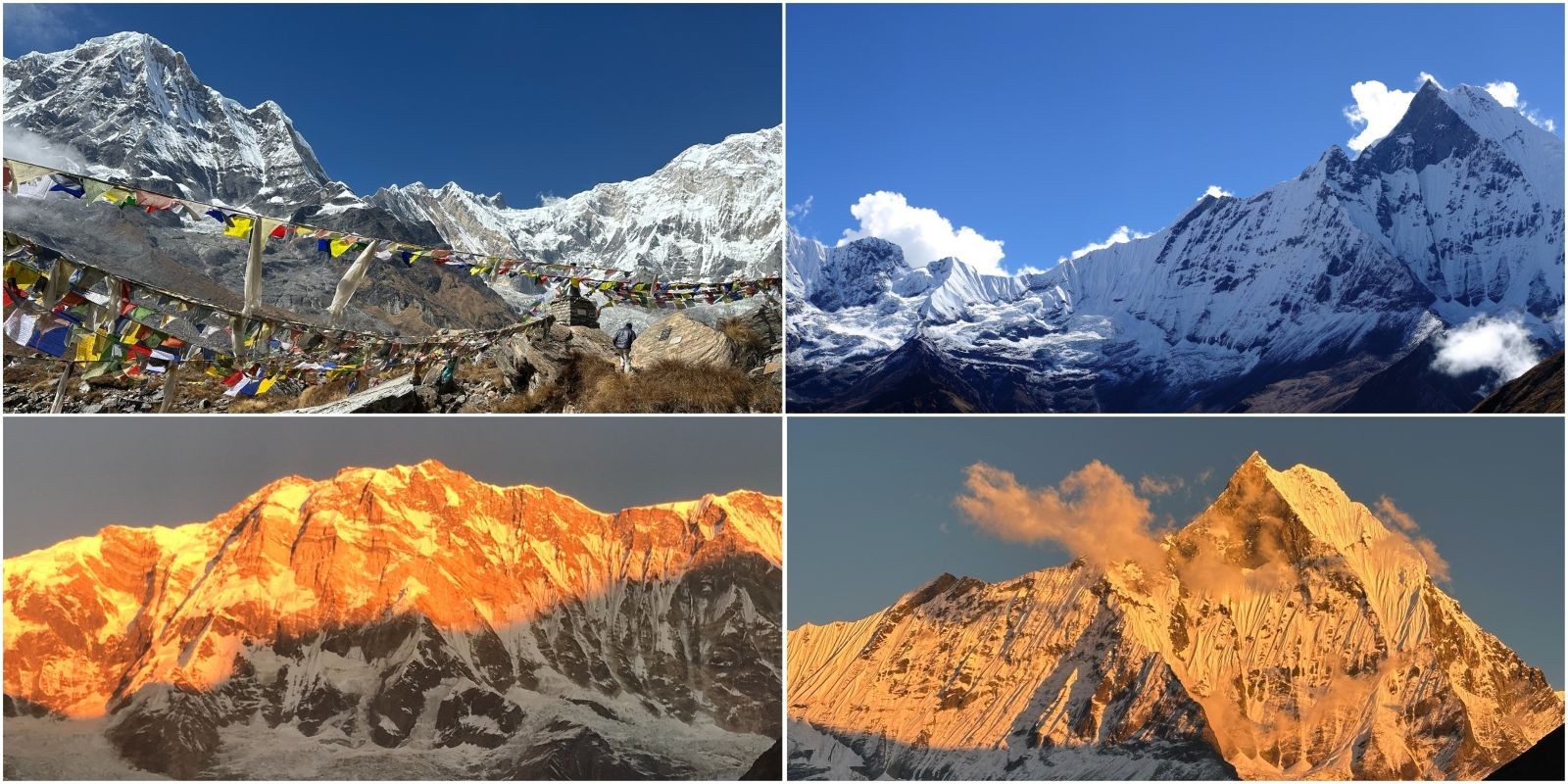
Actually, the trek kicks off with Poon Hill at 3,210 meters. People get up before sunrise, tired but buzzing, just to watch the first light hit Annapurna South. It’s a big moment—everyone’s snapping photos, soaking in the whole range. It really sets the tone for what’s coming.
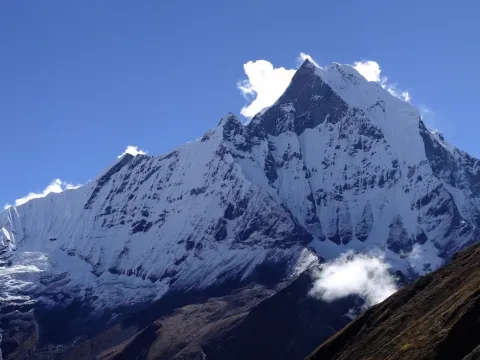
Here, keep going and you’ll hit Machapuchare Base Camp at 3,700 meters. Suddenly, the famous fishtail peak is right in front of you, sharp and dramatic, with glaciers all around. Most trekkers pause here, just to take it all in. It’s one of those places where you can’t help but stop and stare.
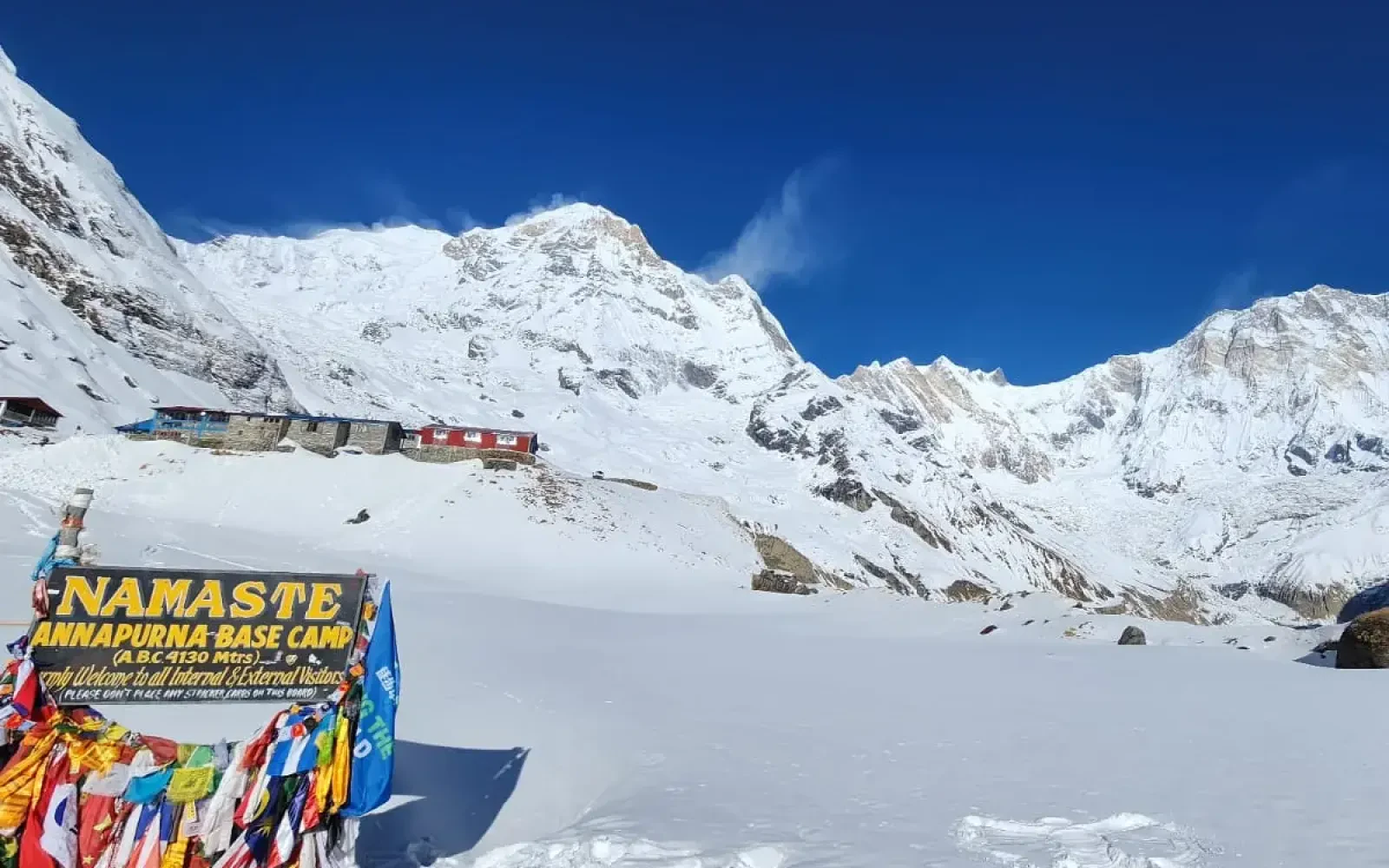
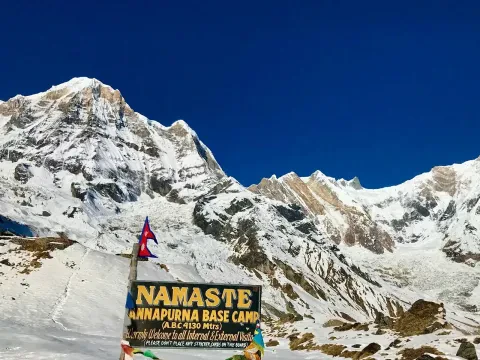
Finally, then comes the main event—Annapurna Base Camp at 4,130 meters. Now you’re standing in a natural amphitheater, surrounded by giants. Annapurna I towers above, and the 360-degree views just hit different. People say this is the highlight, the moment that sticks with them.
In fact, Autumn brings crystal-clear skies, so you get even more—Gangapurna and Hiunchuli pop into view, and suddenly the landscape feels even bigger. It’s hard not to get a little reflective up there. The mountains make you feel small, but in a good way. These views stay with you long after you’re back home.
Honestly, it’s the endless panoramas that make this trek unforgettable. Every turn brings something new for your eyes—and your camera. No wonder nature lovers and photographers keep coming back. For many, it’s a life-changing experience. That’s why the Annapurna Base Camp Trek draws so many people year after year.
| Viewpoint | Elevation | Key Sights | Best Time to Visit |
|---|---|---|
| Poon Hill | 3,210m | Annapurna Range, Dhaulagiri (8,167m) | Sunrise in clear seasons. |
| Machapuchare Base Camp | 3,700m | Fishtail Peak close-up, glaciers | Morning for light |
| Annapurna Base Camp | 4,130m | 360-degree amphitheater, Annapurna I | Dawn or dusk |
| Deurali | 3,230m | Valley overlooks, forests | Afternoon descent |
Here, step onto the Annapurna Base Camp Trek and you’re in for a wild ride—seriously, the landscapes just keep shifting. One moment you’re winding through rhododendron forests, the next you’re crossing alpine meadows or staring at icy glacial valleys. If you’re after an adventure in Nepal, this trek delivers.
Meanwhile, you’ll notice the changes right from the start. Down near Nayapul, at about 1,070 meters, everything’s green and alive. Rice terraces line the hills, bamboo clusters pop up everywhere, and the Modi Khola River rushes along beside you. There are orchids hanging in the trees. The air actually feels thick with life. It’s a burst of tropical biodiversity that pulls you in from the very first steps.
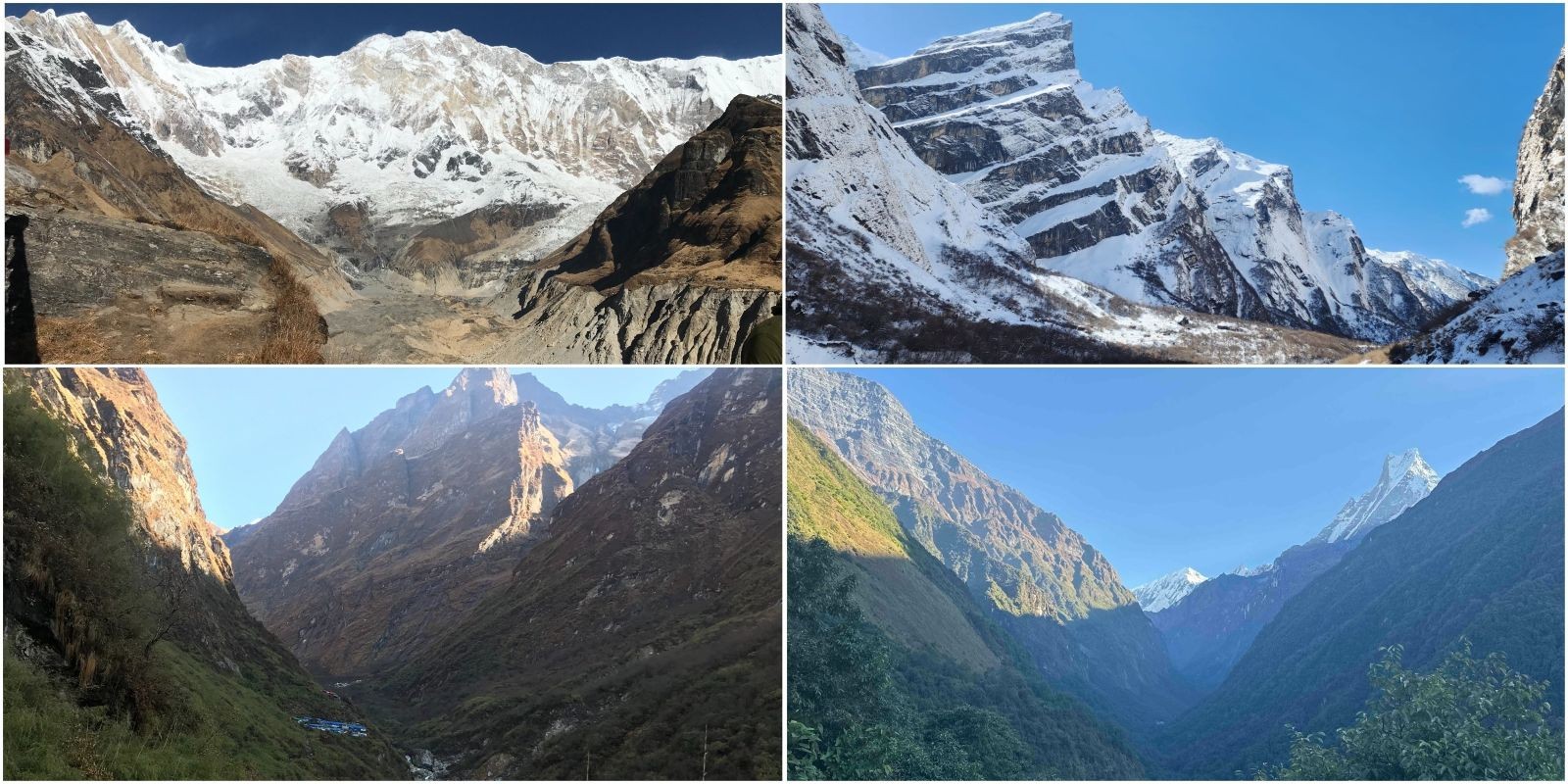
Likewise, climb higher to Ghorepani, and suddenly you’re in a world of blooming rhododendrons—huge red and pink blossoms everywhere in spring. Oak forests take over, and if you’re lucky, you’ll spot a Himalayan tahr peeking through the trees. The variety of plants and animals just keeps growing, and the colors in spring are unreal.
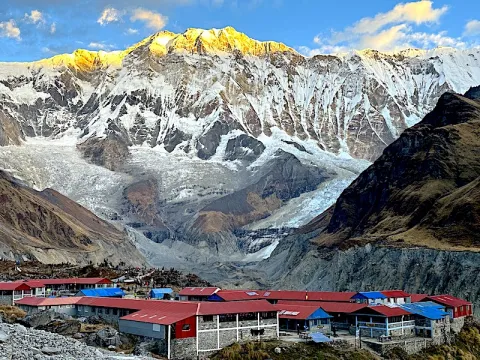
Further, push on to Deurali, and the land starts to open up. Alpine meadows roll out, rocks and boulders scatter the path, and you’re getting close to the glaciers now. Snowfields cover the higher slopes. There’s a starkness up here that feels both harsh and beautiful—like the mountain is showing off all its moods at once.
Once you hit 4,000 meters in the Annapurna Sanctuary, things get wild. This is where the rare blue poppy grows and where you might catch a glimpse of endangered wildlife. You’ll cross areas prone to avalanches and walk paths that feel untouched. The conservation efforts out here really matter, keeping these unique ecosystems alive.
Honestly, that’s what hooks people—no two days ever look or feel the same. Photographers go nuts with all the different backdrops, and trekkers love experiencing almost every climate in a single journey. Over 1,200 plant species, birds like the danphe pheasant, wild mammals wandering in protected zones—the variety is just unreal.
Most importantly, seasons shake things up, too. In autumn, the forests turn gold and the air is crisp and clear. Spring is an explosion of color. Every time you come, the scenery greets you with something new. The landscape doesn’t just change—it transforms, and that makes every trek unforgettable.
Finally, standing at Annapurna Base Camp at 4,130 meters, you’re surrounded by glaciers, icefalls, and towering peaks. The rawness of the place hits you—nature at its most powerful. The moraine paths are tough but rewarding. There’s something almost otherworldly up here.
Further, the Annapurna Conservation Area Project is always working behind the scenes, teaching trekkers about sustainable travel and reminding everyone why these landscapes matter. People come back again and again, drawn by the promise of something different every time. It’s this endless variety that cements the Annapurna Base Camp Trek as a bucket-list adventure.
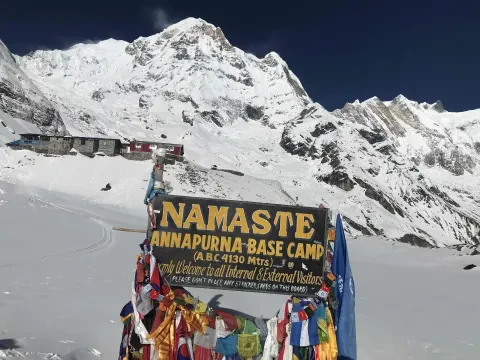
Ecosystems Along the Annapurna Base Camp Trek :
Actually, the Annapurna Base Camp Trek isn’t just about mountain views—it’s a real dive into Nepal’s culture. As you walk through the villages, you don’t just pass by; you actually meet people, share meals, and get pulled into their way of life. Locals open their homes and hearts, and you start to feel the rhythm of the place.
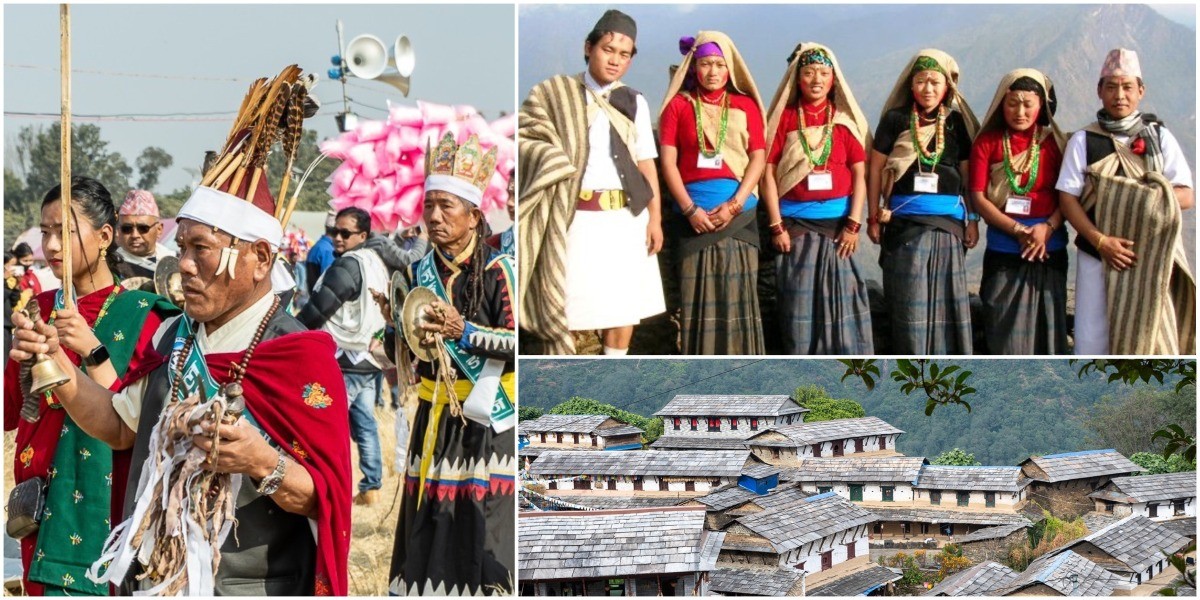
Let’s start in Ghandruk, sitting at 1,940 meters. The Gurungs welcome you with songs, dances, and a sense of warmth that lingers. You eat with families, hear tales of old warriors, and get a taste of their daily life. This village really sets the mood for the whole journey.
Likewise, Chhomrong, higher up at 2,170 meters, brings you into the world of the Magar people. There’s always something happening—gatherings, prayer flags fluttering along the paths, ancient customs on full display. You join in, even if just for a moment, and it’s easy to feel at home.
Then, in Sinuwa, the teahouses are alive with laughter and stories. You dig into steaming plates of dal bhat, and maybe pick up a handmade craft or two from local artisans. Culture here isn’t just tradition—it’s part of the daily grind, and it draws you in without trying.
Moreover, the trek also takes you to Gurung museums tucked in quiet villages. You learn about honey hunting, catch festivals like Losar if your timing’s right, and realize these encounters leave a mark. Respect and genuine connection grow with each stop.
Likewise, these cultural moments stick with you. They make the trek more than a physical challenge—they give it soul. Friendships form, memories get made, and community ties run deep. That’s the real magic behind the Annapurna trek.
Along the way, you might see Magar shamans leading healing rituals, join in communal farming, or meet women’s groups building a stronger local economy. Tourism helps, but it’s the people who make it sustainable—and they benefit directly from your visit.
Up in the Himalayas at 3,210 meters, Buddhist monasteries add a spiritual layer. Trekkers spin prayer wheels, listen to lamas sharing wisdom, and find themselves drawn into the quiet power of these places. It’s not just sightseeing—it’s something deeper.
And then there’s Jhinu Danda, where hot springs bubble and stories flow freely. Locals and trekkers talk about mountain life, share jokes, and you really see the harmony among all the different groups living here. It’s refreshing—in every sense.
Mainly, guides from the area bring legends to life as you walk. You hear oral histories, see crafts like weaving up close, and realize the trek isn’t just about Nepal; it’s about connecting with the world. If you love culture, this trail is a goldmine.
| Community | Key Villages (Elevation) | Traditions and Encounters | Unique Experiences |
|---|---|---|
| Gurung | Ghandruk (1,940m), Chhomrong (2,170m) | Folk dances, honey hunting, warrior tales | Homestays, museum visits, local festivals. |
| Magar | Sinuwa (2,360m), Bamboo (2,310m) | Shaman rituals, agricultural customs, hospitality | Communal meals, craft shopping, storytelling. |
| Thakali | Jhinu Danda (1,780m), Tadapani (2,630m) | Cuisine specialties, Buddhist practices | Thakali thali tasting, monastery prayers. |
| Mixed Ethnic | Throughout the trail | Prayer flags, ethnic harmony, sustainable tourism | Guide interactions, women's empowerment groups. |
Actually, the Annapurna Base Camp Trek really stands out for beginners. It’s just challenging enough to feel like a real adventure, but not so tough that it’s overwhelming. If you’ve got a basic level of fitness and you’re new to trekking in the Himalayas, you’ll find this one accessible. Most days, you walk between four to six hours, and you don’t need any technical skills. That’s a big reason so many first-timers pick this route.
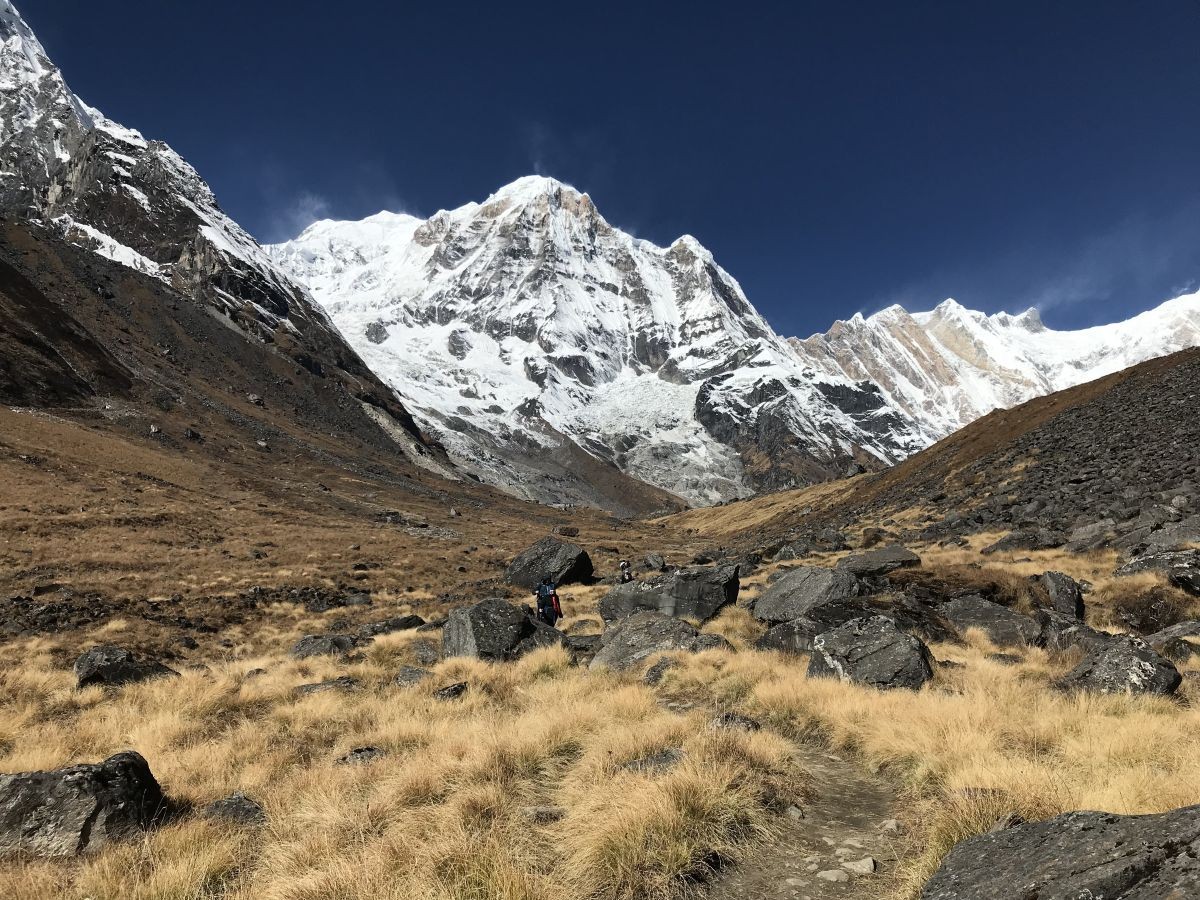
Meanwhile, you start out at lower elevations, like Nayapul at around 1,070 meters, and the first stretches are pretty gentle. The paths climb gradually, and the trails are well-kept, so you don’t have to worry about getting lost or navigating rough terrain right away. Those easy first days do wonders for your confidence.
Now, that’s not to say it’s a walk in the park. You’ll hit some steep sections and a fair number of stairs, especially as you wind through those beautiful rhododendron forests. On average, you’ll gain 500 to 700 meters in elevation each day. It’s manageable, but you’ll feel the effort. If you prepare a bit before the trek, it really helps smooth out the tough spots.
Further, one of the best things is how the altitude gain happens slowly. You reach Annapurna Base Camp at 4,130 meters, but you get there step by step. There are built-in acclimatization days, so you can rest and avoid altitude sickness. Plus, there are plenty of teahouses along the way, perfect for a break or a good night’s sleep. Guides are around to help if you need support, which takes a lot of pressure off for beginners.
Fitness-wise, you’ll want to get in some cardio and strength training before you go—just a month or two of prep makes a difference. The trek usually takes anywhere from seven to twelve days, and most beginners finish it without a hitch. Reaching the base camp feels like a real achievement.
Meanwhile, the moderate difficulty is a big part of what makes this trek so popular. It’s a good mix of challenge and fun, which is why so many first-timers go for it. This trek has a reputation for helping people grow and push their limits without burning out.
Actually, cost-wise, you’re looking at about $500 to $1,200 per person in 2026. Going solo is cheaper, but group tours add a layer of safety, especially if you’re nervous. The price is pretty reasonable for the experience you get.
Likewise, the best time to go is in spring or autumn. The weather’s clear, the paths are safe, and there are emergency services if you ever need them. It all adds up to a safe, beginner-friendly experience.
In fact, you’ll cover all kinds of terrain, so your endurance builds up naturally as you go. If you don’t want to carry a heavy backpack, you can always hire a porter. That makes the days a lot easier.
Summing up, beginners from all over the world rave about this trek. They love the steady pace and the fact that you don’t need previous experience. The Annapurna Base Camp Trek really builds confidence and draws people looking for their first big Himalayan adventure.
Preparation Tips for Beginners on ABC Trek :
On the Annapurna Base Camp Trek, side trips like the sunrise at Poon Hill are legendary. They’re the kind of detours that turn a great trek into something unforgettable. Poon Hill, sitting at 3,210 meters, is famous for a reason. It’s a short 45-minute climb from Ghorepani, but when you reach the top at dawn, it just hits different. Annapurna I and Dhaulagiri light up in gold as the sun rises. It’s the kind of view you don’t forget, and that early morning hike quickly becomes a highlight of the whole trip.
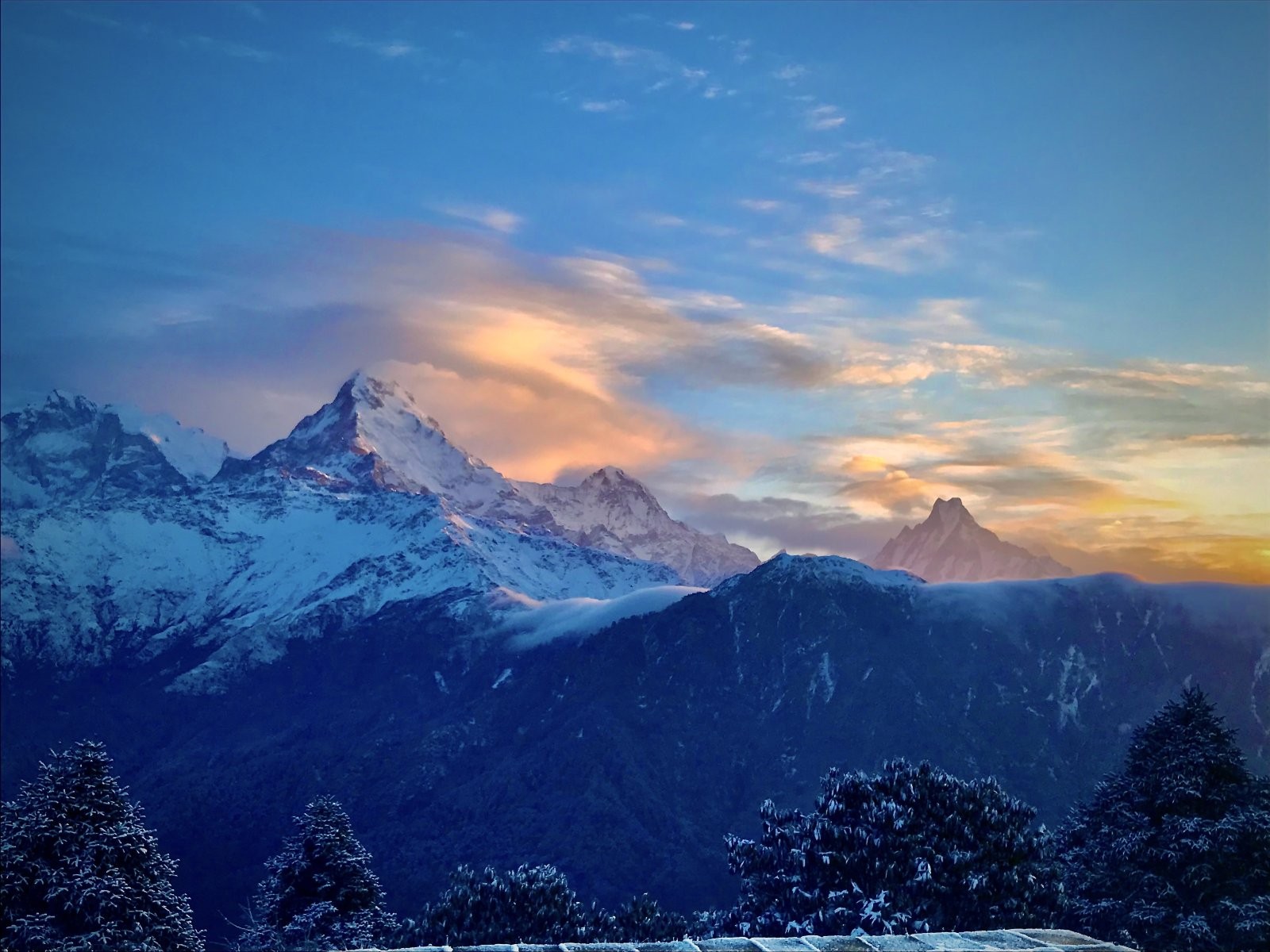
Actually, you don’t have to go far out of your way, either. The trail to Poon Hill branches off after Ulleri and winds through thick rhododendron forests. If you’re trekking in autumn, the skies open up and you get those crystal-clear mountain views everyone dreams about. Adding a side trip like this isn’t just about the scenery—it breaks up the routine, gives you a fresh perspective, and makes the trek feel more personal.
Here, there’s more, too. After Tadapani, you can take a detour to the hot springs at Jhinu Danda—perfect after a long day on your feet. The route runs through villages where you can get a taste of local culture and hospitality. Everything fits together surprisingly well, and you never feel like you’re missing out on the main trek. Plus, these side adventures don’t break the bank. You’re looking at about $100 extra, and your regular permits cover most spots. Teahouses along the way make it easy to rest up for the next stretch.
Honestly, these side trips make the trek. People stay longer, snap jaw-dropping photos, and collect stories they’ll tell for years. You might end up at Mardi Himal for another epic viewpoint, or head out to Khopra Ridge for a quieter, more off-the-grid experience. Each option brings something different—panoramic ridges, wildlife, or just a sense of adventure.
And let’s not forget that sunrise at Poon Hill. There’s this moment when everyone gathers in the cold, clutching coffee, waiting for the first rays to hit the peaks. Suddenly, the whole world glows. It’s magic, plain and simple.
If you combine these side trips with the Annapurna Base Camp itself, you reach 4,130 meters on a serious high. Trekkers come back buzzing with energy, ready for more. These little detours aren’t just extras—they keep the adventure alive, right up until the very end.
| Side Trip | Elevation | Key Highlights | Duration from Main Trail |
|---|---|---|
| Poon Hill Sunrise | 3,210m | Panoramic views of Annapurna and Dhaulagiri at dawn | 1-2 days detour from Ghorepani. |
| Jhinu Danda Hot Springs | 1,780m | Relaxing natural pools, cultural immersion | Half-day side trip post-Chhomrong. |
| Mardi Himal Viewpoint | 4,500m | Ridge walks, close Machapuchare sights | 2-3 days extension from Landruk. |
| Khopra Ridge | 3,660m | Off-beat paths, yak pastures, solitude | 2 days branch from Tadapani. |
Here, you really feel Nepali hospitality the moment you step onto the Annapurna Base Camp trail. Locals greet you with wide smiles and open hearts. Most teahouses along the route are run by families—they welcome you in, offer you a place to rest, and treat you like a guest in their own home. It’s simple, genuine, and honestly, it’s what makes the trek unforgettable.
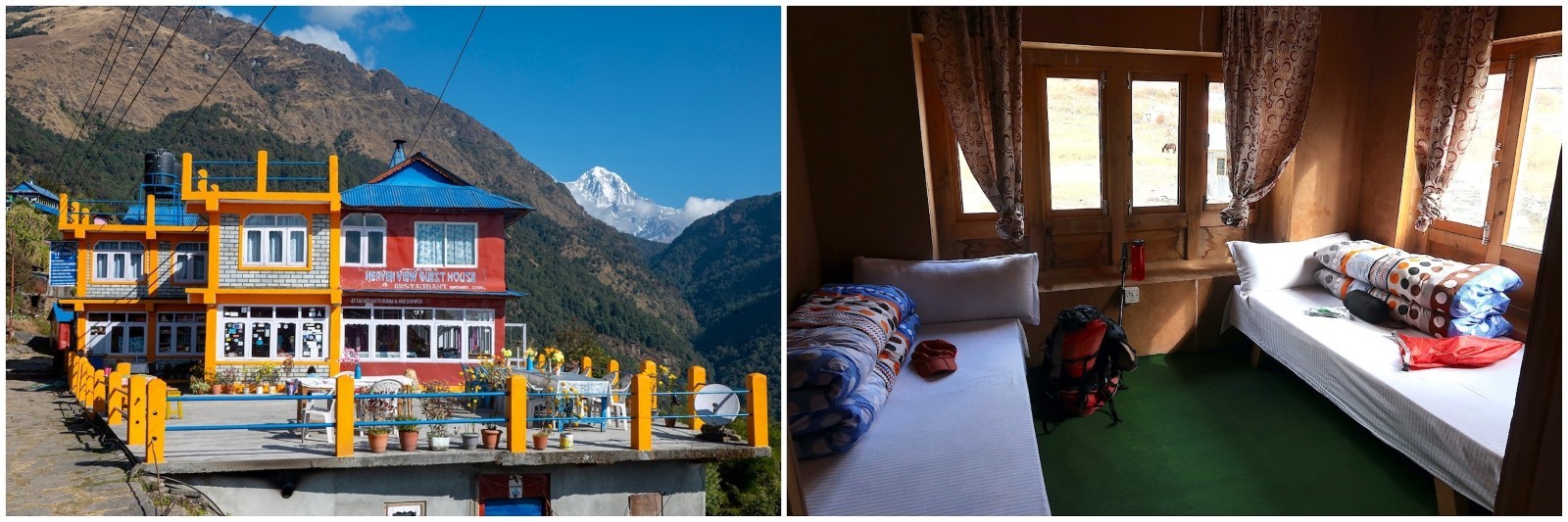
Likewise, take Ghandruk, sitting at 1,940 meters. Here, teahouse owners pour you a cup of tea and share old stories, sometimes in the glow of a yak butter lamp. Meals are served in big dining rooms where trekkers from all over the world eat together, laugh, and swap tales from the trail. The service is attentive in a way that feels personal, not forced. Moments like these stick with you long after you leave.
Moreover, comforts are basic, but they hit the spot after a long hike. Think wooden beds with foam mattresses, warm blankets, and soft pillows—nothing fancy, but exactly what you need. Hot meals like steaming dal bhat or fresh momos fill you up and keep you going. After a chilly day’s walk, these little comforts recharge you for whatever comes next.
Further, move up to Chhomrong at 2,170 meters and you’ll find wood stoves burning in the common rooms. Guests crowd around, nursing bowls of soup, sometimes splurging on a hot shower for a few bucks. Teahouses here are all about comfort without breaking the bank. The prices stay friendly, and it’s easy to see why so many trekkers feel right at home.
Moreover, locals don’t just serve food and offer a bed—they go out of their way to help you with trail tips or advice when you look lost. You’ll find yourself swapping stories in lounges, learning something new about the culture or the mountains. More than once, you’ll go to bed feeling like you’ve made a friend.
Honestly, this hospitality and these simple comforts turn the trek into something special. You get rest, you get cultural depth, and you end up coming back for the people as much as the mountains. The warmth isn’t just in the blankets or the food—it’s in the way people treat each other all along the trail.
In fact, Sinuwa, at 2,360 meters, sometimes surprises you with an organic café and a sunny outdoor seat. Families keep everything clean, and while facilities are basic—simple toilets, shared showers—they’re always tidy. Even the small details, like hygiene, get attention.
Sometimes, you stumble into a teahouse during a festival and end up joining a dance or listening to a mountain legend. These aren’t staged moments—they just happen, and they make the journey richer.
Similarly, in Bamboo (2,310m), evenings come alive with trekkers and porters swapping stories around a fire. Nobody is left out. That sense of inclusivity, that feeling of being part of something bigger, is real.
In fact, costs are easy on the wallet—$5 to $10 a night for a room, $4 to $7 for meals. It’s affordable, friendly, and perfect for solo travelers or groups alike. The accessibility and warmth pull people in, and honestly, it’s what brings them back.
Teahouse Amenities Along ABC Trek :
Meanwhile, the Annapurna Base Camp Trek overflows with life—everywhere you look, there’s something wild and beautiful. You wander through thick rhododendron forests, spot all sorts of animals, and, if your legs need a break, you can sink into the warm pools at Jhinu Danda. Nepal’s really outdone itself with this spot.
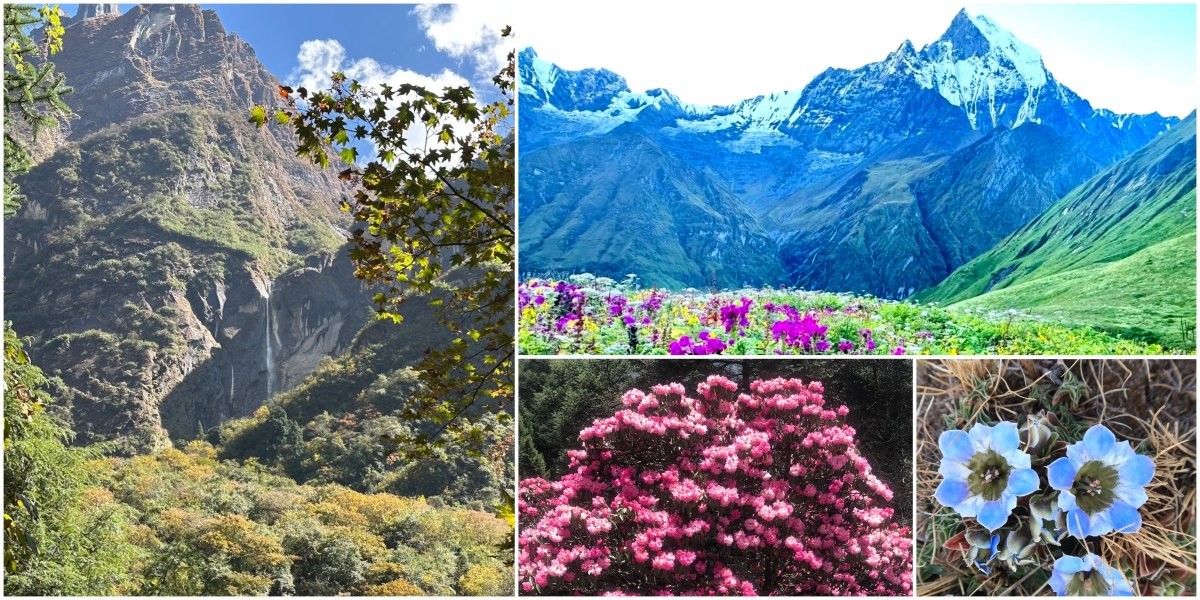
At the start, down near Tikhedhunga (about 1,540 meters), it’s all bamboo groves and orchids—vivid colors everywhere. Langur monkeys swing through the branches while butterflies flit around. The lowlands are buzzing with life, and you feel it with every step.
Move higher, and the scenery shifts. Rhododendrons take over near Ghorepani (2,860 meters), painting the trails with splashes of red in spring. Oaks tower overhead, home to all kinds of birds, including the showy danphe pheasant. It’s a riot of color and sound.
Likewise, up in the alpine meadows around Deurali (3,230 meters), blue poppies bloom and Himalayan tahr graze quietly. Musk deer duck into the shrubs. The higher you climb, the tougher the plants and animals get—adapted to the thin air and cold. Some areas are even set aside as wildlife sanctuaries, so rare species like snow leopards have a fighting chance. Sometimes, if you’re lucky, you’ll catch a glimpse of these elusive cats or hardy lichens clinging to glacial rocks. Every day, something surprises you.
And then there are those hot springs at Jhinu Danda (1,780 meters). After a long day, nothing beats sinking into the mineral pools by the riverside. The entry fee’s small, but the reward is huge—aching muscles melt away, and your spirit lifts. Flowers and greenery crowd the edges, so even as you relax, nature surrounds you.
In fact, Autumn brings its own magic. The forests turn gold, birds pass through on their migrations, and the whole landscape shifts with the seasons. Every trek feels different, depending on when you go.
Likewise, conservation’s a big deal here too. People work hard to protect endangered species and teach trekkers about the land. Wildflowers like edelweiss pop up in the strangest places, and every day on the trail, you learn a little more about how this ecosystem works.
Honestly, it’s the mix of rare wildlife, wildflowers, and those soothing hot springs that keeps people coming back. The Annapurna Base Camp Trek isn’t just a walk through the mountains—it’s a full-on lesson in Himalayan biodiversity and a chance to be part of something wild and wonderful.
| Zone | Elevation Range | Key Flora | Notable Fauna | Special Features |
|---|---|---|
| Subtropical | Below 2,000m | Bamboo, orchids, bananas | Langur monkeys, butterflies | Lush forests, vibrant blooms. |
| Temperate | 2,000-3,000m | Rhododendrons, oaks, pines | Danphe pheasants, Himalayan tahr | Colorful spring displays, birdwatching. |
| Subalpine | 3,000-4,000m | Blue poppies, shrubs, firs | Musk deer, black bears | Meadows, rare plants. |
| Alpine | Above 4,000m | Lichens, hardy grasses | Snow leopards, blue sheep | Glacial areas, endangered species. |
Meanwhile, there’s something almost otherworldly about the Annapurna Base Camp Trek. You’re surrounded by prayer flags whipping in the wind, ancient monasteries perched on rugged hillsides, and quiet Himalayan sanctuaries that invite you to slow down and just breathe. The whole route hums with a calm that sinks into your bones.
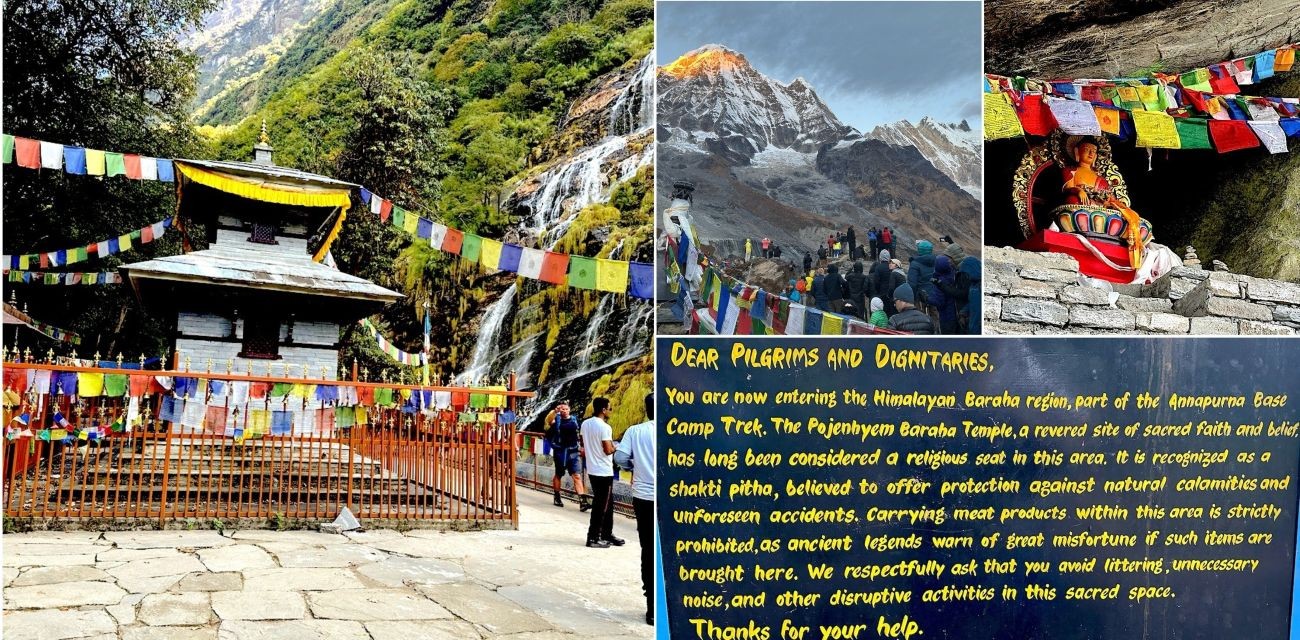
Likewise, take Chhomrong, for example. It sits at 2,170 meters, home to an old gompa where people spin prayer wheels and let their minds wander. The chants you hear drifting through the village? They make everything feel softer, quieter. The spiritual pull of the trek builds with every step, helping you find a sense of peace you didn’t know you needed.
In fact, everywhere you look, prayer flags add color to the landscape. The wind tugs at them and carries their mantras far across the valleys. The reds, blues, and greens stand for the five elements, and just being near them seems to clear your head. Most people pause here, letting the calm wash over them.
Moreover, then you reach the Annapurna Sanctuary. It’s so quiet you almost forget the outside world exists. Stupas and mani stones line the trail, adding to the sense that you’ve stepped into a sacred space. The higher you climb, the deeper the silence settles in.
Up near Tadapani, the monasteries welcome you with open arms. Locals share Buddhist wisdom, and if you wake up early, you’ll hear morning prayers echoing through the trees. It’s impossible not to feel inspired to sit, breathe, and let your thoughts drift. The spirituality here doesn’t just touch you—it changes you.
Actually, people from all over the world come here for that blend of nature and devotion. Some roll out their yoga mats at base camp, surrounded by mountains and prayer flags, taking time to reflect on everything they’ve seen. That quiet stays with you long after you leave.
Further, Deurali, higher up at 3,230 meters, is all about wide open spaces. The ridges are silent, and sometimes you catch the sound of distant chanting. It’s a place to let go of stress and reconnect with yourself.
Finally, at Annapurna Base Camp itself, dawn is the most still, awe-inspiring moment. The mountains stand guard, huge and silent, while prayer flags snap in the clear air. It’s impossible not to feel moved.
Most importantly, respect is part of the journey, too. Visitors take off their shoes at sacred places and keep quiet to honor local beliefs. These small acts of mindfulness add a whole new layer to the experience.
Sometimes, if you’re lucky, you’ll catch a festival—ancient rituals playing out against a backdrop of peaks and sky. But even on an ordinary day, that sense of peace and spirituality never leaves. It’s why trekkers keep coming back, looking for something deeper.
| Site | Elevation | Key Features | Spiritual Highlights |
|---|---|---|
| Chhomrong Gompa | 2,170m | Ancient monastery, prayer wheels | Morning chants, blessings from monks. |
| Prayer Flag Passes | Various | Colorful Lung-ta flags everywhere | Wind-carried mantras for peace. |
| Annapurna Sanctuary | 4,000m+ | Stupas, mani stones | Profound silence and meditation spots. |
| Annapurna Base Camp | 4,130m | Sacred amphitheater | Sunrise prayers amid giants. |
Meanwhile, there’s nothing quite like standing at Annapurna Base Camp, 4,130 meters up, surrounded by the raw power of the Himalayas. You feel it in your bones—the adventure, the pride. Every step on this trek pushes you, tests you, and every challenge you face just makes reaching the top that much sweeter.
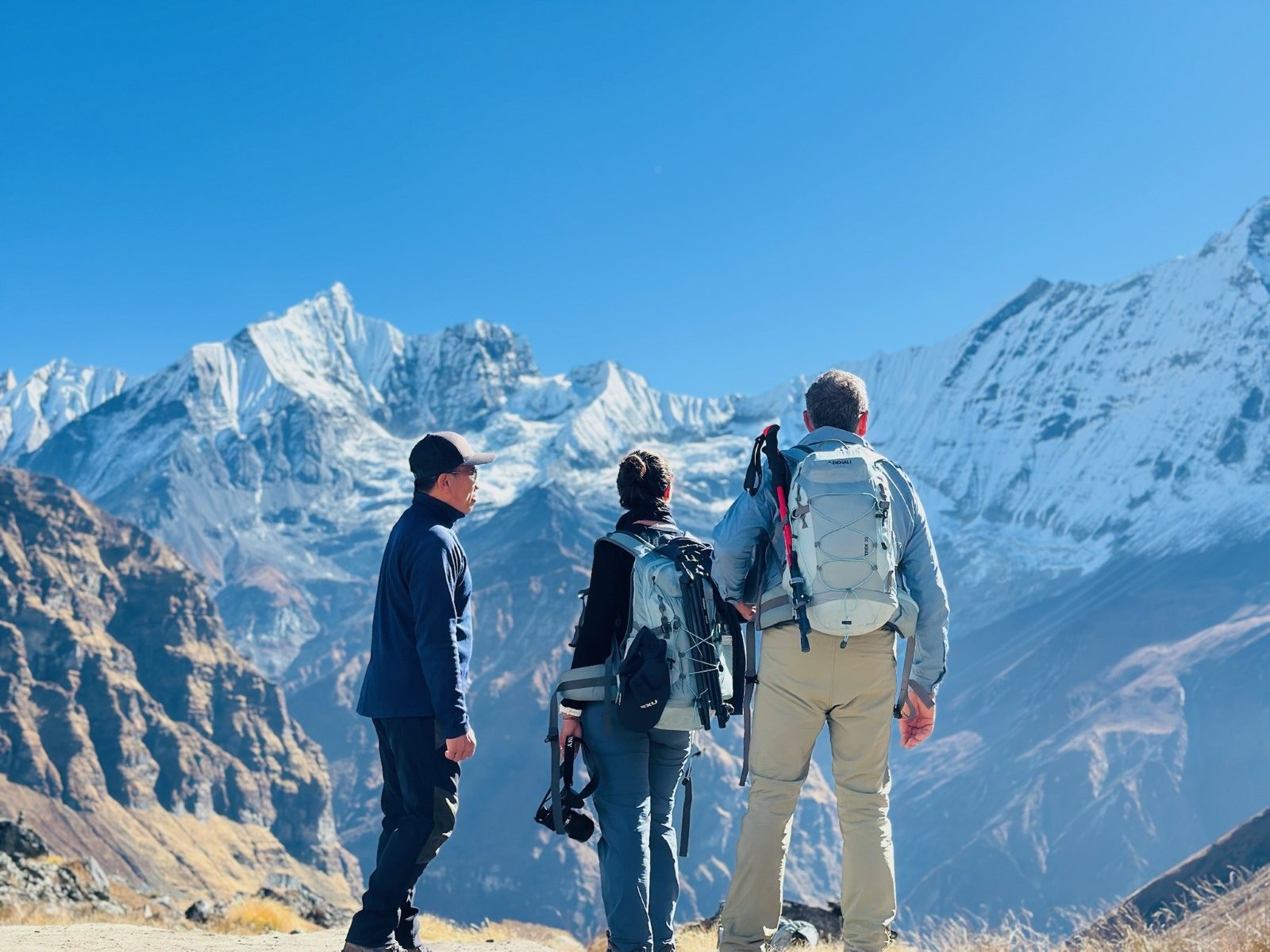
Here, from the very start at Nayapul (1,070m), there’s this steady build-up of excitement. Each climb, each river crossing, adds to the thrill. You feel your limits stretch a bit more every day. The momentum just keeps growing, especially when you reach Machhapuchhre Base Camp at 3,700 meters. Fishtail Peak looms over you, impossibly dramatic. Walking over rocky moraines isn’t easy, but you find your balance, and every accomplishment, big or small, fuels your drive.
Then comes the final push to Annapurna Base Camp. Suddenly, you’re standing beneath the towering face of Annapurna I (8,091m), and all around you the views explode in every direction. It’s overwhelming—in the best way. You’ve made it, and the sense of achievement just spills over.
Even if you’re a beginner, you change out there. You push past fears you didn’t know you had, and the group’s encouragement lifts everyone higher. By the time you’re done, you’re not the same person who started. Confidence just feels natural now.
That’s why people come back. The memories stick with you, and before long, you’re already planning the next trek. Every day in the mountains—crossing high passes, gaining altitude, celebrating small wins—builds your grit. When you finally finish, it’s epic.
Moreover, sunset at base camp is something you never forget. You snap photos, laugh with friends, swap stories that somehow bond you for life. It’s more than a trek—it’s a shared triumph.
When you get back home, everything feels different. You’ve got this new sense of purpose. You’re fitter, stronger, and you know you can tackle whatever comes next. That adventure becomes part of you.
And honestly, the guides and porters? They’re amazing—always sharing stories, showing strength, welcoming you into their world. The culture, the people, the whole experience—it changes you. By the end, you feel fulfilled, like you’ve really lived every step.
| Milestone | Elevation Reached | Adventure Highlight | Personal Achievement |
|---|---|---|
| Ghorepani Summit | 2,860m | Poon Hill sunrise | First major viewpoint conquered |
| Machhapuchhre Base Camp | 3,700m | Close fishtail views | Altitude adaptation success |
| Annapurna Base Camp | 4,130m | Amphitheater of peaks | Ultimate goal accomplished. |
| Full Round Trip | 4,130m max | 80km journey completed | Life-changing growth realized. |
Meanwhile, the Annapurna Base Camp Trek stands out for how easy and budget-friendly it is—especially if you’re planning for 2026. You don’t need to break the bank; most people spend anywhere from $500 to $1500, which is a bargain compared to a lot of other Himalayan treks. The real beauty, though, is how close everything is. Pokhara, the main starting point, is just a short ride from the trailhead at Nayapul, and the roads make getting there simple. So, you skip the hassle, save some cash, and get hiking faster.
Actually, Annapurna Base Camp Trek packages usually fall between $500 and $1500. If you’re aiming for just the basics, you’ll find deals around $500 to $700. Spend a bit more, say $800 to $1200, and you’ll get a guide included—great for beginners or anyone who wants extra support. Permits aren’t a big deal either; you’ll pay about $45 to $50 total ($25 for ACAP, $20 for TIMS). Day-to-day, food and a bed will cost you $20 to $40. If you go without a guide or group, you save even more.
Likewise, the ABC trek itself isn’t a marathon. Most people finish in 7 to 12 days, which naturally keeps costs down. You don’t need to book any expensive flights, and the route’s popularity means the trails are well-marked—no need to worry about getting lost or needing fancy navigation gear. Local teahouses are everywhere, with affordable rates and plenty of company. Split guide or porter fees with a group, and your budget stretches even further.
Further, you’ve also got flexibility. The trek is open most of the year, but spring and autumn bring the best weather and the clearest views. If you go in the off-season, prices drop even more. Families, solo travelers, first-timers—they all find this trek doable and welcoming. The area’s commitment to eco-friendly tourism helps keep costs (and your impact) low, and every dollar you spend stays in the local communities.
All things considered, the Annapurna Base Camp Trek manages to be both stunning and sensible. That’s why it keeps drawing crowds year after year. If you want an adventure that’s accessible, affordable, and sustainable, this one should be at the top of your list.
| Category | Estimated Cost (USD) | Details |
|---|---|---|
| Permits (ACAP + TIMS) | $45-$50 | Mandatory for all trekkers; fixed fees |
| Accommodation & Meals | $200-$500 | Teahouse stays and food for 7-12 days |
| Guide & Porter (optional) | $200-$400 | Shared costs reduce per person expense |
| Transport (to/from trailhead) | $30-$80 | Bus/jeep from Pokhara to Nayapul |
| Total Budget Package | $500-$1500 | Varies by group size and inclusions. |
If you’re looking for your next adventure, you can stop searching. The Annapurna Base Camp Trek (ABC Trek) really checks every box—jaw-dropping views, rich culture, a price that won’t break the bank, and the kind of achievement that sticks with you. Nepal’s Himalayas never disappoint, but ABC stands out, especially if you’re planning for 2026.
Here, let’s be honest: the scenery alone is worth the trip. You get these endless, sweeping views of the Himalayas. Annapurna I looms at 8,091 meters, with Machapuchare’s distinct peak not far behind. Sunrise at Poon Hill? Unreal. Every day, something new makes you stop and stare. You can’t help but feel small in the best way.
But there’s more than just mountains. The path itself keeps things interesting. One minute you’re weaving through bright rhododendron forests, the next you’re out in open alpine meadows. And after a long day, soaking in the natural hot springs at Jhinu Danda is exactly what your muscles need. Boredom doesn’t stand a chance here.
Then there’s the people. The Gurung and Magar communities open their doors and share their lives. You’ll stay in teahouses where hospitality actually feels heartfelt, and it doesn’t take long before you feel connected. By the end, you’re not just passing through—you’re part of the story.
Worried it’s too tough? Don’t be. The trek’s moderate difficulty makes it perfect for newcomers. The ascent is gradual, so you get to build your confidence as you go. Plus, there’s a kind of peace that settles over you out there. Day by day, you feel yourself changing—more resilient, more at ease. By the time you reach base camp, the sense of accomplishment is real.
And let’s talk value. For everything you get, the ABC Trek is surprisingly affordable. That’s why so many people come back raving about it. Nature lovers spot rare plants and animals along the way, and the sense of adventure hits its peak at base camp. Seriously, this trek balances everything—no other hike matches it.
Likewise, you’ll also find warm welcomes everywhere. Teahouses offer the breaks you need, and there are plenty of side trips to keep things fun. The whole journey feels full—like you’re not missing anything.
Moreover, planning’s easy, too. The trails start from Pokhara, so you don’t have to stress about logistics, and costs are reasonable for most travelers. You put in the effort, and the personal growth you get back is huge. Honestly, once you see what ABC Trek offers, it just makes sense.
Best times to go? Spring and autumn. The skies clear up, the views get even better, and the region thrives thanks to responsible travelers like you. So, if you’re ready for something unforgettable, make the ABC Trek your next priority. It’s time to turn that dream into reality.
Top Reasons to Choose ABC Trek as Your Next Adventure :
1. What Makes Annapurna Base Camp Trek So Popular?
The Annapurna Base Camp Trek is a favorite among many. It offers 360-degree mountain views. You see landscapes, from lush forests to glacial valleys. The local people are warm and friendly. It is a mix of challenge and ease. At 4,130m it is an experience in the Himalayas without being too difficult. Many people return for its richness and personal growth. It is one of Nepal’s loved adventures and people love the Annapurna Base Camp Trek.
2. How Difficult Is the Annapurna Base Camp Trek for Beginners?
The Annapurna Base Camp Trek is moderately difficult. It suits beginners well. Daily walks are 4-6 hours on well-maintained trails. The trails have elevation gains. No technical climbing is needed. The trek has built-in acclimatization to help. With fitness and proper preparation most first-timers reach 4,130m successfully. A reliable guide is helpful. Many newcomers describe the Annapurna Base Camp Trek as challenging achievable and life-changing.
3. What Is the Best Time to Do the Annapurna Base Camp Trek?
The best time for the Annapurna Base Camp Trek is spring (March-May) and autumn (September-November). The skies are clear during these times. You get views of Annapurna and Machapuchare. The temperatures are comfortable. In spring the rhododendrons bloom. The trails are dry and safe. It is best to avoid monsoon rains and winter snow. This makes the experience more enjoyable and rewarding. People love the Annapurna Base Camp Trek.
4. How Long Does the Annapurna Base Camp Trek Take?
Our standard itineraries for the Annapurna Base Camp Trek are 7-12 days. It depends on your pace and side trips like Poon Hill. Most trekkers complete the route in 8-10 days. This includes acclimatization. There are 5-6 day options with jeep transfers. We tailor durations to fit your fitness and schedule. We ensure memorable progress to Annapurna Base Camp at 4,130m and people love the Annapurna Base Camp Trek.
5. What Are the Highlights and Panoramic Views on ABC Trek?
The Annapurna Base Camp Trek has viewpoints. You stand at Annapurna Base Camp (4,130m). It is surrounded by towering peaks in an amphitheater. Poon Hill offers sunrises over Annapurna and Dhaulagiri. Machapuchare Base Camp provides up views of Fishtail. The diverse landscapes and scenery create moments. Our guests remember these moments forever. They love the Annapurna Base Camp Trek.
6. Do I Need a Guide or Porter for Annapurna Base Camp Trek?
A local guide is highly recommended for the Annapurna Base Camp Trek. They ensure safety, navigation and cultural insights. This is especially helpful for timers. Porters lighten your load. You can focus on enjoyment. Experienced teams handle logistics, altitude monitoring and emergencies. Solo trekking is possible but less secure. Our guided trips ensure a smoother experience with support and people love the Annapurna Base Camp Trek.
7. What Permits Are Required for Annapurna Base Camp Trek?
Two main permits are required for the Annapurna Base Camp Trek. They are the Annapurna Conservation Area Permit (ACAP) and TIMS card. They cost $45-50. Our team arranges these efficiently. You can focus on trekking. These permits support conservation and community projects. They ensure responsible travel, in this protected region and people love the Annapurna Base Camp Trek.
8. How Much Does the Annapurna Base Camp Trek Cost in 2026?
The cost of the Annapurna Base Camp Trek can be around $500 to $1,200 per person. This cost includes guides, teahouses, meals and permits. There are budget options that cost premium options that cost more and offer more comfort. The Annapurna Base Camp Trek is one of the affordable treks in the Himalayas and it offers great value. We make sure our prices are clear and we tailor them to your needs so you do not have to worry about anything.
9. What Should I Pack for the Annapurna Base Camp Trek?
You should pack layers of clothing for the Annapurna Base Camp Trek. This includes trekking boots, a down jacket, rain gear, trekking poles and a good sleeping bag. You should also pack a headlamp, a water bottle, sunscreen, a hat and any personal medications you need. It is an idea to pack light around 8-10kg and consider hiring a porter if you need to. Having the right gear will make your trek more comfortable especially when the altitude and weather change.
10. Is Altitude Sickness a Concern on Annapurna Base Camp Trek?
The altitude on the Annapurna Base Camp Trek can reach 4,130m, which means you might get altitude sickness. To avoid this we make sure our treks are well-paced and include rest days to help you get used to the altitude. We also give you advice on how to stay hydrated and monitor your health. Most people get used to the altitude without any problems if they walk slowly and listen to their body. We have helped many people complete the trek safely.
11. What Cultural Experiences Can I Expect on the ABC Trek?
On the Annapurna Base Camp Trek you will get to experience the culture of the Gurung and Magar villages. You will see dances eat traditional meals like dal bhat and visit monasteries. You will also see prayer flags. Hear local stories. The Annapurna Base Camp Trek is not about the natural beauty it is also about the people and their culture. We know the region well and we can help you have meaningful experiences with the local people.
12. Are There Side Trips Like Poon Hill on the Annapurna Trek?
Yes there are side trips you can take on the Annapurna Base Camp Trek like Poon Hill. Poon Hill is a place to watch the sunrise. Other options include Jhinu Hot Springs, Mardi Himal viewpoints and Khopra Ridge. These side trips are worth taking. They do not require a lot of extra effort. We can help you plan your itinerary so you can see the places without getting off track.
13. What Wildlife and Nature Can I See on Annapurna Base Camp Trek?
The Annapurna Base Camp Trek is home to different kinds of plants and animals. You will see rhododendron forests, blue poppies, langur monkeys, danphe pheasants and Himalayan tahr. You can also relax in the hot springs at Jhinu. The ecosystem is protected by conservation efforts. Many of our guests say that the flora and fauna are one of the things about the trek.
14. How Safe Is the Annapurna Base Camp Trek?
The Annapurna Base Camp Trek is very safe if you are well-prepared and have a guide. The trails are well-trodden there are teahouses along the way. There is emergency support. We make sure our guides are trained and we prioritize your health and safety. Many people complete the trek safely every year. Your safety is our priority and we have years of experience guiding treks.
15. What Accommodation and Food Are Available on the Trek?
On the Annapurna Base Camp Trek you will stay in teahouses that're simple but clean and comfortable. The teahouses serve local meals like dal bhat, momos and soups. The food is better, at elevations. Staying in teahouses is a way to meet other trekkers and experience the local culture. We have a lot of experience with the teahouses. We can help you have a great time on the trek.
Our travel experts are ready to assist you with any questions.
Send us a message.Have a question before you book? Send your enquiry below and our travel experts will get back with the required information.