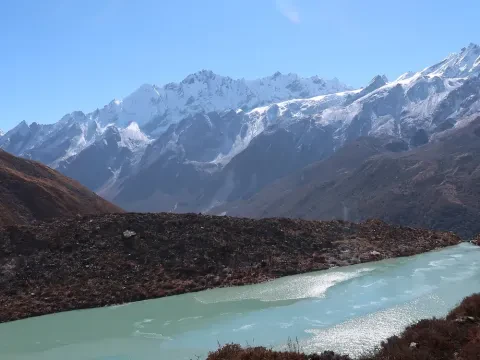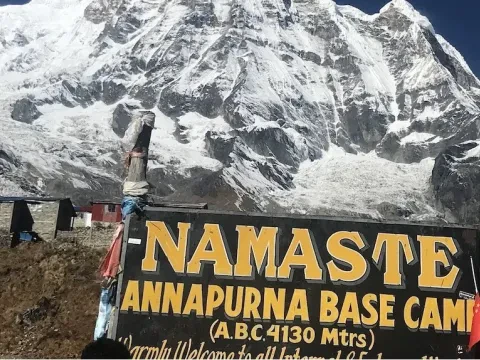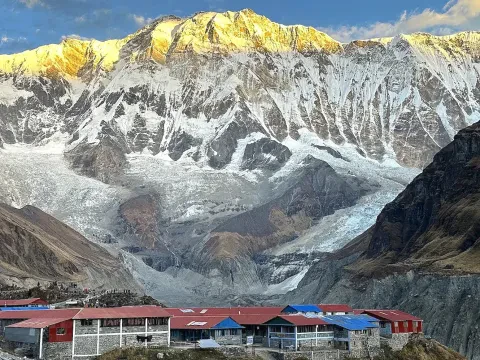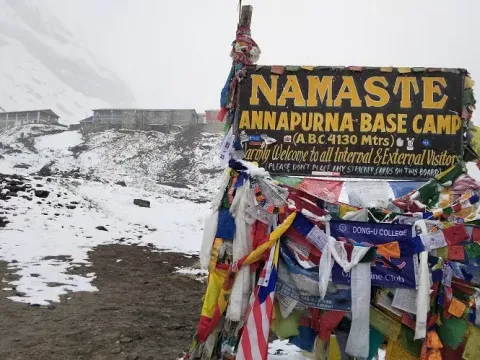
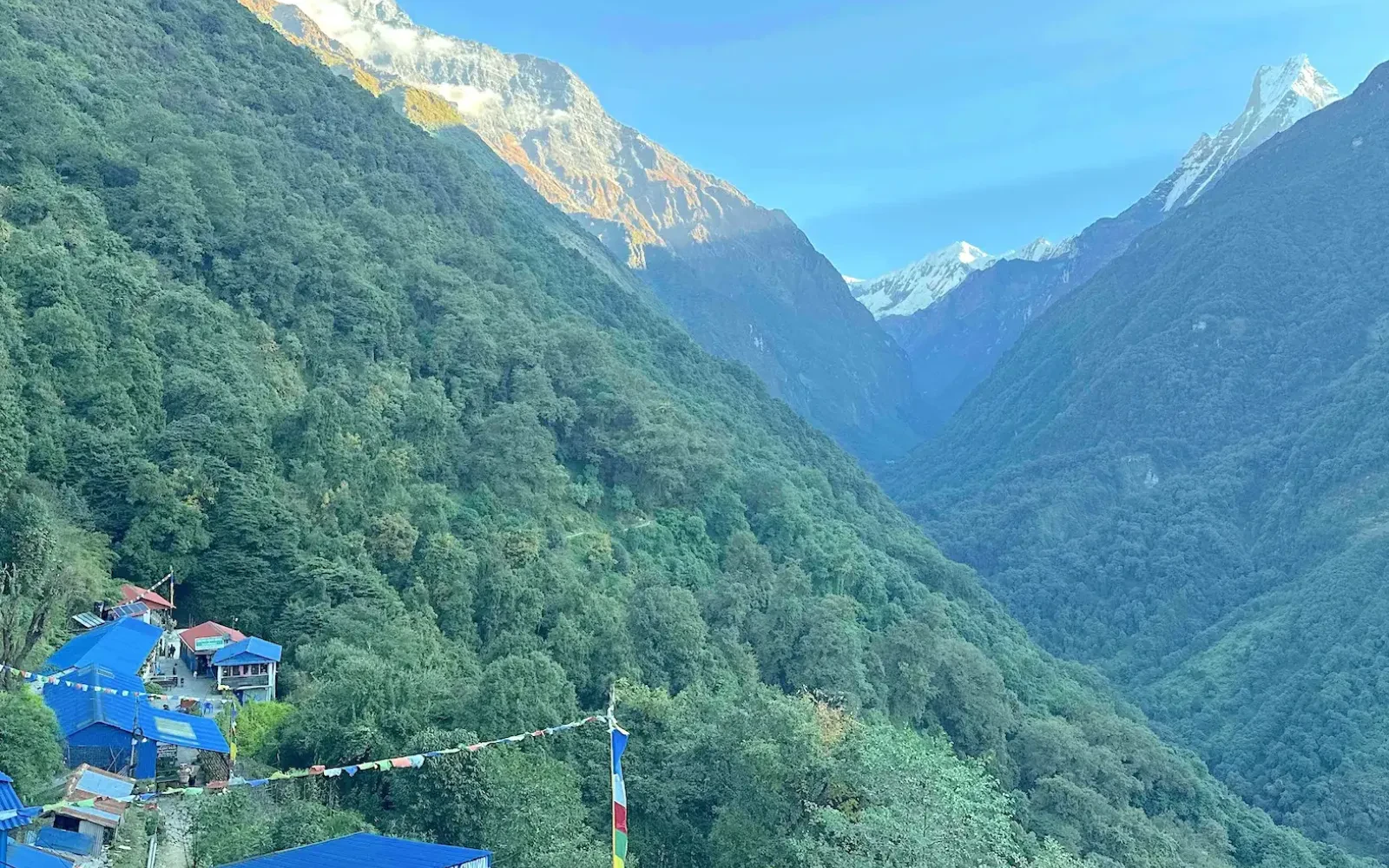
The breakdown of the Sinuwa to Deurali portion of the Annapurna Base Camp Trek details highs, scenery, costs, and includes all essential things about trekking.
| Place | Elevation |
|---|---|
| Sinuwa | 2,360 m |
| Bamboo | 2,310 m |
| Dovan | 2,500 m |
| Himalaya | 2,920 m |
| Deurali | 3,230 m |
Actually, the trek from Sinuwa to Deurali forms part of the Annapurna Base Camp trek and Annapurna Sanctuary trek, joining lush forests with high-mountain scenery. From its starting point at Sinuwa, at 2,360 meters, it rises steadily to Deurali at 3,230 meters, therefore providing a measured ascent and familiar, established Himalayan trails.
Here, these trails, also shared with the Annapurna Base Camp trail, the Sinuwa to Deurali trek, and ABC trekking in Nepal, pass through Bamboo at 2,310 meters along the way. Cooling breeze from Modi Khola valleys and shaded bamboo groves present an ideal area for natural acclimatization and relaxed pacing.
Continuing further up the Annapurna Sanctuary path, the route from Sinuwa to Deurali and other high altitude routes toward Dovan at 2,500 meters, waterfalls, mossy rocks, and narrow gorges shape the terrain. Trekkers experience a deeper sense of wilderness while the elevation climb remains controlled.
Also, the trekkers walk past through Baraha Temple area and historical Hinku Cave tral.
As the trail ascends to Himalaya at 2,920 meters on the Annapurna Base Camp Trek and related packages, the tree line starts to thin out and the air much cooler and crisper. The moment has come to prepare for higher camps.
Finally, the trekking from Sinuwa via the Annapurna Sanctuary trek and the itinerary of Annapurna Base Camp brings Deurali at an altitude of 3,230 meters. The nearest peaks, such as Annapurna South (7,219 m) and Hiunchuli (6,441 m), now appear for the first time in all their glory as an alpine amphitheater.
Logistically speaking, the trail up to Annapurna Base Camp, the trek from Sinuwa up to Deurali, and guided treks throughout Nepal are well-marked and fairly organized. Trailside lodges serving food, beds, and minimal heating; accommodation costs range from about $10 to $15 per night.
In other words, the Annapurna Sanctuary Trek, Sinuwa to Deurali portion, or ABC Trek during its best time are going to excel in spring or autumn seasons. With stable weather, it means a clearer sky to look forward to while trekking, thus a more convenient experience.
In summary, the Annapurna Base Camp trek, the Sinuwa to Deurali section, and the Annapurna trekking guide incorporate scenic and cultural elements and a gentle climb to higher ground. This section of the guide is the heart of the sanctuaries method of approach, in which the climbers gain self-confidence before reaching the high grounds.
A detailed and dynamic description of the Sinuwa to Deurali trek to the Annapurna Base Camp, tackling all factors from height to cost and everything in-between.
| Section | Terrain | Key Feature |
|---|---|
| Sinuwa–Bamboo | Forest trail | Shaded paths |
| Bamboo–Dovan | River gorge | Waterfalls |
| Dovan–Himalaya | Rocky trail | Cooler climate |
| Himalaya–Deurali | Alpine approach | Mountain views |
Actually, the trek from Sinuwa towards Deurali and eventually to Annapurna Base Camp begins with forest-clad staircase climbs. Sinuwa is at an elevation of about 2,360 m above Chhomrong and has a majestic view of the valley below, so the trek begins with upwards climbs.
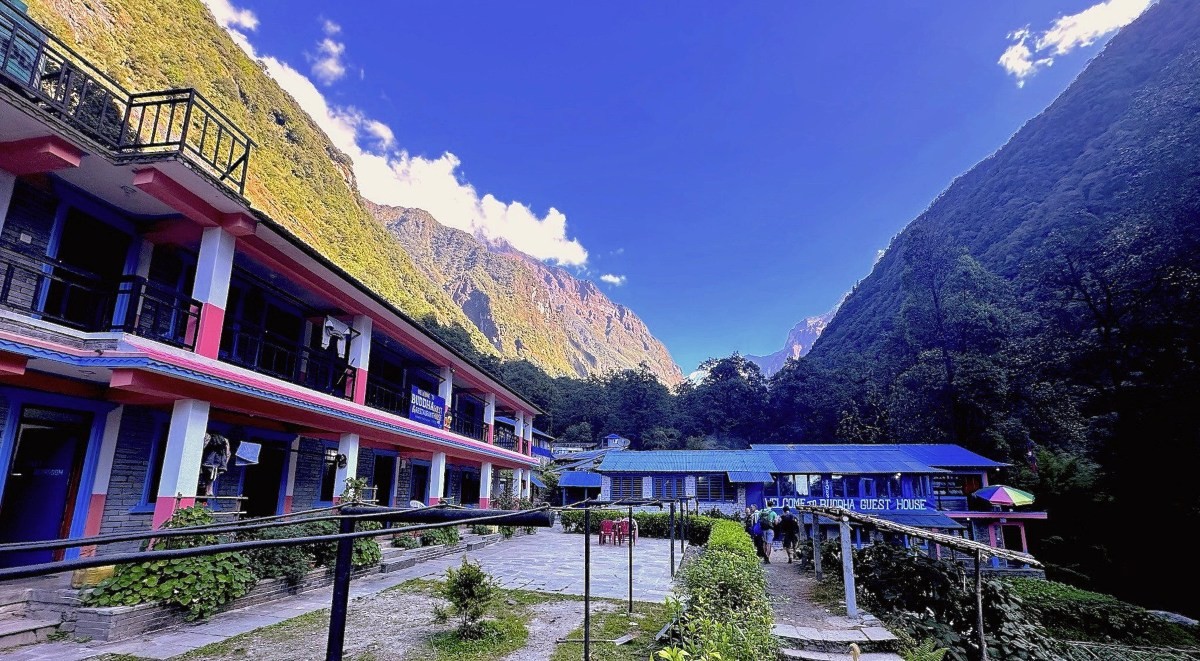
Here, Sinuwa to Deurali, it eases downhill to Bamboo (approximate 2,310 m). Here, Bangladesh-type bamboo groves feature largely in the landscape, and one can hear sounds of wild animals in the air; hence, this part also has a very serene ambience.
Furthermore, proceeding on towards Dovan (2,500 m), the trail remains close to Modi Khola on a more confined route. Foot traction becomes increasingly important here, particularly in the wetted sections. As you ascend to the Himalaya level of 2,920 meters, the vegetation becomes scarce, and the climate becomes even colder. Climbers, of course, adapt by dressing appropriately and altering hydration habits.
Along the route, teahouses are available to facilitate the Annapurna Sanctuary Trek, Sinuwa to Deurali, and ABC Treks. Food services along the ABC Route generally include Dal Bhat, soup, and beverages, and individual items are priced between USD 5 to 8.
On the whole, the trek is at a moderate but quite challenging level, with the height factor becoming relatively more significant past the point of Himalaya. A slower approach is also much safer.
In fact the final leg of this trek is a grand drama in alpine landscape as one makes their way to Deurali, in preparation for what is to come at the high sanctuary camps.
An explanation of the distance and time for the walk from Sinuwa to Deurali, as part of the Annapurna Base Camp Trek.
| Section | Distance | Time |
|---|---|
| Sinuwa-Bamboo | 3 km | 2 hrs |
| Bamboo-Dovan | 2.5 km | 1.5 hrs |
| Dovan - Himalaya | 3 km | 2-2.5 hrs |
| HIMALAYA-DEURALI | 2 km | 1.5 hrs |
First of all, the Sinuwa to Deurali section of the Annapurna Base Camp Trek involves a total distance of 11 to 12 km. Evidently, the route incorporates natural terrain such as the forests and the river valley, and therefore it takes an entire day to complete the journey on the trek.
Then, the leg from Sinuwa to Bamboo on the route towards the Annapurna Sanctuary, on the trekking route of the ABC, is approximately 3 km. The trek from the point of Sinuwa (2,360m) to Bamboo (2,310m) takes about two hours.
Then, it comes the Bamboo to Dovan on the pace of the ABC trail, spanning around 2.5 kilometers. This would require about ninety minutes of constant trekking. The pace allows trekkers to keep a constant rhythm while trekking along the river corridors.
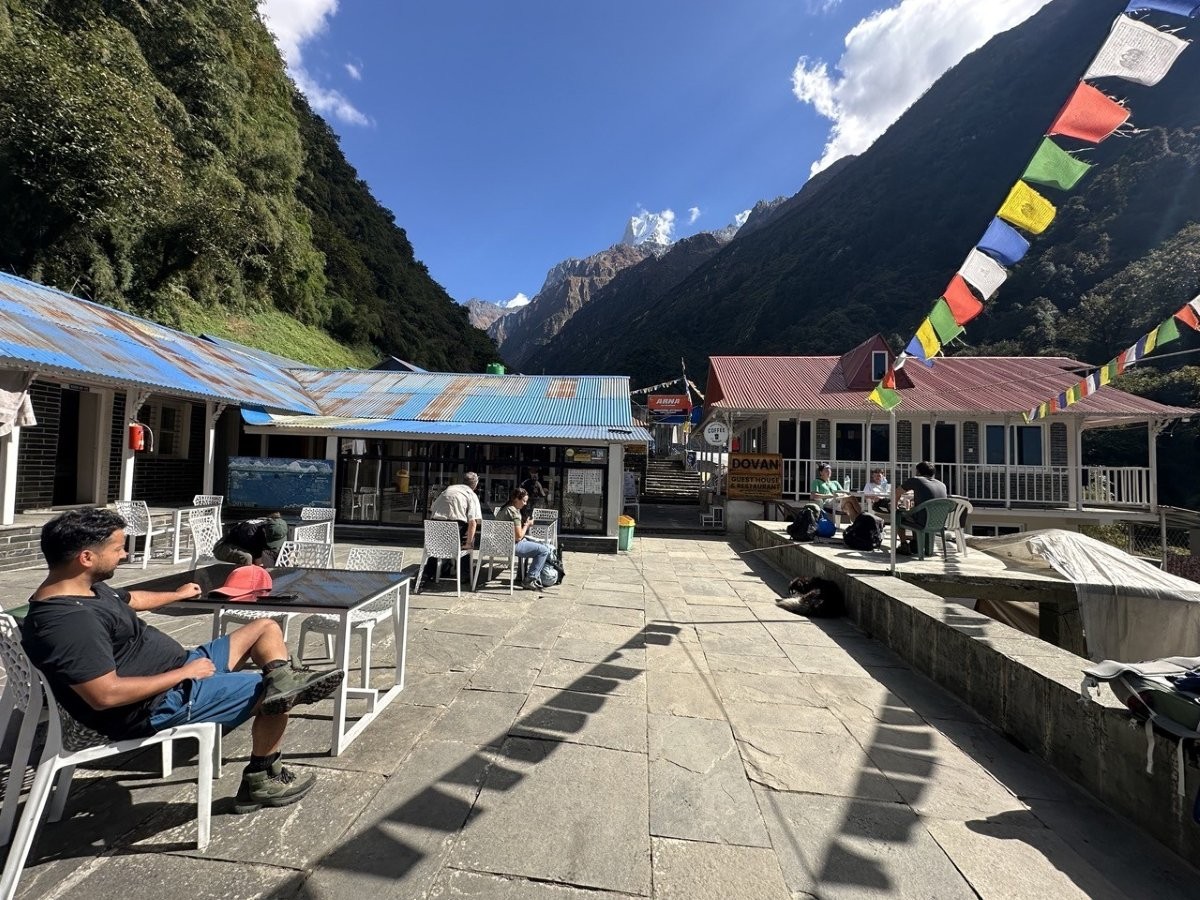
Correspondingly, the distance from Dovan to Himalaya in the Annapurna Sanctuary Trek is approximately 3 kilometers. The trek from Dovan to Himalaya, which is at an altitude of 2,500 meters and increases to 2,920 meters, takes approximately two to two and a half hours.
At last, the way to Deurali from the Himalaya on the ABC route is approximately 2 km. It takes around an hour to climb from the Himalaya peak of 2,920 meters to Deurali, which is 3,230 meters.
So, the usual climbing pattern for the trek from Sinuwa to Deurali, the Annapurna Sanctuary Trek, and the recommended pace set by the Nepal Tourism Board is around 2-2.5 km an hour. The guides make pauses to rest for about thirty minutes after every half-hour to help control the fatigue and altitude sickness.
Here, meal stops are a part of the Annapurna Base Camp Trek, the Sinuwa to Deurali trek, or the Nepal Trekking package. Lunch stops occur around Dovan, 2500 meters, or at Himalaya, 2920 meters. In essence, six to seven hours of trekking each day.
Finally, the distance from Sinuwa to Deurali, the trek to the Annapurna Sanctuary is 11-12 km, and the trek to ABC offer the right mix of hard work and fun. A moderate pace helps ensure safety while giving sufficient time to enjoy the surroundings, allowing trekkers to be refreshed upon arrival in Deurali, which is 3,230 meters above sea level.
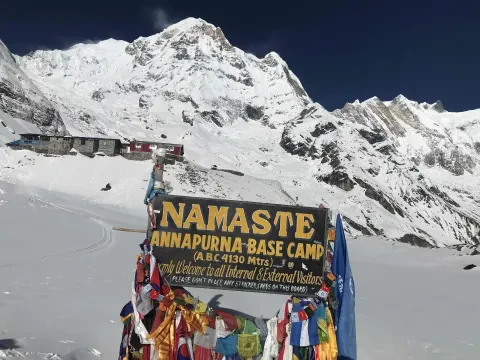
Below is a clear overview of the elevation that is gained and lost on the Annapurna Base Camp trail from Sinuwa to Deurali, including acclimatization notes.
| Section | Elevation, Details |
|---|---|
| Sinuwa–Bamboo | 2,360 m, 2,310 m−50 m |
| Bamboo–Dovan | 2,310 m, 2,500 m +190 m |
| Dovan–Himalaya | 2,500 m, 2,920 m + 420 m |
| Himalaya–Deurali | 2,920 m , 3,230 m +310 m |
Starting with the Sinuwa to Deurali leg, the Annapurna Base Camp route unfolds as a measured ascent through the high valleys. The trek begins in Sinuwa at 2,360 m and concludes in Deurali at 3,230 m, for an overall climb of roughly 870 meters.
Next, on the Sinuwa to Bamboo stretch along the Annapurna Sanctuary circuit, there is a slight dip. The path easies from Sinuwa at 2,360 m down to Bamboo at 2,310 m-a little warm-up for the muscles before the climb actually begins.
Here, the climb recommences from Bamboo up to Dovan, in a manner of speaking-never mentally or physically jarring but, rather, modestly lifting altitude from 2,310 meters to 2,500 meters for a 190-meter gain in the altitude gain. This gradual rise helps trekkers settle into the altitude without jarring changes in breathing or heart rate.
Starting from Dovan to Himalaya, the altitude rises gradually-from 2,500 m to 2,920 m, an altitude gain of 420 meters. This section emphasizes the positive acclimatization required.
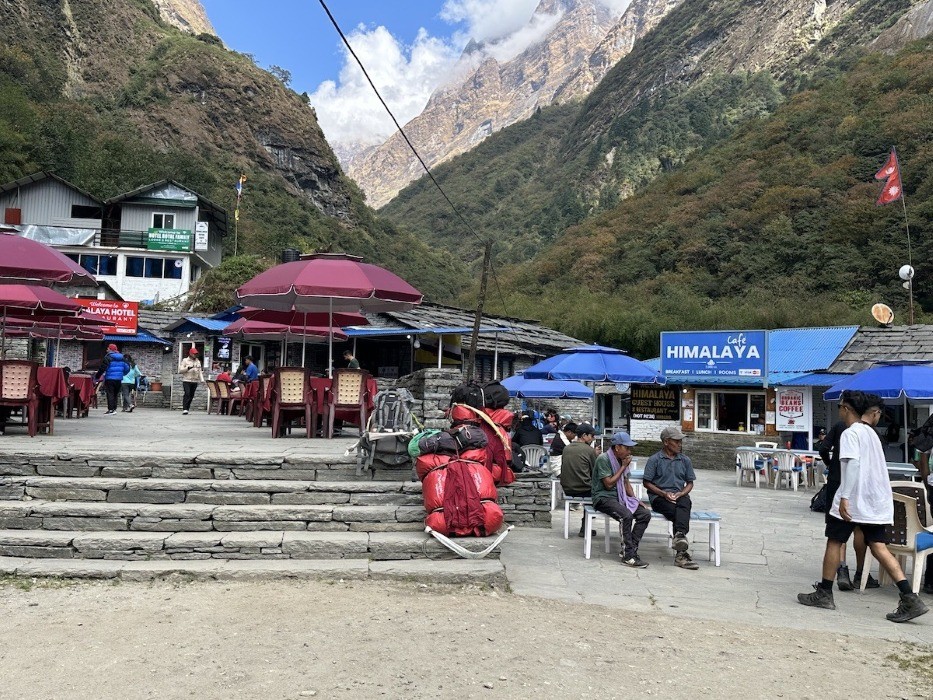
Lastly, the final push from Himalaya to Deurali raises elevation again-from 2,920 m to 3,230 m, adding 310 meters. At this stage, a slower pace and regular hydration keep the body supported.
In fact, there is gradual gradient with no technical climb-the whole route from Sinuwa to Deurali has helped minimize the risk of altitude sickness during the trek to Annapurna Sanctuary.
Importantly, this Nepalese trek from Sinuwa to Deurali makes time for rest stops and warm tea-house stops at each elevation; this setup supports natural acclimatization without requiring extra layover days.
The overall elevation profile coupled with careful altitude management along this Sinuwa to Deurali segment enables successful ascent to Deurali at 3,230 meters with well-acclimatized trekkers.
This is clear detail about the trail conditions from Sinuwa to Deurali of the Annapurna Base Camp trek-stone steps, forest paths, and a gorge-with safety tips.
| Section | Trail Type | Key Challenge |
|---|---|
| Sinuwa–Bamboo | Stone staircases | Slippery steps. |
| Bamboo–Dovan | Forest dirt paths | Mud after rain. |
| Dovan–Himalaya | Narrow gorges | Cliff exposure. |
| Himalaya–Deurali | Rocky alpine trail | Loose stones. |
| Weather Patterns | Expectations for | Sinuwa to Deurali. |
Actually, Annapurna Base Camp route starts from Sinuwa to Deurali, moving one by one through the different terrains of the region. The trek commences in Sinuwa at 2,360 meters, where long stone staircases cut into the hillside demand steady footing and even pacing from the outset.
After the succession of stone staircases, dominant between Sinuwa at 2,360 m and Bamboo at 2,310 m, are well-maintained but slippery when rains set in. In this section, trekking poles are helpful to balance and for joint comfort.
Further, the next is the forest part, mostly between Bamboo-2,310 m and Dovan-2,500 m. The dense bamboo and rhododendron screen the narrow dirt paths with cooler shade and less sun exposure to trekkers.
While walking past Dovan, the trail begins to cut its way into gorge territory. The trail hugs the cliffs, with the Modi Khola river right down below, necessitating careful stepping and single-file travel.
Here, slower movement and clear spacing as recommended by guides is inviting with more prominent rocky sections gaining height toward Himalaya at 2,920 meters.
Moreover, beyond Himalaya at 2,920 m, there are avalanche-prone zones up to Deurali at 3,230 m. Before reaching Deurali, the trail crosses some open gullies, so most trekkers hurry but with attentive footing.
Importantly, footwear is important throughout: sturdy boots with dependable grip are a must inside the ABC corridor in Nepal in order to avoid slips on wet stone and mud. The right gear directly links to safety.
Thus, all in all, the journey from Sinuwa to Deurali incorporates both challenge and beauty. Variety keeps the time interesting and, by the time one reaches Deurali at 3,230 meters, one feels trail-hardened and confident.
Trek to the base camp of the Himalayan giant, Annapurna, and experience the variation in the weather patterns right from Sinuwa to Deurali.
Actually, the Sinuwa to Deurali distance via ABC route changes according to seasons, and so do the climatic conditions at higher elevations, from Sinuwa at 2,360 m to Deurali at 3,230 m. This further means that temperatures vary suddenly with every increase in altitude, and it is imperative to layer up at all times.
Here, ABC trek or the Annapurna Sanctuary trek and the prime trekking season of the country takes place from March to late May. The daytime temperatures range from 5°C to 15°C. The routes are quite stable, and the rhododendrons are in bloom.
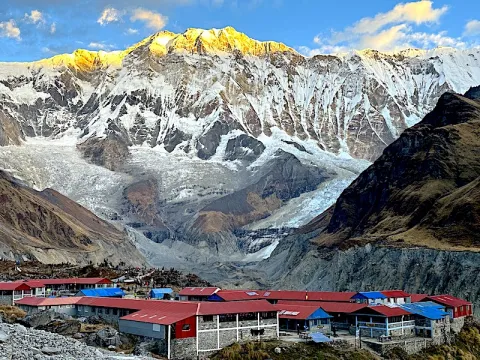
The summer monsoon brings heavy rain; this increases the risks of leech encounters and landslides. Trekking is possible, yet tough due to warmer day-time temperatures.
| Season | Temperature | Conditions |
|---|---|
| Spring | 5°C-15°C | Clear and stable. |
| Summer | 10°C - 20°C | Rainy, humid |
| Autumn | 5°C-12°C | Dry, clear |
| Winter | -5°C–5°C | Snowy, cold. |
Autumn, from September to November, provides the best possible vistas with clear weather for peaks such as Annapurna South (7,219 m) and Hiunchuli (6,441 m). This is the time when the weather is most conducive for a trek.
Winter season occurs from December to February. Here, the mercury falls below freezing levels near Deurali (3,230 meters). Snow and ice make trails tricky.
Likewise, the climate is usually clear in the mornings and cloudy in the afternoons. The winds start blowing in the afternoon. Early starters will have easier walking.
Check the weather forecasts of the Annapurna Base Camp, as well as advice on the Sinuwa to Deurali segment and treks based in Nepal, assist in risk management. The guides, in turn, adjust the schedules according to the weather, thus offering better safety.
Seasonal patterns also affect what to bring along. Understanding this pattern helps form expectations and prepares hikers to reach Deurali (3,230m) to be ready to face the weather conditions at the sanctuary.
Discover temperature variations during the Annapurna Base Camp trek route from Sinuwa to Deurali by understanding the impact of height, seasonal changes, and gear to carry.
| Location | Elevation | Day Temperature | Night Temperature |
|---|---|
| Sinuwa | 2,360 m | 10–18°C | ~5°C |
| Bamboo | 2,310 m | 12–18°C | ~6°C |
| Dovan | 2,500 m | 10–14°C | ~4°C |
| Himalaya | 2,920 m | 8–12°C | ~2°C |
| Deurali | 3,230 m | 5–10°C | ~0°C |
Meanwhile, the graph of the temperatures on the Annapurna Base Camp trek reveals a noticeable change with altitude while ascending from Sinuwa to Deurali. This trek starts from Sinuwa (2,360m), where the usual daytime temperatures remain moderately temperate most of the trekking seasons.
Likewise, temperatures during the day in Sinuwa, on the route to Annapurna Sanctuary, & the lower ABC area are around 10-18°C, while nights are expected to be around 5°C, dropping with each change in seasons. Lightweight insulating clothing is enough during this point of the journey.
As you draw closer to Bamboo Camp (2,310m), Sinuwa – Deurali Pass, and then into the forested climate zones of ABN, you could find afternoons relatively warm due to valley sheltering, and then because of high humidity, it feels warm because of water content.
Going further up to Dovan (2,500 m), along with mid-altitude ABC weather conditions, the temperature during daytime hours becomes as low as 10°-14°C, which requires a fleece coat during the evenings.
In and around Himalaya (2,920 m), the high-altitude climate becomes more prominent with lower day-time temperature ranges of 8°C–12°C and the effect of wind on comfort levels.
At Deurali, the alpine climate makes it clear why it is so. Day temperatures rarely exceed 10°C, even on sunny days. Night temperatures in peak season may even be close to freezing.
Likewise, there are seasonal variations and trekking times that affect how one should prepare and pack. It is possible to encounter -5°C temperatures in Deurali during the winter months. Proper layering is thus required.
Overall, the temperature variations from Sinuwa to Deurali help your packing plan,” explains the guide. “By the time you reach Deurali, which is at 3,230 meters, you should be ready for the colder zones of the sanctuary.”
Here, the shrine, Baraha Temple, on the Annapurna Base Camp route, clinging close to the Modi Khola. Trekkers pass a place where devotion sits naturally alongside the landscape.
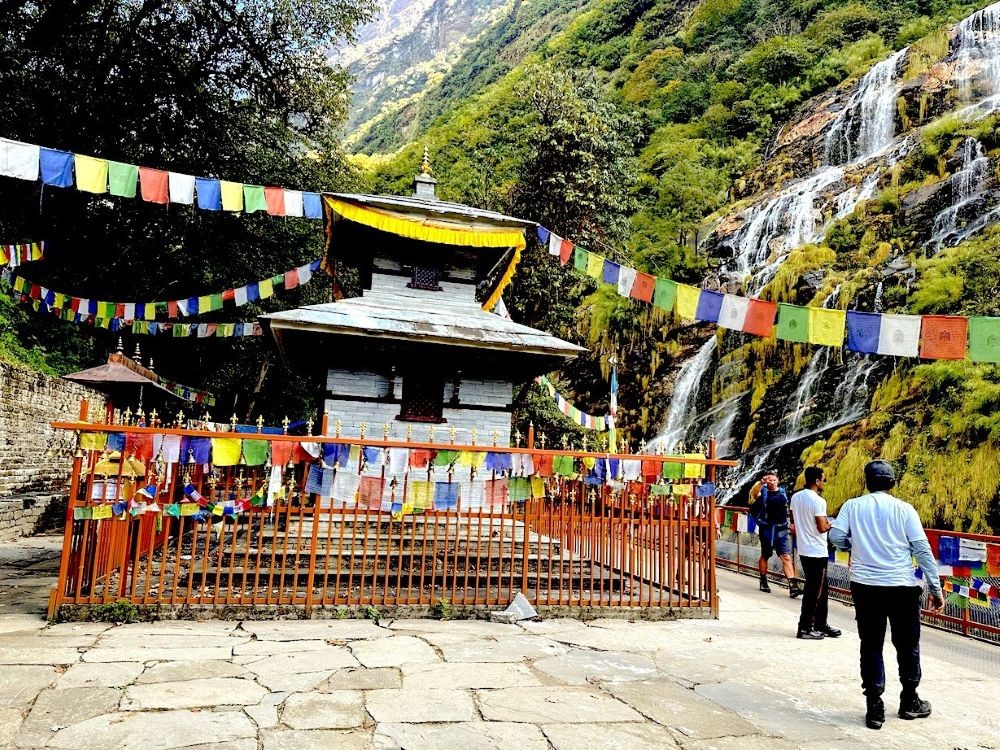
Further, the Baraha temple carries history tied to the Annapurna Sanctuary trek and to the local sense of Annapurna's presence, rooted in the legend of Lord Baraha—the boar incarnation of Vishnu. For villagers, the site is tabu, a protective seam in the land.
Highlights:
Moreover, the river spirits here lead the rituals, and along with it, the beliefs such as the Sinuwa–Deurali stretch and the Modi Khola mythology. According to the talks, the river guardians helped the travelers through this gorge, so offerings come up prior to some tougher segments of this trek.
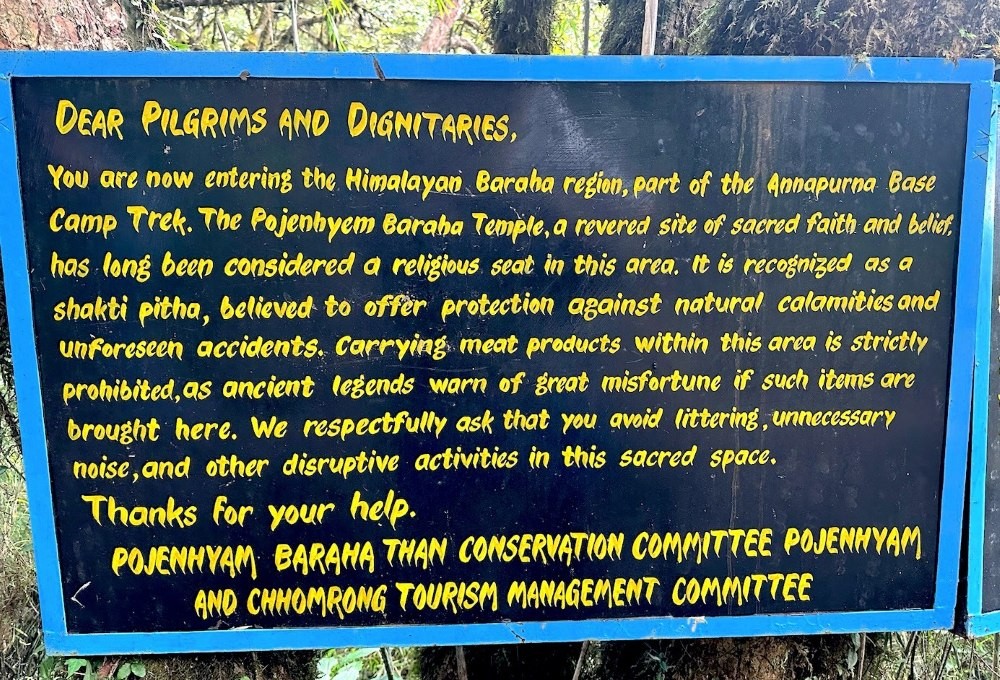
Note: No trekkers are allowed to carry meat above this Baraha Temple. If you carry, it will be a bad luck and will be destined to encounter something terrible on the trail.
Likewise, the origin legend of Baraha Temple travels through the vast trekking lore of Nepal, where oral tradition carries it. This is a shrine framed by legends speaking of divine help to save settlements from floods-a balance point between people and nature.
More importantly, location and significance draw trekkers who seek cultural depth on the ABC route. The shrine is framed by fluttering prayer flags, stone idols, and steams of incense, inviting short moments of quiet contemplation throughout the journey.
Furthermore, the cultural importance is further instilled by the fact that the Baraha Temple is a part of Gurung belief and the Sinuwa–Deurali corridor, which influences respectful conduct in relation to the natural environment. Guides share in customs, and visitors tend to offer silent prayers free of charge.
Respect and sensitivity matter: keep sacred items undisturbed, tread lightly, and let the traditions stay alive. This stop blends spirituality with adventure as the route enriches the total trek story onward to Deurali at 3,230 meters.
Trekking from Bamboo to Dovan with Annapurna Base Camp Trek to enjoy forest walks, sounds of rivers, basic rest stops, altitude, & trekking experiences.
| Feature | Description |
|---|---|
| Start | Bamboo (2,310 m) |
| End | Dovan (2,500 m) |
| Terrain | Forest path |
| Key Attraction | River soundsRest Stops | Natural clearings |
Meanwhile, the trekking trail from Bamboo to Dovan in the Annapurna Base Camp Trek provides a peaceful and easy-going environment for trekking. The trail starts from Bamboo (2,310m) and gradually proceeds to Dovan (2,500m).
On this part of the Annapurna Sanctuary trek and ABC jungle trail known as the Bamboo to Dovan path, it is heavily forested with rhododendron and bamboo. This provides ample shade from towering trees that shield trekkers from direct sunlight and maintain a nice temperature despite it being warm.
Likewise, the sounds of the Modi Khola River are also a feature of the trek experience as the trail sometimes runs close to the river and the waterfalls that are close to the path.
Moreover, natural resting places are found around some makeshift clearings or tea houses. Wooden benches and stones provide short resting spots, which help hikers conserve energy needed for scaling the peak.
The trail between Bamboo and Dovan is characterized by narrow but well-defined paths, where rain makes the roots and ground slippery. The use of trekking poles may be necessary.
Wildlife and Biodiversity: Birds, langurs, and butterflies add color to the Bamboo to Dovan Trek. It is advisable to tread quietly for better results while sightings are being observed.
Expense levels remain moderate in the treks from Bamboo to Dovan, with teahouse lunches and beverages normally in the range of USD 2-4.
Altogether, the Bamboo to Dovan trek is a mix of relaxation and movement towards the future. The forest trail is a rejuvenating experience, and the climb to Dovan (2,500 m) is invigorating.
Discover Hinku Cave on the Annapurna Base Camp trail, exploring ancient shelter use, folklore, cultural value, and importance for porters and pilgrims.
Hinku Cave Basic Information:
Meanwhile, the Hinku Cave is located on one of the most popular treks to the Annapurna Base Camp, and it is just one of the many quiet tales in the history of Himalayan shelters. The cave is located between Dovan, at 2,500 meters, and Himalaya, at 2,920 meters.
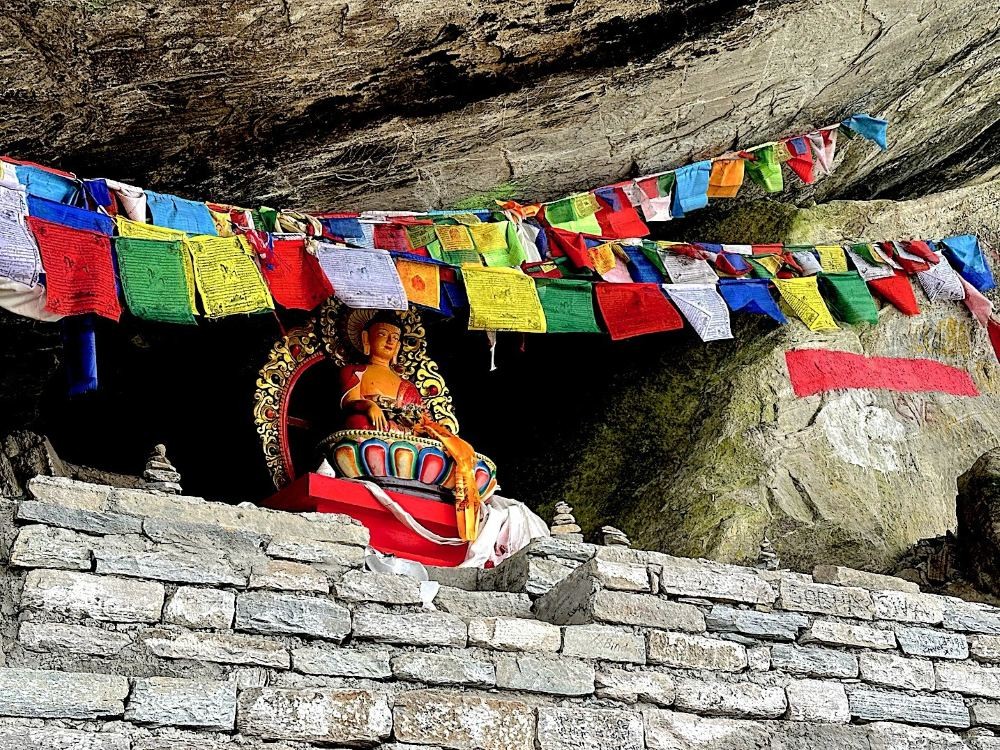
In its early years, Hinku Cave was part of the routes undertaken by those making their way to Annapurna Sanctuary. It was used by porters and pilgrims as a place to weather out storms and snowfall, of lifesaving quality to sustain journeys that otherwise would not survive.
Further, the legend of Hinku Cave is part of the larger tradition of the ABC trail and trekking stories in Nepal. The area is known to hold reverence and is believed to be where holy men meditated in their shadows.
Today, it serves an important purpose. This is because porters pause at this point during rains or rest breaks, thereby emphasizing its significance in the logistics associated with the plan’s route from Sinuwa to Deurali and beyond. The shelter assists in maintaining the culture associated with labor.
Location-wise, the Hinku Cave is located near the gorge of the Modi Khola, protected by a rock face which shields it against the winds and the rain. This is a small but significant factor regarding the geography of the trek.
Culturally, its importance has not diminished, as travelers should hike through with care, be quiet, and be mindful of the cave. There are also no charges for entrance.
Learning opportunities also come with the journey as guides point out the history of the cave during short breaks. The mix of adventure and awareness is what trekking in Nepal is all about.
Finally, Hinku Cave represents a connection between the past and the present along the Annapurna Base Camp trek. The historical significance as a shelter makes this trek more interesting, as one gets compelled to proceed to the next destination, Himalaya (2,920 m), with a better understanding.
A Free-Spirited Trek of the Dovan to Himalaya Section of the Annapurna Base Camp Trek, focusing on the valleys, alpine transition, altitudes, and trekking information.
| Feature | Description |
|---|---|
| Start | Dovan (2,500 m) |
| End | Himalaya (2,920 m) |
| Terrain | Rocky valley trail |
| Key Feature | Alpine transition |
| Duration | 2–2.5 hours |
Starting on the Dovan to Himalaya leg part of the Annapurna Base Camp treks and its valley section at ABC, one can begin to feel the subtle Himalayan ambiance emerging. You begin by ascending from Dovan at 2,500m to Himalaya at 2,920m, which is indicative of your entry into more sparse and elevated regions, progressing from valley regions adorned by trees and rivers.
Actually, this first bit has you walking through the valley range around the Annapurna Sanctuary, as well as the Modi Khola, with the sides of the valley close enough to allow slivers of sunlight in, thus dropping the temperature.
Here, trail remains narrow and stony from Dovan to Himalaya, where the trail follows the Modi Khola river, and wooden bridges occasionally emerge at some spots. Be careful with your footing and pacing while crossing the trail.
The evidence of the first alpine terrain appears gradually: “The tree density decreases; shrubs take the place of the tall trees; the atmosphere becomes drier and crisper.” The changeover into a different ecosystem—the moss-covered rocks, the alpine grasses—marks a definite boundary line with altitude.
Past this point, once you trek further, the mountains and their views begin to open up. Gaps in the valley give peeks of Annapurna South (7,219m), which continues to boost the morale as one treks along.
Patience is a virtue on this route too. The trekking time involved in the Dovan to Himalaya is about two to two and a half hours. Breathing and staying hydrated help one feel buoyant. The pace at which the trekking is done is slow.
Reaching Himalaya is an important milestone, not just an objective, but it also symbolizes an entry into higher altitudinal zones. Reaching Himalaya (2,920m) indicates preparation to take on alpine tasks.
Find information on the risk zones for avalanches & landslides on the Annapurna Base Camp trek between Himalaya and Deurali, and stay safe.
| Risk Type | Season | Safety Measure |
|---|---|
| Avalanche | Winter | Early crossing. |
| Landslide | Monsoon | Rain warning. |
| Rockfall | Year-round | Helmets are optional . |
| Weather | All year round | Guide Monitoring. |
Right from the outset, the avalanche threat on the Himalaya/Deurali side and on the trail to the Annapurna Base Camp requires extreme caution. This area is situated between Himalaya, which is 2,920 m high, and Deurali, reaching 3,230 m. So, it is extreme necessary to heed all safety instructions in this area.
Landslide zones are also present along the Annapurna Sanctuary Trek and the ABC high-risk zones, especially along steep gullies. Rocks lying along the trails are loose, and the monsoon season is a time of high risk.
Winter carries its own set of avalanche risks in the ABC trekking trails of Nepal. The accumulation of snow further up the mountain increases the danger of landslides. Guides must be experienced in winter conditions.
The section that connects Himalaya and Deurali has an open and vulnerable terrain, with fewer trees and fewer barriers. Therefore, weather can directly affect the route.
Mainly, risk variations according to the seasons impact the routes used in the Himalaya to Deurali trek and the trek routes in the case of the ABC. Spring and autumn are lower-risk seasons compared to winter and the monsoons.
Here, careful treks and expert ABC assistance minimize dangers. The guides measure the thickness and stability of the snow daily to set the pace of the walk.
There are warning signs while accessing Himalaya to Deurali, as well as a route B/C.Trekkers tread fast in dangerous spots, but discipline helps to save life.
Finally, risk factors surrounding avalanches and landslides, as well as ABC trek preparation, are realities in the Himalayas. With proper knowledge and planning, one can avert all dangers and move on to Deurali (3,230 m).
Explore altitude sickness risks at Deurali on the Annapurna Base Camp trek and know its symptoms, ways of prevention, management tips, and acclimatization safely.
| Aspect | Recommendation |
|---|---|
| Hydration | 3–4 liters a day |
| Pace | Slow and steady |
| Medication | Doctor-advised only |
| Action | Lower if severe |
Once you ascend to Deurali on the Annapurna Base Camp route, altitude sickness becomes something to really consider and you easily realize the high-altitude atmosphere surrounding ABC. Deurali is situated at an altitude of 3,230 meters, making it an essential acclimatization point for trekkers. Keep alert and act early to keep you safe.
What causes altitude sickness on the Annapurna Sanctuary trek and during ABC altitude gain? The reduced availability of oxygen at higher altitudes provokes the condition. From roughly 2,920 meters in the Himalaya, rapid ascent adds physiological stress to the body as it struggles to adapt without careful pacing.
On the Deurali and along the Sinuwa to Deurali segment of the ABC trek, the common symptoms to be watched out are headache, nausea, and dizziness. At the same time, loss of appetite and disturbed sleep is very frequent. The recognition of such signs does help in timely management.
The risk factors for AMS on the Annapurna Base Camp trek, as in most regions of Nepal where high altitude is achieved, are dehydrations and overexertion. Cold can heighten physical stress, so it is important to monitor hydration and rest carefully.
Here, prevention is all about gradual ascent. Slow walking and planned breaks help the body adapt to lower oxygen levels, while patience reduces the chance of illness.
Likewise, hydration and nutrition become pivotal roles on the Sinuwa to Deurali stretch and onward. Warm fluids, carbohydrate-laden food assists in sustaining energy, and generally, it is true that avoidance of alcohol aids acclimatization.
Should medication be prescribed, this could include Diamox. Guides carry basic medical kits, and professional support enhances safety.
In cases of deterioration of symptoms, immediate descent becomes necessary. Sound judgment prevents serious complications, and safety at Deurali is maintained by awareness.
Get ready to learn about on-the-way eats from Sinuwa to Deurali along the Annapurna Base Camp route-dal bhat, soups, garlic dishes, snacks, and price points.
| Food Type | Benefit | Average Cost |
|---|---|
| Dal Bhat | High energy | USD 6–10 |
| Soups | Warmth | USD 4-7 |
| Garlic Soup | Altitude support | USD 5–8 |
| Snacks | Quick energy | USD 2–5 |
For the Annapurna Base Camp trek, food is fuel, especially up from Sinuwa through Deurali. Teahouses dot the trail from Sinuwa at 2,360 m all the way to Deurali at 3,230 m, ensuring that the option for a meal at nearly any time is always available.
Here, Dal bhat and the ABC staple fare dominate the menus, echoing the longer Annapurna Sanctuary trek. Dal bhat is rice with lentils, vegetables, and pickles, and endless refills keep energy steady for the climb.

Further, soups are a comforting mainstay, too-noodle soup, vegetable soup, and garlic soup. In higher elevations, they're especially welcome and help with hydration and digestion.
Likewise, the Sinuwa to Deurali segment is gaining popularity for its garlic dishes. According to locals, garlic brings better blood circulation, which is helpful as one goes up higher, so the order of garlic soup is a common thing near Deurali (3,230 m).
Snacks are always available--biscuits, chocolate bars, and energy bars--though prices rise with the altitude since the porters have to carry more weight up the hills. Plan your finances in advance.
Here, meal prices along the ABC route remain reasonable and increase with altitude. Dal bhat typically costs around USD 6–8 in the lower camps and increases to around USD 8–10 by Deurali.
Nutritional intake consists mainly of carbohydrate loading to provide energy to the body, while proteins will aid in muscle repair and recovery. Thoughtful meal planning matters for endurance on the trek.
In all, food experience—right from the Annapurna Sanctuary trek via the ABC route—places comfort and morale with hot meals boosting both body and spirit. Proper nutrition helps ensure a safe arrival at Deurali (3,230 m).
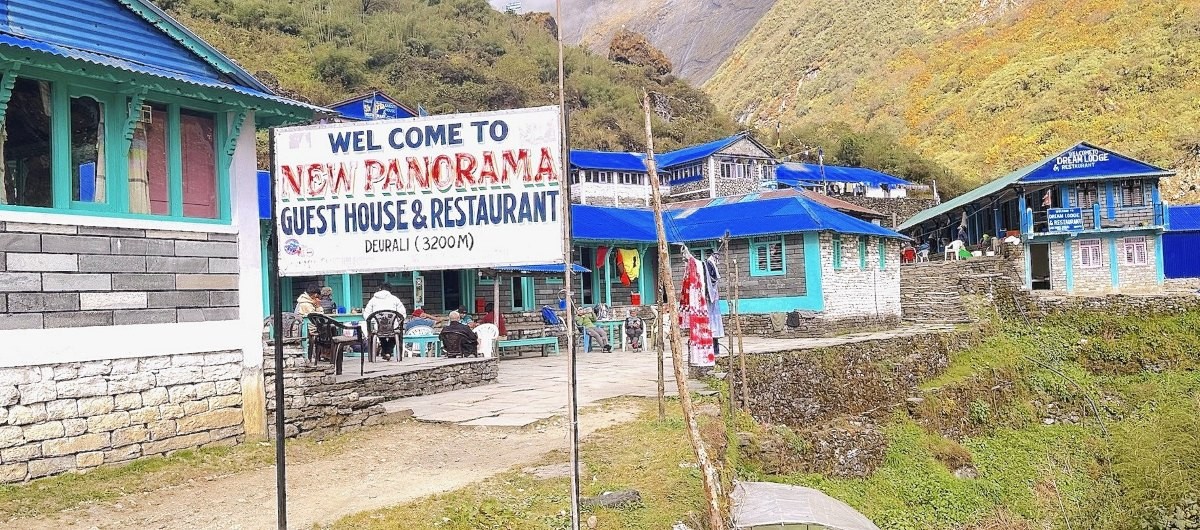
If it is the trek route of Annapurna Base Camp, or trekking from Sinuwa to Deurali, there is a decent tea-house facility to look forward to. This facility is available right from Sinuwa (2,360m) to Deurali (3,230m), so there is no need to carry the camping equipment or establish a camp on the way.
| City | Height | Amenities |
|---|---|
| Sinuwa | 2,360m | B& D | Charging |
| Bamboo | 2,310 m | Warm dining, meals |
| Dovan | 2,500 m | Basic rooms |
| Himalaya | 2,920 m | Only limited heating available |
| Deurali | 3,230 m | Solar Lighting |
In Sinuwa and the ABC Corridor, the tea-house lodging facilities are quite simple but acceptable. Each room equipped with twin beds, mattresses, and blankets will provide you with adequate comfort as you ascend.
Likewise, the Bamboo stretch (approx. 2,310 m) has specially welcoming ambiances with wooden interiors and a dining area that provides a warm space to relax after a day’s trekking. It makes for a nice resting point before ascending further into the woods.
Dovan, as well as the mid-slope teahouses in the ABC circuit, offers basic facilities. You can look forward to toilet facilities as well as cold showers. Thus, it is important that your expectations remain so.
The higher you ascend, starting with the Himalaya range at 2,920 m, the kind of accommodation becomes even more basic. The ONLY heating available in the eating areas, and a good sleep bag with you proves a sensible precaution.
In Deurali (3,230 m), Alpine-style lodges reflect this adversity in terms of accommodations that are simple with limited heating, with electricity sometimes powered by solar batteries. It's no big deal, though, as trekkers usually become accustomed to it.
Regarding the cost, teahouse meals as well as stays on the Annapurna Base Camp Trek cost pretty reasonably. The cost of accommodations is pegged at approximately USD 5-10 a night, which means that people will be spending a little extra on meals.
Together, the Sinuwa to Deurali trekking section provides the best compromise between ease and usability to allow for a smooth ascend. Trekking expeditions normally confirm a sensible sleeping option prior to continuing the ascend beyond Deurali.
From Sinuwa up to Deurali on the Annapurna Base Camp route, water sources are available that you can typically rely on. Water is routinely available along this path from natural streams and from the teahouses along the route, so shortages rarely happen.
| Location | Elevation | Water Option | Cost |
|---|---|
| Sinuwa | 2,360 m | Tap/Boiled | $1–2 USD |
| Bamboo | 2,310 m | Spring/Boiled | 1–2 USD |
| Dovan | 2,500 m | Boiled | USD 2–3 |
| Himalaya | 2,920 m | Boiled | USD 2–3 Deurali | 3,230 m | Boiled/Filtered | USD 3–4 |
The places that are relatively safe to refill along the route-including Sinuwa and the Annapurna Sanctuary leg-come from lodges and taps. The treated tap water can be obtained at teahouses in Sinuwa at 2,360 meters above sea level for uncomplicated bottle refills.
Spring-fed taps are common near Bamboo on the Sinuwa-to-Deurali segment and along ABC forest water points. Bamboo is around 2,310 m and is close to clean forest streams; again, purification of water is important no matter how clear the stream or river appears.
Water in Dovan, on the ABC trail, and at mid-trail hydration stops stays accessible too. In Dovan (2,500 m), teahouses sell boiled water, so safety tends to trump convenience for many trekkers.
At higher elevations—Himalaya 2,920 m and the broader Himalaya to Sanctuary stretch—water is more scarce. Himalaya relies mainly on snowmelt and springs, so boiled water is the safest option there.
Further, Deurali (3,230 m) and surrounding alpine sources are polluted and should be treated with caution. In Deurali, boiled or filtered water is available; untreated water should be avoided.
Here, purification methods form part of the trek's practical reality: tablets and filters are common, and bottled water gets pricier the higher you go. Reusable bottles help cut costs and reduce waste.
In fact, good hydration from Sinuwa to Deurali will be part of the adaptation to altitude and will support your preparation and safety for the whole Trek. Drinking enough water helps avoid dehydration and illness and keeps you on course to reach Deurali at 3,230 m.
Facilities: The toilet facilities right from Sinuwa to Deurali and up to ABC Lodges are designed to be quite basic. Toilets are communal and are in the form of squat toilets. You should thus have a basic idea about what to expect in terms of sanitation.
Hygiene Reality Summary:
Actually, Sinuwa to ABC mid- level comfort: Mid level comforts at Sinuwa (2,360 m) and the ABC teahouse network are better. The toilets in the teahouses, while not the cleanest, are not bad either.
Bamboo and the lower-altitude huts: In Bamboo (2,310m) and the Sinuwa-Deurali area as well as the ABC Forest LODGES, the tourist facilities are somewhat more basic and the water supply might well originate from a stream.
Dovan and mid-altitude comfort: At Dovan (2,500 m) and on the Annapurna Base Camp Trek, the toilets are shared. The water supply is reduced due to the cold conditions; therefore, personal hygiene may not be maintained daily.
Himalaya and higher: Himalaya (2,920 m) and higher treks and higher ABC lodges: Here, the climate turns more challenging. Freezing water mains force trekkers to conserve water and limit washing.
Deurali and high altitude posts: At Deurali (3,230 m) and the top part of the Sinuwa-Deurali route, the toilets are primitive squats, often outhouse type, and the wind can make it quite unpleasant.
Shower Reality: Hot showers are usually driven by gas or solar energy because of the height, which costs between USD 3 to USD 5, meaning that most people don’t shower after this point.
The situation with showering deteriorates with increasing elevation. At Himalaya Base (2,920 m), on the Annapurna Sanctuary Trek, or during ABC cold sections, the water is cold, with a shower experience that is just plain miserable. Water chills quickly, thus wet wipes become a rational decision.
The pattern of washing clothing is also similar from Sinuwa to Deurali as well as from the ABC trek series to the Annapurna Base Camp. Here, there isn’t any chance of machine washing. Thus, only manual washing is possible. Nevertheless, this will only occur at lower elevations because of the warmer water.
For general hygiene conditions, the Sinuwa-Deurali section and the ABC treks’ preparation involve an element of flexibility. Keeping personal hygiene remains functional and not upscale, and to be comfortable involves adapting to the conditions past Dovan (2,500m).
Here's a practical overview of mobile networks, Wi‑Fi, and charging options from Sinuwa to Deurali on the Annapurna Base Camp trek.
| Location | Elevation | Network | Charging |
|---|---|
| Sinuwa | 2,360 m | Fair | Paid |
| Bamboo | 2,310 m | Weak | Paid |
| Dovan | 2,500 m | Poor | Paid |
| Himalaya | 2,920 m | Very Poor | Limited |
| Deurali | 3,230 m | Almost None | Solar Only. |
First of all, mobile network from Sinuwa to Deurali is erratic; furthermore, ABC trek and overall ABC connectivity are not harmonious. NTC usually stays ahead of Ncell, but communication remains erratic.
Next, the coverage of mobile network at Sinuwa (2,360 m) and along the ABC route, feels more dependable for basic calls and light data; reliability is intermittent. Early-day communication is still possible.
Still, at Bamboo (2,310 m) and the section of forest path in between Sinuwa and Deurali, the signal turns substantially low. Weather, too, plays its part, so access to the internet becomes pretty unreliable.
At Dovan, 2,500-metre mid-section ABC connectivity remains unstable; calls often drop. Dependability takes a hit.
Data services are very minimal in the higher stretches near Himalaya at 2,920 m, the Annapurna Sanctuary trek, and the upper ABC zone. This is where the use of offline maps becomes indispensable.
Above Deurali at 3,230 meters and in the alpine zone between Sinuwa and Deurali, mobile coverage is about nil. Emergency calls rely on fair weather, so communication is very minimal in general.
Likewise, Wi‑Fi and satellite-based services power the Annapurna Base Camp trek and ABC lodges, though speeds are slow (about USD 2–4 per hour).
Moreover, Wi‑Fi at the lower lodges along the Sinuwa to Deurali route is functional, but evening congestion means things can slow down; patience helps.
Besides, charging facilities along Sinuwa to Deurali, the ABC, and Annapurna Sanctuary are by solar energy, with charges of about USD 2–5 per device. Power banks become essential.
In a nutshell, this route requires planning for connectivity and charging. Limited access pushes you to digital detox, letting nature take over beyond Himalaya at 2,920 meters.
See how busy the Sinuwa–Deurali section of the Annapurna Base Camp trekking route is, analyzing the busy, off-season, or less crowded trekking periods.
| Season | Crowd Level | Trail Impact | Lodging Impact |
|---|---|
| Peak | High | Congested trails | Full lodges |
| Off-Season | Low | Quiet paths | Available rooms |
| Mid | Moderate | Slight congestion | Limited |
Talking about the crowd, the Sinuwa – Deurali section, which is a part of the Annapurna Base Camp trek.
Actually, teahouse occupancy and ABC lodging capacity are affected by the presence of groups versus lone walkers. During peak seasons, bookings in advance or early arrival are recommended due to rapid occupancy of Dovan and Himalaya lodges.
Likewise, the seasonal events also influence the level of crowding on the trail. Events such as holidays and festivals result in an increase in the regional visitors and therefore have to be considered during the time of planning.
In the higher reaches, crowd movement affects pacing on the Annapurna Sanctuary Trek. In the single-track trails with limited opportunities for overtaking where rivers cut through gorges, it becomes necessary to be patient and follow good trekking manners.
Here, the distinct advantage of off-season treks, of course, is that you’ll be alone on the trails. The obvious effects of a less-crowded mountain are immersion in breathtaking views, a better opportunity to experience the diversity of the Himalayan fauna, and a serene, peaceful flow of the Sinuwa-Deurali and ABC experience. When the trails are not thronged with trekkers, you can pause to take a photo, without the pressure of time.
In fact, crowd behavior dynamics, and more specifically on Annapurna Base Camp Trek and the Sinuwa to Deurali leg, help create realistic expectations. With an understanding of how peak season compares to the off-season, there is smoother and more efficient planning. In conclusion, trekkers experience a more seamless ascent from Sinuwa (2,360m) to Deurali (3,230m).
Important trekking information on how to undertake the Sinuwa pass to Deurali ascent on the ABC track safely and enjoyably.
Key Trekking Information:
preparation for high altitude and continental terrain is necessary for the trail from Sinuwa to Deurali, the ABC circuit, and day trails. Wearing appropriate clothes and footwear ensures that you stay warm and protected from injuries to your feet.
Second, pacing oneself on the Sinuwa (2,360 m)-to-Deurali (3,230 m) sector, and taking a gentle ascent via the ABC, is crucial. This is especially true to keep the exhaustion and altitude sickness at bay, while also conserving the strength for the whole day.
Third: Hydration and eating on your Annapurna Sanctuary Trek and ABC Trek and its surrounding areas also include constant water consumption and eating high-energy food products. Energy bars and fruits act as supplements to help you stay strong in high-altitude regions such as Himalaya (2,920 m).
Fourth, awareness of safety along the Sinuwa to Deurali route and along the ABC route must take into consideration the condition of the weather. Zones beyond 2,920m Himalaya, which are avalanche areas, call for extreme caution.
Fifth, gear must be considered that is relevant to Annapurna Base Camp trekking or the ABC trek. The gear includes trekking poles, clothing, or a first aid kit. Trekking poles can provide support when walking through rock regions around Dovan (2,500 m).
preparation for high altitude and continental terrain is necessary for the trail from Sinuwa to Deurali, the ABC circuit, and day trails. Wearing appropriate clothes and footwear ensures that you stay warm and protected from injuries to your feet.
Second, pacing oneself on the Sinuwa (2,360 m)-to-Deurali (3,230 m) sector, and taking a gentle ascent via the ABC, is crucial. This is especially true to keep the exhaustion and altitude sickness at bay, while also conserving the strength for the whole day.
Third: Hydration and eating on your Annapurna Sanctuary Trek and ABC Trek and its surrounding areas also include constant water consumption and eating high-energy food products. Energy bars and fruits act as supplements to help you stay strong in high-altitude regions such as Himalaya (2,920 m).
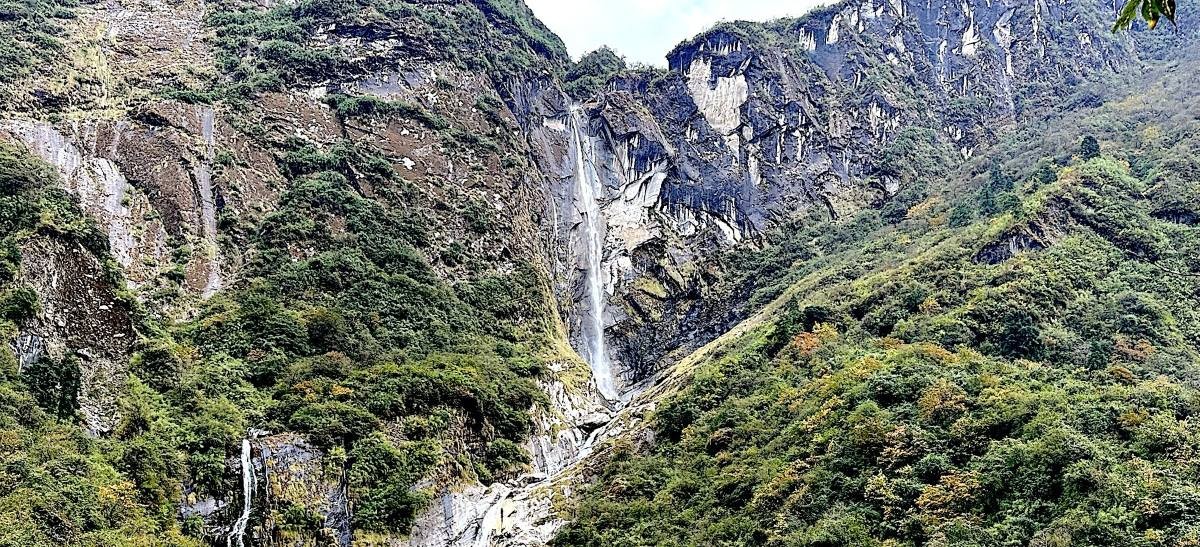
Firstly, Fourth, awareness of safety along the Sinuwa to Deurali route and along the ABC route must take into consideration the condition of the weather. Zones beyond 2,920m Himalaya, which are avalanche areas, call for extreme caution.
Fifth, gear must be considered that is relevant to Annapurna Base Camp trekking or the ABC trek. The gear includes trekking poles, clothing, or a first aid kit. Trekking poles can provide support when walking through rock regions around Dovan (2,500 m).
Sixth, the teahouse plans and accommodation plans for the route from Sinuwa to Deurali require pre-booking during the busy season and sound allocation of funds for accommodation and meals for convenience. The lodges at Deurali (3,230m) get fully booked rather quickly.
Mainly, the important trick is to climb slowly and observe yourself carefully, particularly regarding acclimation for the trek to the base camp of Annapurna. Rest stops at Dovans (2,500 m) and Himalaya (2,920 m) allow the body to acclimate, so the general level of health risk is lower.
Planning: Preparations for cell phone coverage along Sinuwa to Deurali, and tutorials on ABC connectivity, require offline topographic maps. The fact that charging stations at campsites are solar powered ensures that cell phones and other gadgets remain functional, thus making navigation and case of emergencies easier.
Ultimately, the trek to the Annapurna Base Camp, including the section of the route between Sinuwa and Deurali, provides a good mix of seeing natural beauty, experiencing cultural encounters, and adventuring. If you can respect the altitude, watch the weather, and use the trails properly, the trek can be enjoyed. Planning can ensure that the trek between Sinuwa, at 2,360 m, and Deurali, at 3,230 m, is safe.
1. What is the route from Sinuwa to Deurali on the Annapurna Base Camp Trek?
The route from Sinuwa to Deurali is really beautiful. We have been guiding people in the Annapurna region for a time. The Trekking from Sinuwa to Deurali starts at Sinuwa which is 2,360m high. Then you walk down a bit through nice forests to Bamboo. After that you go up to Dovan and Himalaya. Finally reach Deurali which is 3,230m high. The Trekking from Sinuwa to Deurali has stone steps and river gorges and rhododendron forests and nice mountain views. This part of the Trekking from Sinuwa to Deurali is a little hard. It helps you get used to the high altitude. Our team is very experienced. They will make sure your Trekking from Sinuwa to Deurali is safe and fun.
2. How long does it take to trek from Sinuwa to Deurali?
It usually takes 5 to 7 hours to complete the Trekking from Sinuwa to Deurali. The distance is around 11 to 12 km. You will walk up hills. Take breaks at teahouses in Bamboo and Dovan and Himalaya. We think it is an idea to start early so you can enjoy the views without rushing. If you walk at a pace and take breaks you will not get too tired. Our team will help you. Make sure you arrive at Deurali feeling fresh and ready for the next part of the Annapurna Base Camp Trek.
3. What is the elevation gain from Sinuwa to Deurali?
The elevation gain from Sinuwa to Deurali is 870m. You start at Sinuwa which is 2,360m high and end at Deurali which is 3,230m high. The Trekking from Sinuwa to Deurali goes up slowly through kinds of terrain. You will stop at Dovan which is 2,500m high and Himalaya which is 2,920m high. We always tell people to walk and drink a lot of water. This way you can enjoy the nice views and not get sick.
4. What are the trail conditions like from Sinuwa to Deurali?
The trail from Sinuwa to Deurali has different parts. There are stone steps and forest paths and narrow gorges and rocky parts. If it rains the early parts can be slippery. Near Deurali there are stones and you can see a long way down. You need to wear boots and use trekking poles. Our guides know the trail well and they will help you walk safely.
5. How is the weather and best season for Sinuwa to Deurali trek?
We think the best time to do the Trekking from Sinuwa to Deurali is in the spring from March to May or in the autumn from September to November. The sky is clear. The trails are good and the rhododendron flowers are really beautiful. The temperature is nice. It can get cloudy in the afternoon. We do not think it is an idea to trek during the monsoon because it rains a lot. In the winter it is cold and snowy. We check the weather every day. Change our plans if we need to so you can have a safe and fun trek.
6. What temperature variations should I expect from Sinuwa to Deurali?
The temperature changes a lot from Sinuwa to Deurali. During the day it can be 10 to 18 degrees Celsius at Sinuwa but 5 to 10 degrees Celsius, at Deurali. At night it gets very cold especially when you are high up. You need to wear layers of clothes because it gets colder as you go up. Our guides will help you pack the clothes so you can stay comfortable and enjoy the really nice views.
7. Is altitude sickness a risk on the Sinuwa to Deurali section?
Yes altitude sickness is a risk on the Sinuwa to Deurali section because the altitude is very high it reaches 3,230m. You might get symptoms like headaches. Our teams are very experienced. They will teach you how to walk slowly drink a lot of water about 3-4 liters every day and listen to your body. We have rest stops at Dovan and Himalaya which really help you get used to the altitude. If you prepare properly and have a guide to support you most trekkers can manage well and continue safely to the Annapurna Base Camp.
8. Where can I stay overnight between Sinuwa and Deurali?
There are teahouses on the way that have comfortable rooms with basic things you need. The options are better at Sinuwa and Bamboo and at stops like Himalaya and Deurali you can find cozy places to stay that use solar power. We think it is an idea to book in advance during the peak season. Our team chooses lodges so you can have a good rest and feel welcome during your trek.
9. What food options are available on the Sinuwa to Deurali trek?
The teahouses have food that's good for you like Dal Bhat, garlic soup, noodle dishes and snacks that give you energy. This kind of food helps you climb better. The prices are a bit higher at places but are still okay. We think garlic soup is an idea because it helps your blood flow better at high altitude. Our team has been guiding for a time so we make sure you have food that is good for you clean and makes you feel strong.
10. How to get drinking water on the Sinuwa to Deurali trail?
You can find water at the teahouses just make sure it is boiled or treated. We also think it is an idea to carry tablets or filters to make the water clean. The streams look clean. You need to treat the water before drinking. Drinking a lot of water 3-4 liters every day is very important for your body and to get used to the high altitude. Our guides will show you where to find water so you can stay healthy and have energy on the trail.
11. What are the main highlights and stops like Bamboo, Dovan and Himalaya?
These stops make your journey very interesting you will see forests at Bamboo views of the river at Dovan and a change to alpine trees at Himalaya. You will also see cultural places like the Baraha Temple and the Hinku Cave. Our guides are very experienced. They will tell you stories that will make you appreciate these places more. These stops give you time to rest and get used to the altitude and you will see how beautiful the route is, both naturally and culturally.
12. Are there safety risks like avalanches or landslides from Himalaya to Deurali?
There are some risks on this part of the trail during winter or the monsoon season. Our guides are very careful they watch the weather choose times to walk and make sure you walk at a safe pace. Using trekking poles and wearing shoes also helps. With planning and knowledge of the local area the risks are managed well and you can walk safely and confidently to Deurali.
13. What gear and preparation do I need for Sinuwa to Deurali?
You will need some things like good trekking boots, poles, clothes that you can wear in layers, rain gear, a headlamp and a first-aid kit. We will give you a list of things you need based on our years of experience. If you prepare properly you will be safe and comfortable. Our team will support you all the way so you can enjoy your adventure in the Himalayas.
14. What sites like Baraha Temple or Hinku Cave can I visit?
These special places will make your trek more interesting. The Baraha Temple near Himalaya is a place where local people go to pray and the Hinku Cave will show you how people used to live in the past. You should respect the traditions for example you should not eat meat near the temple. Our guides know a lot about the culture the Gurung culture and they will explain it to you making your experience more meaningful and respectful.
15. How difficult is the trek from Sinuwa to Deurali for beginners?
If you are in shape you can do this part of the trek it is moderate, to challenging. You will have to walk on stone steps and climb gradually which will test your endurance. If you walk at a steady pace and have a good guide to support you it is manageable. Many trekkers do this trek every year with our help. If you prepare properly and have a mindset you will find it very rewarding.
Our travel experts are ready to assist you with any questions.
Send us a message.Have a question before you book? Send your enquiry below and our travel experts will get back with the required information.