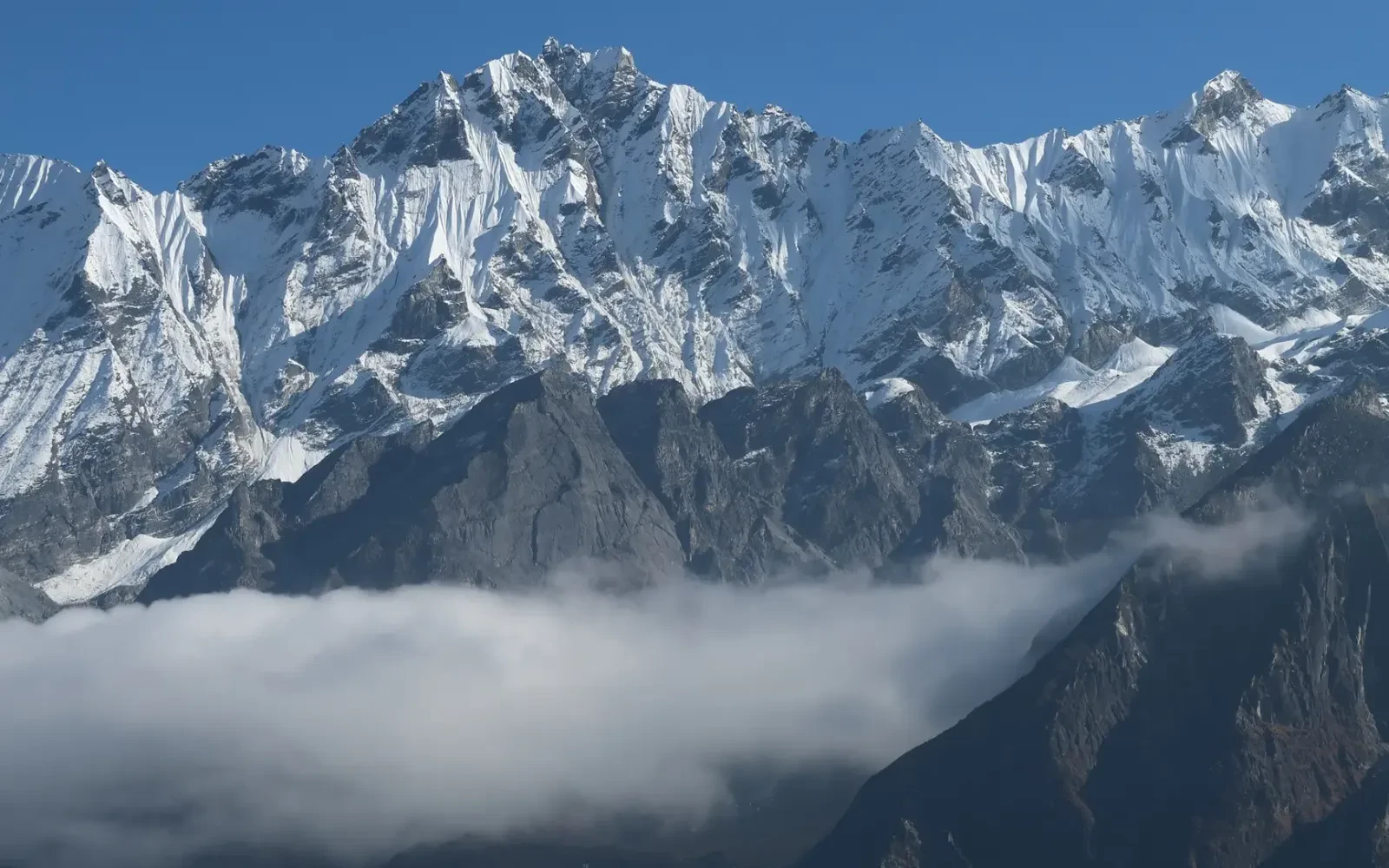
If you’re looking for the kind of Himalayan adventure that doesn’t swallow up all your time or patience, Langtang Valley Trek just clicks. It’s right there, close to Kathmandu, but feels a world away—quiet trails, wild scenery, and a taste of local life that most tourists miss. Honestly, it’s the perfect balance: stunning mountain views, real culture, and enough challenge to make you feel alive, but without the endless crowds.
Here, getting there is a breeze compared to most treks. Kathmandu sits at 1,350 meters, and a half-day’s drive gets you to Syabrubesi, the trailhead at 1,550 meters. That easy access makes it a great pick if you’re short on time or just want to jump straight into the hills. The route itself takes you through thick forests, open valleys, and up toward snowy peaks—there’s always something new around the corner.
Actually, Langtang National Park is a real highlight. People come hoping to spot red pandas, watch rare birds, and just soak in the wildness of it all. You’ll also pass through Tamang villages where the culture feels alive in every smile, every shared meal, every prayer flag. These moments make the trek more than just a physical journey.
And the views—wow. Langtang Lirung towers above at 7,227 meters, glaciers snake through the valleys, and if you time it right in spring, the rhododendron forests explode with color. It’s dramatic, and it keeps you hooked day after day.
In fact, you don’t have to be a hardcore trekker, either. The elevations are moderate, so altitude sickness is less of a worry, especially if you take your time and acclimatize at the right stops. Teahouses along the way give you a warm meal and a soft bed at the end of each day. The whole experience, with permits and guides, usually costs between $500 and $800 for a week to ten days—pretty reasonable for what you get.
Unlike the Everest Base Camp Trekking route, which can feel more like a parade, Langtang stays peaceful. Fewer trekkers means you can really connect with the landscape and the people. It’s got that untouched vibe—perfect if you want to unplug and feel something real.
Likewise, culture here isn’t just a backdrop. The Tamang people welcome you into their world, sharing traditional dances, crafts, and flavors—yak cheese, momos, and more. Monasteries like Kyanjin Gompa invite you to pause and soak up a bit of mountain spirituality. These are the stories you’ll remember long after the trek ends.
And if you want a little extra adventure, you’ve got options—side hikes like Tserko Ri deliver jaw-dropping views, river crossings add a dash of excitement, and every step you take helps local communities still rebuilding after the 2015 earthquake. Your trip matters.
All in all, Langtang Valley Trek is that rare mix of easy access, big beauty, and real culture. Towering peaks, lively villages, a sense of discovery—it’s all there. If you’re after a Himalayan escape that feels both refreshing and meaningful, this is the trek to put on your list
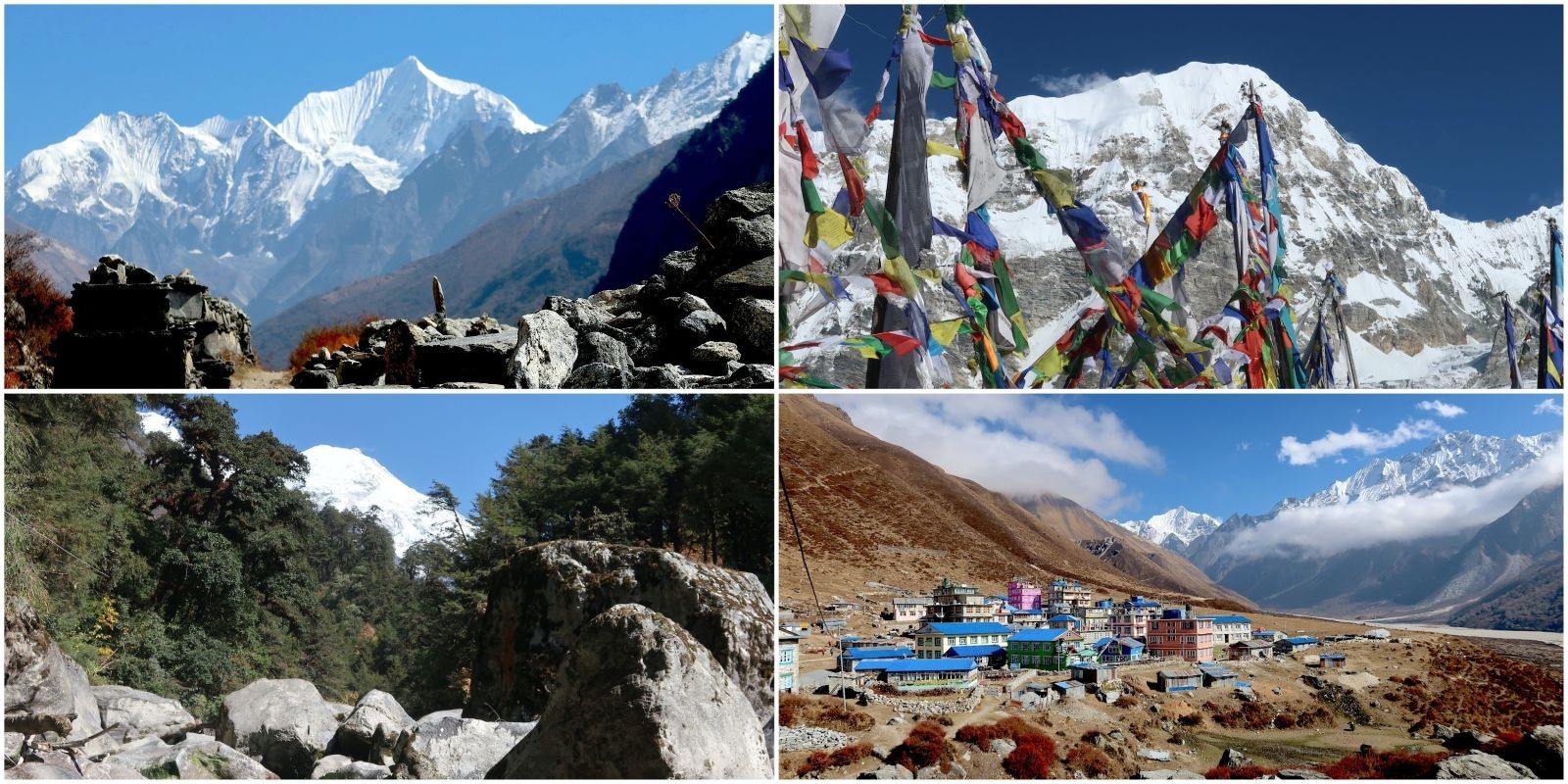
Key Reasons Why Langtang Valley Trek Captivates Trekkers :
Meanwhile, the Langtang Valley Trek pulls you in with its jaw-dropping views—Langtang Lirung towering at 7,227 meters, Dorje Lakpa, glaciers sparkling in the sun. If you love Himalayan scenery, this trail keeps you hooked with landscapes that shift every hour.
As you hike, Langtang Lirung dominates the horizon, standing guard over the valley. It’s impossible to ignore—just lifts your eyes again and again. Dorje Lakpa, at 6,966 meters, and Gang Chhenpo (6,387m) join the show, all set against those glinting glaciers. The whole valley feels like one big outdoor theater.
Here, viewpoints make the trek even better. Climbing Kyanjin Ri (4,773m) gives you the kind of 360-degree scene you’ll never forget. It’s a tough climb, but the reward? Worth it. Tserko Ri sits even higher at 4,984 meters, offering snowy ridges that look endless. Don’t forget your camera—sunrise shots over those peaks are unreal.
Likewise, weather’s a wildcard here. Clear mornings let you see every crag, every shadow. Later, clouds can sweep in, adding this moody, magical feel. Spring changes the vibe, too—the forests burst with rhododendrons, adding color to all that white and gray.
In fact, the Langtang Trekking route itself is perfect for soaking it all in. From Kyanjin Gompa (3,870m), it feels like you could almost reach out and touch the peaks. Langtang Glacier is right there, so close you can hear it crack sometimes. Plus, the trail climbs gently, so you don’t burn out too fast and can actually enjoy the views.
Moreover, compared to other treks, Langtang Valley just feels more personal—the mountains aren’t distant, they’re right in your face. And since it’s not as crowded, you get these peaceful moments to just take it all in. If you’re here for scenery, this trek sits near the top. You don’t have to break the bank to get a guide, either.
For photographers, it’s a dream. Catch the first light hitting Langtang Lirung, shoot wide panoramas, or even fly a drone if you’re allowed. Every turn offers something new.
But honestly, it’s more than just pretty pictures. These views stick with you. They make you pause, breathe, and remember how small you are in the best possible way. If you’re thinking about trekking in Nepal, put Langtang Valley on your list. There’s nothing else quite like it.
| Peak Name | Elevation | Key Features | Best Viewing Spot |
| Langtang Lirung | 7,227m | Towering glacier-clad summit, star attraction | Kyanjin Gompa (3,870m) or Kyanjin Ri (4,773m). |
| Dorje Lakpa | 6,966m | Jagged ridges, dramatic profile | En route to Langtang Village (3,430m). |
| Gang Chhenpo | 6,387m | Part of Ganesh Himal range, snow-capped | Tserko Ri (4,984m) hike. |
| Langtang Glacier | Varies | Sparkling ice fields, ever-changing | Near Kyanjin Gompa (3,870m). |
Actually, there’s something almost unreal about catching the sunrise or sunset from Kyanjin Ri during the Langtang Valley Trek. You climb up to 4,773 meters, and suddenly the Himalayas stretch out in every direction. It’s no wonder everyone calls this the best viewpoint in Nepal’s adventure playground.
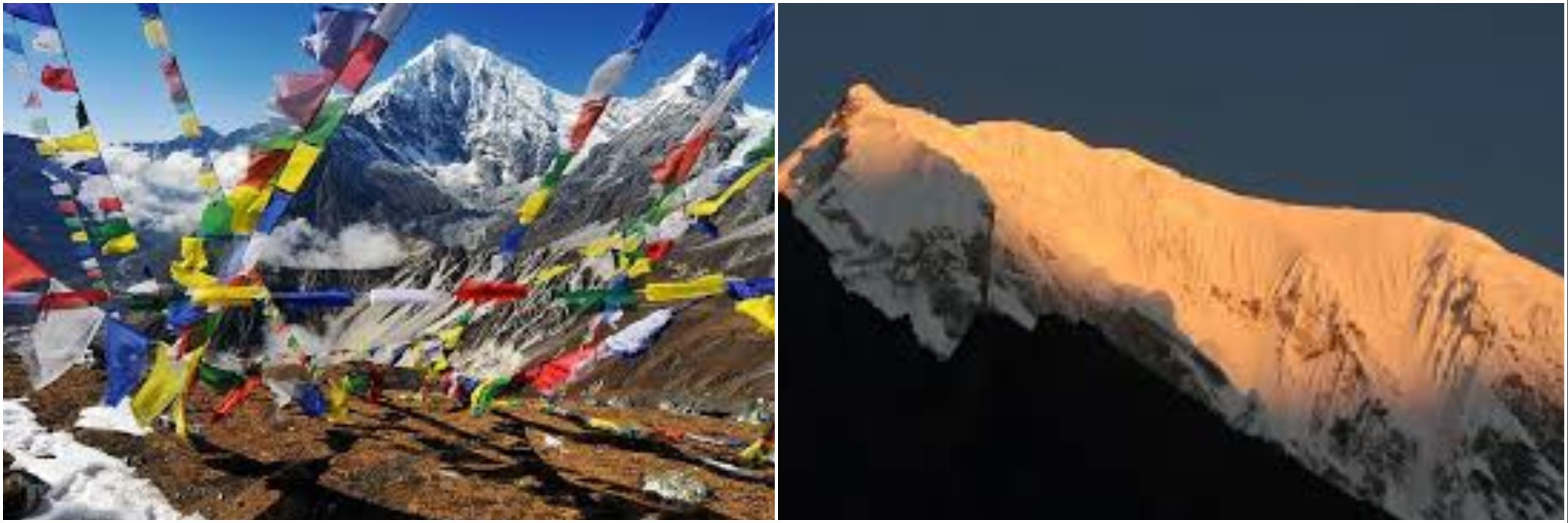
Likewise, trekkers can’t stay away from Kyanjin Ri. The hike kicks off from Kyanjin Gompa at 3,870 meters. It’s a steady, often steep climb—about 900 meters up—but the payoff is massive: endless mountain views on all sides. Seriously, this is the moment everyone talks about after the trek.
Heads up: the ascent isn’t easy, but it’s manageable if you’re ready for a good push. Most people get up and down in three to five hours. Altitude can get to you if you’re not used to it, so take your time getting acclimatized. The anticipation builds with every step.
If you go for sunrise, set off early—like 5 AM early. Watching the first golden light hit Langtang Lirung (7,227m) is unreal. Yala Peak and the glaciers start to glow, and you just stand there, taking it all in. It’s hard not to be swept away by the view.
Moreover, sunset is just as special. The peaks turn orange, shadows stretch across the valleys, and the crowds thin out. The whole place gets quiet, almost sacred. You’ll remember these moments for a long time.
More importantly, pack smart. Bring enough water, snacks to keep your energy up, and wear layers—it gets cold fast. Trekking poles help, especially on the way down. Good news: there’s no extra fee for the hike.
Compared to other viewpoints, Kyanjin Ri feels personal. You’re right next to giants like Gang Chhenpo, and nothing stands between you and the view. It’s no contest—this spot sits at the top of every Langtang trekker’s list.
In fact, photographers go wild here. Snap time-lapses as the light shifts, use a wide lens to capture the whole scene, or send up a drone if you’re allowed. It’s the perfect place to catch the Himalayas at their best.
Honestly, this hike changes people. Pushing yourself in such a wild, beautiful place does something to you. You leave feeling stronger. If you’re planning the Langtang Valley Trek, make sure Kyanjin Ri’s on your list. Don’t miss the magic—sunrise or sunset, it’s unforgettable.
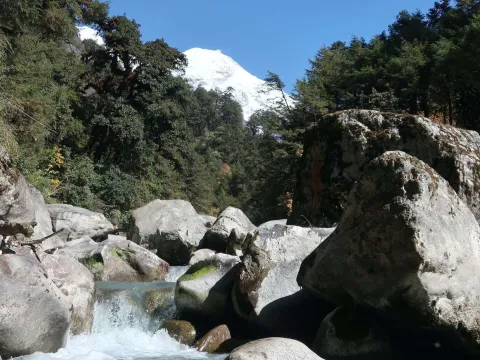
Highlights of Kyanjin Ri Viewpoint Hike :
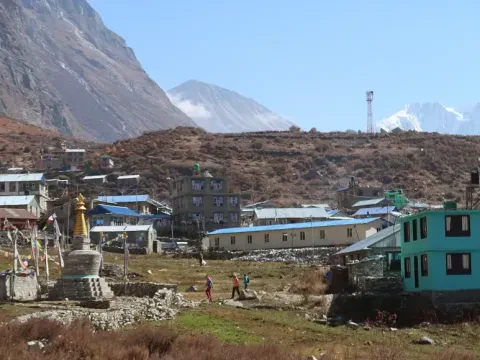
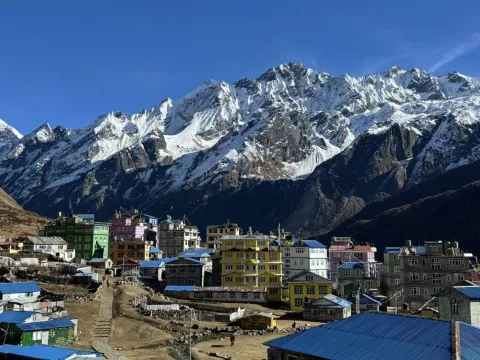
Meanwhile, Kyanjin Gompa sits high in the Langtang Valley at 3,870 meters, and honestly, it feels like a world apart. You walk into this tiny settlement and right away, the ancient Buddhist monastery catches your eye. People come here looking for a break from the outside rush, and it really delivers. The place hums with daily prayers, monks chanting, and the steady spin of prayer wheels—traditions the local Tamang community keeps alive.
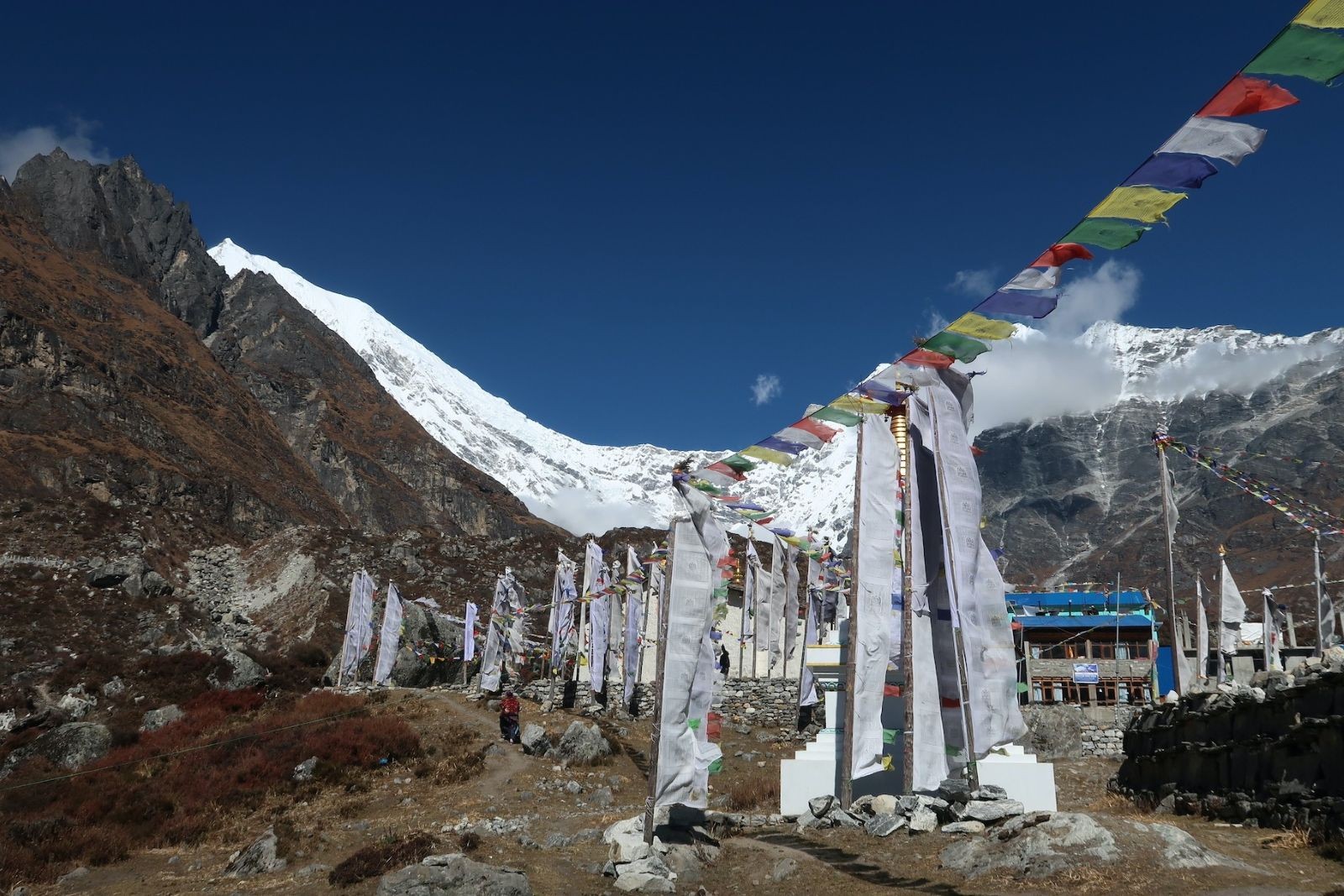
Here, the monastery itself is old, with deep roots in Tibetan Buddhism. Step inside, and you notice the colors, the quiet, the sense of history layered on thick. It’s not just a spiritual stop, though—it’s the cultural heart of the trek. You can spin the prayer wheels for blessings, watch prayer flags flutter like they’re talking to the sky, and duck into the inner rooms if you want a moment alone with your thoughts.
Likewise, the setting doesn’t hurt, either. Big Himalayan peaks—Langtang Lirung towers above everything—surround you. The air feels clearer up here, and somehow, so does your mind. There’s even a yak cheese factory nearby, just to mix things up. You get a taste of local life, both literally and figuratively.
If you’re lucky, you might join a meditation session or pick up some handmade crafts from the villagers. Try the fresh yak cheese while you’re at it. And don’t worry about breaking the bank—entry is usually free or just a small fee.
Unlike the more crowded spots in Nepal, Kyanjin Gompa stays real. It’s not flashy or overrun with tourists, so you can actually soak up the atmosphere and connect. People come away with some of their favorite photos here—prayer flags snapping in the wind, the monastery silhouetted against snow peaks, quiet moments that stick with you long after you’ve left. Just remember to keep your camera respectful during rituals.
In the end, a visit to Kyanjin Gompa gives you more than great views. It’s a blend of adventure, culture, and a bit of inner peace. If you’re trekking the Langtang Valley, don’t skip it. This place leaves a mark.
| Feature | Details | Highlights | Best Time to Visit |
| Monastery Elevation | 3,870m | Ancient Buddhist site with Tibetan influences | Spring/Autumn for clear skies. |
| Prayer Wheels | Colorful, spinning for blessings | Promotes reflection and cultural immersion | Anytime during stay. |
| Surrounding Views | Langtang Lirung (7,227m), glaciers | Peaceful high alpine vibes in Nepal trek | Sunrise for magical light. |
| Additional Attractions | Yak cheese tasting, flag-lined paths | Spiritual retreat in Langtang Valley Trek | Post-hike for relaxation. |
If you’re trekking through Langtang Valley, you can’t miss trying fresh yak cheese straight from the source. It’s a real treat, especially if you’re into food adventures. Head to Kyanjin (3,870m) or Langtang Village (3,430m), and you’ll find small local factories where artisans still make cheese by hand, the old-school way.
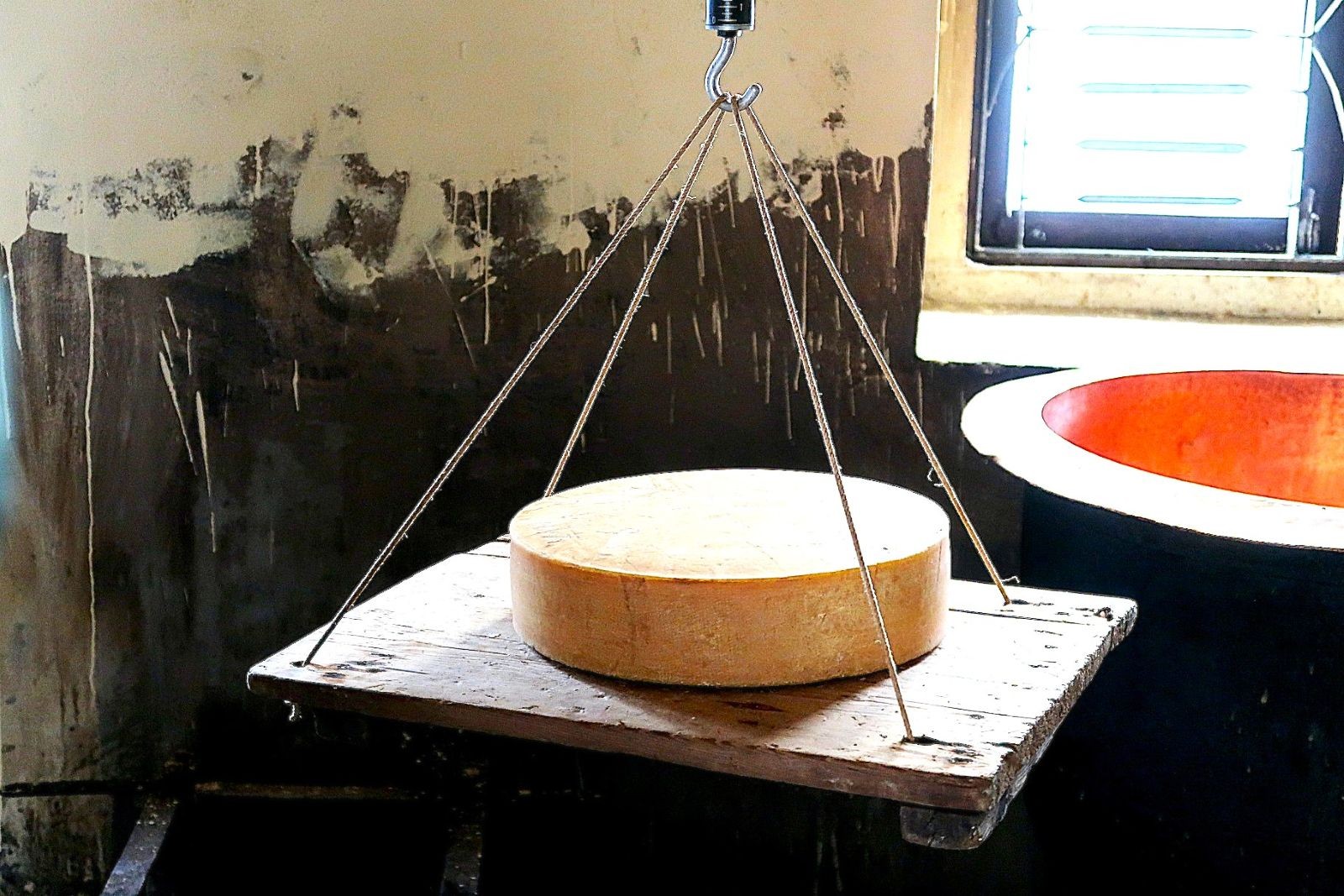
In Kyanjin, for example, you’ll see how they use milk from high-altitude yaks—seriously, it’s richer and has a flavor you just don’t get anywhere else. The process is simple but old as the hills: curdling, pressing, and then letting the cheese mature. The result? Creamy, tangy cheese you can try right as it comes out of production. Just grab a piece, maybe pair it with some bread or a hot cup of tea, and you’ll get why people talk about this place.
Likewise, guides often explain the health benefits, too. Yak cheese is packed with protein and fits perfectly with high-altitude diets. Just don’t go overboard—it’s rich, and your stomach will thank you. Prices are pretty reasonable, usually $5–10 for a tasting session, and you can even buy some to bring home. It makes for a great, authentic souvenir.
Moreover, Langtang Village has its own charm. The factories here were rebuilt after tough times, but they’ve kept their traditions alive. Locals love telling stories about how they make the cheese, and if you visit during different seasons, you’ll notice the taste changes a bit. That’s the beauty of it—every batch is unique.
In fact, there’s something special about tasting cheese here that you just won’t find in the city. The freshness, the mountain air, the pure ingredients—it all adds up. No wonder trekkers rave about it and rank it as one of the top food experiences in Nepal.
More importantly, bring your camera along, too. Snapping photos of the cheese wheels and the people behind them makes for some great memories—and, let’s be honest, pretty solid social media posts.
In the end, tasting yak cheese in Langtang isn’t just about food. It’s about connecting with the place, the people, and the whole adventure. Don’t skip it. Add it to your Nepal trek—your taste buds will thank you.
Top Yak Cheese Experiences on Langtang Valley Trek
Actually, the Langtang Valley Trek isn’t just about epic views. What really sets it apart is the way you get drawn into Tamang culture and the rhythm of village life. Every day, you’ll experience real Himalayan hospitality—locals greet you with a smile, share tea, tell stories, and open their homes. The villages you pass through, like Thulo Syabru (2,230m), feel genuine, with stone-and-wood houses and people proud of their heritage.
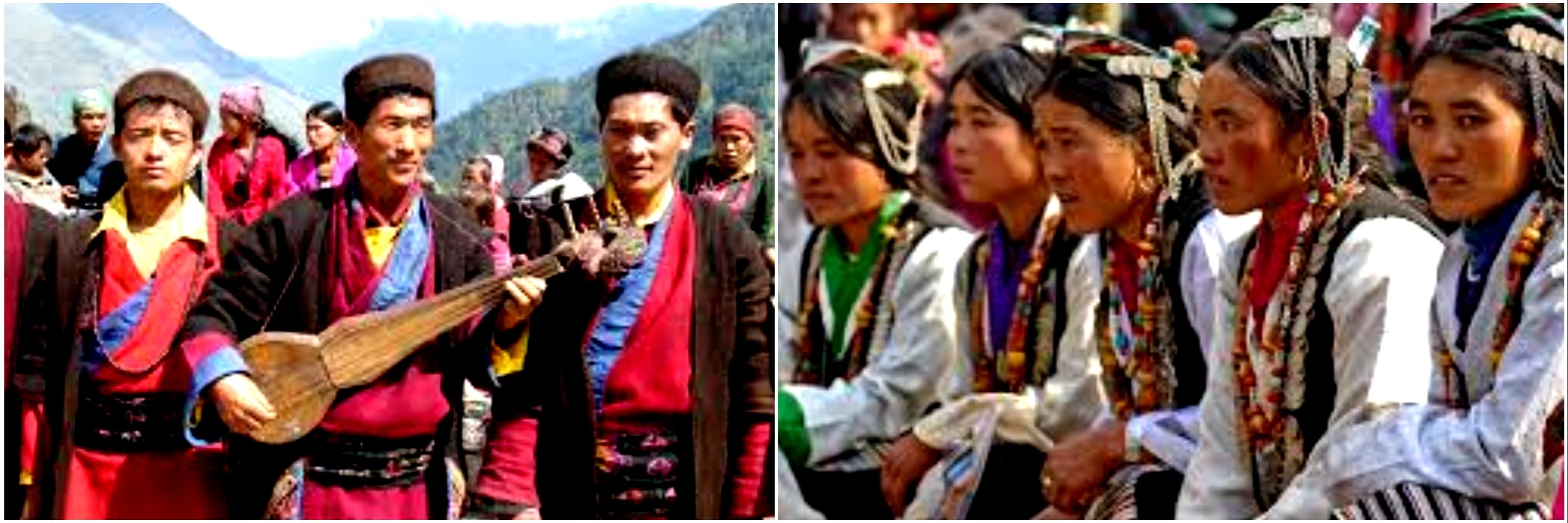
Here, you’ll spot mani walls—long rows of stones carved with prayers—lining the trails. Spin them as you walk by for a traditional blessing, just like locals do. Festivals bring bursts of color and music, with dances that say more than words ever could. It’s these little things—the customs and rituals—that stick with you.
Likewise, staying in a homestay costs about $15-25 a night, and it’s worth every cent. You’ll eat with the family, maybe even learn a bit about weaving or cooking. It’s not just accommodation; it’s a chance to really see how people live. If you want to connect, be respectful—greet people with a “Tashi Delek,” ask before taking photos, and toss a few dollars into the community fund if you can. It all helps.
Other treks might offer more isolation, but they miss this rich cultural layer. Tamang villages give you the kind of encounters that make every day interesting. Watching daily life unfold is honestly just as captivating as the mountain views. That’s what makes the Langtang trek special—adventure with real heart.
Don’t skip the monasteries, either. Monks might share a teaching or invite you to observe a ritual. If you want to support the community, pick up a handmade craft or two—just make sure they’re produced locally. Every bit helps.
In the end, time spent with the Tamang people changes the way you see the world. You’ll come away with more empathy, broader horizons, and some unforgettable memories. So, when you plan your Nepal trek, make time for the villages. You won’t regret it.
| Aspect | Details | Highlights | Locations |
| Hospitality | Warm welcomes, tea sharing, homestays | Builds personal bonds in Himalayan communities | Thulo Syabru (2,230m), Langtang Village (3,430m). |
| Mani Walls | Prayer-etched stones, spinning traditions | Spiritual elements of local customs | Along trek trails in Langtang Valley. |
| Village Life | Daily routines, weaving, meals | Authentic immersion beyond scenery | Traditional Tamang villages on Nepal trek. |
| Cultural Depth | Festivals, dances, handicrafts | Heartwarming encounters for trekkers | Throughout Langtang Valley Trek route. |
Here, start the Langtang Valley Trek, and you step right into a world of green—thick rhododendron and pine forests everywhere you look. Langtang Valley Trek In spring, the rhododendrons show off, turning the trails into tunnels of pink and red. From March to May, the flowers go wild. You’re basically walking under a living bouquet.
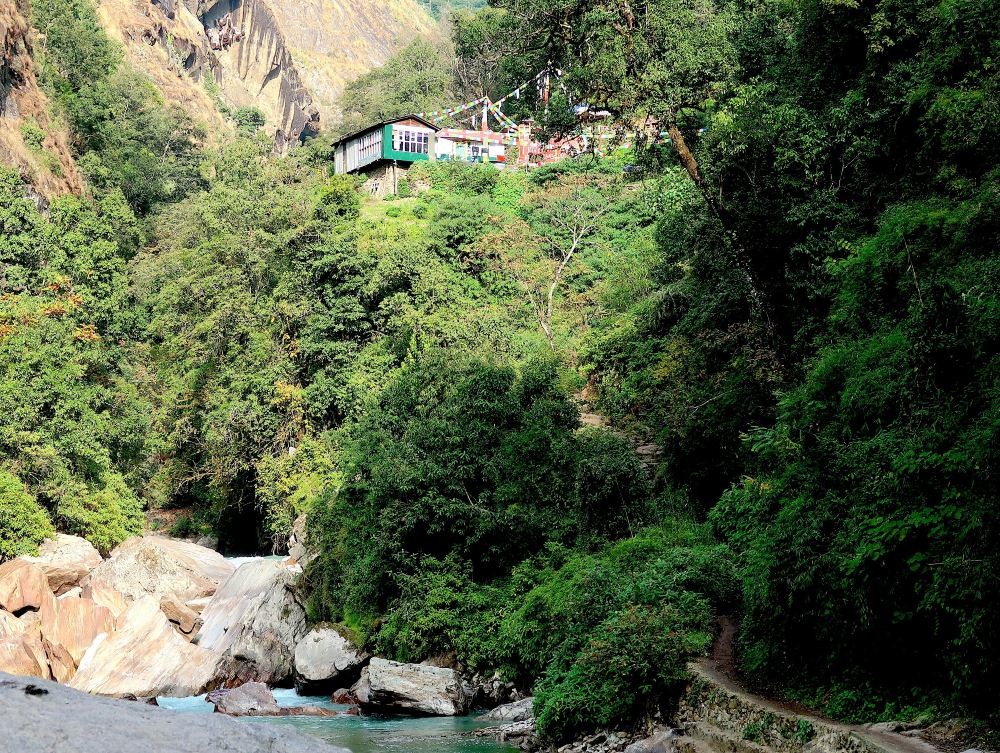
Meanwhile, pine trees are there year-round, always green, always cool, giving you a break from the sun. Then there’s the bamboo—tall, swaying, and full of birds darting around. Waterfalls pop up all over, and the sound of water follows you along the trail. If you like spotting wildlife, you’re in luck. Langtang National Park is home to red pandas, langur monkeys, and deer grazing in the clearings. Sometimes, you catch glimpses of them between the trees. The air feels cleaner with every breath. That’s the magic of this place—so much life, so much color, and you’re right in the middle of it.
Likewise, the trail itself climbs gently from Syabrubesi, starting at 1,550 meters, with footbridges crossing fresh streams and plenty of spots to stop for a photo or just to breathe it all in. There’s a park entry fee (about $30), but it’s a small price for this kind of immersion.
Moreover, keep in mind, as you go higher, the landscape gets rougher and more barren, but down here in the lower forests, it’s impossibly lush. These green sections feel like a secret garden—cool, shady, and alive with birdsong. If you’re a nature lover, this part of the trek is pure joy.
Likewise, seasons switch things up, too. Langtang trek In autumn, leaves turn gold. During the monsoon, everything goes neon green. Local guides know the forests by heart and can point out rare plants you’d never notice on your own. It makes the whole experience richer.
Honestly, there’s nothing like starting your trek surrounded by these forests. It sets the mood for everything that comes after. You begin connected to nature, and that feeling sticks with you. If you’re trekking Langtang, don’t rush through this part. Soak it in. The rhododendron and pine forests are worth every step.
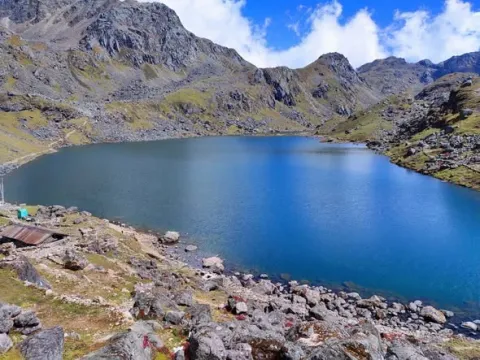
Key Highlights of Rhododendron and Pine Forests on Langtang Valley Trek:
If you’re trekking the Langtang Valley, don’t skip the climb to Tserko Ri (4,984m). This isn’t just another side trail—it’s a proper high-altitude adventure with glacier views and Himalayan giants all around. It’s the kind of challenge people talk about long after they get home.
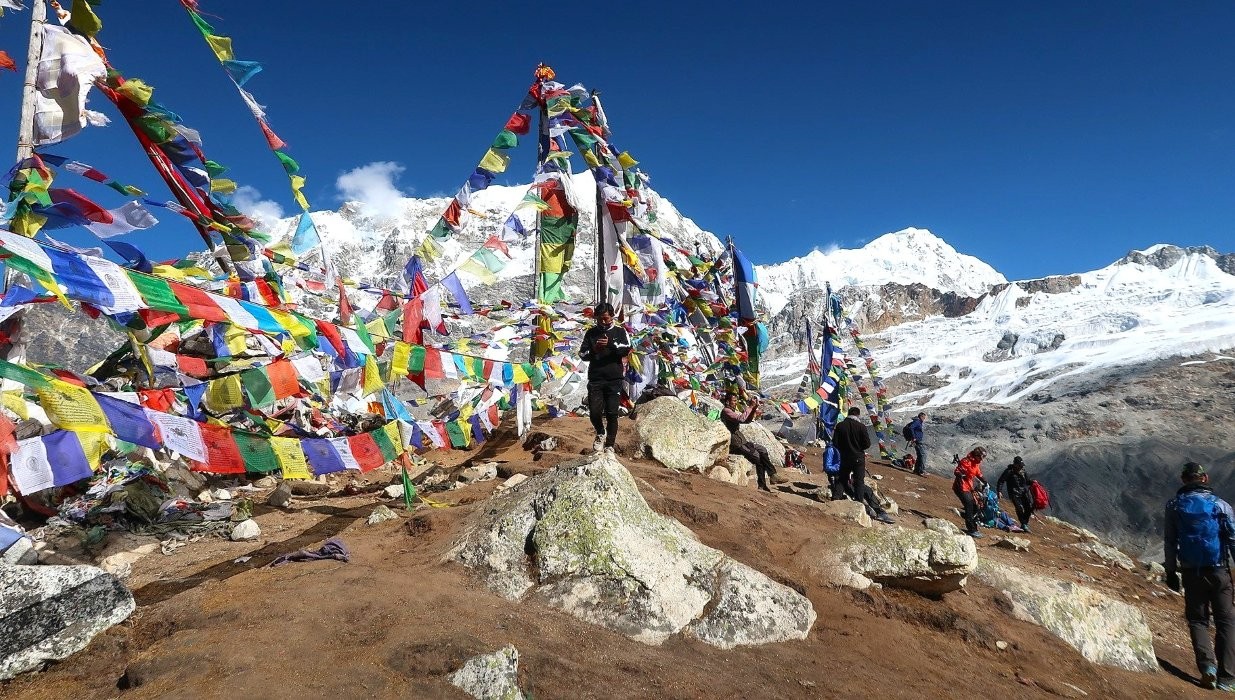
Here, you’ll set off early from Kyanjin Gompa (3,870m). The trail goes up—fast—about 1,100 meters in just a few hours. The round-trip usually takes anywhere from 6 to 8 hours, so you’ll want to be acclimatized and ready to push yourself. It’s tough, sure. But every step is worth it.
The views from the top? Incredible. Langtang Lirung (7,227m) stands right in front of you, and the Langtang Glacier spills out below. Ganesh Himal stretches across the horizon. Even before sunrise, you’ll see the sky start to glow, and when the first light hits the peaks, the whole scene turns golden. Shadows move across the glacier, picking out every detail. The 360-degree panorama just blows you away.
You’ll need to prep: bring enough water, snacks, and warm layers—those winds at the summit can be biting. Trekking poles help a lot on the way up and down. The best part? You don’t pay anything extra besides your regular trek costs.
Honestly, after Tserko Ri, those lower viewpoints feel almost forgettable. Up here, surrounded by mountains this big, you feel tiny and incredibly alive. It’s no wonder so many trekkers celebrate their climb at the summit.
Bring your camera. You’ll want to capture the glaciers, the wild open sky, and your own victory at the top. These are the photos people post and send home, the ones that make others dream about their own adventure.
In the end, Tserko Ri isn’t just about the view. It’s about pushing yourself, reaching the top, and coming back down with a story you’ll never forget. If you’re heading to Langtang, put this climb on your list. You won’t regret it.
| Aspect of Tserko Ri Climb | Details | Key Rewards | Preparation Tips |
| Elevation & Duration | Summit at 4,984m; 6-8 hours round-trip from Kyanjin Gompa (3,870m) | Epic 360° high-altitude views | Acclimatize well in advance. |
| Main Attractions | Langtang Lirung (7,227m), massive Langtang Glacier, Ganesh Himal | Bucket-list challenge views | Start pre-dawn for sunrise. |
| Difficulty Level | Steep, strenuous ascent | Thrilling Nepal Himalayan adventure | Use poles, carry water/snacks |
| Best Time | Clear mornings in spring/autumn | Glacier and peak panoramas | Layer clothing against wind |
If you’re up for a real escape, wander out to the alpine meadows of Langshisha Kharka on the Langtang Valley Trek. Past Kyanjin Gompa, you leave the crowds behind. Suddenly, you’re out in wide-open pastures where yaks graze and wildflowers pop up everywhere—just pure, untouched Himalayan beauty. This place feels hidden, almost secret. The calm here is a whole different world compared to the busy trails lower down.
To get there, start from Kyanjin Gompa, which sits at 3,870 meters, and head up to Langshisha Kharka—somewhere between 4,100 and 4,285 meters. The trail mostly sticks close to the river, so you’re not climbing all day. It’s about five or six hours out and back, but with so few trekkers making the journey, you get the place almost to yourself. If you’re looking for real solitude, this is it
In summer, you might bump into nomadic herders and their yaks drifting through the grass, bells ringing softly in the breeze. Wildflowers—purple, yellow, white—burst into color during spring and summer. And the views? Peaks like Langshisha Ri and Dorje Lakpa tower above everything, making you feel tiny in the best way.
Likewise, take your time here. Amble along glacial streams, find a sunny patch of grass, and just soak it all in. The views stretch all the way to the Langtang Glacier. It’s high up, so make sure you’re acclimatized before heading out. But trust me, the peacefulness is worth every step.
More importantly, bring your own lunch and plenty of water—there aren’t any teahouses out here. You’ll head back to Kyanjin Gompa by evening. For the clearest skies, spring and autumn are your best bet, and you won’t pay much more than the usual Langtang trek costs.
Compared to the busier trails, Langshisha Kharka stays quiet and wide open. You can really connect with the landscape here. Lots of people end up extending their stay, just to hold onto that feeling for a little longer. It takes your Nepal trekking experience to another level.
If you love photography, you’re in luck. The wildflowers, yaks, and endless horizons make for stunning shots, with the Himalayan giants in the background. Just remember to tread lightly—these meadows are fragile and need our care.
Honestly, wandering out to Langshisha Kharka is more than just a side trip. It’s a way to refresh your spirit and see a quieter side of Langtang. You come back changed. So if you’re heading to Langtang, don’t skip this stretch. Go see the alpine meadows for yourself.
Highlights of Langshisha Kharka Alpine Meadows :
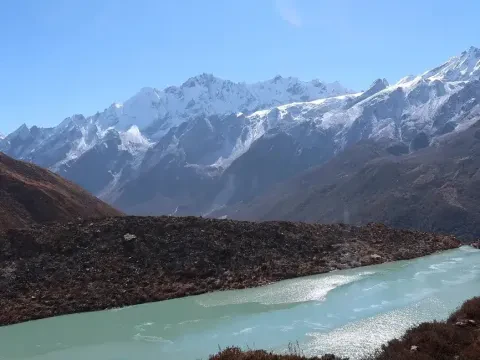
If you want to see real Himalayan power up close, get yourself to Kyanjin Gompa on the Langtang Valley Trek. The Langtang Lirung Glacier looms over the upper valley—massive and wild, right below the 7,227-meter peak. Hike out from Kyanjin Gompa, and you’ll find yourself walking across rocky moraines, picking your way carefully toward the glacier’s snout. The icefalls that drop down from Langtang Lirung are just jaw-dropping, and sometimes, you’ll hear distant cracks echoing through the valley. This is raw nature, right in your face.
Here, get close to the edge of the terminal moraines, but keep it safe. The views here are unreal—huge tongues of blue ice, debris scattered everywhere, and nearby peaks like Yubra and Changbu towering above. Sometimes sunlight catches on the seracs and makes the whole thing glow. Adventure lovers eat this up.
Further, you’ll spot clear signs of the glacier’s retreat—moraines showing where the ice once reached, and the impact of climate change is hard to miss. Good guides will point all this out and explain how these glaciers formed, which just makes you appreciate the place even more.
Likewise, the trek gets rough in spots, so sturdy boots matter, and you’ll want layers for the cold wind. Early mornings are best for light, and visiting these glaciers fits right into most Langtang Valley Trek packages.
Seeing the glacier up close is way more powerful than any distant view. The scale, the texture, the energy of the place—it really hits you. That’s why so many trekkers make time for it.
Bring your camera. The contrast of blue ice against dark rock is something you’ll want to capture, and the surrounding peaks make every shot dramatic. Just remember to respect any restricted zones, so everyone stays safe.
Standing right there, looking at Langtang Lirung Glacier, you get why people talk about Himalayan grandeur. Most trekkers leave with a whole new respect for nature. If you’re heading to Langtang, don’t miss these icefalls—you’ll feel the mountain’s power for yourself.
| Glacier Feature | Details | Best Viewing Access | Key Highlights |
| Langtang Lirung Glacier | Massive ice field below Langtang Lirung (7,227m) | From moraines near Kyanjin Gompa (3,870m) | Raw power, blue seracs, retreat evidence. |
| Icefalls | Cascading ice between Yubra & Changbu peaks | Short walks from upper valley trails | Dramatic drops, cracking sounds. |
| Moraines | Rocky debris ridges marking glacier edges | Day hikes from Kyanjin Gompa (3,870m) | Close-up textures, historical extent markers. |
| Overall Experience | Dramatic natural wonder in Himalayan setting | Acclimatized trekkers only | Unforgettable up-close glacier views on Nepal trek. |
Actually, there’s something special about the Langtang Valley Trek, especially at night. You get to walk peaceful trails with barely anyone else around, just the sound of your own footsteps and maybe a distant river. The crowds fade away, and real solitude settles in. It’s the kind of quiet that lets you clear your head and actually hear yourself think. People who come back to Nepal again and again always seem to end up here when they want a real escape
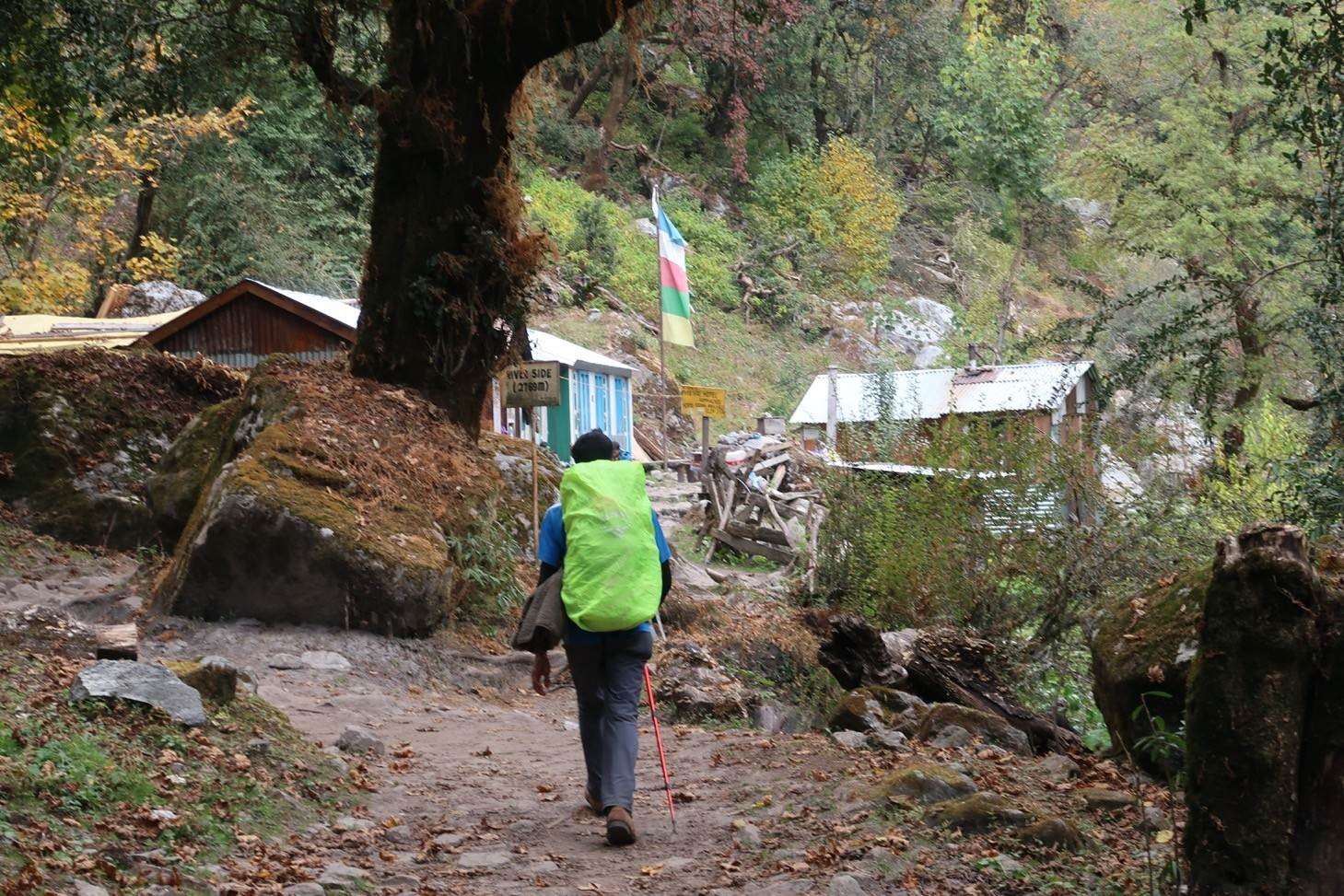
Unlike the busy Everest routes, Langtang’s paths stay open and uncrowded. From the moment you leave Syabrubesi, you move through forests and villages where nature does most of the talking. It’s calm, even meditative, and the silence almost hugs you. This is what draws people in—those peaceful trails.
Then night falls, and honestly, the show in the sky steals the spotlight. Up in Kyanjin Gompa, or really any high village, you can just lean back and watch the stars explode overhead. The air’s thin and crisp, so the sky looks impossibly clear. You spot whole galaxies, and sometimes a meteor flashes by. Evenings here feel quiet in a different way—everyone sits outside the teahouse, bundled up, swapping stories under the Milky Way. No need for flashlights or fancy extras. The darkness is a gift, not something to chase away.
In fact, that’s rare. On other treks, city lights creep in and wash out the night. Here, the stars own the sky, and the silence settles deep. People come back for that—just to sit in the dark, breathe in the cold, and feel their shoulders drop. It’s a reset for the mind.
Likewise, photographers get excited here too. Tripods come out, trying to catch that perfect shot of the Milky Way. And if you’re into mindfulness or meditation, this place gives you space to actually practice, not just pretend.
In the end, it’s the quiet trails and those wild night skies that stick with you. You leave refreshed, maybe a little lighter. If you’re looking for real peace, you’ll find it here, under the Himalayan stars.
Key Features of Peaceful Trails and Stargazing on Langtang Valley Trek :
If you’re looking for your next adventure, Langtang Valley Trek deserves a spot at the top of your list. You get incredible Himalayan views, real cultural experiences, and it’s all just a drive away from Kathmandu—no complicated flights or crazy logistics. Plus, you won’t have to drain your savings to make it happen.
Now, let’s talk about what makes Langtang special. Every day, you wake up to the jaw-dropping sight of Langtang Lirung towering above you. Along the way, you meet Tamang villagers and get a real taste of mountain life. If you want a little extra challenge, hikes up Kyanjin Ri or Tserko Ri will leave you breathless—literally and figuratively. The trails are peaceful, and on clear nights, the stargazing is unbeatable.
Here, getting there is easy. You just hop on a bus or jeep from Kathmandu and reach Syabrubesi in seven to nine hours. That’s it. And the trek itself isn’t too tough, so you don’t need to be a hardcore athlete. It’s perfect if you’re short on time or want something more relaxed.
Timing matters. Go in spring (March to May) when the rhododendrons explode with color, or choose autumn (September to November) for crisp skies and steady weather. Skip monsoon season and the coldest winter months for the best experience.
Likewise, getting Langtang Valley Trek Permits are straightforward. Pick up your Langtang National Park Entry Permit for about $25-30, and grab a TIMS card for another $8-15, depending on your group. You can sort both in Kathmandu, and the total won’t break the bank.
Some treks in Nepal cost a fortune and eat up your whole month. Langtang gives you those classic Himalayan landscapes and village vibes for a fraction of the price. Most packages run between $350 and $800 for a week to ten days, and the memories you’ll bring home? Worth every penny.
A little planning goes a long way. Pack layers for chilly nights, and take your time acclimatizing to the altitude. Local guides offer great stories and help you connect with the community. Traveling responsibly supports the people who call these valleys home.
Honestly, Langtang Valley Trek is the real deal. It’s adventure, culture, and peace all wrapped into one journey. So, why wait? Start planning, book your trip, and get ready for stories you’ll tell for years.
| Planning Aspect | Details | Recommendations | Approximate Costs (2025-2026) |
| Best Seasons | Spring (March-May): Blooms & mild weather; Autumn (September-November): Clear views & dry trails | Prioritize autumn for peak visibility | N/A. |
| Permits | Langtang National Park Entry: NPR 3,000 (~$25-30); TIMS: NPR 1,000-2,000 | Obtain in Kathmandu via agencies | $35-50 total. |
| Overall Trek Cost | 7-10 day packages including food, lodging, transport | Budget $350-800 depending on group/guide | Affordable Nepal Himalayan value. |
| Essential Tips | Acclimatize, pack layers, hire guides, respect culture | Book early for peak seasons | Enhances safe, enriching Langtang Valley Trek. |
1. Why is Langtang Valley Trek so popular among trekkers?
The Langtang Valley Trek is popular because it has views of Langtang Lirung. You can see the Tamang culture and walk through beautiful rhododendron forests. It is not too hard to do. You do not have to deal with huge crowds like you do on the Everest or Annapurna treks.
2. What makes Kyanjin Ri the best viewpoint on Langtang Valley Trek?
Kyanjin Ri is a place to see the sunrise and sunset over Langtang Lirung, Langshisha and the Tibetan peaks. It is a bit of a climb to get to the top. It is worth it for the amazing views. You can see for miles from the top of Kyanjin Ri.
3. Is the Langtang Valley Trek suitable for beginners?
Yes, the Langtang Valley Trek is a trek for beginners. It is not too hard. There are plenty of places to stay and eat along the way. You can also get used to the altitude at Kyanjin Gompa, which helps you get ready for other treks in the Himalayas. The scenery is beautiful. It is a great way to build your confidence.
4. What cultural experiences can I enjoy on the Langtang Valley Trek?
On the Langtang Valley Trek you can learn about the Tamang people and their culture. You can stay in villages. Meet the locals visit Buddhist monasteries like Kyanjin Gompa and try all sorts of local foods. It is a great way to learn about people and their way of life.
5. Do I get to taste fresh yak cheese on the trek?
Yes, you can try yak cheese on the trek. There is a cheese factory near Kyanjin Gompa where they make cheese every day. You can watch them make it and try some. It is delicious. The Langtang Valley Trek is famous for its yak cheese.
6. How difficult is the Langtang Valley Trek?
The Langtang Valley Trek is moderately hard. You must walk for 5-7 hours every day. The highest point is usually Kyanjin Ri or Tserko Ri. If you are fit and take your time you should be okay. The Langtang Valley Trek is a trek for people who have some experience with hiking.
7. What is the best side trip on Langtang Valley Trek?
One of the side trips is to Tserko Ri, which has amazing views from the top. Another great option is Langshisha Kharka, which has meadows and glaciers. Both side trips are a lot of fun. Add to the overall experience of the Langtang Valley Trek.
8. Can solo trekkers join the Langtang Valley Trek?
Yes, solo trekkers can do the Langtang Valley Trek. You just must book with a registered trekking agency and have a guide with you. You cannot trek alone without a guide. It is a great way to meet new people and have a fun adventure.
9. When is the best season for Langtang Valley Trek?
The best time to do the Langtang Valley Trek is in the spring or autumn. In the spring the rhododendrons are. It is beautiful. In the autumn the weather is clear and stable, which makes it perfect for hiking. The Langtang Valley Trek is great during these seasons.
10. What permits are required for Langtang Valley Trek?
You need a Langtang National Park Entry Permit and a TIMS card to do the trek. Your trekking agency can arrange these for you, so you do not have to worry about it. The Langtang Valley Trek is easy to arrange.
11. How long is the standard Langtang Valley Trek itinerary?
The standard Langtang Valley Trek takes 7-10 days. This includes a day to get used to the high altitude at Kyanjin Gompa. You can also add some side trips, which makes the trek a bit longer. The Langtang Valley Trek is a length for a fun adventure.
12. Are there glaciers visible on the Langtang Valley Trek?
Yes, there are glaciers on the Langtang Valley Trek. You can see the Langtang Lirung Glacier and some cool icefalls. The views get better as you hike to Kyanjin Gompa and beyond. The glaciers are beautiful.
13. What kind of accommodation is available during the trek?
There are some comfortable teahouses and lodges along the way. They have sharing rooms, good food and basic amenities. Kyanjin Gompa has some facilities but even the smaller villages have some great places to stay. The accommodation on Langtang Valley Trek is great.
14. Why should I choose Langtang Valley Trek over other treks?
The Langtang Valley Trek is a choice because it has amazing mountain views, it is easy to get to from Kathmandu, and it is not too crowded. You can also learn about the Tamang culture and enjoy the beautiful countryside. The Langtang Valley Trek is a trek for people who want a fun adventure.
15. Is there good stargazing on the Langtang Valley Trek?
Yes, stargazing is amazing on the Langtang Valley Trek. The nights are clear, especially when you are away from the villages. There is hardly any pollution, which makes it perfect for looking at the stars. The stargazing on the Langtang Valley Trek is special.
16. What wildlife might I see during the Langtang Valley Trek?
You can see all sorts of birds, musk deer, monkeys. Maybe even some blue sheep on the Langtang Valley Trek. The forests are especially good for birdwatching in the spring. The wildlife on the Langtang Valley Trek is cool.
17. How high is the highest point on Langtang Valley Trek?
The highest point on the trek is about 3,800m at Kyanjin Gompa. If you do some of the side trips you can go higher to Kyanjin Ri or Tserko Ri. The views from the top are amazing. The Langtang Valley Trek has some points.
18. What makes the rhododendron forests special in Langtang?
The rhododendron forests on Langtang Valley Trek are beautiful. They have pink and white flowers, which bloom in the spring. The forests are like a carpet, and they attract a lot of nature lovers and photographers. The rhododendron forests on the Langtang Valley Trek are stunning.
19. Is Langtang Valley Trek good for photography?
Yes, Langtang Valley Trek is amazing for photography. You can take pictures of the mountains, glaciers, Rhododendron forests, monasteries and villages. There are opportunities to take great photos on Langtang Valley Trek.
20. How to book the Langtang Valley Trek?
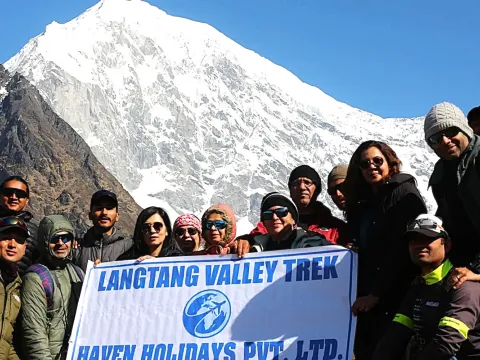
You can book the Langtang Valley Trek by contacting a registered agency, like Haven Holidays Nepal. They will arrange everything for you, including a guide, permits, accommodation and meals. It is an idea to book ahead of time to make sure you get the best dates and are properly prepared for your trip. The Langtang Valley Trek is an adventure.
Our travel experts are ready to assist you with any questions.
Send us a message.Have a question before you book? Send your enquiry below and our travel experts will get back with the required information.