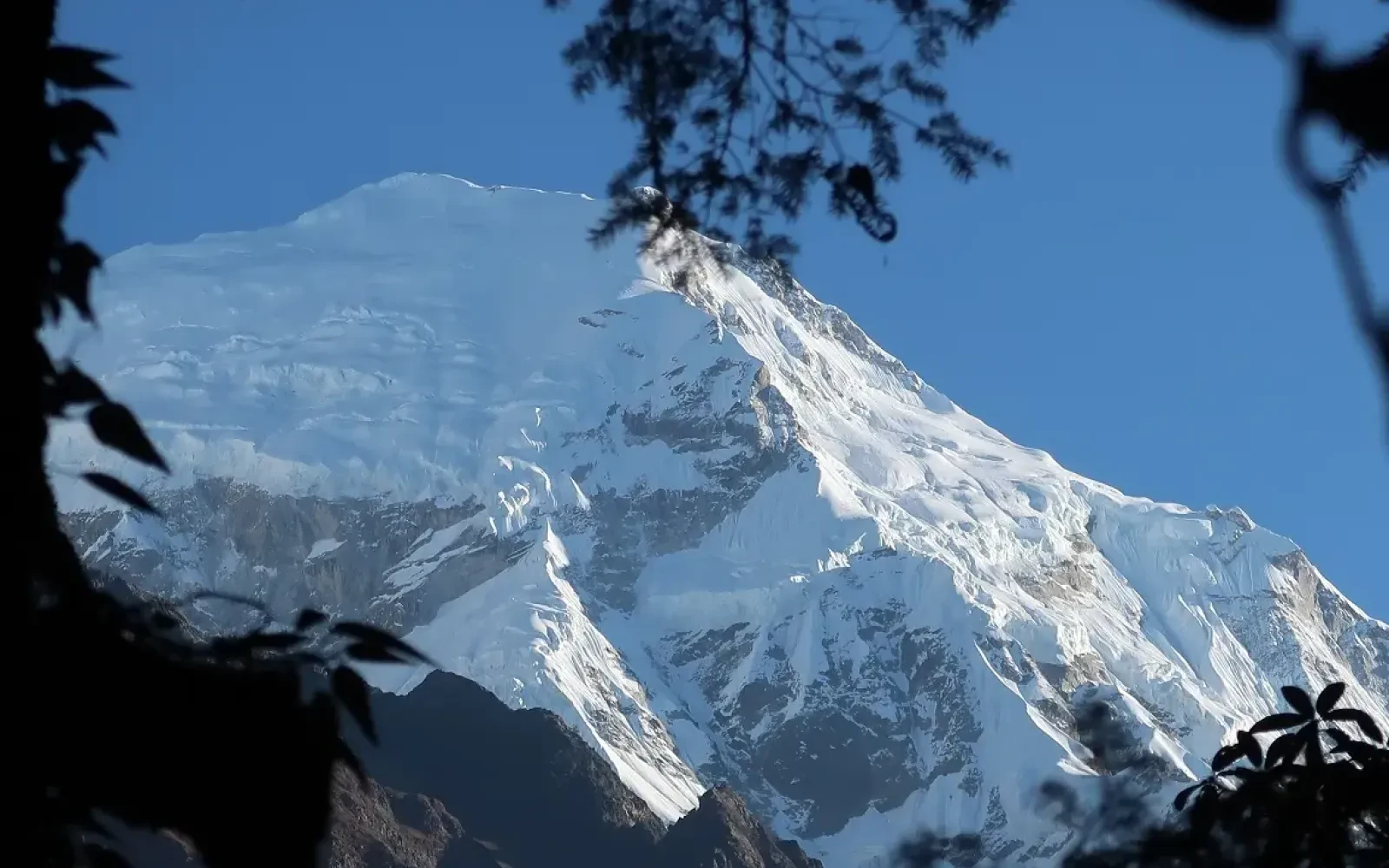
Uncover the Langtang Valley photography trek, featuring picturesque Himalayan landscapes, village culture, high-altitude wildlife, and signature mountain heights in Nepal.
Supporting Photography Highlights
First, the Langtang Valley Photography Trek offers participants an introduction to Nepal’s Himalayan wilderness closest to the capital city of Kathmandu. This particular trek offers the best of mountain photography and cultural experiences with relatively comfortable trekking. Consequently, the adventure offers participants breathtaking landscapes with untouched Tamang culture alongside relatively easy high-altitude treks.
Secondly, the trekking journey starts at Syabrubesi (1460m), passing by the banks of the Langtang Khola with valleys covered by forests. Eventually, it passes by Bamboo (1970m), Lama Hotel (2470m), and Ghodatabela (3030m), meaning that the photographer will capture different scenes in terms of vegetation, river scenery, and mountain scenery.
Furthermore, Langtang Valley has been influenced by the Tamang and Tibetan cultures due to the traditional trade routes that have existed for many years between these tribes. The influence is seen in the Langtang Village, which is at 3,430m, and Kyanjin Gompa, which is at 3,870m, as the area has prayer wheels and stone-built houses.
Moreover, this area is situated within Langtang National Park, which was the first Himalayan national park in Nepal. There shall be opportunities to take pictures of the following wildlife: the red panda, the Himalayan tahr, and the pheasants. Likewise, there are rhododendron, pine, and oak forests that offer scenic pictures. As a result, cultural photography becomes as important as landscape photography. Hence, human stories enrich every visual narrative.
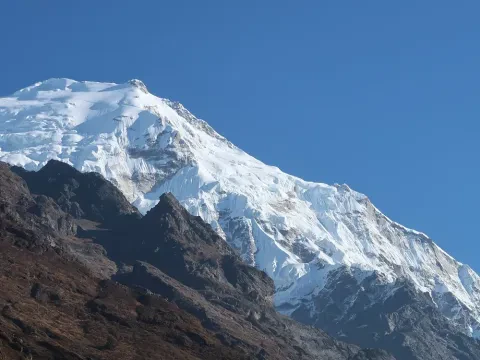
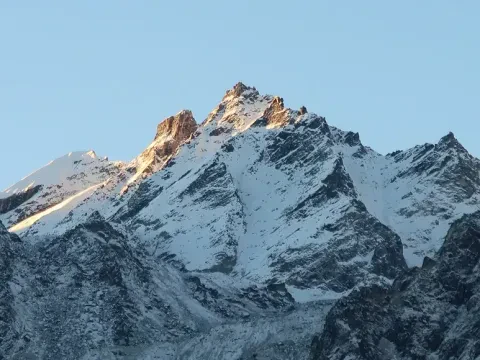
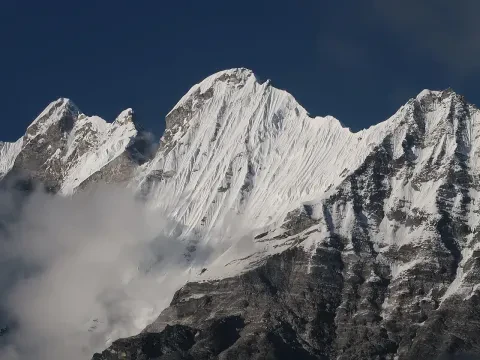
Furthermore, mountain ranges are one of the aspects that make up the Langtang Valley Photography Trek. These ranges are headed by Dhage Lakpa, Gangchempo, and Langtang Lirung with a height of 6966m, 6388m, and 7227m respectively. Therefore, photography enthusiasts are able to take classic Himalayan photos without climbing to high grounds.

Similarly, Kyanjin Ri (4,773m) and Tsergo Ri (4,984m) provide incredible summit hikes. In these spots, taking wide-angle mountain shots becomes very easy. This, in turn, means trekkers capture shots of glaciers, peaks, and valleys. Thus, summit points shape the climax of photo taking during the trek.
Notably, the Langtang Valley Photography Trek is appropriate for both amateur and experienced trekkers. Moreover, this tour plan enables acclimatization and flexibility in photography. Therefore, photographers are free to wait for favorable light and weather changes. Importantly, creativity plays a crucial role in this trekking adventure.
On the other hand, the best seasons suitable for photographing in Langtang Region are spring and autumn. Spring adds beauty to flowered foregrounds, besides which, during autumn, sharp peaks stand out. The above consequently increases the value of pictures with planning. Therefore, planning is necessary in photographing.
Lastly, the Langtang Valley Photography Trek provides a good cost benefit compared to other places. The approximate cost for a package can range from USD 700 to 1,100. Consequently, the photographers benefit from the trek with regard to cost benefits as well.
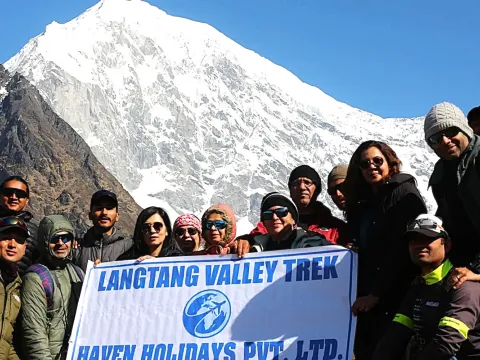
Learn why Langtang Valley is a photographer's haven through the variation in landscape, the availability of Himalayan ranges, cultural richness, and the routes to undertake for trekking.
Key Photography Zones :
| Location | Elevation | Photography Focus |
| Kyanjin Gompa | 3,870m | Culture, glaciers, peaks |
| Tserko Ri | 4,984m | Panoramas, sunrise light |
| Langtang Lirung | 7,227m | Iconic mountain backdrop |
Firstly, Langtang Valley has a great range of subject matters for photography in a short trekking route. There are forests, rivers, glaciers, and meadows. This means that a photographer is able to take photos of various scenes in a short period. Indeed, this is a characteristic aspect of Langtang’s photography.
Secondly, massive mountain ranges occupy all the photographs in the valley. Langtang Lirung (7,227m), Yala Peak (5,520m), and Gangchempo (6,388m) mountains tower over all the settlements. Thus, scale contrast is achieved in landscape photographs. The mountains, therefore, form a constant visual anchors.
Furthermore, light in the Langtang Valley is ideal for dramatic light shooting. The valleys provide ample shadows, reflections, and highlights. Consequently, shutterbugs engage in experimentation with depth, exposure, and framing. Thus, light narration is easily achieved.
Additionally, the aspect of culture authentically enhances the photographic attraction of the Langtang region. The Tamang communities still wear their original dress, perform cultural ceremonies, and have architectural designs that reflect their culture. The villages of Mundu (3,540m) and Sindum (3,490m) remain visually untouched. Therefore, cultural photography feels genuine and respectful.
Moreover, spiritual components also increase composition opportunities along the journey. Mani walls, prayer flags, and chortens are seen around Kyanjin Gompa at an altitude of 3,870 meters. As a result, photography combines spirituality and landscapes. This causes symbolic story-telling.
Similarly, sightings of wild animals reward persistent photographers within Langtang National Park. Himalayan monal, musk deer, and langur monkeys are some of the common animals that are often spotted. Hence, telephoto and wildlife lenses become essential elements here. Therefore, biodiversity enhances portfolio diversity.
Significantly, viewpoint hikes provide photo opportunities for wide-angle shots. Tserko Ri (4,984m), for instance, opens up glaciers, ridges, and snowfields. Kyanjin Ri (4,773m), on the other hand, also offers valley views.
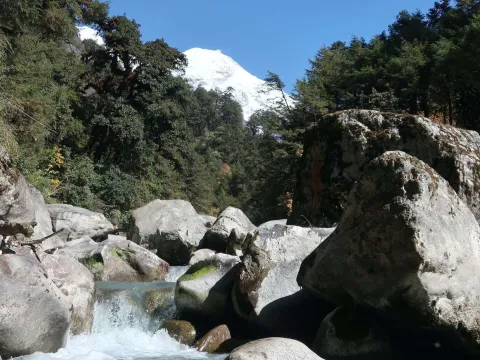
On the other hand, accessibility makes Langtang more attractive to photographers. This is because the starting point for the trek is just a day’s journey from Kathmandu. As a result, there are fewer travel-related concerns. This means that photographers will spend more time taking photos rather than planning their journey.
Finally, cost efficiency enables extensive photographic exploration in Langtang region. The usual cost of the Langtang trek to focus on photography settles in the range of USD 750 to 1,200. Hence, flexibility in budget enables acclimatization days. In conclusion, the Langtang Valley is definitely a photographer's paradise.
To begin with, the spring season will remain one of the best times to take photographs in the Langtang Valley. In this case, blooming rhododendrons, favorable weather, and interesting foregrounds make this time ideal. As a result, photographs in the spring will highlight contrasting colors, alpine flowers, and mountain scenery.
Season Comparison:
| Season | Photography Strength | Visibility |
| Spring | Flowers, wildlife, color | Very good |
| Autumn | Mountains, clarity, culture | Excellent |
| Winter | Snow, solitude, contrast | Good |
| Monsoon | Greenery, mood, clouds | Limited |
Secondly, the Langtang Valley Trek in spring begins from Syabrubesi at a height of 1,460m, and it progresses to Kyanthin Gompa at a height of 3,870m; the climate is mild. The clear mornings even allow trekkers to appreciate Mount Langtang-Lirung (7,227m), Gangchempo (6,388m), among others.
Additionally, nature photography in the spring season within Langtang National Park is an improvement. Red pandas, Himalayan tahr, and birds can be captured frequently. Hence, nature, wildlife, and forest photography continue to be rewarding. Thus, Spring becomes an ideal season for photographers.
Moreover, autumn is the most preferred season for photography in the Langtang Valley. This is due to the maximum mountain clarity and the presence of crisp air in the post-monsoon season. Consequently, the key focus of the autumn season is the distant peaks in mountain photography.
Also, there is the golden time of trekking and dry trails while going to Lama Hotel (2,470m) and Ghodatabela (3,030m). The glory of Dorje Lakpa (6,966m) fills the sky. As a result, trekking during this season enables professional photographers to capture high-contrast photographs with less haze.
At the same time, cultural photography in Tamang communities prospers in the autumn festival season. Mani walls, prayer flags, and monasteries are radiantly colored and bathed in soft daylight. Therefore, cultural, travel, and documentary photography are also enhanced in terms of visual interest. Ultimately, the season of autumn is helpful for storytelling, not only in people but also in place.

Notably, winter trekking in Nepal presents picturesque snowy environments with few trekkers. It can be quite cold near Kyanjin Gompa (3,870m) and other observation points like Kyanjin Ri (4,773m). Thus, winter trekking with photography is ideal for more experienced trekker individuals.
Additionally, during the monsoon seasons, one can experience lush green environments and amazing cloud formations in Langtang Valley. However, rain makes mountain peaks difficult to view. In contrast, photography during the monsoon seasons is ideal for forests, waterfalls, and mood photography. As a result, resourceful photographers can create exclusive compositions.
Lastly, the choice of seasons dictates photography objectives. Spring and autumn seasons are the best. The average cost per trek for photography purposes is between USD 700 to 1,100 depending on the season.
To get the perfect photographs, you must know about light and weather patterns in the Langtang region for optimal Himalayan lighting.
Light and Weather Guide:
First of all, light in Langtang Valley behaves differently based on altitude and topography. Valleys are quite deep here, as well as ridges that stretch high up into mountains. This means that there are quite high levels of shadows. In this case, one has to be knowledgeable about light if he or she wants to take appropriate photos.
Secondly, the mornings offer the best available natural light for photography in Langtang Valley. During sunrise, Langtang Lirung Peak (7,227m) and Yala Peak (5,520m) are painted with soft colors. Therefore, clear photographs are taken. An early start is, therefore, necessary.
Furthermore, midday light creates harsh shadows, especially at higher altitudes, such as Tserko Ri (4,984m). Too much sunlight makes scenes appear flat with less depth. Hence, midday light is ideal for documentary photography or trail photographers. Assignments are accordingly made by photographers during strong sunlight.
Moreover, evening light propagation boosts composite drama in Kyanjin Gompa (3,870m). Soft light from golden hour softens landscapes as well as cultural subjects. Consequently, cultural photography, travel photography, as well as portraiture photography are enhanced. As a result, sunset photography sessions are very productive.
Further, weather patterns also affect the quality of light in the Langtang Valley. "Clear weather prevails during spring and autumn months, especially in the morning." This implies that the visibility of mountains appears clear and sharp. As a result, photographers plan their photographic shoots during these periods.
Similarly, clouds have a creative function in Langtang photography. More so, the presence of moving clouds gives depth to the surrounding mountains of Dorje Lakpa (6,966 m) and Gangchempo (6,388 m). Note that the two, cloud photography and mood photography, become very effective techniques.
Notably, seasonal weather conditions also influence exposure levels as well as color temperatures. In winter, snow contributes to increased brightness. As such, camera settings have to be appropriately adjusted. Consequently, technical preparation helps to ensure consistent image quality.
At the same time, wind speeds rise in the afternoons around ridges and observation points. Powerful winds impact stability and exposure. As a result, photographers use tripods and safety equipment. Again, preparation is key to efficiency in photo taking.
In conclusion, knowledge about light and weather improves overall photographic results in Langtang Valley. Acclimatization days can be planned in favor of photographic shoots. The average cost for guided photo treks will be USD 800 to 1,200.
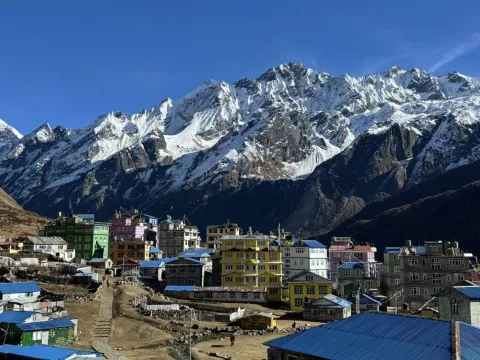
Take breathtaking photographs of iconic mountain ranges within the Langtang Valley, with mighty Himalayan peaks and spectacular ridges that are ideal for taking photographs.
Key Mountain Photography Locations:
Firstly, the Langtang Valley is home to some of the most accessible panoramic mountain ranges in Nepal. For instance, it is possible to take close encounters with the Himalayas without having to overcome highly technical climbing routes. As such, mountain photography, landscape photography, as well as Himalayan photography, can be highly rewarding. In general, it is the closeness to mountains which makes Langtang visually striking.
Second, Langtang Lirung (7,227m) towers over the valley from different directions. The mountain towering over the Langtang Village (3,430m) and Kyanjin Gompa (3,870m) ensures that the contrasting images of the mountain are readily available on different photographs. Langtang Lirung remains the most frequently photographed peak in the valley.
In addition, Gangchempo mountain (6,388m) provides an interesting backdrop with sharp ridges and glaciers. The rugged nature of the mountain helps in improving mountain landscape photographs. As such, landscape photographers make good use of the foreground setups in the villages along with prayer flags. As such, Gangchempo mountain assists in storytelling in landscape photographs.
Additionally, there is symmetry in the snowcapped peak of Dorje Lakopa (6,996m) visible in clear conditions. Since the mountain is evident from Ghodatabela (3,030m) and beyond, photographers capture well-composed pictures of the mountain accompanied by a forest in the foreground. This mountain, therefore, adds to the quality of mountain photography.
On the other hand, Yala Peak (5,520 m) also offers accessible alpine scenery, with glacial views. The peak can be seen from Kyanjin Gompa (3,870 m) as well as from other trekking routes. This resulted in mixed photography opportunities, involving both trekking and climbing. Hence, Yala Peak introduced diversity to mountain imagery.
Also, viewpoint hikes take viewpoint landscape pictures to new heights in mountain landscape photography. Kyanjin Ri (4,773m) shows layered peaks and valley depth. Also, Tserko Ri (4,984m) provides panoramic views of the Himalayas. Thus, high vantage points can make high-quality mountain photography.
Notably, seasonal lighting changes mountain scenery in Langtang Valley. Spring accentuates colorful slopes, and autumn makes sure that mountain peaks are crystal-clear. Indeed, seasonal mountain photography is vital for planning. As a result, seasonal photography improves picture quality.
Additionally, the stability of weather fronts has an impact on mountain visibility. Morning is the best time to take clear images of mountains. This is because mountain boundaries are most distinct at this moment. As a result, photographers choose the best time to take their photos.
Lastly, iconic mountain ranges are what Langtang photography trek has to offer. These mountains are observable over most of the trekking duration. An average cost of photography trekking takes place between USD 700 and 1,100. Langtang thus has an unparalleled Himalayan mountain photography adventure.
Learn about glacier, river, and waterfall Photography opportunities available in the Langtang Valley with Alpine Water Features, protected by the Himalayas.
Water Photography Zones:
| Feature | Location | Elevation |
| Langtang Glacier | Near Kyanjin Gompa | 3,870m |
| Langtang Khola | Syabrubesi to Kyanjin | 1,460m–3,870m |
| Forest Waterfalls | Bamboo–Lama Hotel | 1,970m–2,470m |
First, the Langtang Valley provides ample opportunities for glacier, river, and waterfall photographs. Meltwater occurs along the routes for trekking. Thus, nature photographs, long-exposure photographs, and landscape photographs all thrive. Presently, water features come into play for added texture.
Secondly, glaciers around Kyanjin Gompa (3,870m) display fascinating ice formations. The glacier of Langtang passes beneath the peak called Langtang Lirung (7,227m). As such, one essential activity here becomes taking pictures of the glacier. The texture of the glacier as well as the reflective.
Additionally, the glacial lakes in the area surrounding Kyanjin Ri (4,773m) offer a reflection of the peaks. A calm morning will aid in creating a mirror reflection. Consequently, reflection and mountain reflection photography will work.
Moreover, the Langtang Khola River runs alongside the trekking route from Syabrubesi at 1,460m. River Langtang Khola passes through forests, gorges, as well as open valleys. This means that photographers are able to capture the moving image in relation to varying scenic backgrounds. This means that river photography supports storytelling progression.
Apart from that, there are quite a number of waterfalls seen along Bamboo to Lama Hotel, which stand at 1,970m and 2,470m, respectively. The meltwater during spring and summer seasons enhances the flow of waterfalls. As such, landscape photographers have mastered black-and-white long exposure of waterfalls
At the same time, smaller streams near Ghodatabela (3,030m) provide opportunities for close-up nature photography. In fact, moss-covered rocks and prayer flags enhance details in the foreground. As a result, photographing nature closely is rewarding. Also, smaller water features diversify image collections.
Importantly, seasonal variation can affect water photography. In spring, water levels rise, but in autumn, water clarity improves. Consequently, preparations by the photographer in terms of camera settings have not become irrelevant.
On the other hand, climate has major effects on water color and flow. Clouds reduce reflection. As a result, cloudy weather is ideal for photographing water. Photographers, therefore, have to adjust.
And finally, glacier, river, and waterfalls complete the pictorial integrity of Langtang. This is because mountains are well balanced by their presence in nature. The cost for the guided photo trek is USD 800 to 1,200. Additionally, Langtang Valley is the best destination for alpine water photo shoots.
Sunrise and sunset photography in the Langtang Himalayas – capture the golden light, peaks, and lofty spots.
Best Sunrise and Sunset Points:
Firstly, sunrise photography and sunset photography are basically the emotional essence of the Langtang Himalayas. Light change occurs in a matter of minutes. Hence, sunrise photography, sunset photography, and mountain photography are still crucial.
Secondly, the early morning views from Kyanjin Gompa (3,870m) present a golden illumination of surrounding mountains. Langtang Lirung (7,227m) has warm_recent sun _light during sunrise. This, in effect, enables _photographers to get vivid _color contrasts and a clear _lighting boundary.
Further, Kyanjin Ri (4,773m) is known for providing one of the finest views for capturing a sunrise image in the valley. This height allows an observational range that determines mountains as layered along with shades. Hence, panorama, wide-angle, and Himalayan photography are best at this height.
Moreover, Tserko Ri also offers unparalled views of sunrise on glaciers and ridgelines at 4,984 meters. Starting early ensures that the weather is clear with adequate lighting. This, in turn, helps photographers in capturing balanced exposures.
Furthermore, the activity of taking photos during sunset also prospers in the areas around Langtang Village, which lies at an altitude of 3,430 meters, and Ghodatabela, located at an altitude of 3,030 meters. This type of lighting increases texture in houses made of stone and in forests.
Similarly, the formation of sunrise and sunset is enhanced by the clouds of the Langtang Himalayas. Reflecting pink, purple, and orange colors, clouded images add to the sky, cloud, and mood photography. Patience makes all the difference for these photographs.
In fact, weather stability is also crucial to sunset and sunrise success. Climatic conditions for enhanced horizon visibility are experienced during spring and autumn seasons. Thus, season planning helps effects. Professionals like photographers plan their work.
On the other hand, the wind intensifies near the ridges during sunrises. A stable tripod and protective equipment will be needed to attain a sharp focus. As a result, technical preparedness is imperative to facilitate the photography of long exposures.
Finally, the experience of capturing the sunrise or sunset adds to the Langtang photography Trek experience. These instances mark the beginning of an attachment to the Himalayas. The average price for the photography Trek ranges from 800 to 1,200 USD. Conclusion: Mastery of light changes every photograph.
Wildlife and Nature Photography on the Langtang Trail with Rare Species, Alpine Forests, and Himalayan Protected Areas.
Wildlife Photography Zones:
| Area | Elevation | Key Species |
| Bamboo–Lama Hotel | 1,970m–2,470m | Birds, red panda |
| Ghodatabela | 3,030m | Himalayan tahr |
| Langtang National Park | 1,460m–4,984m | Diverse fauna |
First, nature or wildlife photographs add to the experience of trekking to Langtang. Varieties of ecosystems are traversed when trekking to Langtang, as the route goes through the Langtang National Park. Therefore, nature, wildlife, or forest photographs are added values.
Secondly, from Syabrubesi (1,460m) to Lama Hotel (2,470m), there are lush habitats supported by forests. This area consists of dense oak, pine, and rhododendron forests. Therefore, nature photographers are able to Click birds, insects, and mammals here due to their richness in lower regions.
Additionally, the Langtang National Park is home to rare species of red pandas and black bears of the Himalayas. Such creatures appear in a stealthy manner in remote forest areas. Thus, patience and quietness are essential for success in taking photographs. Hence, ethics are important.
Moreover, Himalayan Tahrs are often found in and around Ghodatabela (3030 m.). Himalayan Tahrs are mountain ungulates. They naturally pose against mountainous backgrounds. Therefore, there is an emphasis on telephoto photography.
Moreover, there is birdlife all along the Langtang route. Himalayan monal pheasants, blood pheasants, as well as eagles are seen seasonally. As a result, bird photography, and nature documentation flourish. Therefore, lightweight lenses enhance flexibility.
Similarly, Alpine flora contributes to nature photography in spring. Rhododendrons blossom colorfully between Bamboo (1,970m) and Langtang Village (3,430m). Thus, Macro-photography, as well as Landscape photography, blend together perfectly. Ultimately, Variety in colors adds to richness.
Importantly, the timing of the seasons has a great impact on visibility when it comes to wildlife. The spring season enhances the movement of the wildlife, while the autumn season enhances visibility. Thus, wildlife photographers plan their outings effectively.
At the same time, man’s presence is restricted in many parts of the trail. This is a factor that helps in increased encounters with wildlife. As a result, more instances of natural behavior can be noticed. This is because trekking responsibly is associated with improved photography sessions.
Finally, wildlife/nature photography rounds out Langtang's diverse photographic opportunities. These add variations in the landscape that are balanced with ‘living’ variables. The average guided photo trek costs from USD 750 to 1,100. Langtang provides genuine experiences in Himalayan wildlife.
Learn about cultural photography opportunities in Langtang Valley that involve photographing the Tamang people, monasteries, cultural practices, and Himalayan cultures.
Cultural Photography Highlights:
Firstly, the Langtang Valley offers a true experience of Tamang culture and Himalayan architecture. Villages such as Langtang Village (3,430m) and Mundu (3,540m) have stone-lined houses and prayer flags. Thus, the act of cultural photography, village photography, and Himalayan photography is very rewarding.
Secondly, the monasteries offer great subject matter for spiritual photographs. Kyanjin Gompa, which is 3,870 meters above sea level, as well as smaller gompas, exhibit Buddhist practices, wall paintings, as well as prayer ceremonies. Therefore, the photographer gets to capture the religious symbolism, cultural rituals, as well as the architecture.
Additionally, local festivals and daily activities add to photo variety. Women spinning yarn, children at play, and cattle being attended to by the farmers add to natural photo setups. Thus, capturing lifestyles, documentary photos, and culture shots of the Tamang people add to the trekking experience.
Moreover, seasonal lighting helps in enhancing compositions of villages and monasteries. Sunset and sunrise light up prayer flags and mountains behind village structures. This, in turn, helps in capturing depth, texture, and mood without any assistance. This, therefore, helps in improving the quality of light in cultural photography.
Moreover, there are other views from high points such as Kyanjin Ri (4,773m) that allow one to merge villages with alpine scenery. For this reason, wide-angle photography, landscape photography, and cultural photography converge. Elevation thus contributes towards making elevation a richer narrative medium.
Similarly, local interactions also facilitate respectful photography opportunities. Friendly conversations can result in Candid Portraits. Thus, Travel Photography, Portrait Photography, as well as Cultural Photography, all become successful. Ultimately, building rapport with locals can result in good-quality photography.
In particular, the integration of natural and human aspects makes the image more aesthetically appealing. Prayer flags, mountains, and activities of daily life merge very well with one another. Thus, composing and framing still play an important role. Hence, professional images of culture can be achieved by photographers.
At the same time, the change in seasons affects the style of photography in the village. Rhododendrons in spring and clear skies in autumn create contrast. The outcome is that photographers have different opportunities. As a result, awareness of seasons enhances the quality of portfolios.
Lastly, cultural photography in the Langtang Valley strikes a good mix of picture storytelling and representation. Photography packages cost between USD 750 to 1,100. In conclusion, Tamang villages and monasteries offer an engaging cultural photography experience.
Here, you can understand ethical photography guidelines to photograph locals in the Langtang Valley.
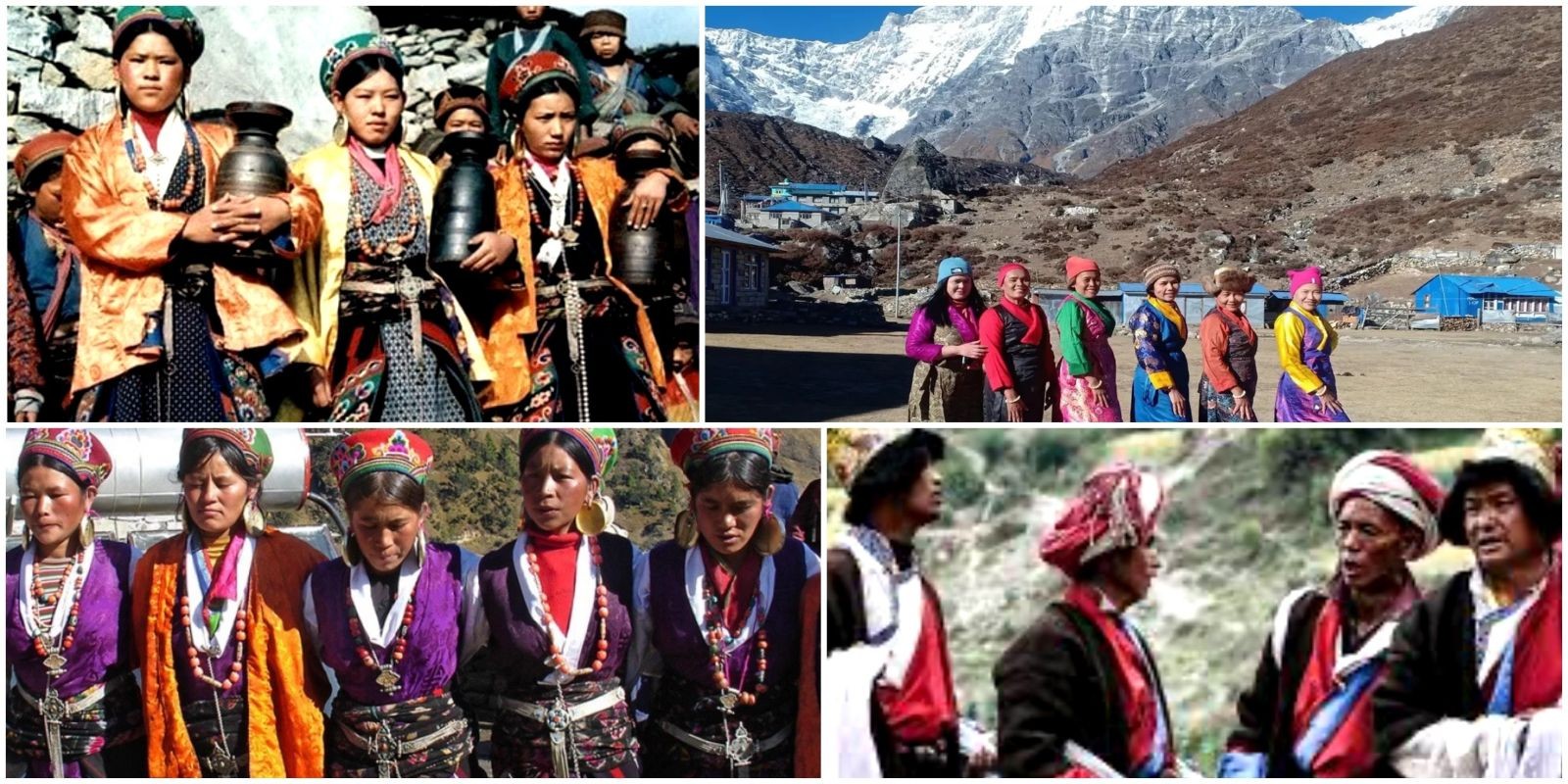
Ethical Photography Tips:
First of all, ethical photography also involves respecting the culture and privacy of the people where the photos are taken. Permission must first be sought before taking photos of people or families. Thus, ethical photography, responsible or respectful photography are all significant.
Secondly, initiate interactions with the locals before taking the photos. Smiling, saying hello, or asking questions is bound to increase cooperation. Therefore, candids, portraits, and cultural photography look much better.
Additionally, do not take pictures in sensitive environments or in ceremonies without consent. Certain rituals are also out of bounds. Consequently, being ethically informed helps in practicing proper photography.
Moreover, make small gestures of thanks when the occasion calls. A smile, a nod, or a token is a sign of respect. Consequently, residents could feel at ease being captured in a photograph.
Further, there is a need to create some distance while taking photographs of children. The photographs should focus on environmental portraits and interactions, and thus child photography, lifestyle photography, and documentary photography all respect privacy. Therefore, ethical standards are ensured through proper framing of photographs.
In addition, think about cultural considerations in terms of gesture, dress, or environment. Do not stereotype or deceive in terms of local customs. Thus, cultural realism, respectful photography, and image integrity enhance storytelling. In the end, good storytelling comes from proper portfolio representation.
It is, however, important to avoid over-staging or directing people to act unnaturally. Unnatural interactions are ideal for documentaries and travel photography. Thus, patience, observation, and timing are still essential. Authentic moments are thus paramount.
At the same time, clarify your photography objectives, if necessary. This creates a chance for trust and collaboration. As a result, transparency associated with ethical photography and consent is linked to high-quality content.
Thirdly, ethical photography strikes a balance between creativity and human dignity. The packages for guided photography, which cost between USD 700 to 1,100, may comprise ethical orientation. Therefore, treating the natives with dignity will enhance the photography experience in Langtang.
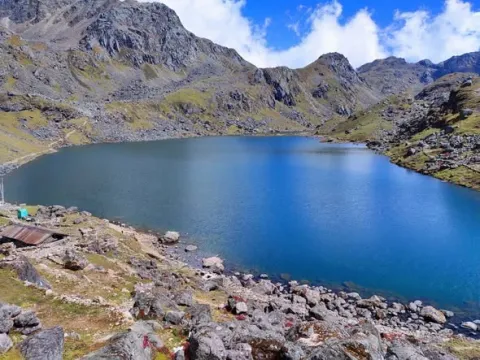
"Find the most beautiful trekking and photography locations from Syabrubesi to Kyanjin Gompa, including pretty villages, rivers, and forests along with the Himalayan mountain range."
Best Photography Spots:
| Location | Elevation | Photography Focus |
| Bamboo | 1,970m | Forest, rhododendrons, sunlight |
| Lama Hotel | 2,470m | Streams, ridges, trekking life |
| Ghodatabela | 3,030m | Alpine meadows, prayer flags |
| Mundu | 3,540m | Village life, Tamang culture |
Firstly, the trail from Syabrubensi (1,460m) to Kyanjin Gompa (3,870m) offers a variety of environments fit for taking landscape photographs. There are forests, rivers, and fields, all of which make for a perfect composition. As a result, taking landscape pictures, nature pictures, or trek pictures is extremely rewarding.
Secondly, Bamboo (1,970m) introduces another early highlight with forests rich in rhododendron. In addition, the light that comes through the trees produces high-quality shadows and framing effects. As such, photos involving forests, microphotography, and light effects become very popular at Bamboo.
Further, Lama Hotel at 2,470m offers scenic photographs of streams, ridges, and mountains far away. Photographers cover interaction between nature and humans through trail photos and village photographs. Environmental subjects and trekking life are thus linked to make impacts through photographs. Hence, Lama Hotel is a trailhead for photographs.
Additionally, alpine meadow and prayer flags fluttering against mountain ranges for Ghodatabela (3,030m) add to the fascination. Additionally, some important distant mountains include Langtang Lirung (7,227m), Dorje Lakpa (6,966m). Consequently, panorama photography, culture photography, and mountain photographs interact efficiently well. Hence, Ghodatabela elevates photographic potential.
Further, forest streams and small waterfalls can be seen quite often between Bamboo and Ghodatabela. Seasonal water from melting ice is a good subject for movement and reflection in long exposure pictures. As a result, nature photography, water photography, and texture photography will be more varied.
Similarly, small settlements such as Mundu at 3,540m also offer subjects for cultural photography. Examples include stone buildings, prayerflags, as well as the villagers going about their daily business. Consequently, a dimension such as village photography also becomes essential.
Significantly, angular hikes from the perspectives increase mountain-scene compositions. Small hikes help identify layered valleys with snow-covered peaks. Thus, high-degree, wide, or Himalayan landscape photographies are greatly advantaged. Consequently, careful planning is undertaken to ensure excellent images.
On the other hand, the seasonal factor impacts the colors and visibility of the area from Syabrubesi to Kyanjin Gompa. Spring backgrounds are enhanced by the availability of flowers in the foregrounds, while the visibility of the Himalayas in the autumn season ensures clear visibility. As a result, seasonal activities maximize the output of photos.
Finally, the Syabrubesi to Kyanjin Gompa trail is also the core of the Langtang photo tour. Photography tour packages cost between USD 700 to 1,100, including guides and stays. In conclusion, this section presents diverse photo opportunities.
Get spectacular views at Kyanjin Gompa and around by capturing Himalayan ranges, glaciers, and important sites in Langtang Valley.
Key Viewpoints:
| Viewpoint | Elevation | Photography Focus |
| Kyanjin Gompa | 3,870m | Monastery, peaks, prayer flags |
| Kyanjin Ri | 4,773m | Layered valleys, alpine meadows |
| Tserko Ri | 4,984m | Panoramas, sunrise, glaciers |
| Kyanjin Glacier | 3,870m | Ice formations, reflections |
To start with, Kyanjin Gompa is the prime photography point with a height of 3,870m for the entire Langtang Valley. Monasteries, prayer flags, and mountains are some dominant elements depicted in these photographs. As a result, culture photography, monastery photography, as well as mountain photography are highly productive. Kyanjin Gompa is a balancing point for human and natural visual elements.
Secondly, the mountain known as Tserko Ri (4,984m) has spectacular views of the Himalayas including Langtang Lirung (7,227m) and Gangchempo (6,388m) peaks. Morning climbs provide the best opportunities for photoshoots associated with sunrise shots for mountain photography. As a result, sunrise photos, broad shots, and ridge shots are highly successful.
Furthermore, Kyanjin Ri (4,773m) offers layered valleys, glaciers, and alpine meadows. Photographers can shoot foreground village images, along with distant peaks. As such, view-point photography, panoramic, or Himalayan photography converge with each other. Consequently, Kyanjin Ri produces detailed pictures.
Moreover, the Kyanjin glacier has exceptional ice formations and reflective areas. Lighting conditions vary very quickly in this region. As such, glacier photo shoots, texture photo shoots, and long exposure photo shoots get added dimensions. This implies that glaciers are interesting subjects to cover multiple shots.
Further, the adjacent ridges indicate the presence of the seasonal flora of rhododendrons and Alpine flowers. This adds to the colors and levels in the picture. Nature pictures, plant pictures, and mountain pictures, thus, combine very effectively. This, in turn, proves that awareness of the season adds to the visual value.
Similarly, the sunrise and sunset at Kyanjin Gompa light up the monastery and mountains. This enables golden lighting to soften the surfaces in stone walls and prayer flags. Consequently, light photography, cultural photography, and peak photography emerge as crucial. However, timing achieves the best results in artistic production.
Notably, there are neighboring villages of Tamangs whose culture enriches other viewpoints. Mundu (3,540m) and Langtang Village (3,430m) serve as excellent additions to other sceneries of nature. Therefore, village photography, lifestyle photography, and documentary photography blend well together.
On the other hand, the trekking atmosphere at Kyanjin Gompa enables taking photographs with fewer people to trek to their locations. Therefore, exercising patience enables photographers to capture their shots without other people incorporating into their compositions, thus improving their images. Hence, long exposure and
Finally, Kyanin Gompa and the nearby spots mark the end of the photographic highpoint of Langtang. Photography treks cost between USD 750 and 1,200, depending on guides and porters.
Side trips to Kyanjin Ri (4,773m) and Tsergo Ri (4,984m) offer panoramic photo opportunities, mountain scenery, glaciers, and alpine meadows.
Key Side Hike Highlights :
First of all, side trips to Kyanjin Ri (4,773m) and Tserko Ri (4,984m) offer photo opportunities with Himalayan high-altitude scenery. Secondly, such side trips result in valley progression photography, glacier photography, and high-altitude mountain photography opportunities. Therefore, panoramic photography, high-altitude mountain photography, and glacier photography are very productive photography opportunities here.
Secondly, Kyanjin Ri has a modest climb of between 2 to 3 hours from Kyanjin Gompa (3,870m). There are meadows and prayer flags along the way to create compositional elements in the foreground. It follows that nature photography, culture photography, and wide-angle photography come together at this site. For this reason, Kyanjin Ri is good for photographers.
Additionally, Tserko Ri needs an inclined climb of 3-4 hours to reach its summit. From here, there is an opportunity to photograph other mountaintops: Langtang Lirung (7,227m), Gangchempo (6,388m), and finally, Dorje Lakpa (6,966m). Hence, mountain photographs, sunrise photographs, or photographs from the ridges stand to greatly benefit from here.
Moreover, both side hikes are conducive to sunrise and sunset photography with interesting light. Clouds and golden-hour lighting add textures in the glaciers and mountains. Consequently, lighting-based pictorial photography, mood-based pictorial photography, and mountain pictorial photography have flourished in the region. Hence, the time factor remains crucial in this region.
Further, seasonal changes also affect accessibility and photographing. For instance, spring season allows for rhododendrons that are in flower and a steaming stream. Autumn season, on the other hand, guarantees clean mountain peaks. This means that seasonal planning enhances wide-angle mountain photographing and compositions.
Similarly, the wildlife and bird life found on these side trails are sources of visual diversity. Himalayan monals, red pandas, and tahr can be spotted around Alpine ridges. Thus, wildlife photography, nature photography, and trekking photography blend seamlessly together. Patience will be ultimately rewarded with unique photography opportunities.

Notably, these treks are appropriate for intermediate trekkers, as well as those carrying less camera equipment. Porters or guides, depending on whether one wants a photography trek, are offered in packages from 750 to 1,200USD. Thus, support services make safety and convenience feasible. Subsequently, photographers can concentrate on taking creative pictures.
However, from the viewpoint of Kyanjin Ri and Tserko Ri, there is also a possibility to integrate the foreground objects with the range of Himalayan peaks in the background. Prayer flags, meadows, and villages help in adding layers. As a result, composition planning, a wide-angle camera lens, and environmental storytelling are still essential. Thus, perspective elevates image impact.
Finally, the side trips to Kyanjin Ri and Tserko Ri represent the photograph finale for the Langtang Valley trek. The summits offer exceptional views of the Himalayas. In conclusion, any photographer venturing into Langtang should not miss the side trips listed above for that picture-perfect photograph.
Learn about the difficulty of trekking and the number of walking hours that are most suitable for photographers in the Langtang Valley.
Daily Trek Overview:
| Section | Elevation | Approx. Walking Hours | Photography Focus |
| Syabrubesi to Bamboo | 1,460m–1,970m | 4 hrs | Forest, river, village |
| Bamboo to Lama Hotel | 1,970m–2,470m | 4–5 hrs | Streams, ridges, nature |
| Lama Hotel to Ghodatabela | 2,470m–3,030m | 4–5 hrs | Alpine meadows, peaks |
| Ghodatabela to Kyanjin Gompa | 3,030m–3,870m | 4–6 hrs | Villages, monasteries, mountains |
| Side hikes to Kyanjin Ri / Tserko Ri | 3,870m–4,984m | 3–4 hrs | Panoramas, glaciers, sunrise/sunset |
Firstly, in the case of the Langtang Valley photography trek, the trek is of moderate difficulty, so it is suitable for both starters and professional picture enthusiasts. In general, the trek involves ascent, rocky, and forest trails. As such, trekking of moderate difficulty, photography trekking, and trekking assistance are possible.
Secondly, the average walking time per day is between 4-6 hours depending on side hikes. Shorter walks allow for breaks to take photographs of landscape, wildlife, and villages. Therefore, flexible trekking, slow photo taking, and photo stagging are still feasible.
Also, the duration in hikes to spots like Kyanjin Ri, which stands at 4,773m or Tserko Ri that stands at 4,984m, will provide an extended period due to the increased time needed to complete the hikes. Depending on the destination, the hikes could take 3 to 4 hours round trip.
In addition, acclimatization days can be done near Kyanjin Gompa (3,870m). Taking rest days enables acclimatization. This increases the efficiency of photography-based trekking, light planning, and handling itinerary flexibility. In this way, acclimatization makes safety and creativity possible.
In addition to this, there may exist varying trail conditions based on the season. The trails during spring and autumn seasons are solid, with fewer snow conditions, which enables easy movement. The Monsoon season can introduce slush trails, which can hamper movement, thereby impeding photographing. Thus, this factor continues to hold importance.
Similarly, the everyday treks also involve picturesque villages, rivers, and forests, all of which are suitable for incremental photography. Points such as ‘Bamboo (1,970m)’ and ‘Ghodatabela (3,030m)’ facilitate halts. As such, incremental, culture, and landscape photography continue to be mixed with the pace of trekking. Eventually, slow trekking increases picture diversity.
Notably, having photography gear also affects weight. This could impact trekking pace. To use tripods, telephoto lenses, and camera backpacks, planning is required. Thus, light trekking, gear, and photography planning enhance comfort. This also assists in advance preparation for productive days while shooting.
On the other hand, the presence of guides and porters ensures the comfort of trekkers. Photography packages that involve the use of guides and porters and other related costs range from 1,200 to 2,000 USD. Thus, the trekkers enjoy the benefit of taking many photos with minimal efforts.
Lastly, the difficulty levels of treks and walking times for effective photography are well considered. The total walking time or distance, acclimatization days, or side trips for better shooting time are also taken into account. Overview, therefore, is essential for effective Langtang photography trek.
Find out the best gear and lenses for a trek to the Langtang Valley for effective capture of the Himalayan mountain ranges, glaciers, villages, and wildlife.
Camera Equipment Recommendation:
First of all, the use of appropriate camera equipment will ensure that the photos are of high quality during the Langtang Valley Trek. This can be achieved through the use of DSLR or mirrorless cameras. Consequently, professional equipment will be applicable in the areas of trek photos, landscape photos, and wildlife photos.
Secondly, wide-angle lenses (16-35mm) are able to capture panoramic landscapes such as Langtang Lirung (7,227m), Dorje Lakpa (6,966m), and alpine valleys. Wide-angle lenses are best suited for sunrise, sunset, and mountainous shots. As such, wide-angle, panoramic, and mountain photography are all essential.
Furthermore, telephoto lenses (70–200mm or 100–400mm) can provide zoomed-in pictures not only of wildlife, but also topographic peaks. Telephoto lenses can be used to click pictures of Himalayan tahr, Red Pandas, and birds from Syabrubesi (1,460 meters) to Kyanjin Gompa (3,870 meters). Hence, there is an overlap between wildlife, bird, and distant peaks. Telephoto lenses can therefore broaden photograph subject matters.
Additionally, the usage of macro lenses (50-100mm) is utilized to capture flora, textures, and prayer flags in villages such as Mundu, which is at an altitude of 3,540m. Nature, culture, and macro photos complement the landscape photos. Consequently, the photographers obtain diverse portfolios that entail a combination of mountain ranges and the foreground.
At the same time, small tripods/monopods act as stabilization tools for photographs that involve high exposure rates or low light. Photographing during golden hours at Tserko Ri, which stands at 4,984m, or Kyanjin Ri, which stands at 4,773m, using stable equipment translates to better performance in tripod photography, high exposure photography, as well as sun rise photography.
In the same way, memory cards and camera bags that can protect the camera will be necessary in highland trekking activities. In this regard, water-resistant bags will safeguard items against dust, water, and snow. In this way, items and trekking photographs will be hassle-free.
Notably, lightweight drone cameras bring improved aerial views but must be used legally. Drone photography, aerial photography, and Himalayan photography have distinct views. Note that applying drone technology strategically brings a new edge to visual narration. This means that drones can complement or add value to conventional photography.
At the same time, battery management is important, considering that cold weather decreases the efficiency of batteries. This is where storing batteries in inner pockets to keep them warm helps in increasing their lifespan. As a result, battery management, cold weather preparedness, and trek photography help in continuous photography. In this case, photographers can be productive regardless of trails.
Lastly, having the appropriate camera equipment and lenses determines the success of photography treks in Langtang. Packages that target photography cost USD 750–1,200, including guide fees and accommodations.
Indeed, appropriate camera equipment will allow an individual to be as creative as needed by maximizing efficiency within the Himalayan range
Learn power, charging, and battery management techniques for Langtang Valley Trek to maintain your cameras, drones, or devices.
First, power management is very vital for the photography trekking venture that takes place in the Langtang Valley. There is little power supply available in the far-flung villages, such as Ghodatabela (3,030m) or Kyanjin Gompa (3,870m). Thus, power management, trekking photography, and photograph preparation are very essential.
Secondly, packing spare batteries for cameras, drones, and flashes is an aspect that minimizes discharge in cold weather. It is expected that cold weather at high-altitude places such as Tserko Ri (4,984m) affects the efficiency of batteries.
High-altitude places make the efficiency of the charger and batteries low.
Battery & Charging Essentials:
Furthermore, solar chargers or power banks also offer alternate means for charging, especially in remote trail sections. Solar panels, which are light in weight, will be used for charging, thus gradually charging the device through the day. Solar energy, charging, and managing trekking electronics thus increase flexibility. Continuous functioning or use becomes possible without depending on village electricity.
In addition, AC power charging services can be enjoyed in the tea houses provided in Bamboo (1,970m), Lama Hotel (2,470m), and Kyanjin Gompa (3,870m), but power supply could be intermittent and restricted to particular times. Consequently, strategic planning in terms of battery charging, energy conservation, and photo shoots is necessary in that images are optimized.
Moreover, temperature-sensitive storage enhances battery performance. Storing batteries in jackets or insulated holders retains warmth. This means that battery management, even at very low temperatures, preparations for high-altitude conditions, as well as preparations for devices, enable continuous shooting. Photographers are thus functional at very low temperatures.
Similarly, energy-efficient settings on the camera, for example, using JPEG format for some tasks, result in energy savings. Non-essential uses of live-view modes and image reviews contribute to energy conservation. Therefore, energy efficiency, camera operation, and trekking preparedness come into play well. Finally, effective operation enables uninterrupted photography.
Notably, drones need special consideration because cold temperatures limit flight time greatly. Having more than one battery for drones and heating them prior to flying is important. Thus, drone management, drone photography, and high-altitude drone flying need special consideration. Therefore, drone power failure is avoided during flight.
Note: Drones needs special permits on Langtang Valley Trekking trail.
On the other hand, the daily scheduling of the photoshoots based on the availability of charging times ensures optimal workflow. This means that morning and evening photoshoots can be scheduled during the time the batteries are fully charged. This ensures that the workflow and the reliability of the devices are synchronized. Therefore, the workflow ensures the avoidance of missed photoshoots.
At last, power, charge, or battery conservation is essential to ensure success during the Langtang Photography Trek. These kits range from 750 to 1,200 USD, in which support guidance is included. To conclude, conservation of power through cameras, drones, or devices keeps them functional throughout.
Conquer high-altitude and cold-condition photography in Langtang Valley with these expert camera, lens, exposure, and personal-safety tips.
High-Altitude Photography Tips:
First of all, high-altitude shooting in Kyanjin Gompa (3,870m), Kyanjin Ri (4,773m), and Tserko Ri (4,984m) requires adjustment to thin air and cold weather. Shallow breaths and low temperatures hamper the performance of both the person operating the camera and the camera itself.
Therefore, high-altitude photography, cold-weather photography, and photography during trekking require thorough preparation. In general, preparation ensures safety with the best possibility for shooting.
Secondly, dressing in a layered costume prevents hypothermia and provides freedom of movement. Thermal jackets, insulated gloves, and windproof outer layers maintain warmth without constraining the hands.
Consequently, high-altitude photography performance is greatly improved in all respects: safety preparation, personal comfort, and efficiency in taking pictures. Thus, clothing directly influences the effectiveness of a photo shoot at altitude.
Further, the cold further shortens the efficiency of batteries, necessitating multiple spares and insulated storage. Putting camera batteries in inner pockets or insulated pouches avoids cold-temperature discharging. Thus, a need arises for management of batteries, protection of photography equipment, and cold-weather photography. Hence, photographers will not experience any sort of downtime during critical lighting conditions.
Besides, high-altitude compositions are further enhanced by proper lens selection. While wide-angle lenses capture panoramic views of the Himalayas that include Langtang Lirung (7,227m), Dorje Lakpa (6,966m), and Gangchempo (6,388m), telephoto lenses have the ability to isolate wildlife and peaks far away. Wide-angle photography thus goes in tandem with telephoto photography, complementing mountain photography. Hence, the approach towards the lens improves versatility.
Moreover, tripod support provides stability for shots during strong winds and long exposures. The photographers can shoot the light of sunrise and sunset at Tserko Ri (4,984m) and Kyanjin Ri (4,773m) with the help of a tripod. Hence, tripod photography, landscape photography, and low-light photography require stability. Therefore, portable tripod selection is critical.
Also, exposure management is relevant because of bright snow reflections and dynamic sunlight. This would prevent overexposure of the snow and underexposure of the shadows through the adjustment of ISO, shutter speed, and aperture settings. As a result, exposure control, high-altitude photography, and creative photography enhance image quality. Therefore, the only way to ensure the best results is through careful monitoring.
Importantly, hydration and acclimatization support both health and photographic focus. Preventing altitude sickness, it is important to keep hydrated and take short breaks during the ascent to Ghodatabela (3,030m) and Kyanjin Gompa. Thus, physical preparation, high-altitude safety, and photography efficiency remain interconnected. Hence, wellness enhances productivity.
Meanwhile, golden hours planned around shootings maximize dramatic lighting. Sunrise and sunset accentuate peaks and glaciers while minimizing harsh midday shadows. Golden-hour photography, therefore, combines with landscape photography and mountain photography for compelling compositions. Thus, it is timing that enhances the artistic impact.
In fact, high-altitude and cold-condition photography requires technical preparation, physical readiness, and timing. The photography trek package ranges from USD 750–1,200, which includes guides, porters, and accommodation. In conclusion, elaborate preparation ensures safety, quality, and creative photography throughout Langtang Valley.
Here are the necessary safety precautions, permits, and park rules and regulations for photography treks in Langtang Valley to ensure a worry-free journey with all permits completed.
Safety & Permit Essentials:
First, the Langtang Valley is part of Langtang National Park, and photography trekkers must adhere to some regulations. Trekkers also need to carry certain permits, such as the TIMS system, along with National Park entry fees. Thus, legal travel and safe travel are made possible by trekking permits, park regulations, and compliance with photography laws. Overall, proper documentation aids in organized treks.
Actually, the main entry point for registration and permit collection is at Syabrubesi (1,460m). Guides usually manage and handle TIMS permits and park fees to avoid delays in procedures. Hence, guided trekking, permit management, and following the regulations are effectively managed. Thus, organized entry supports smooth photography-focused trekking.
Meanwhile, photographers should also respect the customs of the locals and monastery rules in Kyanjin Gompa at 3,870 meters above sea level and other villages. Refrain from taking photographs of any religious ceremony or private rituals of the local people without permission. Thus, ethical photography, cultural respect, and park compliance become natural confluent areas. Therefore, photographers display professionalism.
Further, the safety issues also involve altitude acclimatization, trekking with guides who have experience, and proper gear. Hiking without acclimatization to Kyanjin Ri at 4,773 m or Tserko Ri at 4,984 m invokes altitude sickness. Therefore, high-altitude safety, readiness for trekking, and efficiency of photography remain interlinked. Thus, one can ensure secure shooting by planning in advance.
Further, the environmental protection rules in Langtang National Park include not allowing litter to be thrown and disturbance to wildlife. Photographers should not damage flora, fauna, or cultural sites by following the principles of Leave No Trace. It thus automatically makes eco-friendly photography, preservation of parks, and trekking ethics very important. Hence, adherence maintains natural and cultural integrity.
On the other hand, emergency preparedness involves knowing the location of nearby health centers and carrying first-aid kits at all times. Some villages, such as Lama Hotel (2,470m) and Ghodatabela (3,030m), may offer basic medical facilities. Hence, safety preparedness, risk management, and photography continuity meet. Contingency planning really protects both the trekkers and equipment at the end.
Importantly, there are regulated usages of drones within the park and villages. Permissions in advanced stages will provide an assurance to avoid legal complications. Hence, drone compliance, aerial photography, and park regulations are necessary to operate legally. Thus, local rules understanding prevents violations.
Meanwhile, it ensures that hiring licensed local guides means easier navigation, better logistics for photography, and compliance with permits. Guides also provide insight into cultural etiquette and high-altitude safety. Thus, guided trekking combines seamlessly with legal compliance and photography efficiency. Hence, experienced guides enhance both safety and creativity.
Of course, photographers have to incorporate some safety, permits, and park regulations into trek planning. Packages range from 750-1,200 USD and include guide support, TIMS, and park fees. In closing, respect for the rules and attention to safety mean that a Langtang photography trek will be smooth, productive, and legal.
Permissions for drones: respect park rules First aid kits and medical awareness: emergency preparation Licensed guides: increase of safety, logistics, and local knowledge.
Embark on a Langtang Valley photography trek offered by Haven Holidays Pvt. Ltd., where you can photograph Himalayan peaks, glaciers, villages, and culture in a safe manner.
Guided Trek Highlights:
| Feature | Elevation | Photography Focus |
| Syabrubesi to Bamboo | 1,460m–1,970m | Forest, rivers, villages. |
| Bamboo to Lama Hotel | 1,970m–2,470m | Streams, ridges, nature. |
| Lama Hotel to Ghodatabela | 2,470m–3,030m | Alpine meadows, peaks. |
| Ghodatabela to Kyanjin Gompa | 3,030m–3,870m | Villages, monasteries, mountains. |
| Side hikes | 3,870m–4,984m | Panoramas, sunrise, glaciers. |
Firstly, Haven Holidays Pvt. Ltd. provides professionally guided photo treks to the Langtang Valley from Syabrubesi to Kyanjin Gompa. The altitudes for Syabrubesi are 1,460m, and for Kyanjin Gompa, the altitudes are 3,870m. Hence, guided trekking, high-altitude photo shoots, and cultural immersion are made seamlessly hassle-free.
Secondly, all adventure documents such as TIMS cards, as well as fees to enter Langtang National Park, are included. Tea houses are to be found at Bamboo (1,970m), Hotel (2,470m), and Ghodatabela (3,030m). Finally, all photography-related logistics, as well as altitude-related support services, are seamlessly linked. This means that the photographer can focus on photography without worrying about other aspects.
Additionally, the trek includes side trips to Kyanin Ri (4,773m), also called Kyanin Ri Viewpoint, and Tserko Ri (4,984m), both for viewing the Himalayas. The sky is dominated by Langtang Lirung (7,227m), Dorje Lakpa (6,966m), and Gangchempo (6,388m). Thus, mountain landscape, sunrise, and landscape shots can be taken to the fullest extent.
Additionally, the guides include expert information on camera equipment, lenses, and lighting. The photographers are advised on the timing for sunrise, sunset, and golden hour at each location. As a result, photography instructions, high-altitude photography, and artistic direction all impact image quality positively. As such, the photographers take beautiful pictures.
Moreover, the cultural experiences in the Tamang communities of Mundu (3,540m) and Kyanjin Village (3,430m) are assisted by guides. Photographing monasteries, lifestyle, and prayer flags is incorporated with the composition of the landscape. Thus, cultural photography, documentary, and lifestyle photography become part of the overall composition.
Safety is also a consideration during this journey. Guides help to acclimatize and are present to handle emergencies associated with high altitude. Hence, high altitude trekking safety, confidence during trekking, and photograpgy work efficiency are all improved because of this measure.
Notably, image-centric packages offer guidance on handling equipment, as well as battery conservation during cold and high altitudes. Porters assist in the movement of equipment, tripods, and drones. Therefore, services related to equipment, cold climates, and continuous shooting will be enhanced. In essence, photographers will utilize their artistic potential to the fullest.

On the other hand, the trek also encompasses seasonal features so that either rhododendrons are in bloom in spring or peaks are reflected clearly in autumn. The guides tailor treks to optimize available light, flora, and visibility. Thus, season planning, landscape photography, and schedule optimization work very effectively. As such, trekkers get to see the best of Langtang.
Finally, a guided trek along the Langtang Valley, organized by Haven Holidays Pvt. Ltd., offers an all-round experience, from arranging a trek to mastering photography. The cost varies from USD 750-1,200, depending upon what is being delivered. In conclusion, a guided trek brings together safety, creativity, and convenience for an unforgettable Himalayan photography adventure.
End your Langtang Valley Photography Tour by crafting an eternal photographic narrative with scenes from the landscape, villages, and Himalayan ranges.
Creating a Visual Story:
| Element | Elevation | Photography Focus |
| Villages & Monasteries | 3,430m–3,870m | Cultural, lifestyle, documentary. |
| Alpine Meadows & Streams | 2,470m–3,030m | Nature, landscape, textures. |
| Peaks & Side Hikes | 4,773m–4,984m | Panoramas, glaciers, sunrise/sunset. |
| Forests & Rhododendrons | 1,970m–3,030m | Flora, foreground, scenic depth. |
To begin with, Langtang Valley has the rare ability to offer excellent photography opportunities with Syabrubesi (1,460m), Bamboo (1,970m), Ghodatabela (3,030m), and Kyanjin Gompa (3,870m). Mount Langtang Lirung (7,227m) and Dorje Lakpa (6,966m) dominate vistas. Therefore, landscape photography, trekking photography, and Himalayan photography intersect seamlessly. Overall, the region provides a naturally cinematic canvas.
Secondly, the inclusion of the side trips to Kyanjin Ri (4,773m) and Tserko Ri (4,984m) helps to add complexity to the visual storytelling element. The panoramic aspects, glaciers, and meadows add complexity to the composition. As such, the wide-angle photography, mountain photography, and glacier photography will be reinforced.
Further, immersion in Tamang culture at Mundu, which is at an altitude of 3,540 meters, and monasteries at Kyanjin Gompa adds depth to the image. Prayer flags, stone-built houses, and rituals add elements to the photograph that are in front. This leads to a combination of culture, lifestyle, and documentary photography, as well as landscapes.
Additionally, expertise in high-altitude and cold-weather photography will produce enduring outcomes. With appropriate lens use, use of a tripod, mastering light, and proper battery handling, creativeness will be promoted. Consequently, high-altitude photography, cold-weather photography, and expertise will improve picture quality. Planning will, therefore, protect both picture quality and creative expression.
Moreover, the aspect of safety, permits, and ethical photography is essential for the maintenance of authenticity. TIMS permits, adherence to park rules, as well as interacting with the locals, contribute to responsible photography. Thus, ethical photography, park rules, and responsible travel compliment the integrity of the story. Photographers walk the line between artistry and practicing professionalism.
Similarly, the organized camera treks with Haven Holidays Pvt. Ltd. make all aspects of acclimatization, timings, and logistics easier and more conducive for photographic purposes. Therefore, guidance in terms of either photography or travel, along with the best light, completely synchronizes. At the end, assistance improves creativity.
Notably, seasonal planning supplements visual storytelling. This is because one can capture the blooming rhododendrons, the sky in autumn, as well as the snow-capped peaks. This is because the timing in relation to the seasons impacts the colors as well as the moods. Notably, seasonal planning and awareness improve landscape photography.
However, patience and composition refinement cater to merging midgrounds and backgrounds effectively. Villages, rivers, forests, and mountain peaks combine to form an entirety of frames. Therefore, composition techniques, landscape photography, and narrative photography combine through nature effortlessly.
At last, Langtang Valley photo treks finalize an immortal photographic narrative that encompasses nature, culture, and adventure. Prices vary from USD 750 to 1,200 based on the package. To wrap up, through mastery, ethics, and guiding, Himalayan photos are always priceless.
1. What is the Langtang Valley Photography Trek?
The Langtang Valley Photography Trek is a scenic Himalayan adventure designed for trekkers and photographers who want to capture stunning mountain landscapes, traditional Tamang villages, Buddhist monasteries, glaciers, forests, and Himalayan wildlife. The trek follows the beautiful Langtang Valley route toward Kyanjin Gompa, with excellent photography opportunities throughout the journey.
2. Why is Langtang Valley considered one of the best photography treks in Nepal?
Langtang Valley offers diverse photography subjects within a short trekking distance from Kathmandu. Photographers can capture snow-covered peaks like Langtang Lirung, traditional villages, prayer flags, mani walls, yak pastures, rhododendron forests, waterfalls, and sunrise views from viewpoints such as Kyanjin Ri and Tserko Ri.
3. How many days are required for the Langtang Valley Photography Trek?
A typical Langtang Valley Photography Trek takes around 7–10 days, including transportation from Kathmandu. A longer itinerary allows more time for sunrise photography, village exploration, and mountain viewpoints.
4. What is the highest altitude reached during the Langtang Valley Trek?
The main trekking destination is Kyanjin Gompa at approximately 3,870 m, while photographers often hike higher to Kyanjin Ri (around 4,700+ m) or Tserko Ri (around 5,000 m) for panoramic Himalayan views.
5. Is Langtang Valley Photography Trek suitable for beginners?
Yes. The trek is considered moderate and suitable for beginners with good fitness. The trail includes gradual ascents, forest sections, and some steep uphill climbs, especially near Kyanjin Gompa viewpoints.
6. What are the best months for photography in Langtang Valley?
The best seasons are:
Spring (March–May): Rhododendron flowers, clear mornings, colorful landscapes
Autumn (September–November): Crystal-clear mountain views and stable weather
Winter (December–February): Snow-covered landscapes and fewer trekkers
7. What are the best photography spots in Langtang Valley?
Top photography locations include:
Syabrubesi village and riverside landscapes
Bamboo and Lama Hotel forest trails
Langtang Village with Himalayan backdrop
Kyanjin Gompa monastery
Kyanjin Ri sunrise viewpoint
Tserko Ri panoramic viewpoint
Langshisha Kharka glacier valley
8. Can I capture sunrise and sunset photographs during the trek?
Yes. Early mornings at Kyanjin Gompa, Kyanjin Ri, and Tserko Ri provide some of the best sunrise photography opportunities. Sunset photography is also excellent around villages and mountain viewpoints when the golden light touches the peaks.
9. What camera equipment should I bring for the Langtang Photography Trek?
Recommended photography gear:
Mirrorless or DSLR camera
Wide-angle lens (16–35 mm) for landscapes
Telephoto lens (70–200 mm) for mountain details
Extra batteries
Memory cards
Tripod (optional)
Lens cleaning cloth
Waterproof camera bag
10. Is a drone allowed in Langtang Valley?
Drone use in Nepal requires government permission and additional approvals, especially inside protected areas like Langtang National Park. Always check current regulations before flying a drone.
11. What kind of wildlife can photographers see in Langtang Valley?
Langtang National Park is home to diverse wildlife including:
Red panda (rare sighting)
Himalayan black bear
Musk deer
Langur monkeys
Various Himalayan birds
Wildlife photography requires patience and respect for animals.
12. What type of accommodation is available during the photography trek?
Trekkers stay in local tea houses and lodges along the route. Rooms are generally simple with twin beds, blankets, and shared facilities. Some lodges provide dining areas with beautiful mountain views.
13. Do I need a guide for Langtang Valley Photography Trek?
A guide is highly recommended for safety, cultural interaction, route information, and finding the best photography locations. A local guide can also help arrange the best timing for sunrise and village photography.
14. What permits are required for Langtang Valley Trek?
Trekkers need permits such as the Langtang National Park entry permit and applicable trekking registration requirements.
15. How difficult is carrying photography equipment during the trek?
Carrying heavy camera gear can make trekking more challenging. Keep your backpack lightweight and consider hiring a porter if carrying professional camera equipment.
16. What clothing and gear are recommended for this trek?
Essential gear includes:
Waterproof trekking boots
Warm layers
Down jacket
Thermal base layers
Gloves and hat
Sunglasses
Trekking poles
Sleeping bag (recommended for colder months)
17. Can I photograph local people and villages in Langtang Valley?
Yes, but always ask permission before photographing local people, especially elders, monks, and children. Respecting local culture creates meaningful and ethical travel photography.
18. How is the road access to Langtang Valley?
The trek starts from Syabrubesi, which is reached by road from Kathmandu. The journey offers scenic views of hills, rivers, and rural Nepal.
19. What makes Langtang Valley different from Everest and Annapurna photography treks?
Langtang Valley offers Himalayan scenery with fewer crowds, authentic Tamang culture, and easier access from Kathmandu. It is ideal for photographers seeking peaceful trails and intimate village experiences.
20. Is Langtang Valley Photography Trek worth doing?
Yes. The trek combines spectacular Himalayan landscapes, cultural experiences, wildlife, and unforgettable photography opportunities. It is one of Nepal’s best choices for trekkers who want a less crowded Himalayan adventure with incredible photo opportunities.
Our travel experts are ready to assist you with any questions.
Send us a message.Have a question before you book? Send your enquiry below and our travel experts will get back with the required information.