Thinking about trekking to Annapurna Base Camp in spring? Here’s what you need to know. March brings cooler air and quieter trails, with snow still clinging to the higher ground. Rhododendrons start to bloom, painting the forests with those first splashes of color. By April, the days warm up. The flowers explode into full bloom, and the paths get busier as more trekkers head up. So—want peace and crisp mountain views? Go in March. Prefer warmer hikes and a riot of color? April’s your month. Either way, the Himalayas are calling.
If you’re planning a trek to Annapurna Base Camp, spring is hands down the best time to go. You get those clear mountain views, perfect hiking weather, and a landscape that just bursts with color. Everything about the Himalayas feels alive.
Actually, Spring is when the Annapurna Sanctuary truly shines. The harsh winter starts to back off, snow melts from the high passes, and the trails open up. You don’t have to fight through snowdrifts, and the peaks—especially Annapurna I—gleam in the sunlight. It’s that sweet spot where everything just works: stable weather, safe paths, incredible views. No wonder most trekkers pick these months.
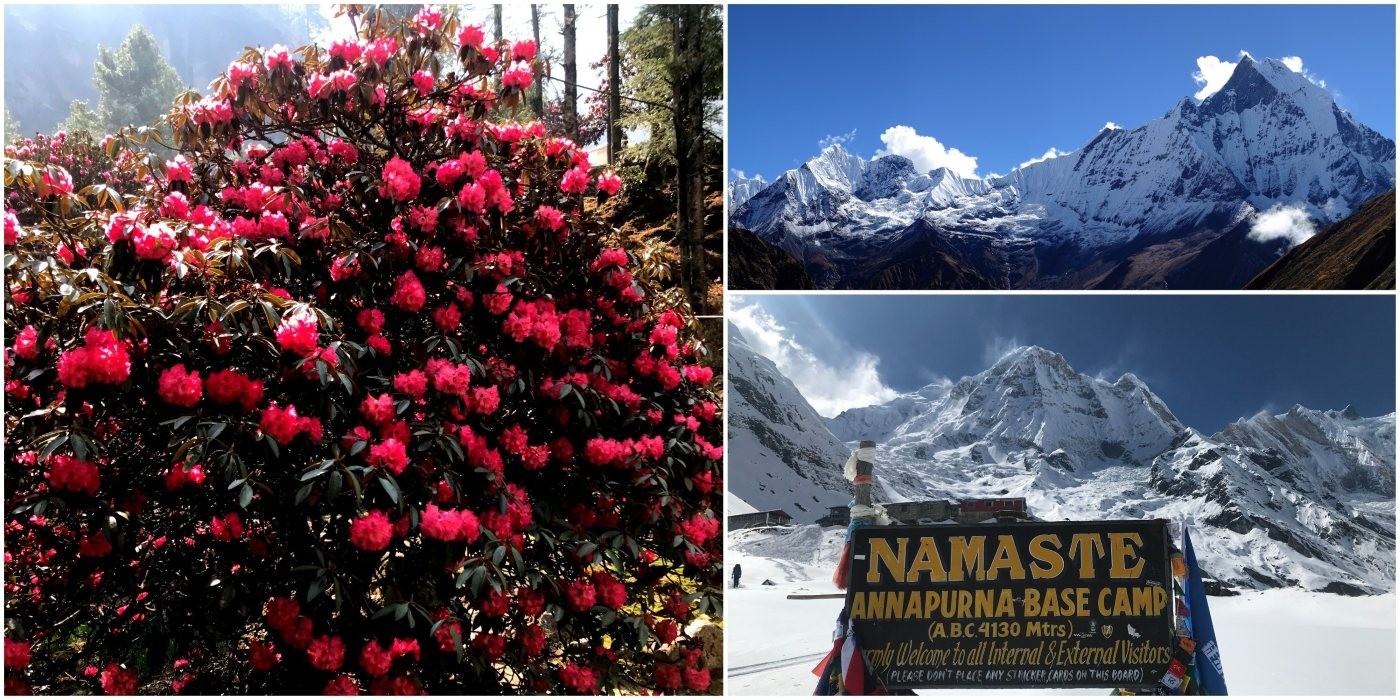
And let’s talk about the weather—because it really matters when you’re walking all day. Down at places like Ghandruk and Chhomrong, the temperatures stay mild. You’re not sweating buckets as you climb those endless stone steps. Mornings feel crisp and fresh, and you get razor-sharp views of Machhapuchhre before clouds start to gather later in the day. Flights run on time, plans rarely change, and you can trust the weather to cooperate.
But what really blows people away in spring is the transformation of the landscape. The forests explode in reds and pinks as the rhododendrons bloom—Nepal’s national flower is everywhere. Hike through the woods near Tadapani and it’s like wandering through a living painting. Wildlife comes out, too. Down by the Modi Khola River, you can spot Himalayan Thar or bright pheasants pecking around the trails. The whole place feels full of energy.
Likewise, the vibe at the teahouses is at its best in spring. Travelers from every corner of the world gather at stops like Deurali, swapping stories over dinner. There’s this shared excitement as everyone moves closer to Annapurna Base Camp. Plus, the local hosts are ready for the season—after winter, their kitchens and pantries are stocked, and they’re happy to see new faces. It makes the whole trek not just comfortable, but genuinely welcoming and memorable.
Spring just has it all: scenery, weather, and the kind of camaraderie you remember long after you’ve left the mountains behind.
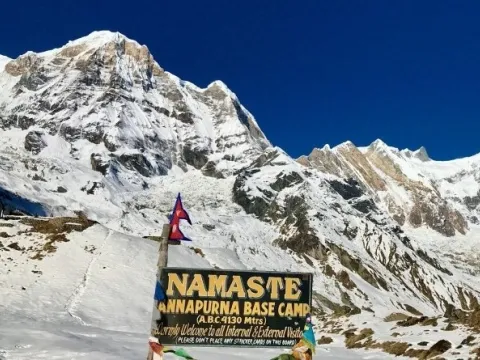
Key Benefits of Annapurna Base Camp Trekking in Spring
| Visibility | Crystal clear views of Hiunchuli (6,441m) and Annapurna South (7,219m). |
|---|---|
| Flora | Dense forests of blooming Rhododendrons and wildflowers. |
| Temperature | Comfortable walking conditions ranging from $10^circ C$ to $20^circ C$. |
| Safety | Reduced risk of heavy snow blockage on high-altitude sections. |
Let’s talk about March and April—they’re both great months for trekking to Annapurna Base Camp, but they each have their own vibe. March kicks off spring, but there’s still a bite in the air. You’ll probably see leftover snow between Himalaya (2,920m) and MBC (3,700m), and the trails feel almost empty. If you’re hoping for some peace and quiet, or you want to catch Gangapurna (7,455m) wrapped in its winter best, March is your month.
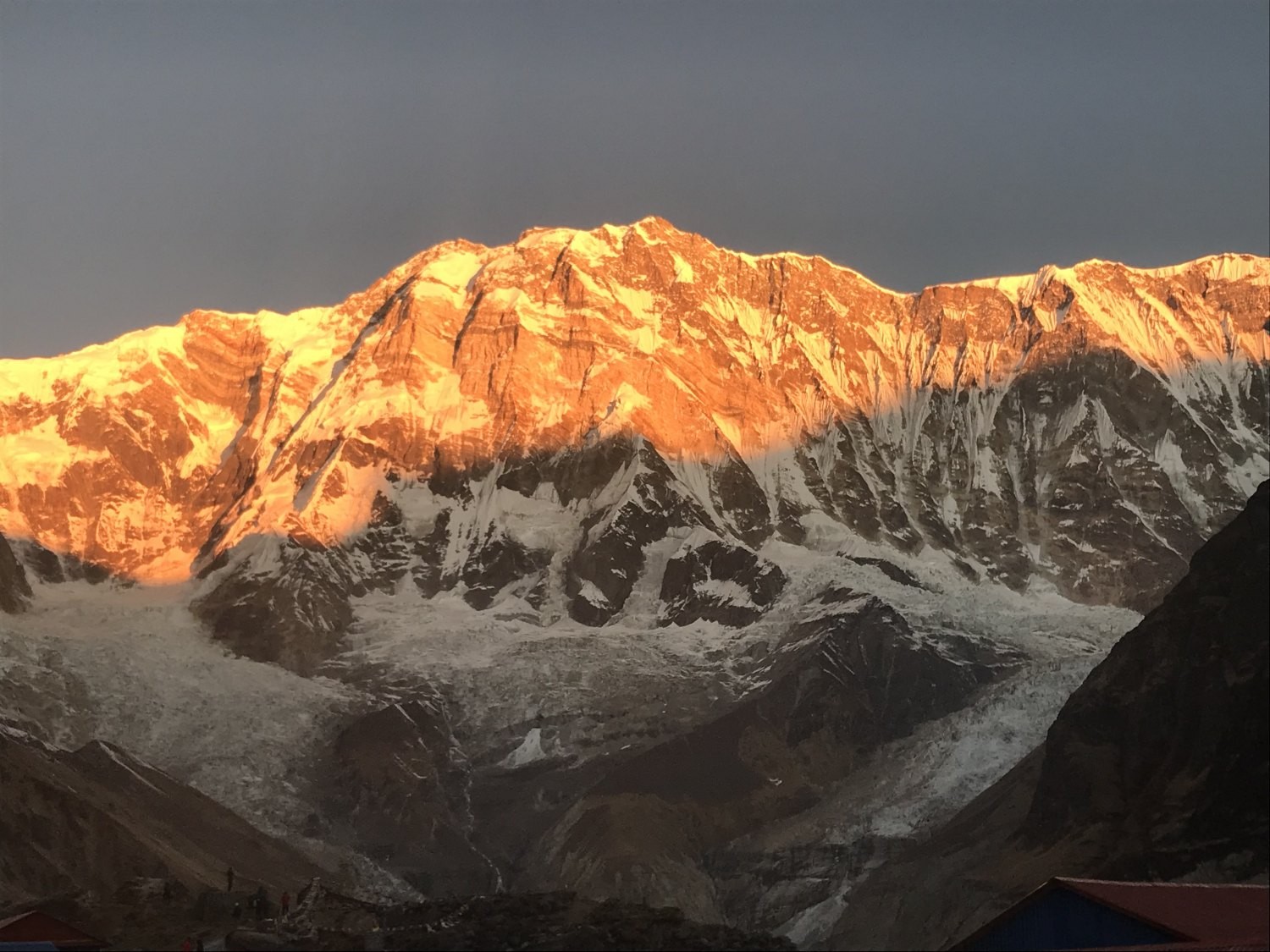
Once April rolls in, everything changes. Temperatures climb, the snow melts, and down near Jhinu Danda (1,780m) things start to feel almost summery. The final push up to base camp gets a lot easier without all that snow. April is when people come for that perfect “t-shirt weather” and easy walking.
And the flowers—wow. March teases with the first buds, but April goes wild. The hills explode in color, and the valleys look almost unreal against the snowy peaks of Annapurna III (7,555m). It’s stunning, but you won’t be alone. April draws the crowds, so if you want a good room in the popular villages, book your trip early.
Actually, prices for trekking packages don’t shift much between the two months—expect anywhere from $700 to $1,100 for the usual 10-12 day trip, depending on what you want. In March, you get a little more choice when picking rooms in quieter places like Dobhan (2,600m). In April, there’s this buzz in the air—the whole place feels alive with the start of climbing season. Both months are unforgettable in their own way, and honestly, you can’t go wrong.
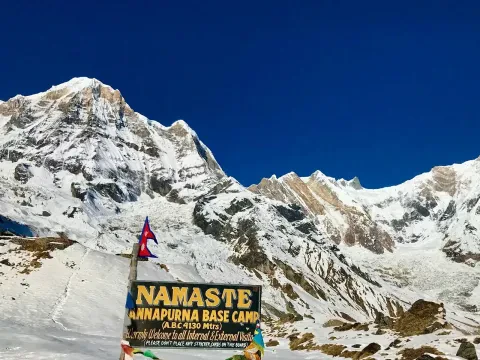
March vs. April Comparison :
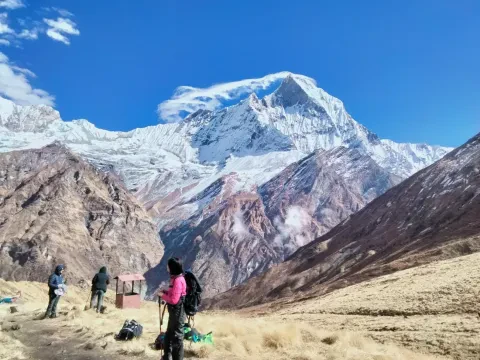
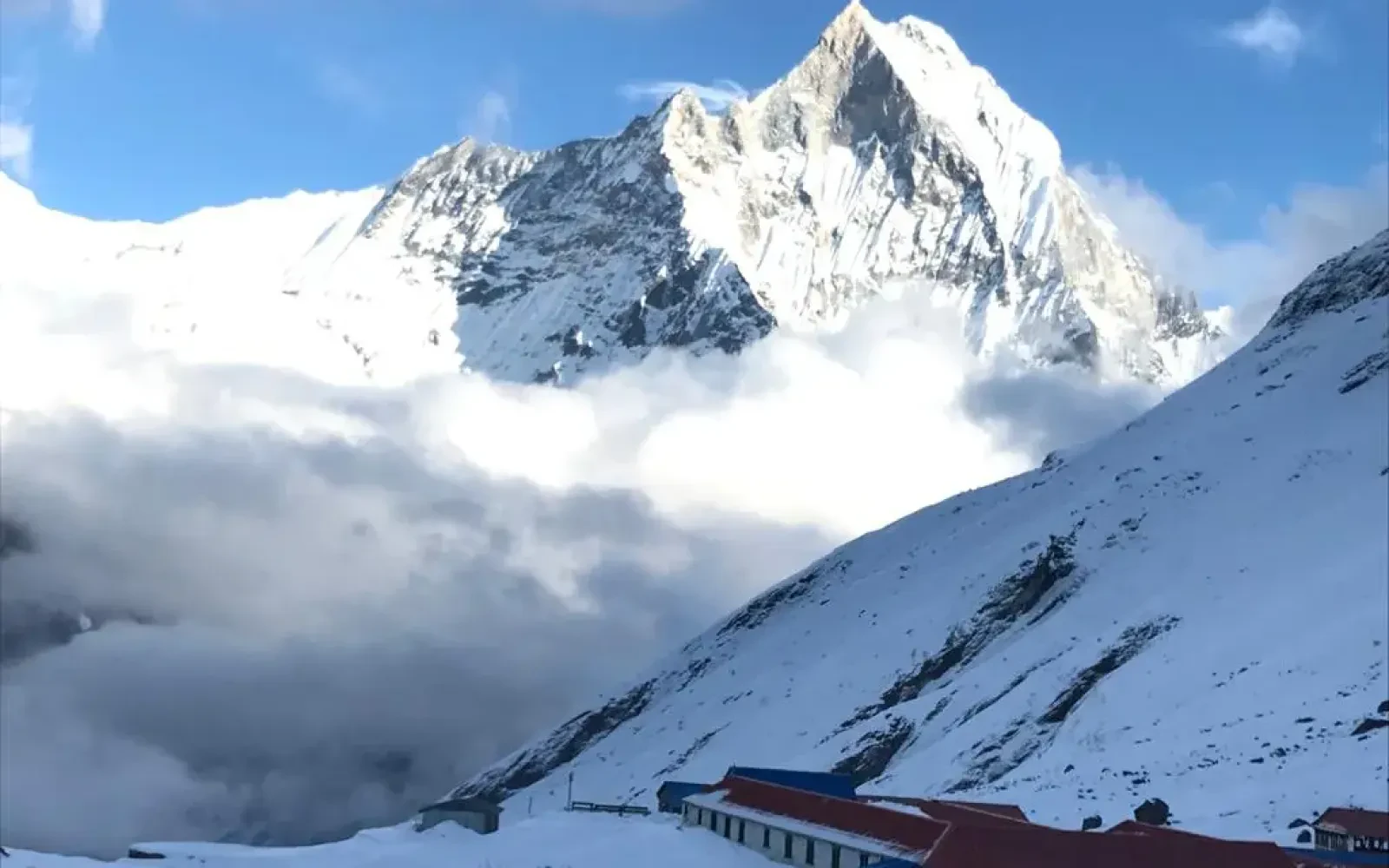
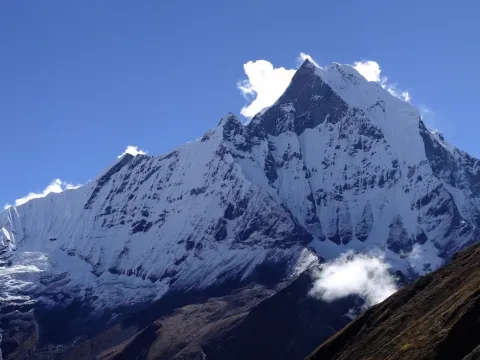
Here, let’s talk about what March is really like at Annapurna Base Camp. This is when winter finally starts letting go, and spring steps in. Down in the lower parts of the Annapurna region, mornings feel crisp and fresh. The skies? They’re usually a deep, clear blue—perfect for anyone who loves those wide, open Himalayan views. But as you climb up toward places like Himalaya (2,920m) and Deurali (3,200m), don’t expect balmy weather. The air stays cold, and you’ll definitely notice it. The upside? The mountains look incredible. Machhapuchhre (6,993m) stands out razor-sharp against the sky before that typical spring haze shows up. Trekkers really love this time for photos—those views are hard to beat.
Actually, temperatures during the day at lower elevations like Ulleri (1,960m) usually sit around 10°C to 15°C. It’s the kind of weather where you can get away with just a few light layers as you climb those endless stone steps toward Ghorepani (2,860m). But once the sun sinks behind the Dhaulagiri (8,167m) range, things change fast. The temperature drops, and suddenly everyone flocks to the teahouse common rooms, huddling around the heater. If you’ve got a good down jacket, you’ll thank yourself every evening.
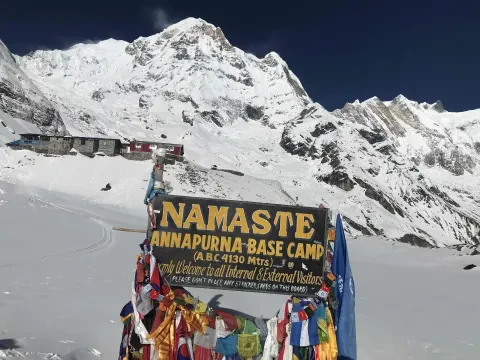
Likewise, there’s still a good chance you’ll run into patches of winter snow higher up. The stretch between MBC (3,700m) and Annapurna Base Camp (4,130m) often stays covered well into March. It’s a stunning sight—icy, untouched, and dramatic. Micro-spikes come in handy here, especially when you’re crossing icy spots by the Modi Khola River. With a little preparation, you’ll stay safe and get to enjoy every step through the Annapurna Sanctuary (4,130m).
In the end, March really gives early trekkers something special: peaceful trails, jaw-dropping mountain views, and dry, clear weather. The monsoon is still a long way off, so humidity is low and the paths stay dry as you head toward Annapurna South (7,219m). Sure, nights get cold, but the sunshine during the day makes trekking comfortable. If you want a trip that’s both quiet and beautiful, March is hard to beat.
| Elevation Zone | Daytime Temp | Nighttime Temp Sky Condition |
|---|---|---|
| Lower Belt (1,000m - 2,000m) | 15°C to 20°C 5°C to 8°C | Mostly Sunny |
| Mid-Hills (2,000m - 3,000m) | 10°C to 15°C 0°C to 5°C | Clear Mornings |
| High Alpine (Over 3,000m) | 5°C to 10°C -5°C to -10°C | Potential Snow |
Meanwhile, April changes everything on the Annapurna Base Camp Trek. Suddenly, the days get warmer, the nights lose their bite, and the whole place just feels more welcoming.
When April rolls in, the valleys around Chhomrong (2,170m) finally shake off winter’s chill. Even up at Dobhan (2,600m), you’ll notice the difference—nights don’t leave you shivering anymore. Sleeping in the mountain teahouses gets a lot easier, and honestly, you’ll probably rest better now that the cold isn’t sneaking into your sleeping bag.
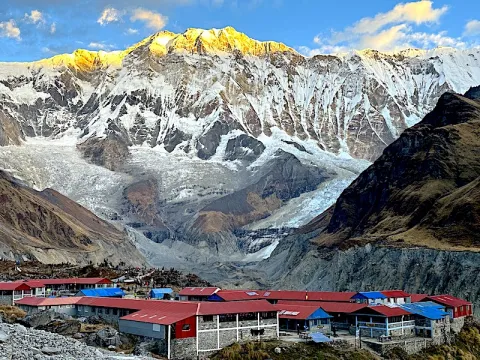
Actually, the heat during the day picks up too, especially in the rhododendron forests near Tadapani (2,630m). You might end up hiking in just a T-shirt or a thin layer. The sun pours down on the slopes of Annapurna I (8,091m) for hours, melting whatever’s left of the snow up at Base Camp (4,130m). Trails open up, getting easier to walk, and suddenly, trekkers of all levels find the route more inviting.
Here, April’s mild weather brings the Annapurna region to life. You’ll run into folks from everywhere, all chasing the same perfect conditions. Down in Jhinu Danda (1,780m), the local communities get the hot springs ready for the crowds. After a long, chilly trek, soaking in those warm pools is pure magic—nothing quite hits the spot like that blend of exhaustion and relief. This mix of adventure and relaxation is what makes the ABC Trek so special.
And here’s the thing: April’s steady weather makes it the safest time to be up high. You can pretty much forget about surprise blizzards. Views of the massive Hiunchuli (6,441m) stay clear most days—sometimes a few afternoon clouds drift in, but they’re more likely to give you relief from the sun than block your view. If you want the Himalayas at their best—bright, lively, and full of energy—April is the time to go.
Why April Weather is Ideal :
Now, let’s talk about Himalayan views on the Annapurna Base Camp Trek—specifically, March versus April. If you’re hoping for those razor-sharp mountain shots, March is your month. Early spring in the Annapurna region feels almost tailor-made for photographers. The air stays dry and clean, without that pre-monsoon haze that creeps in later. Annapurna I’s south face stands out boldly against a sky so blue it barely looks real. Everything—every ridge, every distant peak—just pops. Your photos end up looking like something straight from a coffee table book.Here, March also brings dramatic light. The sun sits lower, casting deep shadows on Machhapuchhre’s jagged slopes. You’ll actually see the first golden light hit Annapurna South from Poon Hill, and those early hours are pure magic—totally stable, no clouds yet, just crisp scenery. This is why so many pros plan their treks for March: the clarity, the contrast, the dramas.
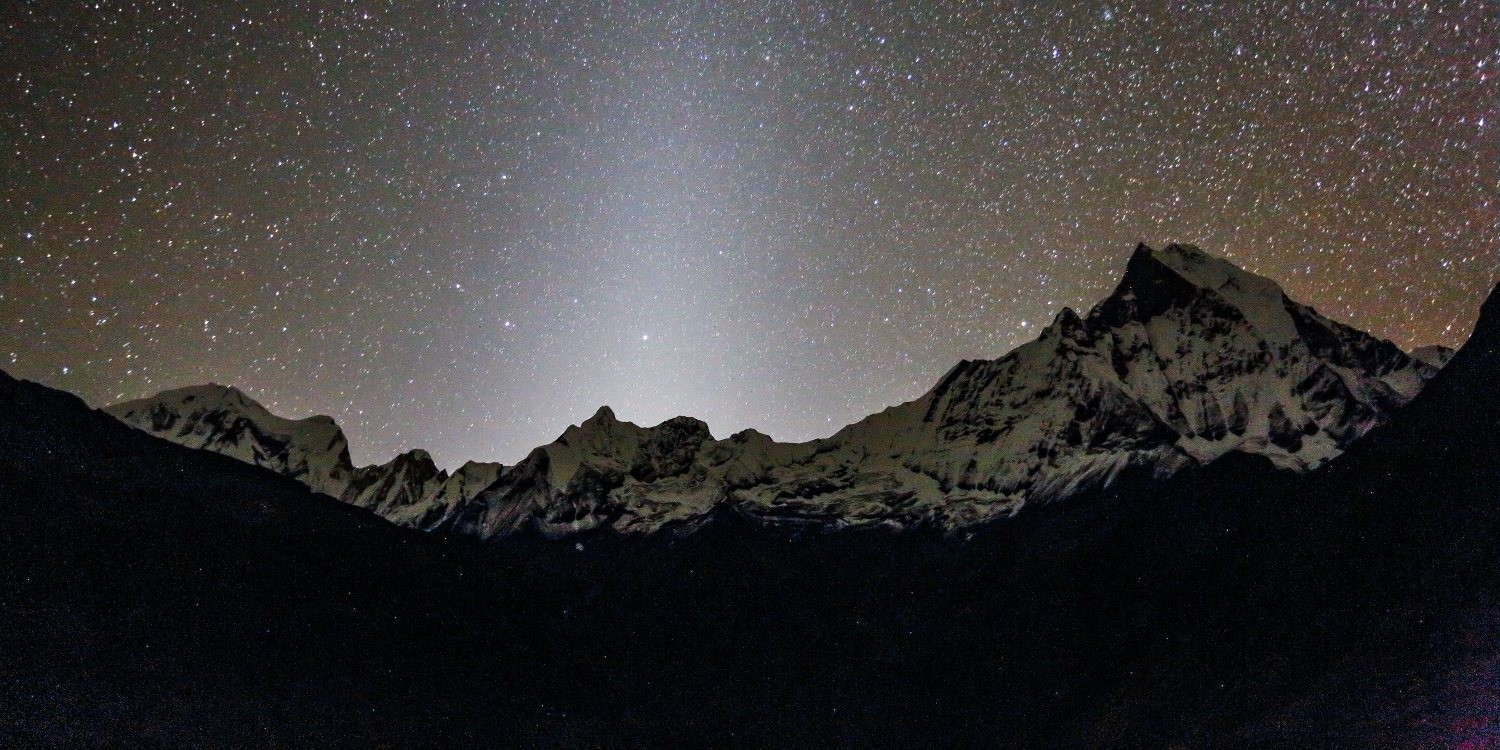
But it tells a different story. The mornings still deliver those sweeping views—Hiunchuli glowing in the fresh light—but by afternoon, a soft mist rises from the warm valleys and thick forests near Chhomrong and Sinuwa. It’s a different vibe: gentler, more romantic. The haze doesn’t usually last, though. By sunset, the clouds melt away, and suddenly you’re staring up at a sky studded with stars above the high camps. The colors are softer, more painterly—lots of people actually fall in love with April’s mood.
So, which month wins? Honestly, it comes down to what you want. If you crave sharp, high-definition views of Gangapurna and Annapurna III, go for March. If you like a softer look—white peaks rising above lush, green hills—April might steal your heart. Either way, you’ll end up standing there, in total awe, surrounded by some of the world’s tallest mountains. And here’s a tip: bring a polarizing filter. It makes those skies even better, no matter when you trek.
| Visual Feature | March Visibility | April Visibility |
|---|---|---|
| Sky Clarity | Extremely High / Dry | Moderate / Some Haze |
| Mountain Contrast | High Sharpness | Soft Lighting |
| Afternoon Clouds | Rare / Occasional | Common / Atmospheric |
| Photography Focus | Sharp Peaks | Flowers and Peaks. |
If you’re trekking to Annapurna Base Camp in spring, the rhododendrons are impossible to ignore. March and April feel like two different worlds, honestly. In late March, you start to spot the first red blossoms—little bursts of color tucked into the hillsides around Tikhedhunga (1,540m) and Ghorepani (2,860m). They don’t steal the show just yet, but they set the stage. These early blooms give you a taste of Nepal’s national flower and frame those first big mountain views of Dhaulagiri (8,167m). It’s subtle but beautiful, and a nice reminder that the season is just waking up.
But when April hits, everything changes. The forests around Tadapani (2,630m) go wild—suddenly, you’re walking through tunnels of pink, red, and white flowers. The trees are tall, and the petals seem to spill over everything. The scent in the air is real, and it sticks with you. It’s not just a trek anymore—it feels like you’ve stepped into some kind of natural festival. The Annapurna Base Camp journey gets its reputation from moments like this.
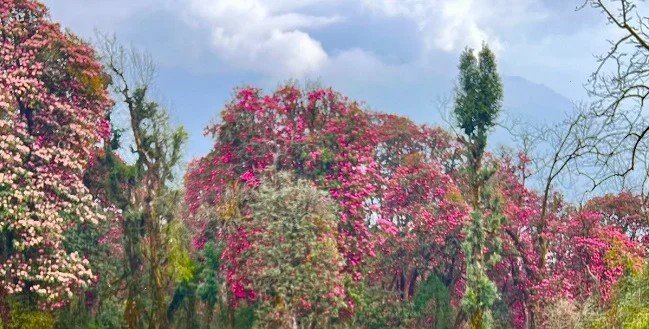
And as you climb higher, the show keeps going. More species pop up the farther you get into the Annapurna Conservation Area. Down low, it’s mostly red, but up near Deurali (3,200m), you start seeing white and purple rhododendrons—sometimes right next to patches of leftover snow. It’s a wild mix. The forests come alive with birds too, like the colorful Danphe, all drawn in by the nectar. There’s so much going on that the middle sections of the trek feel just as rewarding as reaching the high peaks.
When it comes down to it, April wins if you’re chasing mountain flowers. March teases what’s coming, but April—April is the real deal. Forests are blazing with color, and Annapurna I (8,091m) looms in the background. Every corner gives you a new photo, a new angle, a new way to see the mountains. Time it right—aim for a week or two in April—and you catch the Himalayas at their brightest, most unforgettable best.
Flora and Fauna Highlights
Here, let’s talk about what it’s actually like on the Annapurna Base Camp Trek in March and April. It’s all about finding your sweet spot between peaceful trails and a lively, social vibe in the mountains.If you’re dreaming of quiet mornings and empty paths, March is your month. Early spring means fewer trekkers. You’ll wander through the thick forests near Ghorepani without bumping into too many people, and you get more chances to chat with the Gurung folks in Chhomrong. It just feels more personal, more relaxed. If calm and quiet are at the top of your list, March makes sense.
But things start to shift as April rolls in. Suddenly, the trails and teahouses fill up. The weather’s perfect, so trekkers from all over the world show up. Communal dining halls in places like Deurali and Himalaya buzz with energy—everyone’s swapping stories and making new friends. If you love that kind of atmosphere, April is where the fun really kicks in.
Likewise, there’s a catch, though. Up at the higher spots like MBC, there aren’t a ton of lodges. In March, you can usually find a bed without any stress. By April, some teahouses fill up fast. Trekking agencies almost always recommend booking an Annapurna Base Camp Package ahead of time, just so you’re not stuck searching for a room after a long day’s hike. Once you’ve sorted that out, you can actually relax and soak up those massive views of Annapurna South.
So, it all comes down to what you want out of your trek. March is peaceful—perfect for solo time and reflection as you make your way toward Machhapuchhre. April, on the other hand, is full of energy and camaraderie. Either way, the Annapurna Conservation Area has what you need for a safe, solid adventure. Pick the timing that matches your style, and you’ll have a trip you actually remember.
| Factor | March (Early Spring) | April (Mid-Spring) |
|---|---|---|
| Trail Volume | Low to Moderate | High / Peak Season |
| Lodge Availability | High / Easy to find | Limited / Needs Booking |
| Social Vibe | Quiet and Peaceful | Energetic and Global |
| Photo Opportunities | Empty landscapes | Lively trail scenes |
When you're heading out to Annapurna Base Camp in March or April, the secret really comes down to how you pack—and, more importantly, how you layer. March can still feel like winter up there, especially at Base Camp (4,130m). You’ll want a solid down jacket, good thermals, and enough layers to keep out those biting winds that roll off Annapurna I (8,091m). Trust me, when you’re waiting in the dark for the first sunlight to hit Hiunchuli (6,441m), you’ll be glad you brought that extra insulation.
Actually, April is a different game. The air warms up, so you can swap out some of those heavy layers for lighter, more breathable clothes. Most days, you’ll find yourself hiking in quick-dry shirts, especially as you pass through places like Tadapani (2,630m) and Sinuwa (2,360m). But don’t let the sunshine fool you—the sun gets intense, and a good sunscreen and a wide-brimmed hat are non-negotiable. Still, mountain weather likes to surprise you, so keep a windproof shell handy in your daypack for those sudden gusts along the Modi Khola River.
Likewise, footwear makes a huge difference too. In March, icy patches and leftover snow around MBC (3,700m) mean you need sturdy boots with real grip. Lightweight micro-spikes can save you from slipping on those trickier sections. By April, trails start to dry out, especially near Gangapurna (7,455m), but broken-in trekking boots are always your best friend—nobody wants blisters or sore feet halfway through.
In the end, it’s all about being ready for anything the mountains throw at you. A solid four-season sleeping bag keeps you warm at night, no matter the month. Don’t forget a power bank so your camera never misses a sunrise or a view. With the right gear, you don’t just get through the trek—you actually enjoy every bit of it. That’s how you give yourself the best shot at loving the Annapurna Sanctuary, start to finish.
Essential Gear for Spring Trekking :
If you’re thinking about trekking to Annapurna Base Camp in March, you’re in for a real treat. This time of year brings snowy landscapes, crisp air, and wide-open mountain views—perfect for a fresh adventure. Starting out from Nayapul (1,070m) gives you time to ease into the altitude, especially since the air still bites with late winter chill. The first few days are all about making your way up to Poon Hill (3,210m) for sunrise. Trust me, watching the Dhaulagiri range light up against the clear morning sky is pure magic. Plus, getting up there early means you’ll catch the best light, before any lingering clouds roll in.
As you keep going, the trail leads through Chhomrong (2,170m), a quiet mountain village that feels almost empty compared to the busy weeks later in spring. Heading down toward the Modi Khola River, it’s all peaceful trails and fresh mountain air. The cold keeps things quiet and the path to Dovan (2,600m) feels both challenging and somehow relaxing—just you and the mountains.
Up ahead, you’ll need to time things right for the last push. The stretch past Himalaya (2,920m) and Deurali (3,200m) can get tricky with snow, so early morning starts are your friend. That way, you’ll cross any avalanche spots before the sun gets too strong. If you can reach Machhapuchhre Base Camp (3,700m) by early afternoon, you’ll have plenty of time to rest and take in the dramatic view of Annapurna South’s towering face. Plus, you’ll dodge those fierce late-afternoon winds that sweep through.
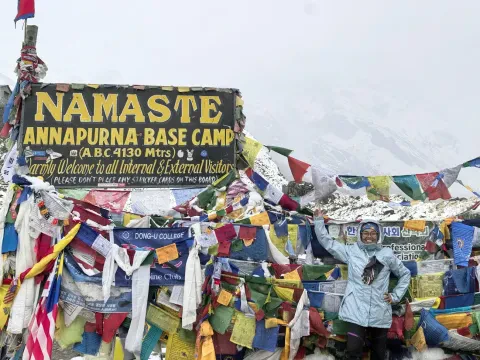
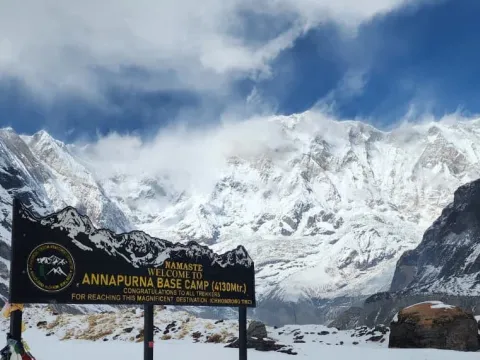
Finally, standing at Annapurna Base Camp (4,130m) in March is something else—it’s like stepping into a silent, icy amphitheater surrounded by giants. Annapurna I (8,091m) rises above, still wrapped in its thick winter coat. On the way back, don’t miss the natural hot springs at Jhinu Danda (1,780m). After all that cold and altitude, sliding into warm water is pure bliss. This March itinerary gives you a safe, unforgettable trek—one packed with beauty and a real sense of adventure.
| Day | Key Destination | Altitude | Main Highlight |
|---|---|---|
| Day 3 | Ghorepani | 2,860m | Sunset views of the Annapurna range |
| Day 4 | Poon Hill | 3,210m | Panoramic sunrise over Dhaulagiri |
| Day 7 | MBC | 3,700m | Close-up view of Machhapuchhre |
| Day 8 | ABC | 4,130m | Final goal in the Annapurna Sanctuary. |
Meanwhile, there’s something about Annapurna Base Camp Trek in April that feels electric. Suddenly, the whole Annapurna Conservation Area bursts into color. Red rhododendrons catch your eye, popping against snowy peaks. If you’re on the trail from Ulleri to Ghorepani, you pretty much walk through a tunnel of flowers. It’s wild—huge clusters of color everywhere, and if you turn just right, you get these perfect shots of distant Hiunchuli framed by blossoms. The mix of flowers and ice is just unbeatable for nature photography in the Himalayas.
Here, the light helps, too. Early spring sun near Tadapani throws this gentle, golden glow over the terraced fields and the old stone houses. Some mornings, mist rises up from the Modi Khola valley, softening the whole scene and making your photos look almost mysterious. A lot of photographers end up lingering in these forests, just waiting for that moment when the light filters through the canopy.
And April isn’t just about landscapes. The wildlife wakes up. Near Sinuwa, you might spot a Danphe—the national bird of Nepal—flashing its colors among the trees. Or you’ll catch mountain goats grazing on the bright green slopes below Machhapuchhre. These animals bring your shots to life, putting real scale and energy into those sweeping mountain views. Getting these photos takes patience, but when you do, it’s worth it.
Finally, when you reach Annapurna Base Camp, everything comes together. The valleys below are lush and green, and the white peaks above feel even bigger against all that fresh color. Even the teahouses in Chhomrong become great places for portraits—locals and trekkers sharing stories after a long day. Every turn on the trail gives you another reason to haul your camera out of your pack. April floods your memory card with some of the most vivid shots Nepal has to offer.
Actually, Spring trekking in the Himalayas always comes with its own set of challenges, even during the so-called “best” seasons. If you’re thinking about heading to Annapurna Base Camp in late March, get ready for lingering winter snow. The stretch between Himalaya (2,920m) and MBC (3,700m) is notorious for holding onto thick, icy patches. You might have to slow down, maybe even strap on some micro-spikes, just to keep your footing. But there’s a silver lining: the cold air brings crisp, clear mornings, and Annapurna I (8,091m) looks its best.
Here, late March isn’t just about icy paths—there’s also a real chance of late-season snowfall. Sometimes, heavy snow shuts down trails or delays your progress, especially around the narrow sections up in the Annapurna Sanctuary (4,130m). You have to stay flexible. Local guides are always on alert for avalanche risks, especially near Deurali (3,200m), so trust their judgment during these unpredictable weeks. If you come prepared for cold, a sudden snowstorm won’t wreck your trip.
Now, April flips the script. The days warm up, especially around Jhinu Danda (1,780m), and you start to feel that spring heat climbing up the valleys. Problem is, all that warmth makes the air humid, and by midday, thick clouds start rolling in. Sure, you’ll probably catch a bright sunrise over Machhapuchhre (6,993m), but by lunchtime, the peaks tend to vanish behind a dull haze. It’s a trade-off: you get nicer temperatures and more comfortable nights, but you lose those long, clear mountain views.
So, how do you choose? If you love sharp, unobstructed scenery and don’t mind the cold (or the risk of snow), March is your month. April’s for those who prefer milder nights at places like Chhomrong (2,170m), even if the peaks play hide-and-seek most afternoons. Either way, Annapurna in spring doesn’t disappoint—as long as you roll with the weather and pack good waterproof gear. That’s what really keeps the journey comfortable, no matter what the skies decide to do.
| Month | Primary Risk | Impact on Trekker | Best Mitigation |
|---|---|---|
| Late March | Lingering Snow/Ice | Slower pace, colder nights | Micro-spikes & Down Jacket. |
| April | Afternoon Haze/Clouds | Reduced mountain visibility | Early morning starts (6 AM). |
| Both Months | Altitude Sickness | Headache, nausea, fatigue | Gradual ascent & Hydration. |
Curious about what it’s really like on the Annapurna Base Camp trek in March and April? Here’s what a few trekkers had to say after their trips—straight from the trail, no filters.
Here, Sarah, who flew in from the UK, trekked to the base camp back in mid-March. She didn’t expect the trails would be so empty, especially near Ghorepani (2,860m). It felt peaceful, almost like she had the whole mountain to herself. Nights at Machhapuchhre Base Camp (3,700m) were brutally cold, but the mornings? Crystal clear skies. She snapped some breathtaking photos of Annapurna South (7,219m), not another hiker in sight. For Sarah, facing the cold was totally worth it for that rare mix of silence and perfect mountain views.
Likewise, then, there’s James from Australia, who set out in mid-April. He couldn’t get over the forests—walking down from Tadapani (2,630m), he found himself in what he called a “tunnel of red” during the rhododendron bloom. Sure, the afternoons got cloudy, but he loved the warmer air around Sinuwa (2,360m). What really made his trip, though, was the lively energy in the teahouses. For James, April’s the sweet spot if you’re after both nature’s colors and a sense of community on the trail.
Moreover, guides get a lot of love in these stories, too. Maria from Spain went in late March and ran into a surprise snowstorm near Deurali (3,200m). Her guide knew the safest way through, and thanks to that, she reached Annapurna Base Camp (4,130m) without trouble. Maria’s convinced that signing up with a solid Annapurna Base Camp Trek agency made all the difference—local know-how really is priceless up there.
All in all, these stories show just how much the Annapurna region changes between March and April. Some people chase the quiet snows of March, others want the wild burst of color in April, but everyone agrees—the views and the feeling of reaching the top are worth every step. Even if you’re shivering before dawn, that sunrise over Hiunchuli (6,441m) is the kind of thing you’ll remember for years. Hearing from folks who’ve just done it helps set the scene, so you know what’s waiting for you out there.
Trekker Satisfaction Highlights
So, you’re eyeing the Annapurna Base Camp Trek. Great choice. But here’s the thing: picking between March and April actually shapes your whole experience in the Himalayas.
Let’s say you want a taste of true mountain adventure. March is your month. It’s cold, sometimes biting, and the air’s extra crisp. You’ll hike past the frozen face of Annapurna I, the snow untouched, and the trails almost empty. This isn’t just any trek—it’s the Himalayas showing off their wild side. If you’re the type who prefers raw, rugged beauty over comfort, and you don’t mind layering up, March gives you that classic alpine feel.
Moreover, there’s another perk. March is quiet. From Ulleri to Ghorepani, the trails barely see a crowd. You get these long stretches where it’s just you, the wind, and the distant rumble of the Modi Khola River. You can actually hear your own footsteps—or nothing at all. If you need space to think, or you just want to escape the buzz of bigger groups, March is perfect.
But maybe that’s not your style. Maybe you want color, warmth, and energy. That’s April. The whole Annapurna Conservation Area turns lush and loud with rhododendrons in bloom and bright green valleys. The teahouses fill up with travelers from everywhere, swapping stories and laughs in Chhomrong after a long day. There’s this springtime festival feel—life everywhere, and views that just beg for your camera. If you want social energy and landscapes bursting with color, you’ll love April.
In fact, both months deliver something special, but it really comes down to what you want out of the trek. Imagine waking up to total silence and cold in March, or to a sunrise full of bird calls in April. Ask yourself: Do you want a challenge, or do you want company? Are you after solitude, or are you looking for the shared buzz of the trail?
Whatever you choose, standing at Annapurna Base Camp with the peaks all around you—that moment always stuns. The right month just makes it feel even more yours.
| Your Trekking Style | Recommended Month | Key Attraction |
|---|---|---|
| The Solitude Seeker | March | Quiet trails and peaceful teahouses |
| The Landscape Photographer | March (Clarity) / April (Color) | Sharp peaks or blooming forests |
| The Comfort Trekker | April | Warmer nights and milder days |
| The Social Butterfly | April | Vibrant community and lively lodges. |
If you’re trying to pick the best month for the Annapurna Base Camp Trek, April just stands out. The weather, the scenery, the trail conditions—it all lines up for something you’ll remember for the rest of your life.
Ask around, and you’ll hear the same thing from mountain guides and seasoned trekkers: April is the gold standard for trekking in the Himalayas. Temperatures are comfortable, and the views are unreal. You won’t have to bundle up against the lingering winter chill you still get in March. Places like Sinuwa and Deurali feel just right during the day, so hiking actually feels enjoyable, not like a test of endurance. You get to soak in the beauty of Annapurna I without being distracted by freezing hands or chattering teeth.
More importantly, and the flowers—wow. April is when the rhododendrons, Nepal’s national flower, go wild. The forests explode with color, something you just don’t see earlier in the year. Those reds and pinks set against the snow-white peak of Machhapuchhre look almost unreal. Most people say the rhododendron forests near Tadapani end up being the most magical part of their trek. April really delivers a sensory experience that sticks with you.
Here, practical stuff is easier too. By April, all the teahouses are open and fully stocked. You don’t have to worry about finding a place to sleep or running out of good food. Even the hot springs at Jhinu Danda feel perfect after a long day on the trail. Sure, trekking packages might cost a little more because demand is up, but honestly, it’s worth every penny. Your odds of reaching the base camp are at their highest, so you know your trip is in good hands.
Then there’s the vibe on the trail. April brings the crowds, but in a good way. There’s this contagious excitement as trekkers from all over the world make their way to Annapurna South. You end up meeting people, swapping stories, maybe even making friends for life. When everyone finally reaches the sanctuary, you can feel the joy in the air—it’s like being part of something bigger. March is nice, sure, but April is when the trail really comes alive. For most trekkers, it’s the obvious choice for a true Himalayan adventure.
Why April Wins the Verdict :
If you want your Annapurna Base Camp trek in March or April to be unforgettable, it all starts with solid prep. First off, get your body ready. Don’t leave training to the last minute—give yourself at least two months. Cardio’s key. Try stair climbing and long hikes, especially since the climb near Ulleri gets your legs burning fast. Trust me, you’ll be glad you did when you hit those steeper sections. Staying hydrated and pacing yourself on the way to Ghorepani helps, too. It’s about enjoying the views of Annapurna I, not just surviving them.
Actually, sorting out logistics can get overwhelming, but booking a good ABC trek package makes life way easier. Agencies sort your permits, grab you the best lodge rooms in busy spots like Chhomrong, and hook you up with guides who actually know the trails and the wild weather in the Sanctuary. These guides do more than just keep you safe—they’ll fill you in on local culture and the twisted geography of the Modi Khola River. Having pros on your side just makes the whole thing smoother and a lot safer.
Here, packing for spring in the Himalayas is its own art. Bring layers—mornings at Machhapuchhre Base Camp can freeze you, but you’ll be sweating on those sunny climbs past Tadapani. Go for moisture-wicking clothes to stay comfortable. Don’t forget a power bank for your phone and a good sun hat. The sun up there is brutal, and your electronics need protection from the cold as much as you do.
Honestly, your mindset shapes your whole experience up there. Be ready to roll with whatever the mountain throws at you—plans change fast near Deurali. Slow down and talk to the locals. Their mountain life is something else. And when you wake up early to watch the sunrise over Annapurna South, you’ll realize all the effort was worth it. This trek’s not just a hike—it’s a journey that sticks with you long after you’re home.
| Planning Category | March Strategy | April Strategy |
|---|---|---|
| Gear Focus | Heavy insulation / Micro-spikes | Breathable layers / Sun protection. |
| Lodge Booking | Moderate flexibility | Advance booking essential. |
| Pacing | Slower for cold management | Consistent for warmer afternoons. |
| Safety | Monitor snow levels at MBC | Watch for afternoon haze/clouds. |
1. Is March or April Better for the Annapurna Base Camp Trek?
March and April are both months for the Annapurna Base Camp Trek.. They offer different experiences. March is cooler. Has clearer mountain views. April is warmer. Has blooming flowers. If you want trails March is better. If you want to see landscapes April is better. So it depends on what you like.
2. What Is the Weather Like at Annapurna Base Camp in March and April?
The weather is usually stable in both months. In March it is cold in the mornings and nights above 3,000 meters. In April it is warmer and more comfortable for trekking. The daytime temperatures also rise slowly.. The weather can change quickly in the Himalayas. So always carry clothes and rain protection.
3. Which Month Has Mountain Views, March or April?
March usually has the clearest mountain views. The air is clean after winter. In April the views are still great. Sometimes there is haze in the afternoons.. You can still see great views of Annapurna I (8,091m) Machhapuchhre (6,993m) and Hiunchuli (6,441m) in both months. So both months are great for mountain lovers.
4. Are Rhododendron Forests Better in March or April?
April is the month for rhododendron flowers. The hillsides around Ghorepani and Chhomrong are colorful with pink and white flowers. Some flowers start blooming in March but April has more flowers. So nature lovers and photographers like April to see Nepals rhododendron forests.
5. Is the Annapurna Base Camp Trek More Crowded in April?
Yes April has trekkers than March. The warmer weather and blooming flowers make it a busy month. So teahouses can fill up quickly on trails. March is also busy but less crowded. So plan ahead. Book lodges early especially during peak season.
6. How Cold Is Annapurna Base Camp in March Compared to April?
March is colder in the mornings and nights. Temperatures at Annapurna Base Camp (4,130m) can drop below freezing. April is slightly warmer and more comfortable.. Both months require warm clothes. So bring a sleeping bag and layers.
7. Which Month Is Better for Beginner Trekkers?
Many beginners like April because it is warmer and more comfortable. The trails are easier to walk on.. March is also good for beginners who are prepared, for cold weather. Both months have trekking conditions. So prepare well. Acclimatize slowly no matter which month you choose.
8. Is There Rain in March or April at Annapurna Base Camp?
March and April are pretty dry months compared to the summer monsoon season. March usually has rain and clearer skies. April can have some afternoon showers when it gets warmer.. These showers are short and do not really affect trekking plans. So both months are great for doing the Annapurna Base Camp Trek
9. Which Month Offers Better Photography Opportunities?
You can take photos in both months. March has clear views of the mountains and beautiful snow-covered landscapes. April has mountain scenery and pretty rhododendron forests. Some photographers like March for the mountain views. Others like April for the landscapes.
10. Are Teahouses Fully Open in March and April?
Yes teahouses are open in March and April. These months are part of the trekking season. You can find a place to stay and eat along the route. But April is busier so some lodges might fill up quickly. It is an idea to plan your trek with a guide or itinerary.
11. What Should I Pack for Annapurna Base Camp in March and April?
You need to pack things for both months. Bring clothes, waterproof jacket, gloves and a sleeping bag. March can be colder so you might need clothes. April can be warmer in the afternoons. It is best to wear layers so you can adjust to the changing weather.
12. Is Altitude Sickness Different in March and April?
The risk of altitude sickness is the same in both months. The high altitude can affect you no matter what time of year you go. Annapurna Base Camp is really high so you need to be careful. Go up slowly drink plenty of water and watch for symptoms. If you do this you will be safer and more comfortable.
13. Which Month Is Better for Families Trekking to Annapurna Base Camp?
April is often better for families because it is warmer and the trails are nice. Kids like the blooming flowers and mild weather.. March can be okay for families who are used to hiking and have the right clothes. Both months are fine if you plan for rest and getting used to the altitude.
14. Are Trekking Costs in March and April?
The cost of trekking is much the same in both months. The fees for permits do not change. But more people go in April so it might be harder to find a place to stay. Overall the cost is the same. You should think about how you will trek, if you need a guide and how you will get there.
15. Should I Choose March or April for the Annapurna Base Camp Trek?
Choose March if you like weather, smaller crowds and really clear mountain views. Choose April if you like weather and pretty flowers. Both months are great for trekking and seeing the Himalayan mountains. You will have a time, on the Annapurna Base Camp Trek if you plan it well.
Our travel experts are ready to assist you with any questions.
Send us a message.Have a question before you book? Send your enquiry below and our travel experts will get back with the required information.