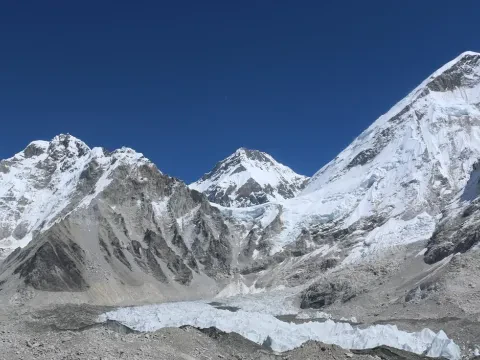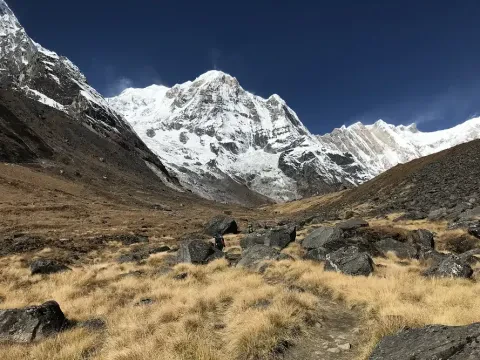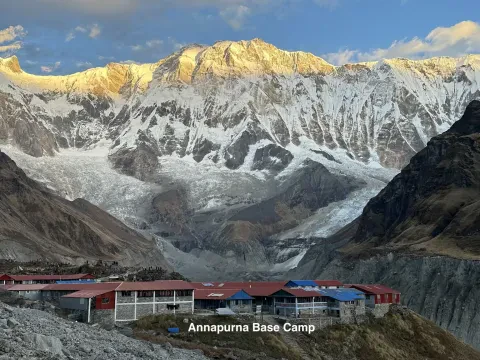
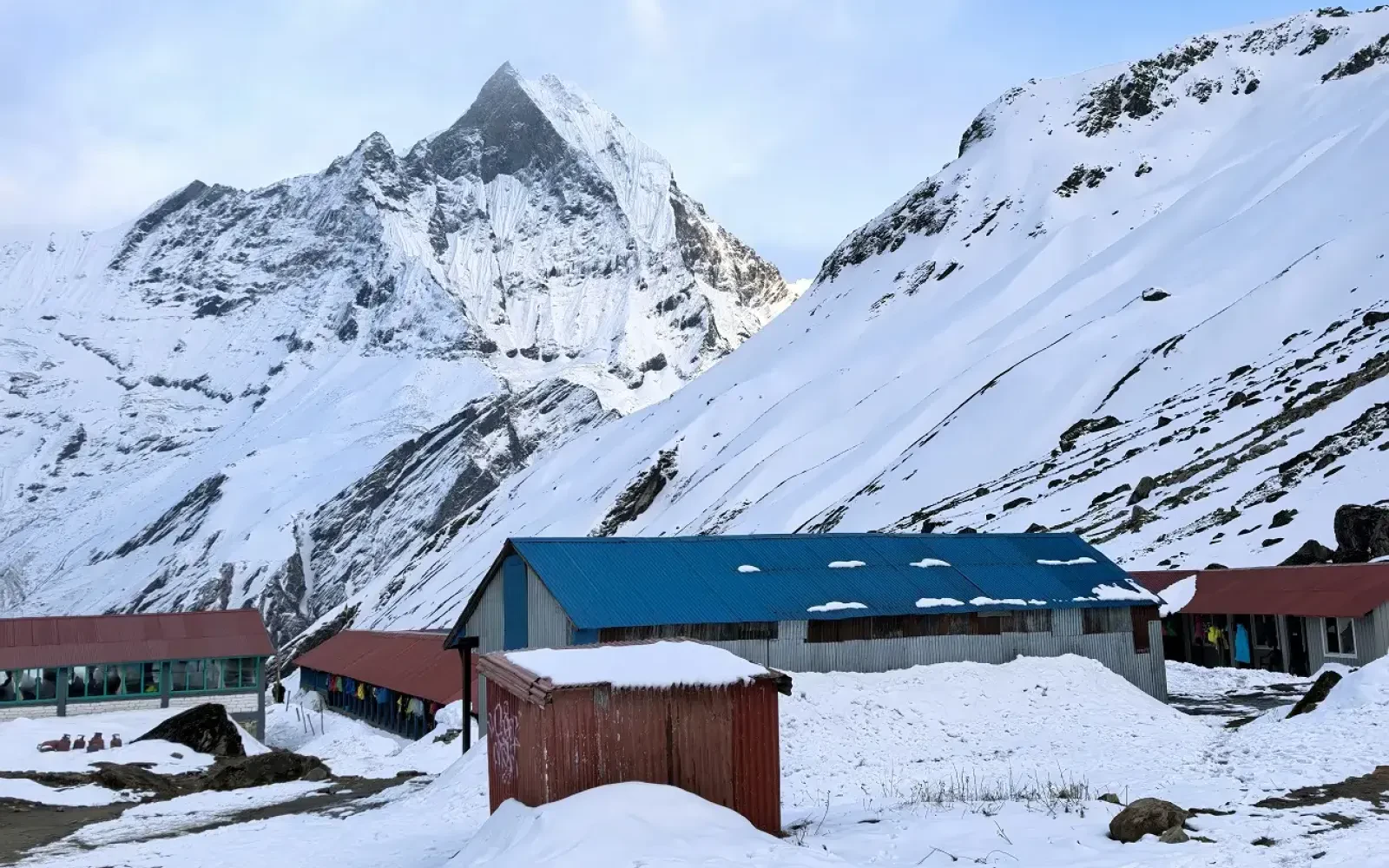
An introduction to the attraction of trek which is located in Nepal's Annapurna sanctuary, with magnificent views of the peaks like Annapurna I (8,091m) and Machhapuchhre and attracting thousands each year for its combination of culture, nature and adventure.
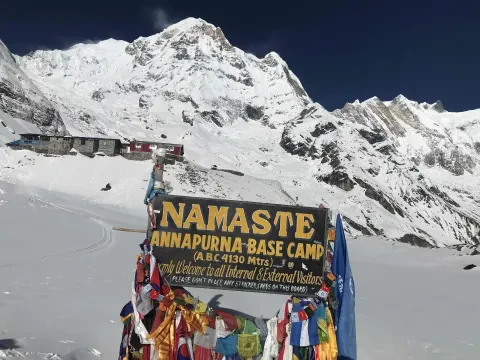
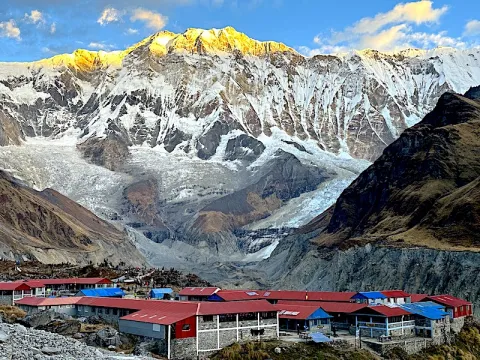
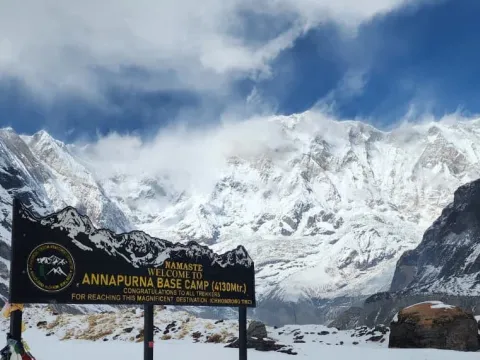
Actually, the Annapurna Base Camp trek (ABC Trek) attracts visitors from all over the world. Travelers journey across different terrain in the Himalayas of Nepal. They pass through lush forests and water flows through rushing rivers. Villages display the cultures of Gurung and Magar tribes vividly. The peaks ascend sharply around the sanctuary. Annapurna I, at 8,091 meters, is a major feature, along with Machhapuchhre (6,993 meters). The trekkers enjoy the expansive views at the basecamp, located 4,130 meters high. They experience the physical adversity and natural beauty of the trekking route. The wildlife prospers in the conservation area. Rhododendron trees blossom in the spring. This trek motivates a lot of people and so it is eternally attractive. In the end, it combines adventure and tranquility perfectly.
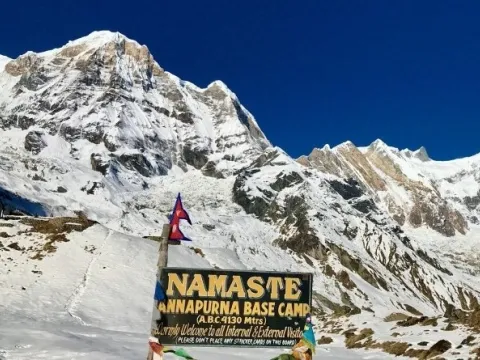
Get into every appeal of the ABC trek that people enjoy. Tracks snake through terraced fields and bamboo patches. Bridges span the raging Modi Khola River, and steps snake over mountain slopes. Their warmth and local flavor keep trekkers in teahouses. The sanctuary is a natural region of high snow covered giants. Annapurna South reaches the height of 7,219 meters, whereas Hiunchuli rises at 6,441 meters. Altitude rises from valleys to high-towered meadows, which is sensitive for self-acclimatization. Cultural celebrations gather people during seasons. The nature lovers find many flying creatures and flowers and individuals challenge themselves. This mixture is admire of thousands every year. In conclusion, the trek combines culture, nature and thrill.
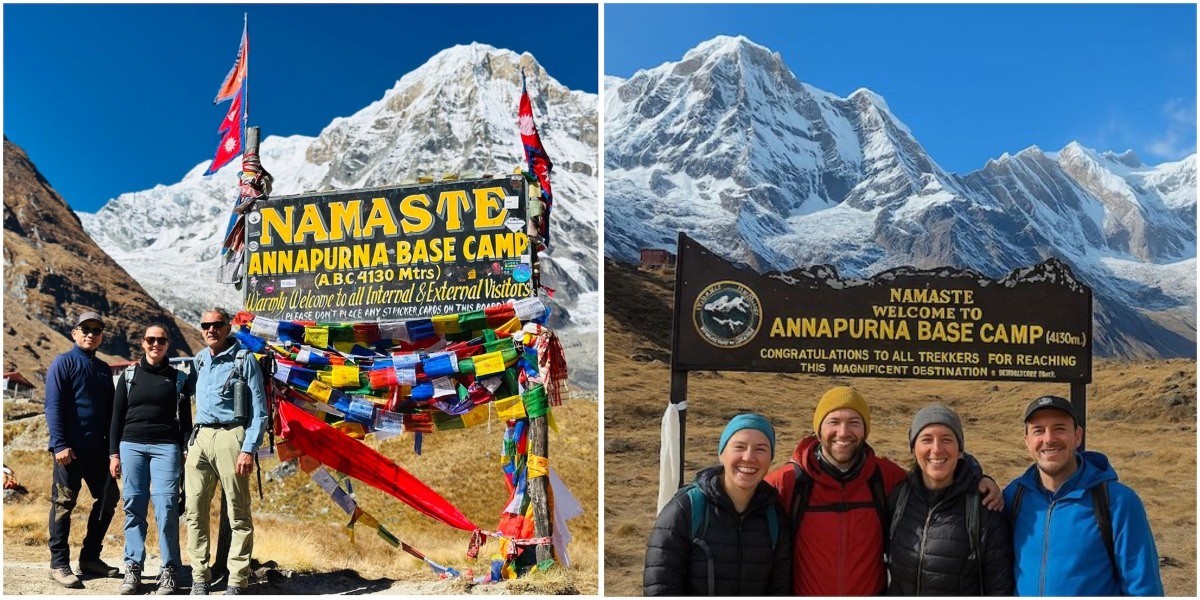
Key Attractions of the Annapurna Base Camp Trek:
| Peak Name | Elevation (meters) | Notable Feature |
|---|---|---|
| Annapurna I | 8,091 | 10th highest Mountain peak globally |
| Machhapuchhre | 6,993 | Sacred fishtail mountain-shaped summit |
| Annapurna South | 7,219 | Dramatic southern face view |
| Hiunchuli | 6,441 | Rugged ridge connector |
| Aspect | Details |
|---|---|
| Duration | Typically 10-13 days. |
| Max Altitude | 4,130 meters at base camp. |
| Difficulty | Moderate with gradual ascents. |
| Best Seasons | March-May and September-November. |
| Visitor Numbers | Thousands annually for its blend. |
Actually, the Annapurna Base Camp Trek isn’t just a modern hiking trail—it’s ancient. Long before backpackers showed up, pilgrims followed these paths, seeking out the Annapurna Sanctuary for spiritual renewal. For Hindus, Annapurna is the goddess who feeds the world. Buddhists came too, drawn by the quiet power of the landscape. These trails didn’t just serve faith; they connected far-flung villages and wound over high mountain passes, carrying salt and wool between Nepal and Tibet. Traders braved the weather, hauling goods through snow and storms, but devotion and necessity kept them moving. At 4,130 meters, the sanctuary held temples like the Annapurna Temple, and the mountains themselves—Annapurna I towers at 8,091 meters—stood as living symbols of the divine.
Every stone step during Annapurna Base Camp Trek tells a story. Local communities built them to make the journey safer, and some are still there, worn smooth by centuries of feet. This is more than a walk—it’s a living heritage. When you trek here, you’re following in the footsteps of pilgrims and traders who shaped the route.
Here, trade and faith have always mixed along these Himalayan trails. Nepalese merchants swapped grains for Tibetan goods, their caravans winding through rivers and forests, especially down in the Modi Khola Valley where travel gets a little easier. Sacred sites along the way still draw crowds every year for rituals and festivals. The Gurung and Magar people keep old traditions alive, and ancient stupas still stand at key spots. Foreigners only started coming in 1977, but the stories go way back. These pilgrimages brought people together, and trade built the villages that dot the landscape. The old footpaths turned into the modern trekking routes people follow today.
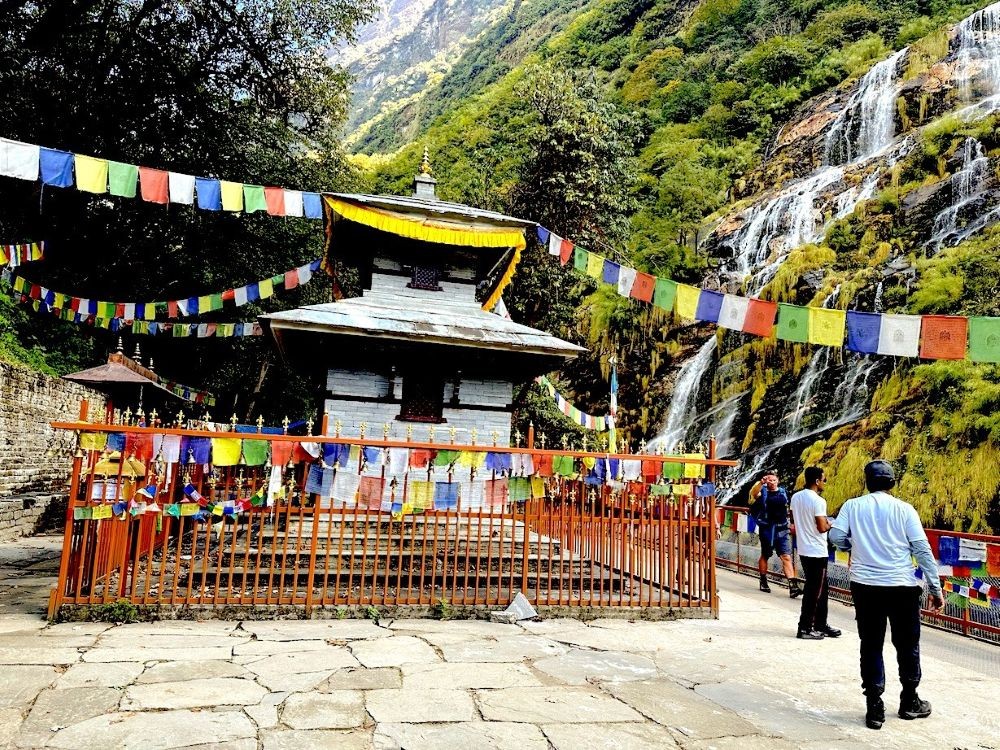
Honestly, every step on this trail connects you to that deep history. It’s not just a trek—it’s a journey through the heart of the Himalayas, shaped by faith, commerce, and a stubborn sense of community that refuses to disappear.
Historical Significance of Pilgrimage Sites:
| Route Segment | Elevation Range (meters) | Traded Goods |
|---|---|---|
| Nepal-Tibet Corridor | 2,000-5,000 | Salt, wool from Tibet; grains from Nepal |
| Modi Khola Valley | 1,000-3,000 | Herbs, spices, and textiles |
| Sanctuary Access | 3,000-4,130 | Religious artifacts and supplies |
| Period | Key Developments. |
|---|---|
| Ancient Times | Used for pilgrimage and trade. |
| Pre-1977 | Local use by communities. |
| Post-1977 | Opened to international trekkers. |
| Modern Era | Improved paths with stone stairs. |
In 1950, Maurice Herzog led the first successful journey of Annapurna I (8091m) the first climber to conquer an 8,000m summit. The expedition gained world attention for the Himalayan mountain range, with the 'north route' (the route used in the 1950 ascent) named the Maurice Herzog Trail.
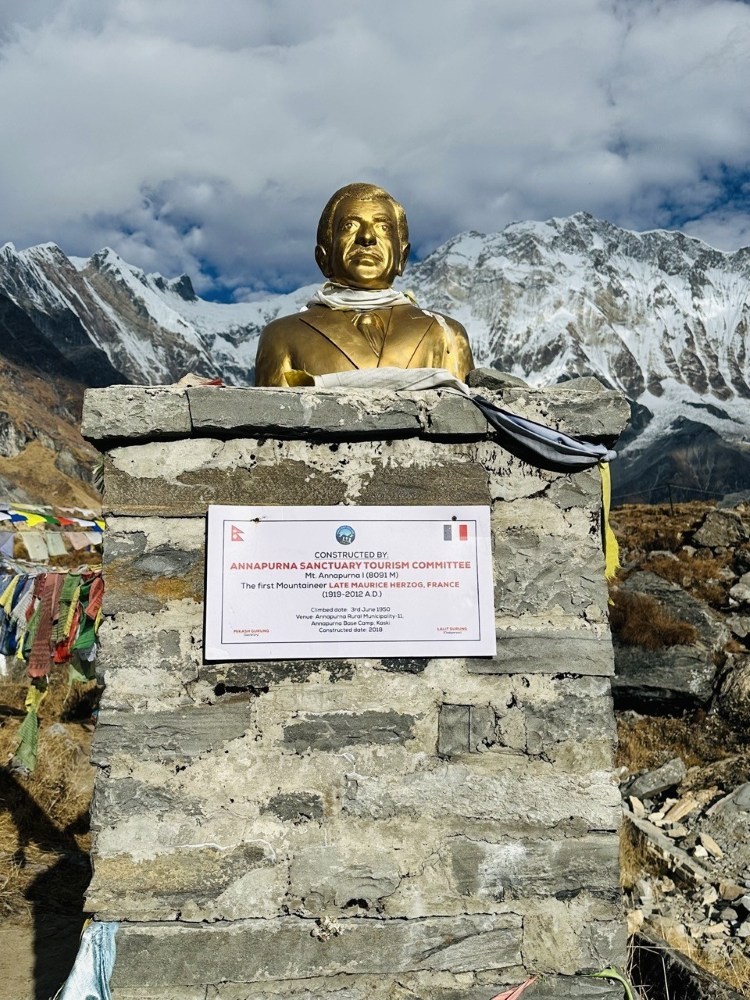
Meanwhile, the 1950 French expedition made a significant breakthrough in mountaineering. Led by Maurice Herzog, the expedition triumphed in successfully conquering an 8,000m mountain (Annapurna I). They reached an unknown terrain within record time. Louis Lachenal partnered with Herzog to take the summit. The ascent took place on the 3 rd of June in the year 1950. It was achieved without the use of supplemental oxygen. They shifted from Dhaulagiri I (8,167m) after unsuccessful reconnaissance.
Actually, the climbers made their way over the dangerous North Face route. Severe frostbite occurred during the arduous descent. Herzog and Lachenal met with life-threatening injuries yet managed to survive. The idea of scaling an 8,000m mountain gained enthusiasm in the world. The 'north approach' route gained name fame as the Maurice Herzog Trail. Thus, the summit proved a path for expeditions later. In conclusion, it was the first triumph of mankind in reaching the summit of an 8,000m peak.
Here, this expedition is often remembered for the magnificent spirit of adventure and risk. The French climbers confronted shifting snow and air torrents consistently. Ascent camps were incrementally established up to 7400m. Herzog's leadership inspired the final assault. Lachenal protested for rapid reversal of route owing to numbness. The summit gained momentary elation amidst involuntary sacrifice. The world's media made enthusiastic reportage on this historic feat. Herzog's publication of the story resulted in a spike in book sales numbering millions. It functioned as an inspiration for future generations of climbers worldwide. The event opened the land of Nepal to organized mountaineering.
Therefore, it became the foundation of adventure tourism. Lastly, the ascent indicated endeavor and risk in mountaineering.
Key Details of the 1950 French Expedition:
| Member | Role | Contribution |
|---|---|---|
| Maurice Herzog | Leader | Led summit push; authored famous book |
| Louis Lachenal | Guide/Climber | Co-summiter; urged quick descent |
| Lionel Terray | Guide/Climber | Set ferocious pace on route |
| Gaston Rébuffat | Guide/Climber | Technical expertise on ice |
| Jean Couzy | Climber | Supported camps |
| Marcel Schatz | Climber | Assisted reconnaissance |
Legacy and Impact:
Actually, the first organized commercial trekking trips to Annapurna Base Camp appeared in the 1960s. Pilgrimage routes were transformed into commercial adventures by Lieutenant Colonel James Owen Merion Roberts. He was the first person to lead a commercial trip to the area of Annapurna. His pioneering efforts pioneered Nepal's early trekking industry and established the country's image as a trekking destination.
Back in the 1960s, Nepal was a trail for pilgrimages, yet commercial trekking started to develop. Lieutenant Colonel James Owen Merion Roberts was a pioneer. In 1965, he established Mountain Travel, the first agency specializing in trips to Nepal. This agency became the first ever trekking business based in Asia. It allowed the trekking world to explore new, Nepalese mountain regions safely. Moreover, local entrepreneurs could benefit from the influx of tourists. It created jobs for guides and porters in Nepal's villages. Bird's eye views of the Annapurna region soon attracted many tourists from abroad. This significant influx of tourists helped boost the Nepalese economy. On the whole, Roberts pioneered and effectively inaugurated Nepal as a pioneer trekking destination.
Likewise, Europeans and Americans responded well to this method of structuring adventure. Using the existing knowledge of mountain adaptation and its logistical mastery, Roberts became known for his trekking companies that catered for group travel comfortably. His trips explored valleys, villages, and mountain passes peacefully. With time, quality improved in teahouses and camps. The popularity of the Annapurna trekking routes increased rapidly. Tourism agencies increased as well. Following Roberts' example, the Gurung culture was experienced by many foreigners. The industry initially expanded without overstraining the environment. Roberts established clear ethical practices. As a result, trekking ultimately drew many visitors to Nepal. It provided a source of permanent livelihood to local people.
Pioneering Role of J.O.M. Roberts:
| Year/Period | Key Development | Impact on Industry |
|---|---|---|
| Early 1960s | Roberts led first paid groups to Annapurna | Shift from exploration to tourism |
| 1965 | Mountain Travel established | Formalized organized treks |
| Mid-1960s | Agencies emerged in Kathmandu | Increased international visitors |
| Late 1960s | Annapurna and Everest regions popularized | Foundation for modern trekking boom. |
Major Milestones in Nepal's Trekking Industry:
In 1977, Annapurna Region opened to all overseas trekker after settling local confrontation thus transforming it from an entirely local trail to a world class one; initially as a section of the longer Annapurna Circuit.
Likewise, the government opened a route through the Annapurna region to outsiders trekkers coming into 1977. Authorities mediated a peaceful agreement from conflicting Khampa insurgents, the people, and the military. Ultimately, this terminated the banning restrictions to a considerable extent. Trekker then gained free access to the holy tracks; thereby shifts from an isolated pilgrimage route. International travelers glimpsed at breathtaking landscapes keenly. The otherwise inaccessible Annapurna Base Camp at 4130m could be visited.
Accordingly, the trail run side by side initially with the world traveled classic path of Annapurna Circuit. Tourism experienced an explosively boost from then. Consequently, the locals embraced it larger than life eagerly. Therefore, the event marked a paradigm shift. To conclude, it opened Annapurna to the world ultimately.
Likewise, more trekkers came to Nepal following the opening of its border. They ascended over the kripiso basins and thick forested valleys in their journey. Several majestic spots like Annapurna I (8091m) and Machhapuchhre (6993m) clicked at those visiting eyes. All entry formalities were eased through permits. Institutions planned the group expeditions uneventfully. Trekkers marveled at the natural ceiling of the sanctuary; a natural paradise in the nature in Annapurna region. Evenly, cultural orders enriched visitors bagels. No. Of the travelers kept growing every passing years. The event uplifted the leading Nepalese economy unmitigatedly. As a result, trekking a becoming a major profession. To sum up, the event hired many globetrotters into the bliss of Himalayas' enchantments.
Key Historical Context for 1977 Opening:
| Aspect | Details Before 1977 | Details After 1977 |
|---|---|---|
| Access | Restricted to locals and pilgrims | Open to international trekkers |
| Visitor Type | Primarily domestic/religious | Global adventurers and tourists |
| Infrastructure | Basic local paths | Development of trails and teahouses |
| Economic Effect | Limited local trade | Boosted employment for guides/porters |
| Annual Visitors (Later) | Minimal | Thousands annually in Annapurna region |
Notable Changes Post-Opening:
Back in the 1980s, everything started to change for Annapurna trekking. Crews built new roads from Pokhara out toward Nayapul, and suddenly, what used to be a remote adventure had an easier starting point. Vehicles could reach the trailheads, so getting there wasn’t a hassle anymore. Trekkers began their journeys from lower elevations, and word spread fast—by the 1990s, people were flocking to Annapurna. Teahouses popped up everywhere. The full trek stretched about 115 to 116 kilometers, with the highest point at Annapurna Base Camp, 4,130 meters up. Along the way, you’d pass through Gurung villages, really getting a feel for the local culture, and watch the scenery shift from lush subtropical forests to stark alpine landscapes.
Likewise, those new roads made a huge difference. They brought more comfort without taking away the sense of adventure. By the 2000s, the improvements just kept coming. Nayapul, sitting at about 1,070 meters, turned into the go-to starting spot. The drive in cut down on long, tiring approaches, and the trek itself got easier to manage for more people. Trekkers could count on decent lodges—hot meals, a warm bed at the end of the day—which made the whole experience friendlier. The views? Unforgettable. Annapurna South and Hiunchuli towered overhead, drawing cameras and awe. Conservation groups stepped up to protect the region’s wildlife and forests, so the area stayed beautiful even as more visitors arrived. Tourism brought money into local communities, which thrived on the steady flow of trekkers. Annapurna’s old footpaths grew into a global trekking destination—still wild at heart, but now a little more welcoming.
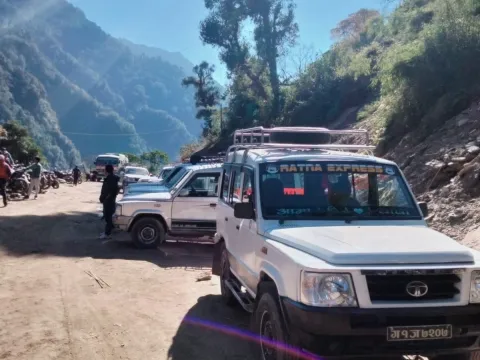
Road Development Timeline (1980s-2000s):
| Feature | Details |
|---|---|
| Total Distance | 115-116 km round-trip |
| Maximum Elevation | 4,130m at Annapurna Base Camp |
| Starting Point (Modern) | Nayapul (≈1,070m) near Pokhara |
| Duration (Typical) | 10-12 days |
| Ecosystems | Subtropical forests to alpine meadows. |
Key Villages and Cultural Blend:
Evolution Highlights (1980s-2000s):
When the massive 7.8 earthquake hit Nepal in 2015, the Annapurna region got off pretty easy. Sure, the quake caused chaos in places like Langtang, but Annapurna mostly shrugged it off. Only about 3% of the accommodations needed repairs—nothing major, just things people could fix. All the bridges held up. Trails stayed open. No big landslides blocked the way to Annapurna Base Camp, even at 4,130 meters. The big peaks—Annapurna I and Machhapuchhre—just kept watch over routes that barely changed.
While some areas took years to recover, Annapurna’s communities bounced back fast. Teahouses showed a few cracks here and there, but nothing that shut them down. The main reason? The earthquake’s epicenter was farther east, so the shock didn’t hit as hard. People went out and checked 250 lodges and 30 bridges—only six places really needed fixing. Villages like Ghandruk kept running, and trekkers were back on the trails almost right away. All in all, Annapurna proved itself safe and resilient, especially when you compare it to the devastation elsewhere.
Damage Assessment in Annapurna Region (2015 Earthquake):
| Region | Earthquake Impact Level Key Effects | Recovery Timeline |
|---|---|---|
| Annapurna | Minimal - 3% accommodations damaged; no trail/bridge loss | Immediate; fully passable mid-2015. |
| Langtang | Severe - Village buried by avalanche; teahouses destroyed | Rebuilt over years; reopened ~2017. |
| Everest/Khumbu | Moderate - Some teahouses damaged; avalanche at Base Camp | Operational for season post-quake. |
| Manaslu | Significant - Trail damage and roadblocks | Partial recovery; slower access. |
Key Facts from Official Assessments:
By the middle of 2015, the Annapurna trails were open and teahouses buzzed with life again. Locals didn’t waste any time—they patched up their homes, fixed teahouse walls the old-fashioned way, and got everything running. Most damages turned out to be minor, and people got back on their feet fast. The region bounced back so well that officials declared it safe pretty quickly. Trekkers seemed to trust that, too. Annapurna Base Camp, towering at 4,130 meters, started welcoming hikers again, and those classic mountain views—Annapurna South and its neighbors—looked just the way people remembered.
Honestly, while places like Langtang and Everest struggled with long recoveries, Annapurna just kept moving. The resilience here really stood out. Tourism agencies jumped in to spread the word, and guides did their best to reassure nervous visitors. Bit by bit, trekkers returned. The Gurung villages, like Chhomrong at 2,170 meters, kept their doors open and their hospitality strong. Conservation projects didn’t skip a beat. Compared to other regions, Annapurna offered a sense of security that drew people back.
All in all, Annapurna’s quick recovery showed just how tough and connected these communities are. It kept Nepal’s trekking spirit alive and well.
Recovery Timeline and Milestones (2015):
| Aspect | Details | Outcome |
|---|---|---|
| Accommodations | 3% damaged (repairable); quick fixes with cement/stone | All operational by mid-2015 |
| Trails & Bridges | No major damage; undamaged by landslides | Fully accessible immediately |
| Community Resilience | Locals repaired structures promptly | Minimal economic/tourism loss |
| Safety Declaration | Official report by experts in July 2015 | Promoted as safe vs. harder-hit areas |
Comparison of Recovery Speed:
Key Resilience Factors:
In 2026, the Annapurna Base Camp trek is wide open and running smoothly. You can start from Nayapul or pick another trailhead if you want, and the roads from Pokhara make getting there pretty easy. The path itself feels better than ever—upgrades mean fewer bumps and slips, and the teahouses along the way are more comfortable, with warm rooms and solid meals. The days of needing a TIMS card are over, so you only need an ACAP permit now, which makes things a lot simpler.
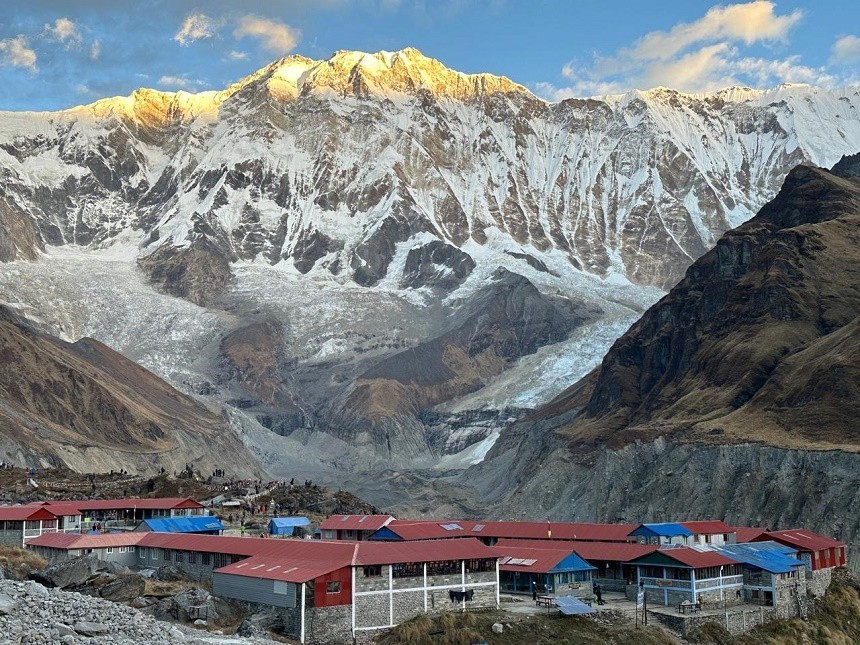
Starting out at Nayapul (1,070 meters) or Ghandruk (1,940 meters), groups get a warm welcome. The trek stays at a moderate difficulty—nothing too extreme, just steady climbing. You’ll top out at 4,130 meters at the Base Camp, surrounded by those huge peaks like Annapurna I. No big issues or closures get in your way, and safety measures are in place year-round, so you can focus on enjoying the trip.
Crowds are manageable, so the trails still feel peaceful. Thanks to all these upgrades and the streamlined entry, people from all over are coming out to hike. If you’re looking for a reliable, rewarding adventure in the Himalayas, 2026 is as good as it gets.
Current Accessibility Features (2026):
| Permit Type | Cost (Approx.) | Status in 2026 | Notes |
|---|---|---|
| ACAP (Annapurna Conservation Area Permit) | Mandatory | NPR 3,000 (~USD 22-25) | Required for all; supports conservation |
| TIMS Card Not required / No longer mandatory | N/A | Streamlined entry; not enforced on trails |
| Guide Requirement Mandatory for foreign trekkers | Varies | Licensed guide needed per regulations |
2026 Trail Status Highlights:
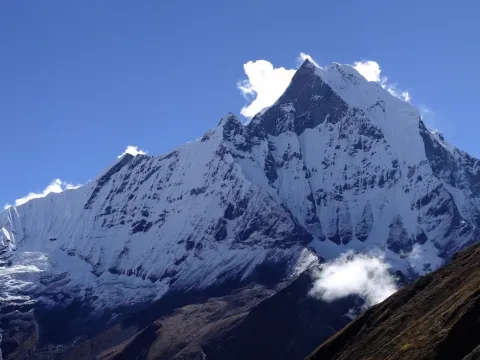
If you’re planning to trek Annapurna Base Camp, spring and autumn are the best times to go. March through May, the rhododendrons burst into bloom and turn the forests into a sea of color. Then, from September to November, the skies turn impossibly clear. The weather’s steady, the temperatures feel just right, and the views—well, you look up and see the whole world laid out in mountains. Annapurna South and Machhapuchhre rise up over everything, and you can’t really look away.
Here, the trail weaves through lively Gurung villages, where locals don’t just greet you—they invite you in. You eat their food, watch their dances, and suddenly you’re not just passing through, you’re part of the place for a moment. The path, meanwhile, winds from warm, green subtropical forests into high alpine country. Orchids and bamboo line the lower stretches, then give way to raw mountain scenery as you climb. There’s always something to see, and the crowds aren’t too heavy—just enough people around to share a smile or a story at the teahouses.
Likewise, that’s the real magic here in Annapurna Trail. Nature and culture mix together in a way that feels effortless. Every step delivers something new: a view, a flower, a taste, a song. And even with its popularity, the trek never really loses its Himalayan charm. It just keeps drawing people back, year after year.
Best Seasons and Weather (Present-Day):
| Highlight | Description | Key Locations / Elevations |
|---|---|---|
| Gurung Villages | Authentic hospitality, traditional homes, local cuisine | Ghandruk (1,940m), Chhomrong (2,170m). |
| Rhododendron Blooms | Vibrant red/pink/white forests in spring | Ghorepani area to Bamboo zones. |
| Diverse Flora | Subtropical to alpine; orchids, bamboo, pines | Lower valleys to Deurali (3,230m). |
| Panoramic Massif Views | 360° surrounds of Annapurna peaks | Base Camp (4,130m); Annapurna I (8,091m), Machhapuchhre (6,993m). |
Popularity and Crowd Notes (2026):
Actually, climate change is hitting the Annapurna Sanctuary hard. Glaciers are melting faster every year. That melt feeds growing glacial lakes, which means more risk of sudden, dangerous floods rushing down the valleys. The monsoon isn’t what it used to be, either—rain comes when you don’t expect it, and when it does, it pours. Landslides are a constant worry along the trails, closing routes that trekkers once counted on. And as the climate warms up, plants and animals keep shifting higher up the slopes, scrambling to find cooler ground.
Likewise, the ice on Annapurna I and the other big peaks keeps shrinking. Winters aren’t as long as they used to be, so trekking seasons are changing, too. People who plan their trips around reliable weather now have to stay flexible. By 2035, experts expect all of this to get worse—more landslides, more unpredictable weather, and even more pressure on the sanctuary’s fragile ecosystems.
Here, trekkers can already feel the difference. Storms roll in out of nowhere, trails wash out, and the snowline moves higher every year. Even Annapurna Base Camp, sitting at 4,130 meters, isn’t safe from these changes. Local communities are fighting back—they’ve started monitoring the weather more closely and working on conservation projects to protect the plants and animals that still call this place home. But honestly, staying safe and keeping the Annapurna Sanctuary intact takes constant effort now. Climate change is reshaping this part of the Himalayas, and nobody can ignore it anymore.
Key Climate Change Effects in Annapurna Sanctuary:
| Risk Factor | Description | Potential Impact on Trekking |
|---|---|---|
| Glacier Melt & GLOFs | Increased lake volumes; unstable moraine dams | Sudden floods; trail blockages downstream. |
| Landslides & Rockfalls | Slope destabilization from thawing permafrost | Frequent closures; higher injury risks. |
| Altered Seasons | Shorter winters; extended/unpredictable monsoons | Reduced clear days; more hazardous conditions. |
| Water Scarcity/Floods | Variable river flows from melt | Teahouse water issues; flash floods. |
Adaptation Measures Recommended:
Looking ahead to 2026 and beyond, you’ll see the Annapurna Base Camp trek just keeps getting better. Local crews get to work right after the monsoons, patching up paths and shoring up those suspension bridges with even stronger reinforcements. Teahouses don’t just rest on their laurels — they’re always upgrading, making sure trekkers have more comfort along the way. Communication gets easier too, with networks that actually work when you need them.
Getting to the trailhead at Nayapul (1,070m) gets a lot less bumpy, thanks to improved roads. Even the trekkers now can drive to Ulleri/ Banthanti or even to Ghorepani and Jhino Danda from Pokhara. The public buses and jeeps are available for these drives. Even up at Annapurna Base Camp (4,130m), you feel the difference as these upgrades ripple through the whole route. Safety features step up, so trekkers can focus more on the adventure and less on the risks.
And it doesn’t stop there. After 2026, you’ll notice real changes: stone staircases instead of muddy, slippery climbs, clear signposts at confusing junctions, and eco-friendly touches at the lodges. Erosion gets tackled right after the rains, so you’re not scrambling over washed-out sections. The views? Even better, with Machhapuchhre (6,993m) standing over newly improved trails.
Further, communities along the way really invest in making these upgrades sustainable, not just quick fixes. Trekking here keeps its sense of adventure, but it’s a lot more comfortable and welcoming. These changes don’t just keep up appearances — they make sure Annapurna stays a top draw for years to come.
Current and Ongoing Infrastructure Upgrades (2026):
| Upgrade Type | Details | Benefits |
|---|---|---|
| Paths & Stairs | Brand new stone steps; erosion control | Reduced slips; smoother ascents/descents. |
| Bridges | Stronger, safer designs over Modi Khola | Year-round reliability; flood resistance. |
| Communication | Reliable networks in remote zones | Better emergency contact; safety enhancement. |
| Lodges/Teahouses | Eco-friendly upgrades; improved comfort | Sustainable stays; enhanced trekker experience. |
| Maintenance | Annual post-monsoon focus by municipalities | Quick recovery; consistent trail conditions. |
Key Locations Benefiting from Upgrades:
These advancements promote safer journeys. Trekkers enjoy reliable infrastructure in the evolving landscape.
When you hike the Annapurna Base Camp trail these days, you see real change—thanks to partnerships with groups like ACAP and KEEP. They don’t just talk about conservation or waste management. They get the community involved, and it shows. Permit fees go straight into protecting wildlife, building schools, funding scholarships, and even creating new routes to keep the crowds—and the impact—down.
Actually, ACAP’s community-based conservation isn’t just a buzzword. Locals manage the trails and waste systems, and KEEP runs hands-on training and awareness programs. Villagers organize regular clean-up drives. Trekkers know the drill about reusing bottles and cutting out single-use plastics. All that permit money? It pays for healthcare, infrastructure, and more, especially in Gurung villages like Ghandruk. These places actually see the benefits.
Moreover, wildlife protection gets real funding, and the Base Camp area stays clean—even with all the foot traffic. New routes help spread out trekkers, so the environment doesn’t take a beating. In the end, these efforts let communities grow while the sanctuary stays intact. Adventure and responsibility go hand in hand here, and that’s what makes the whole thing work for the long haul.
Key Organizations and Initiatives:
| Practice | Description | Benefit / Funding Use |
|---|---|---|
| Waste Management | Strict protocols; reusable bottles encouraged | Reduces pollution; funds clean-up drives. |
| Community Empowerment | Training in eco-tourism and farming | Creates jobs; builds local capacity. |
| Wildlife & Habitat Protection | Habitat monitoring; anti-poaching efforts | Preserves biodiversity in sanctuary. |
| Education & Infrastructure | Scholarships, schools, health posts | Improves quality of life in villages. |
| Alternative Routes | Promotion of less-visited paths | Reduces overcrowding on main trails. |
Permit Revenue Allocation Examples:
Actually, things are changing fast in the Annapurna trekking scene. Solo trekking is still off-limits for foreigners, so you have to hire a guide—no way around it. Agencies handle all the paperwork and make sure everyone sticks to the rules. As more people want to hike here, some are drifting away from the main trails, searching for quieter routes. Even so, Annapurna Base Camp (at 4,130 meters) never loses its magic.
Moreover, safety is front and center. The rules keep getting updated, and there’s more focus on climate—better weather monitoring, new tech for navigation, and apps that help trekkers keep an eye on altitude and changing conditions. If you want a bit of luxury, you can now hop on a helicopter for your return trip, turning what used to be a tough descent into something easy.
In fact, guides aren’t just a requirement; they’re a real perk. They know the area, share stories, and help you get more out of the journey. Heading onto those less-traveled paths also takes some pressure off the crowded trails, which helps preserve the environment and spreads the benefits to more local communities.
Likewise, the views of Annapurna I—towering at 8,091 meters—still take your breath away, no matter how much changes. All these tweaks, from tech upgrades to shifting routes, add up to a safer, more enjoyable trek that respects both tradition and progress. The result? Annapurna stays unforgettable, but now, the experience feels even more responsible and rewarding.
Current Regulations (2026):
| Shift / Feature | Details | Impact on Trekking |
|---|---|---|
| Crowd Diversion | Promotion of alternative paths (e.g., Mardi Himal) | Less overcrowding on main ABC trail |
| Luxury Enhancements | Helicopter returns from Base Camp (4,130m) | Faster, comfortable exits; premium packages. |
| Tech Integrations | Apps for weather, altitude, emergency contact | Improved safety and planning |
| Climate Adaptations | Enhanced monitoring; post-monsoon repairs | Addresses changing conditions |
| Responsible Future | Eco-guidelines; sustainable agency practices | Preserves environment long-term |
Key Anticipated Developments:
Actually, the Annapurna Base Camp Trek isn’t just a path through the mountains—it’s a living story. It started with pilgrims and traders, people who moved through these valleys long before trekkers showed up with backpacks and hiking boots. Annapurna I and Machhapuchhre still stand tall, keeping an eye on anyone who passes below. When you finally reach the sanctuary at 4,130 meters, it all hits you—the beauty, the quiet power of the place. Through earthquakes, wild weather, and shifting climates, the trek keeps going. Local communities work hard to keep their cultures alive, and conservation teams fight to protect the land. It’s not just about looking back, though. The trek keeps evolving, and its spirit stays strong for whoever comes next.
Walking these trails, you feel the connection—to nature, to the people, to something bigger than yourself. Places like Ghandruk welcome you in with open arms and a hot meal. The push for sustainability is real here; people care about keeping this place wild and beautiful. Trail upgrades make things safer, and climate adaptations help the trek last. Even some modern comforts have found their way in, but they don’t spoil the adventure. The Himalayas keep shifting, always reminding you to take it all in. Annapurna Base Camp isn’t just Nepal’s best-known trek—it’s a chance to make memories that stick with you, no matter when you come.
Timeless Legacy Elements:
| Aspect | Current/2026 Status | Future Outlook (Beyond 2026) |
|---|---|---|
| Accessibility | Upgraded paths, roads to Nayapul (1,070m), better bridges | Continued improvements; reliable year-round access. |
| Sustainability | ACAP permit fees fund conservation and communities | Stronger eco-tourism, alternative routes to reduce impact. |
| Safety & Regulations | Mandatory guides, no solo trekking, enhanced monitoring | Climate adaptations, early warning systems for GLOFs. |
| Experience Enhancements | Improved teahouses, tech apps, helicopter options | Luxury integrations balanced with responsible tourism. |
| Visitor Appeal | Thousands annually; moderate crowds in peaks | Enduring popularity with focus on preservation. |
Key Elevations That Define the Trek:
Core Promise for Generations:
1. What is the history of the Annapurna Base Camp Trek?
The Annapurna Base Camp Trek has a history. It was once used by Hindus and Buddhists as a pilgrimage and trade route. People would walk on these paths to feel closer to their faith and to buy and sell things between Nepal and Tibet. The Annapurna Base Camp Trek became popular for trekking after the 1950s. We have been guiding trekkers for a time and we think this history makes the Annapurna Base Camp Trek very special. Every step you take on the trail is connected to the people who live there the Gurung and Magar communities.
2. When did the Annapurna Base Camp Trek open to trekkers?
The Annapurna Base Camp Trek was opened to trekkers in 1977. Before that there were some problems in the area.. After 1977 the Annapurna Base Camp Trek became a famous place for trekking. We are based in Nepal. We have seen how it changed. Now the Annapurna Base Camp Trek is one of the places to go trekking in the Himalayas. You can see mountains and the people are very friendly.
3. What was the significance of the 1950 French Expedition to Annapurna?
In 1950 a team led by Maurice Herzog climbed to the top of Annapurna I. This was a deal because they did not use extra oxygen. This climb made the Himalayas famous. It inspired people to go trekking. We know a lot about the Annapurna Base Camp Trek and we think this climb was very important. It made it possible for people to trek to the base camp safely.
4. Who pioneered trekking in the Annapurna region?
A man named James Owen M. Roberts started trekking in the Annapurna region. He is known as the Father of Trekking in Nepal. He began taking groups on treks in the 1960s. He started a company called Mountain Travel. He made trekking safer and more professional. We have been doing treks for a long time and we try to follow his example. We want to make sure that our treks are safe and that they help the communities.
5. How has the Annapurna Base Camp Trek recovered after the 2015 earthquake?
The Annapurna region was not damaged much as other areas. The trails and teahouses were fixed quickly. By the middle of 2015 everything was back to normal. Our team has been working in the area for a time and we can say that it is still a great place to go trekking. The people are strong. They fixed everything quickly.
6. What is the current status of the Annapurna Base Camp Trek in 2026?
In 2026 the Annapurna Base Camp Trek is open. It is better than ever. The trails have been. The teahouses are nicer. It is easier to get permits and the roads to the trailheads are better. The Annapurna Base Camp Trek is not too hard. It is a good place for beginners. We have been operating in the area for a time and we can say that it is safe and beautiful.
7. What are the best seasons for the Annapurna Base Camp Trek?
The best times to go on the Annapurna Base Camp Trek are, in the spring and the autumn. The weather is nice. You can see the mountains clearly. In the spring the rhododendrons are. It is very beautiful. We have been guiding treks for a time and we think these seasons are the best. The trails are safe. The weather is comfortable.
8. What permits do I need for the Annapurna Base Camp Trek?
You need to get the Annapurna Conservation Area Permit (ACAP). It costs around NPR 3,000 for foreigners. This permit helps to protect the environment. We can handle all the paperwork for you so you do not have to worry about it. We want to make sure that your trek is hassle-free so you can enjoy the Annapurna Base Camp Trek.
9. How difficult is the Annapurna Base Camp Trek?
The Annapurna Base Camp Trek is not too hard. It has climbs to 4,130m at the Annapurna Base Camp. This trek is good for people who're fit and get used to the high altitude. With planning and our experienced guides many people complete the Annapurna Base Camp Trek every year. We make sure people are safe and comfortable on the Annapurna Base Camp Trek.
10. How is climate change affecting the Annapurna Base Camp Trek?
Climate change is making the glaciers melt faster the rain come at times and the risk of landslides go up. We watch these changes. Adjust the plans for the Annapurna Base Camp Trek. We try to be kind to the earth and work with people to make sure the Annapurna Base Camp Trek is safe. When you travel with us you help keep the Annapurna Base Camp beautiful for a time.
11. What sustainable practices are followed on the Annapurna Base Camp Trek?
The people in charge of the Annapurna Conservation Area and the local communities are doing things to take care of the trash use clean energy fix the trails and teach people. The money from the permits goes to help the environment and the villages. We tell people to trek in a way that does not hurt the earth like using bottles that can be used again. We work with lodges that care about the earth to keep the Annapurna Base Camp Trek nice for the future.
12. What infrastructure improvements are planned for the Annapurna Base Camp Trek?
They are making the bridges stronger the stone steps better the teahouses nicer and the phones work better. It is getting easier to get to the start of the Annapurna Base Camp Trek. We work with the government and we think these changes will make the Annapurna Base Camp Trek safer and more comfortable without hurting its natural beauty.
13. Is a guide mandatory for the Annapurna Base Camp Trek?
Yes you need a guide to go on the Annapurna Base Camp Trek if you are not from around here. This helps keep people safe and gives jobs to people. Our guides are good and knowledgeable. They will make your trek more fun with stories about the culture. They will also make sure you trek in a way that's good for the earth and safe.
14. What can I expect in the future of Annapurna Base Camp Trekking?
In the future the Annapurna Base Camp Trek will have roads, better plans for the climate new routes to avoid crowds and more safety measures. We want to make sure the Annapurna Base Camp Trek is good for the earth and fun for people. This way the Annapurna Base Camp Trek will stay an adventure, for a long time.
15. Why should I choose the Annapurna Base Camp Trek for my adventure?
The Annapurna Base Camp Trek has everything: it is very beautiful the people are nice it is a challenge and the food is great. The Annapurna Base Camp has a lot of history people take care of the earth. It is easy to get around. With our help you will have a real and very satisfying trek in the Himalayas on the Annapurna Base Camp Trek.
Our travel experts are ready to assist you with any questions.
Send us a message.Have a question before you book? Send your enquiry below and our travel experts will get back with the required information.