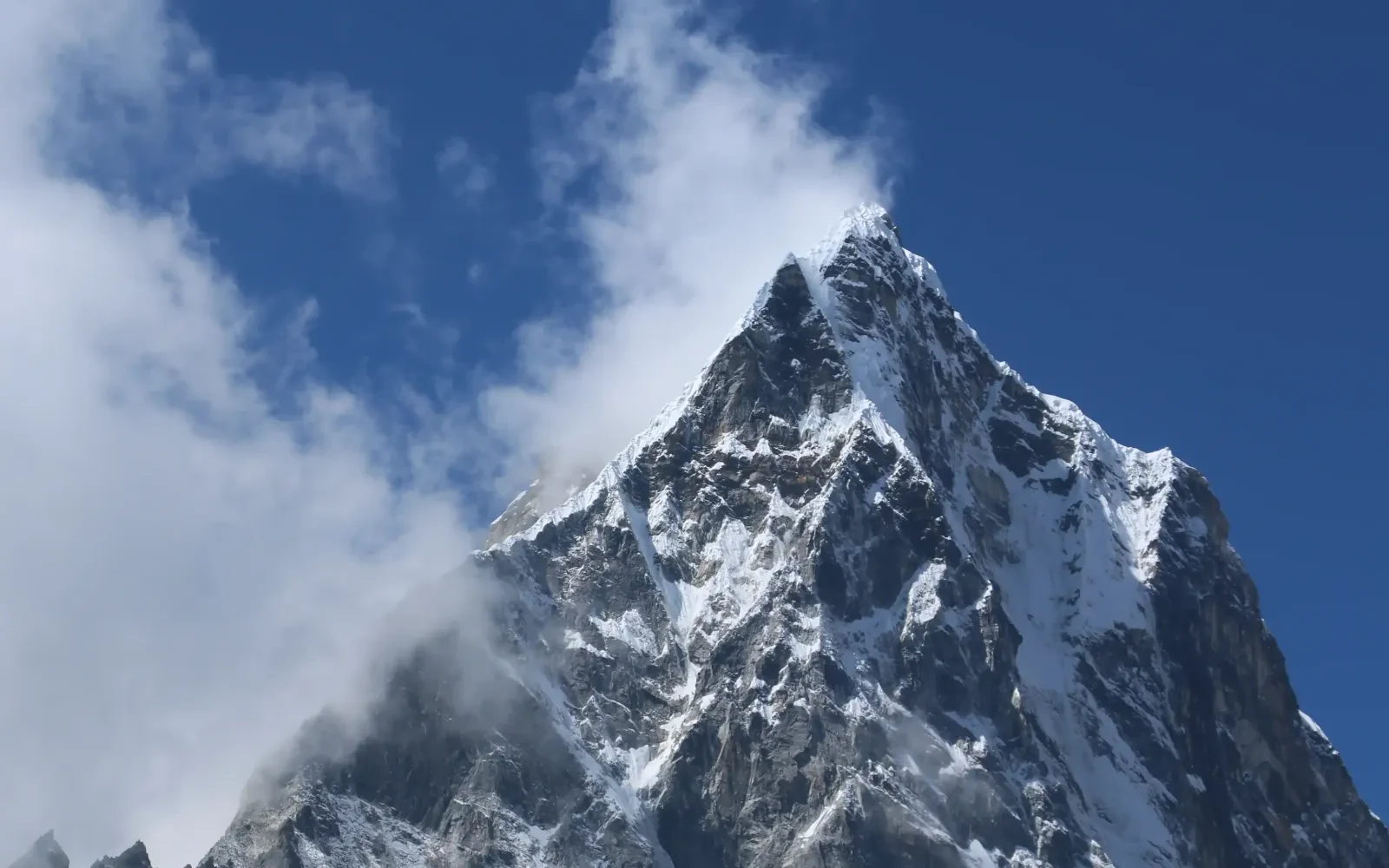
Thinking about trekking to Everest Base Camp but not sure whether to go in April or May? Let’s break it down. April feels alive—rhododendrons light up the trails, the air is crisp, and the weather’s just right for hiking. You’ll see plenty of trekkers, but it’s not too crowded yet. In May, the days get warmer and the skies usually stay clear, giving you jaw-dropping views of Everest. But keep in mind, more people hit the trail in May, so things can get busier and prices might climb a bit. If you’re after blooming landscapes and quieter paths, April’s hard to beat. For the best mountain views and a lively atmosphere, May’s your month. Either way, you’re in for an epic adventure.
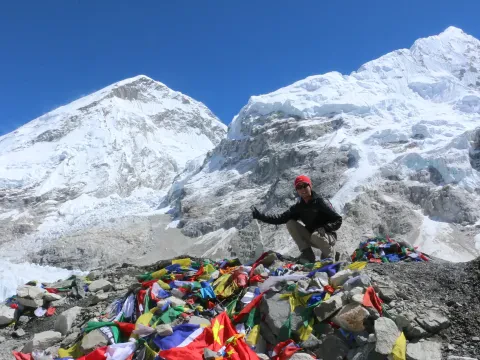
Thinking about trekking to Everest Base Camp and stuck between April and May? You’re not alone. These two months both fall in the heart of spring, but they feel pretty different once you’re on the trail. Let’s break down what really sets them apart so you can figure out the best time to plan your trip.
Here, April usually brings steadier weather. Days stay mild—think 10°C to 15°C around Namche Bazaar—while nights get a bit chilly up higher near Dingboche. The skies are mostly clear, and the trails aren’t too crowded yet. If you’re flying into Lukla, you’ll also find fewer delays this time of year, which makes the start of your trek a lot less stressful.
May, on the other hand, is warmer. Daytime temps climb up to 15°C even at spots like Lobuche, and the rhododendrons really show off along the path up to Kala Patthar. But here’s the catch: this is when climbers start gathering at Everest’s base camp for summit attempts. So, the trails get busy—especially with trekkers from all over the world. If you lean toward May, book your teahouses early. The crowds can sneak up on you.
In terms of cost, you won’t see much difference between the two months. Guided trek packages usually run $1,200 to $2,200 for 12 to 14 days. Sometimes May gets a little pricier because of the extra demand, but you’ll still get the same solid support from Sherpa guides.
So, April or May? It comes down to what you want: steadier weather and quieter trails, or warmer days and a bit more buzz on the mountain. Either way, you’re in for something unforgettable.
| Factor | April Benefit | May Benefit |
|---|---|---|
| Weather Stability | Clear skies, fewer winds | Warmer days, longer daylight |
| Crowds & Energy | Moderate traffic, peaceful trails | Lively with climbers at Base Camp |
| Visibility | Sharp views of Mount Everest (8,848m) | Blooming landscapes to Kala Patthar (5,545m) |
| Package Cost | USD 1,200–2,000 average | USD 1,300–2,200 average. |
So, when you stack up Everest Base Camp Trek in April against May, you actually set yourself up to make better choices. The details really help you line things up with your own fitness and what you want out of the trip. Pick what fits you best, and you’ll have a safer, more memorable spring trek to Everest Base Camp—especially with experienced guides by your side.
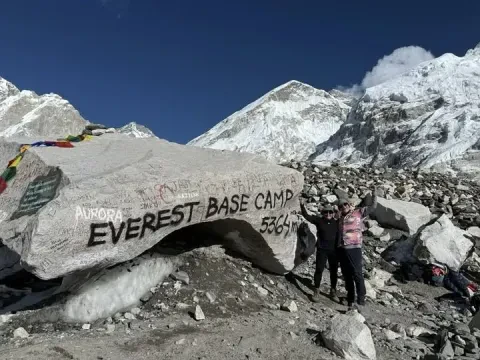
If you want the best shot at Everest Base Camp in spring, look at March through May. This stretch is when the weather finally settles down after winter, and the whole route starts to wake up. You kick things off in Lukla, at 2,860 meters, and work your way up to Base Camp at 5,364 meters. As you climb, the cold gives way to milder air, and the landscape slowly explodes with colour.
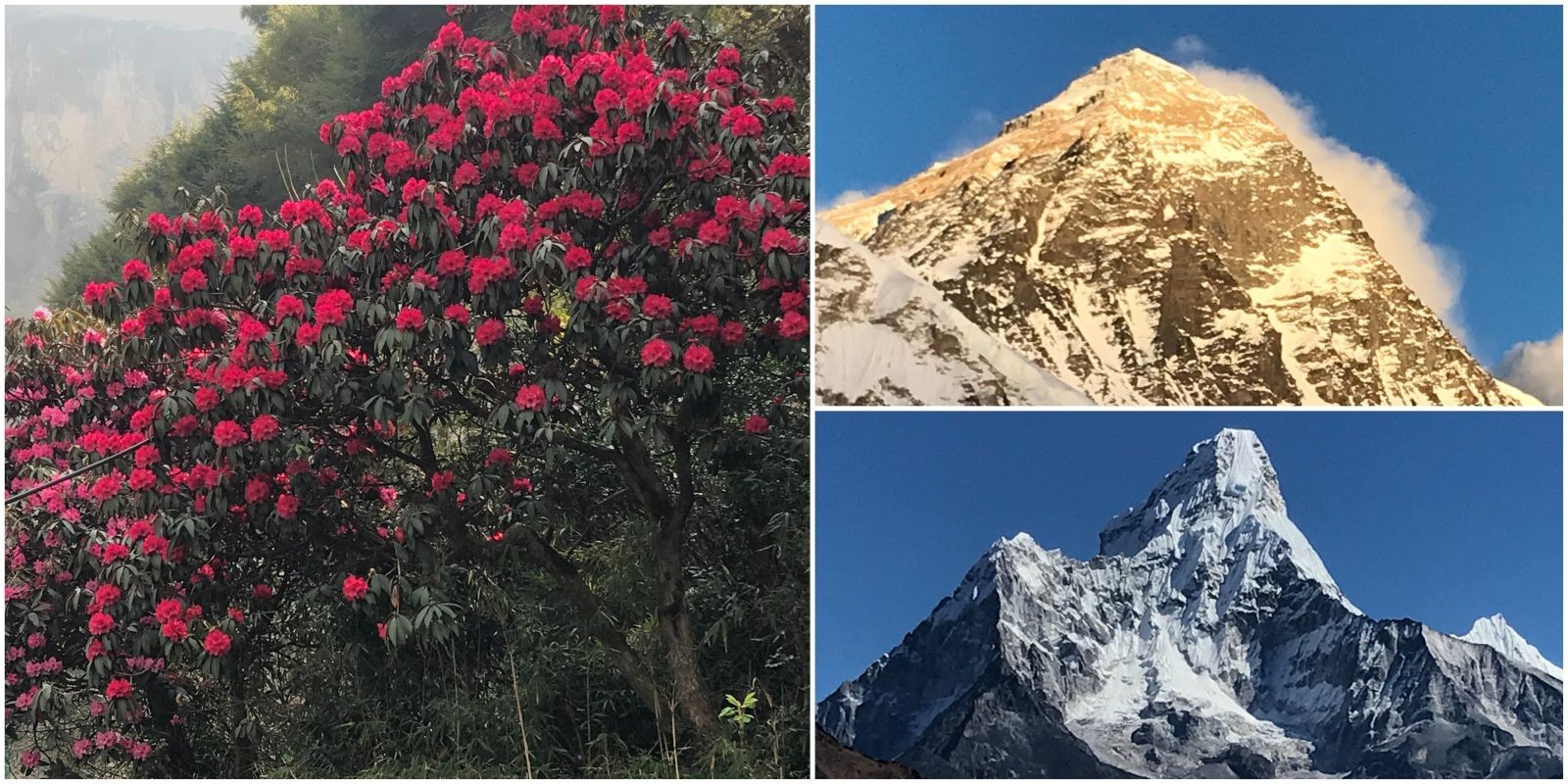
Actually, March is the quiet start. It’s still a bit chilly—around 5 to 10°C during the day near Phakding. Sometimes you get a dusting of snow up high, especially before Dingboche. But the trails? They’re peaceful. There aren’t many trekkers yet, so you get teahouses mostly to yourself and plenty of quiet moments.
Here, April really feels like spring. Skies open up and you finally see those razor-sharp views of Everest and Lhotse. Rhododendrons set the hills near Tengboche on fire with red blooms. There are more people on the trail, but it’s not crowded. The weather’s perfect for pushing on to places like Kala Patthar.
By May, everything’s in full swing. Days get warmer—think 15°C or so around Lobuche. Early in the month, pre-monsoon winds are still tame. You’ll see groups of climbers gathering at Base Camp, all gearing up for their summit push.
So, if you’re eyeing a spring trek to Everest Base Camp, this season really delivers. Trails stay dry, flowers are everywhere, and the weather’s about as reliable as it gets up high. With a solid guide, every step feels like you’re getting closer to the top of the world.
| Month | Temperature Range (Day/Night at EBC) | Key Highlight | Crowd Level |
|---|---|---|
| March | -5°C to 10°C | Early blooms, quiet trails | Low |
| April | 0°C to 12°C | Peak clarity, rhododendrons | Moderate |
| May | 5°C to 15°C | Warmest days, climber buzz | High |
Here’s a quick rundown of the Everest Base Camp trek in spring. March eases you in, April really shows off, and May brings the heat—literally. Choose the month that fits what you’re after, whether that’s quieter trails in March or warmer days in May. Go with a good trekking company, and you’ll have a safe, unforgettable adventure.
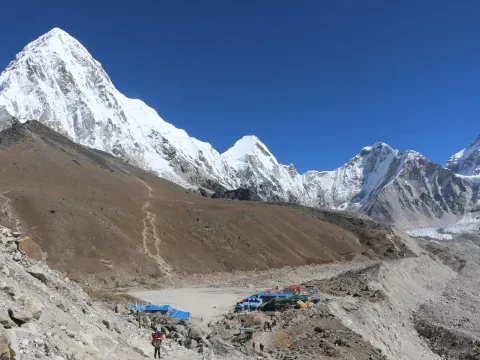
Actually, April at Everest Base Camp feels pretty special. Mornings hit you with that crisp, clean mountain air—especially down at lower elevations. Days settle in steady and calm, and the skies? They’re usually wide open, letting you soak in those sharp Himalayan views all month long.
Here, Spring brings out the best in the trail, with rhododendrons in bloom and hardly any rain to worry about. You’ll get maybe 50mm of precipitation for the whole month, and snow’s rare once you’re past Tengboche. The paths stay dry, which means fewer slips and no last-minute changes to your plans.
Meanwhile, temperatures play nice, too. Down at Namche Bazaar, you’ll see daytime highs between 10°C and 15°C. Up near Lobuche, expect it to cool to around 0°C to 5°C. Nights can get cold—Dingboche drops to around -10°C after dark—so you’ll want to layer up as you get higher.
Likewise,vVisibility’s the real treat in April. The sun comes up and suddenly Everest, Ama Dablam, and Lhotse all pop against the sky. Early in the month, you won’t see much afternoon haze. It’s perfect for snapping those classic shots from Kala Patthar.
So, if you’re planning to trek Everest Base Camp in the spring, April’s hard to beat. The weather stays steady, the views are unreal, and the trails are about as friendly as they get. It suits all sorts of fitness levels, too.
| Location / Aspect | Daytime Temp | Nighttime Temp | Precipitation | Visibility |
|---|---|---|
| Namche Bazaar (3,440m) | 10–15°C | -5 to 0°C | Very low | Excellent. |
| Dingboche (4,410m) | 5–10°C | -8 to -12°C | Minimal | Crystal clear. |
| Lobuche (4,940m) / EBC (5,364m) | 0–5°C | -10 to -15°C | Dry | Sharp peaks. |
| Overall April | Moderate | Cold nights | 50mm | Best spring. |
In conclusion, April brings some of the best weather for the Everest Base Camp Trek—clear skies, comfortable temperatures, and amazing views. If you’re thinking about going, this is the time to do it. Book your guided trek early to make sure you get the most out of the busy spring season.
Meanwhile, April at Everest Base Camp just feels right. Mornings hit you with that sharp, fresh air—down in the lower villages, you wake up to cool, crisp weather that makes you want to get moving. The days stay steady and comfortable, so you can actually enjoy the hike instead of worrying about sudden changes. And the skies? They’re usually wide open, giving you those epic views of Everest (8,848m) and the rest of the Himalayas.
Likewise, most trekkers pick April for one simple reason: it’s reliable. You get clear mornings, smooth afternoons, and almost no surprise storms. Temperatures in places like Namche Bazaar (3,440m) hang out between 10°C and 15°C—just right for walking. Higher up, near Lobuche (4,940m), it cools off to around 0°C to 5°C. At night, it can get chilly. In Dingboche (4,410m), you’re looking at lows around -10°C, so you’ll want to bring layers and be ready to bundle up once the sun drops.
In fact, rain barely shows up in April—less than 50mm across the whole route. Above Tengboche (3,860m), snow’s not really an issue either. The trail stays dry, so you don’t have to stress about slipping or falling behind schedule.
Similarly, visibility is a huge bonus. Early in the day, the sun lights up Everest, Ama Dablam (6,812m), and Lhotse (8,516m) so sharply, it almost doesn’t look real. Haze isn’t a problem, especially at the start of the month, which means you can actually get those once-in-a-lifetime photos from places like Kala Patthar (5,545m) without fighting against fog or cloud cover.
All in all, April just delivers. You get crisp starts, steady trekking, and crystal-clear views. It’s a solid choice for almost anyone looking to experience the Everest Base Camp trek during the spring.
| Location / Aspect | Daytime Temp | Nighttime Temp | Precipitation | Visibility |
|---|---|---|
| Namche Bazaar (3,440m) | 10–15°C | -5 to 0°C | Very low | Excellent. |
| Dingboche (4,410m) | 5–10°C -8 to -12°C | Minimal | Crystal clear. |
| Lobuche (4,940m) / EBC (5,364m) | 0–5°C | -10 to -15°C | Dry | Sharp peaks. |
| Overall April | Moderate | Cold nights | 50mm | Best spring. |
In conclusion, Everest Base Camp Trek weather in April offers balanced comfort and stunning clarity. Plan your adventure with confidence for safe, memorable trails. Secure your guided EBC trek package early for peak spring season benefits.
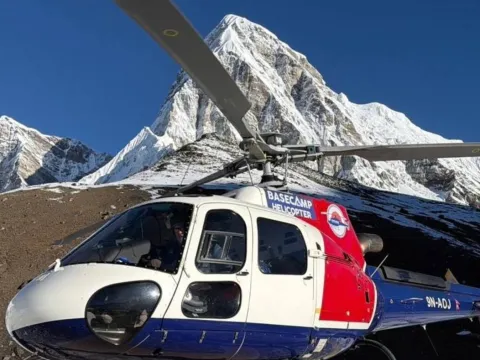
If you're heading out on the Everest Base Camp trek in May, get ready for warmer days. You’ll feel the temperature rise as you move along the trail. The pre-monsoon season is right around the corner, so things get more humid, and you’ll notice haze and clouds building up, especially later in the month.
Here, down around Namche Bazaar (3,440m), daytime temperatures hit 15°C or even higher. Further up near Lobuche (4,940m), you can expect 5°C to 10°C during the day. Nights at Base Camp (5,364m) are still freezing, dropping to -5°C, but you’ll be comfortable while you’re trekking. Honestly, that warmer air makes the climbs feel a bit easier.
Actually, humidity creeps in as May goes on, and you’ll see more moisture lifting up from the lower valleys. By afternoon, clouds pile up over the ridges near places like Tengboche (3,860m). Sometimes, you’ll even run into light showers late in the month.
Likewise, that pre-monsoon haze is a thing, too. Early mornings usually offer clear views of Everest, but by midday, haze rolls in and distant peaks start to disappear. If you’re after those classic sunrise shots from Kala Patthar (5,545m), aim for early May—those mornings don’t disappoint.
So, May is a bit of a mixed bag. The warmer weather makes trekking easier, but haze and afternoon clouds mean you’ve got to stay flexible. Having a good guide really helps you make the most of these spring conditions.
| Location / Aspect | Daytime Temp | Nighttime Temp | Precipitation | Visibility |
|---|---|---|
| Namche Bazaar (3,440m) | 12–18°C | -3 to 2°C | Low to moderate | Good mornings. |
| Dingboche (4,410m) | 8–12°C | -5 to -10°C | Slight increase | Hazy afternoons. |
| Lobuche (4,940m) / EBC (5,364m) | 5–10°C | -5 to 0°C | Occasional | Variable, pre-monsoon. |
| Overall May / Warmer | Milder nights | 50–70mm | Good early, hazy late. |
In summary, Everest Base Camp Trek weather in May favors warmth seekers. Pre-monsoon haze adds minor challenges to visibility. Choose early May for clearer conditions in your EBC trek package. Enjoy vibrant trails with expert support.
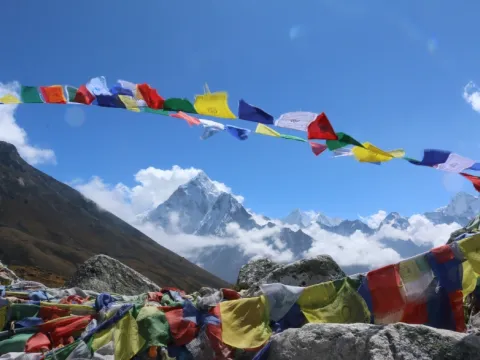
If you’re thinking about trekking in Nepal during spring, you really need to get a feel for how the weather shifts from day to night. April and May might look similar on paper, but they feel pretty different when you’re actually out there in the mountains.
Actually, April is sort of a turning point. The worst of winter is finally letting go, but it’s not exactly warm yet. During the day, especially in places like Namche Bazaar (3,440m), temperatures usually sit somewhere between 0°C and 15°C. Honestly, that range feels pretty good for hiking. You’ll break a sweat on the climbs, and the sun cutting through the rhododendron forests is a treat. Still, it’s never exactly toasty—the air stays crisp all day.
But then the sun drops, and things change fast. Once you get to higher spots, like Dingboche (4,410m), nights can get brutally cold. It’s not unusual for temperatures to dip below freezing, even inside the tea houses. Most of them don’t bother with heating in the bedrooms, so you really need a proper sleeping bag. The difference between a sunny afternoon and a freezing night is no joke, and it can take some getting used to. Good gear isn’t just nice to have—it’s what keeps you sane and ready to hike again the next day.
Likewise, move into May, and you’ll notice the whole region feels warmer. Daytime highs usually hit between 3°C and 18°C, and in lower spots like Lukla (2,860m), late mornings can feel almost muggy. Climbing up toward Phakding (2,610m), you’ll probably want to shed your jacket and stick with lighter layers. The air gets thicker and heavier, and you can tell the monsoon season isn’t too far off.
Still, up high, it doesn’t exactly turn tropical. Places like Gorak Shep (5,164m) rarely see nighttime temperatures above freezing, even in May. Mornings are frosty, and you’ll feel the chill until the sun finally hits the peaks. The gap between day and night temperatures shrinks a bit compared to April, which helps, and it’s nice to enjoy some steady warmth at the scenic rest spots. But don’t let your guard down—layering is still key if you want to stay comfortable as you move from sunny trails to chilly evenings.
| Elevation Category | April Day / Night (°C) | May Day / Night (°C) Recommended Gear |
|---|---|---|
| Lower Valleys (2,500m - 3,500m) | 10°C / -2°C | 15°C / 4°C | Light Fleece / Down Vest |
| High Altitudes (3,500m - 5,000m) | 5°C / -10°C 10°C / -5°C | Thermal Layers / Heavy Down |
| Base Camps (Above 5,000m) | 0°C / -15°C 5°C / -10°C | -20°C / Sleeping Bag |
If you want those jaw-dropping Himalayan views, timing really matters. April is the clear winner for sharp, picture-perfect panoramas. By then, winter winds have swept away the dust and haze, so the air feels fresh and clean. You can spot the jagged outline of Ama Dablam from far off, and the sky stays that deep, vivid blue that makes the snowy peaks pop even more. Early mornings are gold—perfect for catching those iconic summit shots before anything clouds up.
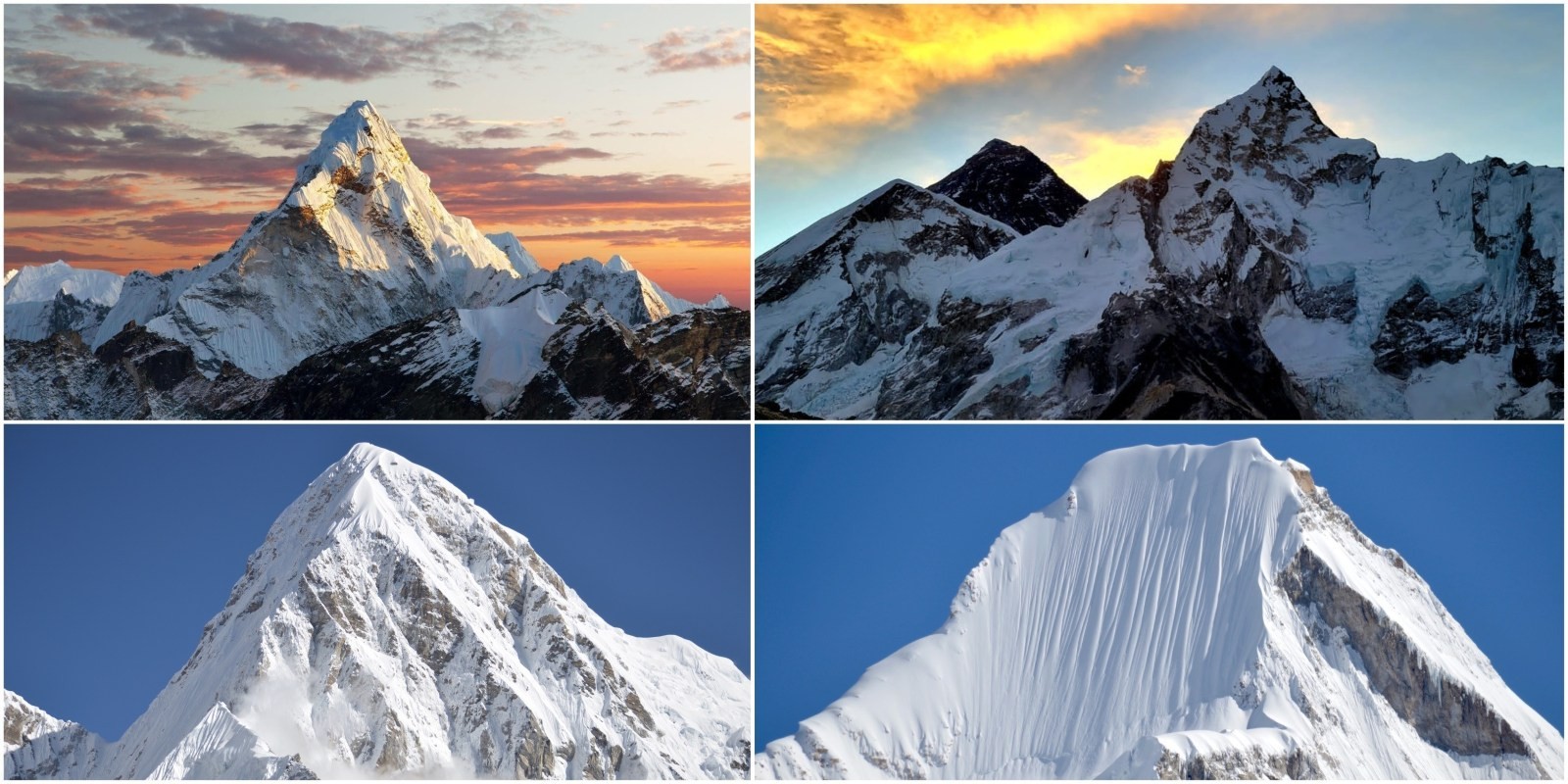
April’s weather is steady, too. At Kala Patthar, you get long, uninterrupted views, and you won’t run into sudden fog or low clouds most mornings. That consistency matters, especially after traveling so far just to see these mountains in all their glory. No pre-monsoon moisture means distant giants like Lhotse stand out sharp and clear. Even fine details on the Khumbu Icefall show up with amazing clarity. No wonder photographers and mountain lovers favor April—it just delivers.
But as May rolls in, things start to shift. Warmer air from the Indian plains pushes more moisture up into the mountains. By afternoon, haze and clouds start to build around peaks like Nuptse. Sometimes the mountains disappear behind a veil of mist after lunch, and those magical “golden hour” shots become a gamble. If you’re keen on catching clear views, you really have to get up early.
Still, May isn’t without its charms. The extra humidity creates wild, swirling clouds around Thamserku that you just don’t see in April. Sometimes, if the western sky stays clear, those clouds set the stage for incredible sunsets. Down in the Dudh Koshi valley, the landscape gets greener and comes alive with a kind of tropical energy. The lower trails feel lush and fresh.
Really, both months have their own vibe. April is all about crisp clarity and reliability; May brings drama and color. Either way, if you love mountains, you get a different masterpiece every time you look up.
Visibility Factors: April vs. May Comparison :
Actually, Spring in the Himalayas isn’t just a season—it’s a show. By April and May, the hills burst into color as rhododendrons bloom everywhere. If you’re trekking Everest or Annapurna right now, you’re walking through a living painting.
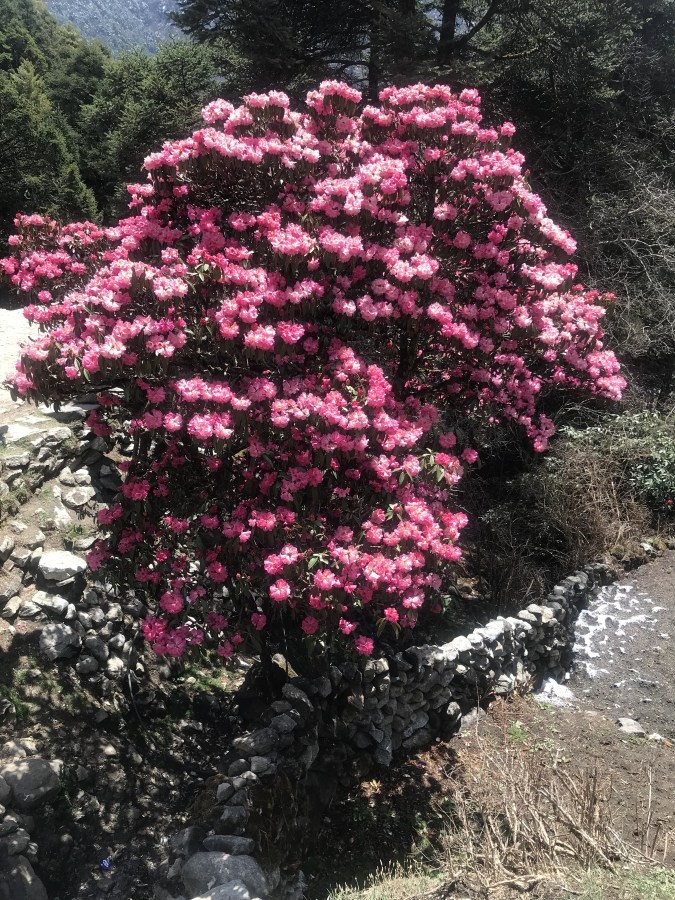
Lower down, around Lukla at 2,860 meters, rhododendrons kick off the party in late March. These flowers are Nepal’s pride, and they pop against the white peaks of Thamserku like someone spilled a box of crayons on the mountains. There’s every shade—deep reds, soft pinks, pure whites—spilling down the slopes. Trekkers come here for this. It’s the kind of sight that sticks with you long after the trip ends.
Likewise, things hit their peak from mid-April to early May. Near Namche Bazaar, at 3,440 meters, the forests turn wild and thick with rhododendrons. The air actually smells sweet as you hike up toward Tengboche’s monastery at 3,860 meters. Down in the Phakding valley, you get a lush green canopy, alive with birds and other wildlife. Every step feels like you’re in a secret garden, and if you’re into photography—or just want some peace—it’s hard to beat.
As you climb higher, the scenery shifts. Forests thin out and suddenly you’re surrounded by tough little shrubs and wildflowers near Dingboche at 4,410 meters. Sometimes you’ll spot rare blue poppies or primulas pushing through the rocks. Streams rush down from the Ama Dablam glacier, fed by melting snow, sparkling in the sunlight. Watching the landscape change from thick woods to open alpine slopes is where you really feel the magic of a Himalayan spring.
And then there’s the sky—so clear and blue it almost looks fake. Rhododendrons give you some much-needed shade when the sun’s beating down around midday. The Sherpa villages come alive with festivals, music, and color, celebrating the new season. If you want to see the Himalayas at their best, this is the time. Every corner, every turn, offers something new and unforgettable.
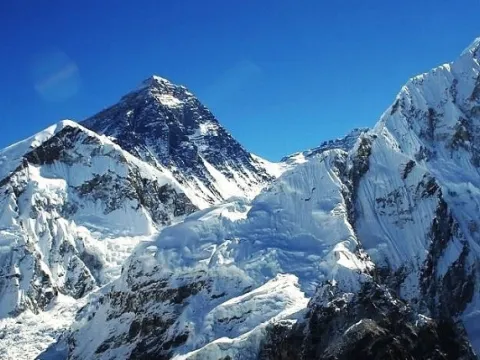
| Elevation Range | Primary Flora | Peak Bloom Time | Visual Highlight |
|---|---|---|
| 2,500m - 3,200m | Red Rhododendron Arboreum | Late March - April | Deep crimson forest canopies. |
| 3,200m - 4,000m | Pink and White Rhododendron | Mid-April - May | Soft pastel mountain slopes. |
| 4,000m - 5,000m | Alpine Juniper and Scrub | May - June | Hardy green bushes and moss. |
| Above 5,000m | Lichens and Moss | Year-round | Subtle textures on gray rock. |
If you’re thinking about trekking to Everest Base Camp, the time of year you go really shapes your experience. Early April feels almost serene. The trails are quiet, and you hardly see other groups as you cross those high suspension bridges near Larja Dobhan. You get these wide-open views of Kongde Ri with barely anyone around, and the tea houses—plenty of room, no rush, the owners actually have time to chat with you.
But as April moves along, things start to pick up. More trekkers show up, and Namche Bazaar gets livelier. The markets and bakeries fill with people from all over the world. Still, even with the extra company, the trails don’t feel jammed. You might sit down for dinner in Pangboche and actually enjoy sharing stories with people you just met. There’s a sense of community that makes the journey feel a little more special.
Then May hits, and everything changes. This is when climbers from everywhere arrive, turning Everest Base Camp into a full-on tent city. The trails get packed with big groups, porters, and yak caravans hauling gear for summit teams. The whole Khumbu valley buzzes with excitement and chaos. If you want a bed in places like Lobuche, you really need to plan ahead. It’s busy, but there’s something thrilling about seeing the world’s best climbers in action, maybe even running into one at a tea house in Pheriche.
So, what’s it going to be? If you want peace and quiet, go in early April. If you’d rather soak up the drama and energy of climbing season, pick May. Either way, those giant peaks aren’t going anywhere—they’ll leave you in awe, crowds or not.
Trekker Traffic and Lodge Availability :
Meanwhile, nailing the logistics for your Everest Base Camp trek isn’t just smart — it’s essential. The Khumbu region gets hectic, especially as April rolls in. Early in the month, finding a teahouse bed isn’t too tough. Places like Namche Bazaar have plenty of options, and you’ll see rooms for all budgets. But don’t get too comfortable. By late afternoon, the best spots fill up fast, and that only gets worse as May approaches.
Once May hits, things ramp up. Big expedition teams descend on the area, especially with climbers heading for the Lhotse face. They book out teahouses in bulk, so snagging a private room — especially up high in spots like Gorak Shep — gets tricky. If you’re trekking solo, think about hiring a local guide. They know how to secure beds ahead of time, which saves you the headache of wandering from lodge to lodge after a long day on the trail.
Further, getting to Lukla is another story. The flight from Ramechhap is short but notorious. April’s usually your best bet for clear, calm mornings and fewer cancellations. By late May, the weather turns fickle, and delays become the norm. Flights aren’t cheap — expect to pay $400 to $500 for a round-trip. Book early. Those seats disappear months in advance, especially if your dates aren’t flexible.
And don’t forget about porters and guides. Their demand hits a high during the spring rush, and their expertise makes a huge difference — not just for carrying your gear, but for finding decent food and a warm bed after a long climb toward Tengboche. Daily rates go up in May, but their help is worth every penny. The more you prep, the less you have to stress, and the more you can actually soak in the majesty of Ama Dablam and the rest of the Khumbu.
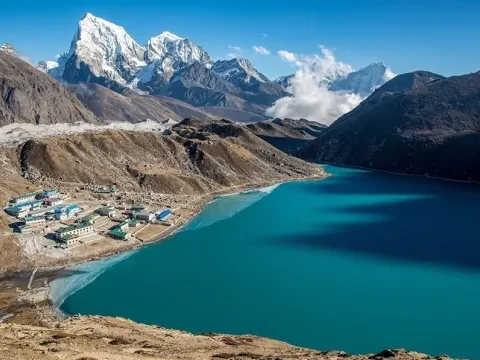
| Service Category | April Availability | May Availability | Recommended Booking Lead Time |
|---|---|---|
| Lukla Flights | Moderate - High | Very Tight | 4 to 6 Months |
| Luxury Teahouses | Limited | Extremely Rare | 6 Months |
| Standard Lodges | Manageable | High Demandn | 3 to 4 Months |
| Professional Guides | Available | Mostly Reserved | 3 Months |
| Porter Services | Good | Moderate | 1 Month |
Let’s talk about how altitude and acclimatization change between April and May on the Everest trek—and why those warmer May days can actually give you a boost.
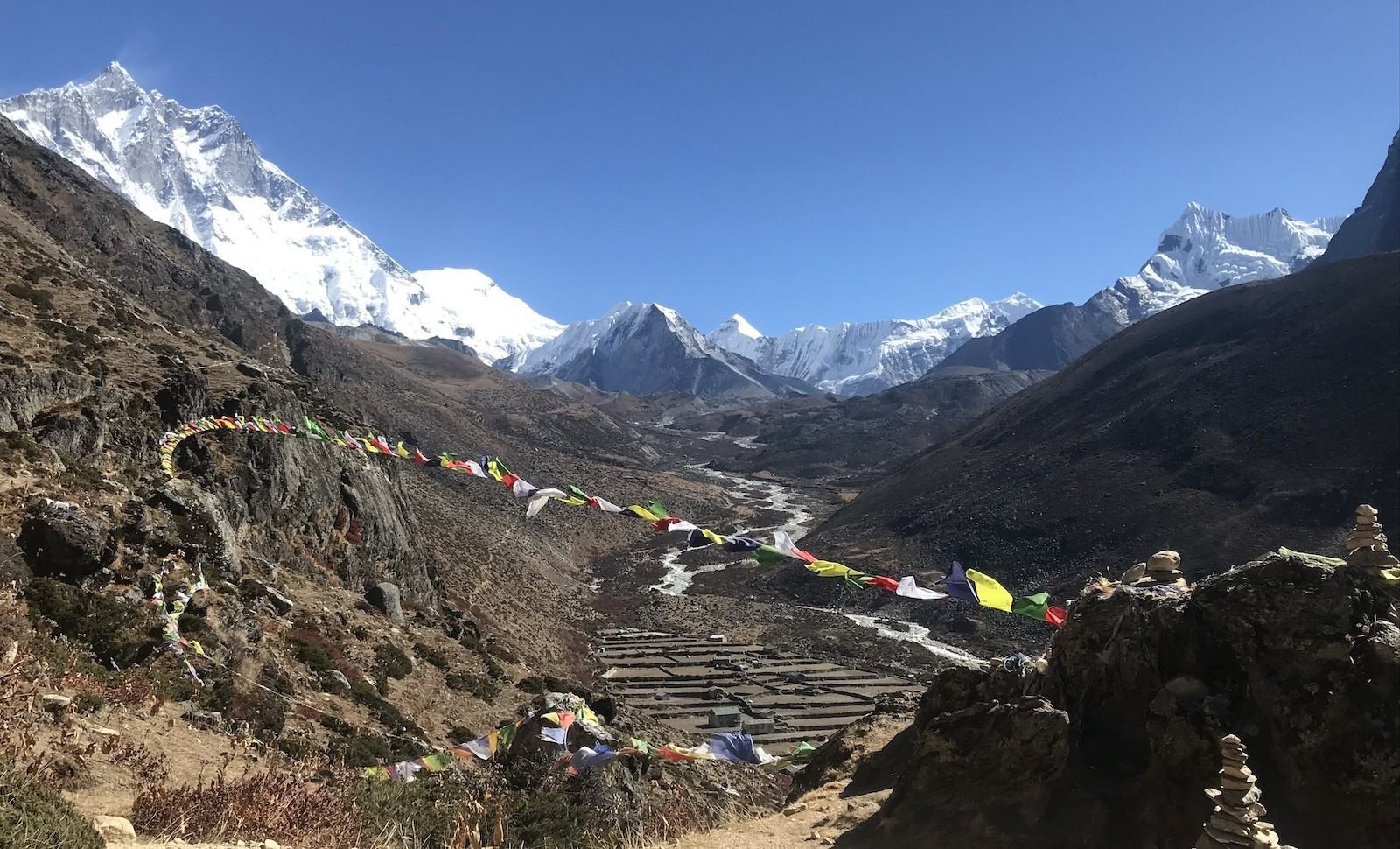
Actually, getting used to the altitude is everything in the Himalayas. In April, the air feels crisp and dry—almost energizing when you first set out. But those chilly mornings? They can really sting your lungs, especially around Phakding at 2,610 meters. You have to take things slow and steady, letting your body catch up. That’s the trick to avoiding altitude sickness as you climb up to Namche Bazaar at 3,440 meters.
When May rolls around, the temperatures rise a bit, and that small shift really helps. Your body doesn’t waste as much energy just trying to stay warm, so you end up with a bit more in the tank for those steep climbs, especially heading up to Dingboche at 4,410 meters. Resting at the higher viewpoints actually feels comfortable. Plus, May’s higher humidity keeps your throat from drying out as much.
No matter which spring month you pick, you’ll face thin air once you get past the treeline near Pangboche at 3,985 meters. Oxygen levels are low, period. But here’s something interesting—studies show the air pressure in May holds a little more steady. It’s not a game-changer, but every bit helps when you’re pushing for Everest Base Camp at 5,364 meters. Still, you can’t skip the basics: stick to the usual acclimatization steps to stay safe.
At the end of the day, staying hydrated and getting proper rest make the biggest difference. Drink at least four liters of water a day, especially when you’re gazing up at Thamserku’s 6,608-meter summit. Most guides say you should spend two nights in Pheriche at 4,371 meters to let your body adjust. And those warmer May nights? They usually mean better sleep, which really matters when you’re wiped out. Good rest speeds up your recovery and gives you more energy for the tough hike back down.
Acclimatization Success Factors :
Actually, trekking in April just feels right. This is when the Himalayas really show off — the weather settles down, skies turn that impossible blue, and the air feels so clear it almost stings. Most trekkers agree: April’s the sweet spot if you want a steady, predictable trail. You wake up to crisp mornings where Ama Dablam stands out sharp against the sky, every ridge and glacier in plain view. The dry air helps too — flights to Lukla run more smoothly, so you’re less likely to get stuck waiting around at the airport. All in all, April’s conditions set you up for a solid start toward Everest.
Then there’s the scenery. By mid-April, the lower Khumbu is on fire with color — forests around Namche Bazaar explode with red rhododendrons. It’s unreal. The flowers pop against the snowy backdrop of Thamserku, and if you’re into birds, keep your eyes peeled for the Himalayan Monal near Phakding. All this color and life take the edge off those tough uphill climbs. Even when your legs are burning, the surroundings make it all feel worth it.
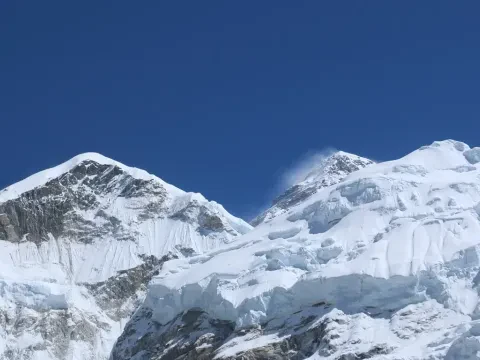
But there’s a catch. April’s reputation brings crowds. Trails get busy, and the teahouses fill up fast, especially in places like Tengboche. Finding a private room in little villages like Lobuche? Good luck — you really need to book your trip and flights months ahead. With so many people on the trail, prices for things like lodge upgrades sometimes creep up too.
And don’t let that spring sunshine fool you. Higher up, it’s still brutally cold. Nights in Dingboche are freezing, and the tea houses don’t have heating, so you need serious thermal layers. The wind on Kala Patthar cuts right through you, no matter how many jackets you pile on. If you want to stay healthy and actually enjoy the trek, bring proper gear and be ready for those icy nights.
So, is April worth it? If you want epic views and classic Himalayan spring vibes, absolutely — just be ready for the company and the cold.
| Feature | Advantage (Pro) | Disadvantage (Con) |
|---|---|---|
| Visibility | Exceptional morning clarity for photography | Haze can develop in late afternoon |
| Scenery | Peak rhododendron blooms and green valleys | Higher trails remain dusty and dry |
| Social | Lively atmosphere with many global hikers | Limited privacy in standard tea houses |
| Weather | Very low risk of rain or snowfall | Freezing temperatures above 4,000m |
| Logistics | Reliable flight schedules to Lukla | High competition for the best guides |
Meanwhile, Trekking in May is a whole different experience. The weather’s warmer, and you’re right in the middle of the mountaineering season. Base Camp turns into this lively tent city packed with climbers from all over the world. There’s a buzz in the air—everyone’s chasing the same dream. Sometimes you’ll spot famous mountaineers just hanging out in the lodges at Pheriche, swapping stories or catching their breath. It’s hard not to get swept up in the excitement.
Actually, the temperatures make a big difference, too. Days in the Khumbu are milder, so hikes up toward Gorak Shep feel less punishing. That warmth isn’t just nice—it keeps your energy up and helps you sleep better at night. Even at high spots like Dingboche, the cold doesn’t bite quite as hard as it does earlier in the spring. Lots of trekkers actually prefer these conditions, even if the monsoon isn’t far off.
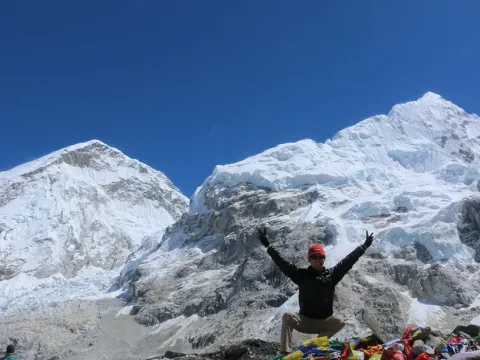
But there’s a trade-off. As May goes on, clouds start rolling in by the afternoon, and the humidity cranks up. Sometimes you look up, hoping for a view of Lhotse, and it’s just gone, swallowed by thick cloud. Down lower, places like Lukla get hit with unpredictable rain showers. If you’re hoping for postcard-perfect photos, you’ve got to get an early start—mornings are your best bet before the clouds move in.
Further, there’s another thing: the moist air messes with flights. Delays and airport closures are common, so it’s smart to add a few buffer days to your plans. The trails get busier, too. Yak caravans hauling expedition gear clog up the narrow paths near Namche Bazaar, and sometimes you’re just stuck waiting. It takes a bit of patience and flexibility to handle all the crowds and delays, but honestly, that’s part of the May adventure.
Key Considerations for a May Expedition :
Trying to pick between April and May for your Everest trek? Let’s break it down so you get a real sense of what each month offers—weather, scenery, crowds, and how the trail actually feels.
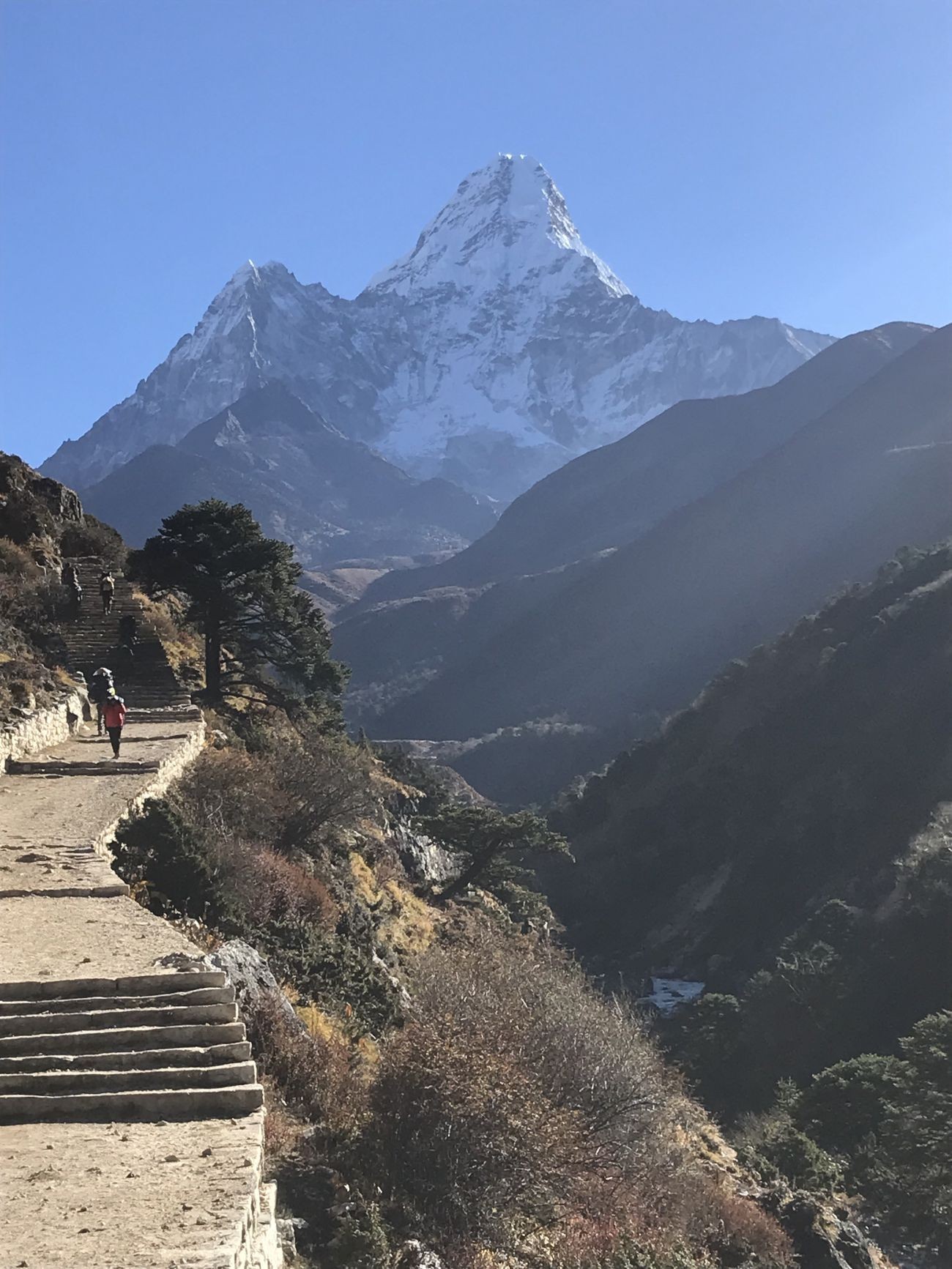
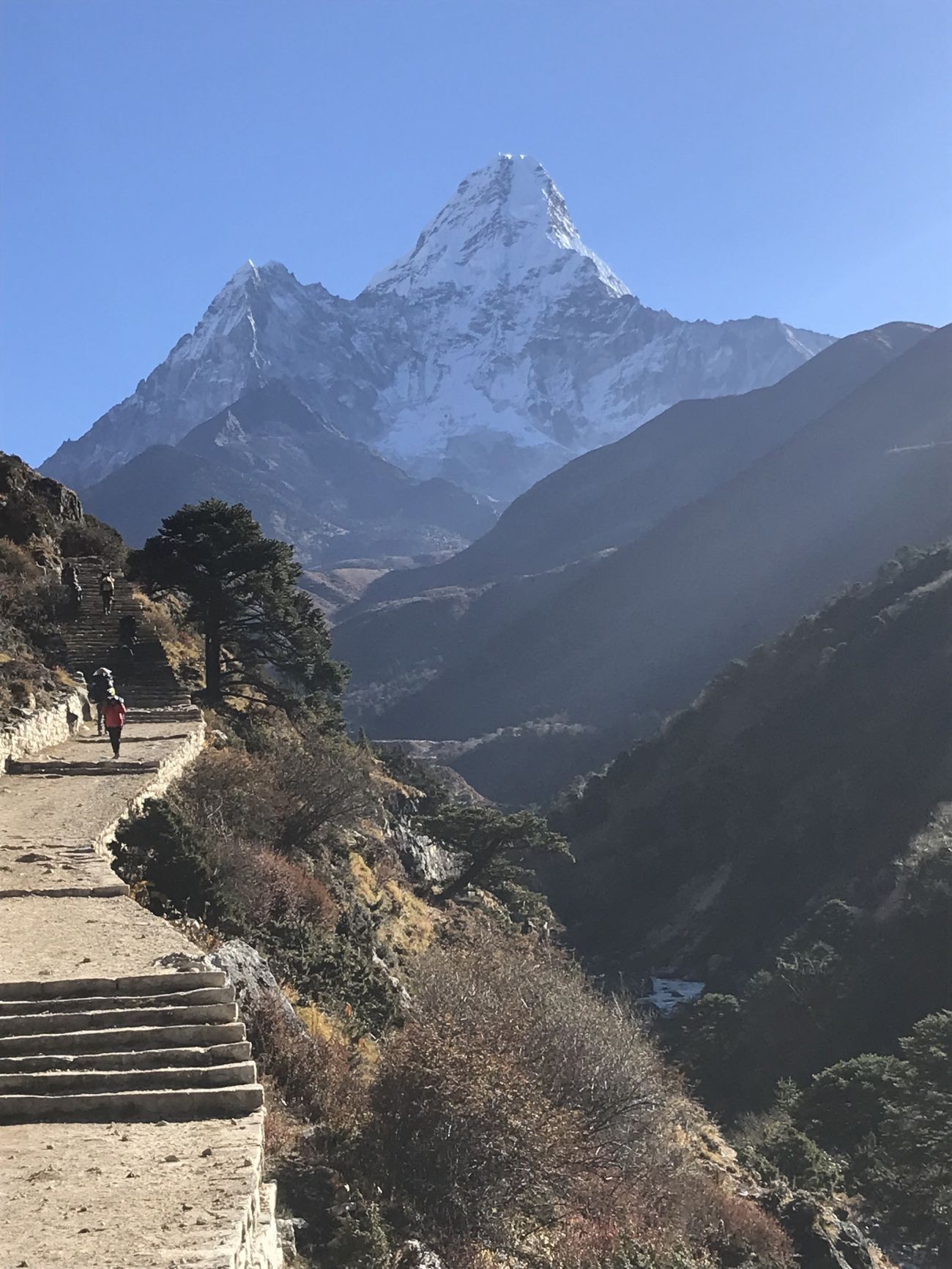
Meanwhile, April is famous for its clear, steady weather. Think crisp mornings and big mountain views—Everest and Lhotse stand sharp against a blue sky all day. If you’ve booked tight international flights and want the least unpredictable conditions, April is your safest bet.
Likewise, April also puts on a wildflower show. If you’re trekking near Namche Bazaar, you’ll walk through forests blazing with rhododendrons—red and pink everywhere you look. By May, those flowers start to fade lower down and the green creeps higher up the trail, toward places like Tengboche. Down in the valleys around Lukla, the air turns humid and everything feels more lush as the monsoon edges closer. The vibe gets a little more tropical.
In fact, crowds change, too. April stays busy with trekkers, but it’s not quite the circus you get in May. May is when the big Everest expeditions roll in—huge teams, famous climbers, loads of excitement. If you want to catch the action, May is your month. If you prefer a quieter trail, April feels a bit more peaceful. You’ll actually find quiet corners, maybe even a calm moment at the Pheriche medical clinic, which is rare later in the season.
Then there’s temperature. April brings cold nights—think freezing in Lobuche, you’ll want your thickest jacket. May warms things up, which means you won’t burn as much energy just staying warm at night, and you’ll probably sleep better in those high-altitude tea houses. But the afternoons can get hot, especially around Dingboche.
In the end, it’s about what fits your style. April is crisp, colorful, and a little quieter. May is warmer, greener, and buzzing with climbing energy. Take your pick—either way, the Himalayas deliver.
| Feature | April Highlights | May Highlights |
|---|---|---|
| Morning Sky | Crystal clear and deep blue | Mostly clear but some haze. |
| Afternoon Sky | Usually clear with light winds | Often cloudy with potential fog. |
| Flora | Peak rhododendron blossoms | Lush greenery and wildflowers. |
| Trail Vibe | Traditional trekking focused | High-energy climbing season. |
| Night Temp | Sharp frost and freezing air | Milder and more manageable. |
Actually, trying to pick between April or May for your Himalayan trek? It really comes down to what matters most to you—photos, comfort, crowds. Take a minute to think about what you want out of the trip before you set anything in stone.
If you’re all about getting those perfect shots, April is your month. Photographers love it for a reason. The air’s clear, the light is sharp, and you get those dramatic shadows on Thamserku’s ridges. Everest’s North Face looks incredible—no midday clouds blocking your view. If your main goal is to go home with jaw-dropping mountain photos, go in April.
But if you hate being cold, May’s the winner. Nights up high get brutal in April, but by May, things warm up enough that you can actually relax over a cup of tea in places like Gorak Shep. The warmer air makes breathing easier and the trek itself feels less punishing. If comfort matters more than crystal-clear photos, May’s the way to go.
In fact, crowds are a whole other thing to think about. May is when Everest comes alive—climbers from all over the world set up at Base Camp, and the energy is contagious. You’ll hear dozens of languages and meet people with wild stories. But if you want peace and a stronger connection with nature, April’s quieter trails are hard to beat. Around Phakding or higher up, you’ll have more space to yourself.
One last thing: flights. April’s weather is more reliable, so you’re less likely to get stuck waiting for a plane in Lukla. May gets a bit trickier with fog and early storms, so build in some buffer days if you go then. That way, you don’t have to stress about missing your flight back to Kathmandu.
Weigh these factors against what you want most, and you’ll land on the right month for your trek.
Personal Decision Guide: Evaluation Criteria :
So, you’re dreaming of Everest Base Camp. Here’s how you make that dream real. The trick is to start early. You’ve got to decide—do you want the crisp, clear skies of April, or the busy, colorful energy of May? Either way, both months put you in the shadow of Everest itself, which is always a thrill.
If you want this trek to be smooth, book everything ahead. The best trekking companies say you should lock in your permits and domestic flights at least six months out. Do that, and you get the best lodges, the right guides, and a whole lot less stress along the way.
Now, don’t let excitement override common sense—your safety and health come first. Stick to a slow, steady acclimatization plan as you climb up to Dingboche, and don’t forget to drink water (more than you think you need). A good pace and proper hydration help your body adjust to the thin air up in Khumbu. Get travel insurance that covers emergency helicopter rescues—seriously, don’t skip this. With that sorted, you can actually relax and take in massive views of Ama Dablam or just enjoy the rhythm of the trail. Do yourself a favor and get fit before you go. Those steep paths are no joke, and being in shape makes the whole thing way more fun.
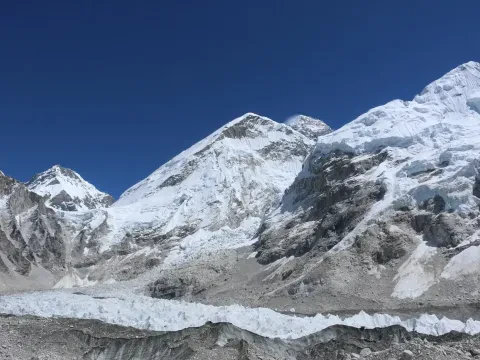
Further, there’s also the practical stuff: budget and gear. Expect to spend between $1,500 and $2,500 for a standard trekking package. That usually covers your guide, porters, and simple tea house stays in places like Namche Bazaar. Bring top-notch gear—think a proper down jacket and hiking boots you’ve already broken in. The weather gets wild up at Gorak Shep, and good equipment keeps you comfortable and safe. Don’t skimp on this; your gear is your best protection in the unpredictable Himalaya.
But look, this isn’t just about ticking off a bucket list. The real magic is in the moments: chatting with Sherpas, soaking up their culture, or just watching the sun hit Lhotse at dawn. Whether you pick April’s blossoms or May’s climber energy, these mountains change you. If you plan well, pack smart, and respect the journey, you’ll come home with stories that last a lifetime. Safe travels—step by step, you’ll find yourself right in the heart of the world’s most legendary peaks.
Essential Planning Checklist for Spring Trekkers :
1. Is April or May better for Everest Base Camp Trek?
The Everest Base Camp Trek is really great in April because the weather is stable there are people and the rhododendron flowers are beautiful with clear skies. May is warmer. It can be hazy and the trails are busier because of the climbing season. If you want to see nice views April is the way to go. If you want nights May is better. Both months are great for the Everest Base Camp Trek.
2. What is the weather like on EBC Trek in April?
In April the mornings are cool the days are nice. You can see really far with clear skies. The temperature during the day is just right. It gets chilly at night. The weather is perfect for trekking before the monsoon comes which is great for taking pictures and making progress on the high passes.
3. How does May weather compare to April for Everest Base Camp?
May is warmer during the day. It can be hazy and cloudy and it gets more humid later in the month. The views are still good. Not as good as in April. May is better for people who like nights even though the trails are busier.
4. Which month has better mountain views for EBC Trek?
April is the best for seeing the mountains because the air is crisp and the skies are clear. May can be dramatic. There can be clouds and haze in the afternoon. If you go to the Everest Base Camp in May you can still see really far.
5. Are there fewer crowds on Everest Base Camp Trek in April?
Yes, in April the trails are not as busy in the beginning and middle of the month. You will see some people. It is quieter than in May. The teahouses are also less crowded which makes for a personal experience. As April comes to an end more people start to arrive. It is still calmer than in May.
6. What temperatures can I expect on EBC Trek in April vs May?
In April the temperature during the day can be 15-20°C at lower elevations but it gets really cold at night sometimes even below -5°C. May is warmer with temperatures around 18-22°C during the day. The nights are milder. At elevations it is cold in both months so you need to dress in layers.
7. When do rhododendrons bloom on the Everest Base Camp trail?
The rhododendrons bloom from March to April. Make the lower trails look beautiful with red and pink flowers. The best time to see them is in the middle of April. In May the flowers are mostly. The trails are green.
8. Is teahouse booking difficult in April or May for EBC?
In April you should book the teahouses in advance. It is not too hard to find a place. In May it is more challenging because of the climbing teams and more people so you should book early with a tour operator to make sure you have a place to stay.
9. How does altitude acclimatization differ between April and May?
The way you get used to the altitude is the same in both months with a slow and steady climb. In April the stable weather helps you get used to the altitude easily. In May the warmer weather can make you feel better physically. You need to be careful with how much water you drink and how much rest you get because of the pre-monsoon weather.
10. What are the pros of trekking EBC in April?
April is great because the weather is stable the rhododendrons are beautiful the skies are clear. There are fewer people. The conditions are perfect for trekking and taking pictures. The mountain flights are more reliable. April is the time for the Everest Base Camp Trek if you want to be safe and see nice views.
11. What are the cons of Everest Base Camp Trek in May?
May is warmer. It can be hazy and cloudy and the weather can change in the afternoon. The trails are busier with climbers, which means the teahouses are more crowded and expensive. The pre-monsoon weather can make it harder to see the views.
12. Is it safe to trek Everest Base Camp in April?
Yes, April is one of the months to trek the Everest Base Camp because the weather is stable it does not rain much and you can see really far. If you get used to the altitude properly have a guide and follow the safety rules it is highly recommended.
13. Does May have more risk of bad weather on EBC Trek?
May has a risk of bad weather because of the pre-monsoon which can bring haze and short storms later in the month. The views and trails are not as predictable as in April. If you go early in May the weather is still pretty stable especially for experienced trekkers.
14. How crowded is Everest Base Camp itself in April vs May?
In April the Everest Base Camp has some activity. Not as much as in May when the climbing teams arrive. In May the base camp is bustling with people and tents. If you trek in May, you will see a lot of activity. You will also have to share the space with many more people.
15. What fitness level is needed for EBC Trek in spring?
You need to be in shape and have strong legs for both April and May. You will be hiking for 5-8 hours a day with a lot of climbing so you need to train beforehand. The stable weather in April and the warmer weather in May can both work for you if you are prepared.
16. Are mountain flights more reliable in April or May?
The mountain flights are more reliable in April because the weather is more stable. In May the clouds can come in the afternoon which can cause delays or cancellations. It is an idea to plan for extra days especially later in May.
17. What permits and costs apply for April vs May EBC Trek?
The permits you need are the same for both months. The cost is mostly the same. The teahouses might be a bit cheaper in April. The overall cost of the trip is similar. The prices can vary depending on the time of year. How many people are trekking.
18. Should beginners choose April or May for Everest Base Camp?
April is better for beginners because the weather is stable the trails are clearer. There are fewer people. The warmer weather in May can be nice. The crowds and haze can make it a bit more challenging for first-time trekkers.
19. How long is the Everest Base Camp Trek itinerary?
The classic trek takes 12-14 days, including rest days. Covers around 130km round trip. Both April and May follow the route from Lukla to Namche Bazaar to the Everest Base Camp and back.
20. What should I pack differently for April vs May EBC Trek?
You should pack clothes for both months but April needs warmer layers, for the colder nights. May can be lighter. You need good rain gear in case of pre-monsoon showers. You should always bring sunglasses and sunscreen.
Our travel experts are ready to assist you with any questions.
Send us a message.Have a question before you book? Send your enquiry below and our travel experts will get back with the required information.