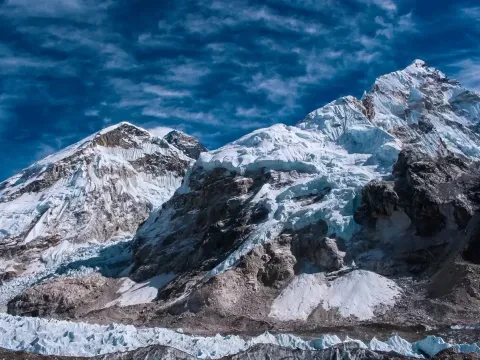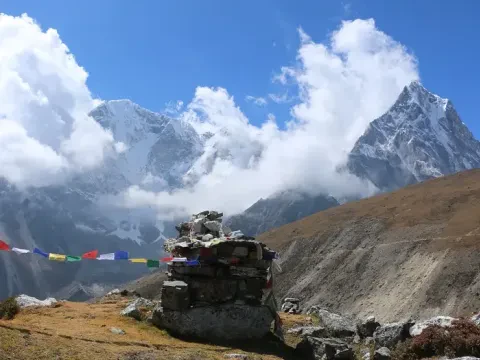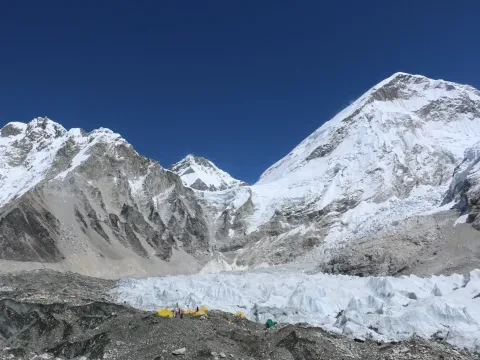
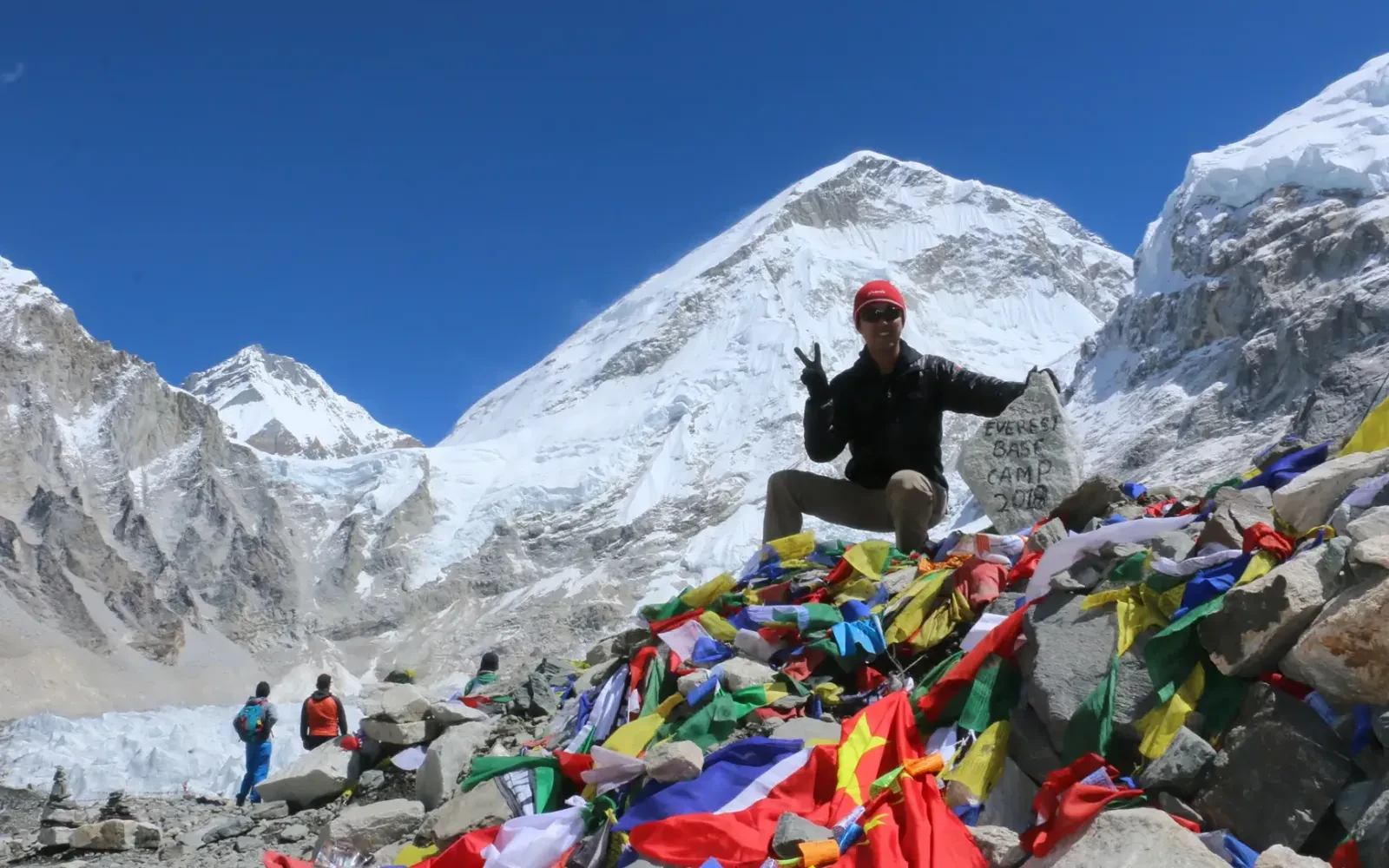
Actually, Base Camp pulls in adventurers from all over, and for good reason. It’s a dream trek, but there’s one thing you can’t ignore: flights to Lukla. If you’re planning your Everest Base Camp trek , you’ve got to think about flight costs right from the start. Skipping this step? You’re just asking for headaches later.
Here, most trekkers fly from Kathmandu or Ramechhap/Manthali to Lukla—there’s really no faster way to get close to Everest. That ticket isn’t cheap, either. Round-trip flights usually cost between $360 and $450, and that’s before you even think about weather delays. Flights get canceled all the time. Smart trekkers always add a little extra to their budgets so a surprise delay doesn’t mess up their plans or drain their wallets.
Honestly, the flight is more than just a ride—it’s a real highlight. That quick hop from Kathmandu gives you killer views of the Himalayas, and, if you’re lucky, you’ll spot Everest itself before you even start hiking. The excitement really kicks in once you’re up there. But during peak season, things get tricky. Flights fill up, prices jump, and sometimes departures shift to Ramechhap. Anyone on a budget needs to keep an eye on all these changes.
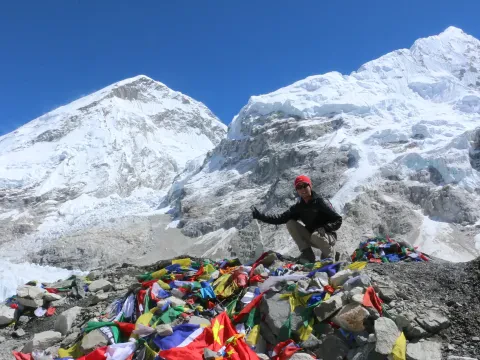
If you don’t plan ahead, flight costs can really throw you off. Comparing airlines, looking for deals, checking baggage rules—these small steps save you money and stress. Book early, grab group discounts if you can, and you’ll free up your budget for guides and porters, which make the trek so much better.
Here’s something people don’t always tell you: flights make up about a quarter of a typical Everest Base Camp trek package. So, getting the best deal isn’t just about saving a few bucks. It means you can afford better help along the way and just enjoy the trek more.
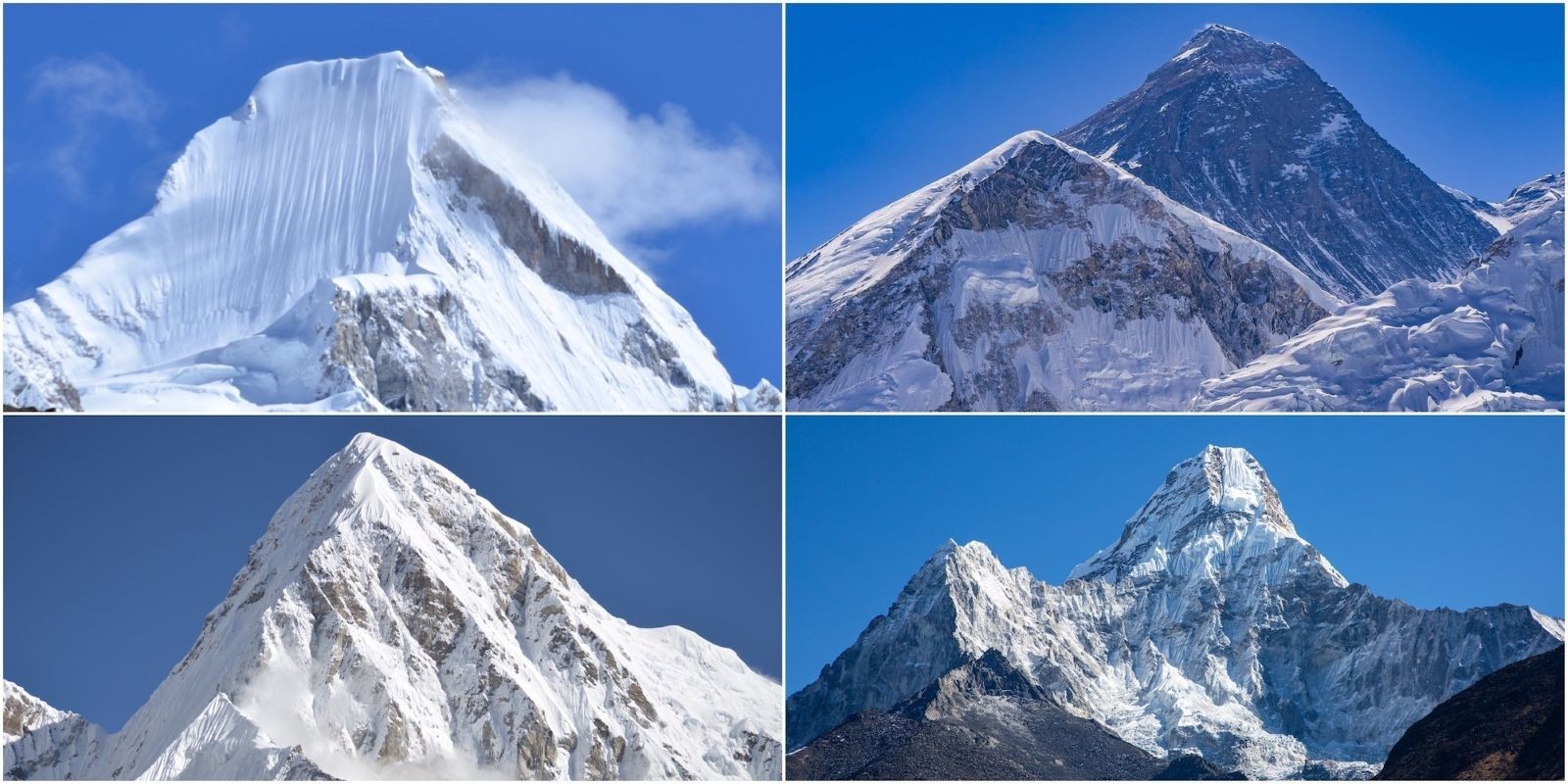
And if you ask trekkers who’ve done it before, they’ll tell you—nothing tests your patience like a flight delay in Lukla. But the ones who planned for it? They adjusted, kept going, and finished their adventure proud. They’ll always say: plan your flights smart, and the rest of the trek just falls into place.
Key Reasons Why Flight Budgeting Matters for EBC Success
| Flight Factor | Typical Cost Impact (USD) | Budget Tip |
| Round-trip Lukla flights | 360-450 | Book 3 months early |
| Peak season detour | +50-100 drive | Use shared vans |
| Weather buffer | 100 extra | Add 2 rest days |
If you’re heading out on the Everest Base Camp Trek, you’ll want to get a handle on the route—especially the flights from either Kathmandu or Ramechhap to Lukla. The choices you make here can really affect your cost, your schedule, and how smoothly your adventure starts.
Here, most trekkers take the classic approach: a quick, 35-minute flight from Kathmandu (at 1,400 meters) straight to Lukla (2,860 meters). The views are unreal, with the Himalayas right out your window. Once you land, you’re set to start the trek toward Everest Base Camp (5,364 meters). There’s a reason almost every EBC package follows this path.
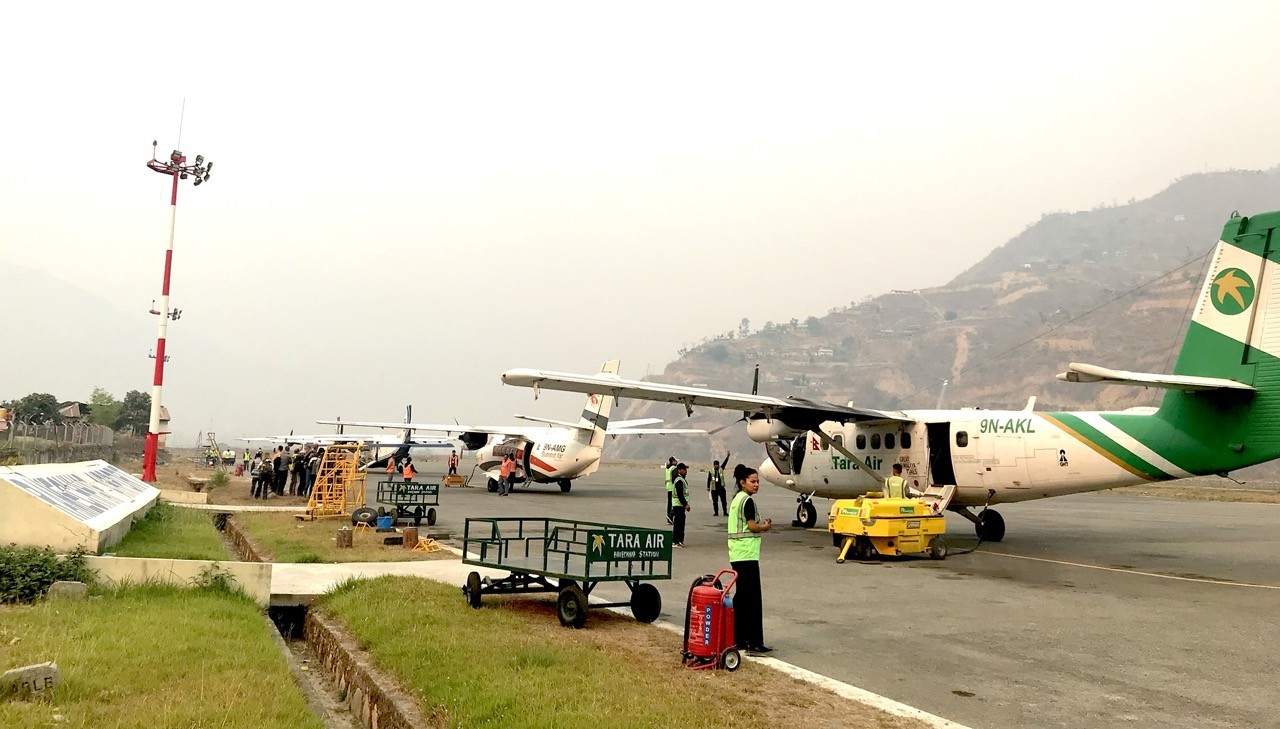
But things change during peak trekking seasons. When crowds surge between March and May or September and November, flights to Lukla shift from Kathmandu to the smaller airport at Ramechhap. This means you’ll need to drive 5 to 6 hours from Kathmandu to Ramechhap (474 meters), then hop on a short 20-minute flight to Lukla. It’s a bit more effort, but it keeps everything running smoothly when the skies get busy.
Outside those busy months, you can usually skip the extra drive and fly straight from Kathmandu to Lukla. That saves you time and hassle, especially when it comes to your baggage. But during peak times, planners always pick the Ramechhap route—it's just more reliable.
Once you’re in Lukla, the real EBC trek begins. The trail climbs gradually, heading down first to Phakding (2,610 meters), then climbing up through Sherpa villages. This steady pace helps your body adjust to the altitude before you reach base camp. Knowing the route and how the elevation changes makes a big difference—you avoid getting sick, and your chances of reaching EBC go way up.
In fact, no matter which airport you use, the goal stays the same: make it to Everest Base Camp. Your choice comes down to your travel dates and whatever the current flight schedule looks like. Most trekkers check the latest updates online, line up their plans with the weather and crowds, and set off feeling ready for the journey.
Likewise, you don’t have to handle all these details alone. Good trekking operators take care of the transfers, whether it’s booking an early morning drive to Ramechhap or confirming your Lukla flight days ahead. That way, all you need to think about is the trail ahead—and the memories you’re about to make on your way to Everest Base Camp.
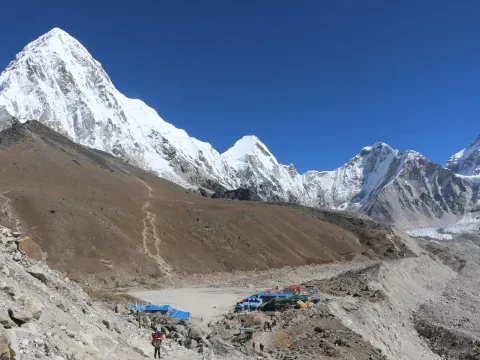
Comparison of Routes to Lukla for Everest Base Camp Trek:
| Route Option | Flight Time | Drive Time | Best Season | Cost Note |
| Kathmandu to Lukla | 30-40 min | None | Off-peak | Direct & scenic |
| Ramechhap to Lukla | 20 min | 5-6 hrs | Peak (Mar-May, Sep-Nov) | Avoids congestion |
| Return from Lukla | 20-40 min | 5-6 hrs | All seasons | Same rules apply |
Here, let’s talk about getting from Kathmandu to Lukla for your Everest Base Camp trek . Flights from Kathmandu (1400m) to Lukla (2860m) set the tone for the whole adventure. The trip itself takes about 35 minutes. You get jaw-dropping mountain views right out of the gate, and you hit the ground in Lukla ready to start trekking. Choosing the right flight here really helps keep your overall Everest Base Camp trek costs in check.
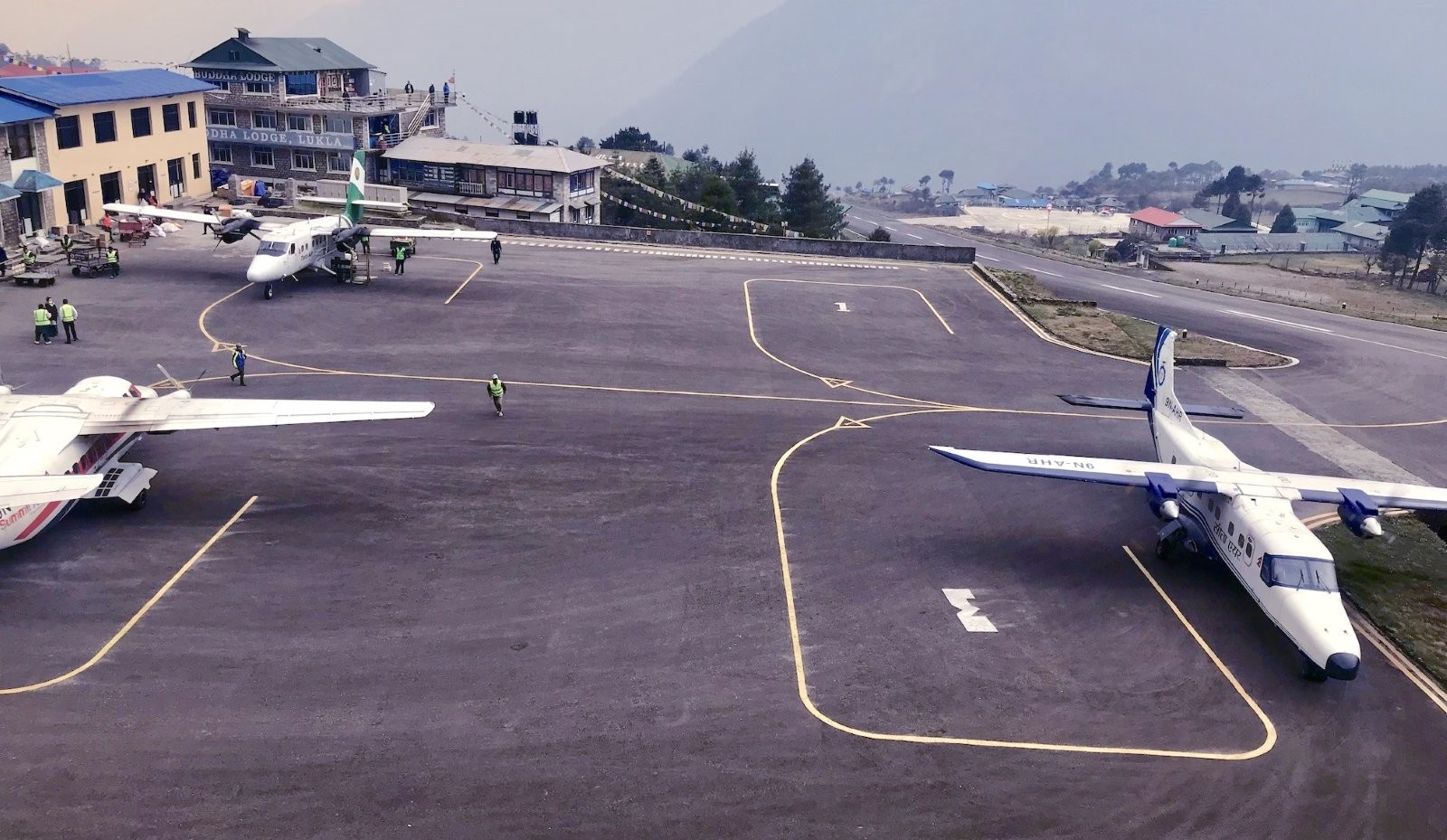
Right now, round-trip flights from Kathmandu to Lukla run between $450 and $520. Most trekkers book with airlines like Tara Air or Summit Air. They usually aim for morning departures to dodge the afternoon clouds. Seats fill up fast, so locking in tickets early keeps you from paying more later.
If you want to save some cash, book your flight about three months ahead. Keep an eye on airline websites—sometimes they throw out flash deals. Booking early also means you’re not stuck scrambling for a seat during busy months. That way, you start your trek stress-free.
Likewise, the different airlines mostly charge similar prices, so people pick based on departure time or reviews they read online. Standard baggage allowance is 10 kg checked plus 5 kg carry-on. If you book early, you’ve got a better shot at a window seat—perfect for catching your first glimpse of Everest (8849m).
If your schedule’s flexible, you can usually score a better deal on flights. Some trekkers line up their Lukla tickets with their overall EBC trek package to get extra discounts. Once you’ve landed, it’s all about getting used to the altitude and soaking up the experience. By the end, you’ll have a whole collection of stories to bring back from Lukla.
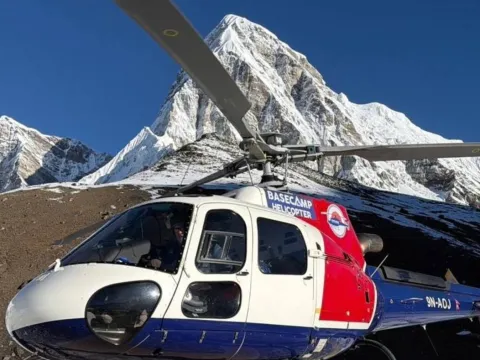
Kathmandu to Lukla Flight Cost Breakdown :
| Item | Price Range (USD) | Booking Tip |
| One-way direct flight | 225-260 | Book early morning slots |
| Round-trip total | 450-520 | Use package deals |
| Extra baggage per kg | 2-3 | Pack light for savings |
Top Airlines for Lukla Flight Options :
If you’re looking to cut costs on your Everest Base Camp trek during peak season , the Ramechhap to Lukla flight is a smart move. A lot of trekkers use this route to dodge the chaos at Kathmandu airport. The routine’s pretty straightforward: you leave Kathmandu (1400m) late at night, drive for about 5 to 6 hours to Ramechhap (474m), then hop on a quick 20-minute flight to Lukla (2860m). It’s a simple way to lower your overall Everest Base Camp trek expenses.
Right now, a round-trip flight from Ramechhap to Lukla costs between $350 and $380. Add in about $20 to $30 each way for shared ground transport, and you’re still spending less than if you flew straight from Kathmandu in high season. The money you save? You can use it for better teahouses or a few extra treats along the way. Plus, you’ll arrive at Lukla rested and ready to start your trek to Everest Base Camp (5364m).
Here, tour operators usually make the early morning transfer to Manthali airport pretty painless. Shared jeeps leave Kathmandu around 2 AM, and by sunrise you’re at Ramechhap, waiting to board your flight. The views from the plane? They’re something else. This route takes the stress out of getting to Lukla when things get crowded.
In fact, planning’s easy, too. Most people book their flight and ground transfer together online. Pack light—trust me, it makes that bumpy night drive a little more comfortable. No need to stress about missing flights or dealing with airport chaos. You just focus on your trek.
Just remember, this route only runs in the busy months from March to May. Check your dates, book early, and make sure you’ve got warm clothes for the chilly drive. Once you land at Lukla, all that’s left is the hike. You’ll be at Everest Base Camp before you know it.
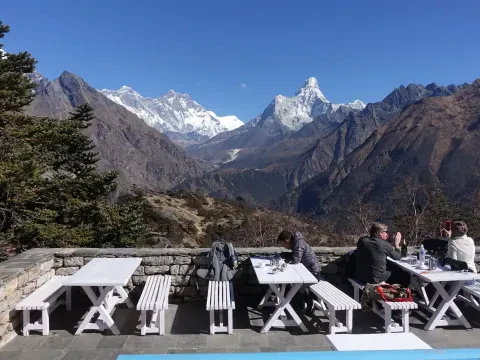
Step-by-Step Guide for Ramechhap to Lukla Flight :
If you’re heading to Everest Base Camp, you’ll need two permits right from the start: the Sagarmatha National Park permit ($30) and the Khumbu Pasang Lhamu Rural Municipality permit ($20). These aren’t just tickets to the mountains—they help protect the region and support the local Sherpa communities. So, have your documents ready and keep those permits on hand. They make life easier at every checkpoint on the trail.
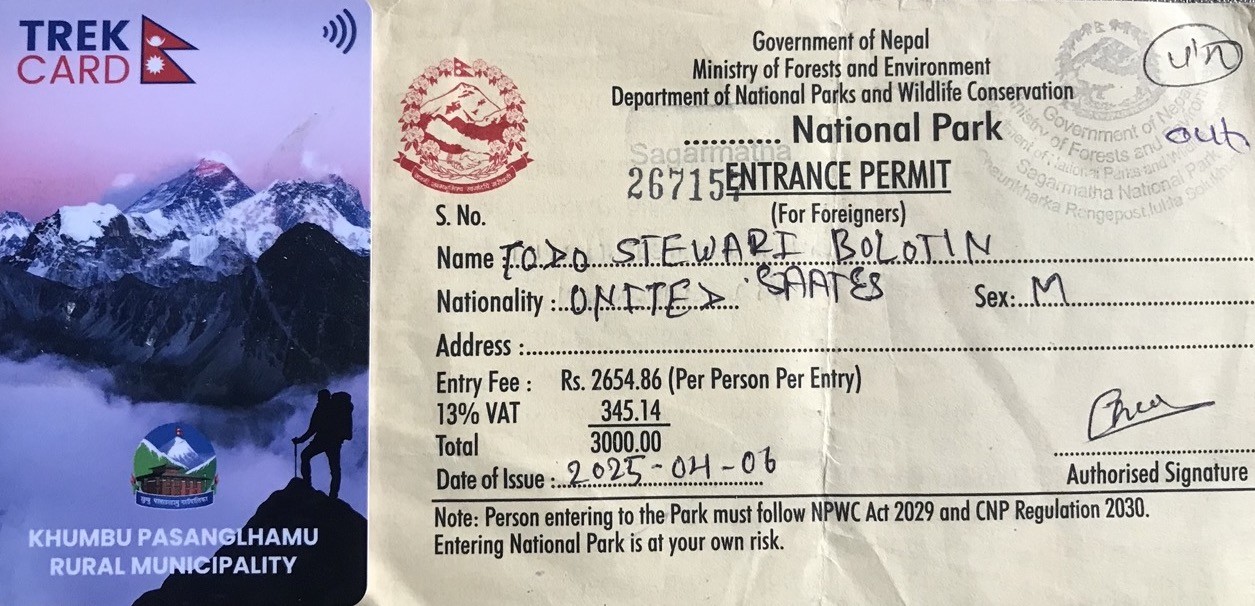
Now, let’s break it down. The Sagarmatha National Park permit costs about $30 for foreigners. You can pick it up at the Nepal Tourism Board office in Kathmandu. Bring your passport. You’ll pay in cash, or sometimes by card these days. Once you have it, you’ll show your permit at the Monjo checkpoint and then you’re good to go, hiking through one of the world’s most beautiful national parks.
Likewise, the Khumbu Pasang Lhamu Rural Municipality permit is an extra $20 per person. Most trekkers grab this one in Lukla or Monjo. If you’re traveling with a trekking agency, they often sort all the paperwork and you might even get a group discount. If you’re going solo, you’ll pay the full fee yourself—but either way, this money helps build and maintain local infrastructure.
Moreover, getting permits is easier than ever now. You can apply online through official government sites, book in advance, and skip the long lines at offices—especially helpful during busy trekking seasons. That way, you spend less time on paperwork and more time getting used to the altitude.
Before you go, check your list: passport, a couple of photos, and enough cash for permits. Double-check the latest fees online to avoid surprises. Keep your permits accessible—you’ll show them more than once. Get this sorted, and you’re set for an unforgettable trek to Everest Base Camp.
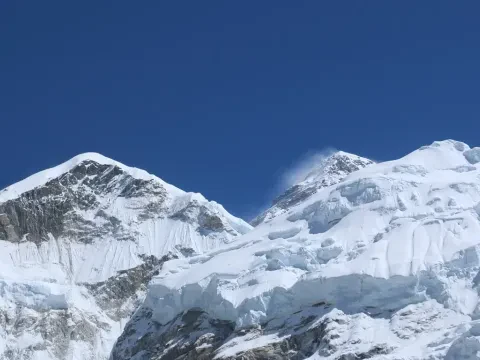
Everest Base Camp Trek Permits Cost Breakdown :
| Permit Type | Cost for Foreigners (USD) | Where to Obtain | Notes |
| Sagarmatha National Park Entry Permit | 30 | Kathmandu or Monjo | Cash/digital, passport required. |
| Khumbu Pasang Lhamu Rural Municipality Permit | 30 | Lukla or Monjo | Supports local development. |
| Total Essential Permits | 50-60 | Varies | No group discounts usually for independents. |
Actionable Checklist for Obtaining EBC Trekking Permits :
When you’re trekking to Everest Base Camp, make sure to set aside money for teahouse stays. Most nights, you’ll spend around $20 to $30, though in the higher villages, prices sometimes hit $100. Costs depend a lot on where you’re staying and the time of year—places higher up or in the busy season always ask more.
Honestly, teahouses are the heart of this trek. Every village along the trail has a few family-run lodges. The rooms are basic—usually just a bed, a blanket, and thin walls—but they’re warm, and the Sherpa hosts treat you like one of their own. Prices start out low in places like Phakding or Namche Bazaar, maybe just $5 to $10 a night. As you climb, rates go up. By the time you reach Dingboche or Lobuche, expect to pay $30 to $50. Gorak Shep, the last stop before base camp, is even pricier. It’s smart to pad your budget a little for these high, remote villages.
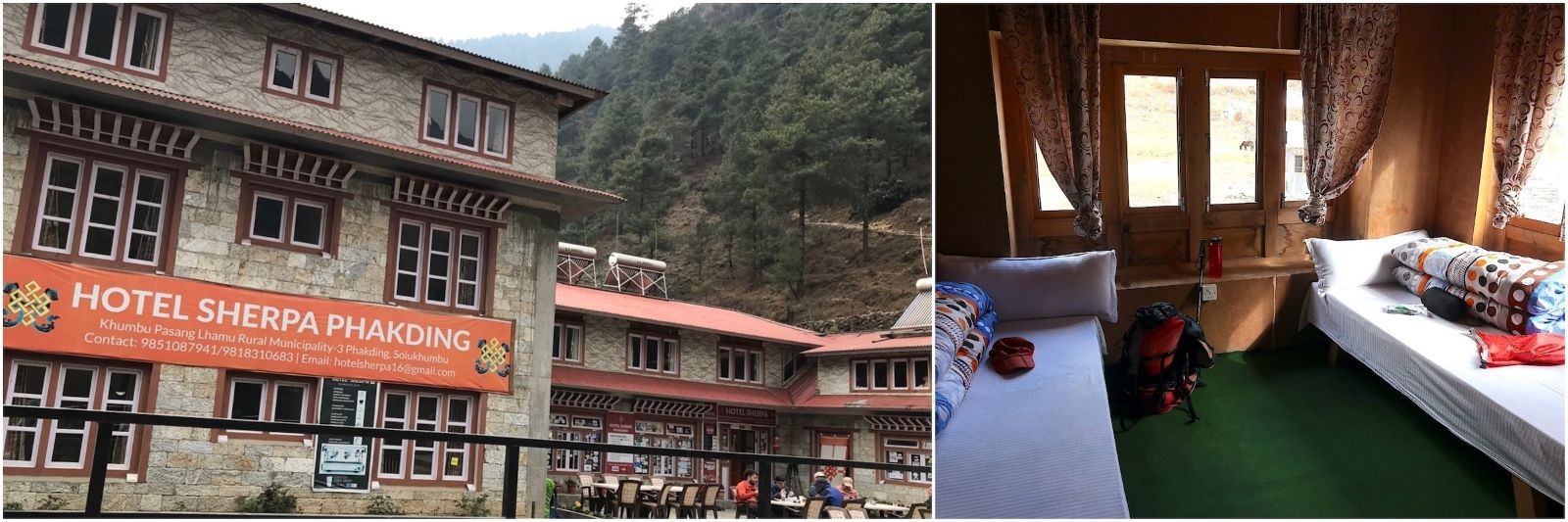
If you want more comfort, you’ll find a few luxury lodges along the lower trail. They have private bathrooms, real heating, and softer beds. These cost anywhere from $50 to $100 a night, sometimes more during peak season. Some folks splurge for these on tough days, but honestly, most trekkers stick with the classic teahouses for the charm—and the savings. Basic teahouses usually have shared bathrooms and a big dining hall where everyone eats together.
Likewise, you’ll notice prices jump during the busy months—March to May, or October and November. Beds fill up fast, so you have to book early if you want your pick of rooms. That way, you avoid paying extra or winding up in a crowded dorm. Rest matters up there, especially before the push to base camp.
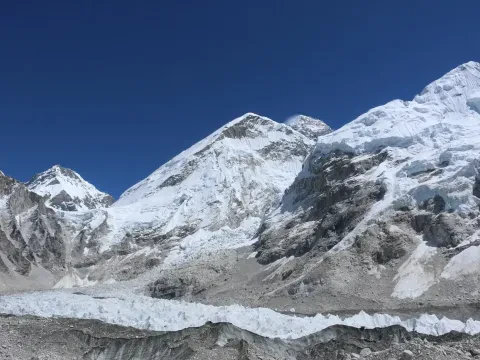
Moreover, a typical night in a teahouse feels simple and memorable. You step into a small wooden room, drop your pack, and warm up by a yak-dung stove while dinner cooks. Everyone gathers in the dining hall, sharing stories over hot tea. In the morning, you wake up to cold air and those wild Himalayan peaks right outside your window. It’s all part of the experience—these little lodges end up being some of the best memories from the trek.
Teahouse Accommodation Cost by Altitude and Season :
| Location / Altitude | Average Nightly Cost (USD) | Facilities | Season Tip |
| Lower trail (Lukla 2860m to Namche 3440m) | 5-20 | Shared bathroom, basic | Cheaper off-peak. |
| Mid trail (Tengboche 3860m to Dingboche 4410m) | 15-35 | Some attached rooms | Book early peak. |
| High altitude (Lobuche 4940m to Gorak Shep 5164m) | 30-100 | Heating available | Prices surge. |
Sample Daily Accommodation Budget for EBC Trek :
Here, let’s talk about food on the Everest Base Camp trek . You’ll spend about $25-40 a day for breakfast, lunch, and dinner. That covers the basics, but once you start climbing higher, prices go up — and fast.

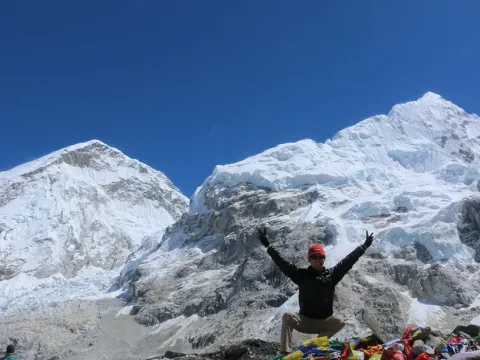
Honestly, meals are your fuel out there. You need good food to keep moving, and you’ll find plenty at the teahouses along the trail. In places like Namche Bazaar (3,440m), meals run around $5–8 each. Push past Dingboche (4,410m), and suddenly you’re paying closer to $10–15 a meal. By the time you hit Gorak Shep (5,164m) or Everest Base Camp itself (5,364m), expect even steeper prices. It helps to plan for these jumps so you’re not caught off guard.
If you’re vegetarian, you’re in luck. Most menus are packed with plant-based dishes — dal bhat, veggie curries, noodle soups. You’ll see eggs, pasta, and fried rice too, which always hit the spot after a long day. Meat is rare and pricier the higher you go, so most trekkers stick with the veggie options and feel just fine.
Similarly, don’t forget about water. High altitude means you need to stay hydrated — we’re talking 3 to 4 liters a day. You can buy boiled or treated water at each stop, but it’ll run you another $2–5 daily. Still, it’s worth every cent to avoid getting sick and keep your energy up.
One last tip: bring your own snacks from Kathmandu. Stuff like energy bars, nuts, or chocolate makes a huge difference. Not only do they keep you going between meals, but they also help you save $5–10 a day. It’s a small thing, but it adds up — and honestly, it makes the trek feel a lot more manageable.
Sample Daily Meal Menu and Costs on Everest Base Camp Trek :
| Meal | Typical Options | Average Cost (USD) | Altitude Note |
| Breakfast | Porridge, toast, eggs, tea | 5-10 | Lower trails cheaper |
| Lunch | Dal bhat, soup, momos | 7-12 | Mid-trail moderate |
| Dinner | Vegetable curry, rice, pasta | 8-15 | High altitude highest |
| Daily Total | Full meals + snacks | 25-40 | Budget buffer recommended |
Tips to Reduce Meal Costs on EBC Trek :
If you’re heading to Everest Base Camp, hiring a guide costs about $20–30 a day, and a porter runs $15–25 a day. Honestly, having a guide or porter isn’t just about making things easier—it’s about making your trek safer and way more enjoyable. They know the trails, keep you on the right path, carry your heavier stuff, and let you focus on the climb instead of worrying about logistics.
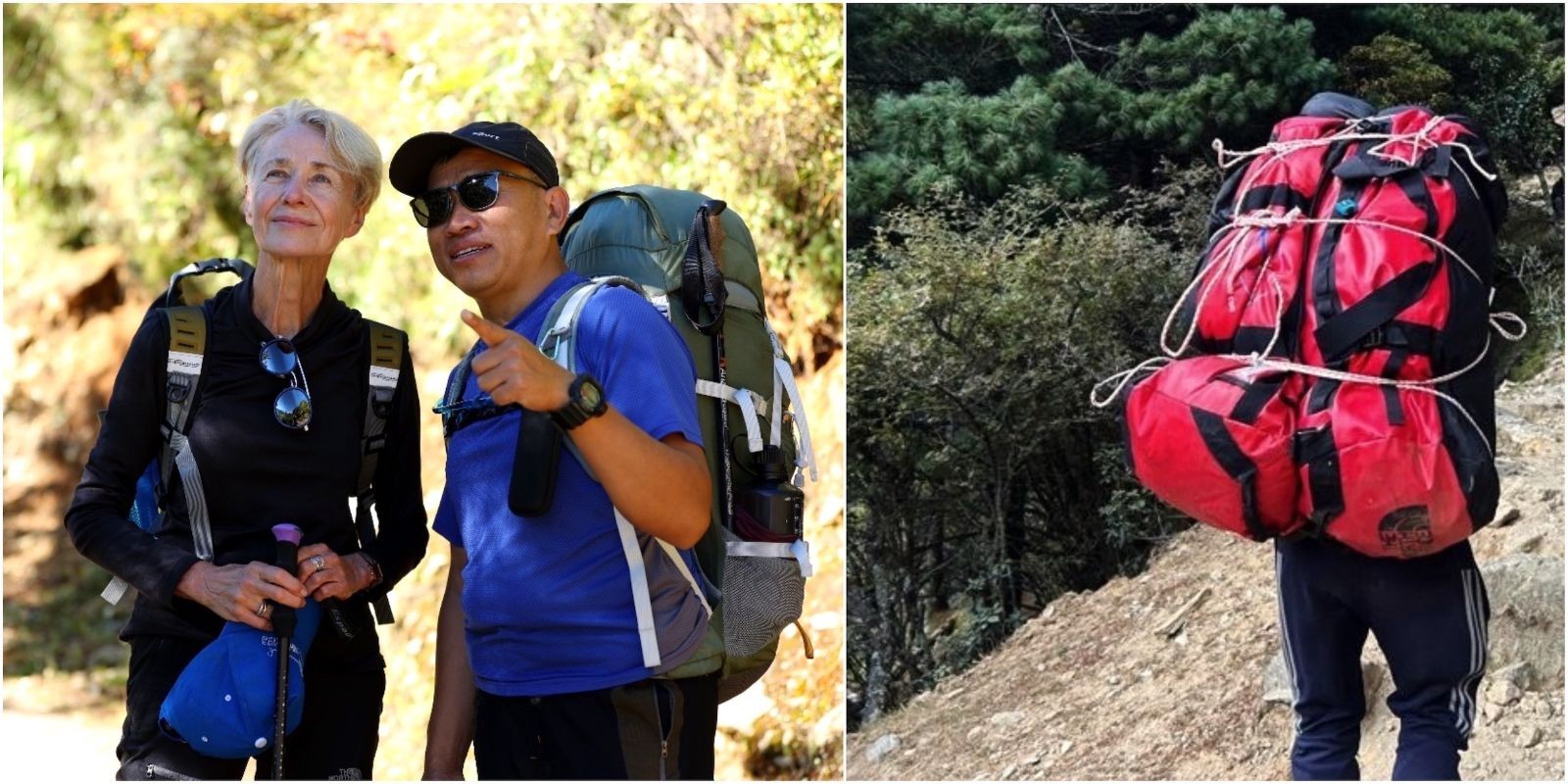
Actually, a good guide usually charges between $20 and $30 a day. For that, you get someone who’s certified and knows the mountains inside out. They’ll spot the signs of altitude sickness, help you navigate sudden weather changes, and share stories about the local culture and history. It’s not just practical help—it adds a lot to the whole experience.
Likewise, porters make a huge difference too. At $15–25 a day, they’ll take most of your gear so you only carry a light daypack. You end up walking faster and saving your strength for those steep sections. If you’re in a group, you can split the cost, which makes it even more affordable for everyone.
Similarly , there’s also an ethical side to this. When you go through a reputable agency, you’re supporting the local Sherpa community, making sure guides and porters get fair pay and proper insurance. And it matters—no one should be overloaded or underpaid. By hiring responsibly, you’re giving back to the region and helping keep these trekking traditions alive.
In fact, solo trekkers often team up with groups to share the costs, which drops the price per person and still gives you the guide’s full attention. If you want more freedom, you can always hire your own guide or porter privately. Either way, you’re set for a safer, smoother trek to Everest Base Camp.
Guide and Porter Cost Breakdown :
| Service | Daily Rate (USD) | Typical Role | Best For |
| Licensed Guide | 25-30 | Navigation, safety, acclimatization advice | All trekkers, especially first-timers. |
| Porter | 20-25 | Carrying 20-25 kg gear | Anyone with heavy packs or knee issues. |
| Group Sharing (2-4 people) | 10-18 per service | Cost split evenly | Budget-conscious groups. |
Pros and Cons of Hiring Guide and Porter Services :
If you’re planning to trek to Everest Base Camp, don’t skip travel insurance—especially the kind that covers high altitudes and helicopter evacuation. It usually runs between $150 and $250, but honestly, it’s a small price to pay for the kind of protection you get. You’re heading to 5,364 meters, after all. Having the right policy means you don’t have to worry about altitude sickness draining your wallet or putting your adventure at risk.
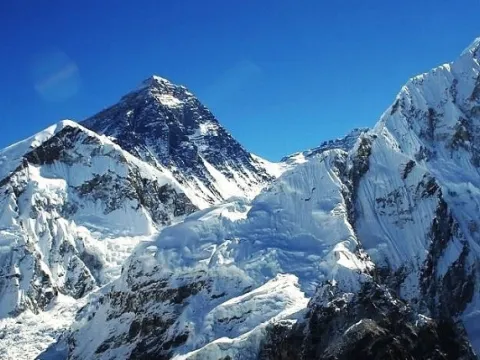
Actually, smart trekkers look for insurance with solid high altitude coverage. They want plans that handle emergencies all the way up to Everest Base Camp, not just the easy parts of the trail. When you know your insurance covers helicopter rescues, you walk with a bit more confidence. If something happens up at Lobuche (4,940m) or Gorak Shep (5,164m), you’re not suddenly staring down a $20,000 bill. That’s peace of mind you just can’t get any other way.
Here, don’t just grab the first policy you see. Make sure it covers things like acute mountain sickness treatment and medical evacuation from those remote villages. Double-check the fine print for repatriation and trip cancellation too. A lot of basic travel insurance plans leave out high altitude risks altogether, so go for the ones built for trekkers like you.
Moreover, stories from the trail drive the point home. Plenty of hikers have had to call in helicopters from places like Dingboche (4,410m), and quick insurance payouts have saved them thousands. They won’t set foot on the trail again without proper coverage, and neither should you.
In the end, a quick look at the numbers makes it obvious—paying $150 to $250 upfront saves you from massive expenses if things go south. Compare providers like World Nomads or local Nepali companies, figure out which one fits your trek, and lock in your coverage before you fly. It’s just smart trekking.
Travel Insurance Cost-Benefit Analysis for EBC Trek :
| Coverage Type | Typical Cost (USD) | Potential Savings | Key Benefit |
| Helicopter Evacuation | Included in 150-250 policy | Up to 20,000 | Fast rescue from 5364m |
| Altitude Sickness Treatment | Included | 5,000+ | Medical care at high camps |
| Full Policy (2-3 weeks) | 150-250 | Trip cancellation refund | Complete peace of mind |
Essential Checklist for High Altitude Travel Insurance :
When you’re gearing up for the Everest Base Camp trek , one big question pops up: should you rent your gear or buy it? Renting essential stuff in Kathmandu usually costs around $50 to $100 total, which is a great way to keep your trek affordable—especially if you’re flying into Lukla.
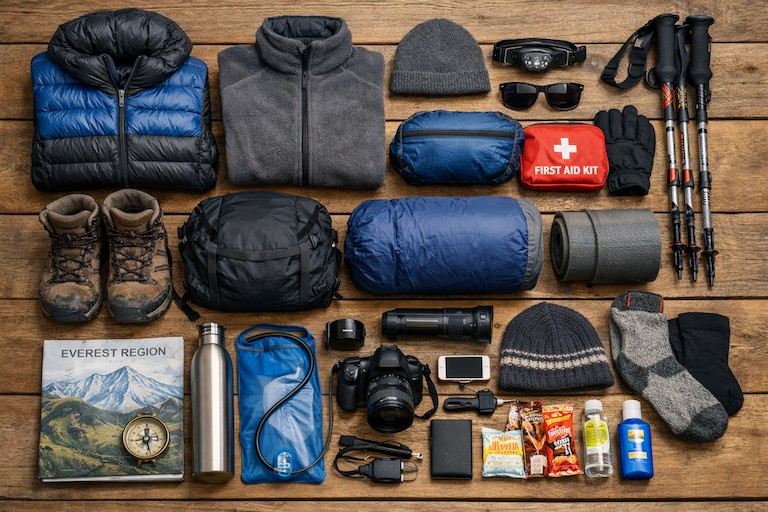
Meanwhile, picking the right gear isn’t just about saving money. It’s about safety, too. People compare rental and purchase options, trying to balance quality with cost. If you rent, you’ll find sleeping bags, down jackets, and trekking poles everywhere in Thamel. Test your boots and crampons before you go—nothing ruins a trek like bad-fitting gear. And when you rent, you skip lugging heavy bags on the flight to Lukla, which makes that first step toward Base Camp (5,364m) a whole lot easier.
Moreover, buying gear makes more sense if you plan to trek again. Kathmandu has tons of shops, and you’ll spend somewhere between $200 and $500 for solid, long-lasting equipment. A lot of trekkers look for eco-friendly brands to cut down on waste. But honestly, if this is your first time, renting is the smarter move. Save your cash for guides and permits.
Before you go, check your packing list. Bring waterproof jackets, thermal layers for the cold nights in Namche Bazaar (3,440m), and don’t forget headlamps and trekking poles for those steep climbs. This way, you’ll stay warm and safe all the way past Tengboche (3,860m) to Base Camp.
If you care about the planet, think about renting reusable gear and buying second-hand items from local shops. That cuts down on plastic waste and supports the community. Just make sure to return your rented equipment in good shape when you’re done. It’s a simple way to help keep the Everest Base Camp trek sustainable for everyone.
Gear Rental vs Purchase Cost Comparison :
| Item | Rental Cost (USD) | Purchase Cost (USD) | Recommendation |
| Sleeping Bag (-20°C) | 15-25 | 80-150 | Rent for one trek. |
| Down Jacket | 10-20 | 60-120 | Rent unless repeat hiker. |
| Trekking Boots | 8-15 | 50-100 | Buy if you keep them. |
| Full Set (14 days) | 50-100 | 300-500+ | Rent saves 70%. |
Everest Base Camp Gear Checklist :
Here, let’s talk about getting to Everest Base Camp by flight and what you’ll actually spend on the ground. First off, when you land in Kathmandu, it’s easy to grab a taxi to Thamel—expect to pay $10 to $20 for a straightforward ride. Most people go for pre-paid taxis, just to dodge any dodgy pricing. This is your first real expense as you start planning the trek.
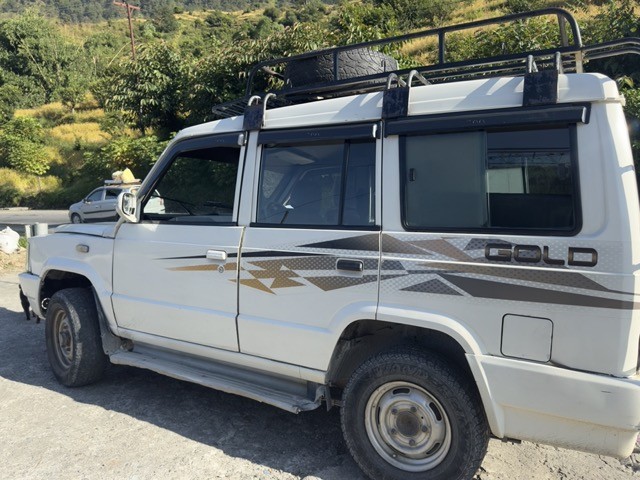
Likewise, during the busy season, things get a bit more interesting. Flights to Lukla actually leave from Ramechhap, not Kathmandu, so you’ll need to get out there. Early in the morning, trekkers pile into shared jeeps or buses from Kathmandu. A round trip runs you about $20 to $40. It’s a long drive—five or six hours—to Manthali airport in Ramechhap. Once you’re there, catching the flight to Lukla usually goes smoothly.
Here, don’t forget, after your trek you’ll have to do this all again in reverse: drive back from Ramechhap to Kathmandu. The cost is about the same, and you’ll probably share a ride with other tired hikers.
But here’s the thing—weather delays are just part of trekking to Everest Base Camp. Flights in and out of Lukla get delayed all the time. You really need to budget for extra days, just in case. Most trekkers set aside an extra $100 to $300 for last-minute hotel stays and food if they get stuck for a day or two, either in Lukla or back in Kathmandu. This way, you don’t have to panic about missing your international flight home.
Honestly, if you’re trekking in the Himalayas, you have to be ready for plans to go sideways. The weather changes fast up there. Travel smart—give yourself some wiggle room in your schedule and your budget. If you do, you’ll have a much less stressful trip and actually enjoy the adventure, instead of scrambling to fix last-minute problems.
Ground Transportation Cost Breakdown :
| Transfer Type | Typical Cost (USD) | Details | Tip |
| Kathmandu Airport to Thamel | 10-20 | Pre-paid taxi, 20-30 min | Use official counter |
| Shared bus/jeep to Ramechhap | 20-40 round-trip | 5-6 hrs drive | Book with agency |
| Contingency extra nights | 50-150 per day | Hotel in Kathmandu | Add 1-2 buffer days |
Contingency Advice for Flight Delays :
Here, watch out for hidden costs on your Everest Base Camp trek —those little things add up fast. You’ll pay $3 to $7 for hot showers, $2 to $5 to charge your phone, $3 to $10 for WiFi, and around $50 to $200 in tips by the end. If you’re not careful, these extras can mess up your budget before you even realize it.
Let’s be real, most trekkers don’t think about these small charges when planning. But as soon as you hit the trail, the bills start piling up, especially at teahouses from Lukla (2860m) all the way up. Knowing what’s coming helps you keep your spending under control.
Likewise, hot showers, for example, cost more the higher you go—anywhere from three to seven bucks a pop. Sure, it’s tempting to splurge on a warm rinse after days of hiking, especially above Namche Bazaar (3440m), but the price jumps, so people usually cut back. Honestly, you find ways to stay fresh without burning through your cash.
Moreover, charging devices is another one. It’s $2 to $5 each time you plug in. At remote places like Gorak Shep (5164m), it can get even pricier. Bringing a power bank saves you money and some hassle, so pack one if you can.
Furthermore, wifi isn’t free either. You’ll pay $3 to $10 for an hour or a daily package, depending on where you are. In Namche Bazaar, it’s easy to get online, but higher up, it’s satellite only and costs more. Most trekkers set aside about $30 to $60 just to stay connected, and that’s usually enough to check in with people back home.
More importantly, don’t forget tips. By the end, you’ll want to thank your guides and porters—$50 to $200 is typical. After all the hard work they put in, it feels good to show some appreciation. Most people figure out a fair amount based on how well the team did.
In short, these “small” expenses aren’t so small once you add them up. Keep them in mind, and you’ll avoid surprises when you’re halfway up the mountain.
Watch Out For Hidden Costs List on EBC Trek :
Now, let’s talk Everest Base Camp Trek Cost by Flight total budget:. Budget options start at $1,200 to $1,500 per person. If you want a bit more comfort, mid-range sits around $1,500 to $2,200. And if you’re going all in on luxury? Expect to spend $3,000 or more. These prices cover 12 to 14 days, including flights to Lukla (from Kathmandu or Ramechhap), permits, and your daily meals
If you’re aiming to keep costs low, the economy tier makes the dream happen without draining your bank account. You’ll join a bigger group to split the cost of guides and porters, stay in basic teahouses, and stick with simple meals. It’s all about covering the basics—permits, round-trip Lukla flights, food, and a bed each night—without any frills.
Likewise, mid-range packages strike a nice balance. For a bit more cash, you get better lodges, smaller groups, and guides who know what they’re doing. The equipment’s better, too. You’ll still pass through highlights like Namche Bazaar and climb to Base Camp, but with a touch more comfort along the way.
Now, if you want the best of everything, luxury treks push the experience to a whole new level. You’re looking at $3,000 and up for premium lodges, top-notch service, and sometimes even a helicopter ride back from Base Camp. The extra comfort helps you recover at high-altitude spots like Gorak Shep, and honestly, the memories feel even bigger when you’re traveling in style.
Moreover, group size makes a real difference in the final price. Larger groups—say, 4 to 10 people—can bring down the cost for everyone. Smaller, private trips feel more personal but usually cost more per person. So, when you plan, think about what matters most to you and adjust your budget to fit. That way, you get the Everest trek you really want, without any surprises.
Everest Base Camp Trek Total Budget Breakdown (12-14 Days) :
| Budget Level | Total Cost per Person (USD) | Key Inclusions | Group Size Impact |
| Economy | 1,200-1,500 | Basic teahouses, shared guide/porter, Lukla flights, meals, permits | Larger groups save 20-30%. |
| Mid-Range | 1,500-2,200 | Better lodges, private options, reliable services, flights | 2-4 people optimal. |
| Luxury | 3,000-5,000+ | Premium lodges, helicopter possible, extras, flights | Private for max comfort. |
Customization Formula for EBC Trek Budget :
Want to keep your Everest Base Camp trek affordable? Here’s how to do it without missing out on safety or fun. Go during the off-season—think December to February or even June. Fewer crowds, lower prices, and the same jaw-dropping views of Everest. You’ll save a lot on flights and places to stay just by shifting your travel dates away from the busy months.
Traveling with a group? That’s a big win for your wallet. Book a shared trek with four to ten people. You split up the cost of your guide and porter, which slashes your total by 20 to 30 percent. Plus, you get some company on those long stretches to Base Camp.
Likewise, don’t overlook local agencies. Nepali companies in Kathmandu usually have better deals than the big international outfits. Just make sure you check their reviews and credentials before you hand over any cash. If you’re smart about it, you can get flights, permits, and solid service for less.
And don’t be shy about bargaining for those little extras along the route. Hot showers, WiFi at the teahouses—try negotiating. Bring snacks from home to avoid paying premium prices for meals on the trail. Every bit you save adds up.
In fact, plenty of trekkers have pulled this off. They focused on what really matters—safety, a good guide, the experience itself—and skipped the expensive frills. They came home not just inspired by Everest, but also by how much value they squeezed out of every rupee.
Numbered Cost-Saving Tips for Everest Base Camp Trek :
Now, let’s wrap it up. If you’re dreaming of reaching Everest Base Camp but want to keep your spending in check, you’re looking at a total budget of about $1,200 to $2,200. That covers your Lukla flights, permits, meals, and a bunch of other essentials. With a little planning, your EBC adventure is closer than you think.
Honestly, the details matter here. You need to nail down your Lukla flights—they’re your ticket to the trail. Set aside enough for those, along with permits and teahouse stays. Don’t forget guides and meals. Manage your money right, and suddenly that Everest Base Camp dream (all 5,364 meters of it) feels doable.
Here, let’s break down the main costs. Round-trip flights to Lukla usually cost between $350 and $520, depending on the season. Permits add another $50 to $60. Meals run $25 to $40 a day. If you want a guide, plan for about $20 to $30 per day, and porters come in at $15 to $25. Add insurance and gear rental, and you’ve got the full picture without breaking the bank.
Moreover, flights are the real game-changer. Flying straight from Kathmandu to Lukla is quick, especially outside peak season. During the busy months, flights switch to Ramechhap, which keeps things moving even when the crowds show up. Book early so you don’t get stuck with higher prices or unexpected delays. That way, you’ll hit the trail ready for the climb.
Actually, there are plenty of ways to save, too. Join a group trek to split costs, or go during the off-season for better rates. Rent your gear in Kathmandu instead of buying everything new, and pack your own snacks. Stick to these tips, and you’ll keep your total between $1,200 and $2,200—no sweat. You get to focus on the adventure, not your wallet.
But honestly, the memories are worth every penny. Imagine catching sunrise over Mount Everest at 8,849 meters, or soaking up the local Sherpa culture in places like Namche Bazaar and Tengboche. You’ll push yourself at high-altitude spots like Gorak Shep, and finally, you’ll stand at Everest Base Camp itself. That feeling? Priceless.
Prepare with insurance and acclimatization plans :
All in all, the journey to Everest Base Camp (5364m) transforms lives forever. Every step rewards effort with pure Himalayan magic. Take the first step now. Your affordable Everest Base Camp Trek Cost by Flight awaits.
1. What is the total Everest Base Camp Trek Cost by Flight?
The Everest Base Camp Trek by Flight package includes the cost of flights permits, teahouses, meals, guide, porter and insurance. The cost of the Everest Base Camp Trek by Flight can start at USD 1200 for economy options. Go up to USD 2200 for luxury options for 14-17 days, including all the essentials for the Everest Base Camp Trek by Flight.
2. How much does Kathmandu to Lukla flight cost in this package?
The Everest Base Camp Trek by Flight includes round-trip flights from Kathmandu to Lukla at a cost of USD 450-520. You can get views on morning flights with Tara Air or Summit Air. It is an idea to book early to avoid extra costs during peak season and to avoid delays due to bad weather.
3. Why consider Ramechhap instead of Kathmandu for Lukla flights?
The Everest Base Camp Trek by Flight also offers flights from Ramechhap, which can be cheaper at around USD 260-300 for a trip plus the cost of ground transfer. This option can help reduce congestion and can be better for budget planning for the Everest Base Camp Trek by Flight.
4. What permits are needed and their costs?
For the Everest Base Camp Trek by Flight, you need a Sagarmatha National Park Permit and a TIMS permit. The total cost of these permits is around USD 50-60. You should get these permits in Kathmandu before you fly to Lukla as part of the fees for the Everest Base Camp Trek by Flight.
5. How much are teahouse accommodations on the trek?
The cost of accommodations in teahouses and lodges for the Everest Base Camp Trek by Flight can range from USD 20-50 per night. The cost increases at altitudes. You should budget wisely to ensure you have a stay along the trail from Lukla to the Everest Base Camp.
6. What are typical meal costs during the EBC trek?
The cost of meals for the Everest Base Camp Trek by Flight can average around USD 30-50 per day for breakfast, lunch and dinner. To save money you can choose dal bhat, which is not only affordable but also provides the energy you need for the trek.
7. Should I hire a guide and porter?
Hiring a guide and porter for the Everest Base Camp Trek by Flight can cost around USD 300-700 in total. Having a guide and porter can ensure your safety help with navigation and provide luggage support making the high-altitude journey more enjoyable and less tiring for the Everest Base Camp Trek by Flight.
8. Is travel insurance mandatory for this trek?
Travel insurance is very important for the Everest Base Camp Trek by Flight to protect against high-altitude emergencies, evacuation and trip delays. You should get a policy that covers trekking up to 5000m+ for peace of mind during the Everest Base Camp Trek by Flight.
9. What gear do I need and should I rent or buy?
For the Everest Base Camp Trek by Flight, you may want to rent gear like down jackets sleeping bags and boots to save money. However, you can buy items like trekking poles for better value and comfort during the Everest Base Camp Trek by Flight.
10. Are there hidden costs to watch out for?
There are some hidden costs for the Everest Base Camp Trek by Flight such as baggage fees, hot showers, WiFi, charging and accommodations due to weather delays. You should plan for these costs to avoid going over your budget during the Everest Base Camp Trek by Flight.
11. What is the economy budget option for this package?
The economy budget option for the Everest Base Camp Trek by Flight can cost around USD 1200-1500. This includes flights, shared rooms, simple meals and minimal guide support which is a good option for trekkers on a tight budget for the Everest Base Camp Trek by Flight.
12. What does a luxury EBC trek package include?
The luxury option for the Everest Base Camp Trek by Flight can cost around USD 2000-2200. Includes private rooms, the best lodges, experienced guides and helicopter returns. This option provides service from Kathmandu to Lukla and back for the Everest Base Camp Trek by Flight.
13. How can I save money on this trek?
To save money on the Everest Base Camp Trek by Flight you can consider flying from Ramechhap packing light eating food and booking early. Traveling in a group can also reduce the cost per person for guides and porters during the Everest Base Camp Trek by Flight.
14. How long is the Everest Base Camp trek?
The standard Everest Base Camp Trek by Flight usually lasts 14-17 days, including flights. This includes preparation in Kathmandu, arrival in Lukla, acclimatization reaching the Everest Base Camp and returning with pacing for safety during the Everest Base Camp Trek by Flight.
15. What is the best time for EBC trek by flight?
The best time for the Everest Base Camp Trek by Flight is during the spring (March-May) and autumn (September-November) when the views are clear and the weather is stable. You should avoid the monsoon and winter seasons to minimize flight cancellations for the Everest Base Camp Trek by Flight.
16. What fitness level is required?
You need to have a to good level of fitness for the Everest Base Camp Trek by Flight. The daily hikes of 5-7 hours with altitude gain require training and prior hill walking experience to ensure a safe and enjoyable trek.
17. How much baggage is allowed on Lukla flights?
For flights during the Everest Base Camp Trek by Flight you are allowed 10kg of checked baggage and 5kg of hand luggage. There are fees for excess baggage so you should pack only the essentials and store any extra items in Kathmandu hotels.
18. What happens if Lukla flights get cancelled?
Weather delays are common during the Everest Base Camp Trek by Flight. You should budget days or opt for helicopter transfers from Ramechhap to protect your itinerary and costs.
19. Are solo trekkers allowed without a guide?
While it is possible to trek solo without a guide for the Everest Base Camp Trek by Flight it is highly recommended that you hire a guide for safety permits and navigation. Trekking alone without support can increase the risks at high altitudes.
20. Does the package include international flights?
The Everest Base Camp Trek by Flight package focuses on Lukla flights, permits and trek services. International flights to Kathmandu are separate and can cost around USD 600-1500 depending on where you're flying from so you should add this to your overall budget for the Everest Base Camp Trek, by Flight.
Our travel experts are ready to assist you with any questions.
Send us a message.Have a question before you book? Send your enquiry below and our travel experts will get back with the required information.