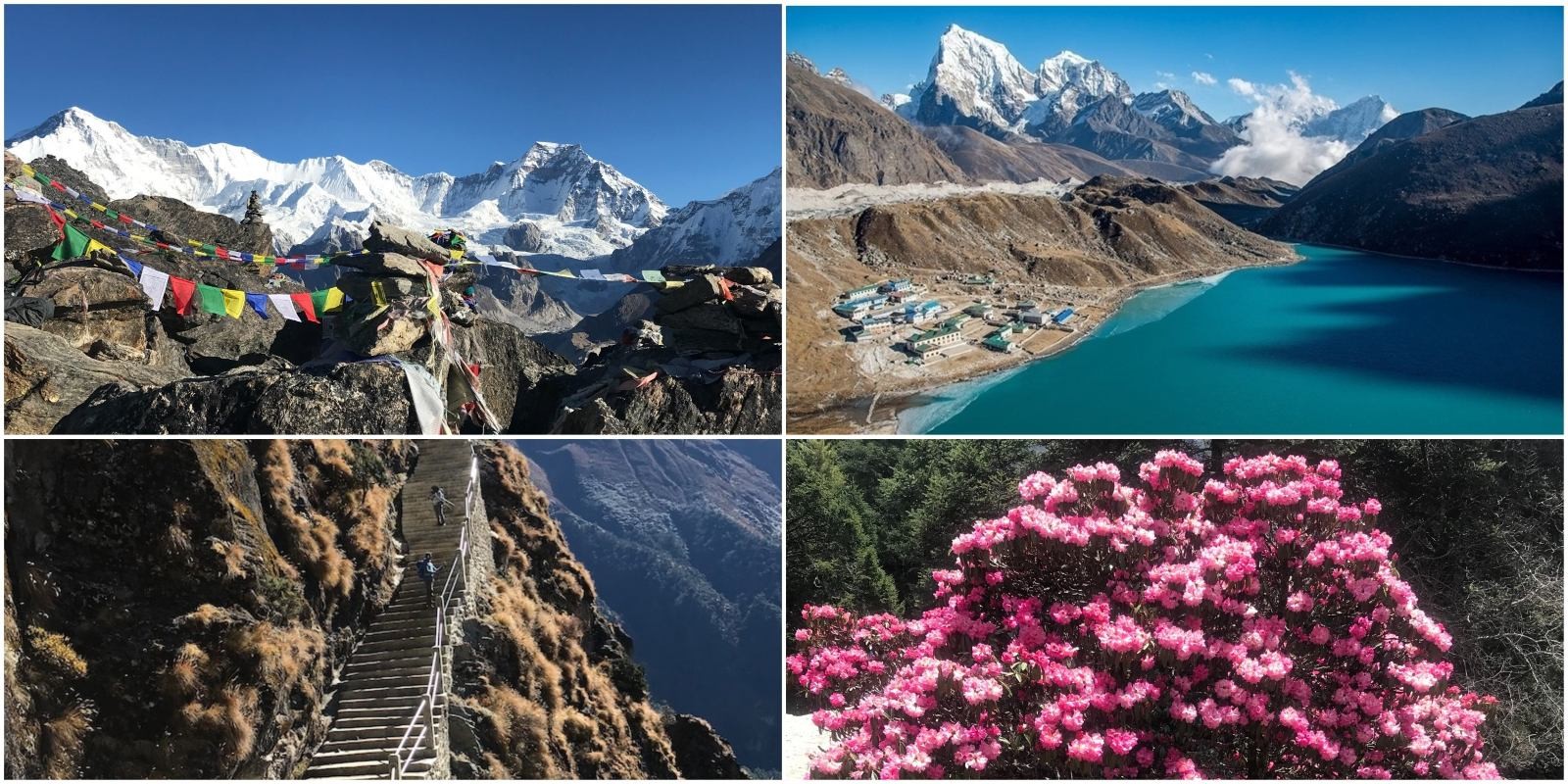
Here, set out on the Gokyo Lake Trek in March, and you’ll find a quieter, more peaceful path compared to the busy Everest Base Camp trail. The route winds through the Khumbu region, where the air is fresh and the scenery just keeps getting better as you climb. You start in Lukla at 2,860 meters (9,383 feet), which helps your body get used to the altitude as you go up. The payoff? Those unreal turquoise lakes and the towering peaks of the Himalayas all around you. Spring’s just waking up, so you get the last hints of winter and the first colors of blooming flowers—plus, with fewer people on the trail, it actually feels like you’re a part of the landscape, not just passing through.
Likewise, March is also kind to trekkers—weather's steady and skies are clear, so you get those postcard views of Everest at 8,848 meters (29,029 feet). Down in places like Namche Bazaar (3,440 meters or 11,286 feet), days warm up to 5-15°C, which is perfect for hiking. Nights do get cold (think -10°C), so layers are a must. Higher up, like at Gokyo Ri (5,357 meters or 17,575 feet), you’ll still find snow, but the melt turns into lively streams that give the place even more charm. Rhododendrons start to bloom along the trails, and the air feels fresh—like everything’s coming back to life.
Moreover, the trek usually takes 10-14 days. That pace lets you gain altitude slowly, so you’re less likely to get sick. You’ll fly into Lukla, then hike to Phakding (2,610 meters or 8,563 feet), where you can rest up. The path takes you through Sherpa villages—so you get to actually meet people and experience the culture. There are some challenges, sure—suspension bridges aren’t for the faint of heart—but they add to the adventure. The big moment comes when you reach Gokyo village at 4,790 meters (15,715 feet), and then hike up to Gokyo Ri for those unforgettable, wide-open views.
Sample Itinerary for Gokyo Lake Trek :
Day 1: Kathmandu to Lukla to Phakding (2,860m / 9,383ft to 2,610m / 8,563ft), 3-4 hours walking
Day 2: Phakding to Namche Bazaar (3,440m / 11,286ft), 5-6 hours
Day 3: Acclimatization in Namche (3,440m / 11,286ft), rest day
Day 4: Namche to Dole (4,040m / 13,255ft), 5-6 hours
Day 5: Dole to Machhermo (4,470m / 14,665ft), 4-5 hours
Day 6: Machhermo to Gokyo (4,790m / 15,715ft), 4-5 hours
Day 7: Gokyo Ri hike and exploration (5,357m / 17,575ft), 3-4 hours
Day 8-12: Descent back to Lukla, 4-6 hours of hiking each day
Likewise, this trek is perfect if you’re looking for something a bit different and off the main tourist routes. The Gokyo Lakes, sitting at 4,700-5,000 meters (15,420-16,404 feet), look like jewels dropped in the mountains. You’ll cross the Ngozumpa Glacier—the longest in the Himalayas—which is a dream for anyone with a camera. There’s a spiritual vibe, too, with sacred sites along the way. Since March isn’t peak season, you get peaceful sunrises over Cho Oyu (8,201 meters or 26,906 feet) and maybe a few wildlife surprises if you keep your eyes open.
Unique Attractions of Gokyo Lake Trek
Most importantly, don’t forget to pack for all kinds of weather—layers are key because the temperature swings. Train for endurance, too; those daily hikes aren’t a joke. It’s smart to talk to your doctor about altitude meds. Permits for Sagarmatha National Park run about $30, and having a guide makes everything safer and smoother. Book your flights early, since weather sometimes delays arrivals into Lukla.
If you go for Gokyo in March, this trek doesn’t just show you a new place—it changes you. There’s something about the wildness, the views, the challenge, that sticks with you. Each step pulls you deeper into the mountains and, honestly, it’s hard not to leave a piece of your heart there. So if you’re up for an adventure, start planning. Gokyo Trek in Spring is calling.
If you’re heading out on the Gokyo Lake Trek, a little planning goes a long way. This is a moderate trek, but Himalayan weather in spring can surprise you, so you want everything sorted—permits, gear, and your own fitness—before you set foot on the trail. Grab your necessary permits early in Kathmandu to dodge any hold-ups at places like Monjo. Make acclimatization, hydration, and a steady pace your priorities. Put in the work, and you’ll earn those epic views of giants like Cho Oyu, soaring at 8,201 meters (26,906 feet). Whether you’re new to trekking or you’ve lost count of your summits, prepping well turns tough days into real wins.
Actually, permits aren’t just paperwork—they help protect the mountains and keep trekkers safe. The rules for the Khumbu region change now and then, so check the latest before you go. You’ll need the Sagarmatha National Park Entry Permit (about NPR 3,000, or USD 22-30) and another permit from the Khumbu Pasang Lhamu Rural Municipality, which costs about the same. The TIMS card system keeps evolving, but these days, trekking agencies usually handle the tracking. If you’re going solo, double-check what you need. You can pick up permits at the Nepal Tourism Board in Kathmandu or at park entrances—bring passport copies and a couple of photos. Guides are now required for some treks. They’re not just there for paperwork; they handle logistics and can really open doors to local culture.
Essential Permits for Gokyo Lake Trek :
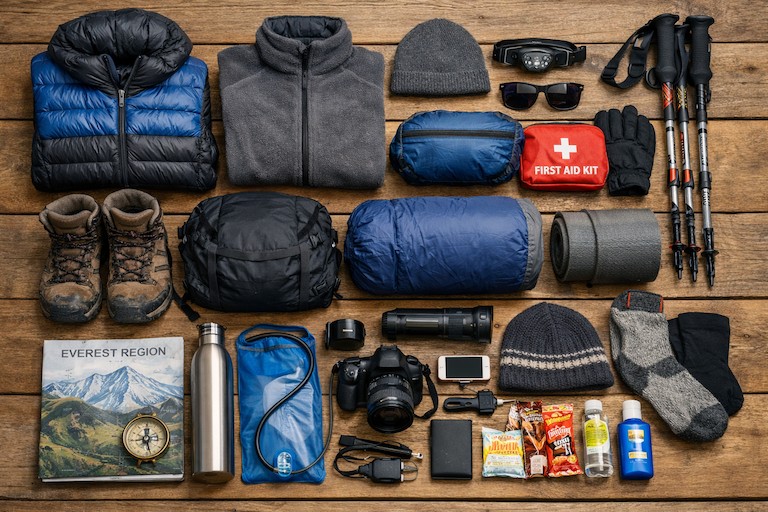
Now, about your gear—March in the Himalayas means warm days but freezing nights, especially as you climb higher. Pack layers for everything from 10-15°C (50-59°F) in Namche Bazaar to -10°C (14°F) near Gokyo. Make sure your boots are sturdy and broken in, because trails can get muddy or icy fast. Keep your pack light (10-15 kg tops), since you or a porter will be carrying it. Don’t forget sun protection and a solid sleeping bag. Comfort matters, trust me.
Must-Have Gear for Spring Gokyo Trek :
In fact, fitness is huge for this trek. You’ll walk five to seven hours a day, gaining up to 1,000 meters (3,281 feet) in elevation. Start training 8-12 weeks before you go. Do cardio—hiking, stairs, cycling—to help your lungs. Strengthen your legs and core with squats, lunges, and planks. Practice with a weighted backpack to get your body used to the real thing. Build in rest days, and check with your doctor if you’re new to high altitude.
In the end, a little effort before you leave makes a world of difference out there. Permits get you in, good gear keeps you comfortable, and training gets you to those incredible views. Plan now, and you’ll be ready when spring paints Gokyo Valley in color. Drink plenty of water, keep moving, and soak up every minute on the trail.
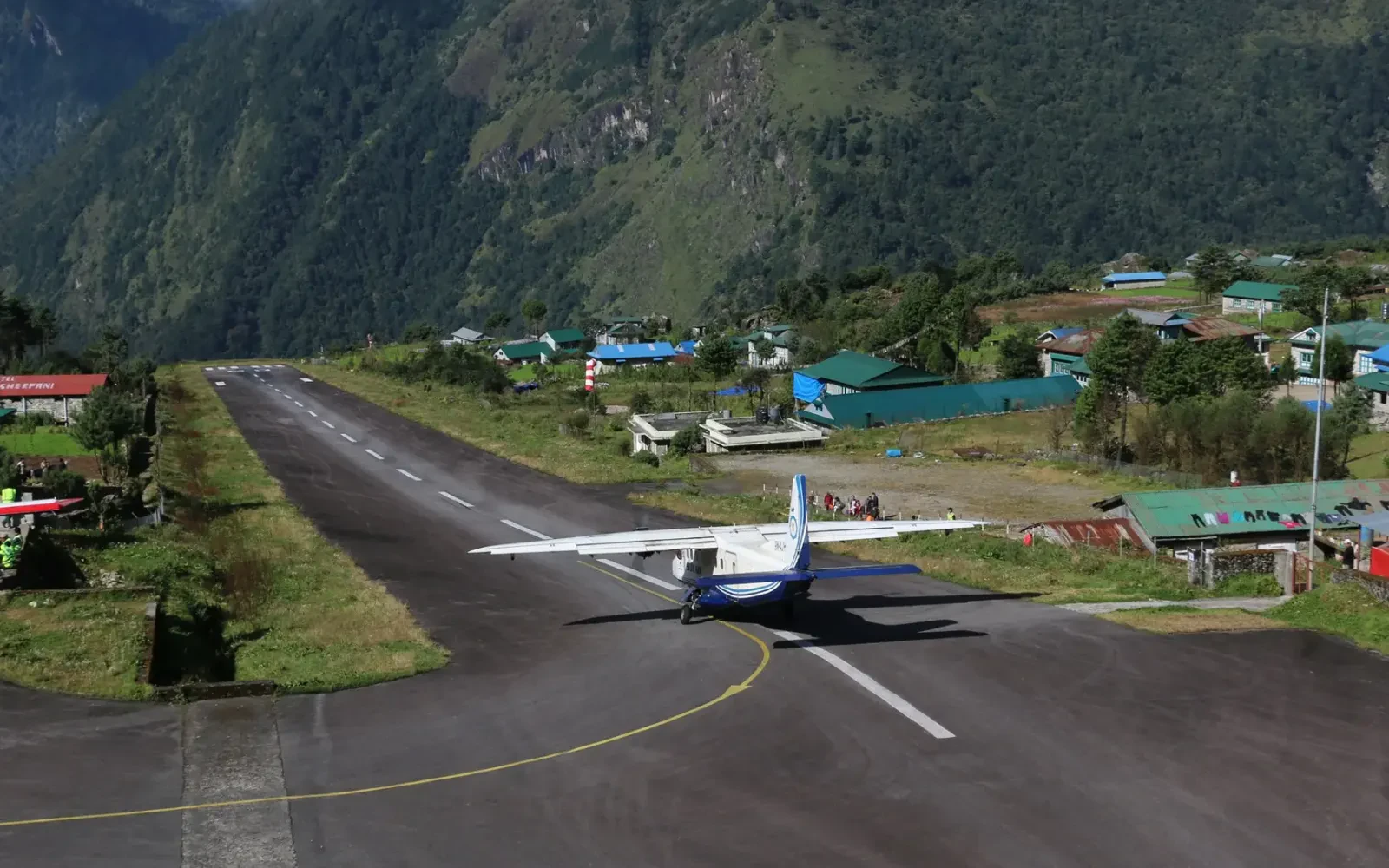
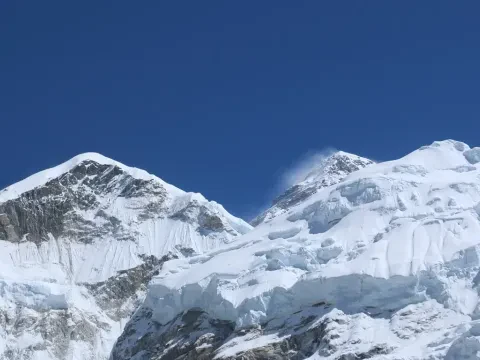
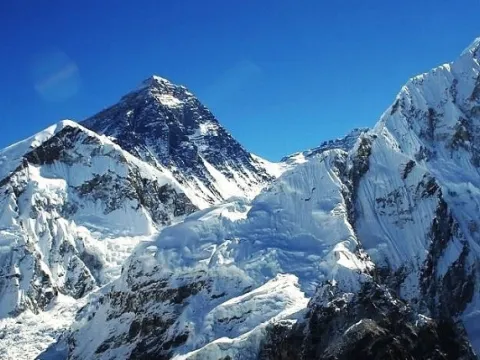
Meanwhile, flying into the Himalayas is something you won’t forget. Right from the start, the Gokyo Lake Trek kicks off with a jaw-dropping flight over Nepal’s rugged mountains. In just half an hour or so, you jump from Kathmandu’s 1,338 meters (4,390 feet) up to Lukla’s Tenzing-Hillary Airport at 2,860 meters (9,383 feet). It’s a quick ride, but man, do you gain altitude fast—and the views are unreal. Small planes like the Twin Otter or Dornier Do 228 handle this route since they’re built for tricky landings and short runways. If you’re lucky with the weather, you’ll catch your first glimpse of Everest, towering at 8,848 meters (29,029 feet). But weather changes fast up here, so flexibility’s key. March usually means clearer skies, but either way, booking your flight early is the smart move if you want a guaranteed seat on this legendary route.
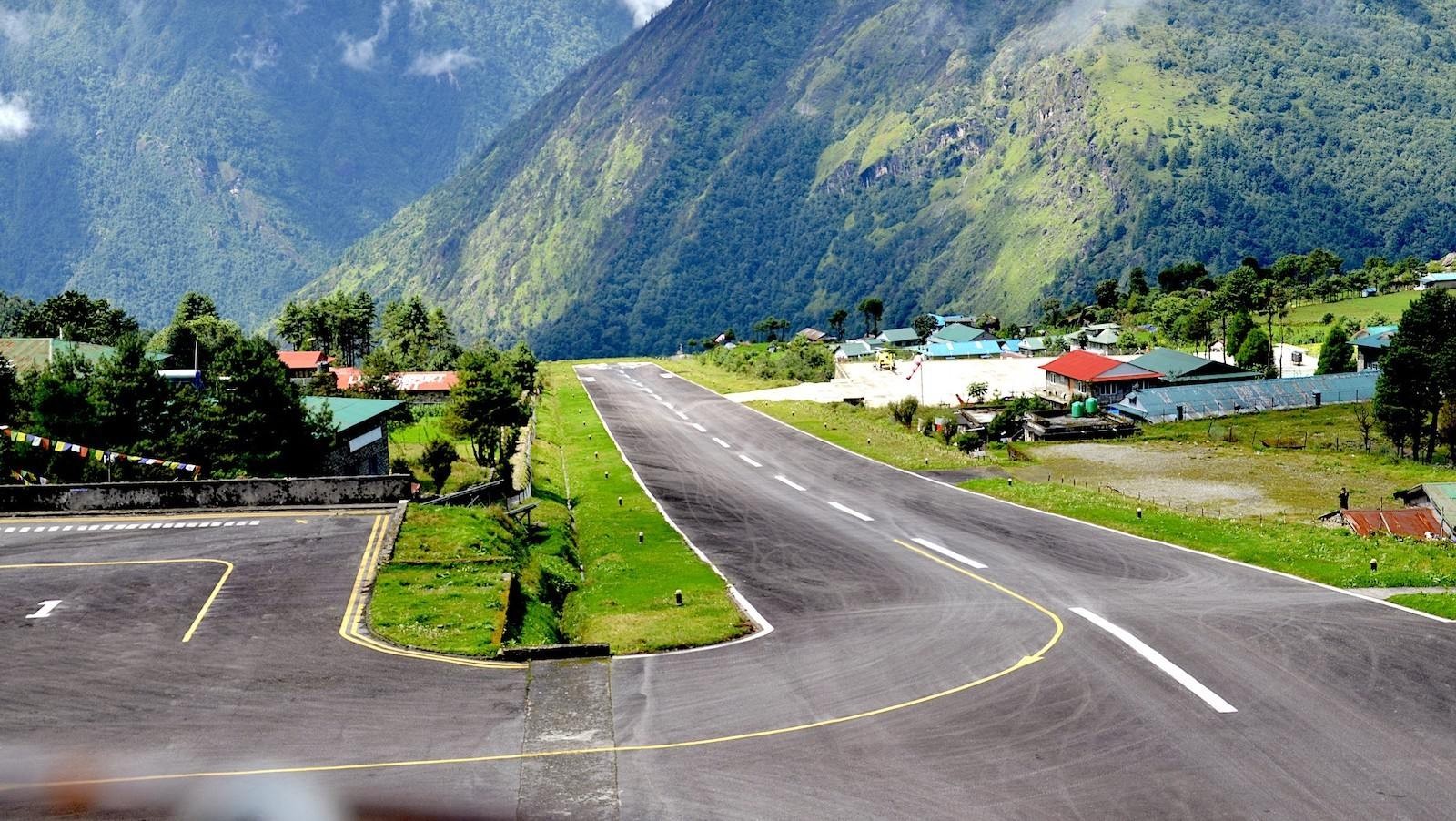
Normally, the flight from Kathmandu to Lukla lasts about 30-35 minutes. Pilots often point out famous peaks along the way, which just adds to the buzz. But in busy spring months—think March through May—most planes don’t leave from Kathmandu. Instead, you’ll need to get up super early, pile into a van, and drive four or five hours out to Moreover, Manthali (Ramechhap Airport), which sits at just 474 meters (1,555 feet). From there, the flight to Lukla is only 15-20 minutes. This detour helps dodge traffic and delays at Kathmandu’s airport, which gets wild during trekking season. Airlines like Tara Air, Summit Air, and Sita Air all run this route with seasoned pilots who know the valleys inside out. The whole trip takes longer, but a lot of trekkers actually prefer this setup during the spring rush—less chaos, smoother flights.
| Route Option | Flight Duration | Total Travel Time | Cost (USD, one-way) | Notes |
|---|---|---|
| Kathmandu to Lukla (direct) | 30-35 minutes | 30-35 minutes | 215-240 | Off-peak only; weather sensitive |
| Manthali (Ramechhap) to Lukla (spring) | 15-20 minutes | 5-7 hours (drive + flight) | 175-190 (flight) + 20-30 | Common March-May; early start |
| Helicopter (Kathmandu direct) | 40-60 minutes | 40-60 minutes | 400-600+ | Weather-resistant; expensive |
Here, book your seat as early as you can, either through an agency or directly with the airline. Morning flights are best, since weather’s usually calmer and skies are clearer. Double-check your ticket a day before you fly—schedules shift all the time up here, but most agents will help you sort out any changes. Pack light; baggage limits are tight (10-15 kg checked, 5 kg carry-on), and going over means paying up. If you’re traveling solo, Tara Air’s a good bet for reliability, but joining a group can help save a few bucks.
Tips for Booking and Handling Delays on the Lukla Flight :
Actually, landing at Lukla is a thrill all its own. The runway’s sloped, the mountains loom, and first-timers feel the rush as soon as the wheels touch down. Below, you’ll spot rhododendron forests and deep valleys—spring in Nepal really knows how to put on a show. Sure, flights get delayed when fog or wind rolls in, but most of the time, things get moving again within a day. Pilots here don’t take chances—they wait for safe conditions, and trekkers roll with it, seeing it as part of the adventure. By the time you start hiking toward Phakding, you’re already buzzing from the whole experience.
So, if you’re heading to Gokyo, this flight sets the tone for everything ahead. Plan ahead, expect a few curveballs (especially in March), and soak up every minute above the world’s tallest peaks. The Himalayas have a way of making you feel small and amazed—all at once. Book smart, stay loose, and let the mountains work their magic from the moment you take off.
If you want a real adventure and you're not a fan of flying, taking a jeep from Kathmandu to Surke is a solid choice. The drive isn’t just about getting from point A to B—it’s about easing yourself into the mountains, letting your body get used to the altitude bit by bit. This route heads out of Kathmandu on the BP Highway, winding through rural Nepal. You’ll pass through villages, terraced farmland, and rolling foothills, getting a taste of everyday life out here. By the time you reach Surke, you’re at about 2,290 meters (7,513 feet), not far from Lukla, which sits higher at 2,860 meters (9,383 feet). The nice thing is, you skip any sudden altitude jumps, so acclimatization feels a lot gentler.
If you’re heading out in March, roads are usually drier and visibility is better. Fewer rains mean less mud and better traction on those rough patches. This route is great if you want to experience local culture and save a bit of cash. Plus, it gives you time to build up some stamina before you tackle the Gokyo trails.
Here, most people break up the drive over two days—it’s just more comfortable that way. Drivers leave Kathmandu (1,400 meters/4,593 feet) super early, usually between 4 and 6 in the morning. The first stretch takes you to Salleri or Phaplu, about 267-270 km (166-168 miles) away. Most of the road is paved, but once you get closer to Okhaldhunga, expect it to get rougher. The scenery is classic Nepal—think rivers, green hills, and sleepy villages. Most travelers stop overnight in Salleri (about 2,390 meters/7,841 feet) or Phaplu. It’s a good way to break up the trip and actually get some rest. Day two is where things get bumpier as you head off-road to Surke, but the mountain views make up for it.
| Segment | Distance | Duration | Elevation Gain | Notes |
|---|---|---|
| Kathmandu to Salleri/Phaplu | 267-270 km (166-168 mi) | 8-10 hours | Up to ~2,390 m (7,841 ft) | Mostly paved; some rough patches near Okhaldhunga. |
| Overnight in Salleri/Phaplu | - - - - | Rest | - | Plenty of comfortable lodges. |
| Salleri to Surke | 55-65 km (34-40 mi) | 6-8 hours | Around 2,290 m (7,513 ft) | Off-road, gravel/rocky sections, passes Kharikhola. |
| Total (one long day, not advised) | 325-335 km (202-208 mi) | 15-18 hours | Gradual to 2,290 m | Tough day—much better with an overnight break. |
Likewise, shared jeeps are the budget option—about $25-40 per person for the full ride or any segment. If you want your own space, you can rent a private jeep for $300-600 (fits up to 7 people, price depends on stops and type of vehicle). In spring, the road is usually in better shape, but don’t let that fool you—dust, potholes, and steep drops mean you need a sturdy 4WD. Along the way, you’ll stop in local cafes for meals, so it’s not all just sitting in a car—there’s a bit of adventure in every break. When you get to Surke, it’s just a short 1-2 hour uphill walk to Lukla or you can hit the main trail toward Phakding (2,610 meters/8,563 feet).
Tips for a Smooth Kathmandu to Surke Jeep Journey :
In fact, starting your trek overland gives you a real head start for the Gokyo adventure. It’s easier on your body since you climb gradually, which really lowers the risk of altitude sickness on the way to Namche Bazaar (3,440 meters/11,286 feet). The ride is packed with views: Sherpa and Rai villages, fast-moving rivers, and loads of blooming flowers in spring. It’s the kind of journey where you swap stories with other travelers, take a ton of photos, and practice patience—landslides or traffic sometimes slow things down, but that’s just part of the deal. By the time you reach Surke, you’re not just ready for the trek—you’re already in the right mindset for the mountains.
Honestly, the jeep ride to Surke is more than just a way to get there; it’s where the adventure really begins. If you’re after something real and you want to stretch out the journey, this is your route. Let the mountain roads twist and turn, watch the scenery change, and arrive with stronger legs and a better sense of what makes Nepal so special. Plan it out, take your time, and let the mountains work their magic—long before you ever see Gokyo’s turquoise lakes. Safe travels, enjoy the bumps, and let the road set the tone for your trek.
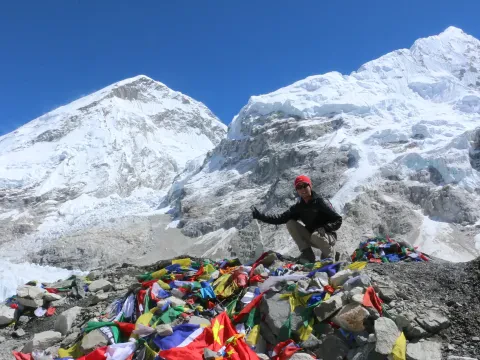
Here, touch down at Lukla’s Tenzing-Hillary Airport and, honestly, it’s hard not to feel that first jolt of excitement. The runway’s sloped, the mountains close in on every side, and whether you’ve just come off a quick, heart-thumping flight from Kathmandu or made the bumpy jeep ride to Surke, you know you’ve landed somewhere special. People grab their bags, meet up with guides or porters, and step outside into crisp, clean mountain air. March is great for this—settled weather, not too many crowds, and a real sense of energy in the village as trekkers prepare to head out. But the real adventure starts as you leave Lukla behind and start walking downhill towards Phakding.
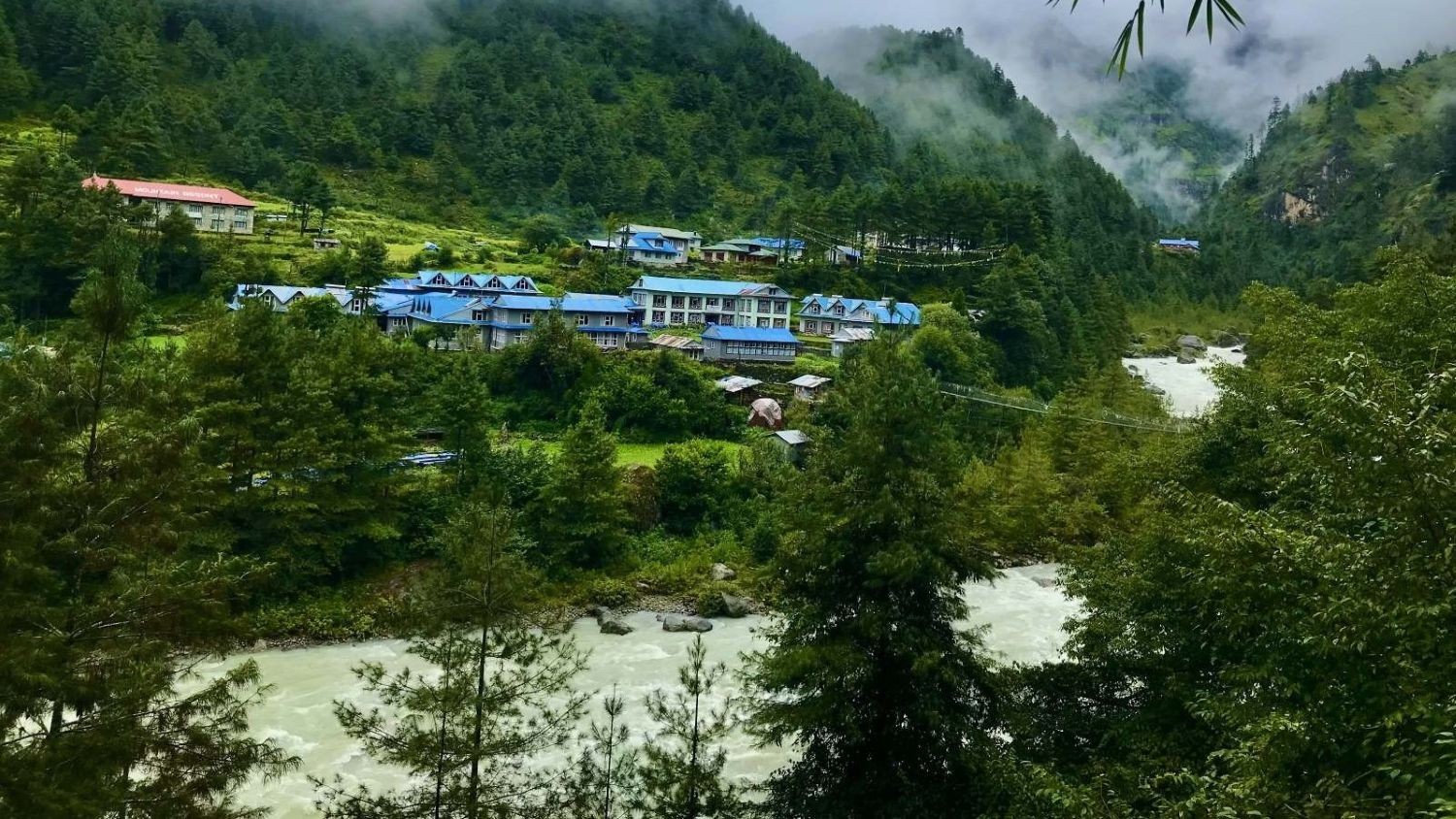
Likewise, the Gokyo Lake trek itinerary starts gently—nothing too crazy on Day 1. You’ll follow the Dudh Koshi River, which roars and glimmers in that unmistakable milky blue. The trail winds through pine forests and tiny Sherpa villages, and the early spring wildflowers are already out—rhododendrons in pinks and reds, splashes of color against the green. There are a few short climbs, but mostly you’re heading down, crossing swaying suspension bridges that add just enough thrill without feeling risky. Prayer wheels spin quietly in the villages, and mani stones line the path—little reminders that you’re truly in the Himalayas. This whole stretch is about easing your body into the altitude, not pushing too hard, and just soaking it all in.
Moreover, you’ll pass through places like Chheplung and Ghat, with locals greeting you as you go by. The scenery changes around every corner, but the river’s always there, and you’ll find plenty of spots to stop for tea or snap a photo. The walk takes about 3-4 hours, covering roughly 8 km (5 miles), so there’s no need to rush. By early afternoon, you reach Phakding at 2,610 meters (8,563 feet). Teahouses line the riverside, offering hot drinks and a warm place to rest. It’s a good place to acclimatize, too—sleeping a little lower than Lukla helps your body adjust and sets you up nicely for the climb to Namche Bazaar tomorrow. Porters take care of the heavy lifting, so you get to enjoy the scenery and breathe in that fresh, thin mountain air.
In fact, spring days are mild, usually around 10-15°C (50-59°F), but the temperature drops fast once the sun goes down. Layering up keeps you comfortable. The path is well-marked and easy to follow, and with fewer trekkers in March, you get quiet moments with just the sounds of the river and birds for company. Most people finish the day feeling energized—legs warmed up, hearts full, ready for what’s ahead. It’s the perfect introduction to the Gokyo trek: bright flowers, friendly faces, the rush of water, and those first hints of what Sherpa hospitality is really like.
So, Day 1 is all about the thrill of landing, the gentle walk, and settling into the rhythm of the mountains. Take your time, drink plenty of water, and let yourself enjoy it. Rest up in Phakding—tomorrow’s climb will show you even more of what makes this place unforgettable.
Actually, morning in Phakding feels fresh and full of promise. At 2,610 meters, you lace up and hit the trail, ready for the first real challenge of the Gokyo Lake Trek. You follow the Dudh Koshi River, weaving along forested trails and bouncing across suspension bridges that swing over rushing water. By the time you hit Monjo, you’ve climbed to 2,835 meters and officially entered Sagarmatha National Park. Permits get checked, but honestly, it’s the sudden wildness of the landscape that grabs your attention.
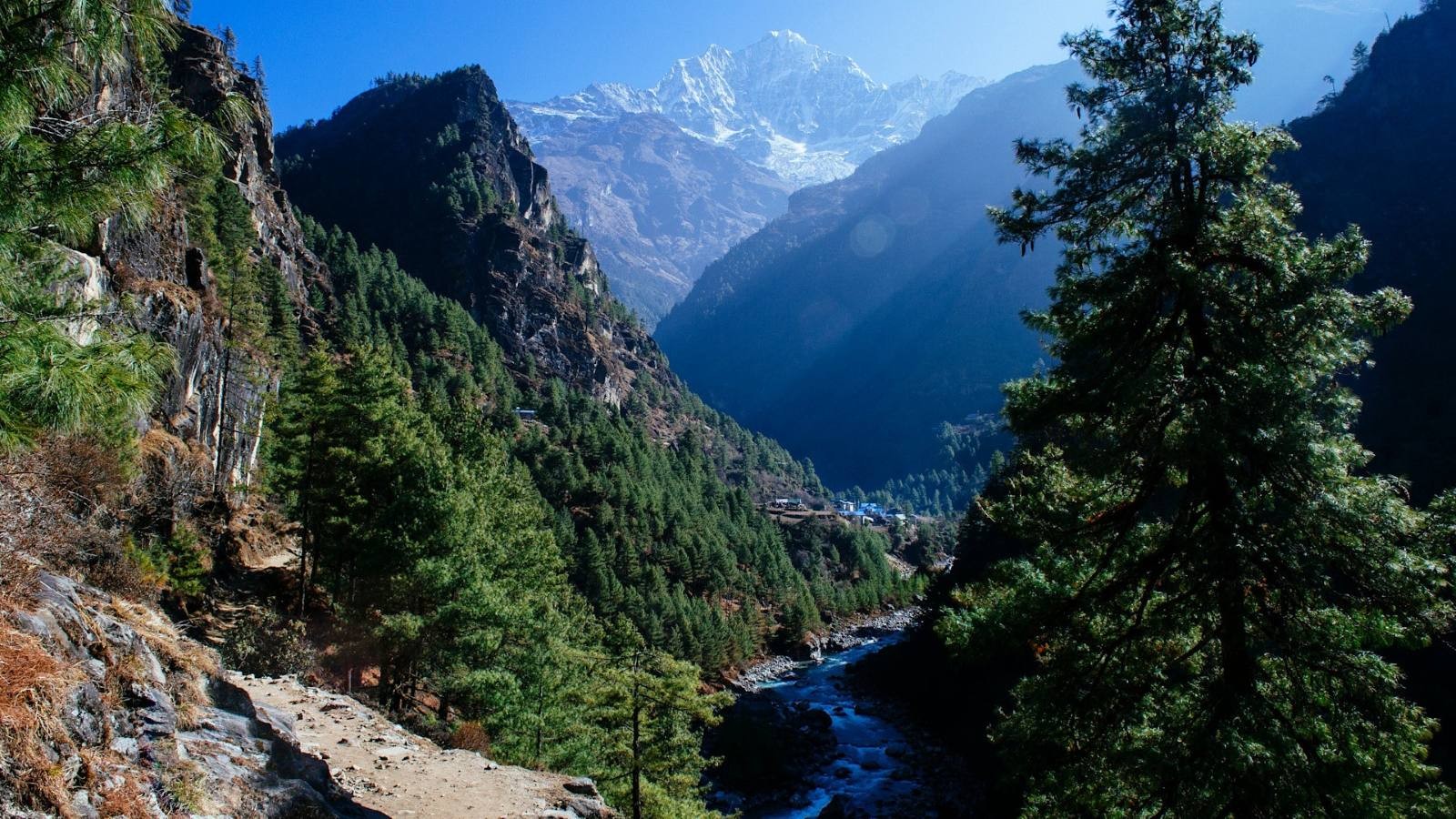
Likewise, the path climbs through pine and rhododendron forests, and if you’re trekking in March, the trail bursts with color. Red and pink rhododendrons pop against deep green hills—it's like the mountain put on its best show just for you. The climb gets your heart pumping and legs burning, but that’s part of the deal. You push on, knowing Namche is waiting.
| Segment | Distance | Duration | Elevation Change | Highlights |
|---|---|---|
| Phakding to Monjo | 4-5 km | 2-3 hrs | Gradual to 2,835 m | River trails, small villages, park entry. |
| Monjo to Jorsale/Nat’l Park | 2-3 km | ~1 hr | Rolling terrain | Suspension bridges, permit check. |
| Jorsale to Namche Climb | 3-4 km | 2-3 hrs | Steep +740 m | Hillary Bridge, switchbacks, first Everest view. |
| Total Day | 10-12 km | 5-6 hrs | +830 m net gain | Forests, bridges, lively Namche arrival. |
If you love a bit of thrill, the suspension bridges will be a highlight. You cross several, including the famous Hillary Bridge near Larja. It’s high, it sways, prayer flags flutter in the wind, and the river rages far below—try not to look down too long. Yaks and porters pass by, turning the trail into a busy, lively artery of the Khumbu.
After Jorsale, the climb gets real. Stone steps and switchbacks test your endurance. Take it slow, breathe steady, and let the scent of rhododendrons and pine push you onward. About halfway up, the trees open and—if the skies are clear—you catch your first glimpse of Everest peeking above the Lhotse-Nuptse ridge. It’s the kind of view that stops you in your tracks.
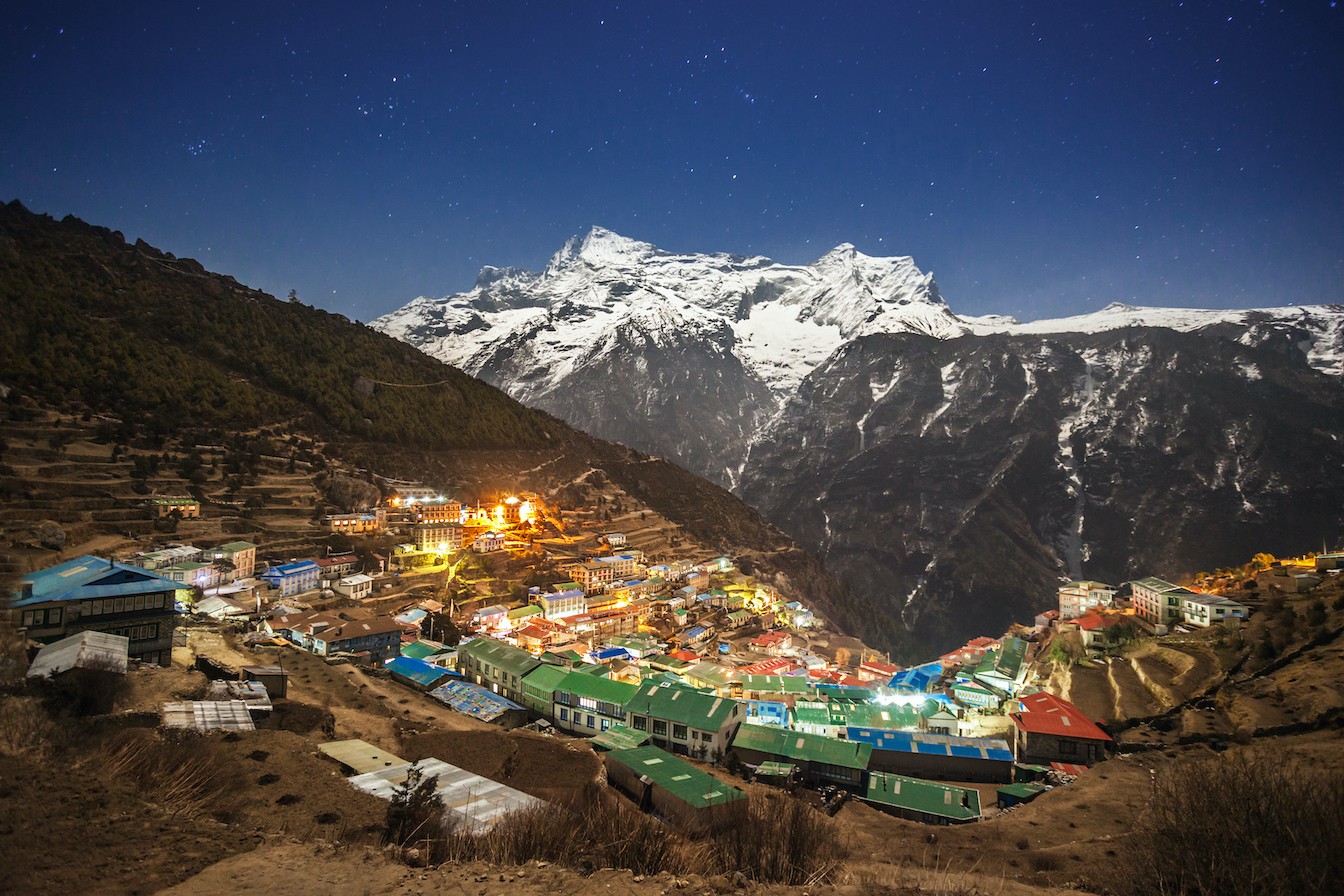
Highlights of the Trail to Namche in Spring :
In fact, the last stretch is tough—steep and relentless—but breaks help, and the mountain views just keep getting better. Peaks like Thamserku and Kongde Ri loom above, and every switchback brings a new photo op. By mid-afternoon, you finally reach Namche at 3,440 meters. The place buzzes with life: markets selling Tibetan goods, bakeries putting out fresh bread, gear shops, and cozy lodges. Days in spring are mild (about 10-15°C), perfect for wandering, but nights get chilly, so keep your jacket handy and give your body time to adjust.
Likewise, Namche is more than a stopover. It’s a hub for trekkers, a cultural center, and the perfect base before you climb higher. Grab a hot meal, swap stories with fellow travelers, and maybe explore a short trail for better Everest sunset views—spring’s clear air really makes the peaks pop.
Don’t forget: drink plenty, use your trekking poles, and listen to your body. The altitude starts to make itself known here, but the effort you put in today pays off later. Namche’s energy gives you a lift, and the stories you hear around dinner remind you why you came.
So, Day 2 is where the trek shifts gears. The path gets steeper, the views get grander, and the Sherpa capital comes alive just as spring wakes the mountains. You’ve crossed dizzying bridges, climbed through blooming forests, and caught your first real sight of Everest. Rest up—tomorrow, you’ll explore, acclimatize, and keep chasing that Khumbu magic.
Actually, acclimatizing in Namche isn’t just smart—it’s actually a highlight of the whole Gokyo Lake Trek. You settle into Namche Bazaar at 3,440 meters (11,286 feet), and suddenly there’s a whole day to breathe, explore, and let your body catch up to the altitude. This isn’t just a stopover; it’s where altitude sickness gets left behind and the adventure really starts to feel real. Namche is always buzzing—colorful markets, friendly faces, and side hikes that wake up tired legs. Spring air is crisp and clear, especially in March, when the days are usually sunny and the nights turn cold. Dress in layers and you’re set.
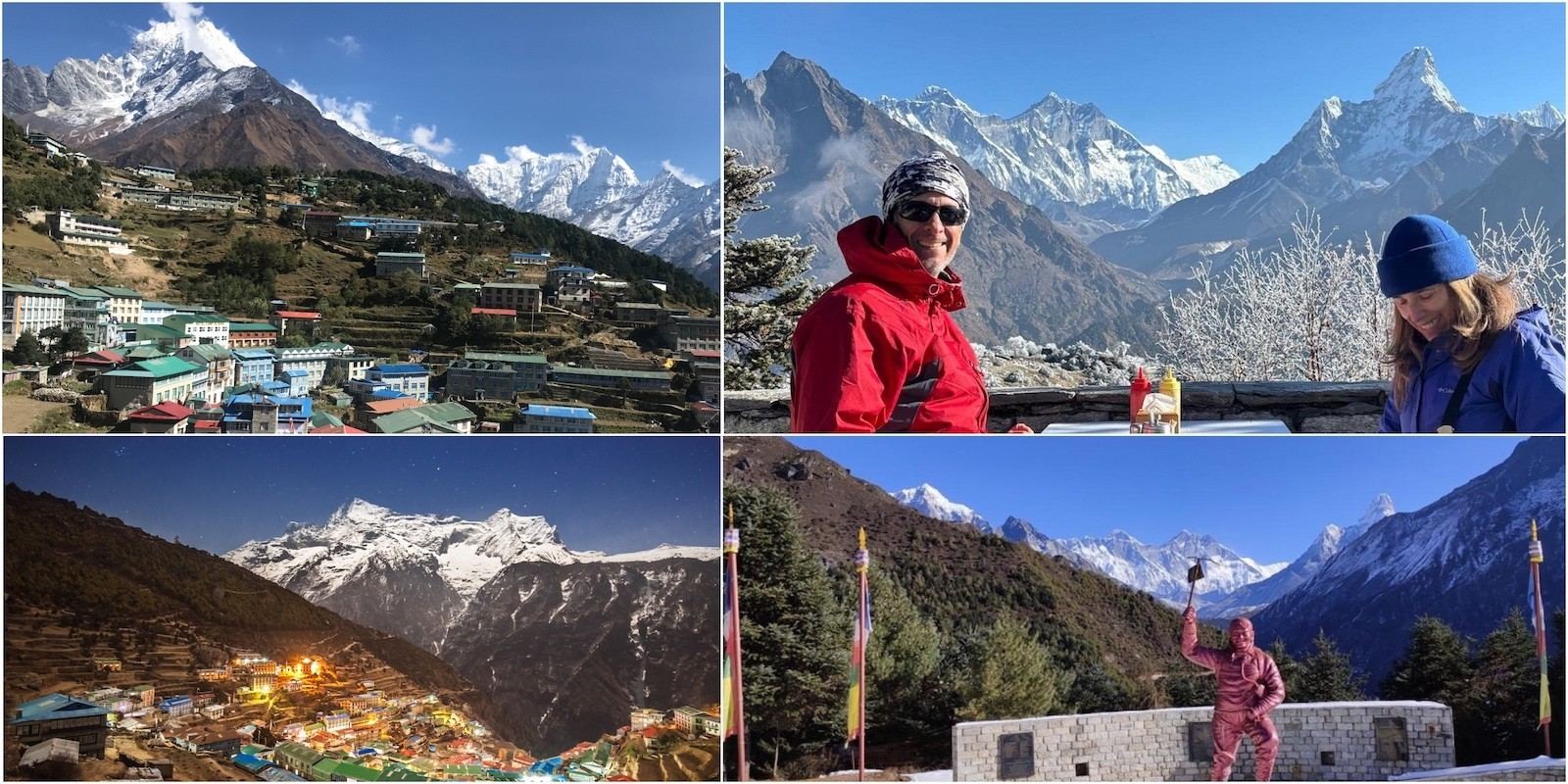
Likewise, people spend the morning wandering through market stalls, grabbing coffee and cake from one of the cozy bakeries, or just sitting on a bench watching the world go by. It’s not just about resting—it’s about soaking up everything the Khumbu region offers.
| Activity | Time Needed | Highest Point (meters/feet) | Difficulty | What’s Special |
|---|---|---|
| Everest Viewpoint Hike (via Syangboche) | 3–4 hours round trip | Up to 3,880 m / 12,730 ft | Moderate | First open views of Everest and Ama Dablam. |
| Khumjung & Kunde Loop | 4–5 hours round trip | 3,790 m / 12,434 ft (Khumjung) | Moderate | Classic Sherpa villages, monastery, Hillary’s school. |
| Sherpa Culture Museum | 1–2 hours | 3,440 m / 11,286 ft | Easy | Sherpa history, artifacts, old photos. |
| Short Namche Hill Climb | 1–2 hours | Up to 3,600 m / 11,811 ft | Easy-Moderate | Town panorama, prayer flags, quick leg-stretcher. |
| Rest & Market Strolls | As you like | 3,440 m / 11,286 ft | Very Easy | Shopping, bakeries, people-watching. |
In fact, most people pick the Everest View Hotel hike near Syangboche. The trail climbs steadily through pine woods with a few good switchbacks. When you step out at the viewpoint, the sky feels huge, and peaks like Everest (8,848 m), Lhotse (8,516 m), and Ama Dablam (6,812 m) rise in the distance—no clouds, just sharp edges and snow. Rhododendrons show off in hot pink, and you’ll spot yaks grazing in the quiet. It’s that kind of walk where you keep stopping for photos, just because you can’t help it.
Spring in Namche brings out the best:
Likewise, short hikes up Namche Hill give you sweeping views over the whole town—prayer flags snapping in the breeze, rooftops curving in the natural bowl, and trekkers catching their breath at every overlook. The Sherpa Culture Museum is packed with old gear, black-and-white photos, and stories of tough climbs and tougher lives. It’s a good reminder that you’re walking in the footsteps of people who know these mountains inside and out.
Similarly, March is a sweet spot—crowds aren’t too thick, and teahouses have space. Meals are hot and filling, perfect for recovery while your body gets used to thinner air.
Moreover, drink water (lots), eat well, and don’t rush. Listen to your body as you climb, and take breaks if you need them. Most folks mix a morning hike with something slower in the afternoon, like a museum visit or a slow wander through the market. The weather stays clear, so your photos will pop—snowy peaks against deep blue skies.
By the end of the day, you feel different. Acclimatization in Namche isn’t just about getting used to the altitude—it’s about getting grounded, building strength, and feeling the heartbeat of the Khumbu. Hike with intention, fill your lungs with spring air, and let the warmth of Sherpa hospitality sink in. Hydrate, smile at strangers, and let Namche recharge you for the turquoise lakes waiting up ahead.
Here, you wake up in Namche Bazaar, 3,440 meters up, ready to leave the crowds behind. After a couple of nights spent acclimating in this lively village, you’re set for a quieter stretch of the Gokyo Lake Trek. The trail slips away from the busy Everest Base Camp route at the edge of town. Suddenly, there’s less chatter and more space to breathe. The path heads gently uphill toward Dole, which sits at 4,040 meters. It takes five or six hours, but the time passes quickly—there’s so much to take in.
Actually, Spring in these mountains is something else. In March, rhododendrons explode in pink and red, lighting up the dark pine forests and lining the trail with color. The air smells sweet with their blossoms, and sunlight sneaks through the pine needles, throwing patches of gold onto the path. The trail climbs, but never too steeply. You find yourself stopping often, just to stare at the way the flowers and forests blend together, or to catch your breath as you gain altitude.
Namche to Dole Trek at a Glance :
The Best of the Day :
In fact, the walk isn’t all uphill. There are a few short drops and climbs, just enough to keep your legs working. You might spot a Himalayan monal or other bright birds darting among the branches. Teahouses at Mong La and Phortse Tenga serve up hot lemon tea or noodle soup—perfect when you need to warm up and take in the scenery.
Similarly, spring days are usually clear, with temperatures hovering between 5 and 12°C (41-54°F). It’s comfortable while you’re moving, but the wind bites when you cross open ridges, so having an extra layer handy makes all the difference.
Most importantly, take it slow. Drink often. The altitude keeps rising, and your body needs time to adjust. With fewer trekkers around, you get moments of real peace—just you, the mountains, and the sound of birds or the river below. By mid-afternoon, you arrive in Dole. Cozy lodges, good food, and a chance to rest up: you’ll want the energy for what’s next in the Gokyo Valley.
Here, Day 4 is all about the magic of rhododendrons and the hush of spring forests. It’s where the Khumbu quiets down and you start to feel the wildness of the region. Wander through the blossoms, breathe deep, and let the new path draw you closer to those turquoise lakes ahead. Rest up in Dole, drink plenty of water, and get ready—the high country is waiting.
Here, wake up in Dole at 4,040 meters (13,255 feet), and the journey keeps rolling deeper into the Gokyo Valley. Today’s trek is a steady 4-5 hour climb to Machhermo, sitting at 4,470 meters (14,665 feet). The trail pulls you out of the trees and into open alpine meadows. Waterfalls spill down the rocks, and suddenly the whole world feels bigger—with the sky stretching wide above you. Spring in March means the air is mild down low and the sky’s mostly clear, but step higher and there’s still a crisp, fresh edge to the wind. Yaks graze lazily in big, empty pastures. The trail feels quieter, almost secret, since not many people go this way. It’s the kind of day where you just keep a steady pace, give your lungs time to settle at altitude, and let the calm of these high valleys soak in.
Dole to Machhermo Trek Overview :
Segment Distance (approx.) Duration (approx.) Elevation Change Key Features
Dole to Lhabarma/Luza 2-3 km 1-1.5 hours Gradual ascent ~200 m / 656 ft Steep initial climb, open hillsides
Luza to Machhermo 3-4 km 2-3 hours Steady gain to 4,470 m / 14,665 ft Meadows, chortens, waterfalls, yak areas
Total Day ~6-7 km 4-5 hours +430 m / +1,410 ft net Alpine meadows, river valleys, wildlife potential
Climbing out of Dole, you leave the forest behind and step into the stark beauty of high valleys. Little waterfalls tumble over rocks, side streams flash in the sun, and the meadows stretch away, dotted with tough grass and the first wildflowers of spring. Yaks wander wherever they please, adding that classic Himalayan vibe. You’ll pass through herding settlements like Lhabarma and Luza, but in March, these villages feel almost abandoned—just prayer flags flapping on chortens to mark the way. Up ahead, the massive moraine of the Ngozumpa Glacier looms, and suddenly, peaks like Cho Oyu (8,201 meters/26,906 feet) start filling the sky.
Highlights of the Dole to Machhermo Trail in Spring :
If you love wildlife, scan the rocky faces for Himalayan tahr—they’re surprisingly graceful for mountain goats. Spring stirs everything up: marmots pop out of their burrows, and you might catch a flash of color from a Himalayan monal darting through the air. Bring binoculars and a little patience, and you’ll spot more than you expect. The trail stays mostly gentle, with just a few steeper bits. Trekking poles help on the loose gravel. During the day, expect temperatures between 0-10°C (32-50°F), but wind can bite, and the sun at this altitude is strong, so don’t forget good sun protection.
The key here? Keep your pace comfortable and stay hydrated. Altitude can creep up on you, so check in with yourself as you climb. When you finally roll into Machhermo, the welcome at the teahouses is warm—and if you’re lucky, you’ll hear a local Yeti story over dinner. After today’s climb, your body’s in great shape for the next push up toward Gokyo.
Likewise, Day 5 really lets you sink into the wild calm of the Himalayas. There’s something about wandering meadows, listening to waterfalls, and scanning the cliffs for tahr that just sticks with you. Spring makes the whole place feel alive. Settle into Machhermo, rest up, and get ready for the magic that comes with each step higher toward the turquoise lakes waiting ahead.
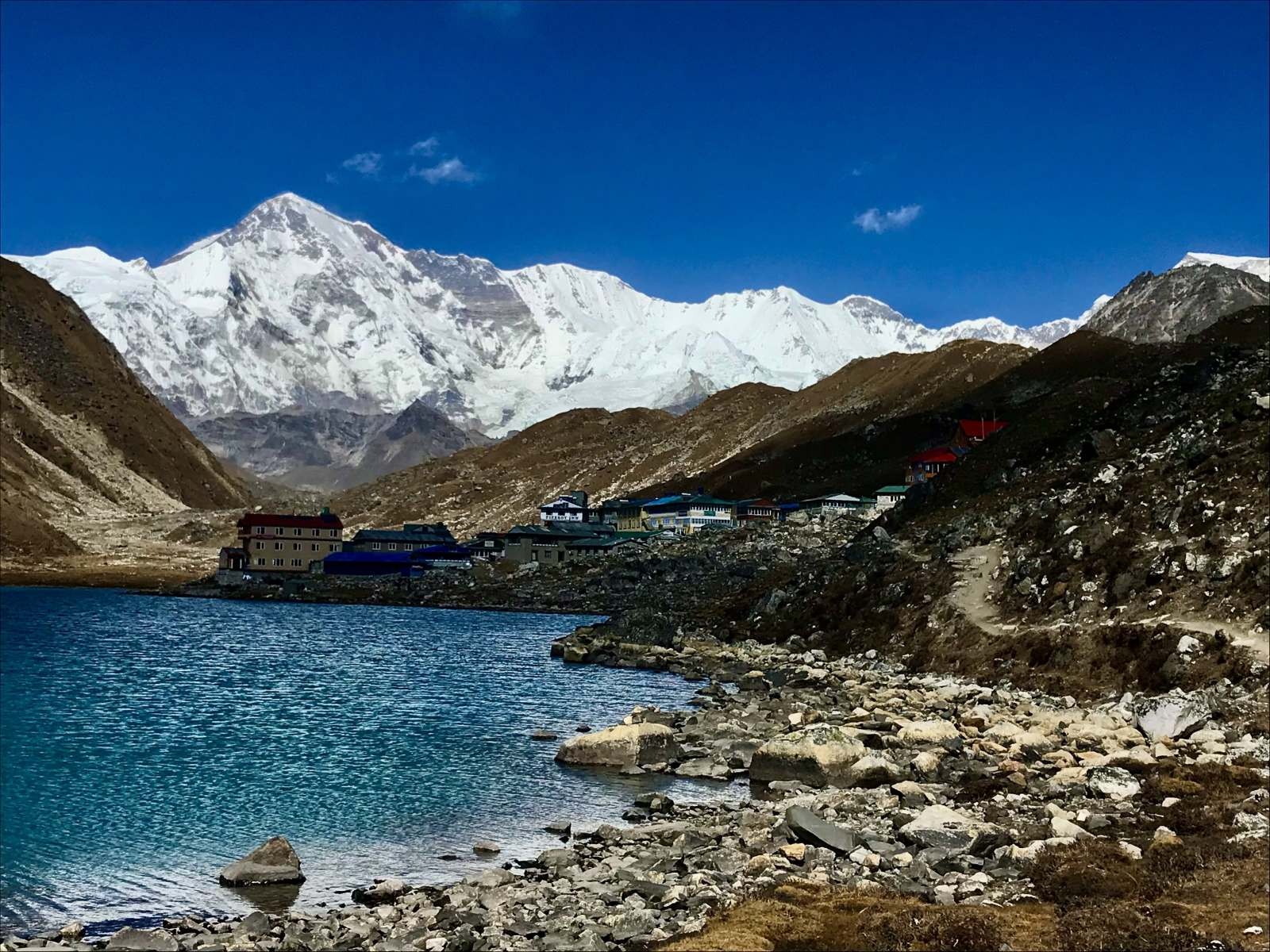
Meanwhile, you wake up in Machhermo at 4,470 meters (14,665 feet), and the excitement is real—today’s the day you finally reach Gokyo. It’s a steady 4-5 hour hike to the village at 4,790 meters (15,715 feet), and every step feels like it’s pulling you closer to the heart of the trek. The trail climbs beside the massive Ngozumpa Glacier, and you can’t help but feel the sheer force of that ice and rock. Soon, the path opens into a big, wind-swept valley. By March, spring melt is in full swing—snow pulls back from the lower slopes, feeding clear streams that rush down toward the lakes. Everything feels quieter, a bit more profound, and your anticipation just keeps building as you near those famous turquoise waters.
| Segment | Distance (approx.) | Duration (approx.) | Elevation Change | Key Features |
|---|---|---|
| Machhermo to Pangka | 2-3 km | 1-1.5 hours | Gradual ascent ~150 m / 492 ft | Yak pastures, first lake glimpses. |
| Pangka to Ngozumpa Glacier Traverse | 2 km | 45 min-1 hour | Minor ups/downs across moraine | Rocky glacier crossing, dramatic views. |
| Glacier to Third Lake & Gokyo | 2-3 km | 1.5-2 hours | Steady climb to 4,790 m / 15,715 ft | Lakeshore path, village arrival. |
| Total Day | 7-8 km | 4-5 hours | +320 m / +1,050 ft net | Moraine walk, turquoise lake reveal. |
Not long after leaving Machhermo, you start picking your way across the lateral moraine of the Ngozumpa Glacier—the longest in the Nepal Himalayas. Loose rocks crunch under your boots, and if you glance up, distant icefalls gleam in patches of sunlight. Then, just as you crest a ridge, you spot the first Gokyo Lake shimmering below.
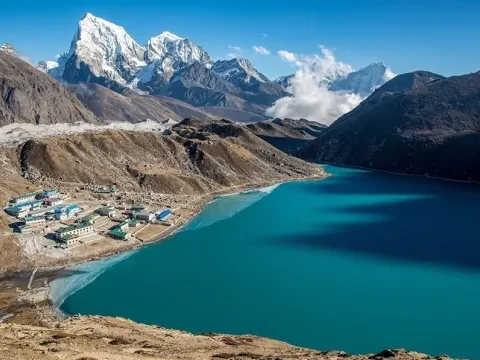
Still, the trail keeps guiding you past a second lake, and then, finally, the third and largest bursts into view. Meltwater from spring pours in, and the turquoise colors turn impossibly vivid—deep blues, bright greens—mirroring the peaks all around you. Cho Oyu towers at 8,201 meters (26,906 feet), and Gyachung Kang stands nearby at 7,952 meters (26,089 feet). The whole valley feels sacred and untouched, wrapped in a hush that’s hard to describe.
Highlights of Arrival at Gokyo in Spring :
In fact, the last stretch follows the lakeshore—waves lap at the rocks, and prayer flags snap in the high-altitude wind above stone walls. You reach Gokyo village by early afternoon. Lodges offer rooms with front-row views of the lake, and a plate of steaming dal bhat works wonders on a tired body. The altitude is noticeable, but the gradual climb makes it manageable. Most people take a short stroll along the water, just to soak in the peace and the scenery. Spring’s here, so trails are clearer, but winds can still whip up, and sunglasses are a must against the bright glare off the water and ice.
More importantly, take it slow today and drink plenty of water—this is a big altitude gain, and pacing yourself really pays off. The lakes mean a lot to locals, holding deep spiritual significance, so it just feels right to spend a quiet moment by the shore. When you reach the village, you’ll see trekkers trading stories, but honestly, the valley’s calmness invites you to sit and reflect.
Likewise, Day 6 really feels like the crown jewel of the trek. You stand at the edge of these sacred turquoise waters, and something inside you shifts. You’ve crossed the glacier, followed the melt-fed lakes, and let spring’s color and light wash over you. This is the moment you’ll remember—so settle in, rest up, and get ready for tomorrow’s climb to Gokyo Ri, where even bigger views are waiting.
Here, wake up in the dark in Gokyo village, 4,790 meters up. The air is cold and thin, and it’s barely morning. If you’re up for it, lace up and start the climb to Gokyo Ri’s summit—just over 5,350 meters. It’s a 3-4 hour round trip, and, honestly, it’s the highlight of the trek. The trail kicks off right behind the stone lodges, zigzagging straight up a rocky slope. You’ll need your headlamp at first; stars overhead start to fade as you climb. If you’re trekking in March, you’re in luck—spring usually means calm winds and skies so clear they almost look fake. But the altitude? It’s no joke. Every step feels heavy, and deep breaths become the rhythm that gets you higher.
Actually, most trekkers reach the summit right as the horizon glows. Suddenly, the whole Himalayan world opens up—peaks in every direction, everything lit gold and pink by the rising sun.
Gokyo Ri Summit Climb Snapshot :
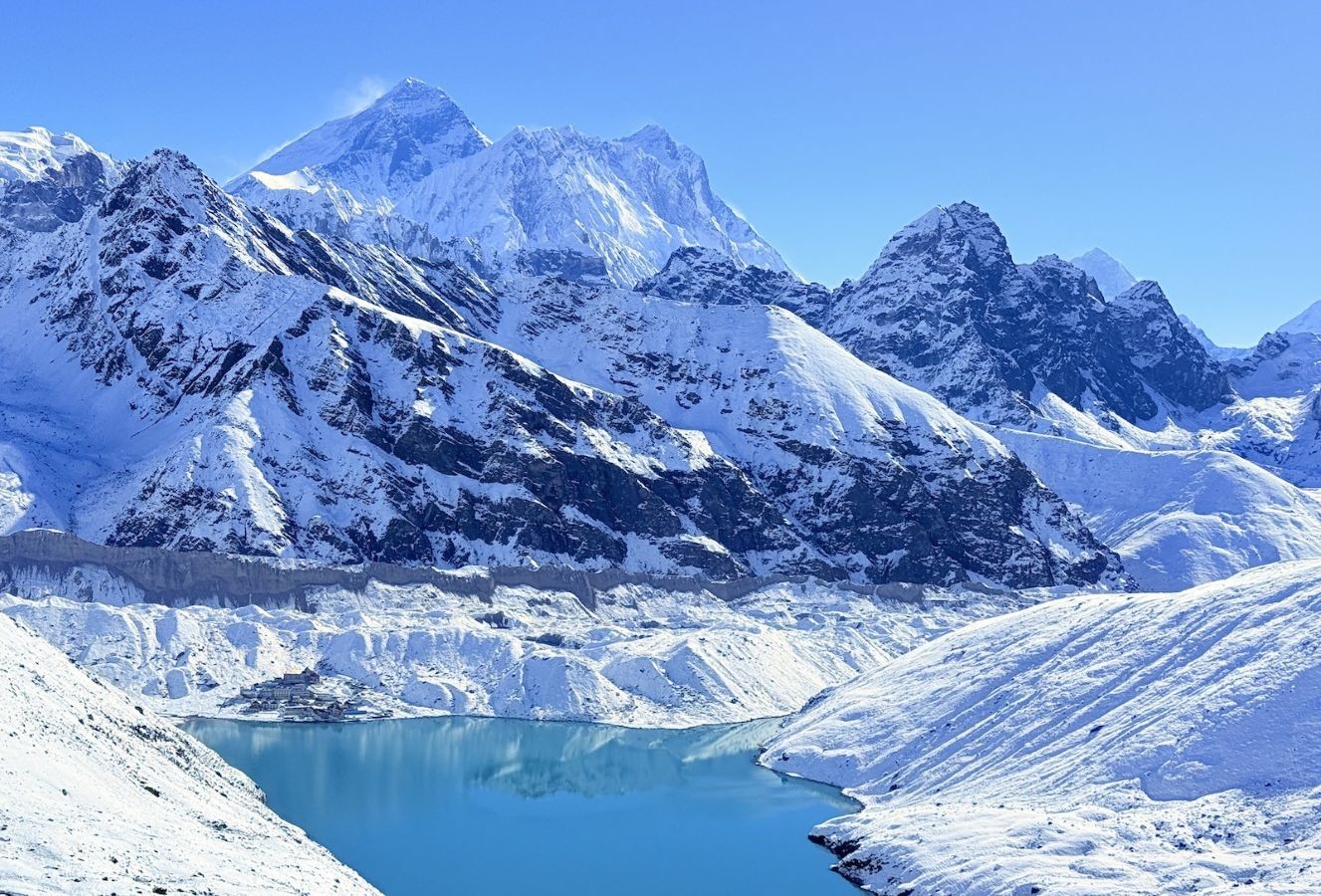
When you finally stand at the top, there’s nothing blocking your view. It’s one of the best panoramas in the Khumbu. Four of the world’s six tallest peaks surround you: Everest, Lhotse, and Makalu dominate the east, while Cho Oyu’s massive bulk looms to the north. Look down, and the Gokyo Lakes sparkle, turquoise against the gray moraines. Ngozumpa Glacier, the longest in Nepal, snakes its way south, every crack and crevasse sharp in the spring light. Prayer flags flutter overhead, and the silence up there is almost unreal. It’s just you, the mountains, and the wind.
What You See from Gokyo Ri in Spring :
In March, weather on the summit is usually kind: clear skies, barely any clouds, and temperatures somewhere between -10 and -5°C. It’s cold, so pack layers, a shell, gloves, and a warm hat. The wind stings, even when the sun’s out. A thermos of hot tea and some snacks help a lot, and the moment those first rays hit the highest peaks, you forget about the early alarm and aching legs. Most people hang out for half an hour, maybe longer, just soaking it in and snapping photos before heading down.
Likewise, set out by 4 or 5 AM to catch sunrise. Take it slow on the way down—scree and loose rocks can trip you up, so trekking poles come in handy. The climb is tough, no question, and your lungs and legs feel it, but the thrill at the top makes every step worth it. Plus, spring crowds are thin, so there’s a good chance you’ll have the summit nearly to yourself.
In fact, summiting Gokyo Ri isn’t just another checkpoint—it’s the defining moment of the Gokyo Lakes trek. Spring’s crisp, clear mornings turn the 360-degree views into something you’ll never forget. Climb up under the stars, watch the sun rise over Everest and Cho Oyu, and just let the vastness sink in. Walk down slow, grab breakfast by the lakes, and carry that high-altitude magic with you the rest of the way.
Moreover, you reach Gokyo village, perched at 4,790 meters, after the thrill of the summit, and suddenly the pace changes. Now it’s time to slow down and spend a whole day exploring the upper Gokyo Lakes. No rush—just wide-open space, calm water, and a sense that you’re somewhere sacred. The trail swings south along the third lake’s edge, then gently climbs past the fourth, fifth, and even the sixth lake if you’re feeling strong. It’s an easy hike—8 to 10 kilometers, 4 to 6 hours—but you’re not in a hurry. There’s too much to take in.
Here, March brings spring meltwater, turning the lakes into wild shades of turquoise. On a clear morning, the surface is so still, it’s like walking through a hall of mirrors—Cho Oyu and Gyachung Kang staring back at you from the water. Locals treat these lakes as holy, and honestly, it’s hard not to fall into quiet reflection yourself. The silence is deep, broken only by a distant crack from the glacier or the soft lapping of water on stone.
Here’s how the day unfolds :
From Gokyo, it’s a short, easy climb to the fourth lake—about 2 or 3 kilometers, maybe an hour and a half at most. Right away, you get those first upper lake views. The water is narrow and stretches out like a blue ribbon, with giant peaks reflected perfectly. The trail keeps going, rising gently over rocky ground and glacial moraine to the fifth lake. This one’s higher, with deeper blue water and a more rugged feel—gray rock everywhere, but the lake still shines like glass. Not many make it all the way to the sixth lake, but if you do, you’ll find yourself right below the snout of the Ngozumpa Glacier. Here, the water is cold and clear, the silence broken by the occasional avalanche rumble in the distance. It feels remote—almost untouched.
Likewise, each lake feels more isolated and sacred than the last. You notice fewer footprints. Prayer flags flutter quietly on the shore, and cairns mark places of respect. The air is thin, so you walk slowly, pausing often—not just to catch your breath, but to take in the views and the feeling of the place. Even on sunny days, it’s chilly, barely above freezing, and the wind can whip up without warning. Pack a warm layer, some snacks, and plenty of water.
Moreover, the real magic comes in spring. The sun is sharp, the sky impossibly clear, and everything—mountains, clouds, even your own reflection—shows up in the lakes like a dream. Photos hardly do it justice. Most trekkers end up sitting quietly by the water, just listening and thinking. There’s something about these lakes that invites you to stop and really look around, to let your mind settle.
A few things stand out :
In fact, the trail isn’t tough, but loose rocks and thin air keep you on your toes. You find yourself stopping often—sometimes to steady your feet, sometimes just to watch the light change on the water. Time slows down. Back in the village by afternoon, you sip tea by the lakeside, the day’s quiet still humming inside you. The easy pace and deep calm leave you rested and ready for whatever comes next.
Actually, a day up here is pure Himalayan peace. You walk slowly from lake to lake, honoring the sacredness of the place, and let the spring reflections work their quiet magic. By dusk, you find yourself back at the third lake, breathing deeply, the valley’s silence lingering. You end the day with a sense of stillness you’ll carry for a long time—one of those rare days that sticks with you, even after the trail heads downhill.
Leaving Gokyo at 4,790 meters, you head downhill after days spent in that otherworldly high-altitude glow. The walk to Dole, which sits lower at 4,040 meters, stretches out for about 5 to 6 hours—but it feels a lot easier on your legs than the climb up. Retracing your steps along the Ngozumpa Glacier’s edge and through open valleys, you spot changes you missed on the way up. Spring is busy thawing things out: streams run higher, patches of trail turn soft and muddy, and new angles of the turquoise lakes catch your eye. The snow melts faster in March, so by the afternoon, things can get a little slick in places. Watch your footing and you’re fine.
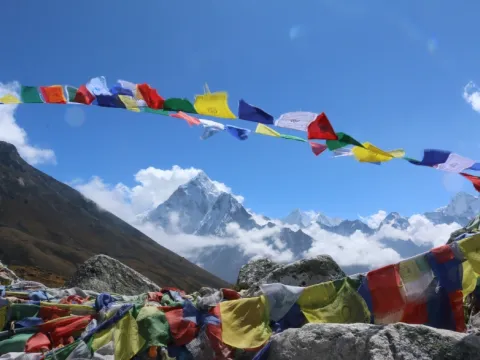
Here’s how the day breaks down :
In fact, that thaw really changes the moraine crossing. Meltwater snakes across the rocks, forming little streams that weren’t there before, so you need to pay attention to where you step. The lakes look brighter than ever in the midday sun, fresh runoff feeding their color, but watch for muddy stretches or icy patches hiding in the shade. You’ll pass the same yak fields and seasonal huts, but down lower, the grass peeks through and rhododendrons are on fire with color. The downhill feels like a gift to your knees, though you pick up speed on the steeper bits.
A few tips to make the descent smoother :
Most importantly, stay alert and you’ll notice so much more on the way down. Glance back and you’ll see the full sweep of Gokyo Ri against the blue, and from below, the Ngozumpa Glacier looks even more massive. Daytime temps hover between 5 and 12°C, so lighter layers work, but a gust of wind can still chill you on the open slopes. By mid-afternoon, you’ll roll into Dole, greeted with hot soup and a real sense of relief. The air’s thicker, your breath comes easier, and you finally get the kind of rest that’s hard to find up high.
Further, go at your own pace. Take care of your knees, especially on those long downhills, but enjoy the way the world wakes up as you lose altitude. No more endless uphill grinds—just time to snap photos of melting snow, wildflowers, and all the details you missed the first time. The walk back feels like you’re unwinding the whole trek, and you get the chance to quietly say goodbye to the sacred lakes you left behind.
So, the descent from Gokyo to Dole brings a wave of relief and a fresh sense of wonder. Spring gives the familiar trails new life, but you’ve got to stay sharp as you go. Step carefully over the wet moraine, soak in those mountain views from a fresh angle, and let gravity do its thing. Dole’s waiting with a warm meal and a soft bed, and tomorrow, you’ll head home through blooming forests and Sherpa villages—one more step closer to the world below.
Meanwhile, the walk down from Dole, at 4,040 meters, feels almost like floating after the hard climbs, and you retrace your steps through those lush rhododendron forests, Sherpa villages, and winding river valleys. It takes three or four days to get back to Lukla, all the way down to 2,860 meters. Gravity’s on your side this time. Legs feel lighter, spirits even more so. Everything looks different on the return—spring flowers pop brighter, and the big peaks like Thamserku and Ama Dablam seem to glow in the late afternoon. You cross those familiar suspension bridges and stone trails again, but now they feel like old friends instead of obstacles. You breathe easier, you eat better, and the air feels thick and comforting after those high-altitude nights.
Descent Itinerary at a Glance :
If you’re in a hurry, people sometimes do this stretch in two days—20-25 km each day, long hours, but honestly, you miss a lot rushing like that.
Here, that first descent to Namche is a treat. You get a hot shower, real bread and coffee, and the buzz of the market after all that mountain quiet. Spring makes for mostly dry trails, but watch your step on the muddy patches—trekking poles save your knees on those long drops. You’ll pass wildflowers, maybe some yaks, and there’s always one last photo to take. The villages feel warmer, too. Locals recognize you on your way back and greet you with real pride.
Looking Back—and Forward—in Lukla :
Furthermore, that final climb from Phakding feels like the mountains’ last little joke. But as soon as you spot the Tenzing-Hillary airstrip, it’s pure relief. The mood is low-key but happy—people share drinks, swap numbers, and thank the porters and guides who made it all possible. The streets are full of laughter and stories. It’s not just finishing a trek; it’s about how much you’ve changed. Sometimes, if you’re lucky, the sky stays clear for one more sweeping view of the mountains before the clouds settle in.
Likewise, there’s a quiet side to the walk down, too. You find yourself thinking about how the trip changed your outlook—your stamina grows, your worries shrink, and you suddenly appreciate the simple things. Remember to drink water, use those trekking poles, and take your time. These final steps matter just as much as the first ones. The Khumbu leaves its mark, and you feel it in subtle but lasting ways as you step into Lukla.
So that’s it. The descent from Dole to Lukla wraps up the Gokyo Lake Trek with a kind of soft victory. You reach the trailhead carrying memories of blue lakes, wildflower paths, and your own hard-won strength. You celebrate the friends you made, the limits you pushed, and the quiet magic of the Khumbu. Rest up in Lukla, raise a glass to the journey, and take some of that mountain calm back home with you. Safe travels—and may the spirit of the trek stick with you long after you’re gone.
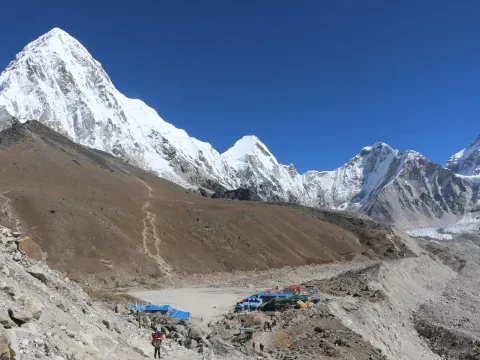
Actually, you finish in Lukla at 2,860 meters, and suddenly it hits you—everything that’s changed inside. The Gokyo Lake Trek does that. After days spent wandering by those wild turquoise lakes, under blooming rhododendrons, and standing on summits with the world spinning around you, something’s different. You’re stronger. You’re more patient. Nature humbles you in ways that stick. And you feel lighter, somehow, but also more rooted than ever. The stories you’ve swapped with other trekkers or Sherpa friends—they become some of your favorite souvenirs. Spring brings crisp air and a sense of waking up, so when you think back, you remember the big moments: pushing yourself up those steep climbs, sitting alone by a sacred lake, catching Everest in the first light. The trek is more than tough hikes; it’s a marker—a real shift in how you see yourself and the world.
Post-Trek Return Options from Lukla :
In fact, most trekkers fly out of Lukla for the quick trip back to Kathmandu at 1,338 meters. Early flights are best—they beat the clouds and give you one last look at those mountains from above. If flights are grounded, you can always hitch a jeep via Surke. It’s a slower ride home, but after days in thin air, the gradual descent feels good. Once you hit Kathmandu, everything’s familiar but strange. Hot shower? Heaven. A real meal? Even better. Your body soaks up the thick, oxygen-rich air. Many people wander over to Boudhanath Stupa or get lost in Thamel’s busy streets—just easing back into city life, letting the trek memories settle.
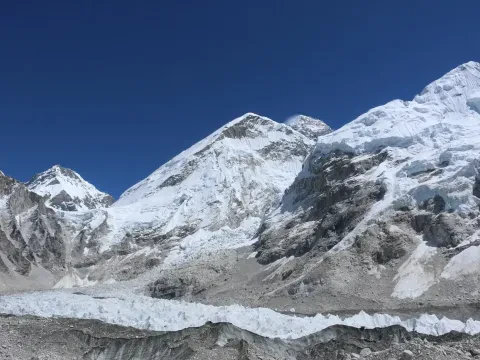
Key Lessons Learned from the Gokyo Lake Trek :
More importantly, keep a piece of Gokyo with you—write about your journey, share your favorite photos, or just pause sometimes to remember the stillness of those lakes. Lots of trekkers can’t help themselves; they start dreaming about the next adventure as soon as they get home. Spring dates fill up fast, so if you’re tempted, book early—flights, permits, guides, the lot. Agencies will thank you and you’ll lock in your spot for the next big thing.
Here, trust yourself. Take in every challenge, every quiet moment, every new lesson the mountains hand you. The Gokyo Lake Trek has a way of opening you up—it sticks with you, long after your boots are off and you’re back in city noise. Come back to Kathmandu feeling new, tell your story, and spark someone else’s dream to see this peaceful corner of the Himalayas.
When you look back, you realize the trek is so much more than kilometers on a map. You leave with strength you didn’t know you had, memories that won’t fade, and a longing to return. Choose your way home, soak up the changes, and start planning your spring escape. The turquoise lakes, wild trails, and snowy peaks are still out there—just waiting for you to answer their call. Travel safe, carry gratitude, and let the spirit of the Khumbu walk with you.
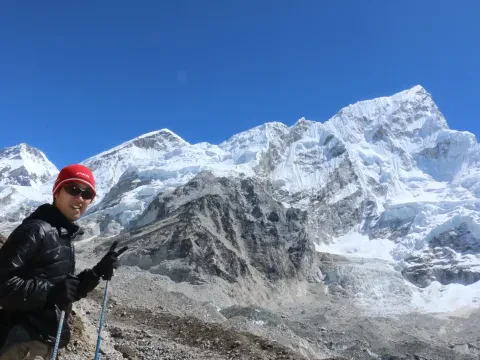
1. What is the best time for Gokyo Lake Trek?
The best time for Gokyo Lake Trek in Spring is from March to May. This is when the skies are clear the rhododendrons are. The weather is mild. The Gokyo Lake Trek in Spring package takes you on trails from Phakding to Gokyo via Namche and Dole. You will get to see the Himalayan views.
2. What permits are needed for Gokyo Lake Trek in Spring?
To go on the Gokyo Lake Trek in Spring you need a Sagarmatha National Park Permit and a Khumbu Pasang Lhamu Rural Municipality Permit. These permits are included in the Gokyo Lake Trek in Spring package. You can easily get them in Kathmandu or Lukla before your flight.
3. How difficult is the Gokyo Lake Trek in Spring package?
The Gokyo Lake Trek in Spring is a trek. It is good for people who're fit and have good stamina. You will get to acclimatize in Namche. Then gradually go up to Dole and Machhermo and Gokyo. This helps you get used to the altitude. You do not need to know how to climb. You will be hiking every day to high valleys.
4. What gear and fitness level is required for Gokyo trek in spring?
To go on the Gokyo Lake Trek in Spring you need to have the clothes. You should wear layers have boots, trekking poles and a down jacket. It is also good if you have hiked before and are moderately fit. This is especially important for the summit of Gokyo Ri.
5. How do I fly from Kathmandu to Lukla for Gokyo Lake Trek?
The Gokyo Lake Trek in Spring starts with a flight from Kathmandu to Lukla. This is an exciting way to begin your trek. The flight is short and scenic. It takes you directly to the start of your trek
6. What is the overland option to reach Lukla area?
If you do not want to fly you can also go to Lukla by Jeep. You can drive from Kathmandu to Surke via Salleri and Manthali. This is an option if you do not like flying. The drive is scenic. Takes you to the start of the trek.
7. What happens on Day 1 of Gokyo Lake Trek in Spring?
On the day of the Gokyo Lake Trek in Spring you will arrive in Lukla and then walk to Phakding. This is a trek that takes you through beautiful landscapes. It is a way to start your trek and get used to the altitude.
8. How is the climb to Namche Bazaar in spring?
On the day of the Gokyo Lake Trek in Spring you will climb to Namche Bazaar. This is a climb but the views are stunning. The rhododendrons are. It is a beautiful sight. Namche Bazaar is a special place and you will get to experience the Sherpa culture.
9. Why acclimatize in Namche during the trek?
It is very important to acclimatize in Namche during the Gokyo Lake Trek in Spring. You will get to explore the markets, monasteries and go on hikes. This helps you get used to the altitude and prepares you for the rest of the trek to Dole and the Gokyo Lakes.
10. What is special about the trail from Namche to Dole?
The trail from Namche to Dole is very special. You will get to see the rhododendrons blooming. The forests are beautiful. The Gokyo Lake Trek in Spring takes you through valleys and the mountain views are breathtaking.
11. What to expect reaching Machhermo on the trek?
When you reach Machhermo you will see landscapes and wildlife. This is a stop on the Gokyo Lake Trek in Spring and you will get to experience the high valleys. You will also get to see the yak pastures. It is a very beautiful sight.
12. When do trekkers first see the Gokyo Lakes?
On the day of the Gokyo Lake Trek in Spring you will arrive at Gokyo Village and see the Gokyo Lakes for the first time. The lakes are turquoise. They are surrounded by peaks. It is a magical moment and you will get to take many photos.
13. Is summiting Gokyo Ri included in the package?
Yes, summiting Gokyo Ri is included in the Gokyo Lake Trek in Spring package. You will get to see the views of Everest and the surrounding peaks. It is a special experience and you will get to see the sunrise from the top.
14. How is the descent from Gokyo back to Dole?
The descent from Gokyo back to Dole is easier and very scenic. You will get to see the valleys and the rhododendrons from a perspective. It is a beautiful sight and you will get to experience the changing landscapes
15. How does the trek finish after Gokyo?
The Gokyo Lake Trek in Spring ends with a trek from Dole back to Lukla. You will get to reflect on your adventure and the beautiful sights you saw. The trek ends with a sense of accomplishment. You will get to experience the Sherpa hospitality one last time.
16. How long is the full Gokyo Lake Trek in Spring?
The Gokyo Lake Trek in Spring package is typically 12-14 days long. It includes acclimatization. Takes you from Lukla to Namche, Dole, Machhermo, Gokyo Ri and back. The trek is paced well. You will get to experience the adventure and the beauty of the Himalayas.
17. What is the cost of the Gokyo Lake Trek in Spring?
The cost of the Gokyo Lake Trek in Spring package includes permits, guide, porter, meals and accommodation. You should contact Haven Holidays Nepal for the rates. The cost also includes flights or overland options from Kathmandu.
18. Is altitude sickness a major concern on this trek?
Altitude sickness is a concern on the Gokyo Lake Trek in Spring. Proper acclimatization in Namche and gradual ascent to Gokyo minimize the risks. You should stay hydrated walk slowly and follow the itinerary to stay safe.
19. What makes spring special for rhododendrons on the trek?
The spring season is very special for rhododendrons on the Gokyo Lake Trek in Spring. The rhododendrons are in bloom and the colors are vibrant. You will get to see the flowers from Namche to Dole and it is a very magical experience.
20. What should I do after completing the Gokyo Lake Trek?
After completing the Gokyo Lake Trek in Spring you should rest in Kathmandu. You can also go on tours or plan extensions. The Gokyo Lake Trek, in Spring is a memory and you will get to experience the beauty of the sacred lakes and peaks.
Our travel experts are ready to assist you with any questions.
Send us a message.Have a question before you book? Send your enquiry below and our travel experts will get back with the required information.