Meanwhile, yaks and mules are the real engines behind the Everest Base Camp Trek. From Lukla all the way up to EBC, these animals do the heavy lifting—literally. Sherpa communities depend on them, and so does every trekker who sets foot on this legendary trail. Without these pack animals hauling food, fuel, and gear, the whole adventure would grind to a halt.
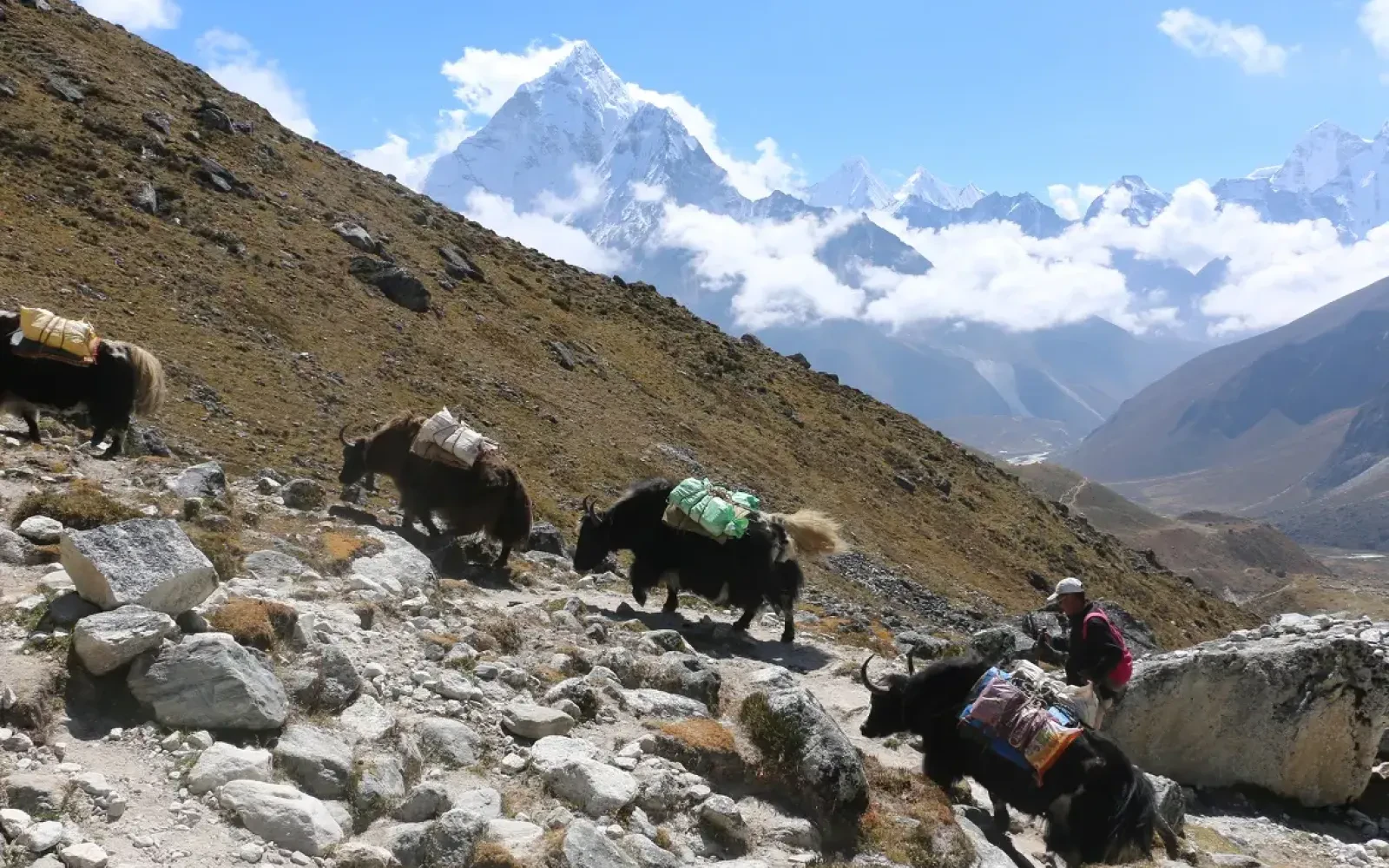
Every day, yak caravans plod along those narrow, winding paths, loaded down but steady as ever. You’ll hear their bells before you see them—a heads-up to move aside, usually to the mountain side, for everyone’s safety. Mules are just as important, especially on the lower stretches below Namche Bazaar. Together, they keep supplies flowing to teahouses and villages that would be cut off otherwise.
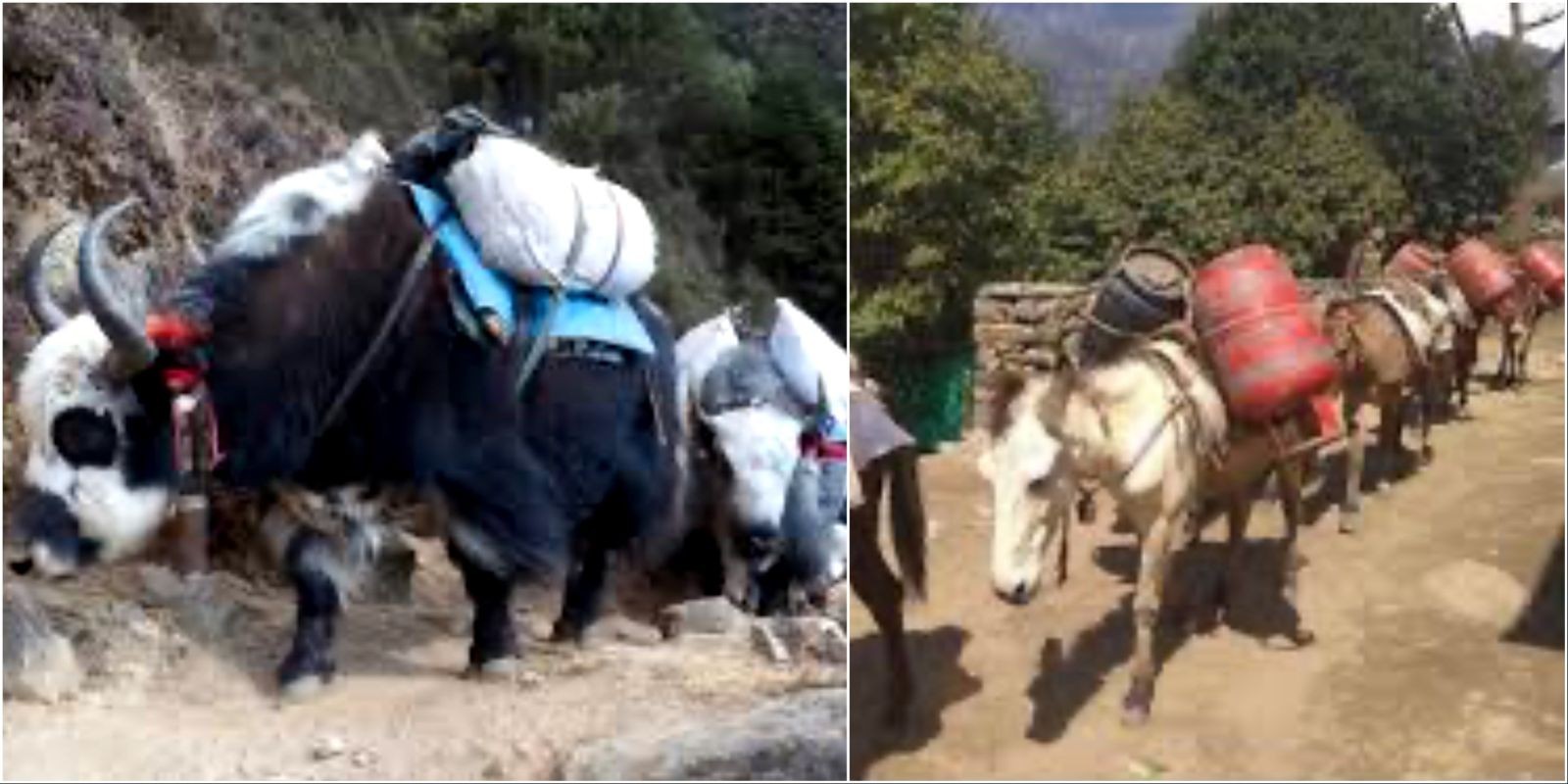
Likewise, the teamwork between porters and animals is something to see. Supplies reach places like Tengboche, even when the weather turns rough. This isn’t just about logistics; it’s a lifeline for the people who live and work along the trail. For Sherpa families, running and guiding these caravans means steady income year after year. Yaks are right at home in the cold, high altitudes above Dingboche, while mules handle the warmer, lower trails. Both are crucial to the local economy.Of course, it’s not always smooth going. The monsoon season turns trails slick and muddy, making every step tougher for both animals and their drivers. Still, trekkers always stop to watch these rugged caravans climb on, impressed by their strength and resilience. Somehow, they get through.
Moreover, there’s just no replacing yaks and mules on the EBC trek. With no roads in Sagarmatha National Park, they’re the only way to get oxygen tanks and critical gear up to places like Lobuche. Their hard work shapes the whole Everest experience—and every adventurer who’s been there knows exactly how much they owe these tireless companions.
Actually, the roots of yak and mule caravans go way back to old Sherpa traditions, long before Everest became a trekking hotspot. Centuries ago, Sherpas left Tibet and crossed the high Nangpa La pass—over 5,700 meters—leading yak caravans into the Khumbu valleys. They brought their herding skills with them, and honestly, those same traditions still shape the Everest Base Camp Trek today. Pack animals aren’t just a convenience; they’re part of the region’s heartbeat.
Back then, trade routes connected Nepal and Tibet every day. Yaks hauled salt and wool north, then came back loaded with rice and grain from the south. These journeys weren’t just about moving goods—they built entire economies. The old trade paths? Many of them are the same ones trekkers follow now toward Everest.
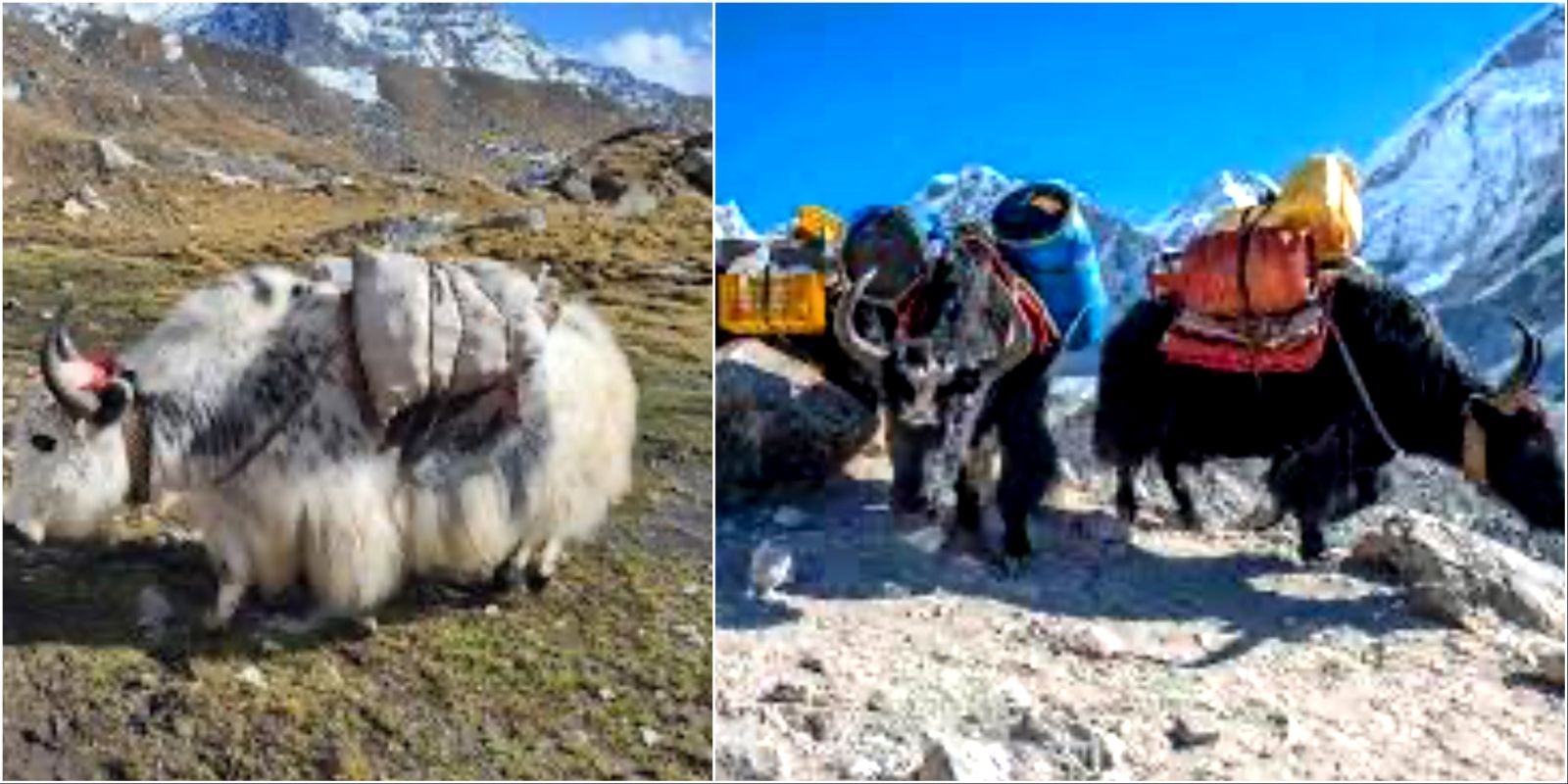
Likewise, yaks weren’t just pack animals. They gave families milk, wool, even fuel. In the high pastures above 4,000 meters, Sherpas herded them, adapting to the tough life up there. At some point, they bred the dzopkio—strong hybrids that could handle heavier loads than regular yaks. Sherpa life was all about adapting, and these hybrids made mountain travel easier.
Similarly, Dzopkio have their own role, especially at lower altitudes. They mix yak power with the adaptability of cows, handling the climb from Lukla up to Tengboche well. Once the trail gets higher, pure yaks take over. This system keeps the caravans moving, just like traders did in the old days.
Moreover, yaks have always been more than transport, though. Every year, Sherpa communities celebrate their importance. Yak butter goes into religious offerings, and their wool keeps people warm through brutal winters. These customs bring everyone together and keep old stories alive, right along the EBC trail
Here, tourism changed things, sure, but it didn’t erase these traditions. Nowadays, expeditions still depend on yak caravans for the push to Base Camp. With more trekkers, mule caravans joined in, but dzopkio still fill the gaps, handling that tricky middle ground in altitude. The system keeps evolving, but the heart of it—relying on animals and ancient know-how—stays the same.
In fact, you can see Sherpa heritage everywhere along the EBC trail. Every pack animal is a reminder of centuries of resilience. Trekkers aren’t just walking through mountains; they’re walking through living history. Yaks and dzopkio connect the past and present, and honestly, that legacy makes the journey a whole lot more meaningful.
Comparison of Pack Animals on the Everest Base Camp Trail :
| Animal | Typical Elevation Range | Load Capacity | Key Advantage on EBC Trail |
| Yak | Above Namche Bazaar (3440m) | Up to 75 kg | Thrives in extreme cold and thin air. |
| Mule | Lukla (2860m) to Namche (3440m) | 50-60 kg | Sure-footed on lower forested paths. |
| Dzopkio | Full trail up to 4500m | 60-70 kg | Hybrid strength for mid-altitude efficiency. |
Here, since the 2010s, mules have become a familiar sight on the Everest Base Camp Trek. With more and more people heading up the trail from Lukla to Base Camp, operators needed a better way to keep up with all the gear and supplies. That’s when mules entered the picture. They’re a perfect fit—fast, tough, and able to handle the rising load that comes with booming tourism.
Likewise, it’s pretty clear why they caught on. By the mid-2010s, more than 50,000 trekkers were showing up every year. The old system—just yaks—couldn’t keep up anymore. Mules pick up the slack, especially on lower stretches of the trail and up to Namche Bazaar. They’re great at handling tricky bridges and narrow forest paths, too. That means teahouses stay stocked, trekkers get what they need, and the whole supply chain runs smoother.
Similarly, Sherpas and locals have welcomed the change. Mule caravans bring in extra income and help take some of the pressure off yak populations, which were getting stretched thin. Plus, the system just works better now—more flexible, more sustainable, and more reliable for everyone making the trek.
Of course, it’s not all perfect. When the peak season hits, crowds of mules can clog the trail, especially around places like Tengboche. Guides have to stay sharp, managing traffic and keeping everyone safe. But the system keeps adapting, and people are figuring out how to make it work.
So these days, mules are essential on the EBC trek. They’re part of the reason the trail can handle so many visitors, and they’re here to stay. If tourism keeps growing, finding that balance—using both yaks and mules smartly—will matter even more. Honestly, the rise of mule caravans has changed the Everest experience for the better.
On the Everest Base Camp Trek, yaks and mules are the real workhorses behind the scenes. Yaks take over the higher stretches, especially above Namche Bazaar, hauling loads up to 60kg without much fuss. They bring in fuel, food, and all sorts of supplies to remote lodges, making life possible up there. Without them, the whole supply chain just falls apart.
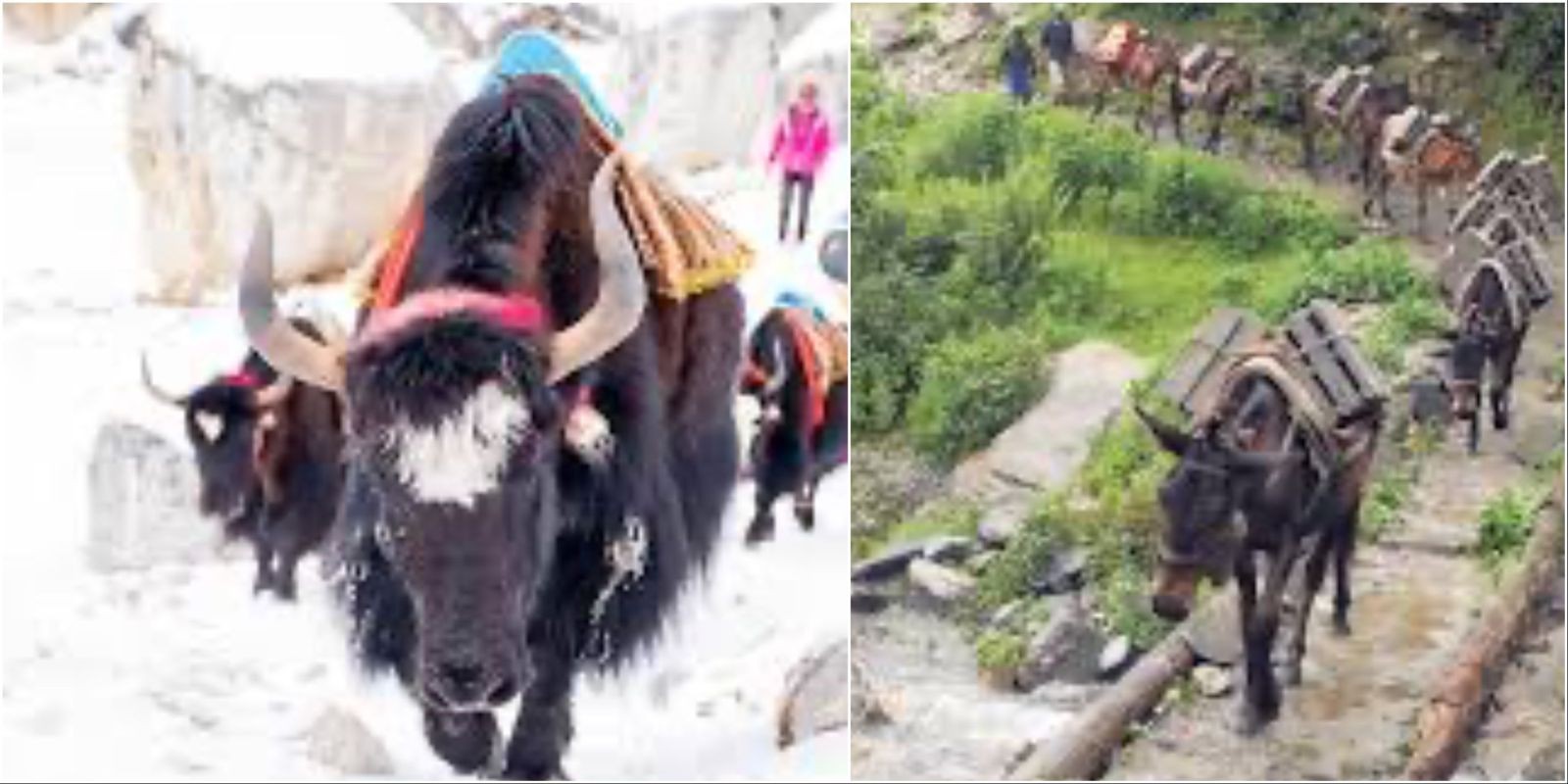
Down lower, mules step in. They carry about the same weight—usually between 50 and 60kg—and move in organized caravans day after day. Thanks to them, places like Tengboche never run dry of essentials. Mule teams keep everything moving, supporting the whole supply route up to Base Camp.
Actually, trekkers usually pack duffel bags weighing around 15kg each, and these animals carry several at once. Expeditions trust yaks and mules with their heaviest gear—things like oxygen tanks, tents, and cooking equipment. Pretty much anything that needs to get up the mountain goes on their backs.
Likewise, it's not just food and gear, either. Construction materials—timber, gas bottles, you name it—travel the trail this way. The handlers are pros at balancing these loads, making sure nothing tips over on those steep paths. Thanks to their efforts, teahouses in places like Lobuche keep running and the whole EBC trail stays open.
When the trek is done, yaks and mules don’t head down empty. They pack out waste and trash, keeping the mountains cleaner and helping protect the environment. This back-and-forth movement keeps the supply chain tight and efficient, making sure nothing goes to waste.
Of course, there are weight limits. Pushing yaks past 60kg isn’t just risky—it’s downright harmful. That’s why guides keep a close eye on loading and don’t bend the rules. When animals are treated right, everyone benefits, and the trek runs smoother.
In the end, yaks and mules are the backbone of Everest Base Camp logistics. Every day, they carry the loads that make trekking and climbing possible. Their strength and endurance keep the Himalayas open for adventure—and honestly, they deserve all the respect they get.
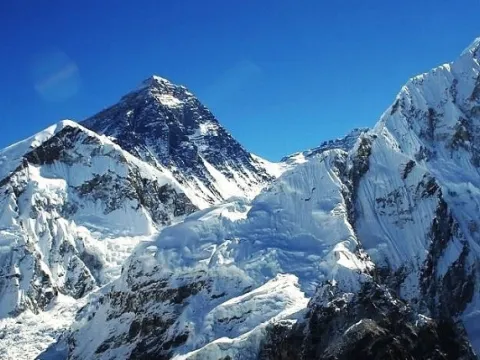
Typical Loads in EBC Supply Chains by Yaks and Mules :
| Animal | Typical Load Weight | Common Items Carried | Elevation Focus |
| Yaks | Up to 60kg | Fuel, food, expedition tents | Above 3440m to 5364m |
| Mules | 50-60kg | Trekker duffels, construction materials | Lukla (2860m) to 4400m |
| Combined | Variable | Oxygen cylinders, waste on return | Full Everest Base Camp Trek |
If you’re heading from Lukla to Namche Bazaar on the Everest Base Camp Trek, get ready for chaos. This part of the trail buzzes with yak and mule caravans, a living conveyor belt hauling supplies up and down the mountain. The moment you leave Lukla (2860m), the traffic hits you. Trekkers and animals squeeze onto narrow paths, and dust fills the air as mules plod by. It’s not just busy—it’s relentless. Every day, you’ll find your patience tested.
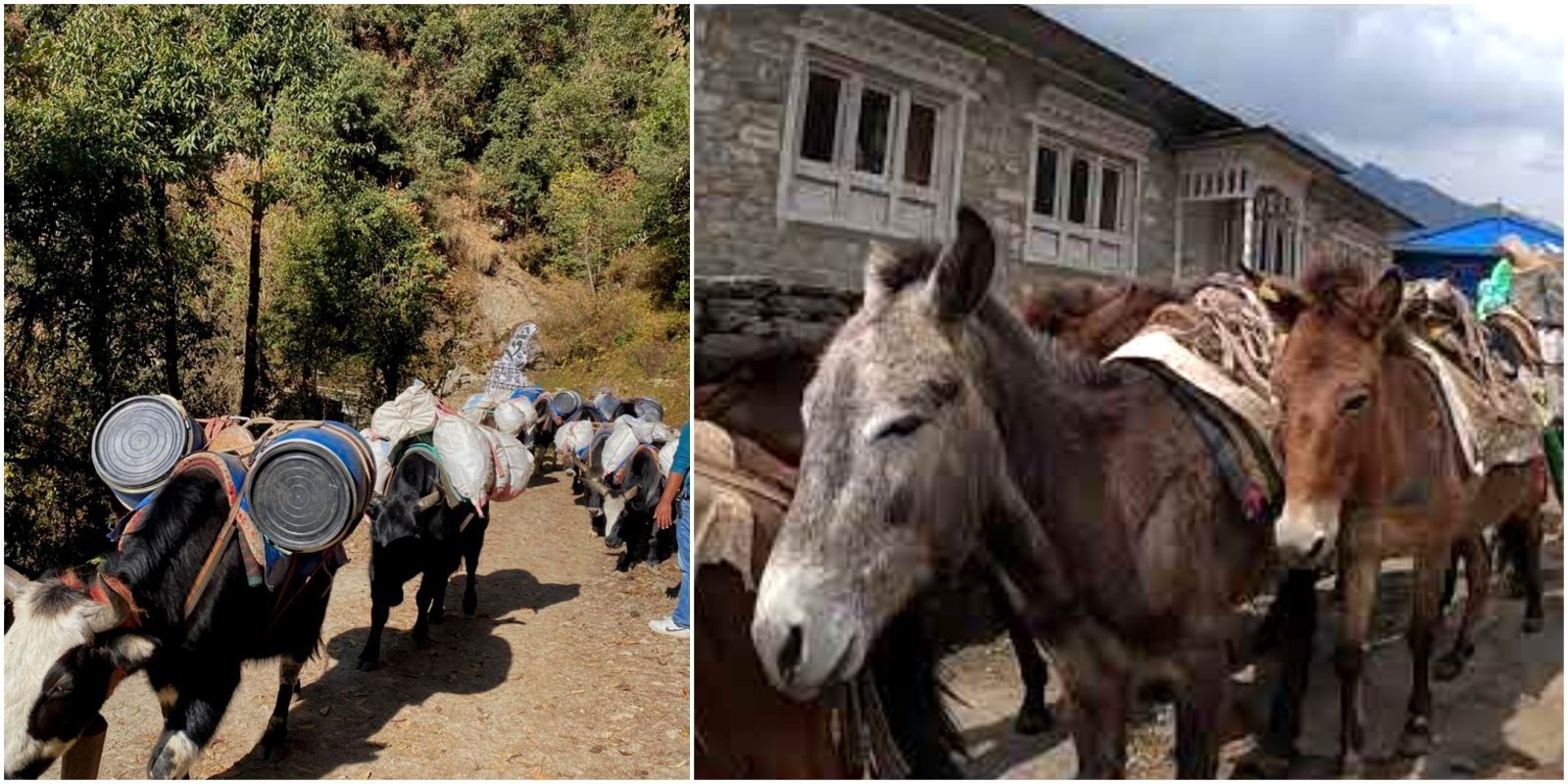
In fact, the suspension bridges add their own drama. Yaks move across, one at a time, each step making the bridge sway. Hikers gather at either end, waiting for their turn. In places like Phakding (2610m), the trail almost bursts with activity. If you were hoping for solitude, this section laughs in your face.
Here, the climb to Namche Bazaar (3440m) only ramps things up. Caravans jam the steep switchbacks, and porters dart through whatever gaps they can find. The trail turns into a moving puzzle, and you’re just another piece. Dust clouds sometimes cut your view to almost nothing, so you step aside for the animals and listen for your guide’s warning shout. This is what it means to trek between Lukla and Namche—a constant dance with mules, yaks, porters, and fellow trekkers.
And just when you think it can’t get busier, peak season proves you wrong. Hundreds of mules move every day. Yak trains join the flow. By the time you reach Monjo (2835m), which marks the entry to the protected area, the bottleneck really tightens. The final climb gets packed.
But somehow, the locals keep it all moving. They know how to guide the animals around tight bends and signal when it’s your turn to go. Trekkers catch on quickly—yield, smile, and keep moving. This whole controlled chaos is what keeps the Everest Base Camp trek alive and humming.
Want to survive it? Start early. It’s the best way to dodge the worst of the crowds. And always give the caravans the right of way—it’s just how things work out here. If you can roll with it, you’ll find the Lukla to Namche stretch is both a challenge and a rite of passage. It’s the real heartbeat of the EBC trail.
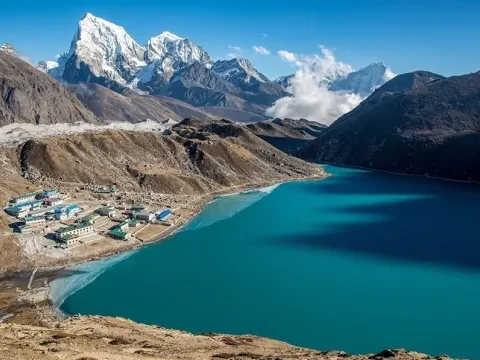
Challenges on Crowded Caravan Routes from Lukla to Namche :
Actually, once you leave Namche Bazaar on the Everest Base Camp trek, everything changes. The air thins, the wind gets mean, and this is where yaks and dzopkio step in and pretty much take over. Above 3440 meters, mules are out—these tough animals are the ones that keep the whole operation running all the way up to Base Camp at 5364 meters.
Likewise, right after Namche, the cold bites harder and the wind picks up. But yaks and dzopkio barely flinch. They just keep going, climbing toward Tengboche at 3860 meters and beyond, like it’s nothing. Pure yaks especially—they almost seem to prefer that thin, biting air. Dzopkio, the yak-cow hybrids, have extra muscle for hauling loads through snow and over patches of ice. Every day, they carry supplies up the trail, making sure nothing gets stuck below.
In fact, the higher you go, the more the oxygen drops off. Most animals would struggle, but yaks and dzopkio have bigger lungs and bigger hearts—literally. They just keep chugging along, even when other pack animals would be gasping for breath. The handlers know this, so they swap out teams at the right moments, always keeping a close eye on the animals’ health. These guys are the only beasts that can really handle the upper sections of the trek.
Once you hit Dingboche at 4410 meters, the snow and ice start showing up for real. Yaks just plow through, sure-footed and calm, while dzopkio move carefully, never missing a step. The supply caravans keep pushing up to Lobuche at 4940 meters, thanks to these animals. They really do own these heights.
And it’s not just brute strength. Sometimes, when you stop and look around at the views of Everest, you can almost feel the animals sense the place too. They seem to know they’re somewhere special. They rest for a moment, then get back to work. Over time, their toughness and reliability have become legendary up here. This whole handover—from mules to yaks and dzopkio—basically defines the upper part of the trek.
One thing to remember: pure yaks hate the heat, so you’ll never catch them lower down. That’s where dzopkio fill the gap and bridge the change until the true high-altitude territory begins. Handlers watch them constantly, making sure everyone stays healthy because the thin air is unforgiving.
In the end, it’s these animals that make the final push possible. They haul gear through blowing snow and sudden blizzards, and trekkers can’t help but admire how tough they are. Yaks and dzopkio really are the heart of the Himalayas. Without them, nobody would make it to Everest Base Camp.
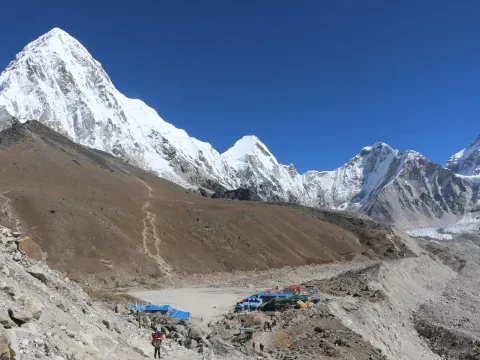
Animal Transition on Higher Altitudes of the EBC Trail :
| Section from Namche | Primary Animals | Harsh Conditions Handled | Key Elevation Points |
| Namche (3440m) onward | Yaks &Dzopkio | Cold winds, thin air, snow | To Tengboche (3860m) |
| Mid-high sections | Dzopkio support | Ice patches, steep rocky paths | Dingboche (4410m) |
| Upper reaches | Pure yaks lead | Extreme altitude to 5364m | Lobuche (4940m) to EBC |
Right now, more than 500 mules work the Everest Base Camp Trek every day, hauling supplies up and down the trail. They’re a big part of why tourism runs so smoothly here. Honestly, the number of mules has shot up since the 2010s, and it really shapes the whole experience of trekking to Base Camp.
But it’s not all good news. Those sharp hooves? They chew up the narrow paths, leaving trails eroded and worn. You see manure piling up, which brings in flies and pests. Dust clouds constantly hang over spots like Phakding at 2,610 meters, and the air gets pretty thick. It’s not hard to spot the impact the mule caravans have on the environment.
On top of that, dealing with all the animal waste puts a big strain on local resources. The droppings slowly ruin the soil, and the sheer number of mules leads to crowding, putting even more pressure on already fragile ecosystems. That’s why more people are speaking up for alternatives—ropeways, for example, are getting a lot more attention as a possible solution.
Likewise, ropeways could move cargo up the mountain much more efficiently and take a lot of traffic off the trail. There’s talk about building systems all the way from Lukla at 2,860 meters and beyond. If that happens, the environmental footprint drops a lot. Communities along the route are having real debates about what should happen next. Sure, the mules provide jobs, but there’s this constant push to find a way to balance the economy with protecting nature. Ropeways seem like a way to strike that balance.
Still, switching to ropeways isn’t simple. The terrain is tough, and getting the money together is a challenge. Experts are looking at possible routes, especially near Namche Bazaar at 3,440 meters. For now, the mule caravans keep things moving, but the environmental problems can’t be ignored. Ropeways could really change the game for how things get done up here.
So, what’s next? People are pushing for a mix of both systems. The 500-plus mules show just how urgent this is. Ropeways offer a promising future, and the Everest Base Camp Trek is already starting to adapt. One way or another, things are changing, and the way supplies move through the Himalayas is on track to get a lot more sustainable.
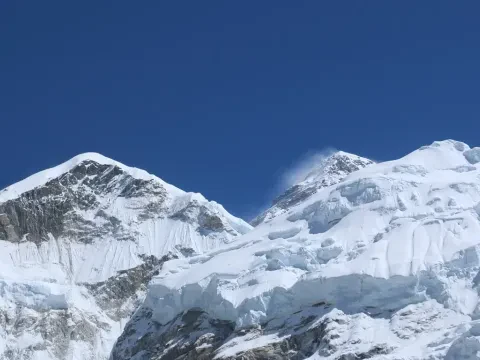
Environmental Impacts and Alternatives for Mule Caravans on EBC Trail :
If you’re heading out on the Everest Base Camp Trek, a few simple safety habits make all the difference. When yak or mule caravans come down the trail, always stand on the mountain side, not the edge. Trust me, it’s not just a rule—it’s how you avoid getting knocked off the path. Animals get spooked by sudden moves, and nobody wants to be part of that chaos. Staying calm and predictable keeps everyone safe.
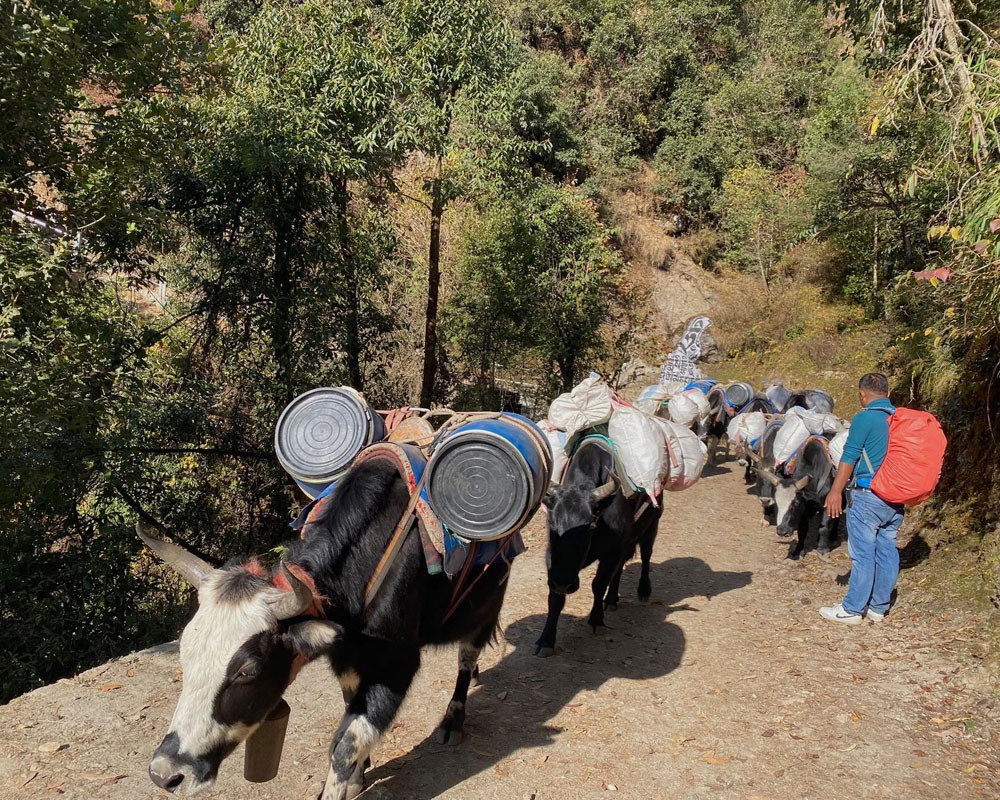
In fact, you’ll hear bells before you see the mules. That’s your cue: stop talking, stand steady, and let them pass. Loud noises or sudden gestures just freak them out, and panicked animals are never good news. Smooth, quiet behavior keeps things moving and helps prevent accidents.
Here, the paths get tight, especially in the rocky sections. Here, patience matters even more. Don’t try to squeeze past or rush. Wait for the caravans to go by, and always keep to the inside of the trail—that’s the safest spot. Group up in single file for those tricky bits, especially around places like Tengboche. Guides will keep reminding you, but these habits really stick once you see how well they work.
Moreover, kids and new trekkers pick up these tips fast. During acclimatization, everyone gets used to standing mountain-side and keeping movement calm. It becomes automatic, and that respect for the animals and the trail makes the whole experience better for everyone.
Likewise, weather throws its own curveballs. When clouds roll in or fog settles, you might not spot a caravan right away. Listen for those bells, stay alert, and keep your voice down. These basics don’t just keep you safe—they keep the whole trek running smoothly.
In the end, respecting the animals and following these simple rules make for peaceful encounters and a much safer journey. Stand mountain-side, keep quiet, and avoid sudden moves—that’s how you make sure everyone gets home in one piece.
Essential Safety Tips for Trekkers Around Yak and Mule Caravans :
If you’re trekking to Everest Base Camp, treating the yaks and mules with respect isn’t just a suggestion—it’s a must. Every day on the trail, trekkers watch out for these hardworking animals. People always give yaks and mules the right of way. A little patience goes a long way and keeps things calm. When you show respect, you help the animals stay relaxed and safe. That’s what makes the trail work for everyone.
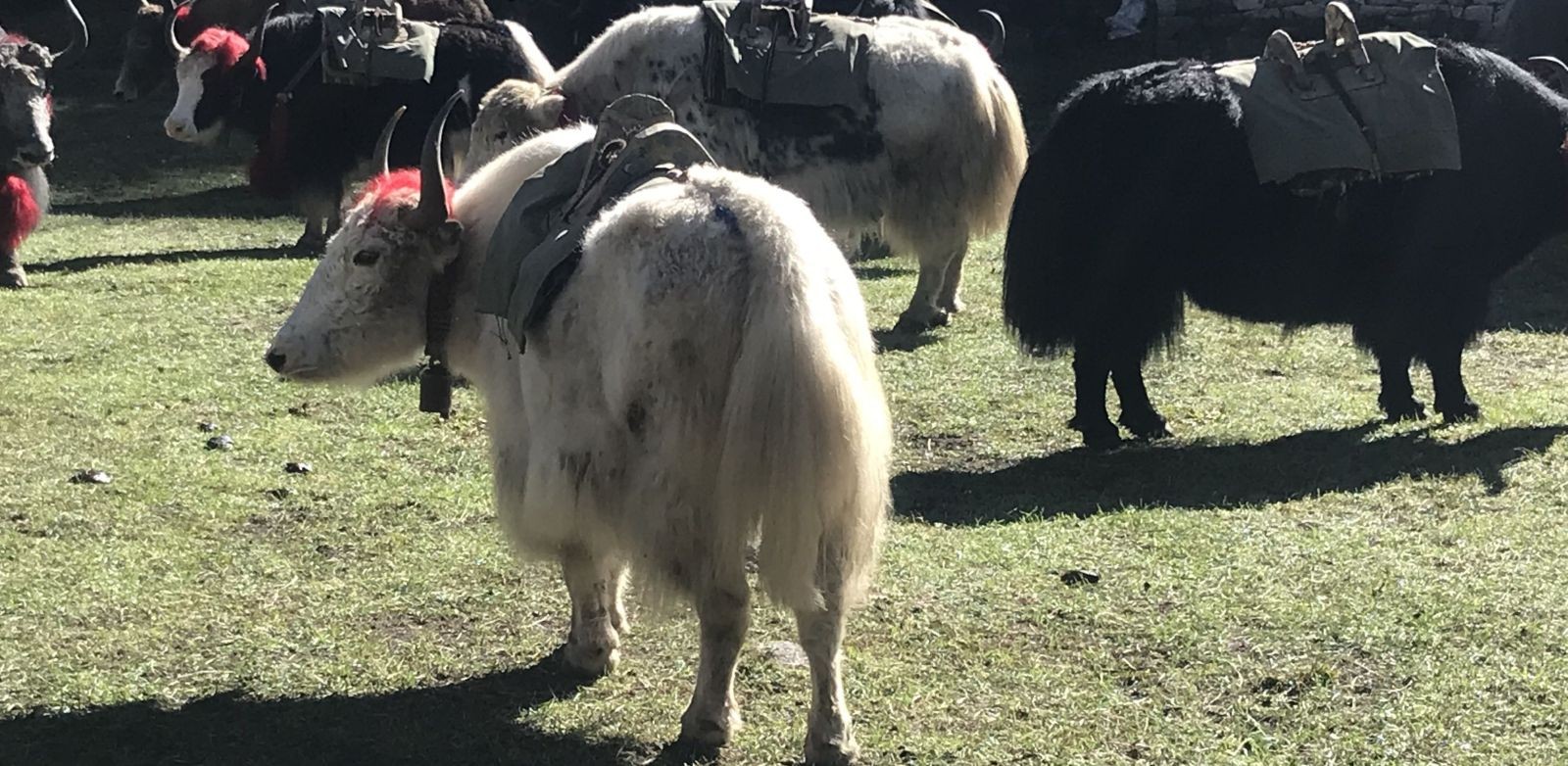
Most importantly, stay chill when a yak or mule caravan comes by. Loud voices or sudden moves can scare them. There’s no need to get too close—just let them pass in peace. Your calm presence helps keep the animals comfortable.
Likewise, never feed or touch the animals unless their handler says it’s okay. The handlers know what’s best for their animals. It’s not just about politeness; it keeps the animals from getting stressed or sick. Sometimes the kindest thing you can do is step back and watch.
When the path gets narrow, move to the mountain side right away—especially if you hear bells coming your way. Let the whole caravan pass at their own pace, no shoving or squeezing by. That’s how you avoid accidents.
If you want to admire the animals, do it from a distance that doesn’t bother them. They’re impressive, but they’re working. Skip the close-up photos if it looks like it’s distracting them. Treating them well honors the role they play on the trail.
And if you ever see animals that look overloaded or mistreated, tell your guide right away. Speaking up helps everyone do better. The guides and drivers appreciate it when trekkers care about the animals’ welfare.
Please stick to these habits the whole Everest region trek. When you act with respect, you help build a culture where people and animals share the trail safely. That’s what real Himalayan trekking is all about.
Guidelines for Ethical Interactions with Yaks and Mules on EBC Trail :
Here, let’s face it—Everest’s famous yak and mule caravans aren’t just a local tradition. They’re the heartbeat of the Khumbu valleys, and the EBC trail simply wouldn’t be the same without them. The Sherpas have been herding yaks for generations, and they still take real pride in keeping those old ways alive. Tourism, meanwhile, brings life-changing income to the region. But with every new season, there’s more pressure. More trekkers, more loads, more wear and tear on the trails. Finding the sweet spot—where tradition and tourism both thrive without ruining the land—isn’t easy, but it’s essential.
Likewise, every year, more visitors come, and it’s starting to show. The yaks and mules work harder than ever, and the land feels the strain. People here aren’t ignoring the problem. They’re getting creative—trying out new ideas, like ropeways, to lighten the load on the animals and the environment. Things like this help protect these traditions, letting yaks stay on the trail for years to come, while still making sure locals can earn a living.
Moreover, eco-friendly trekking isn’t just a trend anymore—it’s the new standard. More trekkers look for companies that actually care about the environment. Cutting down on waste and taking care of the trails are now just part of the deal. These changes help keep Mount Everest and its surroundings healthy, and every small step adds up.
In fact, culture matters, too. Festivals celebrating yaks and mules still bring everyone together, and people are learning how to treat animals and local customs with more respect. Tradition isn’t just a backdrop—it’s what makes this trek special. Protecting it means the EBC trail will always feel authentic, not just another tourist hotspot.
But, honestly, there’s still work to do. Erosion is real, and overuse is wearing down those narrow mountain paths. People from all sides—local leaders, guides, even trekkers—are working together to find real solutions. Progress comes from this mix: holding onto what matters, welcoming change, and treating the land like it belongs to everyone.
In the end, it’s all about balance. Keep the traditions alive, make tourism work for everyone, and care for the environment at every step. Do that, and Everest’s caravans will keep inspiring people for generations.
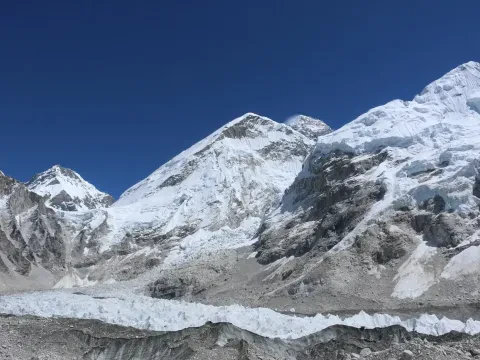
Key Elements for Sustainable Future of Everest's Caravans :
1. What is the role of yak and mule caravans on the Everest Base Camp Trail?
The yak and mule caravans on the Everest Base Camp Trail play an important role in transporting supplies. From Lukla to Namche Bazaar the mules are used a lot on the parts of the trail while the yaks and dzopkio are used on the higher parts of the trail. They help the trekkers by carrying loads of up to 60kg and they also help keep the Sherpa tradition and tourism logistics going.
2. What is the historical origin of yaks on the Everest Base Camp Trail?
The yak and mule caravans on the Everest Base Camp Trail have been around for a long time and they originated from the old Sherpa traditions. The yaks and dzopkio have always been used as pack animals in the Himalayas. They were used to help the communities before tourism became popular. Now they are still used to transport supplies to the high-altitude areas.
3. When did mules become popular on the Everest Base Camp Trail?
The yak and mule caravans on the Everest Base Camp Trail started using mules in the 2010s to meet the growing demand for tourism. The mules are very good at carrying loads on the lower parts of the trail from Lukla to Namche Bazaar and they work well with the yaks that are used on the higher parts of the trail.
4. How much weight do yaks and mules carry on the EBC trail?
The yak and mule caravans on the Everest Base Camp Trail carry heavy loads, up to 60kg to supply the trekkers and the lodges. The yaks and mules are very strong. Can carry these heavy loads, which helps to keep the supply chain going on the difficult trail.
5. Which trail sections have the most yak and mule caravans?
The yak and mule caravans on the Everest Base Camp Trail are commonly seen on the lower parts of the trail from Lukla to Namche Bazaar. This part of the trail is very crowded. The trekkers need to be careful when they meet the caravans on the narrow paths.
6. Why do yaks take over at higher altitudes on EBC?
The yak and mule caravans on the Everest Base Camp Trail use yaks and dzopkio on the parts of the trail because they are better suited for the high altitude. The yaks are very strong. Can thrive in the thin air and cold weather which makes them the best choice for transporting supplies to the high-altitude areas.
7. How many mules operate on the Everest Base Camp Trail?
There are over 500 mules that are used on the Everest Base Camp Trail. They play a very important role in supporting the growing tourism industry. However, the large number of mules has also raised concerns about the impact and there are discussions about finding more sustainable solutions.
8. What safety tips should trekkers follow near caravans?
When trekkers meet the yak and mule caravans on the Everest Base Camp Trail they should stand on the mountain side of the trail stay quiet and avoid making any movements. This helps to prevent accidents on the paths where the heavily loaded yaks and mules are passing by.
9. How can I ethically interact with yaks and mules on the trail?
The yak and mule caravans on the Everest Base Camp Trail require trekkers to treat the animals with respect. The trekkers should not feed, touch or disturb the animals. They should keep a safe distance and speak softly to avoid stressing the animals.
10. Are there environmental concerns with yak and mule caravans?
The yak and mule caravans on the Everest Base Camp Trail have raised concerns about the impact, especially with the large number of mules being used. The manure, trail erosion and pressure on the resources are some of the issues that need to be addressed. There are discussions about finding more sustainable solutions.
11. What is a dzopkio in the context of Everest caravans?
The dzopkio is a hybrid of a yak and a cow. It is often used on the Everest Base Camp Trail. The dzopkio is stronger and better suited for the high-altitude areas than the mules. It is used to carry heavy loads from Namche Bazaar onward.
12. How do caravans support tourism on the Everest Base Camp Trail?
The yak and mule caravans on the Everest Base Camp Trail play a role in supporting the tourism industry. They transport food, fuel and gear to the lodges, which enables thousands of trekkers to visit the Everest Base Camp and experience the beauty of the Himalayas.
13. What is the future of yak caravans on EBC trail?
The yak and mule caravans on the Everest Base Camp Trail are looking for a balance between tradition, tourism and sustainability. With the growing number of mules and the environmental concerns there are discussions about finding solutions, such as ropeways to reduce the impact on the trail and the animals.
14. Do mules or yaks go all the way to Everest Base Camp?
The mules are mainly used on the parts of the trail up to Namche Bazaar while the yaks and dzopkio are used on the higher parts of the trail including the route to Everest Base Camp. The yaks are better suited for the high-altitude areas. Are used to carry heavy loads to the base camp
15. Why are caravans important in Sherpa culture?
The yak and mule caravans on the Everest Base Camp Trail are very important in Sherpa culture. The yaks have been used for centuries to provide transport, milk, meat and wool. They continue to play a vital role in supporting the communities in the Khumbu region.
16. What should I do when I meet a caravan on the trail?
When you meet a caravan on the Everest Base Camp Trail you should stand on the mountain side of the trail stay calm and quiet and let the caravan pass. This helps to prevent accidents and ensures the safety of both the trekkers and the animals.
17. How has tourism affected yak and mule usage?
The tourism industry has had an impact on the use of yaks and mules on the Everest Base Camp Trail. The growing demand for tourism has led to an increase in the number of mules being used which has created congestion and environmental challenges on the trail.
18. Are yaks or mules better for the Everest Base Camp Trail?
Both yaks and mules are used on the Everest Base Camp Trail. Each has its own strengths and weaknesses. The mules are better suited for the parts of the trail while the yaks are better suited for the higher parts of the trail.
19. What challenges do caravan animals face on the EBC trail?
The yak and mule caravans on the Everest Base Camp Trail face challenges, including heavy loads, steep paths, high altitude and extreme weather. The animals need care and ethical treatment to ensure their health and well-being.
20. Why choose a trek that highlights yak and mule caravans?
Choosing a trek that highlights the yak and mule caravans on the Everest Base Camp Trail can provide an authentic cultural experience. It allows trekkers to learn about the role of the caravans the safety protocols and the sustainability challenges, which can enrich their experience and promote responsible tourism, in the Himalayas.
Our travel experts are ready to assist you with any questions.
Send us a message.Have a question before you book? Send your enquiry below and our travel experts will get back with the required information.