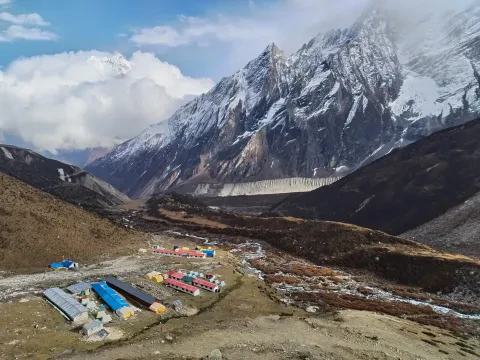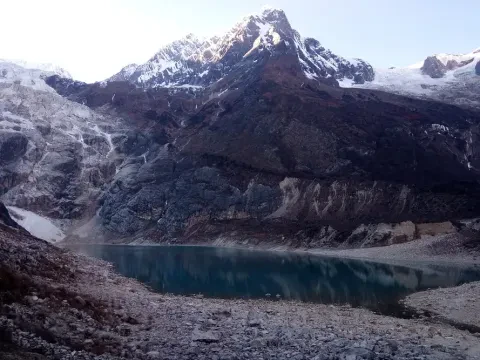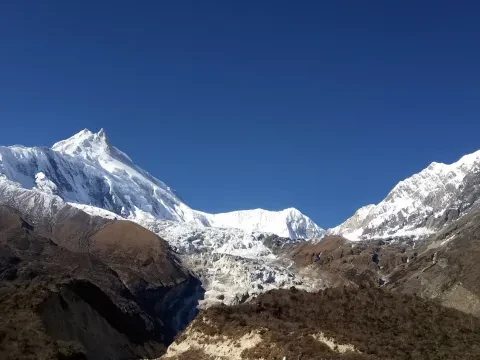
Actually, the Manaslu Circuit Trek takes you through some of Nepal’s wildest landscapes. Picture a 177-kilometer loop around Mount Manaslu, the world’s eighth-highest peak at 8,163 meters. This trek isn’t just a walk in the mountains—it’s a full-on adventure, with huge Himalayan views, quiet trails, and villages where life moves at a different pace. If you’re itching to get away from the crowds and want something real, this is it.
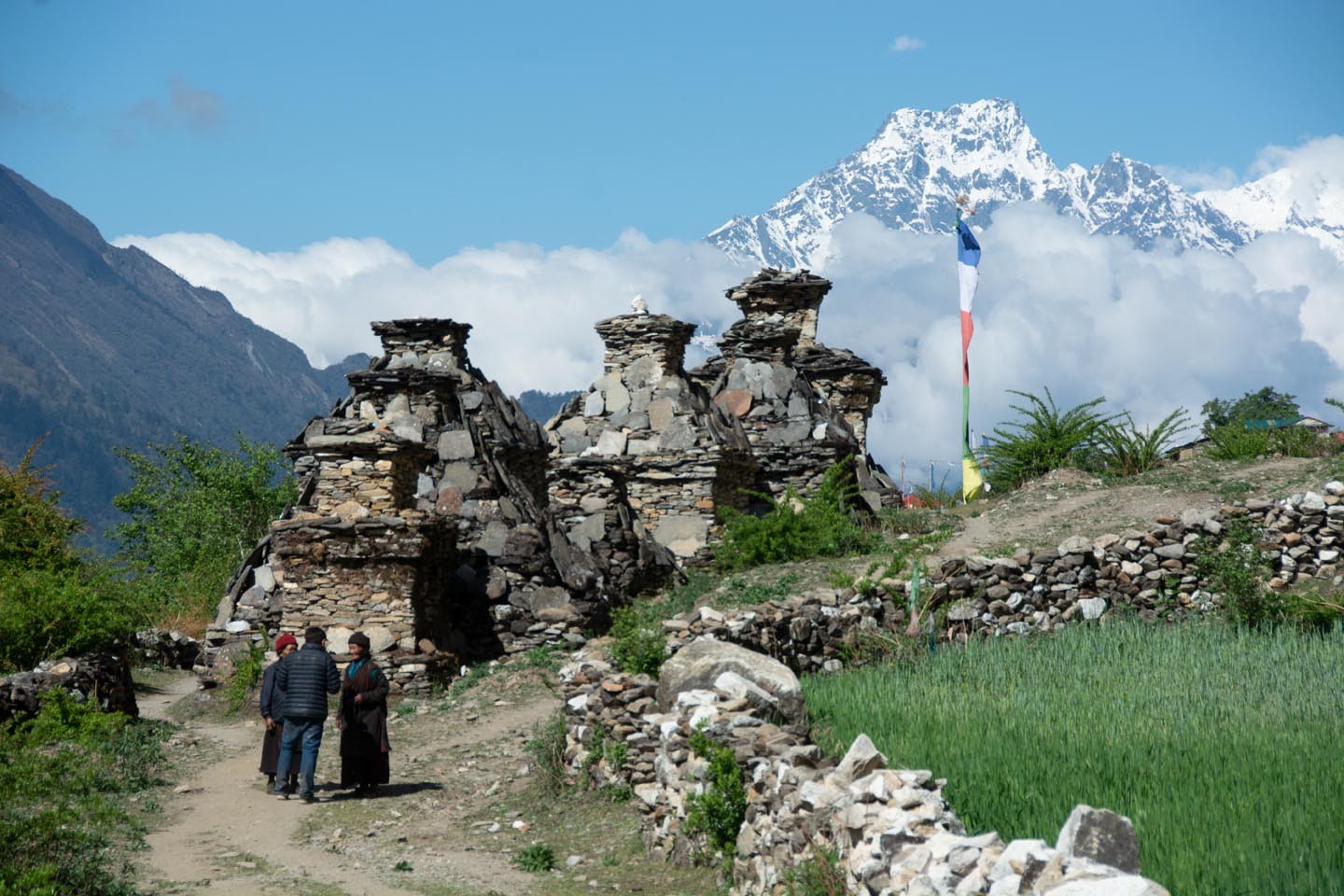
In fact, most people come for the remoteness. The Manaslu Circuit sits out in Nepal’s Gorkha District, far from the touristy chaos of Everest. You’ll hike through everything from warm, green forests to high, windswept meadows. The trail weaves through Gurung and Tibetan villages, so you’re not just looking at mountains—you’re meeting the people who call them home. And unlike the busy routes to Everest Base Camp, here you actually get some peace and quiet.
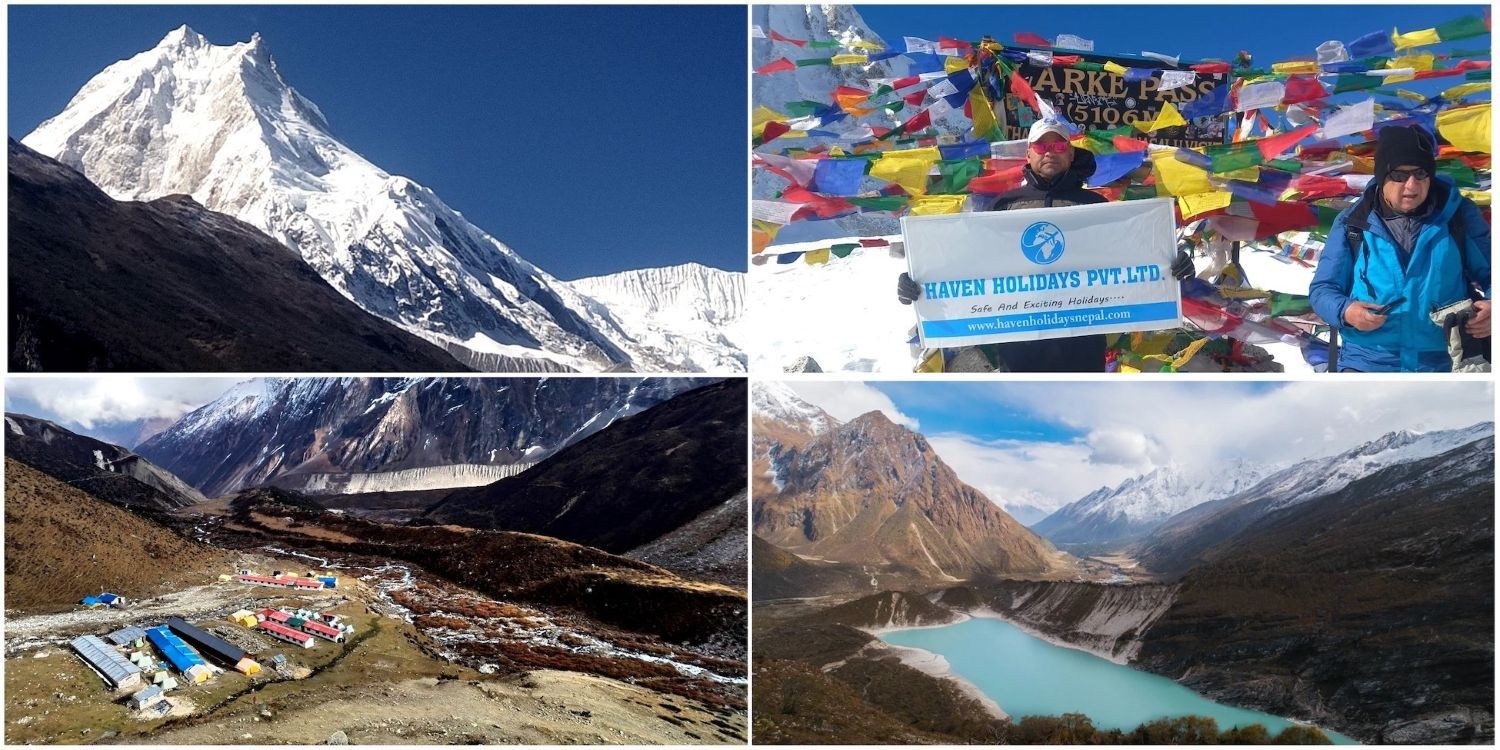
Here, the Manaslu Circuit trek spans about 177 kilometers and usually takes anywhere from 12 to 18 days, depending on your speed and whether you take any side trips. Most people kick off at Soti Khola or Machha Khola, starting low and following the Budhi Gandaki River through steep gorges and tiny villages with traditional homes. Every day brings something new.
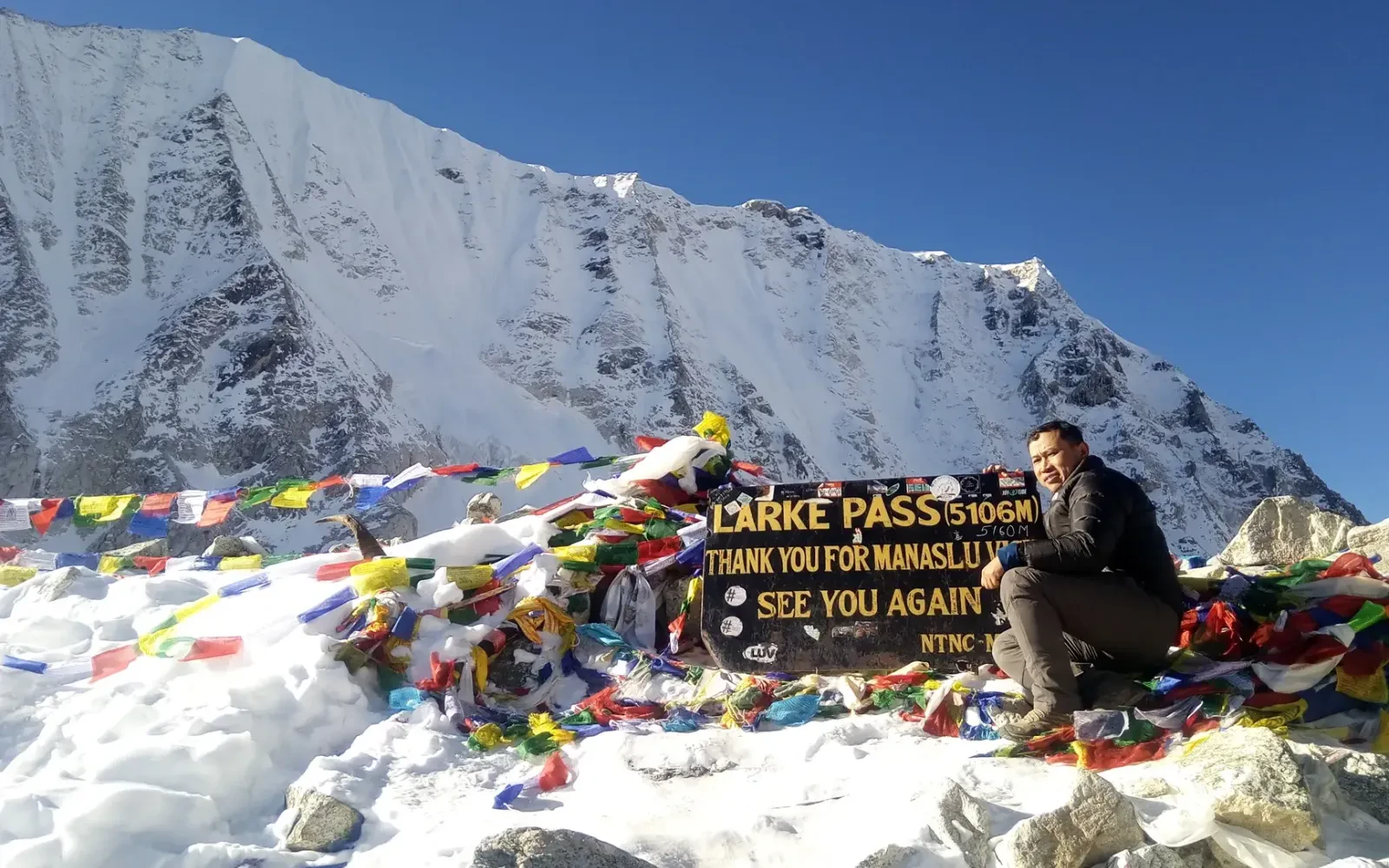
Eventually, you’ll hit the highest point: Larkya La Pass at 5,106 meters. Crossing it means snow under your boots and mind-blowing views in every direction. After the pass, the trail drops into peaceful alpine valleys, winding down to Dharapani. If you want more, you can tack on a detour to Tsum Valley for even deeper cultural experiences. Don’t forget—you’ll need special permits like the Manaslu Restricted Area Permit to do this trek.
As for highlights, there’s no shortage. Birendra Lake, near Samagaun, sits calm and blue at 3,530 meters, perfect for a break. Manaslu Base Camp at 4,800 meters gets you right up close to the mountain. Ancient monasteries in Lho give the whole trek a spiritual twist. Really, the Manaslu Circuit is where wild adventure and deep tradition come together.
Key route highlights :
In summary, the Manaslu Circuit Trek really stands out as one of Nepal’s best. It’s tough, sure, but the views and local culture make every step worth it. You’ll want to train ahead of time—the elevation gains are no joke. Budget-wise, most people spend between $1,000 and $1,500, which takes care of permits and guides. If you’re up for a challenge, this trek gives back so much more than it asks.
Here, let’s talk about how tough the Manaslu Circuit Trek really is. You’re looking at 177 kilometers of trail, hitting a high point of 5,106 meters, and hiking 6 to 8 hours a day. This isn’t some casual stroll—you need to be in good shape. The trek takes you deep into remote terrain, and you’re dealing with serious altitude, especially when you cross Larkya La Pass. Every day throws something new at you, so the more trekking experience you have, the better your chances.
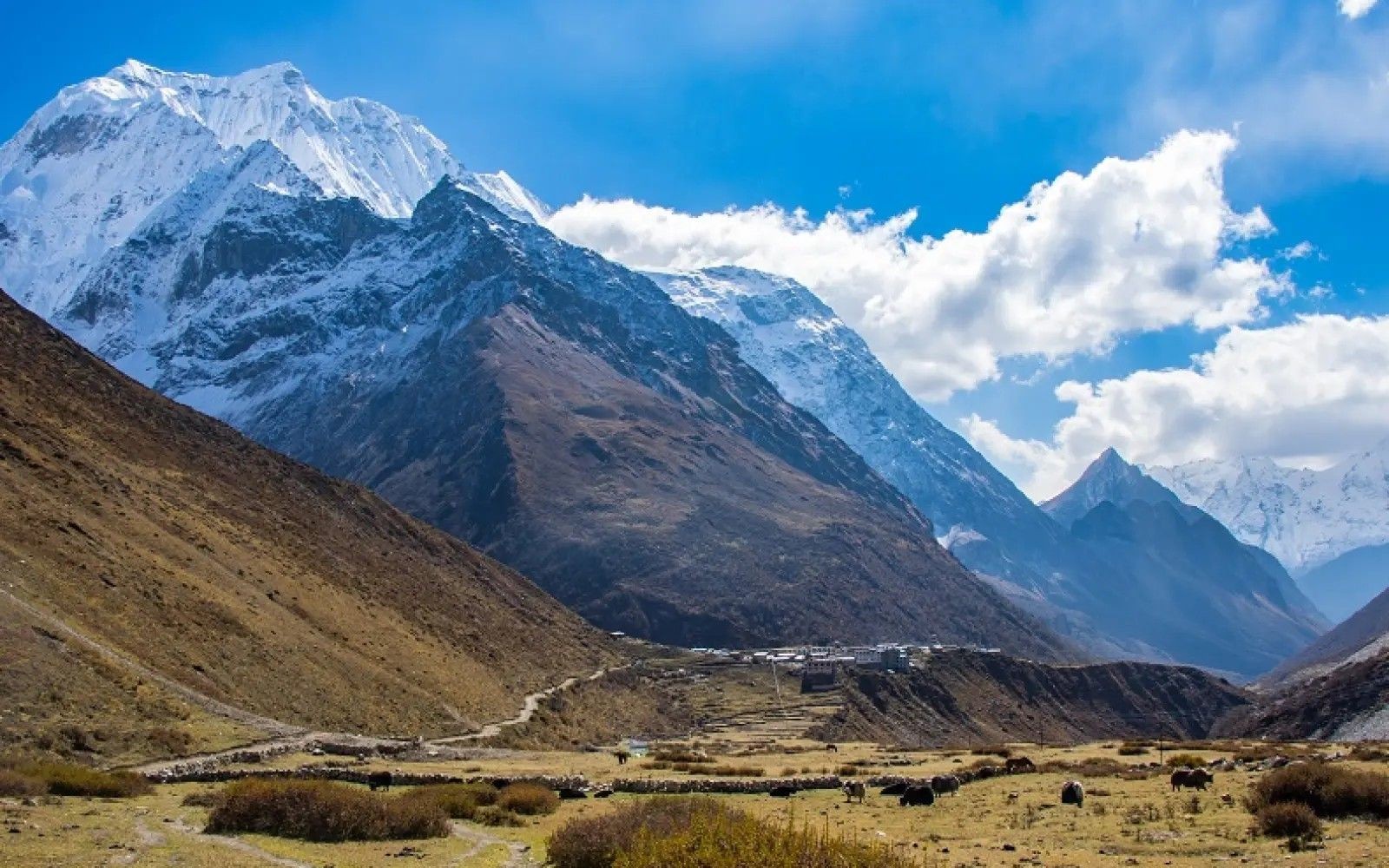
Actually, the whole trek usually takes about 14 days from Kathmandu to Kathmandu. On a typical day, you’ll walk anywhere from 10 to 20 kilometers. By the end, you’ll have climbed about 10,000 meters in elevation, with the trail starting at Machha Khola (870 meters) and climbing steadily. That slow gain helps your body get used to the altitude, but you have to stay alert for signs of trouble.
The hardest parts? Definitely the steep ups and downs. You’ll cross swaying suspension bridges over the Budhi Gandaki River—those are a rush. Higher up, rocky paths make every step a challenge. The weather changes fast, too, so good gear isn’t just a nice-to-have—it’s a must.
Likewise, there’s also the real risk of altitude sickness. Some days you’ll climb 300 meters, other days over 1,000. Rest at places like Samagaun (3,530 meters) lets your body adjust, but Larkya La Pass day is a beast—up to 12 hours of hiking. Drink plenty of water and pace yourself, and you’ll put the odds in your favor.
| Day | Route | Distance (km) | Elevation Change (m) | Daily Demands (Hours/Notes) |
|---|---|---|
| 1 | Kathmandu to Machha Khola (870m) | Drive 160 | -480 | 8-9 hours drive; light walk. |
| 2 | Machha Khola to Jagat (1,340m) | 22 | +470 | 6-7 hours; river crossings. |
| 3 | Jagat to Deng (1,860m) | 19 | +520 | 6-7 hours; steep sections. |
| 4 | Deng to Namrung (2,660m) | 19 | +800 | 6 hours; forested ascents. |
| 5 | Namrung to Lho (3,180m) | 11 | +520 | 4-5 hours; village views. |
| 6 | Lho to Samagaun (3,530m) | 9 | +350 | 3-4 hours; acclimatization. |
| 7 | Samagaun Rest/Excursion to Base Camp (4,800m) | 15 round | +1,270/-1,270 | 6-8 hours; optional hike. |
| 8 | Samagaun to Samdo (3,875m) | 9 | +345 | 3-4 hours; high plateau. |
| 9 | Samdo to Dharamsala (4,460m) | 7 | +585 | 3-4 hours; rocky terrain. |
| 10 | Dharamsala to Bhimthang (3,720m) via Larkya La (5,106m) | 15 | +646/-1,386 | 8-10 hours; pass crossing. |
| 11 | Bhimthang to Tilije (2,300m) | 18 | -1,420 | 6 hours; descending forests. |
| 12 | Tilije to Dharapani (1,860m) | 10 | -440 | 4 hours; easy trail. |
| 13 | Dharapani to Kathmandu | Drive 200 | - | 8-9 hours drive. |
| 14 | Departure | - | - | Rest/buffer day. |
So, if you really want to get ready for the Manaslu trek, focus on what makes it tough. Work on your cardio and strength—that’s what gets you through those long days on the trail. Try to fit in some training hikes with real elevation gain before you go. And talk to a pro for tips that match your own needs. Do all this, and you’ll set yourself up for a safer, way more enjoyable adventure.
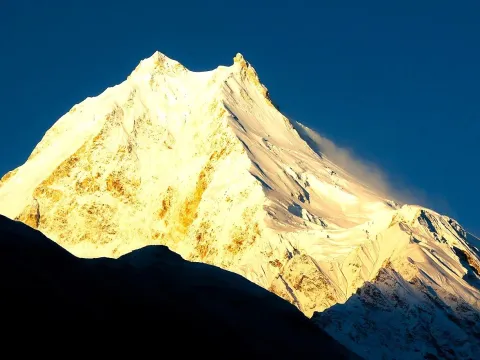
When you’re taking on the Manaslu Circuit Trek, being physically ready isn’t just a good idea—it’s key to finishing strong and staying safe. This trek isn’t a casual stroll; you’re dealing with steep, rocky paths and thin mountain air around Manaslu’s 8,163-meter peak. If you don’t train, you run out of steam faster, get hurt more easily, and honestly, you just don’t enjoy the experience as much.
Actually, endurance is huge here during Manaslu Trekking. Cardio workouts train your body to use oxygen more efficiently, which you’ll need when you’re climbing up to Larkya La Pass at 5,106 meters—where every breath feels thin. Strength training helps too. It keeps your muscles from getting overworked on those tough, uneven trails. Don’t skip flexibility work either. Stretching out before your trip means your joints can take those long descents without aching. Put together, these steps keep you moving and cut down on the risk of injuries.
Likewise, altitude sickness is real on the Manaslu Circuit, especially once you’re above Samagaun at 3,530 meters. Headaches, fatigue, nausea—they hit hard if you’re not ready. Acclimatization hikes help your body adjust, and staying fit and hydrated gives you a better shot at bouncing back if you do feel rough. In short, good prep means you’re more likely to reach the finish line without serious issues.
Moreover, training also helps you avoid injuries on tricky sections, like the trails from Machha Khola (870m) up to Dharapani (1,860m). Strong core muscles keep you steady when you’re hopping over rivers or scrambling on rocks. If you skip training, you’re more likely to trip or take a bad fall. And honestly, being in shape boosts your mental grit, so you keep going even when things get tough.
In fact, physical preparation isn’t just about you, either. In restricted areas like Manaslu, Nepalese regulations require guides to check if you’re fit for the journey. If something goes wrong, rescue services cost a fortune—think $2,000 to $5,000 for an evacuation. If you’re trained and ready, you’re less likely to need help and more likely to turn the trek’s challenges into real achievements. So, don’t skip the prep. It changes everything.
Key aspects of physical preparation for Manaslu Circuit Trek success and safety :
To tackle the Manaslu Circuit Trek, you really need to train your body first. The right preparation helps you handle tough terrain and unpredictable weather. So, don’t just wing it—set up a training routine that actually fits your needs. Talk to people who know what they’re doing and get a plan that makes sense for you. Put in the effort now, and the Himalayas will reward you with an experience you won’t forget.
How long should you train for the Manaslu Circuit Trek? Most people do best with about 12 to 16 weeks of focused prep. That gives you enough time to build the endurance you’ll need for those 177 kilometers and the serious altitude, like at Larkya La Pass up at 5,106 meters.
If you’re new to trekking, you’ll want the full 16 weeks. It gives your body time to adapt and lets you ramp up gradually, which helps avoid injuries. If you’re already fit or have experience with high-altitude treks, you can get away with a shorter plan—maybe just 12 weeks.
So, what should those 12 weeks look like? Start simple: three cardio sessions a week. Think running, brisk walking, or cycling—whatever keeps your heart rate up. You also need strength training, especially for your legs and core. And don’t forget hill walks. They’re key for getting your body used to those long uphill slogs you’ll face on the trail.
If you’ve got 16 weeks, all the better. You can push yourself a bit harder, sprinkle in rest weeks to keep from burning out, and even work on stair climbing to mimic the altitude. It’s also worth tracking your progress with a fitness app—seeing those numbers climb feels great and keeps you motivated.
In fact, breaking it down week by week helps too. Spend the first month on aerobic stuff like jogging or swimming. The next four weeks, add in hikes with a weighted backpack. After that, mix in high-intensity intervals to boost your stamina. In the last couple of weeks, ease off and let your body recover so you’re fresh for the trek.
Likewise, training doesn’t have to cost a fortune. Gym memberships and training gear might run you $100 to $300, but you can get by with park runs, bodyweight exercises, and a good pair of trekking poles. Plus, connecting with other trekkers in online forums can give you some great tips and motivation.
Moreover, a solid training timeline isn’t just about fitness—it gives you confidence. Stick with it, and you’ll hit those Manaslu trails ready for whatever comes your way.
| Week Range | Focus Areas | Key Activities | Duration/Frequency | Notes |
|---|---|---|
| 1-4 (Base Building) | Cardiovascular Endurance | Jogging, brisk walking, swimming | 30-45 mins, 3-4 days/week | Include light strength like squats; aim for 5-10km hikes. |
| 5-8 (Strength Development) | Muscle Conditioning | Weight training, hill climbs, yoga | 45-60 mins, 4-5 days/week | Add backpack loads; simulate Budhi Gandaki Valley terrain. |
| 9-12 (Endurance Peaking) | High-Intensity and Altitude Simulation | Long hikes, stair repeats, interval runs | 60-90 mins, 5 days/week | Incorporate rest days; practice at elevations if possible. |
| 13-16 (Advanced/Optional) | Refinement and Taper | Mixed sessions, recovery focus, mock treks | 45-60 mins, 3-4 days/week | Reduce intensity in last week; emphasize nutrition and hydration. |
To get ready for the Manaslu Circuit Trek, stick to a solid 12-16 week training plan. That’s enough time to build up your fitness and fix any weak spots. Keep an eye on your progress and tweak things if your body tells you to. Follow this approach, and you set yourself up for a successful and unforgettable trek.
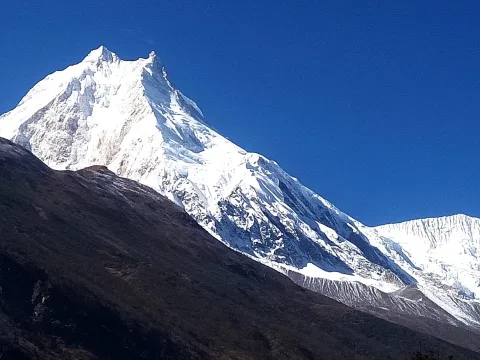
If you’re preparing for the Manaslu Circuit Trek, you need a solid cardiovascular foundation. There’s no way around it—high-altitude trekking pushes your lungs and heart, especially once you’re above 3,000 meters and the air thins out. The better your cardio, the easier you’ll breathe, the less tired you’ll feel, and the more you’ll enjoy the trek. So, start early. Make aerobic workouts a regular part of your routine right from the beginning.
Now, let’s talk about steady-state cardio. Long, moderate-paced walks or jogs—think 45 to 60 minutes—are perfect for building that base. Not a fan of running? Cycling and swimming work too, and they’re easier on your joints. Aim for three to five sessions a week. Over time, your body learns to handle those long days moving around Mount Manaslu.
Here, don’t stop there. Mix in interval training to really challenge your cardiovascular system. Go hard for a few minutes—run or hike uphill—then slow down to recover. Repeat. Try adding hill repeats to mimic the steep climbs you’ll face, especially near places like Samagaun. These intervals jumpstart your VO2 max, so you can handle those tough sections without falling behind.
Now, nothing replaces time on your feet. Get used to hiking for hours, pack on your back, especially on hilly terrain. Start with a couple of hours, then push for full-day outings as you get stronger. But don’t go overboard—rest days matter just as much. Pay attention to your heart rate, so you know when to back off and when to push a little more. This kind of training gets your body ready for the day-after-day grind of the actual trek.
And don’t forget your breathing. Practice deep diaphragmatic breaths or try pranayama techniques. Work them into your workouts. You’ll train your lungs to pull in more air, which helps you acclimatize when you’re tackling Larkya La Pass. Better breathing means better endurance up in the clouds.
Details key cardiovascular exercises for high-altitude endurance in Manaslu Circuit Trek preparation :
To sum up, building a solid cardio base sets you up for real success on the Manaslu Circuit Trek, especially when it comes to handling the altitude. Stick with a steady, progressive routine for 12 to 16 weeks—give it time. Track your progress as you go. And don’t forget to stay on top of hydration; it matters more than you might think. With this kind of preparation, you’ll feel strong and ready when you hit the trails in Nepal’s Himalayas.
If you want to handle the Manaslu Circuit Trek—especially the tough climbs and tricky descents—strength training isn’t optional. You need strong legs and a solid core to power up those steep sections, keep your balance on rocky paths, and stay steady all the way to Larkya La Pass at 5,106 meters. It’s not just about muscle; it’s about real, trail-ready strength and stability.
Start with big, compound movements. Squats are your best friend here. They build up your quads and glutes, which you’ll rely on for every single uphill push. Mix it up—bodyweight, goblet squats, or even add a barbell if you’ve got one. Go for 3 sets of 10 to 15 reps. This kind of work gives you the power you’ll need around places like Deng, where the trail really starts to kick up.
Herem don’t skip lunges, either. They’re great for single-leg strength—think about all those uneven, rocky steps you’ll face. Forward lunges, reverse lunges, or walking lunges with some weight all help. Lunges also improve hip stability, which is huge when you’re tackling those steep sections up to Lho.
Moreover, step-ups are another must. Grab a sturdy bench or box and step up and down, just like you’ll be doing on the trail. Add weight to mimic carrying your pack. Slow things down on the way back down to build control for descents, especially as you gain elevation towards places like Dharamsala.
And don’t ignore your core. Planks—hold for 30 to 60 seconds—keep your posture strong through long days of hiking. Throw in some side planks to hit your obliques, and deadlifts to strengthen your whole backside. A strong core eases the strain on your lower back, especially on those relentless backcountry trails.
Bottom line? Focus your training on these moves, and you’ll feel the difference when the real climbing begins.
| Exercise | Target Muscles | Sets/Reps | Benefits for Trek | Notes |
|---|---|---|
| Squats | Quads, Glutes, Hamstrings | 3 sets of 10-15 | Powers steep ascents to Namrung (2,660m) | Add backpack for progression. |
| Lunges (Forward/Reverse) | Quads, Glutes, Balance | 3 sets of 10 per leg | Handles uneven descents from Bhimthang (3,720m) | Walking variation for dynamic strength. |
| Step-Ups | Quads, Calves, Hip Flexors | 3 sets of 12 per leg | Mimics trail steps near Larkya La Pass (5,106m) | Use sturdy box; slow descent phase. |
| Planks/Side Planks | Core, Shoulders | 3 sets of 45-60 sec | Maintains posture on rocky paths | Add variations like mountain climbers. |
| Calf Raises | Calves | 3 sets of 15-20 | Supports uphill push and downhill control | Perform single-leg for intensity. |
In conclusion, strength training gets you ready for those tough climbs and tricky descents on the Manaslu Circuit Trek. Aim for two or three sessions each week, and keep pushing yourself a little more every time. Don’t skip recovery stretches—your muscles will thank you. In the end, all this effort pays off, and you’ll have the strength and resilience to really enjoy the adventure.
Meanwhile, weighted backpack training does wonders for prepping you for the Manaslu Circuit Trek. Think about it—on the trek, you’ll haul 8 to 12 kilograms every day over rough trails. If you train with a loaded pack, you’re not just building general strength; you’re toughening up the exact muscles you’ll use and getting used to those constant ups and downs. Start slow—grab a backpack, toss in about 5 kilograms, and go for short walks. As you get stronger, add more weight and stretch out your hikes. It’s all about easing in so you don’t hurt yourself.
Here, pay attention to your posture while you’re at it. Good form now saves you pain later, especially as you move from lower spots like Machha Khola (870m) up to those high mountain villages. Weighted hikes aren’t just about strength, either—they push your heart and lungs, and they help your legs handle steep climbs and tricky descents. When you practice going uphill and, just as importantly, walking downhill slowly with weight, you’re training your quads for the long, slow drops—like the descent from Bhimthang (3,720m).
Likewise, hiking with a loaded pack also sharpens your balance and works your core, which you’ll need for those uneven Himalayan trails. Get off the flat roads and find hills, stairs, or rough paths. Trekking poles help, too, especially on rocky sections. You’ll notice you tire less easily, especially when you reach places like Samagaun (3,530m), where the altitude starts to bite.
The best part? You don’t need fancy gear. A tough daypack runs about $50 to $100. Fill it with water bottles or books—whatever’s handy. Train outside wherever you can. You get a huge return on a small investment, and you’ll walk into the Manaslu Circuit Trek ready for whatever the trail throws at you.
Highlights key weighted backpack training guidelines for mimicking real trek conditions :
In summary, weighted backpack training changes the game. It gets your body ready for the real thing by letting you feel what the trek actually demands. You build the kind of resilience you need for the 177km Manaslu Circuit. Just make it part of your regular routine, and don’t forget to mix in some cardio to keep things balanced. This way, you’ll hit Larkya La Pass at 5,106 meters feeling strong and ready to take it on.
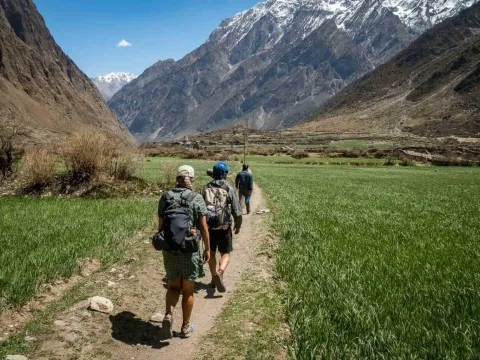
If you’re training for the Manaslu Circuit Trek, stair climbing and hill workouts are about as close as you can get to the real thing. These workouts mimic the constant ups and downs you’ll face, especially on those steep climbs up to Larkya La Pass at 5,106 meters. You end up building serious leg power and stamina—exactly what you’ll need out there.
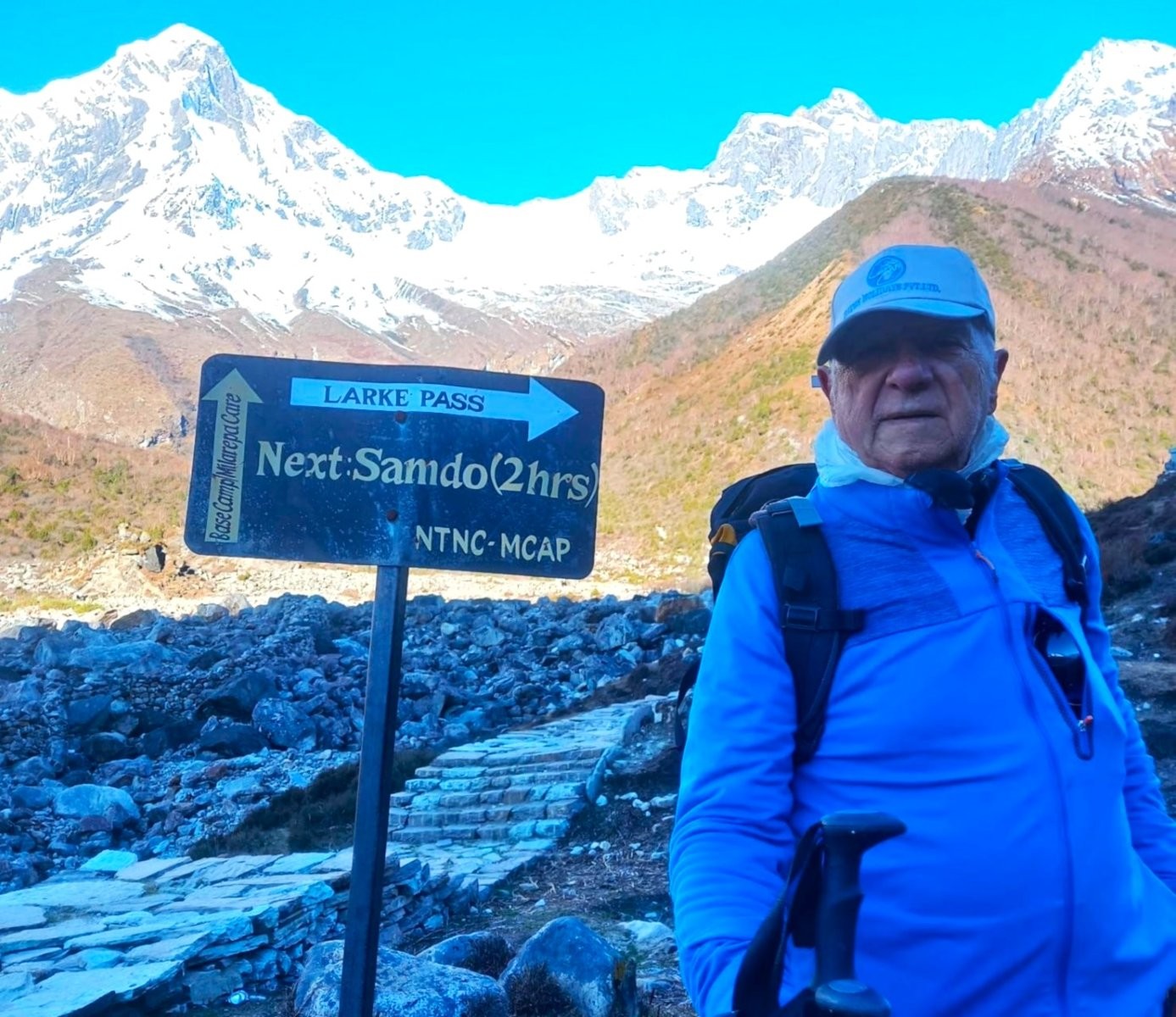
Start simple: climb stairs, whether it’s at a stadium or just the stairs in your building. Bring a light backpack to make it feel more like the trek. Keep a steady pace instead of sprinting; it’s not about speed but about lasting through those long uphill stretches to places like Lho and beyond.
Actually, hill workouts push your endurance even further. Find a local hill or trail and do repeats—go up, walk back down, and go again. Mix in some uphill sprints, then walk to catch your breath. Focus on strong, purposeful steps. This kind of training gets you ready for those relentless elevation gains heading toward spots like Dharamsala at 4,460 meters.
Likewise, don’t forget about going downhill. Slow, controlled descents build the muscle control you need to keep your knees safe—rushing down is a recipe for strain. Try adding lunges on slopes for extra strength. Balancing both the climbs and descents gets your legs ready for the long way down from Larkya La Pass.
Best part? You don’t need fancy equipment. Public stairs, park trails, a backpack, maybe an app to track your progress—that’s it. Throw in some added weight when you feel ready. It’s a straightforward, cost-effective way to prep for the real Himalayan challenge.
| Week | Workout Type | Duration/Sessions | Intensity/Details | Benefits for Trek |
| 1-4 | Basic Stair Climbing | 20-30 mins, 3x/week | 5-10 flights repeats; steady pace | Builds base leg strength for early ascents from Jagat (1,340m). |
| 5-8 | Hill Repeats | 45-60 mins, 3-4x/week | 4-6 hill climbs; walk down recovery | Simulates sustained inclines to Samagaun (3,530m). |
| 9-12 | Weighted Stair/Hill | 60-90 mins, 4x/week | Add 5-10kg pack; interval efforts | Prepares for loaded hikes and Larkya La Pass (5,106m) crossing. |
| 13-16 | Long Simulation | 2-4 hours, 2x/week | Full hill circuits or stair marathons | Mimics full trekking days with elevation changes. |
| Recovery | Active Rest | Light walks | 1-2 days/week | Prevents overuse injuries on rocky Himalayan trails. |
If you really want to get ready for the Manaslu Circuit Trek, nothing beats stair climbing and hill workouts. They push your strength and get you closer to what the Himalayan trails actually feel like. Make them a regular part of your routine, but pay attention to how your body responds and tweak things if you need to. Stick with this, and you'll feel stronger and more confident once you hit those remote trails in Nepal.
If you want to stay injury-free on the Manaslu Circuit Trek, flexibility and mobility aren’t just nice to have—they’re your best defense against rocky paths, steep drops, and all the wild terrain Nepal throws at you. Stretching and yoga aren’t just for relaxing after a long day. They actively protect you out there.
Actually, working on your flexibility and mobility helps you handle uneven ground without tweaking something. The trails keep throwing sudden climbs and tricky descents your way. If your muscles are tight, you feel every awkward step—and that’s how you get hurt. More range of motion means better balance, which is just what you need when the ground feels like it’s shifting under your feet. So, make stretching a daily habit. It keeps you safer, plain and simple.
Before you even lace up your boots, get your body ready. Dynamic stretches like leg swings and arm circles wake up your muscles and get the blood moving. Just five or ten minutes makes a big difference. Start every hike this way—your joints will thank you, especially on those early climbs up to places like Namrung.
After hiking, don’t just flop into your tent. Take a few minutes for static stretches—hold a hip flexor stretch for half a minute on each side, and don’t skip your hamstrings or calves. A little foam rolling works out the tight spots, too. These routines help your body bounce back, day after day.
Likewise, yoga really shines out here. Poses like downward dog and the warrior series build the kind of mobility you need for rough Himalayan trails. They even help your posture when that heavy pack starts to drag you down. If you ignore your mobility, your knees and ankles will let you know—usually the hard way. But with regular yoga, you boost your endurance, especially as you push toward Larkya La Pass.
Finally, don’t overlook mobility drills. Simple things like ankle circles and hip openers keep you moving well and cut your risk of overuse injuries, especially on those long descents from Bhimthang. Toss in a resistance band for a bit of strengthening—not fancy, but it works. And the best part? The gear’s cheap. A yoga mat or a few classes run about $20 to $50, and that small investment pays you back every single day on the trail.
Details essential flexibility and mobility exercises for Manaslu Circuit Trek on uneven terrain :
Most importantly, stay flexible and keep moving—that’s your best defense against injuries on the uneven paths of the Manaslu Circuit Trek. Stretch regularly, and pay attention to what your body’s telling you. Do this, and you’ll handle Nepal’s rugged trails with fewer aches and a lot more fun.
Here’s a practical look at how to train for the Manaslu Circuit Trek, no matter where you’re starting from—beginner, intermediate, or advanced. The trek itself is a serious challenge: 177 kilometers, with the Larkya La Pass topping out at 5,106 meters. You need a mix of cardio, strength, and flexibility to get ready for it. The trick is to match your plan to your current fitness level.
If you’re just getting started, you want to take things slow and steady. Give yourself 12 to 16 weeks. Aim for three or four days a week of moderate exercise, with plenty of time for rest so you don’t burn out. Once you’ve got a good routine, add in some walks with a lightly loaded pack. This builds the stamina you’ll need right from the start of the trek, down at Machha Khola (870m).
If you’re already active, step it up a notch. Four to five days a week of training is about right. Make sure you’re doing some hill work and going on longer hikes. Toss in some core strength exercises too—these help a ton when you’re tackling big elevation gains, like the climb up to Samagaun (3,530m).
Likewise, for people who are used to long treks or tough workouts, now’s the time to push yourself. Five or six days a week, with high-intensity sessions and days where you mimic full trek distances. Don’t skip active recovery—it’s just as important as the hard work. This kind of training really gets you ready for the toughest section: Larkya La Pass at 5,106 meters.
No matter your level, don’t ignore flexibility and rest days. They help keep you balanced and injury-free. Gear doesn’t have to break the bank, either—good shoes and basic equipment usually cost less than $200. Keep a training journal to track what’s working and tweak your plan as you go. Customizing your schedule like this gives you the best shot at a strong, successful trek.
| Day | Beginner (3-4 days/week) | Intermediate (4-5 days/week) | Advanced (5-6 days/week) |
|---|---|---|
| Monday | 30-45 min brisk walk + stretches | 60 min jog/hill walk + strength (squats, lunges) | 90 min weighted hike + intervals. |
| Tuesday | Rest or light yoga (20 min) | Core & flexibility session (planks, yoga) | Strength training (deadlifts, step-ups) + mobility. |
| Wednesday | 45 min cycling/swim + dynamic stretches | 75 min stair climbing with pack | Long hike simulation (3-4 hrs, 10kg pack). |
| Thursday | Rest | 60 min interval run + calf raises | Hill repeats + weighted backpack (2 hrs). |
| Friday | 60 min easy hike (flat/light pack) | 90 min trail walk + core work | Full-body strength + yoga for recovery. |
| Saturday | Rest or active recovery walk | Long weighted hike (3-4 hrs) | Long endurance hike (5-6 hrs, elevation focus). |
| Sunday | Full rest | Rest or light mobility | Active recovery (easy walk, stretching). |
So, here’s the thing—weekly training schedules really do work for all kinds of fitness levels. They help you build up the strength and stamina you need for the Manaslu Circuit Trek. Stick with it and push yourself a little more each week. If you’re unsure about anything, talk to a pro. The right plan sets you up for a great trek in the Himalayas.
Here’s how to train smart for the Manaslu Circuit Trek—a tough 177km route that takes you up to Larkya La Pass at 5,106 meters. Over 12 weeks, you’ll build real endurance and strength. This isn’t just about grinding through miles; it’s a step-by-step plan that keeps you moving forward, gets your body ready for altitude, and helps you avoid injuries.
Here, start with weeks 1-4. This is all about building a solid base. Get out for brisk walks or easy jogs. Mix in some basic bodyweight moves, like squats and push-ups. Don’t skip daily stretching—it keeps you loose and helps prepare your muscles for what’s ahead. The real goal here? Consistency. You want your body to get used to regular movement, so high altitude doesn’t knock you flat.
Actually, weeks 5-8, things pick up a bit. Bump your sessions up to an hour or even 90 minutes. Find some hills and tackle them with a light backpack. Twice a week, do lunges and step-ups—these make a huge difference when you’re slogging uphill to places like Namrung (2,660m).
Now, weeks 9-12—the final push. Go for long hikes with a heavier pack (8-12kg), and do them on back-to-back days when you can. Mix in interval training to boost your stamina and power. Try to mimic a real trek day, focusing on both distance and elevation gain. In the last week, ease off a bit. Let your body recover so you’re fresh for the real thing.
Additionally, don’t forget rest days—active recovery is just as important as hard work. Track your progress. Pay attention to distance, heart rate, and how you’re feeling overall. Adjust things to suit your fitness level. Stick with the plan, and you’ll line up at the start of Larkya La Pass ready for anything.
| Weeks | Phase | Primary Focus | Key Activities | Weekly Structure | Notes |
|---|---|---|
| 1-4 | Foundation Building | Cardiovascular Base | Brisk walking/jogging 30-45 min, 4x/week; basic squats/lunges 2x/week; stretching daily | 3-4 cardio days, 2 strength, rest | Build habit; aim for consistency over intensity. |
| 5-8 | Strength & Endurance Development | Muscular Power & Loaded Hikes | Hill/stair climbing 60-75 min, 4-5x/week; weighted walks (5-8kg) 2x/week; core planks | Add inclines; increase duration 10% weekly | Prepare for steep sections near Samagaun (3,530m). |
| 9-12 | Peak Simulation & Taper | Trek-Specific Conditioning | Long hikes 4-6 hrs with 8-12kg pack, 2-3x/week; back-to-back days; intervals | Simulate full days; taper last 7-10 days | Mimic real conditions from Dharamsala (4,460m) to pass. |
Here’s the deal: this 12-week training plan really gets you ready for the Manaslu Circuit Trek. It doesn’t just throw you in the deep end—it ramps up week by week, starting easy and building up to the tough stuff. Stick with every part of it, and don’t forget to pay attention to what you eat along the way. Put it all together, and you’ll show up at the trail feeling strong and ready for anything that trek throws at you.
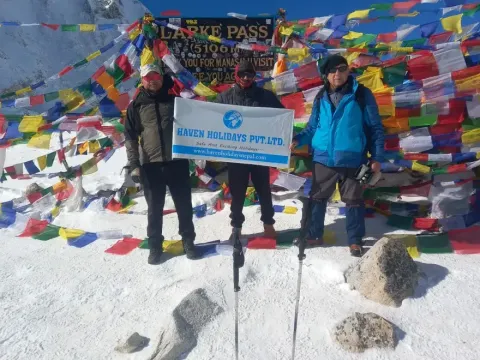
If you’re gearing up for the Manaslu Circuit Trek, what you eat, drink, and how you recover really matters. Eating right gives you the energy you need for tough workouts, drinking enough keeps you from crashing, and good recovery helps your muscles bounce back. Make these habits part of your daily routine.
When you’re training, carbs are your friend. Get about 60-70% of your calories from carbs—think oats, rice, or potatoes. Don’t skip out on lean proteins either; your muscles will thank you after long hikes and strength sessions. Instead of three big meals, go for smaller, frequent ones. It keeps your energy steady and helps you power through longer training hikes.
Actually, staying hydrated is just as important, especially when you’re preparing for high altitude. Aim for 3-4 liters of water every day, and add electrolytes to the mix. Check your urine color—it’s a simple way to see if you’re on track. During intense workouts, sports drinks can help replace what you lose in sweat. Keep this up, and you lower your chances of altitude sickness.
Likewise, recovery isn’t just about sleep, but that’s a big part—try for 7 to 9 hours each night. Mix in active recovery like easy walks on your rest days, and use a foam roller to loosen up tight muscles. These habits help you adapt faster and get you ready for the challenge of crossing Larkya La Pass at 5,106 meters.
If you notice gaps in your nutrition, supplements can help. Iron-rich foods or a basic multivitamin work for most folks. Berries and other anti-inflammatory foods are a smart addition, too. You don’t need to break the bank—basic supplements usually run under $50 a month. In the end, a balanced approach really boosts your results and helps you handle the demands of the trek.
Key nutrition, hydration, and recovery tips for Manaslu Circuit Trek preparation :
In conclusion, nutrition, hydration, and recovery tips form the backbone of successful preparation. They fuel body demands effectively. Therefore, apply them consistently. Additionally, adjust based on personal response. Ultimately, this ensures strong performance on the Manaslu Circuit Trek.
Actually, getting your mind ready for the Manaslu Circuit Trek matters just as much as physical training. You need real grit to face those long days and the thin air above 4,000 meters. When you’re tired, cold, or the weather turns on you, mental toughness keeps you moving. Don’t just train your legs—train your head, too.
One of the best ways to get tough? Visualization. Spend some time picturing yourself reaching Samagaun at 3,530 meters, or pushing through that last climb to Larkya La Pass at 5,106 meters. Imagine what it feels like to be exhausted, but still take the next step. When you rehearse these moments in your mind, you’re less likely to freeze up when they hit for real.
Likewise, breathing and mindfulness help a lot, too. Practice deep breathing—let your belly rise and fall, not just your chest. Try the 4-7-8 method when stress creeps in. Short meditation sessions can make you more patient, which you’ll need when acclimatization slows you down and the trail feels endless.
Similarly, don’t underestimate positive self-talk. Simple reminders like, “I’m strong and capable,” actually work. Break each day into smaller goals, and celebrate each one you hit. This keeps your spirits up, even when you’re grinding it out from Machha Khola onward.
More importantly, know what you’re getting into. Study the route—look at the elevation profiles, plan for rest days, and accept that sometimes you’ll need to wait or slow down. Solitude is part of the trip, too, so learn to embrace it. The more you know and accept, the less likely you’ll get thrown off by surprises or setbacks. That’s real mental preparation.
Key mental preparation techniques for building resilience on Manaslu Circuit Trek :
In summary, mental preparation gives trekkers the grit they need to handle long days and tough altitude. What once felt like a huge obstacle starts feeling doable. Start working on your mindset early, and don’t forget to get your body ready too. In the end, a strong mind is what really carries you to the finish line on the Manaslu Circuit Trek.
Here, let’s talk about the mistakes people keep making when they train for the Manaslu Circuit Trek—stuff like overtraining, ignoring acclimatization, or choosing the wrong gear for a high-altitude trek in Nepal. If you want to actually enjoy this journey, you need to sidestep these traps.
First of all, don’t try to rush your progress. People get impatient and skip the slow buildup, but that’s how you burn out or get injured. Stick with a steady, gradual routine. Jumping ahead or skipping the basics always backfires. Spot these issues early, and you’ll save yourself a lot of pain—literally.
Actually, overtraining is a big one. It’s tempting to push hard every day, but if you don’t give yourself proper rest, you end up exhausted and stuck. Your body needs time to recover, so make sure you actually schedule weekly rest days. A balanced plan keeps you moving forward without setbacks.
Another mistake? Ignoring altitude training. If you only train at sea level or forget to add in elevation and weighted hikes, you’re setting yourself up for a rough time on Larkya La Pass (5,106m). Add hill workouts and carry a loaded pack from time to time—your body needs to know what’s coming.
Likewise, gear mistakes can also ruin your trek before you even get going. Breaking in new boots on the trail is just asking for blisters. Try your gear—boots and pack included—on long walks before the trek. You don’t want to hit Samagaun (3,530m) and realize your stuff doesn’t actually work for you.
And don’t ignore what you eat and drink. Cutting corners on carbs or skipping water leads to energy crashes. Forgetting electrolytes just makes it worse. Make nutrition and hydration a real part of your training if you want to feel strong all the way through.
Basically, train smart, listen to your body, and don’t let these avoidable mistakes trip you up.
| Mistake | Description | Why It Hurts Manaslu Prep | How to Avoid |
|---|---|---|
| Overtraining | Excessive sessions without rest | Leads to injury, burnout before trek | Schedule 1-2 rest days/week; listen to body |
| No Altitude Simulation | Flat training only | Poor adaptation to high elevations like Dharamsala (4,460m) | Add stairs/hills; use weighted packs progressively. |
| Untested Gear | New equipment on trek | Blisters, discomfort from Jagat (1,340m) onward | Break in boots, test pack loads on hikes. |
| Inadequate Nutrition | Skipping balanced meals | Low energy for endurance building | Eat carbs/protein; hydrate with electrolytes. |
| Rushing Progression | Jumping intensity too fast | Strains muscles for steep descents to Bhimthang (3,720m) | Increase load/distance 10% weekly max. |
Wrapping things up: avoiding the usual mistakes really makes your Manaslu training smoother. When you notice what’s going wrong and fix it, you actually move forward. Use what you’ve learned here, stick with it, and ask for help if you need it. Solid prep means you end up with a safer, way more enjoyable Manaslu Circuit Trek.
Here, let’s make sure you’re actually ready for the Manaslu Circuit Trek. This isn’t a stroll in the park — you’re heading into Nepal’s wild side for 177 kilometers, climbing up to Larkya La Pass at 5,106 meters. You’ve got to cover all your bases: fitness, gear, permits, health. It’s about staying safe and giving yourself the best shot at a great trip.
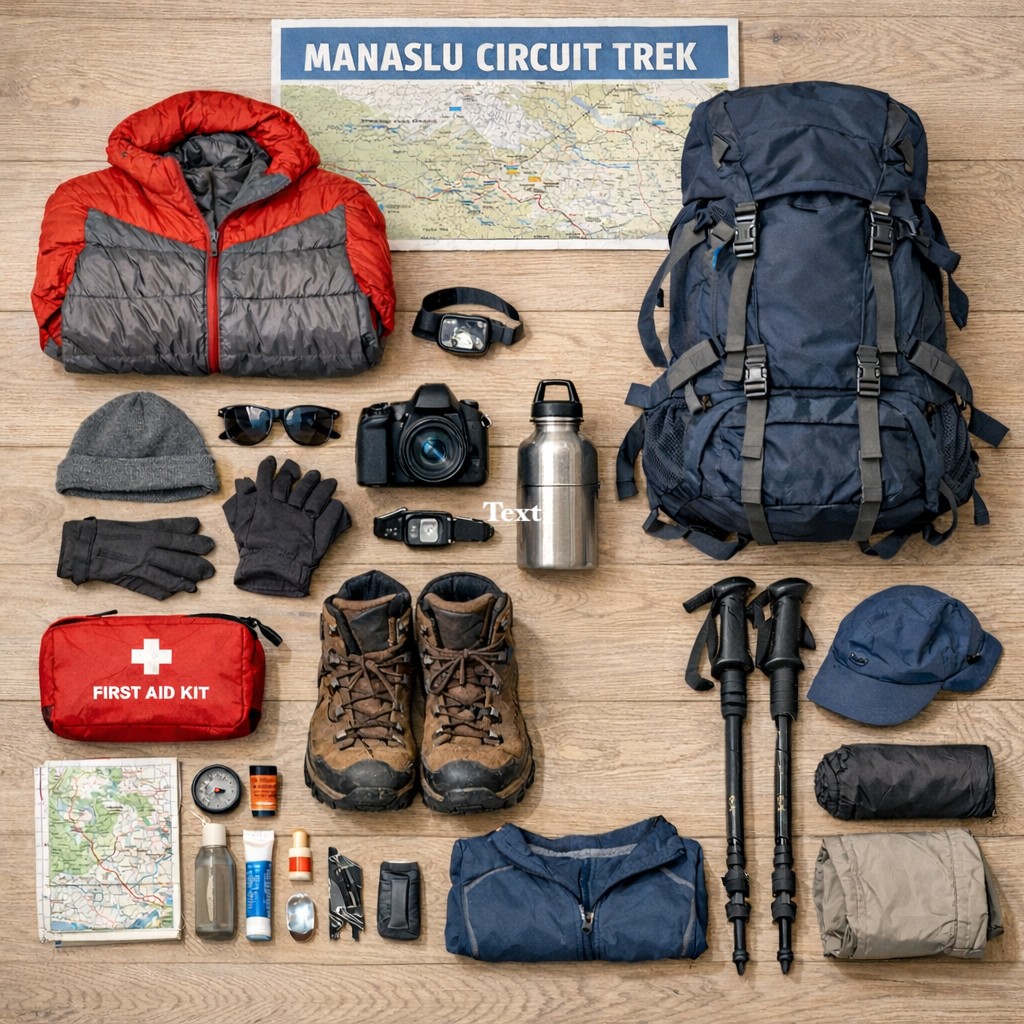
First up: fitness. Be honest with yourself. Have you spent the last 12 to 16 weeks training? You should be able to hike with a loaded pack (8-12kg) for 6 to 8 hours a day. Try some steep hills to test your legs and lungs. If you can handle that, you’re on track.
Next, gear. Don’t just pack — check everything. Make sure your boots are broken in. Bring warm clothes and a sleeping bag that handles -10°C without a problem. Don’t forget rain gear, a headlamp, and a solid first-aid kit. Try on your backpack fully loaded. Adjust your trekking poles. You want gear that works, from Machha Khola at 870 meters all the way up to the high passes. Nothing ruins a trek like a busted zipper or blisters from new boots.
Likewise, permits and paperwork are a must. You need the Manaslu Restricted Area Permit, Annapurna Conservation Area Permit, and a TIMS card. Miss one, and you’re not getting past the checkpoints — end of story. Line up a licensed guide and porter too, since they’re required. Get this sorted before you go, so you don’t get stuck or turned back.
Finally, your health. See your doctor. Talk about altitude sickness and how to prevent it. Carry any meds you need, like Diamox if your doctor suggests it. Learn how to acclimatize — it’s not just about going slow, but knowing what to look out for. Taking care of your body is the best way to make it over Larkya La Pass and enjoy the whole journey.
Here, take this checklist seriously. It’s not just about making it to the end; it’s about enjoying every step and coming home safe.
The essential final checklist for Manaslu Circuit Trek readiness :
So, here’s the deal: this last checklist shows if you’re really ready for the Manaslu Circuit Trek. It looks at everything—your fitness, your gear, your permits, your health. Take a good, honest look and fix anything that’s missing. If you’re not sure, just ask someone who’s done the trek before. Once you’ve gone through it all, you’re set for an incredible—and safe—journey around Mount Manaslu (8,163m).
1. What Is the Manaslu Circuit Trek?
The Manaslu Circuit Trek is a walk around Mount Manaslu. It is 177 km. Goes through different types of landscapes. You will see Gurung and Tibetan villages. The trek also has a pass called Larke pass which is 5,106 m high. It needs preparation to complete it safely. You should do cardio and hill work to prepare for this adventure in the Himalayas.
2. How Difficult Is the Manaslu Circuit Trek?
This trek is 177 km long. You gain 10,000 m in elevation. You hike for 6-8 hours a day. Walk 10-20 km. The highest point is Larke pass which's 5,106 m. The trek is hard because of steep climbs and rocky ground. You also have to be careful about altitude sickness. You need to train to do this trek
3. Why Is Physical Preparation Important for Manaslu Circuit Trek?
Physical preparation is key to preventing injuries on trails. It also helps you endure days of walking. You are at risk of altitude sickness above 3500 m. So, preparation is crucial for safety and success. You need a heart and leg muscles to climb steep paths to Namrung and go down from Larke pass. Proper training makes the trek enjoyable.
4. How Long Should I Train for the Manaslu Circuit Trek?
You should train for 12-16 weeks. If you are new to trekking you should train for 16 weeks. If you are already fit 12 weeks is enough. You need to work on your endurance, strength and hill walking. This prepares you to cross Larke pass.
5. What Cardio Training Is Best for Manaslu Circuit Trek?
You need to build a heart. Do walking, jogging, cycling or swimming for 45-90 minutes 4-5 days a week. Interval training and walking with a pack also help. This prepares you for walking at altitudes. You will be ready for the day over Larke pass, on the Manaslu Circuit Trek.
6. Which Strength Exercises Help for Manaslu Trek Ascents and Descents?
You should do squats, lunges, step-ups, planks and calf raises. Do 3 sets of 10-15 reps of each exercise. These exercises will help make your legs, core and glutes strong. This is important for ascents and rocky descents on the Manaslu Trek. When you do these exercises wear a backpack that weighs 10-15 kg. This will help you get used to carrying a backpack on the trail. It will also help you prepare for sections leading to and from Larke pass.
7. How Does Stair Climbing Prepare for Manaslu Circuit Trek?
Stair climbing and hill repeats are ways to prepare for the Manaslu Circuit Trek. They help you get used to inclines and uneven terrain. You should do stair climbing and hill workouts for 20-60 minutes. Wear a backpack when you do these workouts. This will help you build leg power and endurance. You will need this to climb to Larke pass and do ascents on the trek.
8. Why Is Flexibility and Mobility Training Important for Manaslu Trek?
Flexibility and mobility training can help prevent injuries on the Manaslu Trek. The trails can be rocky and uneven. There are also suspension bridges on the trek. You should do yoga and stretching exercises to stay flexible. This will help you move easily on descents. You should do these exercises every day. This is part of your 12–16-week training plan. It will help you stay agile on the 177 km trek. This is especially important around passes like Larke pass.
9. What Is a Sample Weekly Training Schedule for Manaslu Trek?
Here is a sample weekly schedule. It includes 3-4 cardio days. You should also do 2 strength sessions. Add 1-2 hill or stair workouts. You need rest or yoga too. If you are a beginner focus on building your fitness base. If you are advanced do hikes. This balanced approach will help you prepare for the demands of the Manaslu Trek. It will also help you prepare for Larke pass.
10. Can You Share a 12-Week Training Plan for Manaslu Circuit Trek?
The 12-week training plan starts with a foundation phase. You will build your cardio base. Then you will move to strength and hill work. This is weeks 5-8. Finally, you will peak with endurance hikes. This is weeks 9-12. Follow the plan. Gradually increase the weight of your backpack. Also increase the duration of your hikes. This will help you handle the elevation of the trek. It will also help you cross Larke pass safely.
11. What Nutrition and Hydration Tips Help During Manaslu Training?
To stay energized during Manaslu training focus on eating a mix of carbohydrates, proteins and healthy fats. Drink plenty of water aim for 3-4 liters every day when you're working out. After training have a recovery meal. Consider using electrolytes to replenish what’s lost. When you're on hikes practice eating to get your body used to having sustained energy. This is especially important for the 177 km Manaslu route that goes up to Larke pass.
12. How to Prepare Mentally for the Manaslu Circuit Trek?
Mental preparation is key for the Manaslu Circuit Trek. Build your resilience by going on training hikes and imagining yourself tackling tough days. Learn mindfulness and practice self-talk to deal with altitude challenges and fatigue. Try simulating -day efforts to develop the grit you need for the remote sections of the trek and the high crossing of Larke pass.
13. What Are Common Mistakes to Avoid in Manaslu Training?
There are common mistakes to avoid when training for Manaslu. Don't skip rest days as they are crucial for recovery. Make sure to include strength training and hill training in your regimen. Avoid increasing your training intensity quickly as this can lead to injury. Train progressively over a period of 12-16 weeks. Include mobility exercises to prepare safely for the steep terrain around Larke pass.
14. How Can Solo Trekkers Join the Manaslu Circuit Trek in 2026?
If you're planning to trek solo in 2026, you'll be happy to know that Nepal has changed its rules. Previously you needed to be part of a group of least two trekkers. Now a single trekker can obtain a Manaslu Restricted Area Permit. However, you must book through a registered trekking agency. Trek with a licensed guide. Unfortunately, independent trekking without a guide is still not allowed.
15. What Permits Are Needed for Manaslu Circuit Trek in 2026?
For the Manaslu Circuit Trek in 2026 you'll need permits. These include the Manaslu Restricted Area Permit, which's now accessible to solo trekkers, the Manaslu Conservation Area Permit, the Annapurna Conservation Area Permit. All these permits must be arranged through a registered agency. You must trek with a licensed guide. Make sure you're physically prepared for the trek by following a training plan, which will help you tackle the route, to Larke pass.
16. Is a Guide Mandatory for Manaslu Circuit Trek?
Yes, you need a guide for the Manaslu Circuit Trek. You have to book your trip with a registered trekking agency. The guide will make sure you are safe on the trip. They will help you get ready for the parts of the trip like crossing Larke pass.
17. Can Beginners Successfully Complete Manaslu Circuit Trek with Training?
Yes, a beginner can do the Manaslu Circuit Trek if they train for it. You need to train for 16 weeks to get your body ready. You should start with workouts and then do harder ones. You need to focus on getting your heart strong and your legs ready for climbing stairs. If you follow a plan, you can make it to Larke pass.
18. How to Simulate Himalayan Terrain in Training for Manaslu?
You can get ready by climbing stairs and walking on hills with a backpack. This will help your legs get strong. You should also walk on trails to get used to them. Start with workouts and then do harder ones over 12 weeks. This will help you get ready for the paths and the highest point of Larke pass 5,106 meters on the Manaslu Circuit Trek.
19. What Should Be in My Final Checklist Before Manaslu Circuit Trek?
You should make sure you have trained for 12 to 16 weeks. You should also try out your hiking gear on hikes. Make sure you are fit enough to climb to Larke pass which's 5,106 meters high on the Manaslu Circuit Trek. Confirm that you have booked your trip with a registered agency and a licensed guide.
20. Does the 2026 Rule Change Allow Completely Independent Trekking on Manaslu?
No, you cannot trek alone on the Manaslu Circuit Trek. Even though the rules changed in 2026 and now solo trekkers can get a permit you still need a guide. You have to book your trip with a registered agency. This is for your safety.
Our travel experts are ready to assist you with any questions.
Send us a message.Have a question before you book? Send your enquiry below and our travel experts will get back with the required information.