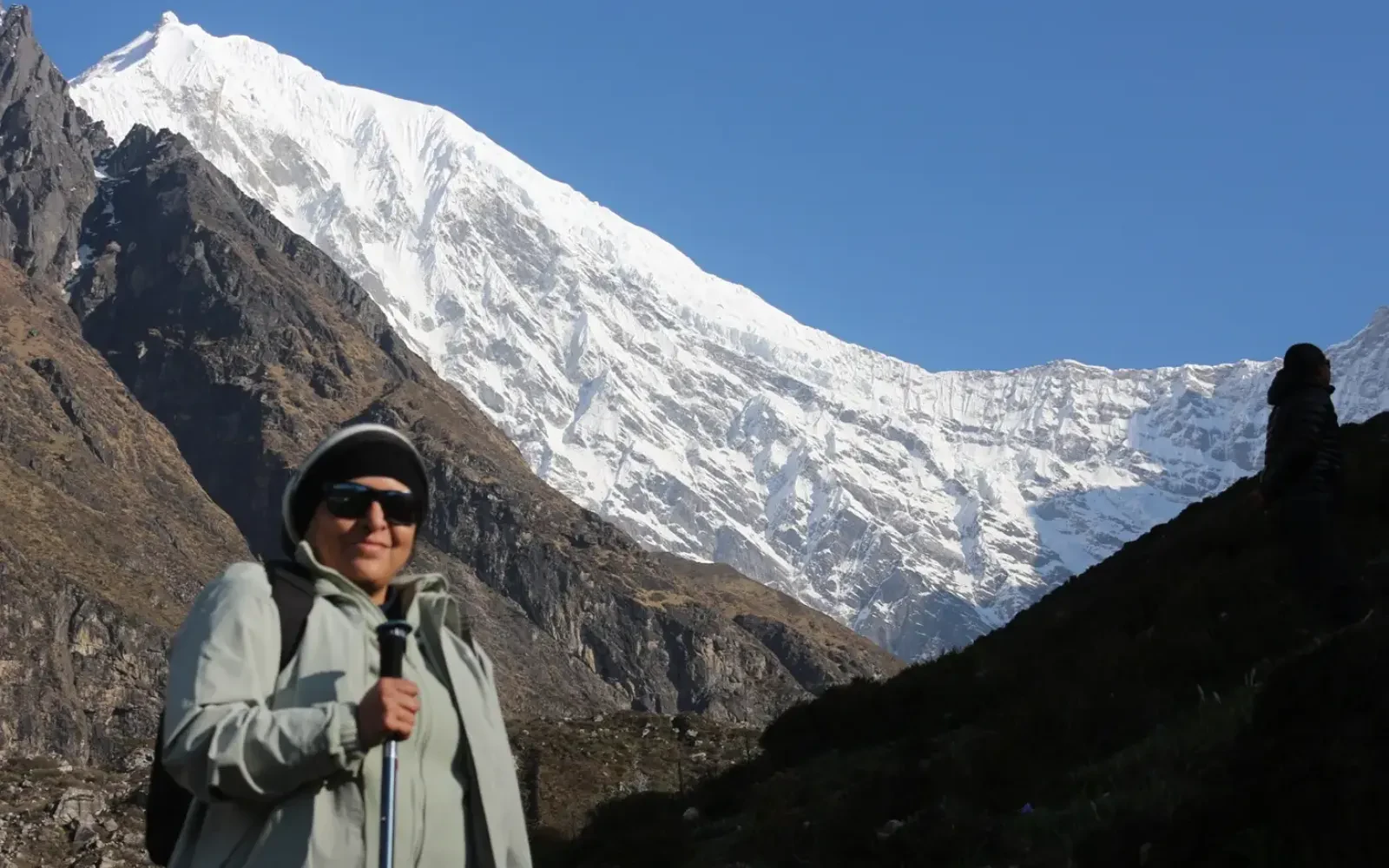
If you have asked yourself "Is solo female trekking in Nepal safe?" , you are not alone. Many women dream of walking the Himalayas but are hesitant to do it alone. Before my first trek, I had all the same questions. Would the trails be safe for solo female hikers? Would I feel comfortable in the mountainous tea houses? Would I be safe and welcomed as a solo female trekker? Fortunately, the reality was much better than my fears. Here is what I discovered about solo female trekking in Nepal.
Here, the short answer is yes, solo female trekking in Nepal is safe if you know what you are doing.
Likewise, many women from around the world come to trek in Nepal every year. The country has a long history of trekking, mountainous trails, and welcoming communities. This is why Nepal has become one of Asia’s premier destinations for solo female trekkers.
However, there are some important considerations when solo female trekking in Nepal.
Choose your trails wisely, know the local customs, be mindful of weather and other conditions, and take other common-sense precautions. Also, consider hiring a guide if you are unfamiliar with the area or need assistance at any time during your trek.
Importantly, this article will discuss everything you need to know about solo female trekking in Nepal, including security, culture, the best places to trek, accommodations, transportation, etiquette, and much more. It will also provide valuable information to women who want to have a safe and memorable solo female trekking experience in the Himalayas.
When it comes to the topic of Nepal solo female safety, there is much to consider. First and foremost, it is critical to distinguish between myths and reality.
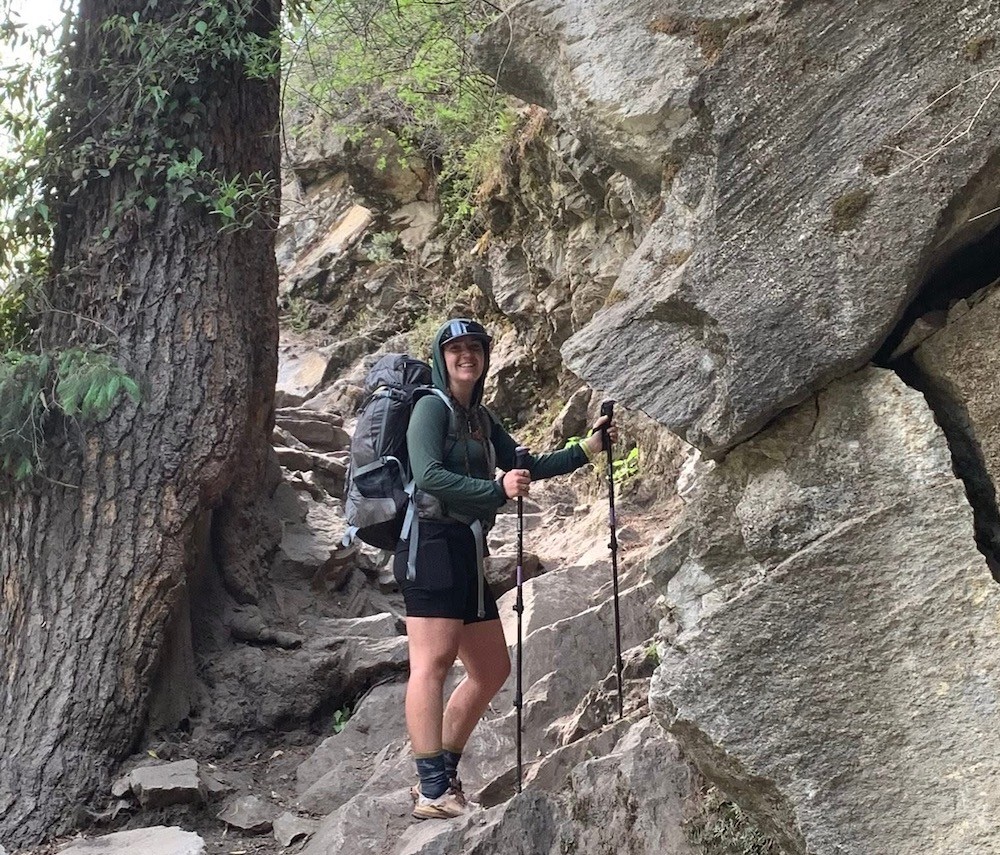
In fact, Nepal is one of South Asia’s most hospitable countries for international visitors. While there may be the occasional petty theft and scam, violent crime is uncommon. In fact, most solo female travelers report that Nepal is an extremely welcoming country for solo female hikers who take the necessary precautions.
| Location | General Safety | Notes |
|---|---|---|
| Kathmandu (Thamel) | Generally safe | Pickpocketing may occur in busy areas. |
| Pokhara (Lakeside) | Generally safe | Solo female travelers may feel safest in this region. |
| Popular Trekking Routes | Very safe | Most trails are well-trodden and full of other hikers. |
| Restricted Areas | Safe with a guide | Traveling in restricted areas requires permits and/or guides. |
Moreover, the trails themselves tend to be much safer than you might expect. In fact, most solo female trekkers report that they felt safest on the trails. Tea house owners, guides, porters, and other hikers are all friendly and welcoming, especially on popular routes such as the Annapurna Base Camp Trek, Ghorepani Poon Hill Trek, Langtang Valley Trek, and Everest Base Camp Trek.
Why Nepal is Safe for Solo Female Travelers ?
There are several reasons why many solo female hikers report that Nepal is one of the safest countries for solo female trekking:
Many solo female hikers have reported that they quickly befriended locals and other hikers along the trail.
While Nepal is generally quite safe for solo female trekkers, it is essential to understand that Nepal is a conservative country.
A few simple ways to avoid causing offense are:
In general, it is best to be mindful of local customs and traditions.
Other General Safety Tips for Solo Female Trekkers in Nepal,
Here are a few additional tips to ensure that your solo female trekking adventure in Nepal is as safe and enjoyable as possible:
The Bottom Line,
In summary, most solo female trekkers report that they felt safe and comfortable while trekking in Nepal. The country has an excellent reputation for solo female trekking and is home to some of the world’s most spectacular hiking trails. With a little preparation and research, solo female trekkers can have a safe and enjoyable solo female trekking experience in Nepal.
When it comes to trekking in the mountains, Nepal is one of the most woman-friendly countries for solo female trekkers. There is a combination of factors that contribute to a high level of comfort for women who are used to traveling alone and have little or no experience with trekking in faraway places.
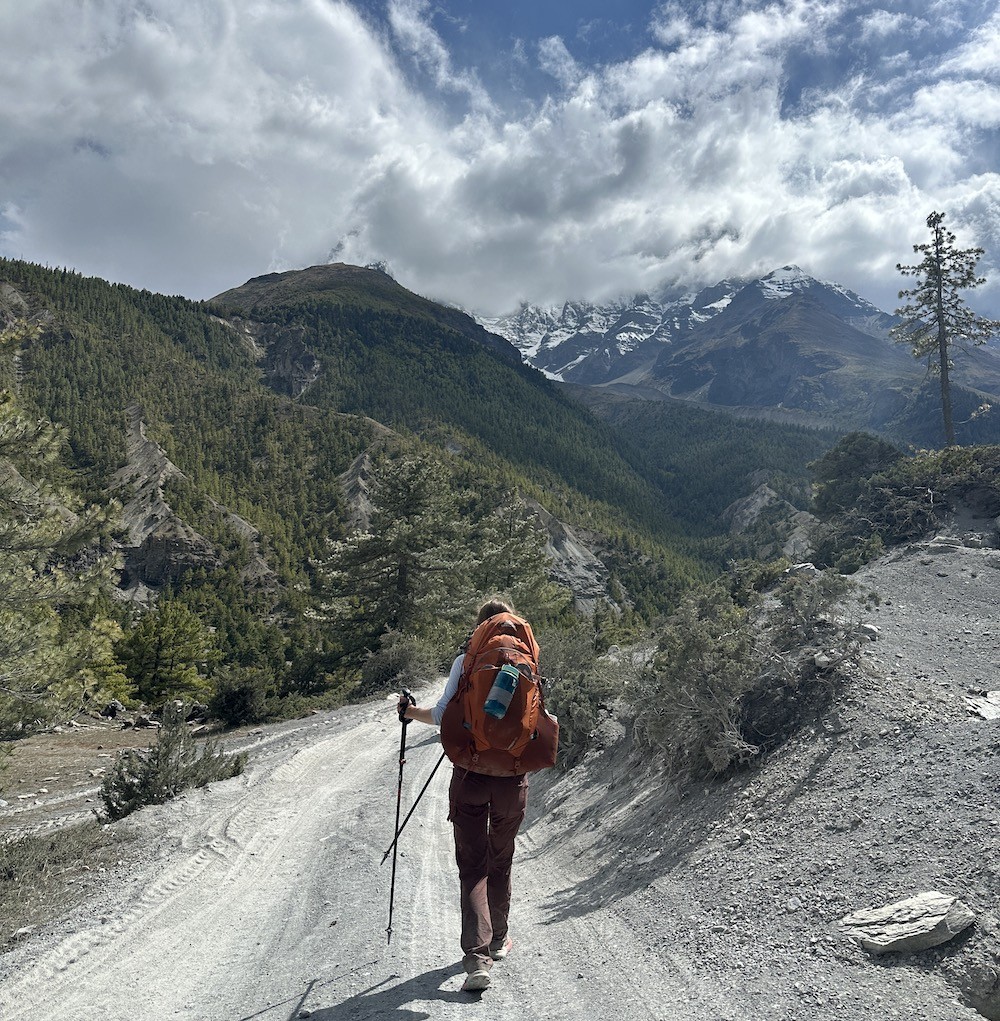
Of course, it is always necessary to be careful and follow certain guidelines, but Nepal has a reputation for making it easier for solo female trekkers to avoid trouble. One such plus is that unlike some less popular trekking destinations, many of Nepal’s most desirable hiking trails are dotted with tea houses and inhabited by people with years of experience in the area.
Below are the reasons why Nepal is a good idea if you are thinking of becoming a solo female trekker.
There are several reasons why Nepal is one of the most desirable countries for solo female trekkers.
When it comes to hospitality, Nepal is one of the best in the business. Even the most demanding visitor should experience friendliness, helpfulness, and a positive attitude from locals. They are willing to share everything, from accommodation to food, give advice, and help you get to places that might be inaccessible without them. The locals’ hospitality is an integral part of their culture, which is why most travelers, including solo female trekkers, keep returning.
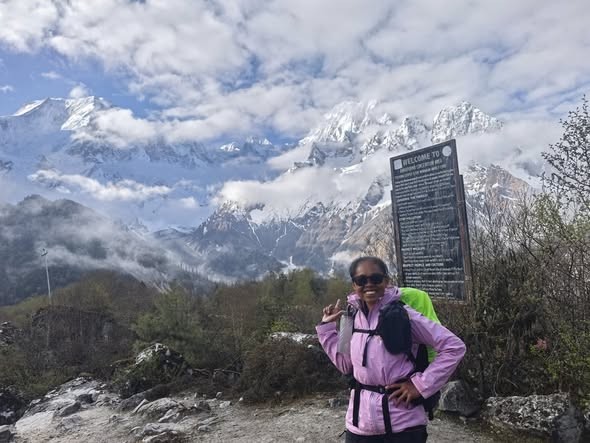
Nepal’s mountainous regions are largely dependent on tourism for survival. This dependency is reflected in the degree of effort that local people put into ensuring that their visitors have a comfortable and safe stay on their territory. Because of the importance of tourism to their economy, mountain residents go out of their way to accommodate every type of visitor. Consequently, you may be shocked by how attentive and considerate the locals can be.
Moreover, teahouse owners, guides, and mountain villagers are not only happy to help but also have a strong sense of collective responsibility. This environment is conducive to female trekkers, including those who want to explore on their own.
The good news for solo female trekkers is that Nepal’s high mountain trails are well-established and well-traveled throughout most seasons of the year. That is to say, they are safer for unaccompanied solo female hikers due to a few reasons:
There are plenty of other hikers on the trails.
When it comes to the teahouse system in Nepal, it serves multiple functions, among which are providing hikers with:
Another great thing about a teahouse is that it fosters a community feel, which can be very comforting for female hikers who may feel exposed or insecure. In fact, I saw several solo female trekkers who became good friends with each other after spending a night at the same teahouse. The whole atmosphere in the teahouse becomes festive once the sun sets and people start gathering around the dining-room stove.
Nepal has been welcoming foreign tourists for many years, and it has developed a unique culture of assisting solo female trekkers and ensuring their comfort and safety. Local guides, teahouse innkeepers, and residents are accustomed to seeing foreign women in their mountains and have learned to behave respectfully. This experience has helped them develop a set of customs designed to assist solo female hikers in their endeavor. Thus, the overall atmosphere in Nepal is conducive to solo female trekking.
In conclusion, while there is no doubt that hiking in the mountains of Nepal is not without its risks, this country will provide a degree of comfort and security for solo female trekkers that is not available in other mountainous destinations around the world.
You have probably heard about the guide-related regulations in Nepal – and you are right to be concerned if you are thinking about visiting this country while being unfamiliar with the details. The good news is that the mandatory guide rule is not as limiting as it sounds and actually helps solo female trekkers rather than puts them at a disadvantage. Below you will find answers to some questions regarding Nepal’s guide policy, along with an explanation of what it means for solo female trekkers.
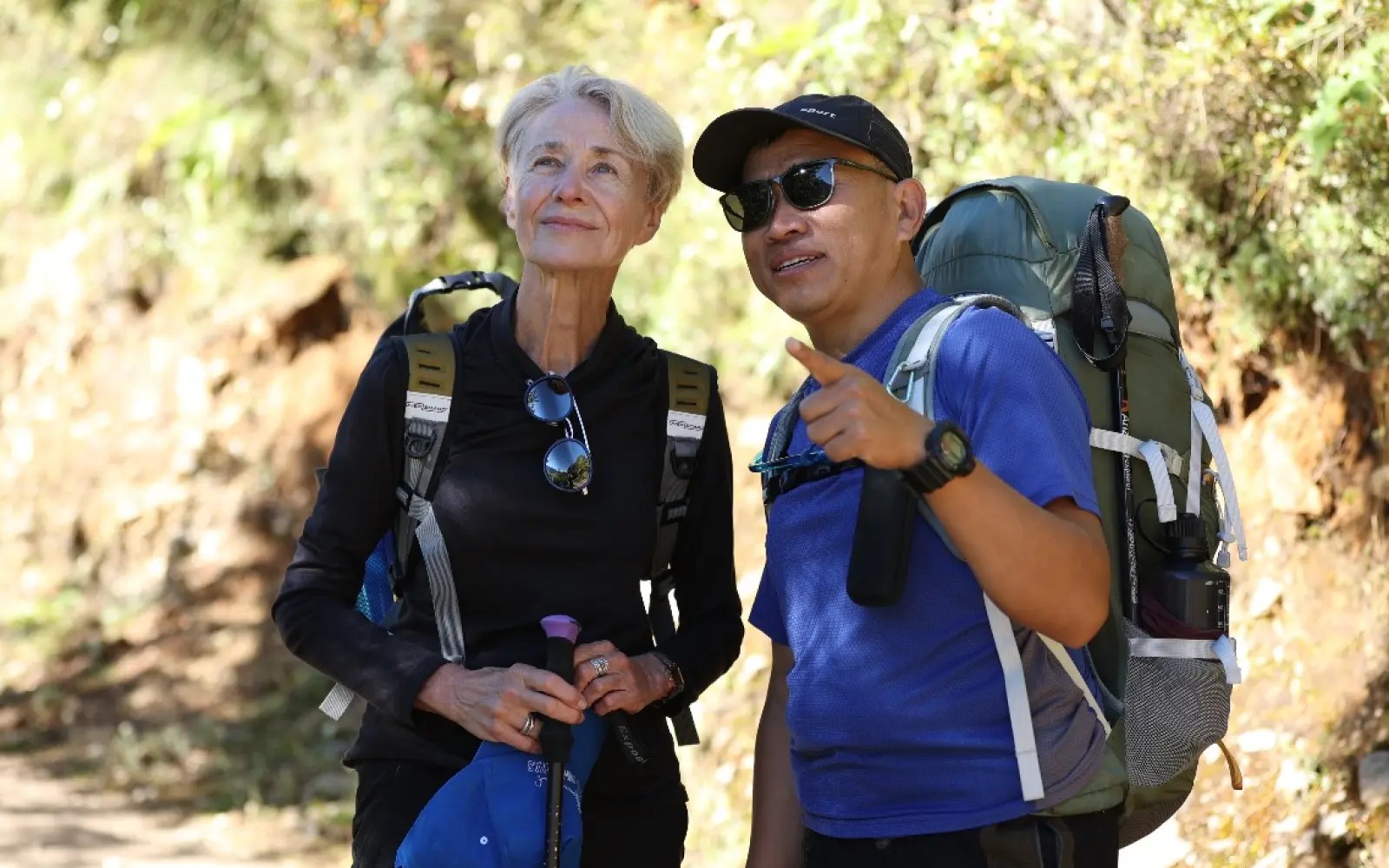
According to the Nepal Tourism Board (TIMS Card Information), a personal guide is mandatory to hire in order to get registered for most of the high-mountain trekking trails in Nepal. The rules regarding trekking guides in Nepal are applied differently depending on the region and the trail, and there has been some controversy over the guide rules in the past, so it is always a good idea to double-check the information with the local authorities before traveling to Nepal. If you are hiring a guide, always make sure to pick a local person with proper training and credentials. The most reliable option is to book through a local trekking agency.
What It Means for Solo Female Trekkers,
For solo female trekkers, a guide can be a blessing in disguise due to reasons listed below:
1. Having a Professional Guide Enhances Your Safety
A professional guide can show you the way and make sure that you are not lost. They are also likely to have greater knowledge in terms of local weather patterns, so there is less chance of getting caught in a storm. A guide can also help in case of emergency, for instance, by facilitating communication with local authorities if necessary, or by being able to take emergency measures to get you to safety. Overall, for a solo female trekker, having an experienced guide is a guarantee of safety.
2. Your Guide Will Help You with Practical Matters
A guide can assist you with a variety of practical matters, such as securing permits, making reservations, providing you with up-to-date information about the trail, etc. Your guide can also serve as an interpreter, which will prevent you from offending any local residents by accident. This will help you immensely on your journey, as you will not have to worry about practical matters. Most importantly, you will be able to devote your time to enjoying the scenery.
Can You Ask for a Female Guide?
Yes, that is an option if you want to hire a female trekking guide. Most trekking agencies are capable of providing you with a female trekking guide upon request, especially if you are hiking a well-known route. Female guides are in demand these days and are highly regarded by solo female trekkers.
If you are a solo female hiker thinking of visiting Nepal, you may want to ask for a female guide for the following reasons:
Here, it is important to note that it may take longer to find a female guide, as compared to a male one. Female guides are in short supply in Nepal, so if you want to hire a female guide, it is better to make the arrangements in advance. This way, you will secure a highly qualified female assistant who will help you with a variety of tasks.
The benefits of having a guide extend beyond the scope of safety and comfort. Having a guide can significantly enrich your travel experience, as they will be able to provide you with valuable information about:
More importantly, a guide may also help you connect with locals and facilitate communication with residents in the areas you pass through. Another benefit of having a guide is flexibility. If the weather conditions change or you feel that a certain route is too difficult, your guide will help you adjust the plans.
Therefore, for solo female trekkers, a guide is a valuable companion who will assist them in numerous ways beyond just providing safety.
When hiring a guide, make sure to do your due diligence. Your guide should:
In Conclusion,
Although it may seem that a solo female trekker visiting Nepal would not want a guide due to the guide-related costs and responsibilities, the opposite is true. The presence of an experienced guide will enable the solo female trekker to feel much safer and more confident while exploring the mountains of Nepal. A guide will also make the trip more memorable and unique by providing the traveler with valuable insights into the local culture. Remember that it is vital to find a competent guide, preferably recommended by a reputable local trekking agency. With a qualified guide, a female solo trekker can explore the mountains of Nepal with confidence.
If you are planning your first Himalayan trek, choosing the right route is one of the most crucial decisions you will make. Luckily, Nepal offers several popular trails that are well-prepared for solo female travelers. These routes provide a good balance of teahouse accommodation, professional local guides, moderate traffic, and overall tourism infrastructure.
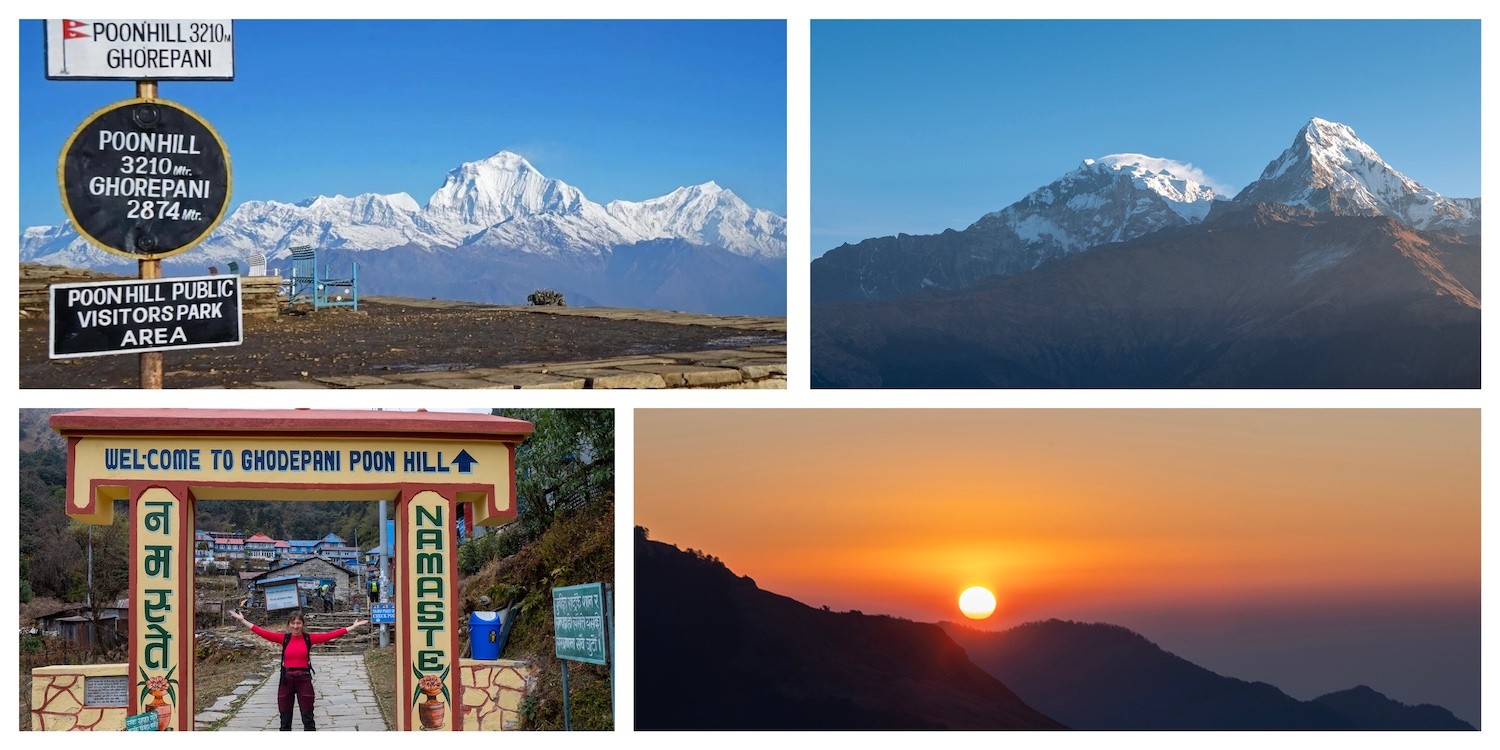
Of course, every trek requires some preparation, but the following routes are known to be the safest and most popular for solo female travelers.
| Trek | Duration | Max. Altitude | Crowds | Difficulty | Best For Solo Women |
|---|---|---|
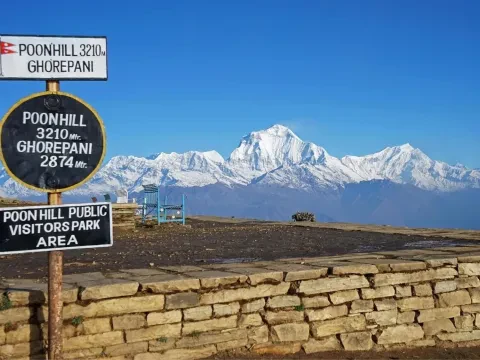
| Ghorepani Poon Hill Trek | 4-5 days | 3,210 m | Moderate | Easy-Moderate | ⭐⭐⭐⭐⭐ Excellent for beginners |
| Langtang Valley Trek | 7-10 days | 3,870 m (Kyanjin Gompa) | Moderate | Moderate| ⭐⭐⭐⭐⭐ Excellent |
| Annapurna Base Camp Trek | 7-12 days | 4,130 m | Moderate-High | Moderate | ⭐⭐⭐⭐ Very Good |
| Mardi Himal Trek| 4-6 days | 4,500 m (Upper Viewpoint) | Moderate | Moderate | ⭐⭐⭐⭐ Very Good |
| Everest Base Camp Trek | 12-14 days | 5,364 m | High | Moderate-Challenging | ⭐⭐⭐⭐ Very Good |
1. Ghorepani Poon Hill Trek
Ghorepani Poon Hill trek is one of the safest trekking routes for solo female travelers
Reasons:
This trek is perfect for first-time Himalayan trekkers who want to explore the high-altitude trails before attempting more challenging routes.
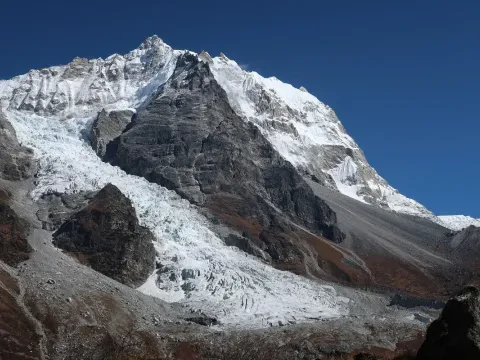
2. Langtang Valley Trek
Langtang Valley trek is famous for its mountain views and rich Tamang culture.
Highlights:
Many solo female trekkers recommend this trail for its peaceful atmosphere while still providing opportunities to meet other travellers.
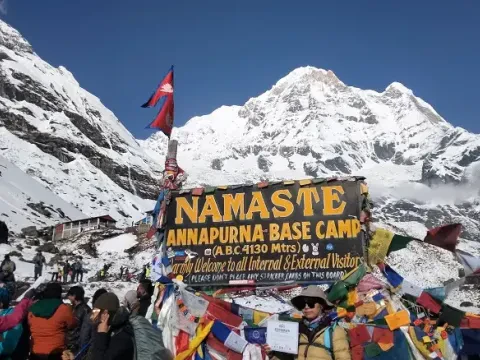
3. Annapurna Base Camp Trek
Annapurna Base Camp trek is one of the most popular trekking routes in Nepal.
Highlights:
Due to its popularity, solo female trekkers who choose Annapurna Base Camp rarely feel lonely on the trail.
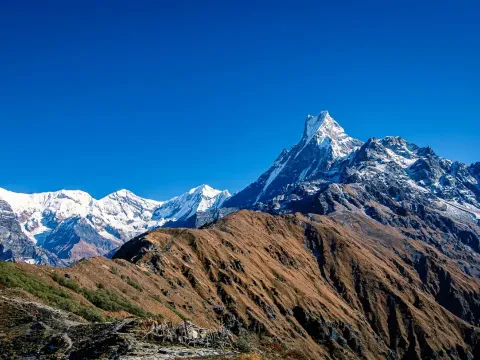
4. Mardi Himal Trek
For those who want more privacy, the Mardi Himal trek is a great choice.
Highlights:
Here, this trek is also recommended for solo female travelers because hiring a guide is much more convenient than on the Annapurna Base Camp or Poon Hill routes.
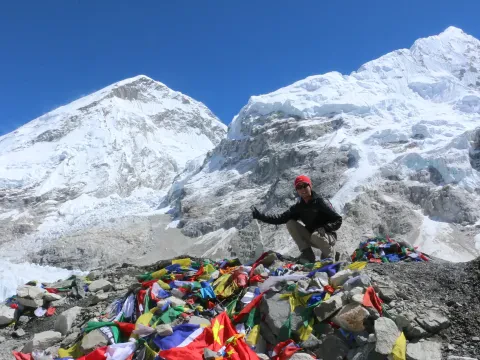
5. Everest Base Camp Trek
Everest Base Camp trek is a dream of many solo female trekkers.
Highlights:
Although the altitude is challenging, the trail is well-trafficked throughout the year, making it easier for solo female travelers to find people to walk with.
Which Trek is the Best for You?
First Himalayan trek Ghorepani Poon Hill trek Rich local culture Langtang Valley trek Classic mountain adventure Annapurna Base Camp trek Quiet nature Mardi Himal trek Everest experience Everest Base Camp trek
Safety Tips for Every Route :
Regardless of the route, here are some essential safety tips for solo female trekkers:
Overall, these five routes are considered the safest trekking routes in Nepal for women. They all have excellent local support, friendly communities, and provide unique Himalayan adventure opportunities. Now, let us look at some recent solo female trekker reviews.
Before you start your solo female trek in Nepal, it is helpful to read about the real experiences of other women who have been through similar adventures. While every trek is unique, the general sentiment of recent blogs, forums, and reviews is overwhelmingly positive. Most solo female trekkers highlight the kindness of the local people, the friendliness of teahouse owners, and the confidence they gain while trekking in the Himalayas.
At the same time, more experienced solo female trekkers will advise you to plan your trip wisely, hire local guides, and respect local customs.
Story 1: Feeling Welcome from the First Day
A solo female trekker, Dana Rosenblat, from Canada described how she felt welcomed everywhere during her trek.
“I was so nervous when I first arrived in Pokhara, but by the first night, all those fears had disappeared. Every teahouse owner was so kind to me. I cannot believe how good the hospitality was!”
Story 2: Confidence with a Female Guide
A solo female trekker from Germany, Rakishya, hired a female local guide for the Annapurna Base Camp trek. She explained that a guide helped her both emotionally and physically:
Key Takeaway: Female guides can be a great confidence booster for solo female trekkers.
Story 3: Langtang’s Peaceful Atmosphere
A solo female trekker from the United Kingdom, Mary Patcher, described her Langtang experience as very positive:
She also suggested that solo female trekkers should not worry about the pace:
Story 4: Everest Base Camp without Feeling Alone
An Australian solo female trekker, Sara Donnat, described her Everest Base Camp experience as exciting and overwhelming:
Key Takeaway: Challenging trek with plenty of socialization opportunities.
Story 5: Some Minor Challenges
Although most solo female trekkers have amazing experiences, some highlight a few minor issues they had to deal with:
However, these inconveniences were short-term, and most female trekkers agreed that the overall experience was worth it.
Common Advice from Experienced Solo Female Trekkers
Many experienced solo female trekkers highlight the following recommendations:
Overall Experience,
The overall experience of solo female trekkers in Nepal is positive, with most emphasizing the importance of following common sense safety rules while enjoying the breathtaking Himalayan scenery and local hospitality.
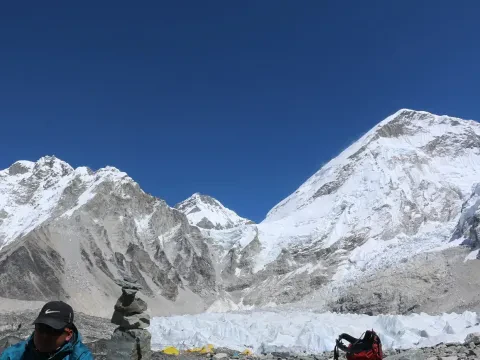
While solo female trekking in Nepal is generally safe, there are still plenty of ways to make your adventure even more enjoyable. Most experienced female trekkers will tell you that the key to a successful solo hike lies in thorough preparation and common sense.
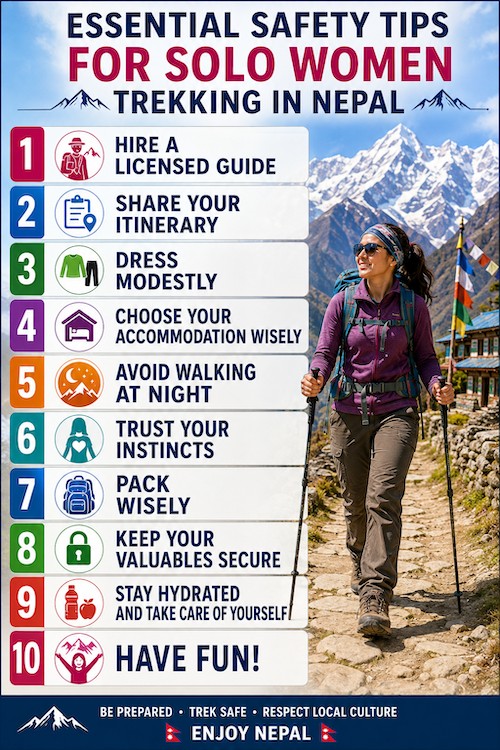
The following solo female trekking safety tips for Nepal are simple, realistic, and easy to follow.
1. Hire a licensed guide if possible
A local guide can assist you with:
For many solo female trekkers, a guide is also a great way to ensure personal safety and comfort.
2. Share your itinerary,
Before you leave, make sure to share your itinerary with someone you trust :
Many trekking companies will keep a copy of your itinerary for their records.
3. Dress modestly
Nepal is a conservative country, and most trekking routes pass through rural villages. Although many locals are used to seeing tourists, it is best to err on the side of caution and dress modestly. Fortunately, there is no need to wear clothes that are too hot or uncomfortable. Most trekking clothes are appropriate for the local culture, with a few simple adjustments.
Avoid wearing shorts :
Dressing modestly is also a great way to show respect and gain positive interactions with the local culture.
4. Choose your accommodation wisely
Most teahouses in Nepal have a great reputation and are happy to accommodate solo female trekkers. However, it is a good idea to do some research and choose the most reputable and reliable teahouses.
Here are a few things to look out for:
If something feels wrong, it is best to move to a different teahouse as soon as possible.
5. Avoid walking at night
The mountain trails can be extremely challenging at night. Instead, try to:
It is always best to stick to day hikes and avoid walking on mountain trails at night.
6. Trust your instincts
Your safety as a solo female trekker largely depends on your common sense and intuition. If something feels wrong, it probably is.
Remember that you do not have to tolerate anything that makes you uncomfortable just because it is “customary” or “traditional.”
7. Pack wisely
Your daypack should always contain:
Being prepared can save you a lot of stress and hassle.
8. Keep your valuables secure
In most cases, basic travel safety precautions are enough to keep your belongings safe in Nepal. Make sure to:
Most teahouses are honest and trustworthy, but it is always a good idea to take basic precautions.
9. Stay hydrated and take care of yourself
Many trekking mishaps are caused by exhaustion and dehydration. Remember to:
Your health and well-being should always be a priority.
10. Have fun!
Perhaps the most important piece of advice for solo female trekking in Nepal is to have fun! Thousands of solo female trekkers visit Nepal every year and enjoy their solo adventures immensely. By preparing in advance, dressing modestly, and making smart choices, you can have a fantastic solo female trekking experience in Nepal.
Solo female trekking safety checklist
Before you go On the trail:
By following these essential safety tips for women trekking alone in Nepal, you will spend less time worrying and more time enjoying one of the most spectacular trekking destinations on the planet.
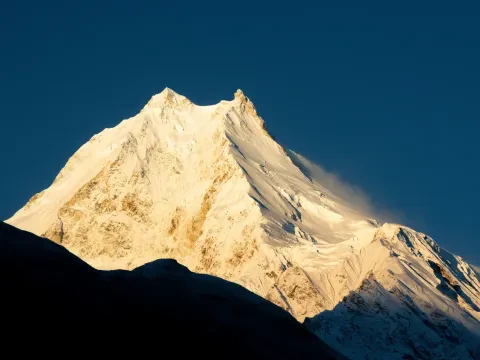
When planning a Himalayan trek, many solo female trekkers wonder whether they should hire a female trekking guide in Nepal. The truth is that a female guide is not mandatory, but there are many benefits to hiring a woman guide if you are comfortable with it. Female guides in Nepal are excellent and offer a wide range of services and experiences. Many popular trekking routes such as Everest Base Camp Trek, Annapurna Base Camp Trek, Langtang Valley Trek, Mardi Himal Trek, Ghorepani Poon Hill Trek, and more are staffed by qualified female trekking guides.
Why hire a female guide?
Many solo female trekkers enjoy the unique benefits that a female guide provides.
More comfort for solo female trekkers,
Some solo female trekkers feel more comfortable with another woman on the trail.
A female guide can help you with:
This can be a great advantage, especially for first-time solo female trekkers.
Cultural insights,
Female guides are a fantastic source of information about Nepal.
Your female guide can share valuable information about:
These cultural insights can be a great addition to your solo female trekking holiday in Nepal.
Professional female guides,
Female guides in Nepal are just as qualified as their male counterparts. Female trekking guides are professional and trained to lead treks in the Himalayas. Most female guides in Nepal are multi-talented and have a wealth of knowledge and experience.
They are experts in:
Their skills and expertise are not limited to their gender.
Are there any downsides to hiring a female guide?
Although female trekking guides in Nepal are becoming more popular by the day, there are a few things to consider before hiring one.
Consideration Notes :
How to find a female guide?
The best way to find a female guide is to book through a licensed trekking company.
When choosing a trekking company, make sure to:
Most trekking companies are happy to accommodate your request if you ask in advance.
Should every solo female trekker hire a female guide?
Here, it is entirely up to you to decide whether you want to hire a female guide. Some solo female trekkers are comfortable with a male guide, while others prefer to hire a female guide. Your preference may also depend on your trekking experience, comfort level, and other factors.
Moreover, it is important to choose a guide that you are comfortable with. A qualified female guide can offer many additional benefits, including cultural insights and greater comfort. However, many solo female trekkers have fantastic experiences with male guides.
What questions should I ask a female guide before booking?
Before booking a female guide, it is a good idea to ask a few basic questions to clarify any doubts and concerns.
Some of the most common questions include:
These are just a few of the many questions you can ask a female guide before booking.
Final thoughts,
Hiring a female guide is a personal preference for many solo female trekkers. Many solo female trekkers enjoy the additional comfort and cultural insights provided by a female guide. At the same time, many experienced female trekkers have fantastic Himalayan trekking experiences with male guides. What matters most is that you choose a reliable and qualified guide through an authorized trekking company and communicate your requirements clearly.
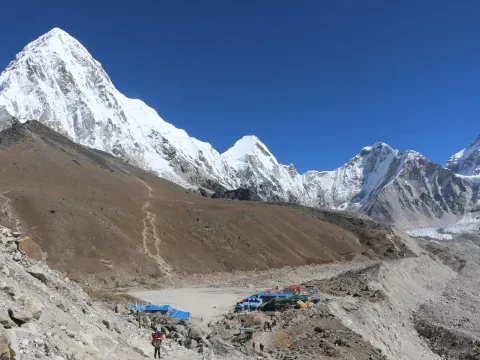
Being prepared is one of those cornerstones of trip, which makes it safe and enjoyable. Though solo female trekking in Nepal doesn’t require any specific equipment, bringing along some supplies and getting appropriate insurance can be of great help in case of any mishaps.
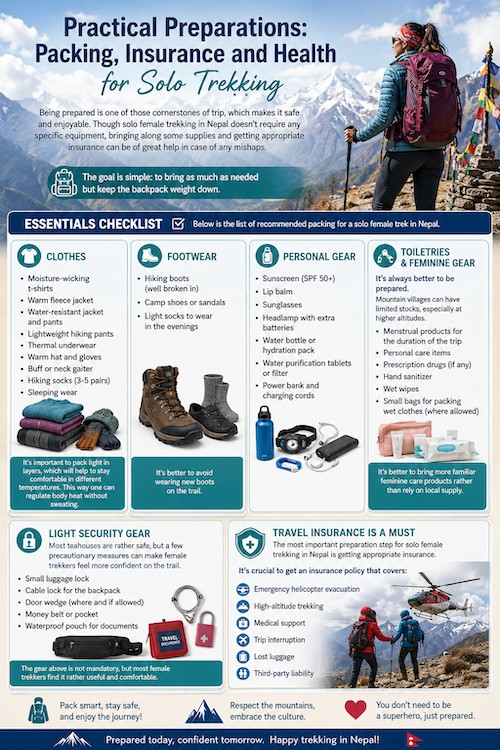
The goal is simple: to bring as much as needed but keep the backpack weight down.
Essentials Checklist,
Below is the list of recommended packing for a solo female trek in Nepal.
Clothes :
It’s important to pack light in layers, which will help to stay comfortable in different temperatures. This way one can regulate body heat without sweating.
Footwear :
Personal Gear :
Toiletries :
It’s always better to be prepared. Mountain villages can have limited stocks, especially at higher altitudes.
It’s better to bring more familiar feminine care products rather than rely on local supply.
Light Security Gear,
Most teahouses are rather safe, but a few precautionary measures can make female trekkers feel more confident on the trail.
The gear above is not mandatory, but most female trekkers find it rather useful and comfortable.
Travel Insurance Is a Must,
The most important preparation step for solo female trekking in Nepal is getting appropriate insurance.
It’s crucial to get an insurance policy that covers:
Many standard travel insurances do not include high-altitude experiences, so it’s better to double-check the fine print before making any payments. The table below includes popular trekking destinations in Nepal, along with their maximum altitude.
| Trek | Maximum Altitude |
|---|---|
| Ghorepani Poon Hill | 3,210 m |
| Langtang Valley (Kyanjin Gompa) | 3,870 m |
| Annapurna Base Camp | 4,130 m |
| Mardi Himal Viewpoint | 4,500 m |
| Everest Base Camp | 5,364 m |
| Kala Patthar | 5,545 m |
The best insurance policy covers trips up to 6,000 meters.
Health Preparation,
Before the trip, consult with a doctor about existing medical conditions or any concerns. In addition, ensure all routine immunizations are up to date. It’s normal to take drugs to prevent altitude sickness, but always discuss this issue with a medical professional. Lastly, bring along a supply of prescription drugs for the duration of the trip. Do not attempt to use altitude sickness medication without consulting a doctor.
Never Underestimate Altitude,
One popular myth among female trekkers is that young and fit people rarely experience altitude sickness. This assumption is misleading because:
Last Preparation Checklist :
Once everything is set, the solo female trekker can look forward to exploring Nepal’s mountains.
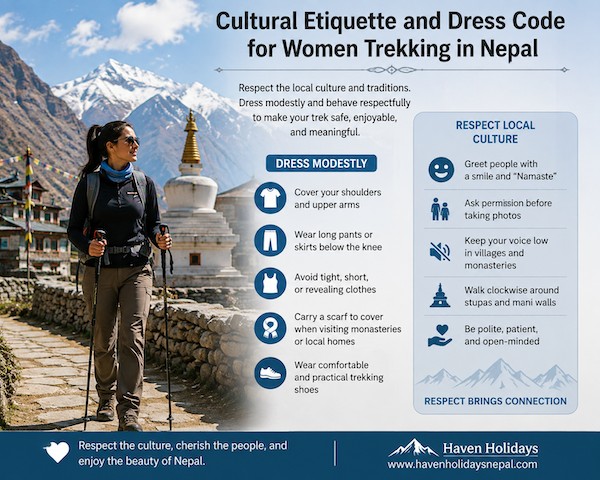
Amongst the many attractions of Nepal, the local culture holds a special place in the hearts of the trekkers. The mountainous landscape provides a beautiful view, but a solo female trekker who wishes to explore the country needs to be aware of the local traditions. Cultural etiquette in Nepal is not an attempt to limit the freedom of solo female trekkers, but rather a way to respect the locals and become a part of their community.
Dress Modestly,
Compared to the West, Nepal is a more conservative country, although most people are quite accepting of the foreign visitors. As long as the clothes are not revealing, most solo female hikers will not get unwanted attention.
Here is the list of clothes that can be worn in Nepal while trekking:
Many solo female trekkers choose to wear clothes that cover the shoulders and knees in mountain villages.
Throughout the trek leading to Langtang, Everest and Annapurna passes, one is bound to come across numerous monasteries, chortens, mani walls and prayer wheels. While the sight is indeed remarkable, a solo female hiker should follow certain guidelines when visiting these places. As far as possible, the shoulders and knees should be covered in monasteries. Upon entering a temple, a hiker should remove the headgear at the request of the monks. Inside the monasteries, it is advisable to speak softly and refrain from using mobile phones. When visiting the stupas and mani walls, always walk around them counter-clockwise. Most monasteries allow taking photos, but it is important to ask permission first.
The mountain villagers are generally very hospitable. A solo female trekker can follow a few simple rules to earn the respect and friendship of the locals. It is important to greet villagers with the traditional ‘namaste’ and respond to their gratitude with a smile. Whenever in a restaurant or a tea house, it is advisable to keep noise levels down to a minimum to avoid disturbing other guests. Likewise, it is important to queue patiently outside the tea houses in the evenings. If asked to do so, it is advisable to take off the muddy shoes before entering the tea house.
Nepal is full of great photo opportunities! However, it is advisable to avoid taking pictures of strangers too quickly. It is always better to ask for permission before clicking a photo. Besides, one must always respect any individual’s wishes if they refuse to let you take their picture. When it comes to photography, it is best to avoid being intrusive and disrespectful. In addition, it is good to show consideration to the locals and not disturb them with intrusive pictures. Children are often a fun part of any picture, but it is best to ask their parents’ permission first. It is also important to avoid photographing local religious practices.
The tea houses are the lifeline of the mountainous region of Nepal. As such, a solo female trekker should learn and respect the local customs. Some are simple courtesy rules, such as keeping the noise levels down in the evenings. Others apply to the usage of the shared resources, such as keeping a tab on electricity usage. It is always advisable to share water and power points with others. It is important to arrive at the tea house in time for the meal. Finally, the female solo hiker should remember to express gratitude to the tea house owner when leaving the accommodation.
Nepalis are a curious people and it is quite common for them to ask foreign visitors to tell them something about their country or homeland. Naturally, a solo female trekker can decline any personal questions if they are uncomfortable answering them. It is always advisable to be polite when doing so, and simply respond with a smile and move on to the next topic. In general, it is best to avoid engaging in any political or religious debates with the locals, especially if an individual finds the topic uncomfortable.
Simple Clothing Guide :
Conclusion,
Understanding cultural etiquette and dress code for women trekking in Nepal can be a great advantage for the solo female hiker. Not only does it help them avoid unwanted attention, but it also allows them to appreciate the local culture and become an honorary member of the community. Most importantly, the right clothes and attitude help the solo female trekker feel safe and comfortable in the region. Most locals enjoy the company of foreign visitors and will respond positively to small acts of courtesy and appreciation.
One of the reasons why Nepal is such a fantastic trekking country is because of its amazing teahouse culture. Family owned and run, they provide very basic, but clean and comfortable accommodation, food and a welcoming environment for all trekkers. For solo female travelers, this means a safe and supportive community for eating and sleeping at night
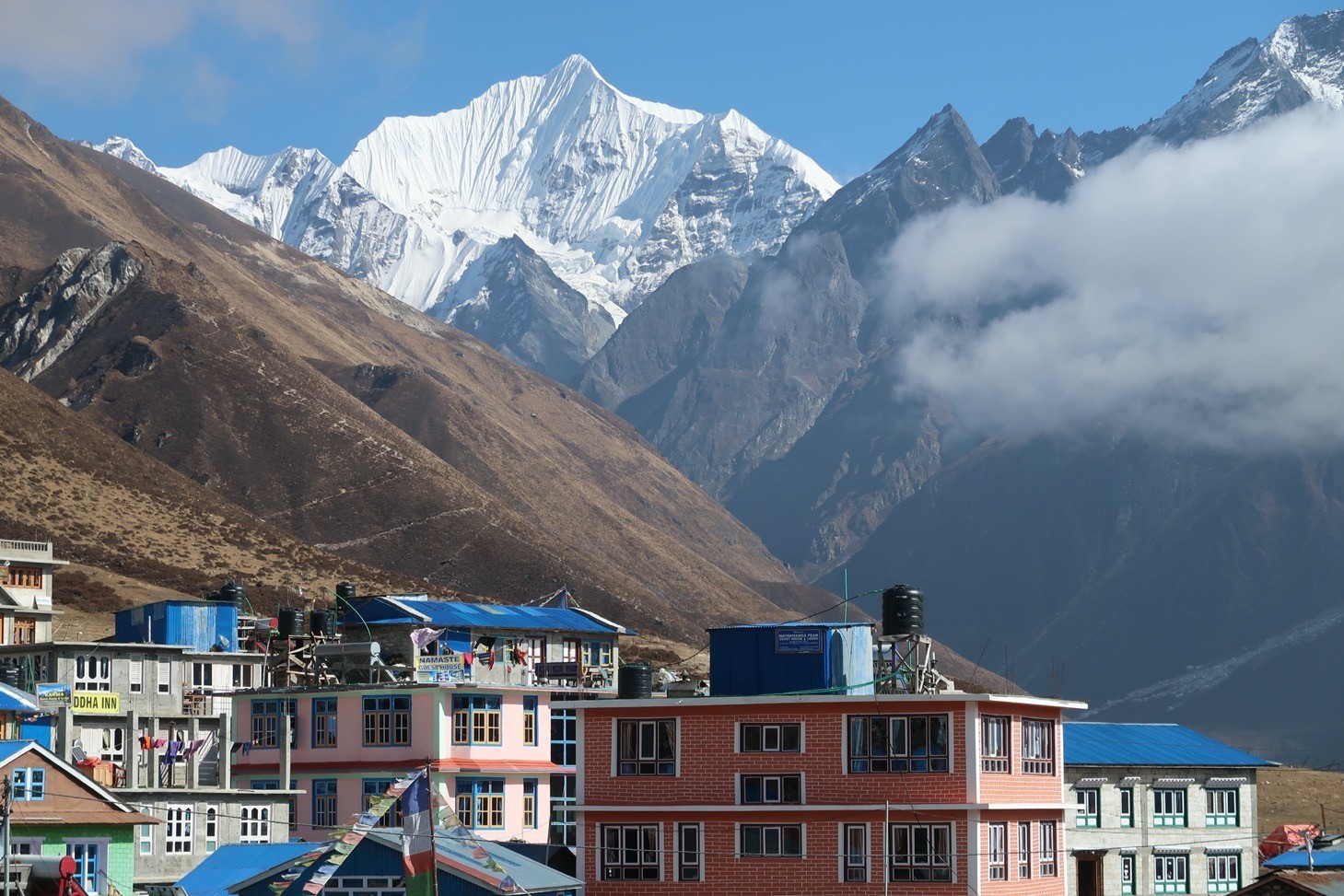
As a rule, teahouses in Nepal are very safe,
especially on the popular trekking routes of Ghorepani Poon Hill Trek, Annapurna Base Camp Trek, Everest Base Camp Trek, Langtang Valley Trek and Mardi Himal Trek.
Teahouse Accommodation – What to Expect
Teahouses typically have a similar set up.
Expect:
The communal dining room is the social hub of the teahouse – this is where you will find other trekking families, solo travelers and your guide chatting, eating and sharing news of the trail.
Why Teahouses are Safe,
There are several reasons why teahouses are inherently safe.
1. Busy Social Environment
2. Family Owned and Run
How to Choose a Safe Teahouse ?
Even though most teahouses are perfectly safe, here are some tips for choosing accommodation in Nepal.
Opt for:
If you arrive early in the day, then you have more options for choosing the best teahouse for solo travelers.
Check Your Room,
When you receive the key to your room, make sure to check the following:
Keep Valuables Safe,
Valuables such as passport, cash, camera, phone and insurance papers should be kept on your person at all times. You may want to consider a money belt or a lock for your bag if you are not sleeping in your room. If you do not have a lock, separate cash from your personal belongings and keep some money with you at all times for emergencies. Most solo female trekkers and porters do not have any problems in teahouses, but it is best to stay wary and keep your belongings secure.
Dining Room Safety,
One of the best parts about teahouse stays is the communal dining room.
It is the safest place to be in the evening as it has plenty of people. Use the dining room to:
It is amazing how many friendships are formed in this very place.
| Safety | Check Accommodation |
|---|---|
| Before Sleeping | ✅ |
| Check that the room is secure | ✅ |
| Valuables kept on person or in locked bag | ✅ |
| Devices charged up for the night | ✅ |
| Know where the bathroom is | ✅ |
| Choose safe and secure teahouses | ✅ |
Final Thoughts
For most women, solo female accommodation in Nepal is very simple. With family-run teahouses, friendly fellow travelers and an established trekking culture, most solo women never have to worry about being alone on the trail. By simply staying in safe and popular teahouses and keeping valuables on your person, you can feel confident and safe during your trek.
When it comes to solo female treks in Nepal, the most common concern is about the safety from personal harm. However, in reality, when it comes to the real dangers of trekking in Nepal, it is not other people that you have to worry about – it is the mountains themselves. Altitude sickness, weather conditions and general logistics far outweigh the risks of solo female travel in Nepal. Knowing what to expect and how to prevent these dangers can make all the difference in your Himalayan adventure.
1. Altitude Sickness (AMS)
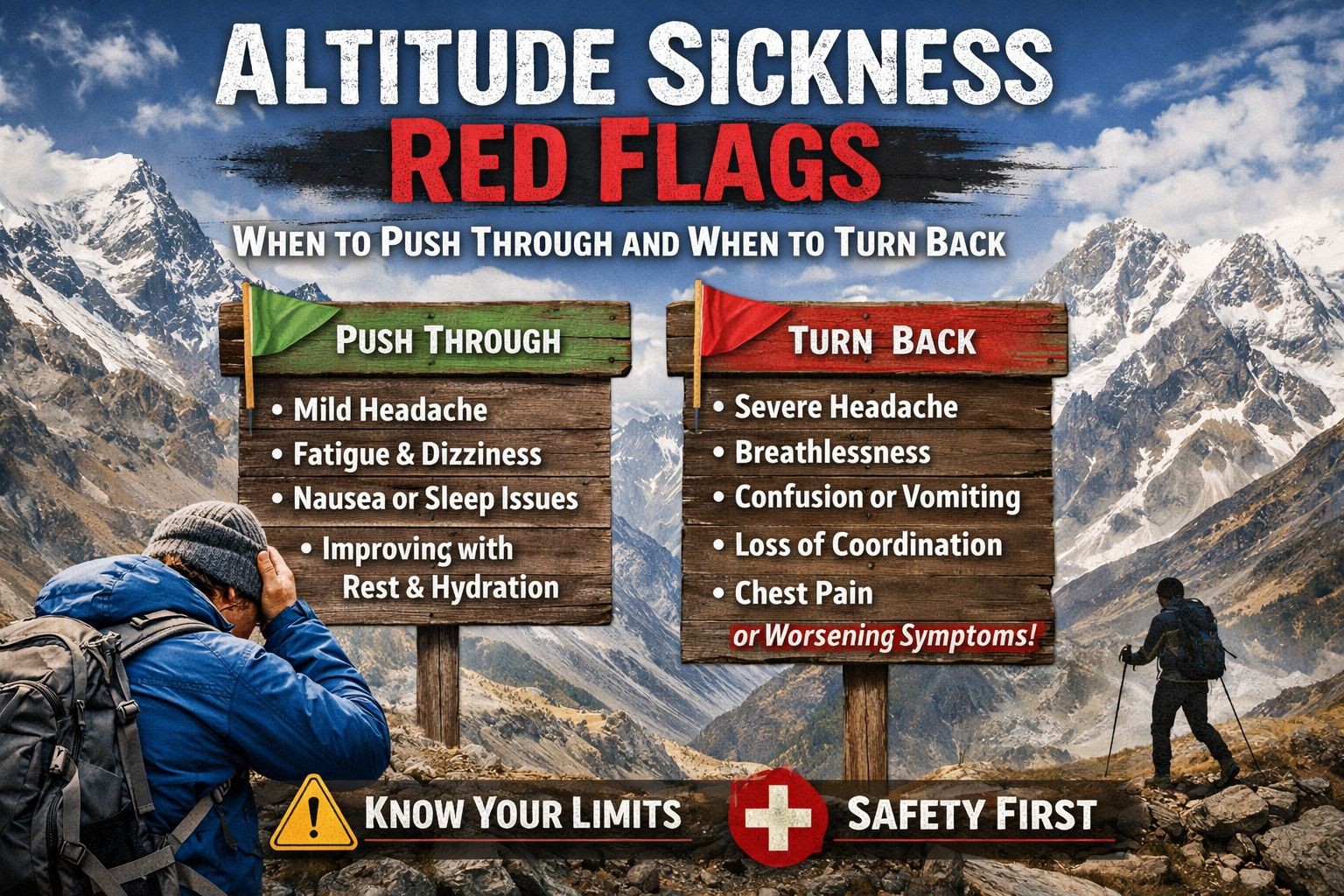
The single biggest danger in many of the popular treks in Nepal is altitude sickness (AMS) – and it has nothing to do with harassment. Altitude sickness is a common concern for all trekkers – regardless of gender. It is important to understand how AMS works to better prepare yourself for trekking in Nepal.
Everyone can get AMS, regardless of age, gender and general fitness.
The most important thing to know is your own body.
Signs and Symptoms
The tell-tale sign of altitude sickness is a headache, but other symptoms can include:
It is crucial that you do not dismiss any of the symptoms as unimportant. If your symptoms worsen, you should take this as a sign to descend to a lower altitude.
Simple Prevention and Treatment
Here are some general rules for avoiding altitude sickness:
A licensed guide can also assist you with general altitude sickness treatment.
2. Weather
It is no secret that the weather in the Himalayas can be fickle – and it is definitely something that you should not underestimate. The most popular trekking months in Nepal are spring (March to May) and autumn (September to November). During this time, the days are generally sunny and warm, while cold nights are perfect for stargazing. Nevertheless, unpredictable weather in the Himalayas can bring cold mornings, windy afternoons, rain and other surprises. It is always wise to come prepared with warm clothing, rain gear and a good headlamp.
Likewise, it is a good idea to check with your guide or at your teahouse in the morning to see what the weather forecast is. That way, you know exactly what to pack for the day.
3. Logistics
Most of the popular trekking routes in Nepal have well-established trail systems, but there are still a variety of logistical issues that you may face on your solo female trek.
Some of the most common challenges in trekking in Nepal include:
By bringing enough cash with you and having a few extra days in your itinerary for bad weather, you can avoid many logistical issues in trekking in Nepal.
4. Navigation
While it is not easy to get lost on popular trekking routes like Everest Base Camp and Annapurna Base Camp, it is still important to have a licensed guide in case there are deviations on the trail or due to bad weather.
A good guide knows:
Having an in-depth knowledge of the local area cannot be underestimated, especially for navigation in the mountainous region of Nepal.
5. Fatigue and general exhaustion
It is a common mistake for solo female trekkers to try and walk too much in the beginning – and then regret it later.
Instead of trying to keep up with everyone else and challenging yourself too soon, here are some practical tips for solo female travel in Nepal:
| Risk | How to Prevent |
|---|---|
| Altitude sickness | Ascend gradually and have a proper acclimatization |
| Unpredictable weather | Pack weather-appropriate clothing |
| Getting lost | Stick to popular trekking routes and use a licensed guide |
| Transportation issues | Have extra days in your itinerary for bad weather or other unforeseen circumstances |
| Dehydration | Drink lots of water – at least 3-4 litres per day |
| Fatigue and exhaustion | Walk at a comfortable pace and rest often |
Practical Precautions for Solo Female Travel in Nepal,
When it comes to solo female travel in Nepal, there are always going to be some things that you can do to prevent problems from arising in the first place. Most dangers of trekking in Nepal, such as altitude sickness and other health concerns, are completely avoidable with the right planning, gear and even a guide. It is also a good idea to have realistic expectations and know that trekking in Nepal – while beautiful – is a serious undertaking. By doing so, you can eliminate many of the unnecessary dangers of solo female travel in Nepal.
Planning ahead is the best way to ensure your Himalayan adventure is both pleasant and safe. Solo trekking in Nepal costs vary significantly depending on an individual’s preferred route, time of year, and whether a trekker chooses to book a guide and porter. Due to licensing regulations, independent trekking is no longer the same as it used to be. However, there are plenty of options that allow solo travelers to get a safe and organized trek in.
Typical Solo Trekking Costs
| Expense | Approximate Cost (USD) |
|---|---|
| Licensed guide | 30-45 USD per day |
| Porter | 25-35 USD per day |
| Teahouse | 5-15 USD per night |
| Meals | 20-35 USD per day |
| Transportation | 15-220 USD (varies) |
| Trekking permits | 25-75+ USD (varies) |
| Travel insurance | varies |
It is important to note that the costs listed above are just estimates.
What About Solo Rates?
The question many solo adventure-seekers ask is whether there are special solo rates for independent trekkers.
Here, the good news is that most trekking companies organize solo departures regularly and offer private guides for those who prefer not to trek in groups. It is also possible to request that a company attempt to match one with another trekker, if available. On a similar note, while porters are obviously not mandatory, they do remain an optional and available service on most routes.
So, while it is true that hiring a personal guide cuts down on costs if you are trekking solo, many independent trekkers appreciate the flexibility that comes with booking a guide on a private basis.
Step by Step: How to Book a Safe Solo Trek
Step 1: Determine Preferred Trek
Considerations should include:
Step 2: Determine a Suitable Trekking Company
Always conduct due diligence when booking a trek.
Some useful measures one can take are:
Most established trekking companies are members of professional associations, such as the Trekking Agencies’ Association of Nepal (TAAN).
Step 3: Arrange the Necessary Permits
It is essential to obtain the proper permits.
| Trekking region | Permits Required |
|---|---|
| Annapurna Region | ACAP Permit |
| Langtang Valley | Langtang National Park Permit |
| Everest region | Khumbu Pasang Lhamu Rural Municipality Permit + Sagarmatha National Park Entry Permit |
| Restricted Areas (e.g., Manaslu) | Restricted Area Permit + Conservation Area Permit |
Remember that permit costs and requirements change, so always double-check the latest information.
Step 4: Acquiring Travel Insurance
Insurance coverage is crucial on any Himalayan adventure.
A good policy should cover:
Ensure that the policy you choose specifically mentions high altitude coverage.
Step 5: Final Preparation
Before departing on your trek, ensure that:
Additional Tips to Save Money,
Below are a few additional tips that can help cut costs:
Booking Reminder Checklist,
Things to do:
Final Thoughts
Learning how to book a solo trek in Nepal is arguably easier than most first-time visitors to Nepal expect. With a reputable trekking company, the right permits, appropriate insurance, and proper budgeting, anyone can start their Himalayan solo trekking adventure. Good preparation also makes solo travel more enjoyable since it means that less time has to be spent worrying about the logistics and more time can be spent enjoying the stunning Nepali landscape and its incredibly friendly people.
Ask any woman who hiked a solo trek in Nepal about her experience, and she is bound to tell you something along the lines of “you don’t realize how much a trek will change you.” The mountains teach you to conquer your fears, silence your inner voice of doubt, and remind you of the simple joys that often get buried under the hustle and bustle of everyday life.
Here, that is why the empowerment of solo female travelers in Nepal has such an incredible appeal - it enables women to have thrilling and eye-opening solo adventures. It also provides ample opportunity for women to realize that they are much tougher and resilient than they ever realized - both physically and emotionally.
Solo Trekking Helps Women Discover Their Strengths.
Maybe it is the realization that she is able to conquer even the most intimidating steps and narrow paths. Or perhaps it is the feeling of satisfaction that comes with reaching a high altitude and realizing that sheer perseverance saw her through. Either way, these are all life-changing experiences for women.
Women Solo Trekking Helps Boost Confidence
Meanwhile, it teaches them not only to trust and rely on themselves when necessary but also to understand that most challenges can be solved with perseverance and patience. The confidence gained from hiking solo also helps women overcome their fear of the unknown during their travels.
Solo Trekking Enables Women to Feel at Peace
In fact, the slow and steady pace of the trek is incredibly calming - especially for those used to being constantly on the go. Evenings spent resting at a teahouse after a long day of hiking are memorable and therapeutic in their own way.
Likewise, many women who undertake solo treks in Nepal describe the laid-back atmosphere of a teahouse as something that can only be compared to the peace and tranquility of home.
Women Can Also Enjoy Meaningful Social Interactions
Meanwhile, there is always someone to chat with or a companion to share a meal with - be it other trekkers or the locals. Many women agree that some of the most meaningful social interactions happen during their solo adventures in Nepal. They often involve discovering and appreciating the rich culture of the Himalayan region and learning more about the friendly locals, such as Tamang, Sherpa, and Gurung guides.
Traveling Solo Allows Women to Have a More Positive Outlook on Life
Here, many women find that after completing a solo trek in Nepal, they are more determined, stronger, calmer, and more able to deal with the everyday pressures of life.
Why Do Women Choose Solo Treks in Nepal?
Many women who have embarked on solo hikes in Nepal choose to return for more solo trips. Here are some of the reasons why.
| Reason | Explanation |
|---|---|
| Warm hospitality | Many women find that the locals in Nepal are incredibly kind and welcoming. |
| Safety | Trekking in Nepal is generally very safe. |
| Variety | There is a wide variety of solo trekking adventures to choose from. |
| Cultural experiences | Women can have amazing cultural interactions while hiking solo in Nepal. |
| Serenity | The Himalayas offer an opportunity to experience nature in its purest and most serene form. |
Your Solo Trek Adventure Awaits
Your solo trek in Nepal is sure to change you, challenge you, and inspire you to embark on new adventures. The mountains are always breathtaking - whether in Ghorepani Poon Hill, Langtang Valley, Annapurna Base Camp, or on the famed trek to Everest. Every woman will have her own unique solo hiking story and experiences - and every solo trek will have its own unforgettable challenges and interactions. If you have already completed a solo trek in Nepal, consider sharing your story with other women who are still on the fence about taking their solo trekking adventure. Sometimes the most fulfilling trek is the one that helps you recognize the strength of character that lies dormant within you.
In conclusion, it is safe and possible to trek alone as a woman in Nepal if you know what you are doing and take the right precautions. Nepal is one of the most welcoming trekking destinations in the world because of friendly local people, numerous teahouse accommodations, local guides, and well-established trekking trails.
Here, the most popular and reliable trekking agencies now offer the best value packages that include a licensed guide on most of the trekking routes as of 2026-2027, which can be seen as an additional plus during the adventure.
The Most Valuable Lessons,
These are the most valuable lessons that every solo female trekker should consider when exploring the Himalayas:
1. Pick the Right Trek
Novice-level solo hikers should opt for the following trekking routes:
or any other family-friendly trail with excellent facilities and a high season crowd of hikers.
2. Pick the Right Agency,
Most hiking/trekking agencies offer a variety of trekking packages for solo female travelers. It is better to choose the ones that provide the following services:
Always make sure that the agencies are legally registered and employ licensed and helpful guides.
3. Be Well-prepared Before Departing
Prior to departing for Nepal, it is critical to book your ticket in advance and purchase reliable trekking insurance.
Here, packing the best hiking gear, training regularly for several weeks, studying vital information about altitude sickness, and informing your relatives or close friends about your travel plans are also necessary. These simple yet vital arrangements will boost your confidence tremendously.
4. Trust Yourself and Enjoy Your Solo Trek
The most crucial tip for solo female trekkers who want to explore the Himalayas is to trust yourself, stick to your own pace, follow your licensed guide, and respect local cultures and traditions. If something seems wrong, do not hesitate to follow your gut feeling. As a result, you will find yourself enjoying every single step while discovering Nepal and its breathtaking nature.
Every year, thousands of solo female trekkers from different parts of the world visit Nepal to experience peerless views and enjoy a thrilling adventure. Most of them come back being more confident and share heartwarming stories about their journey as well as unforgettable experiences and remarkable interactions with locals and other hikers.
Importantly, the best part about visiting Nepal is that you receive incredible kindness and support from everyone, including teahouse owners, porters, fellow trekking travelers, and local guides. This is probably why many women return multiple times to experience the majesty of the Himalayas and have life-changing solo adventures on remote trails in the beautiful mountainous country.
What to Do Next?
If you want to start your solo female trek in Nepal, here is a helpful checklist that can help you get there faster:
If you have been wondering whether it is possible and safe to trek alone as a woman in Nepal, these valuable insights should give you enough reason to start preparing for your solo female trek confidently. Choose the easiest trail for your first-time solo adventure, pick the best hiking agencies that employ licensed guides, inform your close ones about your plans, buy reliable insurance, train before departing, and have an incredible time in the Himalayas.
Whether you opt for the Everest View Trek, Annapurna Base Camp Trek, Langtang Valley Trek, Mardi Himal Trek, or Ghorepani Poon Hill trek, you will undoubtedly cherish every moment in Nepal’s beauty. So, get inspired, trust yourself, and embark on an amazing journey to experience the majesty of the Himalayas.
1. Is it safe to trek solo as a female in Nepal?
Yes, it is safe to trek as a woman alone in Nepal, especially trekking routes such as Everest base camp, Annapurna base camp, Langtang valley, and Poon Hill are well-developed and full of friendly people. However, it is advised to hire a local guide and avoid hiking at night for security reasons.
2. Is Nepal safe for solo female travelers and trekkers?
Nepal is one of the safest countries in South Asia for solo female travelers and trekkers. People are very hospitable to foreign tourists on the trekking trails. It is vital to dress modestly and stay at good teahouses while trekking in Nepal. Moreover, keeping family members informed about your travel plans will help you have a safe solo female trekking experience.
3. What are the safest female solo trekking routes in Nepal?
The safest female solo trekking routes in Nepal include Annapurna base camp trek, Everest base camp trek, Poon hill trek, Langtang valley trek, Mardi Himal trek, and Ghorepani-Ghandruk trek. These are beautiful trekking routes and have many facilities for solo female trekkers.
4. Should a female solo trekker hire a guide in Nepal?
I personally think a solo female trekker should not hike in Nepal without an experienced guide because they can provide lots of support and information while trekking. Moreover, hiring a trekking guide makes your travel stress-free and helps you learn more about the local traditions and culture while having peace of mind. It is worth spending a bit extra on local certified trekking guides for your solo female trekking adventure in Nepal.
5. Can a woman trek alone in Nepal without a guide?
Whether a woman can trek alone or not depends upon the trekking route. Some trekking routes require a licensed trekking guide while others don’t. However, I would advise hiring a local guide for a more convenient and comfortable solo female trekking experience because trekking guides can also help you out in case of any emergency.
6. What are the biggest safety concerns for solo female trekking in Nepal?
The biggest safety concerns for solo female trekking in Nepal are altitude sickness, weather changes, injuries, landslide risks, and sometimes transportation problems. Fortunately, criminal activities are rare in Nepal for solo female trekkers. Therefore, you have to take care of yourself while solo trekking in Nepal, hire a guide and a porter if needed, and buy travel insurance to feel safe and secure during your solo female trekking adventure.
7. Is it safe to stay in the teahouses as a solo female trekker in Nepal?
Yes, it is safe to stay in the teahouses as a solo female trekker in Nepal because most of the teahouse owners are locals or family members who are very experienced in dealing with foreign travelers. Therefore, it is important to keep your belongings safe and secure while staying at the teahouse and also share your travel plans with the teahouse owner.
8. How can a solo female trekker stay safe in Nepal?
A solo female trekker can stay safe in Nepal by following the below-mentioned safety tips:
These are some essential solo female trekking safety tips that will help you make the most out of your solo trekking expedition in Nepal.
9. What should a solo female trekker wear in Nepal?
A solo female trekker should wear comfortable trekking clothes while following local traditions and cultural values while trekking in Nepal. It is a good idea to dress modestly in the rural areas for your solo female trekking expedition. Therefore, wearing long pants and a full-sleeve shirt is preferable in the village regions. On the other hand, trekking boots are also mandatory in addition to the local dress code for a safe and comfortable solo female trekking adventure in Nepal.
10. Is it common to face harassment as a solo female trekker in Nepal?
No, it is not common to face harassment as a solo female trekker in Nepal. Local people and communities are friendly and hospitable towards foreign tourists. Moreover, there is a good chance for you to make new friends while trekking in Nepal. Nevertheless, it is advisable not to wander off the beaten path and stick to the local teahouse, which makes you feel much safer during your solo female trekking adventure in Nepal.
11. Is it safe to do solo female trekking in Nepal during the peak season?
Yes, it is safe to do solo female trekking in Nepal during the peak season because there are plenty of facilities for the solo female trekkers such as teahouse, good weather, and lots of professional guides and porters. Therefore, it is the best period for solo female trekkers to explore the Himalayas while feeling safe and secure.
12. What kind of emergency services are available for solo female trekkers in Nepal?
Most of the trekking agencies in Nepal provide helicopter services to the trekkers and hikers in case of any emergency. In addition, there are also local hospitals and health posts in the mountainous regions. However, I personally think it is essential to buy travel insurance that covers high-altitude trekking, helicopter ride, emergency rescue, and trip cancellations. Hence, it will be much safer for solo female trekkers in Nepal.
13. Is it necessary to get travel insurance for solo female trekking in Nepal?
Yes, it is necessary to get travel insurance for solo female trekking in Nepal. Therefore, it is essential to purchase travel insurance that covers high-altitude trekking, medical costs, helicopter ride, trip cancellations, etc. In short, solo female trekkers must buy travel insurance for their solo trekking expeditions in Nepal.
14. Are people in Nepal friendly towards solo female trekkers?
Yes, people are very friendly towards solo female trekkers in Nepal. This is one of the best countries for solo female trekkers because of the local people’s hospitality and kindness that makes it easier for solo female trekkers to travel comfortably while exploring the Himalayas. Therefore, you should connect with the local guides and fellow trekkers to have a great solo female trekking experience in Nepal.
15. What permits do I need for solo female trekking in Nepal?
It entirely depends on the trekking route you have selected for your solo female trekking expedition in Nepal. Most of the trekking routes require trekking permits, conservation area permits, and restricted area permits. On the other hand, some trekking routes require a local licensed guide to enter the region. Therefore, it is essential to do a bit of research before starting your solo female trekking adventure in Nepal.
16. What should I pack for solo female trekking in Nepal?
You should pack the following essentials for solo female trekking in Nepal:
Therefore, it is important to carry the above-mentioned solo female trekking essentials in Nepal for a safer and more comfortable solo trekking expedition.
17. Can a solo female trekker suffer from altitude sickness in Nepal?
Yes, a solo female trekker can suffer from altitude sickness in Nepal. However, altitude sickness can be prevented by regularly drinking water, getting enough rest, avoiding alcohol, and taking acclimatization breaks. Moreover, local trekking guides will help you throughout your solo female trekking expedition and ensure altitude sickness is prevented as well. Therefore, it is better to hire a professional trekking guide for your solo female trekking adventure in Nepal.
18. Can I get internet/Wi-Fi and mobile network coverage while trekking solo in Nepal?
Some teahouses provide Wi-Fi and charging facilities on an extra payment basis for solo female trekkers in Nepal. On the other hand, it is not available in the remote mountainous regions while solo trekking in Nepal. Therefore, it is always a good idea to download offline maps before heading to the remote areas when solo trekking in Nepal.
19. Is Nepal a good destination for my first-ever solo female trekking vacation?
Yes, Nepal is a great choice for your first solo female trekking vacation because it has beginner-friendly trekking trails, good local people, professional trekking agencies, and lots of other facilities essential for a solo female trekker. Moreover, it is always advisable to start with a shorter trekking route such as Poon Hill trek and Langtang Valley trek for first-time solo female trekkers while hiring professional trekking guides to have a fantastic and safe solo female trekking holiday in Nepal.
20. What are the best safety tips for solo female trekking in Nepal?
Here are the best safety tips for solo female trekking in Nepal for the most incredible and comfortable solo female trekking experiences:
These are some essential solo female trekking safety tips that will ensure a fantastic and safe solo trekking expedition in Nepal.
Our travel experts are ready to assist you with any questions.
Send us a message.Have a question before you book? Send your enquiry below and our travel experts will get back with the required information.