The Janai Purnima festival is celebrated throughout Nepal on August 28, 2026 with both joy and great sorrow. People gather with family and friends to participate in morning prayers, rituals, new Janai(Sacred thread worn in the body by Hindu Males), Raksha Bandhan (sacred thread tied around the wrist), gift giving, and sweets sharing. However, the festival day in Nepal has been overshadowed by the tragic hit of the August 26 Rasuwa-Bhote Koshi flood.
Meanwhile, the Janai Purnima, a Hindu festival, is colorfully celebrated by thousands of Nepalis. This year, the festival is being observed in sorrow as the flood has left many families grieving. The festival day is usually marked by communal and family rejoicing with morning prayers, wearing of new Janai, Raksha Bandhan, gift giving, and sharing of sweets.
However, the festival day this year has turned out to be a day of mourning for the flood-affected families.
While most Nepalis are observing Janai Purnima with joy, those from the Rasuwa community are doing so with great sorrow. This year, the flood has claimed several lives and left many people homeless.
Notably, many people have lost their near and dear ones in the disaster that struck Bhote Koshi. Hence, the flood-affected families could not celebrate the festival of Janai Purnima with the rest of Nepal.
However, Janai Purnima, a significant day in the Hindu calendar, is a day of family and community get-together. This year, many Nepal families have been left grieving as a result of the massive flood disaster.
While people across Nepal are celebrating Janai Purnima with great joy, those from the Rasuwa community are mourning.
Janai Purnima Festival Observations :
In fact, Janai Purnima day this year has two faces; in the midst of celebrations, there is also great sorrow. The flood that occurred in Bhote Koshi on August 26 left many families with unbearable grief and loss. The day has also been used by many families to offer morning prayers and remember the departed ones.
Janai Purnima is a festival of thanksgiving and protection. It is mainly celebrated through rituals such as morning prayers, changing of new Janai, Rakhi, family and community gatherings, gift giving, and sharing of sweets and meals.
Different Nepali ethnic groups and religious communities observe the holiday with varying traditions and customs. However, the key activities during Janai Purnima are family and community gatherings, changing of new clothes, Rakhi, and morning prayers.
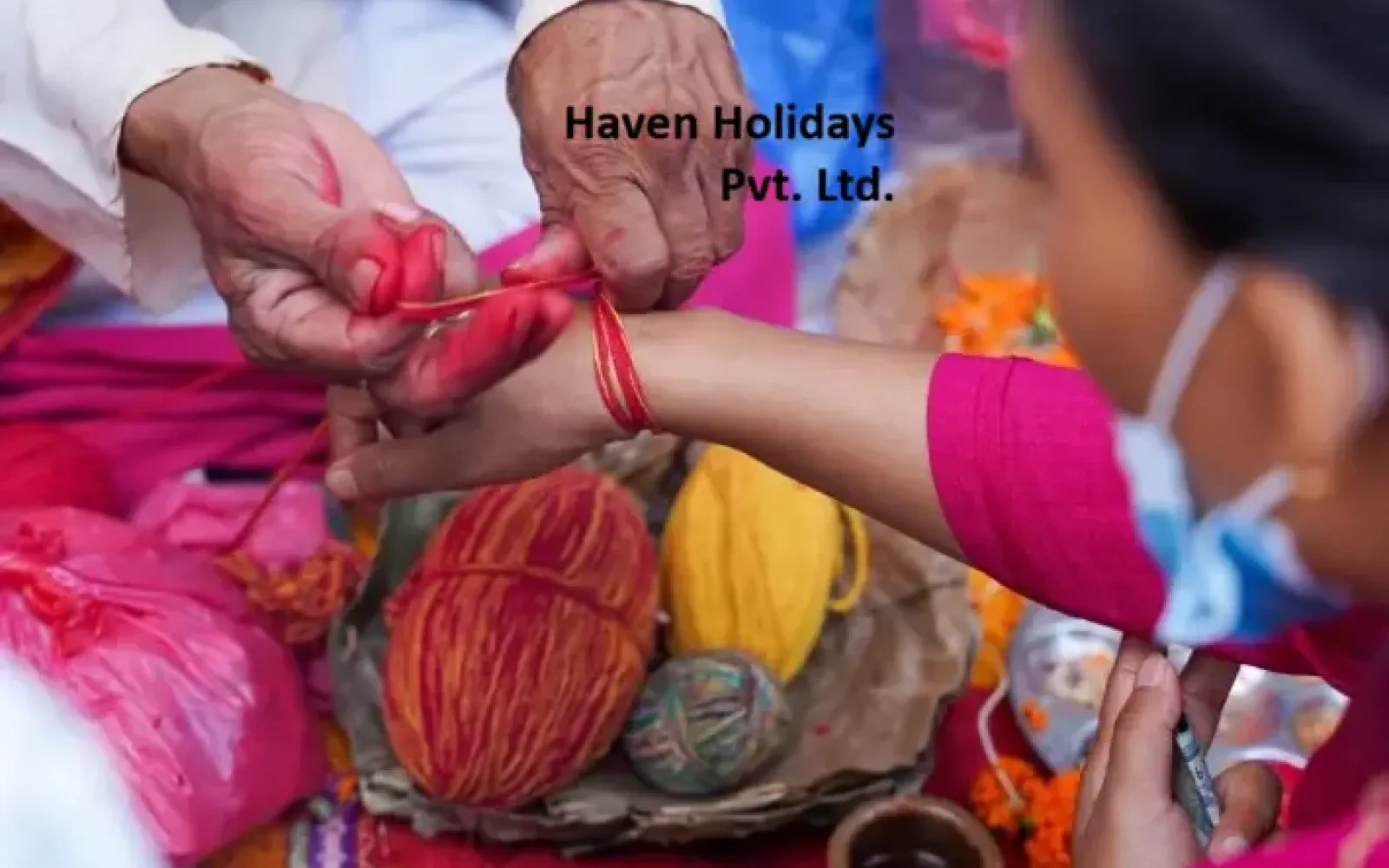
During Janai Purnima, Hindu men who wear Janai (sacred thread) take off the old thread and put on a new one as a sign of renewal. Alternatively, the men may visit a temple and ask for a new Janai after taking morning prayers. During this holiday, a sacred thread called Raksha Bandhan is tied around the wrist as a prayer for protection. The thread is usually tied by close family members, and in many families, this is a day of family gatherings.
Additionally, family members and close friends share gifts, sweets, and meals.
In fact, Janai Purnima is a day of religious significance. Hinduists believe that the day is an opportunity to wash away all personal and communal misfortunes and start afresh.
Therefore, many people visit holy shrines and holy baths such as Gosainkunda to take a ritual bath.
Commonly observed Janai Purnima traditions and customs include:
Moreover, the Janai Purnima holiday is a festival of protection, family and community gatherings, and thanksgiving. The day is usually spent with close friends and family members. The family and close friends share meals and sweets.
Additionally, gifts are exchanged between family members and close friends. In Nepal, the religious and cultural practices are intertwined, which is evident in the celebration of the Janai Purnima festival.
But, this year, the Janai Purnima day has been observed with great sorrow due to the flood disaster that occurred in Bhote Koshi on August 26. Many families have lost their loved ones and many people have become homeless. As a result, the flood affected families are unable to rejoice the festival.
However, most families across Nepal are celebrating Janai Purnima with great fun and communal living.
Yes. The August 26, 2026 Rasuwa - Bhote Koshi flood has impacted this year's Janai Purnima festival, in particular the Gosainkunda pilgrimage. However, the Janai Purnima is being celebrated today, August 28, in Nepal with religious rituals, visiting temples, ceremony of sacred-thread replacement, family gatherings, and traditional foods.
Meanwhile, the main impact of the flood is observed in Rasuwa, where the catastrophic event happened two days before Janai Purnima. Gosainkunda (around 4,380 m) is considered one of Nepal's most revered pilgrimage sites, which is traditionally visited during Janai Purnima. This year, the disaster has interrupted the ability to travel to this location, which is also confirmed by specific reports.
| Aspect | Situation in 2026 |
|---|---|
| Janai Purnima across Nepal | Being celebrated |
| Temple worship | Continuing |
| Janai replacement | Continuing |
| Raksha Bandhan | Being observed |
| Family gatherings | Continuing |
| Gosainkunda pilgrimage | Severely disrupted |
| Rasuwa communities | Deeply affected by the disaster |
| Pilgrimage routes | Affected by flood and infrastructure damage |
| Atmosphere | Celebration mixed with grief |
In Kathmandu Valley and other regions of Nepal, the followers of Hinduism are visiting temples and receiving sacred threads. For instance, devotees gathered at Banglamukhi Temple in Patan for Janai Purnima rituals today.
Thus, the flood has not interrupted the Janai Purnima in Nepal, yet it has significantly impacted the attitude to the festival this year. In particular, for the affected families, the day is being celebrated with grief and commemoration rather than regular rituals and festivities.
Janai Purnima is important because it is a day of religious renewal, purification, protection, family relationships, and spiritual devotion. This festival is one of the popular holidays in Nepal, which is also called Rishi Tarpani. The Nepal Tourism Board notes that the holiday is celebrated nationwide with family gatherings, religious activities, visiting temples, and eating traditional foods such as Kwati.
In particular, Janai Purnima is the day when Hindu men replace their Janai, i.e., the sacred thread, which is a religious symbol. Thus, the festival signifies the renewal of faith in gods and the protection attributed to the sacred thread.
In addition, the festival is largely related to Raksha Bandhan, during which sisters give a sacred thread to their brothers as a sign of protection and affection. Family members, in particular brothers and sisters, also exchange gifts, sweets, and well-wishes on this day.
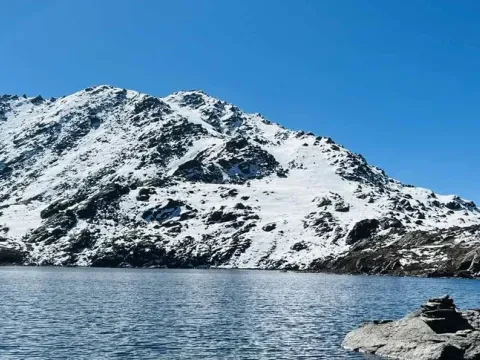
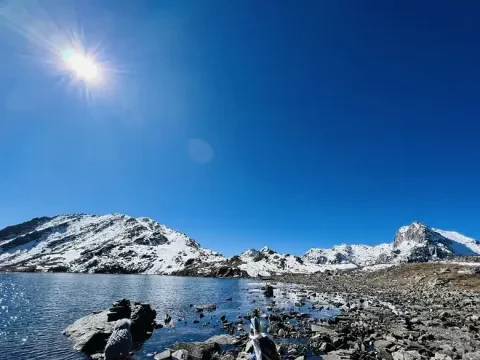
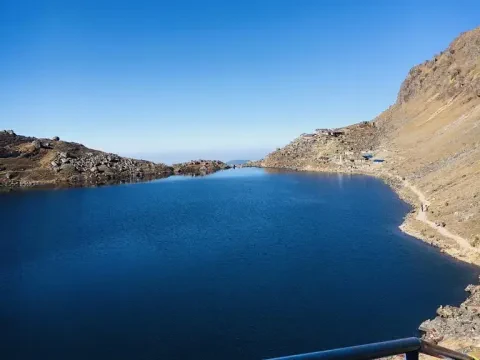
Gosainkunda (around 4,380 m) has a symbolic importance for Janai Purnima, as thousands of pilgrims travel to this alpine lake to worship Lord Shiva and take a holy bath. Nepal's tourism officials note that the pilgrimage to Gosainkunda is a major attraction during Janai Purnima.
However, Janai Purnima 2026 is different, as the catastrophic flood in Rasuwa, right before the festival, impacted the travel to Gosainkunda. Therefore, this year's Janai Purnima combines the themes of faith and protection, family and community, tradition and commemoration of the flood victims.
In essence, Janai Purnima is not only a celebration of the sacred thread but also a day of renewal of faith, protection, and gratitude for family and community. This year, these values are especially important for the people of Nepal and those who have lost their loved ones and homes in the recent flood.
Janai Purnima and the Gosainkunda Fair are intrinsically linked in Nepalese culture. Gosainkunda (4,380 m) is one of the country's holiest Hindu pilgrimage sites. Thousands of worshippers make the pilgrimage to the alpine lake annually for Janai Purnima. They pay homage to Lord Shiva and take a ritual bath in the water. The Gosainkunda is listed by Nepal Tourism Board as a 'must-visit' pilgrimage site, with special significance during Janai Purnima.
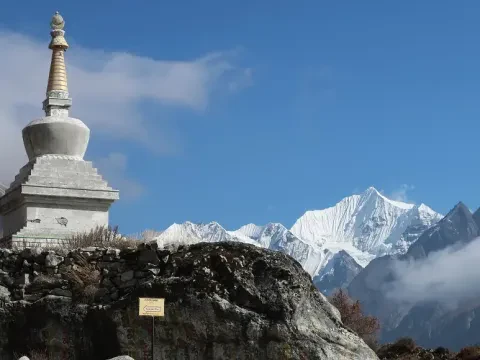
Actually, the Gosainkunda pilgrimage is both a religious and cultural experience for many devotees who make the trek through the Langtang and Rasuwa hills. As they reach the lake, pilgrims offer prayers to Lord Shiva, take a holy dip and receive divine blessings
| Feature | Details |
|---|---|
| Festival | Janai Purnima |
| Main Pilgrimage Sit | Gosainkunda (4,380 m) |
| Main Deit | Lord Shiva |
| Main Ritual | Holy bath and prayers |
| Locatio | Rasuwa, Nepal |
| Trekking Regio | Langtang |
| Main Participant | Hindu devotees and pilgrims |
| Cultural Importanc | Religious, spiritual and community gathering |
Here, the traditional festival of Gosainkunda has this year, however, been overshadowed by the recent August 26 Rasuwa-Bhote Koshi flood. The disaster struck Rasuwa - just days ahead of Janai Purnima - and caused widespread destruction in the area.
However, this year's pilgrimage to Gosainkunda (4,380 m) is taking place amidst both religious devotion and a cloud of sorrow and uncertainty over the disaster.
Yes. The Gosainkunda Fair and pilgrimage have been significantly affected by the August 26, 2026 Rasuwa-Bhote Koshi flood. The disaster struck Rasuwa - just two days before Janai Purnima - affecting roads, communications and access to the area.
Meanwhile, the impact is particularly acute since Gosainkunda (4,380 m) is located in the Rasuwa district. As much as the lake itself is high in the mountains, the area is reliant on roads, trails, village access and facilities in Rasuwa for the pilgrimage.
Likewise, this concern has been echoed by the Department of Hydrology and Meteorology who also predicted moderate to heavy rains around Gosainkunda during Janai Purnima period.
| Area | Effect in 2026 |
|---|---|
| Gosainkunda pilgrimage | Significantly disrupted |
| Rasuwa access roads | Severely affected |
| Syabrubesi area | Major flood damage |
| Communication | Disrupted in affected areas |
| Accommodation and supplies | Difficult to maintain normally |
| Rescue access | Extremely challenging |
| Weather | Further rain forecast |
| Pilgrimage atmosphere | Religious devotion mixed with grief |
Despite the challenges, Janai Purnima day itself is still being celebrated across Nepal. Religious rituals and events have continued in temples and other places of worship. Radio Nepal reports that special religious events are even being held at Gosainkunda.
Pilgrims should not, however, interpret the continuation of religious rituals as an indication that the trekking route to Gosainkunda is safe. Rasuwa remains significantly damaged with roads, electricity, telephone services and supplies disrupted.
Furthermore, pilgrimage to Gosainkunda (4,380 m) in 2026 should therefore be treated with the utmost caution and care, and only according to current guidelines from local authorities.
Janai Purnima is a festival of faith, purification, protection, family and spirituality. Across Nepal, people change the sacred Janai, receive Raksha Bandhan, visit temples for a ritual bath, exchange Rakhi and share traditional food with family and friends.
Likewise, the day traditionally evokes a feeling of joy and togetherness between family and friends. Janai Purnima 2026, however, is a year like no other. The devastating Rasuwa-Bhote Koshi flood struck just before the festival, causing widespread destruction. Rasuwa remains significantly affected with road access, communication links and supplies disrupted.
For many Nepalis, then, this year's Janai Purnima evokes two very different emotions:
And :
Here, Gosainkunda (4,380 m) remains one of Nepal's holiest and most beautiful pilgrimage sites. The 2026 disaster, however, serves as a sobering reminder of the dangers of trekking the Himalayas without regard for weather, access, safety and conditions.
In conclusion, Janai Purnima 2026 will therefore not only be remembered as a day of sacred threads and family traditions. It will be remembered as a year when Nepal celebrated its cultural traditions with joy, and mourned and supported the victims of the Rasuwa flood.
1. How is Janai Purnima celebrated?
Janai Purnima is celebrated nationwide by performing religious rituals, visiting temples, taking holy baths, and observing family traditions. Hindu men change their old sacred thread called Janai to a new one as a part of the tradition. Devotees also get Raksha Bandhan threads from the priests. In the Newar community, Janai Purnima is also known as Kwati Purnima which is celebrated by having traditional nine-bean soup.
2. Who celebrates Janai Purnima?
Janai Purnima is primarily celebrated by the Hindus throughout Nepal including the Brahmins, Chhetris, and other communities. The sacred thread called Janai is changed by the Hindu men on this day. This day is also marked by the tradition of Raksha Bandhan. The Newari people observe this day as Kwati Purnima while the people of the Terai region usually celebrate it as Rakhi.
3. What is the religious significance of Janai Purnima?
The religious significance of Janai Purnima is reflected in the ritual of changing the sacred thread by Hindu men after taking holy baths and offering prayers. Devotees also tie a Raksha Bandhan thread around their wrists as a sacred thread for protection. Gosainkunda pilgrimage has a significant religious importance where people take holy baths in the Gosainkunda Lake and offer prayers to Lord Shiva on Janai Purnima.
4. Did the August 26, 2026 flood affect Janai Purnima?
Yes, the flood that occurred on August 26, 2026, has significantly affected the Janai Purnima celebrations, especially the Gosainkunda pilgrimage. The Bhotekoshi flood of 2026 damaged the roads, settlements, and other buildings in Rasuwa. It created serious difficulties for the people as well as the pilgrims heading to Gosainkunda for Janai Purnima.
5. Is any fair held during Janai Purnima?
Yes, a number of religious fairs and festivals are organized during Janai Purnima in Nepal. Most importantly, the people gather at major pilgrimage sites for holy bathing, worshipping, and other religious activities. Similarly, the Gosainkunda fair is one of the popular Janai Purnima fairs in Nepal. Various fairs, religious events, and festivals are organized by different communities at different pilgrimage places in Nepal on Janai Purnima.
6. Is a big fair held during Janai Purnima in Gosainkunda?
Yes, a large number of people gather at Gosainkunda for the Janai Purnima fair. Thousands of people come to the Gosainkunda Lake for holy baths and offer their prayers to Lord Shiva. It may be noted that the 2026 Gosainkunda pilgrimage was hampered due to the flood that occurred in Rasuwa on August 26, 2026.
7. How crowded is Janai Purnima in Gosainkunda?
Janai Purnima in Gosainkunda is very crowded as thousands of people come to the Gosainkunda Lake for holy baths and offer their prayers to Lord Shiva. The trek to Gosainkunda is very popular among the people around the time of Janai Purnima. A large number of people, including sadhus, shamans, and religious groups, come to the Gosainkunda village to seek religious baths in the lake. It may vary from year to year.
8. How to get Gosainkunda from Kathmandu?
To get to Gosainkunda from Kathmandu, one should go to Dhunche or Syabrubesi and then trek to Gosainkunda through the Langtang region. The route from Kathmandu to Gosainkunda goes through the towns of Dhunche, Thulo Syabru, and Lauribina. The altitude of Gosainkunda is 4,380 meters. After the August 26, 2026 flood, it is better to confirm the road and trekking conditions before heading to Gosainkunda.
Updated: 28/08/2026
Our travel experts are ready to assist you with any questions.
Send us a message.Have a question before you book? Send your enquiry below and our travel experts will get back with the required information.