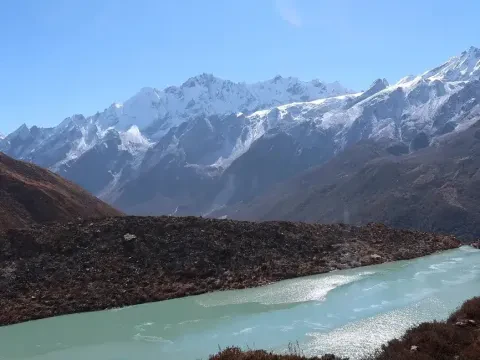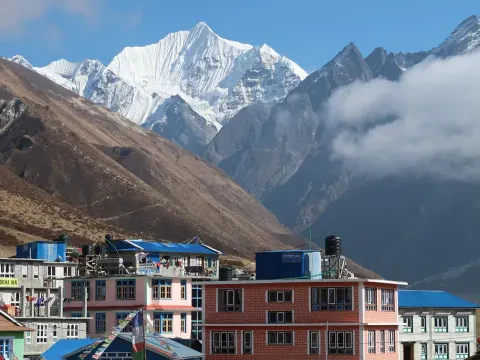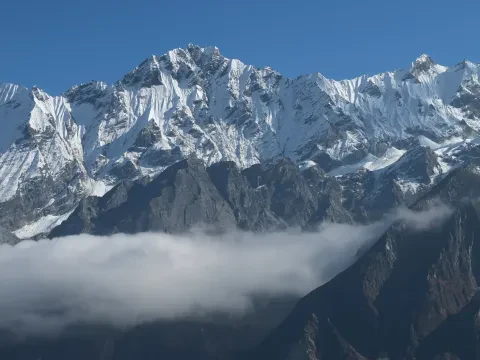
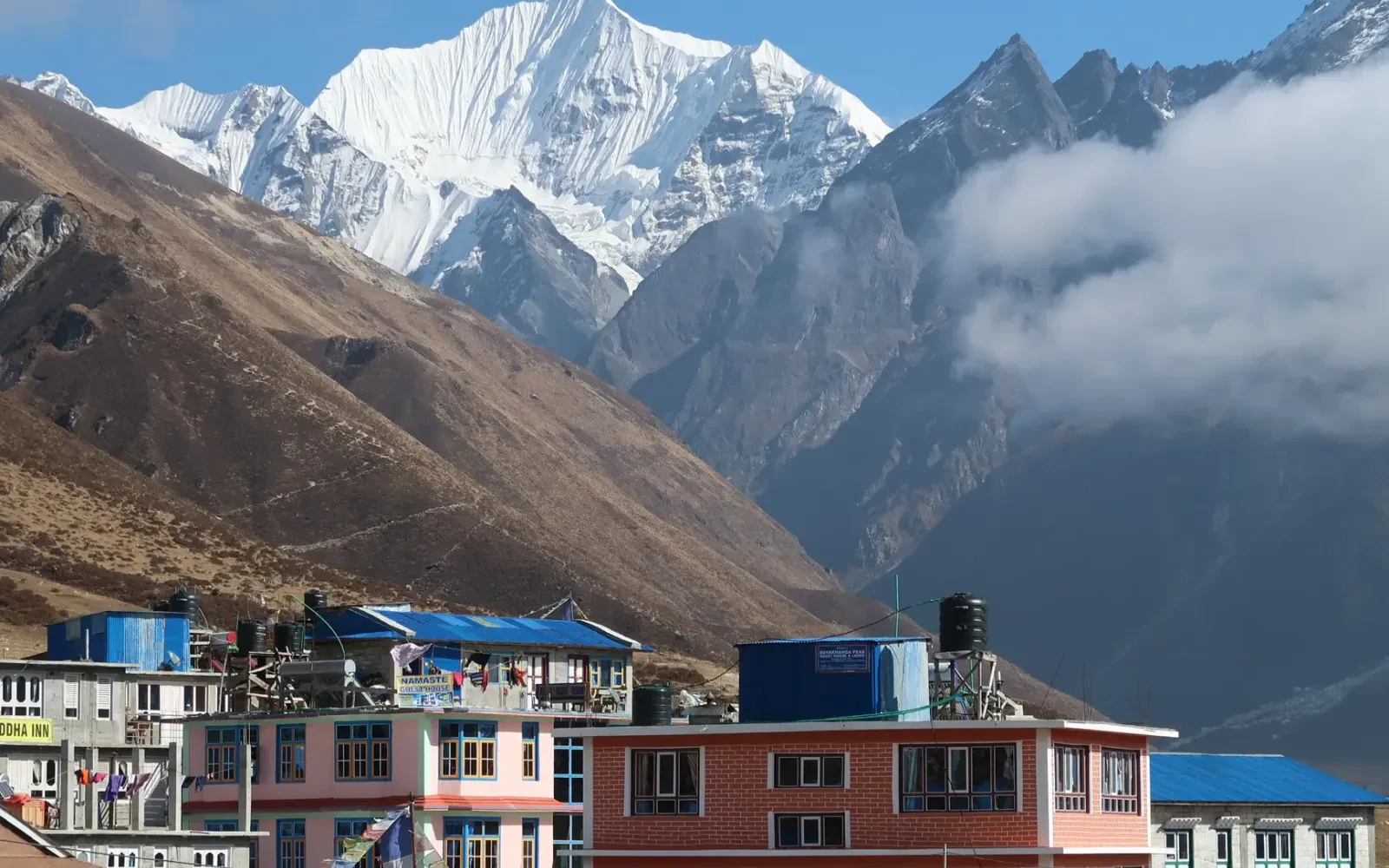
Actually, Langtang Valley Trek really comes alive in spring, especially in March and April. This is the sweet spot for trekking in Nepal—mild weather, clear skies, and trails bursting with blooming rhododendrons. Start out from Syabrubesi at 1,550 meters, and you’ll notice how the flowers line the path. It’s not just pretty; the air feels fresh, and the temperatures stay comfortable.
Here, March and April have another perk—fewer crowds. Early spring lets you walk in peace, take in the views, and actually hear the sounds of the mountains. It’s the perfect time for beginners, too. There’s plenty of time to acclimatize before you push on to higher spots or try an optional climb.
As you head deeper into Langtang National Park, you’ll see the lower trails painted red by rhododendrons. Reach Kyanjin Gompa at 3,870 meters, and the scenery just gets better. On clear days, Langtang Lirung stands out against the sky at 7,245 meters—one of those sights you never forget.
By late April, warmer weather brings more trekkers, but the energy on the trail picks up, too. Hike up Tserko Ri at 4,984 meters for a panorama that makes the whole trip worth it. Whether you go in March or April, spring in Langtang means breathtaking views and a real sense of adventure.
Why March and April Excel for Langtang Valley Trek :
In summary, trekkers really think about when to go, and for good reason. Spring in the Langtang Valley feels real and alive—you can sense it with every step, whether you’re there in March or April. Each month brings its own kind of magic.
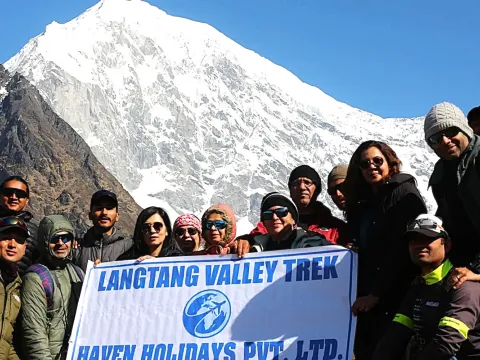
Let’s break down what trekking the Langtang Valley feels like in March compared to April. You want to know about the weather, crowds, and those famous rhododendron blooms? Here’s what you get.
March in Langtang starts off chilly, especially down in the lower valleys. Trekkers leave Syabrubesi (1,550 m) bundled up, breathing in that sharp, fresh air. You’ll probably run into patches of snow as you get closer to Langtang Village (3,430 m). Daytime temperatures hover between 10 and 15 degrees Celsius, so it’s cool but manageable.
Once April rolls around, everything starts to warm up. Trails feel softer underfoot, and at mid elevations, it’s a comfortable 15 to 20 degrees Celsius during the day. This is when the rhododendrons really go wild—by the time you reach Kyanjin Gompa (3,870 m), the hillsides explode with color. The views open up, especially if you’re heading up towards Tserko Ri (4,984 m). The landscapes just get better and better.
Crowds? March is still on the quieter side. You get those peaceful stretches of trail all to yourself, and it’s easier to spot wildlife in the early spring. There’s a real sense of solitude if you plan your trek early.
But by April, the secret’s out. More trekkers show up, and the valley feels livelier. People swap stories at the teahouses, and the trails buzz with energy. The flowers are at their best, and the whole place feels like a celebration.
| Aspect | March | April |
|---|---|---|
| Daytime Temperature | 10-15°C (lower), colder highs | 15-20°C (lower), milder highs. |
| Night Temperature | -5 to 5°C at Kyanjin Gompa (3,870 m) | 0 to 8°C at Kyanjin Gompa (3,870 m). |
| Rhododendron Bloom | Early stages near Lama Hotel (2,470 m) | Full bloom, vibrant colors. |
| Crowds | Fewer trekkers | Peak spring season Nepal trekking. |
| Snow Risk | Possible at Tserko Ri (4,984 m) | Minimal on trails. |
| Permit Cost NPR 3,000 | Langtang National Park + TIMS | Same fixed cost for Langtang Valley Trek. |
Therefore, both months have a lot to offer. It really comes down to what you want. March or April—the Langtang Valley Trek works for just about everyone.
In conclusion, spring brings these trails to life. Hikers always come back with stories and fresh energy. If you’re looking for memories that stick, start planning your Langtang Valley Trek now.
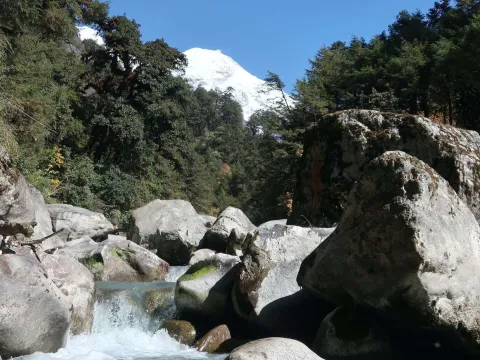
Meanwhile, Langtang Valley Trek in March feels sharp and fresh. Down in places like Syabrubesi (1,550 m), daytime temperatures sit between 10 and 15°C. The air wakes you up as you climb higher, and, honestly, those crisp afternoons are hard to beat. But once the sun dips, things get cold fast. Near Kyanjin Gompa (3,870 m), nights drop to -5°C or even -10°C, so you’ll want to bundle up. There’s often some leftover snow at the higher spots, and trekkers need to layer up to stay comfortable. Still, the spring weather stays mostly steady, and many people love March for its clear, invigorating conditions.
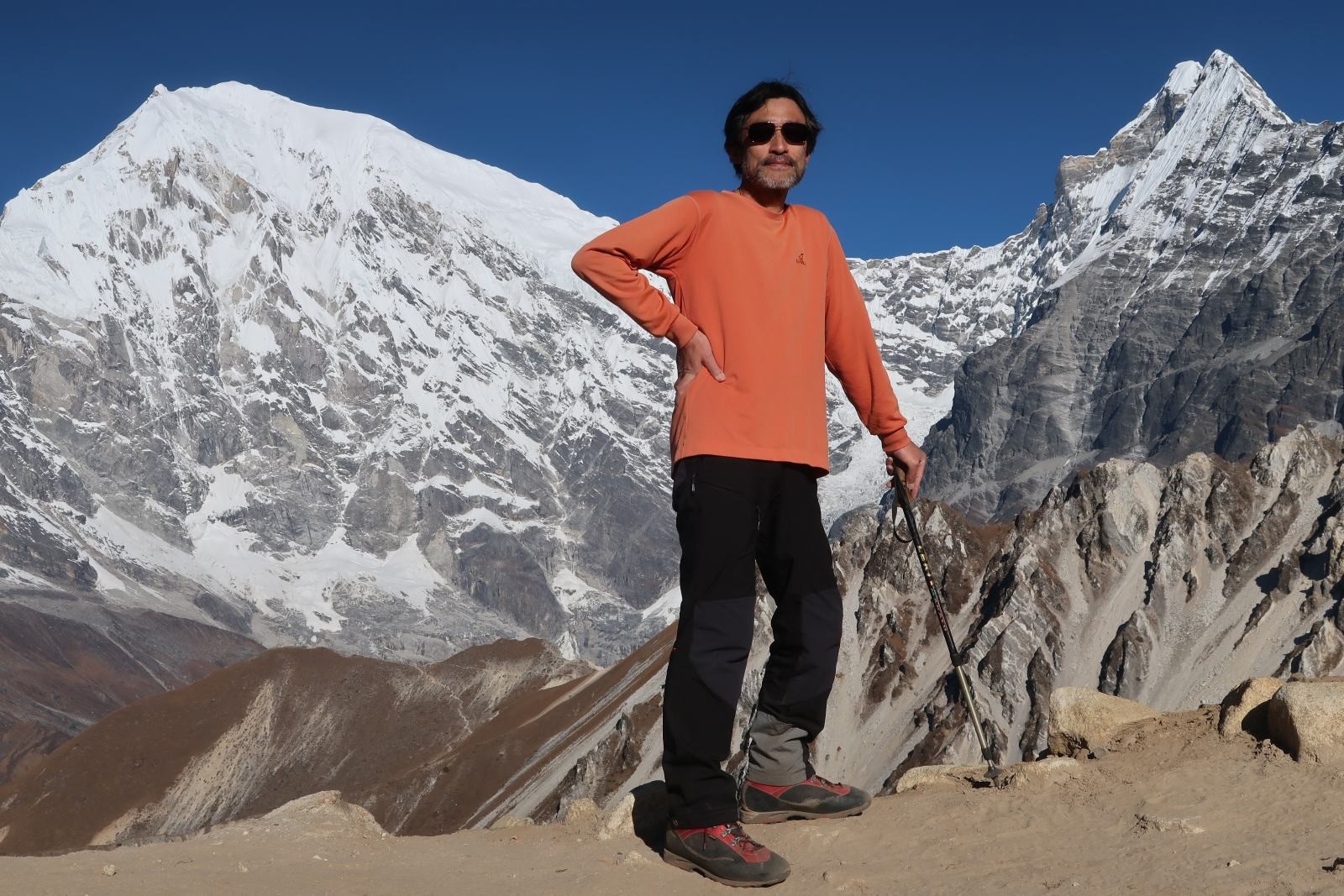
In fact, April changes the mood. The days warm up, especially around the Lama Hotel area (2,470 m), where you’ll see temperatures creeping up to 15–20°C. The sun is out, the trails feel friendlier, and walking becomes a lot more relaxed. This warmth really adds some energy to the trek.
Likewise, nights in April still get chilly at the higher camps, though—around Kyanjin Gompa, you’re looking at -5°C to 0°C after dark. You can’t ditch your warm clothes just yet. But overall, April’s milder days make the trek feel easier and more welcoming.
March vs April Temperature Comparison for Langtang Valley Trek :
In summary, march brings crisp, refreshing air, while April feels warmer and more comfortable. Both months light up the Langtang Valley Trek in spring and make the whole experience in Nepal just right.
If you want those unbeatable mountain views on the Langtang Valley Trek, March is tough to beat. Early spring mornings show off clear blue skies, and there’s barely any haze. You wake up, look out, and the outline of Langtang Lirung (7,245 m) is sharp as ever from spots like Tserko Ri (4,984 m). The air feels so clean, you can almost see every ridge and glacier.
Actually, March really cuts down on that afternoon haze you get later in spring. You get wide-open views of Dorje Lakpa (6,966 m), Ganesh Himal, and all those high peaks. It’s the perfect setup for photos—no fuzzy edges, just crisp, dramatic scenery everywhere you look. If you’re after those iconic, clear Himalayan panoramas, March delivers.
Likewise, April isn’t bad either, especially at the start. You get those wild rhododendron blooms lighting up the trails, and the peaks still look great in the mornings. But as the month goes on, a little haze starts creeping in, especially later in the day. You’ll still catch some fantastic views early, but they aren’t quite as sharp as March.
Honestly, most trekkers say March is the sweet spot for clarity. Distant peaks look razor-sharp before the pre-monsoon moisture rolls in. Those sunrise views over the Langtang range? Unforgettable. If you want the clearest skies, March usually wins.
Sky Clarity and Views Comparison: March vs April in Langtang Valley Trek :
Therefore, march usually brings the clearest skies. Trekkers love this time for those perfect mountain views. If you’re deciding between March and April for the Langtang Valley Trek, early spring really stands out.
In conclusion, clear skies just make everything better out there. Hikers come back with amazing photos and even better stories. Pick your timing well—spring in Nepal can give you memories you’ll never forget.
If you want to see Langtang Valley at its most colorful, spring is the time to go. Rhododendrons start showing off early in March, especially near Lama Hotel (2,470 m), where you’ll spot the first pink and white blooms dotting the trails. It’s subtle at first—just hints of color as winter finally lets go.
By mid-March, the flowers get bolder. As you climb toward Ghoda Tabela (3,000 m), red rhododendrons appear here and there. It’s not overwhelming yet, but you’ll find plenty of moments worth snapping a photo. March feels like a gentle warm-up—nature stretching after a long nap.
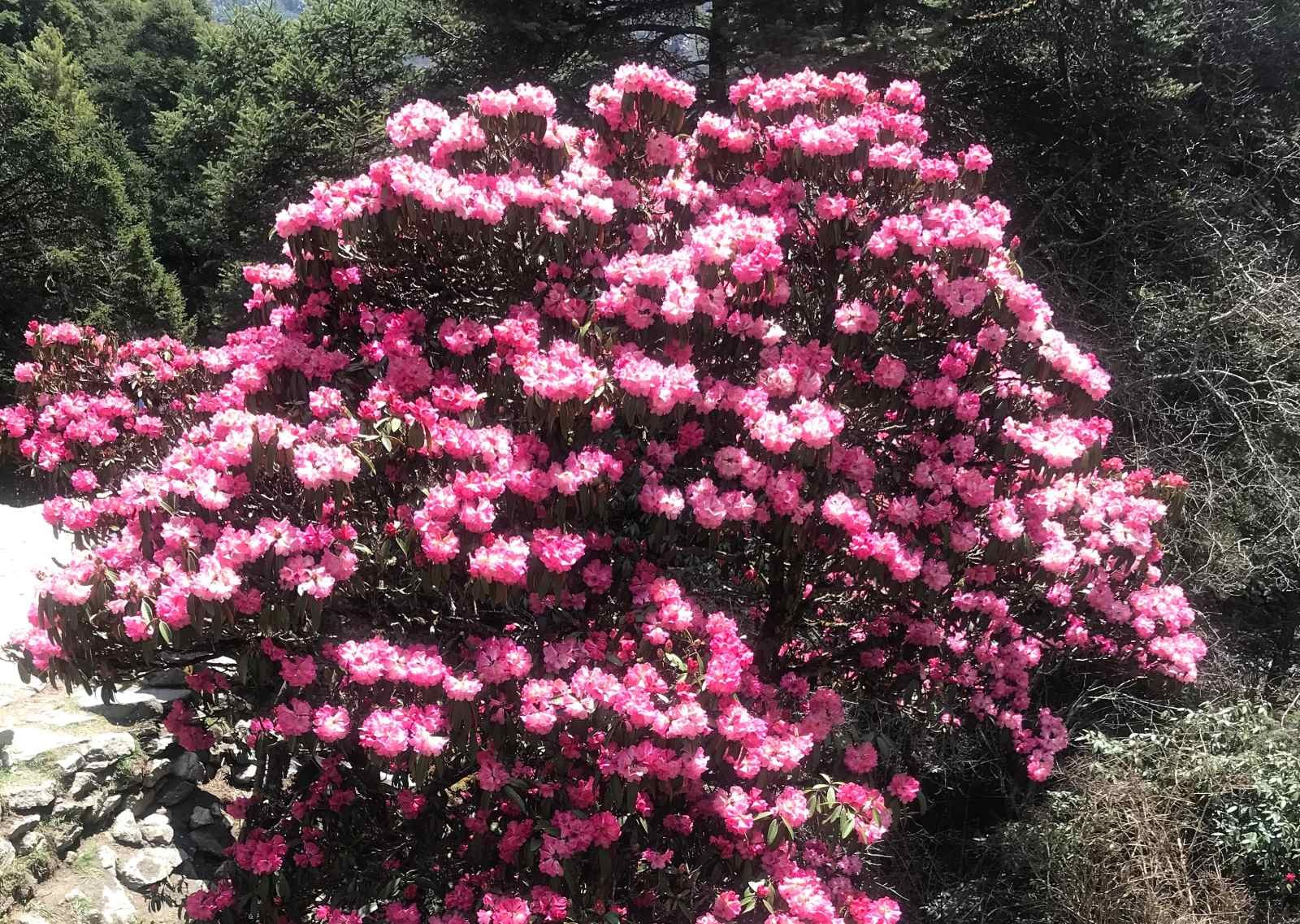
Then April rolls in, and the whole valley just erupts. Between Lama Hotel and Ghoda Tabela, the forests turn into a wall of red and pink. You walk right through tunnels of blooming rhododendrons—it’s that intense. If you want the full, dramatic floral show, April is when you get it.
Up higher, near Kyanjin Gompa (3,870 m), things bloom a little later. There, the bright flowers pop out against the snowy backdrop of Langtang Lirung (7,245 m). The contrast is something else. So, whether you like catching those first shy blossoms or want to be there for the main event, the timing is really up to you. Either way, spring in Langtang doesn’t disappoint.
Rhododendron Bloom Timeline: March vs April in Langtang Valley Trek :
So, here’s how it goes: the valley doesn’t just bloom all at once. It slowly wakes up, color by color. If you like things a bit quieter, March is your month—the beauty’s there, but it’s understated. But if you want to see the place at its wildest, when flowers go all out, April’s when you should go.
If you’re after peace and quiet on the Langtang Valley Trek, March hits that sweet spot. The trails aren’t packed—just a handful of groups setting out from Syabrubesi and heading up. You get to soak in the mountain silence, take your time, and really feel like the trek is yours. March just feels calm. It’s easy to connect with the Tamang villages—maybe share a cup of tea with a local, or spot wildlife that isn’t spooked by crowds. Every step feels more personal.
Actually, April’s a different vibe. More trekkers show up, especially around places like Lama Hotel and Kyanjin Gompa. Teahouses get busier. You hear laughter, stories, and all kinds of accents at shared tables. The valley hums with energy. But honestly, even in April, Langtang never gets as swamped as Everest or Annapurna. You can still find your space, especially past Ghoda Tabela. April’s perfect if you like some company—a bit of adventure mixed with camaraderie.
So, if you want serene trails and quiet moments, March is your month. If you love swapping stories and meeting fellow trekkers, go for April. Either way, spring in Langtang delivers.
Crowd Levels Comparison: March vs April for Langtang Valley Trek :
Therefore, march gives you peaceful trails. April, on the other hand, is full of energy and more people. Both months add something special to the Langtang Valley Trek.
Honestly, the size of the crowd changes your whole experience. Pick the vibe you want, and you’ll create your own memories. Spring in Nepal really gives you the choice—quiet or lively, whatever you’re after.
If you’re heading out on the Langtang Valley Trek in March, expect to run into patches of snow, especially around Kyanjin Gompa (3,870 m) and the trail to Tserko Ri (4,984 m). Early March still feels like winter up high. You’ll want to watch your step on those slippery spots—microspikes or trekking poles come in handy. As the month wears on and the days get warmer, lower sections start to dry out. Below Langtang Village (3,430 m), the trails clear up pretty well.
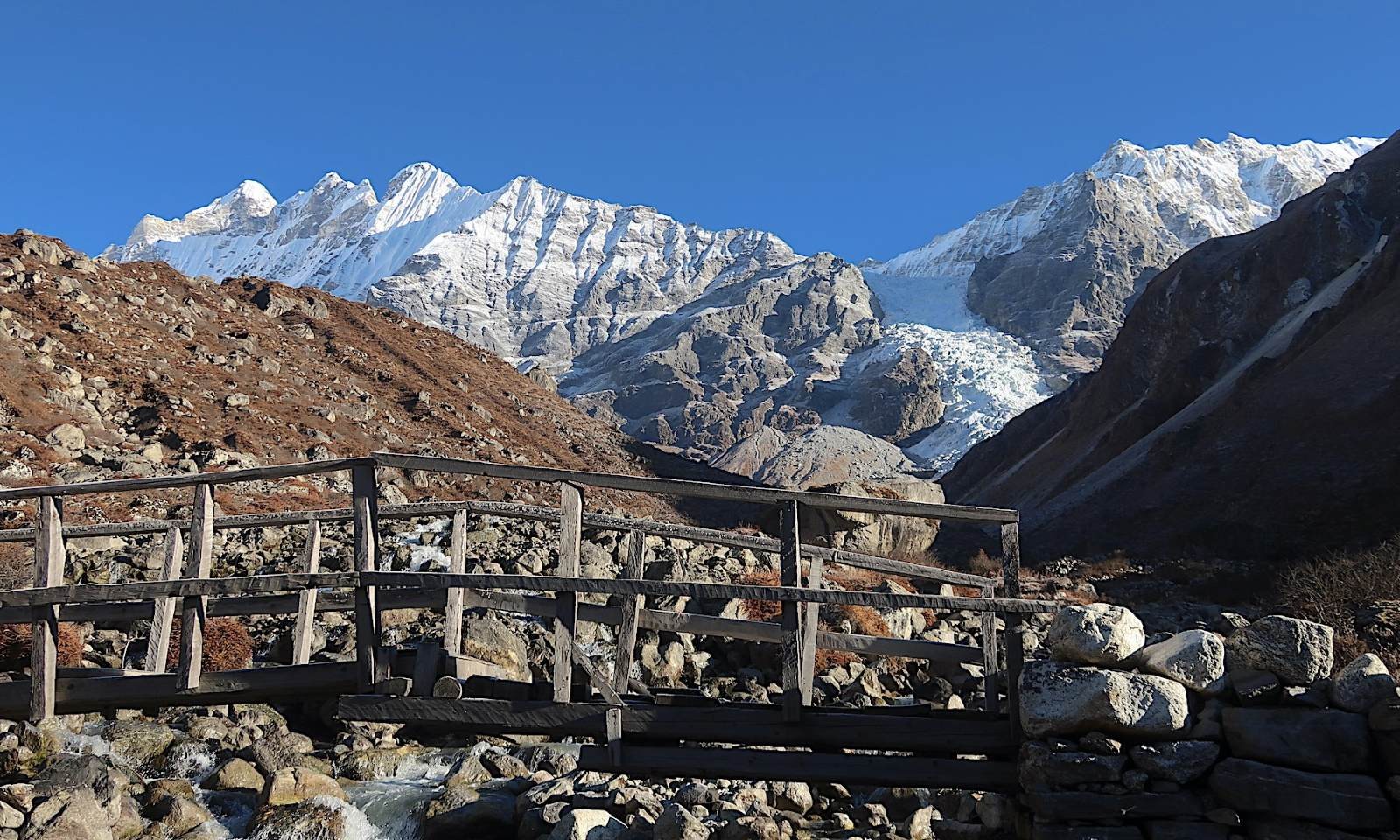
By April, things look a lot different. Most of the snow has melted from the main paths, so you’re walking on dry, solid ground all the way to Kyanjin Gompa. Only the highest points hang onto a little snow, and even that’s rare. April feels easier and safer—much better for trekking if you want to avoid tricky footing.
Sure, every now and then you might get a quick snow shower early in April, but those don’t stick around. Check the weather before you go, just to be safe. Overall, April gives you a smoother, more comfortable trek with fewer surprises along the way.
Snow and Trail Conditions Comparison: March vs April in Langtang Valley Trek :
So, March asks you to get ready for snow. April’s a lot simpler—you get clear trails and easier walking. Either way, both months open the door to some really rewarding high-altitude trekking in Nepal during spring.
When you’re trekking in Langtang Valley in March or April, the days just keep getting longer—which is a huge plus. In March, you get about 11.5 to 12 hours of daylight around Kathmandu and up in the valley. That means you can start early, take your time, and still finish up with daylight to spare. The extra sunlight really lets you set your own pace, especially as you climb higher.
Actually, March feels like a fresh start—every day, the sun hangs around a bit longer. You can cover the distance from Syabrubesi up to the higher camps without rushing, and you get more time to soak in those clear mountain views. Longer days just make it easier to enjoy everything, and you end up with more energy for exploring.
In fact, April takes it up a notch. Now you’re getting close to 12.5 hours of daylight. You can stroll up to Kyanjin Gompa or tackle those side peaks without watching the clock. With the sun sticking around, the whole trek feels more relaxed and comfortable.
Here, both months give you plenty of time to acclimatize and plan side trips—Tserko Ri, for example, is totally doable. Evenings are calm, and you get to rest up for the next day. All that daylight really helps make high-altitude trekking safer and way more enjoyable.
Daylight Hours and Comfort Benefits: March vs April for Langtang Valley Trek :
Therefore, Both months get the same boost from longer daylight, so trekkers can take their time and feel good about it. Whether you hike the Langtang Valley in March or April, all that extra sunlight really makes a difference.
In conclusion, longer days just make trekking in Nepal better. You get to soak up every moment. So pick the month that feels right for you and enjoy spring at its best.
When you’re planning the Langtang Valley Trek, the timing makes a real difference—especially with acclimatization and safety. March starts off cold. Mornings can be sharp, so you’ll need more layers right from Syabrubesi (1,550 m). Most trekkers take things slow, both to stay warm and to avoid altitude sickness. The air’s crisp, which actually helps some people feel alert as they climb higher.
Here, March isn’t all harsh, though. The weather turns out pretty moderate overall, making it easier to rest and recover at places like Langtang Village (3,430 m). People usually keep an eye out for symptoms and pace themselves. Careful pacing makes altitude sickness less of a problem.
But, April feels different. The days warm up, especially as you get closer to Kyanjin Gompa (3,870 m). Less biting cold means your body doesn’t have to work as hard, and adjusting to the altitude feels smoother. April just feels easier, honestly.
But don’t let your guard down in either month. Staying hydrated and taking your time on the way up makes a big difference. Most trekkers carry medication for extra peace of mind. In spring, as long as you stay aware and don’t rush, the Langtang trek stays safe and rewarding.
Acclimatization and Safety Tips: March vs April in Langtang Valley Trek :
In summary, March demands a bit more effort to handle the cold, while April feels a little kinder as you adjust. With some good planning, both months make for a safe Langtang Valley Trek.
When you trek through Langtang Valley in March, the trails feel quieter. Wildlife seems to come out more—red pandas sometimes show up near Ghoda Tabela, and you’ll spot Himalayan tahr and all kinds of birds without much trouble. Fewer people on the trail make these encounters even better.
Likewise, March also opens the door to more meaningful moments with the Tamang people. In places like Langtang Village, locals welcome you in, share their traditions, and the whole exchange feels authentic because there aren’t so many tourists around. It’s the kind of experience that sticks with you.
April, though, flips the mood. The valley buzzes with energy. Teahouses fill up near Kyanjin Gompa, and trekkers swap stories over meals. Everything feels more social. You catch glimpses of daily life and community events as the landscape bursts into bloom. It’s spring in Nepal, and you’re right in the middle of it.
Here, wildlife stays active in both months—you can still see red pandas and plenty of birds—but the atmosphere changes. March gives you peace and genuine cultural encounters. April brings color, crowds, and lively moments. It really just depends on the vibe you’re looking for.
Wildlife and Cultural Differences: March vs April in Langtang Valley Trek :
Therefore, March brings a quiet calm, while April bursts with energy. Trekking through Langtang Valley feels different in each—March gives you peaceful moments with nature, but April pulls you into its vibrant life and local culture.
Honestly, it’s the mix of wild landscapes and the people you meet that makes these trips stick with you. Choosing when to go matters. Spring in Nepal? That’s when you really feel the heart of the Himalayas.
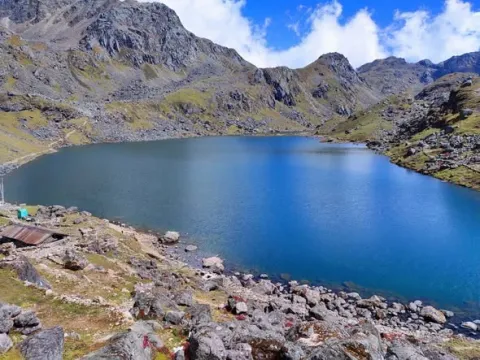
Trying to pick the best month for your Langtang Valley Trek? Here’s what really matters. If you’re after peace and quiet, March is your month. The trails between Syabrubesi and Kyanjin Gompa feel almost empty, and the views of Langtang Lirung are sharp and clear. The air bites a bit, but honestly, it just makes the mountains look even crisper. March is perfect if you love having the place to yourself.
But if you want color and a little more warmth, April steals the show. Rhododendrons light up the forests near Lama Hotel and Ghoda Tabela, and the air feels softer. It’s easier to keep your pace at higher altitudes, and the scenery bursts with life. April is the dream for anyone who wants those famous spring blooms and milder days.
Now, if you want the best of both worlds, early April is the sweet spot. You still catch the tail end of solitude from March, but the flowers start to pop and the temperatures climb just enough. The crowds aren’t bad yet, and the skies usually stay clear. For most trekkers, early April comes out on top.
Personal Recommendations: March vs April vs Early April for Langtang Valley Trek :
To sum it up, it all comes down to what you like. March feels thoughtful and a bit quieter, perfect for reflection. April shows off with bright colors and a cozy vibe. Honestly, if you pick early April, you get a little bit of everything.
If you’re heading to Langtang Valley in March or April, here’s what you really need to know. Pack smart—layers are your best friend. Nights get cold up near Kyanjin Gompa (3,870 m), so bring a warm down jacket. It can rain too, so lightweight rain gear goes a long way. Don’t forget solid trekking boots; the trails get rough and you’ll want good footing.
Here, book your permits and teahouse stays early. Spring is busy, especially in April, and places fill fast. Get your Langtang National Park entry and TIMS card sorted in Kathmandu before you leave. The sooner you handle bookings, the less you’ll stress out later.
Honestly, spring in Langtang is hard to beat. You get wild rhododendron blooms, those jaw-dropping views of Langtang Lirung (7,245 m), and steady weather most days. The trails buzz with Tamang culture and you’re more likely to spot wildlife. March and April just deliver—simple as that.
One more thing: come prepared. Take acclimatization seriously and respect the local customs. The reward? Memories from Tserko Ri (4,984 m) that’ll stick with you for life. Year after year, spring in Nepal wins.
Essential Planning Tips for Langtang Valley Trek in March or April :
In conclusion, When you take time to prepare, the whole experience gets better. Trekkers really soak up the magic of spring out there. Hiking the Langtang Valley in March or April? You connect with the Himalayas in a way that sticks with you. Go ahead—start planning your trip.
1. What is the best month between March and April for Langtang Valley Trek?
The Langtang Valley Trek is great in both March and April. March has nice weather the air is crisp and the mountains look amazing. There are also people on the trails so it is more peaceful. April is a bit warmer. The flowers are in bloom, which is really beautiful. So, if you want to be chosen March for the Langtang Valley Trek. If you want to see the flowers and be more comfortable choose April for the Langtang Valley Trek.
2. How does the weather in March compare to April on the Langtang Valley Trek?
In March the days are cool. It can even frost in the mornings. It can also snow a bit at elevations. April is warmer. The sun shines more. The days are nicer. It does not get as cold. At night it can still get pretty chilly in both March and April. April is generally more comfortable for most people who do the Langtang Valley Trek.
3. Which month provides mountain views during the Langtang Valley Trek?
The Langtang Valley Trek has mountain views in both March and April. In March the air is drier so you can see the mountains clearly. In April it can get a bit cloudy in the afternoons. The views are still really nice. You can see the Langtang Lirung and the surrounding peaks well in both months.
4. When do rhododendrons bloom in Langtang Valley?
The rhododendron flowers start to come out in March especially in the lower parts of the Langtang Valley. By March and April, the whole valley is covered in beautiful red, pink and white flowers. April is the time to see the rhododendrons in full bloom and it is a great time for taking pictures.
5. Is the Langtang Valley Trek crowded in March or April?
The Langtang Valley Trek is less crowded in March. You will see people on the trails and you can have a more peaceful time. In April there are people but it is still not as crowded as some other trekking areas. If you like being alone March might be better for you.
6. What about snow and trail conditions in March vs April?
In March there can still be some snow on the trails at higher elevations. You might need shoes to walk on the snow. In April most of the snow has. The trails are clearer. It is easier to walk in April. You might still see a bit of snow in some places.
7. How do daylight hours affect trekking in March and April?
Both March and April have days but April has even more daylight. This means you can walk at a pace explore more and get back to your lodge before it gets dark. The longer days make the Langtang Valley Trek more enjoyable in the spring.
8. Which month is safer for acclimatization on Langtang Valley Trek?
Both March and April are good for acclimatization. You can climb slowly. Get used to the higher elevation. March can be a bit more challenging because it is colder. April is warmer and easier. Long as you walk slowly drink plenty of water and rest when you need to you will be safe in either month.
9. What wildlife and cultural experiences differ between March and April?
In March you can experience the culture more quietly. You can visit the Tamang villages. See how people live. In April you can see animals like birds and deer because the flowers are in bloom. Both months are great for interacting with the people visiting monasteries and seeing the cheese factories.
10. Can beginners do the Langtang Valley Trek in March or April?
Yes, beginners can do the Langtang Valley Trek in both March and April. The trek is moderately difficult. You need to be in decent shape. In March you need to be prepared for the possible snow. In April the trails are easier. The weather is warmer. You should hire a guide to help you and make sure you are safe.
11. What is the temperature range for Langtang Valley Trek in March?
In March the temperature during the day is 8-15°C in the lower areas. At elevations it can be really cold even below 0°C. You need to be prepared for the weather and bring warm clothes.
12. What packing tips apply specifically for April Langtang Valley Trek?
For the Langtang Valley Trek in April you should pack clothes for the warmer days a rain jacket in case it rains, good boots and sun protection. You do not need many heavy clothes as in the winter but you should bring insect repellent because there can be more bugs in the lower trails.
13. Is Langtang Valley Trek possible for solo trekkers?
Yes, solo trekkers can do the Langtang Valley Trek. You hire a guide because of the safety.
14. How difficult is the Langtang Valley Trek compared to other treks?
The Langtang Valley Trek is moderately difficult. You need to be in shape to do the trek. The highest point is around 4,300m. You need to acclimatize slowly. March can be a bit more challenging because of the snow. April is easier. The Langtang Valley Trek is easier than some treks like the Manaslu Circuit or Everest Base Camp.
15. What permits are needed for Langtang Valley Trek?
For the Langtang Valley Trek you need a Langtang National Park entry permit.
16. Which month is better for photography on Langtang Valley Trek?
Both March and April are great for photography on the Langtang Valley Trek. In March the mountains are really clear. The early flowers are beautiful. In April the rhododendron flowers are in bloom and the landscapes are really vibrant. You can take pictures in both months especially during the golden hour.
17. How long is the Langtang Valley Trek itinerary?
The standard itinerary for the Langtang Valley Trek is 7-10 days. This includes time to acclimatize at Kyanjin Gompa. Both March and April are great for the trek. You can extend your trip if you want to explore more.
18. What are the accommodation options during the trek?
There are teahouses and lodges along the Langtang Valley Trek where you can stay and eat. In March there are rooms available because there are fewer people. In April you should book ahead because it can get busier. The rooms are basic but comfortable. You can try local Tamang food.
19. Should I choose March or April for my Himalayan trek?
If you like weather and do not mind the possibility of snow March might be better for you. If you prefer weather and want to see the rhododendron flowers April is a great choice. Both months are great for the Langtang Valley Trek. You should consider what you prefer.
20. How to book Langtang Valley Trek for March or April?
You should contact a registered agency, like Haven Holidays Nepal to book your Langtang Valley Trek. They will take care of your guide, permits, accommodation and meals. Make sure to book at least 3-6 months before your trip to get the best dates and availability.
Our travel experts are ready to assist you with any questions.
Send us a message.Have a question before you book? Send your enquiry below and our travel experts will get back with the required information.