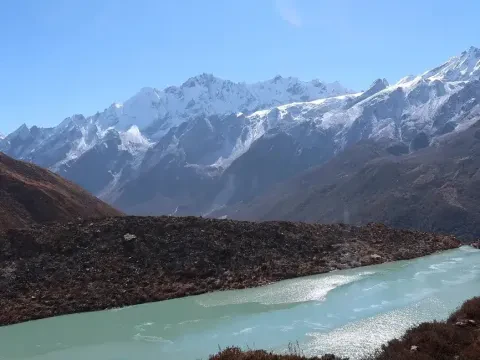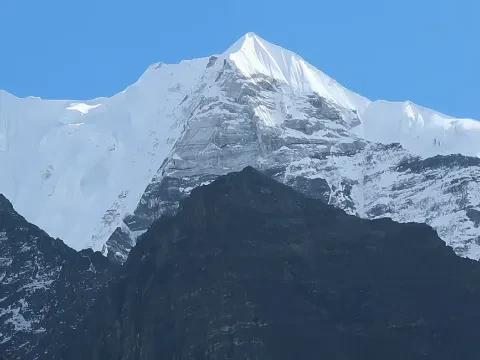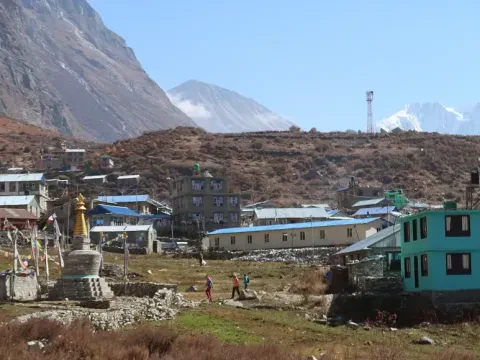
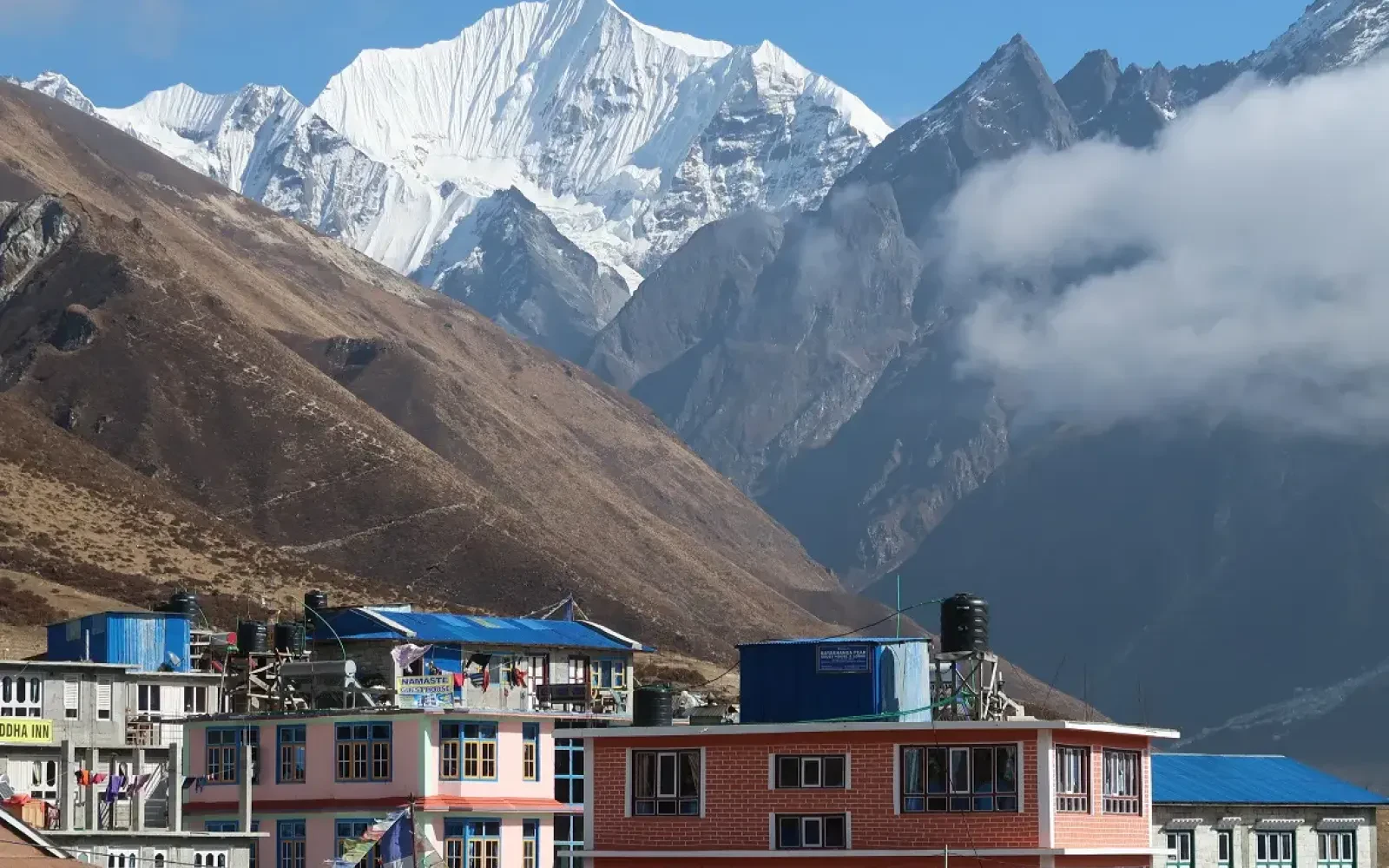
Meanwhile, Langtang Valley Trek really pulls you in with its raw Himalayan beauty. The journey kicks off in Syabrubesi, sitting at 1,460 meters, and winds its way up to Kyanjin Gompa at 3,870 meters. Along the way, you’re surrounded by dense forests, roaring rivers, and villages where locals greet you like an old friend. Glaciers glint in the sunlight beneath peaks like Langtang Lirung(7,227m), and wildlife just does its thing inside Langtang National Park.
Likewise, the mountains—always there, always impressive—but it’s the green pine forests that soften the edges. The Tamang people? They aren’t just part of the landscape; they invite you into their world, sharing songs and traditions that turn the trek into something more than just a hike. The climb isn’t punishing either—elevation comes on gradually, so even first-timers get a fair shot. In spring, wildflowers light up the meadows; in winter, streams freeze over and everything feels crisp. Nature and culture come together in a way that feels effortless. People are catching on, but the valley still flies under the radar, so you won’t be fighting crowds to soak it all in.
Getting to Langtang is straightforward—just a 7-8 hour drive from Kathmandu to Syabrubesi—and suddenly you’re walking through bamboo forests and rhododendron tunnels, with yaks grazing in the high fields above. If you’re up for a challenge, Kyanjin Ri(4,773m) and Tserko Ri(4,984m) both serve up sweeping views that make the climb worth every step. Peaks like Dorje Lakpa(6,966m)and Gangchempo(6,388m) loom overhead, dramatic and a little bit intimidating. Monks chant in the monasteries, and there’s a sense of calm woven through the air. After the earthquake in 2015, the local communities rebuilt with grit, and you feel that resilience everywhere. Red pandas skitter through the trees, snow leopards leave their tracks—biodiversity thrives here. Moreover, each season spins the valley in a different light, but autumn is king for those endless blue skies. The trails stay quiet, but you’re never far from a cozy teahouse. Langtang offers that rare mix of adventure and peace, which makes it a perfect fit for anyone chasing something real in Nepal.
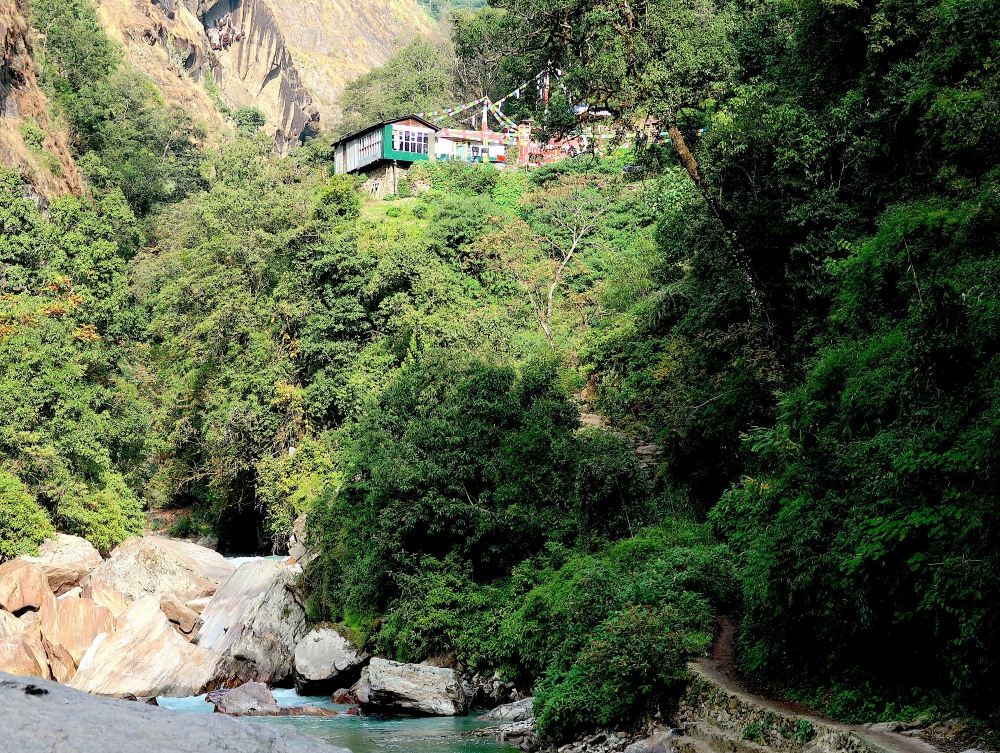
Key Highlights of Langtang Valley Trek:
| Major Peaks and Viewpoints | Elevation (m) | Description |
| Langtang Lirung | 7,227 | Dominant glacier-covered peak, visible throughout the valley. |
| Dorje Lakpa | 6,966 | Striking summit offering dramatic backdrops for photos. |
| Kyanjin Ri | 4,773 | Popular day hike from Kyanjin Gompa for 360-degree views. |
| Tserko Ri | 4,984 | Higher viewpoint with expansive panoramas of the Langtang range. |
Essential Trek Facts:
| Day | Starting Point - Ending Point | Elevation Gain (m) |
| 1 | Kathmandu - Syabrubesi (1,460m) | Minimal (drive) |
| 2 | Syabrubesi - Lama Hotel (2,470m) | +1,010 |
| 3 | Lama Hotel - Langtang Village (3,430m) | +960 |
| 4 | Langtang Village - Kyanjin Gompa (3,870m) | +440 |
| 5 | Kyanjin Gompa - Explore Kyanjin Ri (4,773m) | +903 (day hike) |
| 6-7 | Descent back to Syabrubesi - | Full descent |
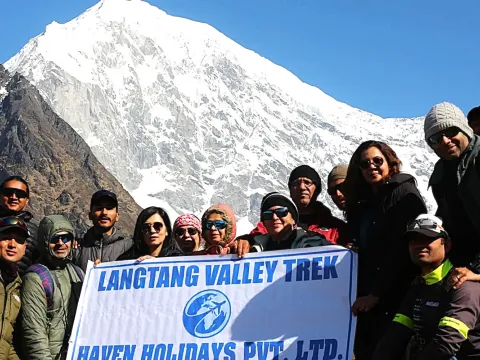
Honestly, it’s all about the quiet, the Langtang Valley Trek. Everest Base Camp is packed—everyone wants that photo. Annapurna Base Camp? Same story. But in Langtang, you get to walk peaceful trails where you can actually hear your own footsteps. There’s a real sense of calm here that’s hard to find on the busier routes. If you want to escape the crowds and just take in the mountains, Langtang delivers.
Likewise, budget travelers love it too—there’s no expensive flight to Lukla or extra permits, just a simple drive from Kathmandu and you’re off. That saves time, money, and a bit of stress. The trek isn’t as tough as some of the others, so beginners feel more at home, but you’ll still get a taste of adventure. And while you’re up there, you’ll meet the Tamang people. Their culture feels different from the Sherpa or Gurung traditions you find elsewhere, and you get to experience it up close—no touristy distractions.
Moreover, most people spend 7 to 10 days on the Langtang trek, so you don’t have to block off two full weeks like you do for Everest. The landscapes? Glaciers, deep valleys, snow-capped peaks—they’re every bit as impressive as what you’d see on Annapurna, just without the traffic jams. The altitude stays lower, so you’re less likely to struggle with sickness. Plus, the area hasn’t been commercialized to death. Money you spend goes straight to local families, and you’re more likely to spot wildlife in the national park since the trails aren’t crowded.
Similarly, even the timing is easier. Langtang dodges the worst of the monsoon, while some of the other treks can get washed out. For anyone who wants real Himalayan beauty—without all the noise—Langtang’s the secret that more trekkers should discover.
Advantages of Langtang Over Everest and Annapurna:
| Trek Comparison Overview | Everest Base Camp | Annapurna Circuit |
| Duration (Days) 7-10 | 12-14 | 12-20 |
| Max Elevation (m) 4,984 | 5,364 | 5,416 |
| Access from Kathmandu 7-8 hour drive | Flight to Lukla | Drive/Fly to Pokhara |
| Difficulty - Easy-Moderate | Moderate-Hard | Moderate-Hard |
| Annual Visitors (Approx.) - Low (thousands) | High (50,000+) | High (40,000+) |
| Cost Range (USD) - 800-1,200 | 1,200-2,000 | 1,000-1,800 |
Additional Appeal Factors:
Risks comparison:
| Aspect | Langtang | Everest/Annapurna |
| AMS Risk | Low | High |
| Trail Crowding | Minimal | Severe |
| Accommodation Availability | Ample, Basic | Often Booked Out |
| Cultural Diversity | Tamang Focus | Sherpa/Gurung Mix |
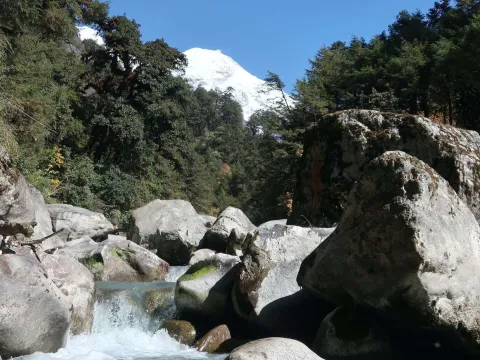
Here, let’s be honest—the mountain views on the Langtang Valley Trek steal the show. Langtang Lirung, towering at 7,234 meters, owns the skyline. Its massive south face just stops you in your tracks. Ganesh Himal(7,429m) rises to the west, even taller, and Dorje Lakpa(6,966m) cuts a sharp, elegant profile on the horizon. Gangchempo(6,388m) and Yala Peak(5,520m) round out the view, glaciers glittering beneath them.
Moreover, when the sunlight hits just right, the whole landscape lights up. People can’t help but pull out their cameras, trying to capture what’s honestly impossible to forget. This place draws in photographers and anyone who loves wild, raw nature. If you’re chasing that classic Himalayan grandeur, Langtang never disappoints.
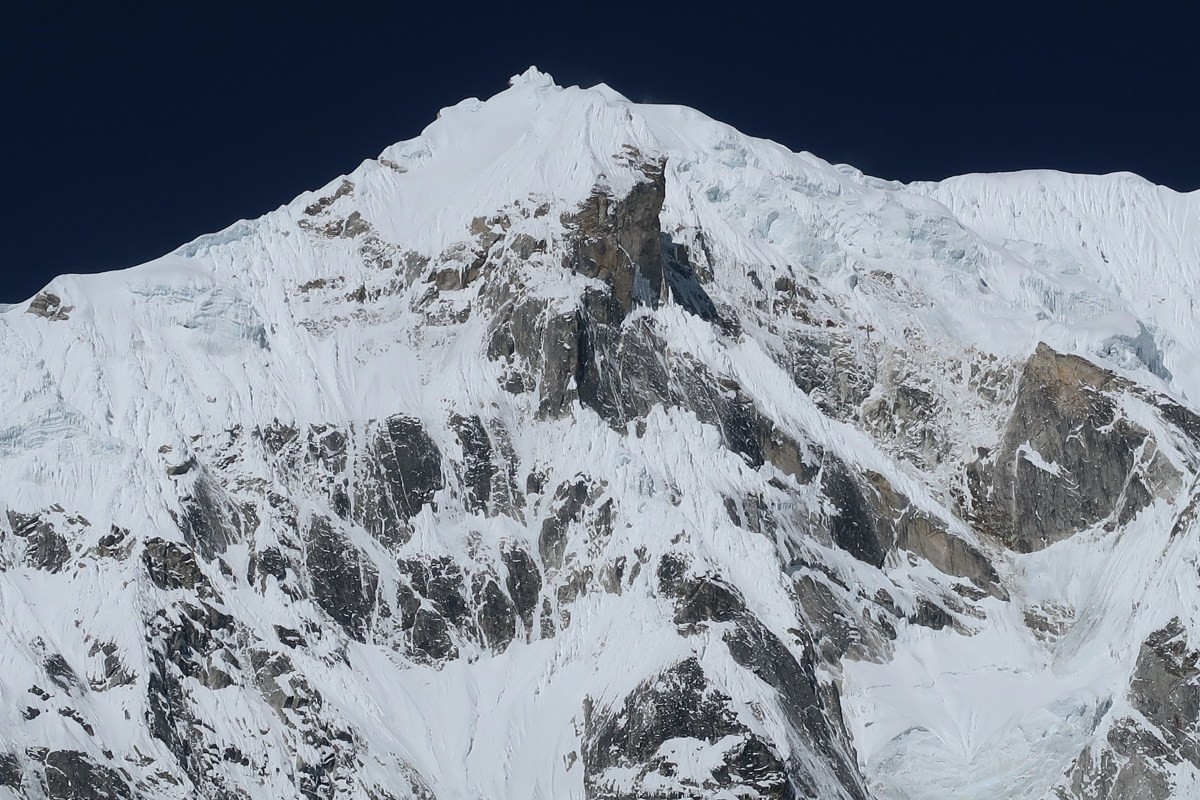
Further, you may ask, “The best part?” These panoramas keep coming as you move through the valley. Kyanjin Ri(4,773m) offers a 360-degree sweep—Langtang Lirung(7,234m) front and center, with neighboring peaks all around. Push up to Tserko Ri(4,984m), and you’re rewarded with even bigger, wilder views.
On a clear morning, you might even spot Shishapangma in the distance. One minute you’re walking alongside glaciers, the next you’re looking out over endless ranges. Sunrises turn the summits gold; sunsets stretch shadows across the snow. Sometimes you spot wildlife, just to make it even more memorable. This is the sort of landscape that stays with you for life. That’s why adventurers keep coming back—Langtang has a way of capturing your heart with its pure Himalayan beauty.
Iconic Peaks and Their Elevations:
| Major Viewpoints and Panoramas | Elevation (m) | Key Peaks Visible | Best Time for Views |
| Kyanjin Ri | 4,773 | Langtang Lirung (7,234m), Dorje Lakpa (6,966m), Yala Peak (5,520m) | Sunrise for golden light. |
| Tserko Ri | 4,984 | Langtang Lirung (7,234m), Naya Kang (5,844m), Gangchempo (6,388m), distant Shishapangma | Clear autumn mornings. |
| Langtang Glacier Viewpoint | 4,100 | Langtang Lirung base, Langshisa Ri (6,427m) | Mid-day for glacier details. |
| Trails near Kyanjin Gompa | 3,870 | Full Langtang range panorama | Throughout the day. |
Why These Views Stand Out:
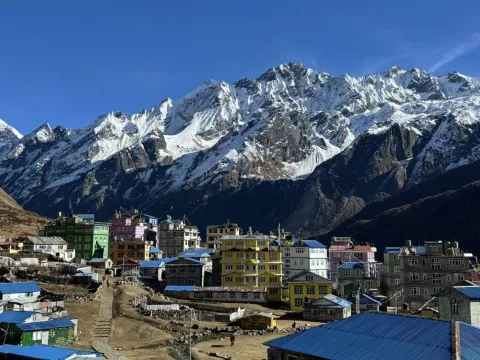
Easy Access and Proximity to Kathmandu for the Langtang Valley Trek Actually, Langtang Valley Trek really stands out because it’s so easy to reach from Kathmandu. You just hop in a jeep or catch a bus, and you’re on your way to Syabrubesi(1,460m)about 120 kilometers out. The drive itself? Full of winding roads, green hills, villages, and those classic countryside views you can’t help but stare at. It usually takes anywhere from 7 to 9 hours, depending on your ride and the road, but there’s no messing around with domestic flights or worrying about delays. That’s a big deal for anyone who’s short on time.
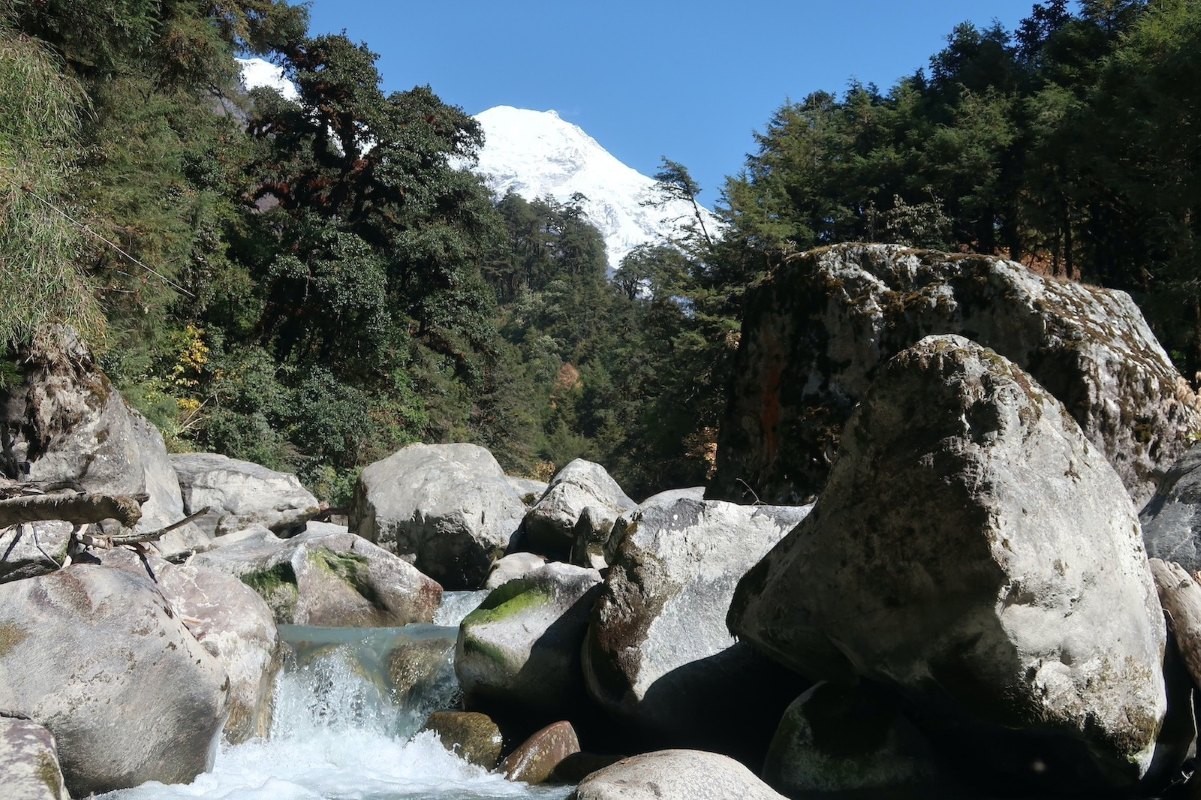
For weekend adventurers or people squeezing in a quick getaway, this Langtang Valley trek is a no-brainer. The whole thing is just straightforward. You leave Kathmandu, follow the Trishuli River, and watch the landscape shift from lush valleys to dramatic mountains. If you want to get there quicker and with a bit more comfort, book a private jeep. If you’re watching your budget, the local bus gets the job done. Plus, after the earthquake, the roads got a facelift, so they’re in decent shape most of the year. By the time you reach Syabrubesi, you’re not exhausted—you’re ready to start hiking.
Honestly, that's what makes Langtang so appealing. You skip the hassle of flights and complicated logistics. It fits into tight schedules and busy lives, but you still get that full Himalayan experience. No wonder more people are choosing Langtang for a quick adventure in Nepal. It’s simple, reliable, and just works for anyone who wants the mountains without the extra fuss.
Access Details and Logistics:
Comparison:
| Access to Popular Treks | Trek | Access Method | Time from Kathmandu | Notes |
| Langtang Valley | Drive only | 7-8 hours | No flight risks; reliable year-round. |
| Everest Base Camp | Flight to Lukla + trek | 1-hour flight + 2 days | Weather-dependent flights. |
| Annapurna Circuit | Drive/Fly to Pokhara | 6-7 hours drive or 30-min flight | Longer overall setup. |
| Manaslu Circuit | Drive to Soti Khola | 8-10 hours | Remote roads, permits needed. |
Benefits of Proximity:
Meanwhile, Langtang Valley Trek is a solid pick for anyone new to trekking or just looking for something that won’t push them to the edge. You’re walking five to seven hours a day, but the trails are clear, the paths are steady, and the climbs aren’t brutal. You don’t need to be an expert, either. Folks with all kinds of fitness levels join in and actually enjoy it.
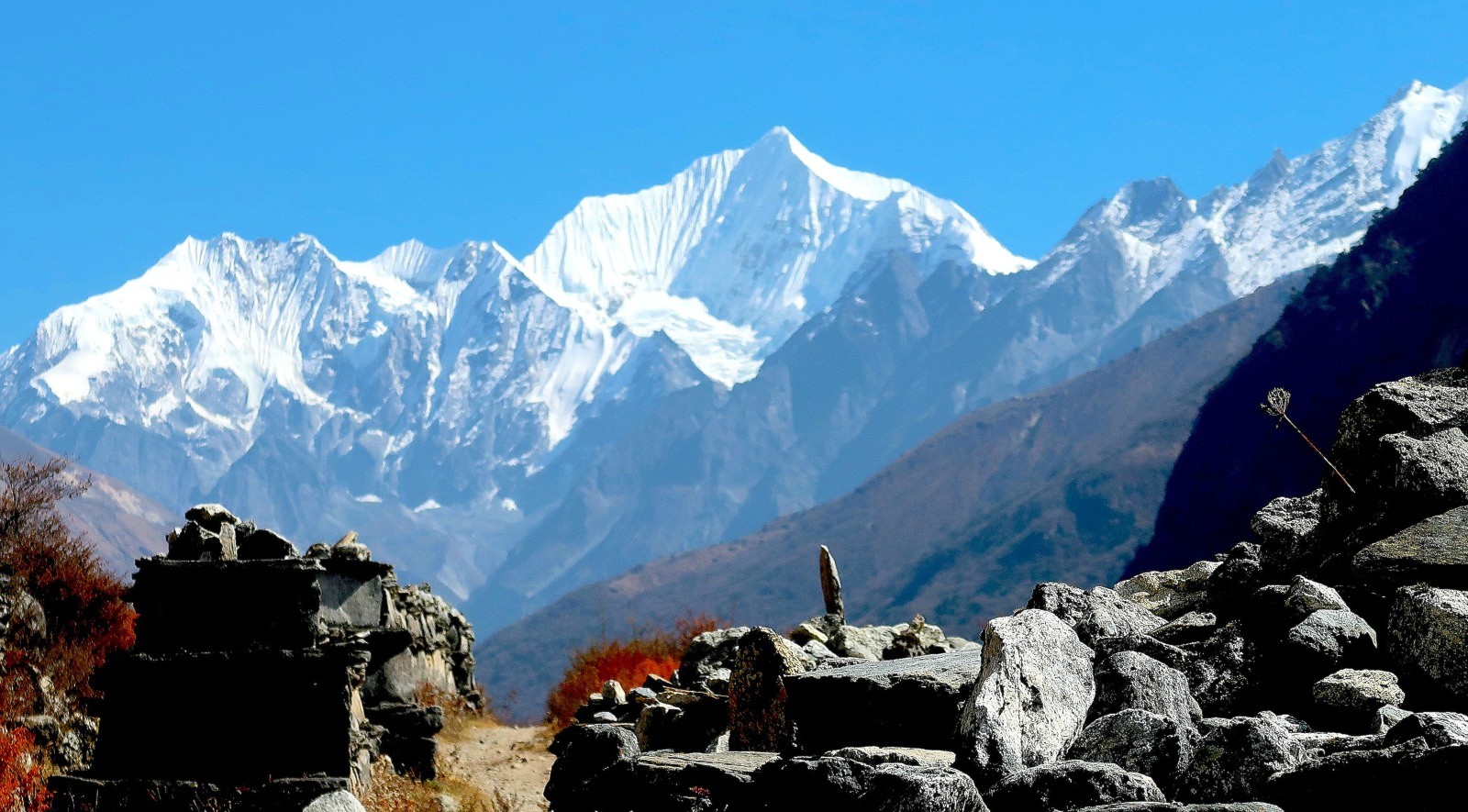
Likewise, you start out in Syabrubesi at 1,460 meters and work your way up to Kyanjin Gompa at 3,870 meters. If you’re feeling ambitious, there’s Tserko Ri at 4,984 meters, but that’s optional. Since you’re not going too high too fast, you dodge most of the altitude drama you’d get on treks like Everest Base Camp or Annapurna Circuit. Families, first-timers, and anyone a little nervous about the Himalayas can relax — this route keeps things safe and manageable.
Here, people love that the daily elevation isn’t crazy — usually between 400 and 1,000 meters. There are rest days built in, so you get time to catch your breath and adjust. The trail winds through forests and villages, skipping those terrifying drops or rickety ladders you get on tougher routes. Since the altitude tops out lower, you don’t hear much about altitude sickness, especially if you keep hydrated and don’t rush.
Honestly, if you’re just starting out or want a trek with plenty of payoff but not too much pain, Langtang is a great choice. It’s the kind of trip that makes people fall in love with trekking, and it leaves you excited for whatever adventure comes next.
Why Langtang Suits Beginners:
Daily Elevation Gain on Langtang Valley Trek:
| Day | From - To | Gain (m) | Notes |
| 1 | Kathmandu - Syabrubesi (1,460m) | Drive | Minimal effort |
| 2 | Syabrubesi (1,460m) - Lama Hotel (2,470m) | +1,010 | Steady climb through forest |
| 3 | Lama Hotel (2,470m) - Langtang Village (3,430m) | +960 | Gradual with village stops |
| 4 | Langtang Village (3,430m) - Kyanjin Gompa (3,870m) | +440 | Easier day for acclimatization |
| 5 | Kyanjin Gompa (3,870m) - Kyanjin Ri (4,773m) or Tserko Ri (4,984m) | +900-1,100 | Optional day hike; return same day |
Altitude Risk Comparison:
Actually, the Langtang Valley Trek isn’t just about mountain views—it’s a deep dive into Tamang and Tibetan culture. In villages like Langtang (3,430m) and Kyanjin Gompa (3,870m), locals greet you with real warmth. You’ll hear the chants coming from centuries-old monasteries, and prayer flags paint the wind with color. People open their homes, share meals, and tell stories that have been passed down for generations. These moments turn travelers into friends.
Likewise, hospitality isn’t just a buzzword here. It’s everywhere—in the teahouses, in family-run homestays, in the way someone hands you a bowl of hot soup after a long day. The culture feels alive and honest, and it changes the trek from a simple walk to something much richer.
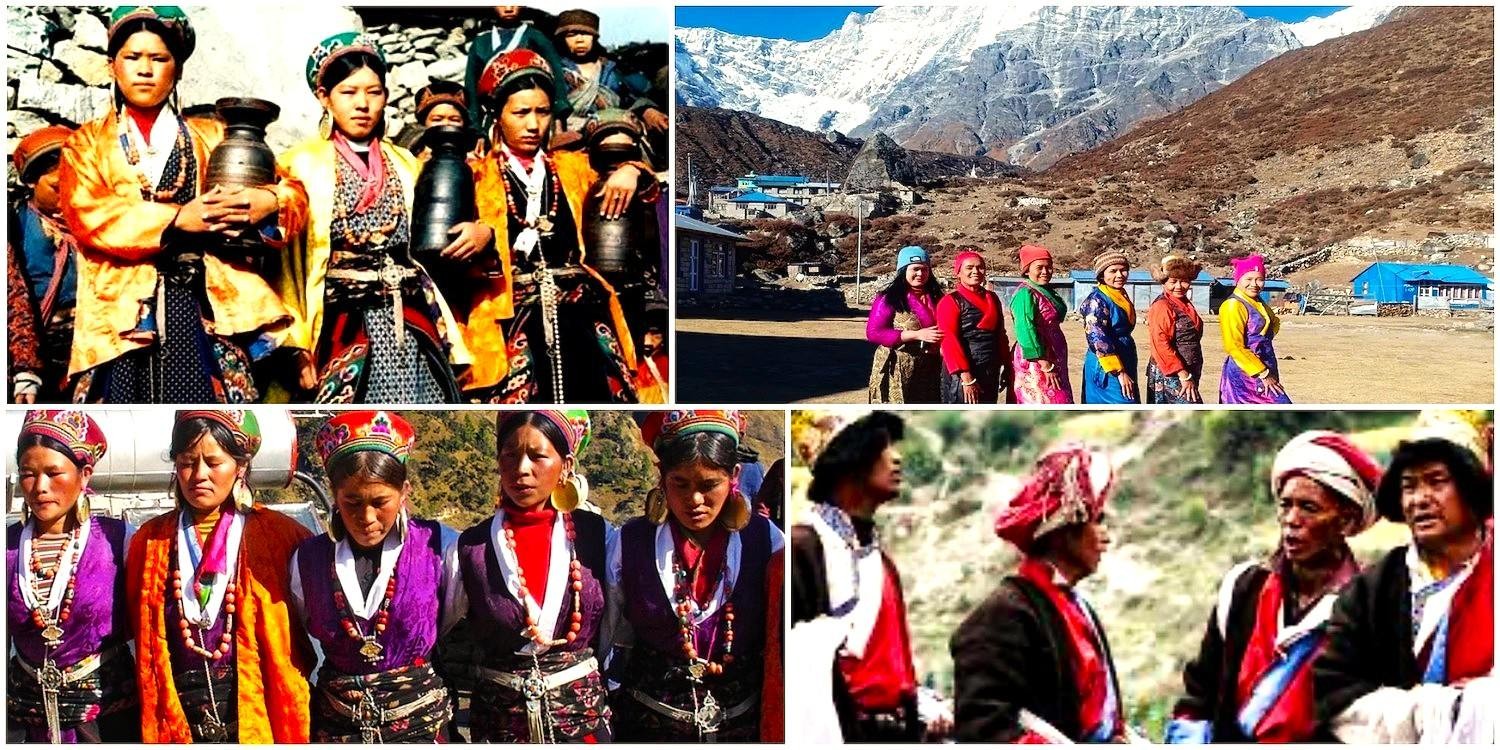
Further, every day along the trail, you brush up against Tamang heritage. The villages hold onto their own language, customs, and Buddhist rituals. Kyanjin Gompa stands out—not just as a landmark, but as a place buzzing with spiritual energy. Festivals bring the villages to life, and families often invite trekkers to try sel roti or butter tea. These aren’t just snacks; they’re part of the story.
summing up, talking with locals, learning from them, sharing a meal—it all builds a real sense of understanding and respect. Culture doesn’t just sit in the background here; it’s front and center, as memorable as any mountain view. If you’re after more than just landscapes, Langtang’s living heritage is what will stick with you long after the trek ends.
Key Cultural Elements:
Cultural Highlights and Locations:
| Location/Elevation | Description | Experience |
| Kyanjin Gompa Monastery | Kyanjin Gompa (3,870m) | Ancient Buddhist site with prayer wheels and serene atmosphere | Attend morning chants, explore gompa grounds |
| Langtang Village | 3,430m | Traditional Tamang homes, rebuilt community | Interact with locals, learn about daily life |
| Syabrubesi& Lama Hotel areas | 1,460m-2,470m | Entry villages with Tamang influence | Taste local cuisine, observe customs |
| Prayer Flags & Stupas | Throughout valley | Symbolic blessings along trails | Walk under flags, spin prayer wheels |
Unique Traditions and Hospitality:
Actually, Langtang National Park pulls in trekkers with its wild mix of life—seriously, there’s nothing quite like it. The park stretches across 1,710 square kilometers, from low valleys at 1,000 meters right up to snowy peaks over 7,200. One moment you’re in thick forest, the next you’re stepping into open meadows bursting with color. Red pandas slip quietly through the bamboo, while snow leopards stalk the higher rocks. And the birds? Over 250 species fill the air with flashes of color and bursts of sound. Spotting rare animals here isn’t just possible, it’s likely—if you know where to look.
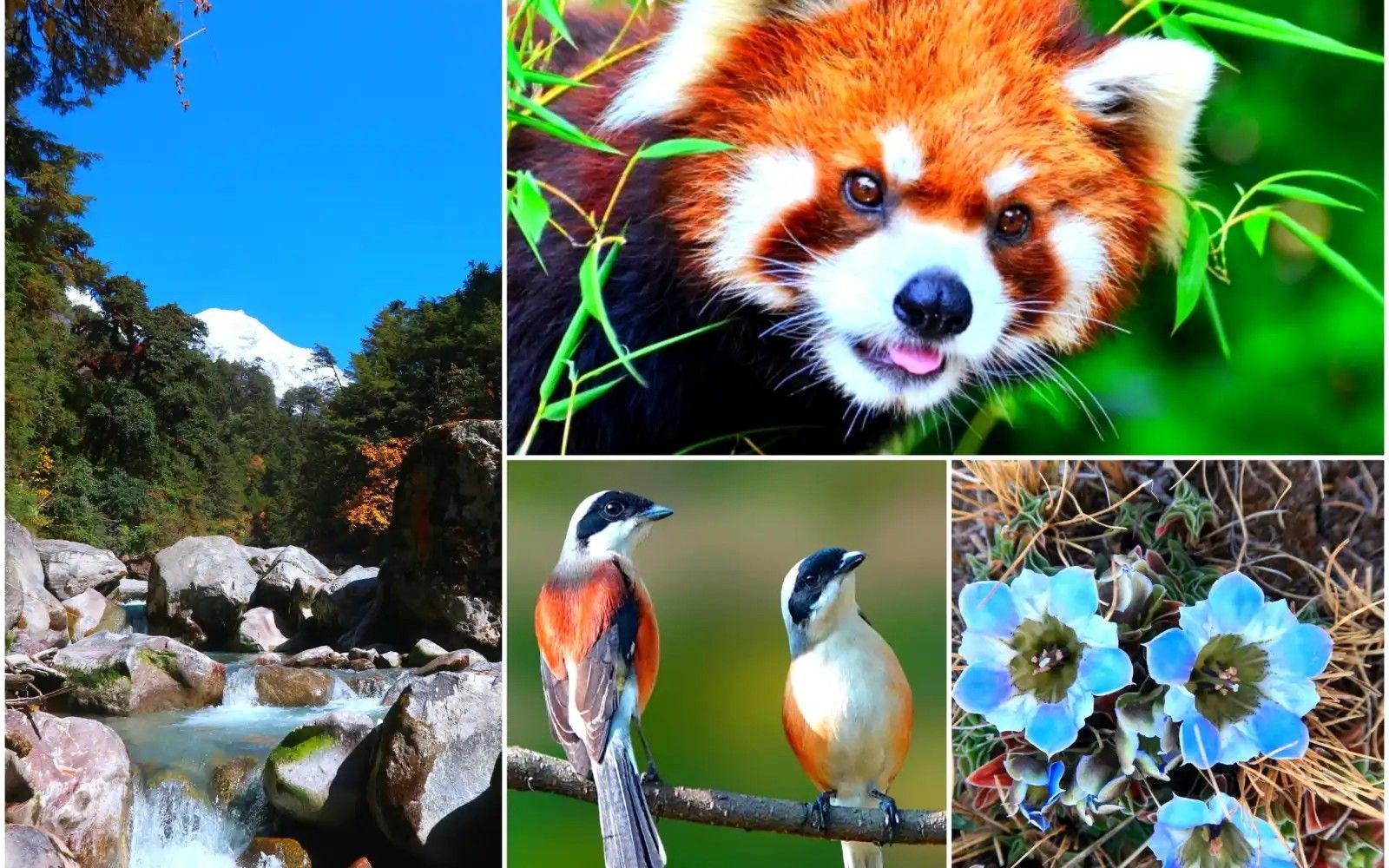
Likewise, the park protects this fragile ecosystem, and you can feel it as you walk. Subtropical forests slowly give way to cool, temperate woods, then suddenly you’re surrounded by red rhododendrons in spring. Black bears sometimes forage in the undergrowth. Look up, and you might catch a Himalayan tahr or a musk deer picking its way along a ridge. Birdwatchers, get ready—monals, eagles, and a chorus of other species fill the forest with wild calls. With a bit of patience, you’ll be rewarded with rare sightings. Every step feels like an adventure.
Here, what really stands out is how the park balances protection and access. Its status keeps the landscape healthy, but trekkers play a part too—responsible travel helps keep this place wild. In the end, Langtang isn’t just a beautiful place to explore. It’s a true wildlife haven, a living example of Himalayan ecology in action.
Key Wildlife Species in Langtang National Park:
Biodiversity Zones and Elevations:
| Elevation Range (m) | Dominant Flora | Notable Fauna |
| Subtropical / Lower Valleys - 1,000–2,000 | Broadleaf forests, oaks | Langurs, various birds |
| Temperate Forests - 2,000–3,000 | Rhododendrons, pines, bamboo | Red panda, Himalayan black bear, musk deer |
| Sub-alpine / Alpine Meadows - 3,000–4,500 | Shrubs, grasslands | Himalayan tahr, snow leopard (higher), monal pheasant |
| High Alpine / Glacial -Above 4,500 | Sparse vegetation, ice | Snow leopard, high-altitude birds. |
Park Facts and Conservation:
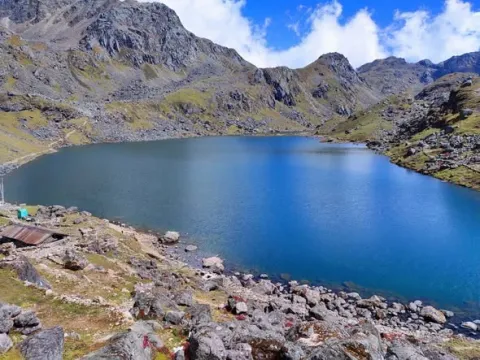
Actually, Langtang Valley Trek gives you that rare, peaceful trail—no constant crowds, just long stretches of quiet where you can actually hear yourself think. You walk through silent forests and open meadows, and the only noise is the wind or a distant bird. Unlike Everest or Annapurna, you don’t run into big groups every half hour. The valley stays almost empty, even when trekking season peaks. It’s a relief, honestly. If you’re tired of the commercial buzz and just want the mountains to yourself, this is the place.
Moreover, every day on the Langtang trail feels personal. The teahouses actually remember your name, and you get the best views all to yourself. While Everest and Annapurna are overflowing, Langtang keeps things low-key. There’s room to breathe, to pause, to really take it all in. In the end, you go home feeling lighter, a little more awake, and genuinely at peace. Langtang isn’t just another trek—it’s where you find the real Himalayan quiet.
Why Langtang Trails Stay Peaceful:
Trek Comparison:
| Crowd Levels (Approximate Annual Visitors) | Trek | Crowd Level Reasons for Difference |
| Langtang Valley | Low (thousands) | Less international fame; no Lukla-style flights; shorter access |
| Everest Base Camp | High (50,000+) | Iconic status; media exposure; commercial lodges |
| Annapurna Circuit/Base Camp | High (40,000+) | Diverse landscapes; easier access from Pokhara; variety of routes |
| Manaslu Circuit | Moderate | Permit restrictions; still growing popularity. |
Benefits of Less Crowded Trails:
If you’re after a real Himalayan adventure without blowing your budget, Langtang Valley delivers. Trekkers end up spending way less here than on Everest or Annapurna, and the shorter trek keeps costs down even more. Packages usually run between $500 and $900 for a week to ten days. That’s a deal, especially for budget travelers. Plus, you skip the pricey flights—just drive in and save right from the start.
Here, Langtang Valley Trek Permits are cheap, around $30 to $50, and meals at teahouses won’t drain your wallet either. So, you get a lot for what you pay. No wonder Langtang draws such a wide range of people; it’s hard to beat this kind of value in the Himalayas.
Day to day cost on Langtang Valley Trek, you’re looking at $30 to $50 per person, which covers most of what you need on the trail. Guided packages keep things simple and efficient. The lower altitude means you don’t waste days (or money) on extra acclimatization. Compared to the more famous treks, you can save a few hundred dollars easily—without missing out on the views or the experience. Guides and porters? They’re affordable too, so you can hire help without stretching your budget. All in all, Langtang lets you pack in the adventure and keep your spending in check. If you want a smart, rewarding trek, this is it.
Cost Breakdown (Per Person, 7-10 Days, 2025-2026 Estimates):
Cost Comparison with Other Treks:
| Trek | Average Total Cost (USD) | Duration | Key Savings Factor |
| Langtang Valley | 500–900 | 7-10 days | No flights, short drive, lower daily rates |
| Everest Base Camp | 1,200–2,000+ | 12-14 days | Expensive Lukla flights, higher permits |
| Annapurna Circuit | 1,000–1,800 | 12-20 days | Longer duration, more transport options |
| Manaslu Circuit | 1,000–1,500 | 14-18 days | Restricted permits, remote access |
Value Highlights:
Meanwhile, Langtang Valley is a dream for trekkers who want the real Himalayan experience but don’t have weeks to spare. You can wrap up the whole trek in 7 to 10 days, and the route’s flexible enough to match your pace. The good stuff comes fast—before you know it, you’re standing at Kyanjin Gompa (3,870m), soaking up some of the best mountain views you’ll ever see. The Langtang trail starts down at Syabrubesi (1,460m) and climbs gently, letting you adjust without rushing or risking safety. Short day hikes add a whole new layer to the trip, but don’t drag out your schedule. So, even if you’re short on vacation days, you still get a full dose of Himalayan adventure.
Here, every day feels packed and purposeful during Langtang Valley Trek. Most people hit Kyanjin Gompa(3,870m) in four or five days, and if you’re up for more, places like Tserko Ri (4,984m) are right there—no need to add extra nights. Heading back down is straightforward, so you never feel like you’re losing time. Got sore legs or just want to explore a side trail? The itinerary’s got the wiggle room. Bottom line: the trek’s short, but the sense of accomplishment is huge. You come home recharged, not worn out. For anyone who wants maximum adventure in minimum time, Langtang Valley delivers.
Standard 7-10 Day Itinerary Highlights:
Day 1: Drive Kathmandu to Syabrubesi (1,460m); scenic 7-9 hours.
Day 2: Trek to Lama Hotel (2,470m); +1,010m gain, forest trails.
Day 3: To Langtang Village (3,430m); +960m, Tamang culture.
Day 4: To Kyanjin Gompa (3,870m); +440m, monastery views.
Day 5: Acclimatization/hike Kyanjin Ri (4,773m) or Tserko Ri (4,984m).
Days 6-7/8-10: Descent to Syabrubesi; return to Kathmandu.
Sample 8-Day Itinerary with Elevations:
| Day | From - To | Elevation (m) | Trek Time | Highlights |
| 1 | Kathmandu - Syabrubesi | 1,460 | Drive 7-9 hrs | Start point |
| 2 | Syabrubesi - Lama Hotel | 2,470 | 5-7 hrs | Forest, rivers |
| 3 | Lama Hotel - Langtang Village | 3,430 | 6-7 hrs | Village life |
| 4 | Langtang Village - Kyanjin Gompa | 3,870 | 3-4 hrs | Gompa, peaks |
| 5 | Kyanjin Gompa - Explore (Kyanjin Ri 4,773m / Tserko Ri | 4,984m) | +900 approx | 4-6 hrs | Panoramas |
| 6 | Kyanjin Gompa - Lama Hotel | 2,470 | 6-7 hrs | Descent |
| 7 | Lama Hotel - Syabrubesi | 1,460 | 5-6 hrs | Easy return |
| 8 | Syabrubesi - Kathmandu | 1,400 | Drive 7-9 hrs | End. |
Why the Duration Excels:
Meanwhile, the Langtang Valley Trek isn’t just about the views—it’s a place where spiritual energy and natural beauty come together in ways that stick with you. Step into ancient monasteries like Kyanjin Gompa at 3,870 meters. Monks chant, prayer flags wave in the wind, and suddenly the whole trail feels sacred. You get glaciers glittering near Langtang Lirung(7,227m), wildflowers lighting up the meadows every spring, and, if you’re up for it, a climb to Tserko Ri at 4,984 meters. That spot? It hands you a 360-degree view you won’t forget.
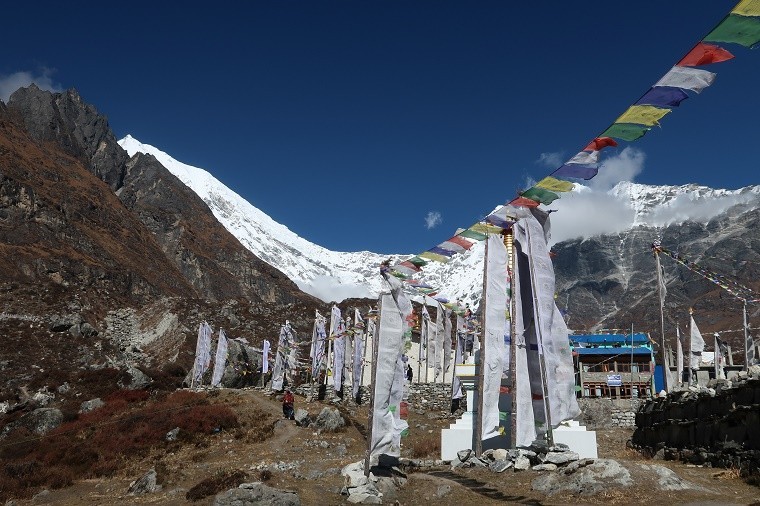
Here, every day, you’re bouncing between spiritual sites and jaw-dropping landscapes. Kyanjin Gompa stands as the beating heart of Buddhism up here, quietly pulling you in. Down below, glaciers and icefalls carve through the valley, while yaks graze in peaceful alpine meadows. Catch sunrise at Tserko Ri—trust me, it’s worth the early start. Then wander through Langshisha Kharka’s high-altitude meadows and just breathe it all in. The trek balances soulful moments with scenes straight out of a dream. You walk away changed. For anyone after both inner peace and unforgettable scenery, Langtang delivers on every front.
Spiritual and Cultural Highlights:
Scenic Natural Wonders:
| Key Scenic & Spiritual Spots | Elevation (m) | Main Features | Best Experience |
| Kyanjin Gompa | 3,870 | Monastery, cheese factory, prayer wheels | Spiritual reflection, cultural insights |
| Tserko Ri | 4,984 | Panoramic views of Langtang Lirung (7,227m), glaciers | Sunrise hike, epic vistas |
| Langtang Glacier View | 4,100+ | Icefalls, moraines | Close glacier encounters |
| Alpine Meadows (LangshishaKharka) | 4,150 | Vast grasslands, yaks | Peaceful walks, wildflowers. |
Meanwhile, Langtang Valley tells a powerful story about bouncing back. The 2015 earthquake hit hard—villages were wiped out, families lost everything. But the people here didn’t just rebuild what was lost. They made their homes and trails stronger. Whole communities moved to safer ground. Teahouses threw open their doors again, welcoming trekkers with even more warmth than before.
When travelers come, they’re not just passing through—they’re fueling this comeback. Tourism brings real jobs and helps families stay afloat. You feel the genuine hospitality everywhere now. There’s a sense of hope in Langtang that really sticks with you. The valley’s spirit is unbreakable.
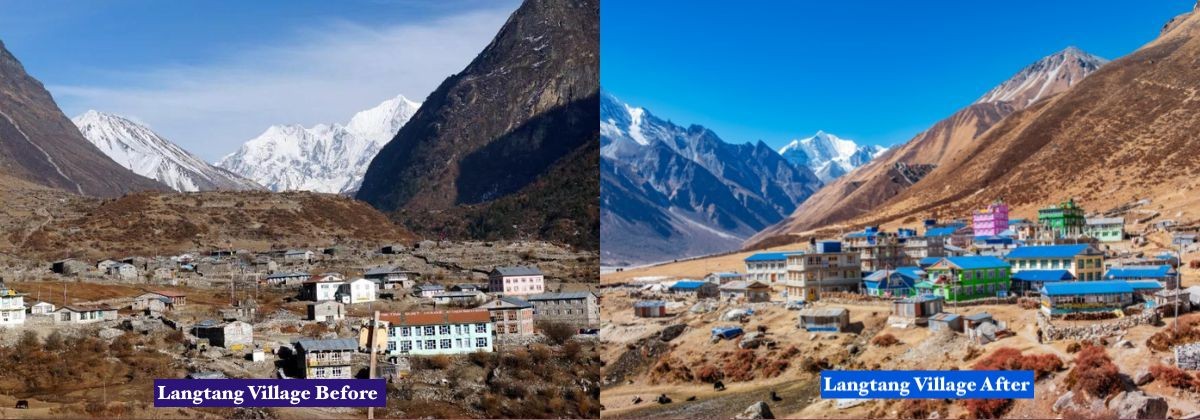
Walk through any rebuilt village and you’ll see it—especially in places like Langtang Village, which now stands at 3,430 meters, rebuilt with safer designs. Kyanjin Gompa, sitting higher at 3,870 meters, has reclaimed its spot as the spiritual heart of the region. Locals worked together to restore everything. The trails? They’re even better than before. Sustainable ideas guide how tourism grows now, so every trekker who visits makes a difference. Responsible travelers help these communities thrive.
Langtang doesn’t just welcome visitors—it invites them to be part of something bigger. Here, resilience isn’t just a word. It’s a way of life.
Recovery Milestones Post-2015:
| Impact of Trekking on Recovery | Aspect | How It Helps Outcome |
| Economic Support | Visitor spending on teahouses, guides, porters | Income for rebuilding lives |
| Infrastructure | Funds trail maintenance, schools | Safer, better paths |
| Cultural Preservation | Encourages traditional practices | Strengthens Tamang heritage |
| Community Resilience | Direct interactions build hope | Inspires ongoing recovery. |
Benefits of Visiting Now:
Actually, Langtang Valley Trek draws in adventurers for a reason—well, actually, ten great reasons. First, the views here are unreal. Langtang Lirung (7,227m) towers over everything, and the skyline just grabs you. The trails? Quiet and peaceful, with hardly any crowds. Anyone can tackle them, honestly. Beginner or seasoned trekker, the paths fit all kinds of fitness levels, so you won’t feel left out.
Moreover, it’s also easier on the wallet than you’d expect. You get real value for your money. But what really sticks with you is the culture. The Tamang people welcome you in, and you end up learning way more than you’d planned. Walk through Langtang National Park and the biodiversity will surprise you—every turn brings something new. If you’re short on time, no worries. The trek fits into busy schedules, so you don’t have to take weeks off.
In fact, you’ll come across ancient gompas that hold a spiritual calm, and as you pass through villages rebuilding after the earthquake, you see real resilience in action. These aren’t just reasons—they’re stories waiting for you. This is why Langtang stands out. Trekkers keep coming for that authentic Himalayan experience.
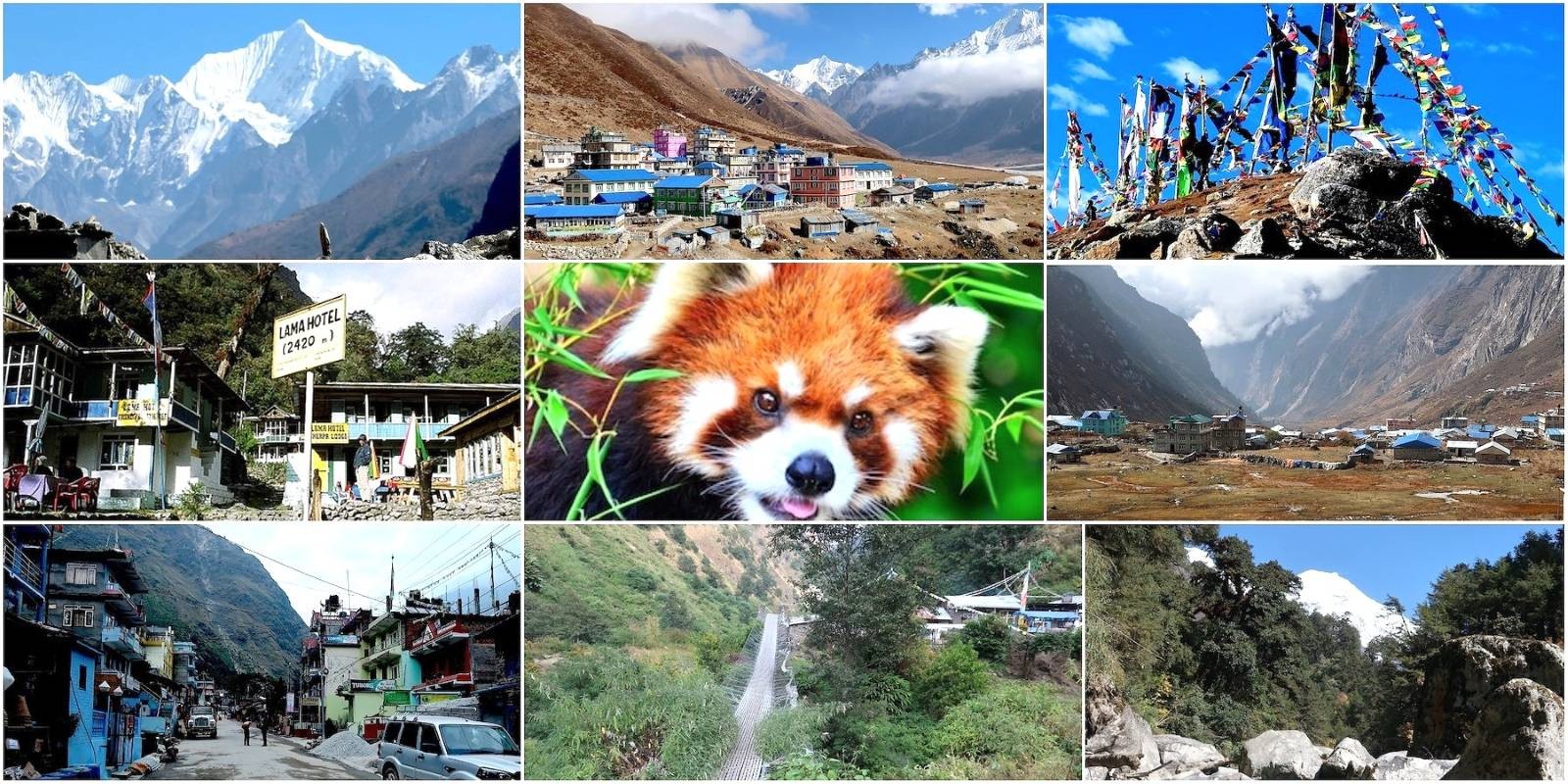
Likewise, Langtang Valley manages this rare mix: wild nature, rich culture, and pure convenience. It’s less crowded, which means you actually get moments of solitude. Getting there from Kathmandu is straightforward; you don’t need to be a logistics expert. The trek’s moderate—challenging enough to be fun, but not a suffer-fest. Every day you walk through something different—dense forests, open valleys, glaciers. Your visit does real good, too. Tourism here helps local communities get back on their feet.
Then there are the highlights of Langtang Valley Trek: Kyanjin Gompa (3,870m) feels like a reward in itself, and if you push up to Tserko Ri (4,984m), the views will stick with you for years. When you stack up these ten reasons, the case is clear—Langtang is Nepal’s hidden gem, the kind of place that makes for a journey you’ll actually remember.
The 10 Compelling Reasons Summarized:
| Reason | Key Highlight | Elevation Featured | Why Compelling |
| 1. Views | Langtang Lirung(7,227m) panoramas | Up to Tserko Ri (4,984m) | Breathtaking, close-up Himalayan majesty |
| 2. Crowds | Low visitor numbers | Throughout valley | True serenity and personal pace. |
| 3. Difficulty | Easy-moderate | Max 4,984m | Safe for beginners; gradual gains |
| 4. Access | Drive from Kathmandu | Syabrubesi (1,460m) | Convenient, reliable start |
| 5. Cost | $500–$900 total | N/A | High rewards, low expenses |
| 6. Culture | Tamang villages & gompas | Kyanjin Gompa (3,870m) | Authentic immersion |
| 7. Wildlife | Red panda, snow leopard | National Park zones | Rich biodiversity encounters |
| 8. Duration | 7-10 days | Full route | Efficient yet complete adventure. |
| 9. Spiritual/Scenic | Monasteries & meadows | LangshishaKharka (~4,150m) | Soulful balance |
| 10. Recovery | Post-earthquake support | Rebuilt villages | Meaningful, positive impact. |
If you’re heading to Langtang Valley in 2026, start by locking in your permits early—best done through a trusted agency. Aim for spring or autumn; the weather’s just right, and the scenery really shows off. Pack for moderate temperatures, but don’t overlook training. Build up your stamina little by little, and you’ll thank yourself on those longer days.
During peak seasons, teahouses fill up fast. Book your stays ahead of time to avoid last-minute stress. A licensed guide isn’t just a rule; they’ll keep you safe and add a lot to the experience. Set a realistic budget—costs add up, so know what you’re getting into.
Check the latest Langtang Valley Trekking trail updates before you go. Safety comes first, and conditions can change. Take acclimatization seriously. Spend time at places like Kyanjin Gompa (3,870m), and bring altitude meds just in case. Respect local traditions and support the community—choose ethical options when you can. Getting to Syabrubesi (1,460m) is smoother with reliable transport, so plan that part, too.
All this prep means fewer hassles on the trail. When you plan smart, you get to focus on what matters: the views, the culture, and the sense of adventure that makes Langtang truly unforgettable.
Essential Planning Tips for 2026:
| Permits Breakdown (2026 Foreigners) | Permit Type Cost (Approx.) | Where to Obtain | Notes |
| Langtang National Park Entry | NPR 3,000–3,390 (~USD 25–27) | Nepal Tourism Board Kathmandu or Dhunche checkpoint | Mandatory; conservation fee |
| TIMS Card | NPR 1,000–2,000 (~USD 8–15) | Through registered agency | Group rate common; solo not allowed |
| Guide Requirement | Included in package | Agency-provided | Enforced since 2023 for safety. |
Practical Preparation Advice:
Meanwhile, the Langtang Valley Trek isn’t just another walk in the mountains—it’s the kind of trip that sticks with you. Picture yourself standing under the shadow of Langtang Lirung, its snowy peak towering above at 7,227 meters. You’re not just passing through; you’re part of it all. At Kyanjin Gompa, you dive straight into Tamang culture, tasting yak cheese and sharing stories with locals. The trails are peaceful, almost meditative, and you never know when you’ll spot a red panda darting through the trees or catch a glimpse of a snow leopard’s trail.
Getting there’s easy—just a short drive from Kathmandu to Sybarubesi by jeep/bus—and you don’t need to break the bank. But honestly, the real value goes way beyond the price. Langtang has this way of recharging you, body and soul. You feel the resilience of the people, especially after the earthquake, and you can’t help but be moved. It’s not just a vacation; it’s a reset.
Likewise, most people come back from Langtang changed. They talk about the glaciers and wildflower meadows, but what really gets them is the warmth of the people. The trek itself isn’t too tough, so you build confidence as you go, and because it doesn’t take weeks, it actually fits into busy lives.
By trekking here, you’re also helping the local community rebuild and thrive. Every step matters. And those views from Tserko Ri at nearly 5,000 meters? They’re pure magic. But it’s the quiet moments—pausing in the crisp air, soaking it all in—that last the longest.
Here, Langtang changes how you see things. Ready for something real? Book your trek, step into the valley, and let Langtang show you a new side of the Himalayas. Your story starts here.
Why Choose Langtang as Your Next Adventure:
Key Elements That Make Langtang Transformative:
| Feature | Elevation/Detail | Lasting Impact |
| Mountain Majesty | Langtang Lirung (7,227m), Ganesh Himal (7,429m) - Panoramas from Tserko Ri (4,984m) | Awe-inspiring beauty that shifts perspective |
| Cultural Depth | Tamang villages, Kyanjin Gompa (3,870m) - Authentic interactions | Deeper appreciation for human resilience |
| Natural Serenity | Quiet trails, alpine meadows (~4,150m) - Biodiversity in national park | Inner peace and connection to nature |
| Accessibility & Reward | 7-10 days, drive from Kathmandu | Syabrubesi (1,460m) start | Achievable adventure with profound payoff |
| Community Connection | Post-2015 recovery villages | Rebuilt teahouses | Sense of purpose and positive contribution |
Final Encouragement to Book:
1. What is Langtang Valley Trek?
The Langtang Valley Trek is Nepal's hidden Himalayan gem. It has views of Langtang Lirung and you can learn about the Tamang culture. The trails are peaceful. It is a good place for people who are just starting to trek. You can see glaciers and meadows and visit monasteries. The trek usually takes 7 to 10 days.
2. Why choose Langtang Valley Trek over Everest or Annapurna?
The Langtang Valley Trek is a choice because it has big mountains and a lot of different plants and animals, but it is not as crowded. You do not have to take a flight to get there and it is cheaper. The trails are easy to walk, and you can learn about Tamang culture. It is close to Kathmandu so you can get there quickly.
3. How difficult is the Langtang Valley Trek?
The Langtang Valley Trek is not too hard. You walk for 5 to 7 hours a day. The trails go up slowly. The highest point is 4,984 meters at Tserko Ri. You do not need to know how to climb mountains or anything like that. You just need to be in shape and get used to the high altitude.
4. How long is the Langtang Valley Trek itinerary?
The trek usually takes 7 to 10 days. You start in Kathmandu. Drive to Syabrubesi. Then you walk to Kyanjin Gompa. Do some side hikes to see the views. It is a sweet trip where you can see a lot of things.
5. What is the best time to do Langtang Valley Trek?
The best time to do the Langtang Valley Trek is in the spring or autumn. The sky is clear. The weather is mild. The rhododendrons are. You can see the mountains clearly. It is a time for taking pictures and the trek is comfortable.
6. How much does the Langtang Valley Trek cost?
The Langtang Valley Trek is not too expensive. It usually costs USD 500 to 800 per person for 7 to 10 days. This includes the permits the places you stay, the food and a guide. You get a lot of value for your money because you see a lot of things and learn about the culture.
7. Do I need permits for Langtang Valley Trek?
Yes, you need a permit to enter the Langtang National Park and a TIMS card. You can get these in Kathmandu before you start your trek. This helps to protect the park and the trails.
8. Is Langtang Valley Trek suitable for beginners?
Yes, the Langtang Valley Trek is good for people who are just starting to trek. It is not too hard. The trails are well marked. You can see a lot of things and learn about the culture without it being too difficult.
9. What mountain views can I expect on Langtang Valley Trek?
You can see Langtang Lirung, Dorje Lakpa and other big mountains from the top of Kyanjin Ri and Tserko Ri. The views are beautiful. It is a good place for taking pictures.
10. What culture will I experience in Langtang Valley?
You can learn about the Tamang culture and the Tibetan culture. You can visit monasteries. See the local people’s way of life. You can try the food and drinks and learn about the traditions.
11. Is Langtang Valley Trek less crowded?
Yes, the Langtang Valley Trek is not as crowded as some treks. You can have a quiet time on the trails. It is a place to get away from the crowds and see the natural beauty.
12. What wildlife and biodiversity are in Langtang National Park?
The park has a lot of plants and animals. You can see pandas and Himalayan black bears and over 250 kinds of birds. The trek is a way to see the natural beauty of the park.
13. Are there spiritual highlights on the Langtang Valley Trek?
Yes, you can visit monasteries and learn about the Buddhist traditions. You can see the prayer flags and the spiritual vibe of the place. It is a way to learn about culture and the religion.
14. How has the area recovered after the 2015 earthquake?
The local people have rebuilt their houses and teahouses after the earthquake. Trekking in the area helps to support the people and their recovery efforts. You can see the landscapes and the warm hospitality of the people.
15. What photography opportunities does Langtang Valley offer?
The Langtang Valley is a place for taking pictures. You can see the mountains and the glaciers and the rhododendron forests. The sunrises and sunsets are beautiful. You can take some great pictures.
16. Do I need a guide for Langtang Valley Trek?
It is an idea to have a guide for the trek. They can help you to navigate the trails and learn about the culture. They can also help you to stay safe on the trek.
17. What should I pack for Langtang Valley Trek?
You should pack layers of clothes and good trekking boots. You should also bring a rain jacket and sleeping bag liner. Do not forget to bring sunglasses and sunscreen and a first-aid kit.
18. Is altitude sickness a concern on Langtang Valley Trek?
Yes, the altitude can be a problem, on the trek. You should drink a lot of water. Take rest days to get used to the high altitude. The trek is not too hard. You should be careful.
19. What tips help plan a successful Langtang Valley Trek?
You should train before you go on the trek and choose the time of year. You should pack light. Respect the local culture. You should also stay hydrated. Follow the acclimatization plan.
20. Why should Langtang Valley Trek be my next adventure?
The Langtang Valley Trek is an adventure because it has beautiful views and a rich culture. It was not too expensive. It is a good way to see the natural beauty of Nepal. You can have a quiet time on the trails and learn about the local people’s way of life. It is a way to experience the Himalayas.
Our travel experts are ready to assist you with any questions.
Send us a message.Have a question before you book? Send your enquiry below and our travel experts will get back with the required information.