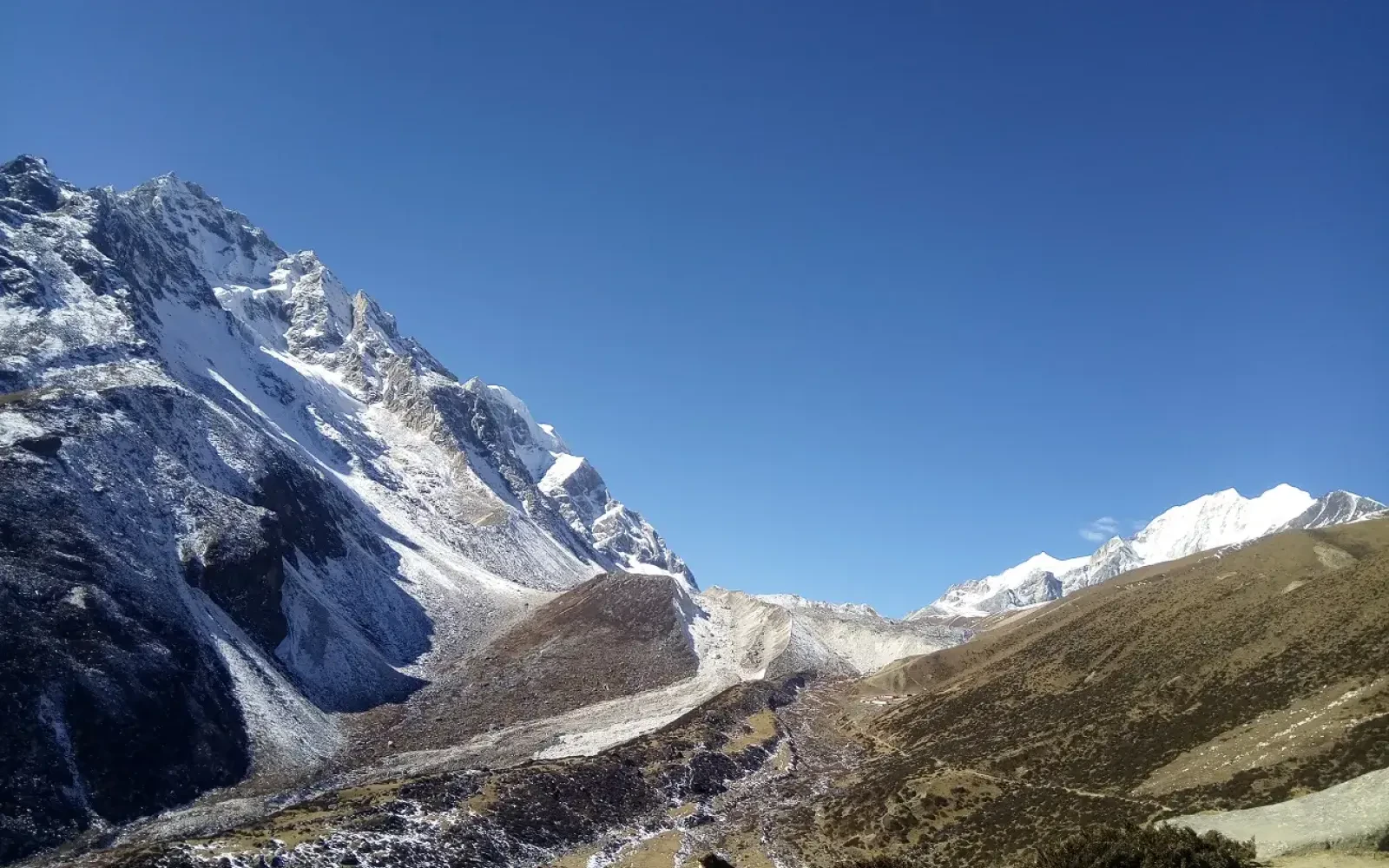
Actually, the Manaslu Circuit Trek 2026 has become a top choice for trekkers looking for a unspoilt Himalayan trek. As classic routes like Everest and Annapurna become far too crowded and over-developed, Manaslu offers a rare wilderness retreat. You will see quite a few fewer visitors on these restricted paths, which helps safeguard the area's pristine scenery and cultural heritage. Haven Holidays Pvt. Ltd. Specializes in these remote arrangements, giving each trekker highly professional transport and personally-tailored logistics arrangements. This more "remote" alternative provides a raw experience that many modern adventurers seek in the heart of the Nepal Himalayas. It also strikes the perfect balance between a rigorous physical challenge and the tranquil remoteness of the high mountain wilderness.
Today, travelers are choosing to tour the Manaslu areas in order to admire its unique Tibetan-flavored culture and breathtaking mountain scenery. The expedition rounds Mt. Manaslu, the world’s eighth highest summit, navigating terrain that remains untouched by industrial progress. Booking through Haven Holidays Pvt. Ltd. Means you get a team who fully understands the complex regulations and permits system. We use responsible trekking practices to ensure the fragile environments of the Manaslu Conservation Area remain intact for future generations. Our team of professional guides escort you to ancient villages where the "Bhotia" people still preserve a traditional way of life. This trek isn't just about summiting a peak; it's an experience that offers serenity amid spiritual "Mountain of the Spirit" landscapes.
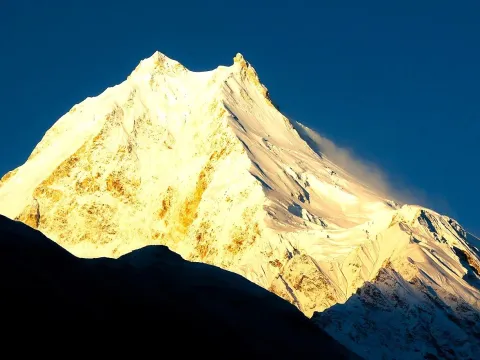
Reasons the popularity of Manaslu is increasing in 2026:
Comparative Overview: Manaslu vs. Popular Alternatives:
| Feature | Manaslu Circuit Trek | Everest Base Camp (EBC) | Annapurna Circuit |
| Crowd Level | Very Low / Exclusive | Very High / Commercial | High / Popular |
| Highest Point | Larke Pass (5,106m) | Kalapathar (5,545m) | Thorong La (5,416m) |
| Permit Type | Restricted Area (Special) | National Park / Rural | Conservation Area |
| Accommodation | Traditional Teahouses | Developed Lodges | Well-Established Lodges |
| Culture | Tibetan / Bhotia Heritage | Sherpa Culture | Gurung & Thakali |
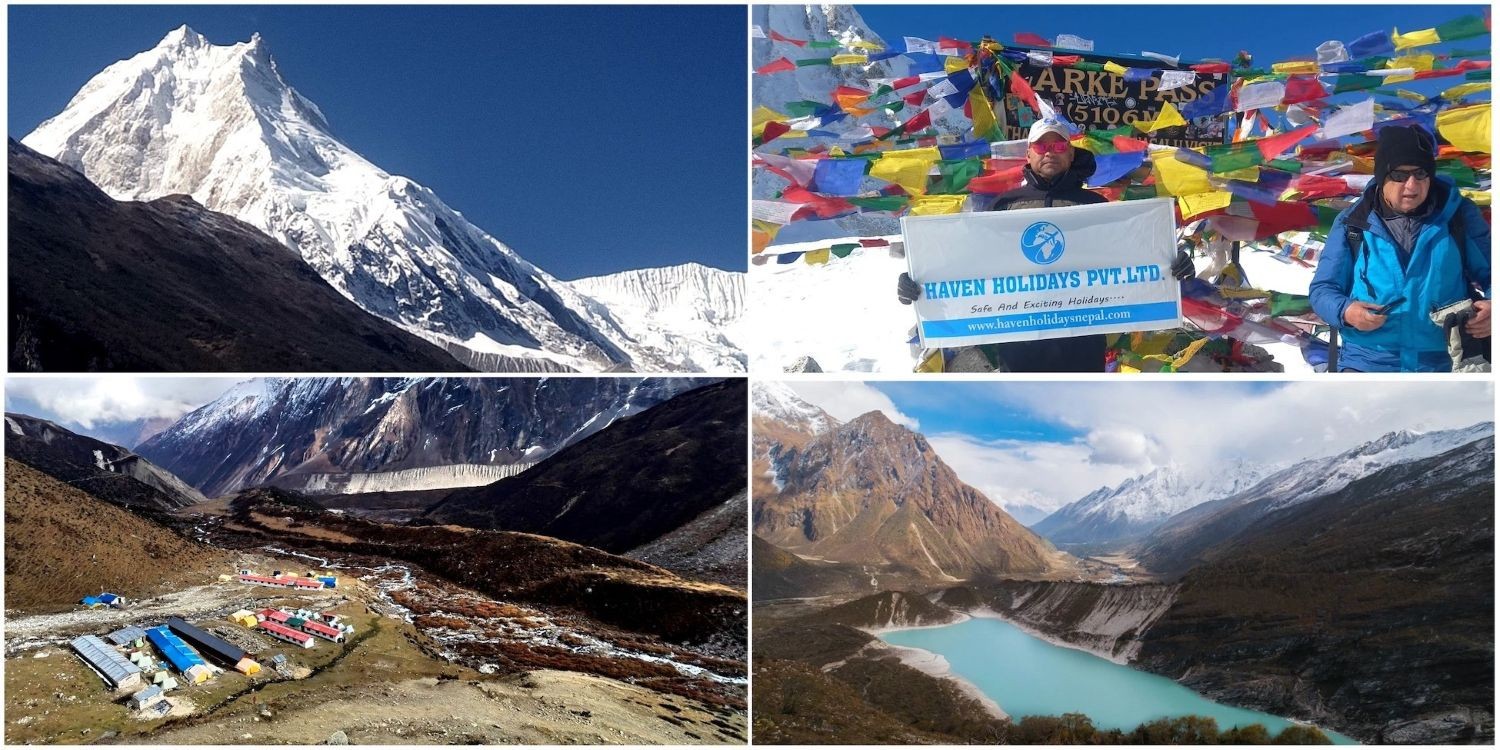
During the Manaslu Circuit trek you will visually enjoy traveling through an extraordinary contrast of ecological zones as you leave the lush subtropical gorges of the Budhi Gandaki River and climb towards the expansive alpine desert. En route you will encounter cascading waterfalls and lush scenery, climbing through thick forests of oak, birch and bamboo that echo off flowing streams. As we ascend the ecology shifts towards arid alpine mesas, a welcome physical prelude to the rarified thin-air environment of the alpine desert. This stark ecological transition is a defining feature of the Manaslu that inspires awe in trekkers of all ages.
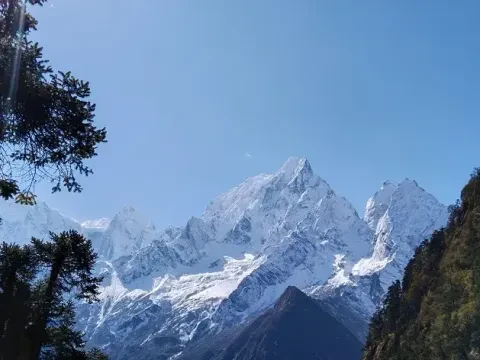
Arriving in the upper Nubri Valley allows for entry into an expansive glacier-fed land of enormous Himalayan glaciers and snow capped peaks. Mt. Manaslu (8,163m) dominates the skyline adjacent to the broad, high-altitude flattops where yaks wander in the deep blue sky. The highpoint of this trek (Larkya La 5,106m) offers awe-struck 360-degree views of snow bound peaks including the wild, jagged summits of Himlung Himal (7,126m) and Cheo Himal (6,820m) facing down against the Tibetan border. A trip of enthusiasm from the river gorges of subtropical lowlands to the massive ice fields of the pass is a trekking adventure unforgettable in its variety and versatility.
Major Visual and Physical Trekking Features
Elevation and Landscape Transition Table:
| Elevation Zone | Range (Meters) | Landscape Features | Major Villages / Peaks |
| Subtropical | 700m – 2,000m | Lush forests, waterfalls, terraced fields | Machha Khola (930m), Jagat (1,410m) |
| Temperate | 2,000m – 3,000m | Oak, maple, and rhododendron forests | Namrung (2,630m), Siringi Himal (7,187m) |
| Sub-Alpine | 3,000m – 4,000m | Pine forests, yak pastures, monasteries | Lho (3,180m), Samagaun (3,530m) |
| Alpine | 4,000m – 5,000m | Rocky moraines, scrubland, glaciers | Dharamsala (4,460m), Samdo (3,860m) |
| Arctic | Above 5,000m | Permanent snow, ice fields, high passes | Larkya La (5,106m), Manaslu (8,163m) |
The highest peaks seen from the 2026 trail:
Meanwhile, the single most important logistical information for every trekker who wants to trek the restricted region of Manaslu is to acquire the necessary permits. The reaction of the Nepalese government to this sensitive bordering region has been extremely rigorous in ruling the ins and outs of the expeditions.
Mainly due to the preservation of the fragile border region, but also of the specialized Tibetan culture, permits are to be issued under circumstances that cannot be achieved as an individual. Due to the law which is in accordance with the necessity of registered trekking agencies, the entire traveling procedure has been exclusively managed by Holidays Pvt. Ltd. And well-priced to make sure that all the compelling documentation will be prepared before you set foot in. We perform all the secondary details like uploading digital photo queries via the Internet and co-operate with the Department of Immigration in Kathmandu (1,400m).
In 2026, as is the general regulation of new by-laws, any foreign trekker would have to be considering traveling in groups minimum of two, also such groups are expected to employ a government-licensed guide who can lead you over the hardest routes heading toward The Larkya La Pass (5,106m). The regulation is intended to carry out not only the safety of the trekker but the precise support between the remote routes from Samdo (3,860m) to Bhimtang (3,720m). Our professional guides, on the other hand, act as important mediators between you and the moderate inhabitants while fulfilling whatever is situate of the law. Let the specialist agency work for every trekker and only concentrate on striking peaks around the Ngadi region, such as the peak of Mt. Manaslu (8,163m).
Required Permits for Manaslu Circuit Trek (The 2026 regulation)
Permit & Regulation Summary Table:
| Permit Type | Requirement | Validity Checkpoint Elevation |
| Manaslu RAP | Min. 2 Trekkers + Guide | 7 Days (Standard) | Jagat (1,410m) |
| MCAP | Individual/Group | Entire Trek | Philim (1,570m) |
| ACAP | Individual/Group | Entire Trek | Dharapani (1,860m) |
| Local Permit | Per Person | Entry to Chumnubri | Jagat (1,410m) |
| Passport/Visa | Original + Copies | Length of Stay | Kathmandu (1,400m) |
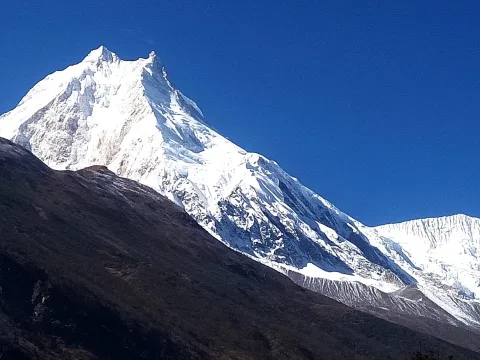
Actually, high altitude treks demand detailed cost planning, which includes fixed government fees and variable service charges. Your expenditure directly contributes to ensuring safety protocols are maintained, wages for qualified guiding and support staff, and facilitating food supply for operation of high-altitude caravans. Costs are subject to change depending on the season, with autumn, the peak trekking period, being the most pricey time of year.
Here, Haven Holidays Pvt. Ltd. Offers all-encompassing adventure packages in your dream Himalayan getting support from local tours and helping in avoiding surprise fetching charges during the course of the journey. It is good to have such a breakdown as it gives a clear estimate of the budget amount needed to sustain your venture that cooperates with the community economy of Nubri Valley.
Moreover, cost-per-day for Manaslu Circuit Trek would go up dramatically after Alpin' air as the food price escalate with altitude toward the airless Dharamsala (4,460m). Teahouse in lower villages will provide enormous range menu, but kitchens in hut zones depend on convoy packets of supplies from the pack animals or porters. You will need to set aside some extra cash to regular trekking extras, which include solar powered battery charging facilities for high tech cameras, hot showers and Satellite Wi-Fi links. These distractions can become luxuries when you can collapse beneath the shadow of Ngadi Chuli (7,871m). If well calculated, a cash margin would relax you to tip and cover all the emergencies what might arrive unexpectedly.
Budget management for 2026 service charges:
Manaslu Trek 2026 Cost Comparison Table:
| Expense Category | Peak Season (Sept-Nov) | Off-Peak (Dec-Aug) | Unit / Detail |
| Restricted Area Permit | USD 100 - USD 75 | First 7 Days |
| RAP Extra Days | USD 15 - USD 10 | Per Day after Day 7 |
| MCAP & ACAP Fees | USD 60 - USD 60 | Total for both permits |
| Local Municipality Fee | USD 10 - USD 10 | Per Person |
| Guide Wages (Avg.) | USD 35 - USD 30 | Per Day |
| Porter Wages (Avg.) | USD 25 - USD 22 | Per Day |
| Typical Daily Food/Bed | USD 35 - USD 30 | Per Day |
Here, the itinerary of the Manaslu Circuit Trek 2026 has been planned by Haven Holidays Pvt. Ltd. In such a way that you can fully explore the geography as well as acclimatize along the way safely. Along most the trail, trekkers started the trip with a long journey on the jeep/bus until they reach Machha Khola (930m) after then, the trail follows the tranquil rainforests along the bank of the Budhi Gandaki River up to the border of restricted zones. Every day will be gained some elevation from the previous day in order to prepare your body for the high altitude and the shallow oxygen level. The most part of this route links between the district of Gorkha and Marsyangdi Valley that closes the complete circuit of the massif of Manaslu.
Likewise, the climate and landscape change from the lush of green lands to the high Himalaya of the barren and tranquil majesty as you move forward to the border of Tibet. Notable features of the trip will include a mandatory day of rest at Samagaun (3,530m) the jumping-off point for access to the Manaslu Base Camp (4,800m) or Birendra Tal (3,691m).
In fact, the most extensive day of the challenges awaits you to conquer the summit of the Larkya La Pass (5,106m) with the additional early rise of an alarm clock at the Dharmasala (4,460m), so you can cross, the Larkya La. The greatest about this route is, a long fine descent from the pass to join the Annapurna Circuit at Dharapani (1,860m), mark the world famous Annapurna massif. The score of day by the day plan represents a great story of adventure with a spiritual blend for one of the remotest regions of Nepal.
Along every day, the Manaslu trekking plan is as follows as visit from Machha Khola to Dharapani:
Day 1: Kathmandu Drive to the Machha Khola (935m) - nine hours’ trip by transfer along the Arughat through terraced hills and the lush river valleys.
Day 2: Machha Khola trek to Jagat (1,410m) - Crossing the Taaro Khola brought you into the restricted zone at the border of restricted areas at the Jagat checkpoint.
Day 3: Jagat trek to Deng (1,800m) - Trekking goes on with a steady walk with the ascend through the bamboo forest and over suspension bridges up to the first Buddhist villages.
Day 4: Deng trek to Namrung (2,630m) - The walk ascends on upreach to the Nubri area, where you will observe the Tibetan influence and the presence of Buddhism keenly.
Day 5: Namrung trek to Lho (3,180m) - Walk through the Mani walls and Chortens with impressive Mt. Manaslu (8,163m) overlooking on the roof of the world.
Day 6: Lho trek to Samagaun (3,530m) - Beyond the village of clay houses lay below the huge east face of the Manaslu.
Day 7: Rest in Samagaun (3,530m) - In order to continue the trek smoothly, one of the important days is choosing for rest in one of the several existing two villages. Adapt to the highlands through a small hike to Pungyen Gompa (4,000m) or the Base Camp at 4,800 meters.
Day 8: Samagaun trek to Samdo (3,860m) - Though major part of the day is, walking on a short distance with a walk through the yak grazing fields to the last permanent village on the edge of the high altitudes.
Day 9: Samdo trek to Dharamsala (4,460m) - Sometimes called the Larkya Phedi, this is your last high camp before the Larkya La.
Day 10: Dharamsala trek to Bhimtang (3,720m) over the Larkya La (5,106m) - A demanding, 'Big Day' demanding a steep ascent from high camp which involves crossing a long glacier descent from the pass.
Day 11: Bhimtang trek to Tilleje (2,300m) - Walking down from the Larkya La along the rhododendron forestries then close to the high slopes of, the western direction of the Mt. Manaslu.
Day 12: Tilleje trek to Dharapani (1,860m) & Drive - The final trek to the end of the road gathering of all dream, and drive to the Besisahar.
Elevation and Distance Roadmap Table:
| Day Route Segment | Distance (Approx) | Max Elevation | Walking Time |
| 01 Kathmandu to Machha Khola | 160 km (Drive) | 930m / 3,051ft | 8–9 Hours |
| 02 Machha Khola to Jagat | 22 km | 1,410m / 4,625ft | 6–7 Hours |
| 03 Jagat to Deng | 20 km | 1,800m / 5,905ft | 7–8 Hours |
| 04 Deng to Namrung | 19 km | 2,630m / 8,628ft | 6–7 Hours |
| 05 Namrung to Lho | 11 km | 3,180m / 10,433ft | 4–5 Hours |
| 06 Lho to Samagaun | 17 km | 3,530m / 11,581ft | 5–6 Hours |
| 07 Samagaun (Acclimatization) | 6-8 km | 4,800m / 15,748ft | 4–6 Hours |
| 08 Samagaun to Samdo | 8.5 km | 3,860m / 12,664ft | 3–4 Hours |
| 09 Samdo to Dharamsala | 7 km | 4,460m / 14,632ft | 4–5 Hours |
| 10 Larkya La Pass Summit | 24 km | 5,106m / 16,751ft | 8–10 Hours |
| 11 Bhimtang to Tilije | 26 km | 3,720m / 12,205ft | 6–7 Hours |
| 12 Tilije to Dharapani | 5 km | 1,860m / 6,102ft | 2–3 Hours |

Here, the higher elevations of the Manaslu region are arguably the remotest and most culturally pristine. Stone temples, prayer wheels and the living culture of old Tibetan customs are all still very much part of everyday life in remote Himalaya. Desa (3,900m) and Lho (3,180m) are inhabited mainly by descendants of Tibetan migration having settled here centuries ago, resulting in Tibetan-influenced Buddhist manners and dwellings surrounded by yak pastures and terraced barley plots.
Likewise, winding through villages and high mountain passes, you will come across traditional Mani walls and fluttering prayer flags while the spiritually-inspired community guides can help you appreciate traditional rituals through this "Soul of the Himalayas.". Respectful interaction with Buddhist monks, nuns and local inhabitants affords the chance to sit, learn and participate in the ongoing fragile thread of Himalayan culture. The Buddhists balance preservation and the adaptation to changing circumstances through their intrinsically spiritual awareness, beautifully manifested in every prayer wheel and distant nun horn in the mountains.
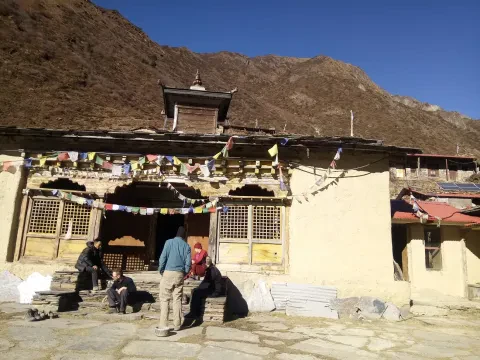
In addition to the great variety of personalities and mountain culture along the Manaslu Trek, you will also experience truly spectacular stone-buildings which serve as both monasteries and community centers. Notable monastic structures are the Ribung Gompa at Lho and the Pungyen Gompa (4,000m). Hanji and yak-butter tea is available at local teahouses, allowing a taste of religious community life, coupled with traditional hay, Dal Bhat and Tibetan bread.
Furthermore, staying in local teahouses undoubtedly enhances the experience of this mountainous cultural gem to the fullest, giving an insight into a world that has endured over the centuries and remains remarkably unchanged in the face of modern modernization. Reasons to appreciate the culture will hopefully be comparable to past trekkers who felt connected to "what is inside the soul of the Himalayas".
Highlights of cultural experience & traditions:
Village Cultural Comparison:
| Village | Primary Elevation | Dominant Culture | Key Landmark | Must-Try Experience |
| Lho 3,180m / 10,433ft | Nubri Bhotia | Ribung Gompa | Sunrise view of Manaslu |
| Samagaun - 3,530m / 11,581ft | Tibetan/Bhotia | Birendra Tal & Pungyen | Watching monks' evening prayers |
| Samdo - 3,860m / 12,664ft | Tibetan Refugee | Tibet Border Trail | Yak caravan sightings |
| Namrung - 2,630m / 8,628ft | Upper Gurung/Bhotia | Ancient Stone Gates | Interaction with local weavers |
| Tilije - 2,300m / 7,545ft | Gurung/Tibetan | Traditional Architecture | Authentic local apple brandy |
Basic guidelines for trekkers:
Actually, Sama Gaon (3,530m), as the most relevant strategic stop point; guarantees an efficient & successful Manaslu Circuit going. To adapt to the low Oxygen at high elevation, trekkers rest for 2 nights consecutively here. The village is the "make or break" point before the final effort to conquer the high altitude pass. Here at Guys Holidays Pvt. Ltd. We advocate active acclimatization; that is climbing high during the day and sleeping low at night. With the use of this rest day, the possibility of Acute Mountain Sickness (AMS) is significantly lessened. Its a good place to have a health check up amidst magnificent natural scenery of the Gorkha range.
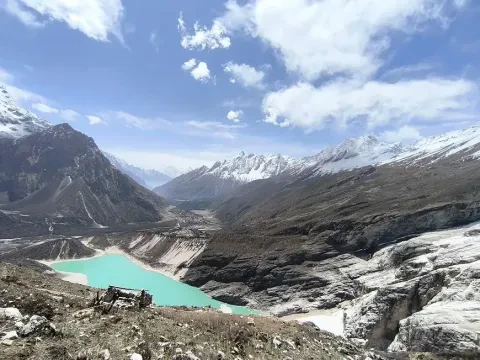
Likewise, far trips from Sama Gaon are not only good for your health but breathtaking too. Short, modest walks lead up to Birendra Tal (3,691m) a glacial lake with hidden blue waters. Situated below the glacier, of the Mount Manaslu, and easy around the corner. The more advanced trekker can push themselves up to the base of Mount Manaslu (4,800m) erecting an Everest like environment. Viewing expedition tents and intrepid climbers preparing to conquer the 8th highest mountain in the world,1.85 times the size of Everest. So that you can acclimatize your heart & lungs to the scarce oxygen of the upper Himalayan regions. Completing such walks boost the body to take on the Larkya La (5,106m) with ease.
Side Trip Options at Elevation.
Acclimatization Distance and Difficulty Table:
| Destination | Elevation (Meters) | Elevation Gain | Avg. Time (Round Trip) | Difficulty Level |
| Sama Gaon (Stay) - 3,530m | 0m | Base Location |
| Birendra Tal - 3,691m | 161m | 1.5 – 2 Hours Easy |
| Pungyen Gompa - 4,058m | 528m | 5 – 6 Hours | Moderate |
| Manaslu Base Camp - 4,800m | 1,270m | 6 – 8 Hours | Strenuous |
| Samdo (Next Stop) - 3,860m | 330m | 3 – 4 Hours | Moderate |
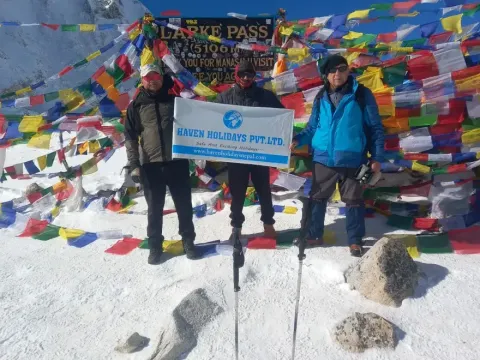
Actually, the spiritual centre of the Manaslu region is the many monasteries and holy sites adorning the trail with their ancient presence. At the pinnacle of the spiritual importance of the region is Pungyen Gompa (4,058m), situated in the mountains high above a lush pasture and behind the south face of the mountain. This was founded to honour Pungyen (the god of the mountain) who is reputed to bless the valley. The effect of gazing into the tranquil lives of the monks with their distant altitudes can be quite moving, and at every stage, Trekking in the Himalaya will ensure that explorers learn of the extensive history of all the sites. To the Nubri inhabitants, the Mountain of the Spirit (8,163m) is not just a mountain but is an entity to be revered and feared.
In between Pungyen, there are glorious mani walls and brightly crowned gompas like the Ribung Gompa situated in Lho (3,180m). Apart from being areas of meditation, these gompas are the nucleus for the community where prayer offerings and chants dictate the day to day lives of the inhabitants. The feeling of tranquility will enhance what can be the heart-wrenching experience of climbing into the antediluvian way of life, and every stone carved or prayer-wheel spun represents hope. The mystical and awe-inspiring features of the Himalaya are what makes the Manaslu trek stand out from the more popular Langtang region and Annapurna trail.
Key Spiritual Sites of Manaslu
Monastery and Sacred Peak Information Table:
| Landmark | Elevation (Meters) | Cultural Significance - Best View From |
| Mt. Manaslu | 8,163m | "Mountain of the Spirit" | Lho / Sama Gaon |
| Pungyen Gompa | 4,058m | Protects the valley's peace | Pungyen Meadow |
| Ribung Gompa | 3,180m | Center for Nubri culture | Upper Lho Ridge |
| Himalchuli | 7,893m | Sacred giant of the range | Namrung / Lho |
| Larkya La Pass | 5,106m | Highest spiritual crossing | Summit Ridge |
Actually, the crossing of the Larkya La Pass (5,106m) is undoubtedly the pinnacle in terms of mental and physical endurance for the Manaslu Circuit. In most cases, trekkers set out on this epic day at the dauntingly early hour of 3:00 AM from the modest lodges of Dharamsala (4,460m). The journey trudges through frozen moraine fields and the frozen nothingness of the Larkya Glacier, by the light of a headlamp, as the dull morning begins to emerge overhead. At this altitude, explorers can feel the air is so twist with pure exhaustion forced to take on a measured and measured pace. Had a look Holidays Pvt. Ltd. Takes the utmost care to maximize safety for this stretch of intense physical effort, providing expert guides with close monitoring as they ascend to the summit of the pass. Finally, the summit is reached on the Larkya La and it is a truly privileged and emotional passage to have crossed into the Gorkha as the district shifts from Kathmandu's hinterland to the Manang region of the high Himalayas.
From this vantage point, carved out above the clouds, you will marvel at the 360-degree view of the incredible Himalayas that surround you. Looking over the summit directly above your own pale face, from a sixth of a mile above your head level, is the majestic Himlung Himal (7,126m), with the serrated ridges of Cheo Himal (6,820m) stretching westward to the east.
Likewise, spectacular prayer flags alternate in the icy wind as your gaze is fixed on the pregnant ridge of Annapurna II (7,937m) and listless flood of Annapurna (7,769m). Resplendent with Khang Guru (6,981m) in a magnificent yellow and orange brilliance and Gyaji Kung (7,030m) kissing the soul-piercing blue sky, few places on earth provide such a spectacular view of our planet as this scene.
Peaks Visible from Larkya La Summit:
Larkya La Pass "Big Day" Logistics:
| Phase of the Day | Location | Elevation (Meters) | Time / Duration - Key Challenge |
| Early Wake-up | Dharamsala | 4,460m | 3:00 AM - Extreme morning cold |
| Glacier Walk | Larkya Glacier | 4,950m | 3 - 4 Hours | Icy terrain & moraines |
| Pass Summit | Larkya La Top | 5,106m | 1 - 2 Hours | Thin air & strong winds |
| Final Descent | To Bhimtang | 3,720m | 4 - 5 Hours | Steep, rocky decline |
| Rest Point | Bhimtang | 3,720m | Arrival (Late PM) | Knee fatigue from descent |
Actually, the choice of season influences the color of the landscape in your photographs and the ease with which you experience your Journey: the season matter for this much. Spring (March to May) takes the lower reaches of the Budhi Gandaki valley to a place of extraordinary Color color, in full bloom, with the many waterfalls of the lower sections of the peak Jagat (1,410) from the middle May onwards. The Temperatures tend to be warmer during the day, however they are very acceptable on the lower sections of the trek route through Jagat (1,410) according to explore-holidays Pvt. Ltd. We consider it the most suitable opportunity for the people who enjoy the look of abundant wildlife and classic lush-green landscapes during their trekking holiday.
While this period occasionally produces increased clouds in the overnight hours, the morning views of the white peaks tend to be extremely crisp and clear: well worth the considerations applicable during those months with intense cold. This period is just as enjoyable but less cold months when they are in difficulties due to the awesome and freezing conditions nearer the end of this month.
In fact, Manaslu Circuit Trek in Autumn (September to November), is generally regarded as the the "Gold Standard" of Himalayan trekking due to the excellent atmosphere clarity you will encounter in the mountain range. Dust washed away by the monsoon rains, visibility in the lower portions of mountains such as Himalchuli (7,893m) and Ngadi Chuli (7,871m) reaches almost unbelievable reaches almost unbelievable; it is perhaps the most spectacular time of year to be in the mountains.
Here, the weather is extremely stable during this period and the success rate of crossing the Larkya La pass (5,106m) without snow is higher than during any other season of the year: carries your camera all day every day, as this blue sky background will make your mountain photographs the envy of many professionals. Autumn months may be less cold than those in spring but the nights at Samdo are extremely chilling. Autumn still falls during the month of the Nepalese festivals of celebration, which include the amazing Dashain and Tihar weeks.
Comparison of Seasons
Manaslu Climate & Photography Guide 2026:
| Feature | Spring (March - May) | Autumn (Sept - Nov) | Recommendation |
| Sky Clarity | Good (Best in AM) | Excellent (All Day) | Autumn for Photographers |
| Flora/Color | Vibrant (Rhododendrons) | Golden (Harvested Fields) | Spring for Nature Lovers |
| Temperature | Warmer / Mild | Colder / Crisp | Spring for Comfort |
| Trail Conditions | Some snow at high passes | Dry and Firm | Autumn for Ease of Walk |
| Crowd Levels | Moderate | High (Peak Season) | Spring for Solitude |
Teahouse Living—Getting Used to Rural Accommodation & Food in 2026
Here, teahouse life on the Manaslu Circuit offers an agreeable, homely, shared habitat which links walking travelers to mountain Nepal. The family-run teahouses not only shelter and nourish but also form the center of social life for all serious walkers. In most dining rooms a space-centered stone or yak dung stove around which it is customary to congregate and unwind after sunset. Unfortunately Haven Holidays Pvt. Ltd. can only guarantee the best and the most consistent lodges in the area which both retain local mountain character but also provide the best available comforts. You will very quickly appreciate that the warmth of Nubri hospitality is as warm as the teas they serve to us. This shared experience facilitates a special camaraderie between travelers and mountain Nepali communities unrivaled in the rest of the world.
Interestingly, the "Dal Bhat Power" headlining meal is wholesome and energizing—rice, lentils, and seasonally available vegetables in veritable unlimited portions to sustain you through your long days of climbing. Contemporary teahouses at places like Namrung (2,630m) and Samagaun (3,530m) feature greater variety including pasta, pizza, and pancakes. Enjoy a steaming mug of ginger-honey-lemon tea as you admire the sunset sparkle on giant peaks of Ganesh Himal. Despite the looming modernization of isolative and progressive provision of sometimes with bathrooms in lower elevation teahouses, mountain tradition still reflects the same simplicity, heartiness, and authenticity.
Typical Teahouse Comforts 2026
Daily Menu Sample & Pricing Table:
| Meal Category | Common Items | Avg. Price (USD) - Best For |
| Breakfast | Tibetan Bread, Porridge, Eggs, Pancakes | $6 – $10 - Morning fuel |
| Lunch | Dal Bhat, Veg Noodles, Thukpa (Soup) | $8 – $12 - Mid-day energy |
| Dinner | Dal Bhat, Pasta, Garlic Soup, Momos | $10 – $15 - Recovery & warmth |
| Hot Drinks | Ginger Tea, Coffee, Hot Chocolate | $2 – $4 - Hydration |
| Snacks | Apple Pie, Snickers, Local Biscuits | $3 – $6 - Treats |
Safety & Preparation: mandatory training for the Challenging Manaslu Region Trek 2026
Actually, heading for the Manaslu Circuit involves a specific training plan of cardiovascular exercise combined with work out for the lower body as you will conquer some steep ascents. It is advised to start your exercise regime at least three months prior to your trip date to get in total stamina. Include in your weekly work out elements of walking long distances, jogging or cycling to further strengthen your heart and lungs. For a realistic preparation, 'Haven Holidays Pvt. Ltd.' recommends that you sort-out your packing and train by waking on mountain trails with a pack weight of around 5-10kg. This will develop your leg muscles to carry you for the awesome 6-8 hours of walking a day at elevations up 6000 meters. Proper fitness can really be your greatest pre-empting of fatigue on the trek and combat the actual physical shock of ascending these heights.
Equally important is carrying quality equipment for Manaslu Circuit Trek which can stand-up to the harsh climatic conditions of the Himalayan kingdom. Equipment must be manufactured to endure the rigors of cold weather, particularly during the trek over the Larkya La Pass (5,106m). Your sleeping bag must have a weather rating of -20C in order to survive the freezing nights of higher elevations such as the Dharamsala (4,460m). Likewise tough waterproof trekking boots with full ankle support are necessary for the trekking on rocky moraine and possible snow patches. All of our members have of a checklist of necessary kit issued with their trek more to confirm that each piece is not obvious at check-out. Going prepared makes the unnatural natural conditions of a Himalaya an approachable life changing experience' 'Spirit Mountain' trek.
Equipment Essentials Checklist:
12-Week Training Roadmap:
| Phase | Focus Area | Weekly Activities | Goal |
| Weeks 1-4 | Aerobic Base | 3x 40min Cardio (Jog/Swim), Daily Stretching - Build lung capacity |
| Weeks 5-8 | Strength | 2x Weight Training (Squats, Lunges), 1x Hill Hike - Strengthen quads & glutes |
| Weeks 9-11 | Simulation | 2x 6hr Hikes with 8kg Pack, 3x Interval Runs - Mimic trek days |
| Week 12 | Tapering | Light Walking, Deep Hydration, Mental Prep - Rest before the flight |
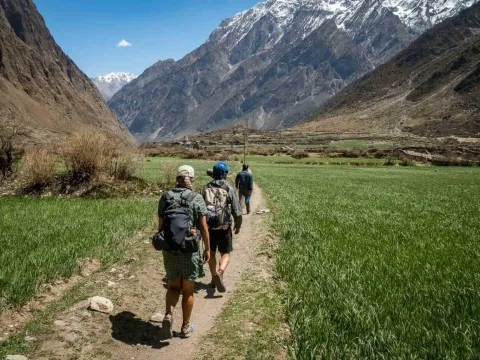
Nestled deep within the mountains, Tsum Valley provides a fascinating rare glimpse into untouched Tibetan traditions and the purity of the majestic Himalayas. Known as the "Hidden Valley of Happiness", the valley was officially opened for trekking only in 2008, thereby safeguarding its mystical and holy qualities. Visitors will appreciate the fact that the valley is a tranquil hub of peace where the spiritual outlook is based around the act of non-violence. Haven Holidays Pvt. Ltd. Recommends this exciting detour as it allows individuals to gain holistic insight into the "Spirit Mountain" area by venturing beyond the traditional trek. Here, the natural surroundings are as pristine as the hospitality of the Tsumba inhabitants is welcoming. For those interested in this extension, be prepared to spend an extra 6-7 days in the region bordering Tibet.
Meanwhile, the highlight of the Tsum Valley exploration is sure to be the "Shyagya" ancient tradition of non-violence. The local people are strongly opposed to killing any creature, whether by accident or intentionally, even the smallest of insects or animals, within thisn area of high sanctity. Adventurers will be able to marvel at the "Mu Gompa" (37 00m) and "Rachen Gompa" (3240m), home to numerous monks and nuns. The picturesque Piren Phu, or Pigeon Cave, is reputed to have been the meditation site of the Tibetan saint, Milarepa. As you pass the longest Mani walls in Nepal, take a moment to absorb the stillness of this remote plaza in the sky. Including this detour usually extends your journey by an additional 6-7 days. You will find yourself at the border of Tibet's domain.
Tsum Valley Detour: Elevation & Time Table:
| Destination / Stop | Elevation (Meters) | Elevation (Feet) | Trekking Duration | Key Cultural Feature |
| Lokpa (Entry Point) | 2,240m - 7,349ft | Start of Detour | Gateway to the Valley |
| Chumling | 2,386m - 7,828ft | 5–6 Hours | Lower Tsum cultural hub |
| Chhokangparo | 3,010m - 9,875ft | 5–6 Hours | Views of Ganesh Himal (7,422m) |
| Rachen Gompa | 3,240m - 10,630ft | 4–5 Hours | Famous Buddhist Nunnery |
| Mu Gompa (Peak) | 3,700m - 12,139ft | 3–4 Hours | Highest spiritual monastery |
| Ganesh Himal Base Camp | 4,200m - 13,780ft | Side Hike | Views of Yangra (7,422m) |
Here, Haven Holidays has set the benchmark on responsible action in the Himalayas with various initiatives on Mt. Manaslu range. We feel it is an imperative to protect such delicate mountain environment in order to safeguard future tourism opportunities in the Manaslu area. We diligently work with a naturalist guide, who makes sure that no presence of waste remains on the picturesque trail "Leave No Trace" Policy. We provide our clients stainless steel water bottles along with modern filtration systems which saves the use of cellophane bottles.
Actually, it is an extra effort for us contributing to an eco-friendly tourism benefiting the pristine natural biodiversity in the Manaslu Conservation Area. With our determined effort, the majestic landscape of Mt. Manaslu (8,163m) remains pristine for future adventure enthusiasts.
Moreover, responsible travel entails community integration by enjoying fair and respectful treatment of hard working mountain porters. We employ local guides from Gorkha and Nubri regions to enhance the trek with authentic resources and uplift the local economy of rugged Himalayas. Our porters are paid up-to-date wages with insurance coverage and equipped with high grade gear to enhance their comforts while crossing 5,106m high passes like Larkya La.
Further, working with local teahouses we use solar cookers and organic methods to ensure healthy food along with a cultural exchange providing a balanced trekking experience to all of our guests. Our effort helps in rural uplift and preserves the characteristic ancient Bhotia and Gurung civilizations.
Sustainable trekkking pillars:
Sustainable Impact Comparison:
| Feature | Traditional Trekking | Haven Holidays (Sustainable) | Impact on 2026 Environment |
| Water Source | Plastic bottled water | Filtered & Reusable | Prevents thousands of plastic bottles |
| Staff Treatment | Seasonal/Low pay | Insured & Fair Wages | Uplifts the mountain economy |
| Waste Disposal | Left at teahouses | Carry-in / Carry-out | Keeps high-altitude trails clean |
| Food Sourcing | Imported canned goods | Local Organic Produce | Supports village farmers |
| Transport | High-carbon options | Shared & Efficient | Reduces the carbon footprint |
Final thoughts: Embark on the Circuit and Book Your Manaslu Trek 2026 with Haven Holidays Pvt. Ltd.
Actually, the Manaslu Circuit Trek 2026 is not merely a trek; it's a transformational journey that stands apart from the everyday. Opting for this route means immersing yourself in a realm where age-old traditions and pristine nature coalesce seamlessly. The gradual ascent from verdant lowlands up to Larkya La Pass (5,106m) pushes your boundaries and enriches your spirit. Witnessing the might of Mt. Manaslu (8,163m) firsthand provides a humbling reflection on our world's enormity and our significance within it. This trek caters to those yearning for profound transformation amidst breathtaking summits.
Moreover, Haven Holidays Pvt. Ltd. is your trusted partner for this venture, with expert expertise in logistical coordination in remote Himalayan regions. Our 2026 offerings are crafted with your well-being in mind, with seasoned guides overseeing your health and acclimatization journey daily. We are committed to "Responsible Tourism," bolstering local communities and reducing our ecological impact within the Nubri Valley. Our reputation for excellence is founded on clarity, individual attention, and genuine wilderness zeal. Don't merely envision the Himalayas; experience them with a dedicated crew who imagine your walk as their own. Secure your 2026 Manaslu expedition now and witness your Himalayan dreams materialize amid awe-inspiring grandeur.
Reasons to select Haven Holidays for 2026:
2026 Booking Overview:
| Service Category | What We Provide | Your Benefit |
| Logistics | Sharing or Private Jeep Transfers & Domestic Travel | Hassle-free arrival and departure |
| Permits | RAP, MCAP, and ACAP processing | Legal and smooth border crossings |
| Support | Professional Porters (1 for 2 Trekkers) | Reduced physical strain on the trail |
| Lodging | Hand-selected Quality Teahouses | Best available comfort and hygiene |
| Equipment | High-altitude Down Jackets & Sleeping Bags | Stay warm in sub-zero environments |
1. What is the best time for Manaslu Circuit Trek 2026?
The best time to do the Manaslu Circuit Trek 2026 is in the spring from March to May or in the autumn from September to November. This is when the weather is stable and the views are clear. It is also safer to cross the Larke Pass which's 5106 meters high. In the autumn the skies are really vibrant. In the spring the rhododendrons are in bloom.
2. Is solo trekking allowed on Manaslu Circuit Trek 2026?
Yes, solo trekkers can now get a Manaslu Restricted Area Permit for the Manaslu Circuit Trek 2026. You have to book with a company like Haven Holidays and you must trek with a guide who has a license. You cannot trek on your own without a guide.
3. How much does the Manaslu Circuit Trek 2026 cost with Haven Holidays?
The cost of the Manaslu Circuit Trek 2026 package with Haven Holidays starts at around USD 955 to 1,275 per person for 14 to 16 days. This price includes the cost of permits a guide, a porter, food and transport. If you are traveling alone you may have to pay an extra.
4. What permits are required for Manaslu Circuit Trek 2026?
To do the Manaslu Circuit Trek 2026 you need to get permits. These include the Manaslu Restricted Area Permit, the Manaslu Conservation Area Permit, the Annapurna Conservation Area Permit and the Chumnubri Rural Municipality Permit. Haven Holidays will take care of all these permits for you.
5. How difficult is the Manaslu Circuit Trek 2026?
The Manaslu Circuit Trek 2026 is a difficult trek. You have to walk for hours and the altitude is very high. The hardest part is crossing the Larke Pass which's 5106 meters high.. If you are fit and you take time to acclimatize at Sama Gaon you can do it. It also helps to have a guide.
6. How long is the Manaslu Circuit Trek 2026 itinerary?
The standard Manaslu Circuit Trek 2026 itinerary is 14 to 16 days long. This includes the days you spend traveling from Kathmandu. If you want to visit the Tsum Valley well the trek can take up to 20 to 22 days.
7. What is the highest point on the Manaslu Circuit Trek?
The highest point on the Manaslu Circuit Trek is the Larke Pass which's 5106 meters high. This is the exciting part of the trek and from here you can see the beautiful Himalayan mountains. After this you start going down to a place called Bhimtang.
8. Is a guide mandatory for Manaslu Circuit Trek 2026?
Yes, you must have a guide to do the Manaslu Circuit Trek 2026. This is because the Manaslu Circuit Trek 2026 is in an area. Haven Holidays will provide you with a guide who speaks English and knows the area well.
9. Why is Sama Gaon important for Manaslu Circuit Trek 2026?
Sama Gaon is an important place on the Manaslu Circuit Trek 2026. It is where you acclimatize to the altitude. You spend two nights here. Go for day hikes. This helps your body get used to the altitude and reduces the risk of getting sick.
10. Can I add Tsum Valley to my Manaslu Circuit Trek 2026?
Yes, you can add the Tsum Valley to your Manaslu Circuit Trek 2026. This is an idea because the Tsum Valley is a very beautiful place, with a lot of Tibetan culture. You can visit monasteries. See the peaceful landscapes. This will add 5 to 7 days to your Manaslu Circuit Trek 2026.
11. What should I pack for the Manaslu Circuit Trek 2026?
You will need essential items for the Manaslu Circuit Trek 2026. These include a jacket, trekking boots, a sleeping bag that can keep you warm in very cold temperatures, trekking poles, rain gear and lots of layers. The people at Haven Holidays have a list of things you should pack for the Manaslu Circuit Trek 2026.
12. Is there WiFi and mobile signal on the Manaslu Circuit Trek?
You can get signal and WiFi in some of the lower villages and in Sama Gaon but it is not very strong. When you are near Larke Pass, which's 5106 meters high you will not have any signal. The same thing happens in the remote parts of the Manaslu Circuit Trek.
13. What type of accommodation is used on the Manaslu Circuit Trek 2026?
On the Manaslu Circuit Trek 2026 you will usually stay in teahouses. These teahouses have rooms with two beds and shared bathrooms. The people who run the teahouses make food for you. If you want to stay in a place you can ask Haven Holidays to arrange it for you.
14. How safe is the Manaslu Circuit Trek 2026?
The Manaslu Circuit Trek 2026 is very safe if you go with a guide who has a license and works for a company that is registered like Haven Holidays. Your guide will help you get used to the altitude and check the weather so you will be safe when you are, near Larke Pass, which is 5106 meters high.
15. What currency and cash should I carry for the trek?
You should carry some Nepali Rupees with you in amounts to pay for things at the teahouses and to give tips. There are no machines that give you cash on the trail so you should get some money out in Kathmandu before you start the Manaslu Circuit Trek 2026.
16. Do I need travel insurance for Manaslu Circuit Trek 2026?
Yes, you need to have travel insurance that covers high-altitude trekking, which is up to 6,000m and emergency evacuation for the Manaslu Circuit Trek 2026. This kind of insurance is necessary.
17. What are the cultural rules I should follow on the Manaslu Trek?
When you are on the Manaslu Trek you should walk around walls and chortens in a clockwise direction. You should also ask for permission before taking pictures of people or monasteries.. When you visit gompas you should dress modestly. The Manaslu Trek has Tibetan Buddhist traditions that you should respect.
18. How does Haven Holidays ensure sustainable tourism on Manaslu Circuit Trek 2026?
Haven Holidays makes sure to follow the rules of Leave No Trace. They use practices that're friendly to the environment. Haven Holidays pays wages to the local staff and supports projects that help the community. They also try to minimize the use of plastic on every Manaslu Circuit Trek 2026.
19. What wildlife might I see on the Manaslu Circuit Trek?
You might see animals like the tahr, blue sheep and sometimes even snow leopards in the higher areas of the Manaslu Circuit Trek. The Manaslu Conservation Area has a lot of kinds of plants and animals.
20. How do I book the Manaslu Circuit Trek 2026 with Haven Holidays?
If you want to book the Manaslu Circuit Trek 2026 you can contact Haven Holidays Pvt. Ltd. Through their website or by email. They can give you customized dates for 2026. You can choose to go with a group or by yourself. They also have options, for the Tsum Valley. It is an idea to book early so that you can get the best options.
Begin Your Journey:
Our travel experts are ready to assist you with any questions.
Send us a message.Have a question before you book? Send your enquiry below and our travel experts will get back with the required information.