[{"name":"Everest Base Camp Helicopter Tour","duration":"1","image_url":"https:\/\/www.havenholidaysnepal.com\/storage\/trip-galleries\/1\/thumb_6cd53005d75a86e373d31419d1b14d78.webp","offer_price":1195,"url":"https:\/\/www.havenholidaysnepal.com\/trips\/everest-base-camp-helicopter-tour"},{"name":"Everest Mountain Flight","duration":"1","image_url":"https:\/\/www.havenholidaysnepal.com\/storage\/trip-galleries\/4\/thumb_3b0b4f1d6f72b0ad224daf4752f2c6e0.jpg","offer_price":285,"url":"https:\/\/www.havenholidaysnepal.com\/trips\/everest-mountain-flight"},{"name":"Everest Short Trek","duration":"9","image_url":"https:\/\/www.havenholidaysnepal.com\/storage\/trip-galleries\/5\/thumb_BXPP3621.JPEG0.02033800 1727957098.webp","offer_price":995,"url":"https:\/\/www.havenholidaysnepal.com\/trips\/everest-short-trek"},{"name":"Gokyo Valley Trek","duration":"12","image_url":"https:\/\/www.havenholidaysnepal.com\/storage\/trip-galleries\/6\/thumb_10bc469b14731f23d3ce84a7092ad53f.jpg","offer_price":1195,"url":"https:\/\/www.havenholidaysnepal.com\/trips\/gokyo-valley-trek"},{"name":"15 days Annapurna Base Camp Trek","duration":"15","image_url":"https:\/\/www.havenholidaysnepal.com\/storage\/trip-galleries\/7\/thumb_87d1533bc45faf070990aef0579e4be4.jpg0.81855100 1728285496.webp","offer_price":785,"url":"https:\/\/www.havenholidaysnepal.com\/trips\/15-days-annapurna-base-camp-trek"},{"name":"Nepal Pilgrimage Tour","duration":"14","image_url":"https:\/\/www.havenholidaysnepal.com\/storage\/trip-galleries\/8\/thumb_02c3bcf2ad2e8a4c1703e90ae747b5f1.jpg","offer_price":1475,"url":"https:\/\/www.havenholidaysnepal.com\/trips\/nepal-pilgrimage-tour"},{"name":"UNESCO World Heritage Site Tour","duration":"10","image_url":"https:\/\/www.havenholidaysnepal.com\/storage\/trip-galleries\/9\/thumb_unesco-world-heritage-site-Lumbani-temple-buddhists-hindus-kathmandu-nepal0.36988600 17347617740.93089500 1737469667.webp","offer_price":715,"url":"https:\/\/www.havenholidaysnepal.com\/trips\/unesco-world-heritage-site-tour"},{"name":"Island Peak Climbing","duration":"16","image_url":"https:\/\/www.havenholidaysnepal.com\/storage\/trip-galleries\/11\/thumb_Island peak0.53947000 1734692503.webp","offer_price":2495,"url":"https:\/\/www.havenholidaysnepal.com\/trips\/island-peak-climbing"},{"name":"Upper Mustang Trek","duration":"18","image_url":"https:\/\/www.havenholidaysnepal.com\/storage\/trip-galleries\/12\/thumb_upper mustang 7 Oct-2024.jpg0.95398900 1728286166.webp","offer_price":2995,"url":"https:\/\/www.havenholidaysnepal.com\/trips\/upper-mustang-trek"},{"name":"Annapurna Circuit Trek","duration":"16","image_url":"https:\/\/www.havenholidaysnepal.com\/storage\/trip-galleries\/15\/thumb_tibetan-flags.jpg0.04843900 1728289138.webp","offer_price":985,"url":"https:\/\/www.havenholidaysnepal.com\/trips\/annapurna-circuit-trek"},{"name":"Gosainkunda Lake Trek","duration":"10","image_url":"https:\/\/www.havenholidaysnepal.com\/storage\/trip-galleries\/16\/thumb_5A8083B3-C007-41A8-853F-D0C37C97D235_1_105_c.jpeg0.52581200 1731845258.webp","offer_price":595,"url":"https:\/\/www.havenholidaysnepal.com\/trips\/gosainkunda-lake-trek"},{"name":"Zip-lining in Pokhara and Dhulikhel","duration":"1","image_url":"https:\/\/www.havenholidaysnepal.com\/storage\/trip-galleries\/18\/thumb_215f765e2ebc995dd5c800b4bfdbacc3.jpg","offer_price":82,"url":"https:\/\/www.havenholidaysnepal.com\/trips\/zip-lining-in-pokhara-and-dhulikhel"},{"name":"Annapurna Heli Tour","duration":"1","image_url":"https:\/\/www.havenholidaysnepal.com\/storage\/trip-galleries\/19\/thumb_d71a6bbb9fd4da8d1b567a5cdbdec85d.jpg","offer_price":555,"url":"https:\/\/www.havenholidaysnepal.com\/trips\/annapurna-heli-tour"},{"name":"Paragliding in Pokhara","duration":"1","image_url":"https:\/\/www.havenholidaysnepal.com\/storage\/trip-galleries\/20\/thumb_de788d2dd9726783431f882c007efae1.jpg","offer_price":65,"url":"https:\/\/www.havenholidaysnepal.com\/trips\/paragliding-in-pokhara"},{"name":"Ultra-Flight in Pokhara","duration":"1","image_url":"https:\/\/www.havenholidaysnepal.com\/storage\/trip-galleries\/21\/thumb_e27a9fb572a5c21611bb2a3c18e4b8f0.jpeg","offer_price":175,"url":"https:\/\/www.havenholidaysnepal.com\/trips\/ultra-flight-in-pokhara"},{"name":"Sarangkot Hiking","duration":"1","image_url":"https:\/\/www.havenholidaysnepal.com\/storage\/trip-galleries\/22\/thumb_100ef822fea19987166c6c1366215f15.jpg","offer_price":55,"url":"https:\/\/www.havenholidaysnepal.com\/trips\/sarangkot-hiking"},{"name":"Mera Peak Climbing","duration":"18","image_url":"https:\/\/www.havenholidaysnepal.com\/storage\/trip-galleries\/24\/thumb_d16ae3895f678cf26ffbf2455f541fb5.jpg0.31883400 1732617790.webp","offer_price":2475,"url":"https:\/\/www.havenholidaysnepal.com\/trips\/mera-peak-climbing"},{"name":"Lower Dolpo Trek","duration":"18","image_url":"https:\/\/www.havenholidaysnepal.com\/storage\/trip-galleries\/26\/thumb_Dolpo Galary - 1.JPG0.37725200 1727939952.webp","offer_price":2995,"url":"https:\/\/www.havenholidaysnepal.com\/trips\/lower-dolpo-trek"},{"name":"Nagarkot Sunrise\/Sunset Tour","duration":"1","image_url":"https:\/\/www.havenholidaysnepal.com\/storage\/trip-galleries\/27\/thumb_5147a5532644283a380f2e86f3857c13.jpg0.17748000 1728488108.webp","offer_price":30,"url":"https:\/\/www.havenholidaysnepal.com\/trips\/nagarkot-sunrise-sunset-tour"},{"name":"16 day Everest Base Camp Trek","duration":"16","image_url":"https:\/\/www.havenholidaysnepal.com\/storage\/trip-galleries\/28\/thumb_IMG_4311.JPG0.64984800 1727942213.webp","offer_price":1695,"url":"https:\/\/www.havenholidaysnepal.com\/trips\/16-day-everest-base-camp-trek"},{"name":"Ghorepani Poon Hill trek with Jungle Safari and Trishuli River Rafting -13 days","duration":"13","image_url":"https:\/\/www.havenholidaysnepal.com\/storage\/trip-galleries\/29\/thumb_Ghorepani Poon hill.jpg0.48460800 1728281439.webp","offer_price":795,"url":"https:\/\/www.havenholidaysnepal.com\/trips\/ghorepani-poon-hill-trek-with-jungle-safari-and-trishuli-river-rafting--13-days"},{"name":"Mardi Himal Trek","duration":"12","image_url":"https:\/\/www.havenholidaysnepal.com\/storage\/trip-galleries\/30\/thumb_s1.jpg0.62112600 1728200721.webp","offer_price":795,"url":"https:\/\/www.havenholidaysnepal.com\/trips\/mardi-himal-trek"},{"name":"Langtang Valley Trekking","duration":"10","image_url":"https:\/\/www.havenholidaysnepal.com\/storage\/trip-galleries\/31\/thumb_IMG_4702.JPG0.84916500 1727958504.webp","offer_price":685,"url":"https:\/\/www.havenholidaysnepal.com\/trips\/langtang-valley-trekking"},{"name":"Real Adventure Tour in Nepal","duration":"9","image_url":"https:\/\/www.havenholidaysnepal.com\/storage\/trip-galleries\/32\/thumb_ebd1b8cc78d90abe8b9003dd9a2f25bf.jpg0.82151300 1728213516.webp","offer_price":695,"url":"https:\/\/www.havenholidaysnepal.com\/trips\/real-adventure-tour-in-nepal"},{"name":"Luxury Tour in Nepal","duration":"10","image_url":"https:\/\/www.havenholidaysnepal.com\/storage\/trip-galleries\/33\/thumb_8574e61b252b18676b042caf30d830df.jpg","offer_price":1675,"url":"https:\/\/www.havenholidaysnepal.com\/trips\/luxury-tour-in-nepal"},{"name":"Luxury Everest Panorama Trek With EBC Heli Sightseeing","duration":"8","image_url":"https:\/\/www.havenholidaysnepal.com\/storage\/trip-galleries\/34\/thumb_URZL2397.JPEG0.01209600 1728027820.webp","offer_price":2395,"url":"https:\/\/www.havenholidaysnepal.com\/trips\/luxury-everest-panorama-trek-with-ebc-heli-sightseeing"},{"name":"13 day Everest Base Camp Trek with Helicopter","duration":"13","image_url":"https:\/\/www.havenholidaysnepal.com\/storage\/trip-galleries\/35\/thumb_IMG_4292.JPG0.70131500 1728029276.webp","offer_price":2095,"url":"https:\/\/www.havenholidaysnepal.com\/trips\/13-day-everest-base-camp-trek-with-helicopter"},{"name":"Manaslu Circuit Trek","duration":"16","image_url":"https:\/\/www.havenholidaysnepal.com\/storage\/trip-galleries\/36\/thumb_Mt Manaslu 03-Oct-2024.jpg0.65804900 1727938470.webp","offer_price":1055,"url":"https:\/\/www.havenholidaysnepal.com\/trips\/manaslu-circuit-trek"},{"name":"Kanchenjunga Base Camp Trek","duration":"21","image_url":"https:\/\/www.havenholidaysnepal.com\/storage\/trip-galleries\/37\/thumb_Kanchanjunga Trek -!.jpg0.54744400 1727938497.webp","offer_price":2275,"url":"https:\/\/www.havenholidaysnepal.com\/trips\/kanchenjunga-base-camp-trek"},{"name":"Ganesh Himal and Sing-La Trek","duration":"14","image_url":"https:\/\/www.havenholidaysnepal.com\/storage\/trip-galleries\/38\/thumb_Ganesh Himal slider-1.jpg0.43764500 1727937722.webp","offer_price":1775,"url":"https:\/\/www.havenholidaysnepal.com\/trips\/ganesh-himal-and-sing-la-trek"},{"name":"Island Peak Climb with Everest Base Camp Trek","duration":"21","image_url":"https:\/\/www.havenholidaysnepal.com\/storage\/trip-galleries\/39\/thumb_2be428730fe83525bc85a010564f99de.jpg","offer_price":2750,"url":"https:\/\/www.havenholidaysnepal.com\/trips\/island-peak-climb-with-everest-base-camp-trek"},{"name":"Students' Adventure Tour in Nepal","duration":"12","image_url":"https:\/\/www.havenholidaysnepal.com\/storage\/trip-galleries\/41\/thumb_a926d22fbfe08cba271c41ac289b3fd2.jpg","offer_price":995,"url":"https:\/\/www.havenholidaysnepal.com\/trips\/students-adventure-tour-in-nepal"},{"name":"7 Day Poonhill Trek","duration":"7","image_url":"https:\/\/www.havenholidaysnepal.com\/storage\/trip-galleries\/42\/thumb_6196bd69036473293a2c24cc21ed57d7.jpg0.10880600 1728205378.webp","offer_price":555,"url":"https:\/\/www.havenholidaysnepal.com\/trips\/7-day-poonhill-trek"},{"name":"7 Days Annapurna Base Camp Trek","duration":"7","image_url":"https:\/\/www.havenholidaysnepal.com\/storage\/trip-galleries\/43\/thumb_IMG_2214.JPG0.08204900 1728202033.webp","offer_price":355,"url":"https:\/\/www.havenholidaysnepal.com\/trips\/7-days-annapurna-base-camp-trek"},{"name":"3 days Poonhill Trek","duration":"3","image_url":"https:\/\/www.havenholidaysnepal.com\/storage\/trip-galleries\/44\/thumb_Poon hill.jpg0.60816600 1731412954.webp","offer_price":165,"url":"https:\/\/www.havenholidaysnepal.com\/trips\/3-days-poonhill-trek"},{"name":"Poon Hill Luxury Trek with Chitwan-12 days","duration":"12","image_url":"https:\/\/www.havenholidaysnepal.com\/storage\/trip-galleries\/45\/thumb_Poom hill.jpg0.52074500 1730180532.webp","offer_price":1175,"url":"https:\/\/www.havenholidaysnepal.com\/trips\/poon-hill-luxury-trek-with-chitwan-12-days"},{"name":"Everest Luxury Trek-7 days","duration":"7","image_url":"https:\/\/www.havenholidaysnepal.com\/storage\/trip-galleries\/46\/thumb_ACRX9330.JPEG0.93236200 1728031275.webp","offer_price":2195,"url":"https:\/\/www.havenholidaysnepal.com\/trips\/everest-luxury-trek-7-days"},{"name":"Hindu Pilgrimage Tour in Nepal-10 days","duration":"10","image_url":"https:\/\/www.havenholidaysnepal.com\/storage\/trip-galleries\/47\/thumb_a94bf96a4d31decb419f6f828a3280d2.jpg","offer_price":995,"url":"https:\/\/www.havenholidaysnepal.com\/trips\/hindu-pilgrimage-tour-in-nepal-10-days"},{"name":"Everest Base Camp Short Trek-12 days","duration":"12","image_url":"https:\/\/www.havenholidaysnepal.com\/storage\/trip-galleries\/48\/thumb_IMG_4311.JPG0.52680100 1727945154.webp","offer_price":995,"url":"https:\/\/www.havenholidaysnepal.com\/trips\/everest-base-camp-short-trek-12-days"},{"name":"Everest Base Camp Hike 12 Days","duration":"12","image_url":"https:\/\/www.havenholidaysnepal.com\/storage\/trip-galleries\/49\/thumb_IMG_4260.JPG0.51729100 1728061234.webp","offer_price":1295,"url":"https:\/\/www.havenholidaysnepal.com\/trips\/everest-base-camp-hike-12-days"},{"name":"11 Days Everest Base Camp Trek","duration":"11","image_url":"https:\/\/www.havenholidaysnepal.com\/storage\/trip-galleries\/50\/thumb_IMG_4249.JPG0.21392500 1727946959.webp","offer_price":1055,"url":"https:\/\/www.havenholidaysnepal.com\/trips\/11-days-everest-base-camp-trek"},{"name":"6 Days Annapurna Base Camp Trek","duration":"6","image_url":"https:\/\/www.havenholidaysnepal.com\/storage\/trip-galleries\/51\/thumb_6 days Abc.jpg0.58185400 1728200798.webp","offer_price":285,"url":"https:\/\/www.havenholidaysnepal.com\/trips\/6-days-annapurna-base-camp-trek"},{"name":"Annapurna Base Camp Trek","duration":"8","image_url":"https:\/\/www.havenholidaysnepal.com\/storage\/trip-galleries\/52\/thumb_IMG_2214.JPG0.29415700 1729487656.webp","offer_price":585,"url":"https:\/\/www.havenholidaysnepal.com\/trips\/annapurna-base-camp-trek"},{"name":"Everest Base Camp Trek with Helicopter Fly Out 10 Days","duration":"10","image_url":"https:\/\/www.havenholidaysnepal.com\/storage\/trip-galleries\/53\/thumb_IMG_4328.JPG0.52056600 1728058444.webp","offer_price":1875,"url":"https:\/\/www.havenholidaysnepal.com\/trips\/everest-base-camp-trek-with-helicopter-fly-out-10-days"},{"name":"Everest Base Camp Trek 14 Days","duration":"14","image_url":"https:\/\/www.havenholidaysnepal.com\/storage\/trip-galleries\/54\/thumb_Everest Base Camp Trek 14 days Oct 3 2024.JPG0.43202700 1727939745.webp","offer_price":1335,"url":"https:\/\/www.havenholidaysnepal.com\/trips\/everest-base-camp-trek-14-days"},{"name":"ABC Trek with Poonhill 11 Days","duration":"11","image_url":"https:\/\/www.havenholidaysnepal.com\/storage\/trip-galleries\/55\/thumb_ABC with fishtail.JPG0.21441100 1728277965.webp","offer_price":555,"url":"https:\/\/www.havenholidaysnepal.com\/trips\/abc-trek-with-poonhill-11-days"},{"name":"Muldai Hill Trek 9 Days","duration":"9","image_url":"https:\/\/www.havenholidaysnepal.com\/storage\/trip-galleries\/56\/thumb_7efee59f0a8c6817c8255bd2b9f3539d.jpeg0.19479300 1728213091.webp","offer_price":675,"url":"https:\/\/www.havenholidaysnepal.com\/trips\/muldai-hill-trek-9-days"},{"name":"Mardi Himal Trek 6 days","duration":"6","image_url":"https:\/\/www.havenholidaysnepal.com\/storage\/trip-galleries\/57\/thumb_slider 1.jpeg0.36909700 1728184981.webp","offer_price":590,"url":"https:\/\/www.havenholidaysnepal.com\/trips\/mardi-himal-trek-6-days"},{"name":"Mardi Himal Trek 7 days","duration":"7","image_url":"https:\/\/www.havenholidaysnepal.com\/storage\/trip-galleries\/58\/thumb_slider1.jpg0.61666600 1728206414.webp","offer_price":620,"url":"https:\/\/www.havenholidaysnepal.com\/trips\/mardi-himal-trek-7-days"},{"name":"Mardi Himal Trek 8 Days","duration":"8","image_url":"https:\/\/www.havenholidaysnepal.com\/storage\/trip-galleries\/59\/thumb_sli1.jpg0.38569100 1728206631.webp","offer_price":695,"url":"https:\/\/www.havenholidaysnepal.com\/trips\/mardi-himal-trek-8-days"},{"name":"14 Days Manaslu Trek","duration":"14","image_url":"https:\/\/www.havenholidaysnepal.com\/storage\/trip-galleries\/60\/thumb_sunrise-mt-manaslu-during-manaslu-circuit-larke-pass-trekking-himalaya-nepal (1)0.81855800 1738673284.webp","offer_price":885,"url":"https:\/\/www.havenholidaysnepal.com\/trips\/14-days-manaslu-trek"},{"name":"Dhampus-Sarangkot Trek with Chitwan 8 days","duration":"8","image_url":"https:\/\/www.havenholidaysnepal.com\/storage\/trip-galleries\/61\/thumb_Sarangkot Bhangyang.jpg0.75461400 1728210333.webp","offer_price":790,"url":"https:\/\/www.havenholidaysnepal.com\/trips\/dhampus-sarangkot-trek-with-chitwan-8-days"},{"name":"7 Days Golden Triangle Tour","duration":"7","image_url":"https:\/\/www.havenholidaysnepal.com\/storage\/trip-galleries\/62\/thumb_311ce1d117ee0ba75402a7c301bcdf830.73532400 1739179809.webp","offer_price":845,"url":"https:\/\/www.havenholidaysnepal.com\/trips\/7-days-golden-triangle-tour"},{"name":"Annapurna Circuit Trek 12 days","duration":"12","image_url":"https:\/\/www.havenholidaysnepal.com\/storage\/trip-galleries\/63\/thumb_IMG_20161024_092237.jpg0.57796600 1728289938.webp","offer_price":695,"url":"https:\/\/www.havenholidaysnepal.com\/trips\/annapurna-circuit-trek-12-days"},{"name":"Everest Base Camp Budget Trek 16 Days","duration":"16","image_url":"https:\/\/www.havenholidaysnepal.com\/storage\/trip-galleries\/64\/thumb_IMG_4423.JPG0.92579200 1728144669.webp","offer_price":958,"url":"https:\/\/www.havenholidaysnepal.com\/trips\/everest-base-camp-budget-trek-16-days"},{"name":"Poonhill Budget Trek 7 Days","duration":"7","image_url":"https:\/\/www.havenholidaysnepal.com\/storage\/trip-galleries\/65\/thumb_5be067852d0c5228d6f3155bc425c6b5.jpg","offer_price":395,"url":"https:\/\/www.havenholidaysnepal.com\/trips\/poonhill-budget-trek-7-days"},{"name":"Annapurna Base Camp Budget Trek 8 Days","duration":"8","image_url":"https:\/\/www.havenholidaysnepal.com\/storage\/trip-galleries\/66\/thumb_Pokhara.jpg0.16188000 1728212001.webp","offer_price":375,"url":"https:\/\/www.havenholidaysnepal.com\/trips\/annapurna-base-camp-budget-trek-8-days"},{"name":"The Real UNESCO Seven World Heritage Tour in Kathmandu 4 days","duration":"4","image_url":"https:\/\/www.havenholidaysnepal.com\/storage\/trip-galleries\/67\/thumb_Baudha Stupa.JPG0.63906900 1728201021.webp","offer_price":380,"url":"https:\/\/www.havenholidaysnepal.com\/trips\/the-real-unesco-seven-world-heritage-tour-in-kathmandu-4-days"},{"name":"Everest Base Camp Jeep Ride with Helicopter Return","duration":"14","image_url":"https:\/\/www.havenholidaysnepal.com\/storage\/trip-galleries\/68\/thumb_788ee5b63a6efb6f3c3d048b4270daca.JPG","offer_price":1995,"url":"https:\/\/www.havenholidaysnepal.com\/trips\/everest-base-camp-jeep-ride-with-helicopter-return"},{"name":"Annapurna Base Camp Jeep Ride with Helicopter Return 7 days","duration":"7","image_url":"https:\/\/www.havenholidaysnepal.com\/storage\/trip-galleries\/69\/thumb_abc jeep.jpg0.10280600 1728204064.webp","offer_price":1455,"url":"https:\/\/www.havenholidaysnepal.com\/trips\/annapurna-base-camp-jeep-ride-with-helicopter-return-7-days"},{"name":"Everest Base Camp Trek","duration":"15","image_url":"https:\/\/www.havenholidaysnepal.com\/storage\/trip-galleries\/70\/thumb_Everest Base Camp Trek 3 oct- 2024.JPG0.58445300 1727941472.webp","offer_price":1375,"url":"https:\/\/www.havenholidaysnepal.com\/trips\/everest-base-camp-trek"},{"name":"7 UNESCO World Heritage Tour Kathmandu 2 days","duration":"2","image_url":"https:\/\/www.havenholidaysnepal.com\/storage\/trip-galleries\/72\/thumb_Bhaktipur 3.jpg0.05559600 1728201496.webp","offer_price":150,"url":"https:\/\/www.havenholidaysnepal.com\/trips\/7-unesco-world-heritage-tour-kathmandu-2-days"},{"name":"Day Tour to UNESCO Heritage Sites","duration":"1","image_url":"https:\/\/www.havenholidaysnepal.com\/storage\/trip-galleries\/73\/thumb_228A1018.jpg0.79892500 1728199793.webp","offer_price":55,"url":"https:\/\/www.havenholidaysnepal.com\/trips\/day-tour-to-unesco-heritage-sites"},{"name":"Golden Triangle Tour in Nepal","duration":"8","image_url":"https:\/\/www.havenholidaysnepal.com\/storage\/trip-galleries\/74\/thumb_f54139cf9100f00015ffe0400687e946.webp","offer_price":588,"url":"https:\/\/www.havenholidaysnepal.com\/trips\/golden-triangle-tour-in-nepal"},{"name":"Everest Base Camp Honeymoon Tour by Helicopter with Pokhara","duration":"7 days","image_url":"https:\/\/www.havenholidaysnepal.com\/storage\/trip-galleries\/76\/thumb_RJTL7517.JPEG0.40261600 1731499989.webp","offer_price":9999,"url":"https:\/\/www.havenholidaysnepal.com\/trips\/everest-base-camp-honeymoon-tour-by-helicopter-with-pokhara"},{"name":"Yoga and Meditation Retreat Tour in Nepal","duration":"10 days","image_url":"https:\/\/www.havenholidaysnepal.com\/storage\/trip-galleries\/77\/thumb_decf8e33-6617-4400-9df0-63bf75509adf.JPG0.51948300 1731574810.webp","offer_price":2575,"url":"https:\/\/www.havenholidaysnepal.com\/trips\/yoga-and-meditation-retreat-tour-in-nepal"},{"name":"Chisapani-Nagarkot Trek","duration":"3","image_url":"https:\/\/www.havenholidaysnepal.com\/storage\/trip-galleries\/78\/thumb_0b64dfceaeab48ac36d685476bdebafb.webp","offer_price":165,"url":"https:\/\/www.havenholidaysnepal.com\/trips\/chisapani-nagarkot-trek"},{"name":"Chitwan Jungle Safari Tour","duration":"2","image_url":"https:\/\/www.havenholidaysnepal.com\/storage\/trip-galleries\/79\/thumb_IMG_1696.JPG0.28467800 1733054554.webp","offer_price":175,"url":"https:\/\/www.havenholidaysnepal.com\/trips\/chitwan-jungle-safari-tour"},{"name":"Kailash Overland Tour","duration":"16","image_url":"https:\/\/www.havenholidaysnepal.com\/storage\/trip-galleries\/80\/thumb_PA2605230.68496700 1735818657.webp","offer_price":2495,"url":"https:\/\/www.havenholidaysnepal.com\/trips\/kailash-overland-tour"},{"name":"4 nights 5 days Bhutan Tour","duration":"5","image_url":"https:\/\/www.havenholidaysnepal.com\/storage\/trip-galleries\/81\/thumb_PB0508470.23069500 1735828937.webp","offer_price":1265,"url":"https:\/\/www.havenholidaysnepal.com\/trips\/4-nights-5-days-bhutan-tour"},{"name":"Everest Base Camp Trek Without Flying","duration":"16","image_url":"https:\/\/www.havenholidaysnepal.com\/storage\/trip-galleries\/82\/thumb_308b054484eddc042e092e1ae2ae5586.webp","offer_price":685,"url":"https:\/\/www.havenholidaysnepal.com\/trips\/everest-base-camp-trek-without-flying"},{"name":"Everest Base Camp Trek by Land","duration":"16","image_url":"https:\/\/www.havenholidaysnepal.com\/storage\/trip-galleries\/83\/thumb_8f0f2784a3ae7343d193b64fe8d47c96.webp","offer_price":675,"url":"https:\/\/www.havenholidaysnepal.com\/trips\/everest-base-camp-trek-by-land"},{"name":"Everest Base Camp Trek by Jeep","duration":"16","image_url":"https:\/\/www.havenholidaysnepal.com\/storage\/trip-galleries\/84\/thumb_f82b3acdfc933bc3e0197624c001b0a6.webp","offer_price":675,"url":"https:\/\/www.havenholidaysnepal.com\/trips\/everest-base-camp-trek-by-jeep"},{"name":"Everest Base Camp Trek without Lukla Flight","duration":"16","image_url":"https:\/\/www.havenholidaysnepal.com\/storage\/trip-galleries\/85\/thumb_2d0acc76dc958e3122a3745074989914.webp","offer_price":675,"url":"https:\/\/www.havenholidaysnepal.com\/trips\/everest-base-camp-trek-without-lukla-flight"},{"name":"Langtang Valley Trek","duration":"7","image_url":"https:\/\/www.havenholidaysnepal.com\/storage\/trip-galleries\/86\/thumb_a845db06c5feada1478e8aed659fce97.webp","offer_price":195,"url":"https:\/\/www.havenholidaysnepal.com\/trips\/langtang-valley-trek"},{"name":"Everest Base Camp Trek with Gokyo Lake","duration":"17","image_url":"https:\/\/www.havenholidaysnepal.com\/storage\/trip-galleries\/87\/thumb_c6aa32f7654f2eda78134bc84ac70b79.webp","offer_price":1885,"url":"https:\/\/www.havenholidaysnepal.com\/trips\/everest-base-camp-trek-with-gokyo-lake"},{"name":"Everest Three Passes Trek","duration":"19","image_url":"https:\/\/www.havenholidaysnepal.com\/storage\/trip-galleries\/88\/thumb_db5364eaab56f5755da55868f8ca4258.webp","offer_price":1735,"url":"https:\/\/www.havenholidaysnepal.com\/trips\/everest-three-passes-trek"},{"name":"Annapurna Base Camp Trek From Pokhara","duration":"5","image_url":"https:\/\/www.havenholidaysnepal.com\/storage\/trip-galleries\/89\/thumb_49c813cf1054ff06108963924a78ee88.webp","offer_price":255,"url":"https:\/\/www.havenholidaysnepal.com\/trips\/annapurna-base-camp-trek-from-pokhara"},{"name":"Sarangkot Sunrise Tour from Pokhara","duration":"1","image_url":"https:\/\/www.havenholidaysnepal.com\/storage\/trip-galleries\/90\/thumb_932d995b8fb702634a23e8f9a0432c6e.webp","offer_price":35,"url":"https:\/\/www.havenholidaysnepal.com\/trips\/sarangkot-sunrise-tour-from-pokhara"},{"name":"Langtang Valley Trek-8 days","duration":"8","image_url":"https:\/\/www.havenholidaysnepal.com\/storage\/trip-galleries\/91\/thumb_81d3d0a6979c9ed01f65d5ade53820b2.webp","offer_price":250,"url":"https:\/\/www.havenholidaysnepal.com\/trips\/langtang-valley-trek-8-days"},{"name":"Manaslu Circuit Trek 12 days","duration":"12","image_url":"https:\/\/www.havenholidaysnepal.com\/storage\/trip-galleries\/92\/thumb_d8251bbef0c8a246a02bda5c150a27c2.webp","offer_price":675,"url":"https:\/\/www.havenholidaysnepal.com\/trips\/manaslu-circuit-trek-12-days"},{"name":"2 Days Poon Hill Trek","duration":"2","image_url":"https:\/\/www.havenholidaysnepal.com\/storage\/trip-galleries\/93\/thumb_9d8fa8f60767538857d6c7cb3a7fee8b.webp","offer_price":135,"url":"https:\/\/www.havenholidaysnepal.com\/trips\/2-days-poon-hill-trek"},{"name":"Upper Mustang Jeep Tour","duration":"6","image_url":"https:\/\/www.havenholidaysnepal.com\/storage\/trip-galleries\/94\/thumb_9a3098a6c860b87ad3339773ef5435b9.webp","offer_price":1095,"url":"https:\/\/www.havenholidaysnepal.com\/trips\/upper-mustang-jeep-tour"},{"name":"Tsum Valley Trek","duration":"11","image_url":"https:\/\/www.havenholidaysnepal.com\/storage\/trip-galleries\/95\/thumb_704a6a1eb293553827633dbd8ad7d22c.webp","offer_price":775,"url":"https:\/\/www.havenholidaysnepal.com\/trips\/tsum-valley-trek"},{"name":"Mardi Himal Trek from Pokhara","duration":"4","image_url":"https:\/\/www.havenholidaysnepal.com\/storage\/trip-galleries\/96\/thumb_c92e9ee49c2564a11c7a9ba593439efc.webp","offer_price":295,"url":"https:\/\/www.havenholidaysnepal.com\/trips\/mardi-himal-trek-from-pokhara"},{"name":"4 Days Poon Hill Trek","duration":"4","image_url":"https:\/\/www.havenholidaysnepal.com\/storage\/trip-galleries\/97\/thumb_c349e182edd0858f3e3409d945f0d2ec.webp","offer_price":215,"url":"https:\/\/www.havenholidaysnepal.com\/trips\/4-days-poon-hill-trek"},{"name":"Poon Hill Sunrise Jeep Tour from Pokhara","duration":"2","image_url":"https:\/\/www.havenholidaysnepal.com\/storage\/trip-galleries\/98\/thumb_509875052b16f6f9156db386e3592eb8.webp","offer_price":260,"url":"https:\/\/www.havenholidaysnepal.com\/trips\/poon-hill-sunrise-jeep-tour-from-pokhara"},{"name":"Muktinath Jeep Tour from Pokhara","duration":"3","image_url":"https:\/\/www.havenholidaysnepal.com\/storage\/trip-galleries\/99\/thumb_1651790cb7422703fe86d472a35d4f90.webp","offer_price":255,"url":"https:\/\/www.havenholidaysnepal.com\/trips\/muktinath-jeep-tour-from-pokhara"},{"name":"Ghorepani Poon Hill Trek from Pokhara","duration":"5","image_url":"https:\/\/www.havenholidaysnepal.com\/storage\/trip-galleries\/100\/thumb_27fa62452af4ea8e08544aaa035cc446.webp","offer_price":295,"url":"https:\/\/www.havenholidaysnepal.com\/trips\/ghorepani-poon-hill-trek-from-pokhara"},{"name":"Ghandruk, Poon Hill, Muktinath and Upper Mustang Tour","duration":"7 days","image_url":"https:\/\/www.havenholidaysnepal.com\/storage\/trip-galleries\/101\/thumb_a7dd15032cd9693005233b1df7dc63d3.webp","offer_price":685,"url":"https:\/\/www.havenholidaysnepal.com\/trips\/ghandruk-poon-hill-muktinath-and-upper-mustang-tour"},{"name":"Nar Phu Valley Trek with Annapurna Circuit","duration":"16 days","image_url":"https:\/\/www.havenholidaysnepal.com\/storage\/trip-galleries\/102\/thumb_21f5af1d6f698a6898b64413bcc19c69.webp","offer_price":1395,"url":"https:\/\/www.havenholidaysnepal.com\/trips\/nar-phu-valley-trek-with-annapurna-circuit"},{"name":"Poon Hill-Jhino Danda Hot Spring Trek","duration":"4","image_url":"https:\/\/www.havenholidaysnepal.com\/storage\/trip-galleries\/103\/thumb_b1a8563edaf102468aab613332282c6c.webp","offer_price":215,"url":"https:\/\/www.havenholidaysnepal.com\/trips\/poon-hill-jhino-danda-hot-spring-trek"},{"name":"Annapurna Base Camp Trek with Helicopter Return","duration":"4","image_url":"https:\/\/www.havenholidaysnepal.com\/storage\/trip-galleries\/104\/thumb_928d650987e2db5f449127b41966da53.webp","offer_price":895,"url":"https:\/\/www.havenholidaysnepal.com\/trips\/annapurna-base-camp-trek-with-helicopter-return"},{"name":"Annapurna Circuit with Tilicho Lake Trek","duration":"10","image_url":"https:\/\/www.havenholidaysnepal.com\/storage\/trip-galleries\/105\/thumb_a8c9d8bf4041c0fa676d6c239abfd24c.webp","offer_price":615,"url":"https:\/\/www.havenholidaysnepal.com\/trips\/annapurna-circuit-with-tilicho-lake-trek"}]
Introduction to Manaslu Circuit in Late Spring: Why Compare April and May?
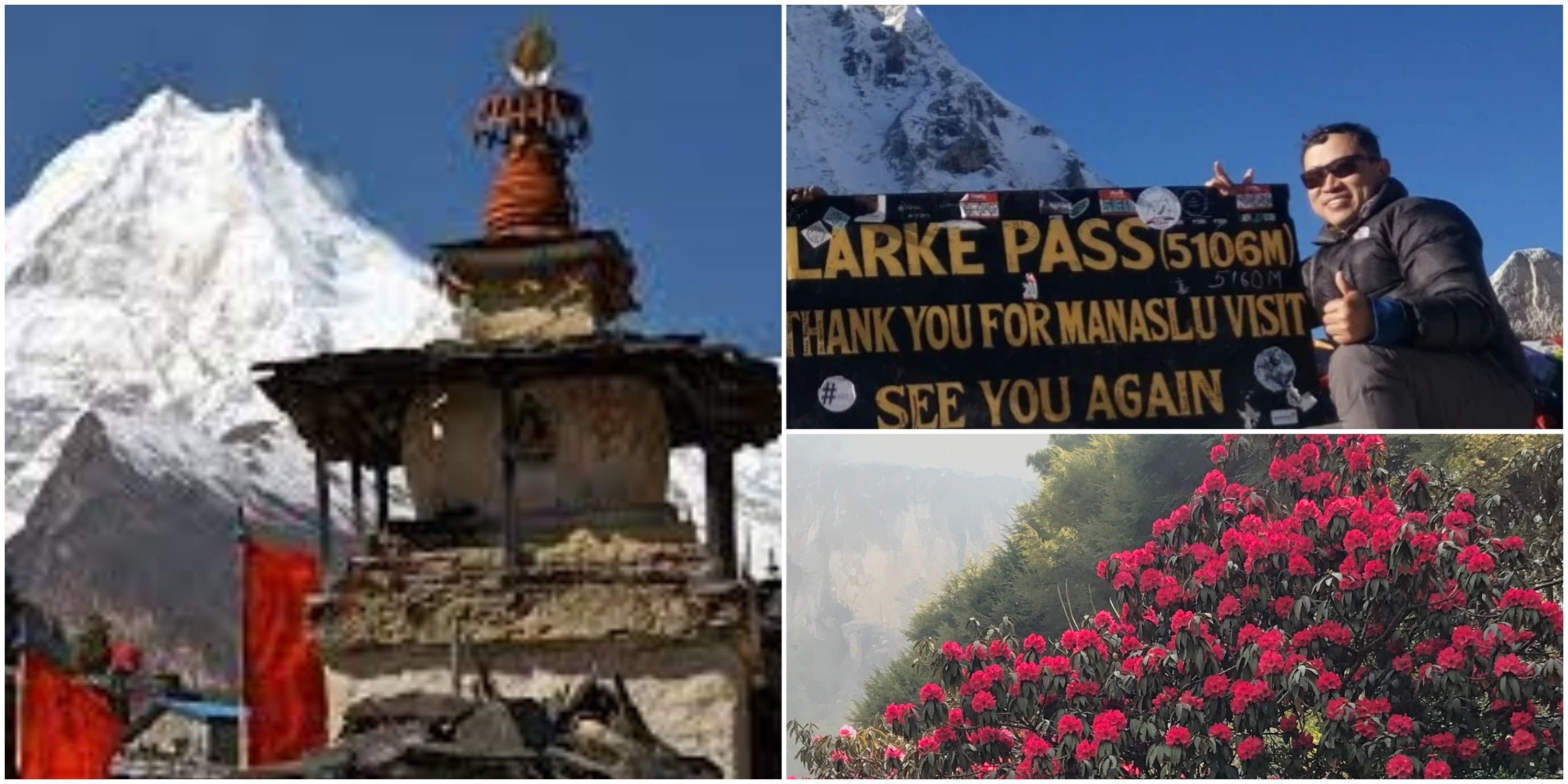
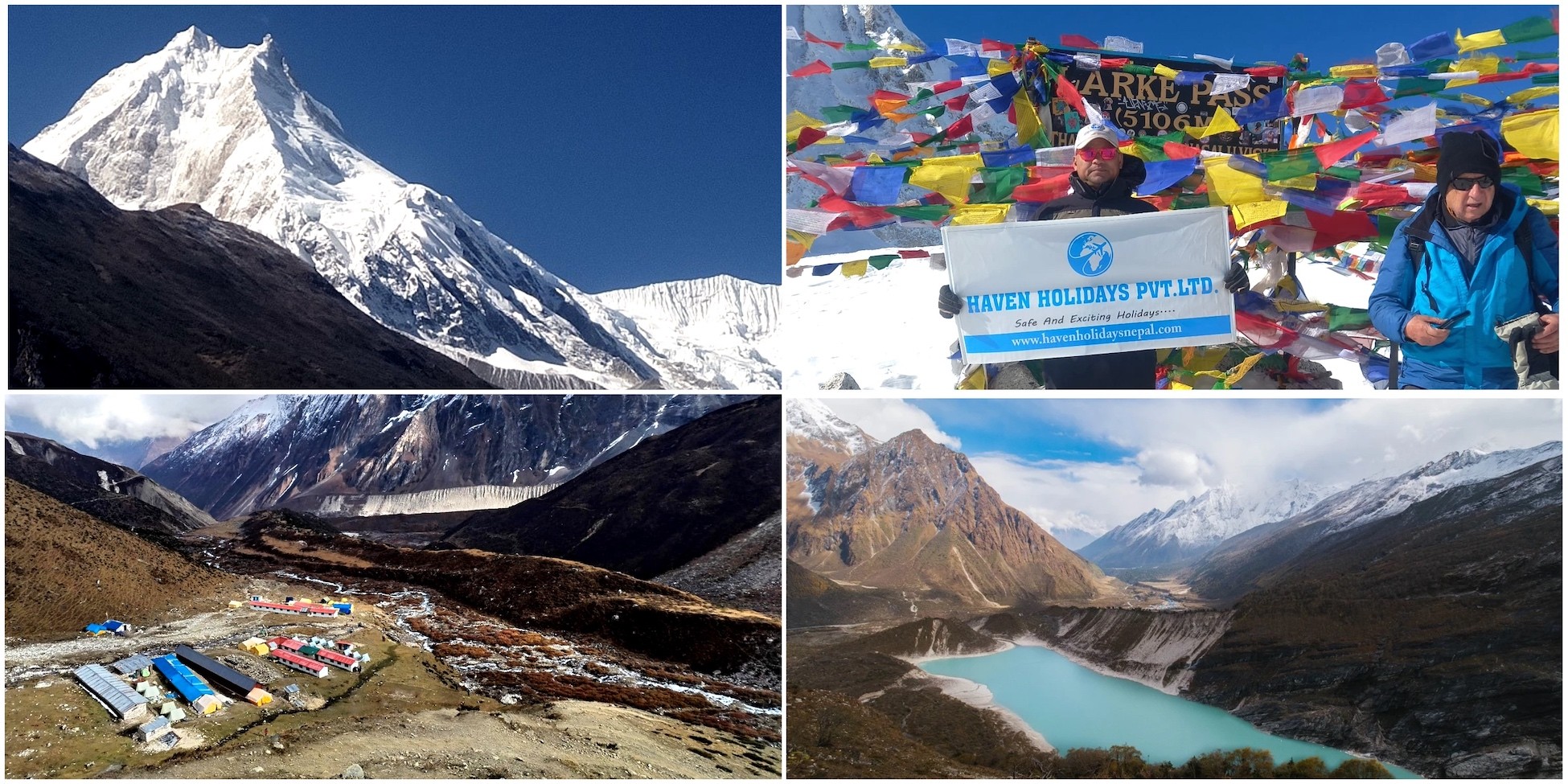
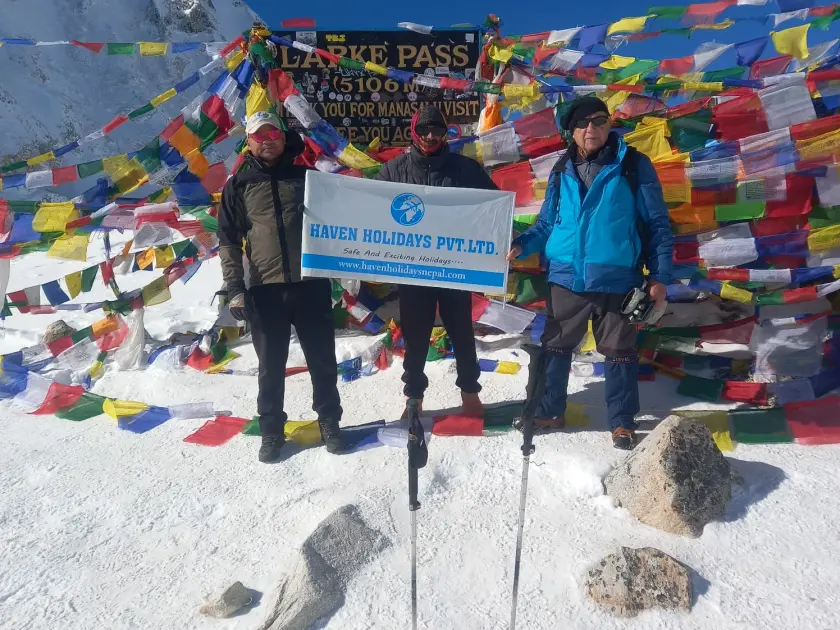
Ever wonder why trekkers always weigh trekking the Manaslu Circuit Trek in April versus May? Here’s the deal—late spring has a lot to offer, but some differences really matter if you want the best experience on these wild Nepalese trails. This is prime time for rhododendron blooms, steady weather, and jaw-dropping views from the mighty Larke Pass at 5,106 meters.
Meanwhile, April usually means milder temperatures and an explosion of rhododendrons along your route. The trails wind through quiet villages like Samagaon at 3,530 meters, and you don’t run into as many interruptions or big crowds. Planning your trek for April or May helps you sync up your fitness level with the best possible conditions, right before the monsoon season rolls in.
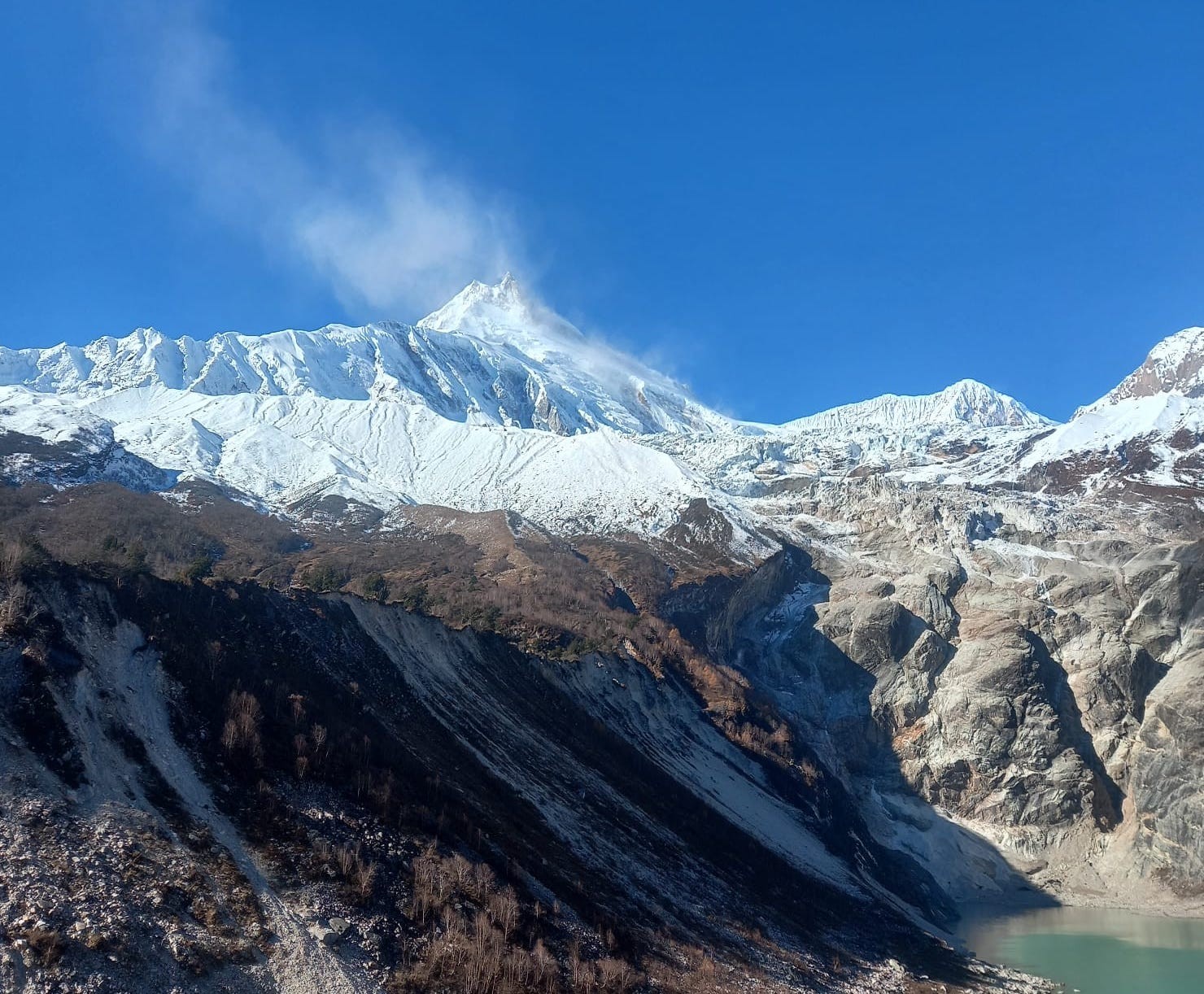
Actually, late spring is pretty reliable—days last longer, so you can cover more ground safely. Come May, the days warm up even more, which feels great, but you start to see signs of pre-monsoon weather, especially up near Larke Pass at 5,106 m/16,752 ft. Both months deliver those epic, crystal-clear views of Manaslu’s 8,163-meter peak, and if you time it right, you skip most of the surprise snow or rain up high.
Here, permits aren’t a headache here—they’re the same in April and May. You’ll just need the restricted area and Manaslu Conservation Area permits, which you can sort through a licensed guide. Cost-wise, guided treks stay affordable, usually around $1,500. What’s really special this time of year is soaking up authentic Tibetan influence in hidden villages like Lho, without tourist crowds getting in the way.
One more thing—if you’re into photography, April is king. The wildflowers are at their brightest, especially along the route to Dharapani at 1,860 meters. But if you’d rather have milder nights up in the high camps around Dharamsala(4,460 meters), May feels more comfortable. At the end of the day, choosing the right month can turn your Manaslu adventure from good to unforgettable.
April provides blooming rhododendrons and stable clear skies for Manaslu Circuit Trek.
May offers warmer temperatures and lush greenery near Larkya La Pass (5106m).
Both ensure safe Himalayan trekking Nepal with fewer crowds than autumn peaks.
Permits and costs align perfectly for guided spring Manaslu trek packages.
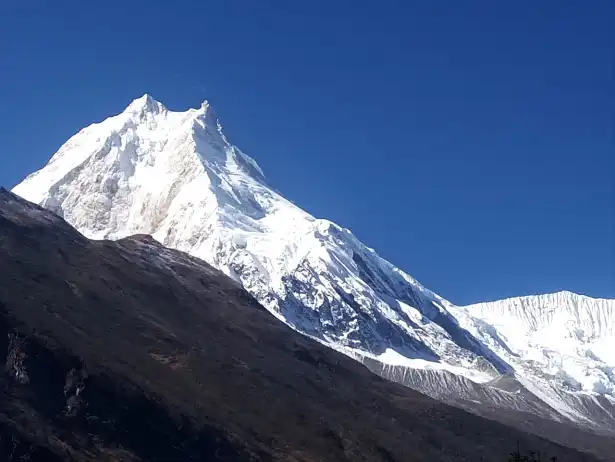
Views of Manaslu (8163m) shine brightest during late spring months.
Spring Season Deep Dive: April vs May Overview for Manaslu Trekking
Here, let’s dive into how the spring months stack up for Manaslu Circuit Trekking. April and May both have their perks, but each feels a little different on the trail—especially if you care about weather, crowds, and those famous rhododendron blooms.
Actually, April stands out as the sweet spot. You get comfortable temperatures—usually between 10 and 20 degrees Celsius at the lower altitudes. The sun’s out, but it’s not too hot, which means walking from Machha Khola up is genuinely pleasant. By around mid-April, snow on the Larke Pass at (5,106 m /16,752 ft) has mostly melted, so you don’t have to worry about tricky, icy trails. You get enough time to acclimatize near Samagaon, and the environment really kicks up a notch: rhododendron forests explode with color, and clear morning skies give you breathtaking views of Manaslu and even the Annapurna range. The best part? The trails and villages like Bhimtang aren’t crowded yet, so you get a peaceful trek and plenty of photo ops.
May, on the other hand, feels warmer—expect daytime highs from 15 up to 25 degrees, especially in the valleys. Trails stay dry and lush, rolling out carpets of greenery everywhere you look. Crossing Larkya La Pass is a breeze now with hardly any ice, making it a great pick if you’re newer to high-altitude trekking. The only catch comes late in the month, when pre-monsoon showers can show up, especially around Dharamsala. Plan for a few cloudy afternoons and maybe pack an extra layer just in case. There’s a slight uptick in crowd numbers compared to early April, but nothing too overwhelming. Nights are milder too, making it easier to rest up in spots like Dharapani.
So, April gives you those classic spring colors and quiet trails, while May turns up the warmth and greenery but brings a bit more unpredictability with the weather. Both months are good bets—it really comes down to what vibe you’re after.
April vs May Comparison for Manaslu Circuit Trek :
Aspect
April Overview
May Overview
Temperature (Lower Elevations)
10-20°C daytime, cool nights
15-25°C daytime, milder nights.
Trail Conditions
Dry paths, possible early snow at Larkya La Pass (5106m)
Clear lush trails, no snow.
Rhododendron Blooms
Peak vibrant colors along Manaslu trails
Lush greenery with fading flowers.
Crowds & Permits
Moderate, easy Manaslu Conservation Area Permit access
Slightly higher, stable permit process.
Mountain Views
Crystal clear Manaslu (8163m) panoramas
Excellent but occasional haze.
In summary, both April and May are great for Manaslu Circuit Trek in spring, but they offer their own perks. Go in April if you want to see the rhododendrons in full bloom—everything feels alive. Head out in May if you want warmer, more comfortable days on the trail. All it takes is a bit of planning and you’ll walk away with some of your best memories from the Manaslu Circuit in Nepal.
Weather Showdown – Temperatures, Stability, and Pre-Monsoon Risks in April vs May
Here, let’s break down the Manaslu Circuit Trek weather showdown between April and May. April’s pretty reliable. You get moderate temps—daytime highs hover between 10°C and 18°C at spots like Machha Khola, which sits at 930 meters. Nights get chilly up near Samagaon (3530m), sometimes dropping to -2°C or even -8°C. The skies stay mostly clear, there’s barely any rain, so you’re looking at smooth trekking conditions. Larke Pass (5106m) is a lot less daunting when the weather’s steady, which April handles well.
Now, May turns up the heat. In places like Dharapani (1860m), daytime temps jump to 15°C–25°C, and higher up near Bhimtang (3720m), you’re seeing 10°C–20°C during the day. Nights don’t bite as hard, usually between 0°C and -5°C around camps like Dharamsala (4460m). If you like your trek a bit warmer and more comfortable, May’s your month.
But, things start to change as May rolls on. Pre-monsoon vibes creep in—clouds build up during the afternoons, sometimes there’s a light shower on the higher sections, and the humidity’s not as dry as April. So, trekkers keep an eye on the forecasts, especially late May. Early May stays stable, but by the end, you’re tossing up whether you want warmth or clarity.
Actually, both months treat you to killer mountain views. April’s got those sharp panoramas—less haze, better photo ops. May gives you softer, warmer days that help fight off fatigue, especially after long climbs. If you’re chasing consistency, April edges ahead. If comfort’s your thing, May delivers. Either way, gear up right for spring and you’ll make the most of Manaslu’s wild weather.
April vs May Weather Comparison for Manaslu Circuit Trek
Temperatures (Lower Elevations): April: 10-18°C day, -2 to -8°C night; May: 15-25°C day, 0 to -5°C night.
Temperatures (Higher Elevations near Larke Pass (5,106 m): April: 5-10°C day, -5 to -10°C night; May: 5-15°C day, -5 to 0°C night.
Stability & Risks: April: High stability, low pre-monsoon risk; May: Warm but slight afternoon cloud or shower possibility.
Visibility: April: Crystal clear Manaslu (8163m) views; May: Excellent with minor haze potential.
Best For: April suits stable Manaslu trek weather; May ideal for warmer comfort.
Larke La Pass Conditions: Safer Crossing and Snow Levels in April Compared to May
Meanwhile, Larke Pass (5106m) is a big highlight on the Manaslu Circuit Trek. If you’re wondering when it’s safer to cross, April and May both have their own perks. In April, most of the winter snow has already melted by the middle of the month, so you don’t have to deal with much lingering snow. The trails feel solid and grippy, which makes trekking across the pass a lot less nerve-wracking. Guides walk with confidence—the threat of major ice patches or hazards drops, so safety levels go up around this time.
Likewise, May generally feels even easier. The approach from Dharamsala (4460m) barely shows any leftover snow. Temperatures warm up, so even early icy patches melt fast. You won’t worry much about avalanches, and crossing feels smoother and more straightforward. If you want to play it really safe and stress-free, late spring is tough to beat for reliable pass navigation.
Still, early April can throw a couple of icy surprises your way—small snow patches near the pass pop up now and then. Sometimes, you need crampons for traction, especially where the path gets slick. Luckily, weather stays fairly steady, so you don’t get caught out by sudden storms. If you go with an experienced team, those challenges feel minor, and by mid-to-late April, safe crossing hits its sweet spot.
May, honestly, wins if you want the quickest, easiest crossing. You skip the cold, biting winds that April mornings sometimes throw at you, and longer daylight helps you get down to Bhimtang (3720m) in good time. Both months give you a solid shot at conquering the pass. So, it really comes down to what you prefer—early spring has a bit more adventure, while late spring is all about ease and comfort. Either way, you’re in for a safe trek across Nepal’s high Himalayas.
Larke Pass Conditions: April vs May :
Aspect
April Conditions
May Conditions
Snow Levels
Minimal patches early, melts by mid-month
Almost none, fully clear trails.
Crossing Safety
High with firm trails, occasional crampons
Very high, easy navigation.
Temperature at Pass
-5°C to 5°C daytime
0°C to 10°C daytime.
Risks
Low, stable weather
Very low, warmer but watch afternoon clouds.
Best Suited For
Trekkers wanting balanced conditions
Beginners preferring easier warm crossing.
So, if you’re planning to cross Larke Pass—5106 meters up—April and May are both solid choices. With good acclimatization and the right guide, you’ll feel more sure of yourself. Honestly, trekking the Manaslu Circuit in spring just makes everything way more rewarding. Nepal really comes alive during this time.
Crowd Levels and Trail Atmosphere: Peak Busyness in April or Quieter Vibes in May?
Here, let’s talk about what it’s really like on the Manaslu Circuit Trek in April and May. In April, you’ll see a moderate number of trekkers. It doesn’t feel empty, but you’re not jostling through crowds either. You’ll probably share teahouses with a few small groups as you make your way from Machha Khola up to Samagaon. There’s a good mix—enough people for a bit of company, but the trails stay peaceful. Locals are welcoming, and you get plenty of chances to chat with Gurung and Tibetan families along the way. Honestly, April hits that sweet spot: alive with energy, but not overwhelming.
Actually, May starts to pick up—especially later in the month. You notice more solo trekkers, and small tour groups show up, all heading toward Larkya La Pass. Places like Bhimtang can fill up faster, but even then, you’re nowhere near the crowds you’d face on Everest or Annapurna. Both months keep that classic Himalayan vibe: calm, scenic, and authentic.
If you really want the quietest experience, go in early April. The trails are almost empty, and finding permits or last-minute lodge bookings turns into a breeze. Fewer trekkers means you get those out-of-the-way spots—like Dharamsala—almost to yourself. You end up with more genuine moments with local families, since you aren’t just another face in a crowd.
Likewise, late May, on the other hand, feels a bit more festive. People from all over gather around teahouse fireplaces after long days—you’ll hear stories bouncing off wood-paneled walls. Lho and other villages buzz with chatter. If you lean social and enjoy swapping tales with trekkers from around the world, May’s your month.
In the end, it just depends on what you’re after. Want solitude and quiet trails? April gives you that. If you’re dreaming of some camaraderie with fellow adventurers, late May brings that spark. The Manaslu Circuit is all about choosing your own pace and the vibe that fits you best.
Crowd Levels Comparison: April vs May on Manaslu Circuit Trek :
Early April: Lowest crowds, very quiet trails, easy lodge availability.
Early May: Noticeable increase, still low compared to autumn, lively yet relaxed.
Late May: Highest spring numbers, social energy, minor booking competition.
Overall Impact: Both months ensure uncrowded Manaslu Circuit Trek vs peak seasons.
Rhododendron Blooms and Wildflower Magic: Which Month Packs the Most Color?
Wondering when Manaslu Circuit Trek really shows off? It's all about timing—April versus May makes a big difference if you want those famous Himalayan wildflowers and rhododendron forests.
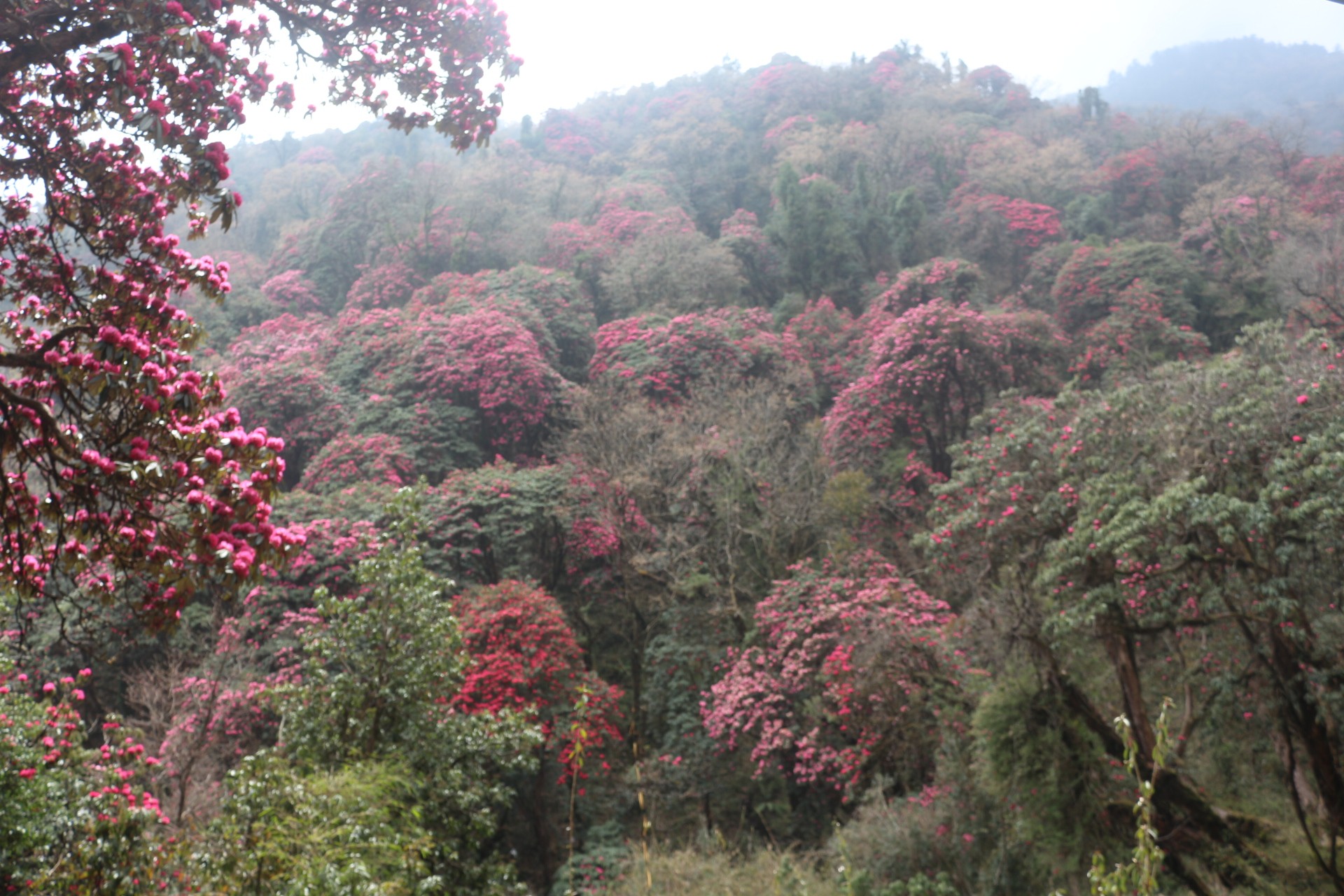
Actually, April is when Manaslu puts on its best floral show. You'll walk uphill through forests soaked in pink, red, and white rhododendron blossoms. Trails near Jagat and Philim get especially wild, with whole hillsides lit up against the snowy face of Manaslu towering overhead. It's hard not to stop for photos every few steps.
By mid-April, the wildflower scene hits its peak. Alpine meadows pop with primulas, blue poppies, and even orchids. Head toward Samagaon or Pungyen Gompa and you'll see color everywhere, and the crisp spring light makes everything seem sharper and brighter. If you want the classic rhododendron views, April is the month.
When May rolls in, things shift. Rhododendrons start to fade, but the forest turns green and lush. Higher up—near Larke Pass—fresh growth covers the landscape, and you’ll still find bursts of wildflowers around Bhimtang. May feels quieter, with a post-bloom freshness you don’t get earlier in spring.
Likewise, catch the trek in early May and you’ll still find some late rhododendron blooms, especially at mid-level trails. Plus, the warmer weather makes for more comfortable trekking and long photo sessions. Still, April easily wins if you’re chasing bright color, while May has a softer, more peaceful vibe. Either way, picking the right month doesn’t just change what you see—it totally transforms your Manaslu photos and memories.
Rhododendron & Wildflower Highlights: April vs May :
Peak Rhododendron Blooms: April (especially mid-month), intense pink/red/white displays.
Wildflower Variety: April: Primulas, blue poppies at higher trails; May: Scattered blooms with lush grass.
Best Scenery Spots: Lower forests (Jagat 1340m to Philim 1590m) in April; alpine meadows near Samagaon (3530m) in both.
Recommendation: Choose April for maximum rhododendron magic on Manaslu trek.
In summary, spring turns the Manaslu Circuit Trek into a landscape bursting with flowers. Head there in April and you’ll catch the hillsides alive with color. By May, everything settles into a soft, green calm. Choosing the right moment really brings out the best of the Himalayas on the trail.
Mountain Views and Visibility: Crystal-Clear Panoramas in May vs Bloom-Filled Frames in April
Here, let’s talk about the mountain views on the Manaslu Circuit Trek in April and May—they’re both incredible, but each month has its own vibe.
Likewise, April is hard to beat if you’re chasing those razor-sharp panoramas. The air stays clear and dry, so every ridge and summit stands out from sunrise to sunset. Manaslu’s massive peak and the surrounding Himalayas look so close you feel like you can almost touch them. Walk through Samagaon or climb higher, and you’ll notice almost no haze in sight. Add in those dramatic sunrises over giants like Himlung and Ngadi Chuli—your camera hardly gets a break.
But the real showstopper in April? The rhododendrons. Whole hillsides explode in pink and red as these blooms frame the mountains. Whether you’re down by Philim or higher up, the flowers add magic to every shot. Early morning light makes the colors pop and reveals all the jagged details up top. April really nails that perfect mix of wildflowers and iconic Himalayan views.
Further, May tells a different story. You still get clear views most mornings and evenings, and the peaks keep that photogenic look. Sometimes, the warmer air softens things a bit, especially near Larke Pass—think gentle, golden sunlight and a touch of haze on the horizon. That can make for some dreamy landscape shots. Trekkers can even spot Annapurna ranges from certain high points. Plus, with longer daylight, you have more time to find those glowing, late-afternoon angles.
Here’s the catch: by late May, afternoon clouds start rolling in, so you want to hit the trails early for the best mountain reveals. The trade-off? The air’s warmer, and trekking just feels a little more laid back.
So, if you want the sharpest views with bursts of color, April is your month. If you prefer softer light, longer days, and fewer chilly mornings, May doesn’t disappoint either. Time it right, and the Manaslu Circuit hands you some of Nepal’s most breathtaking mountain views, either way.
Mountain Views & Visibility Comparison: April vs May :
Foreground Elements: April: Vibrant rhododendron blooms frame peaks perfectly; May: Lush green meadows add depth.
Best Photography Time: April: Crisp dawn/dusk light; May: Extended golden hours.
Recommendation: April for razor-sharp Himalayan views; May for warmer scenic comfort.
Daylight, Trekking Pace, and Comfort: Warmer Days and Longer Hours in May
So, let’s talk about trekking Manaslu in April and May—specifically how longer daylight and warmer weather make a difference. In May, you get up to 13 hours of sunlight. That’s a lot of time to walk, take breaks, and actually enjoy the surroundings instead of rushing to finish before dusk. Warm mornings at places like Machha Khola make it easier to get going, and you can cover more ground before things cool down in the evening.
Here, the weather in May doesn’t just help your pace; it really amps up overall comfort. Sometimes the valleys, like Dharapani, hit highs between 15 and 25°C, so you’re not freezing or roasting. Nights aren’t too harsh either—even at places like Bhimtang, sleep comes easier, and you don't need to lug around heavy gear, which just makes life better for any trekker.
Now, April has its own perks. The air’s crisp and fresh, especially early in the day near Jagat, and honestly, that helps maintain a steady rhythm. You start early, keep things moving, and the weather is pretty reliable—no worrying about surprise rain or sudden clouds. Sure, there’s less daylight (about 12.5 hours), but it keeps you disciplined, sticking to focused daily routines.
But then May rolls around with all that extra daylight. You can afford to take longer breaks, soak in the views at spots like Pungyen Gompa, and the warmer paths mean you’re less tired up at higher camps like Dharamsala. Both months are good for the big challenge—getting over Larke Pass—but May is all about comfort and flexibility, while April fits trekkers who like a routine and steady progress.
Daylight, Pace & Comfort: April vs May on Manaslu Circuit Trek :
Aspect
April Conditions
May Conditions
Daylight Hours
12.5 hours, crisp mornings
13 hours, extended evening light.
Daytime Temperatures
10-18°C lower, 5-10°C higher
15-25°C lower, 5-15°C higher.
Trekking Pace
Steady, energizing cool air
Faster starts, relaxed flexible rhythm.
Comfort Level
Crisp but chilly nights
Warmer days/nights, less layering.
Best For
Disciplined pace, clear progress
Comfort-focused, easier daily stages.
In summary, May is perfect if you want plenty of warmth and daylight for an easy-going trek around the Manaslu Circuit. If you’re after cooler air and a bit more energy in the atmosphere, April’s your month. Either way, spring in Nepal turns the Himalayas into something unforgettable.
Permits, Teahouse Availability, and Cost Differences Between April and May
Let’s break down the permits, teahouse availability, and costs for the Manaslu Circuit Trek in April and May.
First up: permits. You’ve got to get the Restricted Area Permit (RAP) and the Manaslu Conservation Area Permit (MCAP)—no way around it, and these rules don’t change between April and May. Trekking agencies in Kathmandu handle everything, and it usually takes two or three days. The RAP costs about $100, MCAP adds $30 more per person, so the price stays the same whether you trek in April or May. Now, teahouse availability. April’s quieter, especially in the early weeks—fewer groups, so booking rooms is easy. You’ll find plenty of lodges along the route, from Machha Khola up to Samagaon. May gets busier, though—not crazy, but popular spots like Bhimtang and Dharamsala can fill up. If you’re heading out late in May, booking ahead makes things a lot smoother.
As for costs, guided Manaslu Circuit trek packages cover everything—permits, guide, porter, food, rooms. Expect to pay somewhere between $1200 and $1400 for a two-week trek. Prices pretty much stay the same in spring. April sometimes has small discounts if agencies aren’t as busy, but May packages look similar. Honestly, you won’t see much difference in price.
In fact, both months have reliable teahouse setups all along the circuit. Rooms are basic but cozy—shared bathrooms, warm food like dal bhat and soup at every village. A little planning goes a long way. So, in the end, permits, teahouse options, and costs are clear and predictable—spring is a great time to trek the Manaslu Circuit.
Permits, Teahouses & Costs Comparison: April vs May on Manaslu Circuit Trek :
Restricted Area Permit (RAP): USD 100 per person, same in April and May.
Manaslu Conservation Area Permit (MCAP): USD 30 per person, no seasonal change.
Teahouse Availability: April: Easier bookings, more vacancies; May: Slightly busier, book early.
Best Tip: Secure permits and lodges 2-3 months ahead for smooth Manaslu trek experience.
Altitude and Health Factors: Acclimatization and Heat Considerations in Each Month
Let’s talk about what it’s really like trekking the Manaslu Circuit in April versus May, especially when it comes to altitude and staying healthy.
First off, acclimatization works the same way in both months. You start down low at Machha Khola (930m) and climb steadily through villages like Samagaon (3530m). The usual game plan? Built-in rest stops at Samagaon and Dharamsala (4460m) to give your body time to adjust and help dodge acute mountain sickness. Most trekkers keep an eye out for headaches, nausea, and any signs of AMS, so you can slow down or take a break if you need to. Gradual pacing is the secret to staying healthy as you climb toward Larke Pass (5106m).
Now, April’s cooler weather really works in your favor. It keeps you from overheating, even on those tough climbs up to Larke Pass. Cool, crisp air means you breathe easier and lose less fluid to sweat, especially near spots like Bhimtang (3720m) where the air is dry. For most people, adapting to altitude just feels easier in April.
But May’s a bit different. The days get warmer, especially down in the valleys. In places like Dharapani (1860m), you can feel the temperature climbing up to 25°C. You’ll sweat more, so staying hydrated is key. Nights aren’t quite as cold, which does make sleeping at mid-elevation more comfortable, but you have to watch out for sunburn and consider packing lighter clothes.
Still, the risk of serious AMS stays low in both April and May if you stick to the plan—go slowly, take rest days, and listen to your body. If you spot severe symptoms, heading downhill right away is best. Some people also take Diamox just to be safe, and the guides are always checking in on everyone’s condition.
Bottom line: with the right preparation, smart pacing, and a careful approach, you can handle the altitude and weather on Manaslu Circuit—no matter if you go in April or May.
Altitude & Health Factors: April vs May :
Aspect
April Factors
May Factors
Acclimatization Process
Standard gradual ascent, rest days at Samagaon (3530m)
Identical protocol, same rest stops.
Temperature Impact
Cooler air aids breathing, less heat stress
Warmer valleys increase hydration needs.
AMS Risk Level
Low with proper pacing
Low but monitor heat-related fatigue.
Hydration & Protection
Moderate water intake, wind protection
Higher water needs, sun/heat precautions.
Best Suited For
Trekkers sensitive to heat
Those comfortable with warmer conditions.
So, whether you go in April or May, you’ll have a safe time acclimatizing on the Manaslu Circuit Trek. Just keep yourself hydrated, take things slow, and pay attention to how you’re feeling. Spring is honestly one of the best times to trek in the Himalayas—it really brings out the magic of Nepal.
Who Should Pick April? Perfect for Peak Blooms, Stability, and Vibrant Group Energy
Who should trek the Manaslu Circuit in April? Honestly, it’s tough to beat this month if you love vibrant landscapes and a steady, upbeat atmosphere.
Actually, April is prime time for rhododendron blooms—those pinks and reds pop along the trail from Jagat to Philim. If you’re into photography, this is your dream. The weather’s mostly dry and clear, so you get those sharp, epic views of Manaslu and the surrounding peaks. You can easily frame wildflowers against Himalayan giants and come home with shots that actually capture the drama.
In fact, adventure lovers who want predictable conditions swear by April. Crossing Larke Pass is smoother since there’s less snow and the trails are solid. The cooler air around Samagaon helps you acclimatize, and you avoid those risky pre-monsoon surprises. April keeps things safe and reliable, especially if you don’t want your plans ruined by sudden weather swings.
If you crave human connection, April has a sweet balance. You’ll meet international trekkers in teahouses at Lho and Samagaon—enough people for good company, but not so many that you can’t relax. Evenings are lively, and guides help break the ice, so it’s easy to make friends from all over the world.
Budget-wise, April isn’t bad either. The crowds aren’t huge, so sometimes you catch a break on package prices or snag better teahouse deals—less stress, fewer hidden costs. The combination of natural beauty and practical perks makes April a smart choice.
All in all, take April if you want the blossoms, reliable weather, and just the right amount of social energy. It’s the month for trekkers who don’t want to miss a thing.
Social Adventurers: Moderate lively groups, vibrant trail energy without peak crowds.
First-Time High-Altitude Trekkers: Cooler air aids acclimatization, consistent conditions.
Nature & Flora Enthusiasts: Maximum wildflower magic in spring Himalayan trekking Nepal.
Who Should Pick May? Ideal for Warmer Comfort, Fewer Crowds, and Final Spring Splendor – Final Recommendation
So, who’s May really for on the Manaslu Circuit Trek? If you like warmth, hate crowds, and crave those last bursts of spring, it’s your month.
Actually, May’s great if you want comfortable hiking without freezing your toes off. Daytime temps can hit 15 to 25°C down in the valleys—Dharapani’s a good example. Nights up at higher spots like Dharamsala are milder too, so sleeping is way easier. Pack less, sweat less, walk easier. Honestly, physical comfort is a big win on this trek in May.
New to trekking? Or maybe you’re someone who actually prefers the heat? May makes crossing that monster Larke Pass (5106m) smoother—rarely any snow, so you don’t waste time trying not to slip. You get longer daylight, which means you set your own pace, snag extra rest breaks, and don’t stress about racing the sun near Bhimtang. Less cold, less hassle.
If peace and quiet matter to you, May’s a good bet. There aren’t as many trekking groups as in autumn—or even in April, for that matter. You can actually walk in silence from Machha Khola to Samagaon, really soak up the scenery, and have those rare, genuine conversations with locals.
And if you’re chasing scenery, May delivers. Trails burst with green and wildflowers up by the high passes. The extra daylight means tons of gorgeous, soft, golden-hour photos (if you’re into that). Everything feels mellow, calm, and just plain lovely—a proper spring send-off.
So, if comfort is what you’re after, May is hands down the best choice for the Manaslu Circuit Trek.
Who Should Choose May for Manaslu Circuit Trek – Ideal Profiles
Comfort Seekers: Warmer days, milder nights, less cold fatigue on trails.
Solitude Lovers: Quieter trails, serene atmosphere, intimate cultural encounters.
Late-Spring Travelers: Lush greenery, final rhododendron remnants, relaxed vibe.
Final Recommendation: Pick May for maximum comfort and peaceful Manaslu Circuit Trek closure.
In summary, April bursts with colorful flowers and brings a sense of calm, while May offers warmer days and a laid-back vibe. If you’re focusing on fitness, chasing photography moments, or just want to match your energy to the season, both months really deliver. Whether you pick April or May, you’re set for incredible memories on the Manaslu Circuit Trek in Nepal’s breathtaking Himalayas.

0.81855800 1738673284.webp)