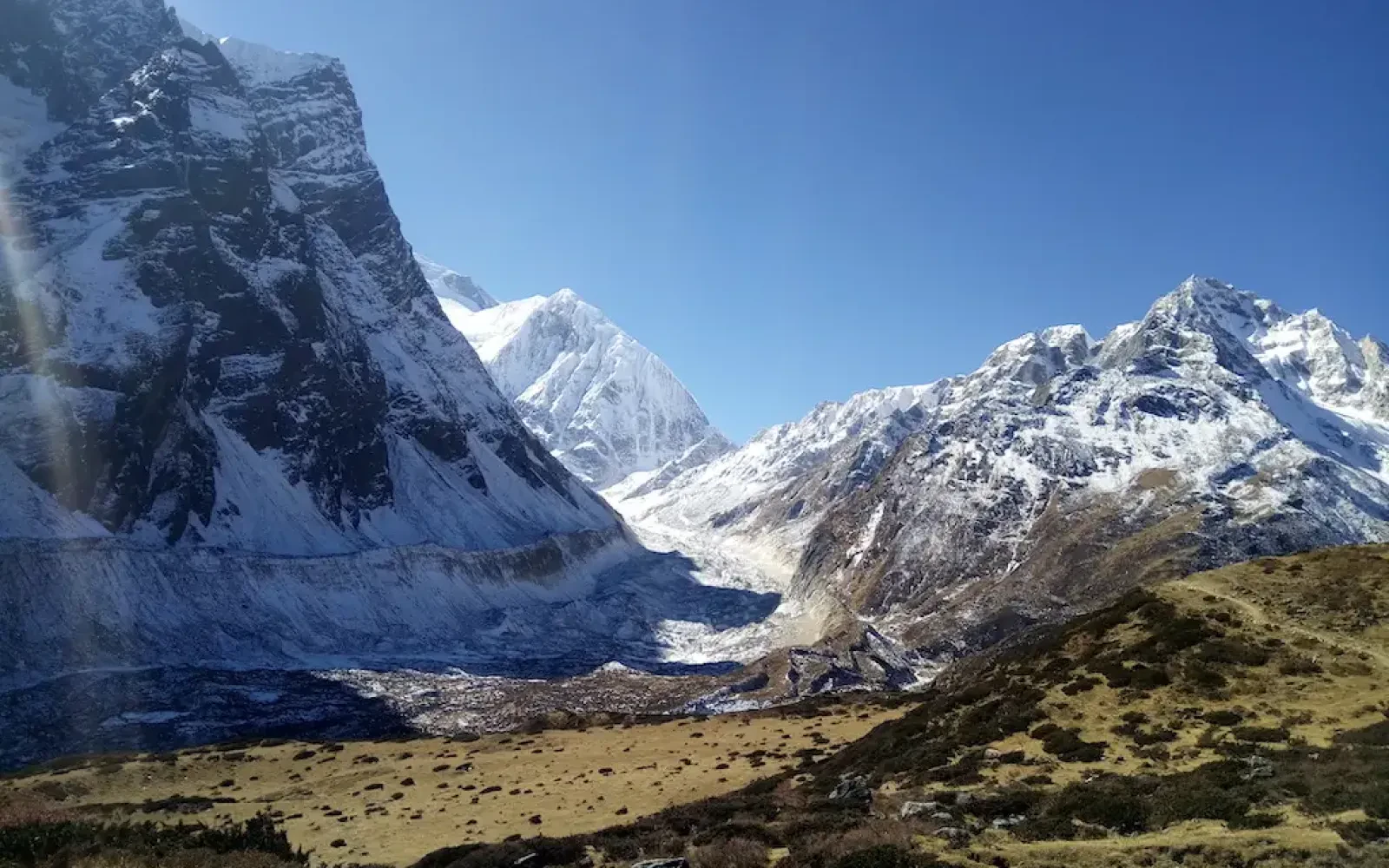
Actually, the Manaslu Circuit Trek isn’t just another trek in Nepal—it’s the kind of adventure that sticks with you. People can’t get enough of its wild, untouched trails, jaw-dropping Himalayan views, and the rich culture hiding in every village. If you want real solitude and a trek that actually feels remote, this place just pulls you in. Perfect for anyone craving something raw, challenging, and a little bit off the radar.
Meanwhile, he Manaslu Circuit Trek is catching on fast, and honestly, it makes sense. If you’re tired of crowded trails and cookie-cutter experiences, this place feels like a breath of fresh air. Unlike Everest or Annapurna, where you’ll find yourself in a sea of trekkers (think: 50,000 at Everest Base Camp every year, and a whopping 250,000 at Annapurna), the Manaslu Circuit only sees about 12,000 people annually. That’s a huge difference. You get quieter paths, real connections with the locals, and you don’t feel like you're in a tourist parade. Plus, because the area is restricted, tourism is pretty well managed—so you really get that authentic Nepal trekking vibe.
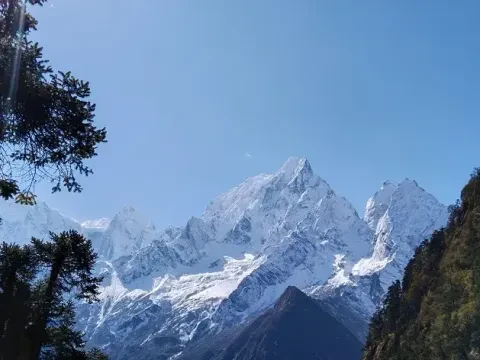
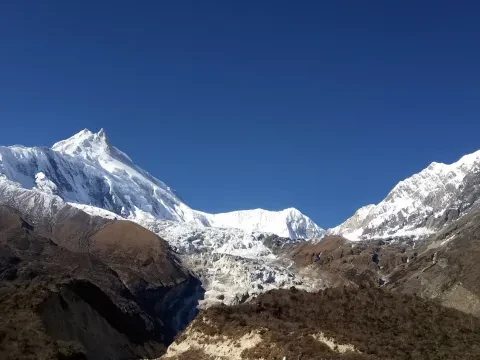
The landscapes? They’re wild. You start low, in places like Arughat at 600 meters, Machhakhola and Sotikhola, wandering through green, subtropical forests. But before you know it, you’re up above 5,000 meters, crossing the dramatic Larkya La Pass(5106m). It’s a journey that keeps you on your toes—one minute you’re in thick woods, the next you’re surrounded by snowy peaks. And the view of Mount Manaslu, the world’s eighth-highest mountain, is something you just can’t forget. If you love a challenge and want scenery that changes every day, this trek’s got you covered.
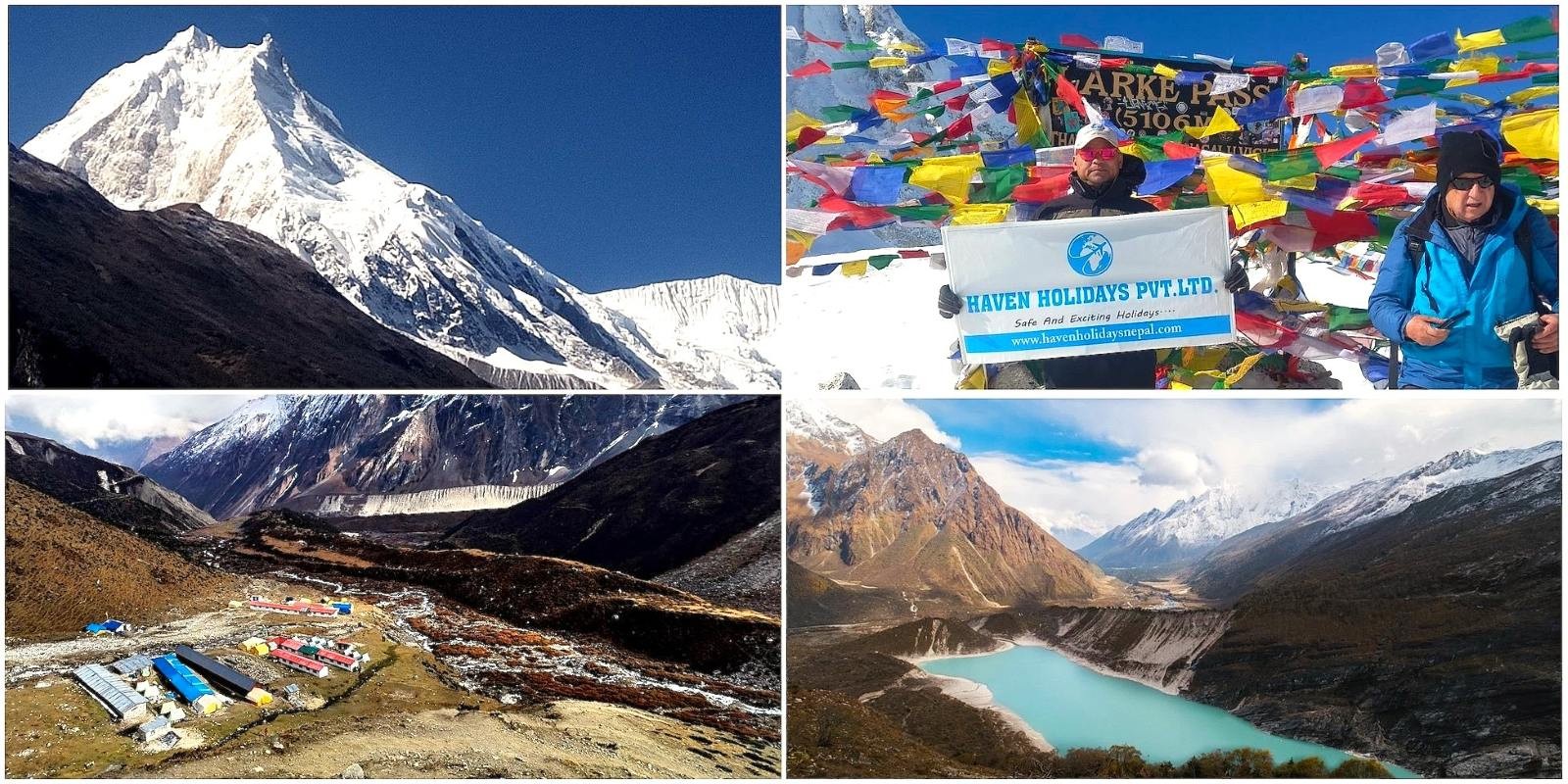
In fact, cost for Manaslu Trek matters too. Most 14-day Manaslu Circuit Trek packages fall between $1,200 and $1,500 per person. That covers your permits (including the Restricted Area Permit, which is $100 for the first week in peak season) and a guide. Compared to Everest, it’s a bargain. You get all the culture, mountain views, and adventure, but you skip the commercial circus and inflated prices. A lot of people join group tours to save even more, so it’s especially appealing if you’re watching your budget.
Lately, Manaslu’s been popping up everywhere on social media and travel blogs. People post about quiet villages like Samagaon and the thrill of crossing high passes, and it’s hard not to get inspired. This kind of word-of-mouth has given Manaslu a bit of a cult following among hikers who want more than just a box-checking trek.
All in all, the Manaslu Circuit Trek is rising for a reason: it’s peaceful, beautiful, and feels truly accessible. If you want a memorable adventure without the crowds, it’s hard to beat.
Consider this comparison of popular Nepal treks:
| Trek Name | Annual Visitors | Max Elevation | Cost (USD) | Crowd Level |
| Manaslu Circuit Trek | 12,000 | 5160m | 1200-1500 | Low |
| Everest Base Camp | 50,000 | 5364m | 1500-2500 | High |
| Annapurna Base Camp | 250,000 | 4130m | 800-1200 | Very High |
This data underscores why Manaslu Circuit Trek emerges as a favorite for those seeking quality over quantity in Nepal trekking adventures.
Actually, the Manaslu Circuit Trek gives you something rare in Nepal these days—real, untouched wilderness. Out here, the trails are quiet, and you can actually hear the wind in the trees or the rush of a river below. You start off walking through thick rhododendron forests and past waterfalls around Soti Khola, way down at 710 meters, and there’s this immediate sense that you’ve left the crowds behind. No clusters of lodges, no lines of trekkers, no one trying to sell you souvenirs. It’s just you, the trail, and the wild.
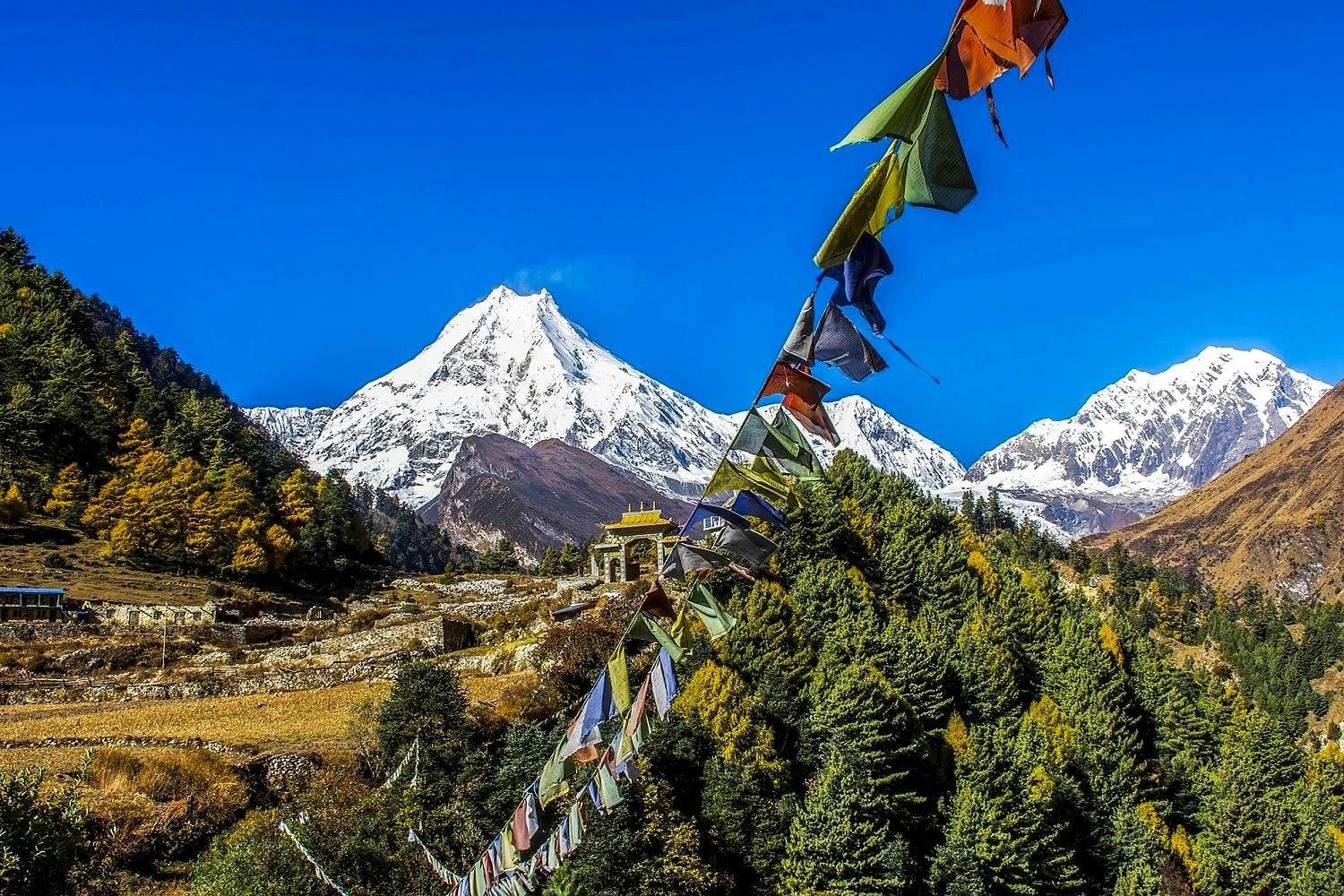
Likewise, people come here because they want that real connection with nature. The silence isn’t empty; it’s full of birdsong, the roar of rivers, or the crunch of your own boots. As you climb higher, maybe up around Namrung at 2630 meters, the trail just gets emptier. You look up and suddenly there’s Himlung Himal towering in the distance, and you’ve actually got space to take it all in.
That’s the draw. If you’re someone who’d rather soak up mountain views in peace than squeeze past groups of trekkers, Manaslu delivers. The restricted permits keep numbers down, so even during peak season, it never feels crowded. You get space to think, to breathe, and to just enjoy being out there, far from the noise of daily life.
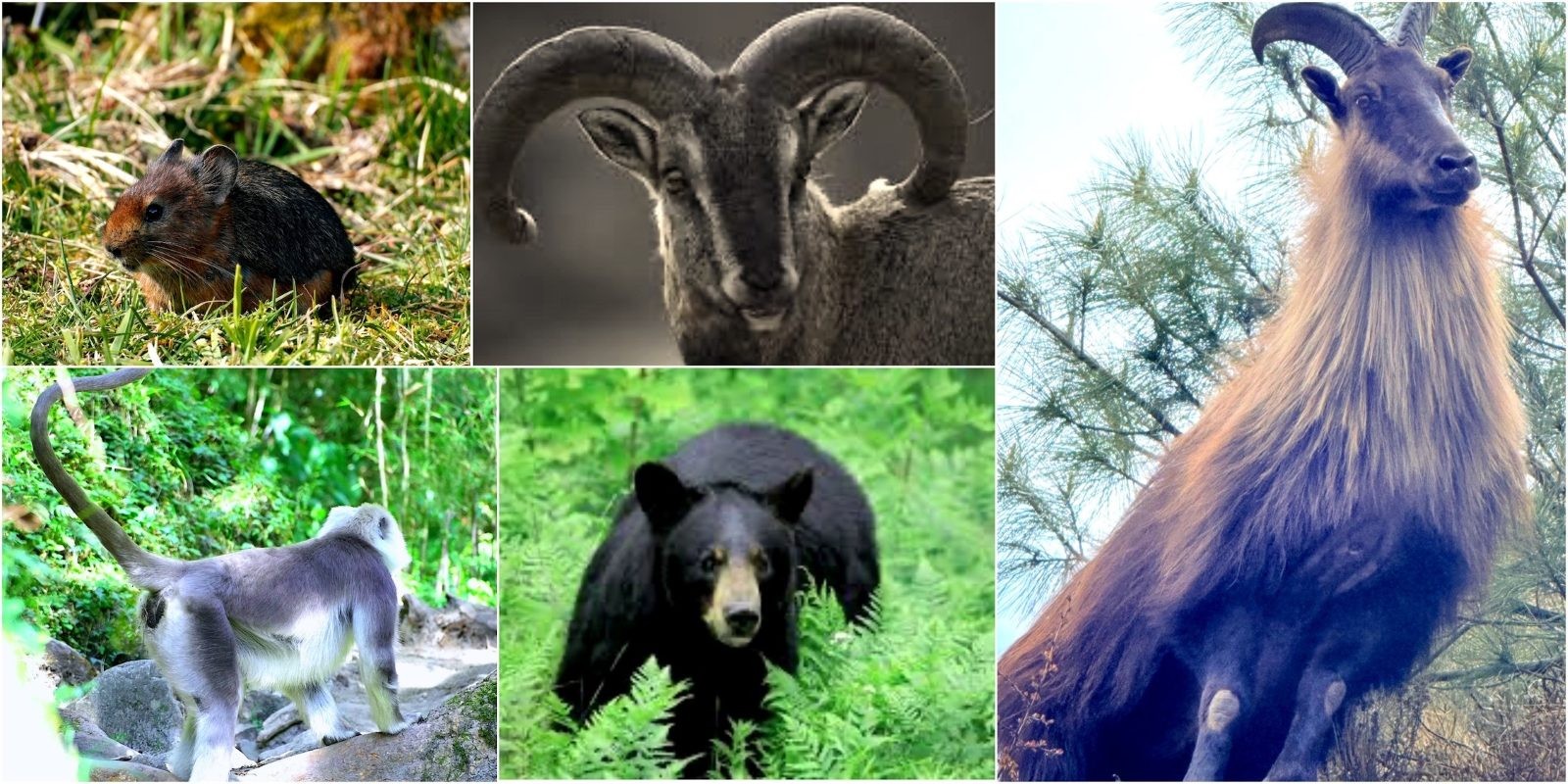
And because there are fewer people, your chances of spotting wildlife go way up. The Manaslu Conservation Area is home to blue sheep, Himalayan tahr, and if you’re unbelievably lucky, even a snow leopard. Some days you’ll walk for hours and not see another person—just the wild, exactly as it’s supposed to be.
Unlike the busy Annapurna or Everest trails, Manaslu’s peacefulness is the real deal. And it doesn’t break the bank, either. Teahouses along the way usually charge $20–$30 a night, and while you do need a guide, they just add to the experience, not the expense. Most treks here focus on eco-friendly practices, too, so you know your trip isn’t harming the place that makes it special.
In short, if you’re after real solitude and wild beauty, Manaslu Circuit Trek is the way to go.
Here are key highlights of the untouched wilderness:
These elements reinforce why the Manaslu Circuit Trek's peaceful trails captivate so many.
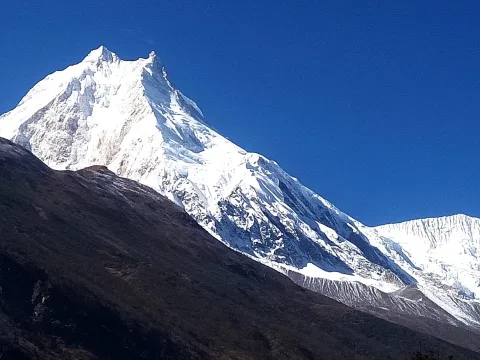
Here, nothing compares to the Manaslu Circuit Trek when it comes to jaw-dropping, up-close views of Mount Manaslu. This massive peak—Nepal’s eighth-highest—just steals the show. You get different angles as you move along the trail, but the mountain’s huge south face is always there, dominating the skyline. It all starts in Lho village, where Manaslu suddenly appears, soaring above the glaciers. Honestly, it’s one of those moments you never forget.
As you keep going, the scenery keeps shifting. In Samagaon, you wake up to golden sunlight hitting the summit, sometimes reflected on the calm surface of Birendra Lake. Trekkers love lingering here, especially during acclimatization, snapping photos of the snowy peak and ridges. It’s something you just don’t get from far-off viewpoints on other treks.

Then there’s Pungyen Gompa. This old monastery isn’t just peaceful—it’s also the spot for truly intimate Manaslu views. You stand surrounded by prayer flags, looking right at the glacier and the mountain’s south face. For a lot of people, this side trip is a must, especially if you’re into photography.
Equally, don’t forget about Shyala village, either. Here, you’re ringed by high peaks, and Manaslu seems almost close enough to touch. The views keep changing as you walk, so there’s always something new to see. The best part? These experiences are all built into most standard trek packages, including acclimatization days, so you don’t have to spend extra. Honestly, the Manaslu Circuit is all about these close-up moments—they’re what make this trek stand out.
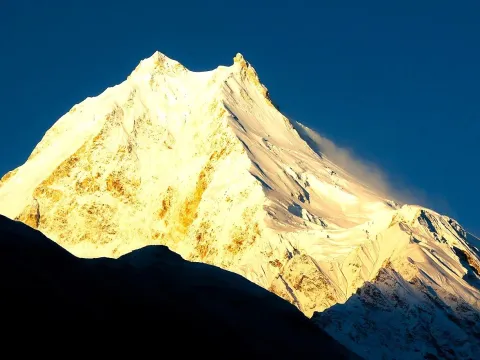
Key viewpoints for Mount Manaslu close-up views:
These spots highlight why close-up views drive passion for the Manaslu Circuit Trek among adventure seekers.
Actually, there’s nothing quite like crossing Larkya La Pass on the Manaslu Circuit Trek. Sitting at 5,160 meters, it’s the highest point of the trek and, honestly, the big day everyone talks about. You start out early from Dharamsala, winding your way up through snow and rocks, step by step. Every bit of effort pays off when you finally reach the top—most trekkers say that sense of accomplishment is what draws them to Manaslu, even when there are easier options out there.
Likewise, the pass doesn’t go easy on you. Thin air, unpredictable weather, steep climbs, and icy patches—especially when you start heading down to Bimthang—keep things interesting. Guides are there to help, and in peak season, micro-crampons come in handy. It’s tough, sure, but that’s exactly why it attracts trekkers who want a real adventure up high in the Himalayas.
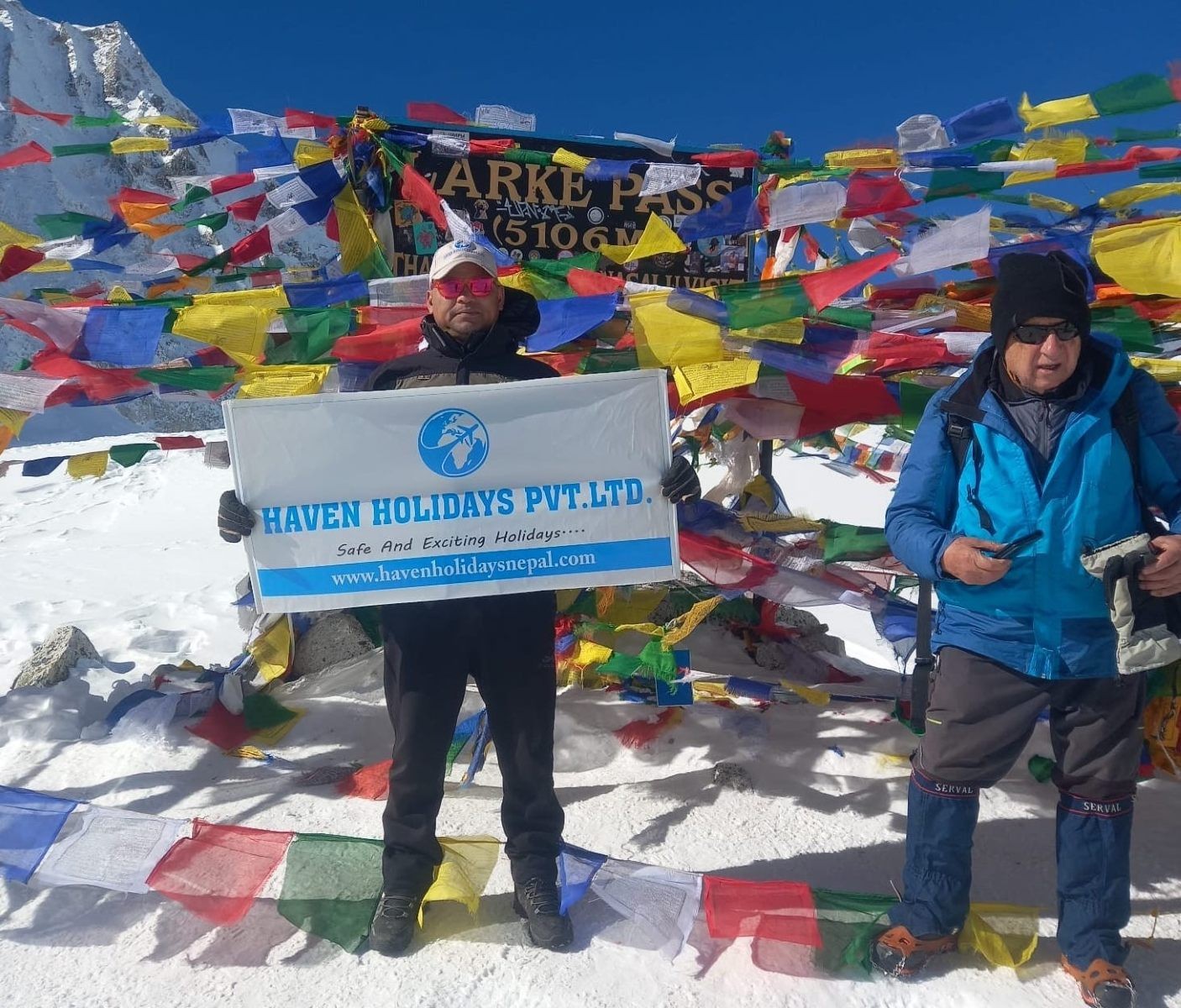
And then, the views hit you. At the top, you get this jaw-dropping sweep of mountains—Mount Manaslu, Himlung Himal, Cheo Himal, Kang Guru—all spread out in front of you. The wild landscape and those distant, snowy peaks stick with you long after you’ve come down. Honestly, for a lot of people, standing on the summit is the emotional high point of the whole Manaslu trek.
Likewise, preparation makes all the difference. Most trekking packages include acclimatization days, so the risks stay low. The cost stays reasonable too, since the pass is part of the regular route—you just need your permits. Plenty of trekkers train for months to get ready for this. In the end, it’s that mix of challenge and pure reward that turns Larkya La Pass into a legendary highlight.
Highlights of conquering Larkya La Pass :
These features explain the enduring love for this epic high-altitude adventure on the Manaslu Circuit Trek.
Meanwhile, the Manaslu Circuit Trek pulls in trekkers who want to really dive into Tibetan-Buddhist culture, not just see it from a distance. Out here, far from Nepal’s crowded trekking hotspots, you walk through villages where age-old traditions still shape everyday life. In Nubri and Tsum, for example, people speak dialects that sound almost like classical Tibetan. Buddhism isn’t just a label—it’s something you see and feel everywhere. Prayer flags catch the wind, mani walls line the trails, and chortens pop up like spiritual milestones along your route. This isn’t a polished tourist attraction. It’s the real thing, and honestly, that’s what sets the Manaslu Circuit apart.One of the places that really sticks with trekkers is Pungyen Gompa, an ancient monastery perched around 4,000 meters near Samagaon. Most people stop by while acclimatizing. You get to watch monks go through their rituals, soak in the quiet, and just breathe in the

atmosphere. There’s no commercial circus here—just the echo of centuries-old practices and the genuine warmth of locals who might invite you in for tea. These moments—sitting with someone, swapping stories, feeling like you’ve actually connected—end up being some of the most memorable parts of the trek.
Likewise, the villages themselves—like Lho, Namrung, and Samdo—look straight out of a different era, with stone houses and architecture shaped by Tibetan influence. Festivals, daily prayers, and old customs aren’t for show; they’re just part of life. The area’s “restricted” status keeps the crowds down, so the culture stays vibrant and intact. Visitors usually notice how life here moves at its own pace, and people welcome you in a way that feels honest and heartfelt.
And while you’re getting all this cultural richness, you’re not getting nickel-and-dimed. The cost of these experiences is already baked into the standard Manaslu Circuit Trek packages—no extra charges for visiting monasteries or hanging out in the villages. Guides know the customs and explain things without making it awkward. In the end, it’s this level of authenticity that keeps people talking about the Manaslu Circuit as the trek for anyone who wants to really feel the spirit of the Himalayas.
Key elements of authentic Tibetan-Buddhist culture :
These features highlight why authentic Tibetan-Buddhist culture draws adventurers to the Manaslu Circuit Trek.
Meanwhile, you won’t find many treks that pack in as much landscape variety as the Manaslu Circuit. One moment, you’re winding through dense, subtropical forests near Arughat, Machhakhola and Sotikhola—waterfalls crashing, green everywhere. Then, as you climb higher, the scenery shifts. Around Namrung in spring, rhododendrons burst into color, lighting up the trail. It’s like the landscape is showing off, changing every few hours just to keep you on your toes.
Likewise, keep climbing, and the forests thin out. Suddenly, you’re walking among pine, fir, and juniper, with wide alpine meadows opening up near Samagaon. Down low, you’ll wander through bamboo groves and cross neat terraced fields. The higher you go, the more dramatic it all feels. Nepal’s ecological variety really hits home here—every section of the trail feels different, and that keeps you engaged the whole way.
Past Larkya La Pass, things get wild. The landscape flips again, turning into dry, rocky stretches that look straight out of Tibet. Glacial valleys, wind-whipped ridges, and wide, empty spaces at Bimthang make you feel like you’ve landed in another world. The contrast with the lush forests you started in is just stunning.
Likewise, depending on when you visit, you get extra treats—rhododendrons in full bloom during spring, golden leaves lighting up the hills in autumn. And here’s a bonus: all this diversity is just part of the trek, no extra cost or hidden fees. The Manaslu Circuit isn’t just another Nepal trek—it’s a journey through nearly every landscape the Himalayas can throw at you. That’s what makes it so unforgettable.
Highlights of landscape diversity :
These contrasting zones explain the enduring appeal of stunning diversity on the Manaslu Circuit Trek.
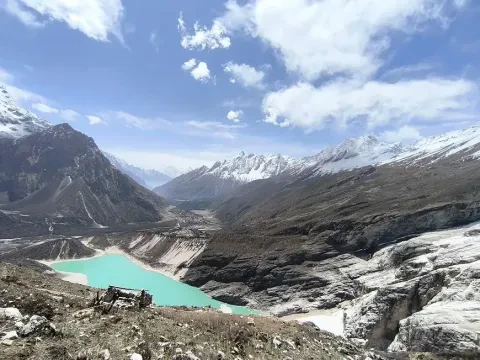
Here, the Manaslu Circuit Trek isn’t just about the big mountains—it’s also about the hidden places you stumble across, like Birendra Tal. This glacial lake sits just above Samagaon at about 3,691 meters, and its milky blue water comes straight from the Manaslu Glacier. It’s pretty easy to reach, too—just a short hike from the village, maybe an hour or two. When you get there, you’re surrounded by silence, mountains, and the kind of calm that makes you want to just sit and take it all in.
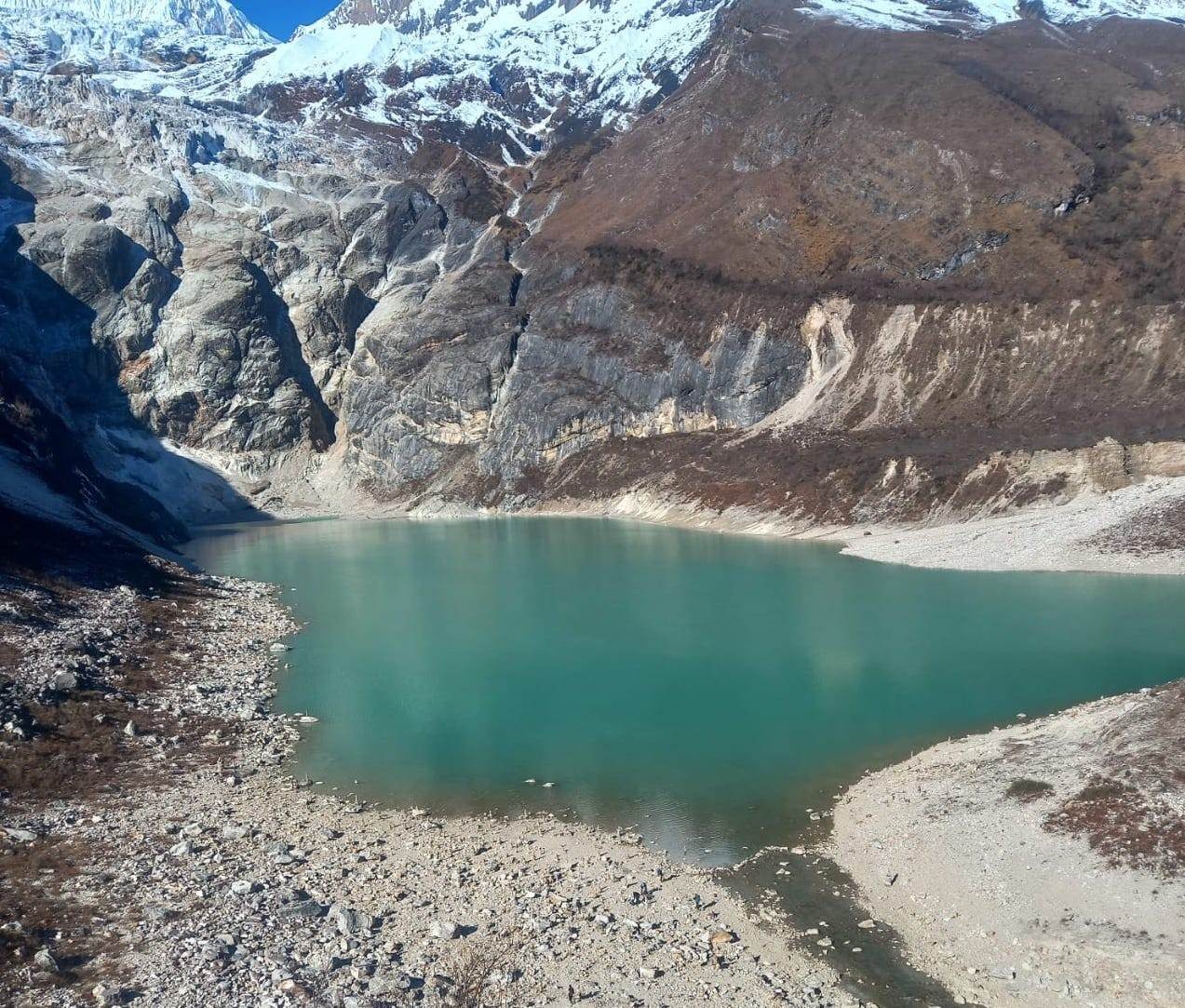
On a clear day, the surface of Birendra Tal turns into a mirror for Mount Manaslu itself. Not many people make this side trip, so it feels like you have the place to yourself—a rare treat in Nepal. Photographers are always on the hunt for that perfect shot, and honestly, the contrast of the turquoise lake against the snow is unforgettable. Spending time here is the perfect way to slow down and soak up the atmosphere during your acclimatization days, away from the crowds that flock to popular routes like Annapurna or Everest.
But it’s not just Birendra Tal. The trek is dotted with other glacial wonders—rugged gorges carved by the Budhi Gandaki River, little alpine ponds tucked away in high valleys. You find these spots almost by accident, and each one feels like a personal discovery. After tough stretches of the trail, these quiet places invite you to breathe, rest, and take it all in.
As for logistics, visiting Birendra Tal doesn’t add much to your costs—no extra permits, just the standard restricted area fee. Local guides know the way and keep things safe. In the end, it’s these glacial lakes and secret spots that give the Manaslu Circuit its soul. If you love wild places and peaceful moments, you’ll find them here.
Key glacial lakes and hidden gems :
These exclusive features explain the appeal of glacial lakes and hidden gems on the Manaslu Circuit Trek.
If you love nature, the Manaslu Circuit Trek is tough to beat. The Manaslu Conservation Area is packed with life—everything from blue sheep clinging to rocky cliffs, to troops of monkeys swinging through the lower forest. Walking here, you notice how the landscape shifts. One day you’re winding through thick, humid jungle. The next, you’re climbing into alpine meadows dotted with wildflowers or passing through ancient juniper woods.
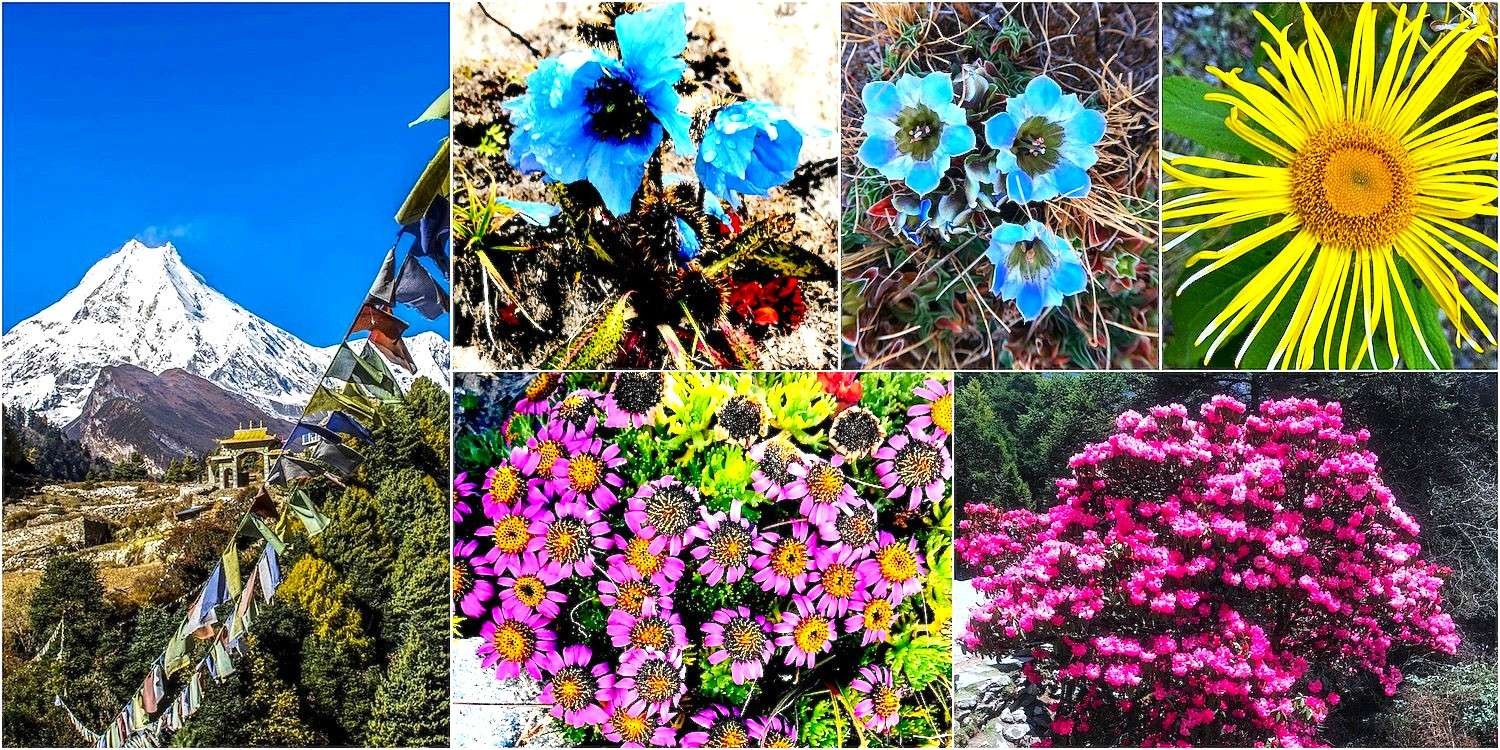
Likewise, people pick this trek for its raw, untouched feel. The area’s remoteness keeps habitats intact, so you actually get to see wildlife in their element. Keep your eyes open for Himalayan tahr and musk deer. If you’re lucky, you might even catch a glimpse of a snow leopard way up in the lonely hills. The birds are another highlight—Himalayan monals flash their colors, while eagles circle overhead. In spring, rhododendrons light up the forest with their blossoms.
Moreover, one thing that stands out here: locals take conservation seriously. Community efforts protect endangered species, and guides know how to spot animals without disturbing them. Near Larkya La Pass, it’s common to see blue sheep grazing, and the meadows around Samagaon explode with flowers after the snow melts.
The best part? You don’t pay extra for these experiences—conservation fees are part of your trekking permit. For a lot of hikers, seeing wildlife up close is what they remember most. If you’re into nature and want every day on the trail to bring something new, Manaslu really delivers.
Highlights of biodiversity and wildlife :
These elements showcase why rich biodiversity and wildlife spotting draw people to the Manaslu Circuit Trek.
Meanwhile, there's something different about finishing the Manaslu Circuit Trek. You really earn it. The trail isn't easy—it pushes you every day, up and down for two weeks or more, from the low river valleys at Arughat /Machhakhola/ Sotikhola all the way up to the icy heights above 5,000 meters. You don't jump straight into the hardest parts. Instead, you build up slowly, getting stronger and more confident as you go. That steady climb—both literally and figuratively—means each day feels like a small victory. Plenty of hikers say this is the perfect mix: tough enough to feel meaningful, never so brutal that you dread the next day.
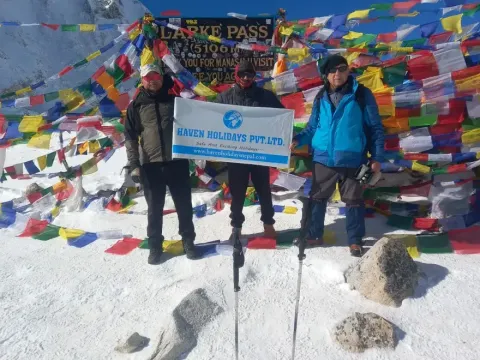
And then there's Larkya La Pass. At 5,160 meters, this is the big moment—the high point that everyone spends days working toward. Getting there from Dharamsala is no joke. The air gets thin, the slope gets steep, and your legs start to really feel it. But after six to eight hours of effort, you’re finally standing at the top, surrounded by wild, endless mountain views. That’s the “I did it” feeling you came for, and you don’t have to risk your life on ropes or ice axes to get there.
Likewise, the Manaslu Circuit Trek route is still challenging, of course, but if you show up fit, take the time to acclimatize, and listen to your guide, it’s totally doable. Most days you’ll walk 15 to 20 kilometers, with plenty of ups and downs. Guides keep the pace reasonable and make sure you stay safe, and breaks in villages like Samagaon help you recover. There’s no need for expensive gear or risky climbs—just honest effort and a good attitude.
Additionally, the costs don’t spiral out of control. You get solid support and organization without having to pay for extra frills. In the end, what you remember isn’t the logistics or the price tag—it’s the pride you feel from taking on a real challenge and coming out on top. This trek leaves you with a sense of growth that sticks with you long after you’re back home.
Key elements delivering true sense of accomplishment :
These aspects explain why the challenging yet rewarding route fosters a profound sense of accomplishment on the Manaslu Circuit Trek.
Meanwhile, the Manaslu Circuit Trek just feels different—less commercial, more real, and honestly, a much better deal than Everest or Annapurna. If you want a premium Himalayan adventure without paying Everest prices or wading through crowds, this is your trek
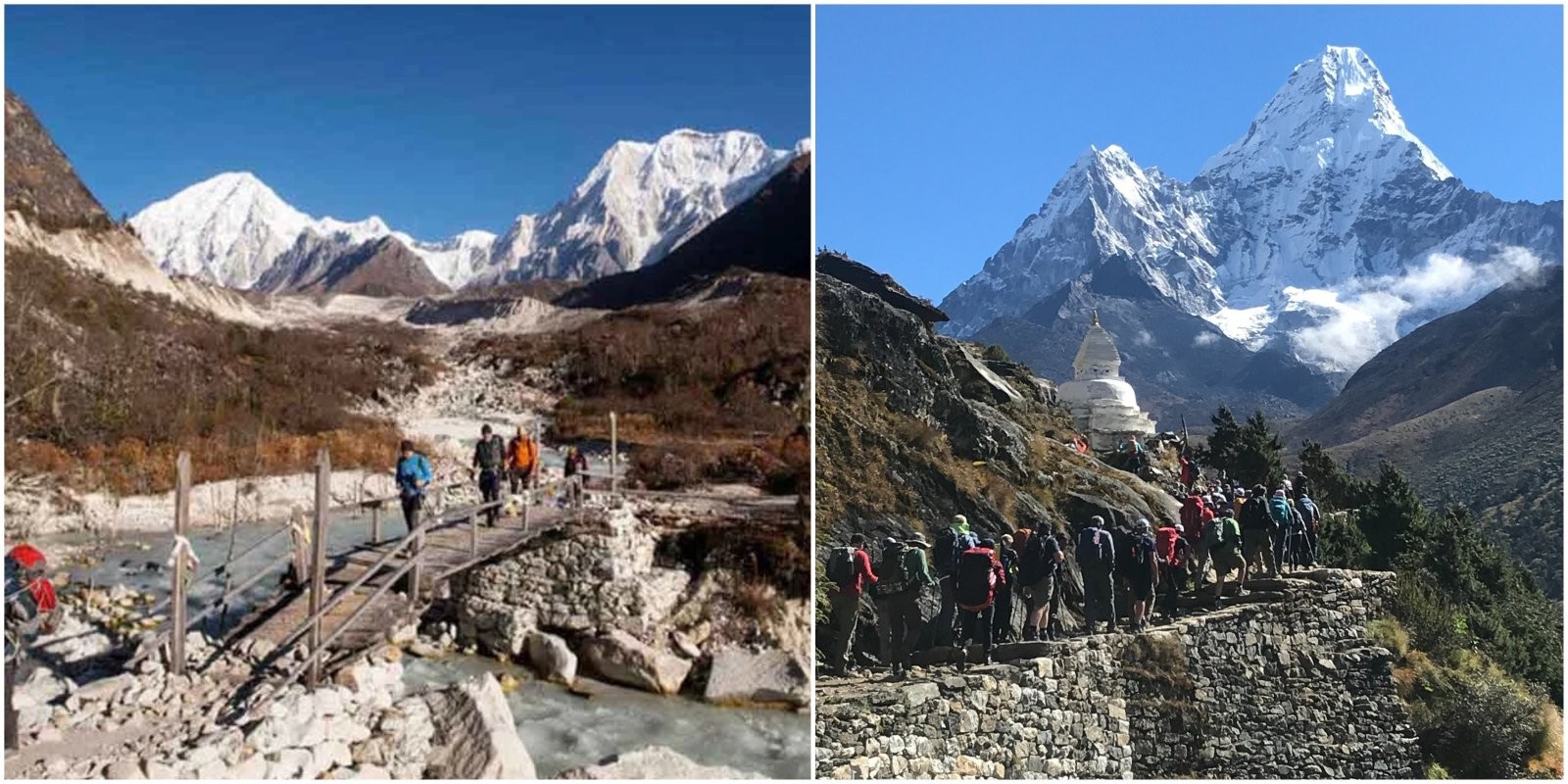
Likewise, people who pick Manaslu notice the difference right away. You don’t bump elbows with dozens of other trekkers every hour. The area’s restricted status keeps mass tourism at bay, so the trails stay quieter, and the experience feels more genuine. You sleep in basic teahouses, not fancy resorts, which keeps things authentic. And that “raw Himalayan charm” everyone talks about? It’s alive and well out here.
For anyone watching their budget, Manaslu is a no-brainer. The whole package—permits, guide, porter, meals, lodging—runs about $1,200 to $1,600 for two to two and a half weeks. That covers everything, including the $100 restricted area permit for the first week in peak season. Compare that to Everest Base Camp’s $2,000-plus price tag or the equally pricey, crowded Annapurna Circuit, and it’s clear why budget-focused trekkers look this way.
Moreover, you’ll notice something else, too: Manaslu doesn’t feel like a tourist trap. There’s barely any aggressive marketing, no endless souvenir stalls, no constant helicopter noise. The villages still look and feel traditional. Evenings are quiet—just you and a handful of other trekkers in a local teahouse, instead of squeezing into a packed bar. The result? You actually get to soak in the culture and the landscape without distractions.
And despite the lower price, you’re not missing out on the mountain magic. The scenery is top-notch, and you won’t get nickel-and-dimed for “extras” like crossing Larkya La Pass. Guides are focused on keeping you safe and sharing stories, not pushing you to spend more. In the end, Manaslu stands out for its value and its real, unpolished vibe—a smart move for anyone who wants the best of the Himalayas without the circus.
Comparison of value and commercial vibes :
| Trek | Approx. Cost (USD) | Annual Trekkers | Commercial Level | Authenticity Level |
| Manaslu Circuit | 1,200-1,600 | 12,000 | Low | Very High |
| Everest Base Camp | 1,800-3,000+ | 50,000 | High | Moderate |
| Annapurna Circuit | 1,000-2,000 | 100,000+ | Very High | Lower |
This comparison highlights why better value and fewer commercial vibes attract people to the Manaslu Circuit Trek for an authentic premium Himalayan adventure.
Actually, there’s something about the Manaslu Circuit Trek that keeps people coming back. It’s not just the scenery or the challenge—it’s those deeply personal, transformative moments you stumble into along the way. Out there, with nothing but quiet trails and huge mountains around you, distractions fade. You get time to think, to breathe, to really look at your life. Lots of trekkers talk about waking up in some tiny village, surrounded by silence, and realizing they feel totally different—calmer, lighter. It’s hard to find that kind of peace anywhere else.
And then there’s the way you connect with the people along the route. Sharing tea and simple meals with Gurung or Tibetan families in places like Samdo or Samagaon—it’s not just interesting, it actually sticks with you. The warmth and hospitality feel real, and those moments become memories you carry for years. Watching the sun come up over Mount Manaslu, seeing that first soft light hit the peaks, it almost feels spiritual. Stuff like that changes you.
Likewise, the trek itself pushes you, too. Crossing Larkya La Pass isn’t easy—you need determination to fight through tired legs and thin air. But making it across, standing on top and looking back at what you just did, you walk away stronger, more confident. People go home appreciating the simple things more than ever. That shift in perspective, that sense of growth, is what brings so many people back.
Further, you hear it in stories from past trekkers all the time. They talk about those quiet moments and jaw-dropping sunrises, and how the trek just keeps calling them back. The costs are reasonable, so returning isn’t out of reach, and since the area’s restricted, it keeps that special feeling. In the end, it’s these real, powerful experiences that turn first-timers into lifelong fans of the Manaslu Circuit.
Key transformative moments that inspire returns :
These elements reveal why personal transformative moments keep drawing trekkers back to the Manaslu Circuit Trek time and again.
Actually, there’s something special about the Manaslu Circuit Trek. It’s Nepal’s true Himalayan adventure—raw, beautiful, and refreshingly uncrowded. If you’re after mountain magic without the crowds or touristy chaos, this trek delivers. You get jaw-dropping views of Mount Manaslu, those wild high passes like Larkya La, and a real chance to connect with local culture along the way. Honestly, it’s hard not to fall for Manaslu. A lot of trekkers call it Nepal’s best-kept secret.
Of course, a little groundwork goes a long way here. The area’s restricted, so you need a government-registered guide and two key permits—the Restricted Area Permit and the Manaslu Conservation Area Permit. You’ll sort those out in Kathmandu, and most people go with a package trek to keep things simple. You’ll want to train up, too. These trails climb high and the days can be tough, but the payoff is huge.
Moreover, timing makes a big difference. Head there in spring (March to May) for rhododendrons and clear skies, or in autumn (September to November) for crisp air and sharp mountain views. Both seasons come with steady conditions and less rain. Skip the monsoon and deep winter—trails can get dangerous, and some sections shut down.
Budget-wise, plan on spending between $1,200 and $1,600 for a 14- to 18-day trip. That covers your permits, guide, porter, meals, and basic teahouse stays. Book early if you want a spot in peak season.
In the end, a bit of planning turns this trek into something unforgettable. Manaslu isn’t just a trek—it’s an experience you’ll carry with you long after you’re back home.
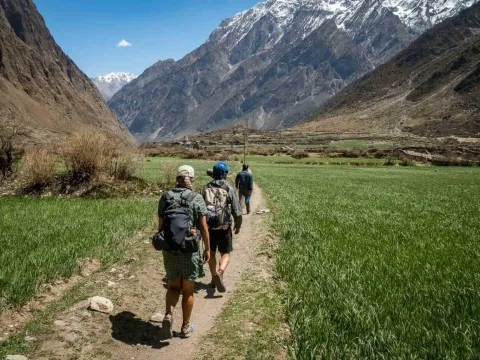
Essential preparation tips for Manaslu Circuit Trek :
All in all, these final thoughts and preparation steps position the Manaslu Circuit Trek as an irresistible choice for your next Nepal adventure—start planning today.
1. What is the Manaslu Circuit Trek and why is it Nepal’s hidden Himalayan gem?
The Manaslu Circuit Trek is an amazing adventure that goes around the world’s 8th highest peak Mount Manaslu. It takes around 13 to 16 days to complete. The Manaslu Circuit Trek has beautiful landscapes, a rich Tibetan Buddhist culture and not many people on the trails, which is different from the Annapurna Circuit
2. Why choose Manaslu Circuit Trek over the popular Annapurna Circuit?
The Manaslu Circuit Trek is a better choice than the Annapurna Circuit because it has peaceful trails, really beautiful views of Mount Manaslu and a chance to experience the local culture without many other tourists around. This trek is great for people who want to have a private and authentic experience in the Himalayas compared to the more crowded route.
3. What are the stunning views like on the Manaslu Circuit Trek?
The views on the Manaslu Circuit Trek are really breathtaking. You get to see Mount Manaslu, which's 8,163 meters high and the surrounding mountains. Every day you will see snow-capped mountains, glaciers and alpine meadows which makes the trek really rewarding. The views are especially beautiful around the Larke Pass, which is 5,106 meters high.
4. Is the Manaslu Circuit Trek less crowded than other Nepal treks?
Yes, the Manaslu Circuit Trek is less crowded than treks in Nepal. The trails are really peaceful and quiet which is different from the trails of Everest or Annapurna. This trek gives you a chance to have an adventure in the Himalayas with a lot of solitude and peace and to connect with nature and the local people.
5. What Tibetan Buddhist culture can I experience on Manaslu Circuit Trek?
On the Manaslu Circuit Trek, you can experience the Tibetan Buddhist culture in the remote villages of the Manaslu region. You will visit monasteries, prayer wheels and traditional villages which will give you a deeper understanding of the culture just like when you visit the monasteries and sacred sites, on the Manaslu Circuit Trek.
6. How diverse are the landscapes on the Manaslu Circuit Trek?
The Manaslu Circuit Trek has a lot of landscapes. You will see subtropical forests and arid high-altitude deserts and glaciers. The Manaslu Circuit Trek has rhododendron forests and alpine meadows and dramatic Himalayan scenery. This makes the Manaslu Circuit Trek one of the diverse trekking experiences in Nepal.
7. Is crossing Larke Pass 5,106 m difficult on the Manaslu Circuit Trek?
Crossing Larke Pass 5,106 m is a challenge on the Manaslu Circuit Trek. But if you get used to the altitude and have a licensed guide you can do it. Most people who trek can cross Larke Pass 5,106 m on the Manaslu Circuit Trek. When you get to the top you will see views that you will never forget.
8. What are the teahouses like on the Manaslu Circuit Trek?
The teahouses on the Manaslu Circuit Trek are very traditional. You will get a welcome and local food like dal Bhat and momos. The teahouses are cozy. Show you what life is like in the Himalayas on the Manaslu Circuit Trek.
9. Is the Manaslu Circuit Trek suitable for beginners?
The Manaslu Circuit Trek is good, for beginners. You will get used to the altitude slowly. The daily walks are not too long. The schedule is good. So even if you have never trekked before you can do the Manaslu Circuit Trek with some preparation and help.
10. How untouched and pristine is the Manaslu region?
The Manaslu region is very untouched and pristine. The Manaslu Circuit Trek takes you to areas that not many people visit. You will see forests and rivers and wildlife. This makes the Manaslu Circuit Trek feel like an adventure and exploration of the Manaslu region.
11. What spiritual experiences are available on the Manaslu Circuit Trek?
The Manaslu Circuit Trek has a lot of experiences. You can visit monasteries and sacred sites on the Manaslu Circuit Trek. This trek allows you to learn about the culture by visiting ancient gompas and seeing prayer flags. The Manaslu Circuit Trek is a place to reflect on life and think deeply about things, surrounded by the beautiful Himalayas.
12. Why does the Manaslu Circuit Trek feel like ultimate exploration?
The Manaslu Circuit Trek is a great adventure. You get to explore a protected area in the Himalayas, which's very rare. The Manaslu Circuit Trek has a lot of things to see and do, like visiting new cultures and seeing amazing scenery. All of this makes the Manaslu Circuit Trek a special experience.
13. What permits are required for the Manaslu Circuit Trek in 2026
To do the Manaslu Circuit Trek you need permits. You need the Manaslu Restricted Area Permit, the Manaslu Conservation Area Permit and the Annapurna Conservation Area Permit. Solo travelers can get the Manaslu Restricted Area Permit, They must book with a registered agency and have a licensed guide.
14. Can I do the Manaslu Circuit Trek as a solo traveler?
Yes, you can do the Manaslu Circuit Trek by yourself. According to the updates solo travelers can now get the Manaslu Restricted Area Permit. However, you still need to use a registered trekking agency and have a guide with you on the Manaslu Circuit Trek. You cannot trek alone without a guide.
15. What is the best time to do the Manaslu Circuit Trek
The best time to do the Manaslu Circuit Trek is in the spring or autumn. This is from March to May or from September to November. During these times the skies are clear. The weather is stable on the Manaslu Circuit Trek. It is not an idea to trek during the monsoon or, in the deep winter.
16. How difficult is the Manaslu Circuit Trek?
The Manaslu Circuit Trek is not easy because of the altitude and the Larke Pass which is 5106 meters high. If you are in good shape and take your time to get used to the high altitude and you have a licensed guide with you most people can do the Manaslu Circuit Trek.
17. How long is the Manaslu Circuit Trek itinerary?
The Manaslu Circuit Trek usually takes 12 to 16 days to complete including the time it takes to get to and from Kathmandu. This gives you time to get used to the high altitude and see all the beautiful places, from the low hills to the high Larke Pass which is 5,106 meters high.
18. Do I need a guide for the Manaslu Circuit Trek?
Yes, you need a guide to do the Manaslu Circuit Trek. Even though the rules changed in 2026 and you can now get a permit to trek you still have to book your trip through a registered trekking agency. You are not allowed to trek in this area without a guide.
19. What should I pack for the Manaslu Circuit Trek?
We have some tips on our blog that can help you pack for the Manaslu Circuit Trek. You should bring clothes, strong boots, a warm jacket, trekking poles and a good sleeping bag. It is very important to have the gear when you are crossing the Larke Pass 5,106 meters high and staying in teahouses during the Manaslu Circuit Trek.
20. How much does the Manaslu Circuit Trek cost and what’s included?
The Manaslu Circuit Trek package usually includes the cost of permits a licensed guide, a place to stay, food and transportation. The cost can vary depending on how many people in your group and what services you need. Our packages include everything you need for a safe and easy trip and we will take care of you from start to finish, during the Manaslu Circuit Trek.
The Manaslu Circuit Trek is not easy because of the altitude and the Larke Pass which is 5106 meters high.. If you are in good shape and take your time to get used to the high altitude and you have a licensed guide with you most people can do the Manaslu Circuit Trek.
17. How days does it take to complete the Manaslu Circuit Trek?
The Manaslu Circuit Trek usually takes 13 to 16 days to complete including the time it takes to get to and from Kathmandu. This gives you time to get used to the high altitude and see all the beautiful places, from the low hills to the high Larke Pass which is 5106 meters high.
18. Do I need a guide to do the Manaslu Circuit Trek?
Yes you need a guide to do the Manaslu Circuit Trek. Even though the rules changed in 2026 and you can now get a permit to trek you still have to book your trip through a registered trekking agency. You are not allowed to trek in this area without a guide.
19. What should I bring with me on the Manaslu Circuit Trek?
We have some tips on our blog that can help you pack for the Manaslu Circuit Trek. You should bring clothes, strong boots, a warm jacket, trekking poles and a good sleeping bag. It is very important to have the gear when you are crossing the Larke Pass which is 5106 meters high and staying in teahouses during the Manaslu Circuit Trek.
20. How much does the Manaslu Circuit Trek. What is included?
The Manaslu Circuit Trek package usually includes the cost of permits a licensed guide, a place to stay, food and transportation. The cost can vary depending on how many people're in your group and what services you need.. Our packages include everything you need for a safe and easy trip and we will take care of you from start to finish, during the Manaslu Circuit Trek.
Our travel experts are ready to assist you with any questions.
Send us a message.Have a question before you book? Send your enquiry below and our travel experts will get back with the required information.