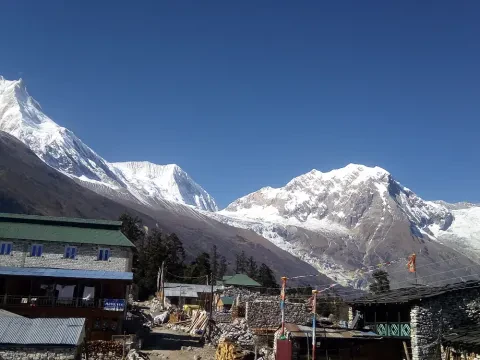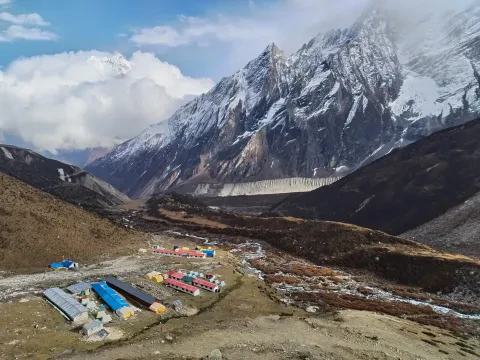
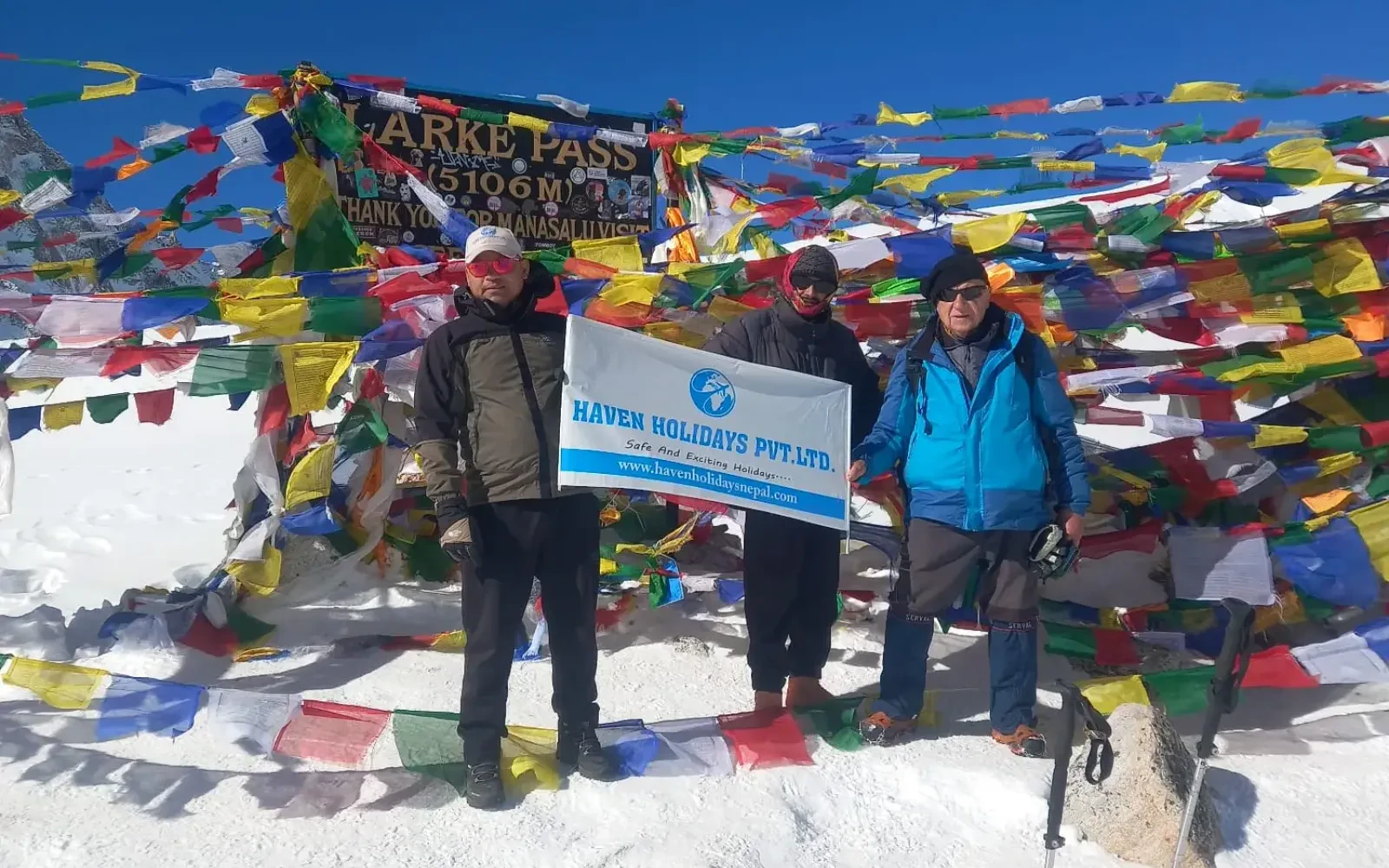
Here, let’s talk about the Manaslu Circuit Trek. If you’re searching for an authentic adventure in Nepal—one that’s not overrun with crowds—this is it. The trail loops around Mount Manaslu, which towers at 8,163 meters, and takes you over the dramatic Larkya La Pass at 5,160 meters. Along the way, you’ll wander through remote villages like Namrung and Samagaon, meet Gurung and Tibetan locals, and soak up a culture that feels a world away from city life. The landscapes shift constantly, from humid forests to wide-open alpine meadows. Every step rewards you with quiet, sweeping views—and, honestly, a sense of peace you won’t find on busier routes. If you want to dive deep into the real Himalayas, the Manaslu Circuit doesn’t disappoint.
Moreover, you’ll hike through wild valleys, clamber over rocky passes, and cross those classic suspension bridges swinging over furious rivers. Buddhist monasteries pop up along the route, and the villages you visit still hold tight to their old traditions. Sure, the high pass is tough, but the mountain views up there make every bit of effort worth it. Manaslu itself dominates the skyline, reminding you why you came. This trek isn’t just about scenery—it’s a total immersion in raw beauty and living culture. Most hikers come back changed, and it’s easy to see why. The Manaslu Circuit isn’t just another trek—it’s Nepal’s best-kept secret for anyone who wants something real.
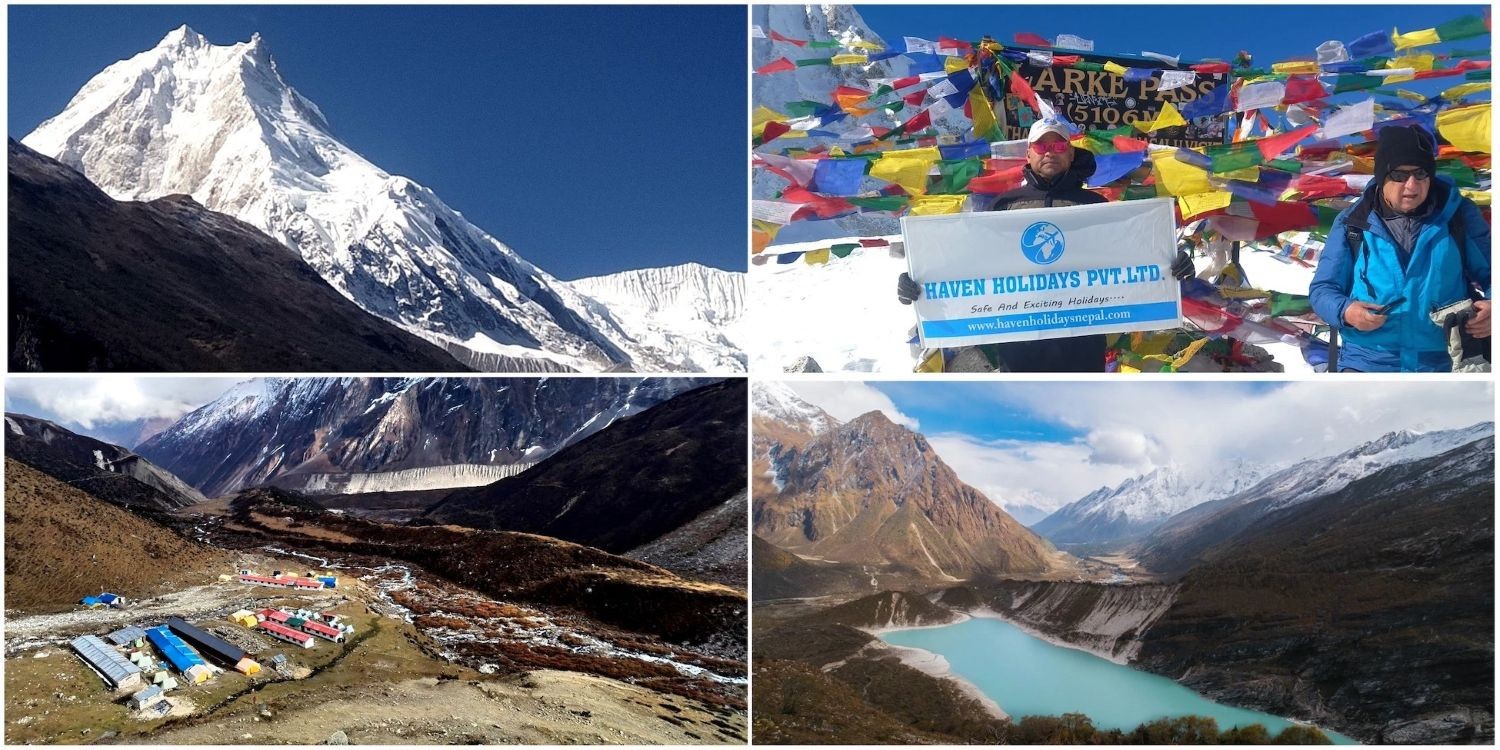
Key Elevations on the Manaslu Circuit Trek:
| Place/Pass/Mountain | Elevation | Significance |
| Machha Khola (Start) | 910 m | Entry point into the region |
| Jagat | 1,340 m | Ancient village with checkpoints |
| Namrung | 2,630 m | First Tibetan-style settlement |
| Samagaon | 3,530 m | Acclimatization hub near monastery |
| Larkya La Pass | 5,160 m | Highest point with stunning views |
| Mount Manaslu | 8,163 m | Eighth highest mountain in the world |
| Dharapani (End) | 1,860 m | Connects to Annapurna Circuit. |
Highlights of the Trek:
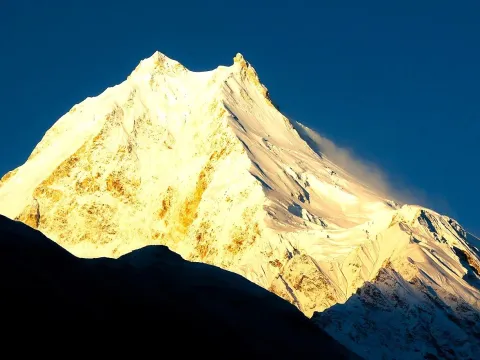
Simply put—Manaslu keeps things quiet. While Annapurna's trails get packed, Manaslu stays peaceful. You get to hike for hours without bumping into big groups, which makes the whole experience feel more real. The culture? It's right there, unfiltered and alive, not buried under the tourist rush.
Sure, Annapurna has more guesthouses and better infrastructure, but Manaslu feels wild. You’ll cross the Larkya La Pass at 5,160 meters, with Mount Manaslu towering right in front of you. Honestly, the sense of solitude makes everything more intense. That’s exactly why so many adventurers go for Manaslu—it’s raw, untouched, and packed with that classic Himalayan magic that’s getting harder to find on the busier trails.
Another thing: Manaslu isn’t crowded for a reason. The permit system limits the number of trekkers, so the trails stay clean and the vibe remains exclusive. You won’t have to jostle for the perfect photo, and you’ll actually have time to connect with the locals, not just wave as you pass by. The mountains and landscapes rival anything Annapurna offers, but Manaslu throws in a bit more grit. The high passes really test your stamina, and the deeper cultural exchange makes the journey feel meaningful.
In fact, Manaslu isn’t about commercialization. It’s about adventure, satisfaction, and genuine moments you just don’t get on the more popular routes. If you’re after serenity and something real, Manaslu delivers—no question.
Comparison: Manaslu Circuit vs. Annapurna Circuit:
| Aspect | Manaslu Circuit | Annapurna Circuit |
| Crowd Level | Low (restricted permits) | High (very popular) |
| Cultural Authenticity | Deep immersion in Tibetan/Gurung life | More commercialized |
| Infrastructure | Basic teahouses | Well-developed with roads/vehicles |
| High Pass | Larkya La (5,160 m) – challenging | Thorong La (5,416 m) – busy |
| Scenery Variety | Pristine forests to glaciers | Similar but more accessible |
| Permit Requirements | Restricted Area + Conservation | Conservation only. |
Top Advantages of Choosing Manaslu:
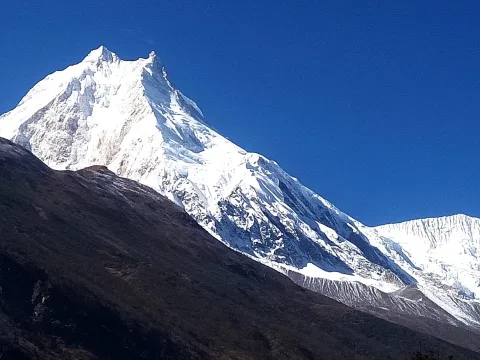
Actually, chasing the Manaslu Circuit Trek isn’t just about ticking off another trek—it’s about those jaw-dropping Himalayan views you can’t forget. Mount Manaslu(8,163 m) towers above everything, and you feel it in your bones when you’re up close. Every day, the trail throws glaciers and snow-dusted summits at you, sometimes right in your face. Side peaks shoot up all around, and if you’re up early, the sun paints the mountains gold. It’s the kind of scenery that sticks with you. Every time you climb higher, the whole view changes—one moment, you’re craning your neck at a wall of ice; the next, you’re looking out at a sweep of mountain after mountain.
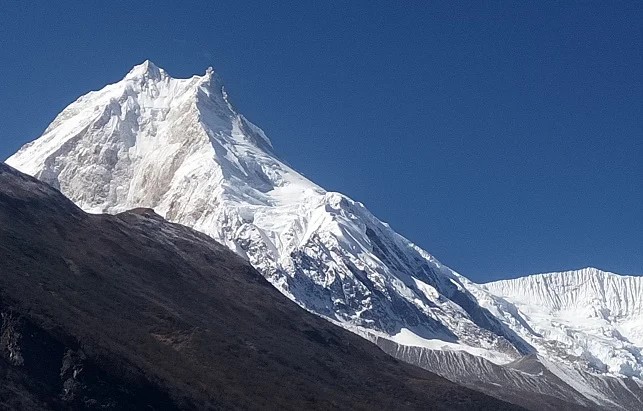
Stand on those high passes and you get the full 360, with a bunch of peaks over 7,000 meters clear as day. Snap a photo of Manaslu from just about any angle—it’s always dramatic. The other ranges crowd the horizon and make every scene feel epic, like you’re right in the middle of something ancient and wild. Honestly, this isn’t just a trek; it’s a front-row seat to the raw power and beauty of the Himalayas. The views are what make Manaslu unforgettable.
Major Peaks Visible on Manaslu Circuit Trek:
| Peak/Mountain | Elevation | Best Viewpoint | Notes |
| Mount Manaslu | 8,163 m | Lho, Samagaon, Larkya La Pass | 8th highest in the world, closest views |
| Himalchuli | 7,893 m | Various points near Namrung | Striking southern face |
| Ngadi Chuli | 7,871 m | Shyala Plateau, Samagaon | Twin peaks appearance |
| Ganesh Himal | 7,422 m | Namrung to Samagaon section | Dramatic jagged silhouettes |
| Himlung Himal | 7,126 m | Larkya La Pass (5,160 m) | Panoramic northern views |
| Cheo Himal | 6,820 m | Larkya La Pass | Sharp ridges and glaciers |
| Kang Guru | 6,981 m | Larkya La Pass | Part of 360-degree panorama |
| Larkya Peak | 6,249 m | Larkya La Pass | Nearby dramatic summit. |
Key Viewpoints for Stunning Scenery:
Meanwhile, the Manaslu Circuit is perfect for trekkers craving real peace and quiet. You won’t find the crowds that usually pack the more famous trails. Instead, you get quiet paths winding through untouched valleys. The restricted permits keep visitor numbers down, so you actually feel like you have the mountains to yourself. It’s just you, the wild landscape, and the occasional friendly face in a remote village.
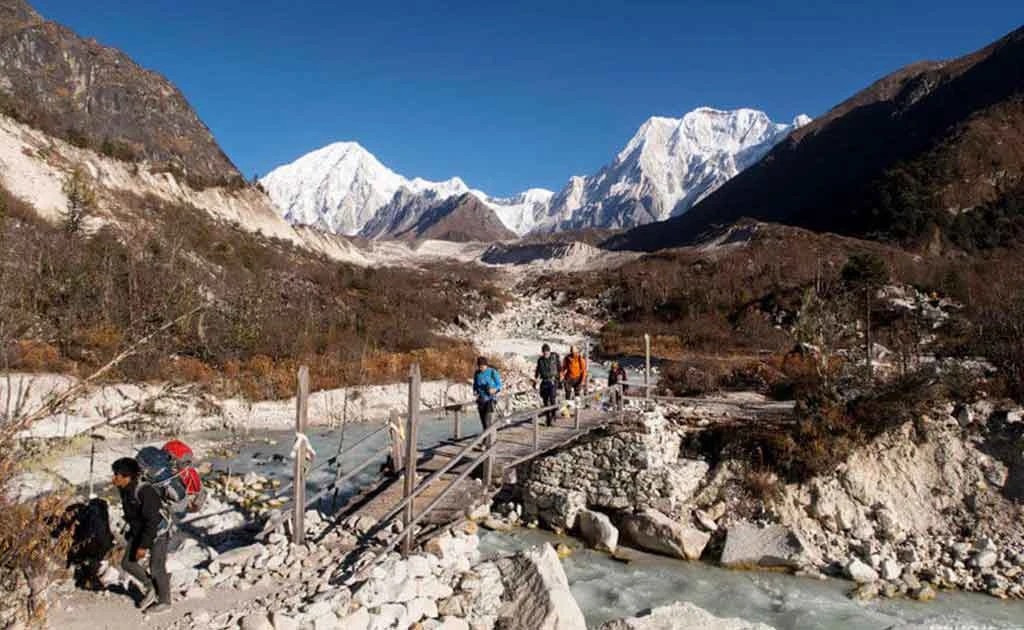
Out here, you walk for hours without bumping into anyone. No loud tourist groups, no commercial fuss—just pure, raw beauty. Snap photos whenever you want, with nothing and no one in the way. At night, you listen to rivers rush by and soak up the calm. The villages you pass through feel authentic, not put on for tourists. That’s what makes Manaslu so special. It’s not just a trek—it’s a real adventure, tailor-made for anyone who wants to dive deep into the Himalayas without the crowds.
Crowd Comparison: Manaslu vs. Popular Treks:
| Trek | Crowd Level Reason for Crowds | Peaceful Experience Level |
| Manaslu Circuit | Low (restricted area) | Special permits required, group minimum High – serene trails. |
| Annapurna Circuit | High to moderate | Easy access, roads, popularity | Low – busy paths. |
| Everest Base Camp | Very high | Iconic status, frequent flights | Low – crowded teahouses. |
| Langtang Valley | Moderate | Closer to Kathmandu, recovering Medium. |
Advantages of Less Crowded Trails on Manaslu:
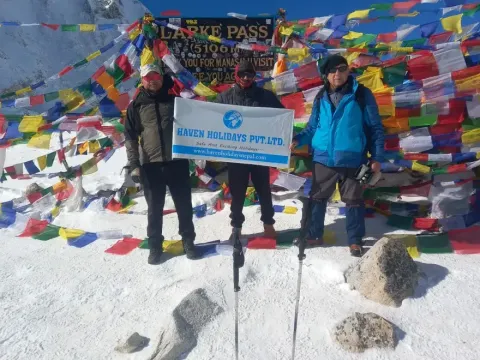
On the Manaslu Circuit, you don’t just pass through villages—you dive right into Tibetan Buddhist culture. You’ll wander into ancient monasteries, catch prayer flags waving in the wind, and watch locals go about their daily rituals like it’s second nature. These aren’t polished tourist shows, either. The gompas and mani walls are real, used, and feel like living history.
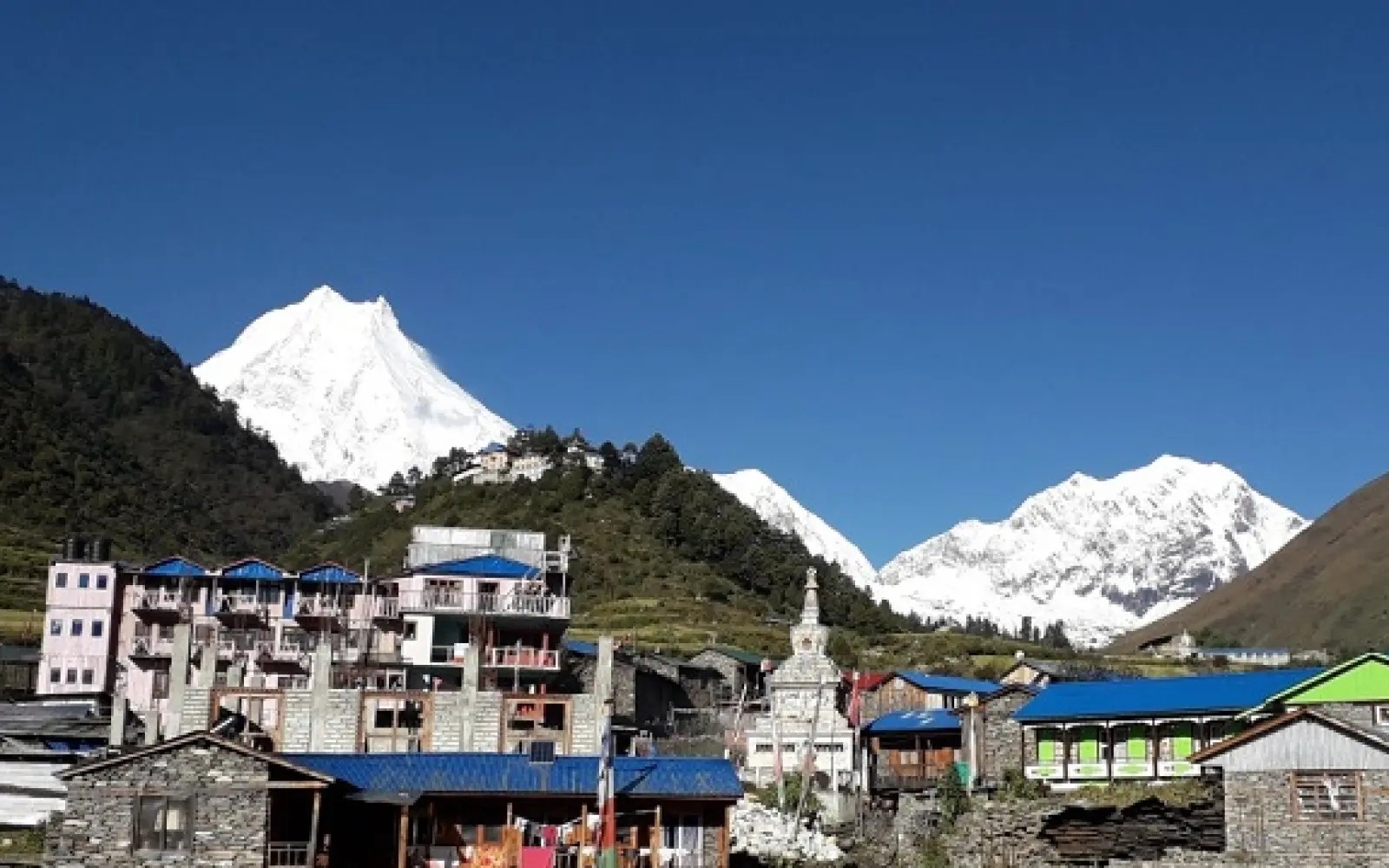
Moreover, life here moves at its own pace along Manaslu Circuit Trail. The settlements hold on tight to centuries-old traditions, and you can feel that authenticity everywhere you go. This trek brings you face-to-face with spiritual practices that haven’t changed much over generations.
Likewise, you’ll meet Nubri and Tibetan communities who actually welcome you in. Maybe you’ll sit and listen to monks chanting, or get a close look at thangka paintings and ancient scriptures. Chortens and prayer wheels line the paths, and sometimes you’ll stumble into a festival in full swing—drums, dancing, the works. Honestly, the spiritual side of Manaslu is what sets it apart. Nowhere else lets you connect this deeply with Buddhist culture, right in the heart of these remote mountain villages.
Key Monasteries and Cultural Sites on Manaslu Circuit:
| Site/Monastery | Location/Village Elevation | Cultural Significance |
| Ribung Monastery | Lho - 3,180 m | One of the oldest; showcases ancient traditions |
| Pungyen Gompa | Near Samagaon - 4,000 m | 400-year-old; serene acclimatization spot |
| Local Gompa | Namrung - 2,630 m | Gateway to upper Nubri; Tibetan-style architecture |
| Monastery in Samagaon | Samagaon - 3,530 m | Heart of Tibetan culture; community gatherings |
| Various Gompas | Throughout Nubri | Varies | Over 100 monasteries in region; preserve rituals |
Highlights of Tibetan Buddhist Immersion:
On the Manaslu Circuit, the scenery never stays the same for long. You start out walking through thick, green subtropical forests, but before you know it, you’re climbing up into open alpine meadows. Then, just as you’re getting used to that, you hit the stark, icy world of the glacial zones higher up. Every day brings new ecosystems under your boots. It’s honestly one of the most striking things about this trek – you see how quickly the land changes, and with it, the plants and animals that call each place home.
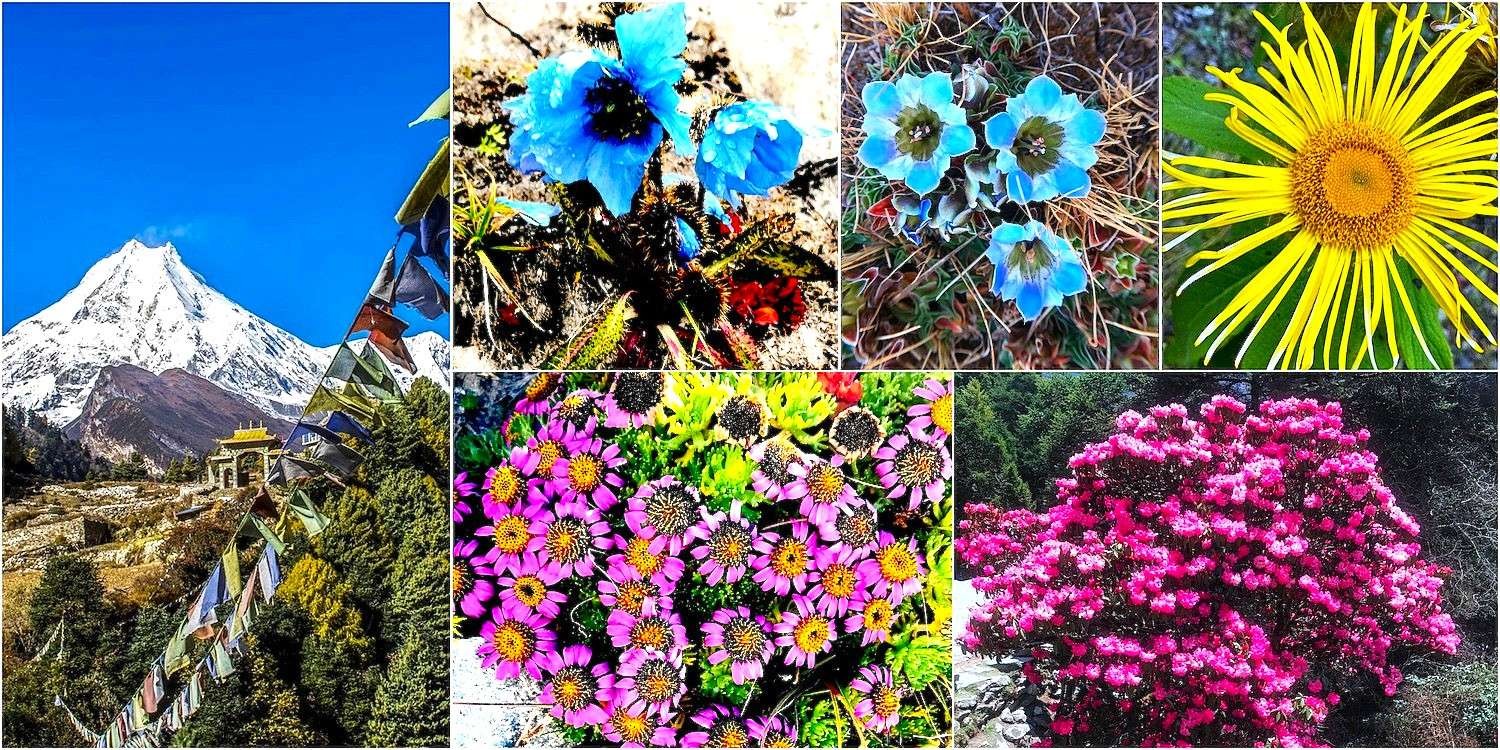
Here, wildlife watchers and plant lovers have a field day here. In spring, rhododendrons light up the forests with color. As you climb, you spot new kinds of trees and even catch glimpses of wildlife in untouched habitats. Elevation makes a real difference; you move from lush sal forests all the way up to windswept, barren passes. There’s just so much natural variety, and it never gets old. For anyone who loves nature, every step on the Manaslu Circuit feels like a new discovery.
Vegetation Zones on Manaslu Circuit Trek:
| Zone/Type | Elevation Range | Key Flora Examples | Characteristics |
| Subtropical/Temperate | 700–2,000 m | Sal, Schima, Castanopsis, bamboo | Dense forests, lush greenery |
| Temperate/Coniferous | 2,000–3,000 m | Pine, oak, rhododendron | Mixed woods, vibrant spring blooms |
| Subalpine | 3,000–4,000 m | Birch, juniper, fir | Shrubs, hardy trees |
| Alpine Meadows | 4,000–5,000 m | Herbs, grasses, wildflowers | Open pastures, colorful in season |
| Arctic/Alpine Tundra | Above 5,000 m | Sparse mosses, lichens | Barren near Larkya La Pass (5,160 m) |
Biodiversity Highlights: Flora and Fauna:
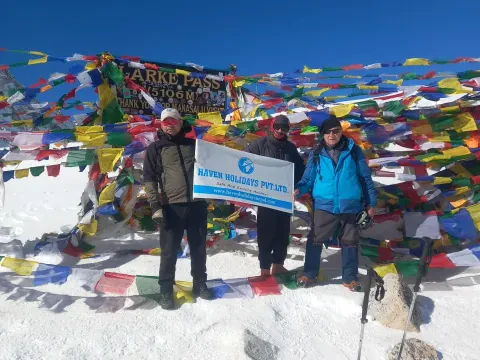
Let’s talk about Larkya La Pass (5,160 m)—it’s the high point of the Manaslu Circuit and honestly, it’s a beast. You’re climbing up steep, rocky trails at over 5,100 meters, where the air feels thin and the chance of snow is always hanging over you. Every day, you’re gaining serious elevation. It’s tough, no way around it, but hitting the top feels like a real victory. The views? Stunning. You get this wild, panoramic sweep of the Himalayas that’s hard to forget.
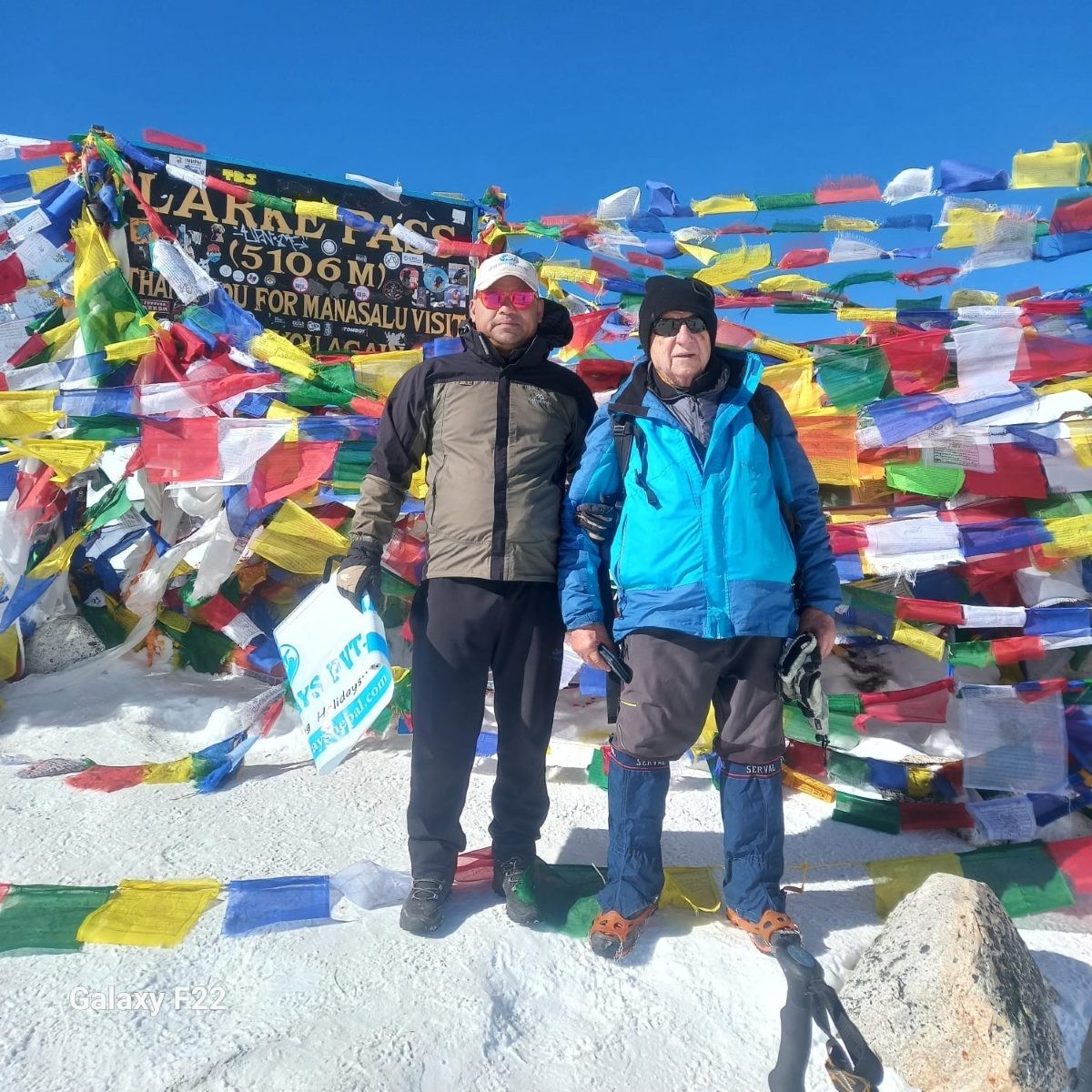
Here, most trekkers start out from Dharamsala (4,460 m) before dawn, bundled up and ready for a long day. The route throws icy patches and sharp climbs at you, and the altitude keeps you on your toes. Oxygen drops, legs burn, but you keep moving. Once you finally cross the pass and begin that long descent, you realize just how much grit it took to get there. Larkya La isn’t just a checkpoint—it’s the moment that defines the whole journey. Cross it, and you walk away tougher, with a story you’ll tell for life.
Larkya La Pass Key Details:
| Aspect | Details | Notes |
| Elevation | 5,160 m | Highest point on the Manaslu Circuit |
| Previous Night Stop | Dharamsala (High Camp) | 4,460 m – basic teahouses |
| Ascent Distance/Time | 6-8 hours from Dharamsala | Steep, rocky, possible snow/ice |
| Descent Distance/Time | 6-8 hours to Bimthang | Long, knee-straining downhill |
| Total Day Distance | 20-25 km | One of the longest and toughest days |
| Difficulty Rating | Highly challenging | Moderate to strenuous overall trek |
| Main Challenges | Altitude sickness risk, thin air, weather variability | Oxygen ~53% of sea level at summit |
Tips for Conquering Larkya La Pass Successfully:
Actually, trekkers get the real deal when they stay in traditional Manaslu teahouses. You’ll sit down to dinner with local families, swapping stories around the warm bukhari stove. These settlements keep mountain life genuine — nothing staged or over-polished. Every night, you dig into homemade dal bhat, and it’s not just about the food. Those meals build real connections.
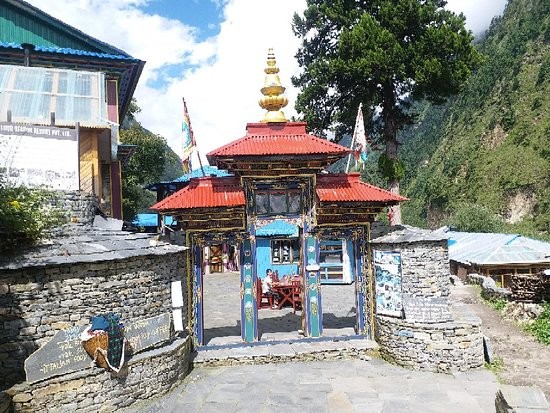
Likewise, remote villages add a whole other layer of culture to the Manaslu Circuit trek. The teahouses aren’t just places to crash — they turn the journey into something you’ll remember for years. Each day, you dive into family-run hospitality. You watch daily chores up close, learn bits and pieces about Gurung and Tibetan customs, and unwind in cozy common rooms. Sure, the comforts are basic, but honestly, that’s part of the charm. In the end, Manaslu’s teahouses deliver a slice of authentic mountain life you just can’t fake.
Teahouse Features in Manaslu Villages:
| Village/Location - Elevation | Teahouse Style & Facilities | Authentic Highlights |
| Soti Khola / Machha Khola - 710-930 m | Basic mountain lodges | Entry point; simple rooms, local meals |
| Namrung - 2,630 m | Traditional Gurung-style | Family hospitality, shared dining |
| Lho - 3,180 m | Cozy teahouses with views | Tibetan influence, warm hosts |
| Samagaon - 3,530 m | More developed, multiple options | Monastery nearby, cultural interactions |
| Samdo - 3,860 m | Remote, basic but welcoming | Pure Tibetan lifestyle, yak products |
| Dharamsala (High Camp) - 4,460 m | Very basic, dormitory-style | Pre-pass stop, communal warmth |
| Bimthang - 3,720 m | Post-pass recovery lodges | Relaxed atmosphere after challenge. |
Authentic Experiences in Manaslu Teahouses and Settlements:
One thing people love about trekking the Manaslu Circuit? You ease into the altitude. You don’t just power up the mountain—you move through villages, climbing a little higher each day. Built-in rest days actually work; they keep you from getting sick at altitude. That “climb high, sleep low” rule isn’t just a saying here, it’s the plan.For beginners, that slow, steady pace makes all the difference. Every step up builds your confidence. You get time to adjust, hang out in key villages, maybe explore a little higher, then come back down to sleep. Daily elevation gains aren’t too aggressive, so your body keeps up. That means fewer headaches, less nausea, and way more fun.
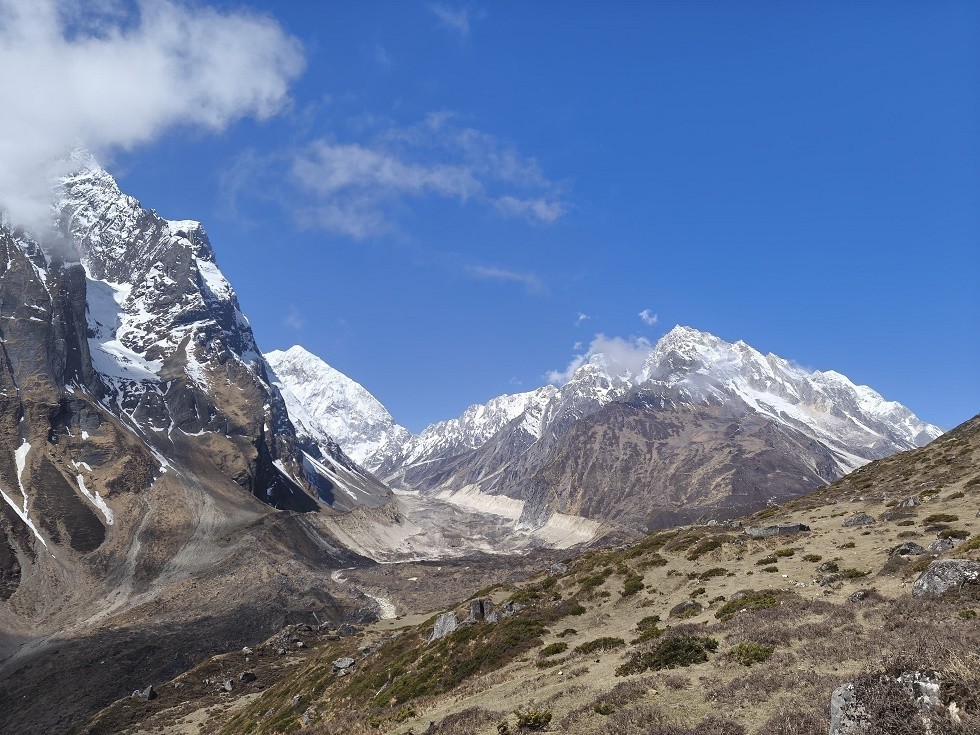
Honestly, the whole Manaslu Circuit Trek route is designed so people can focus on the adventure, not the risks. That’s why the Manaslu Circuit is such a great pick for anyone new to high-altitude trekking.
Typical Acclimatization Stops and Elevations:
| Day/Stop | Location | Elevation | Activity/Notes |
| Day 8-9 | Samagaon (Sama Gaun) | 3,530 m | Full acclimatization day; side hike to Pungyen Gompa (~4,000 m) or Manaslu Base Camp.(4,400-4,800 m) |
| Day 10-11 | Samdo | 3,860 m | Rest/acclimatization; optional hike to Lajyung Pass (5,120 m) or Tibet border viewpoint. |
| Pre-Pass | Dharamsala (High Camp) | 4,460-4,480 m | Overnight before Larkya La Pass; final adjustment. |
| General Ascent Profile | Overall trek | 710 m to 5,160 m | Gradual gain; average 300-600 m/day with rests. |
Benefits of Gradual Acclimatization on Manaslu:
When you trek through the Manaslu region, you’re stepping into wild, unspoiled nature. Every day, you’re walking under ancient forests, crossing open meadows, and tracing the paths of clear rivers and glaciers, all untouched by the usual crowds. The Himalayas here don’t hold back — they’re raw and real, and you feel it with every step. Manaslu isn’t just another destination in Nepal; it’s the hidden jewel, a place that inspires you the moment you arrive.
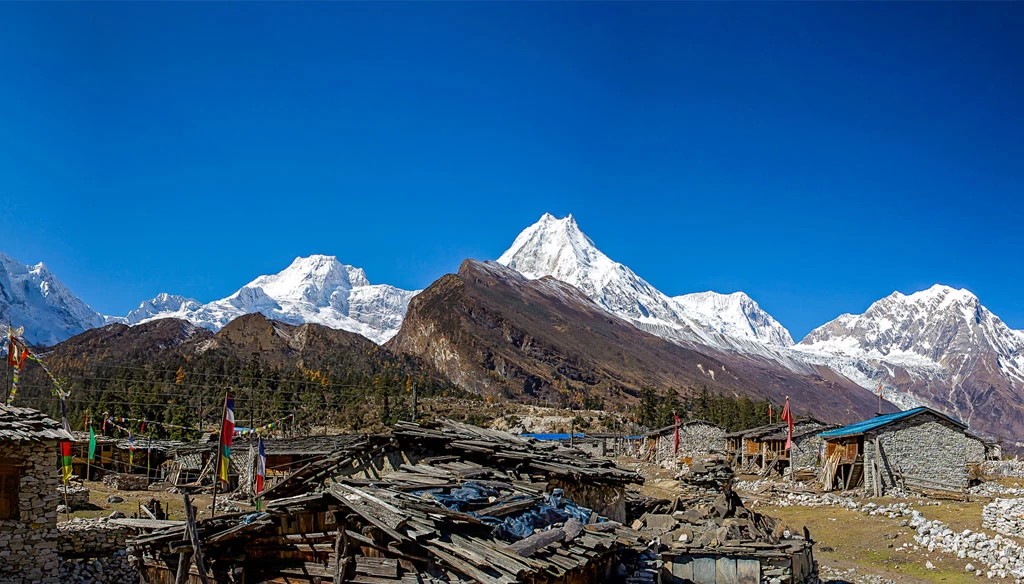
Likewise, you’ll stumble across ecosystems that haven’t been disturbed. Rare flowers pop up in unexpected places, and you actually get to see wildlife living freely. Conservation efforts keep this place thriving, and you notice the difference — it’s quieter, calmer, and you just breathe easier. Out here, you’re not just seeing nature; you’re living in it. Manaslu pulls you in with its purity, and honestly, it’s hard to leave unchanged.
Manaslu Conservation Area: Biodiversity Highlights:
| Category | Details | Examples/Notes |
| Protected Area Size | 1,663 sq km | Established 1998; managed by NTNC. |
| Mammals | 33 species | Snow leopard, musk deer, Himalayan tahr, blue sheep, red panda. |
| Birds | 193+ species | Himalayan monal, Satyr tragopan. |
| Flora | 2,500+ species; 587 vascular plants | 23 rhododendron species, 48 orchids, bamboo, medicinal plants. |
| Ecosystems | Subtropical to alpine tundra | Dense forests, meadows, glaciers, barren high passes. |
Key Features of Untouched Natural Beauty:
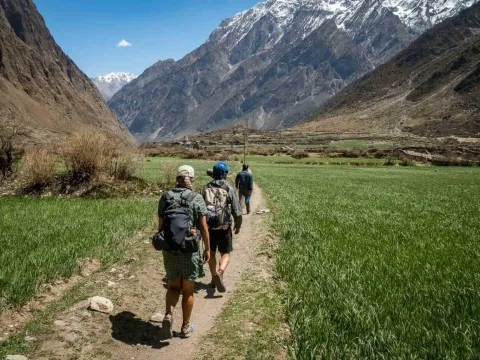
On the Manaslu Circuit, trekkers dive deep into the spiritual heart of the Himalayas. You’ll wander into centuries-old gompas, watch monks chant in calm, golden-lit halls, and feel a real sense of peace settle in. Sacred sites aren’t just places to visit—they make you stop and think. Spinning prayer wheels, joining in with local rituals, or just pausing by ancient mani walls, you start to notice something shift inside.
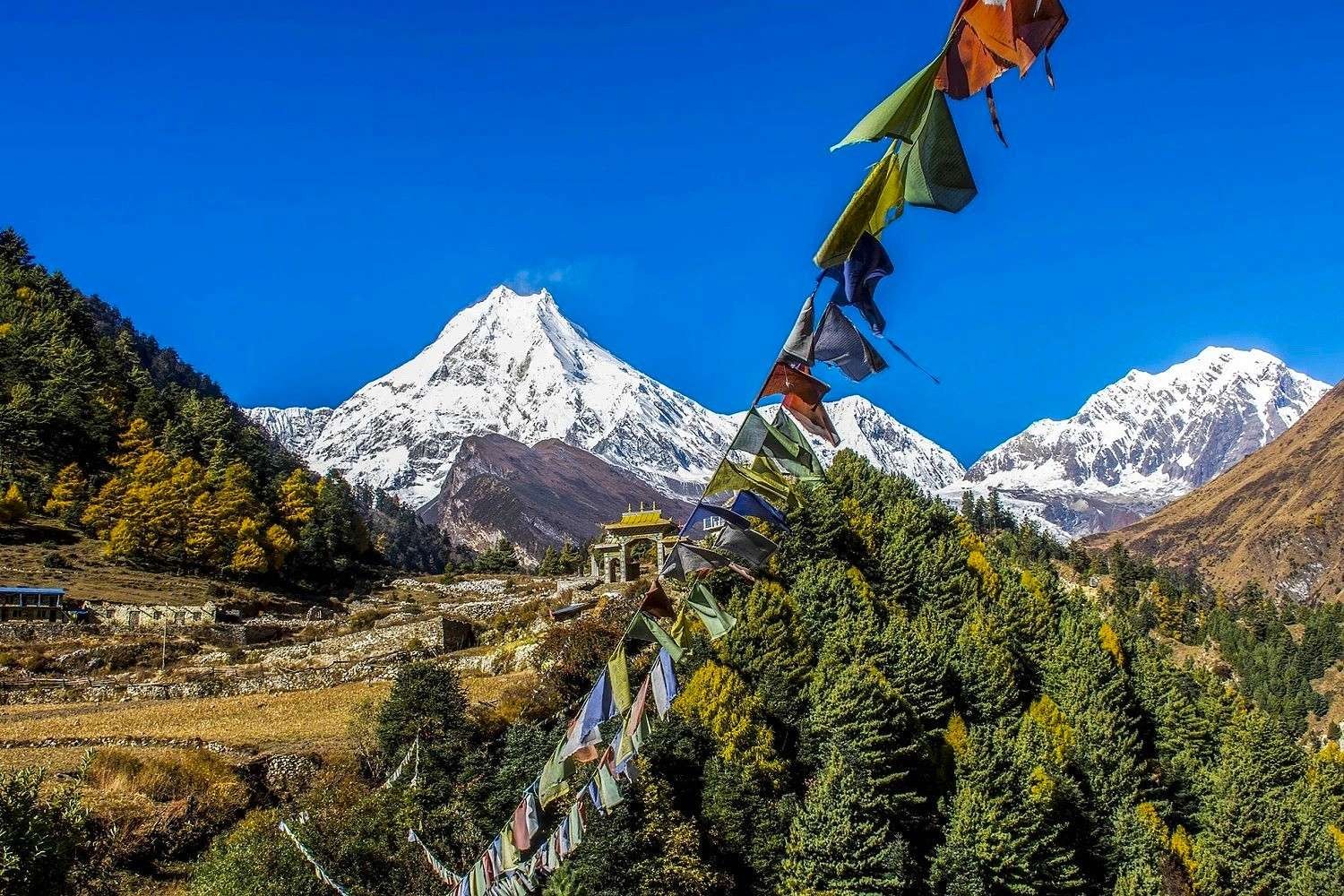
Actually, this isn’t just about seeing Buddhist traditions from afar. You get to experience them up close. Meditate in the quiet, breathe in the incense, and listen to stories that have been passed down for generations. Every so often, you’ll stumble upon a community puja—locals gathered, prayers rising, the air almost humming. It’s hard not to feel changed after moments like that.
In the end, Manaslu isn’t only about the mountains. The monasteries and sacred sites leave a mark on you, offering a kind of wisdom and clarity that sticks long after you return home.
Key Monasteries and Sacred Sites on Manaslu Circuit:
| Monastery/Gompa | Location/Village Elevation (approx.) | Significance & Highlights |
| Ribung Gompa | Lho 3,180 m | Ancient; teaches young monks; stunning Manaslu views. |
| Pungyen Gompa (Shyala) | Near Samagaon - 4,000 m | 400-year-old; meditation retreat; glacier views. |
| Sama Gompa | Samagaon - 3,530 m | Spiritual center; constant chanting; positive energy. |
| Serang Gompa (Nubri) | Near Bihi/Kyimolung - 3,100 m | Secluded; ancient; meditation caves; peaceful valley. |
| Hinang Gompa | Near Lihi - 2,500-3,000 m | Rebuilt; home to monks; serene setting. |
Spiritual Insights and Experiences Gained:
Actually, trekking through the restricted regions of Manaslu delivers a real sense of adventure. You need special permits to enter, and you’ll have a licensed guide at your side to help you navigate this protected world. It’s not just about following a trail—it’s about pushing into places few people ever see. The paths feel untouched, the valleys hidden, the entire landscape wild and raw.
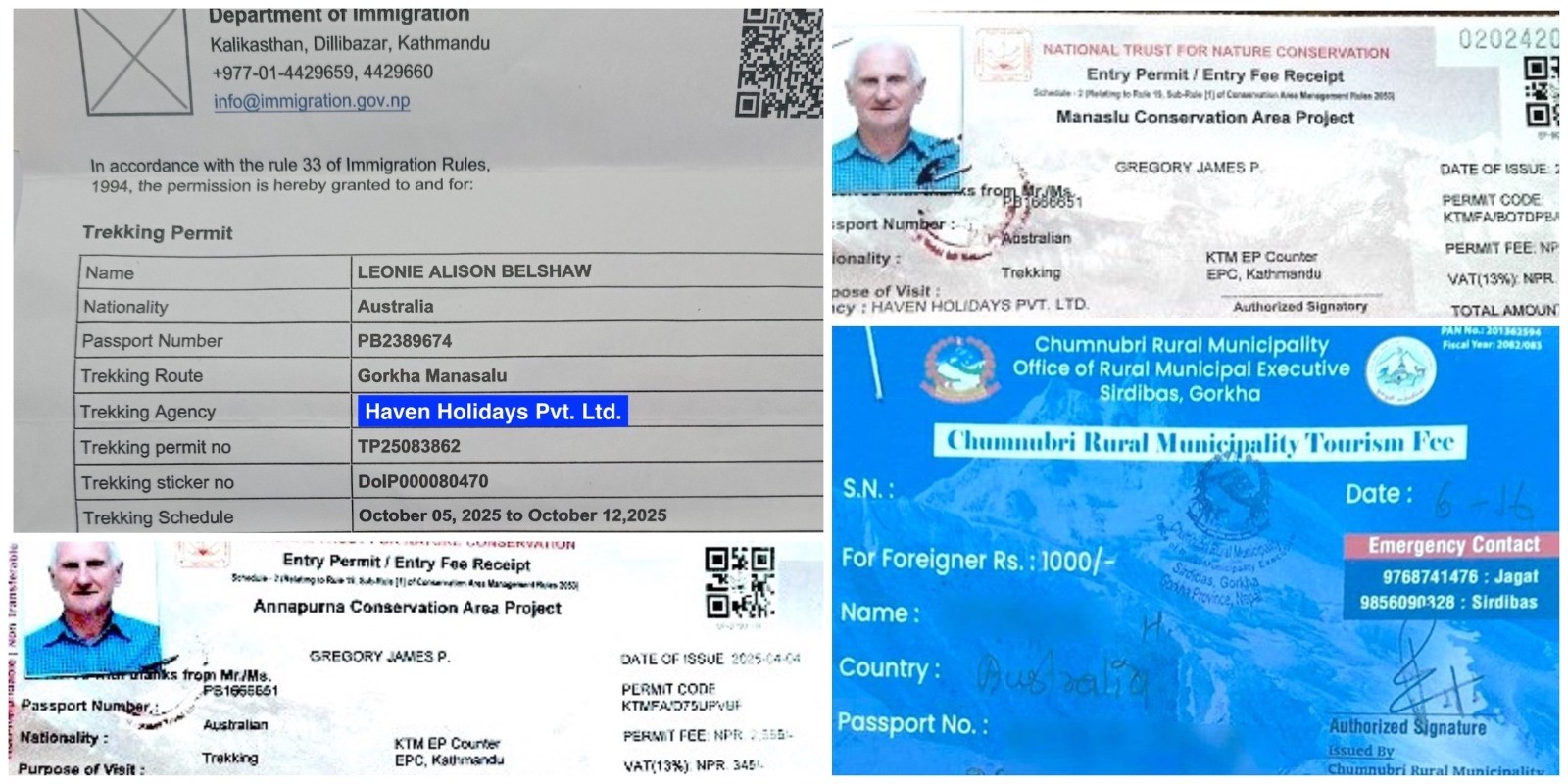
Honestly, that’s what makes Manaslu so different. These remote trails aren’t crowded. You’ll actually taste solitude out here. Strict regulations keep the wilderness unspoiled, which only adds to the feeling that you’re pioneering somewhere new. For anyone chasing that pure thrill of discovery, Manaslu doesn’t disappoint. This trek is for bold explorers hungry for something rare.
Why Manaslu Circuit is a Restricted Area:
| Reason | Details & Purpose | Impact on Exploration |
| Proximity to Tibet Border | Sensitive international boundary; security concerns | Adds intrigue and sense of remote access. |
| Fragile Ecosystem Protection | Preserves biodiversity, rare species (snow leopard, musk deer) in Manaslu Conservation Area | Keeps nature pristine for discoverers. |
| Cultural Preservation | Protects Gurung/Tibetan communities, ancient traditions, monasteries | Ensures authentic, non-commercial encounters. |
| Sustainable Tourism | Limits crowds via permits; prevents over-tourism like in Annapurna/Everest | Maintains exclusivity and adventure feel. |
| Permit Requirements | Restricted Area Permit + MCAP + guide mandatory; min. group size | Creates pioneering feel with preparation. |
Benefits of Restricted Area Exploration on Manaslu:
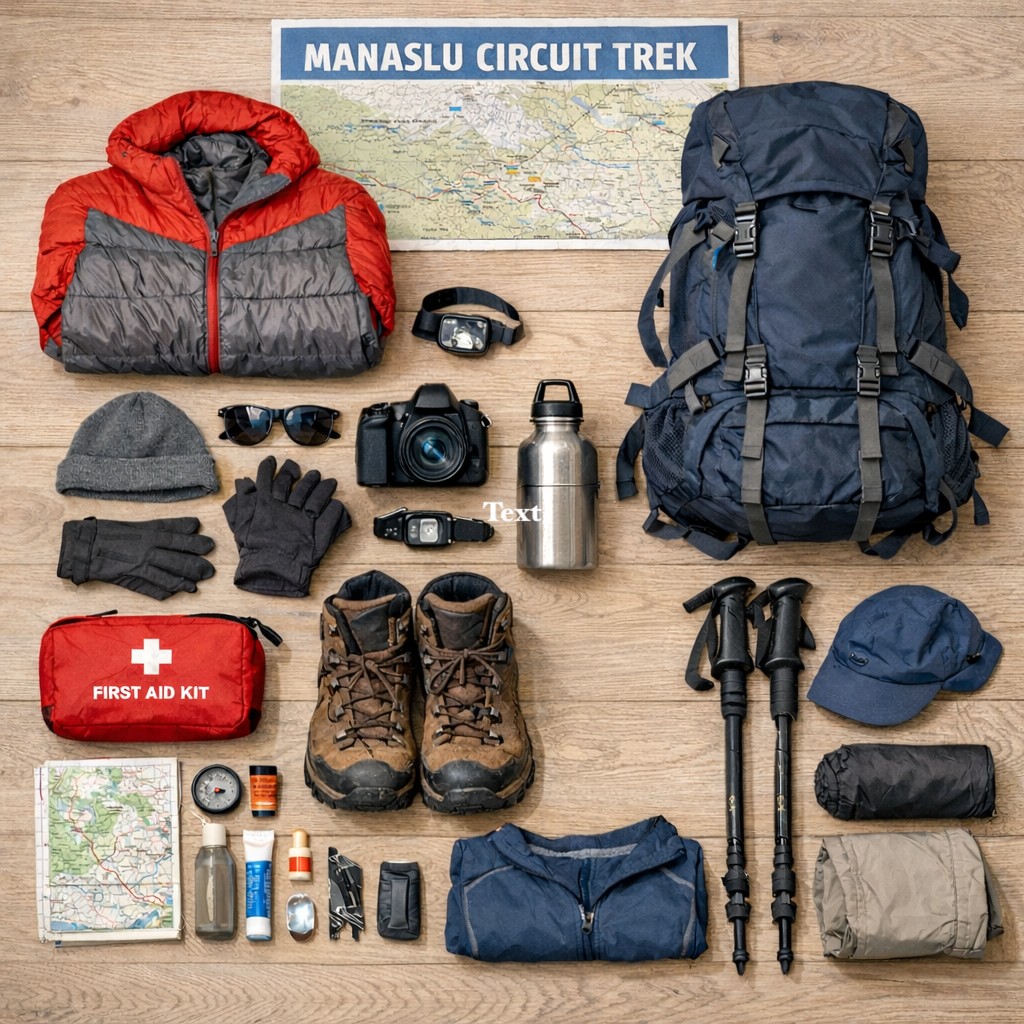
If you want your Manaslu Circuit Trek to go well, start by getting organized early. Find a reputable trekking agency—don’t leave it to chance. Train your body for the challenge; endurance matters out there. Permits and guides aren’t optional, so get those sorted ahead of time. When it comes to gear, pack smart. Good planning keeps you safe and cuts down on risk. Put in the effort now, and you’ll thank yourself later.
Do your homework on the Manaslu Circuit Trek route. Start building up your fitness about two or three months before you go. Nail down the logistics, and don’t forget to bring enough cash and any medications you’ll need. Take acclimatization seriously; rushing it only brings trouble. These steps make the trek a lot more enjoyable. In the end, solid preparation really is the difference between a tough slog and an adventure you’ll remember for all the right reasons.
Essential Planning Tips for Manaslu Circuit Trek:
Key Preparation Checklist:
| Category | Items/Steps | Why Important |
| Fitness & Training | Cardio, leg strength, stairs/hiking practice | Handles 6-8 hour days and elevation gains. |
| Gear Essentials | Trekking poles, down jacket, headlamp, first-aid | Manages cold nights and variable weather. |
| Health & Safety | Diamox (consult doctor), hydration (3-5L/day), insurance | Prevents/copes with altitude sickness. |
| Logistics | Nepal visa, agency booking, travel insurance | Ensures legal entry and emergency coverage. |
| Cultural Respect | Learn basic greetings, dress modestly | Enhances interactions in villages. |
If you’re planning to trek the Manaslu Circuit in Nepal, timing really matters. Most trekkers aim for autumn — the skies open up, the air’s crisp, and the views? Absolutely unbeatable. Spring’s another favorite. Rhododendrons explode with color and the weather settles into a sweet spot. Nobody wants to slog through Nepal’s monsoon rains, so people steer clear of summer.
Permits? Yeah, you’ll need those, and it’s not something you want to leave until the last minute. Most folks handle this through trekking agencies, which makes the process a breeze. Pick the right window, get your paperwork sorted, and you’re looking at dry trails, comfortable temperatures, and jaw-dropping views of Manaslu towering at 8,163 meters.
Bottom line: Autumn and spring are the golden seasons. Plan right, get your permits sorted, and you’ll get the very best this circuit has to offer.
Best Seasons for Manaslu Circuit Trek:
| Season | Months | Weather & Conditions | Pros | Cons |
| Autumn (Best) | September–November | Clear skies, stable, dry trails, crisp air | Excellent visibility, moderate temps (10-20°C day), stunning peaks | Peak crowds, higher permit fees. |
| Spring | March–May | Mild, blooming rhododendrons, clear mornings | Vibrant flora, good views, pleasant weather | Occasional rain, variable visibility. |
| Winter | December–February | Cold, snowy high passes, fewer trekkers | Solitude, snow scenery | Extreme cold, closed teahouses, risky pass. |
| Monsoon/Summer | June–August | Heavy rain, humid, landslides | Lush greenery, fewer people | Slippery trails, poor views, high risk. |
Required Permits for Manaslu Circuit Trek (2025/2026 Rules):
Actually, finishing the Manaslu Circuit Trek changes you entirely. You cross Larkya La Pass at 5,160 meters—no small feat—and suddenly you’re looking at Mount Manaslu(8,163 m) itself, pure and wild. Along the way, you dive headfirst into local culture. You come back stronger, inside and out. This isn’t just another trek; it sticks with you. The memories? They last.
Here, the Manaslu Circuit Trek is more than a path through the mountains. You connect with remote villages in a way that feels honest. Likewise, you push through your limits. The scenery keeps you on your toes, always something new to take in. Somewhere along the trail, you find new perspective and maybe even a little bit of clarity. This isn’t ordinary travel—it’s a call to adventure that doesn’t let go. So go on, answer it. Start planning your Manaslu trek and see what really happens when you step off the map.
Why the Manaslu Circuit Trek Changes Lives:
Final Highlights: What Makes Manaslu Unforgettable:
| Aspect | Key Feature | Lasting Impact |
| Highest Point | Larkya La Pass (5,160 m) | Sense of achievement and panoramic victory. |
| Iconic Mountain | Mount Manaslu (8,163 m) | Intimate, awe-inspiring close encounters. |
| Cultural Depth | Ancient monasteries (e.g., Pungyen Gompa ~4,000 m) | Spiritual awakening and inner peace. |
| Natural Diversity | Subtropical forests to alpine tundra | Appreciation for biodiversity and wilderness. |
| Exclusivity | Restricted permits and low crowds | True sense of exploration and discovery. |
| Personal Transformation | Gradual acclimatization and daily challenges | Increased confidence and life perspective. |
Start Your Manaslu Journey:
1. What is the Manaslu Circuit Trek and why is it Nepal’s hidden Himalayan gem?
The Manaslu Circuit Trek is an amazing adventure that goes around the world’s 8th highest peak Mount Manaslu. It takes around 13 to 16 days to complete. The Manaslu Circuit Trek has beautiful landscapes, a rich Tibetan Buddhist culture and not many people on the trails, which is different from the Annapurna Circuit
2. Why choose Manaslu Circuit Trek over the popular Annapurna Circuit?
The Manaslu Circuit Trek is a better choice than the Annapurna Circuit because it has peaceful trails, really beautiful views of Mount Manaslu and a chance to experience the local culture without many other tourists around. This trek is great for people who want to have a private and authentic experience in the Himalayas compared to the more crowded route.
3. What are the stunning views like on the Manaslu Circuit Trek?
The views on the Manaslu Circuit Trek are really breathtaking. You get to see Mount Manaslu, which's 8,163 meters high and the surrounding mountains. Every day you will see snow-capped mountains, glaciers and alpine meadows which makes the trek really rewarding. The views are especially beautiful around the Larke Pass, which is 5,106 meters high.
4. Is the Manaslu Circuit Trek less crowded than other Nepal treks?
Yes, the Manaslu Circuit Trek is less crowded than treks in Nepal. The trails are really peaceful and quiet which is different from the trails of Everest or Annapurna. This trek gives you a chance to have an adventure in the Himalayas with a lot of solitude and peace and to connect with nature and the local people.
5. What Tibetan Buddhist culture can I experience on Manaslu Circuit Trek?
On the Manaslu Circuit Trek, you can experience the Tibetan Buddhist culture in the remote villages of the Manaslu region. You will visit monasteries, prayer wheels and traditional villages which will give you a deeper understanding of the culture just like when you visit the monasteries and sacred sites, on the Manaslu Circuit Trek.
6. How diverse are the landscapes on the Manaslu Circuit Trek?
The Manaslu Circuit Trek has a lot of landscapes. You will see subtropical forests and arid high-altitude deserts and glaciers. The Manaslu Circuit Trek has rhododendron forests and alpine meadows and dramatic Himalayan scenery. This makes the Manaslu Circuit Trek one of the diverse trekking experiences in Nepal.
7. Is crossing Larke Pass 5,106 m difficult on the Manaslu Circuit Trek?
Crossing Larke Pass 5,106 m is a challenge on the Manaslu Circuit Trek. But if you get used to the altitude and have a licensed guide you can do it. Most people who trek can cross Larke Pass 5,106 m on the Manaslu Circuit Trek. When you get to the top you will see views that you will never forget.
8. What are the teahouses like on the Manaslu Circuit Trek?
The teahouses on the Manaslu Circuit Trek are very traditional. You will get a welcome and local food like dal Bhat and momos. The teahouses are cozy. Show you what life is like in the Himalayas on the Manaslu Circuit Trek.
9. Is the Manaslu Circuit Trek suitable for beginners?
The Manaslu Circuit Trek is good, for beginners. You will get used to the altitude slowly. The daily walks are not too long. The schedule is good. So even if you have never trekked before you can do the Manaslu Circuit Trek with some preparation and help.
10. How untouched and pristine is the Manaslu region?
The Manaslu region is very untouched and pristine. The Manaslu Circuit Trek takes you to areas that not many people visit. You will see forests and rivers and wildlife. This makes the Manaslu Circuit Trek feel like an adventure and exploration of the Manaslu region
11. What spiritual experiences are available on the Manaslu Circuit Trek?
The Manaslu Circuit Trek has a lot of experiences. You can visit monasteries and sacred sites on the Manaslu Circuit Trek. This trek allows you to learn about the culture by visiting ancient gompas and seeing prayer flags. The Manaslu Circuit Trek is a place to reflect on life and think deeply about things, surrounded by the beautiful Himalayas.
12. Why does the Manaslu Circuit Trek feel like ultimate exploration?
The Manaslu Circuit Trek is a great adventure. You get to explore a protected area in the Himalayas, which's very rare. The Manaslu Circuit Trek has a lot of things to see and do, like visiting new cultures and seeing amazing scenery. All of this makes the Manaslu Circuit Trek a special experience.
13. What permits are required for the Manaslu Circuit Trek?
To do the Manaslu Circuit Trek you need permits. You need the Manaslu Restricted Area Permit, the Manaslu Conservation Area Permit and the Annapurna Conservation Area Permit. Solo travelers can get the Manaslu Restricted Area Permit, They must book with a registered agency and have a licensed guide.
14. Can I do the Manaslu Circuit Trek as a solo traveler?
Yes, you can do the Manaslu Circuit Trek by yourself. According to the updates solo travelers can now get the Manaslu Restricted Area Permit. However, you still need to use a registered trekking agency and have a guide with you on the Manaslu Circuit Trek. You cannot trek alone without a guide.
15. What is the best time to do the Manaslu Circuit Trek
The best time to do the Manaslu Circuit Trek is in the spring or autumn. This is from March to May or from September to November. During these times the skies are clear. The weather is stable on the Manaslu Circuit Trek. It is not an idea to trek during the monsoon or, in the deep winter.
16. How difficult is the Manaslu Circuit Trek?
The Manaslu Circuit Trek is not easy because of the altitude and the Larke Pass which is 5106 meters high. If you are in good shape and take your time to get used to the high altitude and you have a licensed guide with you most people can do the Manaslu Circuit Trek.
17. How long is the Manaslu Circuit Trek itinerary?
The Manaslu Circuit Trek usually takes 12 to 16 days to complete including the time it takes to get to and from Kathmandu. This gives you time to get used to the high altitude and see all the beautiful places, from the low hills to the high Larke Pass which is 5,106 meters high.
18. Do I need a guide for the Manaslu Circuit Trek?
Yes, you need a guide to do the Manaslu Circuit Trek. Even though the rules changed in 2026 and you can now get a permit to trek you still have to book your trip through a registered trekking agency. You are not allowed to trek in this area without a guide.
19. What should I pack for the Manaslu Circuit Trek?
We have some tips on our blog that can help you pack for the Manaslu Circuit Trek. You should bring clothes, strong boots, a warm jacket, trekking poles and a good sleeping bag. It is very important to have the gear when you are crossing the Larke Pass 5,106 meters high and staying in teahouses during the Manaslu Circuit Trek.
20. How much does the Manaslu Circuit Trek cost and what’s included?
The Manaslu Circuit Trek package usually includes the cost of permits a licensed guide, a place to stay, food and transportation. The cost can vary depending on how many people in your group and what services you need. Our packages include everything you need for a safe and easy trip and we will take care of you from start to finish, during the Manaslu Circuit Trek.
The Manaslu Circuit Trek is not easy because of the altitude and the Larke Pass which is 5106 meters high.. If you are in good shape and take your time to get used to the high altitude and you have a licensed guide with you most people can do the Manaslu Circuit Trek.
Our travel experts are ready to assist you with any questions.
Send us a message.Have a question before you book? Send your enquiry below and our travel experts will get back with the required information.