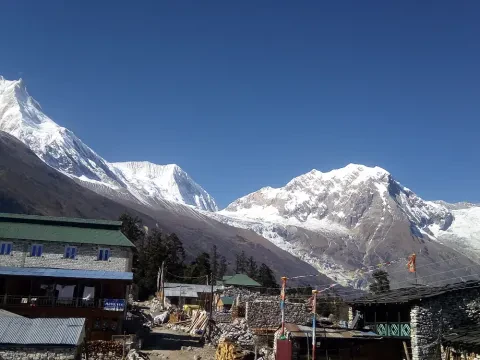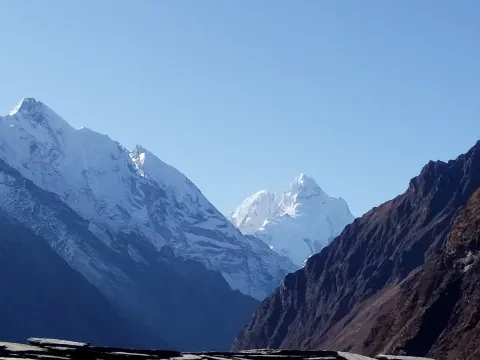
Actually, high above Nepal’s hills lies a quiet stretch of wild land called the Manaslu Conservation Area. Covering 1,663 square kilometers inside Gorkha District, it holds deep forests and high peaks alike. Life thrives here - birds, trees, rare mammals - all part of shifting zones that climb with altitude. Footpaths wind through villages where old traditions still shape daily life, drawing those who walk long distances just to see them. Though few pass through, those who do find silence broken only by wind or prayer flags fluttering. High above sea level stands Mount Manaslu, reaching 8,163 meters into the sky. Flowing ice shapes valleys here, where rivers cut deep paths over time. Life flourishes across shifting zones of altitude and weather.
From village to village, old ways live on through stories, rituals, and daily practice. Protecting this land means keeping space for both wildness and visitors alike. Wilderness here stays untouched, full of quiet strength. Spiritual roots run deep, felt in every trail. Sustainability shapes how life moves forward. Mountains draw individuals close, almost quietly calling. Snow leopards slip through landscapes few ever see.
From warm forests to icy peaks, green cover climbs skyward. Water flows through rivers, keeping life going. Fed by glaciers, these streams run without stopping. Eco-tourism grows where nature is protected. Learning happens when people visit such places. Money from travelers helps local towns survive. High above, rare plants and animals find shelter here. By stopping damage to natural homes, life holds on. Trekkers/climbers come from every corner of the planet to reach Manaslu’s top. What they see fills them with quiet wonder. When nature is protected, those who follow will still walk through wild beauty
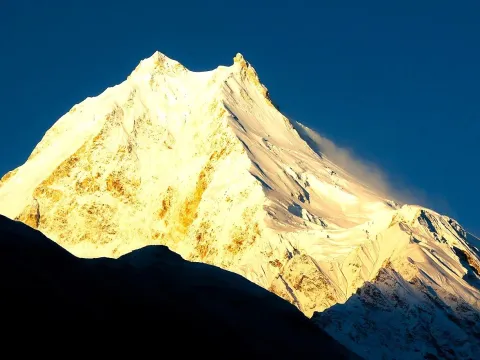
Here, keeping a close watch, authorities run the Manaslu Conservation Area with steady effort. Rules here are followed without exception. Found within the Mansiri Himal mountains, it stretches upward from 600 meters where warm forests grow. At its peak stands Mount Manaslu - 8,163 meters high. Up in those mountains, different weather zones let strange plants grow.
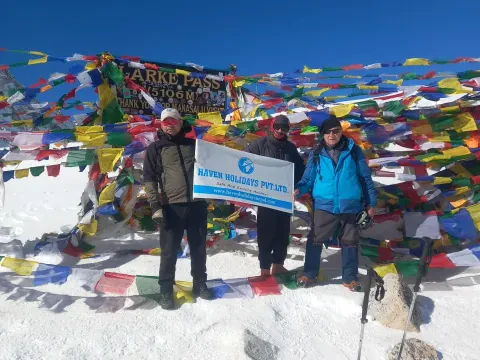
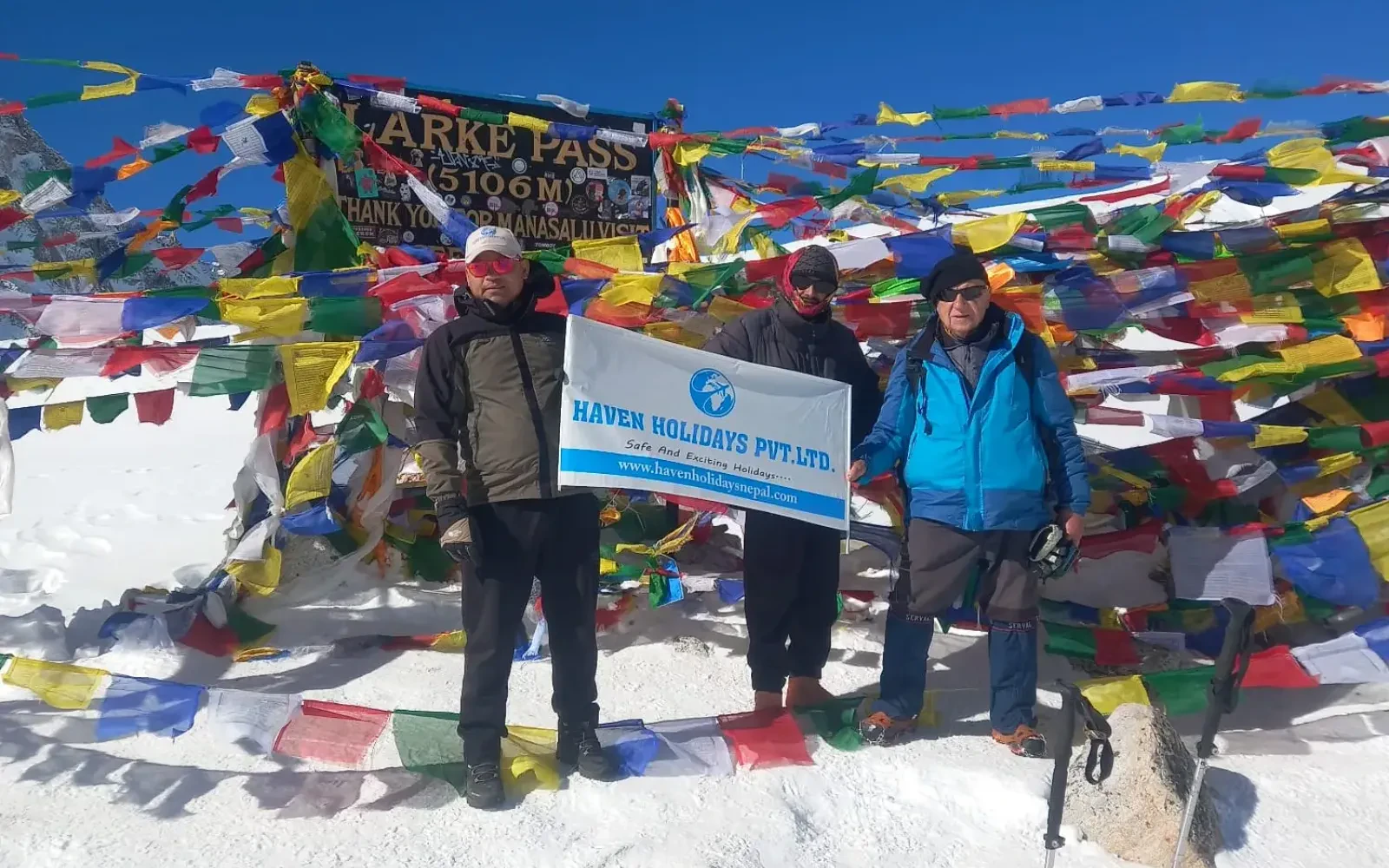
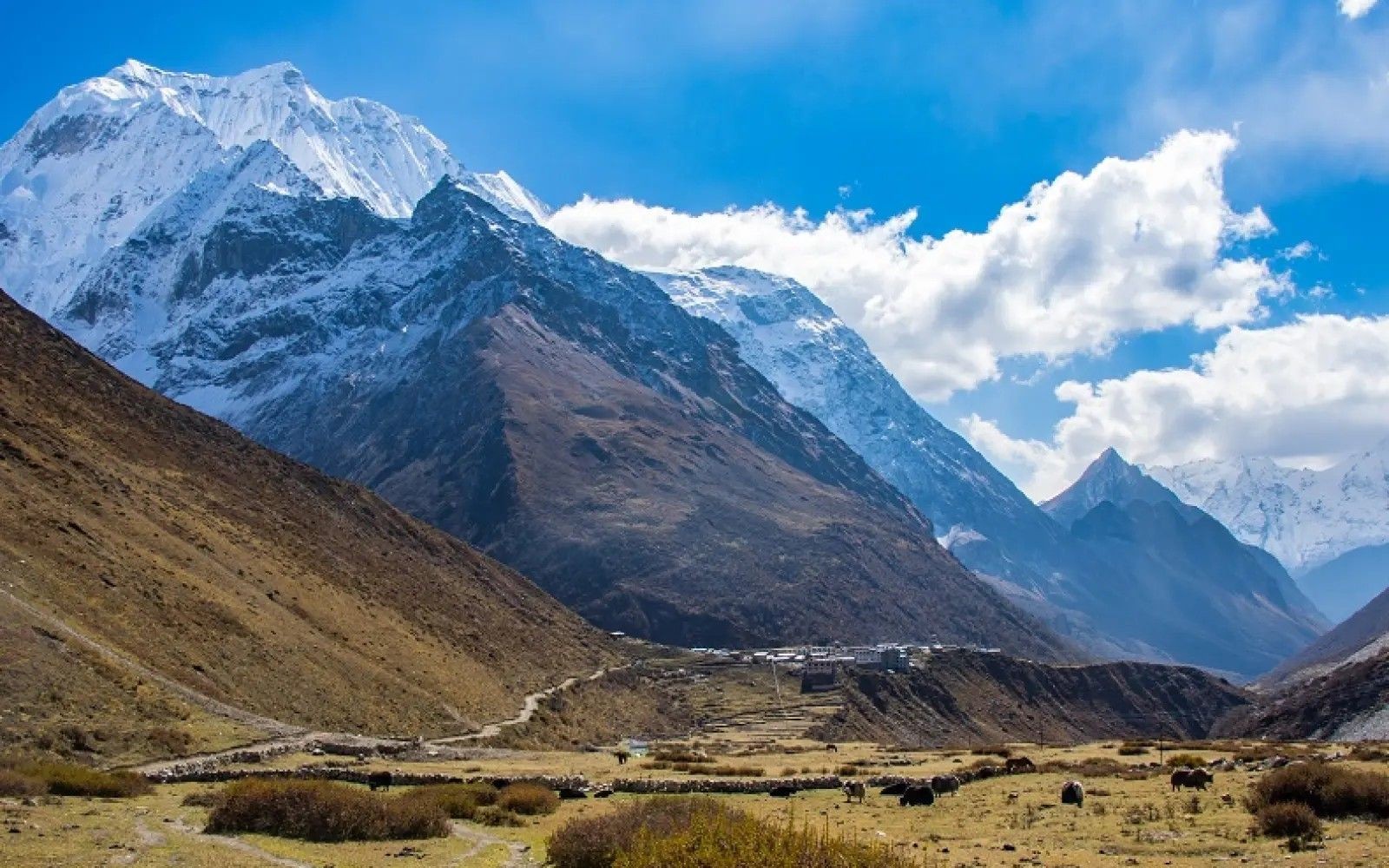
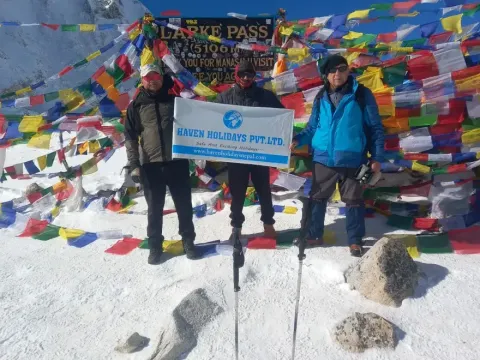
When it gets tough, creatures change just enough to survive. Scattered across lower ground, small villages sit quiet between hills. People living there stick close to old Tibetan Buddhist ways. Stone monasteries stand as reminders of shared memory. From winding paths, travelers reach sky-high crossings - Larke pass waits at 5,106 meters tall. Down below, lakes like Birendra catch the eye with calm water views.

Up top, ice fields stretch wide across high ground. Because weather patterns shift, efforts respond to changing conditions slowly. Animal numbers get checked often through quiet observation. Money comes in when visitors arrive, helping nearby people stay afloat. People join hands in protecting nature here. Through learning sessions, locals understand why preservation matters. This place guards both wild landscapes and ancient traditions. Adventure mixes with quiet moments under open skies. Scientists watch how life thrives across forests and rivers. Nepal shows its promise to care for Earth through this land.
Key Geographical Features of Manaslu Conservation Area:
Biodiversity Highlights in Manaslu Conservation Area:
| Major Attractions | Elevation | Description |
| Mount Manaslu | 8,163 m | Eighth-highest mountain, popular for expeditions. |
| Larke Pass | 5,106 m | High mountain pass on trekking routes. |
| Birendra Lake | 3,600 m | Glacial lake near Manaslu Base Camp. |
| Pungyen Gompa | 3,870 m | Ancient monastery with cultural significance. |
| Tsum Valley | 1,900-3,700 m | Sacred valley with Tibetan-influenced villages. |
Cultural and Community Aspects:
Back in 1998, Nepal set up the Manaslu Conservation Area. Protecting delicate natural systems was the main goal. Trees were disappearing. Wildlife hunting became a serious problem. Officials acted fast when they saw what was happening. Information gathered during the 1980s showed nature there was under pressure.
From those results, the government stepped in. Management duties shifted to NTNC soon after. Backing arrived through the Asian Development Bank. Building off Annapurna’s earlier win shaped the approach. A mix of nature care and growth became central. People from nearby villages joined without hesitation. Old trading paths stayed protected within the zone. High up in the mountains, salt moved between Nepal and Tibet long ago.
Cut off by rough terrain, traditions held steady through time. People stepped in to protect forests and rivers when things started slipping. Old ways that drained the land were quietly replaced. Visitors began arriving only once balance was restored. This quiet shift came from a deeper promise Nepal made - to its own land. Besides caring for people, it looks after the wild too. Thanks to safeguards, life here has picked up speed.
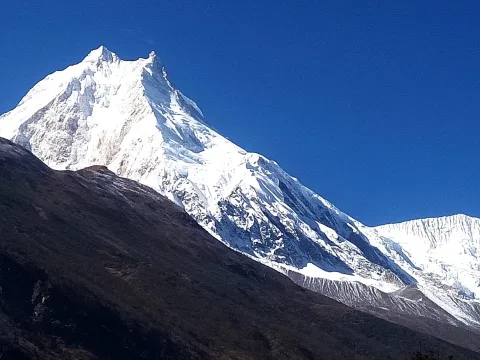
Back in 1997, a project took root around Mount Manaslu. Not by chance - NTNC stepped in early to guide it forward. Help arrived through both national channels and the Asian Development Bank. Instead of big resorts, attention went toward low-impact travel setups. Over time, footpaths got stronger, shelters better, little by little.
Completed back in 2001 without issues. On December 28, 1998, it was officially declared. Running duties went to NTNC - first stretch lasted a decade. Stretching across northern Gorkha District. From 600 meters up to Mount Manaslu’s peak at 8,163 meters. Worries about animals being illegally hunted started rising.
Likewise, forest loss hit living spaces hard. Taking too much from nature drained supplies fast. That protected zone stepped in to tackle such problems. People who lived nearby got included when choices were made. Lessons taught by outreach efforts helped inform communities. Methods that lasted longer took the place of damaging habits. Its roots connected back to local stories from long ago. Old paths helped keep traditions alive. Because of the work, safeguarding continued far into the future. People in local areas gained stronger voice and role. Thanks to results seen there, Nepal’s way of protecting heritage spread wider.
Historical Milestones Leading to Establishment:
Reasons for Origin and Key Threats Addressed:
| Timeline Events | Key Contributors | Description |
| Pre-1990s | Local communities | Ancient salt trade routes with Tibet shape cultural history. |
| 1997 | NTNC, Govt of Nepal, ADB | Ecotourism project begins for infrastructure development. |
| 1998 | Department of National Parks | Conservation area declared on Dec 28. |
| Post-1998 | Wildlife Conservation body | Management handed to NTNC for 10+ years. |
| Ongoing | Residents of Gorkha wards | Community involvement in anti-poaching efforts. |
Management and Impact Aspects:
High above the clouds, Mount Manaslu stands tall at 8,163 meters. Through rugged trails, trekkers push toward Larkya La Pass, perched at 5,106 meters. Sparkling glacial waters fill Birendra Lake close to base zones. Rich nature blends with deep culture across the Manaslu Conservation Area. Lying scattered across the land, old monasteries stand quietly. Valleys like Tsum hold secrets few know. Animals seen in the wild bring sudden joy.
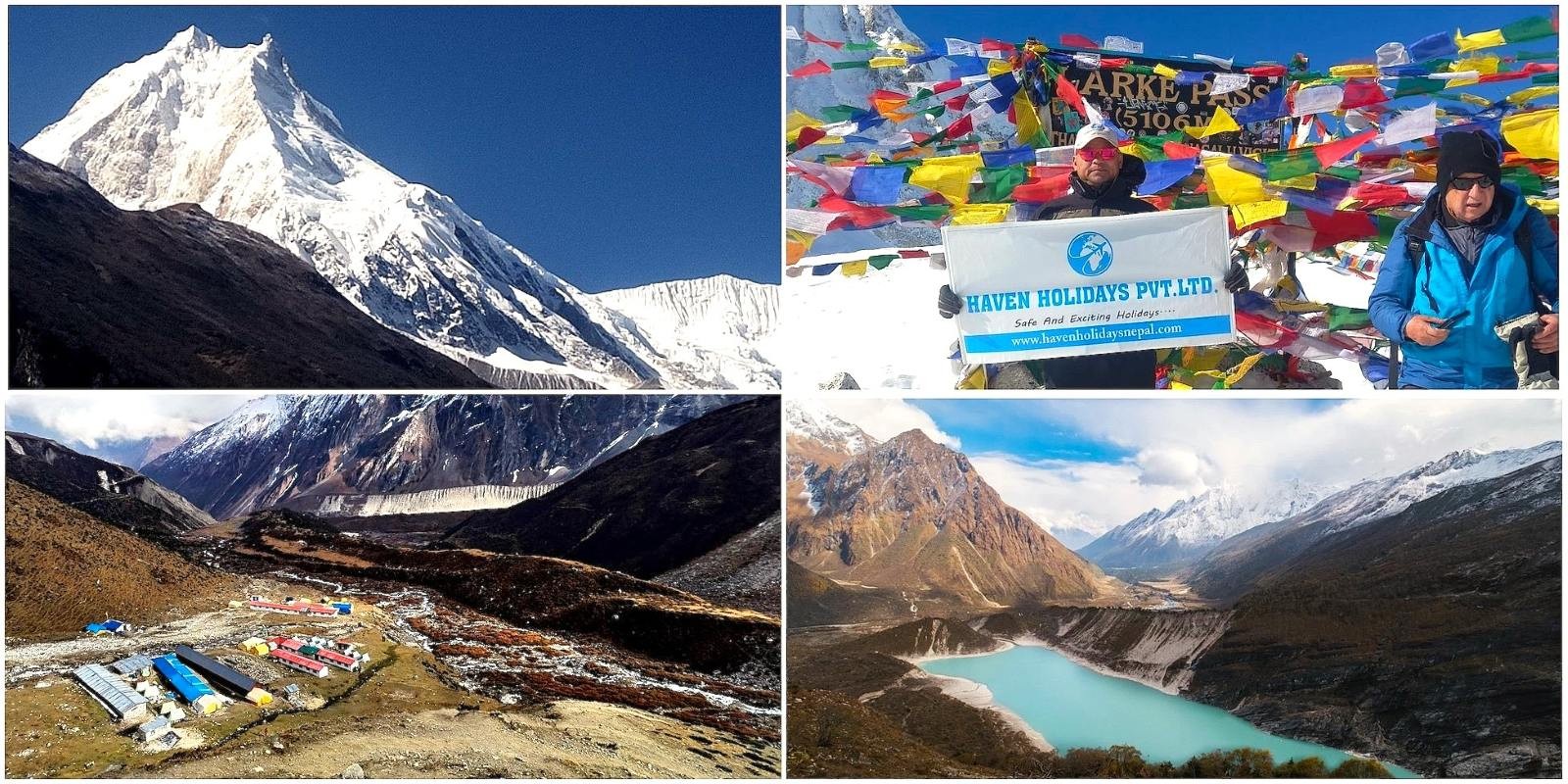
Cutting sharply through rock, rivers shape steep ravines. High above, peaks such as Himalchuli rise sharply to 7,893 meters. Because of deep roots in tradition, people keep Tibetan culture alive through daily practice.
When protection begins on the ground, forests and wildlife gain real shelter. With care woven into travel, visitors support villages without harming nature. Far beyond borders, climbers find their way here drawn by raw challenge. Nature blends quietly here with human stories. Awe slips in when least expected, carried on mountain air. Memories stick like pine resin - sharp, lasting. This stretch of land holds what peaks dream about. What is protected today grows roots into tomorrow.
Far from the usual and popular routes like Annapurna and Everest, Manaslu draws attention through its distinct traits. Around the towering summit, the trail loops without hurry. At 3,530 meters, you’ll find Samagaun tucked between stone and sky. Sitting slightly higher, at 3,870 meters, Pungyen Gompa watches seasons change. From ice masses come flowing waters, feeding the Budhi Gandaki below. Over the ridges, wide-open sights stretch on and on.
Likewise, each year brings color when local celebrations wake up villages. Where species crowd in thick, every step stirs movement. High climbs test those who come with ropes and grit. Away from main routes, journeys reach shelters near five thousand meters. Efforts to protect nature pull neighbors into daily work. Travel that treads lightly leaves less behind.
Starting off, this place gives room for science projects to grow. Across borders, links form between Nepal’s past and the world stage. Because of attention to detail, eco-friendly methods take root here. From moment one, travelers find themselves part of real moments. Protection keeps the land alive - year after year it adapts, breathes. Through shared care, people who love wild spaces meet eye to eye.
Key Natural Highlights:
Cultural and Adventure Highlights:
| Major Peaks and Elevations | Elevation | Description |
| Mount Manaslu | 8,163 m | World's eighth-highest, trekking centerpiece. |
| Himalchuli | 7,893 m | Prominent neighboring peak. |
| Ngadi Chuli | 7,871 m | Adds to stunning panoramas. |
| Himlung Himal | 7,126 m | Visible from high passes. |
| Cheo Himal | 6,820 m | Enhances glacial views. |
Conservation Achievements:
Manaslu Conservation Area bursts with life. The flora and fauna here are unique to experience. The land climbs from 600 meters all the way up to the summit of Mount Manaslu at 8,163 meters, so you get everything from thick subtropical forests down low, lush temperate woodlands in the middle, and sprawling alpine meadows above 4,000 meters.
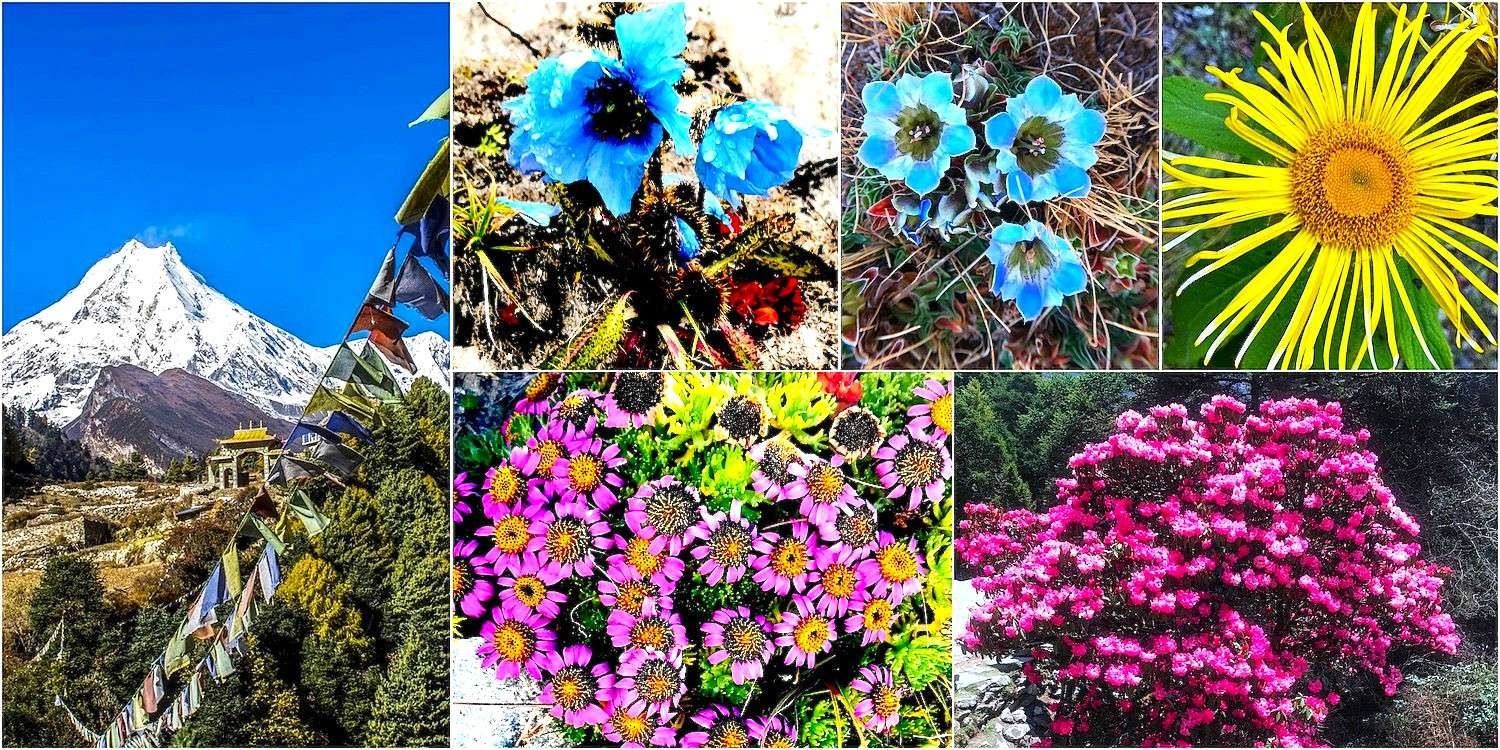
Actually, plants here are tough—they’ve figured out how to handle cold, wind, and wild shifts in weather. You’ll see mammals darting around in every corner, birds riding air currents overhead, reptiles tucked into their favorite spots, and butterflies flashing bits of color everywhere you look. Thanks to ongoing conservation, endangered species still have a fighting chance. That’s a big reason why scientists and nature lovers flock here—the variety is incredible, and every ecosystem supports a web of connected life.
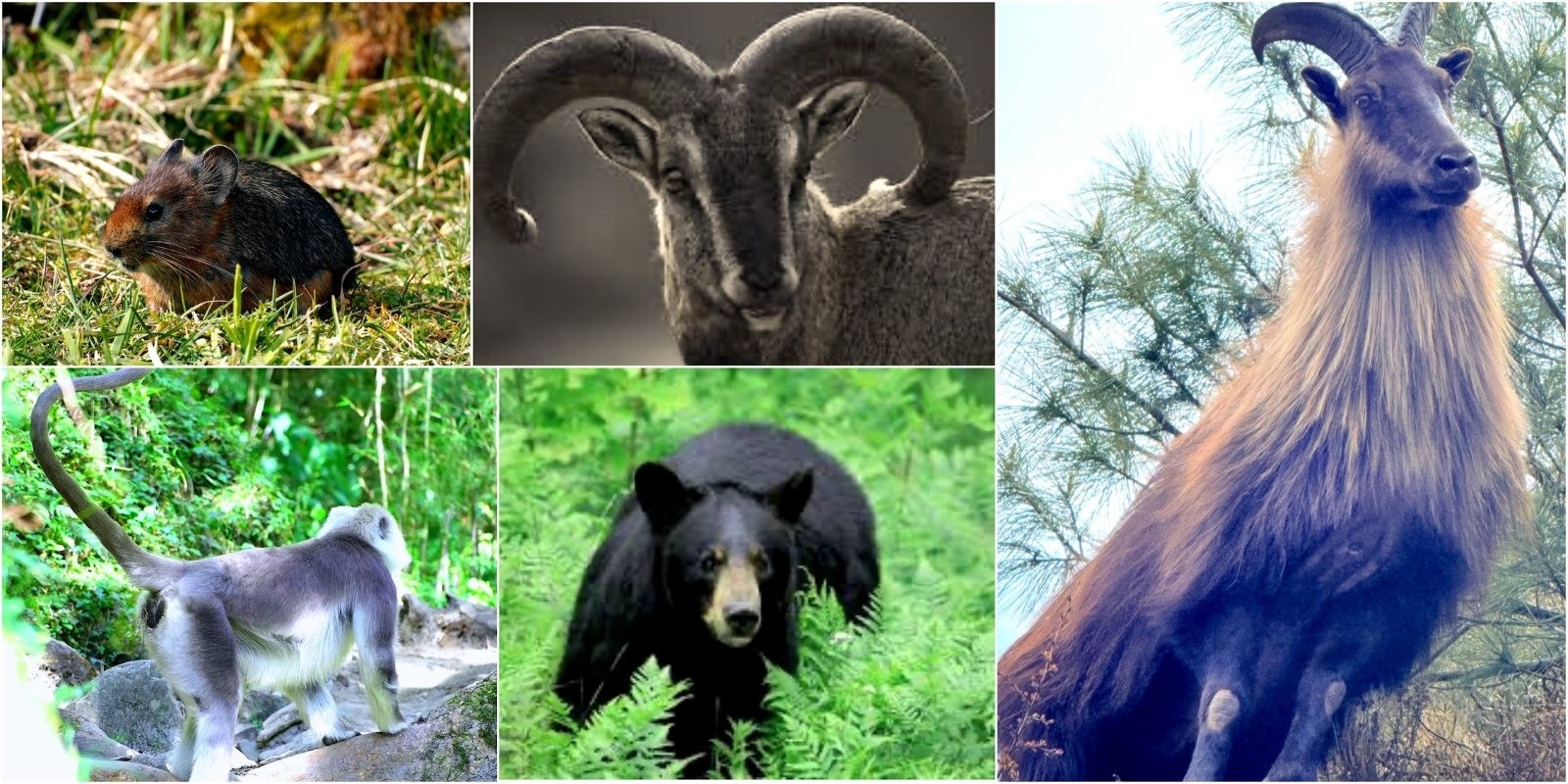
Moreover, locals have tapped into the flora for generations, using plants for traditional medicine, while animals like the snow leopard or Himalayan tahr keep the whole place in balance. It’s a living snapshot of Himalayan wealth, protected for the future. Visitors get to spot wildlife up close, but they tread lightly. Conservation isn’t just talk here—it’s action, and it’s working.
In fact, the numbers tell the story: authorities have recorded over 1,500 flowering plants. Come spring, rhododendrons put on a wild show. Pines tower in the coniferous forests, bamboo patches give red pandas a home, and orchids add a splash of elegance to the subtropics.
Up high, snow leopards prowl silently, musk deer graze in secret, and Himalayan tahrs pick their way across cliffs. The birds? Some, like the Himalayan monal, seem to wear every color in the crayon box. Conservation teams keep a close eye on these populations, since poaching and climate change still threaten the balance.
Additionally, local communities help patrol the area—protecting what’s here means everyone gets involved. Medicinal plants support traditional healing, and wildlife brings in eco-tourists eager for a glimpse of the rare and remarkable. Education about biodiversity is woven into everything, blending protection with progress. Here, species don’t just survive—they thrive. Ongoing research keeps revealing new details, making Manaslu a true sanctuary for nature.
Major Flora Categories:
Key Fauna Mammals:
| Bird Species Highlights | Habitat Elevation | Description |
| Himalayan Monal | 2,500-4,500 m | National bird, colorful plumage. |
| Blood Pheasant | 2,000-4,000 m | Ground-dwelling, forested areas. |
| Lammergeier | Above 3,000 m | Bearded vulture, scavenges high. |
| Golden Eagle | Varied, up to 5,000 m | Predatory raptor in open skies. |
| Tibetan Snowcock | 4,000-5,500 m | Alpine bird in meadows. |
Other Fauna and Conservation:
Early warmth wakes up the trails in spring. Clear air follows those bright blooms, painting hills red and pink. Then later, when leaves start to shift, another window opens. Crisp mornings lift spirits high above tree line. Views stretch sharp toward an 8,163-meter peak standing quiet. Skies stay steady both times, helping footsteps move smooth.
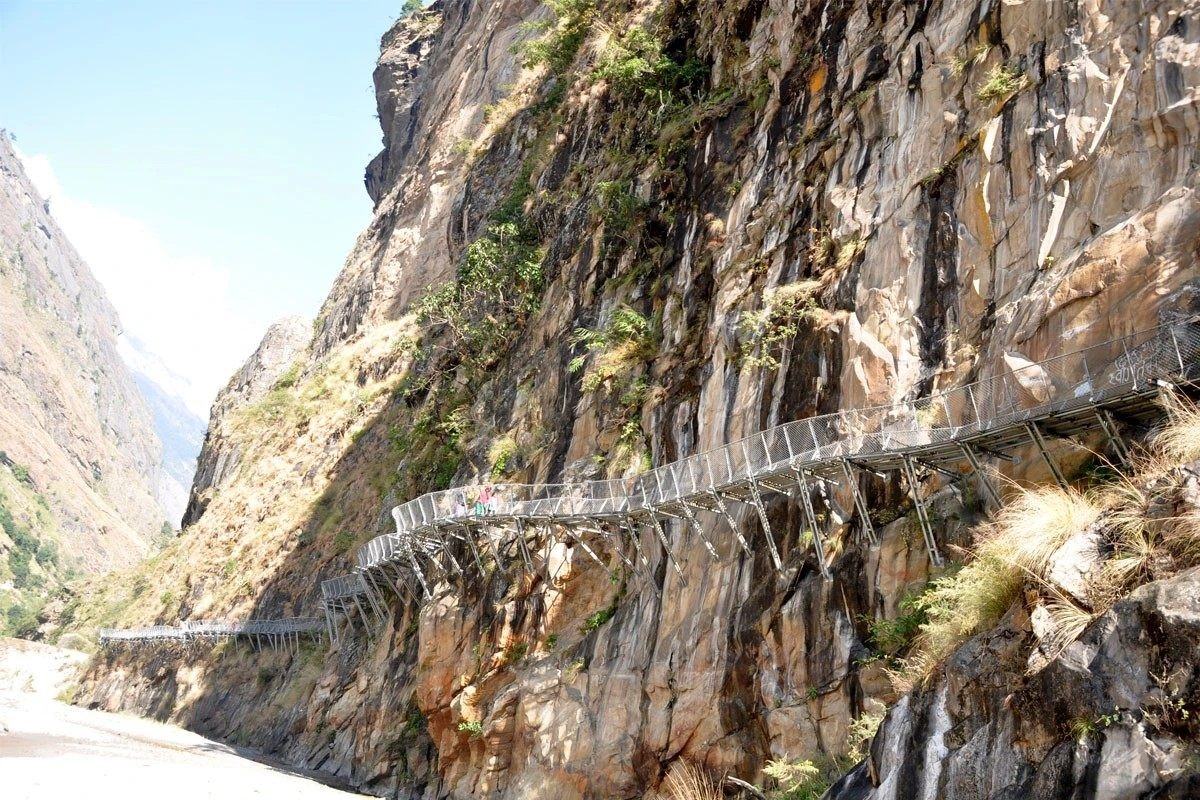
Actually, most days bring mild warmth, never too hot or cold. With little rain, paths stay clear underfoot. Atop Larkya La Pass - 5,106 meters high - the route clears early each season. Sweeping views wait without effort for those who reach the top. More people show up when the weather turns warm. Still, being there just seems worth it somehow. Right now, you see what this protected land can truly offer. Tougher times stay away thanks to timing. Those who visit tend to time their arrival like clockwork. When things line up right, walking through becomes its own kind of quiet reward.
Moreover, Springtime draws favor from officials, lasting March through May. Weather then avoids extremes of wet or white. Down below, temperatures rise just enough. Up high, evenings turn crisp, a nice change. When monsoon hits, downpours follow - roads slip away. Snow piles high on paths when winter comes. When spring arrives, flowers bloom bright and animals move through the woods.
Similarly, festivals pop up in autumn, while trees turn gold across the hills. On clear days, sharp views reveal summits such as Himalchuli, standing tall at 7,893 meters. With steady steps, hikers make their way over mountain crossings. Peace finds you here, quietly. Through every season, adventure stays within reach. Even so, the busiest times bring the best weather. People leave feeling changed, full of quiet joy. Life in the protected land pulses strongest when crowds arrive.
Seasonal Overview for Visiting Manaslu Conservation Area:
Best Months and Reasons:
| Season - Months | Daytime Temp (Lower Elevations) | Nighttime Temp (Higher Elevations) | Trail Conditions | Visibility | Crowds |
| Spring - Mar–May | 10–21°C | -5 to 5°C | Dry, blooming - Excellent - Moderate |
| Autumn - Sep–Nov | 10–25°C | 0 to 10°C | Dry, stable - Crystal clear - High |
| Monsoon - Jun–Aug | 15–25°C | 5–15°C | Wet, slippery - Poor - Low |
| Winter - Dec–Feb | 5–15°C | -10 to 0°C | Snowy, icy - Clear when not stormy - Very low. |
Tips for Planning Your Visit:
Let’s talk about what you actually do when you visit the Manaslu Conservation Area. The big draw? The Manaslu Circuit trek. You’ll wind your way around the 8,163-meter peak, and crossing Larke Pass at 5,106 meters—well, that’s a moment you won’t forget. Along the way, you’ll stumble onto hidden monasteries, quiet lakes, and, if you’re lucky, catch a glimpse of some wild Himalayan wildlife. Nature lovers eat this up.
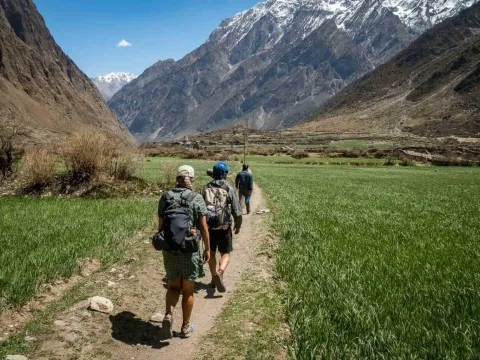
But it’s not just about the views. You’ll meet locals, get a taste of Tibetan Buddhist traditions, and maybe even stay in a family’s home for a night or two. These cultural exchanges hit different—they stick with you long after you’ve left. Birdwatchers, bring your binoculars; this place has some truly unique species flying around.
Actually, every day brings a new valley to hike, another ridge to climb, and a fresh set of photo opportunities. The landscapes are unreal, and the camera barely does them justice. The communities here? Warm and welcoming. Guides make sure you’re safe and help you really understand what you’re seeing, not just walk through it.
It all comes together—adventure, heritage, and a strong push for responsible tourism. You get to explore, learn, and connect with nature on a deep level. And honestly, the memories you’ll take away from Manaslu stick with you. This isn’t just a trek; it’s an experience that pulls in explorers from all over the world.
Primary Trekking Activities:
Cultural and Nature-Based Activities:
| Key Activities | Elevation Range | Description | Duration/Notes |
| Manaslu Circuit Trek | 600–5,106 m | Full circuit with diverse landscapes and cultures | 14–18 days, guided required. |
| Larke Pass Crossing | Up to 5,106 m | Challenging high pass with 360° views | Demanding day, weather-dependent. |
| Monastery Visits | 3,000–4,000 m | Spiritual sites with ancient murals and rituals | Short day hikes from villages. |
| Wildlife Spotting | Varied (forests to alpine) | Observe endangered species in natural habitats | Throughout trek, early mornings best. |
| Birendra Lake Excursion | 3,600 m | Relax by glacial lake near base camp | Easy side trip, scenic picnic spot. |
Additional Experiences:
When you visit the Manaslu Conservation Area, you have to play by the rules—it’s not just about you, it’s about protecting this incredible place. The area shields some of the Himalayas’ most delicate ecosystems and unique cultures. If you want to trek here, you need a licensed guide, no exceptions. Solo trekking? Not allowed. Groups must have at least two foreigners, and you’ll get your permits checked often at the various checkpoints.

Here, locals expect you to respect their customs every day. Skip the single-use plastics and stick to the marked trails. Don’t mess with the wildlife or pick plants along the way. And whatever you do, leave the place as pristine as you found it—no trash, no trace. Conservation isn’t just a buzzword here; it’s how everyone keeps this part of the Himalayas alive for the next generation. The authorities don’t mess around—they enforce these rules, and your actions matter.
Moreover, the rules go beyond just hiking. Eco-friendly habits are the norm. Carry your permit where it’s easy to see and always hire a registered guide. In villages, keep your camera respectful—some folks don’t want their photos taken. Skip the campfires unless you’re sure it’s allowed, use the provided toilets, and support the local economy by buying souvenirs directly from the community. If you see anything sketchy or illegal, speak up.
Altitude’s no joke, either. Make sure you acclimatize properly, especially in spots like Samagaun at 3,530 meters. Don’t take shortcuts on the trails—they just damage the land. Whenever you can, join in conservation activities or awareness programs. These rules aren’t meant to kill the adventure; they’re here to keep it real and protect the experience for everyone. From the base of Mount Manaslu to the sweeping Larke Pass, every visitor plays a part in keeping this place special. Follow the rules, and you help preserve the beauty, culture, and biodiversity that make Manaslu unforgettable.
Essential Rules and Guidelines:
Environmental and Safety Rules:
| Rule Category | Specific Guideline | Reason/Impact |
| Trekking Requirements | Licensed guide + min. 2 foreigners | Ensures safety, security near Tibet border, controlled tourism. |
| Environmental | No plastics, stay on paths | Protects fragile ecosystems, reduces pollution in alpine zones. |
| Cultural | Respect monasteries, ask photo permission | Preserves Tibetan Buddhist heritage in villages like Samagaun (3,530 m). |
| Waste Management | Pack out trash, use toilets | Maintains cleanliness in remote areas. |
| Wildlife | No feeding/disturbing | Safeguards endangered species like red pandas. |
Additional Best Practices:
Actually, you’ll need permits to enter the Manaslu Conservation Area—no way around it. The main one is the Manaslu Conservation Area Permit (MCAP), and there’s also the Restricted Area Permit (RAP) for sensitive sections along the trail. If you exit through the Annapurna side, you’ll need the Annapurna Conservation Area Permit (ACAP) too. The fees from these permits go straight into conservation and help local communities. Prices change depending on your nationality and the time of year, but foreigners usually pay more. Agencies handle most of the paperwork, and you’ll find the authorities don’t mess around—your documents get checked at every major checkpoint.Here, this system controls visitor numbers, keeps the trails in shape, and funds new projects out here. When you pay, you’re not just buying access—you’re actually helping protect the place. These fees are a big part of keeping tourism around Mount Manaslu sustainable. Follow the rules and you’ll get in legally, simple as that. The area really does benefit from this steady stream of support.
If you’re trekking, get your permits sorted before you set out. The MCAP has a fixed price each year, but the RAP changes with the seasons—so budget for that. If you’re from a SAARC country, you get a discount, and Nepali citizens pay only a small fee. Sometimes there are extra local charges too. You can grab the permits at offices in Kathmandu, and most agencies will take care of it for you. Keep copies with you at all times—the checkpoints are strict. All these fees help keep the area’s biodiversity intact and support local development. It’s a system that tries to strike a balance: letting people explore, but also protecting what makes Manaslu so special. Without these permits and the funds they bring, the conservation area wouldn’t stand a chance.
Main Permits and Fees (Foreign Nationals, 2025/2026):
Fees by Nationality:
| Permit Type | Cost for Foreigners | Cost for SAARC | Season/Notes |
| MCAP | USD 25 (NPR 3,000) | NPR 1,000 | Fixed, single entry, conservation funding. |
| RAP (Restricted Area) | Sept-Nov: USD 100/7 days + USD 15/day | Same as foreigners | Seasonal, mandatory for group + guide. |
| RAP (Off-Season) | Dec-Aug: USD 75/7 days + USD 10/day | Same | Lower rates, still requires min. 2 trekkers. |
| ACAP | USD 25 (NPR 3,000) | NPR 1,000 | Required post-Larke Pass (5,106 m). |
Permit Acquisition and Tips:
Out of Kathmandu, paths begin toward the Manaslu Conservation Area. Most people travel these parts by vehicle. Roughly 160 kilometers unfold along the way. Roads carry travelers to spots such as Soti Khola or Machha Khola. Racing alongside the Prithvi Highway at first, roads gradually shift. After a while, uneven trails climb through highland terrain.
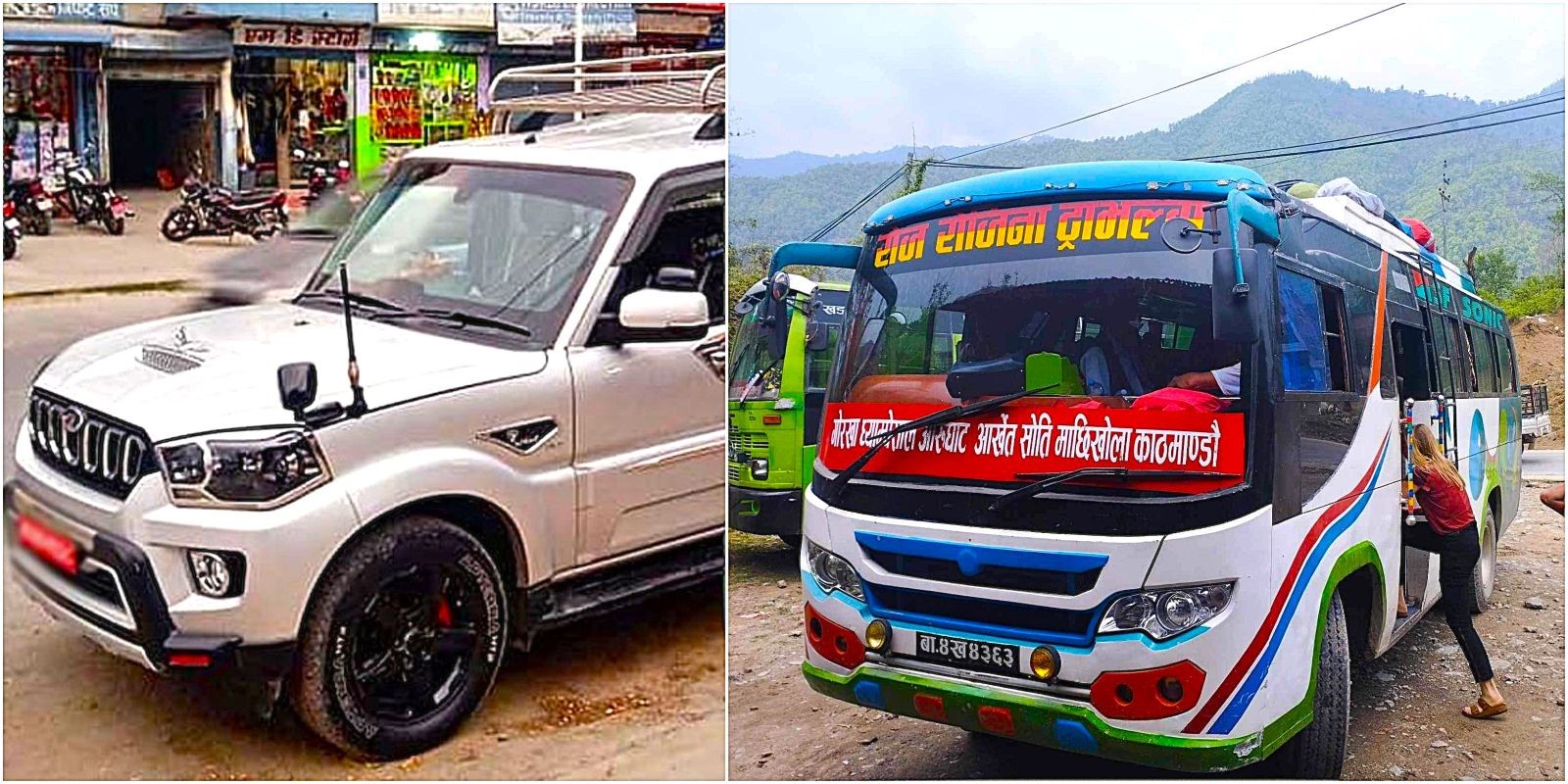
From Gongabu Bus Park, public transport rolls out every single morning. Instead of waiting, some choose private jeeps - smoother, swifter, built for haste. Seven to ten hours make up the drive, time shifts with weather and road status. Down near 700 to 900 meters sits the trailhead elevation, a dip from higher ground. Closest airports sit farther out - no planes land right beside the start. Morning light often greets those who begin early, advised by local teams watching traffic flow. Past small villages the path runs, homes tucked into hillsides showing quiet charm. A spark lights up before the journey even begins.
Thanks to better roads, getting there feels easier now. Remote spots open up without surprise delays. Those ready for rough paths find their way here naturally. From city streets to mountain silence - distance shrinks without effort
Foot travelers reach the Manaslu Conservation Area only by road. From Kathmandu - the central starting point - buses or small trucks move toward Arughat initially. After that, the journey continues onward to either Soti Khola, sitting at 710 meters, or Machha Khola, higher up at 900 meters. The state of the roads shifts with the time of year. During monsoon periods, difficulties pop up often. When the air stays dry, paths tend to be clearer and easier to pass. Some agencies set up rides in group vans or solo cars.
Here, through Gorkha District, the Manaslu Circuit route twists slowly. Rivers get crossed, then steep hills rise without warning. Once you reach where the road ends, that is when walking begins. Up above, narrow trails climb toward spots such as Larke Pass - sitting high at 5,106 meters.
Up high at 8,163 meters stands Mount Manaslu. Because it’s reachable, the experience leans into challenge and readiness. Only those who push through find their way here. Step by step, the path pulls you deeper. Along the way, Nepal reveals changing terrain beneath your feet. People value what happens during travel just as much.
Transportation Options from Kathmandu:
Starting Points and Elevations:
| Mode - Duration | Cost Estimate (USD, approx.) | Pros | Cons |
| Public Bus - 9-12 hours | 10-20 | Affordable, local experience | Crowded, bumpy roads. |
| Shared Jeep - 7-9 hours | 20-40 per seat | Faster, shared cost | Departs when full. |
| Private Jeep - 7-8 hours | 200-300 total (group) | Comfortable, flexible stops | Higher cost. |
| Private Car - 7-9 hours | 250-400 | Luxury option | Limited availability. |
Tips for Smooth Accessibility:
Actually, Manaslu's wild spaces stay alive because people care. Not just rules but habits keep nature strong here. NTNC runs things without mess or delay. Villagers help guard forests like it’s second nature. Money stays close by when travelers arrive. The land breathes easier under light footprints. Guests stick to quiet ways of moving through. Garbage never lingers, always finds its place. Staying with families keeps cash flowing at home. Every now and then, rules about permits get checked closely by officials.
Crowds stay under control here, kept in check on purpose. Life thrives around the slopes of Mount Manaslu, rising tall at 8,163 meters. Paths see regular care, fixed up through ongoing work crews. Out on the trail, education opens eyes. Other places start to notice when sustainable methods take hold. This conservation zone shows what thoughtful travel looks like. Benefits stick around, built to last. Local groups earn fair shares of income. Cultural roots stay intact under mindful tourism. Balance grows where humans meet wild spaces
Starting with teamwork, the Manaslu Conservation Area uses blended methods to balance needs. Led by NTNC, local efforts take root through village involvement. People living there handle forests and land with long-term care in mind. Slow growth marks improvements in trails, shelters, and visitor spots. Skill sessions help those running guest lodges improve their work. Travelers pick up habits that keep nature undisturbed during stays. Money earned flows into classrooms and medical aid nearby.
Likewise, regular watch teams stop illegal hunting across wild zones. Cleaner stoves and solar options cut down on wood burning. Traditions stay alive because customs are valued and shared. Events bring travelers who act with awareness and courtesy. Smaller groups move through the region to reduce impact. Spreading visits beyond peak months helps ease pressure. Keeping track of plants and animals happens year-round. Locals find strength through the approach. Improving daily life becomes part of its core, yet woven quietly into action.
When tourism steps in, protection gains ground without force. Harmony shows up here first, not as promise but proof. People who live there gain, just like those passing through. Changes come slowly, shaped by what people say matters. Standards rise because others begin to notice. Hidden peaks stay guarded, their value clear even when unnamed.
Key Sustainable Tourism Practices:
Initiatives by NTNC and MCAP:
| Practice | Benefit | Description |
| Integrated Conservation & Development | Empowers communities economically. | Balances nature protection with local needs. |
| Eco-Tourism Infrastructure | Minimizes environmental footprint. | Basic facilities built sustainably. |
| Leave No Trace | Keeps trails and rivers clean. | Visitors pack out waste. |
| Community-Based Management | Ensures equitable benefits. | Locals decide resource use. |
| Restricted Access | Prevents overcrowding near high elevations. | Permits and group rules. |
Community and Environmental Benefits:
1. What is Manaslu Conservation Area?
Manaslu Conservation Area is a protected area in northern Gorkha District, Nepal. It covers 1,663 km² has many different types of landscapes from 600m low valleys to 8,163m high at Mount Manaslu. The area was established in 1998 is managed by NTNC. It helps protect different plants and animals and also preserves the culture of the Gurung people. There are monasteries and beautiful scenery along the Budhi Gandaki River. Many people come here for trekking.
2. What is the Origin and History of Manaslu Conservation Area?
The Manaslu Conservation Area was created on December 28, 1998. The main goal was to protect the environment and local culture. This area was inspired by the Annapurna model. It was created to stop problems like cutting down trees and hunting. The local community and NTNC work together to manage it. This area was once a route for trade with Tibet. It opened to tourists in 1991. Some eco-projects were completed by 2001.
3. What are the Major Highlights of Manaslu Conservation Area?
Some of the highlights of Manaslu Conservation Area include Mount Manaslu, which is 8,163m high. There is also the Larke Pass, which's 5,106m high and has great views of the Annapurna mountains. You can visit Birendra Lake, which's 3,600m high and very peaceful. There are also monasteries like Pungyen Gompa and Mu Gompa. The Tsum Valley is culturally rich and interesting. The trek takes you through different landscapes from forests to high meadows.
4. What Major Flora and Fauna Live in Manaslu Conservation Area?
Manaslu Conservation Area has over 1,500 types of plants. You can find rhododendrons, oaks, pines and many alpine herbs. The area has different types of wildlife including snow leopards, red pandas and musk deer. There are also bird species, like the Himalayan monal and lammergeier. Because of conservation efforts many endangered animals live here.
5. What Major Activities Can You Do in Manaslu Conservation Area?
There are things to do in Manaslu Conservation Area. You can go on the Manaslu Circuit Trek and cross the Larke Pass. You can also visit Birendra Lake and Pungyen Gompa. Many people like to visit monasteries and Gurung villages to learn about the culture. You can spot wildlife take photos of glaciers and peaks and stay with families. All treks require a guide.
6. What Major Activities Can You Do in Manaslu Conservation Area?
Popular activities include the challenging Manaslu Circuit Trek, which crosses Larke Pass at 5,106 meters. You can take side trips to Birendra Lake and Pungyen Gompa. There are also cultural visits to monasteries and Gurung villages. You can spot wildlife, take photos of glaciers and peaks, and enjoy Tibetan-influenced homestays and festivals. All treks require a licensed guide.
7. What General Rules Should You Follow in Manaslu Conservation Area?
Respect the environment: stay on trails, pack your own trash, minimize single-use plastics, and respect local Buddhist traditions. A licensed guide is mandatory. No identifying and disturbing wildlife, no litter. Report issues to NTNC staff. This remote restricted area and its allure require proper acclimatization and travel insurance.
8. What are the Entry Tickets and Fees for Manaslu Conservation Area?
The Manaslu Conservation Area Permit (MCAP) costs about USD 30 for foreigners. The Restricted Area Permit (RAP) is USD 100 for the first 7 days during peak season or USD 75 during off-season, with extra daily fees added. Additional local fees and ACAP apply if you exit through Annapurna. All permits need to be organized through a registered trekking agency.
9. How to Get to Manaslu Conservation Area from Kathmandu?
To get to Manaslu Conservation Area from Kathmandu you can. Take a bus to Arughat or Soti Khola. This trip takes around 7 to 9 hours. Arughat or Soti Khola is where most people start their Manaslu treks. The road to Manaslu Conservation Area is really pretty because it goes along rivers. Then you get to the restricted zone at Jagat checkpoint. To get into Manaslu Conservation Area you need to have permits and a guide. You have to get these permits and guides from a registered agency.
10. What is Sustainable Tourism Like in Manaslu Conservation Area?
Manaslu Conservation Area is doing tourism. This means that the people who live in Manaslu Conservation Area are involved in tourism. They want people to trek in a way that does not hurt the environment. The money, from permits helps to keep the area safe and pretty. It also helps to preserve the culture. When you trek in Manaslu Conservation Area you should stay in homestays. You should also try not to make much waste and respect the people who live there. This helps to protect the ecosystem. Manaslu Conservation Area is a fragile place so we need to be careful.
11. Can Solo Trekkers Do the Manaslu Circuit Trek?
Yes, solo trekkers can do the Manaslu Circuit Trek. The rule that used to say you had to have least two trekkers is gone now. So, a solo trekker can get a Manaslu Restricted Area Permit. You still have to book with a trekking agency and go with a guide who has a license. You cannot go on the trek by yourself without a guide.
12. What Is the Manaslu Restricted Area Permit Rules?
Solo trekkers can get the Manaslu Restricted Area Permit. The main rules are that you have to book with a trekking agency and hire a guide who has a license for the trek. You cannot go on the trek completely by yourself. The people in charge check your permit at points. This change makes it easier for people to do the Manaslu Circuit Trek while still keeping everyone safe.
13. Is a Licensed Guide Mandatory for Manaslu Trek?
Yes, you still have to have a guide for the Manaslu Trek. This is true even if you are trekking alone. The guide helps keep you safe and makes sure you follow the rules. You can only get a permit if you go with a trekking agency that has guides. This rule helps protect the trekkers and the environment.
14. What Should You Know About Crossing Larke Pass 5,106 m?
Larke Pass 5,106 m is the point on the Manaslu Circuit Trek. It has views of Manaslu and the surrounding mountains. Crossing the pass is hard and takes a long time. You usually start early from Dharmasala. You need to be prepared for the altitude and potential strong winds in the afternoon. So, it is very important to have a guide and check the weather.
15. Which Permits Are Required for Manaslu Circuit Trek?
You need to get three permits, for the Manaslu Circuit Trek: the Manaslu Conservation Area Permit, the Restricted Area Permit and the Annapurna Conservation Area Permit if you are going out that way. You also have to pay an entry fee. You have to get all of these permits from a trekking agency. Now solo trekkers can get the Restricted Area Permit if they have a guide.
16. How Difficult is the Manaslu Conservation Area Trek?
The Manaslu Circuit trek is not easy. It is best for people who're fit and have done trekking before. You will walk for hours climb steep paths and cross Larke Pass which is 5,106 meters high. This can be tough because it is high up. The area is also very remote the weather can change quickly. Some people might feel sick because of the high altitude. A guide can help you so that you can have a fun trip.
17. What Cultural Experiences Can You Have in Manaslu Conservation Area?
In the Manaslu Conservation Area, you can see the Gurung and Tibetan culture. You can visit villages like Samagaun and Lho. There are monasteries like Mu Gompa and Rachen Gompa. You can join in festivals like Lhosar. You can stay with families and learn about their customs. This makes the trek special because you get to experience the culture.
18. What Should You Pack for a Manaslu Conservation Area Trek?
You need to pack clothes that you can layer. This is because the temperature changes a lot. You also need trekking boots, a warm jacket, rain gear, trekking poles, a headlamp, a way to purify water, sunscreen and a first-aid kit. It is an idea to bring cash because there are no ATMs. A guide can tell you what you need to cross Larke Pass safely.
19. How to Prevent Altitude Sickness on Manaslu Circuit Trek?
To prevent altitude sickness, you should take your time. Stay in villages like Samagaun for a night. Drink a lot of water eat meals and do not drink alcohol. If you feel sick tell your guide. They can help you. Arrange for a doctor if you need one.
20. Why Choose Manaslu Conservation Area Trek?
It is easier to get a permit to trek in Manaslu. This means you can go on the trek by yourself. The area is not as crowded as Everest or Annapurna. You can see nature experience the local culture and maybe see a snow leopard. You will cross Larke Pass which's a thrilling experience. A guide will help you. This trek is good, for the environment and the local community.
Our travel experts are ready to assist you with any questions.
Send us a message.Have a question before you book? Send your enquiry below and our travel experts will get back with the required information.