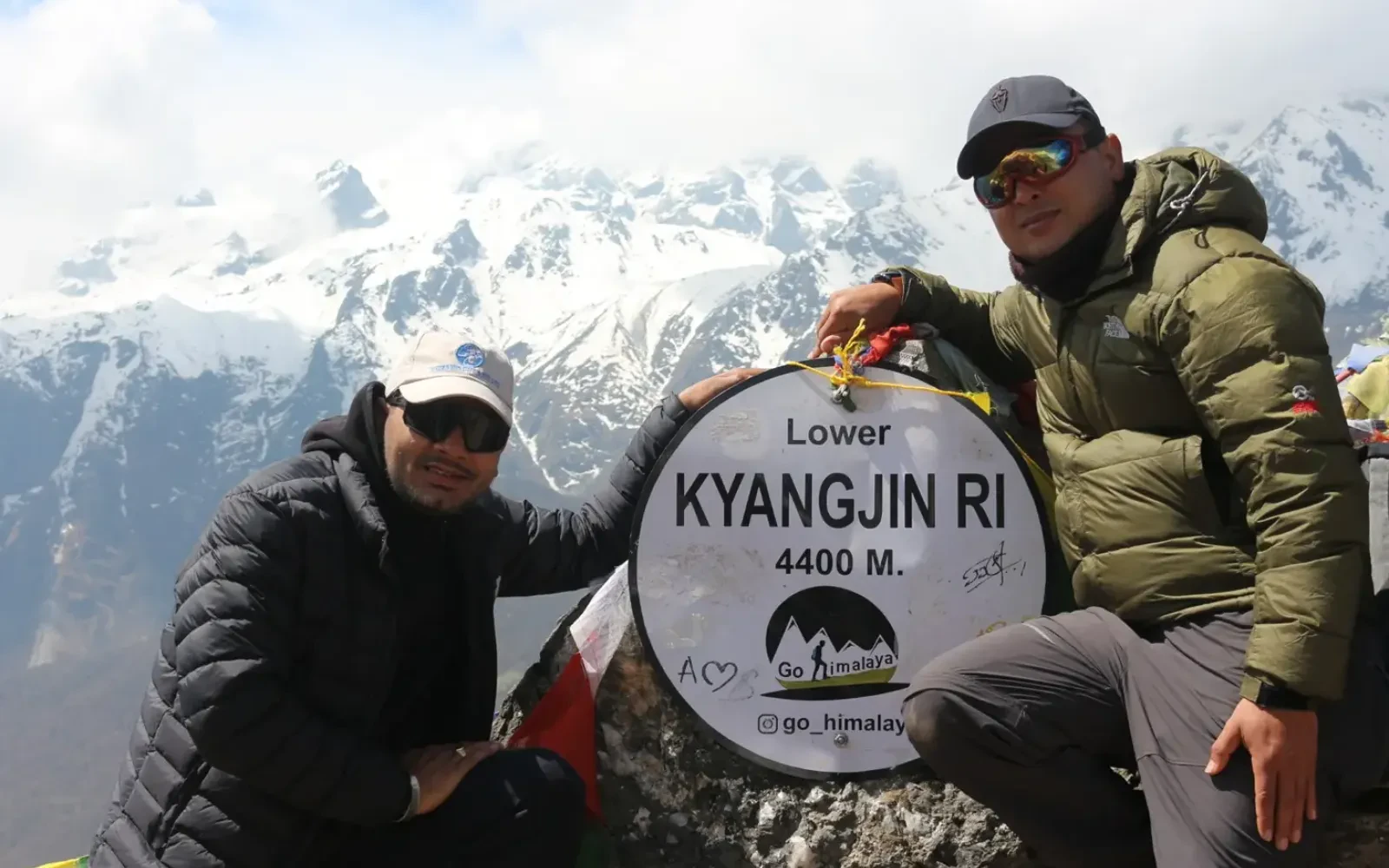
Monsoon trekking in Nepal is an exceptional alternative to crowded trails of the busy trekking season. Contrary to popular belief, trekking in Nepal is not difficult during the summer season. There is a wide variety of trails to choose from that offer unique trekking experiences during the wet months.
From June to early September, the south of Nepal and the central mountainous region are dominated by the summer monsoon rains while the trans-Himalayan region remains a haven for hikers and trekkers.
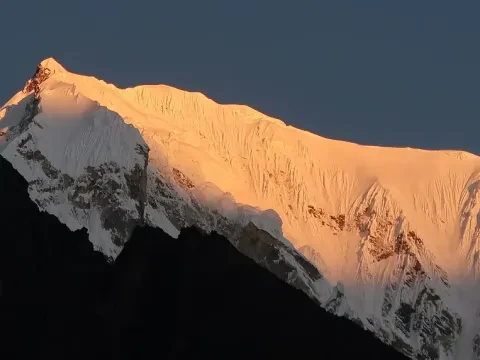
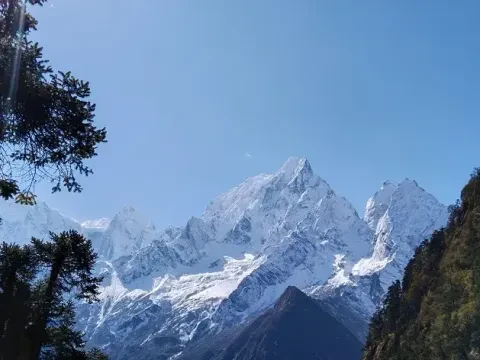
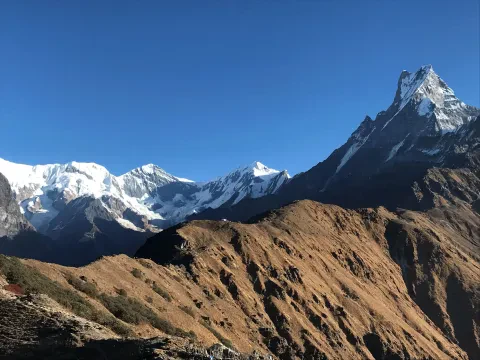
Lush green forests, waterfalls, blooming wildflowers, clear rivers, and fresh mountain air greet you throughout the trail. Majestic snow-capped mountains, terraced fields of glowing green rice, and an abundance of wildlife make the landscape during the rainy season even more beautiful.
Another benefit of monsoon trekking in Nepal is that it offers a more tranquil and less crowded experience as compared to the peak season. The trails are free of the typical busy crowds and teahouses are relatively empty. This is the perfect opportunity to interact with locals and experience the real village life in peace and comfort.
Although extra preparations are required for hiking during the rainy season, choosing the right trail and destination can make monsoon hiking a truly delightful experience.
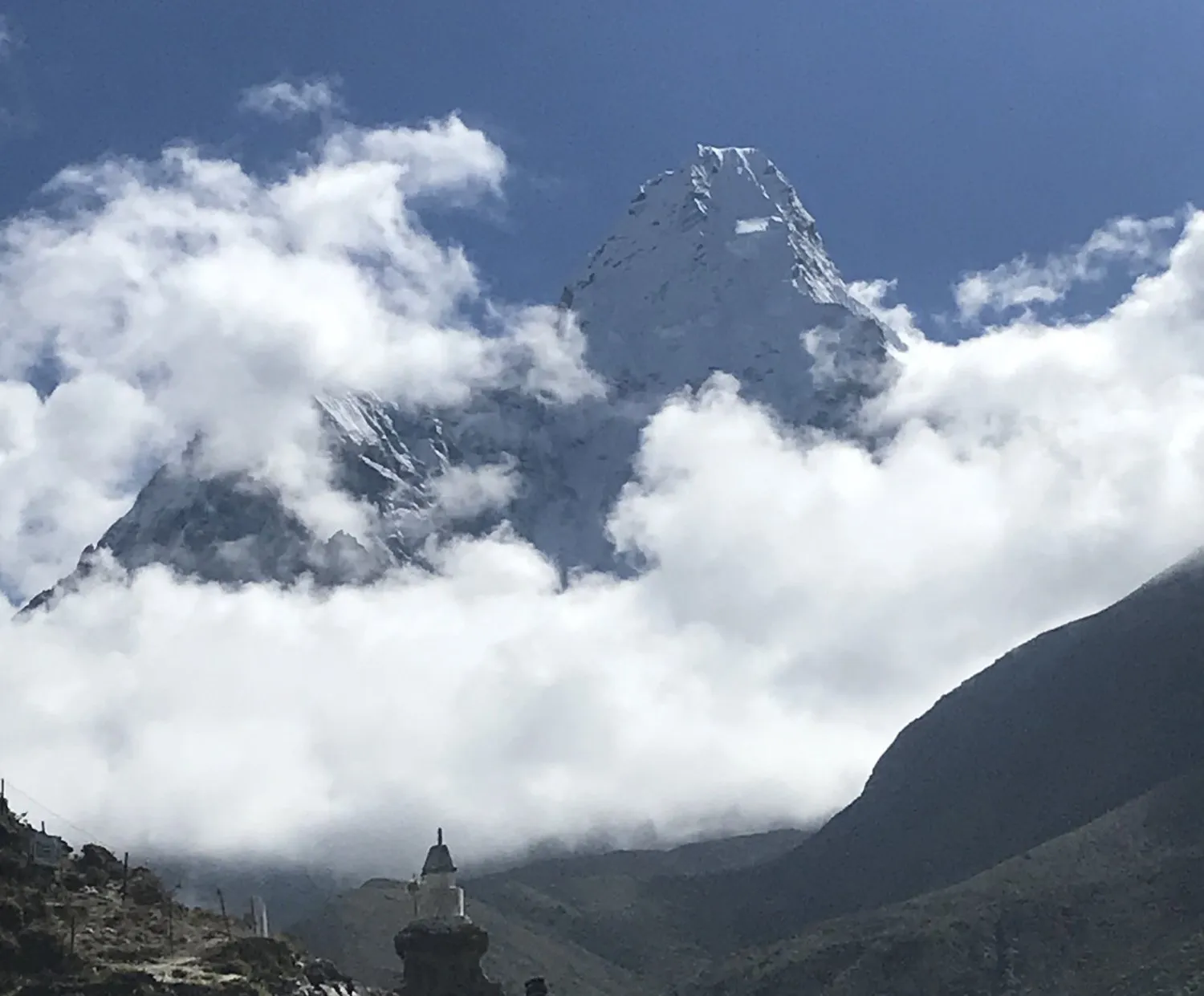
Reasons to Choose Monsoon Trekking in Nepal :
| Feature | Benefit |
|---|---|
| Lush forests | Vibrant greenery |
| Fewer crowds | Peaceful hiking |
| Cleaner air | Laser-like view after rain |
| Blooming flowers | Beautiful landscape |
| Active waterfalls | Spectacular natural beauty |
| Lower prices | Higher travel value |
| Authentic villages | More local interaction |
| Trekking Destination | Monsoon Condition | Best Months |
|---|---|---|
| Upper Mustang | Very dry | June–September |
| Upper Dolpo | Very dry | June–September |
| Nar Phu Valley | Mostly dry | June–September |
| Upper Manang | Relatively dry | July–September |
| Lower Mustang | Light rainfall | June–September |
Extra Tips for Trekking in Nepal During the Rainy Season :
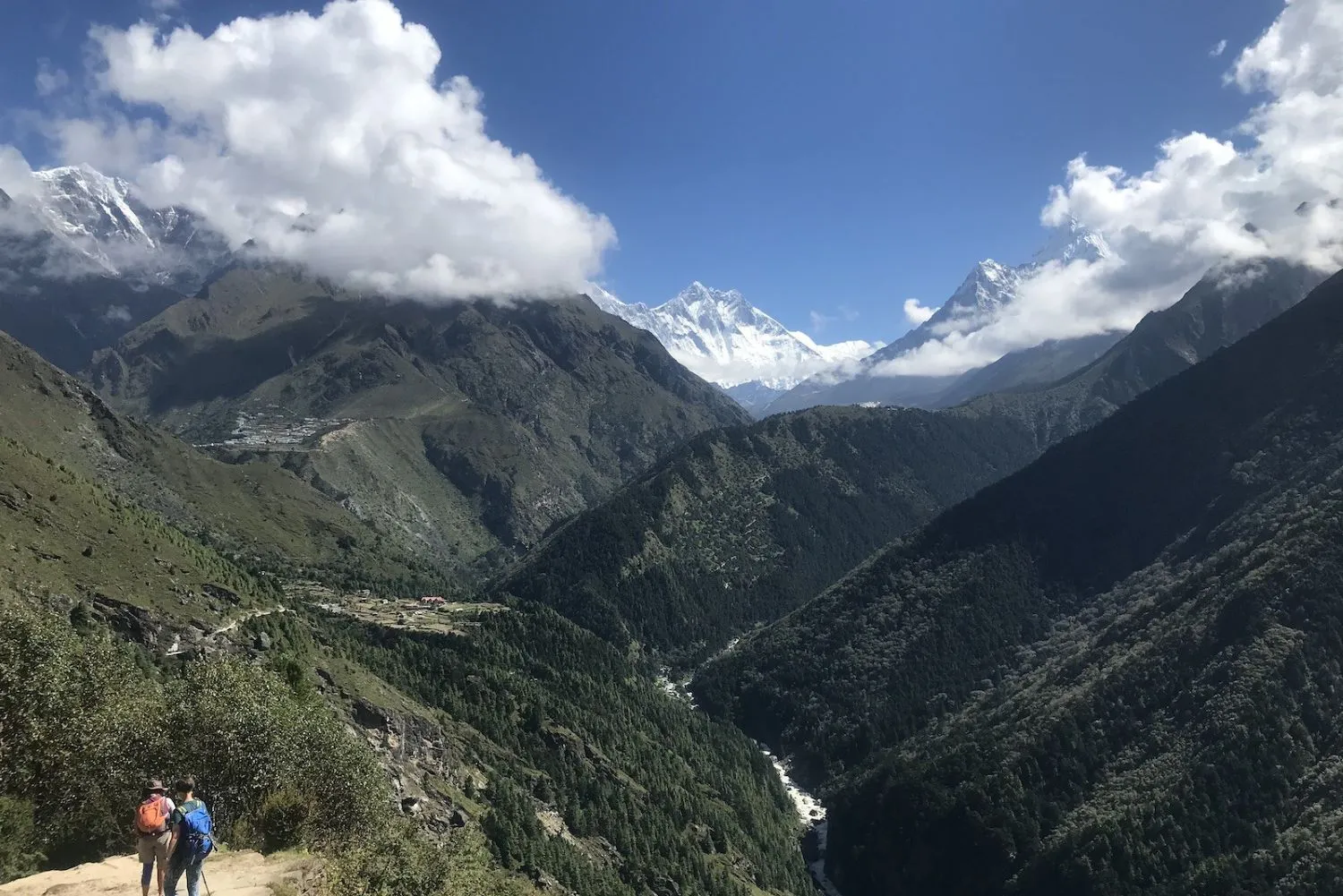
The short answer is yes! However, it is extremely important to choose the right trekking destinations and plan your trip carefully. The truth is that not all hiking trails in Nepal are affected by the rainy season. In fact, some of the best trekking and hiking trails are actually drier during the rainy season.
Meanwhile, the biggest danger of trekking in Nepal during the rainy season is in the lower hills. Heavy downpours cause landslides, rocky river beds to erode, and muddy trails that can make the trek extremely challenging. Dense forest trails below 2,500 meters are also affected by the rains. Leeches are also a problem in some forested areas.
However, the popular rain shadow trekking destinations in Nepal have minimal precipitation throughout the rainy season. The main reason for that is the Himalayan mountain ranges that block the majority of the rain clouds coming from the Indian Ocean. Some of the most popular trekking destinations in Nepal during the rainy season include Upper Mustang, Upper Dolpo, Nar Phu Valley, and Upper Manang.
Hiring local trekking guides is one of the best decisions you can make when visiting Nepal during the rainy season. Local hiking guides have better knowledge of the local weather and trail conditions. Your local guide will also be able to notify you earlier if any changes to the original itinerary need to be made due to bad weather. It is advisable to always travel with licensed local trekking guides.
Trekking along the banks of major rivers is not recommended during the rainy season. Hiking trails in Nepal during the rainy season are also affected by the time of day. Monsoon rains are frequent throughout the afternoon and evening, but they tend to clear up early in the morning. It is important to set off on your trek at dawn when possible.
| Trekking Destination | Safety Level | Monsoon Risk |
|---|---|---|
| Upper Mustang | Excellent | Very low |
| Upper Dolpo | Excellent | Remote |
| Nar Phu Valley | Very Good | Rocky |
| Annapurna Circuit (Upper region) | Good | Occasional |
| Langtang Valley | Moderate | Landslide |
| Everest Region | Moderate | Flights |
| Lower Hill Treks | Lower | Landslides |
Major Hazards of Monsoon Trekking in Nepal :
Key Safety Tips for Trekking in Nepal During Rainy Season :
| Trek | Difficulty | Monsoon Suitability |
|---|---|---|
| Upper Mustang Trek | Moderate | Excellent |
| Upper Dolpo Trek | Challenging | Excellent |
| Nar Phu Valley Trek | Moderate | Excellent |
| Annapurna Circuit Trek(Upper Region) | Moderate | Very Good |
| Jomsom-Muktinath Trek | Easy to Moderate | Very Good |
Local Expert Tip: The safest Monsoon trekking in Nepal commences with picking the right destination over avoiding the busy peak season. Rain shadow areas offer dry trails, spectacular views of the Himalayas, and a less crowded environment. The other key safety measure for Monsoon trekking in Nepal is to hire local trekking guides. Not only can licensed trekking guides offer expert advice about the local weather forecast, but they can also provide alternative routes if necessary.
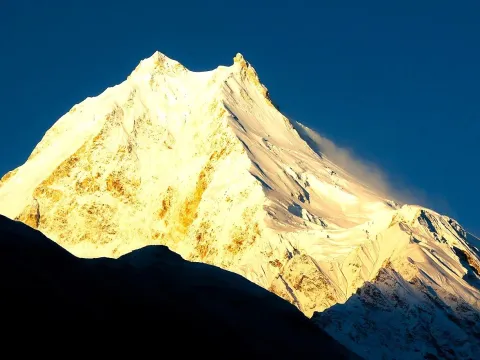
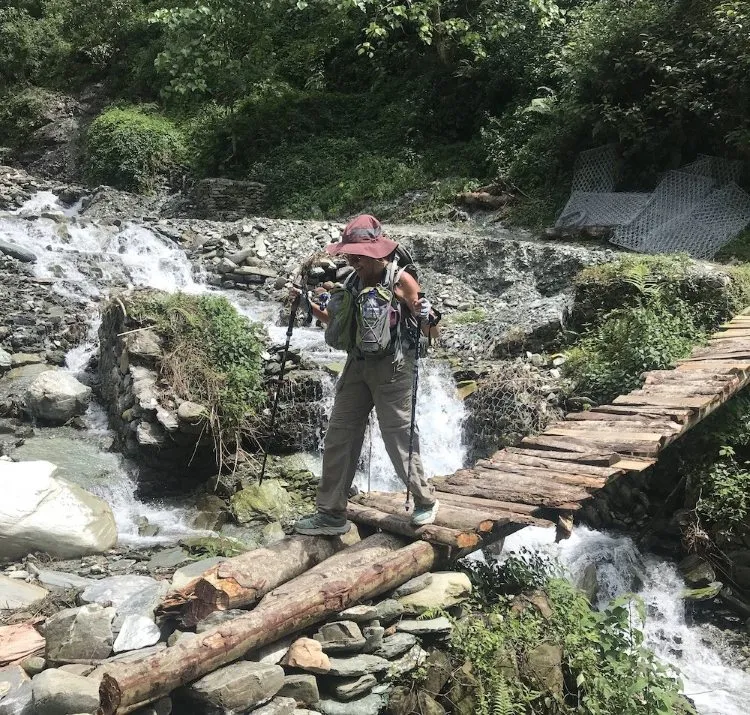
The Monsoon trekking in Nepal is highly dependent on the region – while some trails are washed out and slippery during the wet season, the famous Trans-Himalayan ‘rain shadow’ areas remain gloriously dry. The key to enjoying the rainy season in Nepal is to choose the right places to explore.
In the lower hills below 2,500 m, the trails are washed out and slippery due to heavy rains. Stepping stones are slippery, rivers swollen, and forest trails muddy and challenging. The forests are also filled with leeches that are especially prevalent in the Annapurna, Langtang, and lower Everest regions. Further up the mountains, the landscape changes – the rain shadow effect of the Himalayas keeps these areas comparatively dry. Trekking in the arid regions of Upper Mustang, Upper Dolpo, Nar Phu Valley, and upper Manang means navigating dry desert valleys, craggy canyons, rocky plateaus, and mountain trails with little or no mud.
Moreover, hikes tend to be nicest in the morning when the trails are the driest and most accessible, with mountain views at their cloudless best. Afternoon thunderstorms are common, while the valleys remain surprisingly dry throughout the season.
| Trail Region | Typical Trail Condition | Difficulty |
|---|---|---|
| Lower Hills (Below 2,500 m) | Muddy, slippery, wet | Moderate |
| Forest Trails | Wet roots stone steps, leeches | Moderate to challenging. |
| Mid-Mountain | Trails Mix of dry and wet parts | Moderate |
| Upper Mustang | Dry desert paths | Easy to moderate |
| Upper Dolpo | Rocky, stable trails | Moderate |
| Nar Phu Valley | Dry canyon trails | Moderate |
| Upper Manang | Mostly dry trails | Moderate |
Common Monsoon Trail Challenges :
Leech Protection Tips :
| Region | Monsoon Rainfall | Landscape |
|---|---|---|
| Upper Mustang | Very low | Desert valleys |
| Upper Dolpo | Very low | Rocky plateaus |
| Nar Phu Valley | Low | Dry canyons |
| Upper Manang | Low | Dry mountain slopes |
Extra Trekking Tips :
Local Expert Tip: If you want to avoid slippery trails and muddy hiking paths, the best option is to explore one of the famous rain shadow trails in Nepal. The trails in the region are completely dry throughout the monsoon season, while the rest of the country remains flooded with occasional rainfall.
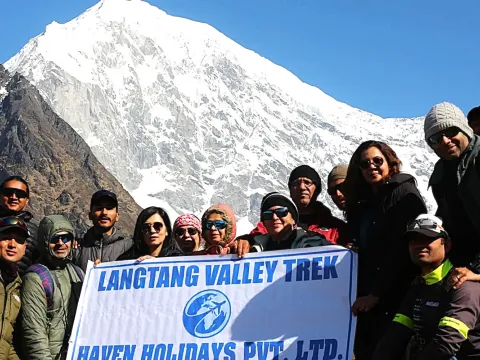
While many people overlook the rainy season, Monsoon trekking in Nepal is an excellent opportunity to witness the country’s natural beauty in all its glory. The landscape is transformed into a lush paradise, full of greenery, wildflowers, and mountain waterfalls. Moreover, the trails stay relatively clear of crowds, offering an unparalleled authentic experience.
Lush Emerald Valleys,
The rolling emerald hills of Nepal’s lower regions are a spectacular sight to behold. The rice fields are particularly striking, as they turn a bright green after the consistent rainfall. The forests are also a sight to see, with their vibrant colors and abundant flora.
Mountain Waterfalls,
During the rainy season, the waterfalls in Nepal are at their most spectacular – powerful and stunning. The waterfalls are a great place to take pictures, as they are surrounded by mist, making the views even more dramatic.
Alpine Wildflowers,
The alpine wildflowers that bloom during the rainy season are one of the most beautiful sights in Nepal. The fields of blue poppies, rhododendrons, primulas, and other wildflowers add a pop of color to the landscape.
Morning Mountain Views,
The rainy season is also an excellent time to see the mountains, as the trails are clear of clouds after an overnight storm. The air is also incredibly clean, allowing for spectacular views of the landscape.
Village Life,
The village life in the lower regions of Nepal is especially picturesque during the rainy season. The people are hard at work in the fields, and the local houses are surrounded by a lush green color. Furthermore, the local monsoon festivals are an excellent opportunity to experience the local culture and traditions.
Meanwhile, the main advantage of Monsoon trekking in Nepal is that it is an authentic wilderness experience. The trails are less crowded, the tea houses are less busy, and the locals are more hospitable than during the peak season. Additionally, the early morning views of the mountains are simply breathtaking.
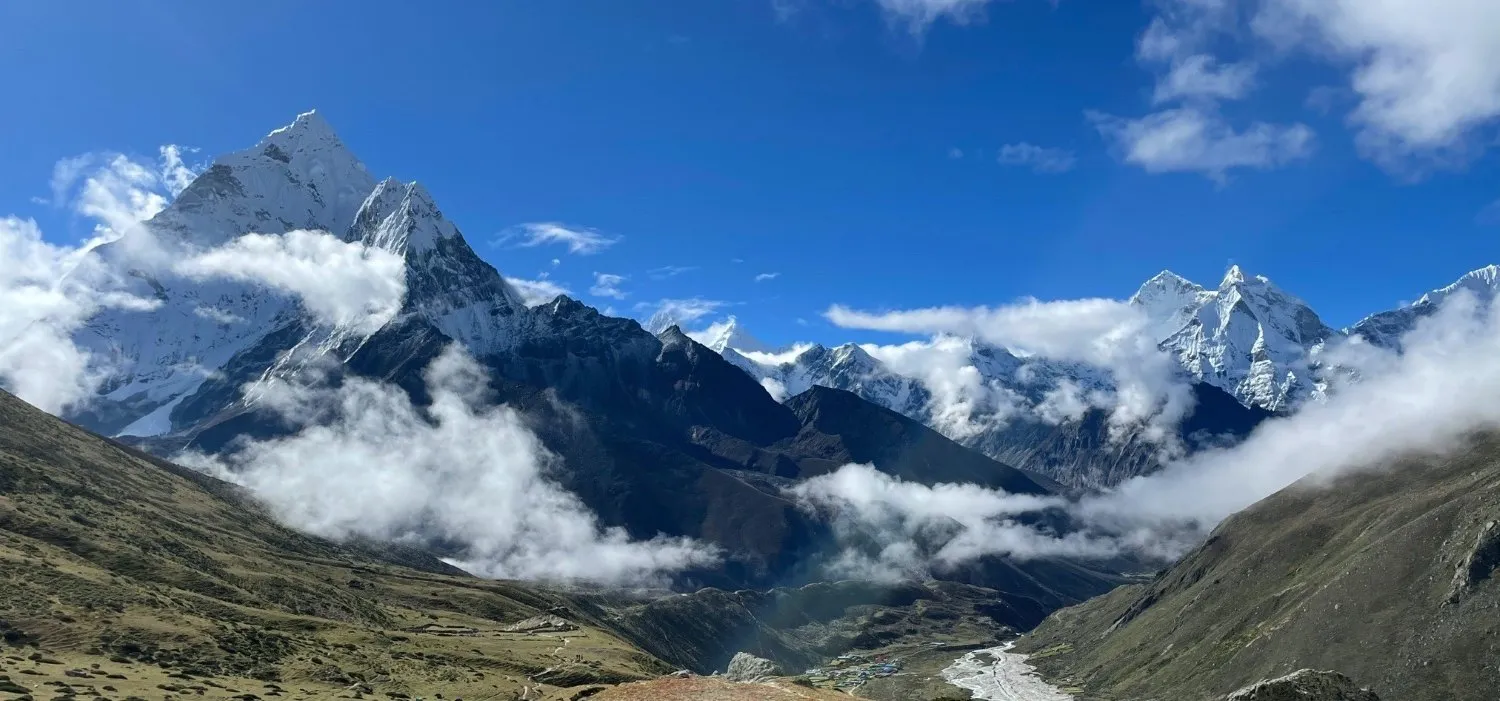
Top Highlights of Monsoon Trekking :
Natural Attractions and Why It Is Special :
Cultral Highlights :
Photography Tips :
Extra Tips :
Local Expert Tip: The best part about Monsoon trekking in Nepal is that it is a unique opportunity to see the country’s natural beauty. While the lower areas stay filled with lush green valleys, mountain waterfalls, and active village life, the Upper Mustang, Upper Dolpo, Nar Phu, and Upper Manang regions stay comparatively dry and perfect for trekking in the rain shadow.
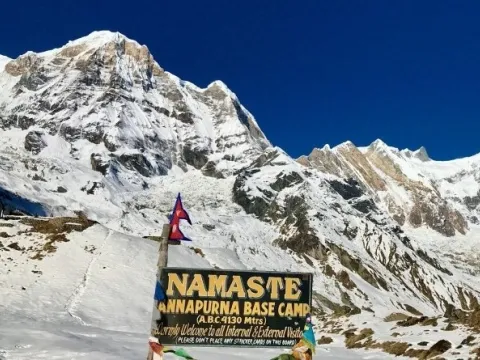
Many tourists tend to avoid Nepal during the summer season. However, Monsoon trekking in Nepal offers unique opportunities for travelers willing to choose the right trail. Monsoon season is a perfect time to enjoy the beauty of the forest, fresh mountain air, and experience trekking in relative comfort. It is also a great opportunity to enjoy nature without crowds of other hikers. In addition, most popular trails are less busy during the rainy season than during the autumn and spring months.
Meanwhile, the most important advantage of Monsoon trekking in Nepal is related to the comfort of travelers. The trails are much less crowded than during the peak season. At the same time, most teahouses provide more available rooms for hikers. This allows the trekker to enjoy the friendly atmosphere of local teahouses and take advantage of extra time offered by fewer tourists on the trails. Besides, many teahouse owners are ready to provide additional services or unique cultural experiences during the monsoon season.
Furthermore, Monsoon trekking in Nepal is a great opportunity for budget travelers to enjoy unique trekking experiences. Most tour operators, guesthouses, and transportation providers offer special discounts during the rainy season. Moreover, domestic flights and accommodation might also be cheaper compared to the peak season. Hence, it is possible to plan an affordable trip to Nepal during the rainy season.
During the Monsoon season, many trails in Nepal are covered by thick clouds of moisture. At the same time, rice fields turn into a sea of emerald green and host hardworking farmers. Thus, it is possible to enjoy the authentic atmosphere of rural Nepal, unique local culture, and learn about the everyday life of local people. In addition, hikers may encounter a variety of local festivals and fairs that are unique to Nepal.
Most important advantage of monsoon trekking lies in selecting the most rewarding destinations. Fortunately, there are several regions in Nepal that experience little or no rainfall during the rainy season. They are known as the Trans-Himalayan “rain shadow” areas. Upper Mustang and Upper Dolpo, as well as Nar Phu Valley and the Annapurna Circuit, provide great trekking opportunities during the summer season.
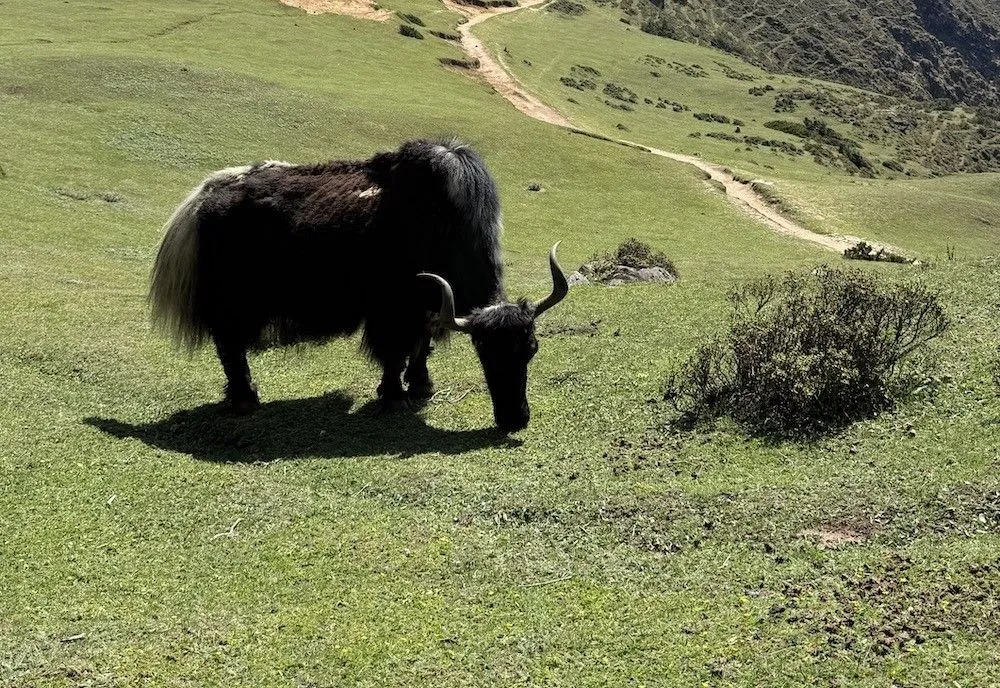
Reasons to Choose Monsoon Trekking in Nepal
| Advantage | Benefit for Trekker |
|---|---|
| Peaceful Trails | Fewer hikers on popular routes |
| Cheap Teahouse Rates | Lower prices for accommodation |
| Budget Trekking in Nepal | Special offers for tours, flights, and transport |
| Authentic Cultural Immersion | Unique cultural experiences and local festivals |
| Lush Emerald Valleys | Beautiful green valleys and forests |
| Roaring Waterfalls | Excellent photo opportunities |
| Fresh Mountain Air | Ideal for taking pictures |
| Easy Booking Opportunities | More flexibility when choosing the tour |
| Friendly Hospitality | More opportunities for socializing with locals |
Expert Tip: If you are considering Monsoon trekking in Nepal, you may want to choose Upper Mustang, Upper Dolpo, or another similar route characterized by little or no rainfall. It is also advisable to hire a local licensed guide who will help you avoid problem areas and enjoy the scenery while minimizing risks related to the rainy season.
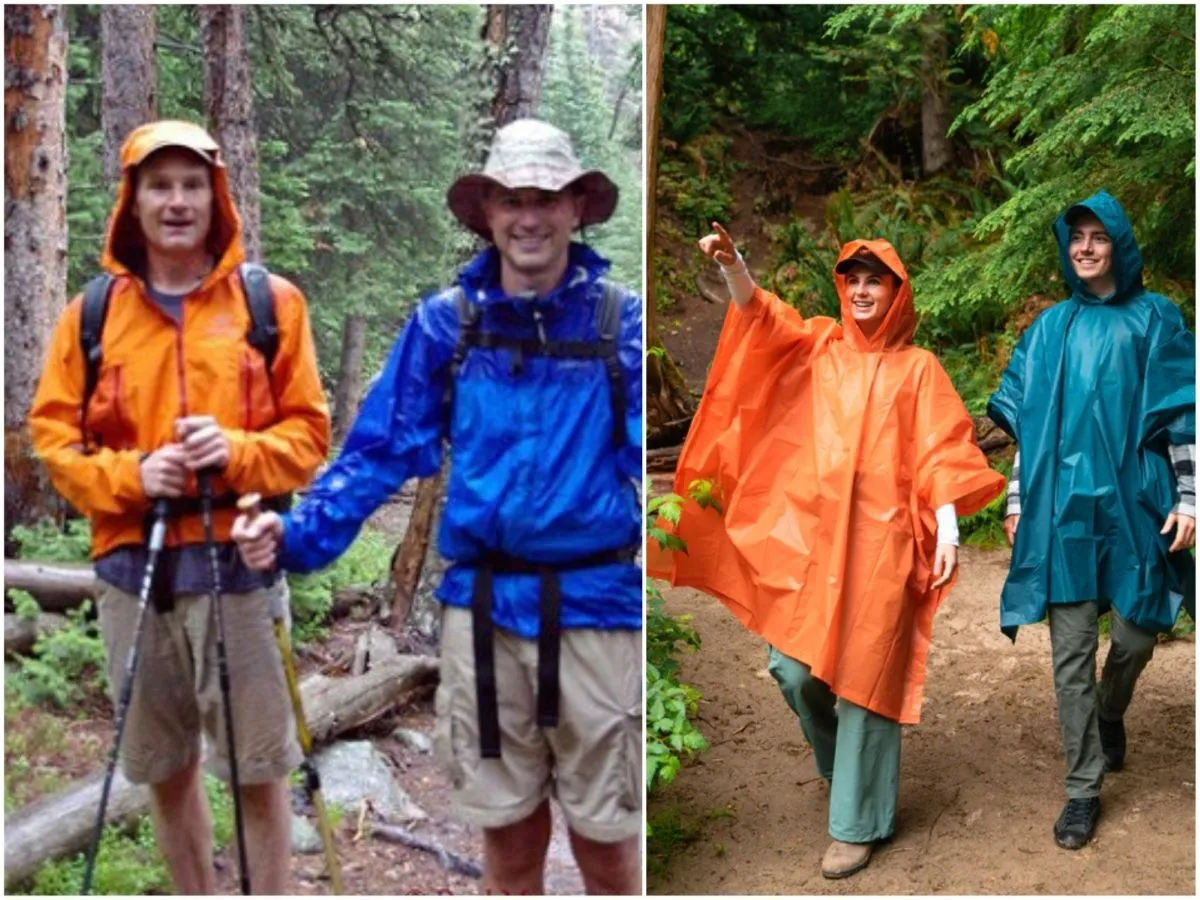
As it can be seen, the advantages of Monsoon trekking in Nepal are numerous, ranging from beautiful scenery and local culture to relatively cheap prices and convenient accommodation. However, it is important to complete some preparations before departing to Nepal to ensure that the monsoon trip is comfortable and rewarding. As it rains frequently during the summer season, waterproof but lightweight clothing and accessories are essential to stay dry and avoid discomfort. With the right equipment, rainy season trekking in Nepal may be one of the most enjoyable experiences.
First of all, it is necessary to choose the right clothing made of quick-drying materials. Cotton T-shirts and other cotton clothes are not recommended since they tend to keep moisture and take much time to dry. A high-quality rain jacket made of Gore-Tex or another waterproof and breathable material is essential to stay dry during frequent rains. Similarly, trekking pants should also be made of waterproof fabric. In addition, it may be a good idea to equip a high-quality rain cover to keep the backpack and its contents dry.
Importantly, it is essential to select the right hiking boots suitable for muddy and wet weather. Muddy stone steps are a common sight during the rainy season, and thick soles of waterproof boots will ensure good grip on wet rocks and prevent blisters. At the same time, hiking in the lower parts of the forest requires wearing gaiters and special anti-leech socks to avoid getting bitten by leeches. Leeches are a serious problem in Nepal, and hikers should carry a salt bag to remove them if they attach to the skin.
When preparing for Monsoon trekking in Nepal, it is essential to equip health and safety tools and means. It is advisable to bring a reusable water bottle or a water filter to drink water without risking health. Sunscreen lotions, malarial prophylaxis, anti-mosquito spray, blister plasters, and a basic First Aid Kit are also essential. Trekking poles offer additional support and help to reduce the pressure on the knees.
Finally, it is important to equip suitable clothing, including a hiking jacket, rain pants, and a quick-drying T-shirt. Smart packing will ensure that the hiker has all the necessary equipment without carrying anything extra. In addition, it is important to pay a special attention to the packing list to avoid forgetting anything vital.
| Clothing | Footwear | Backpack Essentials |
|---|---|---|
| Waterproof Gore-Tex rain jacket | Waterproof hiking boots | Waterproof backpack cover |
| Waterproof rain pants | Camp sandals | Dry bags for electronics |
| Quick-dry synthetic clothing | Gaiters | Trekking poles |
| Moisture-wicking t-shirt | Anti-leech socks | Headlamp |
Warm fleece jacket Sun hat Power bank :
| Gear | Purpose | Importance |
|---|---|---|
| Waterproof Rain Jacket | Protecting from rain | Essential |
| Waterproof Backpack | Cover Keeping clothes and electronics dry | Essential |
| Dry Bags | Keeping electronics and clothes dry | Essential |
| Waterproof Hiking Boots | Better grip on muddy trails | Essential |
| Gaiters | Protecting from leeches and mud | Highly Recommended |
| Trekking Poles | Reducing pressure on knees | Highly Recommended |
| Quick-Dry Synthetic Clothing | Clothes that dries quickly after wash/rain | Essential |
| Water Purification Tablets | Ensuring potable water supply | Essential |
| Headlamp | Morning walks and power backup | Recommended |
| Power Bank | Keeping phone and camera equipped | Recommended |
Packing tips for rainy season trekking :
Pro Trekking Tip: The best Monsoon trekking in Nepal is possible because of diverse regional climates and unique rain shadow areas. They allow avoiding heavy rains in most parts of Nepal. At the same time, moderate mountain trails of Upper Mustang and Upper Dolpo stay completely dry during the rainy season. On the contrary, popular lower-altitude trails require advanced waterproof equipment and thick gaiters to prevent leeches and mud. A well-packed backpack will ensure a more comfortable and safer trip during the rainy season.
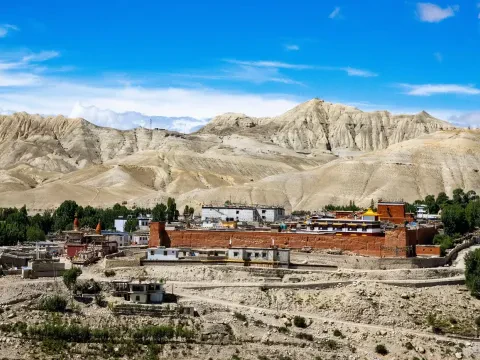
Monsoon trekking in Nepal has far more to offer than many realize. Despite the rainy season, the country offers a wide range of hiking trails. Some of them are located in the rain shadow of the Annapurna and Dhaulagiri massifs, so they are completely dry or only partially affected by the monsoon rains. Other trails are characterized by a short period of rain in the forest part and good weather conditions in the mountainous part. Besides, mountain views are often good on clear mornings.
Thus, there are plenty of great places to trek in Nepal during the rainy season.
| Rank | Trekking Route | Region / Type | Duration | Highest Elevation | Why It Is Great During Monsoon |
|---|---|---|
| 1 | Upper Mustang Trek | Rain Shadow | 12–17 Days | Lo Manthang (3840 m) | Dry Tibetan plateau, ancient monasteries, colorful desert landscapes |
| 2 | Upper Dolpo Trek | Rain Shadow | 20–27 Days | Kang La Pass (5360 m) | Dry weather, Shey Phoksundo Lake, remote Himalayan culture |
| 3 | Lower Dolpo Circuit | Rain Shadow | 16–20 Days | Numa La Pass (5190 m) | Bon villages, quiet trails, little rainfall |
| 4 | Nar Phu Valley Trek | Rain Shadow | 10–14 Days | Kang La Pass (5320 m) | Medieval villages, dramatic canyons, sheltered climate |
| 5 | Annapurna Circuit (Upper Section) | Semi Rain Shadow | 12–18 Days | Thorong La Pass (5416 m) | Mostly dry from Manang to Muktinath |
| 6 | Humla Limi Valley Trek Far-West | Rain Shadow | 18–24 Days | \Nyalu La Pass (4940 m) | Remote Tibetan culture and dry valleys |
| 7 | Everest Base Camp Trek | High Altitude | 12–14 Days | Everest Base Camp (5364 m); Kala Patthar (5545 m) | Green lower valleys, quieter trails, improving weather above Namche. |
| 8 | Langtang Valley Trek | Alpine Valley | 7–10 Days | Kyanjin Ri (4773 m) | Blooming forests, waterfalls, beautiful morning views. |
| 9 | Ghorepani Poon Hill Trek | Short Foothill | 4–5 Days | Poon Hill (3210 m) | Lush rhododendron forests and peaceful trails. |
| 10 | Mardi Himal Trek | Ridge Trek | 5–7 Days | Mardi Himal Viewpoint (4500 m) | Scenic ridge walking and fewer trekkers Rain Shadow Treks in Nepal |
These are the monsoon trekking routes in Nepal that are minimally affected by rains.
Upper Mustang Trek :
Upper Dolpo Trek :
Nar Phu Valley Trek :
Humla Limi Valley Trek :
Actually, this route is one of the best monsoon treks in Nepal. Although the lower part is affected by monsoon rains, the trail becomes drier as hikers approach Manang (3519 m). In addition, the mountain pass of Thorong La (5416 m) and the trail to Muktinath (3760 m) are minimally affected by the rainy season. As a result, this route is ideal for monsoon trekking in Nepal.
Everest Base Camp Trek,
Monsoon season in the Everest region is typically hot and humid. Heavy rains affect the lower altitudes of the trail, such as Namche Bazaar (3440 m). Nevertheless, the higher the elevation, the less likely it is to rain. Thus, trekkers can enjoy great views of the surrounding landscape without clouds obstructing the view. In addition, mountain scenery becomes more spectacular during the rainy season, and morning views are particularly remarkable.
Valley and Short Treks :
Ghorepani Poon Hill Trek :
Mardi Himal Trek :
Why These Routes Are Best for Monsoon Trekking in Nepal
These hiking trails are great options for monsoon trekking in Nepal because:
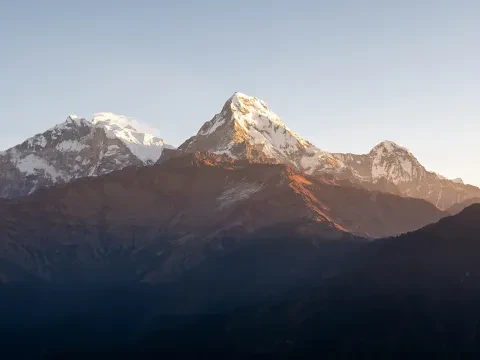
Many travelers are deterred by the idea of visiting Nepal during the rainy season. However, seasoned trekkers are well aware that monsoon trekking in Nepal has its share of unique benefits. While it is critical to choose the right trails, the monsoon season provides beautiful views, empty trails, and great value for money. In addition, the Nepalese countryside is incredibly vibrant after the rainy season.
Major Advantages
1. Beautiful Lush Green Landscapes,
During the rainy season, nature is at its best. The forest turns a deep green color and becomes incredibly beautiful. In addition, rice fields look amazing as they reflect the brilliant blue sky. Overall, the whole landscape looks fresh and full of life. Rivers swell and become more powerful. Waterfalls become more spectacular as the result of increased flows.
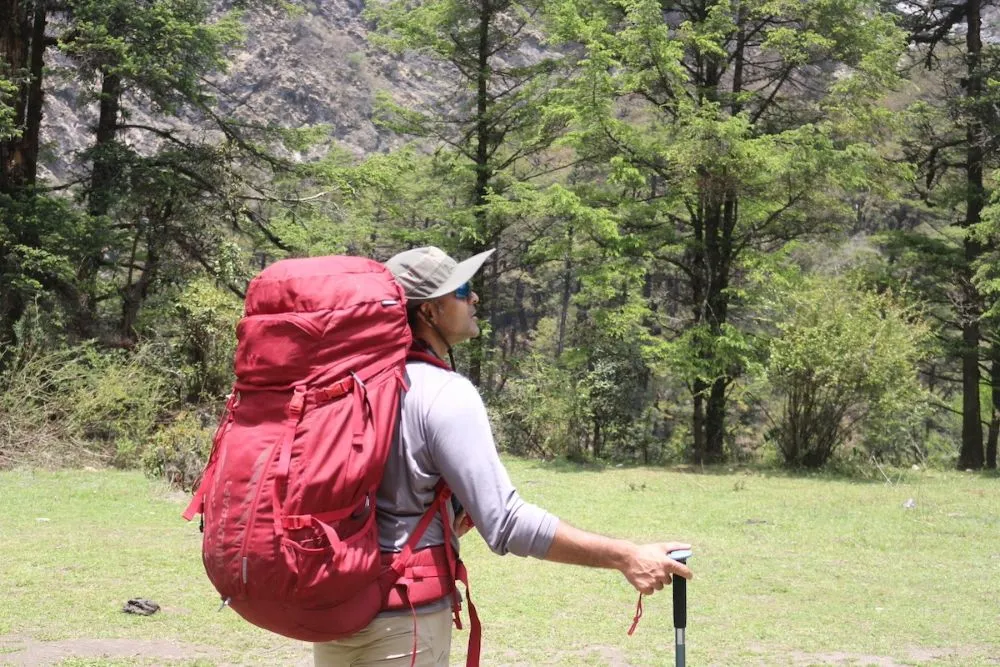
2. Peaceful Mountain Trails,
Monsoon season is an excellent time to enjoy the mountain trails because they are minimally crowded. In addition, most of the villages are empty, making the tea house experience much more enjoyable. Moreover, the trail is much calmer, which means better opportunities for cultural interactions and a more authentic experience.
3. Outstanding Photography,
The rainy season creates unique conditions for taking amazing photos. For instance, hikers can capture the beauty of the forest covered in mist. In addition, the trails are full of vibrant colors, such as the ones of the rainbow valleys. Dramatic clouds add to the beauty of the mountain peaks. The rainy season also means fresh snow on the mountain summits, which creates brilliant contrasts against the blue sky. Moreover, the wet season provides great opportunities for taking photos of reflective lakes.
4. Lower Travel Costs ,
Monsoon season is an excellent time to travel on a budget. Accommodation in Nepal is much cheaper during this time of the year. In addition, many tour operators offer special discounts to those willing to visit the country during the rainy season. Moreover, transportation is also cheaper and more available.
5. Easy Teahouse Availability,
Unlike during the peak season, finding a teahouse during the monsoon season is not a challenge. Moreover, many accommodations offer private rooms for a reasonable price. In addition, meals are prepared faster, and the overall atmosphere is much friendlier. Furthermore, the monsoon season provides more flexibility in terms of scheduling.
6. Crystal-Clear Morning Views,
Even though the afternoons tend to be cloudy, the mornings are typically clear. As a result, hikers can enjoy brilliant blue skies and amazing views of the mountains. The sunrise is particularly spectacular during the rainy season. The clear morning also means great photo opportunities. In addition, the air is much cleaner and crisper.
7. Blooming Nature,
The Nepalese countryside is incredibly vibrant during the summer. The alpine flowers are in bloom, making the mountain trails incredibly beautiful. The forests are covered in moss and fresh green leaves. In addition, the rainy season is the best time to see butterflies in Nepal.
8. Authentic Cultural Experiences,
Despite the rain, the cultural experiences in Nepal are authentic and worth exploring during the monsoon season. The local culture is best experienced in the village, where the locals continue to plant rice and celebrate local festivals. Thus, the monsoon season is a great opportunity to witness the authentic life of the Nepalese people.
9. Clean, Dust-Free Air,
The rainy season is a great time to clear the lungs from the dust of the dry season. The air is much cleaner and easier to breathe. In addition, the trails are less dusty, which makes the hiking experience more enjoyable. The villages are also less dusty, making them more pleasant to explore.
10. Excellent for Adventure Travelers,
Monsoon trekking in Nepal is an amazing experience for those seeking something unique. The rainy season provides hikers with empty trails and breathtaking views. In addition, the adventure travel opportunities in Nepal during the monsoon season are highly flexible, making it easier to design a unique itinerary.
| Advantage | Benefit for Trekkers |
|---|---|
| Lush emerald valleys | Spectacular natural scenery |
| Empty trekking trails | Peaceful hiking experience |
Off-season discounts Lower travel costs :
Expert Tip: The best way to enjoy monsoon trekking in Nepal is to choose the right destination. For instance, the rain shadow areas of Upper Mustang, Upper Dolpo, Nar Phu Valley, and the upper part of the Annapurna Circuit trek are excellent options. In addition, it is a good idea to consider hiring a local guide or using the services of local agencies, such as Haven Holidays Nepal, in order to get the most accurate weather information and plan the trip accordingly.
Nepal Monsoon Travel Tips
Monsoon hiking in Nepal can be an incredible adventure, but only if you know how to deal with the peculiarities of the local weather. Though most of the country experiences frequent rains during the season, with the right preparations, you will be able to have an enjoyable and unforgettable trip. Besides, there are some destinations that are practically rain-free throughout the monsoon period. However, it is vital to understand that the success of your adventure relies on the right choice of hiking trails and competent guidance.
Essential Nepal Monsoon Travel Tips :
| Time | Activity | Benefits |
|---|---|---|
| 5:30–6:30 am | Having breakfast and getting ready | The air is cool and comfortable in the morning. |
| 6:30–11:30 am | The main part of hike | Majestic mountain views are at their best. |
| 12:00–1:00 pm | Having lunch | It is a great opportunity to take a break before afternoon rains. |
| 1:00–3:00 pm | A short walk in the afternoon | It will help you get to your destination before it starts raining. |
| After 3:00 pm | Having rest in the evening in the teahouse | It will allow you to avoid afternoon rains. |
| Situations | Remedy |
|---|---|
| Heavy rains | Take shelter in a local lodge |
| Landslide warning | Follow your guide’s instructions |
| River crossings | Avoid crossing the rivers |
| Thick fogs | Stick to your group |
| Leeches | Take them off gently and disinfect the affected areas |
| Flight cancellations | Leave extra days for travel |
Why to Use These Travel Tips?
Local weather in the Himalayas is unpredictable, but with proper preparations, you will be able to avoid troubles and safely explore the beauty of this region. In addition, an experienced guide will show you the best dry-season trails and help you learn the local terrain. What is more, morning hikes offer incredible opportunities to enjoy the view over the mountain peaks. Many seasoned hikers agree that monsoon is an amazing time to witness the local culture, since during this period, the trails are minimally crowded, and you can enjoy the true atmosphere of the Nepalese village life. Overall, the right preparations will allow you to make the most of monsoon hiking in Nepal.
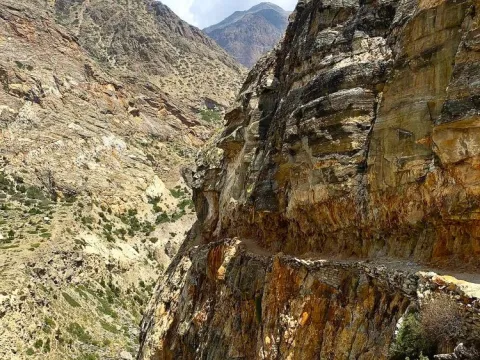
There is an excellent opportunity to enjoy breathtaking Himalayan views while avoiding the crowds of fellow travelers. The trails are less challenging during the off-peak season, meaning that you will have a greater chance to witness the true beauty of this region. Moreover, the accommodations are cheaper during this period, and you will be able to get to remote areas where few tourists are allowed to enter during the peak season. Exotic flora and fauna, unique local cultures, and unforgettable mountain scenery await those willing to explore Nepal beyond the traditional hiking period.
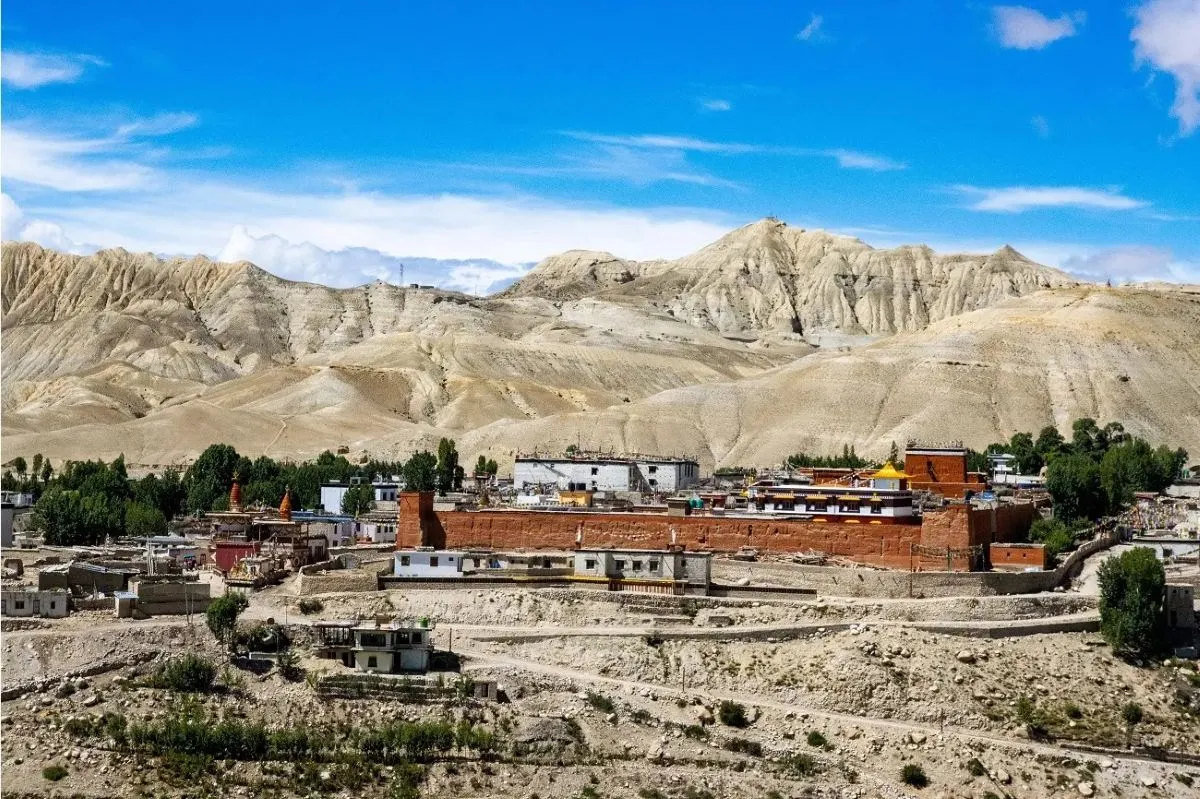
| Trek | Region | Best Time | Reason to Visit |
|---|---|---|
| Upper Mustang Trek | Mustang | June – August | This region is completely rain-shadowed and perfect for mountain desert exploration |
| Upper Dolpo Trek | Dolpo | July – September | This trail is the most popular among the local travelers due to the fabulous dry weather |
| Nar Phu Valley Trek | Annapurna | June–August | This route is a great choice for those willing to explore the mountain valley, which is protected from the monsoon rains. |
| Lower Dolpo Trek | Dolpo | July –September | This trek is famous for its unique ancient Bon culture. |
| Annapurna Circuit (Upper Section)| Annapurna | July – August | It is a fantastic opportunity to view the region’s natural beauty without having to deal with bad weather. |
| Humla Limi Valley Trek | Far West | July –September | This route is suitable for serious adventurers who wish to explore the distant Himalayan wilderness. |
| Everest Base Camp Trek | Everest | Early September | This trail is much less crowded than during the peak season, and the valleys are filled with blooming flowers. |
| Langtang Valley Trek | Langtang | March - Jun or Sep - December | This region offers beautiful mountain forests and an unforgettable cultural experience. |
| Mardi Himal Trek | Annapurna | March - Jun or Sep - December | It is a wonderful opportunity to enjoy hiking along the ridges of the Annapurna Massif. |
| Ghorepani Poon Hill Trek | Annapurna | All round Year | This is an incredible trek through the verdant forests and waterfalls with magnificent sunrise views. |
The Benefits of Off-Season Trekking in Nepal :
| Features | Peak Season | Off-Peak Season |
|---|---|---|
| Crowds on trails | Significant | Slightly |
| Lodge availability | Limited | Higher |
| Cost of accommodations | High | Moderate |
| Mountain views | Excellent | Excellent on clear mornings |
| Green landscape views | Moderate | Outstanding |
| Waterfall views | Moderate | Spectacular |
| Cultural experience | Busy | More authentic |
| Photographic opportunities | Excellent | Uniquely framed pictures |
Tips for Off-Season Trekking in Nepal :
In conclusion
The off-peak season offers a spectacular chance to witness the beauty of the Nepalese countryside. It is much quieter and calmer than during the peak season, allowing you to fully enjoy the local scenery and cultures. Besides, some specific destinations are only available for exploration during certain times of the year. In addition, the weather in most parts of Nepal is pleasant and comfortable throughout the year, with occasional rainy periods. Thus, with the right preparations, off-season trekking in Nepal can be much more enjoyable than you might expect.
Monsoon trekking in Nepal is one of the country’s best-kept secrets. While most tourists flock to Nepal in the autumn, the monsoon season has its charms. The forests are lusher, the waterfalls are at their most spectacular, and the views of the terraced fields are simply breathtaking. Plus, it’s much less crowded than the peak season. The key to a monsoon trekking adventure is to pick the right destinations and pack your gear wisely. Read on to learn more about monsoon trekking in Nepal!
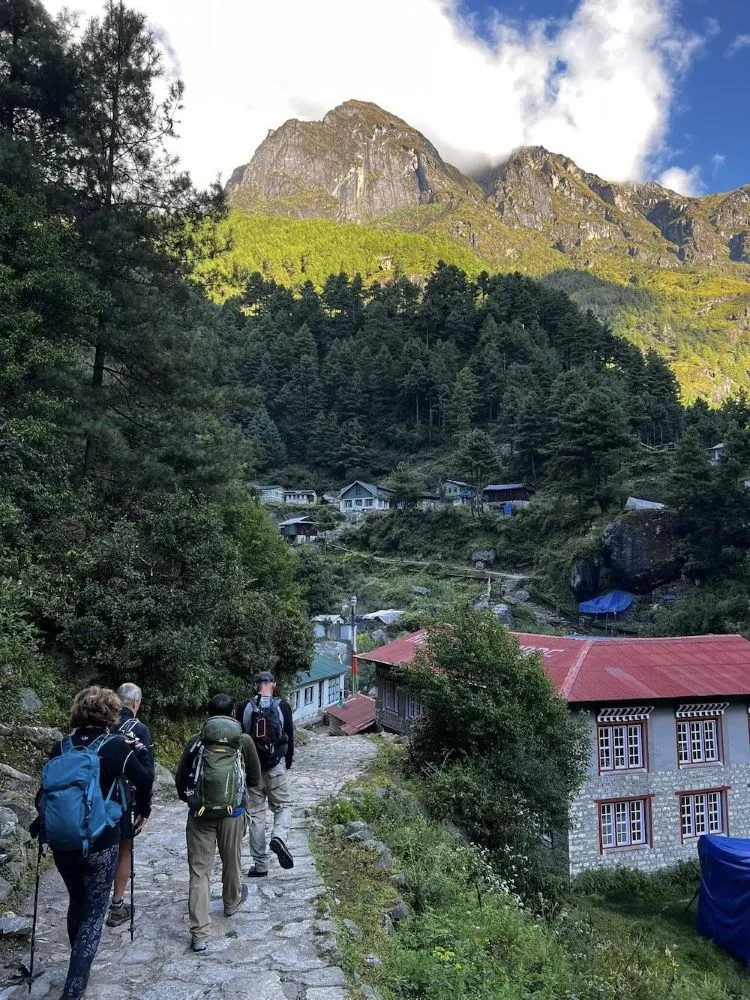
The Best Time to Explore Nepal During the Rainy Season :
It goes without saying that monsoon trekking in Nepal requires a different approach. First and foremost, it’s essential to choose the right region and time to explore the trail. The most reliable options include Upper Mustang, Upper Dolpo, Nar Phu Valley, and the upper reaches of Annapurna region. Even during the rainy season, these trans-Himalayan areas tend to stay relatively dry. As for the most suitable time to embark on a rain shadow trekking adventure, mid-July to mid-August is the period when most parts of Nepal are drenched in heavy downpours.
Packing the Right Gear for Monsoon Trekking in Nepal
Speaking of gear, make sure to bring the necessary tools to withstand the challenges of wet-weather hiking. A good set of waterproof clothing, including a jacket and pants, is essential, so is the gear to keep your electronics and other belongings dry. You might also want to invest in a few quick-drying layers to stay comfortable. And don’t forget about the right footwear! Sturdy waterproof boots with a reliable grip are the ultimate protection from the elements. Most importantly, always remember to pack light!
Another crucial tip for monsoon trekking in Nepal is to hire a licensed local guide. A trustworthy and experienced assistant will greatly contribute to the success of your expedition. They will know the area like no one else, suggest the best possible routes, and help you find budget accommodations along the way. Local guides are also well-prepared to handle sudden rainfalls and other monsoon-related incidents. Lastly, a professional guide can act as a translator and help you connect with the locals better.
Monsoon Trekking Benefits Compared to Other Seasons :
Monsoon Trekking Checklist :
Reasons Why Monsoon is Worth it :
While most of Nepal’s trekking enthusiasts focus on the traditional off-season, which is autumn, those who enjoy the benefits of monsoon trekking in Nepal have a unique advantage. The rain-shadow regions stay relatively dry and offer the perfect conditions for exploring this beautiful country. The trails are less challenging compared to the high-altitude expeditions during the dry season. What’s more, during the monsoon season, every aspect of the adventure feels more personal and intimate. From experiencing the local hospitality to breathtaking views of the valley, everything comes together to give you an insight into the real Nepal.
If you want to beat the crowds, enjoy some unique advantages of the rainy season, and have a truly remarkable experience, consider planning a rain shadow trek in Nepal. Remember to carefully pick the right time and gear, as well as a reliable local guide to help you get the most out of your expedition. Whether it’s exploring Upper Mustang, Upper Dolpo, Nar Phu Valley, or other lesser-known Himalayan trails, a local guide in Nepal can help you unveil the magical sights of Nepal!
1.Is monsoon trekking in Nepal a good idea?
Yes, monsoon trekking in Nepal can be a good idea if you know the right trails to choose. First, the rain shadow areas such as Upper Mustang, Dolpo, and Nar Phu are generally dry during this season. Second, you can enjoy the dense forests and wildflowers that blossom profusely during this season. Third, fewer people choose to trek during this season, making the trails less crowded.
2. Which are the best monsoon trekking destinations in Nepal?
Upper Mustang, Upper Dolpo, Nar Phu Valley, and Annapurna rain-shadow trek are the best monsoon trekking destinations in Nepal. During the monsoon season, these regions remain dry, allowing you to enjoy the views of the Himalayas uninterrupted. The reason why these trails remain dry is that they lie on the rain-shadow region of the Himalayas.
3. What is the weather like during monsoon trekking in Nepal?
During monsoon trekking in Nepal, the temperature varies between warm and chilly. Also, heavy rains characterize the weather, especially in areas near 3,000m below. However, the rain-shadow areas offer clear skies and minimal rainfall. Besides the clear weather in most parts of the mountainous regions, cloud cover is frequent in the morning hours. Therefore, it is advised to start hiking early in the morning to enjoy the views of the Himalayas.
4. Which months are considered the monsoon season for trekking in Nepal?
The monsoon season in Nepal coincides with the summer season and begins in June and ends in early September. Moreover, July and August are the months that experience the highest level of rainfall. However, some trails are best suited to monsoon trekking compared to others. For instance, it is always advisable to consider the rain-shadow regions when trekking during the wet season.
5. Is monsoon trekking in Nepal safe?
Monsoon trekking in Nepal is safe as long as you hire the right guide and consider specific trails. For instance, landslides are common during this season, especially in some regions.
Therefore, it is crucial to consider hiring an experienced guide who can offer you weather updates and ensure you have a fantastic time in the mountains. Moreover, during the rainy season, the trails can be slippery and the rivers swollen. Hence, it is essential to consider these aspects before embarking on this adventure.
6. What should I pack for monsoon trekking in Nepal?
For monsoon trekking in Nepal, make sure you carry the following items:
Moreover, you should carry extra pairs of socks and gloves that are waterproof. Investing in good rain gear will make trekking enjoyable and safe.
7. Are leeches common during monsoon trekking in Nepal?
Leeches are commonly found in the lower subtropical forests of Nepal. Moreover, they thrive in moist environments and are active throughout the year. On the other hand, leeches are more prevalent in monsoon season. However, they are not dangerous and easy to remove. Additionally, you can avoid them by wearing long socks and applying salt on broken skin.
8. Which treks should be avoided during the monsoon?
Annapurna Base Camp Trek, Mardi Himal Trek, and Langtang Valley Trek are some of the most challenging treks to consider during the monsoon. The reason is that these trails are not only subjected to extreme rains but also landslide-prone. Additionally, the trails tend to be slippery, restricting the flow of hikers. On the other hand, it is always advisable to consider rain-shadow regions for monsoon trekking in Nepal.
9. Can a beginner trek during the monsoon?
Yes, a beginner can trek during the monsoon season. First, it is essential to consider easy and short trails with the help of an experienced local guide. Second, it is necessary to carry appropriate gear that includes rain-proof clothing and walking sticks for better support on narrow and slippery trails. Lastly, it is essential to invest in good fitness training and maintain a good pace to enjoy the adventure.
10. Are guides recommended for monsoon trekking in Nepal?
Yes, guides are recommended for monsoon trekking in Nepal. First, local guides possess adequate knowledge about the trails. Additionally, the guides are experienced and can offer you weather updates and alternative routes if the trails are inaccessible. Finally, guides offer better security, especially in case of bad weather.
11. Are mountain views visible during monsoon trekking in Nepal?
During the monsoon trekking in Nepal, you can still enjoy mountain views, especially in the morning. Additionally, the rain-shadow areas rarely experience cloud cover and provide excellent visibility of the towering peaks. Moreover, a clear sky is more frequent in the morning hours compared to the afternoon.
12. Is altitude sickness a problem during monsoon trekking?
The altitude is a significant concern during monsoon trekking in Nepal. Moreover, altitude sickness is dangerous and should be taken seriously. First, altitude affects each individual differently, and hence it is not easy to predict how your body will respond to the elevations. However, taking certain measures can help you avoid the sickness. For instance, ascending slowly to higher altitudes gives the body enough time to adjust to the changes.
13. What wildlife can I spot while trekking during the monsoon in Nepal?
While trekking during the monsoon in Nepal, you stand a better chance of spotting various species of birds and butterflies that are active throughout the year. Moreover, the forest is covered with wildflowers and greenery, creating a superb view, especially for nature lovers.
14. Are teahouses open during the monsoon?
Although teahouses are closed during the off-season, most teahouses and lodges remain open throughout the year. This is because they serve as the primary source of accommodation for hikers. Most teahouses are accessible on all major trekking trails, and hence there are available throughout the year. Nevertheless, some teahouses might close due to the lack of customers during the monsoon season. Therefore, it is essential to do your research before embarking on a hiking adventure during this season.
15. Is monsoon trekking in Nepal cheaper?
Monsoon trekking in Nepal is significantly cheaper compared to the peak season. During this season, most accommodations offer discounts on their prices, making your adventure affordable. Moreover, flights and other means of transportation are also cheaper during this season.
16. Can I trek Upper Mustang during the monsoon season?
One of the best monsoon trekking destinations in Nepal is Upper Mustang. The reason why Upper Mustang is one of the best options to consider is because it lies on the rain-shadow region of the Himalayas, which means it rarely receives any form of precipitation. Therefore, you can enjoy the adventure without getting wet since this area experiences little rainfall.
17. How hard is monsoon trekking in Nepal?
Monsoon trekking in Nepal can be challenging since the trails can become slippery. However, the rain-shadow areas are characterized by relatively dry trails, making it easy to trek. Moreover, the rivers are at their peak during this season, making it easy to cross them. However, a good pair of trekking shoes and hiking sticks can make the adventure a bit easier.
18. Do the flights get delayed during monsoon trekking in Nepal?
Yes, mountain flights are significantly delayed due to bad weather, especially during the monsoon season. Additionally, weather plays a critical role in determining whether the flights operate or not. Therefore, it is best to book extra days in case of any flight delays. This way, you will not miss your connecting international flights due to weather disruptions.
19. Why should I choose Haven Holidays Pvt. Ltd. for monsoon trekking in Nepal?
Haven Holidays Pvt. Ltd. understands the uniqueness of monsoon trekking in Nepal and offers specialized packages that allow you to explore the best trails during this season. First, the company ensures that customers hire only the best local guides in the business. Second, we utilize updated information to help you determine the best time to embark on this adventure. Finally, Haven Holidays Pvt. Ltd. offers you the option of choosing the most appropriate trail according to your preference and budget.
20. How can I prepare for a monsoon trekking adventure in Nepal?
The following tips are essential when preparing for monsoon trekking adventure in Nepal:
Our travel experts are ready to assist you with any questions.
Send us a message.Have a question before you book? Send your enquiry below and our travel experts will get back with the required information.