Learn about necessary Mardi Himal Trek permits and how to get them. This article on ACAP permit cost and regulations will guide you for legal trekking in Nepal safely. Covering Annapurna Conservation Area permit, its application and hazards of trek without permit to Mardi Himal Base Camp (4500 m) for a best google visibility.
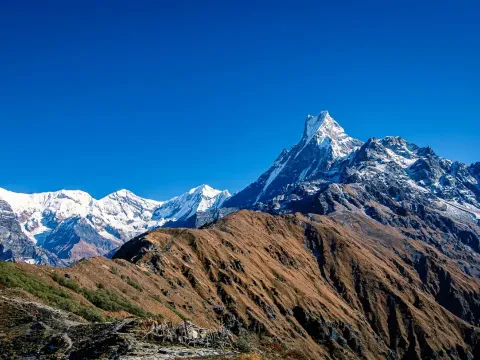
Let’s talk about why you actually need permits for the Mardi Himal Trek. They aren’t just paperwork—they make your trek safe, legal, and even more rewarding. The ACAP permit, for starters, cuts down on risks you’d face hiking without proper permission, and it's the key that opens up those epic views of Mardi Himal (5,587 meters) nestled in the Annapurna region.
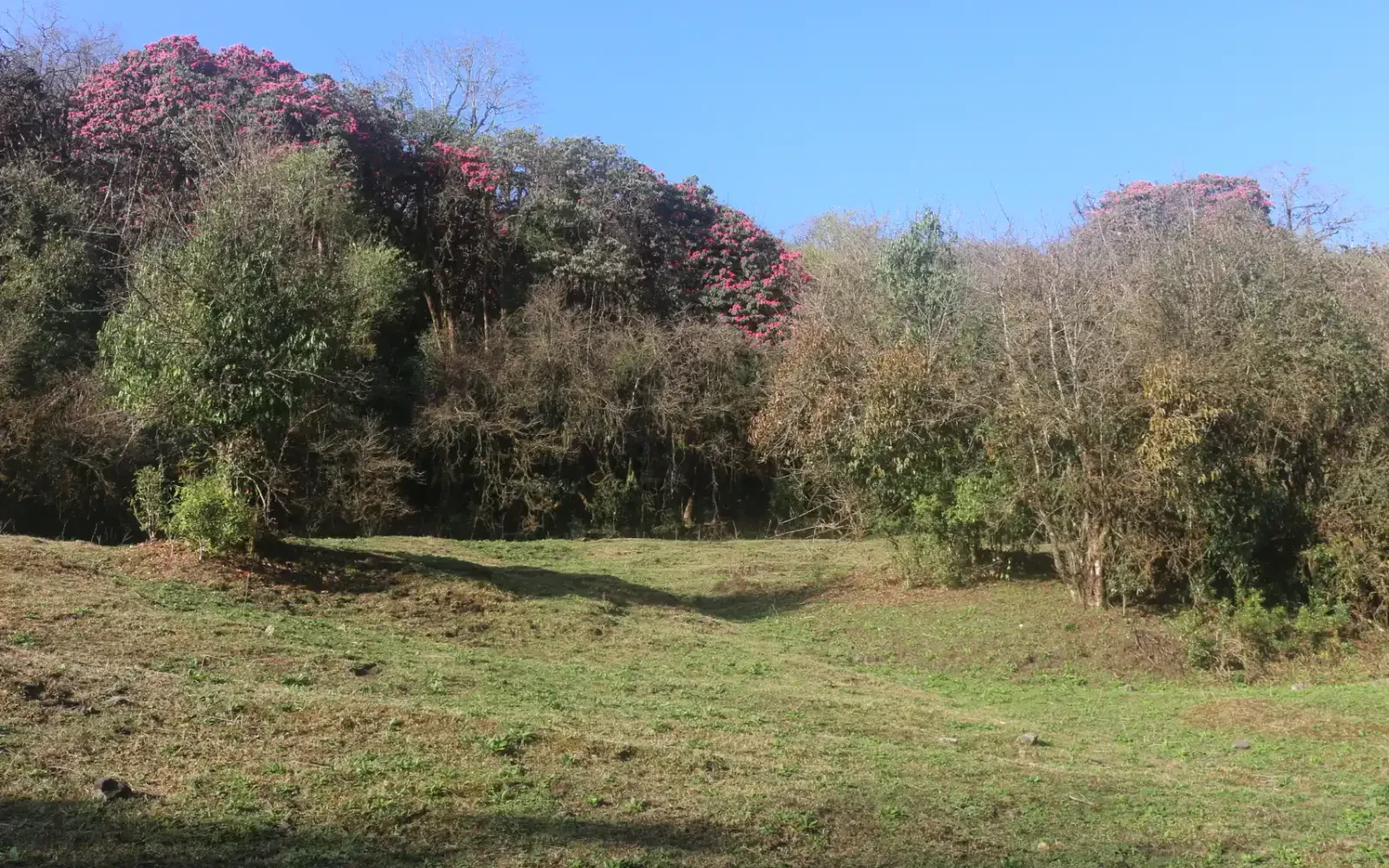
When you have the right permits, you can just relax and soak in the adventure: think wild rhododendron forests, dramatic ridge lines, and finally reaching Mardi Himal Base Camp at 4,500 meters, knowing you’re covered. These rules exist for a reason—to keep everyone on the trail safe and make sure the environment stays protected.
Then there’s conservation Area Permit. The money from these permits doesn’t disappear into thin air; it goes right back into the region. New trails, sturdier bridges, and local community projects—your permit fee helps keep them going. So, you’re not just a visitor, you’re actually supporting the place you came to explore.
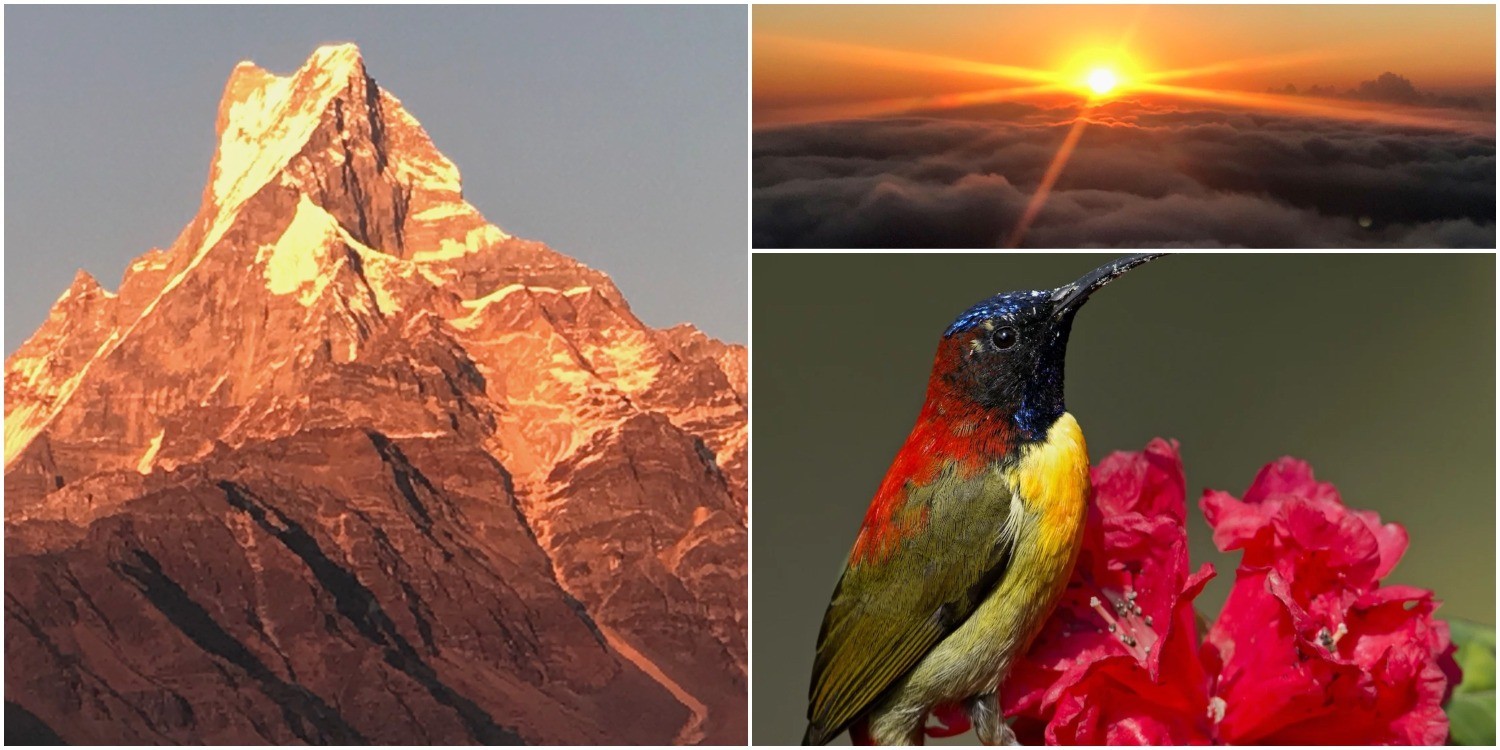
Moreover, the ACAP permit does more than just keep things legal. It gives you access to some jaw-dropping spots—like sunrise at High Camp (3,580 meters), with Annapurna (8,091 meters) and Machapuchhre (6,993 meters) towering above. With everything in order, you can plan properly, avoid altitude sickness, and enjoy the best views without worry.
Skipping the permit? That’s a real gamble. You risk officials stopping you at checkpoints, hefty fines, or even being sent back down the mountain. Without documentation, there’s no emergency tracking if anything goes wrong—especially in remote places like Low Camp (2,970 meters).
And on a practical note, solo trekking isn’t allowed here anymore. Nepal’s rules require you to have a guide with you. Permits make sure you follow the law and stay safe, so you can focus on what matters—the adventure.
Key Benefits of Mardi Himal Trek Permits :
To sum it up smart trekkers always get the Mardi Himal Trek permits first. They can have peace in every single step. All the unforgettable moments will bring with Mardi Himal (5587 m). Kick off with your safe legal trekking now.
If you’re gearing up for the Mardi Himal Trek, you’ll want to know exactly how the permit system works. Let’s break it down—what you need, why some cards are gone, and what actually matters in the Annapurna region.
Actually, permits keep things organized, simple as that. You can grab what you need through official offices in Kathmandu or Pokhara without much hassle. Whether you’re trekking Mardi Himal or another route, you’re part of a pretty streamlined system.
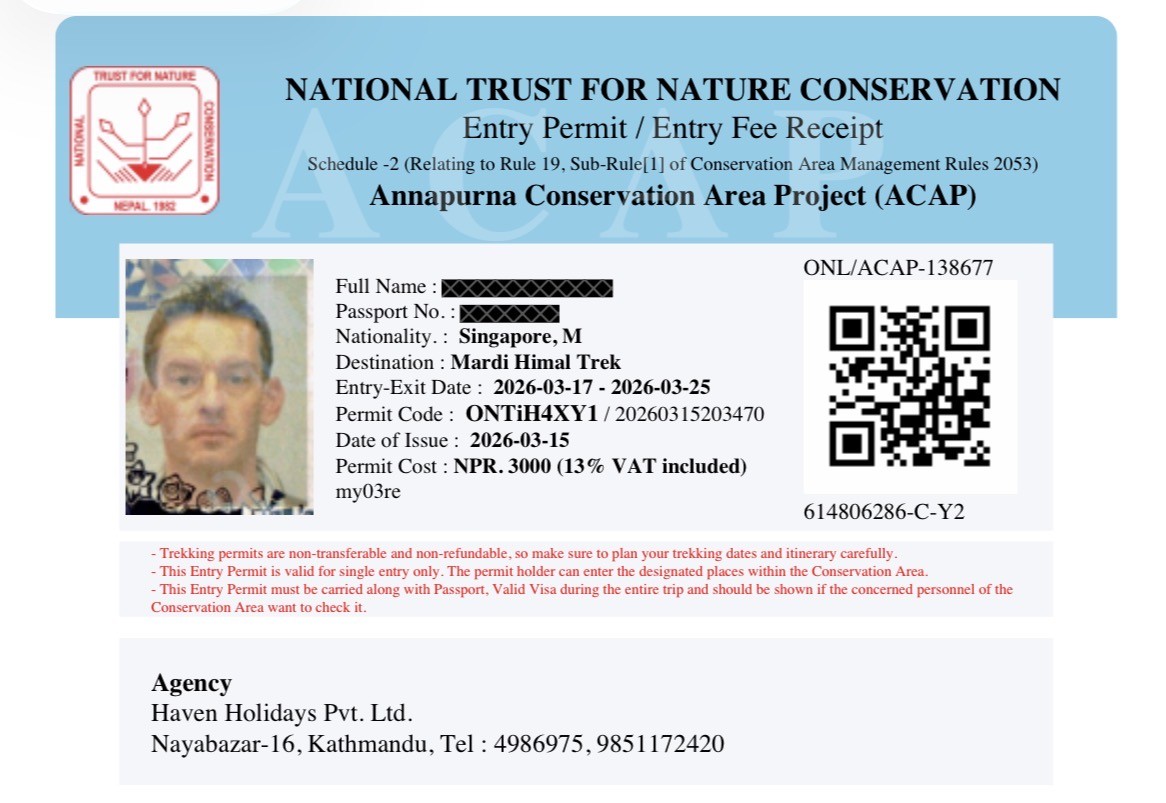
Moreover, the main thing for Mardi Himal and any trek around Annapurna? That’s the ACAP permit. It covers all the way up to Mardi Himal Base Camp, and you pick it up either in Pokhara or Kathmandu. No hidden fees here—it’s NPR 3000 for foreigners.
Here, forget about TIMS cards now. By 2026, those are out for good. Nepal switched over to new rules, handing safety over to licensed guides and making permits simpler. That move helped cut down confusion and made things run more smoothly for everyone.
Actually, permit fees aren’t just paperwork—they actually fund conservation projects in the protected areas and help maintain the paths, especially around spots like High Camp. Local communities benefit directly, so facilities tend to be better for trekkers.
For Mardi Himal, remember these rules: you need to carry your ACAP permit on you at all times. You’ll go through checkpoints, like Phedi, where officials make sure you’ve got everything in order. If you follow the rules, your trek stays stress-free.
Bottom line—understanding permits saves you headaches. Agencies are quick with the paperwork if you bring a passport and photo. The process is clear, costs are upfront, and getting ready feels pretty straightforward.
| Permit Type | Region Covered | Cost for Foreigners | Validity |
|---|---|---|
| ACAP Permit | Annapurna (incl. Mardi Himal) | NPR 3000 | Full season |
| MCAP Permit | Manaslu Area | NPR 3000 | Full season |
| Restricted Area Permit | Special zones only | USD 100+ | Itinerary-based. |
Basically, all trekking permits for Nepal ensure the entire trekking trips are valid and authorized. This gives trekkers the confidence to be prepared for the trekking experience of Mardi Himal Trek. Responsible trekkers can traverse the Annapurna region with proper authorization. Make preparations accordingly for a successful trekking adventure.
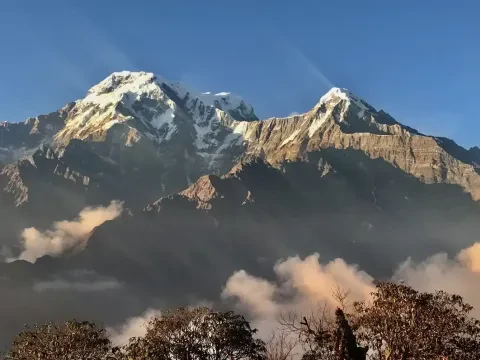
So, if you're planning to trek Mardi Himal, you’ll need three main permits. First up is the ACAP permit, which you pick up in Pokhara. This one gets you access to the whole Annapurna Conservation Area, and honestly, they check it everywhere along the trail, so don’t forget it.
Now, about the TIMS card—people used to need it, but that’s gone for Mardi Himal. The government scrapped it, so things are a bit easier now. Licensed guides take care of safety, and you don’t have to deal with extra paperwork before you set out.
Likewise, you’ll also pay a local fee called the Machhapuchhre Rural Municipality Permit. It’s a small charge for trekking through the area around Mardi Himal. You can pay it by Phedi or somewhere on the trail. The money goes straight into local community projects.
With these permits, your trek stays legal and you don’t run into unexpected costs. Foreigners pay set fees; if you’re from SAARC countries, your rates are lower. Just plan ahead and get the paperwork sorted.
A quick breakdown: the ACAP permit costs NPR 3000 for foreigners, and the local Machhapuchhre permit is NPR 500. That’s pretty reasonable for most trekkers. It pays to have these ready before you hit the trail.
| Permit Name | Cost for Foreigners | Status Purpose |
|---|---|---|
| ACAP Permit | NPR 3000 | Mandatory | Conservation area access |
| TIMS Card | None | Obsolete | Replaced by licensed guide rule |
| Machhapuchhre Rural Municipality Permit | NPR 500 | Required locally | Municipal trail support. |
In fact, these kinds of permits necessary to Mardi Himal trek help trekker to pass checkpoints without stopping. Without any doubt trekkers will continue their trek to High Camp (3580m.). Trekking to Mardi Himal Base Camp (4500 m) will be always legal. Start from ACAP then the permits to take care of local ones for full peace of mind.
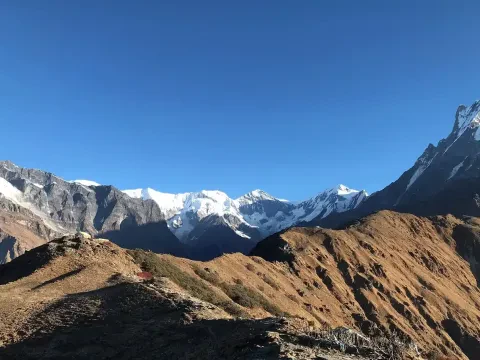
Actually, the Annapurna Conservation Area Permit (ACAP) is basically your ticket for the Mardi Himal Trek. It’s not just a formality—it helps protect the area’s wildlife and landscapes. Your permit fee keeps the trails in good shape around spots like Low Camp. So when you pay for your ACAP, you’re pitching in to maintain all those stunning views you came for.
Likewise, this permit also gives back to the communities near Pokhara. The money goes into fixing bridges and building better facilities, making things easier for both locals and trekkers. It even helps authorities keep track of visitor numbers, which keeps tourism sustainable in the Annapurna region.
As for how long your permit lasts—it covers your whole trek. There’s no set expiration date, so you can stay as long as you need, as long as it fits your itinerary. That’s helpful if you decide to linger on the trail or change plans mid-hike.
Moreover, you’ll need to show your ACAP at every checkpoint, like near Dhampus or Pothana. If you leave and want to come back in, you’ll have to get a new permit. Following the rules keeps you from getting fined or having your trek interrupted.
The fee is NPR 3000 for foreigners, and NPR 1000 if you’re from a SAARC country. All you need is a passport photo and a little paperwork, and you’re good to go. The whole process is pretty straightforward—nothing complicated.
Key Rules for Annapurna Conservation Area Permit :
Ultimately, the Annapurna Conservation Area Permit ensures safe and legal entry to Mardi Himal Trek. Trekkers trek up to Base Camp (4500 m) problem-free and responsibly. This valuable document opens up stunning ridges and summits; acquire it before so as to enjoy.
Let’s talk about the TIMS card and what’s changed for the Mardi Himal Trek. If you’ve trekked in Nepal before, you probably remember filling out that extra TIMS card paperwork — but not anymore. The government scrapped the nationwide TIMS card system. Now, you don’t need that separate card for Mardi Himal. Instead, everything goes through your licensed guide.
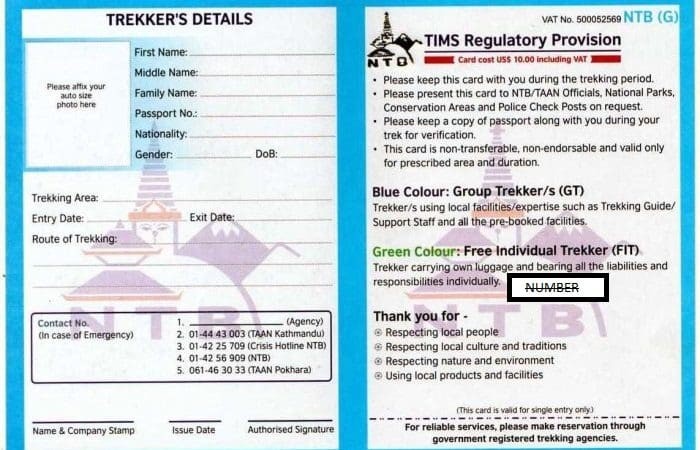
Actually, hiring a licensed guide isn’t just a suggestion either; it’s the rule now. If you want to trek Mardi Himal, including the whole Annapurna region, you need an official guide. There’s a good reason for this. With guides on every team, Nepal’s streamlined rescue and emergency responses get even better. You’re supported from those first steps out of Pokhara (827 m) all the way up to High Camp (3580 m).
Likewise, guides do way more than show you the way. They know how to handle tricky weather and help you manage the risk of altitude sickness, especially once you start climbing toward Mardi Himal Base Camp at 4,500 meters. If something goes sideways, you’ve got someone who knows what to do, and how to get help fast.
For trekkers, the new rules actually make life easier. Without the old TIMS card process, you dodge a bunch of paperwork, and all your trekking “admin” is folded in with your guide’s responsibilities. So, you get to focus on the views—or just breathing—all the way up to Low Camp (2,970 m), without worrying about red tape or surprise fines at checkposts.
One last thing—this shift also creates solid work for local guides. More opportunities for them, a safer trip for you. Everyone wins. Responsible trekking is the new standard, and, honestly, it just feels right.
Key Updates on TIMS Card and Guide Requirement for Mardi Himal :
To summarize, know TIMS card updates and guide requirement for Mardi Himal Trek with confidence. Trekkers arrive to the Base Camp (4500m) with an extra protection. The present system emphasizes security and ease of access. Make an early booking with licensed guide for easy trekking.
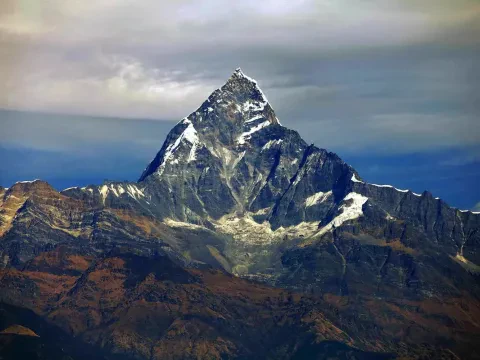
Learn about the Machhapuchhre Rural Municipality Permit for the Mardi Himal Trek-a mandatory local fee that costs NPR 500. We explore checkpoints and explain why you can't ignore it for legal access to Machhapuchhre (6993m) views in 2026.
First, the Machhapuchhre Rural Municipality Permit applies only to the specific local region relevant to Mardi Himal Trek. It funds community initiatives close to the trail and visitors pay this permit to enter this particular rural municipality area, and is complementary to the main ACAP permit.
Second, local authorities collect this fee at various checkpoints along the route, with checks conducted near the Kande or Dhampus entrance points. This fee makes sure that everything is documented for that municipality and thus avoids any problems while climbing up.
Third, Machhapuchhre Rural Municipality Permit price has been set so that trekkers may also be able to afford it. International tourists can purchase this for about NPR 500 per individual in 2026, and SAARC nations get further discounted rates. Agencies include it in trek packages for ease of convenience for their trekkers.
Hence, if a trekker doesn't get the permit he's sure to run into problems at the checkpoints, where he might be fined or even stopped from going ahead. This permit is essential to reach the ridges near Mardi Himal (5587m).
Moreover, the income from the Machhapuchhre Rural Municipality Permit benefits the people of the small villages along the route, enhancing the trails and the facilities provided. This allows the local communities to flourish from tourism.
Essential Details for Machhapuchhre Rural Municipality Permit :
Overall, always have your Machhapuchhre Rural Municipality Permit for Mardi Himal Trek. It ensures legal travel to High Camp (3580m) and beyond. It is a small cost for the safety and access you receive. Purchase it to enjoy your Annapurna exploration.
Here, this article provides a detailed breakdown of Mardi Himal Trek permits costs and explains the cost for foreigners, the prices offered to SAARC nationals, and the cumulative fees to explore the Annapurna region.
First of all, the cost for Mardi Himal trek permits is different depending on the citizenship. Foreigners pay a set rate for necessary permits; whereas, the fee for SAARC citizens is reduced substantially as part of a program to give an opportunity to access Mardi Himal Base Camp (4500m).
In addition, the price for ACAP permits for foreigners amounts to NPR 3000 (which converts to about USD 22-25) per person. While the fee for SAARC citizens is significantly lower (NPR 1000), this fee is a major source for funds to protect the natural beauty of the Annapurna region.
Next, the fee for an independent trekkers' TIMS card amounts to NPR 2000, but it can cost from NPR 1000-1300 per person if trekked in groups and via travel agencies. SAARC nationals can obtain it for only NPR 600-1000.TIMS card management has also become simpler, as guides often handle them now.
Lastly, the charge from Machhapuchhre Rural Municipality, locally known as the "local fee", is NPR 500 for foreigners (some trekkers are occasionally offered discounts which lowers it to NPR 100-200) which contributes to local development efforts and infrastructure of the area around Pokhara (827m). It becomes feasible by combining all these above amounts.
Moreover, some Mardi Himal trekking package costs fully cover the expense of the Mardi Himal permits, which means that trekkers do not have to pay them separately. Children under 10 get discounts and it helps the trekker plan budget accordingly.
| Permit Type | Foreigners (NPR/USD approx.) | SAARC Nationals (NPR) | Notes & Inclusions |
|---|---|---|
| ACAP Permit | 3000 / 22-25 | 1000 | Mandatory conservation fee. |
| TIMS Card | 2000 / 15-20 | 600-1000 | Guide-processed |
| Machhapuchhre Rural Municipality Fee | 500 / 4 | 100-500 | Local entry support |
| Total Approximate | 5500 / 41-49 | 1700-2500 | Often bundled in trek packages |
So, to sum up the cost of Mardi Himal Trek permits is affordable for everyone. The expense made by foreigners is approximately between USD 40-50 only. This is much affordable for SAARC members. Plan in advance and experience the wonderful Machhapuchchhre (6993 m) with no surprise!
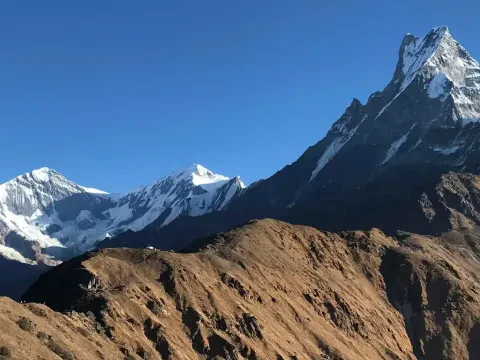
All documents required to get Mardi Himal permits have been collected here; photocopy of your passport, pictures, and the list for the travel insurance, itinerary for the ACAP, TIMS and Machhapuchhre rural municipality.
First of all, a document for a Mardi Himal permit includes a current and valid passport. Officials require a clean photocopy of the personal page (5x6) and it has to be valid for at least another six months; offices for applications can be found in Kathmandu or Pokhara (827m).
Then there is also a number of passport-sized pictures necessary for your permit application. Trekkers need to present two color pictures, taken recently, per person and application. Some offices have cameras which will allow you to take them digitally on site, it is often best to take a couple extra.
Likewise, your travel insurance is a critical document required for safety compliance purposes. Evidence of coverage is necessary for the high-altitude expedition and emergency evacuation; insurance policies will cover emergency rescues near High Camp (3580m) and offices check the required document thoroughly.
Moreover, a simple and clean itinerary may be necessary to be part of your application; the itinerary outlines your route and schedule. The entry and exit point, such as Phedi (1200m), must be documented along with the itinerary, making it a part of the whole Mardi Himal trek permit process.
Similarly, the licensed guide particulars are the very final documents required for the TIMS applications. Guide particulars are typically sent from trekking agencies, no more extra forms required on part of trekkers for this.
To sum it up, obtain these documents that are required to get Mardi Himal permits in advance. Trekkers can fill the form in short time at respective government offices. If you have proper preparation, you will be able to get entry to Low camp (2970m) without problem. Make sure you have everything with you for journey to Mardi Himal (5587m) safely.

Wondering where and how to get your Mardi Himal trek permit. This post will give you the detailed steps on getting an ACAP permit for Mardi Himal Base Camp trek (4500 m). Learn to apply for permits at Nepal Tourism Board office in Kathmandu and Pokhara, and get info on permits through trekking agencies and trail entry points (Pothana), processing times, plus some smart tips for smooth entry!
To start with, make sure to get your Mardi Himal Trek permits from the right and legit place. You'll visit the Nepal Tourism Board offices initially to get them. This way, you're complying with the regulations that are updated and official. For most trekkers, it’s hassle-free if agencies do all the paperwork.
Another place to apply for Mardi Himal Trek permits is through the Nepal Tourism Board office in Kathmandu. Located at Bhrikuti Mandap, it’s close to Thamel and quite accessible. Submit your application here for easy processing in just 30 to 60 minutes. This office is most helpful if you plan to explore Kathmandu before traveling to Pokhara (827 m) where Mardi Himal trekking begins.
Additionally, it's incredibly convenient to get permits at the Tourist Service Centre located in Damside, Pokhara. This place is closer to many trailheads, so getting your ACAP permit for Mardi Himal trekking is much easier. The service center usually opens daily and rarely has very long queues for permit processing. Many travelers opt for Pokhara over Kathmandu when getting their permits.
In fact, register trekking agencies greatly help ease your journey to get ACAP, along with local fees and guide necessity. Agents will get your ACAP permit processed for you smoothly, which saves a lot of time and tedious paperwork. You can find reputable trekking agencies in Kathmandu or Pokhara.
Furthermore, there are partially online ways to get your ACAP permit through the epermit.ntnc.org.np website. You need to apply online and pay with your card, but sometimes you might be required to collect physical copy at a certain counter. So, complete online issuance for permits is yet to be available everywhere .
Pro Tips for Obtaining Mardi Himal Trek Permits :
Therefore, decide upon the best way to secure Mardi Himal Trek permit according to the schedule of your arrival. Kathmandu can be utilized as a platform for pre-trek organization; Pokhara makes it easy and suitable to start your journey from and agents are the easiest option to get in High Camp (3580 m) safely.
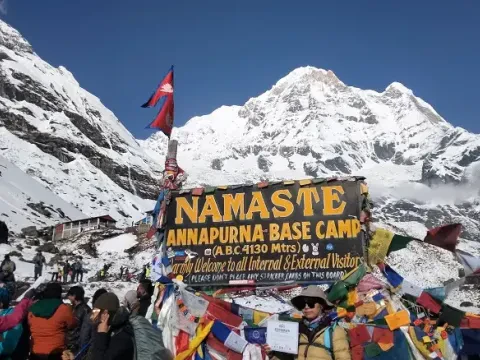
The final tips, FAQ and conclusion for trekking permits required for Mardi Himal trek, relevant information of ACAP TIMS Machhapuchhre fee and how to trek Mardi Himal (5587m) Base Camp (4500m) stress free in 2026.
Firstly, obtain Mardi Himal Trek permits in advance for an easier trip. Double checking documents prior to the trek is what most of the trekkers do and this ensures no inconvenience at check points and makes the trek enjoyable.
Secondly, obtain the services of a certified guide to make your Mardi Himal Trek stress-free. He or she will make sure you are safe, know about the symptoms of altitude sickness at Low camp (2970m) and check the permit at checkpoints which is a must at most of the times. This type of security makes your expedition of the lesser known trail of Mardi Himal secure.
Moreover, carry both original and photocopies of permits during the trek. They are checked at the different check points such as Phedi (1200m). You can even use the digital copy of your permit as back up and submit original if demanded at any of the check points during the hike to Mardi Himal Base camp (4500m).
In fact, the consequence of obtaining a guide is that you are to budget for extras for their fees as well as for permit extensions or even sudden change of plans. Overall, the cost of the Mardi Himal trek permit is nominal. Some travel agents offer the insurance confirmation facility as well which saves you the burden.
Finally, do the best to conserve the pristine environment of Annapurna and also do not leave any waste behind, not even the wrapper of your biscuits. Leave no plastic as well. By preserving this magnificent mountain with magnificent Machhapuchhre (6993m), future generations of trekkers will be eternally grateful.
FAQs For Mardi Himal Trek Permits :
1. Do I Need a Permit for the Mardi Himal Trek?
You need permits for the Mardi Himal Trek. The trail goes through protected areas in the Annapurna region. Authorities want trekkers to have permits for safety and conservation. There are permit checkpoints along the way. If you don't have permits you might get fined or denied entry. Always get permits before you start your trek.
2. What Permits Are Required for the Mardi Himal Trek?
The Mardi Himal Trek needs an Annapurna Conservation Area Permit (ACAP). Sometimes local authorities also ask for an area entry fee. Permit rules can change, so check the requirements before you travel. Most trekking agencies arrange permits for their clients making it easy.
3. Is the ACAP Permit Mandatory for Mardi Himal Trek?
The ACAP permit is a must for the Mardi Himal Trek. The route is in the Annapurna Conservation Area Nepals protected trekking area. The permit fee helps with conservation projects, trail maintenance and community development. There are permit checks at points. Every trekker must carry an ACAP permit.
4. What Is the Cost of the ACAP Permit for Mardi Himal Trek?
The ACAP permit costs differ based on nationality. Foreign trekkers usually pay more than SAARC nationals. Children might get discounts under conditions. Permit fees help protect the environment. Improve trekking infrastructure. Since fees can change, confirm the cost before your trek. Trekking agencies can provide updated permit information.
5. Do I Need a TIMS Card for Mardi Himal Trek?
Most trekkers, with a registered guide don't need a TIMS card. Recent trekking rules focus on guided trekking. However rules can change, so check government guidelines before your trip. A local trekking agency can give you information.
6. Is TIMS Still Required for Guided Trekkers on Mardi Himal?
Guided trekkers often don't need a TIMS card because guide registration systems track trekkers.. Trekking policies can change. Verify the regulations before you leave. Professional trekking agencies know the requirements and can help.
7. What Is the Machhapuchhre Rural Municipality Permit?
The Machhapuchhre Rural Municipality Permit is a fee collected by local authorities. The money goes to trail improvements, waste management and community projects. Requirements can vary depending on regulations. Check with your trekking agency or local tourism office before starting the Mardi Himal Trek.
8. How Much Does the Local Permit Cost for Mardi Himal Trek?
The cost of the permit for Mardi Himal Trek can change. This is because local governments sometimes update their rules. They do this to help manage tourism and build things. So it is an idea to check the cost before you go on your trek. Most companies that organize treks will include the cost of the permit in their package. This makes it easier for you to plan your trip.
9. Where Can I Get Mardi Himal Trek Permits?
You can get Mardi Himal Trek permits in Kathmandu or Pokhara before you start your trek. The people in the permit office will check your passport and photos. Then they will give you the permit. Some people also get their permits through companies that organize treks. This can save you time. Make sure everything is done correctly.
10. Can I Obtain Mardi Himal Permits in Pokhara?
Yes you can get Mardi Himal permits in Pokhara. Many people like to get their permits in Pokhara because it's the main place to start treks in the Annapurna region. The permit office in Pokhara can process your application quickly.. Do not wait until the last minute. It is better to get your permit the day before you leave. This will help you have a trip.
11. What Documents Are Needed for Mardi Himal Trek Permits?
To get Mardi Himal Trek permits you will need a passport some photos and some information about your trip. Some offices might also ask for your visa information. So it is an idea to carry copies of these things with you. If you book your trek through a company they can help you with the application. Tell you what you need.
12. Can a Trekking Agency Arrange My Mardi Himal Permits?
Yes a company that organizes treks can get your Mardi Himal Trek permits for you. This makes things easy and convenient. These companies know about the rules and fees for permits. They will make sure everything is done correctly. So you can focus on getting ready for your trek of dealing with paperwork.
13. What Happens If I Trek Without the Required Permits?
If you go on your trek without the required permits you might get. Not be allowed to continue. The people in charge regularly check permits on the Mardi Himal route. Permits also help take care of the trails and the environment. So it is very important to have a permit. This is not a rule, but also a way to be a responsible tourist in Nepal.
14. Are Permit Fees Different for SAARC and Foreign Trekkers?
Yes the cost of permits is different for people from SAARC countries and people from countries. People from SAARC countries usually pay less while people from countries pay the standard fee. This helps encourage people from the region to visit. It also helps take care of the environment. Since the costs can change you should always check the prices before you plan your trip.
15. How Long Are Mardi Himal Trek Permits Valid?
Mardi Himal Trek permits are usually valid for the time you are on your trek. There is no limit on how many days you can use the permit.. You should follow your plan and respect the local rules. Always carry your permit with you because the people in charge might ask to see it during your trip. Mardi Himal Trek permits are very important for your trip. You need to have a Mardi Himal Trek permit to trek, in the area.
Here, these are the last and final tips and FAQs that you need to know about how to acquire your Mardi Himal Trek permits in the proper manner. Enjoy ridge walk and peaks with high confident by trekkers. This preparation ensures your Mardi Himal trip to a memorable and unforgettable venture with safety. Let's start your Mardi Himal trek without stress.
Our travel experts are ready to assist you with any questions.
Send us a message.Have a question before you book? Send your enquiry below and our travel experts will get back with the required information.