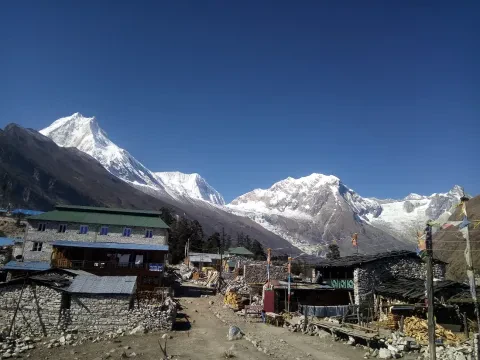
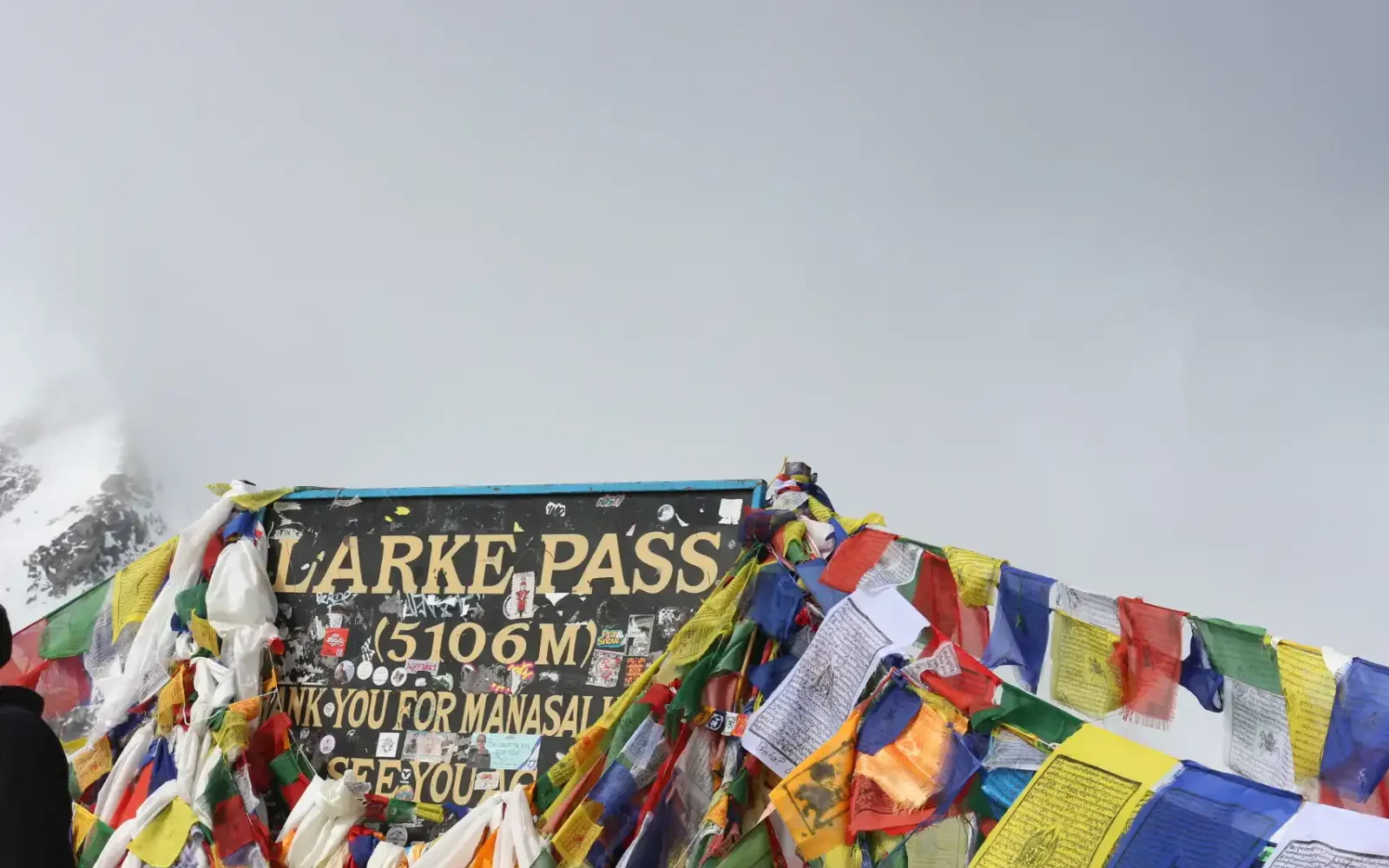
In addition to the famous Everest and Annapurna trekking trails, Nepal offers a unique opportunity to explore the Tibetan-influenced landscape, high mountain passes, and unique cultures of the Himalayas. This alternative trekking experience takes you beyond the common trails into the heart of the local landscape and traditional ways of life, far from the busy trails of the popular mountain ranges. Restricted area trekking in Nepal is different and provides unique insights into the region’s natural and cultural heritage.
Unlike regular trekking, which usually takes place on well-trodden and well-maintained trails, restricted area trekking in Nepal requires special permits issued by the Government of Nepal. This additional step ensures the sustainability of the local environment and cultural heritage and regulates tourism in border regions.
If you are considering an adventure in the restricted mountainous areas of Nepal, it is essential to understand the reasons for their protection, the permits you may need, who can access these regions, and how to plan your trekking adventure in Nepal’s most remote and mountainous places.
For many tourists, it may seem surprising that some of the most spectacular trekking regions in the Himalayas require special permits. The primary reason for this is that the Government of Nepal has designated certain areas as restricted to balance tourism and conservation, both for cultural and environmental reasons.
The following factors can contribute to a region being classified as restricted:
Why Are Some Trekking Areas Restricted?
1. Cultural Heritage Protection
Restricted areas often have unique cultural significance, such as being home to ancient Tibetan Buddhist communities. The preservation of unique cultures and traditions is vital in these regions, and special restrictions allow for a controlled and sustainable tourism experience.
2. Security and Border Protection
Some restricted areas are located near international borders, such as the border with Tibet (China) or India. In such cases, special permits are required for security and monitoring purposes.
3. Environmental Conservation
Many of the restricted trekking areas in Nepal are located in ecologically fragile regions. By limiting the number of visitors and introducing special permits, the Government of Nepal can ensure the sustainability of the local environment and the preservation of natural resources.
4. Sustainable Tourism Development
Special restrictions on trekking in certain areas allow for a more organized and responsible tourism experience. This, in turn, ensures that local communities are protected from mass tourism and can continue to preserve their unique cultures and traditions.
A “restricted” area is not completely closed to tourism; rather, it requires additional steps to be taken before visiting. These restrictions can include:
The list of restrictions may vary depending on the region you wish to visit.
While it may seem like extra work to obtain special permits for trekking in restricted areas, there are several advantages to this system.
For example, the controlled nature of tourism in these regions often means:
The Most Popular Restricted Trekking Areas in Nepal,
| Restricted Area Trekking | Highlights |
|---|---|
| Manaslu Region | Traverse high-altitude Himalayan passes, experience Tibetan Buddhist culture |
| Nar Phu Valley | Discover ancient Tibetan villages, cross Kang La Pass |
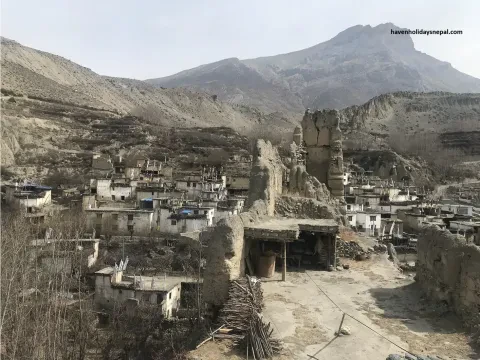
| Upper Mustang | Explore the walled city of Lo Manthang, one of the most remote areas in Nepal |
| Upper Dolpo | Trek to Shey Phoksundo Lake, experience the trans-Himalayan landscape |
| Kanchenjunga (certain sections) | Remote wilderness, giant Himalayan peaks |
| Tsum Valley | Sacred Buddhist valley and ancient monasteries |
By understanding why certain trekking areas in Nepal are restricted, tourists can better appreciate the importance of these restrictions. Although there may be additional steps to plan a trek in a restricted area, such as obtaining special permits, these measures ensure that tourism in these pristine and culturally rich regions is sustainable and respects local cultures and the natural environment.
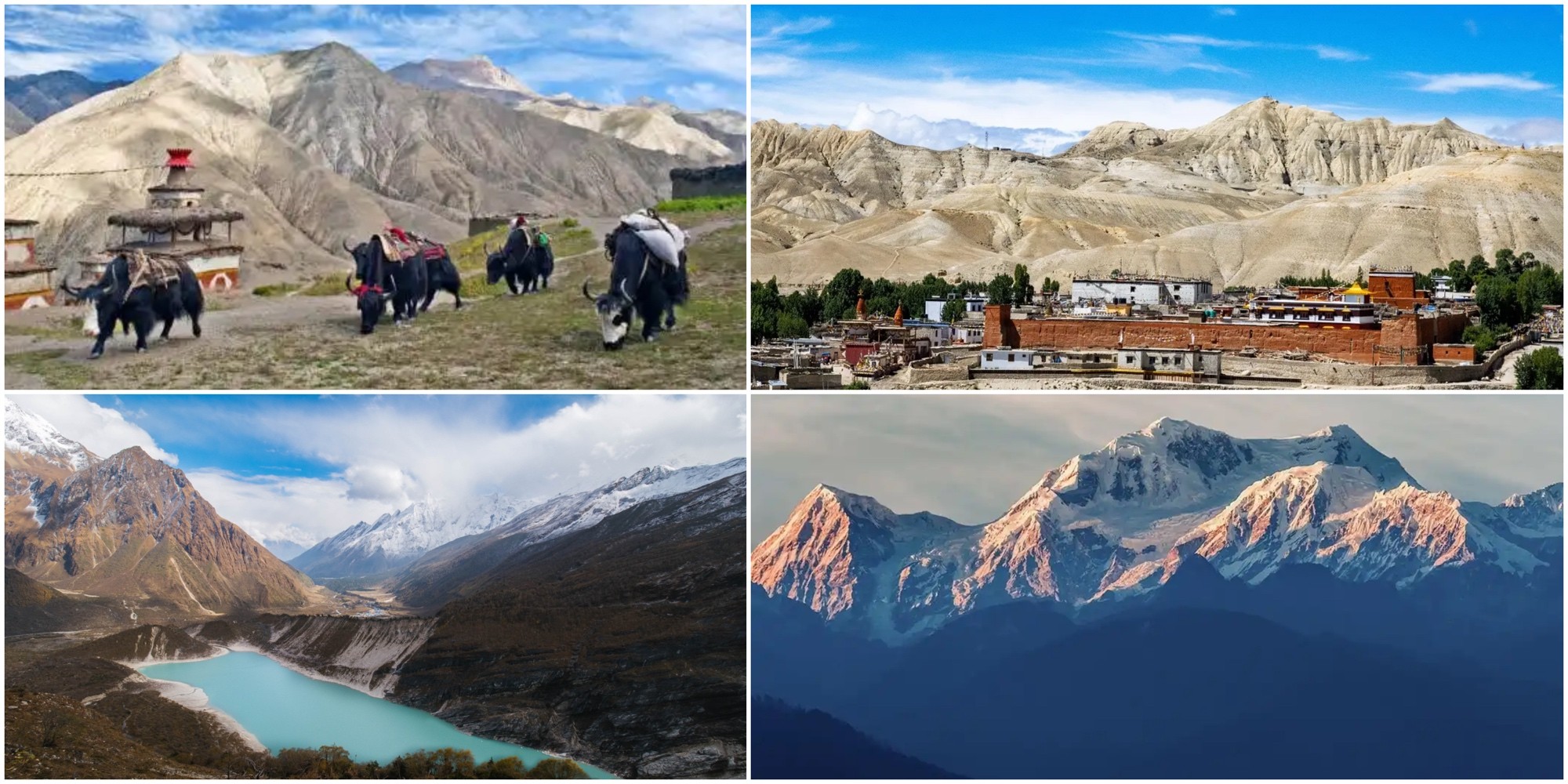
Nepal has several restricted trekking areas requiring a specific permit called the Restricted Area Permit (RAP). Depending on the source, these areas can number anywhere between 13 to 15. The government regularly updates the restricted area permit guidelines, and it is wise to keep an eye on any changes.
The areas are located along the border with Tibet (China) and are restricted for conservation, cultural, and security reasons.
| Restricted Area | District | Main Trek | Permit Required | Difficulty |
|---|---|---|
| Upper Mustang | Mustang | Upper Mustang Trek | Yes (RAP) | Moderate |
| Upper Dolpo | Dolpa | Upper Dolpo Trek | Yes (RAP) | Very Challenging |
| Lower Dolpo | Dolpa | Lower Dolpo Trek | Yes (RAP) | Challenging |
| Manaslu Restricted Area | Gorkha | Manaslu Circuit Trek | Yes (RAP) | Challenging |
| Tsum Valley | Gorkha | Tsum Valley Trek | Yes (RAP) | Moderate to Challenging |
| Nar Phu Valley | Manang | Nar Phu Valley Trek | Yes (RAP) | Challenging |
| Kanchenjunga Restricted Sections | Taplejung | Kanchenjunga Base Camp Trek | Special permit | Challenging |
| Humla (Limi Valley) | Humla | Limi Valley Trek | Yes (RAP) | Very Challenging |
| Simikot–Hilsa Corridor | Humla | Kailash Route | Yes (RAP) | Challenging |
| Lower Mustang (certain controlled sections) | Mustang | Restricted local areas | Area-specific | Moderate |
| Olangchung Gola Area | Taplejung | Great Himalayan Trails Trek | Yes | Challenging |
| Walangchung Gola Region | Taplejung | Great Himalayan Trails Trek | Yes | Challenging |
| Bajhang Restricted Border Areas | Bajhang | Great Himalayan Trails Trek | Yes | Very Challenging |
| Darchula (Api–Nampa border sections) | Darchula | Great Himalayan Trails Trek | Area-specific | Challenging |
| Mugu Border Areas | Mugu | Remote wilderness trekking | Area-specific | Very Challenging |
Note: Some sources may state 13, while others could mention 14 or 15 restricted trekking areas. Some restricted areas permits specify a ward, municipality, or corridor, rather than an entire district.
When trekking restricted areas, you should also keep in mind the following:
Due to the strict limits on the number of visitors, these regions offer a unique opportunity for a more authentic and less crowded Himalayan experience that includes traditional Tibetan Buddhism culture and ancient monasteries.
Restricted area treks in Nepal are considered the ultimate adventures for those willing to explore the lesser-known aspects of Nepal’s Himalayan wilderness.
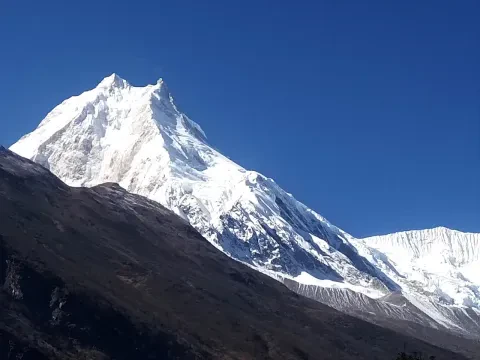
Given the variety of incredible restricted area trekking opportunities, it can be challenging to decide which trek to choose. Each region provides a unique experience ranging from exploring ancient kingdoms and mountainous valleys to crossing high mountain passes and trekking through remote wilderness. The following are some of the most popular restricted area treks for you to consider.
| Trek | Duration | Maximum Altitude | Difficulty | Highlights |
|---|---|---|
| Manaslu Circuit Trek | 14-18 days | Larkya La Pass (5,106 m) | Challenging | Remote circuit, Tibetan villages. |
| Upper Mustang Trek | 12-15 days | Lo Manthang (3,840 m) | Moderate | Ancient kingdom of Mustang. |
| Nar Phu Valley Trek | 10-15 days | Kang La Pass (5,320 m) | Challenging | Medieval Tibetan villages. |
| Upper Dolpo Trek | 20-28 days | Kang La (5,360 m) | Very Challenging | Shey Phoksundo Lake, wilderness. |
| Tsum Valley Trek | 12-16 days | Mu Gompa (3,700 m+) | Moderate | Sacred Buddhist valley. |
| Kanchenjunga Base Camp Trek | 20-25 days | Pangpema (5,140 m) | Challenging | Remote eastern Himalayas. |
| Limi Valley Trek | 18-24 days | Nyalu La (4,940 m) | Very Challenging | Ancient trade routes, untouched culture. |
1. Manaslu Circuit Trek
2. Upper Mustang Trek
3. Nar Phu Valley Trek
4. Upper Dolpo Trek
5. Tsum Valley Trek
6. Kanchenjunga Base Camp Trek
7. Limi Valley Trek
Restricted area trekking guide: Which trek is right for you?
If you want the best restricted area trek for you is…
In fact, every restricted area trek in Nepal is unique and presents different opportunities to experience the remote Himalayan wilderness. However, all these trails provide one common thing – an unforgettable journey deep into the mountains offering spectacular views and authentic cultural experiences. With the right permits, professional licensed guides, and careful preparation, every restricted area trek can become a once-in-a-lifetime adventure.
The Upper Mustang Trek is one of the most unique adventures in restricted area in Nepal. This remote Himalayan region, also known as the Forbidden Kingdom of Nepal, was closed to foreign visitors until 1992. Upper Mustang’s pristine Tibetan Buddhist culture, unique rock-hewn structures, and otherworldly desert landscape are protected by strict permit policies that continue to this day. Trekking through Upper Mustang feels like a pilgrimage to a lost civilization hidden deep in the Himalayas.
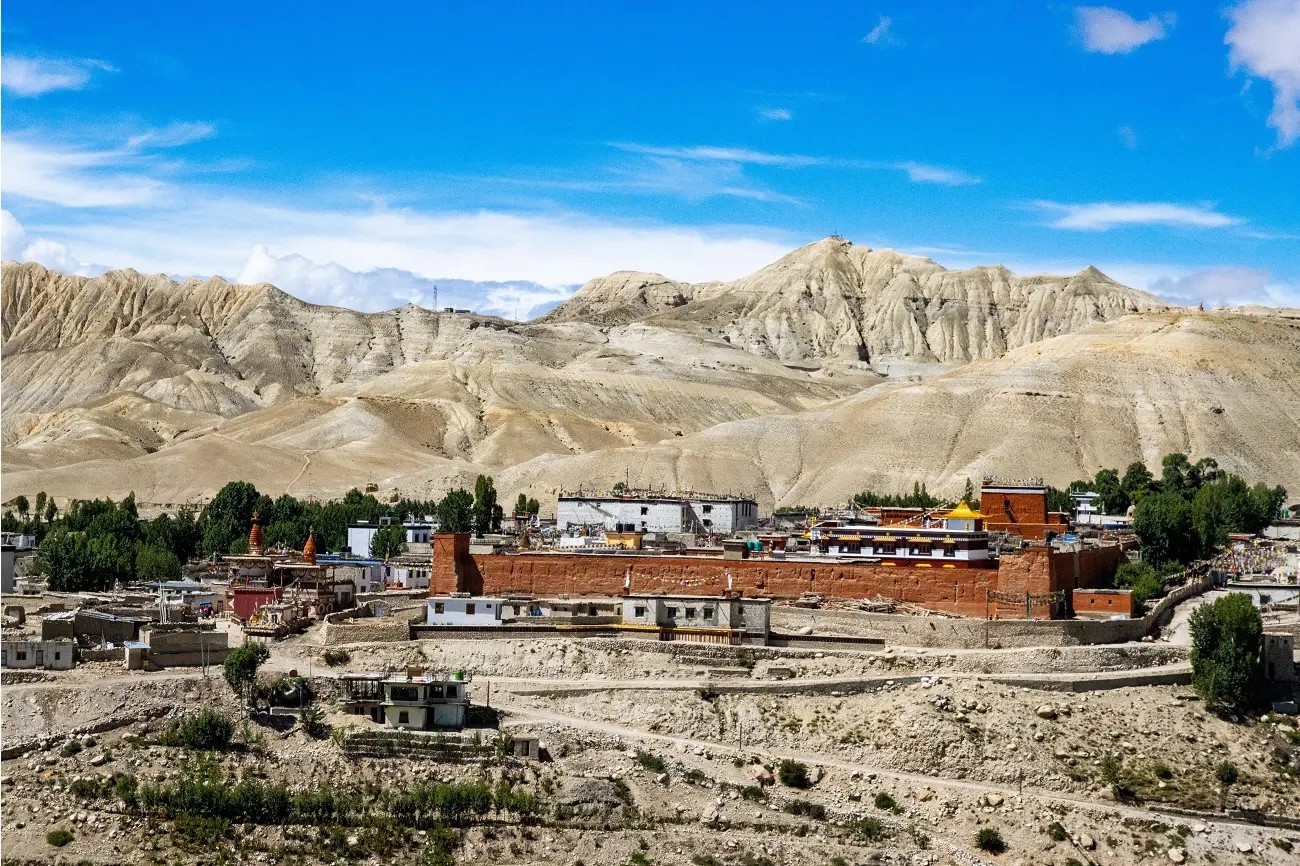
While the popular Annapurna and Langtang regions are characterized by vibrant temperate forests, Upper Mustang is a dry desert of ochre cliffs, sculpted canyons, and colorful ravines under vast skies.
Upper Mustang Trek at a Glance :
Upper Mustang’s Restricted Area Permit (RAP) fee is comparatively high due to the area’s delicate ecological balance and unique cultural heritage, which are preserved through careful regulation of tourism.
Mustang was once an independent Himalayan kingdom with close ties to Tibet. Despite being integrated into Nepal, this unique region has preserved many of its ancient traditions and cultural practices.
Trekking through the forbidden kingdom of Upper Mustang means discovering:
This fascinating mix of cultural and natural heritage makes Upper Mustang one of the most compelling trekking destinations in Nepal.
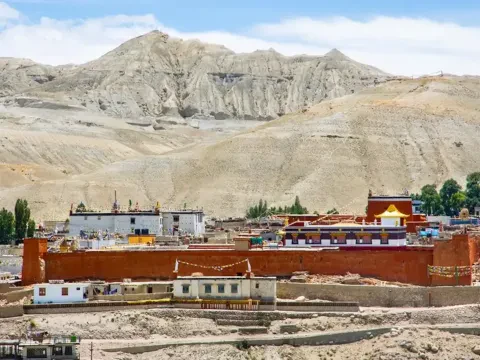
The highlight of any Lo Manthang valley trek is approaching the fabled walled city of Lo Manthang (3,840 m), hidden within the ancient walls, this medieval capital offers stunning views of surrounding peaks and a fascinating glimpse into Tibetan monastic life.
Things to see and do in Lo Manthang:
Despite the increasing number of visitors, Lo Manthang retains its authentic charm as a royal trade center of the past.
Upper Mustang is famous for its thousands of caves carved into sandstone cliffs. Some caves have served as hermitages, meditation spots, burial chambers, and even homes.
The most notable Upper Mustang caves contain beautifully painted murals, ancient Buddhist scrolls, and impressive archaeological finds.
Many caves have been discovered since the region opened to the public in 1992. Excavations and research continue to this day, revealing new artifacts and inscriptions.
Some of the most ancient and impressive caves in Upper Mustang include:
These remarkable structures offer a unique insight into the region’s history and cultural heritage.
In fact, Upper Mustang is one of the most surprising trekking destinations in Nepal due to its dramatically different landscape. Unlike the verdant valleys of Langtang and Annapurna regions, Lower Mustang takes hikers through a dry desert of red clay soil. Upper Mustang’s landscape resembles that of the Tibetan Plateau with its rugged canyons and gorges carved by raging rivers.
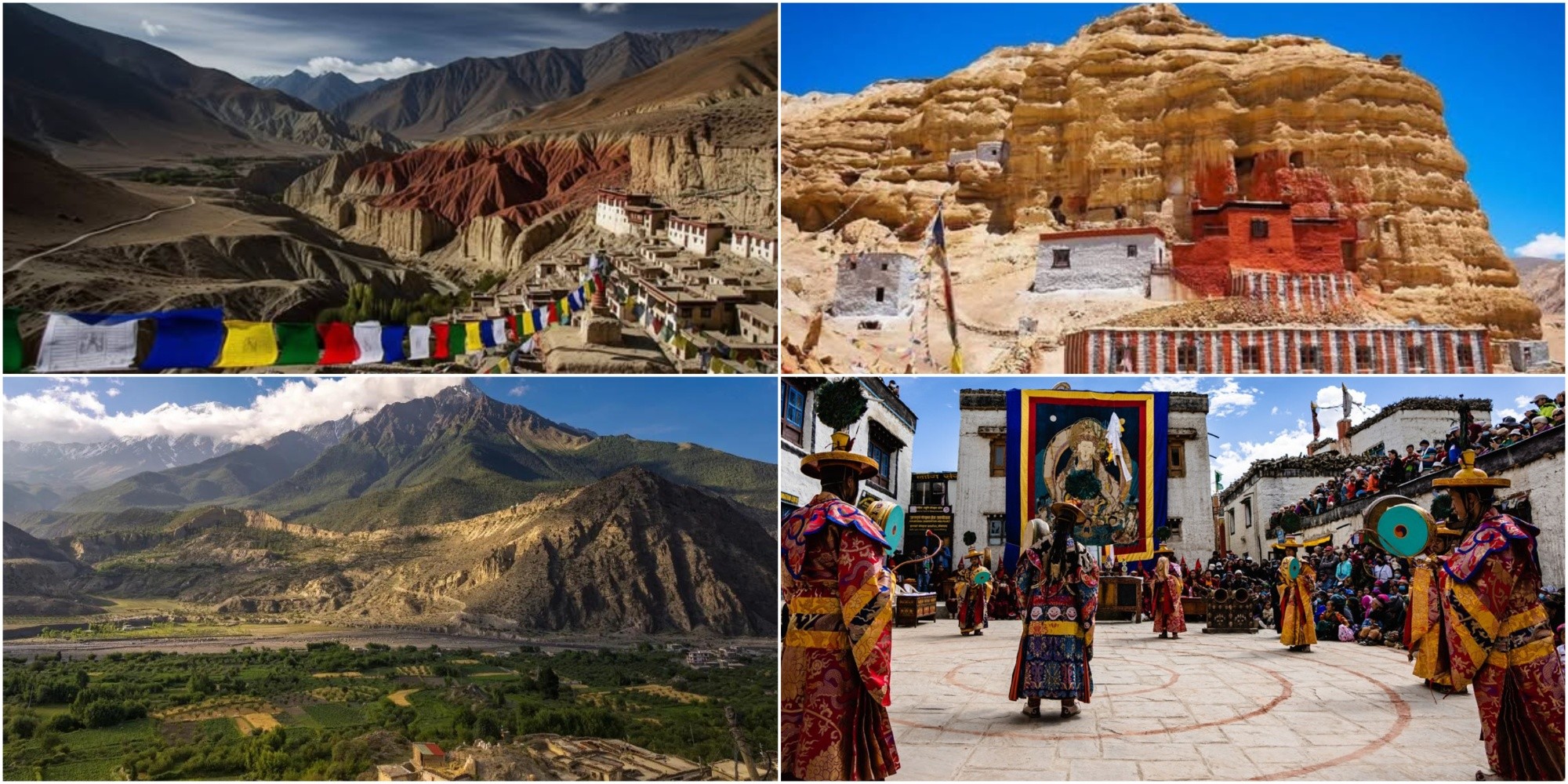
Highlights of Upper Mustang’s spectacular landscape:
The spectacular scenery of Upper Mustang offers excellent photography opportunities throughout the trek.
The people and communities of Mustang continue to practice many ancient Tibetan traditions. These distinct cultural heritage elements set Upper Mustang apart from other Nepalese trekking regions.
Highlights of Tibetan culture and traditions in Upper Mustang:
Tibetan traditions in Mustang region are best experienced in remote villages, where traditional lifestyles and cultural practices have been preserved for centuries.
Upper Mustang is one of the best value treks in Nepal, offering a unique mix of cultural and wilderness experiences. This is a fantastic option for hikers who want to try something different from the ordinary Annapurna trekking trails.
Upper Mustang is also great for:
Upper Mustang’s remoteness and cultural heritage make it one of the most rewarding but lesser-known destinations in Nepal. The trail is relatively easy, with lower altitudes compared to other highland treks in Nepal.
Best for: Cultural enthusiasts, photography, and hikers seeking an alternative Himalayan trekking region in Nepal.
The Manaslu Circuit Trek and Tsum Valley Trek are two incredible Himalayan adventures in northern Gorkha that share the same restricted area. While the Manaslu Circuit takes hikers around one of Nepal’s highest summits climbing one of the most challenging high passes in the country, the Tsum Valley Trek explores a sacred Himalayan valley with fascinating Tibetan Buddhist culture and unique mountain village heritage.
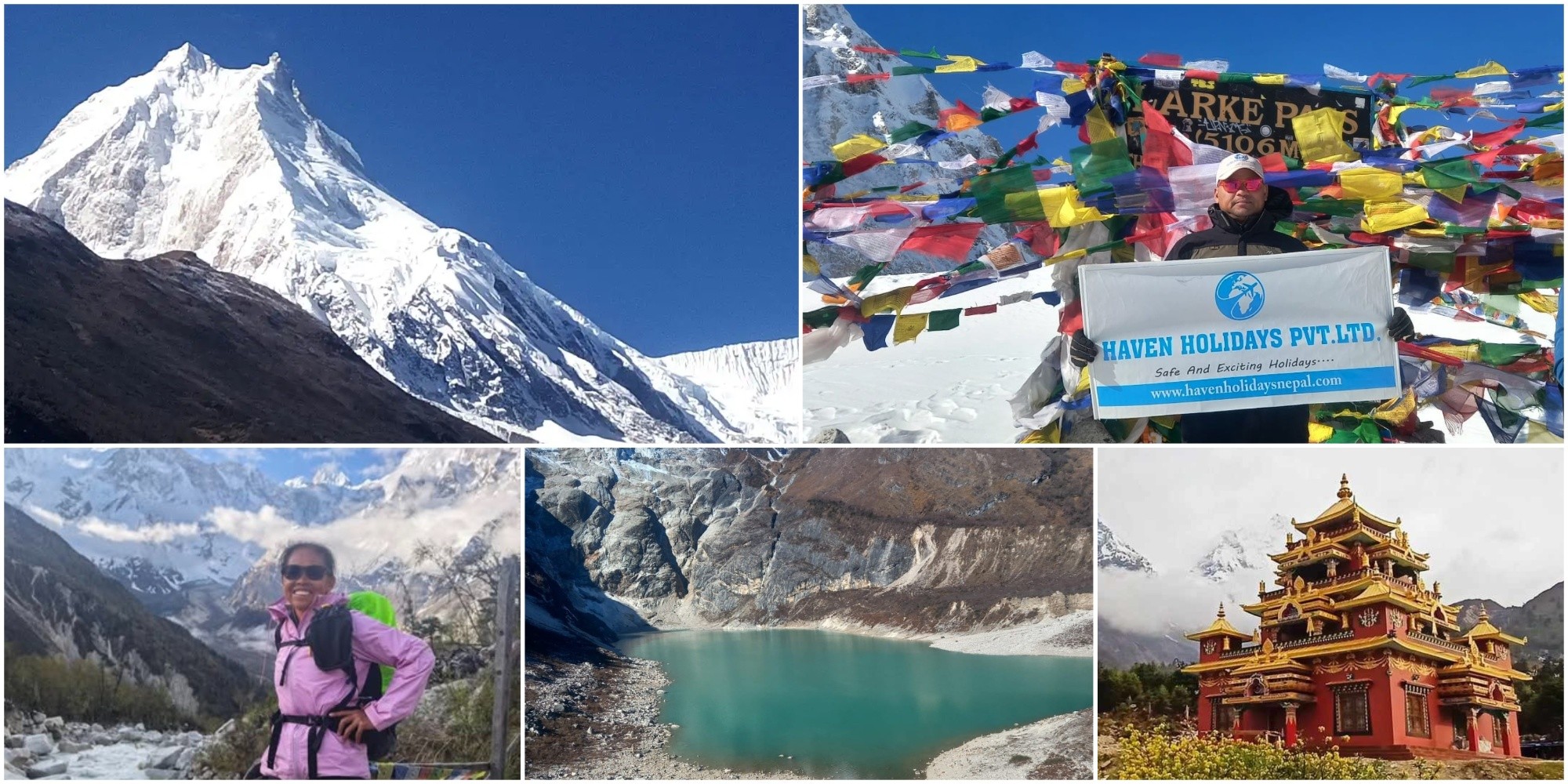
Here, many hikers also opt for the combined Manaslu Circuit and Tsum Valley trekking tour.
| Feature | Manaslu Circuit Trek | Tsum Valley Trek |
|---|---|---|
| Trek duration | 14–18 days | 12–16 days |
| Highest point | Larkya La Pass (5,106 m) | Mu Gompa (around 3,700 m+) |
| Difficulty | Challenging | Moderate to Challenging Highlights |
| High mountain circuit | Ancient Tibetan culture Best for | Experienced trekkers | Cultural immersion |
Moreover, the Manaslu Circuit Restricted Area is one of the best hiking destinations in Nepal. This spectacular trail takes trekkers around Mount Manaslu (8,163 m), one of the highest summits in the world, crossing remote river gorges and pine forests while discovering traditional Gurung and Tibetan villages, their unique monasteries, and age-old cultural heritage.
In fact, the Manaslu Circuit trail offers incredible variety of landscapes from dense forests to high-altitude ridges and glaciers.
On the Manaslu Circuit trekking route, the Larkya La Pass (5,106 m) is the highlight and the most challenging part of the trek. Hiking to the top of this mountain pass is a bucket-list experience for many high-end trekkers who love Himalayan adventures.
Moreover, it is common for Larkya La Pass crossing to start at dawn to avoid afternoon rains and enjoy spectacular sunrise views.
From the summit, you have stunning panoramic views of:
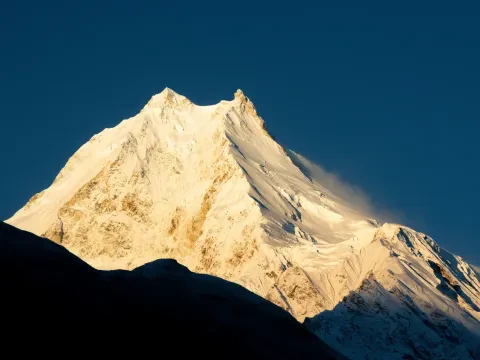
While the Manaslu Circuit trek is all about the challenge of hiking high mountain passes and exploring remote mountainous landscapes, the Tsum Valley trek is a journey into one of the most sacred Himalayan valleys in Nepal.
Often referred to as the hidden valley of happiness, the Tsum Valley region preserves unique Tibetan Buddhist traditions that have survived for centuries.
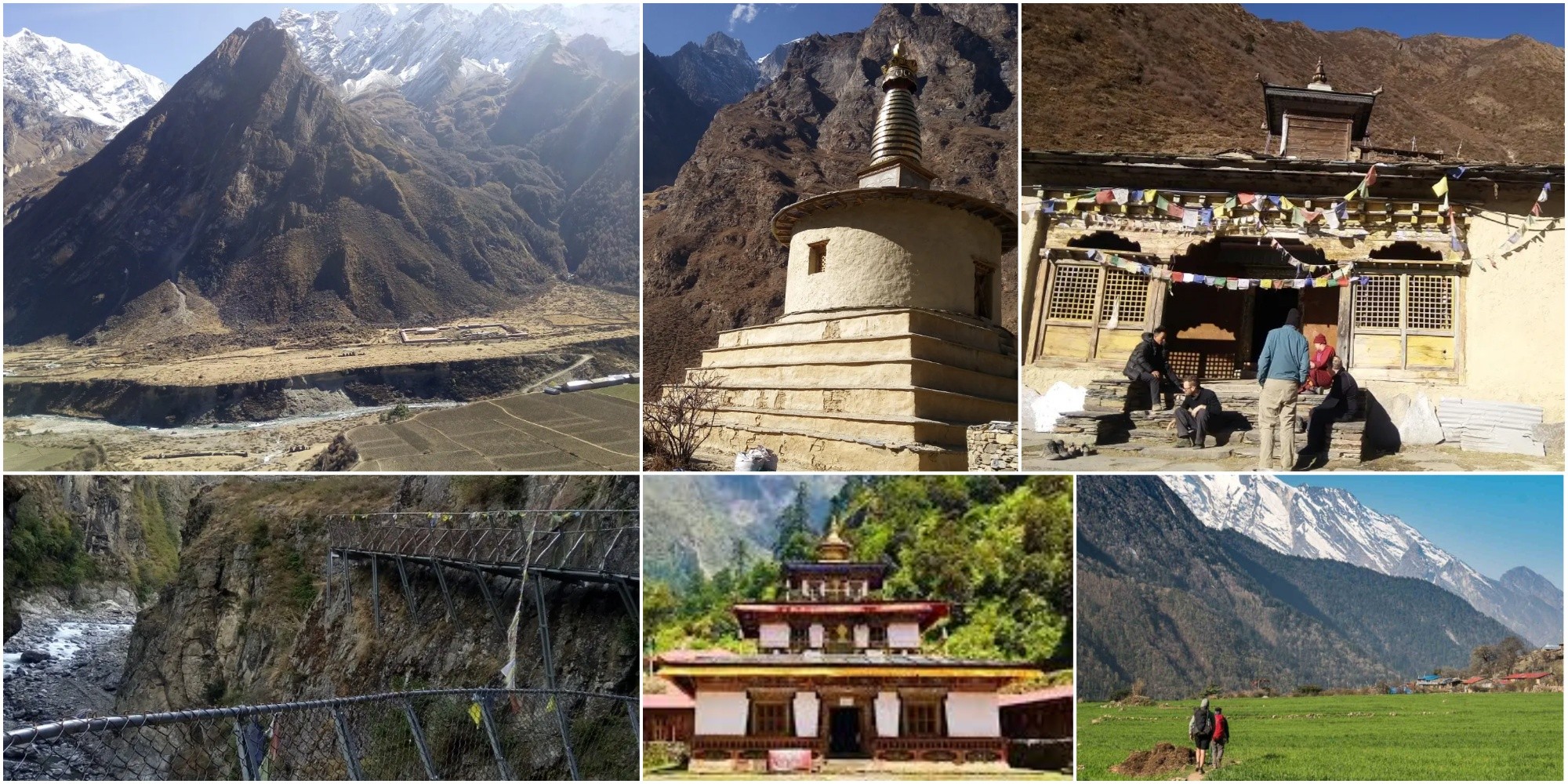
Likewise, Tsum Valley tour is a cultural immersion journey into the heart of one of the most authentic Himalayan valleys in Nepal.
Highlights of this fascinating trek include:
The Tsum Valley trek is a must-do for anyone wishing to explore the unique Himalayan Tibetan Buddhist culture.
Both Manaslu Circuit and Tsum Valley treks showcase incredible cultural diversity of Nepal’s upper Himalayan region. On the lower elevations of the trails, you will find welcoming communities of the Gurung people, who have preserved their ethnic traditions and lifestyles for centuries.
Further up the valleys, the cultural heritage transforms into a unique blend of Tibetan customs, vivid Buddhist iconography, and centuries-old monastic traditions.
Cultural highlights of the Manaslu Circuit and Tsum Valley trek include:
Here, the gradual cultural change along the trails of Tsum Valley and Manaslu Circuit is one of the most fascinating Himalayan trekking experiences you can imagine.
You will need the following permits for the Manaslu Circuit and Tsum Valley treks:
Depending on the timing of your trip and the exact route taken, you may also require a Tsum Valley permit.
Trekking in the Upper Mustang, Tsum Valley, and Manaslu Circuit regions is best enjoyed during the Shoulder Seasons of Nepal, which are spring (February to May) and autumn (September to November).
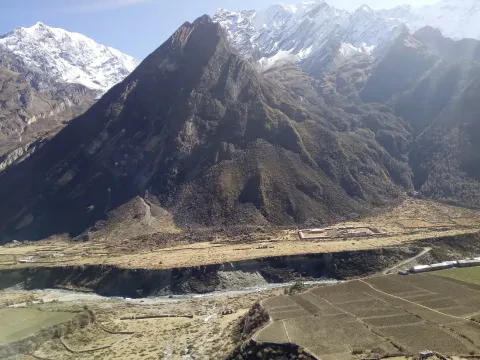
Manaslu Circuit Trek is one of the most spectacular Himalayan treks in this part of the world. This high mountain circuit trail offers incredible adventure and unique wildlife experiences while crossing one of the highest passes in Nepal and discovering breathtaking mountainous scenery and secluded traditional villages.
Likewise, the Tsum Valley trek is a fascinating cultural pilgrimage into the heart of one of the most authentic Himalayan valleys in Nepal. This hidden valley tour is the ultimate cultural immersion into the lives and traditions of the local people, ancient Buddhist practices, and sacred mountain valley landscapes.
While Tsum Valley offers a chance to enjoy spectacular mountain views and tranquil alpine setting, the Manaslu Circuit provides a thrilling Himalayan adventure that includes extreme altitude crossings and secluded high-mountain landscapes.
Many trekkers opt for the combined Manaslu Circuit and Tsum Valley trekking tour as a full 20–24 day long Himalayan adventure to experience the best of both worlds.
Best for: High-altitude trekkers seeking an epic Himalayan adventure and cultural immersion in Nepal’s upper mountain region.
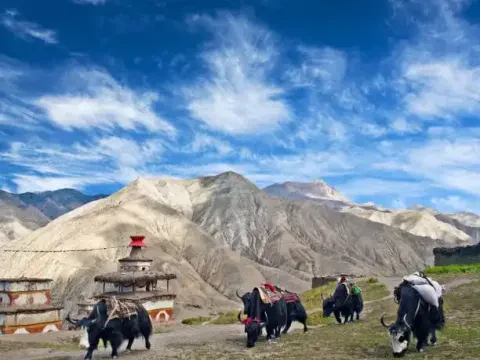
The Upper Dolpo Trek is one of the most remote and challenging treks in Nepal. Nestled deep in the northwest corner of the country, Upper Dolpo restricted area is a wild land of towering mountain passes, expansive trans-Himalayan plateaus, alpine lakes, and ancient monasteries.
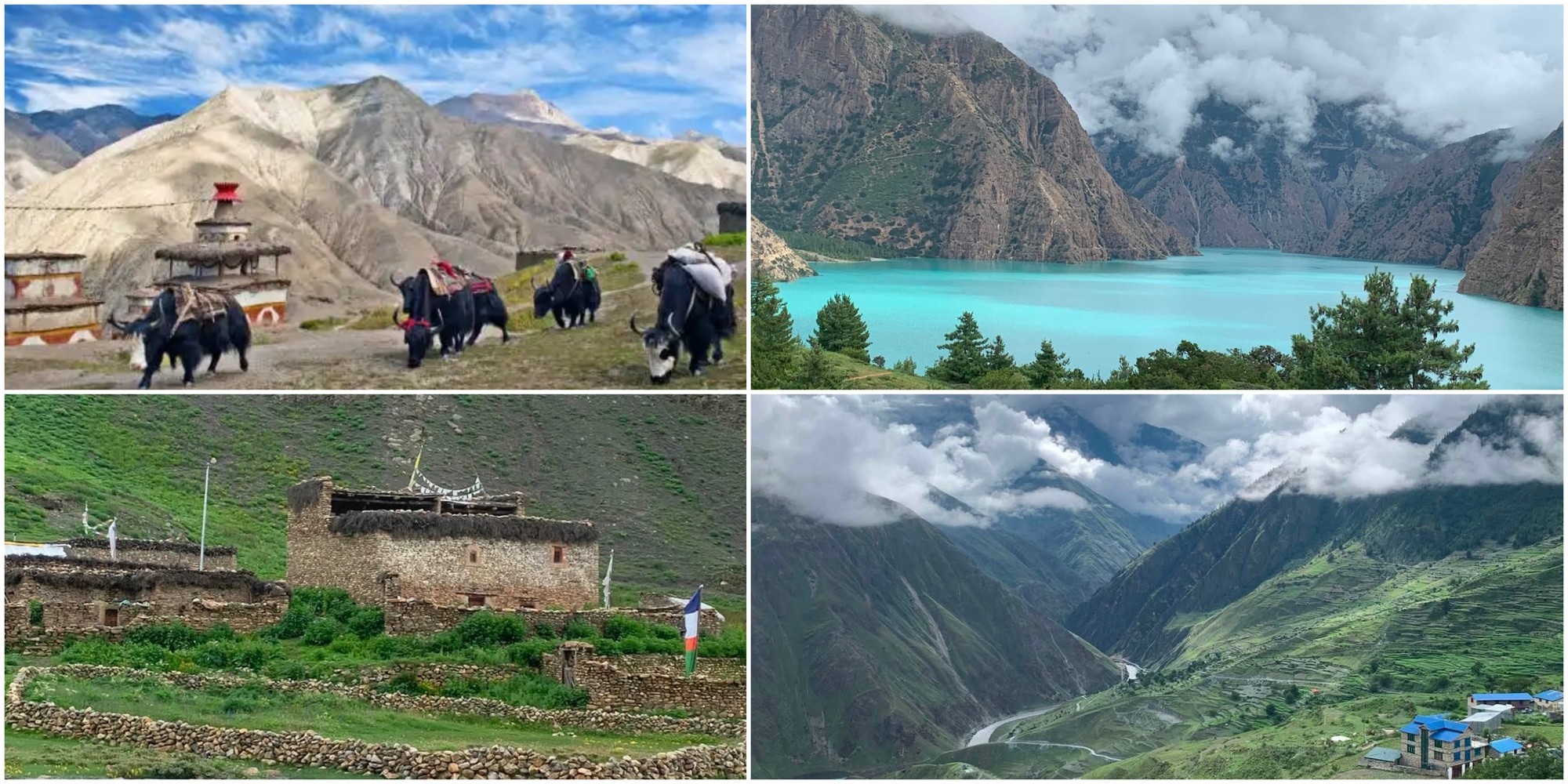
While not as well-trodden as some of the other popular trekking regions in Nepal like Everest or Annapurna, the Upper Dolpo trek still requires a certain amount of time and dedication to complete. The trail is long and winding - but it’s worth it for those who dare to embark on this unique adventure.
Upper Dolpo Trek: At a Glance :
Due to the remote location, permits, flight cost, and overall length of the trek, the Upper Dolpo trek is also one of the most expensive trekking adventures in Nepal.
A Wilderness Adventure
Few regions in Nepal offer the kind of true isolation and sense of wilderness that the Upper Dolpo does. Trekkers in the Upper Dolpo can expect to find themselves miles away from the nearest village, surrounded by sweeping alpine valleys.
On long days, hikers can find themselves trekking through:
Days can go by without seeing another trekker. That makes the Upper Dolpo one of the most desirable trekking destinations for those who want true isolation from the ordinary world. It’s a chance to immerse yourself in one of the few remaining wildernesses on the planet.
The jewel of the Dolpo wilderness is the legendary Shey Phoksundo Lake. The lake’s unique turquoise color is surrounded by towering peaks, waterfalls, pine forests, and ancient monasteries that dot the cliffs. Surrounded by snow-capped peaks, Shey Phoksundo is one of the most stunning alpine lakes in the Himalayas. The lake lies within the bounds of the Shey Phoksundo National Park. In Nepal, this is the largest national park. It’s also said to be one of the most beautiful.
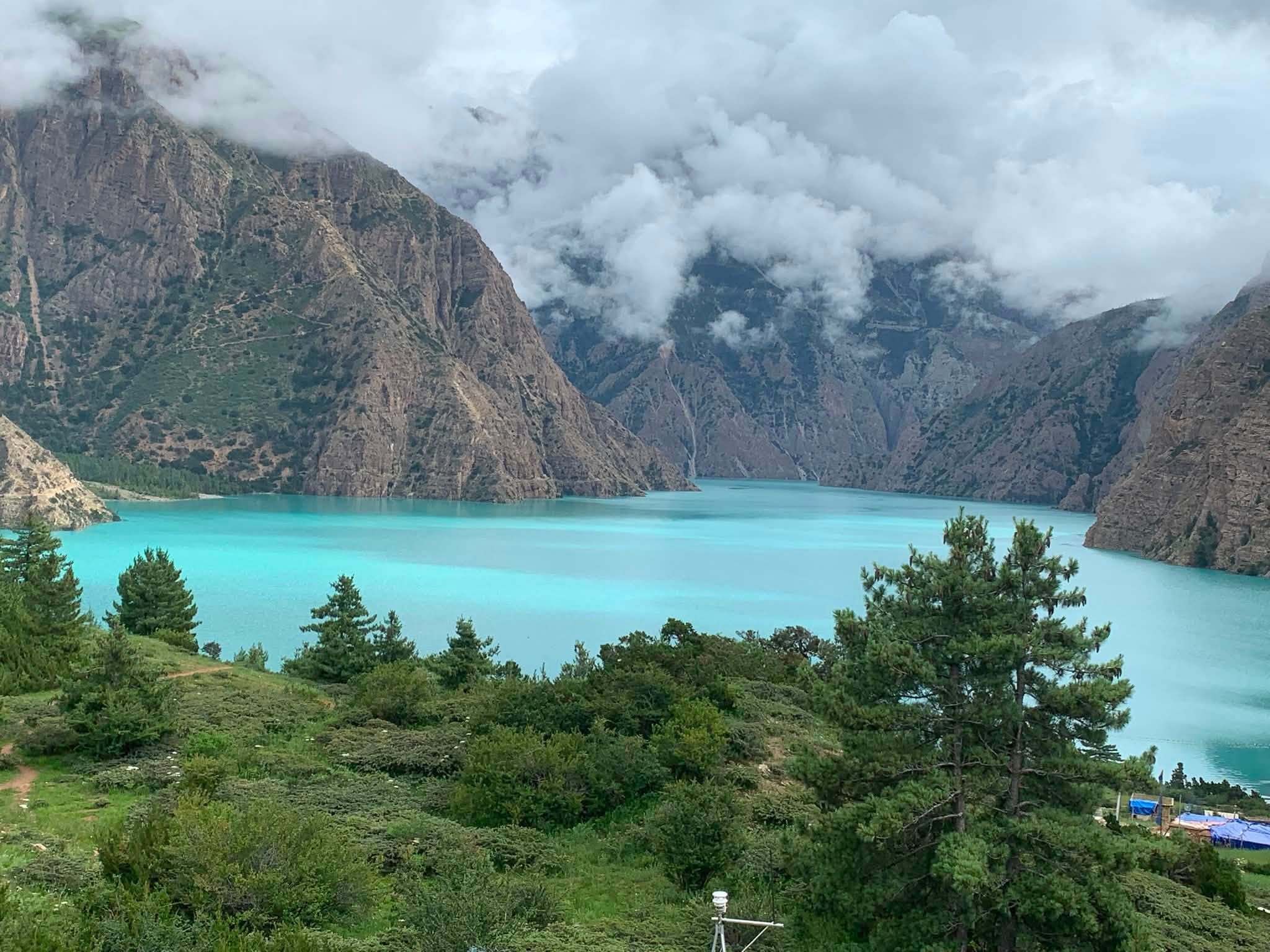
Shey Phoksundo is a must-see for any trekker in the Upper Dolpo.
Upper Dolpo is one of the few places in Nepal where one can experience the ancient traditions of Tibetan Buddhism, as well as the pre-Buddhist religion known as Bon.
From the ancient monasteries, prayer flags, and mani walls to the unique local culture and traditions, the Upper Dolpo is bursting with history and age-old customs. There’s a sense of authenticity and mysticism that permeates the region. Upper Dolpo has a unique cultural heritage that can’t be found anywhere else in Nepal.
The remoteness and wilderness of the Upper Dolpo region have helped to preserve its unique ecosystem and an impressive diversity of wildlife. From snow leopards and musk deer to Himalayan wolves and blue sheep, there’s no shortage of fascinating mammals that call the Upper Dolpo home. The region is also home to rare birds like the Himalayan griffon vulture.
While trekking in Upper Dolpo, you’ll have a front-row seat to this incredible wildlife. However, keep in mind that the wildlife in this region is elusive and difficult to spot.
Here, the Upper Dolpo Trek is recommended for experienced trekking enthusiasts only.
Meanwhile, the trail involves long walks and days, with some of the most challenging mountain passes.
This trek is not recommended for the unprepared and inexperienced. Some of the challenges of the trail are:
To help with some of these challenges, a professional licensed guide is mandatory and should be hired in advance. Additionally, you must acquire restricted area permits before starting your trek.
Why Upper Dolpo?
Upper Dolpo is one of the most rewarding trekking destinations in Nepal. It offers:
Best For,
Experienced trekking enthusiasts who want to experience true wilderness, pass the Kangri La Pass, and witness the ancient traditions of the Dolpo region.
Here are some of the other fascinating restricted trekking routes in Nepal:
Nepal’s famed trails are not limited to Upper Mustang, Manaslu, Tsum Valley, and Upper Dolpo. Here are some of the other outstanding hidden restricted hiking trails that offer unforgettable mountain adventures to hikers, with stunning Himalayan views and an opportunity to explore authentic Himalayan lifestyles.
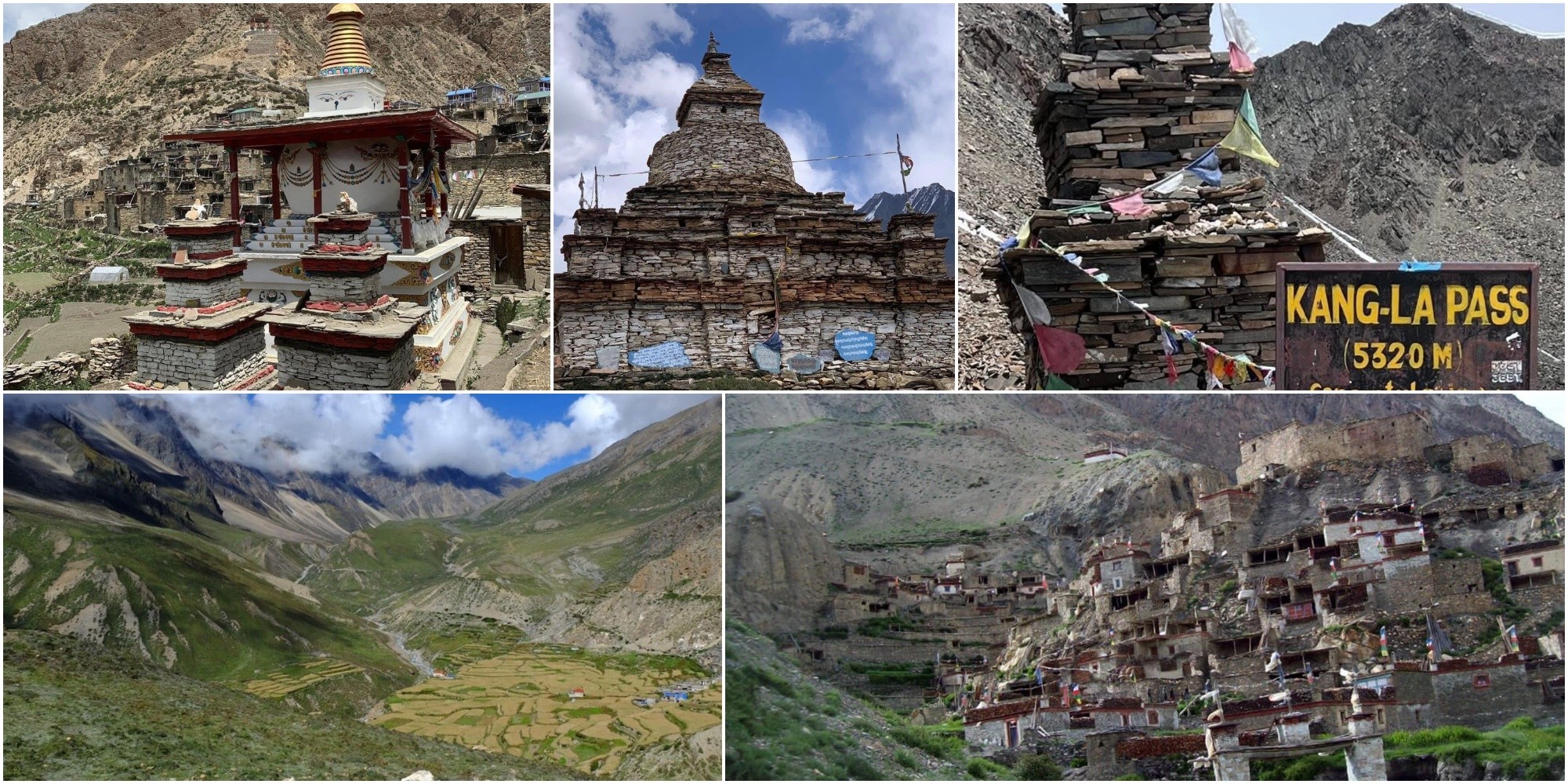
Some of the popular restricted Himalayan treks in Nepal are:
Nar Phu Trek,
The Nar Phu Valley trek is an amazing tour through ancient culture and mountain wilderness. This restricted valley trek in Nepal opened for foreign visitors in 2003 and offers a rare glimpse into medieval-style villages, unique Tibetan Buddhist traditions, and high mountain passes. The trail offers an unforgettable challenge as it crosses the Kang La Pass (5,320 m) on the way to connecting the Nar and Phu Valleys with Annapurna.
Best For: Cultural enthusiasts seeking to explore medieval-style Tibetan villages and isolated high-mountain passes.
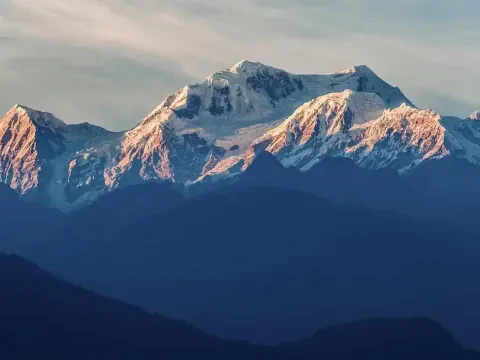
The Kanchenjunga restricted trek explores the remote mountain wilderness around the third-highest mountain peak in the world, Kanchenjunga. This epic trail is one of the most isolated trekking routes in Nepal with minimal foreign traffic, despite being one of the highest mountain ranges in the world.
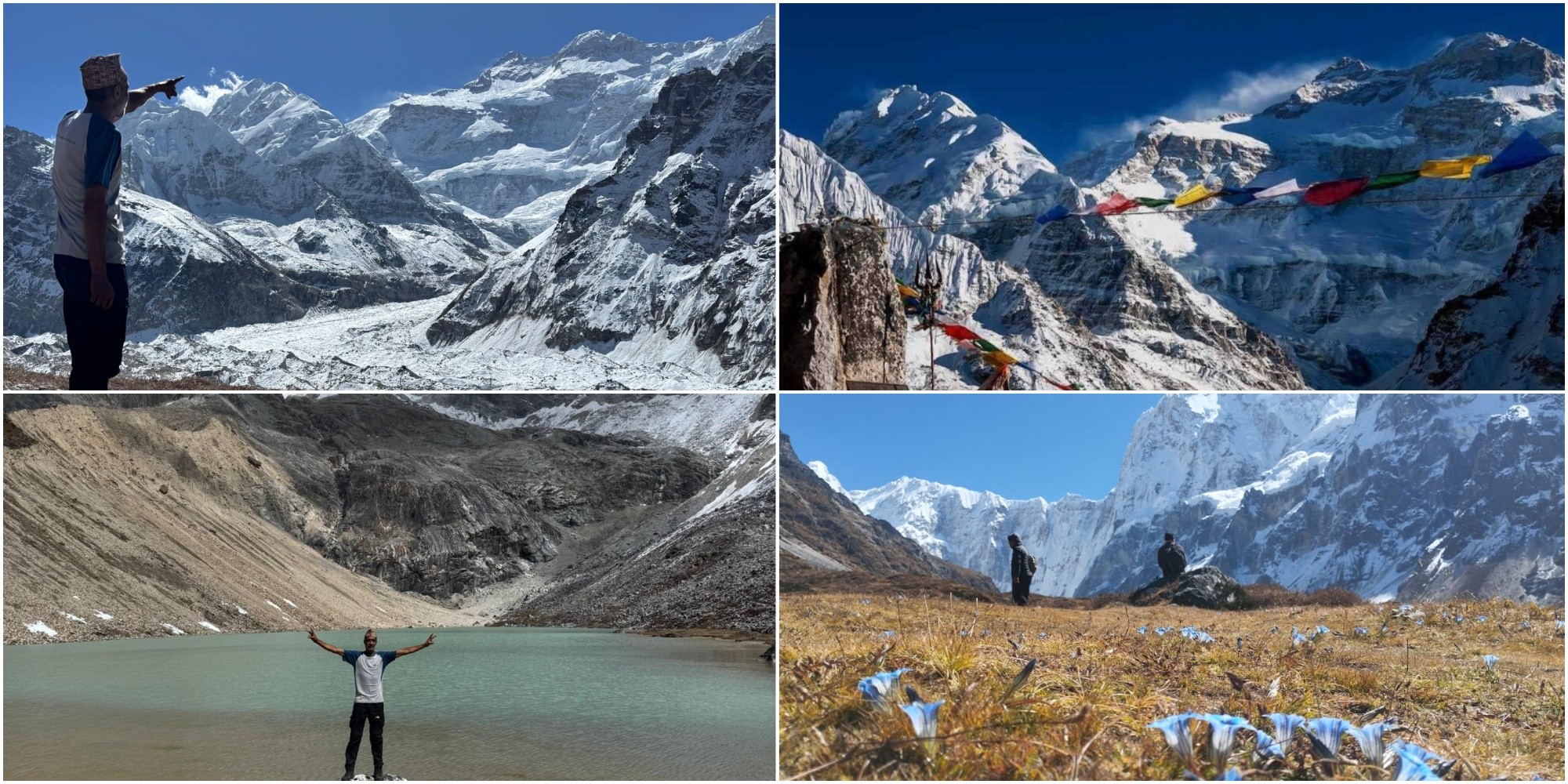
Trekkers are rewarded with stunning Himalayan landscapes and opportunities to see rare wildlife.
Best For: Seeking a wilderness adventure filled with high altitude, remote trails, and epic Himalayan vistas.
Humla and Limi Valley trek is an extremely remote mountain trail stretching through the far west of Nepal. This restricted trail connects ancient monasteries and villages with traditional Himalayan culture. It traverses some of the remotest regions of Nepal, offering spectacular mountain views of high Himalayan ridges and unique highland plateaus.
In fact, this trail is one of the most remote trekking adventures in Nepal. Despite its remoteness, the trail has well-preserved Tibetan Buddhist traditions. The trail is a challenging Himalayan trekking route requiring meticulous planning and is best suited for experienced hikers.
Best For: Adventure seekers hoping to explore the most remote trails and ancient traditions of the Tibetan highlands.
Olangchung Gola is a hidden Himalayan village located in eastern Nepal near the Tibetan border. It’s a historic trading post with strong Tibetan cultural heritage. Few foreign trekkers visit this region, making it an excellent destination for those hoping to enjoy a more local and authentic Himalayan experience.
Best For: Cultural explorers willing to embrace a local Himalayan village experience.
Api-Nampa Conservation Area in far-western Nepal is a great place for adventurous trekkers willing to explore untouched mountain wilderness. The trails in this region boast dramatic valleys, alpine lakes, and dense forests. It showcases a unique cultural heritage and stunning Himalayan landscapes.
Best For: Looking for a wilderness adventure into the uncharted mountainous region of far-western Nepal.
| Trek Name | Duration | Grade| Highlights |
|---|---|---|
| Nar Phu Valley Trek | 10-15 days | Challenging | Ancient Tibetan villages and high mountain passes, |
| Kanchenjunga Trek | 20-25 days | Challenging | Isolated wilderness around the world’s third-tallest mountain, |
| Humla Limi Valley Trek | 18-24 days | Very Challenging | Remote trails around the Tibetan border with ancient monasteries, |
| Olangchung Gola Trek | 16-20 days | Challenging | Unique Himalayan village experience near the Tibetan border, |
| Api-Nampa Trek | 14-20 days | Challenging | Stunning alpine vistas and traditional mountain communities, |
If you want ancient culture, the Nar Phu Trek and Humla Limi Valley Trek are excellent. If you want wilderness, then Kanchenjunga and Api-Nampa are great options. If you like solitude, you might want to consider the Olangchung Gola trekking trail.
While these restricted Himalayan trails may not be as famous as Upper Mustang or the Manaslu Circuit, they offer unique experiences and incredible insights into the lives of people and landscapes that make up Nepal’s rich cultural heritage.
If you intend on doing a RAP trek in Nepal, here are some key considerations. A Restricted Area Permit (RAP) is a special permit issued by the government of Nepal allowing foreign tourists to enter restricted zones on special conditions.
Unlike national park permits, there are additional restrictions on hiking permits in restricted areas. It is mandatory to hire a guide and trekking in groups is also compulsory.
Note: All the permit costs and requirements listed below are current as of 2026–2027. The details may change at any time without notice.
| Restricted Area | Approximate Cost for RAP |
|---|---|
| Upper Mustang | USD 50 for each day |
| Upper Dolpo | USD 500 for first 10 days with additional charges for each day |
| Lower Dolpo | USD 500 for first 10 days with additional charges for each day |
| Manaslu Restricted Area | ( USD 100- 75 for a week)Seasonally varies: weekly charges for September–November is higher than for December–August |
| Tsum Valley | USD 40 in Spring and Autumn and USD 30 in Monsoon and Winter |
| Nar Phu Valley | USD 100 for the first wekk and extra charges (Spring and Autumn) USD 75 in Winter and Monsoon for a week |
| Humla/Limi Valley | USD 50 per person per week and USD 10 extra per day after a week |
| Other Restricted Areas | Government regulations |
The prices listed above are approximate figures. Please double-check the current prices with the government before finalizing your travel plans.
Restricted Area Permits: Additional Permits Required
| Trek | Additional Permits Require |
|---|---|
| Manaslu Circuit Trek | Manaslu Conservation Area Permit (MCAP) + Annapurna Conservation Area Permit (ACAP) |
| Tsum Valley Trek | Manaslu Conservation Area Permit (MCAP) + Annapurna Conservation Area Permit (ACAP) if combined with Manaslu Circuit |
| Upper Mustang Trek | Annapurna Conservation Area Permit (ACAP) |
| Upper Dolpo Trek | Shey Phoksundo National Park Permit |
| Nar Phu Trek | Annapurna Conservation Area Permit (ACAP) |
| Kanchenjunga Trek | Kanchenjunga Conservation Area Permit (KCP) |
Please check for required permits for your trek in restricted area.
General Requirements for RAP,
The general requirements for obtaining a permit for restricted area are:
You might have noticed that special trekking permits in Nepal are expensive compared to conservation area permits.
The extra fees are justified as they contribute to:
The controlled and regulated open permit system helps to maintain the unique charm and tranquility of restricted area trekking.
There are other expenses apart from the restricted area permit fee that you need to consider while planning a restricted area trek.
Most importantly, you will need to pay the guide fee (porter is optional), conservation area entry fees, accommodation, food, transportation, and health insurance.
Do not forget to arrange a budget for emergency purposes :
A restricted area permit is a special permit issued by the government of Nepal allowing foreign tourists to enter restricted zones on special conditions. Unlike other trekking permits, a restricted area permit can only be obtained from trekking agencies registered with the government of Nepal. The process of obtaining a permit is not complicated; however, it does require advance planning.
Applying for a Restricted Area Permit: Step-by-Step Guide
Step 1: Choose a Trekking Agency
Choose a trekking agency that is registered with the government and has licensed and experienced trekking guides.
Here are some of the factors to consider while choosing a trekking agency:
Reputable trekking agencies usually partner with professional tourism associations in Nepal such as Trekking Agencies Association of Nepal (TAAN).
Step 2: Get an Itinerary
The trekking agency will come up with a detailed and realistic trekking itinerary for you.
The itinerary will include the entry and exit points and the dates when you will start and finish your trek. It will also indicate where you will sleep overnight. The permit validity will depend on the itinerary.
Step 3: Provide Required Documents
Most trekking agencies will ask you to provide certain documents. Some of the common documents that you may be asked to provide include:
Step 4: The Agency Submits the Permit Application in Kathmandu
After you have submitted the required documents to your trekking agency, it will submit the restricted area permit application on your behalf to the Department of Immigration in Kathmandu. As an individual foreigner, you cannot apply for a restricted area permit yourself. This is because the application needs to be submitted to the Department of Immigration in Kathmandu.
The requirement is put to ensure that foreign hikers comply with the current government guidelines.
Step 5: Permit Processing
The processing time can also be affected by holidays, government holidays, workload, and other factors. We recommend that you apply for the permit at least a few days before your intended trekking date.
Step 6: Collect Your Permits
A few days before the start of your trek, your trekking agency will collect your restricted area permits, conservation permits, and national park permits (if applicable) and give you a briefing on the trek. You may also be assigned a guide for the trek. Make sure to carry your permits with you at all times during the trek as they may be subjected to random checks.
Additional Guidelines for Trekking in Restricted Areas,
Here are some of the important guidelines to note when trekking in restricted areas:
It is very important to apply for restricted area permits well in advance. This is because permits cannot be issued on short notice due to the complex application process.
| Time before trek | Recommended Activity |
|---|---|
| 1–3 months prior | Book your trek with a trekking agency |
| 2–4 weeks prior | Fix itinerary and travel dates |
| 1 week prior | Submit documents for permit application |
| 2–5 working days | Permit processing |
| Trek day | Collect the permits and get briefed |
Final Thoughts on How to Apply for a Restricted Area Permit in Nepal
Applying for a restricted area permit in Nepal is not as difficult as it seems when you use the right trekking agency. The reason why individual tourists cannot apply for permits directly is because the application needs to be submitted to the Department of Immigration in Kathmandu. By booking early, submitting the required documents in a timely manner, and leaving enough time for permit processing, you will be able to smoothly navigate the process.
One of the most eagerly anticipated trekking restrictions changes happened in March 2026. The Government of Nepal amended the Restricted Area Permit (RAP) guidelines, making the long-standing requirement of at least two foreign trekkers for a restricted area permit obsolete. Thus, the solo tourists gained the ability to apply for restricted region permits without having another trekker in the group.
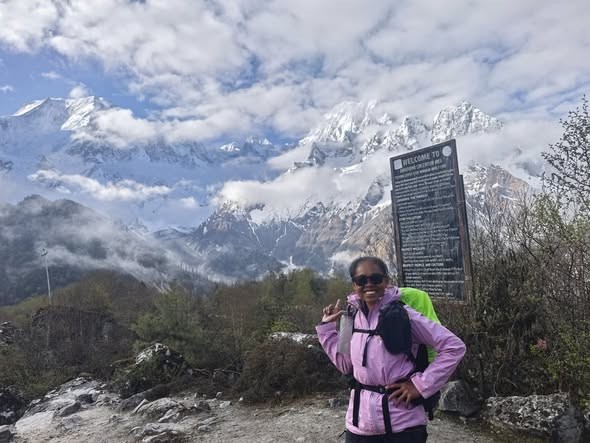
However, that does not mean that solo trekking in Nepal is now allowed. While solo hikers can technically apply for permits individually, independent (unguided) trekking is still prohibited. A licensed guide is mandatory, and the permits must be purchased through trekking agencies.
| Before March 2026 | Since March 2026 |
|---|---|
| Minimum of two foreign trekkers required per RAP | A single foreign trekker can apply for a RAP |
| Solo travelers had to find a trekking partner or join a group | Solo travelers may trek independently (but not unguided) |
| Permit purchased through agencies | Trekking permits still purchased through agencies |
| Licensed guides still required | Licensed guides still required |
Most importantly, the biggest benefit of the new rules is the flexibility they provide to solo travelers. Instead of having to find a trekking partner to meet the requirements of the permit, solo hikers can now simply apply for a permit in their own name.
Solo Tourist vs. Independent Trekker,
It is crucial to distinguish between a solo tourist and an independent trekker.
A solo tourist is:
An independent trekker is:
Despite what has changed in Nepal’s trekking permit rules, several aspects of restricted-area trekking have remained the same.
The new rules regarding solo travelers apply to most of the Nepal’s famous restricted-area treks, including:
Why It Matters,
With the recent rule changes, independent travelers who want to trek in restricted areas in Nepal now have more flexibility in their itineraries. They can enjoy the advantages of solo travel and have the option to make spontaneous decisions while still having the assistance and security of a licensed guide. For many, it represents one of the best updates to Nepal’s trekking rules in recent years.
Selecting the best time to trek restricted areas in Nepal is an important decision and one that should not be taken lightly. Generally, these regions offer a much more challenging trek than the more popular trails found throughout the country. The best time to trek restricted areas in Nepal varies depending on the region, but spring (March to May) and autumn (September to November) are considered the best overall seasons for restricted area trekking.
| Season | Weather | Pros | Cons |
|---|---|---|
| Spring (March-May) | Mild with blooming rhododendrons | Beautiful weather and scenery | Crowded in April-May |
| Autumn (Sep-Nov) | Dry with great mountain views | Excellent trekking conditions | Busiest time of year |
| Winter (Dec-Feb) | Cold with snow at higher altitudes | Great winter scenery | Fewer services available |
| Monsoon (Jun-Aug) | Hot and rainy season | Lush scenery | Bad weather with leeches |
Spring (March-May)
Springtime is one of the best seasons for doing remote Himalayan trekking in Nepal. Expect cool days and warm nights throughout March and April. May tends to get hotter and can often see afternoon rains, though the nights will still be cold and clear.
In spring, you can expect:
Spring is a wonderful time of year for:
Upper Mustang Trek and Upper Dolpo Trek are other great options for trekking in spring. This part of Nepal has a rain shadow, making it generally drier and less rainy than other regions.
Pros :
Cons :
Autumn (Sep-Nov)
Autumn season tends to be the best season for trekking in Nepal’s restricted regions. Having just experienced the summer rains, the mountain vistas are simply breathtaking! Autumn weather tends to produce the most stable and clear mountainous conditions.
Autumn offers:
Autumn season is one of the best times of the year for:
Pros :
Cons :
Winter (Dec-Feb)
Trekking in the winter is possible in some of the restricted regions of Nepal. Due to the high altitude, many trails can be quite challenging in the cold and snowy conditions of the season. However, the views are often spectacular in winter when the skies are clear.
Upper Mustang Trek and Upper Dolpo Trek are two great restricted area treks to consider during the winter season, as they tend to be much drier and experience less snow than other areas.
Winter conditions are characterized by:
Some of the more isolated areas in Upper Mustang and Upper Dolpo can see snow year-round, and cold nighttime temperatures are frequent throughout the region in the winter.
In fact, Larkya La (5,106 m / 16,750 ft), Kang La (5,320 m / 17,450 ft), and other high passes can be particularly challenging to cross in the winter, so extra care should be taken when attempting to trek through these regions during the coldest time of the year.
Monsoon (Jun-Aug),
Monsoon season tends to present the most challenging weather for trekking in Nepal’s restricted areas. Due to the rain, trails tend to be slick, muddy, and difficult to navigate. Unfortunately, landslides are also a frequent hazard during this time of year.
The rainy season in Nepal is generally characterized by:
The exception to this is Upper Mustang Trek and Upper Dolpo Trek, which tend to see much drier conditions due to their rain shadow location. In general, these two treks are actually some of the best options in Nepal for summer trekking.
| Trek | Best Time to Trek |
|---|---|
| Upper Mustang Trek | Spring, Summer, Autumn |
| Manaslu Circuit Trek | Spring, Autumn |
| Tsum Valley Trek | Spring, Autumn |
| Upper Dolpo Trek | Late Spring, Summer, Autumn |
| Nar Phu Valley Trek | Spring, Autumn |
| Kanchenjunga Trek | Spring, Autumn |
| Humla Limi Trek | Spring, Autumn |
High Pass Crossing,
If you plan on crossing any high mountain passes during your trek, it is essential to keep in mind that snowfall conditions can be highly variable. In particular, Larkya La (5,106 m / 16,750 ft) and Kang La (5,320 m / 17,450 ft) passes tend to be impacted the most during the winter and early spring. Thus, it is important to keep these variables in mind and leave yourself plenty of extra time at the beginning and end of your trek in order to accommodate any potential weather delays.
A restricted area trek is considerably more expensive and offers a fundamentally different experience to a trek in the Everest, Annapurna or Langtang regions. The reasons for the higher prices are permits, licensed guides, more remote and isolated routes, and overall more complex logistics. At the same time, exploring an area of Nepal that few foreign tourists are permitted to visit means discovering the country’s most isolated valleys and the most authentic cultural heritage.
Here, the figures below are indicative of 2026–2027 rates and are subject to change based on the time of year, group size and specific route taken, as well as accommodation and meal preferences.
| Trek | Typical duration | Estimated total cost |
|---|---|---|
| Manaslu Circuit | 14–18 days | $1,400–2,300 |
| Tsum Valley | 12–16 days | $1,300–2,100 |
| Upper Mustang | 10–14 days | $1,900–3,000 |
| Nar Phu Valley | 10–15 days | $1,500–2,500 |
| Upper Dolpo | 21–28 days | $3,500–6,000+ |
| Kanchenjunga Base Camp | 20–25 days | $2,500–4,500 |
| Humla–Limi Valley | 18–24 days | $3,000–5,500 |
Notes: The figures are approximate and usually include permits, a licensed guide, accommodation, transportation, and most other logistics. Always ask the trekking agency about details.
Cost Breakdown,
1. Restricted Area Permits (RAP) :
Additional conservation permits (usually much cheaper than RAP) are often needed.
2. Conservation and National Park Permits :
3. Licensed Guide :
4. Porter (Optional, But Highly Advised)
A porter can help you carry your gear and often hike faster and farther than you can manage on your own. The additional cost is minimal compared to the added comfort and convenience they provide, especially on longer hikes at higher altitudes.
5. Accommodation :
6. Food and Drinks :
You should budget around USD 25–45 per person per day for food, including breakfast, lunch, dinner, tea, coffee, and water. Prices tend to rise at higher altitudes due to the cost of transporting supplies.
7. Transportation :
Depending on the region and the route taken, transportation can range from a tourist bus to private jeeps, domestic flights, taxis, and more. Remote and less developed regions like Upper Dolpo, Humla, and Kanchenjunga may require multiple domestic flights, making this one of the largest expenses for a longer trek.
8. Additional Expenses,
Here are some of the additional costs that you can expect during a restricted area trek:
| Description | Approximate cost |
|---|---|
| Restricted area permit | Varies |
| Conservation permits | USD 30–70+ |
| Guide | USD 30–45/day |
| Porter (shared) | USD 10–15/day |
| Accommodation | USD 5–15/night |
| Food | USD 25–45/day |
| Transportation | USD 100–700+ |
| Personal expenses | USD 100–300 |
Why Are Restricted Treks More Expensive?
Compared to regular trekking routes like Annapurna or Everest Base Camp, restricted area treks usually require:
A restricted area trek usually offers much more in terms of unique scenery and authentic cultural heritage, despite the higher costs and greater remoteness.
Money-Saving Tips :
Summary,
Restricted area treks in Nepal are much more expensive and technically demanding than regular treks in popular regions such as Annapurna or Everest. Due to their unique nature, these trails offer unparalleled value for money for those seeking to experience the most authentic side of Nepalese Himalaya. While a trek in a restricted area comes with more challenges than a regular trek, it can also deliver more rewards and a more complete Himalayan adventure.
By preparing in advance, booking with a reputable agency, and planning your finances accordingly, you can avoid most unpleasant surprises and enjoy the beauty of the Himalaya.
Restricted area trekking takes you well away from the typical hiking trails in Nepal. These remote adventures offer incredible opportunities for exploring unique landscapes and encountering fascinating cultural heritage. However, because of the unique circumstances of such treks, being a responsible and prepared trekker matters even more, for your own safety, as well as the safety and well-being of the local community and environment.
1. Train Before You Arrive
Many restricted area trekking routes are very demanding and ask much more of your stamina and endurance than a regular trek. In order to be able to fully enjoy the unique adventure a restricted trek has to offer, it is essential to prepare beforehand.
Specifically, you should:
That way, you will be much more prepared for the long hikes and demanding climbs that a restricted area trek usually involves.
2. Be Careful with Altitude
Altitude is by far the biggest challenge on any high-altitude trek in the Himalaya. Make sure you follow these tips to avoid altitude-related discomfort:
3. Pack Appropriately,
The weather in the mountains can quickly turn from a sunny day to a cloudy one with freezing temperatures and strong winds.
Here are some essentials to pack for a restricted area trek:
4. Follow Your Guide
A licensed guide is mandatory for trekking in restricted areas for good reasons. They provide valuable support and assistance in navigating the trail, dealing with the local bureaucracy, and understanding the local culture and customs. Your guide is also best suited to help you in case of an emergency.
Make sure to follow your guide at all times, including asking for their advice on the trail and respecting their instructions.
5. Stay on Marked Trails
6. Respect Local Culture,
Many of the restricted trekking regions are home to unique cultural heritage, often closely tied to Tibetan Buddhism. Make sure to be respectful of local customs and traditions.
Some practical tips for showing respect to the local culture include:
7. Leave No Trace,
As one of the most pristine wildernesses on our planet, the Himalaya is home to countless species of rare and endemic flora and fauna. In order to preserve these natural treasures, it is essential to follow the Leave No Trace principles both in restricted regions and elsewhere.
Some of the most important principles include:
8. Carry Sufficient Cash
Do not rely on banks or ATMs in the remote regions of Nepal. Make sure to withdraw more cash than you think you may need, and carry smaller bills.
Use cash for:
9. Purchase Comprehensive Travel Insurance
Make sure to purchase comprehensive travel insurance that will cover helicopter rescue services, emergency medical services, and other expenses associated with a restricted area trek. Read the fine print before purchasing your policy, making sure that you understand the terms and conditions.
10. Be Flexible,
When embarking on a restricted area trek, it is important to remember that unexpected and unpleasant events are bound to happen. Weather conditions can change, trails may be closed for various reasons, and other delays may occur. It is therefore essential to build some extra days into your itinerary in case of bad weather or other unforeseen circumstances.
Quick Safety Checklist,
Before you embark on your adventure, make sure to take this safety checklist with you:
Trek Responsibly
Restricted areas are home to unique cultural and natural treasures that deserve to be preserved for years to come. By trekking responsibly and being mindful of your impact on the local community and ecosystem, you can help ensure that these Himalayan gems stay untouched and pristine. Make sure to prepare thoroughly for your restricted area trek, follow the Leave No Trace principles, and respect the local culture and natural environment.
Is restricted area trekking in Nepal worth it? For many trekkers, the answer is undoubtedly yes. It may demand more efforts, higher costs, and require a licensed guide, but the experience of a restricted area trekking can be unique, compared to the standard trekking routes in Nepal. From Upper Mustang/ Tsum to Upper Dolpo/Nar Phu, restricted area trekking is a great option for all types of travelers seeking to get away from the crowds, explore lesser-known Himalayan trails, visit Tibetan Buddhist culture, and witness authentic mountain village life.
Restricted area trekking in Nepal offers a wide range of benefits, including :
Even though restricted area trekking costs more compared to the ordinary trekking like Everest or Annapurna base camp trek, most of the expenses are justified due to the following reasons.
Firstly, a portion of the money spent on the restricted area trek goes into the conservation efforts, community development, and preservation of the local culture. Secondly, since only a limited number of people have access to these trekking routes, permits to these areas are comparatively expensive. On the other hand, with the new 2026 regulations, solo trekkers can apply for a Restricted Area Permit (RAP) and travel without a partner. However, it may still require travelers to hire a licensed local guide and a trekking agency to process the RAP application.
Prior to embarking on your restricted area trekking adventure, you need to do some research to make sure you understand the requirements and have enough time to prepare for the journey. You should also budget wisely for the trip, acquire travel insurance that covers all types of trekking in Nepal, pack appropriately, respect local traditions and restrictions, and leave enough time in your schedule to process the permit application.
Whatever restricted area trekking you choose, the route will take you off the beaten path to the isolated communities of Nar Phu, Tsum, Upper Mustang, or Upper Dolpo. This means that you will have breathtaking views of high-altitude lakes, peaks, and valleys while encountering authentic Tibetan Buddhist culture in the heart of the Himalayas.
Whether you want to challenge yourself by crossing the Larkya La pass or visit Lo Manthang’s intriguing market, a restricted area trek is a must for any adventurer. So, if you are interested in exploring remote Himalayan trails, connecting with local communities, and exploring isolated landscapes in one of the highest tourist destinations in the world, you can rely on local trekking agencies to help you navigate these unique opportunities.
Thus, it is always recommended to travel with certified trekking companies to ensure that your restricted area trek follows all government guidelines and helps conserve the region for future generations of trekkers.
1. What is restricted area trekking in Nepal?
Restricted area trekking refers to trekking in the protected border regions of Nepal which require a special restricted area permit from the Nepal Government for sustainability, conservation, and security reasons. The trekking destinations that require a restricted area permit in Nepal are Upper Mustang, Manaslu, Upper Dolpo, Nar Phu Valley, Kanchenjunga, and Tsum Valley.
2. Which are the best restricted area trekking destinations in Nepal?
Upper Mustang, Manaslu Circuit, Tsum Valley, Nar Phu Valley, Upper Dolpo, Lower Dolpo, Kanchenjunga, and Humla are the best restricted area trekking destinations in Nepal. The restricted area trekking in Nepal is famous for experiencing the remote Himalayan wilderness and Tibetan Buddhist culture.
3. Why does Nepal require a restricted area permit?
Nepal requires a restricted area permit to maintain border security, promote and preserve local cultures and traditions, conserve the rich biodiversity and natural heritage, and for the safety of tourists. Moreover, a restricted area permit regulates tourism activities in the far-off Himalayan border regions. Therefore, it is mandatory to go on a restricted area trek with a professional trekking guide and an authorized trekking agency.
4. Can we do restricted area trekking in Nepal without a guide?
No, you cannot do restricted area trekking in Nepal without a guide. As per the latest rules, you need to hire a government-authorized trekking company that has expert trekking guides and allows a minimum of 2 people on a restricted area trekking tour. Some restricted area trekking routes now permit solo or single hiker expeditions.
5. Which permits are required for restricted area trekking in Nepal?
The restricted area trekking permits required to trek in the restricted areas of Nepal are the restricted area permit (RAP), conservation area permit, and national park entry permit. For instance, to trek Manaslu Circuit, you need the restricted area permit, Manaslu conservation area permit, and Annapurna conservation area permit.
6. How much does restricted area trekking in Nepal cost?
The price of restricted area trekking in Nepal varies depending on the trekking destinations, length of the trek, trekking seasons, guide and porter services, accommodation, and other miscellaneous expenses. The restricted area permit charges differ in different trekking routes.
As compared to ordinary trekking, the restricted area trekking costs a bit higher due to the permits required to trek these trails. However, trekking in restricted areas provides you with a unique Himalayan adventure and an opportunity to explore uncharted territories.
7. What is the best season for restricted area trekking in Nepal?
The best seasons for restricted area trekking in Nepal are spring (March to May) and autumn (September to November). During these seasons, the weather is clear, pleasant, and comfortable for hiking. The mountain views are equally spectacular, and the trail is free from any obstacles like landslides and snowstorms. Upper Mustang and Upper Dolpo are also best explored in the summer season as they are rain-shadow regions.
8. Is restricted area trekking in Nepal safe?
Restricted area trekking in Nepal is generally safe if you go with a professional and expert trekking guide, equip yourself with the necessary travel gear and insurance, and take care of your health accordingly.
A trustworthy trekking company will customize your itinerary to lower the chances of altitude sickness during your restricted area trekking in Nepal. Furthermore, you should follow the instructions of your trekking guide to ensure a safe and comfortable journey in the remote Himalayan regions.
9. Why is Manaslu Circuit Trek considered a restricted area trek?
Manaslu Circuit Trek is regarded as a restricted area trek as it surrounds Manaslu peak to the north of Nepal, near the Tibet Autonomous Region of China. The Manaslu region is rich in cultural heritage ranging from the ancient monasteries to the isolated villages found in this remote Himalayan mountain range.
10. Is Upper Mustang the most popular restricted area trekking destination in Nepal?
Upper Mustang Trek is one of the most popular restricted area treks in Nepal. It is a fascinating trekking trail offering a unique blend of wilderness along with the cultural marvels of ancient monasteries and Tibetan Buddhist traditions. This trekking route is famous as the Last Forbidden Kingdom and is one of the most thrilling and adventurous treks in the Himalayas.
11. How difficult is restricted area trekking in Nepal?
Restricted area trekking in Nepal can be both moderate and challenging. You need to be physically and mentally strong to complete the challenging trekking trails of the restricted areas. With a good level of fitness and proper acclimatization before starting your trek, you can enjoy your restricted area trekking adventure with ease.
12. How long does a restricted area trek in Nepal usually take?
The restricted area trek in Nepal usually takes between 10 to 24 days. It depends on the difficulty level of the trek, the acclimatization process, and the side adventures you might wish to explore along with your main trek. For instance, a Manaslu Circuit Trek that is among the challenging trekking routes in Nepal takes about 14 to 18 days to complete.
13. What accommodation options are available for restricted area trekking in Nepal?
The accommodation options available during restricted area trekking in Nepal mainly consist of tea houses and homestays. These accommodation places offer you the chance to witness the local culture of the Nepalese people. However, the homestays and tea houses available at higher altitudes provide only basic amenities.
14. Do I need travel insurance for restricted area trekking in Nepal?
The travel insurance coverage is mandatory for restricted area trekking in Nepal. A good travel insurance plan should cover high-altitude trekking, emergency helicopter rescue, medical treatment, trip cancellation, and personal liability against accidents. Hence, always make sure to buy comprehensive travel insurance that provides you with all these benefits.
15. What should I pack for restricted area trekking in Nepal?
For a restricted area trekking adventure in Nepal, you should carry layered clothing, a sleeping bag, a windproof and waterproof jacket, and trekking gears. You should also carry along with you travel insurance, medicines, a power bank, drinking water purification tablets, and eye protection, among others.
16. Can a beginner join restricted area trekking in Nepal?
Yes, you can join restricted area trekking in Nepal even if you are a beginner as long as you have an average level of fitness. You should also consider hiring a professional trekking guide and choosing a restricted trekking route that is suitable for a novice trekker.
17. What makes restricted area trekking in Nepal unique?
Restricted area trekking in Nepal allows you to experience a slice of Himalayan culture in the remote mountainous regions of Nepal. It is a unique adventure as it takes you through ancient monasteries and traditional villages untouched by modern civilization. Additionally, you can enjoy the natural beauty and stunning landscapes of the high Himalayas.
18. Can I combine multiple restricted area treks in Nepal?
Yes, you can do multiple restricted area treks in Nepal. Some of the far-off trekking destinations in Nepal require more than one trek in order to reach them. For instance, you can combine a Tsum Valley trek with the Manaslu Circuit Trek in order to explore the uncharted territories of Nepal.
19. How can I book restricted area trekking in Nepal?
You can book restricted area trekking in Nepal through an authorized trekking agency. The trekking agencies will assist you in getting the restricted area permit and other necessary permits for your trekking adventure. You can contact them via email or phone.
20. Why choose restricted area trekking in Nepal over popular trekking routes?
Restricted area trekking in Nepal offers you a chance to enjoy a less crowded and more authentic Himalayan trekking experience. It is a unique adventure as it takes you through remote mountainous regions with rare cultural and natural heritage. Unlike the ordinary trekking routes, which are well-known and frequented by many, restricted area trekking allows you to experience a one-of-a-kind Himalayan trekking adventure and enjoy the wilderness of the high mountains.
Our travel experts are ready to assist you with any questions.
Send us a message.Have a question before you book? Send your enquiry below and our travel experts will get back with the required information.